Colmar
Little Vineyard Route (Colmar Surrounds)
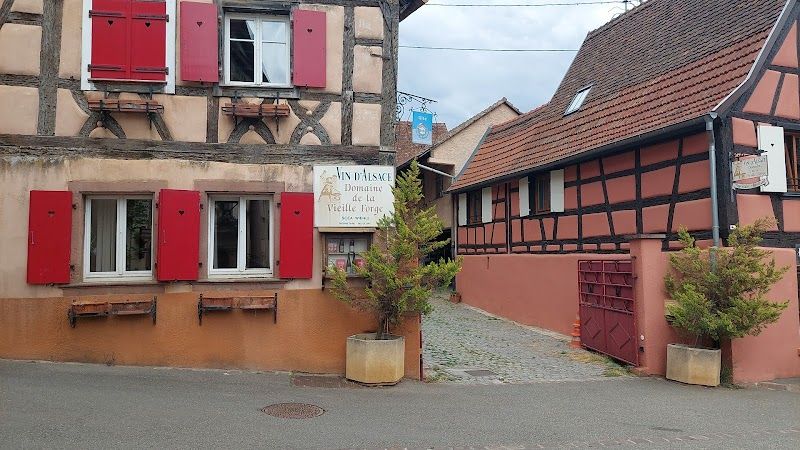
The vineyards start at the edge of town. Turckheim, Eguisheim, and the trail through the vines between them - the start of the wine route proper, walkable from Colmar if you have energy.
About Little Vineyard Route (Colmar Surrounds)
The vineyards of the Route des Vins d'Alsace begin at the edge of Colmar, and the first villages of the wine route are close enough for a half-day trip or even a long walk. Turckheim (10 minutes by car, or 45 minutes on foot through the vineyards) is a small walled village with a gate tower and a night watchman who still does rounds at 10 PM every night in summer - one of the last in France. Eguisheim (15 minutes by car) is a circular medieval village coiled around a central square with a fountain and a chapel. The concentric rings of half-timbered houses create one of the most perfect village layouts in Europe, and it has been voted France's favourite village. Two domaines within the village walls (Domaine Emile Beyer, Domaine Bruno Sorg) offer free tastings at their shops. The Grands Crus vineyards (Eichberg, Pfersigberg) start at the village edge. The trail through the vines between Eguisheim and Turckheim is walkable in about 2 hours and passes through some of the most beautiful vineyard landscape in Alsace.
Things to Do
Top experiences in Little Vineyard Route (Colmar Surrounds)
Petite Venise Canal District
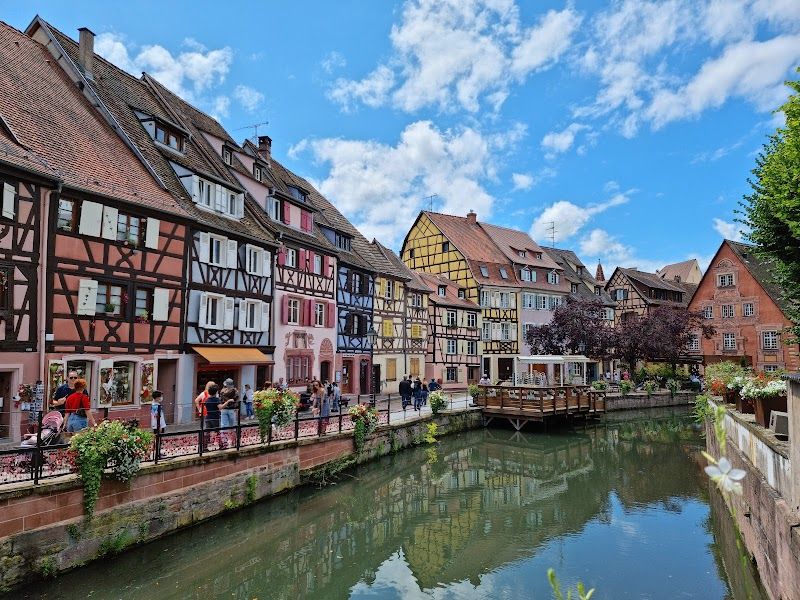
Petite Venise is where Colmar's half-timbered houses hit peak fairy tale ridiculousness along the Lauch River canal. You'll find pastel-painted facades in mint green, salmon pink, and butter yellow with geranium boxes spilling from every window, creating picture-perfect reflections in the still water below. The 30-minute boat rides (EUR 7 from Pont Saint-Pierre, April to October) give you the best perspective since you're floating right alongside these 16th-century houses. The experience feels like drifting through a movie set where everything is almost too pretty to be real. From water level, the house facades tower above you while their reflections create a doubled image in the canal. The Maison Pfister at the canal junction stands out with its octagonal turret and painted murals, while Quai de la Poissonnerie showcases the most intact medieval timber work. You'll hear multiple languages as tourists lean over bridges snapping endless photos. Most people crowd the Pont Tournant for photos, but honestly, the view from Pont Saint-Pierre is just as good with half the people. Skip the middle of the day when tour buses arrive: the lighting is harsh and you'll be fighting for space. The boat ride is worth every euro for the unique angle, but don't expect commentary in English. Early morning or late afternoon gives you golden light and breathing room.
Turckheim Night Watchman Tour
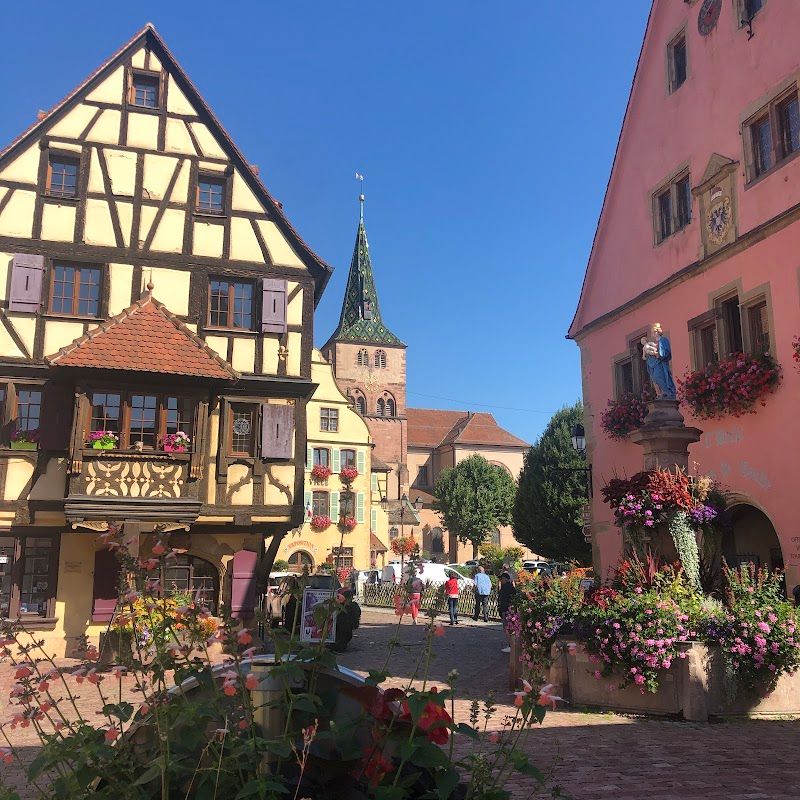
Every night from May through October, Turckheim's costumed night watchman recreates a 500-year-old tradition by patrolling the medieval streets at exactly 10 PM. He carries a lantern, rings his bell, and chants warnings in Alsatian dialect about fire safety and locking doors. You'll follow him through the town's three historic gates (Porte de France, Porte du Brand, and Porte de Munster) as he stops at key points to deliver his melodic proclamations in the local Germanic dialect. The atmosphere feels genuinely medieval as you walk cobblestone streets lit only by streetlamps and the watchman's lantern. The procession moves slowly through Place Turenne, past half-timbered houses, and under stone archways while the watchman's voice echoes off ancient walls. Summer crowds can reach 200 people, but the reverent silence during his chants creates an unexpectedly intimate experience. The Alsatian dialect sounds hauntingly beautiful, even if you can't understand the words. Most travel guides oversell this as some grand spectacle, but it's actually quite simple and repetitive. The charm lies in its authenticity rather than entertainment value. If you're staying in Colmar, the 15-minute drive is worth it, but don't make a special trip just for this. The tour is completely free, though you'll see tip jars afterward. Skip it in peak summer unless you enjoy being part of large tourist crowds.
Domaine Emile Beyer
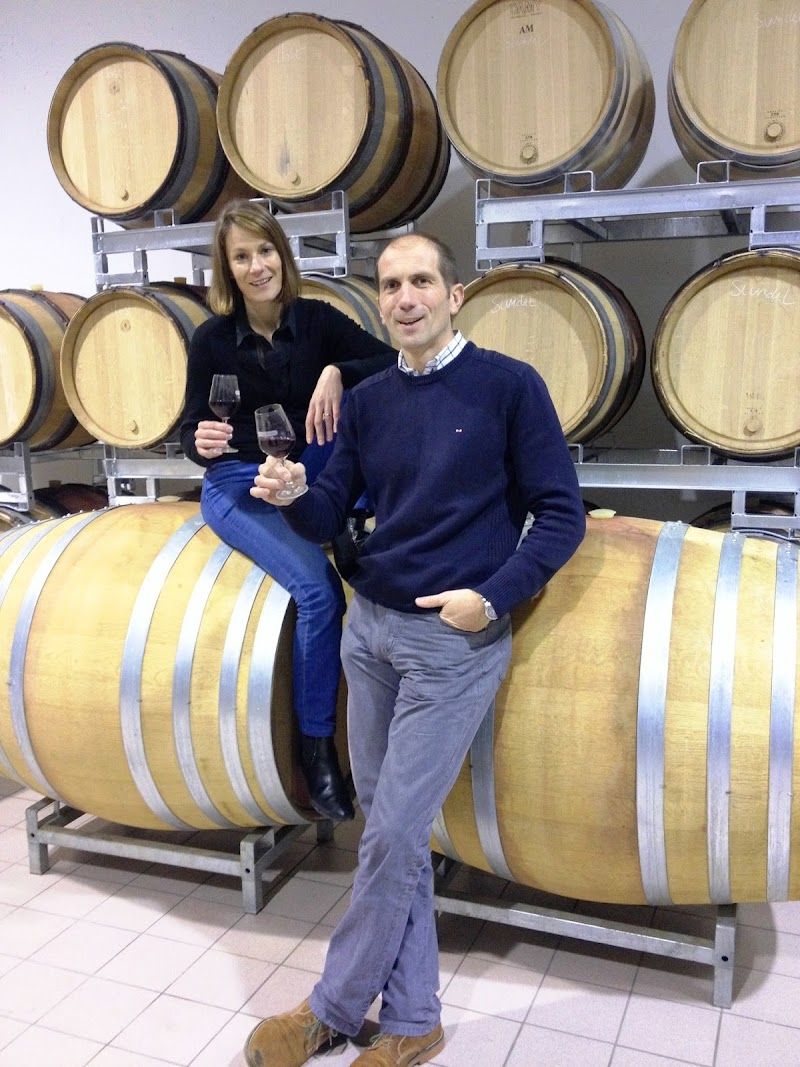
Domaine Emile Beyer sits in Eguisheim, one of Alsace's most photogenic wine villages, where the Beyer family has crafted wines since 1580. You'll taste their acclaimed Riesling and Gewürztraminer in a 16th-century stone cellar that feels genuinely medieval, not tourist-themed. The complimentary tastings include 4-5 wines, and they'll explain the terroir differences between their various vineyard plots without the usual sales pitch. The tasting happens in vaulted cellars with original stonework where wine barrels line ancient walls. It's intimate, usually just your group and maybe one other, with the winemaker or family member guiding you through each pour. Between tastings, you can wander Eguisheim's concentric medieval streets, where half-timbered houses display flower boxes that look almost too perfect. The village feels like a fairy tale set piece, but locals still live here and go about their daily routines. Most wine guides don't mention that Beyer's Grand Cru Eichberg Riesling (around 18 EUR) consistently outperforms bottles costing twice as much. Skip the basic Gewürztraminer and focus on their single-vineyard selections. The village gets packed with tour buses between 11am-2pm, so arrive early morning or late afternoon. You can buy directly from the winery at significantly better prices than in Colmar shops.
Musée du Jouet
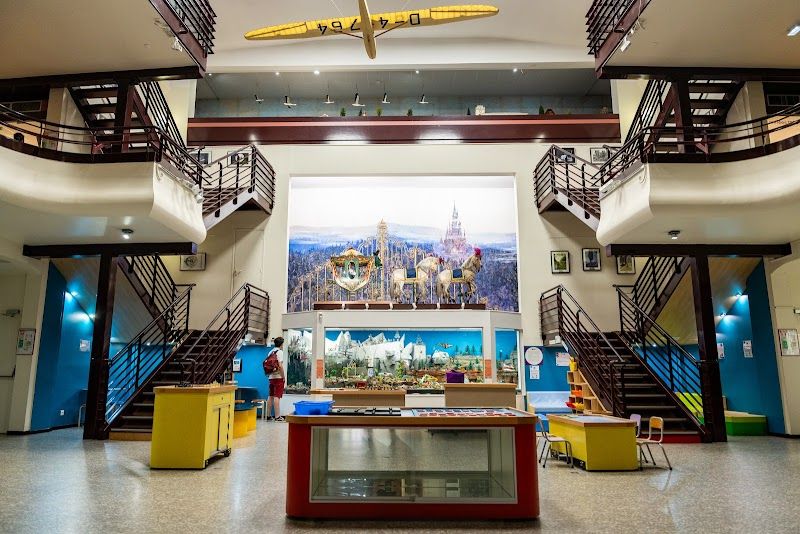
This three-story toy museum occupies a former cinema on Rue Vauban and houses one of France's most comprehensive toy collections. You'll find over 15,000 pieces spanning from 18th-century wooden toys to 1990s video games, including rare Steiff bears, intricate dollhouses, and mechanical tin toys that still work. The collection focuses heavily on European manufacturers like Märklin trains and French Petitcollin dolls, with detailed explanations in French and German (limited English). The visit flows chronologically from ground floor historical pieces up to modern toys on the third level. Each room has a different theme: the doll room feels like stepping into a Victorian nursery, while the train room buzzes with working layouts every half hour. Kids gravitate toward the interactive play corners on each floor, though parents often get more absorbed examining the craftsmanship of century-old automata. The building retains its cinema atmosphere with original Art Deco details. Most visitors spend too long on the first floor and rush the upper levels where the best pieces live. The model railway demonstration happens at 20 and 50 minutes past each hour, not every 30 minutes as advertised. At 8€ for adults and 5€ for kids, it's reasonably priced, but skip it if your children are under 4 since most displays are behind glass. The gift shop sells overpriced reproductions, head to nearby toy stores instead.
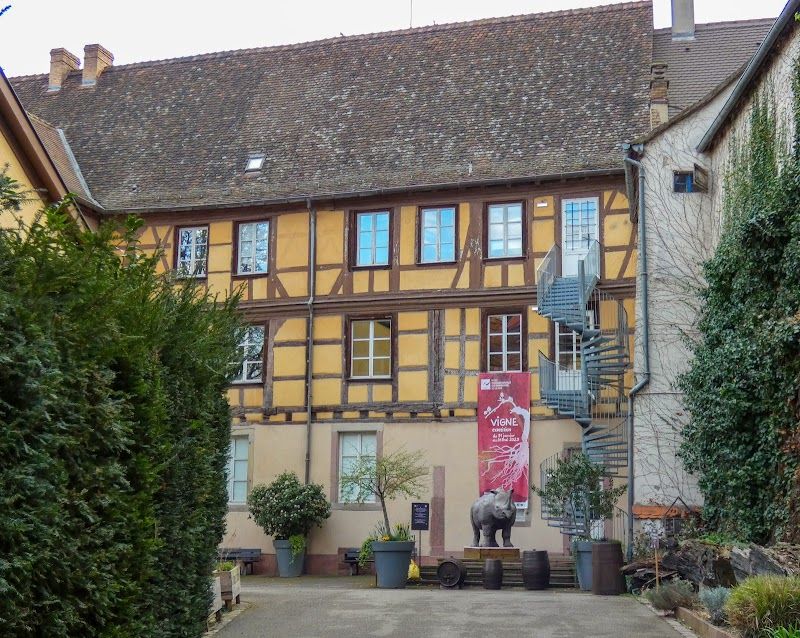
Musée d'Histoire Naturelle et d'Ethnographie
This compact natural history museum occupies a handsome 18th-century mansion and houses an eclectic mix that spans Alsatian folk traditions, African masks, Oceanic artifacts, and local wildlife specimens. You'll find beautifully preserved regional birds, traditional costumes from the Rhine valley, and an impressive collection of tribal art that feels surprisingly substantial for a provincial museum. The ethnographic rooms showcase everything from carved wooden shoes to elaborate traditional headdresses, while the natural history section displays local fauna including some excellent taxidermy work. The visit flows through intimate, well-lit rooms that feel more like exploring a private collector's home than a formal institution. Each gallery connects naturally to the next, and you can easily spend time examining intricate details without crowds pushing past. The African and Oceanic collections occupy the most atmospheric spaces, with dramatic lighting that brings out the craftsmanship in masks and sculptures. Unlike Colmar's tourist-heavy attractions, this place maintains a contemplative quiet that lets you actually absorb what you're seeing. Most visitors rush through in 45 minutes, but you're better off taking the full 75 minutes to appreciate the quality over quantity approach here. The folk art sections can feel repetitive after a while, so prioritize the ethnographic galleries and the excellent bird displays. Standard admission runs about 6 EUR for adults, but that first Sunday freebie makes this an easy addition to any Colmar itinerary without breaking your budget.
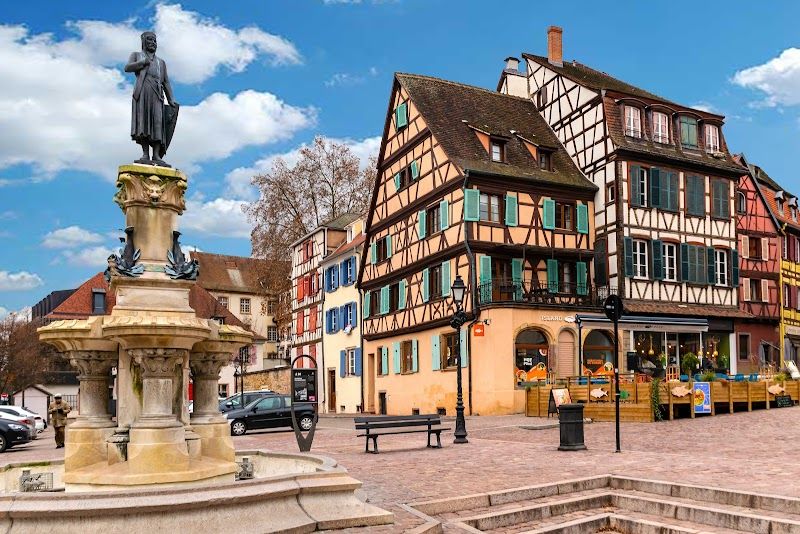
Fontaine Roesselmann
Fontaine Roesselmann stands in the intimate Place des Six Montagnes Noires, a surprisingly peaceful square that most tourists miss entirely. The 1888 Renaissance fountain honors Lazare de Schwendi, the 16th-century nobleman who brought Tokay grape varieties from Hungary to Alsace. You'll find an impressive bronze statue of Schwendi himself crowning an ornate stone pedestal decorated with allegorical figures representing the seasons and wine-making traditions. The fountain sits at the heart of this small cobblestone square, surrounded by typical Alsatian half-timbered houses painted in soft pastels. It's genuinely quiet here, even during peak tourist season, giving you space to appreciate the intricate stonework and bronze details without crowds. The allegorical sculptures around the base tell the story of Alsatian viticulture through symbolic figures, and you can actually get close enough to examine the craftsmanship. Most guidebooks make this sound more spectacular than it is, it's a pleasant 10-minute stop rather than a destination. The real value is the peaceful square itself and the surrounding architecture. Skip it if you're rushing between major sites, but if you're exploring this quieter part of Colmar's old town, it's worth the brief detour. The evening lighting mentioned everywhere is nice but not worth a special trip.
Where to Eat
Restaurants and cafes in Little Vineyard Route (Colmar Surrounds)
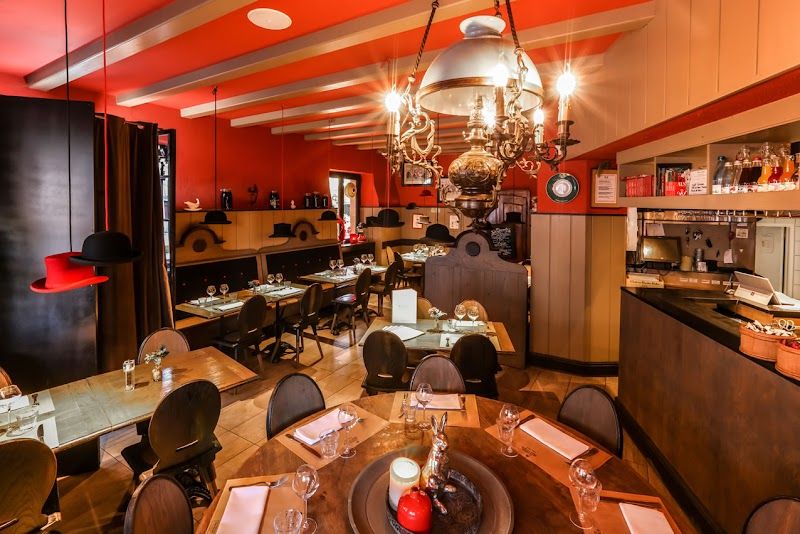
Winstub Brenner
RestaurantFamily-run winstub since 1753 with low ceilings and copper pots hanging from beams. The baeckeoffe (meat and potato casserole) is prepared in traditional terracotta and requires 24-hour advance ordering. Menu written on a chalkboard changes based on what the owner finds at market.
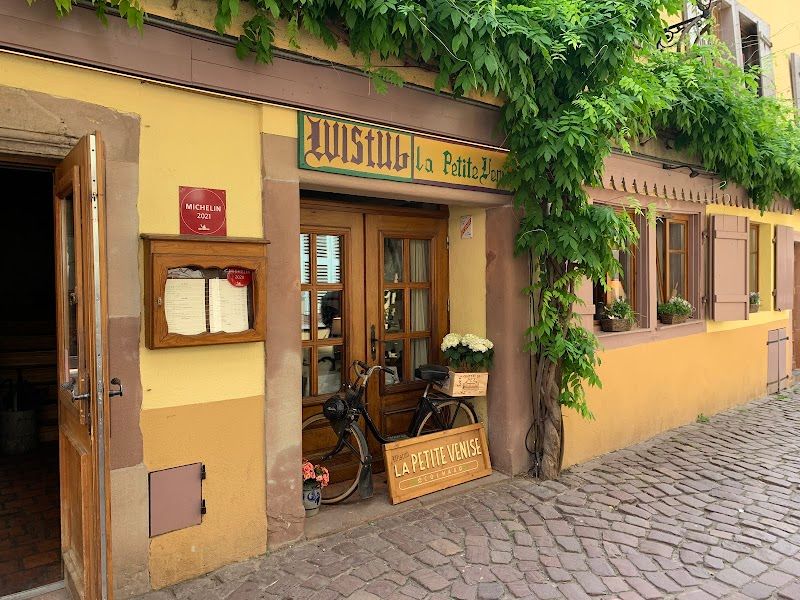
Wistub de la Petite Venise
RestaurantTraditional winstub with wood panelling and checkered tablecloths serving tarte flambee and choucroute garnie in generous portions. The Riesling by the glass pairs well with the Munster cheese plate. Located directly on the canal with views of the half-timbered houses.
Getting Here
On Foot
Turckheim is a 45-minute walk from Colmar through vineyards. Eguisheim requires transport unless you are a dedicated walker (about 2 hours on foot).
Insider Tips
Eguisheim
The circular village is 15 minutes from Colmar by car. Walk the concentric streets, taste at Domaine Emile Beyer or Domaine Bruno Sorg (both free at their shops, EUR 5-10 for structured tastings). Population 1,700, feels like 170. Go before 10 AM or after 5 PM in summer when the tour buses have left.
Turckheim night watchman
The night watchman (veilleur de nuit) does rounds at 10 PM every evening from May to October, lantern in hand, calling out the hours in Alsatian dialect. Meet at the Place de la Republique in the town centre. Free, charming, and one of the last surviving night watchman traditions in France.
Walking the vineyard trail
The trail from Colmar to Eguisheim through the vineyards takes about 2 hours on foot. The path is marked and mostly flat with gentle hills through vine rows. Bring water and sunscreen in summer. The views of the Vosges mountains and the vine-covered slopes are the reward.
Nearby Neighborhoods
Continue exploring
Petite Venise & Old Town
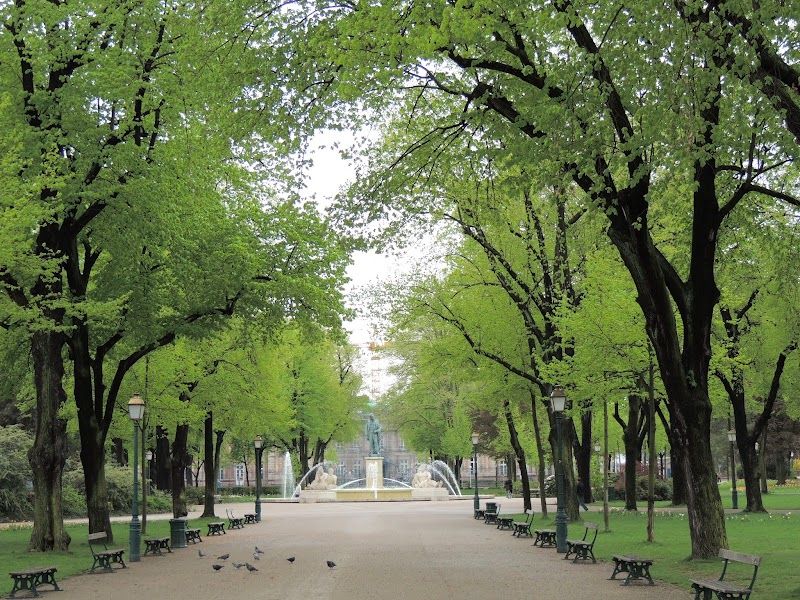
The canal district with the pastel houses, the Pont Tournant, the Maison Pfister (1537), the Collegiate Church of St. Martin, and the pedestrian streets between Grand'Rue and Rue des Marchands.
Unterlinden & Museum Quarter
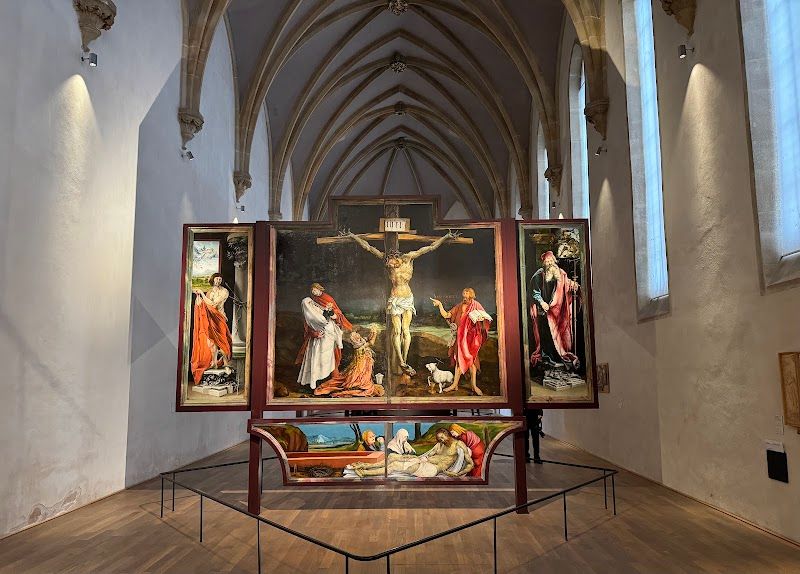
The cultural anchor of Colmar: the Unterlinden Museum with the Isenheim Altarpiece, the Dominican Church with the Schongauer Madonna, Place de la Cathedrale, and the Bartholdi Museum in the house where the Statue of Liberty sculptor was born.
Quartier des Tanneurs
The old tanners' quarter between Petite Venise and the centre: tall, narrow half-timbered buildings where tanners dried hides on the upper floors, now restaurants, wine bars, and artisan shops.
Plan a trip featuring Little Vineyard Route (Colmar Surrounds)
Get a personalized Colmar itinerary with Little Vineyard Route (Colmar Surrounds) built in.
Start Planning