Colmar
Petite Venise & Old Town
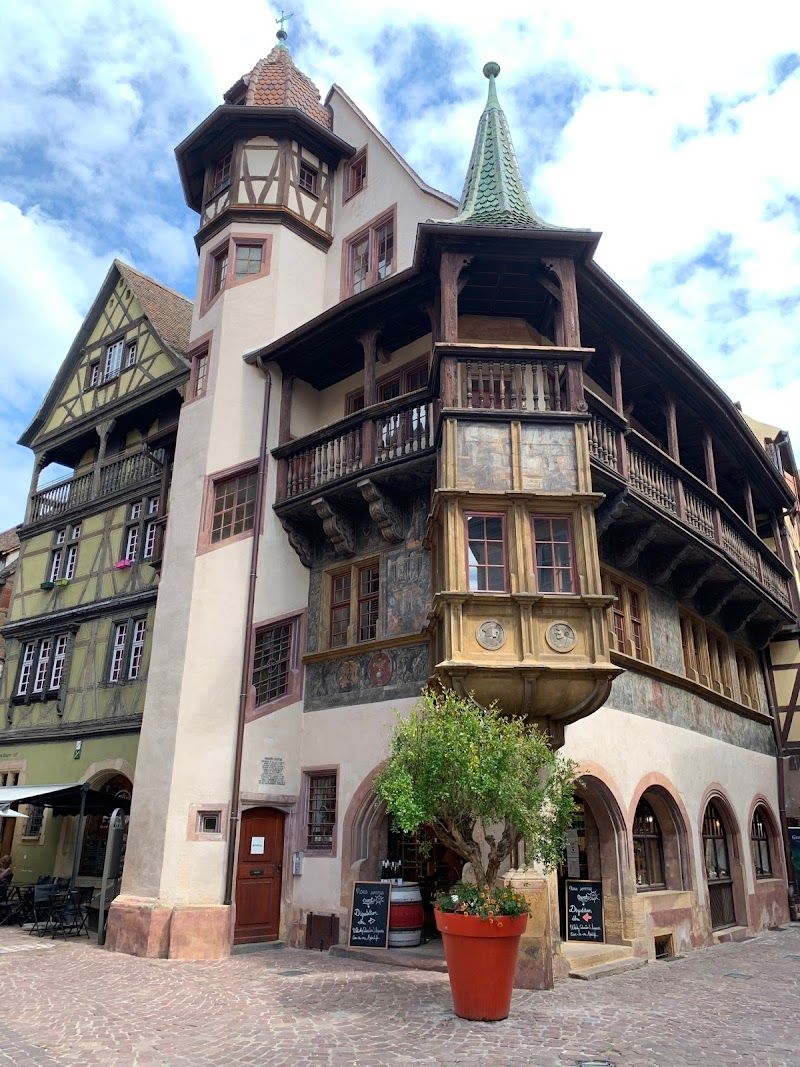
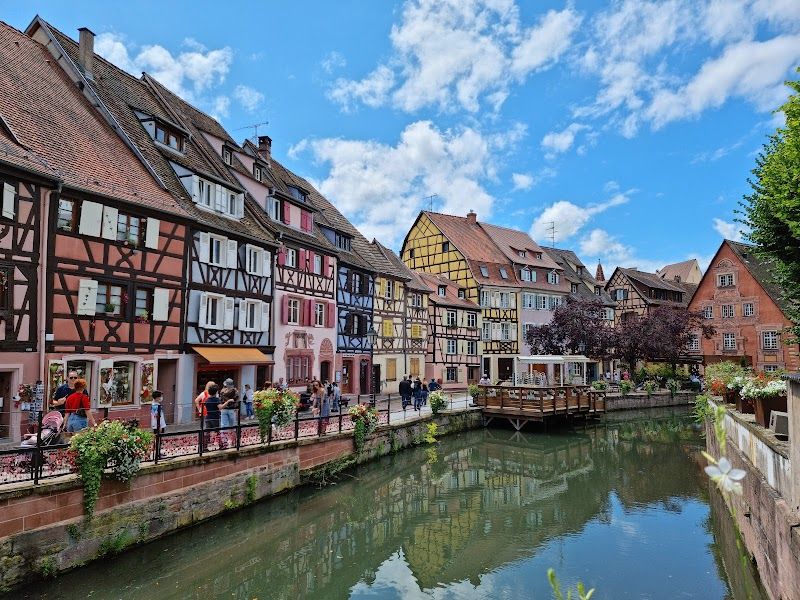
The canal district with the pastel houses, the Pont Tournant, the Maison Pfister (1537), the Collegiate Church of St. Martin, and the pedestrian streets between Grand'Rue and Rue des Marchands.
About Petite Venise & Old Town
Petite Venise is the heart of Colmar and the reason most people come. The Lauch River splits into narrow channels here, and the half-timbered houses that line the banks are painted in pastels that have been photographed so many times they have become the symbol of the entire Alsace region. The Pont Tournant (the rotating bridge) is where every photographer stands, and the view from here - pastel facades reflected in the canal, geranium boxes on every window, a narrow boat sliding through - is exactly as good as the postcards suggest. The Maison Pfister (1537) is the most ornate half-timbered house in Alsace: a corner building with painted murals, a covered gallery, and an octagonal turret. The boat rides (EUR 7, 30 minutes) leave from the Pont Saint-Pierre and are worth it for the water-level perspective. The Collegiate Church of St. Martin anchors the northern edge with its Romanesque and Gothic stonework. The pedestrian streets between Grand'Rue and Rue des Marchands are where the shops, galleries, and winstubs concentrate. Beautiful and busy from 10 AM to 6 PM - go early or at twilight for the best light and fewest people.
Things to Do
Top experiences in Petite Venise & Old Town
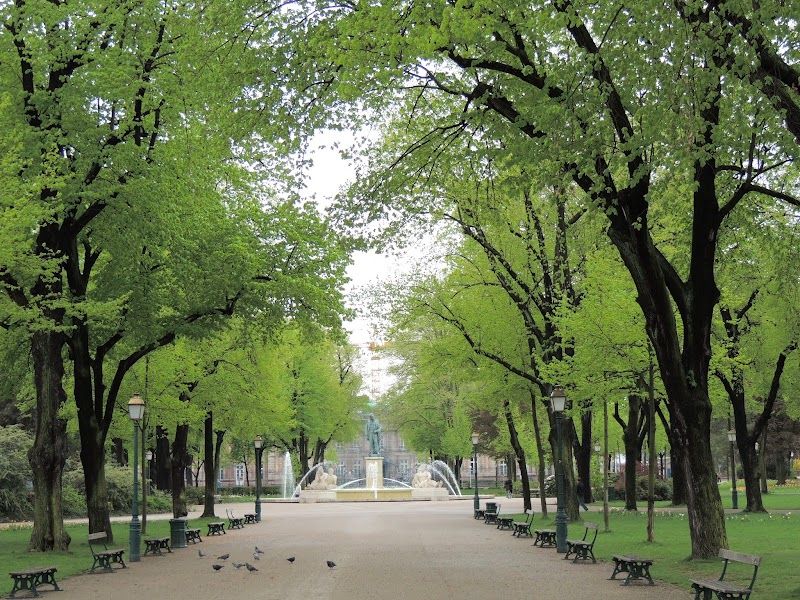
Parc du Champ de Mars
Parc du Champ de Mars serves as Colmar's main green lung, stretching along Avenue de la République where the old town meets the newer districts. You'll find wide gravel paths perfect for jogging, clusters of mature plane trees offering shade, and the park's star attraction: a 12-meter replica of the Statue of Liberty honoring Auguste Bartholdi, Colmar's most famous son. The park also features a decent playground, open lawns for picnics, and benches positioned for people-watching. The atmosphere here shifts throughout the day, starting quiet with dog walkers and joggers in the morning, then filling with families by afternoon. The Liberty statue dominates the northern end, and you'll constantly see tourists posing for photos while locals treat it as background scenery. The gravel crunches underfoot as you walk the main paths, and the mature trees create natural corridors that feel surprisingly spacious for a city center park. Most guides oversell this as a major attraction when it's really just a pleasant city park with one notable feature. The Liberty statue is worth a quick photo, but don't expect the impact of seeing the original. The playground equipment looks recently updated, making it genuinely useful if you're traveling with kids. Skip the southern section near the road, which gets noisy with traffic, and focus your time around the statue and the quieter western paths where locals actually hang out.
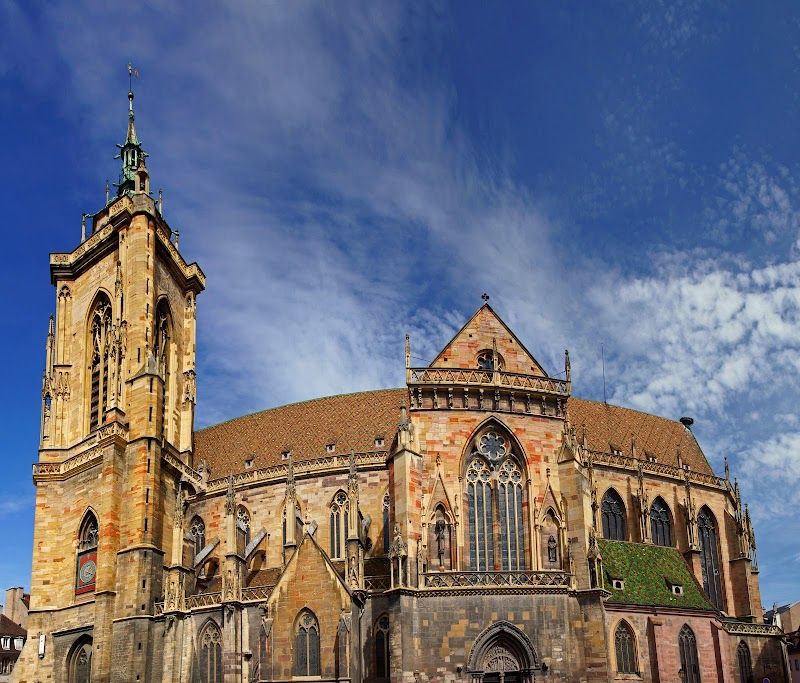
Collégiale Saint-Martin
Collégiale Saint-Martin stands as Colmar's primary church, showcasing a fascinating blend of 13th-century Romanesque foundations with 14th-century Gothic additions. The copper-green roof and bell tower serve as navigation points throughout the old town, while inside you'll find some of Alsace's finest stained glass and a remarkable 1755 Silbermann organ. The church occupies the heart of Place de la Cathédrale, surrounded by the colorful half-timbered houses that define Colmar's postcard appeal. Stepping inside feels like entering a medieval time capsule where centuries of architectural evolution tell their story through stone and glass. The nave reveals the transition from sturdy Romanesque columns to soaring Gothic arches, while afternoon light filters through exceptional stained glass windows, casting jeweled patterns across worn stone floors. The acoustics under the vaulted ceiling are remarkable, especially when the Silbermann organ fills the space during services or concerts. Most visitors rush through in five minutes for photos, but you're missing the real show if you don't look up at the intricate ceiling work and spend time with the stained glass details. Entry is free, though donations are welcomed. Skip the crowds by visiting early morning when locals attend services, and you'll have the space mostly to yourself for photography.
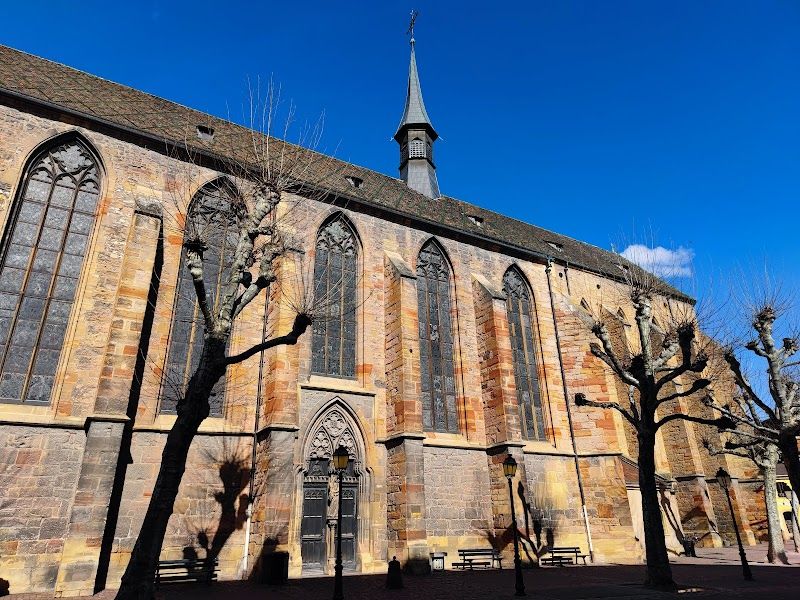
Dominican Church and Schongauer Madonna
The Dominican Church houses Martin Schongauer's Madonna of the Rose Bower (1473), arguably the most exquisite painting in Alsace. This 14th century Gothic church on Place des Dominicains contains a masterpiece that most tourists rush past on their way to the Isenheim Altarpiece. Schongauer, born in Colmar, was one of Europe's finest engravers, and his Madonna shows that precision: every rose petal, bird feather, and gold thread is rendered with microscopic detail. The painting hangs behind the altar in a climate controlled case, depicting Mary and Christ in a rose garden surrounded by songbirds. Walking into this church feels like discovering a secret. The nave stays surprisingly quiet while tour groups swarm Little Venice outside. Afternoon light streams through 14th and 15th century stained glass, casting colored shadows across stone floors. You'll likely have the Schongauer Madonna nearly to yourself, able to study details that would be impossible in a crowded museum. The painting's botanical accuracy is stunning: Schongauer painted actual rose varieties and identifiable bird species. Most guides barely mention this place because the Unterlinden Museum gets all the attention. That's your advantage. Entry is completely free, and you can spend as long as you want examining the Madonna's intricate details. The church opens daily from 10 AM to 6 PM, though afternoon visits around 3 PM offer the best light through those medieval windows. Skip the rushed morning museum crowds and come here instead for 30 minutes of genuine peace with a Renaissance masterpiece.
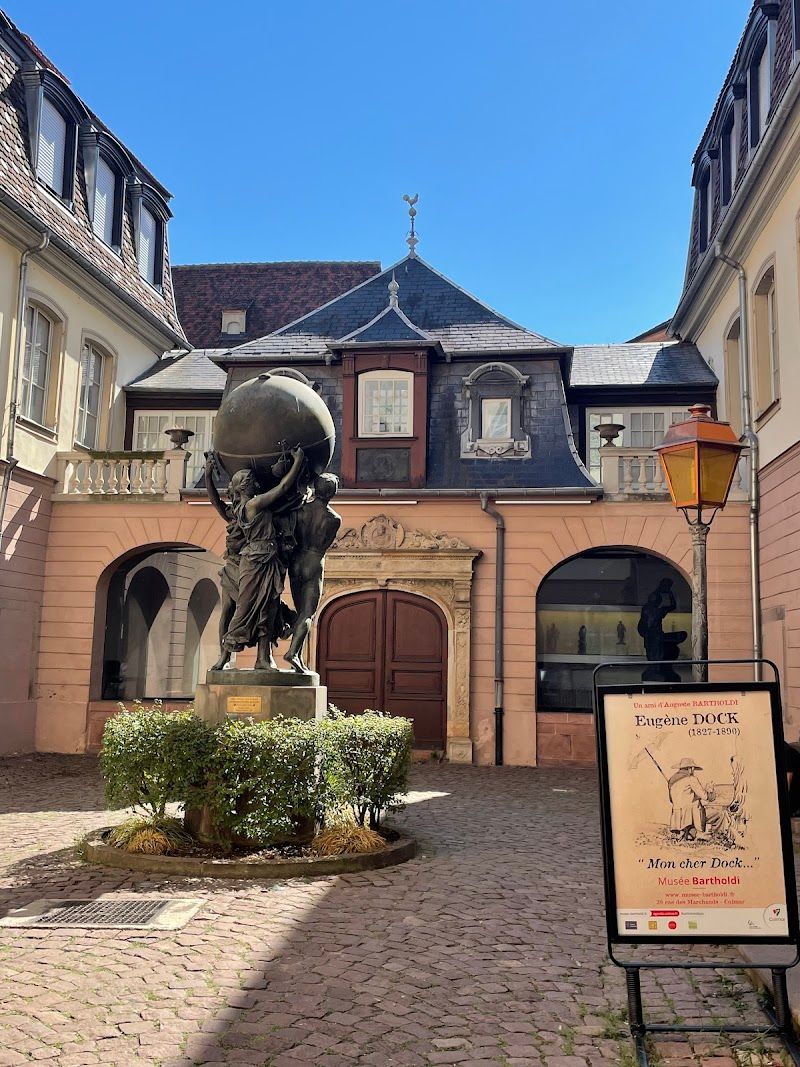
Musée Bartholdi
Step into the birthplace of Auguste Bartholdi, the sculptor who gave America its most famous statue. This 18th-century townhouse displays original plaster models of the Statue of Liberty at various scales, plus the impressive Lion of Belfort monument that guards the eastern entrance to France. You'll see his personal sketches, tools, and correspondence that reveal how a small-town Alsatian artist landed the commission of a lifetime. The building itself tells two stories: period rooms showing bourgeois life in Colmar, and galleries dedicated to Bartholdi's ambitious public monuments. The visit flows chronologically through three floors, starting with his early life and training. The real wow moment comes on the second floor where you stand face-to-face with a 2.5-meter model of Liberty's head, complete with the original patina samples. His workshop on the third floor feels frozen in time, with half-finished sculptures and sketches scattered across wooden tables. The contrast between intimate family portraits and massive public monuments shows just how dramatically his career evolved. Most guides oversell this as essential Colmar viewing, but it's really for sculpture enthusiasts or Liberty obsessives. At 7 EUR for adults, it's reasonably priced but skip it if you're rushing between Strasbourg and the wine route. The third floor workshop is genuinely fascinating, while the ground floor period rooms feel like filler. Come here after you've seen his Lion of Belfort fountain in town, it gives his smaller works much more context.
Maison Pfister
Maison Pfister stands as Colmar's most elaborate Renaissance merchant house, built in 1537 when Alsace traded freely with German cities. The painted facade depicts biblical scenes and German emperors in surprising detail, while the octagonal corner turret shows off wooden galleries that once displayed the owner's wealth to passing merchants. You're looking at the best preserved example of how successful 16th century traders advertised their prosperity through architecture. The house dominates the corner of Rue des Marchands, forcing you to crane your neck to take in the full facade. Morning light brings out the mural colors beautifully, especially the reds and golds on the upper floors. The ground floor now houses a wine shop, but the real attraction is standing across the narrow street to photograph the painted scenes. Other tourists cluster here constantly, so you'll be sharing the prime viewing spots. Most guides gush about this being unmissable, but honestly, 10 minutes is plenty unless you're really into architectural details. The painted murals look better in photos than up close where you can see the restoration work. Skip the wine shop inside unless you're actually buying, the exterior is the whole point. Come early morning or late afternoon when tour groups aren't clogging the street corner.
Maison des Têtes
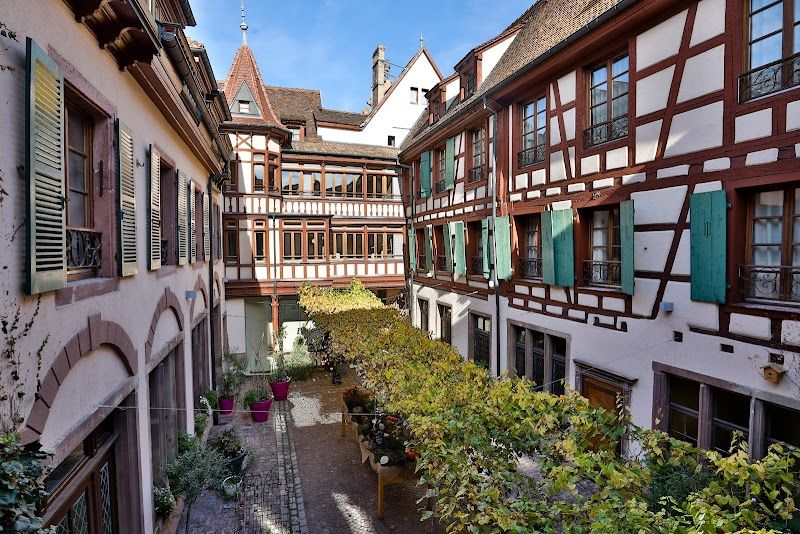
The Maison des Têtes stands out as Colmar's most photogenic facade, with 106 individually carved stone heads covering every surface of this 1609 Renaissance building. You'll find yourself scanning the elaborate stonework for bearded merchants, cherubic faces, and grotesque masks that seem to watch passersby. The building now houses an upscale hotel and restaurant, but you can admire the exterior freely from the cobblestone street. Standing on Rue des Têtes feels like being scrutinized by a crowd from four centuries ago. The heads range from whimsical to slightly menacing, each one carved with remarkable detail that becomes more apparent as you move closer to the building. Bartholdi's copper statue of a cooper crowns the peaked roof, adding another layer to this visual feast. The morning light hits the facade perfectly, bringing out shadows and details in the carved faces. Most people snap a quick photo and move on, but you'll get much more by spending 10 minutes actually studying individual faces. The hotel's ground floor restaurant charges premium prices (mains around 35-45 EUR), so unless you're staying here, stick to exterior viewing. The building looks spectacular but don't expect to go inside unless you're dining or booking a room.
Place de l'Ancienne Douane
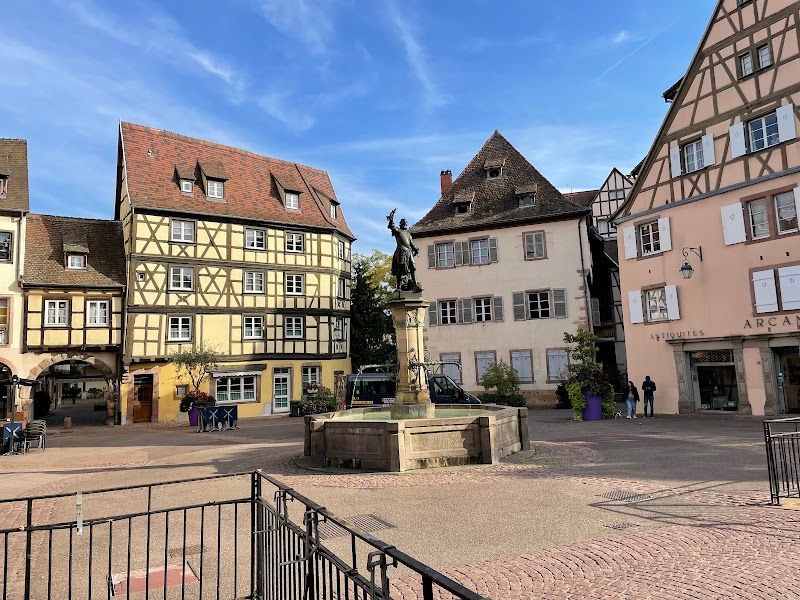
Place de l'Ancienne Douane centers around the Koïfhus, a 15th-century customs house with gorgeous green and burgundy diamond-patterned tiles that catch the light beautifully. You'll find yourself in a compact cobblestone square ringed by pastel half-timbered houses in pink, yellow, and blue. The central fountain and overflowing flower boxes make this one of Alsace's most photographed spots, and honestly, it deserves the attention. The square feels intimate rather than grand, with café tables spilling onto the cobblestones during warmer months. You can walk the entire perimeter in two minutes, but most people linger to admire the architectural details: carved wooden beams, ornate window boxes, and the Koïfhus's distinctive roof. Street musicians often perform near the fountain, and the acoustics bounce nicely off the surrounding buildings. Most guidebooks gush about this place, and they're not wrong, but manage your expectations about crowds. From May through September, you'll be sharing photo ops with tour groups, especially between 11am and 4pm. The outdoor cafés charge tourist prices (coffee runs €4-6, basic lunch €15-20), but the setting partially justifies the markup. Come early morning or late afternoon for better light and fewer people.
Marche Couvert (Covered Market)
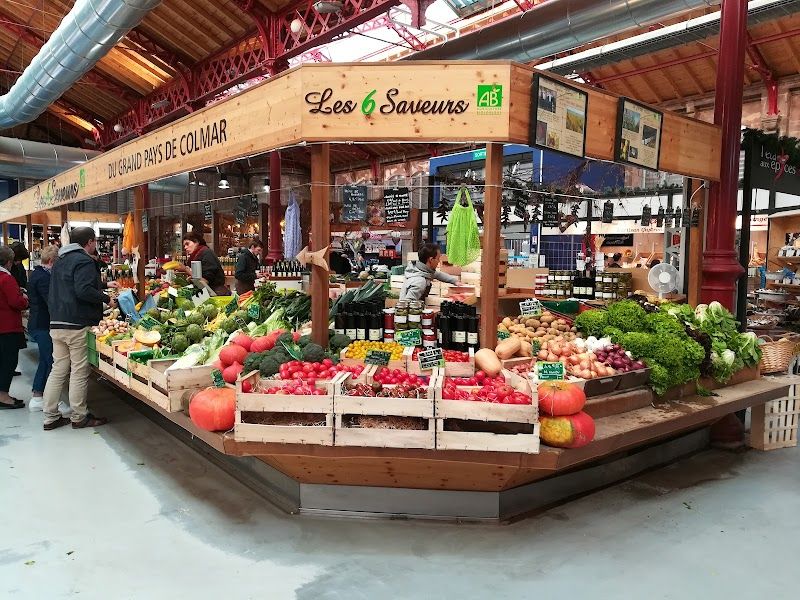
The Marche Couvert (covered market) operates Tuesday through Saturday mornings on the banks of the Lauch River near Petite Venise. The building is a solid 19th-century market hall with iron columns and high ceilings. Inside: charcuterie stalls with Alsatian sausages, smoked meats, and pates. Cheese stalls dominated by Munster (the Alsatian washed-rind cheese that smells aggressive and tastes remarkable, especially when young and runny). Local wine by the bottle or glass. Honey from the Vosges mountains. Preserves, spices, and baked goods including kougelhopf (EUR 12-18 for a whole cake). The market is where Colmar's locals shop, not a tourist attraction, which is exactly why it is worth visiting. The quality is genuine, the prices are fair, and the vendors will let you taste before buying. Saturday mornings are the busiest and best. An outdoor farmers' market extends along the river on Saturdays.
Where to Eat
Restaurants and cafes in Petite Venise & Old Town
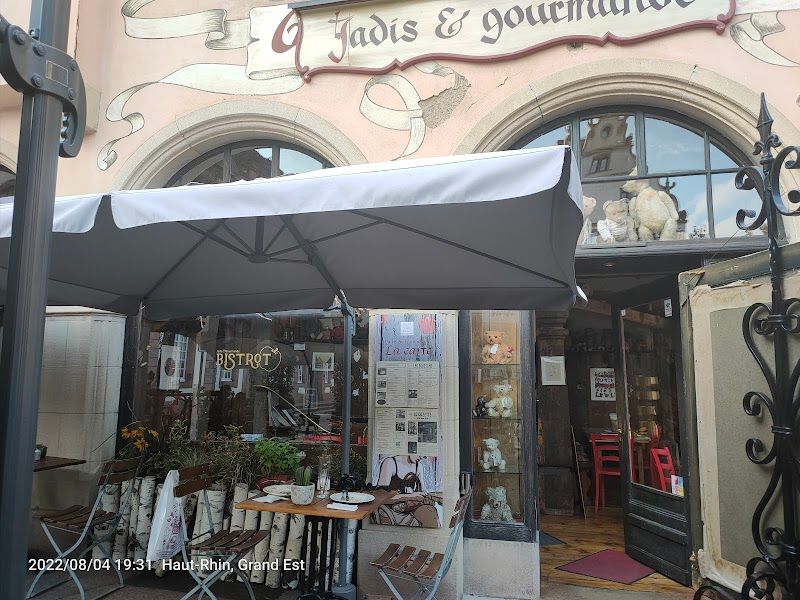
Le Fer Rouge
RestaurantContemporary restaurant in a former blacksmith workshop with exposed stone walls and industrial lighting. The menu changes monthly and features local produce from Colmar market suppliers. The beef tartare is prepared tableside and seasoned to preference.
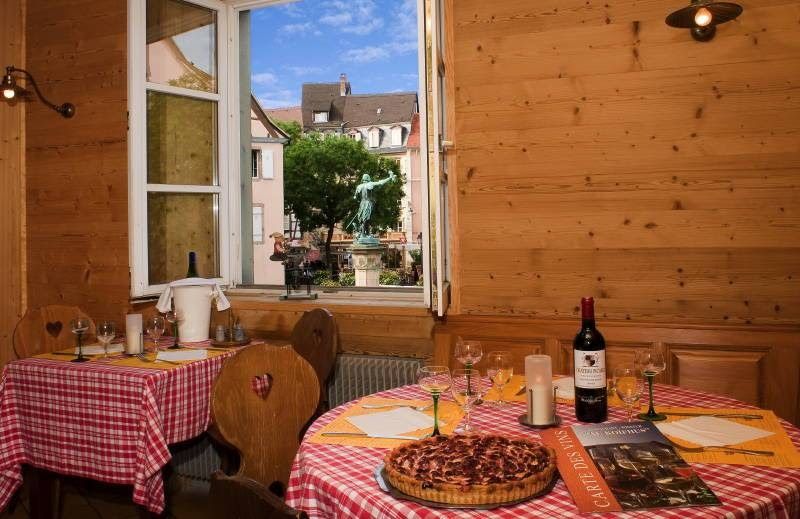
Au Koifhus
RestaurantTraditional restaurant facing the Ancien Douane building serving flammekueche (tarte flambee) with over 20 topping combinations. The wood-fired oven is visible from most tables. The Munster cheese version with cumin seeds is a house specialty not found elsewhere.
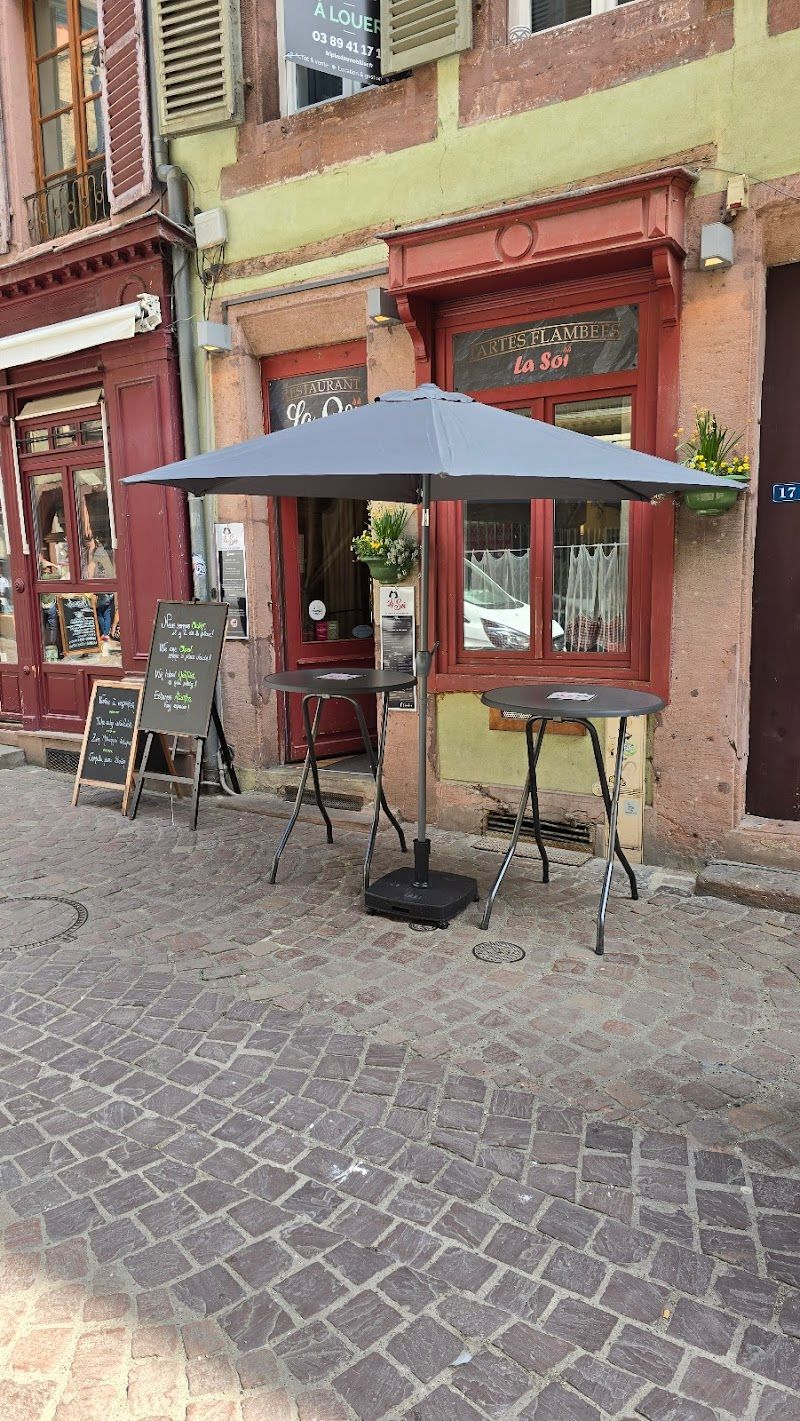
La Soi
RestaurantContemporary Thai restaurant located in a charming half-timbered house in the Tanneurs district. The chef prepares authentic Thai dishes with fresh ingredients and creative presentation. The intimate dining room features exposed beams and a cozy atmosphere.
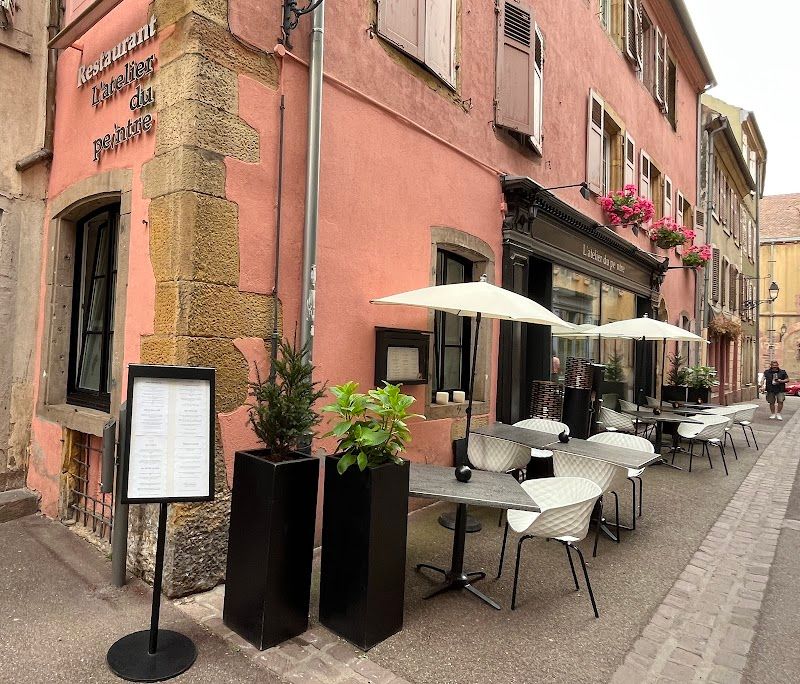
L'Atelier du Peintre
RestaurantRestaurant in a 16th-century building with vaulted ceilings serving refined Alsatian dishes. The sandre (pike-perch) from local rivers is prepared with Riesling sauce. The terrace on Rue Schongauer opens in summer with views of the Collegiale Saint-Martin.
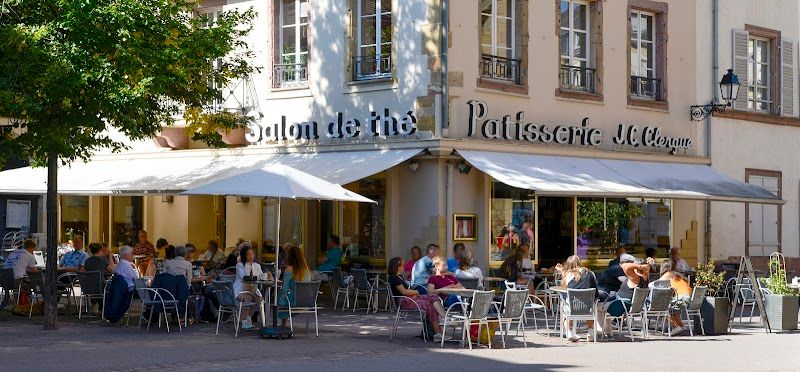
Salon de Thé Christian
CafeAn elegant tea salon and pâtisserie renowned for its exquisite handmade chocolates and delicate French pastries. The Art Nouveau-inspired interior features marble tables and Belle Époque details. Their specialty is the traditional Alsatian kougelhopf and seasonal fruit tarts.
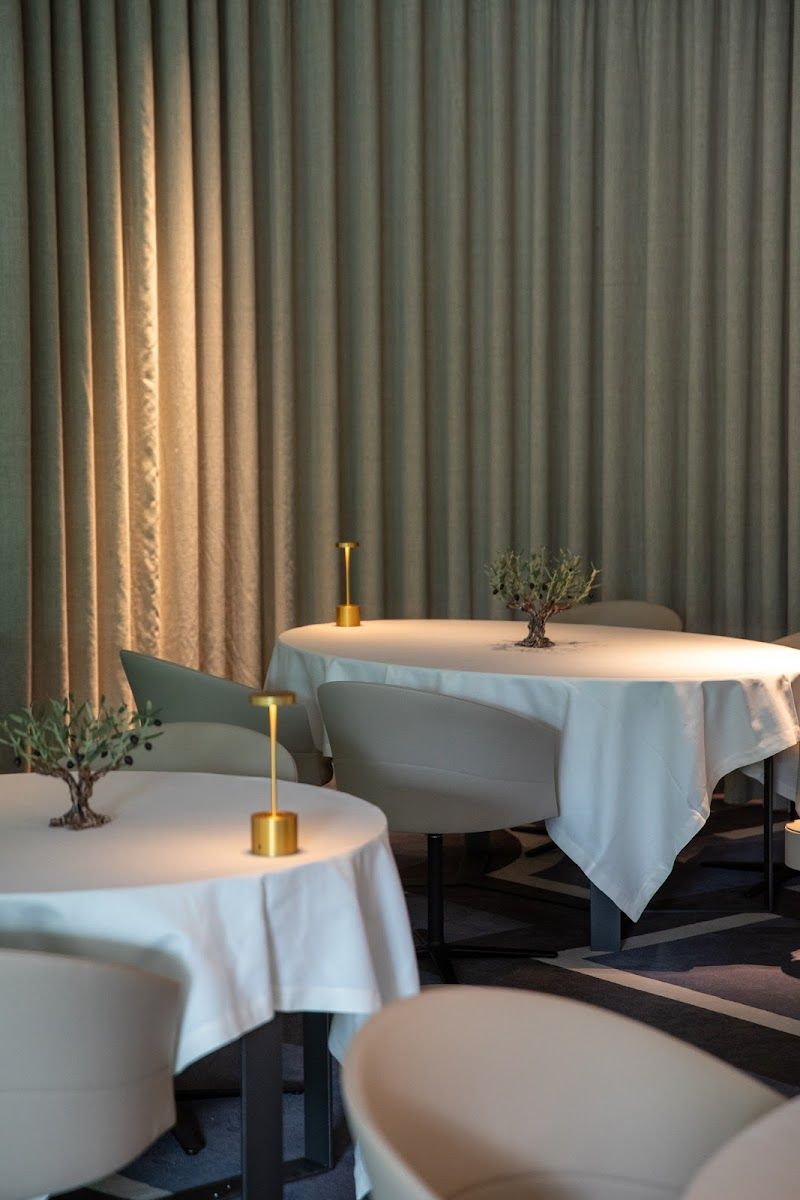
Restaurant JY'S
RestaurantMichelin-starred restaurant by chef Jean-Yves Schillinger combining Alsatian ingredients with modern technique. The foie gras preparation changes seasonally and the wine pairing includes rare Alsatian pinot noirs. Reservations required weeks in advance for dinner service.
Nightlife
Bars and nightlife in Petite Venise & Old Town
Getting Here
On Foot
Entirely pedestrianised. 10-minute walk from the train station. The entire Petite Venise district can be walked in 30 minutes end to end.
Insider Tips
Early morning or twilight
Petite Venise between 10 AM and 6 PM in summer is crowded. At 8 AM or after 7 PM the light on the canal reflections is better and the bridges are empty. The Pont Tournant at dawn with mist on the water is the photograph worth setting an alarm for.
Boat rides
EUR 7 for 30 minutes from Pont Saint-Pierre. The boats run from April to October, roughly 10 AM to 6 PM. The perspective from water level is genuinely different from the bridges - the house reflections are clearer and the scale of the half-timbered facades is more impressive. No booking needed, just queue at the dock.
Maison Pfister
The 1537 corner house on Rue des Marchands is the most photographed building in Colmar. The painted murals on the upper floors depict biblical and historical scenes. The octagonal turret and the covered gallery are Renaissance details you will not find on any other house in the region. Free to admire from the street.
Nearby Neighborhoods
Continue exploring
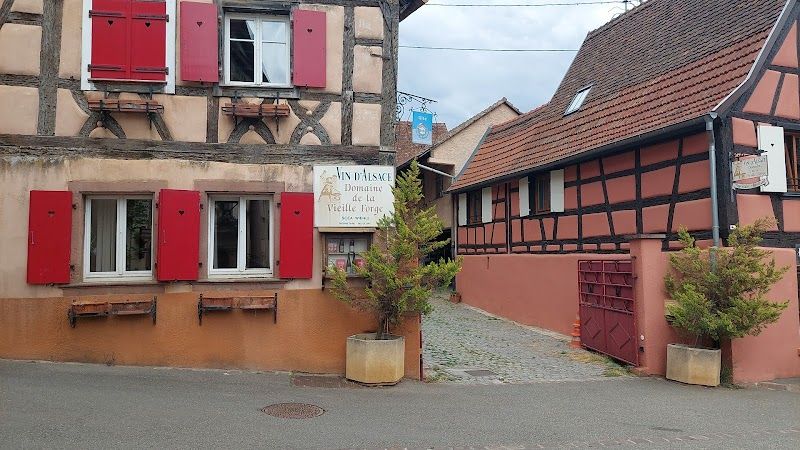
Unterlinden & Museum Quarter
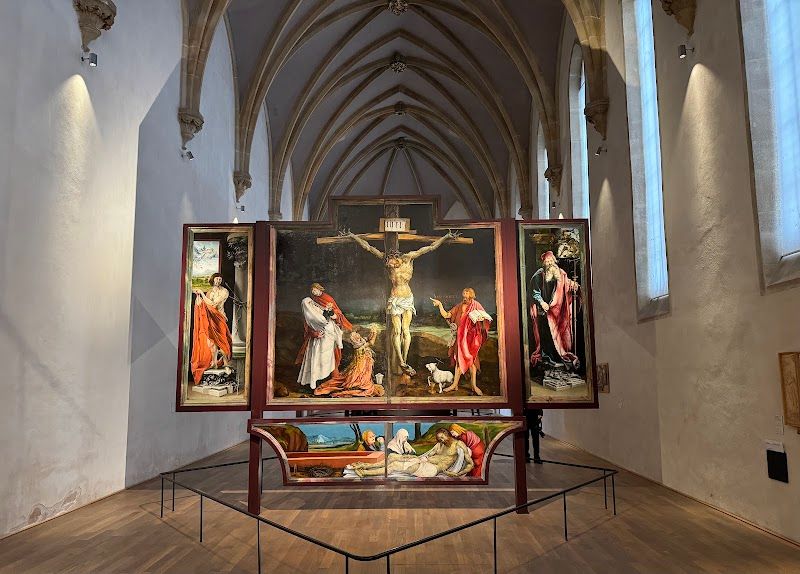
The cultural anchor of Colmar: the Unterlinden Museum with the Isenheim Altarpiece, the Dominican Church with the Schongauer Madonna, Place de la Cathedrale, and the Bartholdi Museum in the house where the Statue of Liberty sculptor was born.
Quartier des Tanneurs
The old tanners' quarter between Petite Venise and the centre: tall, narrow half-timbered buildings where tanners dried hides on the upper floors, now restaurants, wine bars, and artisan shops.
Little Vineyard Route (Colmar Surrounds)
The vineyards start at the edge of town. Turckheim, Eguisheim, and the trail through the vines between them - the start of the wine route proper, walkable from Colmar if you have energy.
Plan a trip featuring Petite Venise & Old Town
Get a personalized Colmar itinerary with Petite Venise & Old Town built in.
Start Planning