First Time in Copenhagen: What You Need to Know
DKK explained, cycling basics, the Copenhagen Card, hygge without the cringe, and what costs too much
Everything before your first Copenhagen visit: managing the cost, renting a bike, the Copenhagen Card, when to visit, and why Nyhavn restaurants are a trap.
Money and Cost
Currency is DKK, not EUR (DKK 7.5 approximately equals EUR 1). Cards are accepted everywhere: you can spend a week in Copenhagen without needing cash. The city is expensive. A beer at a bar costs DKK 60-80. A sit-down dinner is DKK 300-500 per person. A proper lunch (smørrebrød, two pieces) at a lunch restaurant is DKK 160-240 total. A hot dog from a pølsevogn street cart is DKK 40-50. Torvehallerne food market near Nørreport is the best value for a proper lunch (DKK 150-200). The Copenhagen Card (DKK 469 for 48 hours, DKK 629 for 72 hours) covers 80+ museums and all public transport including buses, metro, trains, and harbour buses. If you plan to visit three or more paid museums per day it pays for itself.
Getting Around
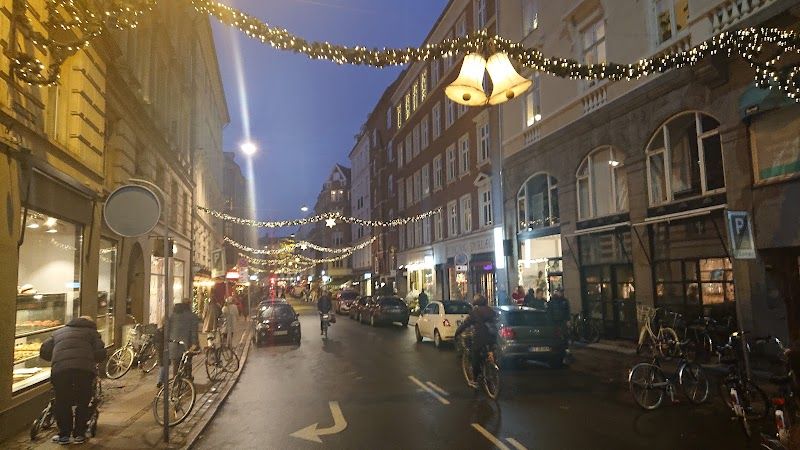
Rent a bike. Copenhagen is flat, the cycle infrastructure is better than anywhere in Europe, and every street has a dedicated cycle lane separated from traffic. City bike rental is DKK 30-50 per day. The metro covers two lines (M1 and M2) and serves the main tourist areas: single fare is DKK 26 (tap in and out). The S-train covers greater Copenhagen. Harbour buses (canal buses) run along the harbour every 20 minutes. Taxis exist but are expensive (DKK 50 minimum, DKK 100-200 for a cross-city trip). Do not take a taxi when you can cycle or take the metro.
Tipping
Not expected or required. Rounding up DKK 10-20 at a restaurant for good service is the cultural norm. No one expects 15-20% European-style tips.
Christiania Rules
Christiania has its own posted rules. No photographs on Pusher Street. No running (it causes panic among people who associate running with police raids). No hard drugs. No violence. These are enforced by the community, not police. Approach with curiosity rather than tourism instinct.
When to Visit
June to August: the best weather (18-25 degrees C), long evenings (light until 10 PM in June), outdoor everything. Book accommodation 2-3 months ahead. December: Christmas markets (DKK entry to Tivoli Christmas, DKK 70), dark at 3:30 PM but atmospheric. March-May and September-October: the practical choice, lower prices, reasonable weather, fewer queues.
First Timer Essentials
Download the DOT Tickets app for metro and S-train tickets instead of buying at machines
Supermarkets close at 8 PM on weekdays, 6 PM Saturdays, closed Sundays. Plan accordingly.
Danes speak perfect English but appreciate 'tak' (thanks) and 'undskyld' (excuse me)
Most museums are closed on Mondays. Plan your museum days for Tuesday through Sunday.
If it's raining, go to a cafe. Danes treat rain as an excuse to drink coffee for three hours.
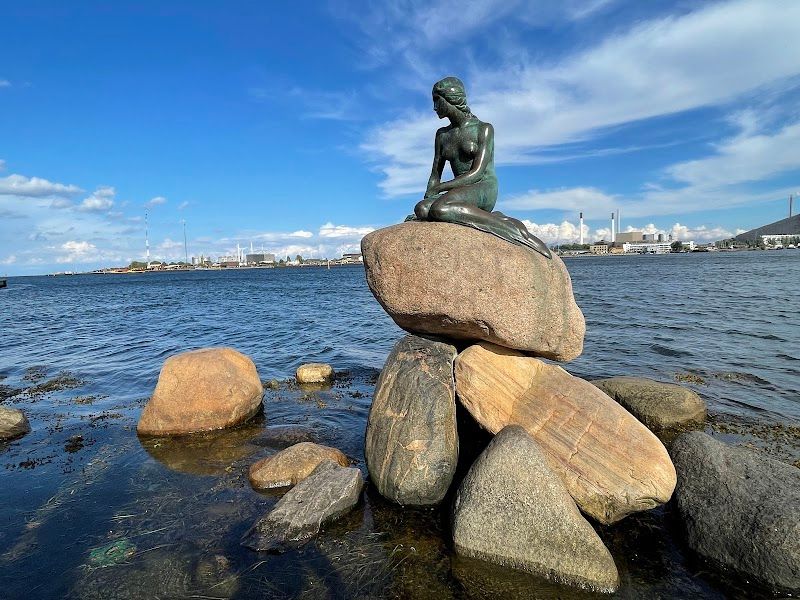
The Little Mermaid statue is genuinely disappointing. Go if you must, but don't plan your day around it.
Ready to Visit Copenhagen?
Get a personalized itinerary tailored to your travel style and interests.
Plan Your Copenhagen TripMore Copenhagen Guides
2-3 Days in Copenhagen: First-Timer's Itinerary
How to spend 2-3 days in Copenhagen: Rundetarn in the morning before crowds, smorrebrod for lunch, cycling the city, Christiania without the tourist pressure, and Tivoli at dusk when the lights come on.
8 min

Where to Eat in Copenhagen: Smorrebrod, Hot Dogs & New Nordic
Copenhagen food without the Noma budget: smorrebrod at a proper lunch restaurant, a polsevogn hot dog, Torvehallerne market, Vesterbro Meatpacking District, and Norrebro for the cheapest meals in the city.
7 min