Cordoba
Plaza de la Corredera & Centro
The working city centre: the rectangular plaza with its terrace restaurants, the food market in a renovated iron pavilion, Roman temple ruins in the middle of the modern city, and the shopping streets where cordobeses go about their day.
About Plaza de la Corredera & Centro
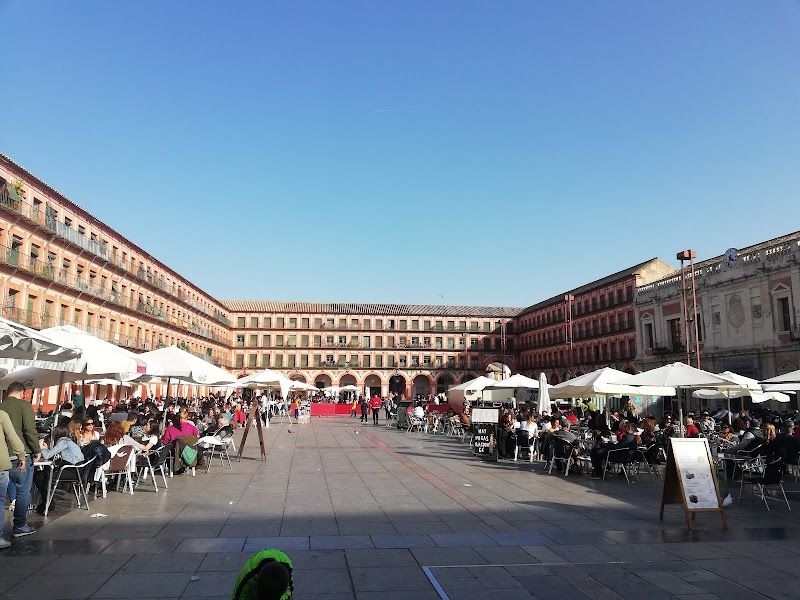
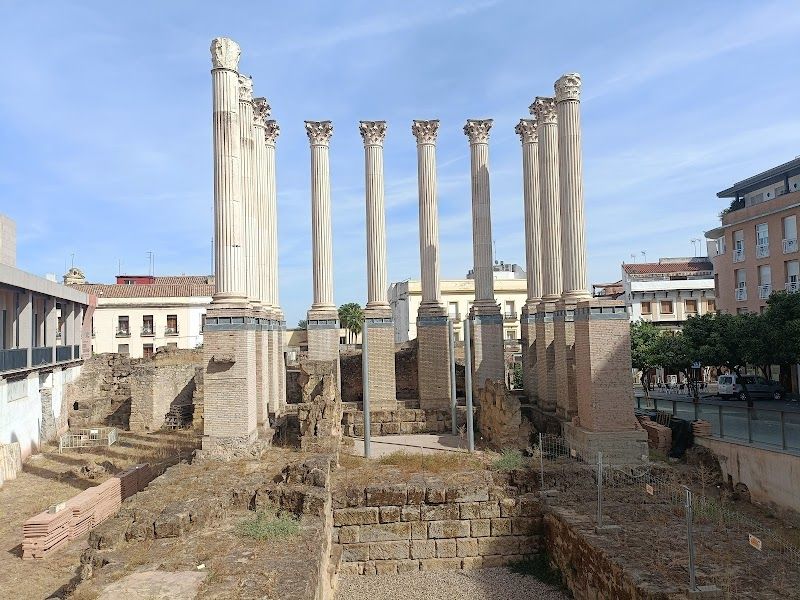
Plaza de la Corredera is the only rectangular enclosed plaza in Andalusia (most are irregular), built in the 17th century and formerly used as a bullring. The ochre-coloured facades surround a large open space now filled with restaurant terraces and, on Saturday mornings, a flea market. The Mercado Victoria is a food market in a renovated 19th-century iron pavilion north of the old town: tapas stalls, fresh produce, wine bars, and a good place for a casual lunch (EUR 8-15). The Templo Romano (Roman Temple) is the unexpected sight: the columns and podium of a 1st-century Roman temple standing in the middle of a modern street, free to view from the pavement, a reminder that Cordoba was the capital of Roman Hispania Ulterior. Calle Cruz Conde is the main shopping street running south from the plaza toward the river.
Things to Do
Top experiences in Plaza de la Corredera & Centro
Plaza de la Corredera
Plaza de la Corredera is Andalusia's only fully enclosed rectangular plaza, surrounded by uniform 17th-century buildings with continuous arcades on all four sides. You'll find yourself in what feels like a stage set, with three stories of red balconies creating perfect symmetry around the central square. The Saturday morning flea market transforms the space into a treasure hunt where locals dig through vintage ceramics, old fans, and dusty books, while the surrounding terrace cafés buzz with conversation year-round. Walking into the plaza feels like entering a private courtyard that somehow belongs to the entire city. The arcaded walkways provide shade as you browse the weekend market stalls or simply people-watch from one of the many café terraces. Children play football in the center while older residents chat on benches, creating an authentically local atmosphere that most tourists miss. The underground archaeological museum beneath your feet reveals Roman mosaics and Moorish foundations, accessible through an unassuming entrance. Most guidebooks oversell this as a major attraction when it's really best appreciated as a living neighborhood space. The Saturday market (free entry) runs 8am to 2pm and gets picked over early, so arrive before 10am for the good stuff. Skip the overpriced tourist restaurants on the plaza itself and head to the side streets for better value. The archaeological museum costs €2 and takes 20 minutes, worth it if you're into Roman history but skippable if you're rushing between major sights.
Palacio de Viana
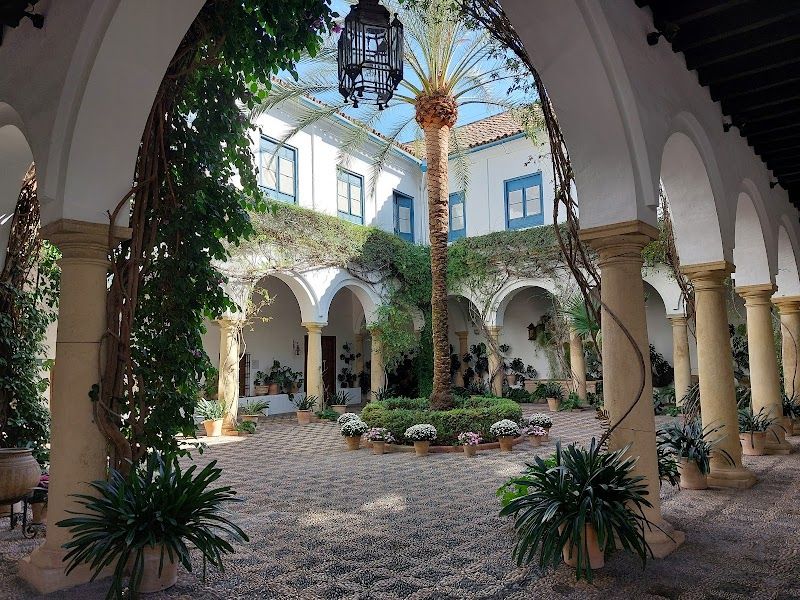
The Palacio de Viana is Cordoba's crash course in courtyard design, with 12 distinct patios that showcase five centuries of Andalusian architecture. You'll walk through Renaissance columns, Baroque fountains, Moorish tilework, and romantic orange groves, all within one 15th-century palace. It's the closest thing to experiencing Cordoba's famous Festival de los Patios year-round, showing you what those private residential courtyards actually look like when they're dressed up in May. The visit flows like a choose-your-own-adventure through interconnected courtyards, each with its own personality and historical period. You'll start in the formal Patio de Recibo with its Renaissance columns, then meander through intimate spaces filled with jasmine, citrus trees, and intricate geometric tiles. The contrast is striking: one moment you're in a grand ceremonial space, the next in a cozy domestic corner where geraniums spill from clay pots. Skip the palace interior (adds EUR 2 but it's just period furniture) and stick to the courtyards-only ticket at EUR 8. Most visitors rush through in 45 minutes, but give yourself 75 minutes to properly absorb each space. The western-facing courtyards get gorgeous light after 4pm. Each patio has explanatory plaques, but honestly, you don't need the history lesson to appreciate why Cordoba's courtyard culture captivated the world.
Templo Romano
These towering Corinthian columns are all that remain of a first-century Roman temple that once dominated Córdoba's provincial forum when the city ruled Roman Hispania Ulterior. Six massive columns rise from their original podium right in the middle of a busy street, creating one of Spain's most dramatic examples of ancient architecture surviving in a modern cityscape. You'll walk around the preserved foundations and get close enough to touch 2,000-year-old marble that once supported a temple roof. The contrast hits you immediately: traffic flows around these ancient stones while office workers grab coffee at surrounding cafes. The columns tower above you at nearly 10 meters high, their Corinthian capitals still showing intricate acanthus leaf carvings. Street lights illuminate the marble after dark, and you'll often find locals using the steps as an impromptu meeting spot. The surrounding plaza creates a natural amphitheater effect where the temple becomes the centerpiece. Most guides oversell this as a major attraction, but it's really a 15-minute stop that works best combined with the nearby Mezquita visit. The site is completely free and always accessible, though there's no interpretive signage in English. Skip the overpriced tourist restaurants facing the temple and grab tapas two blocks south on Calle Deanes instead. The columns photograph best in late afternoon when shadows emphasize their carved details.
Cordoba Walking Tour: Mezquita, Juderia & Alcazar
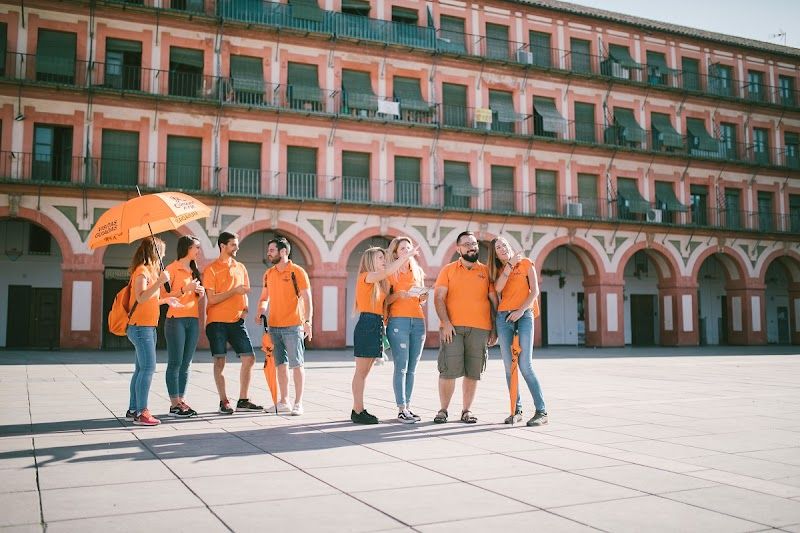
A walking tour covering the three main sites of Cordoba: the Mezquita, the Jewish Quarter, and the Alcazar. The tour typically runs 3-4 hours and covers the mosque-cathedral interior, the Juderia alleys (Synagogue, Calleja de las Flores, the souk), and the Alcazar fortress and gardens. The value is in the narrative: a guide who can explain the convivencia (the medieval coexistence of Muslim, Christian, and Jewish cultures in Cordoba) and how that history is visible in the architecture. EUR 30-50 per person with entry tickets included.
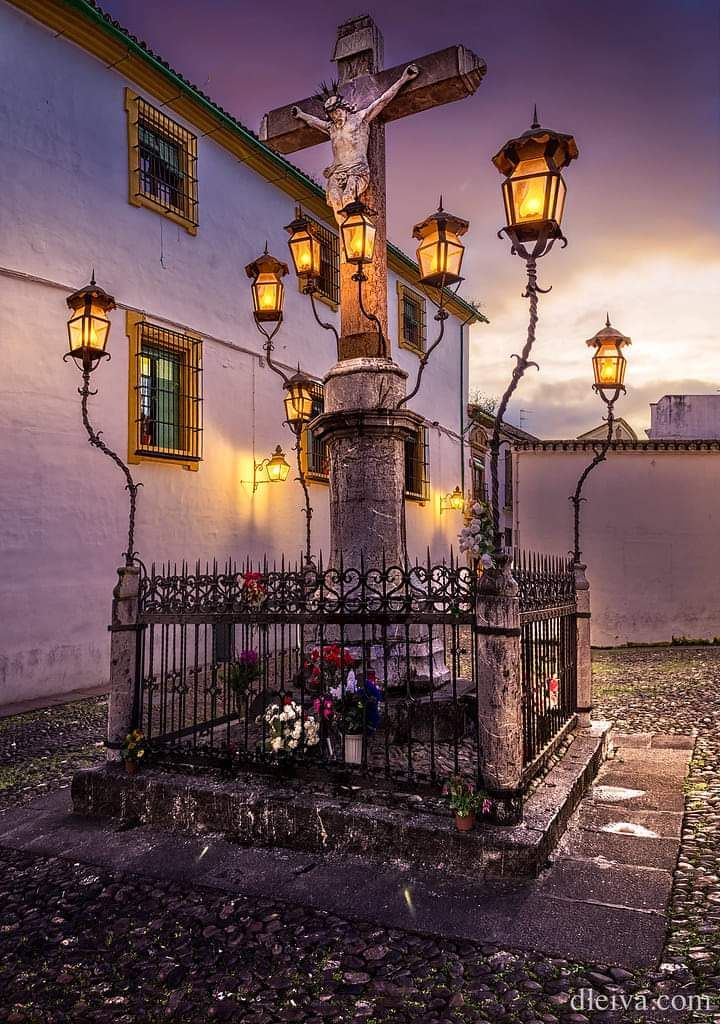
Cristo de los Faroles
Cristo de los Faroles is a simple wooden crucifix surrounded by eight wrought iron lanterns in tiny Plaza de Capuchinos. This isn't some grand monument, it's an intimate religious shrine that locals have been visiting since the 18th century for quiet prayer and reflection. The lanterns create dramatic pools of light after dark, transforming this small square into one of Cordoba's most atmospheric spots. You'll find it just steps from the main tourist routes, but the feeling here is completely different from the busier plazas. The visit itself takes maybe 10 minutes unless you're stopping to pray or soak in the atmosphere. During the day it feels pleasant but unremarkable, just a small crucifix in a quiet square surrounded by typical Cordoba white buildings. The magic happens after sunset when the lanterns cast long shadows across the cobblestones and the space feels almost mystical. You'll often see elderly locals stopping by, crossing themselves, or sitting quietly on the stone benches. The acoustics are wonderful here, footsteps echo softly off the surrounding walls. Most guides oversell this as some major attraction when really it's about the mood, not the monument itself. Skip it during busy afternoon hours when tour groups pass through taking quick photos. The best experience costs nothing and happens around 9 or 10pm when the square empties out completely. Don't expect historical explanations or plaques, this is about feeling rather than learning.
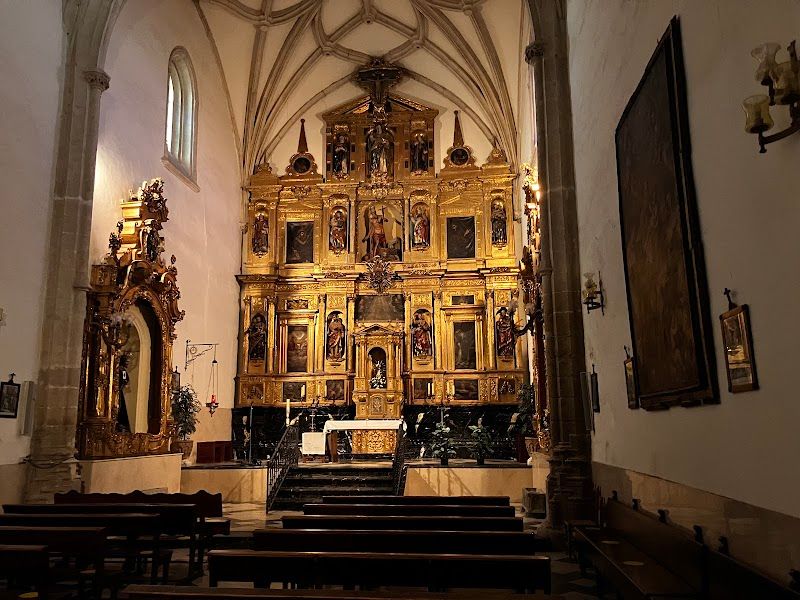
Convento de Santa Marta
Convento de Santa Marta is a working 15th-century convent where Hieronymite nuns have been baking traditional sweets for over 500 years. You'll buy their dulces conventuales through a wooden revolving window called a torno, which keeps the cloistered sisters invisible while they sell you their handmade treats. The pastries include pestiños (honey-soaked spirals), roscos (anise cookies), and seasonal specialties like torrijas during Easter. The experience feels like stepping back centuries. You ring a small bell at the wooden door, wait in a tiny stone vestibule, then speak to an invisible nun through the torno. She'll tell you what's available that day (always in Spanish), you place your money in the wooden compartment, and it rotates back with your sweets in simple paper bags. The whole interaction takes maybe five minutes, but the atmosphere is genuinely otherworldly. Most guidebooks make this sound more mystical than it actually is. The sweets are good but not extraordinary, and you're essentially paying premium prices (expect 8-12 EUR for a small bag) for the novelty experience. Go if you're curious about monastic life, but don't expect gourmet pastries. The nuns often run out of popular items by afternoon, and they close unpredictably for religious observances.
Where to Eat
Restaurants and cafes in Plaza de la Corredera & Centro
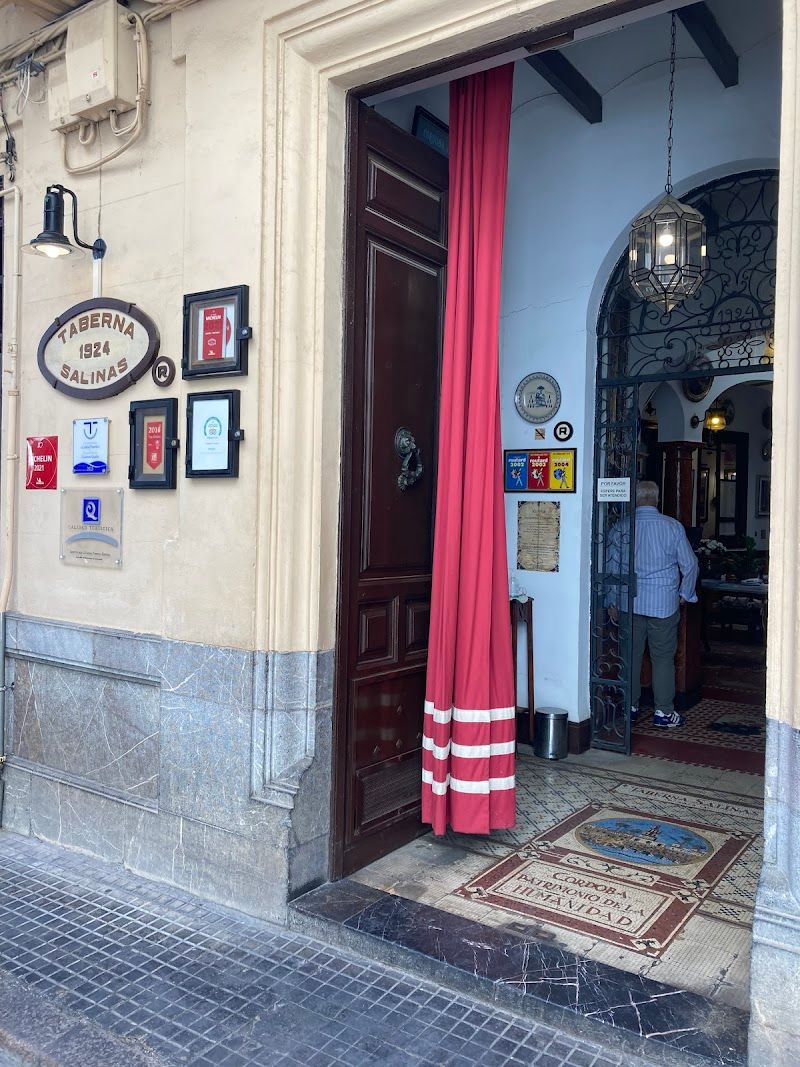
Taberna Salinas
RestaurantHistoric tavern operating since 1879 with original wooden barrels lining the walls and checkered tile floors. Specializes in flamenquin and berenjenas con miel, served in a dining room that feels like stepping back into old Cordoba. The house wine is local Montilla-Moriles served from ceramic pitchers.
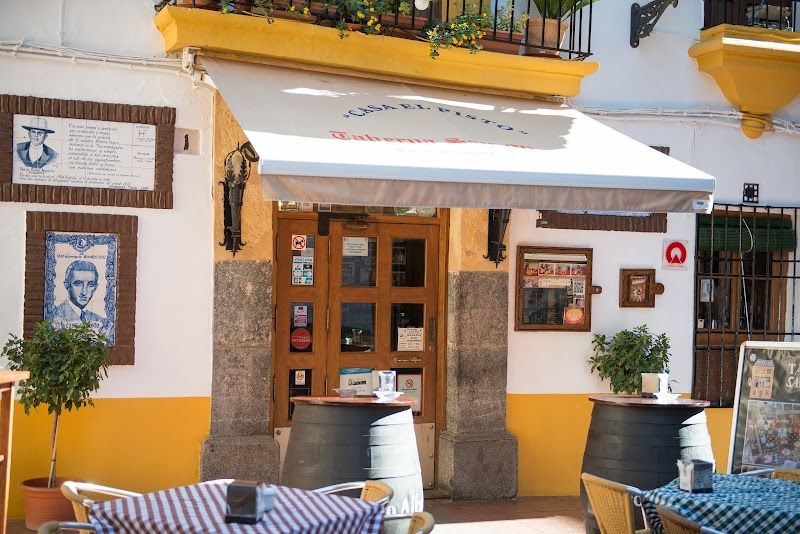
Taberna San Miguel - Casa El Pisto
RestaurantHistoric tavern dating back to 1880, known for its traditional Cordoban cuisine and signature pisto dish. The authentic tile-decorated interior and wooden barrels create a genuine old-world atmosphere. Popular with locals for its rabo de toro and generous portions.
Taberna La Montillana
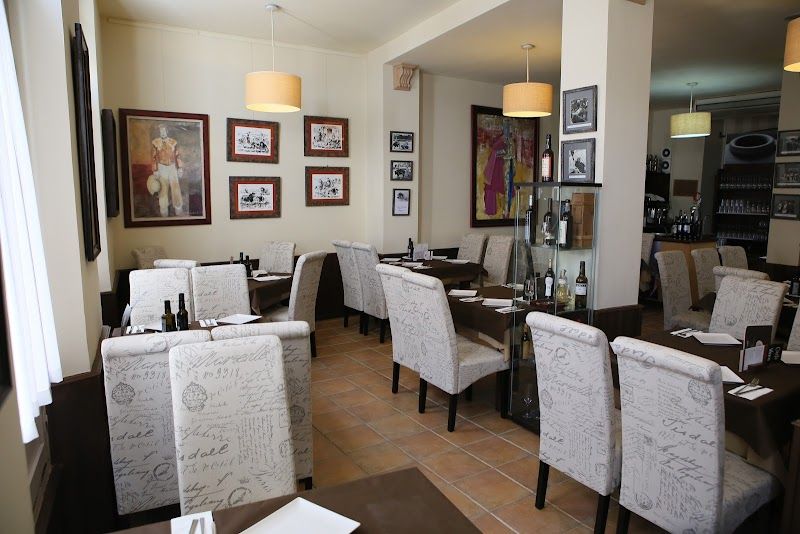
RestaurantSmall family-run tavern in the Santa Marina neighborhood dedicated to showcasing Montilla-Moriles wines paired with traditional tapas. The owners are passionate about educating visitors on the difference between their local wine and Jerez sherry. Simple menu focused on quality ingredients and proper pairings.
Bodegas Campos
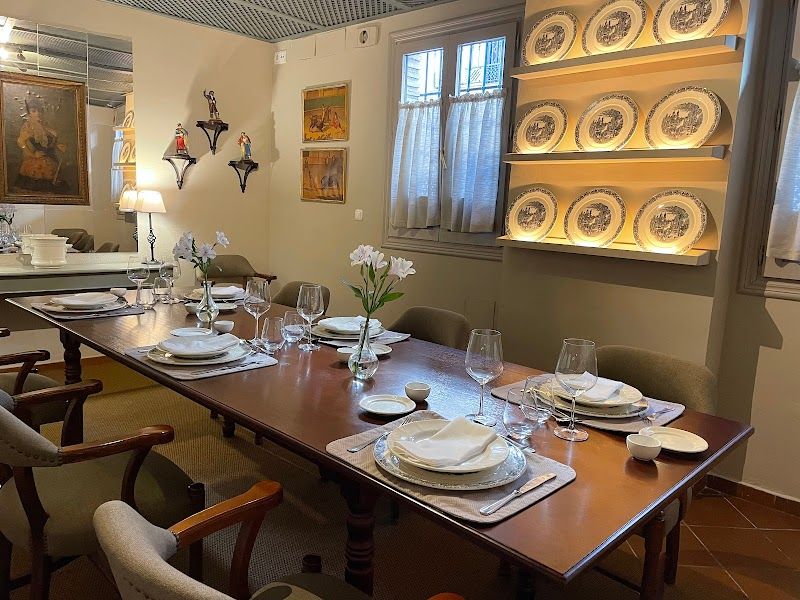
RestaurantHistoric restaurant and wine cellar established in 1908 spread across multiple rooms and patios in a rambling old house. The extensive menu covers all Cordoban specialties with their rabo de toro being particularly celebrated. The barrel-lined bodega room displays their collection of Montilla-Moriles wines dating back decades.
Getting Here
Getting There
Walk from the Mezquita area (10 min north). Taxi from the train station EUR 5.
On Foot
Flat and very walkable. The centro is compact.
Insider Tips
Saturday flea market
The Saturday morning flea market in Plaza de la Corredera runs from 9 AM to 2 PM. Antiques, ceramics, second-hand books, and local crafts. The terrace restaurants around the plaza serve breakfast and coffee from 9 AM. Arrive early for the best finds and the most local atmosphere.
Mercado Victoria for lunch
The food market has multiple vendors: tapas, fresh juices, wine by the glass, and proper sit-down meals. A lunch of salmorejo, a tapa, and a glass of Montilla-Moriles wine costs EUR 8-12. The market is the best value lunch option in Cordoba and the atmosphere is lively without being touristy.
Nearby Neighborhoods
Continue exploring
Mezquita & Juderia
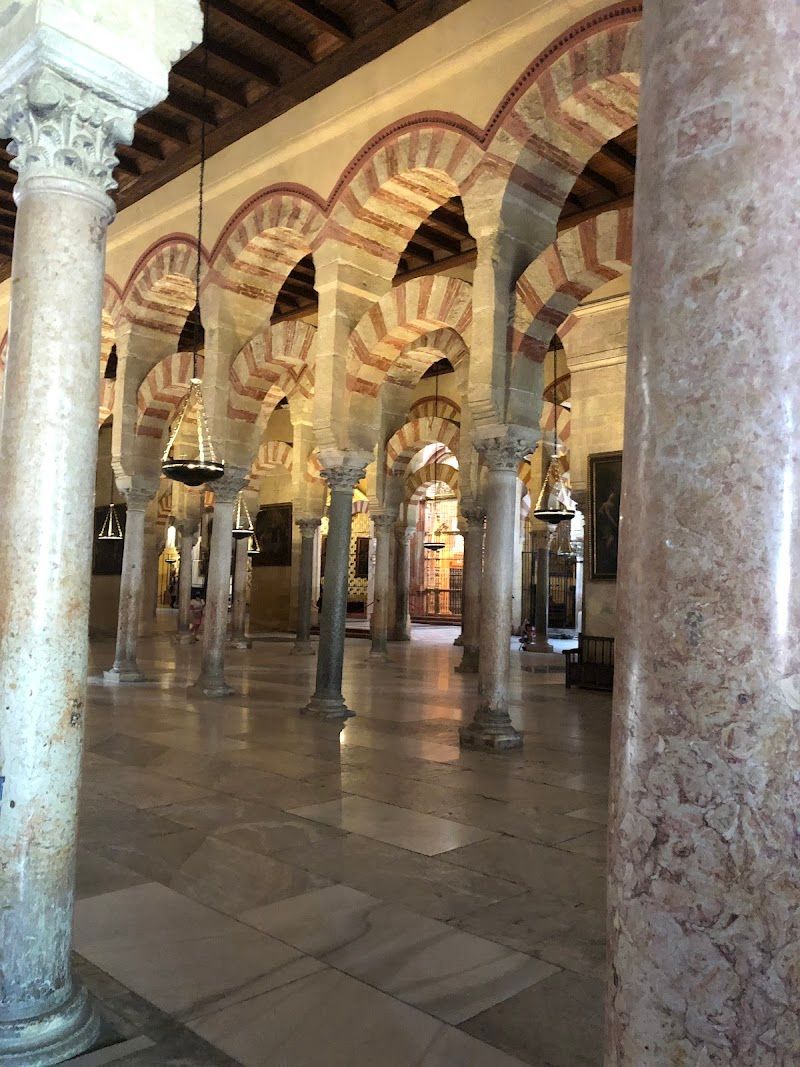
The monumental heart: the Mezquita column forest in morning light, the whitewashed lanes of the Juderia, one of only three surviving medieval synagogues in Spain, and the Alcazar fortress where Ferdinand and Isabella planned the conquest of Granada.
Roman Bridge & Riverside
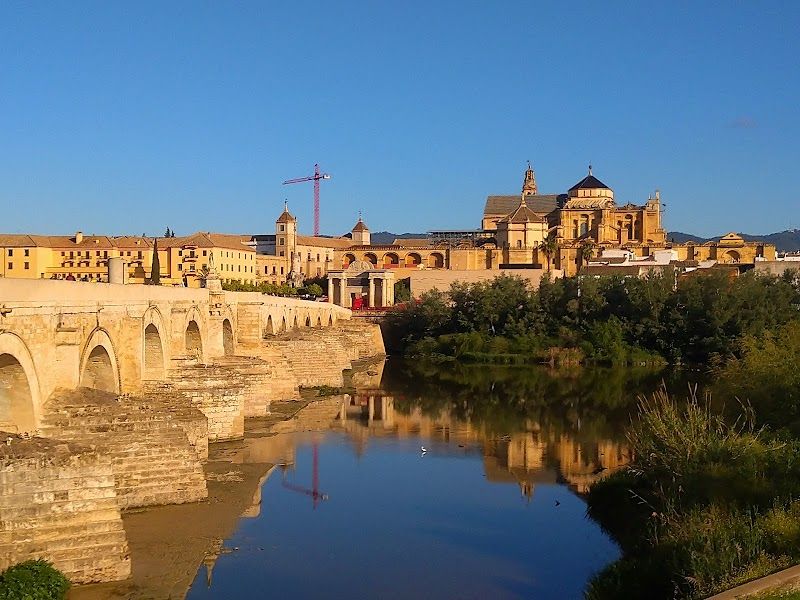
The defining view of Cordoba: the 2,000-year-old Roman Bridge with the Mezquita skyline behind it, the Calahorra Tower at the far end, and the Guadalquivir reflecting the sunset.
Palacio de Viana & Santa Marina
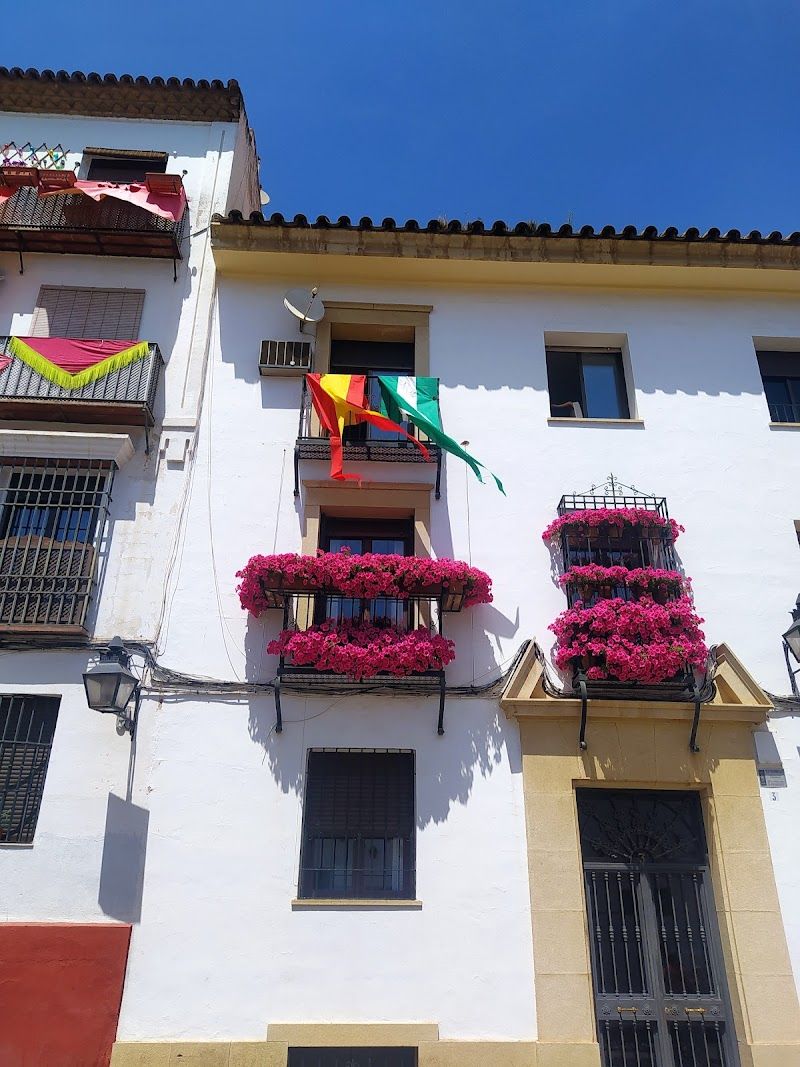
Traditional Cordoba north of the tourist zone: the palace with 12 flower-filled courtyards, the neighbourhood plaza that is the heart of old Cordoba, the lantern-lit crucifix in a quiet square, and the bars where salmorejo costs EUR 3-4.
Plan a trip featuring Plaza de la Corredera & Centro
Get a personalized Cordoba itinerary with Plaza de la Corredera & Centro built in.
Start Planning