Cordoba
Roman Bridge & Riverside
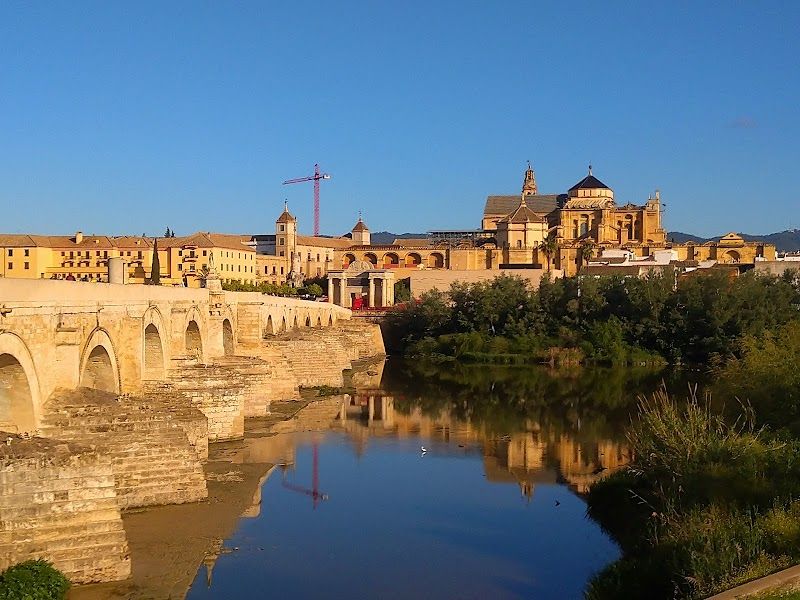
The defining view of Cordoba: the 2,000-year-old Roman Bridge with the Mezquita skyline behind it, the Calahorra Tower at the far end, and the Guadalquivir reflecting the sunset.
About Roman Bridge & Riverside
The Puente Romano (Roman Bridge) is 2,000 years old, 331 metres long, and pedestrianised. The view from the middle of the bridge back toward the old town is the defining image of Cordoba: the Mezquita, the Episcopal Palace, and the old town walls rising above the Guadalquivir. The bridge was originally built in the 1st century BC and has been rebuilt and restored multiple times (the current structure is largely medieval over Roman foundations). The Calahorra Tower (Torre de la Calahorra, EUR 4.50) is the fortified gate at the southern end of the bridge: the small museum inside covers the convivencia (the coexistence of Muslim, Christian, and Jewish cultures in medieval Cordoba) and the rooftop has views back across the bridge to the Mezquita. The Guadalquivir riverside walk runs east and west from the bridge: the Molinos del Guadalquivir (the old water mills) are visible from the riverside path. Sunset from the bridge is the essential Cordoba moment.
Things to Do
Top experiences in Roman Bridge & Riverside
Roman Bridge (Puente Romano)
The Puente Romano stretches 331 meters across the Guadalquivir with 16 stone arches that frame Córdoba's defining skyline view. You'll see the Mezquita's bell tower, the Episcopal Palace, and honey-colored medieval walls rising directly from the riverbank. The structure itself mixes Roman foundations with medieval reconstruction, creating a pedestrian-only walkway that doubles as the city's best photography platform. Game of Thrones fans will recognize it as the Long Bridge of Volantis from season five. Walking across feels like stepping into a postcard, especially when the evening light hits the west-facing old town walls. The middle section gives you the classic Mezquita angle, while the Calahorra Tower at the southern end provides context about the bridge's 2,000-year evolution. Water levels in the Guadalquivir vary seasonally, but when it's calm, the reflections double the visual impact. You'll share the space with street musicians, local joggers, and photographers waiting for golden hour. Most guides oversell the Roman authenticity since what you're walking on is largely medieval stonework. The real payoff is the view, not the bridge itself. Skip the Calahorra Tower (EUR 4.50) unless you want rooftop photos looking back toward the Mezquita. The best light happens 30 minutes before sunset when the limestone walls glow amber and reflect in the river below.
Jardines del Alcázar de los Reyes Cristiano
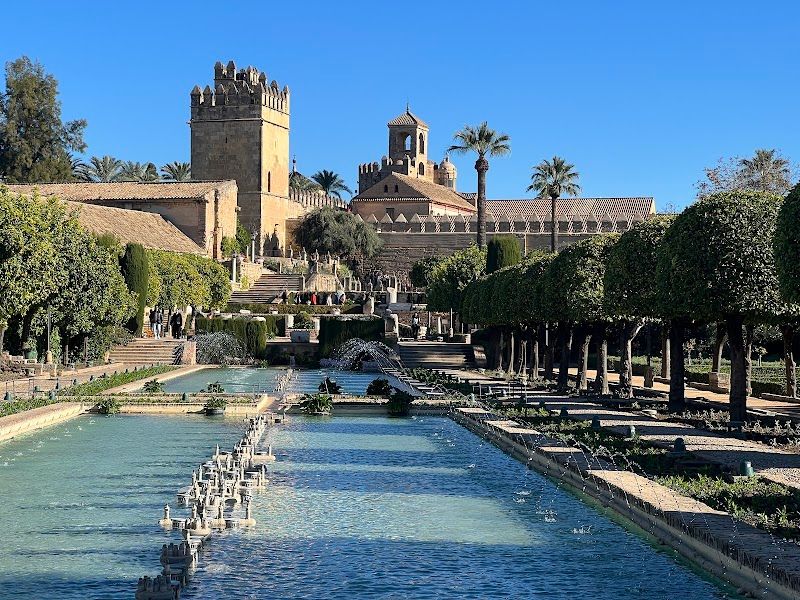
The Alcázar's gardens sprawl across terraced levels below the fortress walls, mixing Moorish geometric pools with Roman-inspired cypress colonnades and Spanish citrus groves. You'll walk through three distinct garden sections connected by stone pathways, each showcasing different water features: rectangular reflecting pools, circular fountains, and narrow channels that guide water between flower beds. The orange and lemon trees create natural shade tunnels, while the sound of flowing water echoes off the ancient stone walls above. The visit flows naturally downward from the fortress courtyard through increasingly lush terraces. You'll start among formal hedgerows and geometric plantings near the building, then descend past the main fountains where families gather on benches. The lower gardens feel more secluded, with winding paths between mature trees and glimpses of the Guadalquivir River through gaps in the vegetation. Spring brings orange blossom fragrance and the best photo light, while summer offers crucial shade during Córdoba's brutal heat. Most visitors rush through in 20 minutes, but the gardens deserve the full 45 minutes your ticket allows. The lower terraces are consistently less crowded than the upper geometric sections where tour groups cluster around the main pools. Skip the small archaeological exhibits tucked into garden corners, they're poorly labeled and add nothing to the experience. At 6 EUR for fortress plus gardens, it's decent value, but don't come expecting Generalife level grandeur.
Alcazar de los Reyes Cristianos
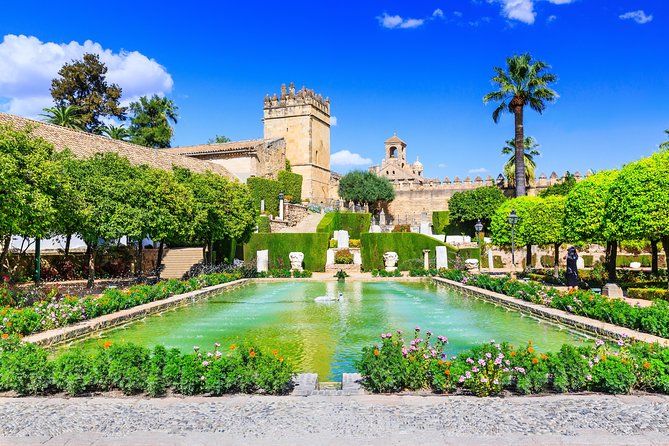
The Alcazar de los Reyes Cristianos (Fortress of the Christian Monarchs) is the 14th-century fortress and palace where Ferdinand and Isabella lived for 8 years while planning the final stage of the Reconquista: the siege and capture of Granada. Columbus met the Catholic Monarchs here in 1486 to pitch his voyage west. The fortress later served as the headquarters of the Spanish Inquisition. Today the main attractions are the Roman mosaics (some of the finest in Spain, discovered in the 1960s under the building), the tower views (climb the Torre de los Leones for a panorama of the Mezquita and the Roman Bridge), and the gardens (geometric terraces, fountains, and pools designed in a Roman-Islamic-Spanish hybrid style that represents the cultural collision of Cordoba). Entry EUR 6.
Torre de la Calahorra
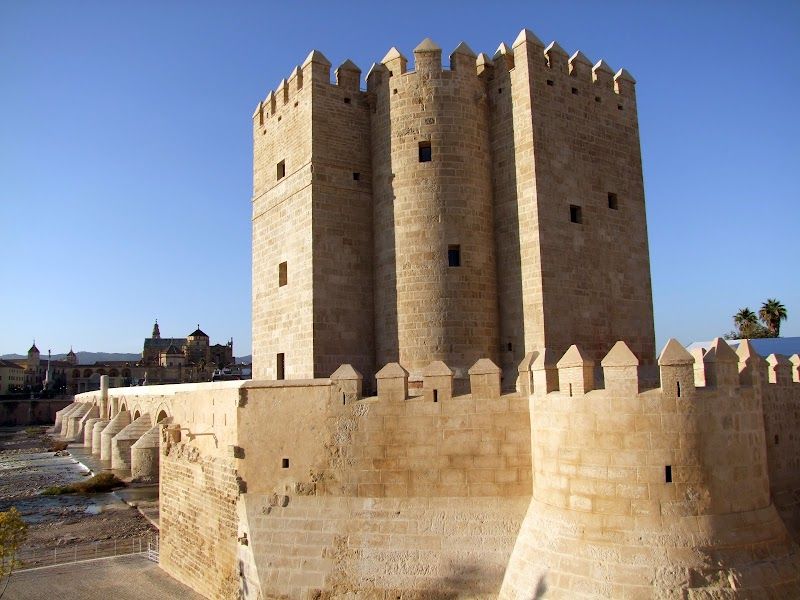
This 14th-century fortified tower guards the southern end of Córdoba's Roman Bridge like a medieval sentinel. Inside, you'll find a multimedia museum dedicated to convivencia, the period when Muslims, Jews, and Christians lived together in medieval Andalusia. The displays use sound, projections, and artifacts to tell this story, though honestly the real draw is the rooftop terrace with its panoramic views over the Guadalquivir River and the Mezquita's bell tower. The visit starts in the tower's stone chambers where audiovisual presentations play out scenes from medieval Córdoba's multicultural past. The museum feels a bit dated with its 1990s-style multimedia approach, but the historical content is solid. Climbing the narrow spiral staircase to the top rewards you with arguably the best vantage point in Córdoba. From here you can see the Roman Bridge stretching toward the Mezquita, the river curving through the city, and the sierra mountains beyond. Entry costs 4.50 EUR for adults, which feels steep for what's essentially a 20-minute experience plus rooftop time. Most people rush through the museum displays to reach the terrace, and honestly that's fine. The historical exhibits are informative but not groundbreaking. Come for the views, stay for photos, and don't feel guilty about skipping the detailed audio explanations unless medieval history really grabs you.
Where to Eat
Restaurants and cafes in Roman Bridge & Riverside
Getting Here
Getting There
Walk from the Mezquita area (5 min to the bridge entrance).
On Foot
Flat. The bridge and riverside are fully pedestrian.
Insider Tips
Sunset from the bridge
The Roman Bridge faces roughly north-south, and the old town skyline faces west. Sunset light hits the Mezquita and the old town walls directly. Arrive 30 minutes before sunset and walk to the middle of the bridge. The reflection in the Guadalquivir doubles the image. This is the one photograph that defines Cordoba.
Calahorra Tower rooftop
EUR 4.50 entry. The museum inside is small and somewhat dated, but the rooftop terrace has the best elevated view of the Roman Bridge and the Mezquita skyline. Go in the late afternoon when the light is warm. The museum content about the convivencia (Muslim-Christian-Jewish coexistence in medieval Cordoba) provides context for everything else you see in the city.
Nearby Neighborhoods
Continue exploring
Mezquita & Juderia
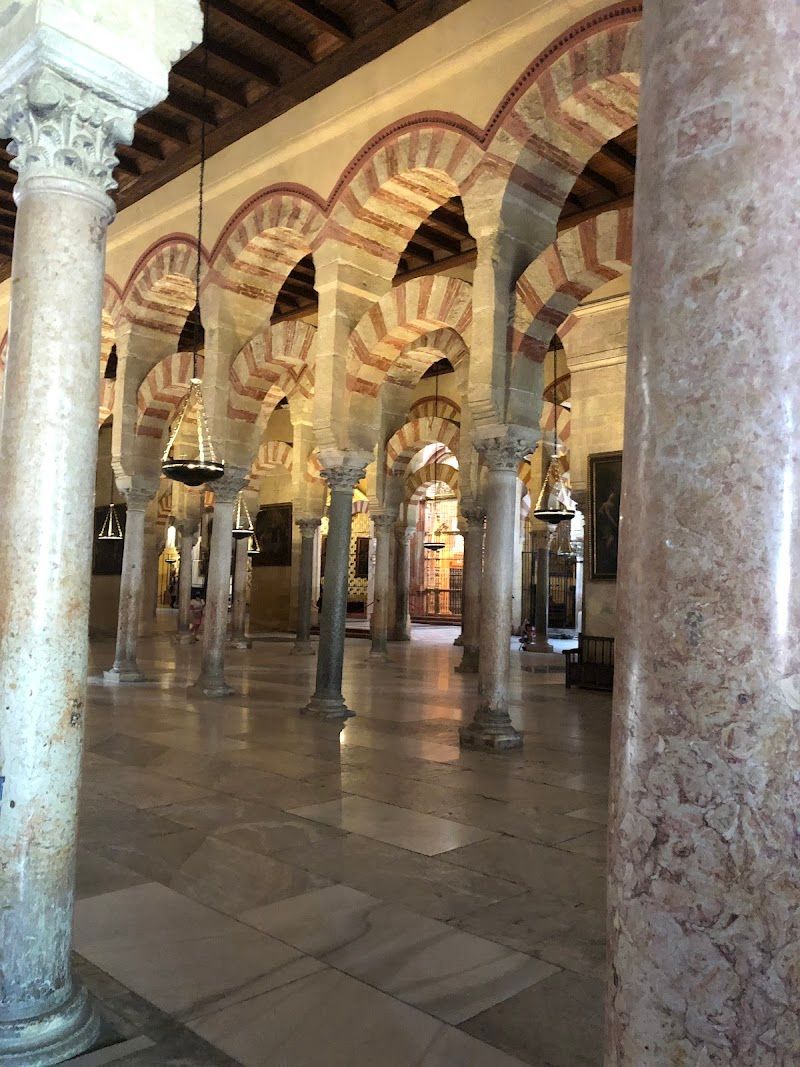
The monumental heart: the Mezquita column forest in morning light, the whitewashed lanes of the Juderia, one of only three surviving medieval synagogues in Spain, and the Alcazar fortress where Ferdinand and Isabella planned the conquest of Granada.
Plaza de la Corredera & Centro
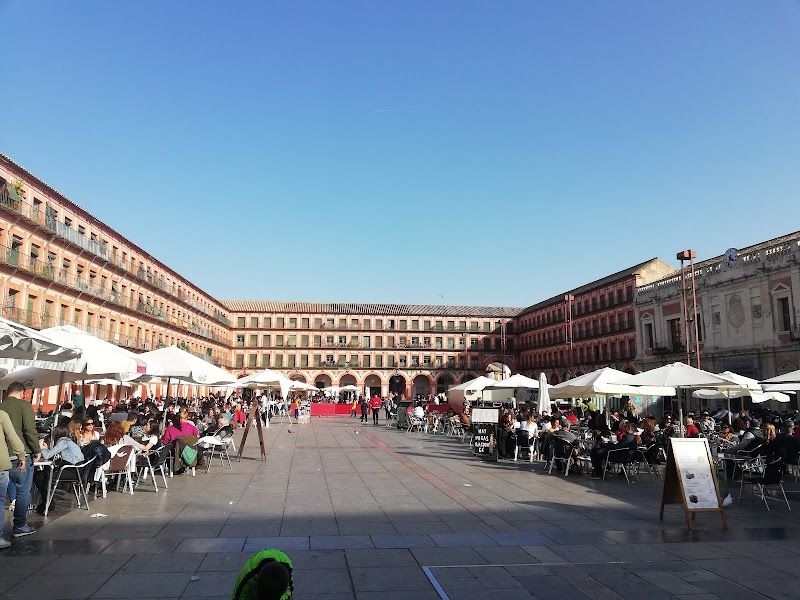
The working city centre: the rectangular plaza with its terrace restaurants, the food market in a renovated iron pavilion, Roman temple ruins in the middle of the modern city, and the shopping streets where cordobeses go about their day.
Palacio de Viana & Santa Marina
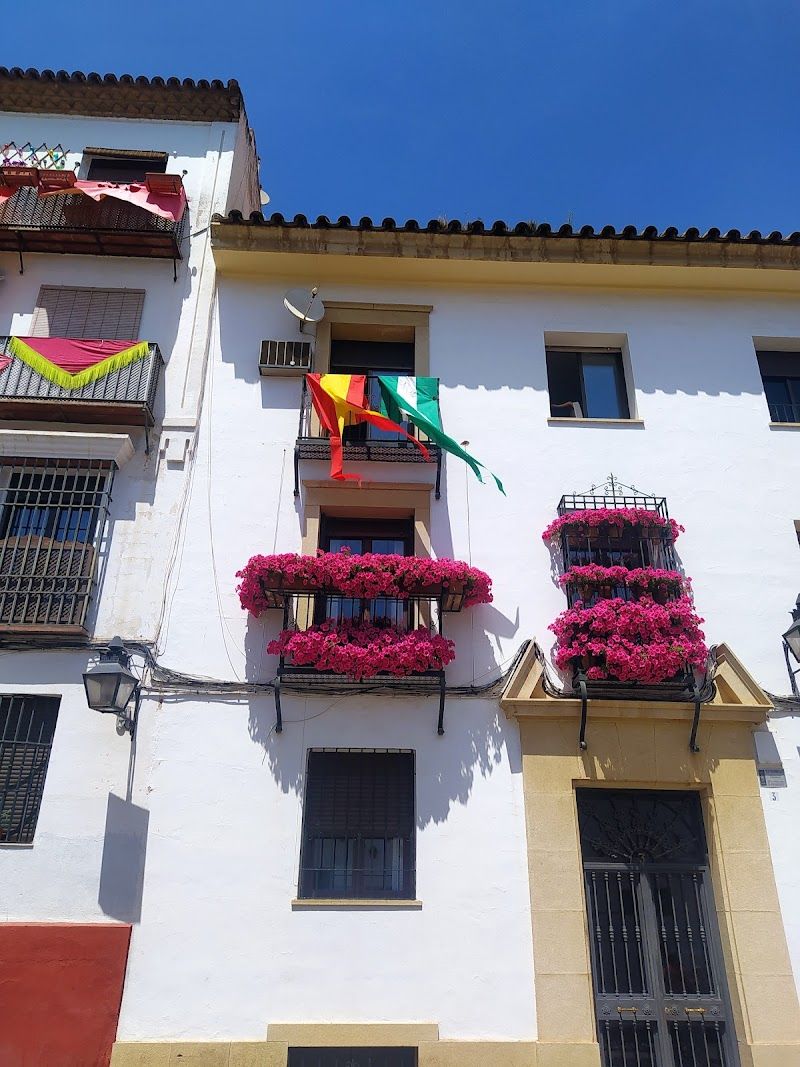
Traditional Cordoba north of the tourist zone: the palace with 12 flower-filled courtyards, the neighbourhood plaza that is the heart of old Cordoba, the lantern-lit crucifix in a quiet square, and the bars where salmorejo costs EUR 3-4.
Plan a trip featuring Roman Bridge & Riverside
Get a personalized Cordoba itinerary with Roman Bridge & Riverside built in.
Start Planning