Dubai
Deira
Souks, spices, gold, and the energy of a trading city
About Deira
Deira is the other side of the Creek and the other side of Dubai's story. This is pre-oil Dubai, the trading quarter where merchants from Iran, India, and East Africa did business long before anyone dreamed of building islands shaped like palm trees. The Gold Souk is the centerpiece: over 200 shops in covered alleyways displaying enough gold to fund a small country. The window displays are absurd, the craftsmanship is real, and the prices are based on the daily gold rate plus a craftsmanship markup. Haggling is expected. Start at 50% of the asking price and settle around 70%.
The Spice Souk is a five-minute walk away and the smell alone is worth the visit. Saffron, cardamom, frankincense, dried lemons, and spice blends in burlap sacks stacked to the ceiling. The vendors are friendly and not aggressive, and a bag of saffron that costs EUR40 in a European supermarket goes for AED 30-50 here. The Perfume Souk nearby sells oud and Arabic perfumes and the whole experience is sensory overload in the best way.
The Deira waterfront at sunset is quietly one of the most beautiful spots in Dubai. The dhows (traditional wooden cargo boats) line up along the Creek, still used for trade with Iran and East Africa, and the light across the water with the skyline behind is the photograph that tells the real Dubai story. If you are here early morning, the Fish Market (recently moved to a modern building near Waterfront Market) is worth the detour for the sheer variety of Gulf seafood.
Things to Do
Top experiences in Deira
Gold Souk
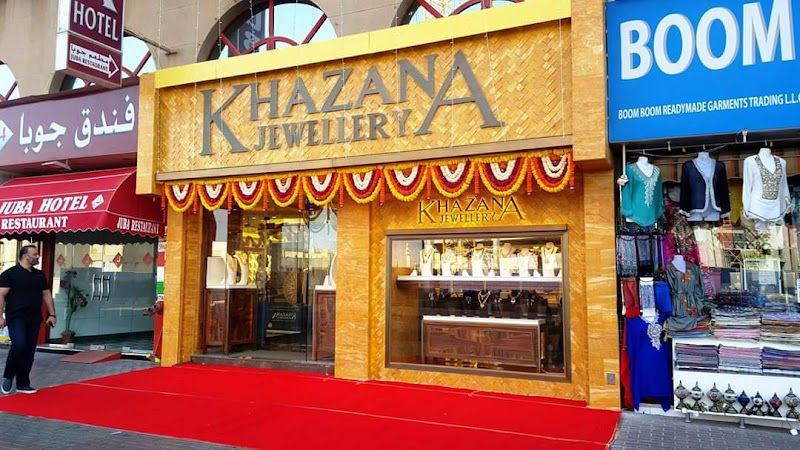
The Gold Souk in Deira is over 200 shops in covered alleyways displaying more gold per square metre than anywhere else on earth. The window displays are absurd: necklaces that weigh kilos, bangles in every shade of gold from pale Italian to deep Middle Eastern, diamond-encrusted pieces that could fund a small country, and the occasional massive chain that looks like it belongs in a hip-hop video from 2003. The prices are based on the daily gold rate (displayed on screens in every shop) plus a craftsmanship markup. This means the gold itself is priced fairly and the negotiation is really about the making charge and the design premium. Haggling is expected, not optional. Start at about 50% of the asking price. The vendor will counter. You will settle around 65-75%. If the price does not move, walk away. They will often call you back with a better offer. You do not have to buy anything. Walking through is free and the visual spectacle alone is worth the visit. The souk is covered and air-conditioned, which makes it comfortable year-round. The alleyways are labyrinthine but small enough that you cannot get truly lost. The vendors are persistent but not aggressive, and a polite 'just looking, thank you' works. The best approach: arrive by abra from Bur Dubai (AED 1), walk from the Deira Old Souk abra station through to the Gold Souk (2 minutes), browse for 30-60 minutes, then continue to the Spice Souk and Perfume Souk nearby. The whole loop takes 2-3 hours and is the single best cultural experience in Dubai for the price of an abra ticket.
Deira City Centre
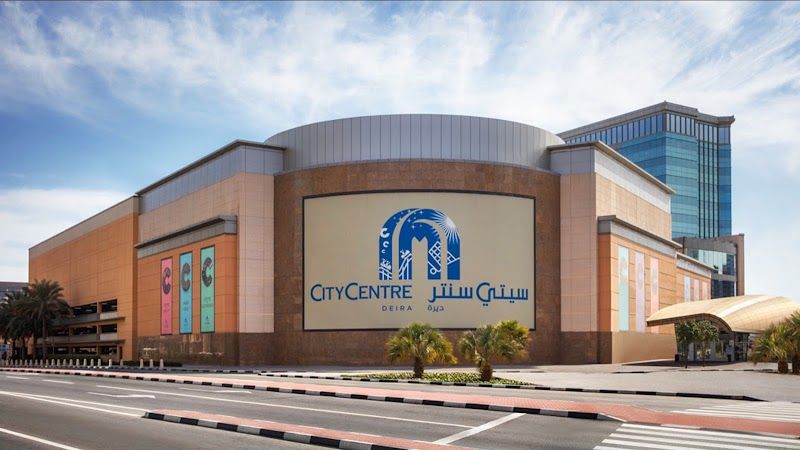
One of Dubai's oldest and most established shopping malls, featuring over 370 stores, a cinema complex, and diverse dining options. This mall maintains a more local atmosphere compared to newer mega-malls, offering a mix of international brands and regional retailers popular with residents.
Waterfront Market
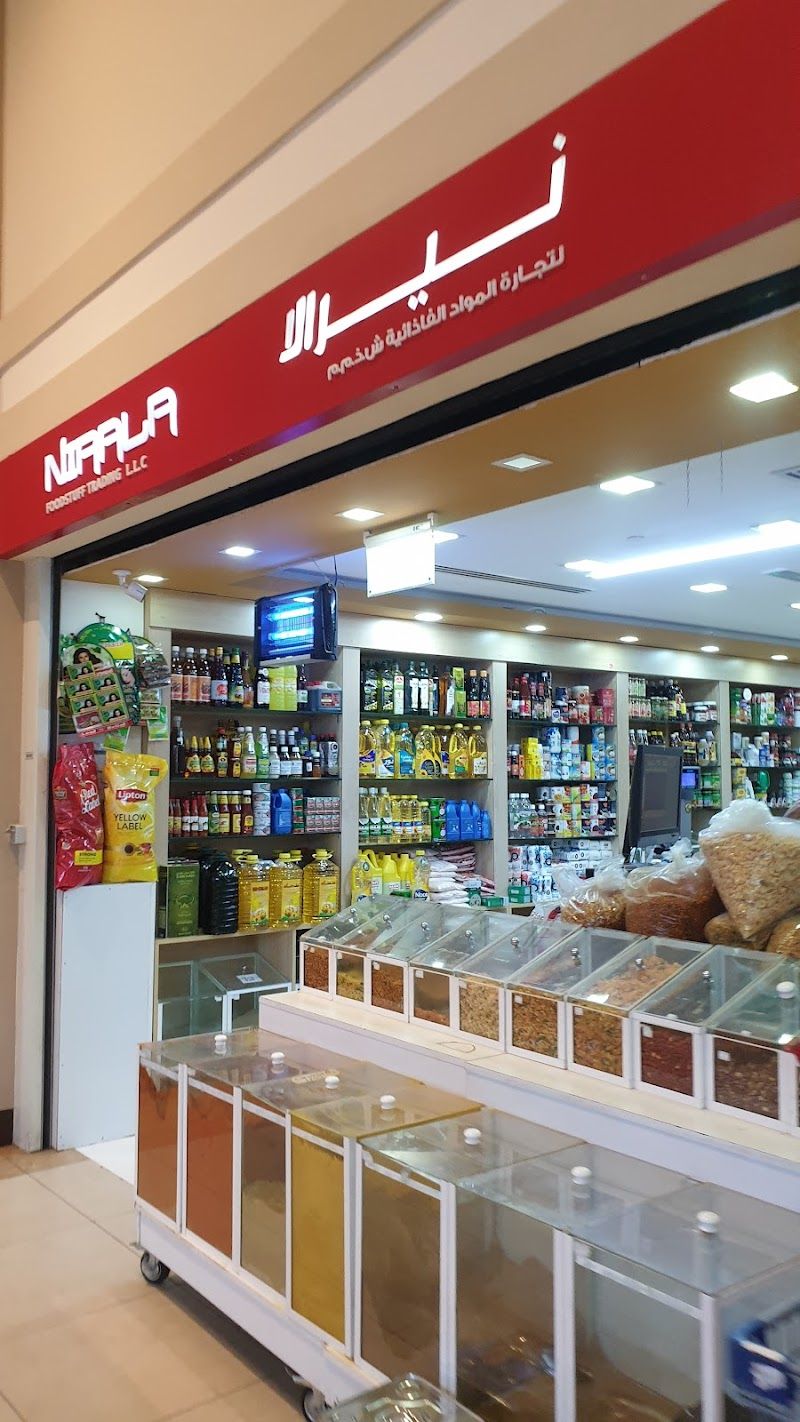
Modern air-conditioned seafood and produce market with 400+ vendors selling fresh fish, meat, fruits, and vegetables. Features viewing gallery of fish auction floor, sushi restaurant, and cooking demonstration areas in contemporary glass building.
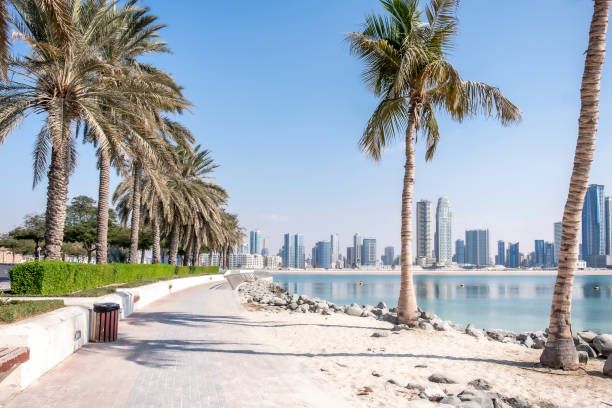
Al Mamzar Beach Park
A sprawling 106-hectare beachfront park featuring pristine sandy beaches, swimming areas, barbecue facilities, and lush green spaces. The park offers five separate beaches with crystal-clear waters, making it a favorite escape for families looking to combine beach time with park amenities.
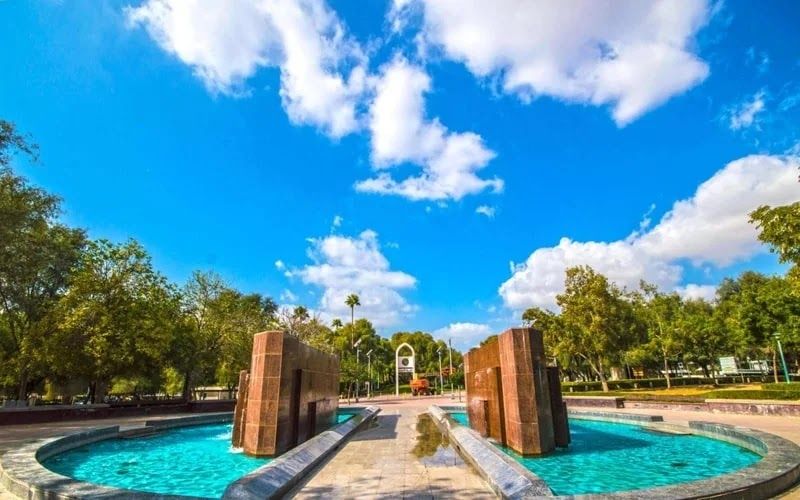
Mushrif Park
This 526-hectare park features the International Village showcasing 13 traditional dwellings from around the world. Includes horseback riding stables, mountain bike trails through ghaf forest, and dedicated adventure playground areas.
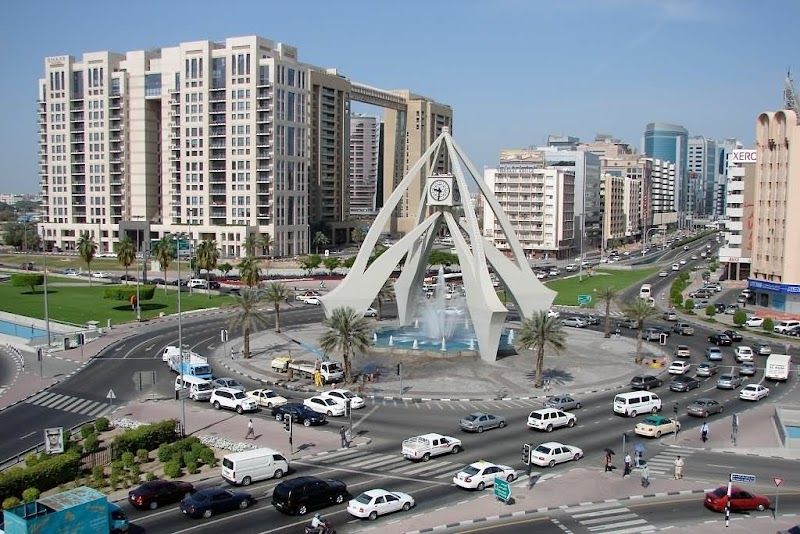
Deira Clock Tower
Iconic 1960s clock tower roundabout marking the historic commercial heart of Deira. One of Dubai's oldest landmarks, serving as a navigation point and meeting spot for decades. Surrounded by bustling markets and old trading districts.
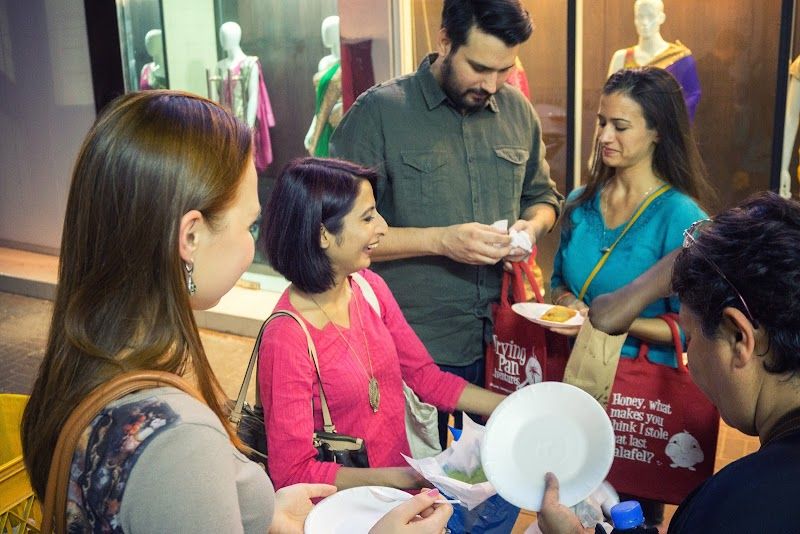
Frying Pan Adventures
Three-hour culinary walking tour through the authentic restaurants and street food stalls of Bur Dubai and Meena Bazaar. Sample Emirati regag bread, Pakistani nihari, Iranian sangak, and end with karak chai at a local tea shop. Limited to 12 participants and includes tastings at six to eight stops.
Where to Eat
Restaurants and cafes in Deira
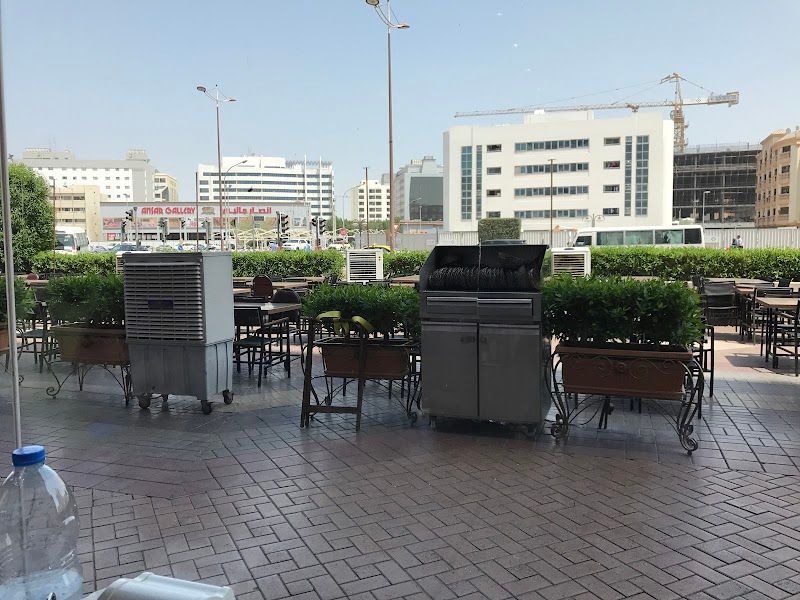
Aroos Damascus
RestaurantFamily-run Syrian restaurant in Deira serving Damascene specialties like kibbeh nayeh, fattoush with pomegranate molasses, and the house mixed grill. The elderly owner still works the room, and regulars speak Arabic dialect over multiple courses. Cash only.
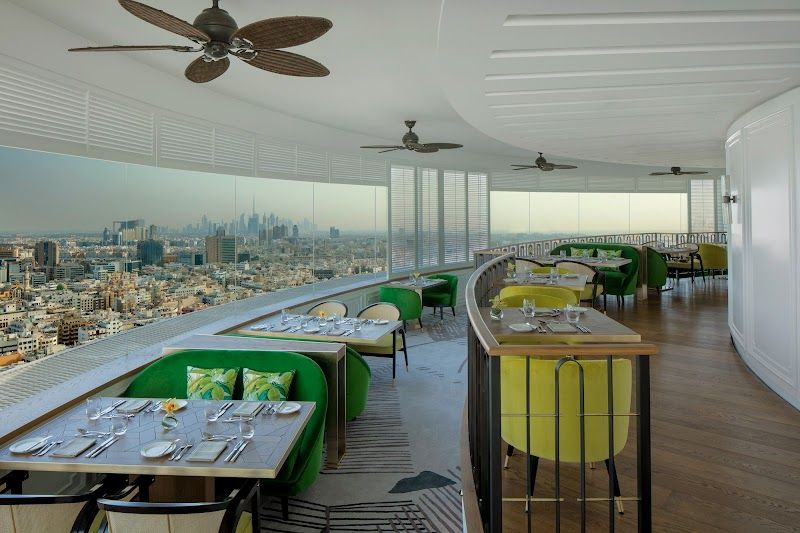
Al Dawaar Revolving Restaurant
RestaurantDubai's only revolving restaurant located on the 25th floor of the Hyatt Regency Dubai. The restaurant completes a full 360-degree rotation every 90 minutes, offering panoramic views of Dubai Creek and the city skyline while you dine on international buffet cuisine.
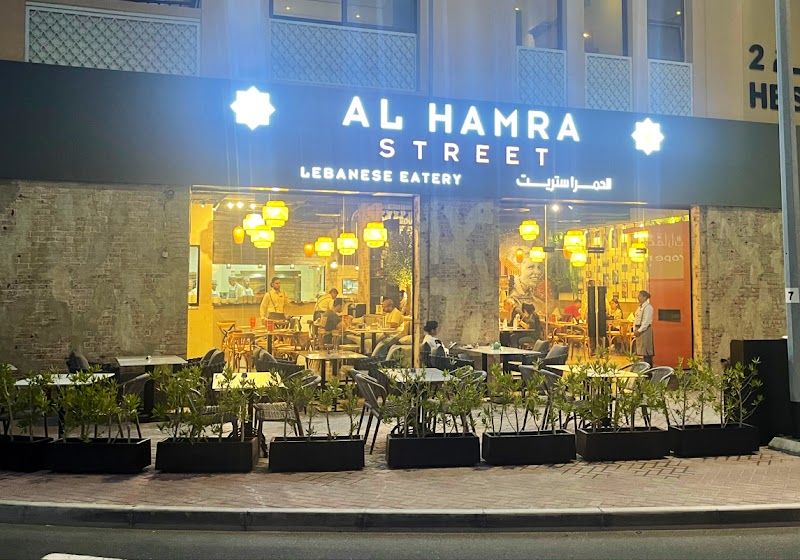
Qwasar Al Hamra Restaurant
RestaurantA beloved local Emirati restaurant specializing in traditional Khaleeji breakfast dishes and grills. The restaurant is famous for its balaleet (sweet vermicelli with eggs), chebab (Emirati pancakes), and freshly baked regag bread served in a casual, authentic setting.
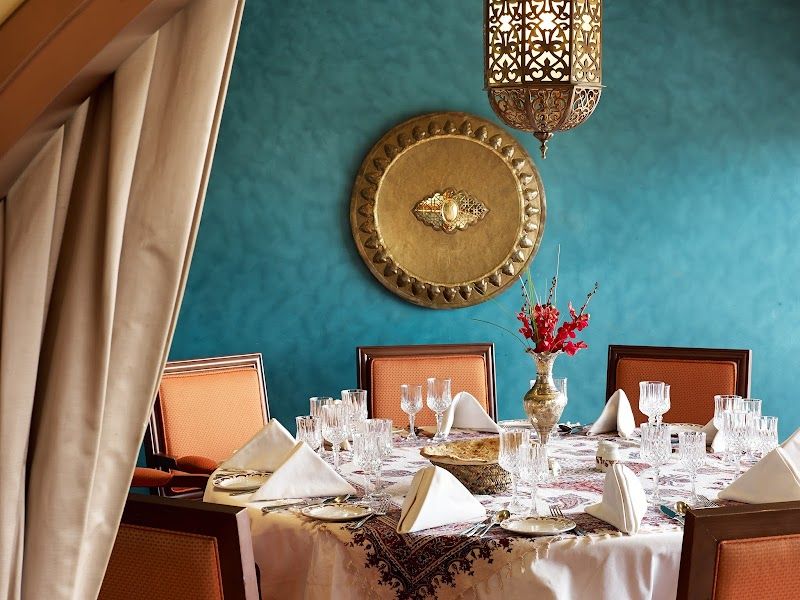
Shabestan
RestaurantPersian fine dining on the 51st floor of Radisson Blu Deira Creek with panoramic views across old Dubai. The dizi stew, saffron ice cream, and lamb shank biryani are cooked in traditional methods. Thursday night Persian live music draws the Iranian community.
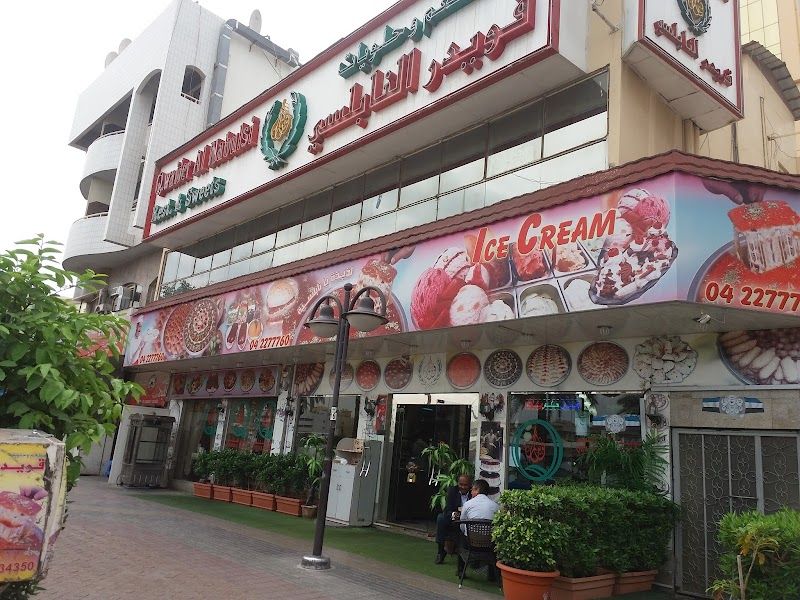
Qwaider Al Nabulsi
RestaurantPalestinian dessert cafe in Karama specializing in knafeh, qatayef, and baklava made with Nabulsi cheese. The knafeh arrives hot from the oven with pistachios and rose syrup, served on vintage trays. Weekend evenings see queues out the door.
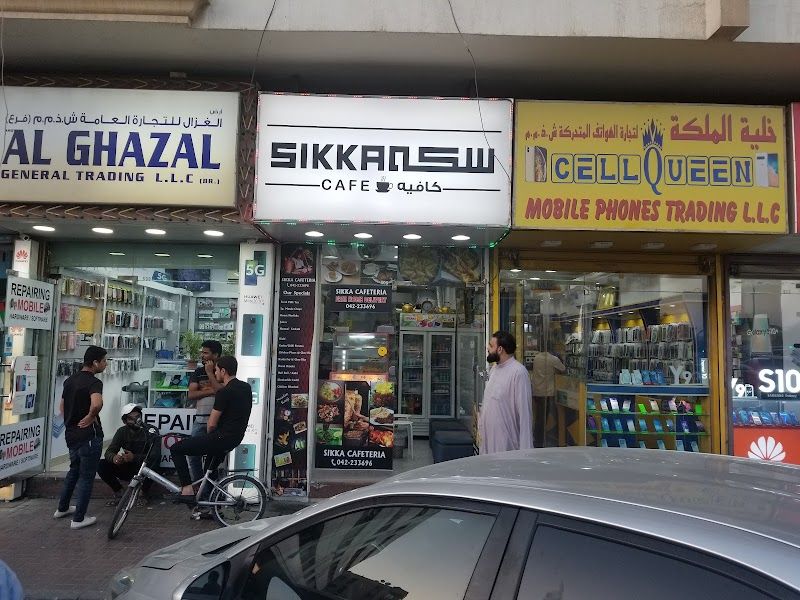
Sikka Cafe
CafeContemporary Emirati cafe serving traditional dishes with a modern twist in a casual, relaxed setting. Known for their regag wraps, karak tea, and traditional breakfasts that showcase local flavors. The menu features authentic recipes passed down through generations, making it perfect for experiencing Emirati home-style cooking.
Getting Here
Metro Stations
Getting There
Green Line to Al Ras station for the Gold Souk and Spice Souk. The station exit puts you within a 3-minute walk of both.
On Foot
Very walkable within the souk district. The Gold Souk, Spice Souk, Perfume Souk, and Creek waterfront are all within a 10-minute walking radius. The streets are narrow and shaded but carry water.
Insider Tips
Morning for shopping, evening for atmosphere
The souks are best for serious shopping in the morning (10 AM-1 PM) when vendors are fresh and less crowded. For atmosphere and photography, go in the early evening (5-7 PM) when the lights come on and the alleyways glow.
Gold Souk haggling etiquette
Haggling is expected and not rude. Start at about 50% of the asking price. The vendor will counter. You will settle around 65-75%. Walk away if the price does not move and they will often call you back. Gold prices are based on the daily rate displayed in each shop, the markup is for design and craftsmanship.
Take the abra from Bur Dubai
The best way to arrive in Deira is by abra from the Bur Dubai side. AED 1, five minutes, and you step off at the Deira Old Souk abra station with the Gold Souk a two-minute walk away. Much better than a taxi through traffic.
Nearby Neighborhoods
Continue exploring