
United Arab Emirates
Dubai
The tallest, the biggest, the most air-conditioned, and underneath all of it, a creek-side trading city that still sells spices by the kilo
Best Time
November to March (20-28C). Avoid June-September when temperatures hit 40-50C.
Ideal Trip
4-5 days
Language
Arabic, English widely spoken
Currency
AED
Budget
AED 155-335/day (excl. hotel)
About Dubai
Dubai is what happens when a city has unlimited ambition, unlimited money, and about forty years of patience. The tallest building in the world is here. So is the largest mall, the longest automated metro, and a ski slope inside a shopping centre. It sounds like a parody of excess until you are standing on the 124th floor of the Burj Khalifa at sunset and the desert stretches orange in every direction and you think: okay, this is actually extraordinary.
But the version of Dubai that gets all the headlines, the gold-plated everything, the supercars on every corner, is only one layer. Old Dubai exists and it is genuinely fascinating. The Creek divides the city in half, and the water taxis (abras) that cross it cost AED 1 (about $0.25) and have not changed in decades. The souks in Deira sell spices, gold, and perfume in alleyways that feel closer to Marrakech than to the Marina. Al Fahidi Historical Neighbourhood has wind-tower houses from the 1890s and galleries that show a Dubai most visitors never imagine existed.
The food scene is the real surprise. Dubai has become one of the best eating cities in the Middle East, and the range is staggering: Emirati cuisine at Al Fanar for AED 60, Pakistani biryani in Deira for AED 15, Japanese omakase in DIFC for AED 800, and everything in between. Friday brunch is a cultural institution here. Hotels serve all-you-can-eat-and-drink spreads for AED 200-500 that last four hours and are essentially Dubai's version of a long Sunday lunch. Everyone does it. Book ahead.
Here is what nobody tells you: Dubai is two cities. There is the tourist Dubai of the Marina, JBR beach, and the Dubai Mall, which is impressive but sanitised. And there is the everyday Dubai of Karama, Satwa, and Bur Dubai, where the city's massive South Asian and Filipino communities have built food scenes that rival anything in Mumbai or Manila. The second version is cheaper, more interesting, and five minutes away from the first.
Neighborhoods
Each district has its own personality
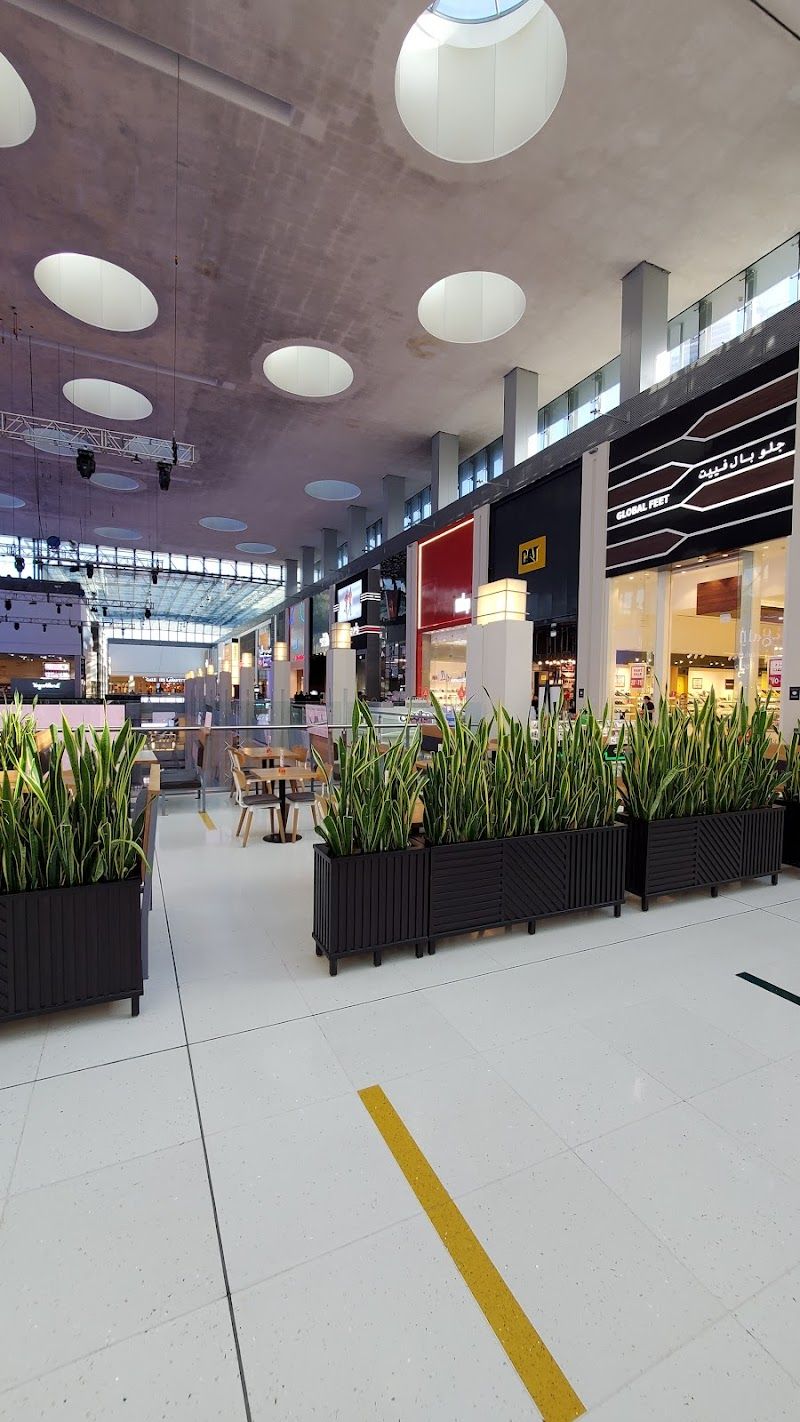
Downtown Dubai
Vertical, spectacular, overwhelming in the best way
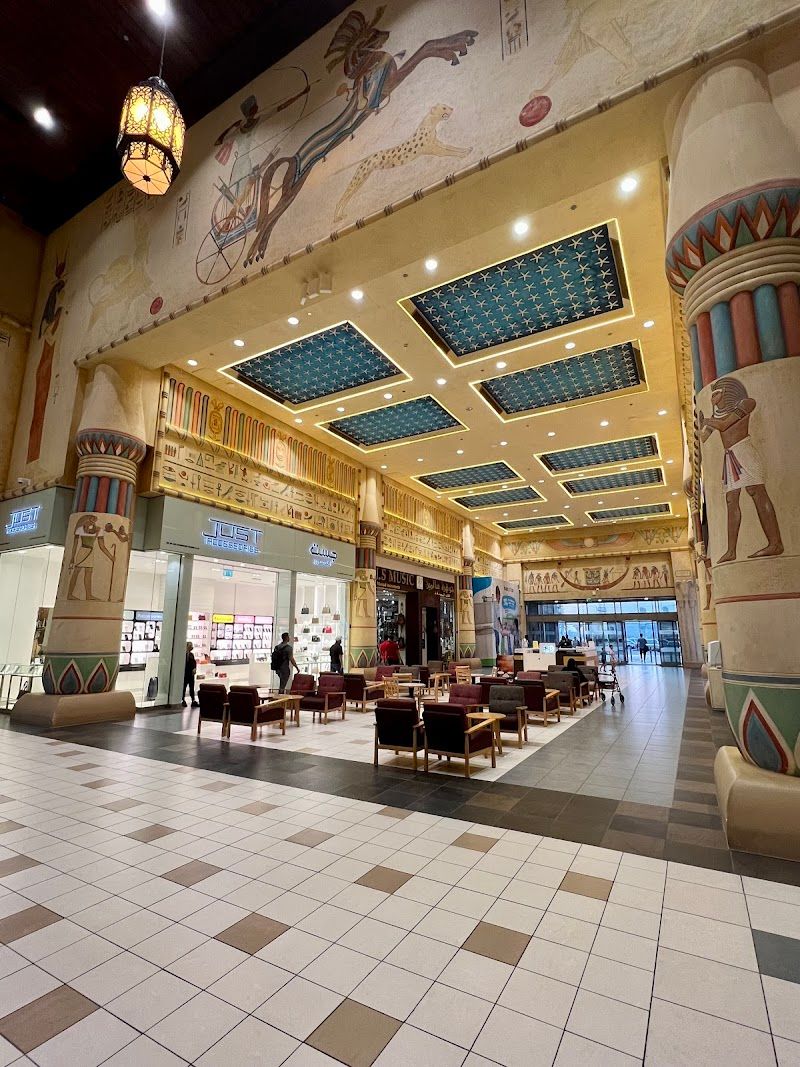
Dubai Marina & JBR
Beachfront high-rises, resort energy, sunset everything
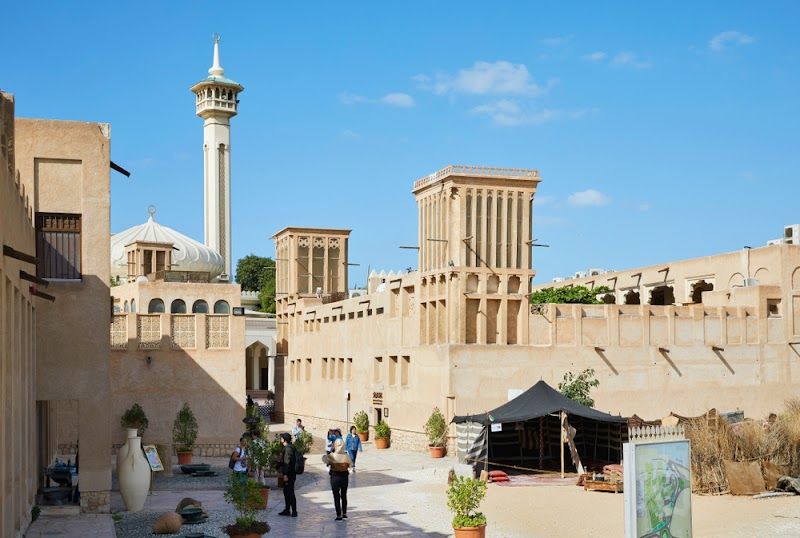
Bur Dubai
Historic, authentic, the Dubai that existed before the skyscrapers
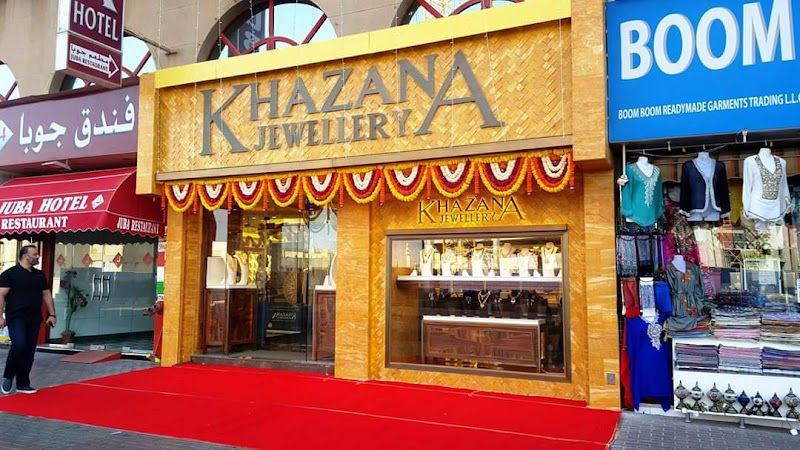
Deira
Souks, spices, gold, and the energy of a trading city
DIFC & Business Bay
Sleek, sophisticated, Dubai's answer to the City of London but with better restaurants
Jumeirah
Residential, beachy, the pace Dubai was meant to have
Things to Do
Top experiences in Dubai
Dubai Mall
The Dubai Mall is 1,200 shops across 502,000 square metres, which makes it one of the largest malls in the world by total area. The numbers are meaningless until you are inside and realise you have been walking for 20 minutes and still have not reached the aquarium. The Dubai Aquarium viewing panel is free from the mall floor: an enormous tank with sharks, rays, and thousands of fish visible without paying the AED 159 tunnel entrance fee. But the mall is more than shopping. There is a dinosaur skeleton (a 155-million-year-old Diplodocus, free to view), an Olympic-sized ice rink (AED 80 including skate rental), a VR park, a waterfall feature four storeys tall, and KidZania (a miniature city where children do adult jobs, AED 185). The food court on the lower ground floor has better variety and value than most of the sit-down restaurants, though the restaurants overlooking the fountain promenade are worth the premium at showtime. The sheer scale is the thing that photography and descriptions cannot convey. You will get lost. You will walk more than you planned. The map on the Dubai Mall app is essential. The air conditioning is aggressive, bring a light layer. The metro connection (Burj Khalifa/Dubai Mall station) involves a 10-minute walk through an air-conditioned tunnel, which is its own experience in efficiency. Is the Dubai Mall a mall? Technically. In practice it is a climate-controlled city within a city, and dismissing it as 'just shopping' misses what it represents about Dubai's approach to public space in a desert climate where outdoor gathering is impossible for half the year.
Burj Khalifa
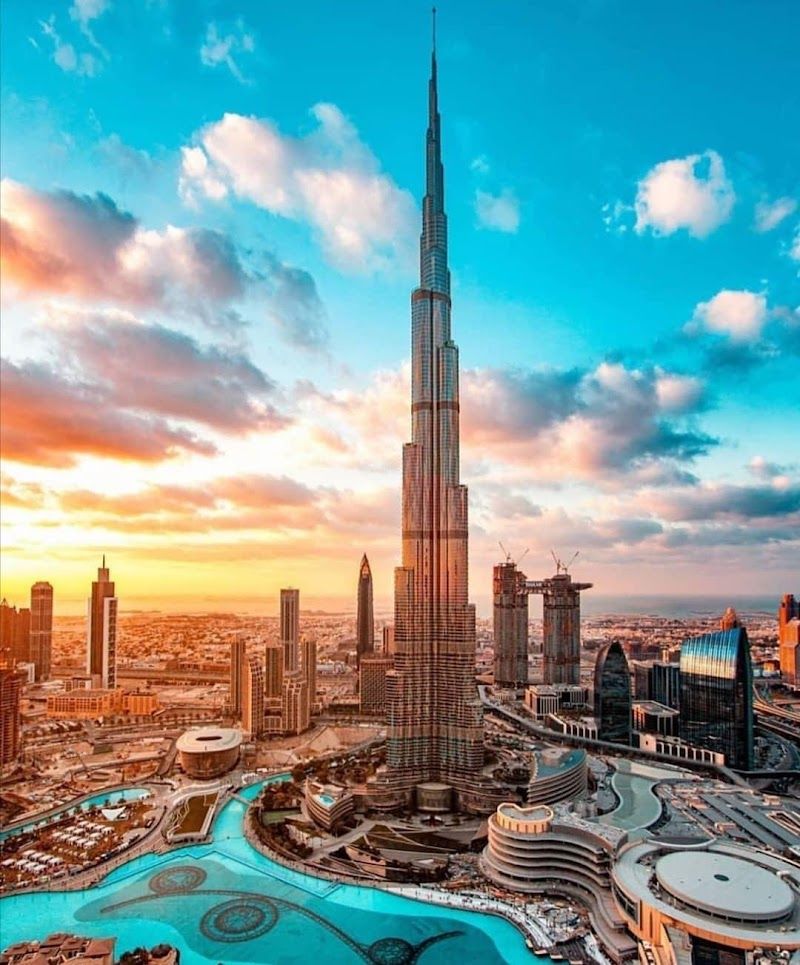
The Burj Khalifa is 828 metres tall and from the observation deck on the 124th floor the cars below look like ants and the ants are invisible. The building should not exist. It is taller than anything else on earth by over 200 metres, it took six years to build, and standing at the base looking up makes your neck hurt and your brain stall trying to process the scale. There are two observation deck options. 'At the Top' on the 124th/125th floor costs AED 149 online (AED 169 at the door) and is the right choice for most people. 'At the Top SKY' on the 148th floor costs AED 399 and adds a lounge with drinks, a guided tour, and about 24 extra floors of height. The views are marginally better but the 124th floor is already so high that the difference is academic. Book the sunset slot (check the exact time for your dates) because watching the city light up from that height is the single most photogenic moment in Dubai. Go up in the late afternoon, around 4-5 PM. You will see the city in daylight, watch the sun set over the desert, and see the lights come on. The whole sequence takes about 90 minutes and you will not regret staying the full time. The elevator is one of the fastest in the world and reaches the 124th floor in about 60 seconds, which is its own kind of experience. Come back down in time for the Dubai Fountain show, which starts at 6 PM and runs every 30 minutes until 11 PM. The best free viewing spot is the waterfront promenade between the Burj Khalifa and the Dubai Mall. The best paid spot is a table at any restaurant in Souk Al Bahar, where a AED 40 main course buys you a front-row seat. Skip the fountain boat rides (AED 85) unless you want to get slightly damp.
Mall of the Emirates
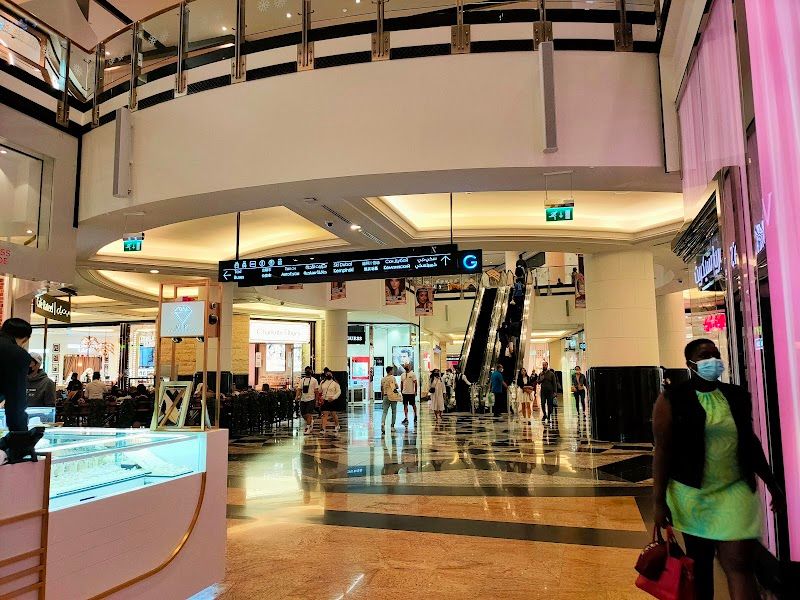
Landmark 630-store shopping center housing Ski Dubai, the Middle East's first indoor ski slope. Features 85 dining options, VOX Cinemas megaplex, and Magic Planet entertainment zone spanning 2.4 million square feet.
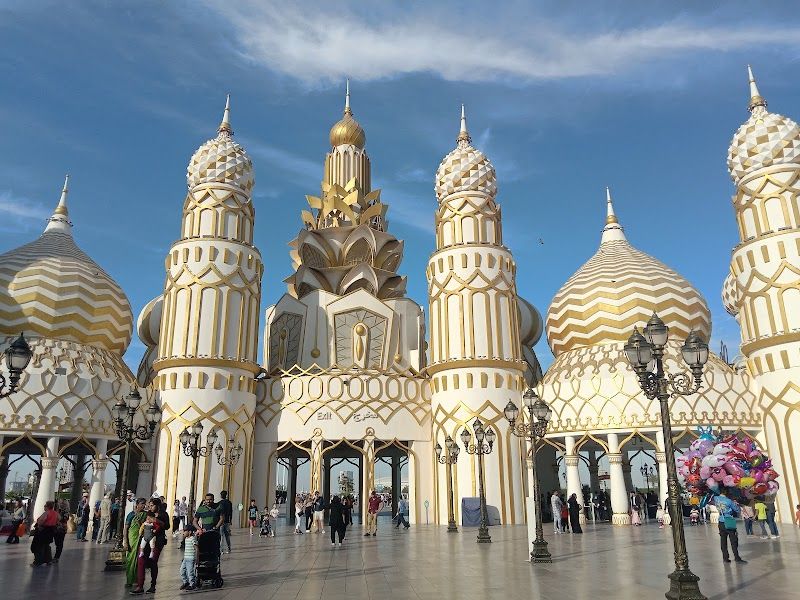
Global Village
Global Village is a seasonal attraction (October to April) that is part world's fair, part street food market, part theme park, and part shopping bazaar. AED 25 entry (about $7) gets you into a massive outdoor complex where over 90 countries have pavilions selling food, crafts, clothing, and souvenirs. The Turkish pavilion sells baklava, the Indian pavilion has biryani, the Moroccan pavilion has tagine, and the whole place is a chaotic, colourful, delicious mess. The food is the real draw. Each country's pavilion has its own kitchen, and the range and quality of street food here is staggering. You can eat Korean fried chicken, Emirati machboos, Filipino halo-halo, and Peruvian ceviche in the space of 100 metres. Most items cost AED 15-40. The trick is to graze: buy one thing from each pavilion you pass and assemble a meal from six countries. There are also rides (a Ferris wheel, rollercoasters, bumper cars), live performances on multiple stages, and a fireworks display on weekends. The rides cost extra (AED 15-30 per ride or AED 100 for an unlimited wristband) and are aimed at families. The overall energy is festive, loud, and completely unlike anything else in Dubai. Global Village is on the outskirts of the city with no metro access. Taxi from Downtown is AED 40-60. It opens in the late afternoon (4 PM) and runs until midnight or later. Go on a weekday evening for smaller crowds. The October opening is the freshest, by March the pavilions are more tired.
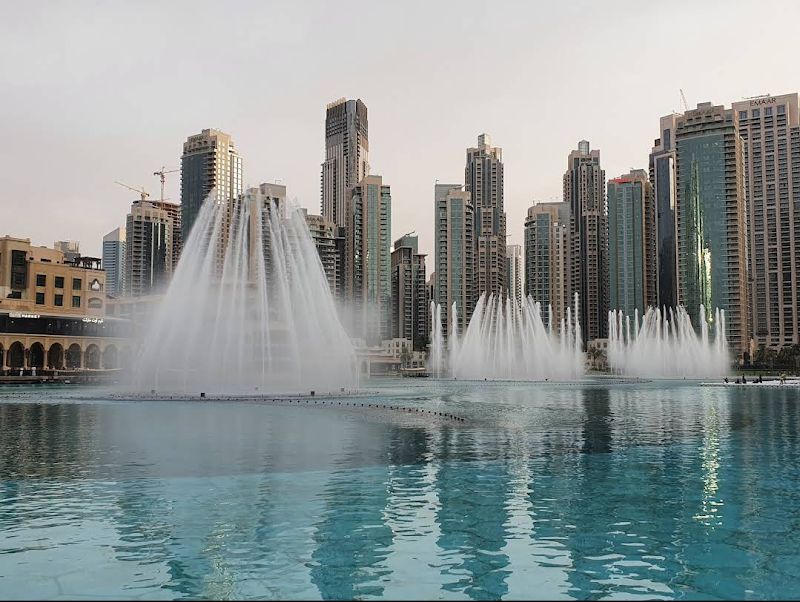
Dubai Fountain
The Dubai Fountain is the world's largest choreographed fountain system, performing a water, light, and music show every 30 minutes from 6 PM to 11 PM. It is free. The choreographed water jets reach up to 150 metres (higher than a 50-storey building) against the backdrop of the Burj Khalifa, and the whole thing is set to music ranging from Whitney Houston to Arabic classical. It is touristy and spectacular and there is no reason to pretend otherwise. The best free viewing spot is the waterfront promenade between the Burj Khalifa and Souk Al Bahar. Arrive 10-15 minutes before the 6 PM show for the first performance (the crowd is thinnest then) and stake out a spot on the railing closest to the water. The fountains are also visible from inside the Dubai Mall through the lower ground floor windows, which is useful if it is too hot to stand outside. The best paid viewing is a table at any restaurant in Souk Al Bahar, the traditional-style market across the footbridge from the mall. A AED 40 main course buys you a front-row seat to the show with the Burj Khalifa rising directly behind the fountains. The restaurants fill up around showtime, so arrive by 5:30 PM if you want a terrace table. There are fountain boat rides (AED 85 for a 30-minute ride on the lake) which put you closer to the water jets. The experience is fine but the view is actually worse because you are too close and too low to see the full choreography. The promenade or a Souk Al Bahar terrace is the better perspective by far.
Dubai Miracle Garden
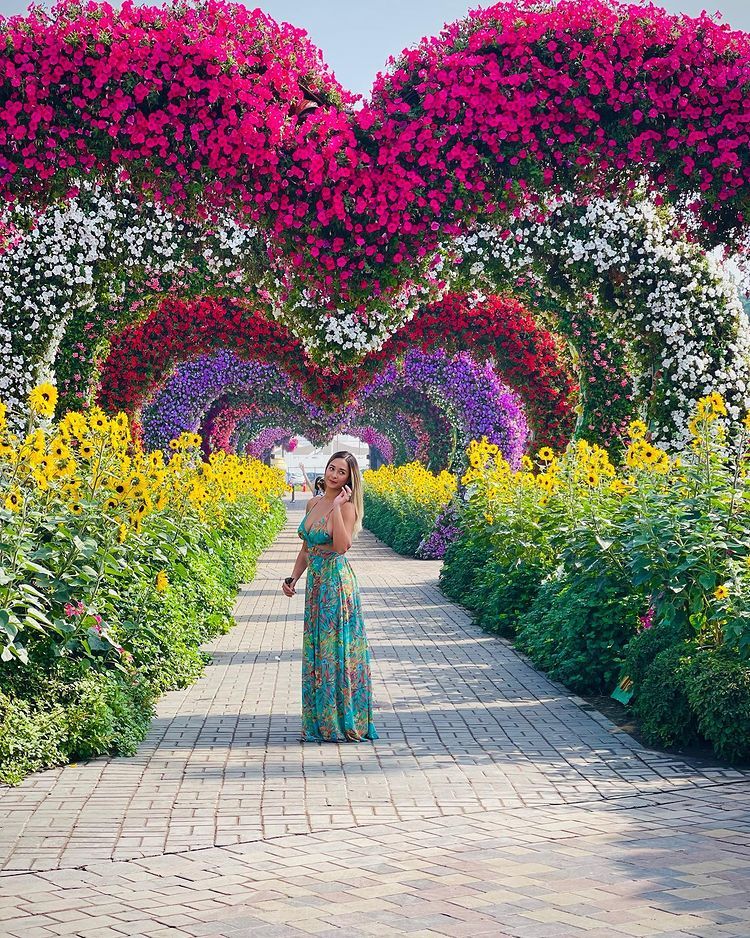
Dubai Miracle Garden is 72,000 square metres of flowers arranged into shapes that range from impressive (a full-size Emirates A380 aircraft covered in flowers) to whimsical (houses, hearts, arches, characters). It is open seasonally from November to May because the summer heat would kill everything. During the season, there are over 150 million flowers in bloom. AED 55 entry (about $15). The instinct is to dismiss this as Instagram bait, and in one sense it is. The entire garden is designed for photographs. But the execution is impressive. The flower arrangements are maintained to a standard that makes the engineering behind them (the irrigation, the climate control, the logistics of planting and replacing millions of flowers) genuinely remarkable. The Emirates A380 display holds the Guinness World Record for the largest floral installation. Go in the late afternoon (3-5 PM) when the light is soft and the worst heat of the day has passed. The garden is outdoors and there is minimal shade, so morning or late afternoon visits are essential. Weekdays are significantly less crowded than weekends. The butterfly garden next door (included in the ticket) is a pleasant, air-conditioned addition with thousands of live butterflies. The garden is located on the outskirts of the city near Al Barsha. There is no metro station, so you will need a taxi (AED 35-50 from Downtown, AED 25-35 from the Marina). Allow 2 hours for the garden and 30 minutes for the butterfly garden.
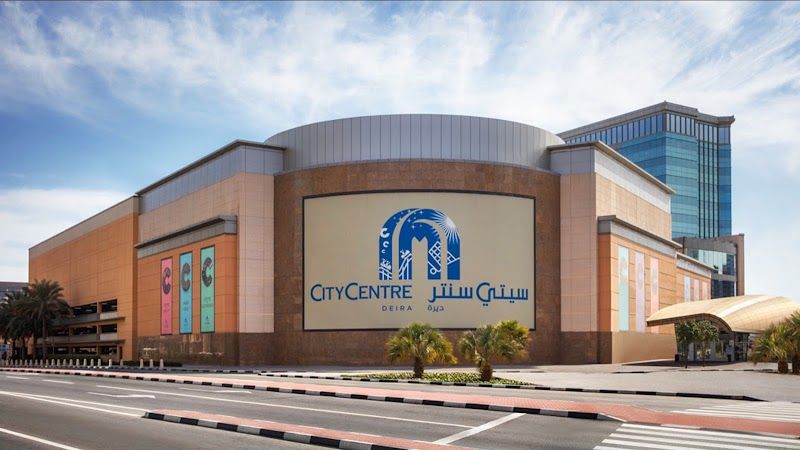
Deira City Centre
One of Dubai's oldest and most established shopping malls, featuring over 370 stores, a cinema complex, and diverse dining options. This mall maintains a more local atmosphere compared to newer mega-malls, offering a mix of international brands and regional retailers popular with residents.
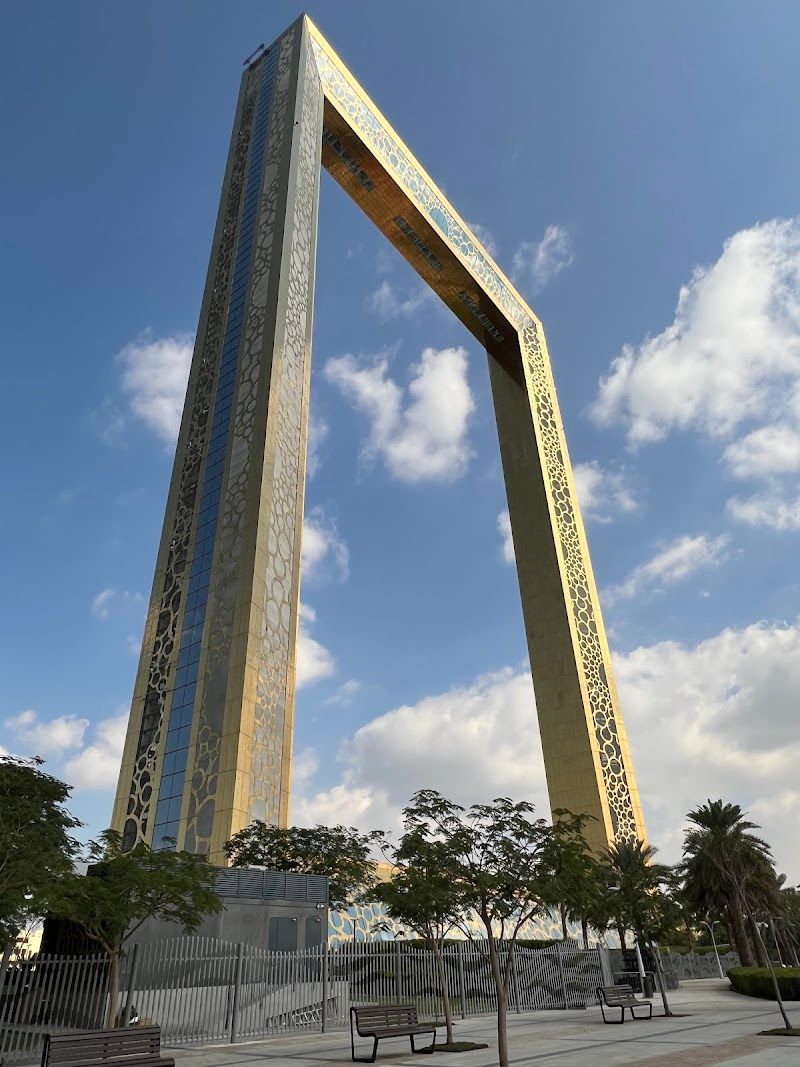
Dubai Frame
The Dubai Frame is a 150-metre-tall, 93-metre-wide picture frame in Zabeel Park. One side faces Old Dubai, the other faces New Dubai, and the concept is that you see the city's past and future simultaneously. It is kitschy and brilliant. The glass-floored sky deck on top is terrifying for those who look down and exhilarating for everyone else. The museum inside the base tells the story of Dubai's transformation from a fishing village to a megacity with immersive exhibits that are better than expected. You start in a gallery showing old Dubai (pearl diving, Creek trading, wind-tower houses), take the elevator to the top, cross the glass bridge with the skyline on both sides, and descend through a gallery showing futuristic Dubai plans. AED 50 entry (about $14). The views from the top are different from the Burj Khalifa because you are lower and centrally positioned between Old and New Dubai. You can see the Creek, the souks, Bur Dubai, and Deira on one side, and the Burj Khalifa, Business Bay, and the Marina skyline on the other. On a clear day, the contrast between the two sides is the most effective visual metaphor for Dubai's transformation that exists. Go in the late afternoon for the best light on both sides. The glass floor panels on the sky deck are about 3 metres long and the drop below is visible. Some visitors walk across confidently. Others crawl. Both reactions are valid. The gift shop at the base is forgettable. Zabeel Park around the Frame is pleasant for a walk afterward.
Ibn Battuta Mall
Themed mall divided into six courts representing regions visited by 14th-century explorer Ibn Battuta: China, India, Persia, Egypt, Tunisia, and Andalusia. Each section features architectural details and design elements authentic to its region across 521,000 square meters.
Museum of the Future
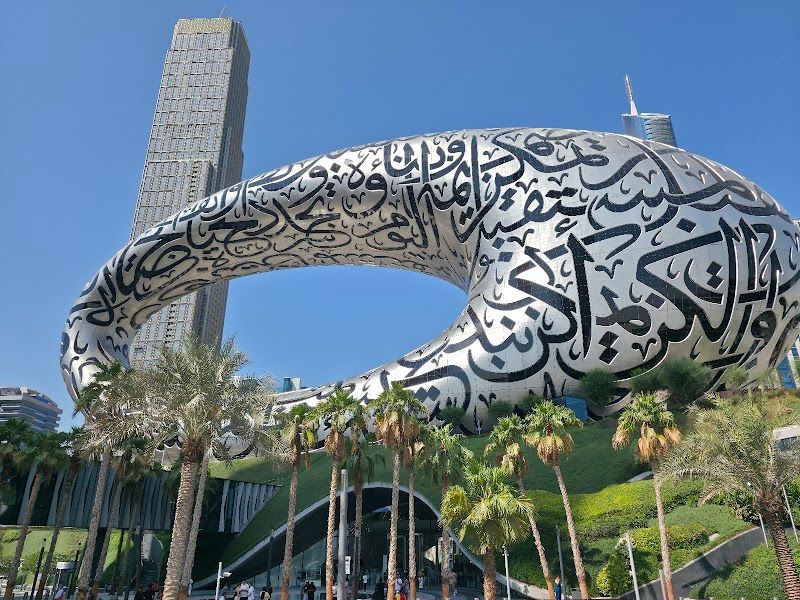
The Museum of the Future is the torus-shaped building on Sheikh Zayed Road that looks like an eye and is covered in Arabic calligraphy. The building alone, designed by Killa Design and opened in 2022, is one of the most striking pieces of architecture built this century. The facade has no straight lines and the Arabic script carved into it is not decorative but functional, serving as windows that let light into the interior. Inside, the experience is part museum, part immersive theatre. You take an elevator to the top floor (set in space, on a space station orbiting Earth in 2071) and work your way down through themed floors exploring future scenarios: a rainforest DNA library, a wellness floor focused on the senses, a floor about AI and technology, and a creative floor for children. The production values are extraordinary. Every room is a designed experience with sound, lighting, scent, and interactive elements. Is it a museum in the traditional sense? Not really. There are no permanent collections or artefacts. It is more of an immersive experience about possible futures, designed to be cinematic rather than educational. Whether that appeals to you depends on what you expect from the word 'museum.' If you want to be impressed by design and production quality, this delivers. If you want to learn facts about the future, you might leave wanting more substance. AED 149 entry. Book online in advance, timed slots sell out. Allow 2-3 hours. Photography is allowed in most areas. The gift shop is better than average. The building is stunning from the outside at night when the calligraphy is backlit.
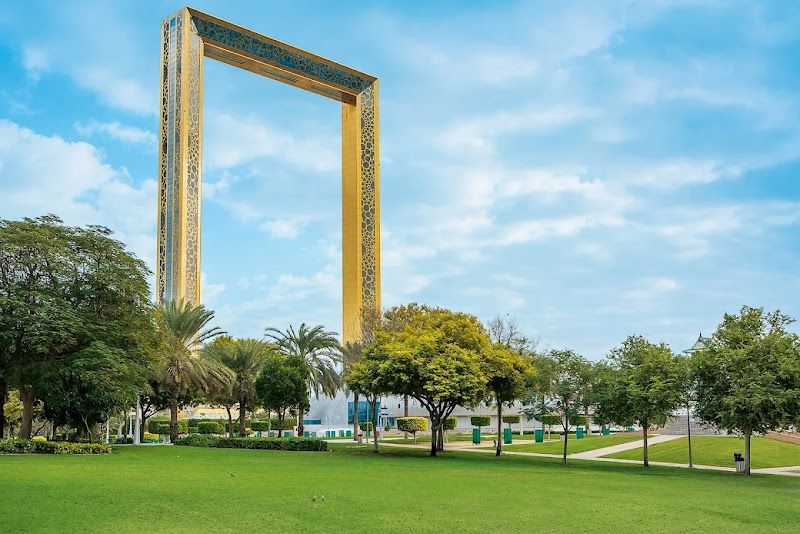
Zabeel Park
Dubai's largest urban park spans 47 hectares with separate sections for families and singles. Home to the Dubai Frame landmark and features cricket pitches, jogging tracks, and lakeside picnic areas with city skyline views.
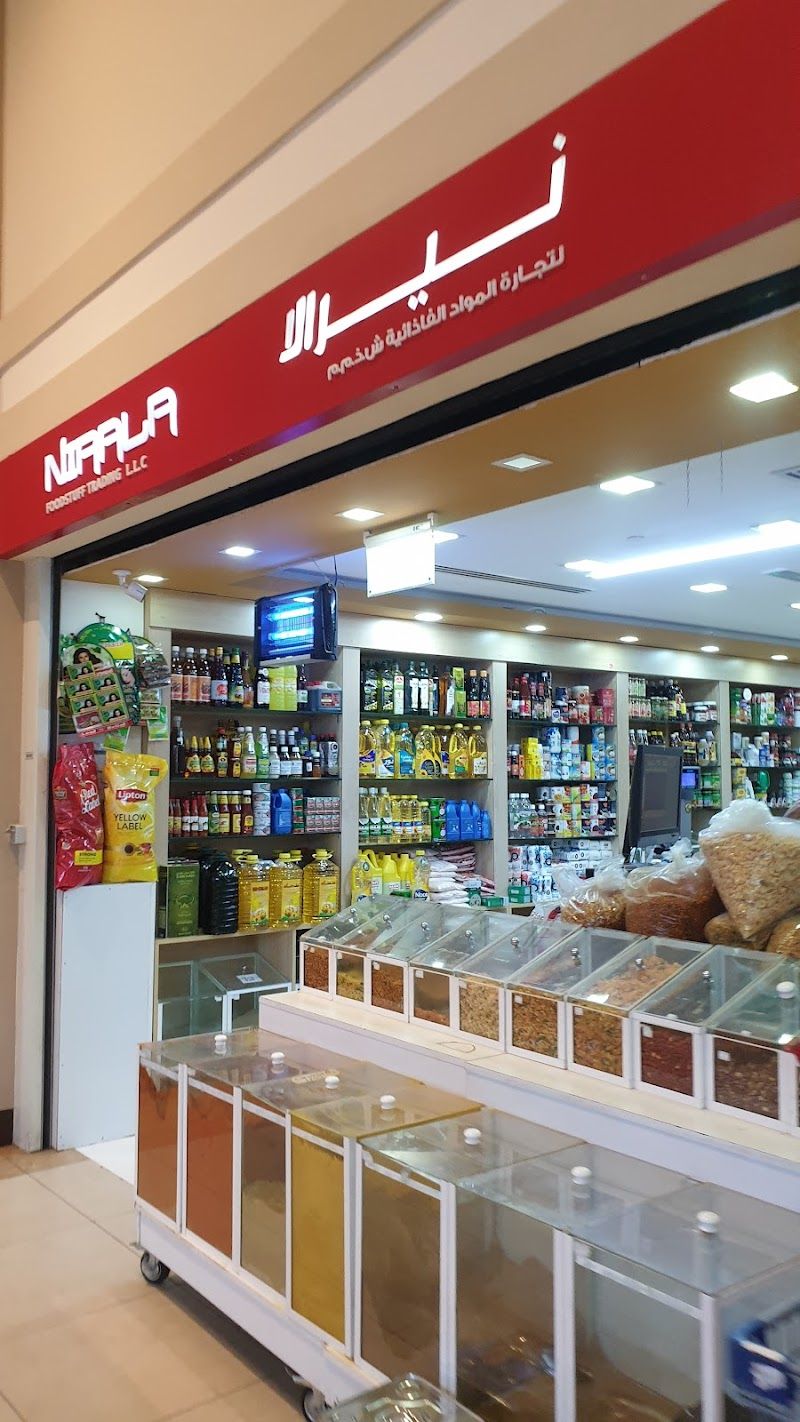
Waterfront Market
Modern air-conditioned seafood and produce market with 400+ vendors selling fresh fish, meat, fruits, and vegetables. Features viewing gallery of fish auction floor, sushi restaurant, and cooking demonstration areas in contemporary glass building.
Travel Guides
Expert guides for every travel style

6 Days: The Complete Dubai Experience
Six days is what Dubai needs if you want to go beyond the headlines. The first four days cover the essentials. Days five and six take you to Atlantis, the neighbouring emirates, and the Dubai that only residents know.
10 min read

Dubai with Kids: Family-Friendly Guide
Dubai was essentially designed for families with money. Every attraction has a kids' version. Every mall has a play area. Every hotel has a kids' club. The challenge is not finding things to do with children. It is choosing between the thirty options within a 10-minute drive.
7 min read

First Time in Dubai: Everything You Need to Know
Dubai runs on rules that are different from almost anywhere else you have travelled. The weather determines your entire itinerary. The dress code matters more than you think. And Friday brunch is not optional, it is a cultural institution.
9 min read

Where to Eat in Dubai: A Neighborhood Food Guide
Dubai has 190 nationalities and 190 cuisines. The range is staggering: AED 15 biryani in Deira, AED 40 fresh fish on the beach, AED 800 Japanese omakase in DIFC, and a AED 5 shawarma on every corner in Karama that is better than most restaurant versions.
8 min read

Best of Old Dubai: A Walking Guide
The walk from Al Fahidi to the Gold Souk crosses the Creek by abra, covers two centuries of Dubai history, and costs AED 5 total. It is the best half-day in the city.
6 min read

4 Days in Dubai: First-Timer's Itinerary
Four days in Dubai is the sweet spot. Less than that and you will only see the headline attractions. More than that and you will start to feel the heat, literally. This itinerary covers the skyline, Old Dubai, the beach, and the desert.
8 min read
Practical Tips
November to March is the sweet spot (20-28C). June to September hits 40-50C and outdoor activities become theoretical. If you visit in summer, plan indoor activities during midday and save outdoor time for before 8 AM or after 6 PM.
Dubai is more relaxed than most people assume. Swimwear at the beach, casual clothes at malls, but cover shoulders and knees at mosques and government buildings. The Gold Souk and Old Dubai are more conservative. The Marina and Downtown are more liberal.
Available at licensed restaurants, hotel bars, and clubs. Not available at street-level restaurants in Old Dubai or food courts. You cannot buy alcohol in regular supermarkets. Being drunk in public is technically illegal and occasionally enforced.
Cards accepted everywhere. AED (Dirham) is pegged to USD at 3.67. Tipping 10% at restaurants is standard, often already included as a service charge. Taxi drivers do not expect tips but rounding up is appreciated.
Buy a Nol card for the metro (AED 3-6 per ride, Gold class AED 6). Taxis are cheap and metered (AED 12 minimum). Careem is the local Uber alternative. Walking works within neighbourhoods but not between them. The city is car-dependent and spread out.
Frequently Asked Questions
Dubai is one of the safest cities in the world for tourists. Violent crime is extremely rare and petty crime is low. The main safety concerns are the heat (carry water, wear sunscreen, avoid midday sun in summer) and road safety (driving standards can be aggressive). Use common sense and you will be fine.
During Ramadan (dates change yearly based on the Islamic calendar), eating, drinking, and smoking in public during daylight hours is prohibited. Restaurants either close during the day or screen off their dining areas. Evenings are magical with iftar meals. Visiting during Ramadan is perfectly fine, just be respectful of the fasting hours.
Four to five days is the sweet spot. You can see the headline attractions in three days, but four or five lets you explore Old Dubai properly, take a desert safari, and discover the food scene beyond the tourist restaurants. Less than three days and you will only scratch the surface.
Dubai is as expensive as you make it. A shawarma in Deira costs AED 10-20, a main course at a hotel restaurant costs AED 100-200 ($27-55). Budget travellers can manage on AED 200-300 per day. Mid-range is AED 500-800. The ceiling is infinite. Metro and taxis are cheap - single metro journeys cost AED 4 and airport taxis to downtown run AED 50-80. Accommodation ranges from AED 50-90 hostel dorms to AED 2,000+ luxury suites, with budget hotels starting around AED 120-200.
The weekend is Friday and Saturday. Sunday through Thursday is the work week. Friday is the holy day but also the day for Friday brunch (Dubai's cultural institution). Tourist attractions are busiest on Friday and Saturday. Malls and restaurants are open seven days.