Freiburg im Breisgau
Vauban
The car-free eco-neighbourhood south of the city: solar-panelled apartment blocks, tram-and-bike streets, playgrounds on every block, and the organic Wednesday farmers market that the entire quarter shops at.
About Vauban
Vauban is Freiburg's best-known experiment and Europe's most-studied eco-district. Built in the 1990s on the site of a former French military barracks, it is a fully car-free neighbourhood (residents who want a car store it in one of two peripheral garages) with an integrated tram line, solar-panel mandatory architecture, and an average resident age that skews heavily toward young families. For visitors, Vauban is interesting for two reasons: it is a genuinely working car-free model that has been in operation for 25 years, and it has the kind of family-first amenities (playgrounds, kids cafes, organic markets, traffic-free play streets) that are hard to find elsewhere.
The Paula-Modersohn-Platz is the neighbourhood's main square, with a weekly Wednesday organic farmers market (Biomarkt, 3 PM to 7 PM), a kids' play fountain in summer, and cafes with outdoor seating that spill into the traffic-free street. The Sussbergerweg playground is the largest in the district: climbing towers, a sand pit, a zip wire, and shaded benches for adults. The Solar Siedlung (solar settlement) at the district's eastern edge is the architectural highlight: a row of solar-panelled houses designed by Rolf Disch that generate four times more electricity than they use. Tram line 3 connects Vauban to the old town in 10 minutes. For visitors with kids, Vauban is worth a late-afternoon visit: the Wednesday market is the best lower-key food experience in the city, and the playgrounds are a relief after a morning of old-town sightseeing.
Things to Do
Top experiences in Vauban
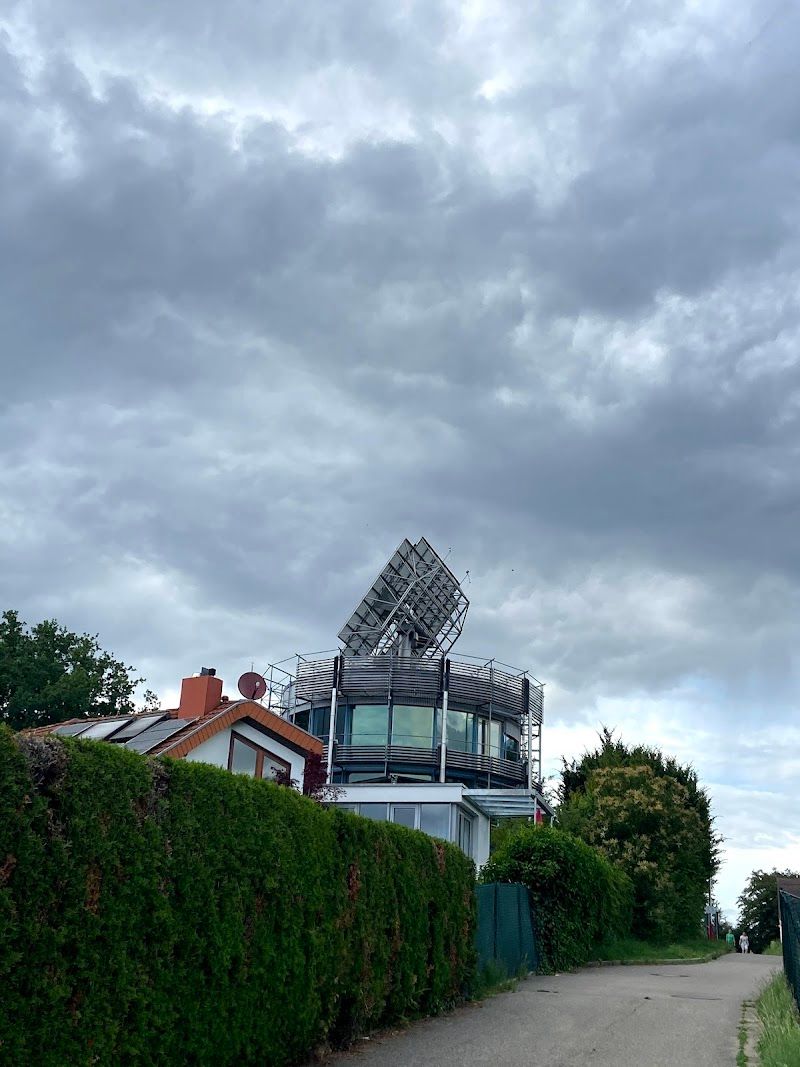
Heliotrop
The Heliotrop is architect Rolf Disch's cylindrical solar house that literally rotates to follow the sun throughout the day, generating more energy than it consumes. You'll see a three-story glass and wood cylinder slowly turning on its axis, with solar panels covering the roof and south-facing walls. It's the world's first energy-positive building, producing about five times more power than its residents use while offering 360-degree views from every room. Watching the Heliotrop is oddly mesmerizing: the house completes one full rotation every 24 hours, so you won't see dramatic movement but you'll notice it's shifted position if you return later. The building feels like science fiction made real, especially when sunlight catches the solar panels at different angles. From the small plaza to the south, you can appreciate the engineering behind the central rotating mechanism and see how the windows maximize natural light while the solid north wall minimizes heat loss. Most travel guides oversell this as a major attraction when it's really a quick architectural curiosity. The house is privately owned so you can only view it from the street, and honestly, 15 minutes is plenty unless you're deeply interested in sustainable architecture. Skip it if you're short on time in Freiburg, but it's worth the detour if you're already exploring Vauban's eco-friendly neighborhood. The real value is seeing how cutting-edge green technology actually works in practice.
Vauban Grünflächen
Vauban's green spaces aren't just parks, they're living proof that car-free neighborhoods actually work. You'll walk through interconnected meadows, community gardens, and tree-lined paths that weave between some of Europe's most innovative sustainable housing. The entire district feels like a village where nature takes priority over pavement, with kids playing in shared courtyards while their parents tend vegetable plots. This is urban planning done right, where every building maximizes solar energy and green space flows seamlessly from one block to the next. The experience feels refreshingly unhurried compared to Freiburg's busy center. You'll find yourself meandering along car-free streets where the only sounds are children laughing and birds singing. The contrast between colorful passive houses and wild meadow areas creates an almost fairy-tale atmosphere. Community gardens burst with vegetables and flowers tended by residents, while shared courtyards invite spontaneous conversations. The whole district has this relaxed, cooperative vibe that makes you question why more cities don't plan neighborhoods this way. Most travel guides make this sound more exotic than it is, it's essentially a pleasant residential walk with good architecture. The novelty wears off after about an hour unless you're genuinely interested in sustainable urban planning. Skip the outer edges near the tram line, they're less interesting. Focus on the central area around Vaubanalle where the community gardens are most active. Free entry obviously, but bring water since there aren't many cafes within the green spaces themselves.
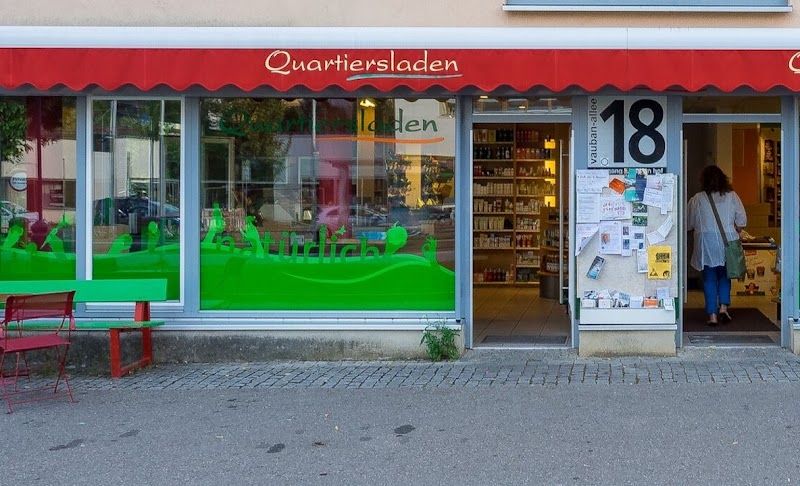
Grüner Laden Vauban
Organic grocery cooperative run by and for Vauban residents, offering locally-sourced produce, bulk goods, and sustainable household products. The shop operates on cooperative principles where members volunteer shifts. It's a living example of Vauban's alternative economy and community values.
Where to Eat
Restaurants and cafes in Vauban
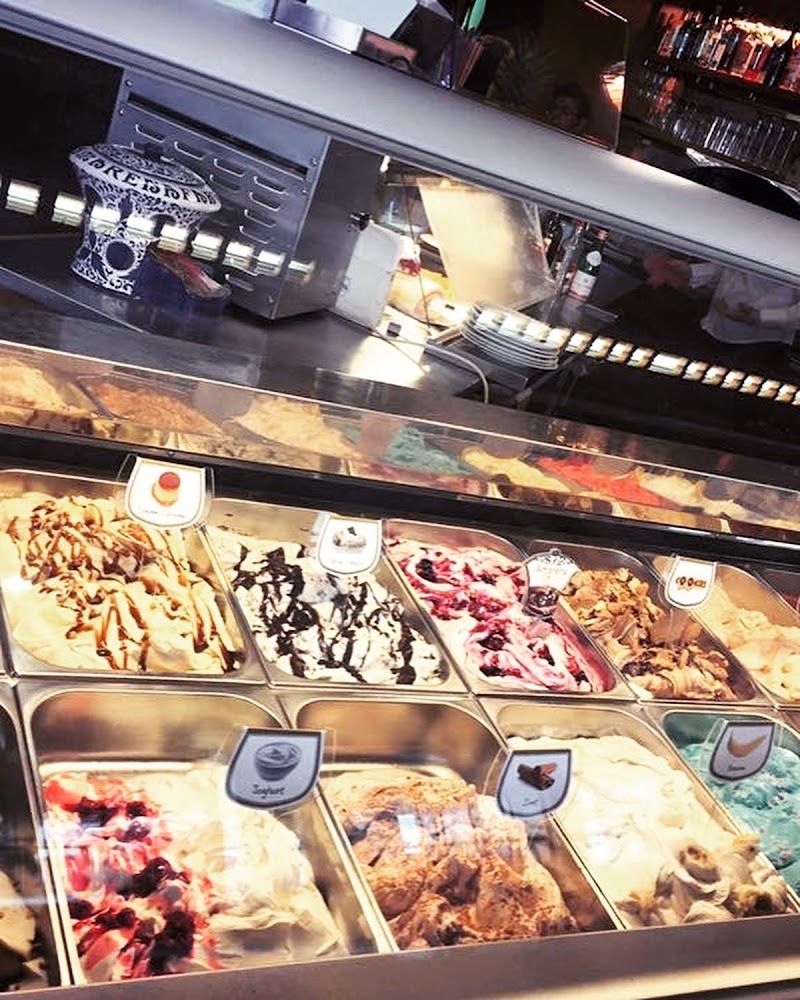
Eiscafe Dolomiti
CafeEstablished ice cream parlour in Wiehre offering over 30 flavors including seasonal specials like Rhabarber and Holunderblute. The spacious outdoor seating area has room for strollers, and staff routinely bring out high chairs without being asked. Locals rate the Stracciatella and Nocciola as the best in this part of town at EUR 1.70 per scoop.
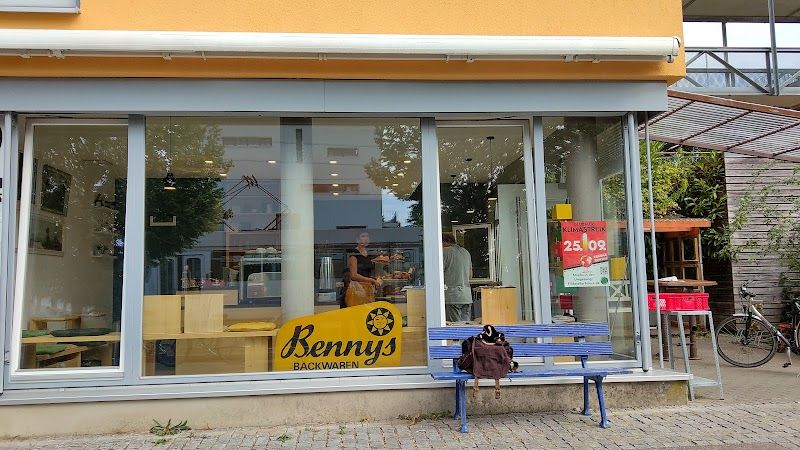
Dorfbäckerei Vauban
CafeCharming neighborhood bakery producing artisan breads and pastries using traditional methods and organic ingredients. This small bakery has become a beloved morning ritual spot for Vauban residents. Their sourdough loaves and seasonal fruit tarts are particularly renowned.
Stadtteilzentrum Vauban e.V.
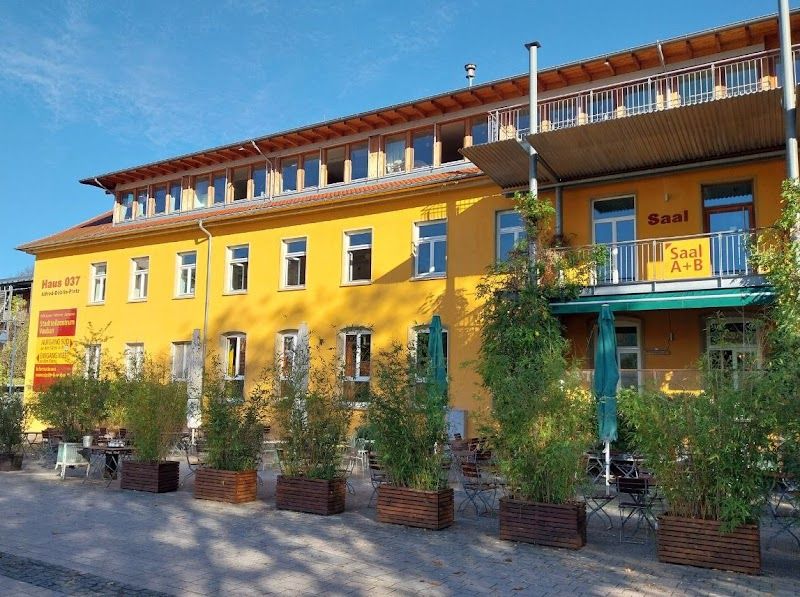
CafeGrassroots neighborhood center that exemplifies Vauban's community-driven development model. The center offers a café, co-working spaces, and hosts regular events celebrating local sustainability initiatives. It's a perfect spot to understand what makes Vauban unique as one of Europe's most sustainable neighborhoods.
Getting Here
Insider Tips
Wednesday Biomarkt at Paula-Modersohn-Platz
The weekly organic farmers market runs Wednesday 3 PM to 7 PM on Paula-Modersohn-Platz. Produce, local cheese and bread, ready-to-eat flammkuchen and grilled sausages. It is a real neighbourhood market (the district shops here), not a tourist market. Family atmosphere with kids running loose on the traffic-free square. Cash preferred.
Solar Siedlung architecture walk
The Solar Siedlung at the eastern edge of Vauban (south of Merzhauser Strasse) is Rolf Disch's Plus-Energy Haus experiment. You cannot go inside (they are private homes) but the exterior walk is free and 20-30 minutes is enough to see the full row. Combine with the Wednesday market for a late-afternoon visit.
Sussbergerweg playground
The largest neighbourhood playground in Vauban: climbing towers, zip wire, sand pit, shaded benches. Free, no hours. A natural 60-90 minute decompression after an old-town morning for families with younger kids (ages 3-10). Tram line 3 to "Vauban Mitte" and walk 5 minutes.
Nearby Neighborhoods
Continue exploring
Altstadt (Old Town)
The medieval core of the city: the Munster cathedral (the only German Gothic cathedral to survive the war), the daily market that has run on the square since the 12th century, the Bachle water channels, and car-free pedestrian streets that kids can actually run down.
Wiehre & Lorettoberg
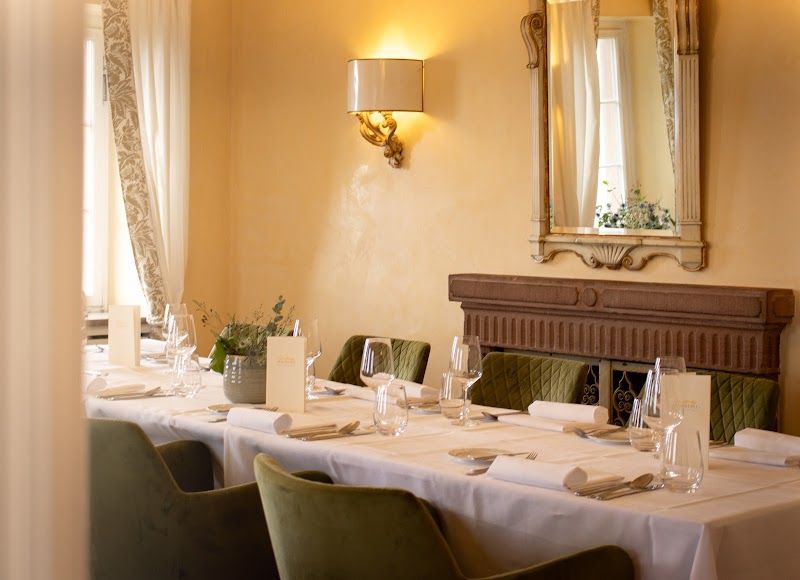
The residential hill quarter where Freiburg families actually live: restored Grunderzeit villas, tree-lined streets, independent cafes, and the Lorettoberg panorama that looks back across the old town to the Black Forest.
Schauinsland & Gunterstal
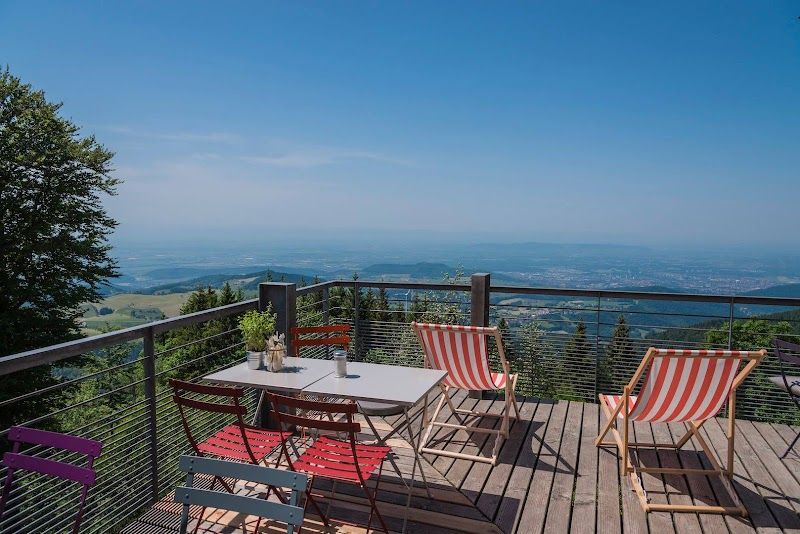
The mountain escape at the southern edge of Freiburg: the Schauinslandbahn cable car (Germany's longest passenger gondola), the summer toboggan run, the mountain-bike trails, and the summit at 1,284m with views across the Rhine to the Vosges.
Plan a trip featuring Vauban
Get a personalized Freiburg im Breisgau itinerary with Vauban built in.
Start Planning