Lisbon
Things to Do
133 attractions, museums, and experiences
Alfama
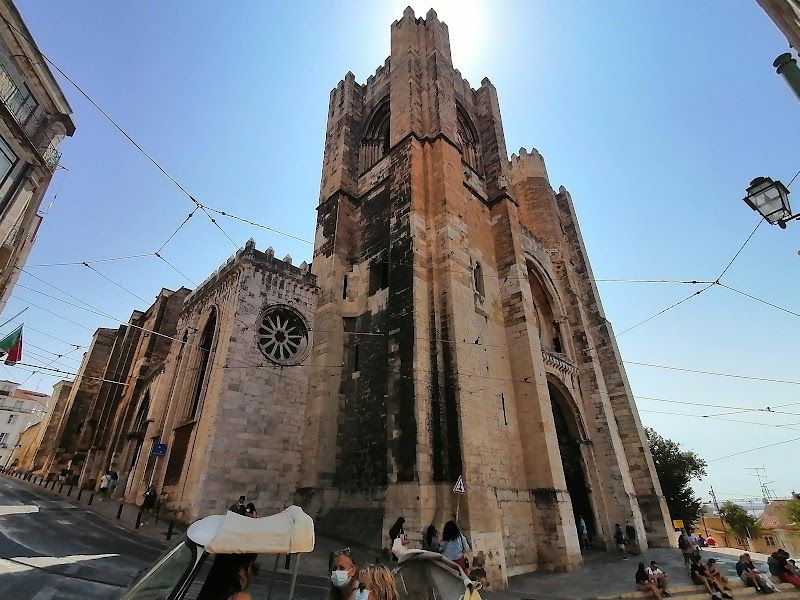
Alfama survived the 1755 earthquake because the Moors built it right - twisting lanes that absorb rather than amplify seismic waves. You'll spend 2-3 hours wandering streets so narrow that residents chat between third-floor windows, past doorways where fado singers rehearse and courtyards where old men play cards. The neighbourhood flows from the castle walls down to the cathedral, with two excellent viewpoints (Miradouro de Santa Luzia and Portas do Sol) marking the transition from residential maze to river views. The experience feels like walking through someone's living room that happens to be outdoors. Laundry hangs overhead, cats nap on warm stones, and every corner reveals another postcard moment. The cobblestone streets reflect centuries of foot traffic, worn smooth as marble. You'll hear fragments of conversation, clinking glasses, and the occasional guitar from open taverna doors. The light changes dramatically as you move between sun-soaked squares and shadowy passages. Most guides oversell the formal fado houses - the spontaneous music in neighborhood tascas is more authentic and costs the price of a drink (€3-5 vs €25-40 minimum elsewhere). The Feira da Ladra flea market (Tuesdays/Saturdays) has genuine finds if you arrive early, but skip the overpriced tourist shops on the main drag. Focus your time on the upper section near Largo do Chafariz de Dentro where tour groups rarely venture.
Praca do Comercio
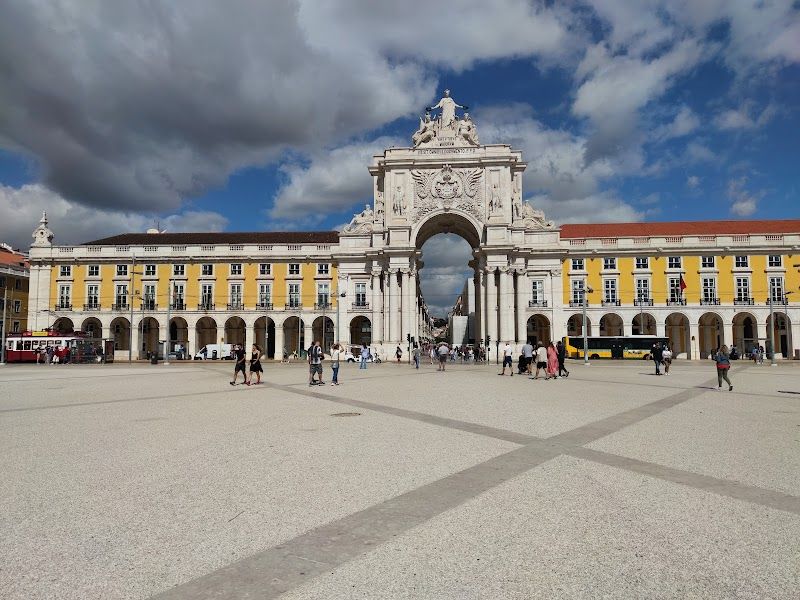
Praça do Comércio is Lisbon's grand waterfront plaza, a massive 36,000 square meter space that opens directly onto the Tagus River. Three sides are lined with matching yellow buildings housing government offices and tourist-trap cafes, while the fourth side gives you unobstructed river views. The centerpiece is the triumphal Arco da Rua Augusta (€3 for the top viewing platform), which frames the entrance to Rua Augusta pedestrian street, and there's an equestrian statue of King José I right in the center. The square feels genuinely grand - you can sense the royal ambitions that built this place before the 1755 earthquake destroyed the original palace. Locals gather on the riverside steps with beers at sunset, while tourists cluster around the arch taking photos. The space hosts weekend markets, outdoor concerts, and the occasional political rally, so there's usually something happening beyond just sightseeing. Walking across it takes about 5 minutes, but you'll want to linger by the water. Most people rush through to reach Rua Augusta, but the real attraction is the riverside setting - it's genuinely one of Europe's most impressive city squares. Skip the overpriced cafes under the arcades and grab drinks from a nearby supermarket instead. The arch's viewing platform is worth €3 if you want photos down Rua Augusta, but the river views from ground level are free and better.
Tower of Belem
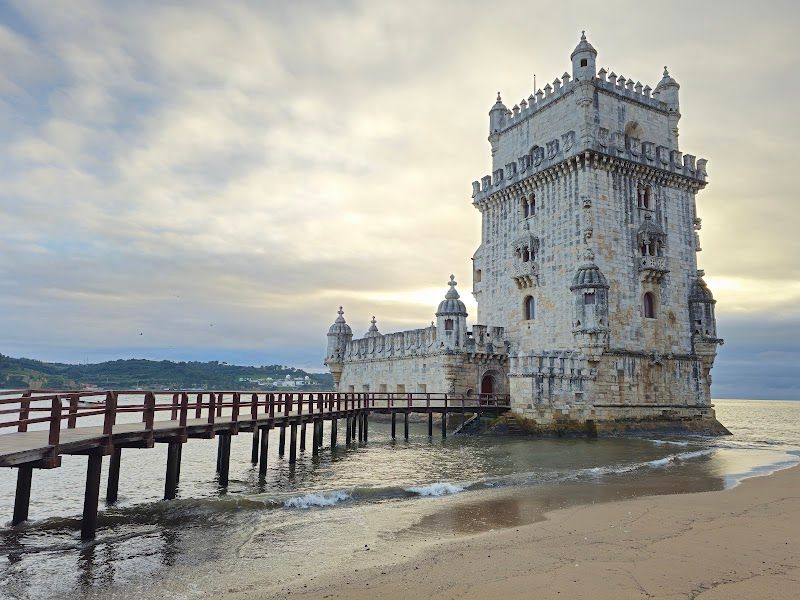
The Torre de Belém stands sentinel where Portuguese caravels once departed for the New World, a 16th-century fortress that's become Lisbon's most photographed monument. You're here for the extraordinary Manueline stonework covering every surface - twisted rope carvings, maritime motifs, and those famous Moorish watchtowers that blend Christian and Islamic influences. The most famous detail is the rhinoceros gargoyle on the northwest corner, carved to commemorate the first rhino that reached Europe in 1515. The tower feels smaller than expected when you're standing beneath it, but that intimacy makes the carved details more impressive. Crowds circle constantly with cameras, and the interior queues snake around the base most days. Inside, you'll climb a claustrophobic spiral staircase through former prison cells and ammunition stores to reach the top terrace. The views over the Tagus are pleasant but hardly spectacular, and the narrow stairs create bottlenecks that slow everything down. Here's what most guides won't tell you - the exterior is genuinely the main attraction, and it's free to admire from every angle. At €6 for adults, the interior feels overpriced for what amounts to cramped medieval rooms and average views. Your time is better spent walking the waterfront promenade for different perspectives, then heading to Jerónimos Monastery where the interior actually justifies the entrance fee.
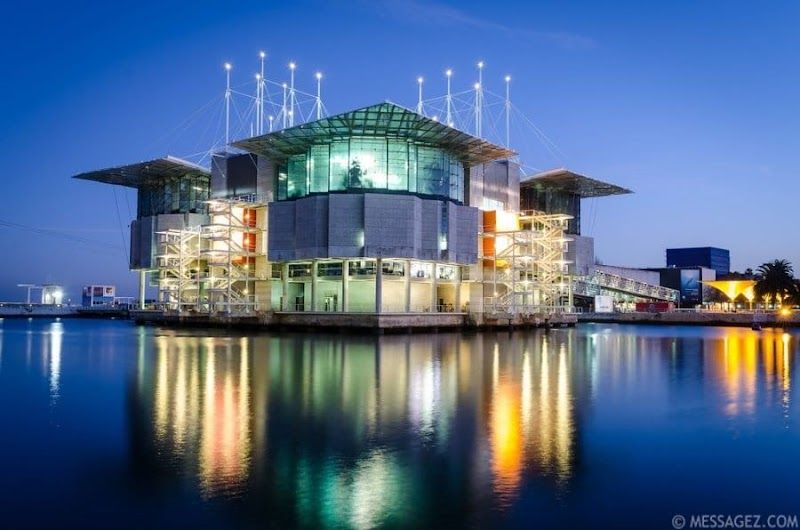
Oceanario de Lisboa
The Lisbon Oceanarium houses one of the world's most impressive main tanks - 5 million litres where sunfish the size of small cars glide alongside dozens of sharks, massive rays, and hundreds of tropical fish species. You'll circle this enormous central habitat viewing it from four levels, each designed to represent different oceanic environments. The second building holds the real crowd-pleasers: playful sea otters that tumble and dive behind floor-to-ceiling glass, colonies of penguins, and a mesmerizing jellyfish gallery with species that pulse and drift like living art. Your visit flows naturally around the central tank, starting from the top level and spiraling down. The lighting creates an almost meditative atmosphere - you'll find yourself stopping longer than planned as schools of tuna sweep past in perfect formation. The sea otter exhibit consistently draws the biggest crowds, especially during feeding times when they perform acrobatic dives. The jellyfish section downstairs feels like entering another planet, with moon jellies and upside-down jellies floating in illuminated cylindrical tanks. At EUR 25 for adults, it's pricey but justified - this genuinely rivals any aquarium globally. Most visitors rush through in 90 minutes, but you'll want at least 2.5 hours to appreciate the details. The temporary exhibitions are consistently excellent and included in your ticket. Skip the overpriced café inside and eat in Parque das Nações afterward.
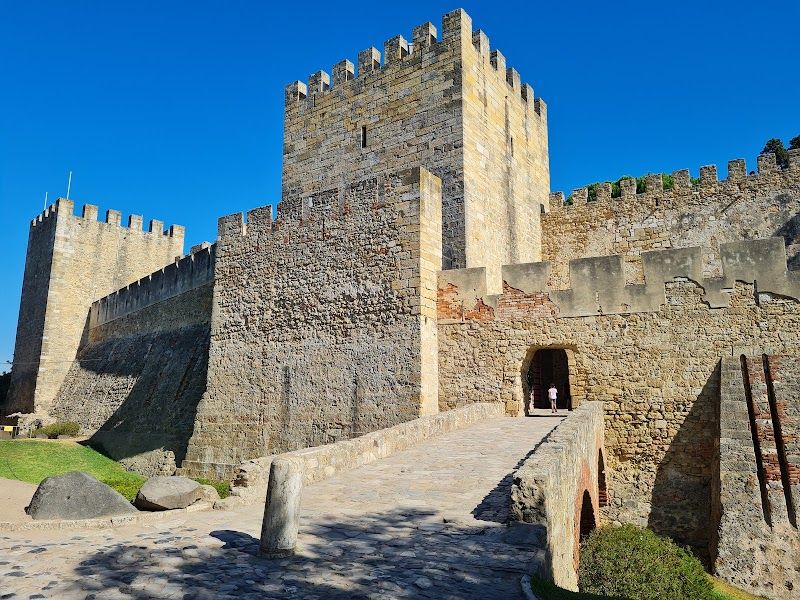
Castelo de Sao Jorge
Castelo de São Jorge crowns Lisbon's highest hill with medieval walls that frame the city's best panoramic views. You'll walk ancient ramparts (though they're largely 20th-century reconstructions after earthquake damage) while peacocks roam the gardens freely. The real draw is the Camera Obscura, a 360-degree live projection of Lisbon that updates in real-time, plus views stretching from the Tagus River to the red rooftops of Alfama below. The visit flows naturally from the entrance gates through terraced gardens where peacocks strut between olive trees and archaeological ruins. You'll climb stone steps along the fortress walls, stopping at multiple viewpoints that reveal different angles of the city. The Camera Obscura tour runs every 20 minutes in a small darkened room where mirrors project a bird's-eye view of Lisbon onto a white dish. At EUR 15, you're paying premium prices for walls and views, but those views genuinely justify the cost. Skip the small museum inside (it's forgettable) and focus your time walking the complete rampart circuit. The archaeological site adds some context, but most people come for Instagram shots and leave satisfied. The steep climb through Alfama to reach the entrance is half the experience.
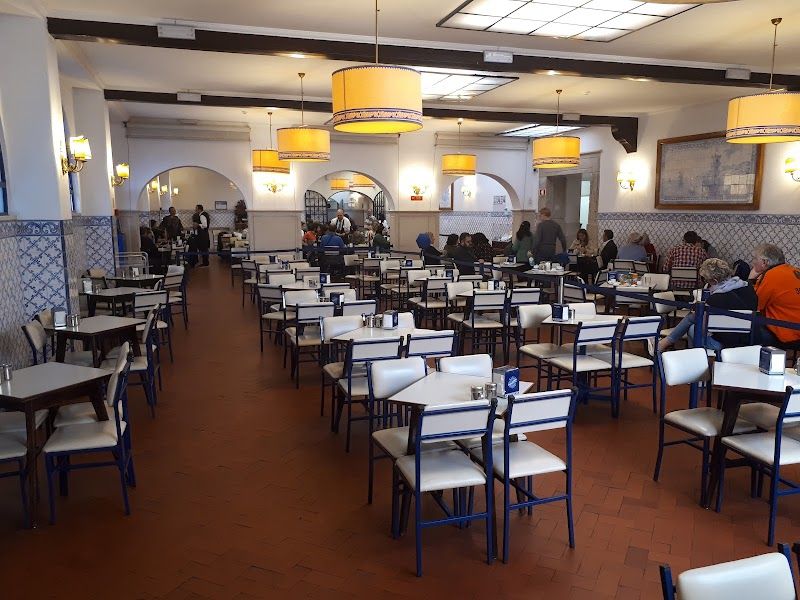
Pastéis de Belém
This blue-tiled bakery has been turning out pastéis de nata since 1837 using the original recipe from Jerónimos Monastery monks - they're the only place legally allowed to call them "Pastéis de Belém." You'll watch bakers through glass windows rolling impossibly thin pastry and filling thousands of metal molds, producing over 20,000 tarts daily. The difference between these and regular pastéis de nata isn't subtle - the custard has more depth and the pastry shatters differently. The takeaway counter draws endless tourist queues, but smart visitors head straight into the sprawling dining rooms that feel like a Portuguese grandmother's house expanded to restaurant size. Waiters in bow ties navigate between families, couples, and solo travelers all doing the same thing - eating warm tarts with coffee while powdered cinnamon and sugar packets pile up on checkered tablecloths. The atmosphere is unhurried despite the constant turnover. Most guides treat this like a quick photo stop, but you'll want 30 minutes minimum to properly appreciate what you're eating. At €1.40 per tart and €0.70 for espresso, it's cheaper than most tourist traps yet infinitely better. Don't bother with more than two tarts - they're rich enough that three becomes a chore, not a pleasure.
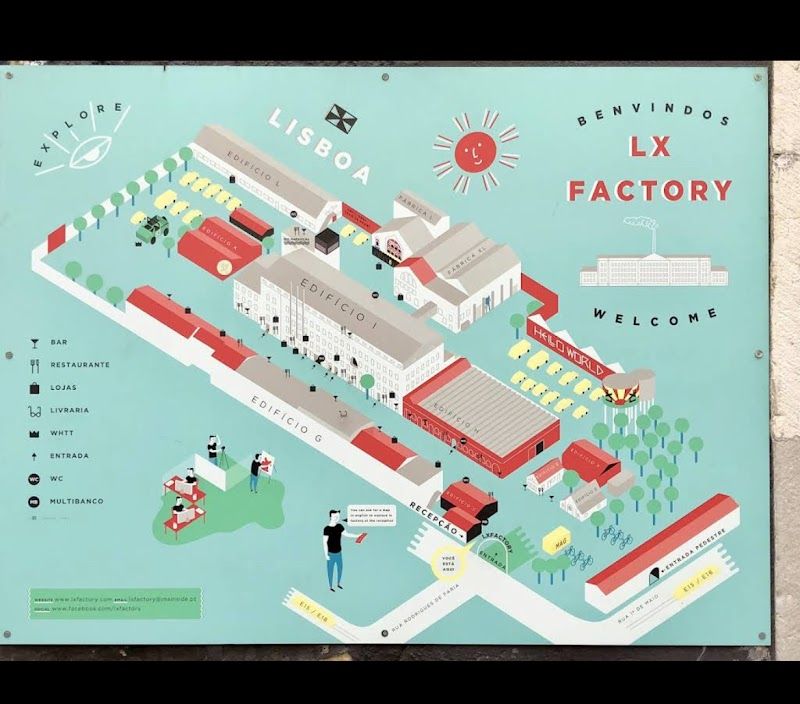
LX Factory
LX Factory transforms a gritty 19th-century textile complex into Lisbon's most creative hub, sprawling beneath the red steel of Ponte 25 de Abril. You'll find 200 shops, studios, and eateries crammed into repurposed industrial buildings where exposed concrete, rusted beams, and faded factory signage create an authentic post-industrial vibe. The crown jewel is Ler Devagar bookshop, famous for its flying bicycle installation suspended above towering bookshelves that reach a glass ceiling. Walking through feels like exploring an artistic squat that got legitimized - graffiti covers exterior walls while interiors house everything from vintage clothing boutiques to architects' studios. The central courtyard buzzes with outdoor seating where you'll hear Portuguese, English, and everything in between. Ler Devagar's mezzanine cafe lets you sip coffee surrounded by 50,000 books, while the ground floor restaurants actually deliver quality food instead of tourist trap mediocrity. Most visitors rush through in 45 minutes, but you need two hours minimum to appreciate what's here. Skip the overpriced souvenir shops on the periphery and focus on Ler Devagar, Landeau Chocolate (their cake costs €4.50 but it's worth it), and 1300 Taberna for proper Portuguese dishes around €12-16. Sunday's brunch market draws massive crowds after 1 PM, so arrive early or stick to weekdays when everything's calmer and lunch prices drop significantly.
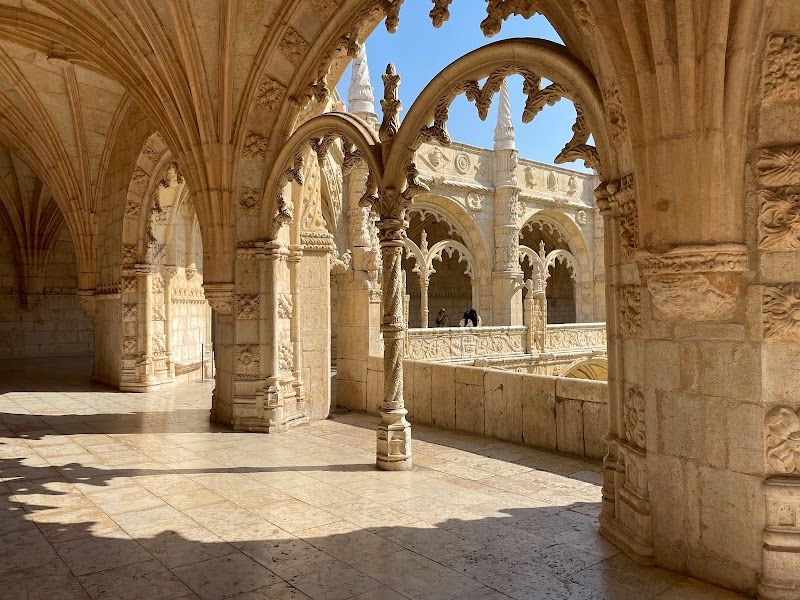
Jeronimos Monastery
The Jerónimos Monastery is Portugal's architectural crown jewel, built with gold from Vasco da Gama's spice routes when Manuel I had money to burn. You're here for the Manueline stonework - imagine Gothic architecture that discovered seafaring and went completely overboard with maritime motifs. Every surface crawls with carved ropes, coral, shells, and twisting organic forms that took master craftsmen a century to complete. The two-story cloister is where you'll spend most of your time, and honestly, the detail is ridiculous - each column tells a different story in stone. Walking through feels like entering a stone garden where architecture becomes sculpture. The cloister's gallery runs around a central courtyard where orange trees grow, and you'll find yourself stopping constantly to examine another intricate carving. The church nave soars overhead with palm-tree columns that seem to grow from the floor, while light filters through creating dramatic shadows on the limestone. It's surprisingly peaceful despite the crowds - the scale swallows the noise. Most people rush through in 45 minutes, but you need at least 75 to appreciate what you're seeing. The church is always free and worth seeing even if you skip the €10 cloisters. Sunday mornings before 2 PM are free but packed - arrive at opening (10 AM) or pay the fee for a calmer experience. Skip the maritime museum next door unless you're genuinely into nautical history - the monastery itself tells the story better.
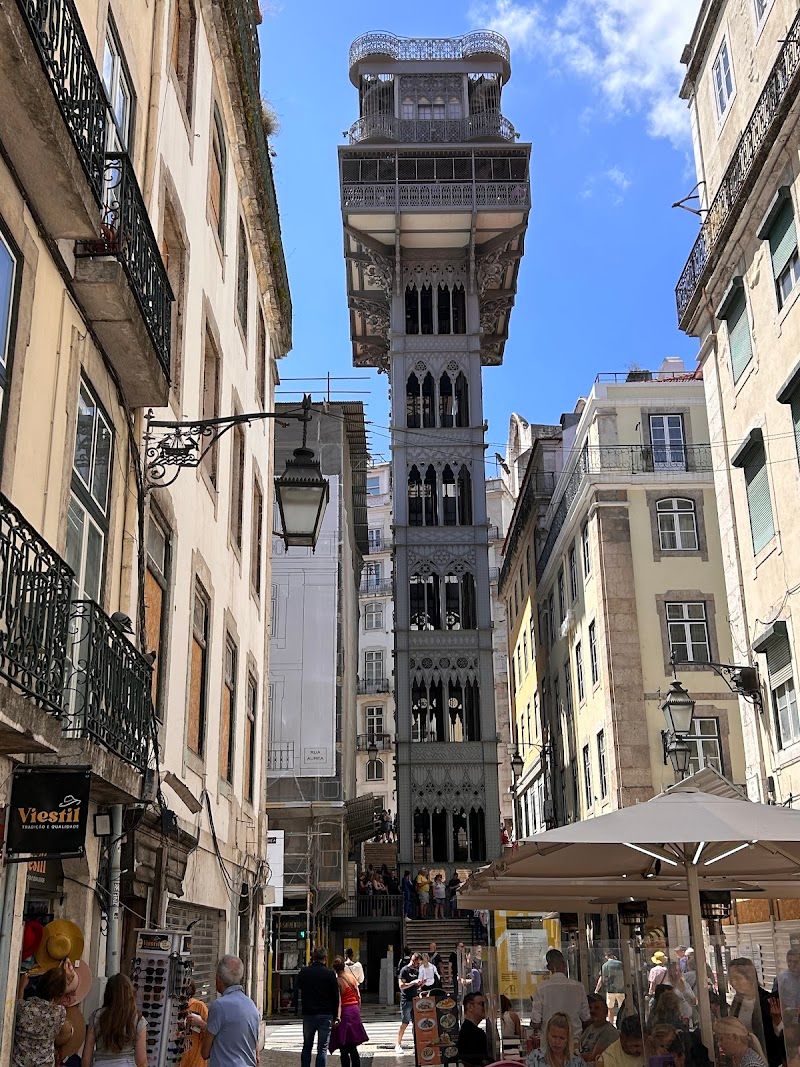
Elevador de Santa Justa
This wrought-iron elevator shoots you 45 meters straight up from downtown Baixa to the Carmo ruins, offering some of Lisbon's best panoramic views. Built in 1902 by a student of Gustave Eiffel, it's essentially a vertical street that saves your legs from a steep climb. The real prize is the circular viewing platform at the top, where you'll see the entire city sprawl from the Tagus River to São Jorge Castle, with the red rooftops of Alfama cascading down the hillside. The elevator itself feels like stepping into a beautiful old birdcage - all decorative ironwork and worn wooden floors. The ride takes about 30 seconds, but you'll spend most of your time on the open-air platform at the top, which gets packed quickly after 10am. The views are legitimately spectacular, especially looking south over the river and east toward the castle perched on its hill. Here's what most guides won't tell you: paying €5.15 to ride up from the bottom is tourist trap territory. Walk up from Chiado via Rua do Carmo (takes 3 minutes), access the platform for free from Largo do Carmo, and skip the queues entirely. The elevator ride itself isn't the point - the views are. Go early morning or late afternoon when the light hits the city just right.
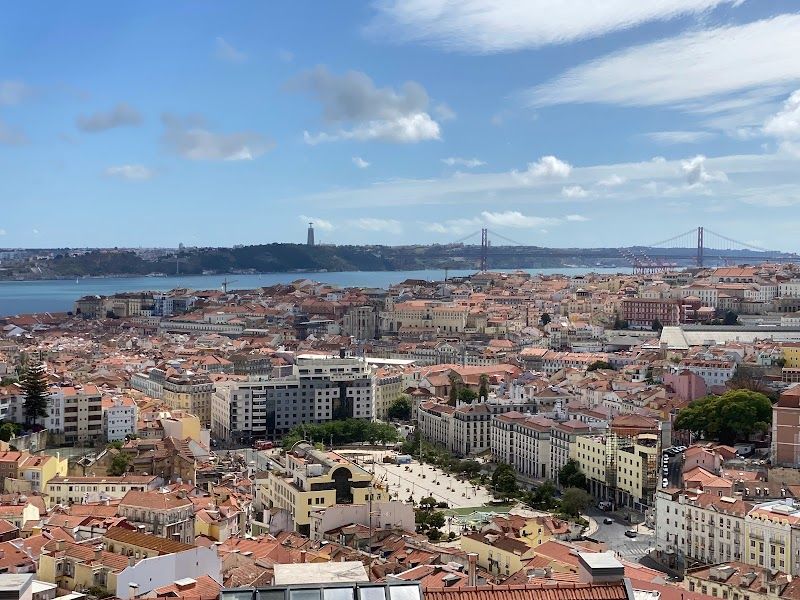
Miradouro da Senhora do Monte
Miradouro da Senhora do Monte sits at Lisbon's highest natural viewpoint, 180 meters above sea level, offering the city's most complete panorama without fighting crowds. You'll see everything from São Jorge Castle's ramparts to the 25 de Abril Bridge and Cristo Rei statue across the Tagus - the entire downtown spreads below like a detailed map. The small whitewashed chapel of Nossa Senhora do Monte anchors this peaceful terrace, surrounded by stone benches under fragrant pine trees. The atmosphere here feels refreshingly local compared to touristy Portas do Sol or Senhora da Graça. Couples claim benches for sunset picnics while elderly neighbors from Mouraria climb up for evening chats. The view unfolds gradually as you settle in - first you notice the castle, then the cathedral's twin towers, finally the river curving toward the sea. Pine needles crunch underfoot and church bells drift up from the neighborhoods below. Most guides don't mention this is genuinely difficult to reach - expect a steep 15-minute climb through Mouraria's narrow streets or take Tram 28 to Largo da Graça and walk up. There's absolutely nothing to buy here, so grab water and snacks from the mini-market near Largo da Graça beforehand. Skip this if you're mobility-limited - the final approach involves uneven stone steps that get slippery when wet.
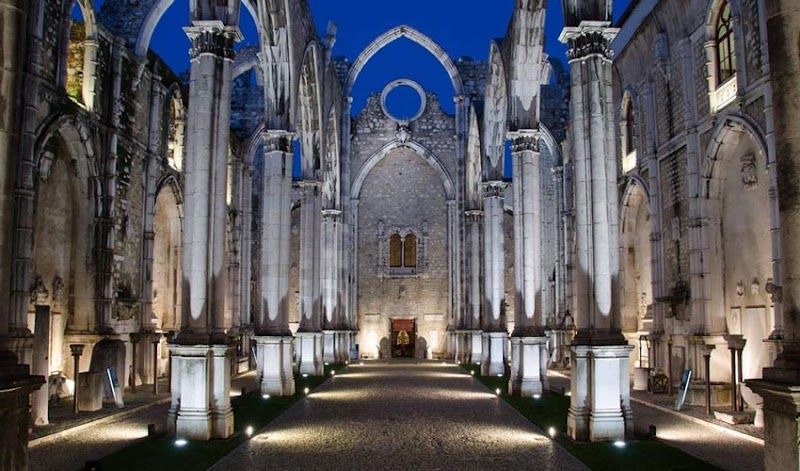
Convento do Carmo
The Convento do Carmo is Lisbon's most dramatic earthquake memorial - a 14th-century Carmelite church left deliberately unrepaired after the 1755 disaster. The Gothic arches rise into open sky where the roof collapsed, creating an otherworldly skeleton of stone that's genuinely moving to experience. Inside the surviving sections, you'll find an archaeological museum with Roman mosaics, medieval tombs, and Pre-Columbian artifacts that feel almost secondary to the ruined church itself. You enter through the intact sacristy and immediately confront the roofless nave - it's genuinely breathtaking how the space transforms from enclosed museum rooms to open-air ruins. The stone floor is scattered with broken capitals and fragments, while the ribbed arches frame patches of sky. Shadows shift constantly across the space, and the contrast between the preserved archaeological displays and the raw destruction creates an almost surreal atmosphere. At €5 entry, it's decent value for the uniqueness alone, though the archaeological collection is pretty standard museum fare. Most visitors rush through in 20 minutes, but the space deserves slower contemplation - sit on one of the stone benches and actually absorb what you're seeing. Skip the upper gallery if you're short on time; the ground-level ruins are what you came for.
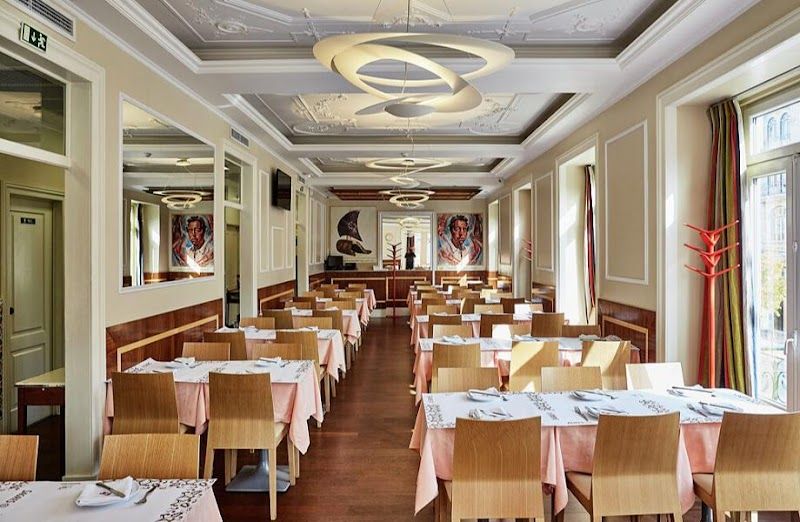
Ramiro
Ramiro isn't just another seafood restaurant - it's Lisbon's most beloved marisqueira where locals have been cracking shells since 1956. You'll feast on enormous tigre prawns (€4-6 each), sweet scarlet prawns, and the bizarre-looking percebes (goose barnacles) that taste like concentrated ocean. The menu's written in marker on brown paper, servers wear bow ties, and everyone finishes with the legendary prego sandwich that soaks up all those delicious shellfish juices. The experience feels like organized chaos - you'll squeeze into tiny plastic chairs at marble-topped tables while the constant clatter of shells hitting metal buckets creates a symphony of satisfied eating. Servers move with practiced efficiency, cracking your prawns tableside and explaining how to extract meat from percebes if you're brave enough to try them. The energy peaks around 8pm when every table's occupied and the bar fills with locals nursing Super Bocks while eyeing empty seats. Most guides don't mention that a meal here easily costs €40-60 per person once you get carried away with the prawns, and those famous queues are genuinely brutal on weekends. The prego (€8) isn't optional - your hands will be covered in garlicky shellfish oil and you'll need that steak sandwich to feel human again. Skip the expensive lobster and focus on the prawns and percebes for the authentic Ramiro experience.
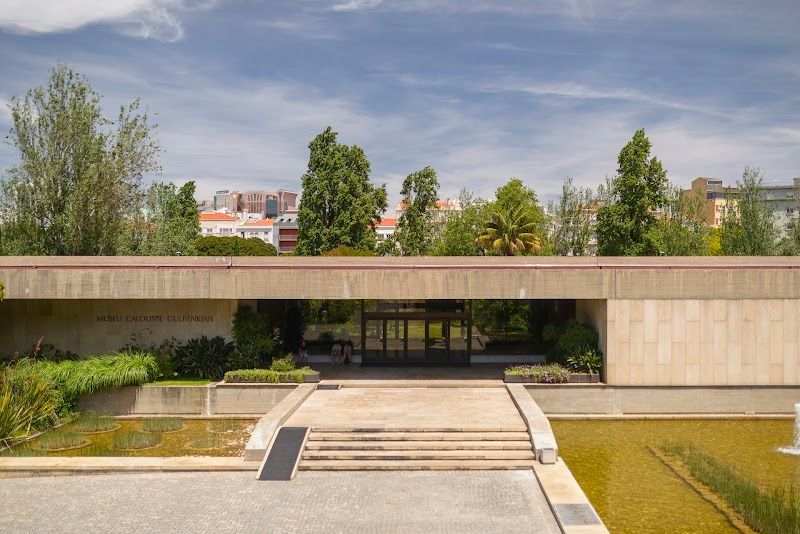
Museu Calouste Gulbenkian
The Gulbenkian houses one of Europe's finest private art collections, built by Armenian oil magnate Calouste Gulbenkian over six decades. You'll walk through 5,000 years of art history - from Egyptian sarcophagi and Mesopotamian bowls to Monet's water lilies and Renoir's portraits. The Lalique jewelry collection alone justifies the visit, with art nouveau pieces displayed like precious relics in dimly lit cases. The museum feels more like wandering through a wealthy collector's home than a formal institution. Rooms flow chronologically through spacious, carpeted galleries where you can actually get close to the art without crowds pushing past. The building itself is 1960s modernist architecture that somehow makes ancient Islamic ceramics and French Impressionist paintings feel like natural neighbors. You'll often find yourself alone with a Rembrandt self-portrait or Degas sculpture. At €10 for the main collection, it's Lisbon's best cultural bargain - cheaper than most major European museums with comparable quality. The Modern Collection building (separate €5 ticket) showcases Portuguese artists you've never heard of; skip it unless you're genuinely interested in 20th-century Portuguese art. Most visitors rush through in 90 minutes, but you'll appreciate the intimacy more if you take the full 2.5 hours and sit in the garden between buildings.
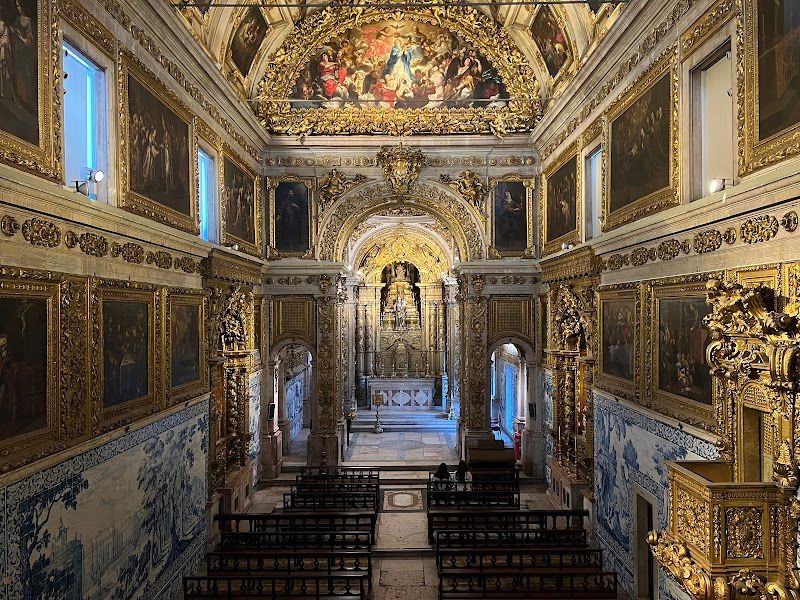
National Tile Museum
The National Tile Museum lives inside a 16th-century convent and tells the complete story of azulejo tiles - Portugal's signature art form that covers everything from metro stations to palace walls. You'll walk through 500 years of ceramic history, from Moorish geometric patterns to contemporary installations. The showstopper is a 23-meter panoramic tile panel showing Lisbon before the 1755 earthquake completely destroyed it - this is literally the only detailed visual record of that lost city. The visit flows chronologically through converted convent rooms, each period beautifully displayed with context about techniques and cultural influences. The restored convent church will stop you in your tracks - every surface gleams with blue and gold baroque tilework from floor to vaulted ceiling. You'll understand how tiles evolved from practical wall coverings to high art as you move through increasingly elaborate examples. The peaceful cloisters provide breathing space between rooms. This is Lisbon's most underrated museum because tourists chase bigger names, which means you'll actually have space to appreciate the collection. Entry costs €5 (free first Sunday monthly), and 75 minutes covers everything without rushing. Skip the contemporary section if you're short on time - the historical pieces and that earthquake panorama are what you came for. The museum cafe serves decent coffee surrounded by original azulejo walls.
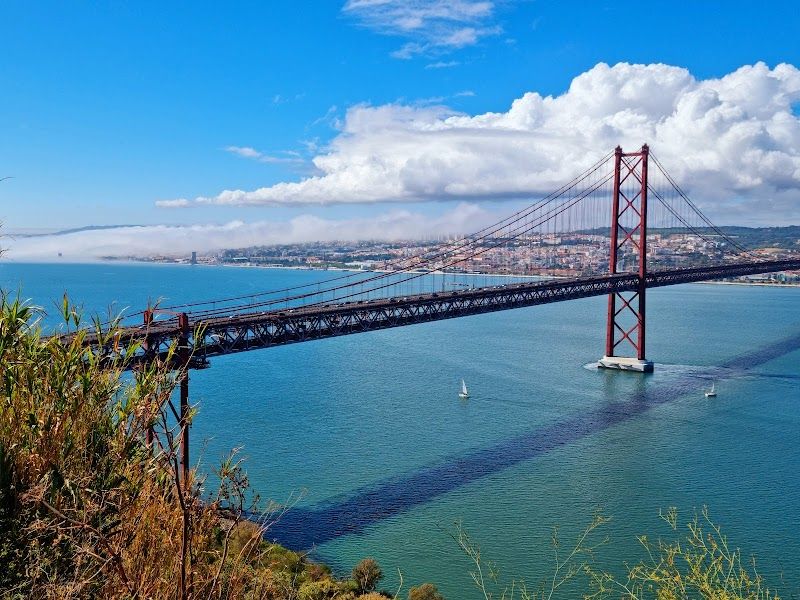
Ponte 25 de Abril
This 2.3-kilometer suspension bridge towers 70 meters above the Tagus River, connecting Lisbon's Alcântara district to Almada on the south bank. You'll see double-decker traffic - cars on top, trains below - while pedestrians get the best views from the riverside walkways beneath. The red steel structure dominates Lisbon's skyline, and on clear days you can spot the Cristo Rei statue across the water that mimics Rio's Christ the Redeemer. Walking the waterfront path gives you constantly changing angles of the bridge's massive towers and cables. The sound of trains rumbling overhead mixes with river traffic below, while joggers and families share the wide promenade. Early morning brings soft light that makes the red paint pop against blue sky, and you'll hear multiple languages as tour groups gather at the prime photo spots near Doca de Santo Amaro. Most visitors snap a quick photo and leave, but the 20-minute walk from Alcântara station to the LX Factory gives you the bridge's full drama. Skip the expensive riverside restaurants here - they're tourist traps with mediocre food. The viewpoint from Cristo Rei costs €6 and requires a ferry ride, which isn't worth it unless you're already heading south. Your best shots are free from the north bank anyway.
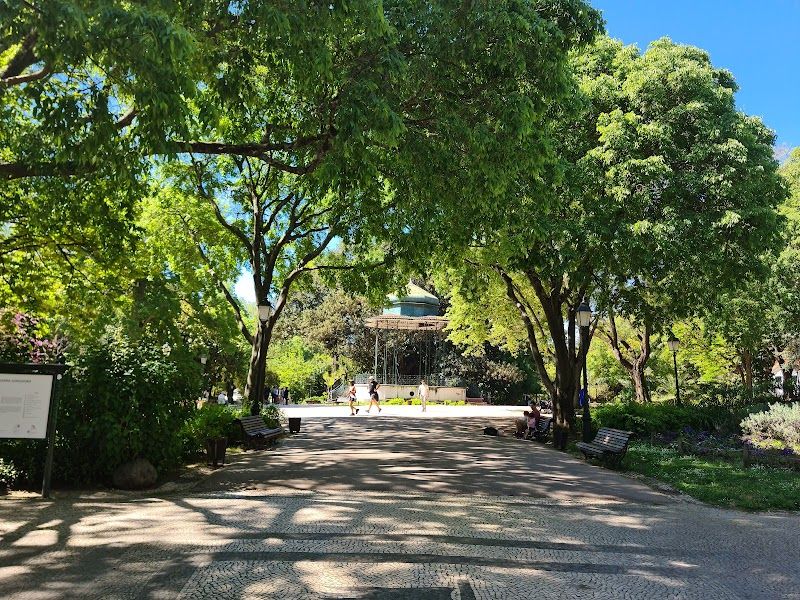
Jardim da Estrela
Jardim da Estrela is Lisbon's most successful romantic garden, a 19th-century English-style park that locals actually use daily instead of just tourists passing through. You'll find families picnicking under massive magnolia trees, kids feeding peacocks that roam freely, and elderly Portuguese men playing cards at stone tables. The centerpiece wrought-iron bandstand hosts weekend concerts, while the duck pond draws toddlers with their grandparents every morning. The park flows naturally around gentle hills covered in century-old trees - jacarandas, palms, and eucalyptus create perfect shade pockets. Gravel paths wind past flower beds that change seasonally, leading to secluded benches where you can read or people-watch. The atmosphere stays relaxed and genuinely local, with joggers circling the perimeter at dawn and families claiming picnic spots by 11am on weekends. Most guides oversell this as a major attraction when it's really just a lovely neighborhood park. The playground is genuinely excellent if you're traveling with kids, but adults should temper expectations - you'll enjoy 45 minutes here, not the full 90 most sources suggest. The kiosk charges typical Lisbon park prices (coffee €1.20, pastéis €1.50) and stays open until sunset.
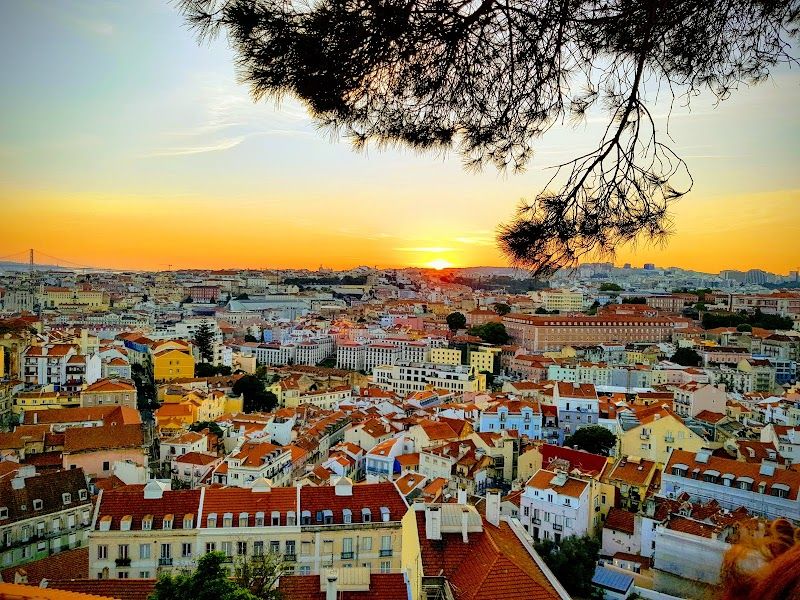
Miradouro da Graca
Miradouro da Graça delivers Lisbon's most satisfying panoramic view without charging you a cent. You'll get an unobstructed sweep across the terracotta rooftops of Alfama, straight to São Jorge Castle perched on its hilltop, then down to the geometric grid of Baixa and the silvery Tagus beyond. The viewpoint sits on a generous terrace dotted with pine trees that provide natural shade, plus a simple kiosk serving proper coffee (€1.50) and cold beer (€2.50). This feels like a neighborhood living room rather than a tourist trap. Locals arrive with newspapers, students camp out with laptops, and families push strollers up the hill for the evening ritual. The wooden benches fill up gradually through the afternoon, but the real magic happens at sunset when golden light washes across the castle walls and everyone falls silent for a moment. You'll hear Portuguese conversations, clinking glasses, and the distant trams rattling through the streets below. Most guides won't tell you that the climb from Martim Moniz metro is genuinely steep - 15 minutes of uphill walking that'll leave you slightly breathless. Skip the overcrowded Tram 28 and embrace the walk; it makes the payoff better. The nearby Miradouro da Senhora do Monte offers wider views but lacks the community atmosphere that makes Graça special. Come for sunset, but arrive 30 minutes early to secure a good bench.
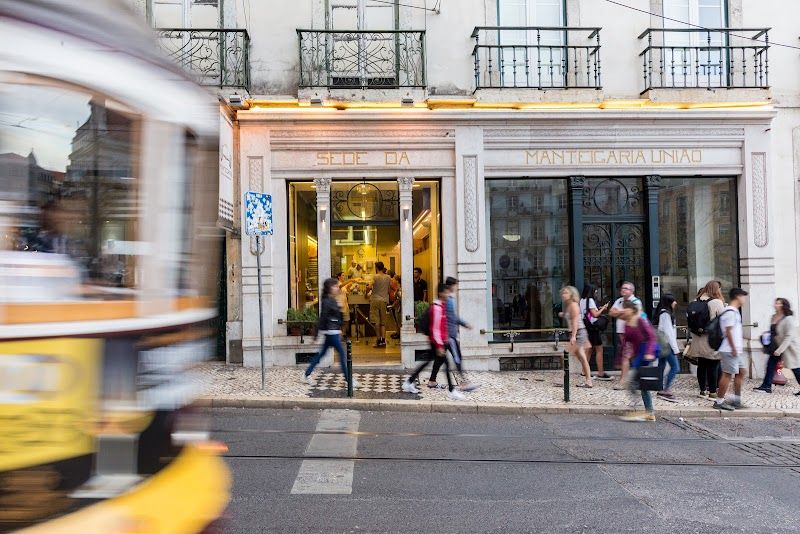
Manteigaria
This is Lisbon's most famous pastel de nata bakery, where you can watch master bakers roll paper-thin dough and fill tart shells through floor-to-ceiling windows. The pastéis come out of traditional ovens every 20 minutes at exactly 400°C, creating those signature caramelized tops that locals obsess over. Each tart costs €1.20 and arrives warm with little packets of cinnamon and powdered sugar - exactly how they've been served since the 1800s. You'll smell the custard and burnt sugar from half a block away. Inside, it's standing room only with a tiny counter where you order and eat immediately - there are no tables. The ritual is part of the experience: grab your tart, dust it with cinnamon, and eat it in three bites while it's still hot. The custard filling is silky and rich, with that perfect wobble when you bite through the flaky pastry. Honestly, the hype is justified - these are genuinely better than the touristy pastéis you'll find elsewhere. But the Chiado location is painfully crowded, especially between 10am-2pm when cruise groups descend. Most people don't realize the custard continues cooking from residual heat, so if yours seems too liquid, wait 30 seconds. At €1.20 each, you'll want at least two, but resist buying six - they're best eaten immediately and don't travel well.
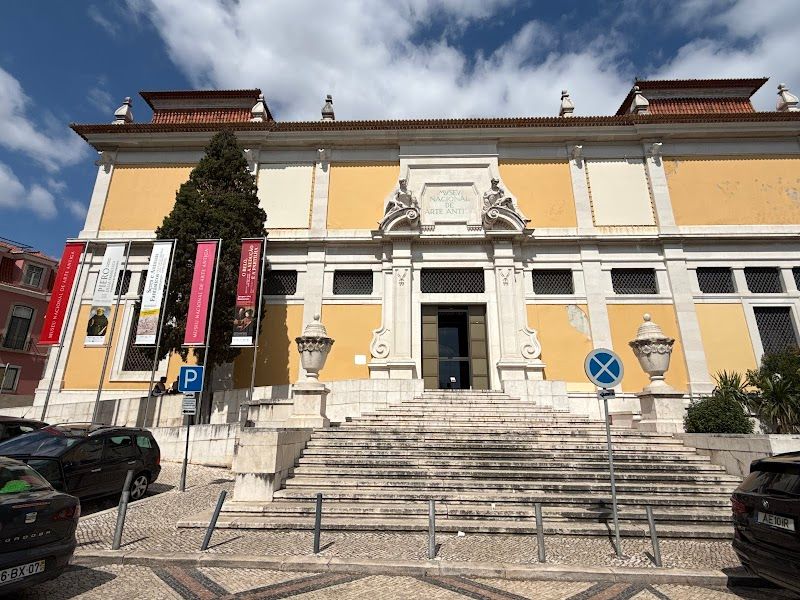
Museu Nacional de Arte Antiga
Portugal's national art museum occupies a 17th-century palace and holds the country's finest collection of European paintings, from medieval altarpieces to 19th-century masterworks. You'll find Hieronymus Bosch's terrifying "Temptation of St. Anthony," Dürer's exquisite "St. Jerome," and the crown jewel - Nuno Gonçalves' massive Panels of Saint Vincent, Portugal's most important painting. The decorative arts sections showcase everything from medieval gold work to intricate Japanese screens brought back by Portuguese traders. The museum flows chronologically through interconnected rooms, each with different ceiling heights and natural lighting that changes throughout the day. The Panels of Saint Vincent get their own darkened room where you can study the faces of 15th-century Portuguese nobility up close. The Asian art collection surprises most visitors - room after room of Ming porcelain, Japanese lacquerware, and Indian textiles that reveal Portugal's global reach centuries ago. Most visitors rush through in an hour, but you need at least two to appreciate the major works properly. Skip the ground floor contemporary section entirely - it's forgettable compared to upstairs. Entry costs €6, free on first Sundays (but expect crowds). The audio guide costs extra €2 but isn't necessary since most major pieces have English descriptions.
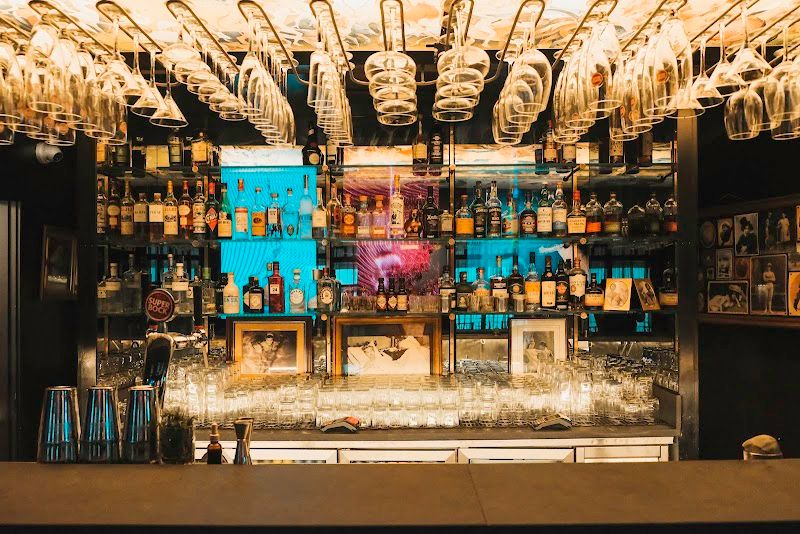
Pensão Amor
Pensão Amor occupies a former 1970s brothel on Pink Street, transformed into Lisbon's most theatrical cocktail bar. You'll wander through the original red velvet rooms where vintage erotica adorns the walls and old-world furniture creates intimate drinking nooks. The space includes a library with floor-to-ceiling bookshelves, a main bar area with cabaret lighting, and smaller themed rooms that maintain the building's provocative past. Burlesque shows happen regularly, and the whole place feels like stepping into a David Lynch film. The experience unfolds as you explore different rooms, each with its own character and seating arrangements. Cocktails run EUR 6-10 and they're well-made, not just gimmicky drinks trading on the venue's history. The lighting stays dim throughout, conversations happen in hushed tones, and when performances start, the energy shifts dramatically. You'll find yourself lingering longer than planned, moving between rooms as the night progresses. Most guides oversell this as purely a novelty, but it's genuinely one of Lisbon's better cocktail bars that happens to have an interesting backstory. Skip it if you're looking for high-energy nightlife - this is about atmosphere and conversation. The venue gets genuinely packed after midnight on weekends, so arrive by 10pm if you want to claim a good spot. Performance nights are worth experiencing once, but the space works just as well for drinks without the show.
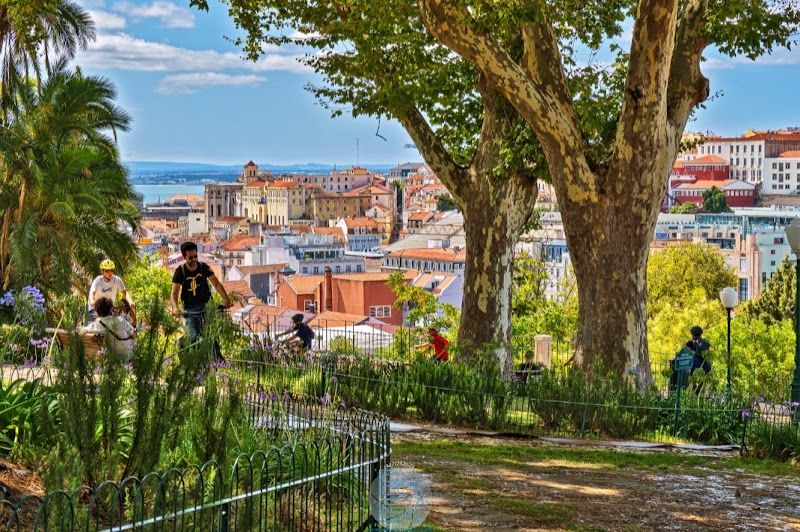
Jardim do Torel
Jardim do Torel climbs the hillside in romantic terraced levels, offering sweeping views across Lisbon's red rooftops to the Tagus River. You'll find Art Deco sculptures scattered among palm trees and manicured flowerbeds, plus a small café serving decent coffee for €1.50. The garden's tiered design creates intimate pockets where you can sit on stone benches and take in panoramas that rival those from Miradouro da Senhora do Monte. The garden flows downhill through three distinct terraced levels, each with its own character and vantage point. Peacocks occasionally strut across the paths (they belong to nearby residents), and the sound of trickling water from small fountains mixes with distant Lisbon traffic. The atmosphere feels wonderfully removed from the city below, especially in the early morning when joggers from the neighborhood outnumber tourists. Most guidebooks barely mention this place, which keeps crowds manageable even on weekends. The café closes unpredictably, so don't count on it for anything beyond a quick coffee. Skip the bottom entrance on Rua do Telhal - it's steeper and less impressive. The views are spectacular at sunset, but morning light (around 9-10am) actually shows off Lisbon's architecture better.
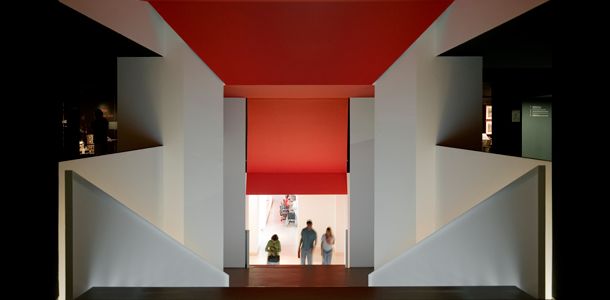
Museu do Oriente
This converted 1940s warehouse holds Portugal's finest collection of Asian art and artifacts, spanning 5,000 years from China to Timor. You'll find everything from Ming dynasty porcelain to intricate Japanese screens, plus fascinating displays about Portugal's colonial presence across Asia. The permanent collection focuses heavily on Chinese decorative arts and Portuguese trading posts, while temporary exhibitions often showcase contemporary Asian artists. It's genuinely comprehensive - not just pretty objects but real context about cultural exchange. The museum flows chronologically across two main floors, starting with ancient Chinese bronzes and moving through ceramics, textiles, and religious art. The lighting is excellent and displays aren't overcrowded, so you can actually appreciate individual pieces. The highlight is the recreation of a traditional Chinese scholar's study, complete with period furniture and calligraphy tools. The building's industrial bones show through - high ceilings and concrete floors - which somehow works perfectly with the collections. Most visitors rush through in 45 minutes, but you need at least 90 minutes to properly see everything. Skip the top-floor restaurant unless you're desperate - it's overpriced at €25+ for lunch with mediocre food, though the Tagus views are decent. The audio guide costs €3 and is actually worth it for the Chinese collection. Regular admission is €6, seniors and students €3. Friday evenings after 6pm drop to €3 for everyone, making it Lisbon's best museum bargain.
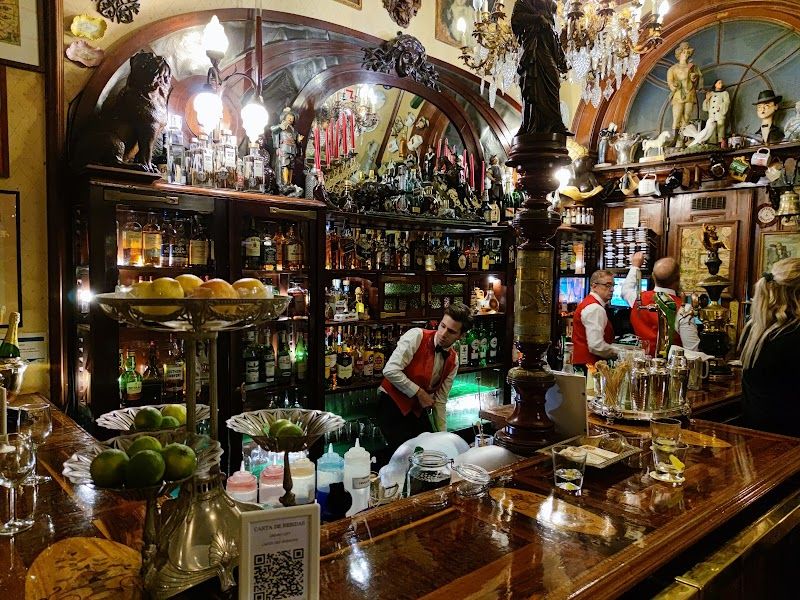
Pavilhão Chinês
Pavilhão Chinês feels like stumbling into a Victorian collector's fever dream - every surface is crammed with vintage toys, model planes suspended from the ceiling, taxidermy animals, toy soldiers in formation, and thousands of other curiosities that somehow create a cohesive whole rather than chaotic clutter. The dark wood paneling and red velvet banquettes give it the atmosphere of a gentleman's club that's been ransacked by particularly sophisticated children. You're here for cocktails (€8-12) that are expertly mixed and surprisingly strong, served in surroundings that guarantee you'll discover something new each time you look up. The front room gets packed after 10pm with tourists snapping photos, but the real magic happens in the back rooms where intimate conversations unfold under the watchful glass eyes of stuffed birds and vintage dolls. The bartenders know their craft - order anything classic and it'll be spot-on, though service slows considerably when it's busy. The lighting is deliberately dim, creating shadows that make the collections feel alive and slightly unsettling in the best possible way. Most people treat this as a quick photo stop, but you'll want at least 90 minutes to properly explore and let a few drinks work their magic. Skip the weekend evenings unless you enjoy shouting over crowds - Tuesday through Thursday after 9pm hits the sweet spot of atmosphere without chaos. The cocktails justify the slightly higher prices, and unlike many themed bars, this one has genuine soul rather than manufactured quirkiness.
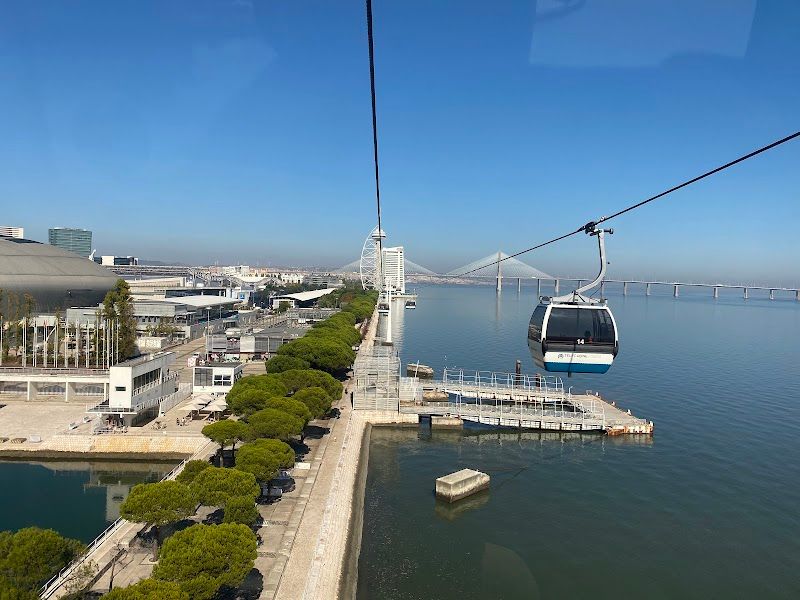
Telecabine Lisboa
The Telecabine Lisboa glides 1.2 kilometers along the Tagus River waterfront, giving you aerial views of Parque das Nações that most visitors never see. You'll float above the modern district in glass gondolas, spotting the massive Vasco da Gama Bridge, the swooping curves of Gare do Oriente, and the riverside promenade dotted with people below. It's one of the few ways to appreciate how this former Expo 98 site transformed an industrial waterfront into Lisbon's most futuristic neighborhood. The 8-minute ride feels surprisingly peaceful once you're suspended above the action. Your gondola sways gently as you pass over cyclists and joggers on the riverside path, then climbs higher for sweeping views across the Tagus to the hills beyond. The silence up there contrasts sharply with the urban energy below, and you'll find yourself scanning for details you'd miss from street level. The modern architecture looks completely different from above, especially the undulating roof of the Pavilhão Atlântico. At €6 for adults, it's reasonably priced for what amounts to a scenic commute between the north and south stations. Most people treat it as a quick photo opportunity, but you're better off buying a round-trip ticket and savoring both directions. The southern terminus near the casino offers better dining options afterward than the northern end near the train station.
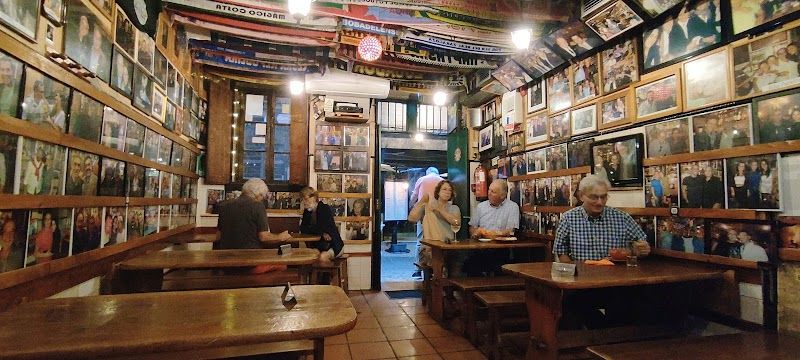
A Tasca do Chico
A Tasca do Chico is as authentic as fado gets in Lisbon - a cramped tavern where locals belt out Portugal's melancholic folk songs with zero tourist theatrics. You're not watching a performance, you're witnessing a cultural ritual that happens twice weekly when amateur singers take turns with the Portuguese guitar. The room holds maybe 20 people shoulder-to-shoulder, beer costs €2-3, and there's no minimum spend or overpriced dinner requirement like the tourist fado houses in Alfama. Arrive early and you'll watch the transformation from quiet neighborhood bar to impromptu concert hall. By 8 PM, the Portuguese guitar emerges and someone starts the first song - usually a heartbroken ballad about lost love or faded glory. The crowd falls completely silent, occasionally joining in for choruses they know by heart. Between songs, conversation flows in Portuguese while more people squeeze through the door. Most fado guides steer you toward expensive dinner shows that cost €40-60 per person. Skip those entirely - this is the real thing for the price of a few beers. Mondays and Wednesdays are when amateurs perform, but semi-professionals sometimes show up other nights. The acoustics are terrible and you'll be pressed against strangers, but that's exactly the point. If you can't handle standing for two hours, this isn't for you.
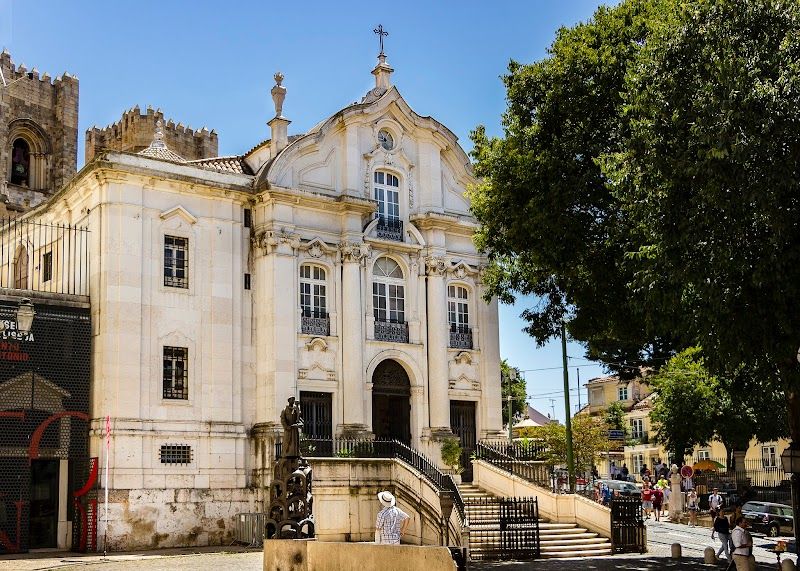
Igreja de Santo António de Lisboa
This compact baroque church sits directly above the birthplace of Saint Anthony of Padua (yes, the same saint who helps you find lost things), making it one of Christianity's most authentic pilgrimage sites. You'll find stunning 18th-century azulejo tiles depicting scenes from the saint's life, a beautiful gilded altar, and surprisingly intricate woodwork for such a small space. Local couples come here specifically for wedding blessings - Saint Anthony is Portugal's unofficial patron of marriage. The church feels genuinely lived-in despite being surrounded by Alfama's tourist crowds. You'll often find elderly Portuguese women lighting candles and whispering prayers, while the priest still conducts regular masses in Portuguese. The interior stays refreshingly cool even in summer, and the acoustics make every whispered prayer feel sacred. A small museum downstairs displays artifacts from the original Roman-era chapel, though it's often closed without warning. Most guides oversell the museum portion - the real experience is upstairs in the main church during a quiet moment. Entry is free, but locals typically drop €1-2 for candles. Skip the crowds by visiting before 10am when you'll have the space mostly to yourself. The church gets packed during wedding season (May-September weekends), so time accordingly if you want a peaceful visit.
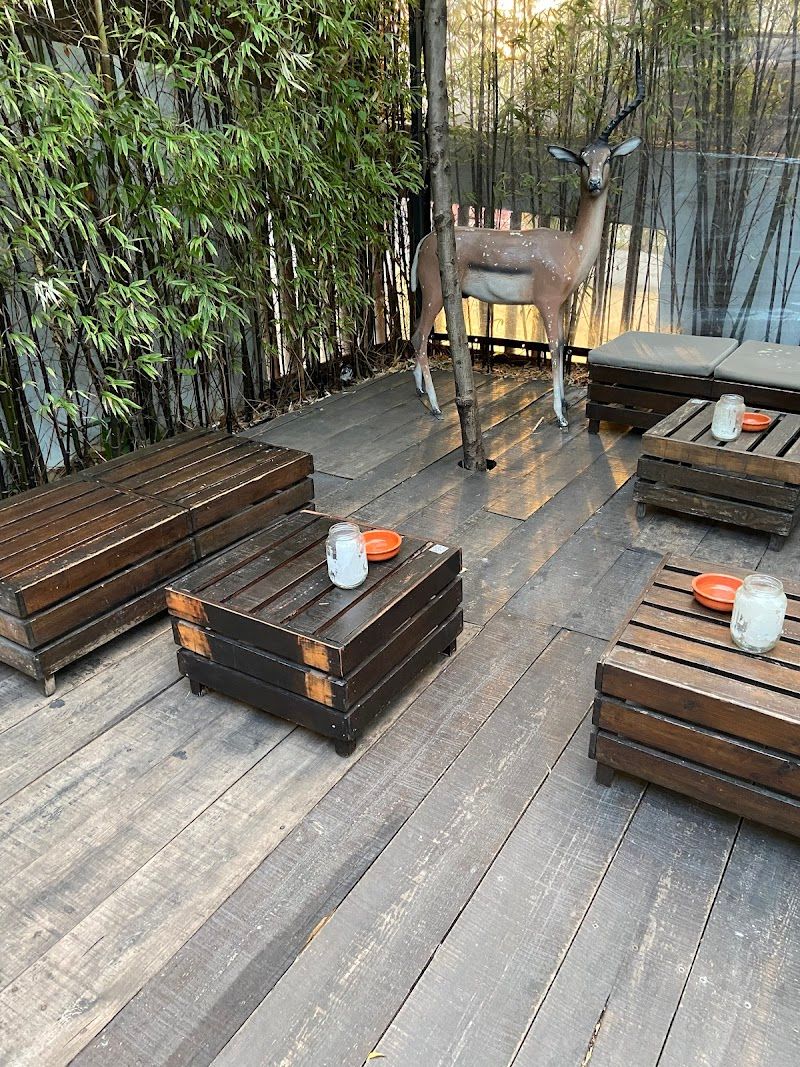
PARK Bar
PARK Bar transforms a crumbling parking garage rooftop into Lisbon's most democratic rooftop experience. You'll climb concrete stairs past actual parked cars to reach a sprawling terrace where mismatched furniture and fairy lights create an unexpectedly charming atmosphere. The 360-degree views stretch from São Jorge Castle to the Tagus River, with downtown Lisbon spread out below like a terracotta sea. The vibe here is refreshingly unpretentious - you'll find backpackers sharing tables with well-dressed locals, everyone nursing cheap drinks while watching the sunset paint the city golden. There's no velvet rope or dress code, just grab whatever seat you can find and settle in. The bar setup is basic but efficient, and the crowd gets louder and more animated as night falls, especially when there's a DJ spinning. Most rooftop bars in Lisbon charge premium prices for mediocre views, but PARK delivers genuine panoramas at neighborhood bar prices. Skip the overpriced cocktails and stick to beer (EUR 3-4) or wine (EUR 4-5). The space gets absolutely packed after 8 PM, turning into more of a standing-room party than a relaxing drink spot. If you want conversation over drinks, arrive early. If you want to dance under the stars with a mixed crowd, come late.
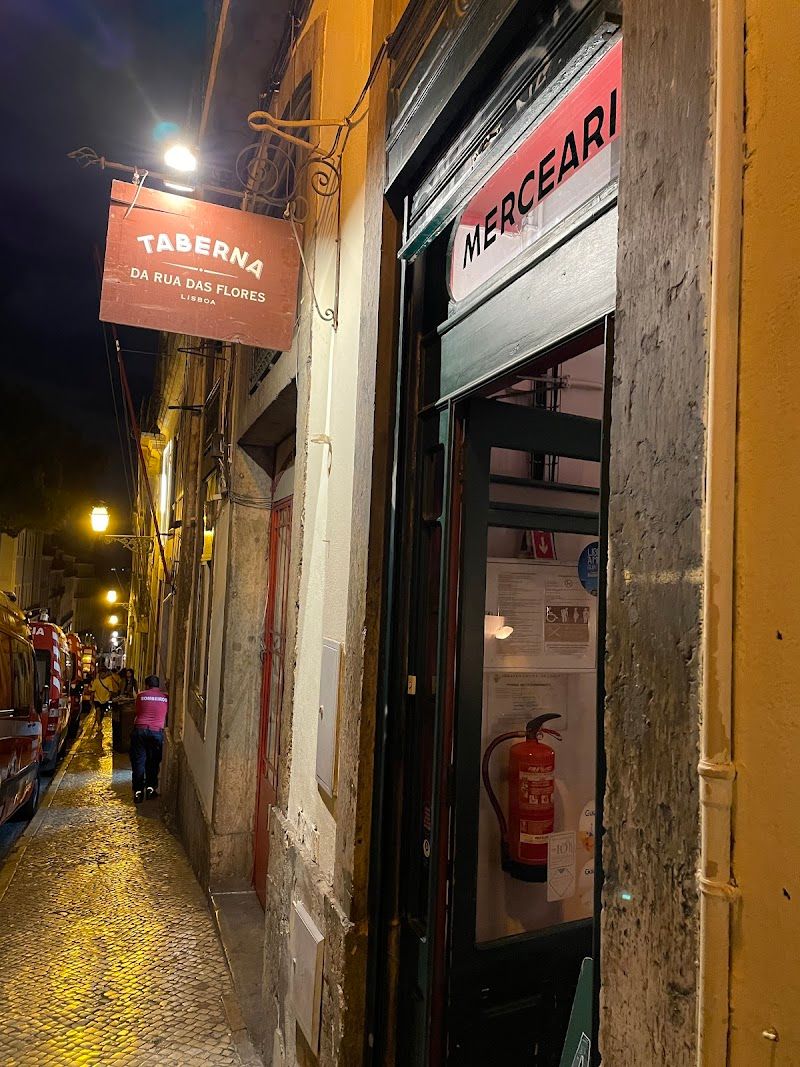
Taberna da Rua das Flores
This postage stamp-sized taberna draws serious food lovers to just 12 tables crammed into a narrow Chiado storefront. Chef-owner João Rodrigues changes the menu daily based on market finds, scrawling dishes like sea bass ceviche with passion fruit or duck confit with fig jam across a small chalkboard. You're here for elevated Portuguese petiscos that blur the line between tapas and fine dining - expect to pay €8-15 per plate for genuinely creative cooking. The space feels like dining in someone's living room if that someone happened to be an exceptional cook. Tables are so close you'll overhear neighboring conversations in three languages, while the open kitchen lets you watch Rodrigues plate each dish with tweezers. The energy peaks around 8pm when every table is full and the wine flows - mostly natural Portuguese bottles starting around €25. Service moves at a relaxed pace that matches the neighborhood vibe. Most food blogs oversell this as some undiscovered treasure, but it's been packed nightly for years. The real trick isn't just arriving early - it's knowing that Tuesday and Wednesday offer the most adventurous menu since weekend crowds push Rodrigues toward safer crowd-pleasers. Skip the cheese plates (mediocre) and focus on whatever seafood he's featuring. Budget €40-50 per person with wine, and don't come expecting quick service.
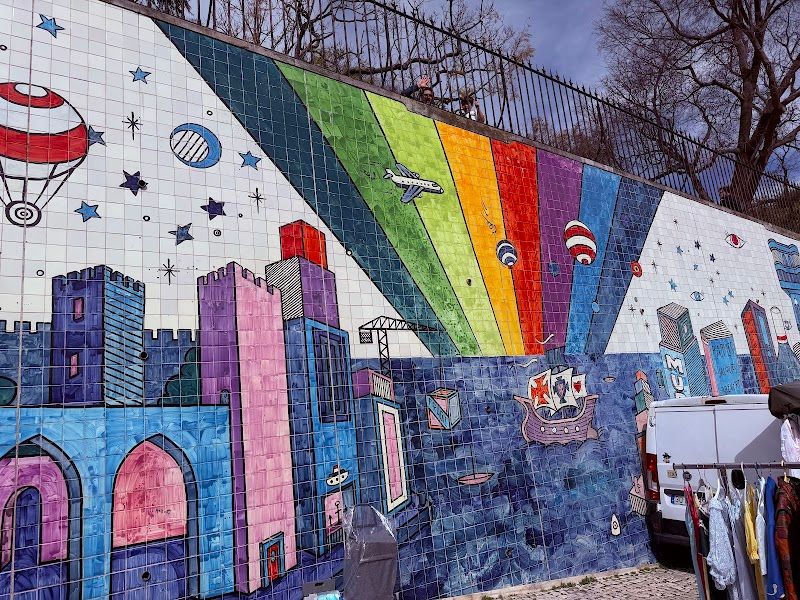
Feira da Ladra
Feira da Ladra is Europe's oldest flea market, running continuously since the 12th century in Alfama's Campo de Santa Clara. You'll find genuine antique Portuguese azulejos (tiles) starting around €15, vintage cameras from €30, vinyl records for €5-20, and African art pieces reflecting Lisbon's colonial connections. The market spreads across the entire square, with about 200 vendors selling everything from grandmother's china to Soviet-era military gear. The atmosphere shifts dramatically as morning progresses - arrive at 8am and you'll browse peacefully among serious collectors and dealers setting up their best pieces. By 11am, tour groups arrive and the square fills with chatter in multiple languages. The vendors near the National Pantheon tend to have higher-quality antiques, while the outer edges mix genuine finds with household castoffs and tourist trinkets. Most guidebooks romanticize every stall, but honestly, about 60% is junk you wouldn't want at home. The magic happens when you stumble across a 1950s Portuguese cookbook for €8 or an original Fado record from the 1960s. Skip the obvious tourist stuff near the entrance - fake azulejos and mass-produced "antique" maps. Budget €20-50 if you want to buy something worthwhile, and bring cash since most vendors don't take cards.
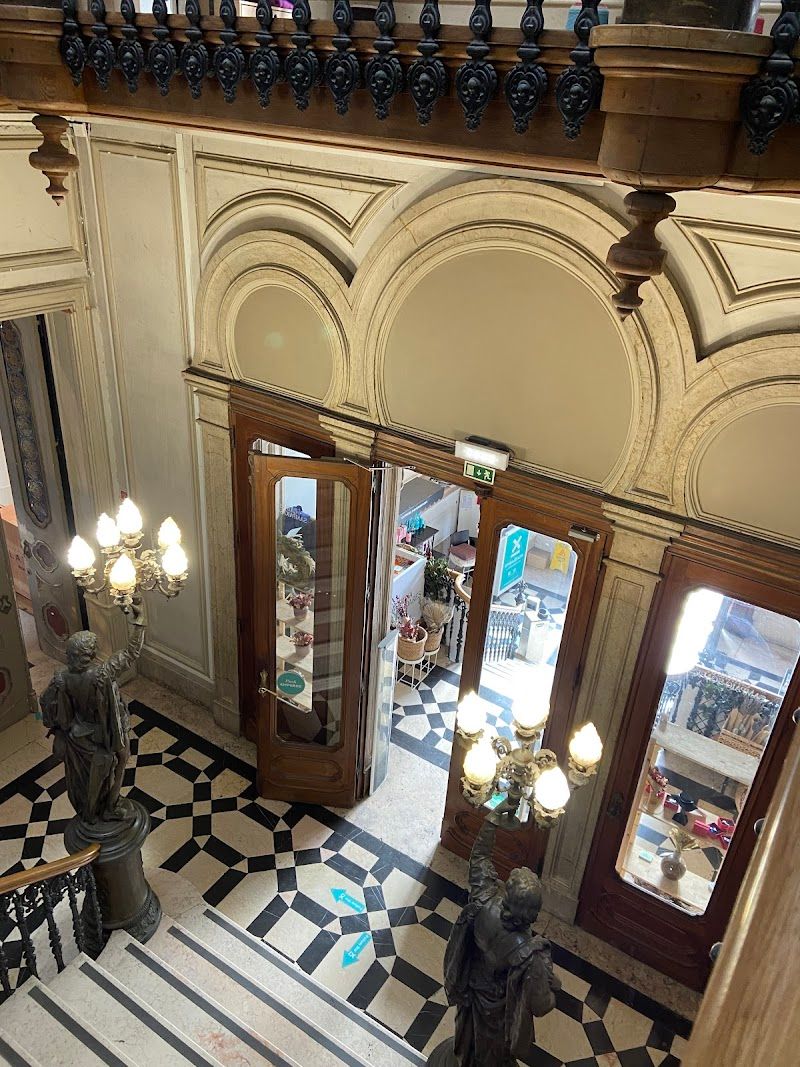
Embaixada
This restored 19th-century palace houses Portugal's most interesting collective of local designers across six floors of ornate rooms. You'll find everything from handmade ceramics and leather goods to contemporary fashion and jewelry, all created by Portuguese artisans. The building itself is the real star - original Moorish-inspired frescoes, intricate plasterwork, and period details that somehow make shopping feel like exploring a museum. The rooftop restaurant, Red Frog, serves modern Portuguese dishes with garden views. Each room has a different designer or brand, so you're constantly discovering new spaces as you wander through. The ground floor features larger fashion pieces and accessories, while upper floors get more intimate with smaller studios and workshops. You can often see artisans working, especially in the jewelry and textile spaces. The building's grand staircase and decorative ceilings create an unexpectedly elegant backdrop for browsing handcrafted goods. Prices reflect the artisanal quality - expect €30-80 for accessories, €100+ for clothing, and €20-50 for home goods. The restaurant is overpriced for what you get (mains €18-24), but the terrace is lovely for drinks. Skip the basement level which feels cramped and poorly lit. Focus your time on floors 2-4 where the most interesting designers work, and don't feel obligated to buy - the building tour alone justifies the visit.
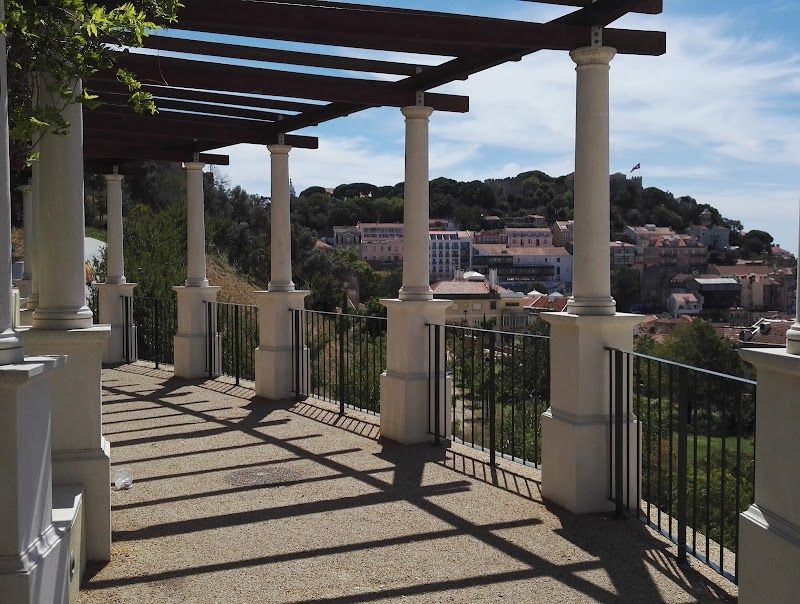
Jardim da Cerca da Graça
This terraced garden climbs the slopes of Graça Hill on what used to be monastery grounds, giving you some of the best panoramic views in Lisbon without the crowds of other miradouros. You'll find Mediterranean plants cascading down stone terraces, original monastery walls weaving through the pathways, and multiple viewpoints that take in everything from the Tagus River to São Jorge Castle. The garden feels more like a secret hillside retreat than a typical city park. The visit flows naturally upward through different levels, each offering new perspectives over Lisbon's terracotta rooftops and distant hills. Stone steps and gravel paths wind between lavender, rosemary, and olive trees, while the old monastery walls create intimate pockets of shade. The upper terraces are where the magic happens - you'll have sweeping views with hardly anyone else around, especially in the early morning or late afternoon when the light hits the city just right. Most guidebooks barely mention this place, which works in your favor since you'll often have entire sections to yourself. The garden is free and always open, though the paths can be steep if you have mobility issues. Skip the lower entrance near Largo da Graça and head straight for the upper sections where the real views are - you can always work your way down from there.
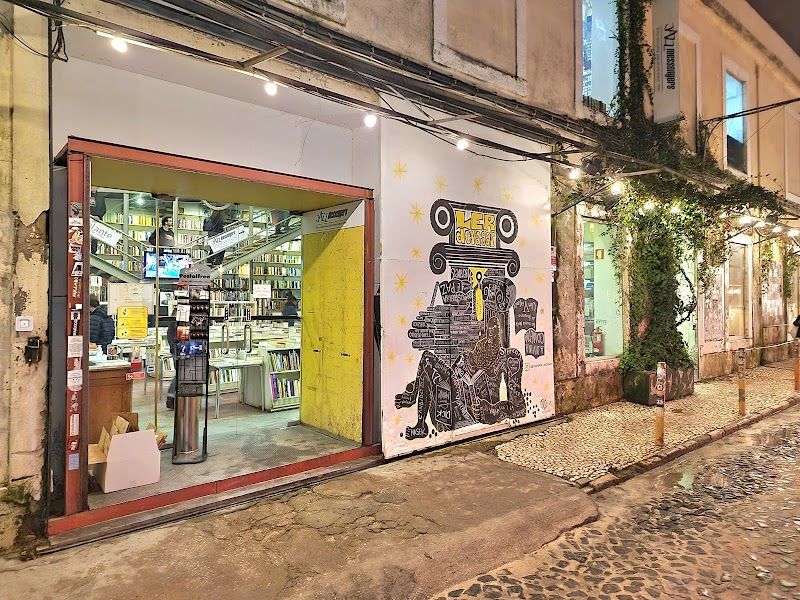
Ler Devagar
Ler Devagar transforms a former industrial printing factory into Lisbon's most atmospheric bookstore, complete with a massive vintage printing press suspended dramatically from the ceiling. You'll find Portuguese and international books across multiple floors, plus rotating art exhibitions, design objects, and a small café serving decent coffee and pastries. The space perfectly captures the creative spirit of LX Factory - it's part bookshop, part cultural venue, part Instagram backdrop. The moment you walk in, those soaring ceilings and exposed brick walls create an almost cathedral-like feeling for book lovers. You can climb the metal staircases to upper levels where mismatched vintage furniture invites you to settle in with a book, while natural light streams through industrial windows. The hanging printing press dominates the space without overwhelming it, and you'll find readers genuinely browsing alongside tourists taking photos. Honestly, the book selection isn't exceptional - you'll find better Portuguese literature elsewhere in the city, and prices run about 10-15% higher than standard bookshops. What you're really paying for is the experience and atmosphere. Skip the café unless you're desperate - the coffee's mediocre at €2.50. Come for the space itself and maybe pick up a design book or postcard, but don't expect to discover literary treasures.
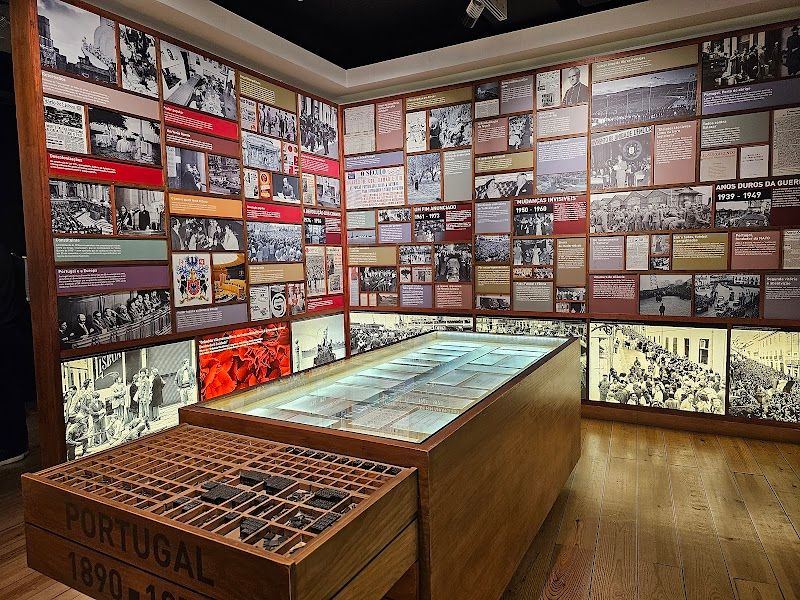
Museu do Aljube - Resistência e Liberdade
This former political prison operated from 1928 to 1965, holding opponents of Salazar's Estado Novo dictatorship in cramped cells that you can still walk through today. The museum doesn't sugarcoat anything - you'll see authentic torture instruments, read prisoners' letters scratched into walls, and listen to recorded testimonies from survivors. The exhibitions trace Portugal's path from dictatorship to the 1974 Carnation Revolution, with particular focus on censorship, secret police operations, and everyday resistance. The building itself tells the story as much as the displays. Original prison cells remain intact with their tiny windows and stone walls, creating an immediate sense of claustrophobia that hits you harder than any text panel could. The audio guide (available in English) is exceptional, featuring actual recordings of former prisoners describing their experiences. The upper floors contrast the darkness below with bright exhibition spaces covering Portugal's transition to democracy, but those basement cells stay with you. Entry costs €3, making this one of Lisbon's best museum values. Most visitors rush through in 45 minutes, but you need at least 90 minutes to properly absorb the weight of what happened here. Skip the temporary exhibitions on the ground floor - they're often underwhelming compared to the permanent collection. The museum can feel emotionally heavy, so don't plan anything too lighthearted immediately after.
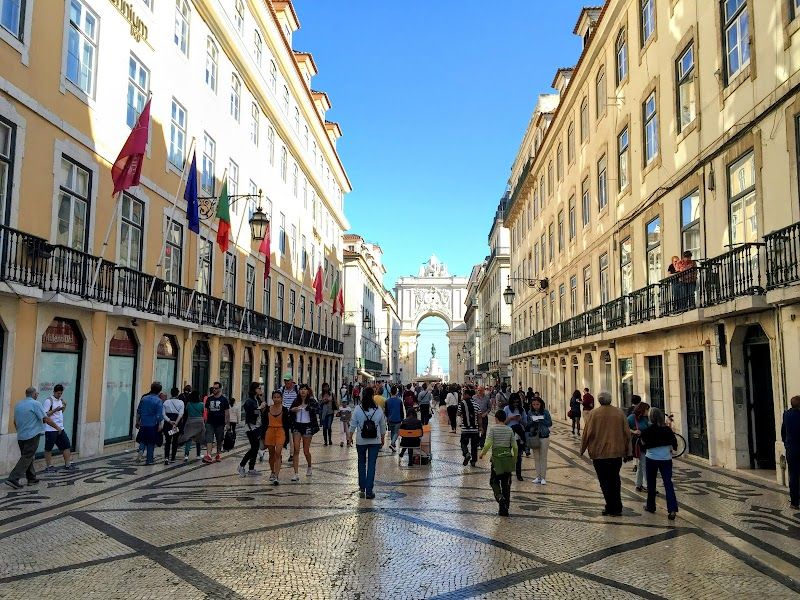
Rua Augusta
Rua Augusta is Baixa's main pedestrian street, stretching from the grand Praça do Comércio to Rossio Square through the heart of Pombaline Lisbon. You'll walk on black and white mosaic pavement past uniform neoclassical buildings housing Zara, H&M, and local souvenir shops, while street musicians perform everything from fado to Beatles covers. The real draw is the Arco da Rua Augusta at the southern end - climb to the top for 3 EUR to see the red rooftops of Alfama and the Tagus River spreading out below. The street has a relaxed pace despite the tourist crowds, with outdoor café tables spilling onto the pedestrian zone and locals cutting through for their daily errands. You'll hear multiple languages as tour groups pause for photos, but it never feels overwhelming. The uniform architecture creates a pleasing rhythm as you walk - every building stands exactly the same height, rebuilt after the 1755 earthquake according to Marquês de Pombal's strict urban planning. Honestly, the shopping is nothing special - standard European chain stores at full prices. The arch climb is worth it for the views, but skip the street-level souvenir shops selling overpriced cork products and ceramic roosters. Come in late afternoon when the light hits the buildings beautifully, then escape to parallel Rua da Prata where identical architecture meets actual Portuguese businesses and reasonable café prices.
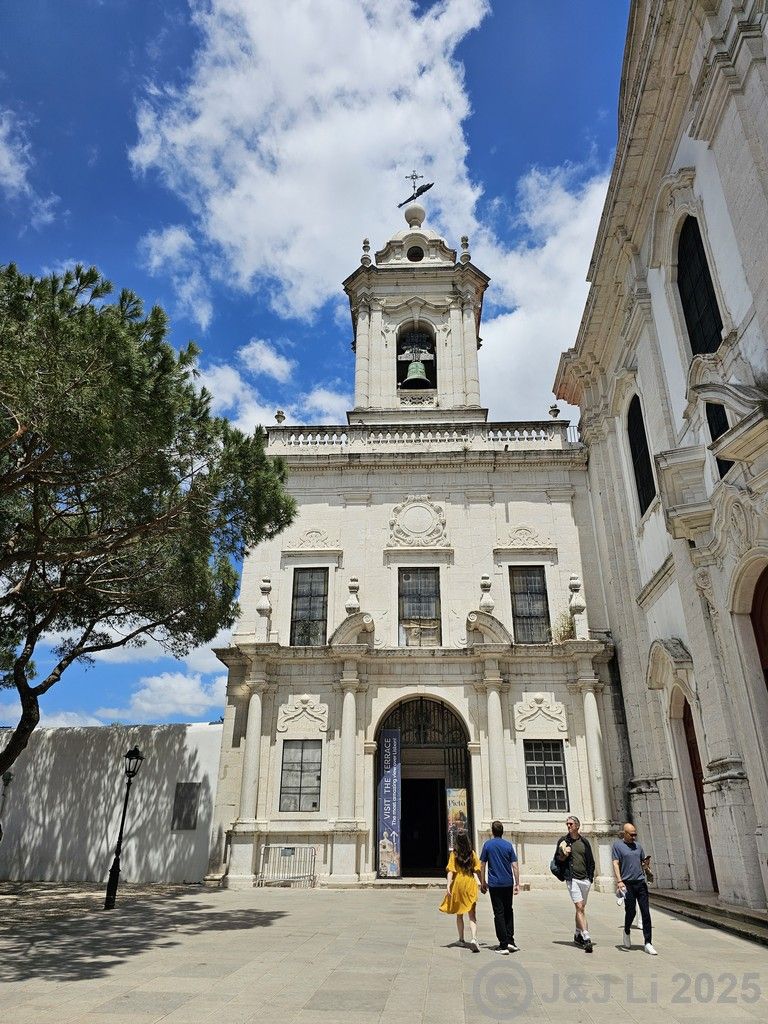
Igreja e Convento da Graça
The Igreja e Convento da Graça is a 13th-century Augustinian monastery that showcases some of Lisbon's most impressive azulejo tilework alongside ornate baroque interiors. You'll find elaborate blue and white ceramic panels depicting religious scenes, plus a church interior dripping with gilded woodwork and intricate ceiling paintings. The convent buildings wrap around peaceful courtyards where you can actually hear yourself think, unlike the tourist chaos at other Lisbon churches. The visit flows naturally from the entrance courtyard through interconnected spaces - church nave, side chapels, and remnants of monastic quarters. What strikes you immediately is how the afternoon light transforms those famous azulejo panels into something almost luminous. The baroque altar feels almost overwhelming after the serene tile galleries, and you'll often have entire sections to yourself while tour groups crowd into the Sé Cathedral down the hill. Most guidebooks oversell this as a major attraction, but that's actually its strength - you get authentic atmosphere without fighting for photos. The church itself takes 20 minutes max, so spend your time in the quieter courtyard areas where the tile work is actually better preserved. Skip the small museum section unless you're really into religious artifacts - the architecture and tiles are the real draw here.
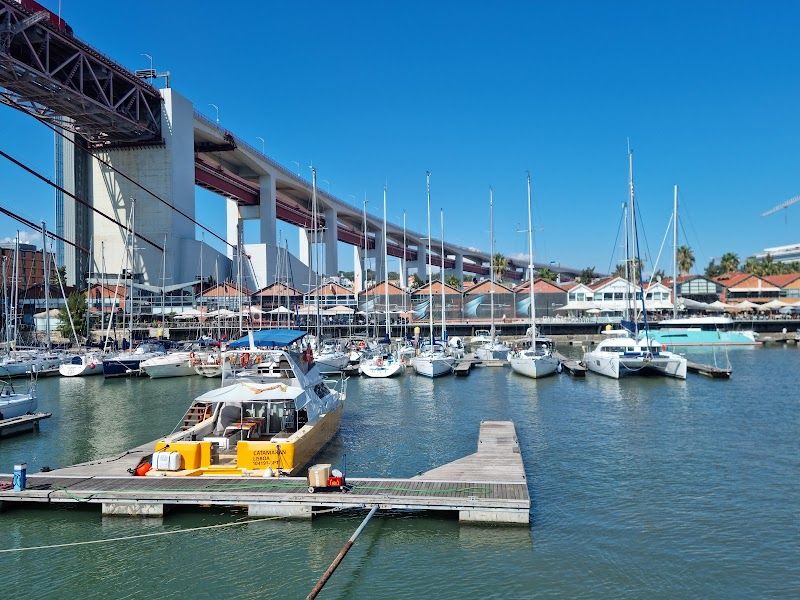
Doca de Santo Amaro
Doca de Santo Amaro stretches along the Tagus River beneath the 25 de Abril Bridge, transforming from a working marina into Lisbon's most popular waterfront dining strip. You'll find about 20 restaurants and bars lined up along the wooden boardwalk, most specializing in fresh seafood with outdoor terraces facing the water. The setting delivers unfiltered views of the red suspension bridge towering overhead, plus Cristo Rei statue across the river. The promenade works best as an evening destination when locals arrive for sunset drinks around 7pm. You'll walk past restaurant after restaurant, each with nearly identical menus and aggressive waiters trying to lure you in. The atmosphere gets lively after dark when the bridge lights up and the terraces fill with conversation. During the day it feels somewhat empty and exposed, lacking the charm that emerges once the sun starts setting. Most restaurants here are tourist traps charging €25-35 per person for average seafood - you're paying for location, not quality. Doca 6 and SUD Lisboa consistently deliver better food than their neighbors, while the unnamed kiosks at the eastern end serve decent bifanas for €3-4. Skip the crowded middle section where tour groups gather and head toward either end for breathing room and better photos.
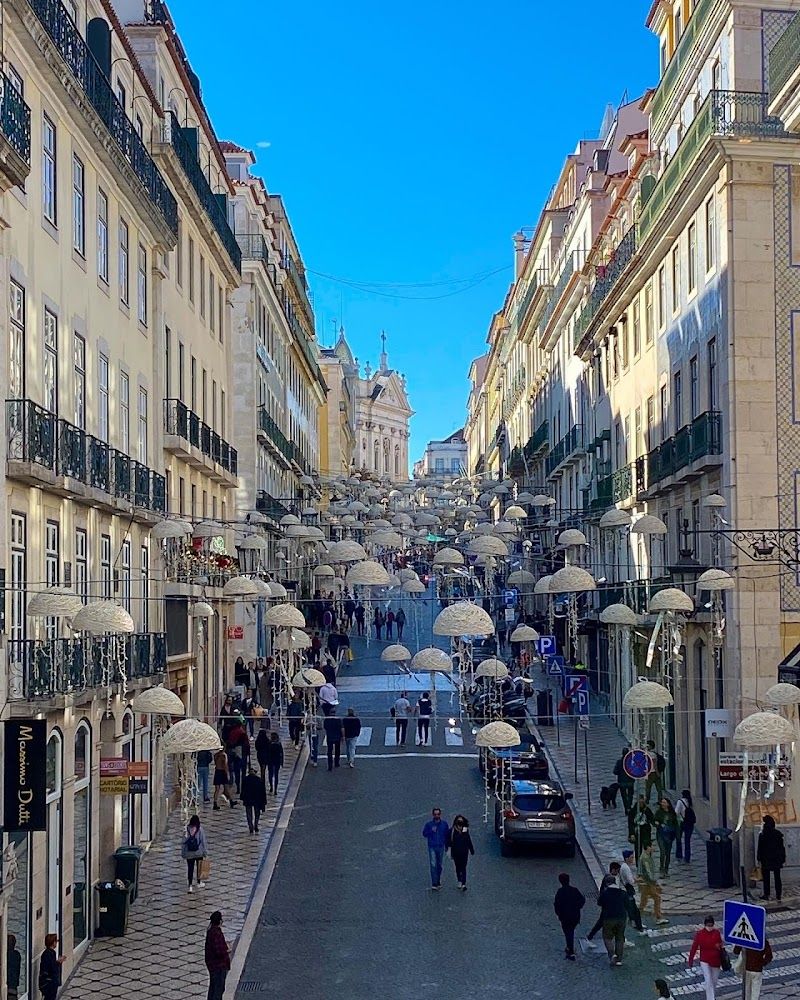
Rua Garrett
Rua Garrett is Chiado's pedestrianized shopping spine, stretching 300 meters between two of Lisbon's most elegant squares. You'll walk past preserved 19th-century storefronts housing everything from Portuguese leather goods at Pelcor (wallets start at €35) to international brands like Zara and Mango. The real draws are A Brasileira café where Pessoa used to write, and Livraria Bertrand, the world's oldest bookstore still operating since 1732. The street flows naturally uphill from Largo do Chiado, with original black and white calçada portuguesa underfoot and Belle Époque facades overhead. Crowds thin out as you climb toward Praça Luís de Camões, and the mix shifts from touristy souvenir shops at the bottom to genuinely good Portuguese designers like Storytailors (shirts from €89) near the top. The preserved Art Nouveau shopfronts create perfect photo ops, especially the tiled facades catching afternoon light. Most guides oversell this as luxury shopping - it's really upscale high street with a few standout local brands mixed in. Skip the overpriced souvenirs near Largo do Chiado and focus on the upper half where rents are lower and shops more authentic. The famous A Brasileira is a tourist trap with mediocre coffee at €2.50, but the bronze statue of Pessoa outside is worth the selfie.
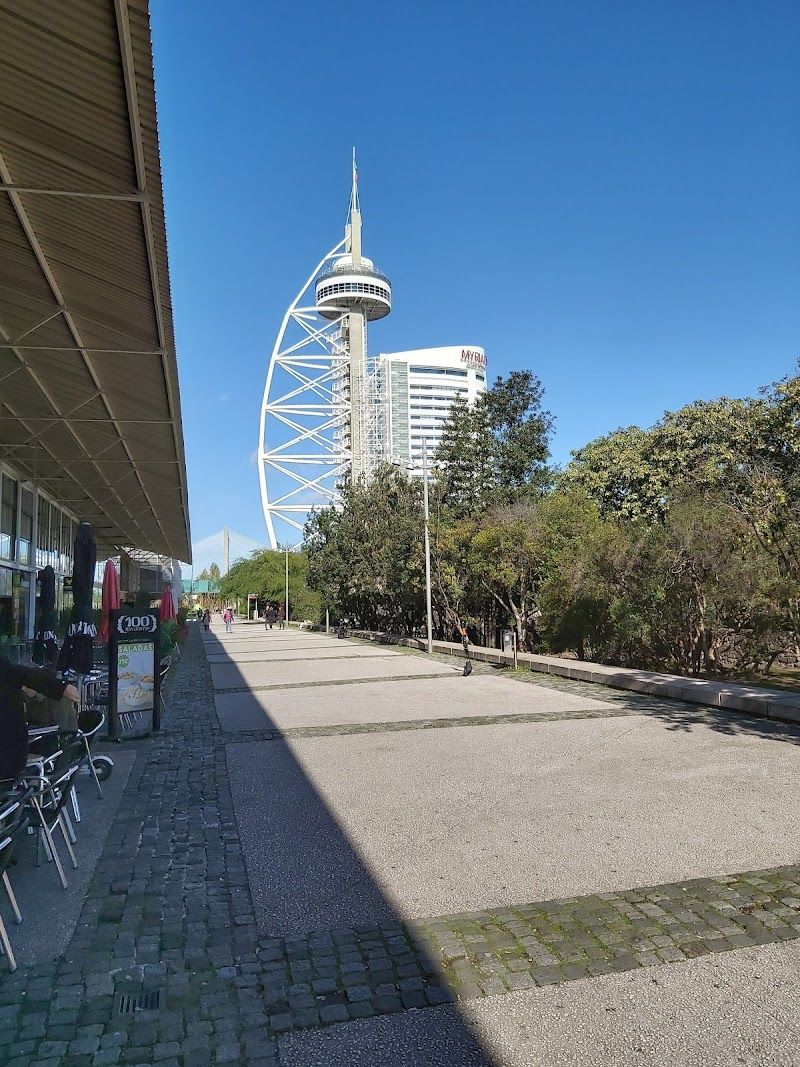
Parque das Nações
Parque das Nações stretches along 5km of Tagus riverfront, built from scratch for Expo 98 on former industrial wasteland. You'll find Europe's second-largest aquarium, the Oceanário, a cable car running 1.2km above the water, and the towering Vasco da Gama Bridge dominating the skyline. The district feels different from Lisbon: wide pedestrian boulevards, geometric gardens, and glass towers replace the city's usual cobblestones and azulejo tiles. The experience flows naturally from the Oriente Station, Calatrava's steel and glass cathedral, toward the river, passing public art installations and the Centro Colombo shopping center. The €6 one-way cable car ticket offers views but moves slowly, taking 8 minutes each direction. Walking the riverside promenade feels spacious after old Lisbon's narrow streets, with cyclists and families on scooters sharing the flat, wide paths. Most visitors rush to the Oceanário (€22 adults) and skip everything else, but the charm of Parque das Nações lies in walking the waterfront architecture. To save money, climb the free viewpoints near Vasco da Gama Tower instead of taking the cable car. Visit on weekday mornings when the promenades are empty and the light hits the modern buildings perfectly.
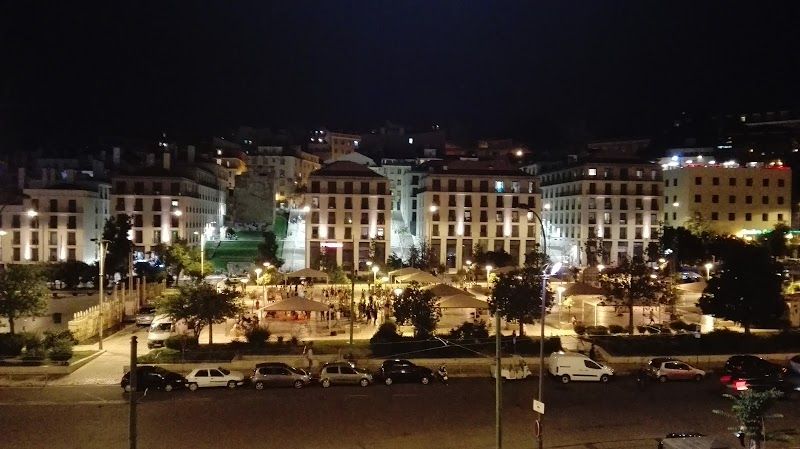
Praça Martim Moniz
Praça Martim Moniz is Lisbon's most multicultural square, where Portuguese history meets contemporary immigrant communities from across Asia and Africa. You'll find dozens of food kiosks run by families from Bangladesh, Nepal, India, and Cape Verde, plus weekend markets selling everything from Bollywood DVDs to African fabrics. This is also where historic Tram 28 begins its famous journey, so expect crowds of tourists mixing with locals doing their actual shopping. The sloping square feels like three different places depending when you visit. Mornings are quiet with just commuters grabbing coffee, while afternoons bring families and the weekend markets spread across the upper level. After dark, the food stalls light up and the atmosphere shifts completely - you'll hear multiple languages, smell curry and grilled fish, and watch football matches on small TVs while people eat standing up around plastic tables. Most guidebooks oversell this as some amazing cultural experience, but it's really just a functional neighborhood square that happens to reflect modern Lisbon's diversity. The food is genuinely good and cheap (meals for €3-6), but don't expect pristine conditions or Instagram-worthy presentations. Skip the touristy crafts at the weekend market and focus on the food stalls after 7pm when they're actually busy with locals.
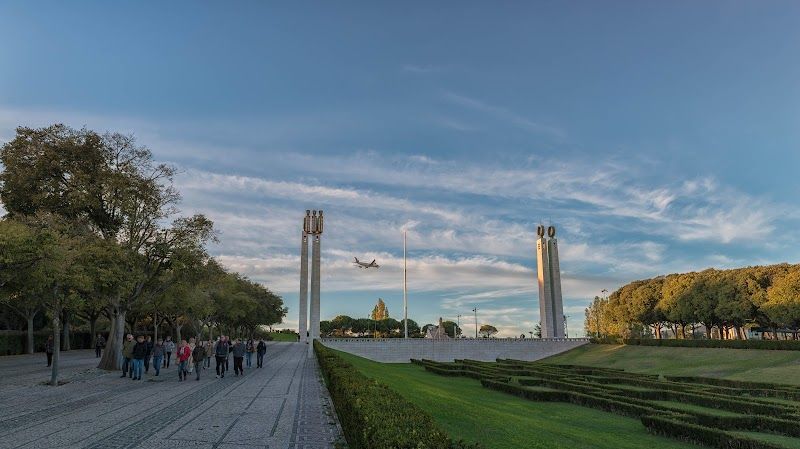
Parque Eduardo VII
Parque Eduardo VII stretches uphill from Marquês de Pombal in a perfectly symmetrical design of manicured hedgerows and gravel paths. The central promenade cuts straight through geometric box hedges toward the city's best free panoramic viewpoint, while the Estufa Fria greenhouse complex on the eastern side houses tropical plants in three connected pavilions. You'll get sweeping views down Avenida da Liberdade to the Tagus River, plus the entire Baixa district spread out below. The walk uphill takes about 15 minutes on wide gravel paths flanked by precisely trimmed hedges that feel more French château than Portuguese park. Lisboetas jog here early morning and gather for picnics on weekends, especially around the upper viewing area where the formal gardens give way to open grass. The atmosphere shifts from manicured elegance at the bottom to relaxed hilltop hangout at the top, with the greenhouse offering a humid tropical escape. Most guides oversell the greenhouse (€3.50 entry) - it's pleasant but skippable unless you're genuinely into plants or need shade on hot days. The real payoff is that panoramic view from the top, which rivals paid viewpoints elsewhere in the city. Come in late afternoon when the light hits the river perfectly, and don't bother with the formal lower section if you're short on time.
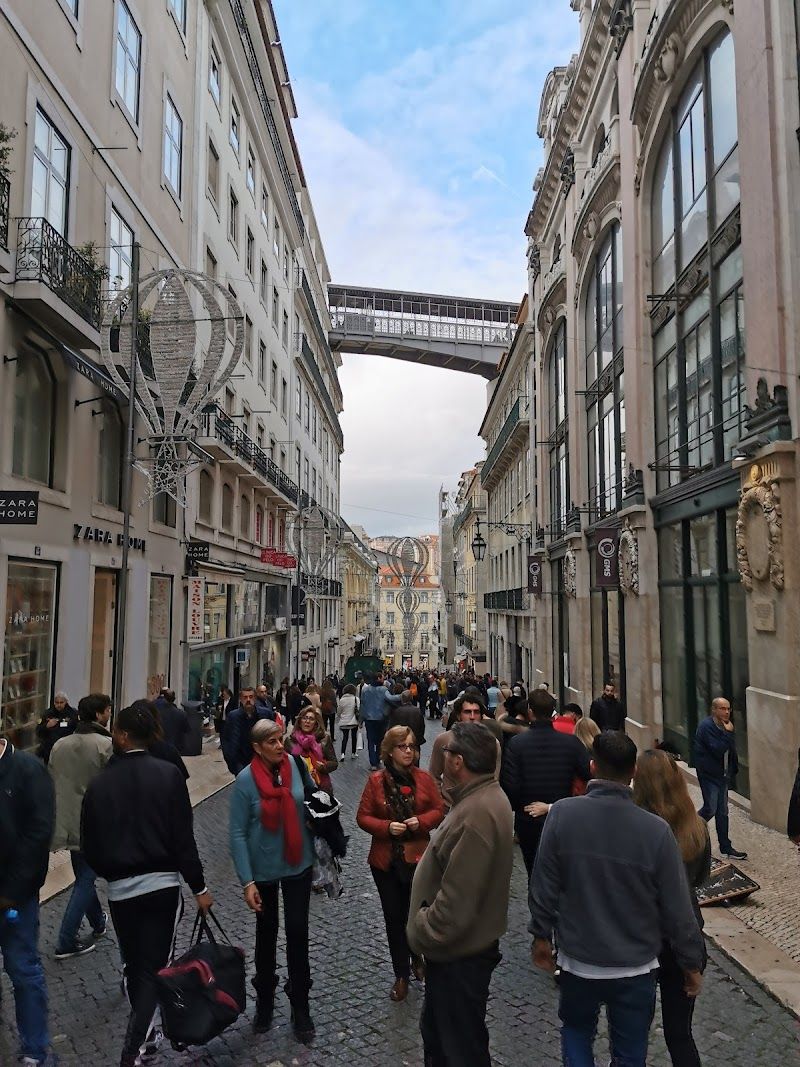
Rua do Carmo
Rua do Carmo runs north-south through Chiado's shopping district, connecting the busy Rossio square to the earthquake-damaged Carmo Convent ruins. You'll find a solid mix of Portuguese brands, international chains, and local shops selling everything from leather goods to traditional ceramics. The street's main draw is its blend of commerce and architecture - 18th-century facades house modern boutiques, and halfway up you'll encounter the dramatic Gothic arches of Carmo Convent's roofless nave. The walk takes about 15 minutes if you're just passing through, but you'll likely get distracted by shop windows and the sudden appearance of medieval stone ruins jutting from the urban landscape. The street has a more relaxed pace than neighboring Rua Garrett - locals actually shop here rather than just tourists browsing. You'll notice the gradual incline as you head toward Largo do Carmo, where the ruins create an unexpected open space that feels almost sacred compared to the commercial energy below. Most people rush straight to Rua Garrett and miss this parallel street entirely, which is their loss. The shopping quality is comparable but prices run about 10-15% lower, especially for Portuguese leather goods and ceramics. Skip the tourist-trap cork shops near Rossio and focus on the middle section around the convent where you'll find better local retailers and fewer crowds.
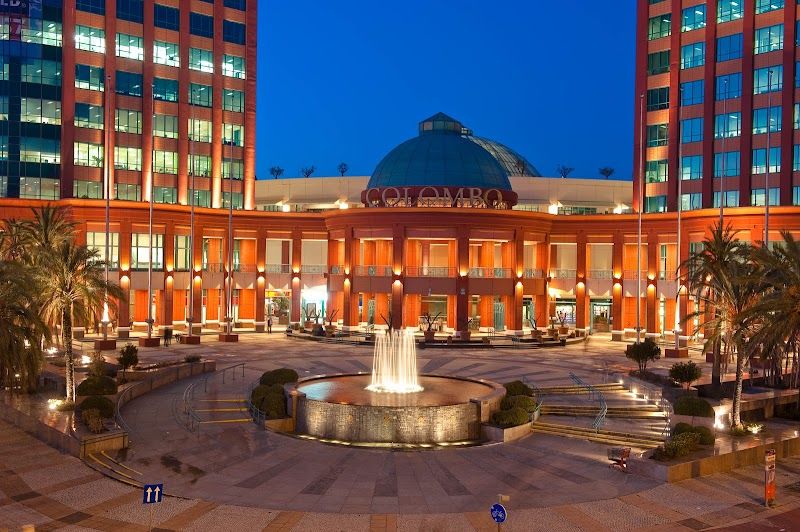
Centro Comercial Colombo
Centro Comercial Colombo is Portugal's largest shopping mall, sprawling across three floors with over 340 stores ranging from Zara and H&M to Portuguese chains like Tiffosi and Salsa. You'll find a 10-screen cinema complex, a massive food court, and everything from electronics to home goods - it's essentially a self-contained retail universe that could easily eat up half your day. The mall serves both locals doing serious shopping and tourists seeking familiar brands or escaping Lisbon's frequent drizzle. The experience feels like any major European mall - marble floors, bright lighting, and crowds of families navigating between anchor stores like El Corte Inglés and Continente hypermarket. The top floor cinema stays busy with both Portuguese and international films (often subtitled, not dubbed), while the food court serves everything from McDonald's to decent Portuguese chains like Telepizza. You'll hear a mix of Portuguese, English, and other European languages as tourists and locals cross paths between stores. Most travel guides either ignore this place completely or dismiss it as soulless, but that misses the point. If you need practical items, decent prices on electronics, or English-language books, this beats wandering tourist-heavy areas downtown. The Continente supermarket is perfect for stocking up on Portuguese products to take home - their wine selection runs €3-15 per bottle. Skip the expensive restaurants and stick to the food court where meals cost €6-10.
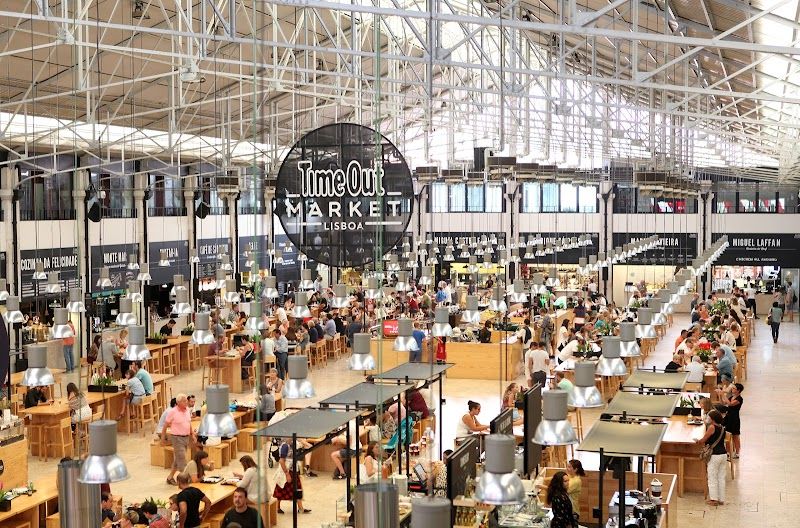
Time Out Market Lisboa
Curated food hall inside the historic Mercado da Ribeira with 40+ stalls from Lisbon's top chefs and restaurants. Each vendor offers 3-4 signature dishes at fair prices (EUR 8-15). Central seating means weekends involve serious competition for tables - come weekdays before 1pm.
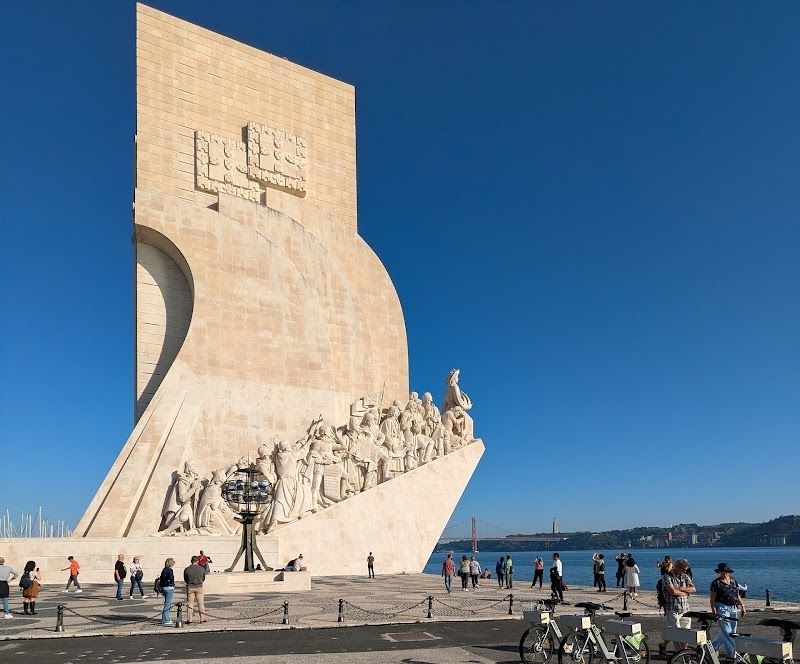
Lisbon Sailors
Lisbon Sailors runs intimate sunset cruises for groups of 8-12 people on traditional Portuguese sailboats, departing from the marina at Doca de Belém. You'll sail past the Torre de Belém, under the rust-red 25 de Abril Bridge, and get unobstructed views of the Cristo Rei statue across the Tagus. The wooden boats are authentically restored, and you'll actually help hoist the sails if wind conditions allow - it's hands-on sailing, not just a floating tour bus. The experience feels genuinely Portuguese rather than touristy. Your captain shares stories about Lisbon's maritime history while pouring Portuguese wine from actual glasses (not plastic cups). The boat moves at a proper sailing pace, giving you time to appreciate how the city looks from the water - the terracotta rooftops climbing the hills, the Monument to the Discoveries jutting into the river, and the dramatic scale of the suspension bridge overhead. Other passengers tend to be couples and small groups of friends rather than large tour groups. At €35-40 per person, it's excellent value compared to similar tours in other European capitals that charge €60+. Most sunset sailing tours in Lisbon are overcrowded catamarans with 30+ people - this feels more like sailing with knowledgeable locals. The only downside is weather dependence; they'll switch to motor if there's no wind, which changes the whole vibe. Book directly through their website to avoid markup from tour operators.
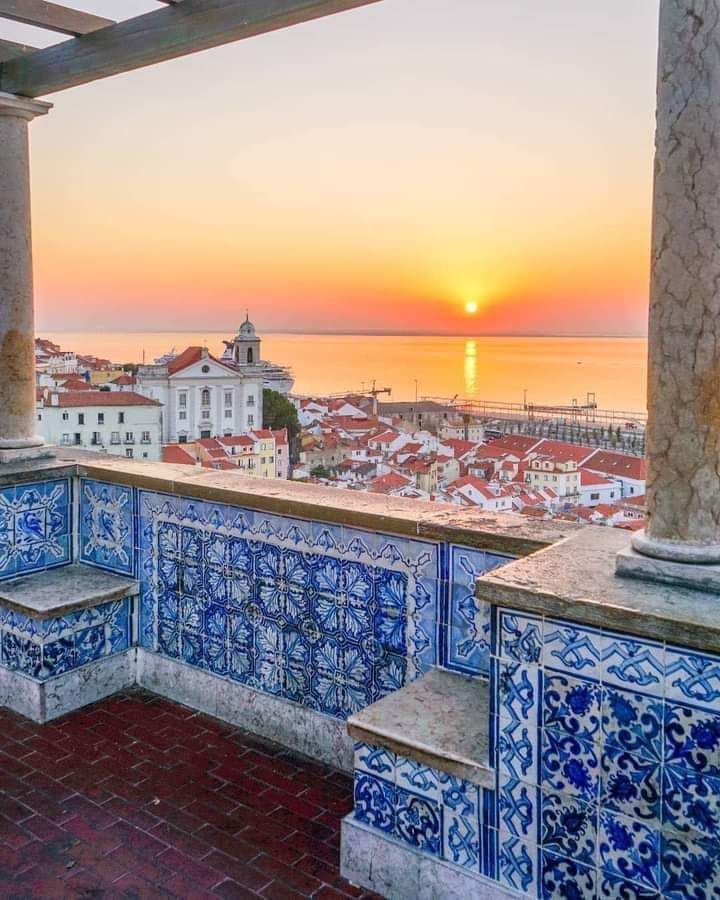
Miradouro de Santa Luzia
Miradouro de Santa Luzia delivers one of Alfama's finest panoramas without the crowds that plague Senhora do Monte. You'll get sweeping views over the neighborhood's famous terracotta rooftops cascading down to the Tagus River, with cruise ships docked at the port and the dome of São Vicente de Fora Monastery punctuating the skyline. The terrace itself is beautifully designed with bougainvillea-covered pergolas providing natural shade and intricate azulejo tile panels depicting Lisbon before the 1755 earthquake. The viewpoint has a relaxed, romantic atmosphere that draws couples and photographers throughout the day. You'll often hear Portuguese guitar from buskers performing under the pergolas, adding to the authentic feel. The space isn't large - maybe 30 people comfortably - but it rarely feels cramped since most visitors snap photos and move on. The tile panels are worth examining closely; they show the old Ribeira Palace and Terreiro do Paço as they looked centuries ago. Most people rush through in five minutes, but this place rewards lingering. The afternoon light (around 4-6pm) makes the rooftops glow beautifully and creates the best photo conditions. Skip the overpriced drinks from vendors who sometimes set up here - there's a decent café just 50 meters away on Largo do Chafariz de Dentro. The viewpoint is free, unlike some Lisbon miradouros that charge entry fees.
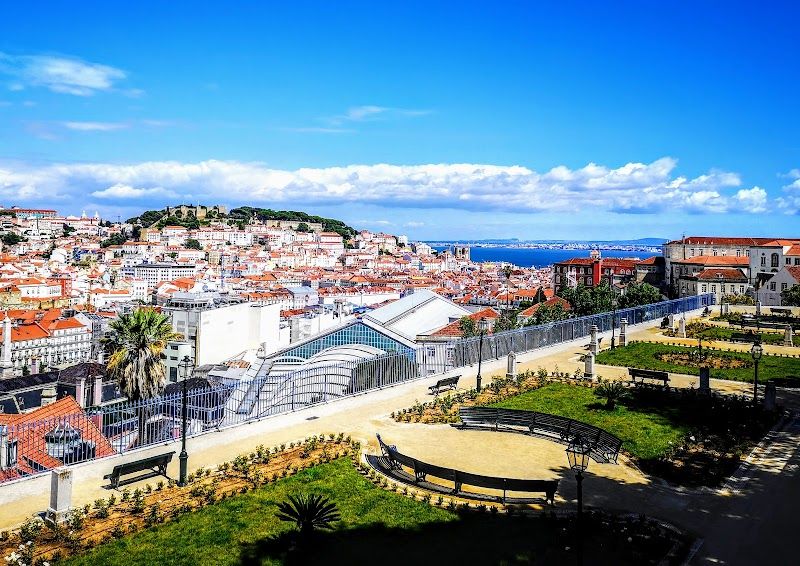
Miradouro de São Pedro de Alcântara
This two-level viewpoint gives you Lisbon's best free panorama, stretching from São Jorge Castle across the red-tiled Baixa district to the Tagus River. The real genius is in the ceramic map panels on the upper terrace that identify every landmark you're seeing - the castle, cathedral, and downtown grid become instantly recognizable. It's perfectly positioned between Bairro Alto and Príncipe Real, making it an ideal orientation stop that actually enhances the rest of your Lisbon exploring. The upper terrace draws the crowds for good reason - the view is genuinely spectacular and the map panels turn it into an outdoor classroom about Lisbon's layout. The lower garden offers more shade and quiet benches around fountains, though you'll trade some view quality for the tranquility. The small kiosk sells overpriced drinks (€3+ for water), but the setting makes it somewhat forgivable. Late afternoon light hits the castle and downtown perfectly, creating that golden postcard glow. Most people rush up, snap photos, and leave within 10 minutes, but spending 30 minutes here actually pays dividends for the rest of your trip. The ceramic maps are genuinely useful - not just tourist decoration - so take time to study them. Skip the kiosk drinks and grab something cheaper from the shops on Rua de São Pedro de Alcântara just outside. The viewpoint gets packed around sunset, so afternoon visits between 3-5pm offer better photo opportunities without the crowds.
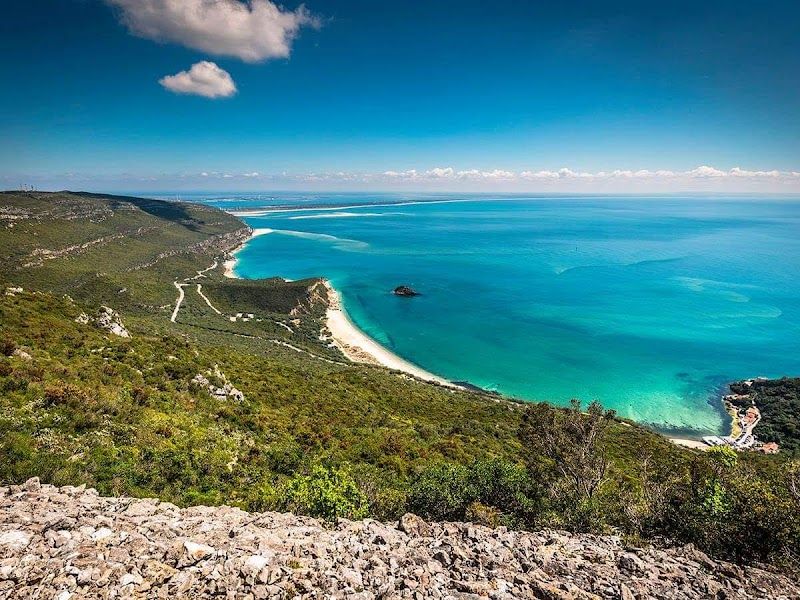
Arrábida Natural Park & Sesimbra
Arrábida Natural Park stretches across 35 kilometers of rugged limestone cliffs, pristine beaches, and Mediterranean-style vegetation just 40 minutes south of Lisbon. The full-day tours combine serious hiking through aromatic pine and cork oak forests with stops at José Maria da Fonseca's historic cellars in Azeitão (tastings start at €12) and the jaw-dropping Praia de Galapinhos, consistently ranked among Europe's best beaches. You'll also explore Sesimbra's authentic fishing harbor where local boats still haul in their daily catch. The experience flows from mountain to sea in perfect rhythm. Morning hikes reveal panoramic views over the Sado Estuary and Atlantic coastline, while the limestone terrain underfoot crunches with wild herbs like rosemary and thyme. At Galapinhos, the contrast hits immediately - you descend from dusty trails to an impossibly turquoise cove surrounded by white cliffs. Sesimbra feels genuinely Portuguese, with fishermen mending nets while you lunch on grilled sardines at waterfront tascas. Most tours rush through each stop, but this actually works well since you get variety without fatigue. Skip the overpriced seafood restaurants near Sesimbra's castle and eat where locals do along the harbor front - expect €15-20 for excellent fresh fish. The Fonseca winery visit is brief but worthwhile, especially for their Moscatel dessert wines. Book tours through local operators rather than hotel concierges to save about €20 per person.
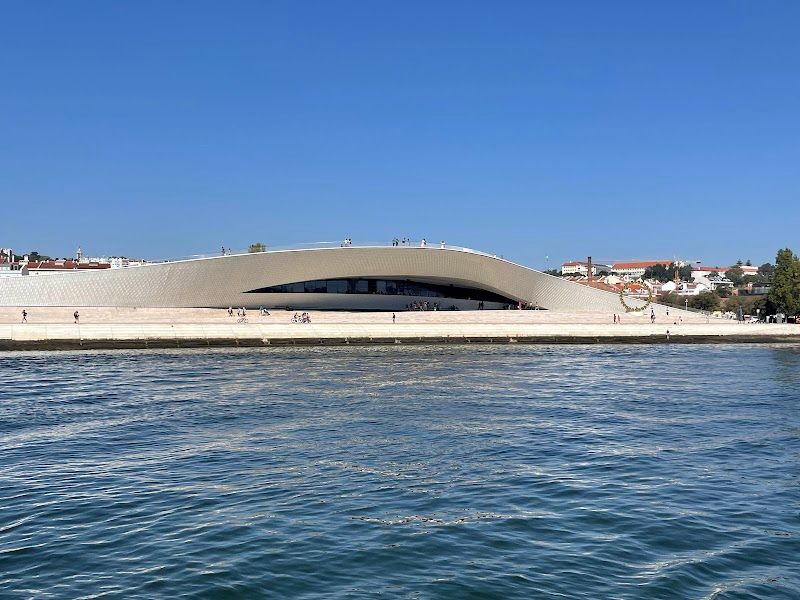
MAAT - Museum of Art, Architecture and Technology
MAAT combines Amanda Levete's contemporary building with the preserved 1908 Tejo Power Station, creating Lisbon's most architecturally ambitious museum. The new building's undulating ceramic-tile facade flows like a wave along the Tagus, while inside you'll find rotating exhibitions that genuinely push boundaries between art, technology, and architecture. The power station retains its original industrial machinery alongside contemporary installations in the massive turbine hall. The experience feels like exploring a spaceship that's landed on Lisbon's riverfront. You'll walk through galleries where digital art responds to your movement, then step into the cathedral-like power station where massive generators dwarf visitors. The rooftop walkway curves dramatically above both buildings, offering unobstructed river views that make for great photo opportunities. The contrast between spaces keeps you engaged - sleek minimalism in the new wing, raw industrial power next door. Here's what most guides won't tell you: the exhibitions can be hit-or-miss, and when they miss, €5 can feel steep for what you get. The power station is consistently more impressive than whatever's showing in the contemporary galleries. Skip the audio guide (€3 extra) and spend that time on the free rooftop instead. If there's a major temporary exhibition, it's usually worth the €8 full ticket, but check what's on before committing.
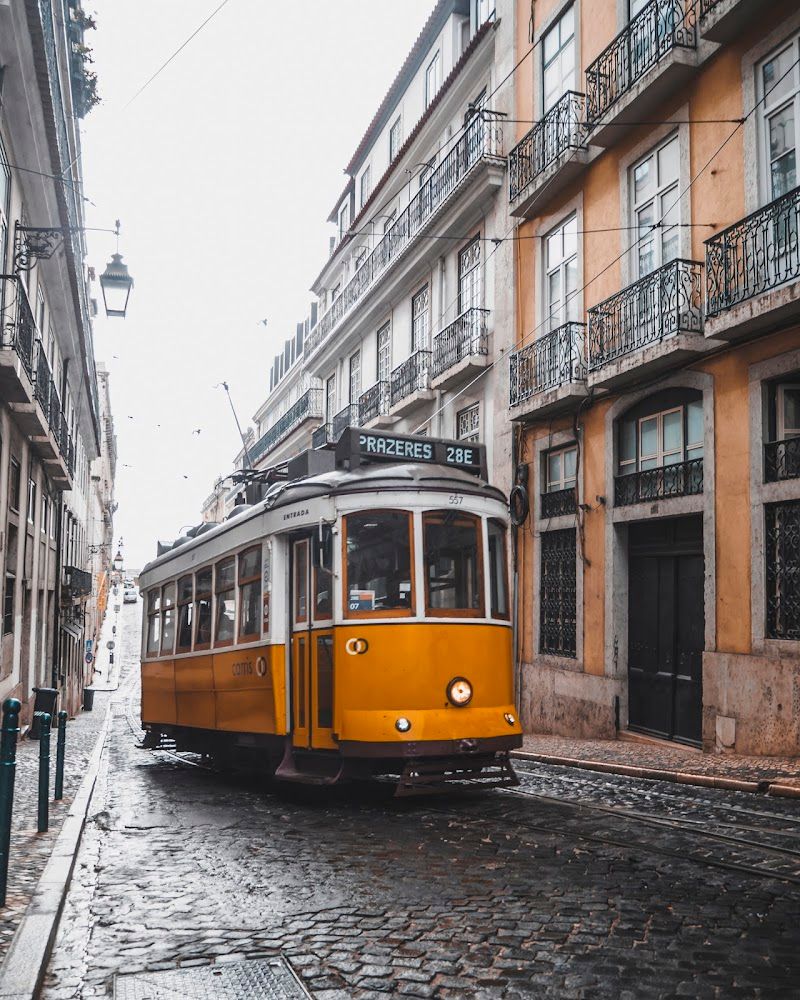
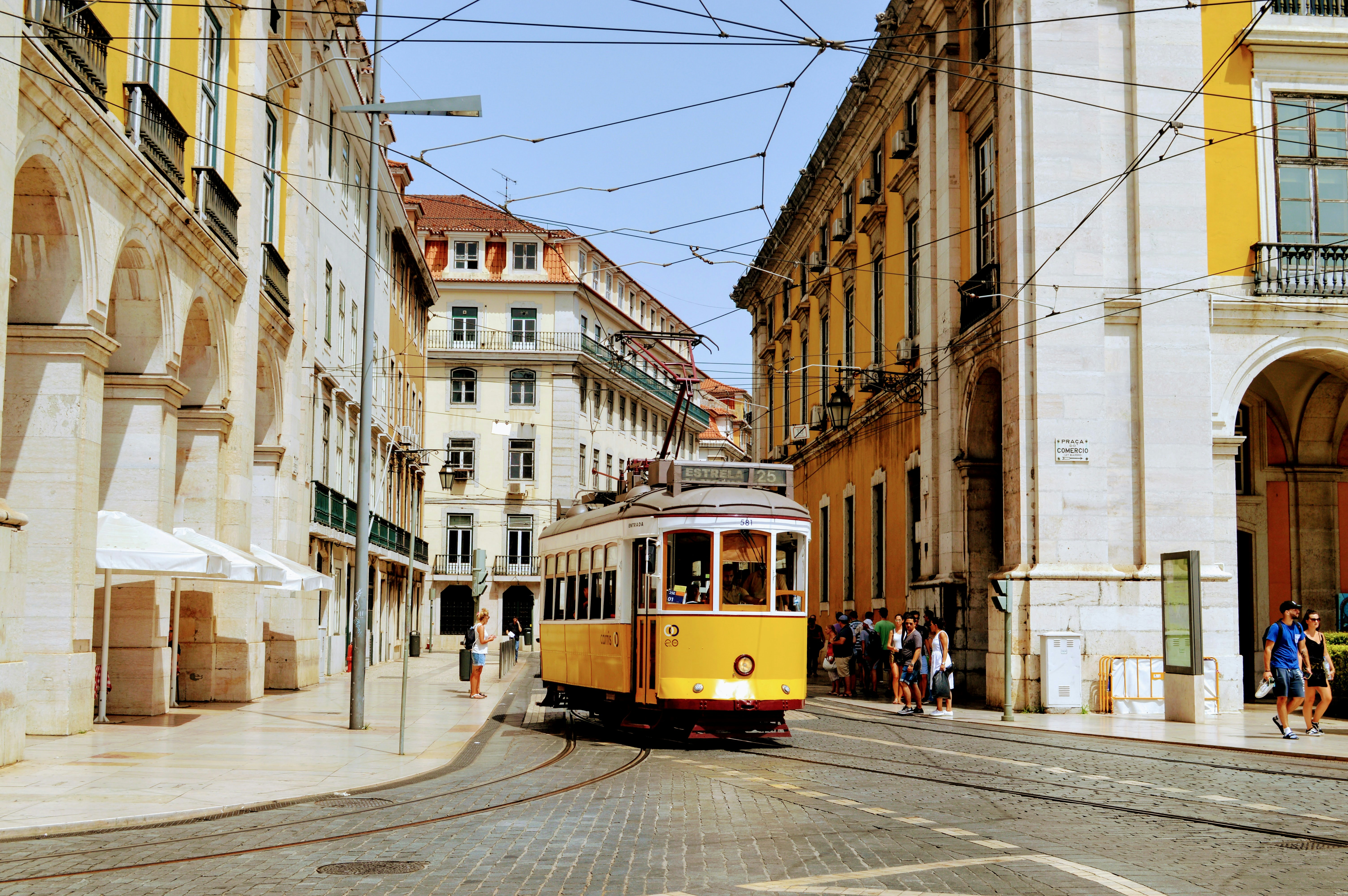
Tram 28 Ride
Tram 28 is the most famous tram route in Europe, rattling through Alfama, Graca, Baixa, and up to Estrela on a vintage 1930s yellow tram. The route winds through streets so narrow the tram almost touches the buildings on both sides. It is worth doing once. The caveats: pickpockets target this tram heavily (hold your bag in front of you), after 9 AM it is standing room only, and the wait at the Martim Moniz terminus can be 30-45 minutes. The workaround is Tram 12, which covers much of the same route through Alfama with a fraction of the crowds.
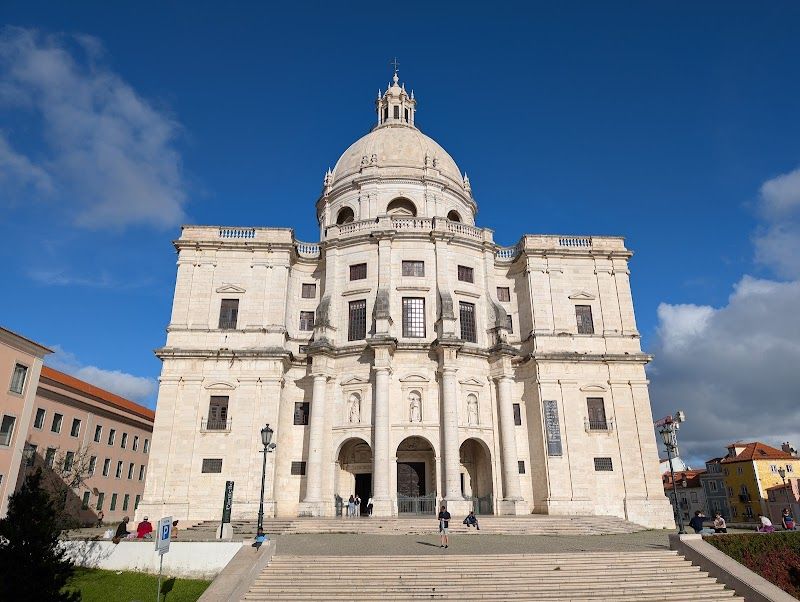
Panteão Nacional
The Panteão Nacional is Portugal's Westminster Abbey - a massive baroque church with a soaring white marble interior where the country's greatest figures rest eternally. You'll find presidents, writers, and beloved fado singer Amália Rodrigues entombed here, plus cenotaphs honoring explorers like Vasco da Gama. The real draw is the rooftop terrace circling the enormous dome, giving you 360-degree views over Alfama's terracotta rooftops, the Tagus River, and eastern Lisbon's sprawling neighborhoods. Inside feels genuinely reverent - the polished marble floors and towering columns create an almost ethereal atmosphere as natural light filters down from the dome. You'll spend about 20 minutes exploring the tombs and reading plaques (some in English), then climb the narrow stairs to the terrace where benches let you sit and absorb the panoramic views. The dome's outdoor walkway is surprisingly spacious and rarely crowded, even on weekends. At just 4 EUR, this delivers better value than most Lisbon viewpoints. Skip it if you're already hitting the castle - the views overlap somewhat. But if you want spectacular photos without tourist hordes, this beats Miradouro da Senhora do Monte hands down. The morning light is perfect for photography, and you'll often have the terrace mostly to yourself before 11am.
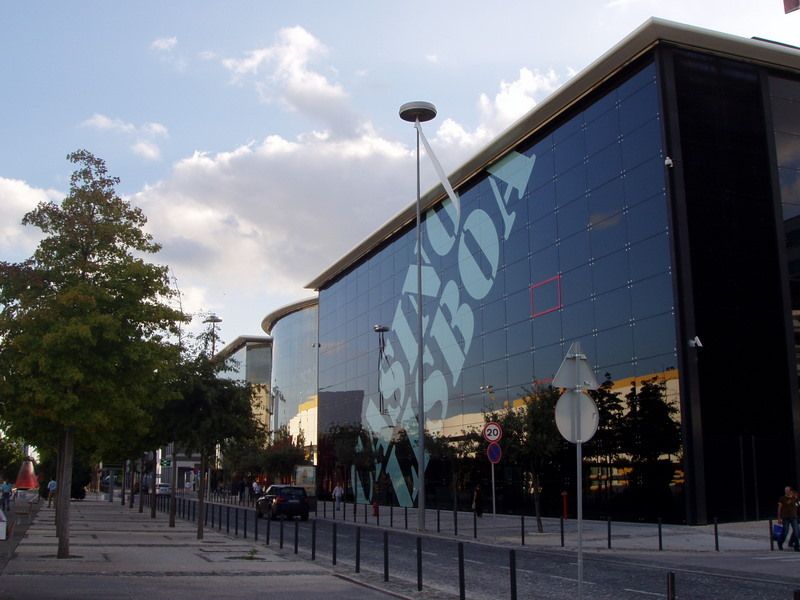
Casino Lisboa
Modern entertainment complex featuring gaming tables, slot machines, restaurants, and regular live shows. Beyond gambling, it hosts concerts and theatrical performances in its auditorium. A sophisticated evening destination popular with locals seeking nightlife.
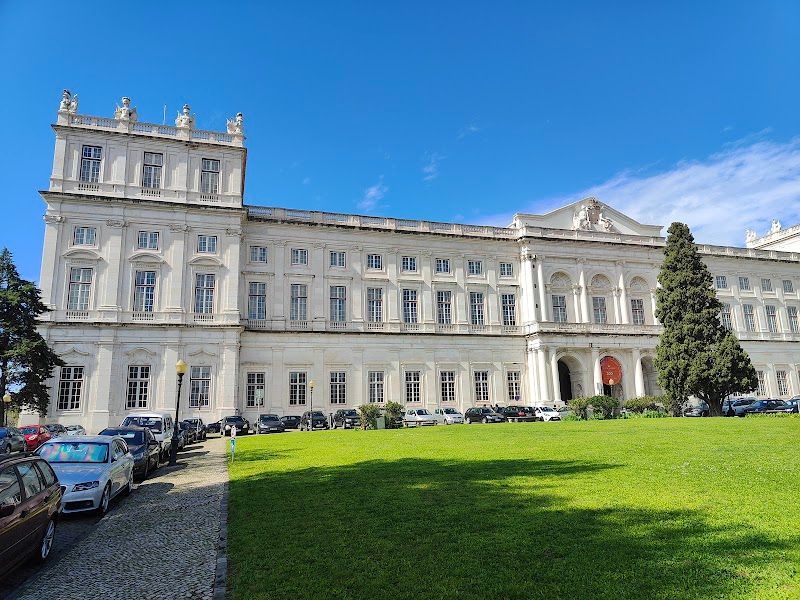
Palácio Nacional da Ajuda
This neoclassical palace shows you exactly how Portugal's last monarchs lived, with rooms frozen in time since King Manuel II fled the 1910 revolution. You'll walk through lavishly decorated state apartments filled with original 19th-century furniture, French tapestries, and an impressive collection of decorative arts. The highlight is the gilded Throne Room with its crystal chandeliers and ornate ceiling - it's where the royal family held their final court ceremonies before exile. The self-guided route takes you through about 20 rooms in chronological order, starting with the more formal state areas and ending in surprisingly intimate private quarters. Unlike Pena Palace's tourist crowds, you'll often find yourself alone in grand salons where you can actually examine the intricate details up close. The palace feels genuinely lived-in rather than museum-like, with personal touches like the queen's sewing room and the king's study still intact. Entry costs €5, making it Lisbon's best palace value - you get the royal experience without Sintra's €14 price tags or hour-long queues. Most visitors rush through in 45 minutes, but you should take the full 90 minutes to appreciate the craftsmanship. Skip the sparse upper floors if you're short on time and focus on the piano nobile where the real treasures are. The audio guide costs an extra €2 but isn't necessary since room descriptions are in English.
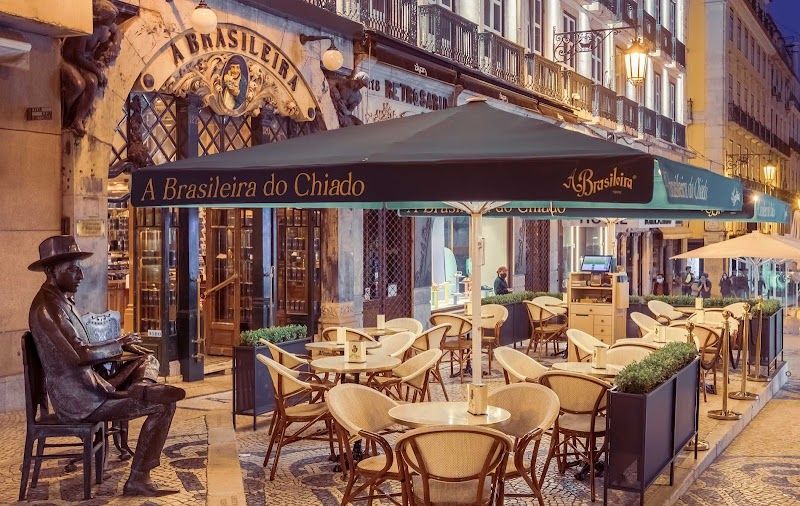
Café A Brasileira
Historic 1905 Art Deco café where Lisbon's literary crowd gathered throughout the 20th century. The bronze statue of poet Fernando Pessoa sits at a sidewalk table. Tourist-heavy now, but the ornate interior, strong bica (EUR 0.80 at bar), and pastéis de nata warrant a stop.
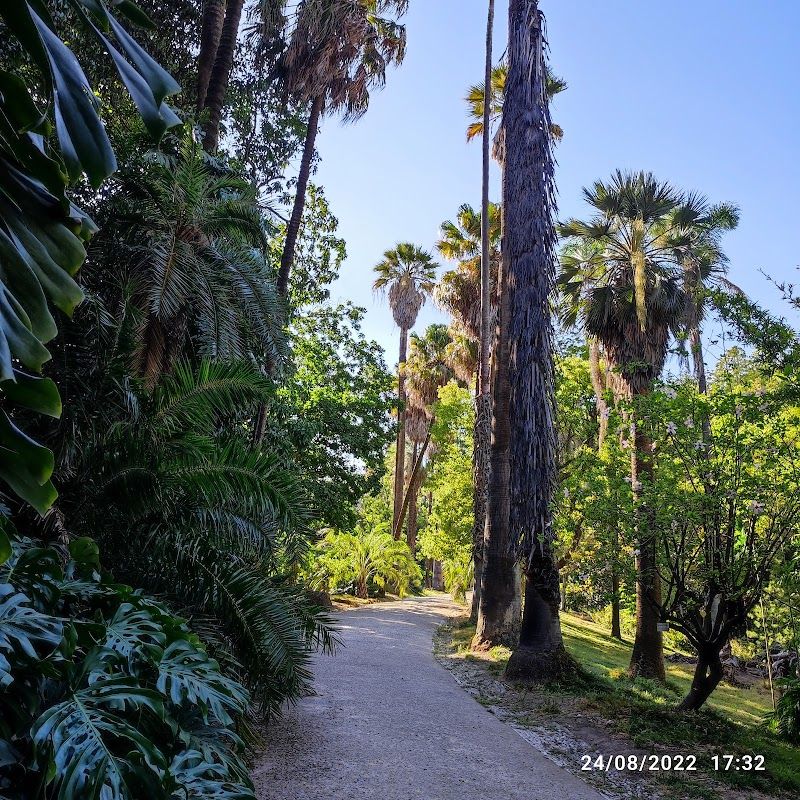
Jardim Botânico de Lisboa
This 150-year-old botanical garden climbs a terraced hillside behind the Natural History Museum, showcasing 18,000 plant species collected from Portugal's former colonies. You'll wander through distinct climate zones - from Australian tree ferns that tower overhead to succulents from Angola and aromatic plants from Macau. The butterfly garden (when it's functioning) and the massive greenhouse filled with tropical specimens are the clear highlights. At 3 EUR, it's one of Lisbon's best value attractions. The visit flows naturally downhill through different botanical sections, each labeled in Portuguese and Latin. You'll hear water trickling from small fountains and bird songs echoing off the surrounding buildings, creating an unexpectedly peaceful atmosphere just minutes from busy Avenidas Novas. The upper terraces offer glimpses over Lisbon's rooftops, while the lower sections feel completely enclosed and private. Most visitors spend about 90 minutes here, though plant enthusiasts easily stretch it to two hours. Most guides oversell this as a major attraction - it's lovely but small, and the maintenance can be inconsistent. Some greenhouse sections are occasionally closed, and plant labeling isn't always current. The real appeal is the tranquility and the chance to see botanical specimens you won't find in other European gardens. Skip it if you're pressed for time, but if you need a quiet break from Lisbon's crowds, this delivers better than the more famous Gulbenkian gardens.
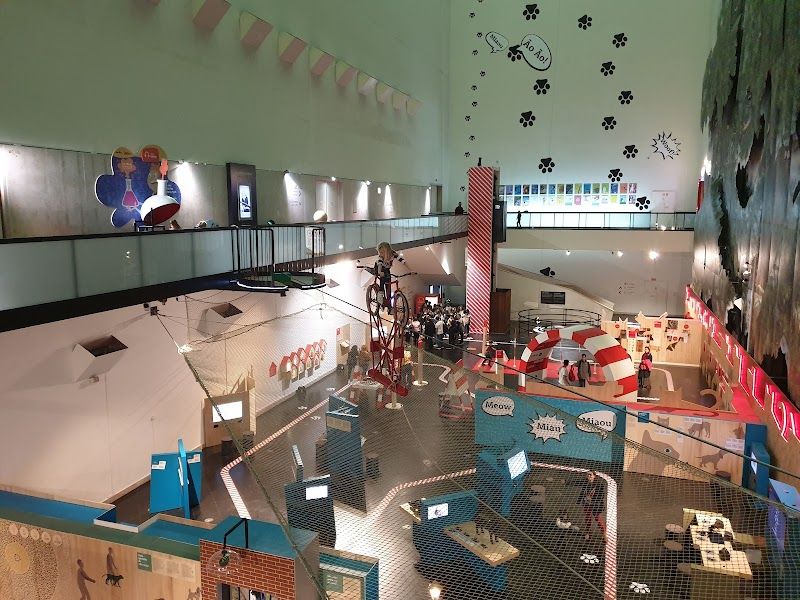
Pavilhao do Conhecimento
Pavilhão do Conhecimento is Portugal's premier interactive science museum, where kids ages 3-14 can actually touch, pull, and experiment with everything. You'll find hands-on exhibits covering physics principles, engineering challenges, water dynamics, and space exploration - think pulleys that lift your own weight, water tables where kids build dams and channels, and planetarium shows that don't put anyone to sleep. The temporary exhibitions rotate every few months and consistently deliver clever, engaging setups that make complex concepts click. The experience flows naturally from room to room, with kids gravitating toward different stations based on their interests and attention spans. The atmosphere buzzes with discovery rather than the reverent hush of traditional museums - expect squeals of delight when experiments work and plenty of trial-and-error learning. The water play area generates the most excitement (and soggy clothes), while the physics demonstrations keep older kids engaged longer than you'd expect. At €11 for adults and €7 for children, it's excellent value compared to Lisbon's other family attractions. Most parents underestimate how long kids will stay engaged here - plan for 2-3 hours minimum. The museum gets overlooked by visitors rushing to the flashier Oceanarium next door, but it's actually better for active kids who learn by doing rather than observing.
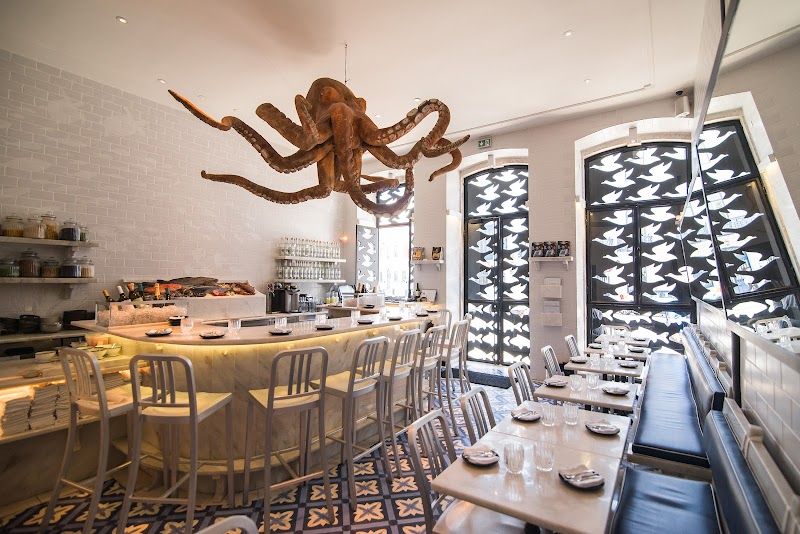
A Cevicheria
Kiko Martins' Peruvian-influenced cevicheria with a giant octopus statue guarding the entrance. The counter wraps around an open kitchen slinging tiger's milk-cured fish, anticuchos, and creative ceviches. Just 15 seats - reservations open exactly one week in advance at midnight.
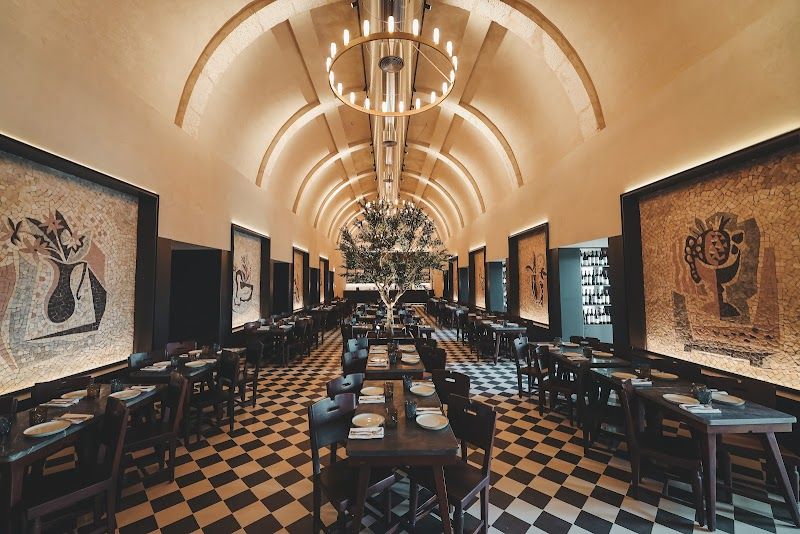
Cervejaria Trindade
Lisbon's oldest brewery restaurant occupies a former 13th-century convent with stunning azulejo-covered walls. The vast beer hall serves traditional Portuguese dishes and imperial drafts under vaulted ceilings. Tourist-heavy but the setting and history justify a visit.
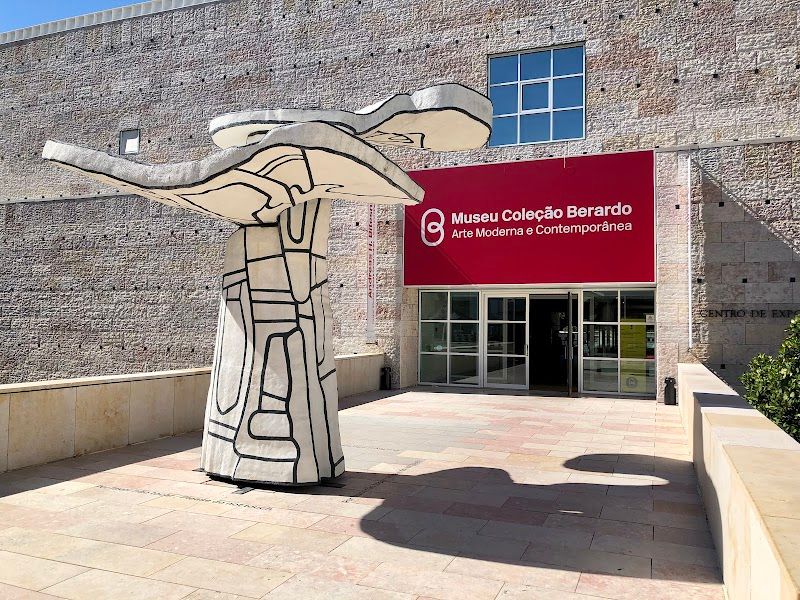
Museu Coleção Berardo
Museu Coleção Berardo houses one of Europe's finest contemporary art collections inside Belém's Cultural Center, completely free of charge. You'll walk through bright, spacious galleries filled with works by Warhol, Picasso, Dalí, Pollock, and dozens of other major 20th-century artists. The collection spans surrealism, pop art, conceptual art, and minimalism across multiple floors, with pieces that would cost €20+ to see elsewhere. The museum feels refreshingly uncrowded compared to Lisbon's tourist-packed attractions - you can actually study the artworks without fighting through crowds. The galleries flow logically by movement and era, with excellent English descriptions throughout. The building itself is modern and well-lit, making the colorful pop art pieces particularly striking. You'll spend most of your time on the main exhibition floors, though temporary shows often occupy the ground level. Most travel guides barely mention this place, which is insane given the quality and zero cost. Skip the temporary exhibitions unless they specifically interest you - the permanent collection is the real draw. The gift shop is overpriced, but the café offers decent coffee with canal views. Pair this with nearby Jerónimos Monastery since you're already in Belém, but honestly, the art collection is more impressive than the monastery's tourist crowds.
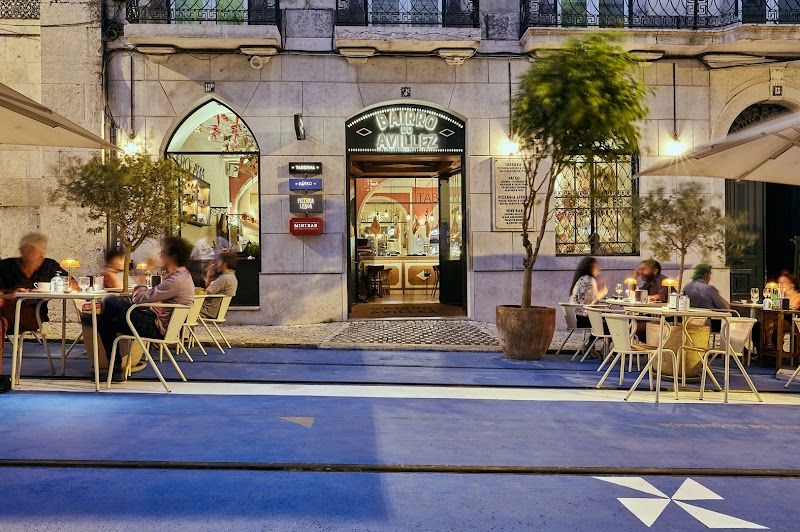
Pateo - Bairro do Avillez
José Avillez's multi-concept dining complex includes a Portuguese tavern, seafood counter, and fine dining space under one roof. The central patio connects four different restaurants, each with distinct menus. Taberna serves hearty portions of traditional dishes at fair prices (EUR 15-25 mains).
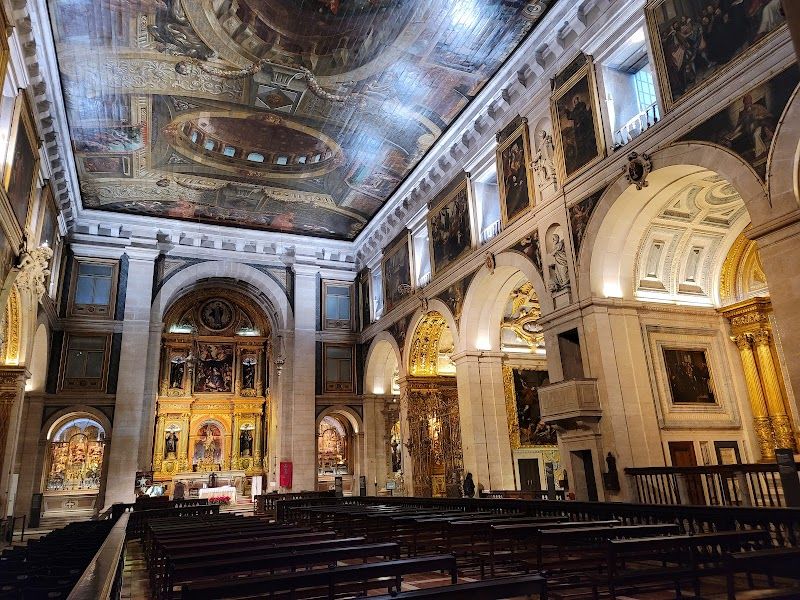
Igreja de São Roque
Igreja de São Roque pulls off Lisbon's greatest architectural bait-and-switch. Behind that deliberately plain facade sits what's arguably Europe's most expensive chapel - the Chapel of St. John the Baptist, assembled in Rome using lapis lazuli, agate, amethyst, and Carrara marble, then shipped piece by piece to Lisbon in 1747. The entire church interior explodes with gilded wood, painted ceilings, and azulejo tiles that'll make you question why you bothered with other baroque churches. You'll enter through the main door and immediately understand why this place has such a following. The nave leads you past several side chapels, each competing for attention, but everything builds toward that famous Chapel of St. John the Baptist on the left side. The contrast between the modest exterior and this interior opulence genuinely surprises people - you'll hear audible gasps from other visitors. The lighting inside creates dramatic shadows across all that marble and gold leaf. Most guides push the adjacent Sacred Art Museum, but honestly, skip it unless you're seriously into ecclesiastical silverware. The €2.50 museum fee isn't worth it when the church itself (free entry) contains all the wow factor. Come in the morning when natural light streams through the windows and highlights the chapel's precious stones best. You'll need 20 minutes max to see everything properly.
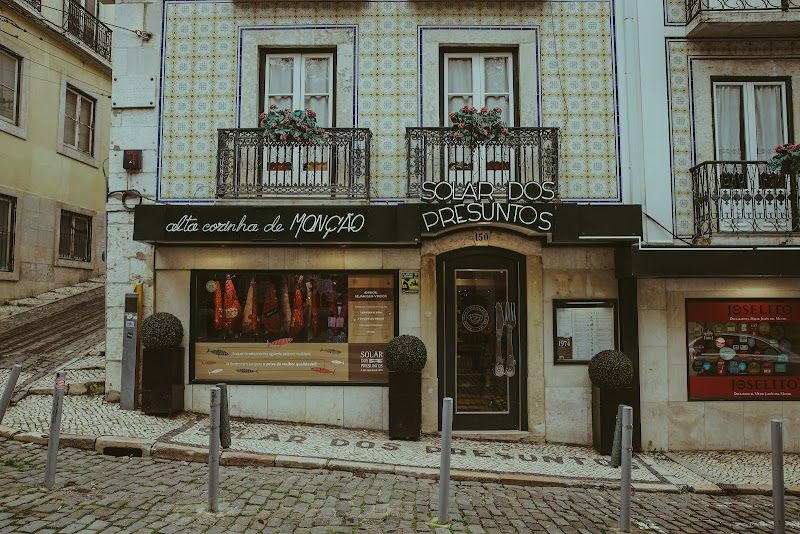
Solar dos Presuntos
Old-school Portuguese restaurant serving politicians and businesspeople since 1974. The dining room features hanging presunto hams, white tablecloths, and formal waiters. Specialties include arroz de marisco and perfectly grilled fish sold by weight - expect EUR 30-40 per person.
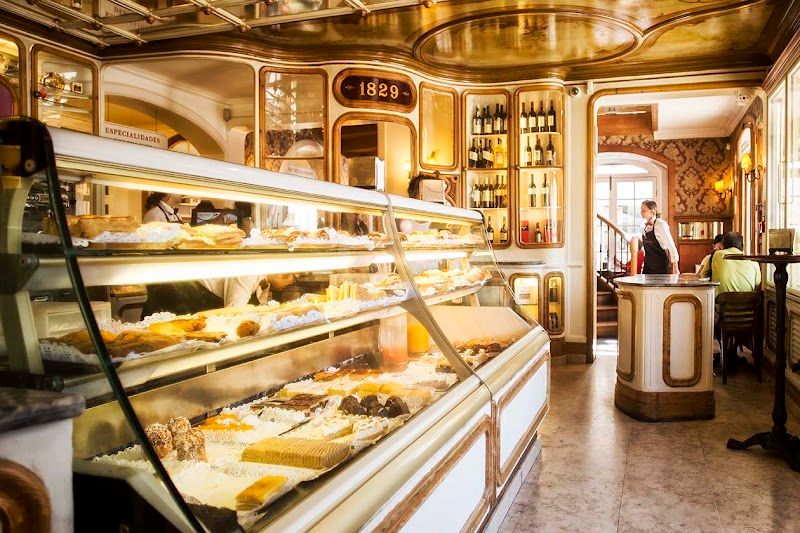
Confeitaria Nacional
Portugal's oldest operating pastelaria since 1829 with original 19th-century woodwork and glass display cases filled with regional sweets. The crystal chandeliers and marble counters have served everyone from royalty to modern-day locals grabbing morning pasteis de nata.
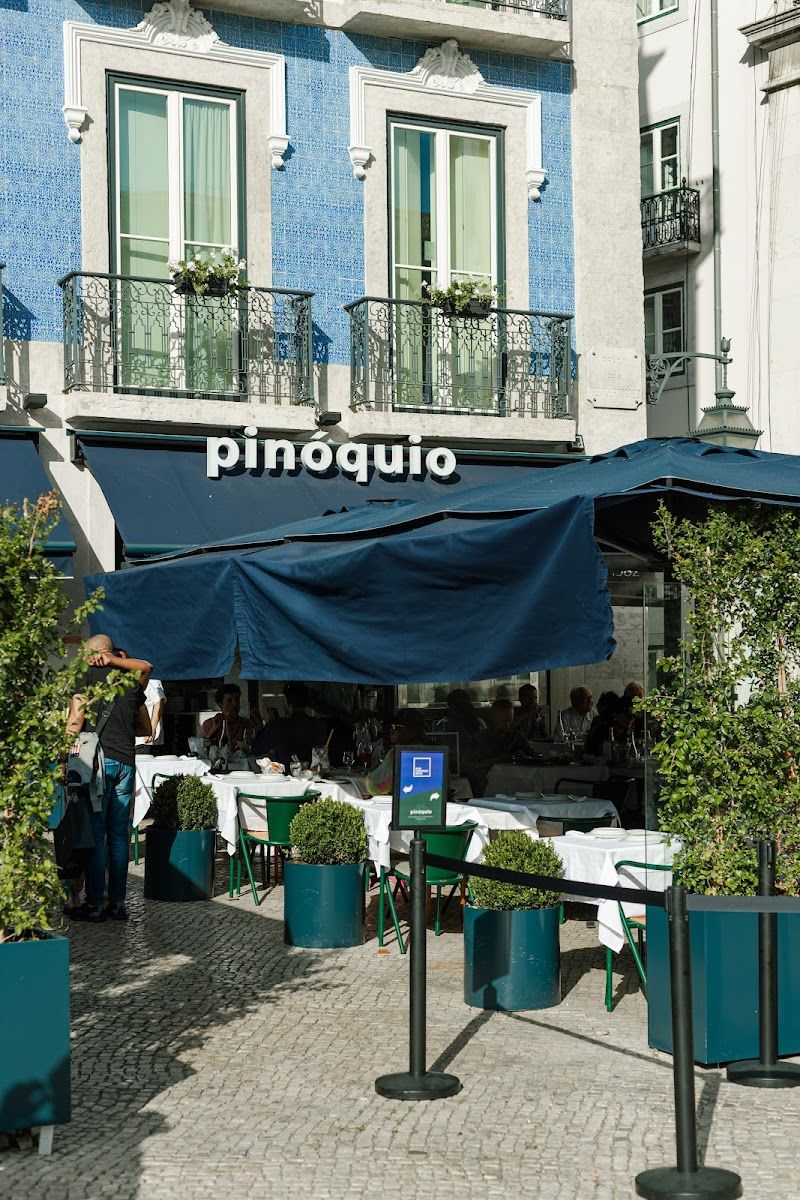
Cervejaria Pinóquio
Classic cervejaria in Rossio open until 2am, serving shellfish, steaks, and cold draft beer since 1962. The terrace facing Teatro Nacional D. Maria II offers prime people-watching. Reliably good traditional food at fair prices (EUR 15-25 per person) in the heart of downtown.
Miradouro das Portas do Sol
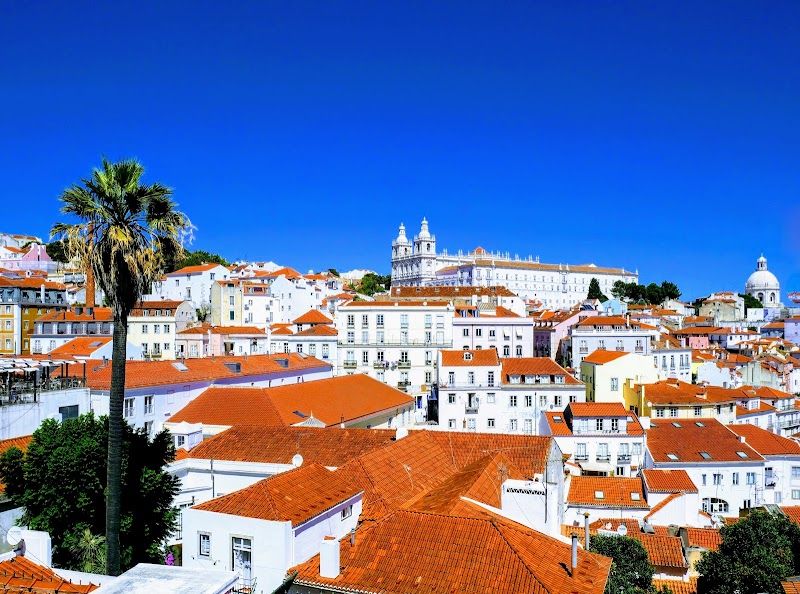
This broad terrace overlooks Alfama's tumbling orange rooftops from the site of an old Moorish gate, giving you one of Lisbon's most complete neighborhood views. You'll see the white twin domes of São Vicente de Fora monastery rising above the maze of medieval streets, with the Tejo estuary stretching beyond. The viewpoint sits right beside the Museum of Decorative Arts in a restored 17th-century palace, and a bronze statue of Saint Vincent (Lisbon's patron saint) anchors the terrace. The space feels relaxed compared to other Alfama viewpoints, with plenty of room to spread out under pine trees that provide actual shade. Street musicians set up regularly, usually playing fado or Brazilian music, and the sound carries beautifully across the terrace. You'll watch neighbors hanging laundry from tiny balconies below while tour groups cycle through for photos. The adjacent cafe spills onto the terrace with plastic chairs and metal tables where locals linger over coffee. Most guides overhype this as the best Alfama viewpoint, but Largo do Chafariz de Dentro gives you better rooftop views without the crowds. The cafe here charges €2.50 for espresso and €4 for beer, which is fair for the location. Skip the museum unless you're genuinely interested in Portuguese furniture and textiles. Come after 4pm when the afternoon light hits the monastery domes perfectly.
Eat Drink Walk
Eat Drink Walk takes you through Baixa's old commercial streets on a three-hour food crawl that's part history lesson, part local hangout. You'll taste your way through six Portuguese specialties - from cherry liqueur at century-old ginjinha bars to custard tarts still warm from traditional ovens. The guides know which bacalhau shop has been family-run since 1930 and why that matters to the flavor. The tour moves at a comfortable pace between stops, with plenty of time to chat with shop owners and hear neighborhood stories between tastings. You'll duck into narrow specialty stores where locals still buy their daily bread, sample aged cheeses while learning about Portugal's dairy regions, and discover why tinned fish here is considered gourmet. The atmosphere feels more like following a food-obsessed local friend than joining a tourist group. Most food tours in Lisbon rush through too many stops with tiny samples - this one gets the balance right. At around €45-55 per person, it's reasonably priced for what you get, and you'll leave genuinely full. Skip the weekend tours if you want smaller groups and more personal attention from shop owners who have time to chat.
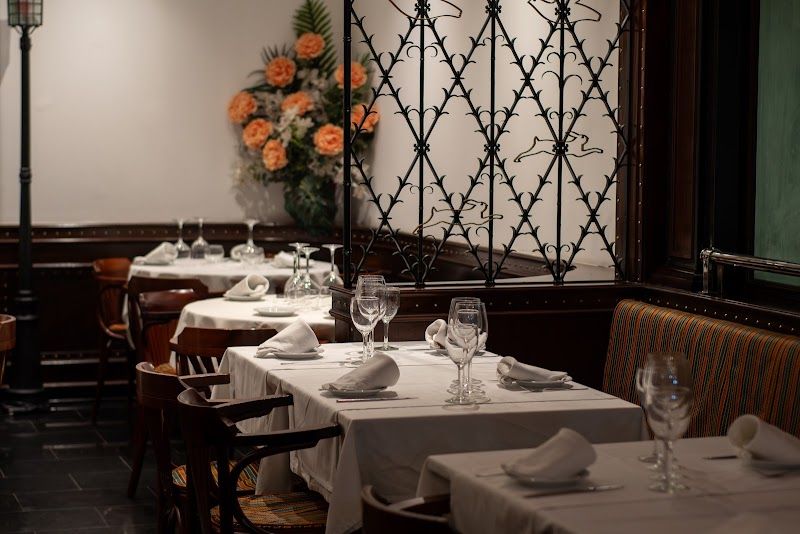
Cafe Nicola
Founded in 1777 on Rossio square with neoclassical facade and outdoor tables facing the wavy mosaic pavement. Historic meeting spot for writers and revolutionaries, now serving galao and torradas to commuters and travelers between train connections.
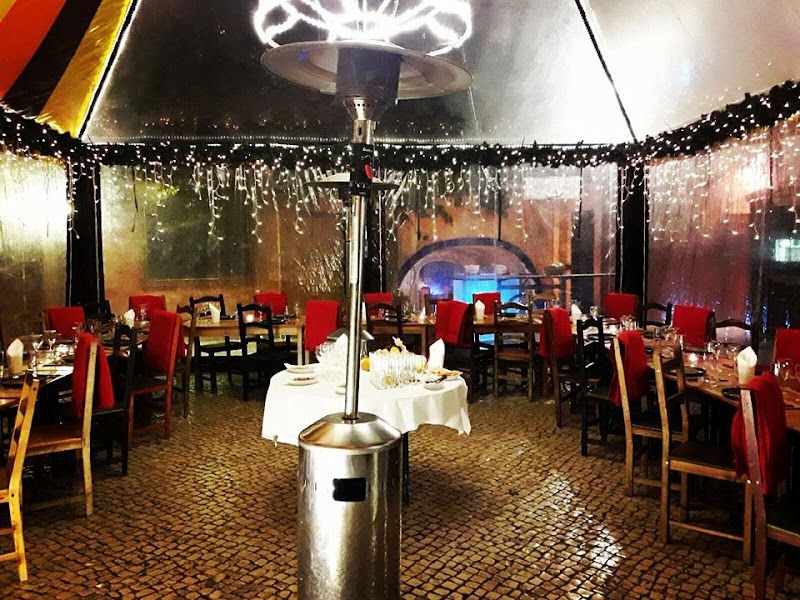
Chapitô à Mesa
Restaurant above a circus school with stunning panoramic views over Alfama and the river. The eclectic menu mixes Portuguese and international dishes. More notable for the terrace views than the food, but the setting at sunset is unbeatable. Mains EUR 16-24.
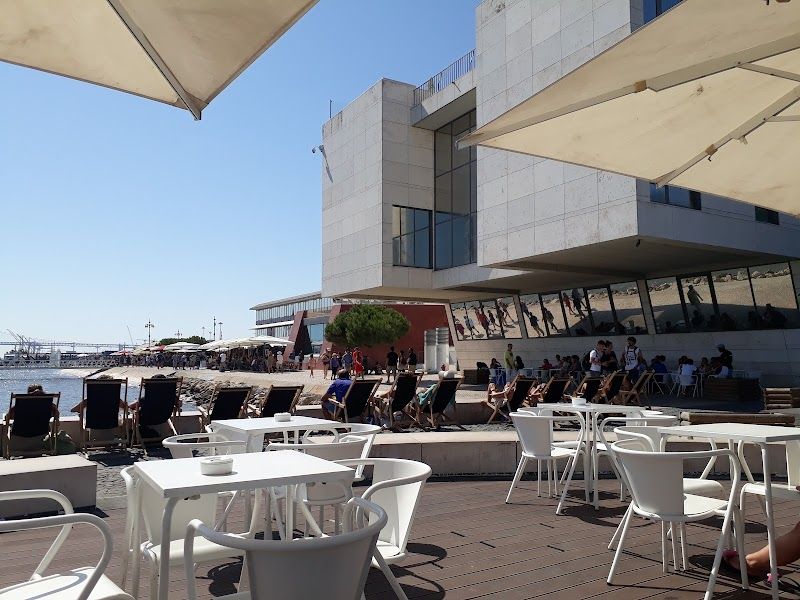
Quiosque do Recolhimento
Art Deco green kiosk perched on Alfama's Santa Luzia viewpoint terrace, serving Super Bock beer, bicas, and bifanas to tourists and locals watching the Tejo river. The EUR 2.50 coffee comes with postcard views of the red roofs cascading down to the water.
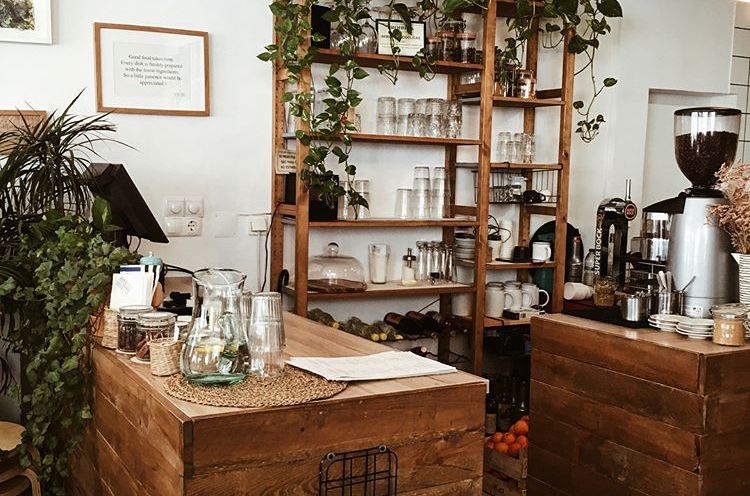
Heim Cafe
Bright corner cafe in Santos serving Australian-style brunch and flat whites with latte art. The open kitchen produces fluffy pancakes and avocado toast that actually justifies the EUR 12 price tag, rare in traditional Lisbon.
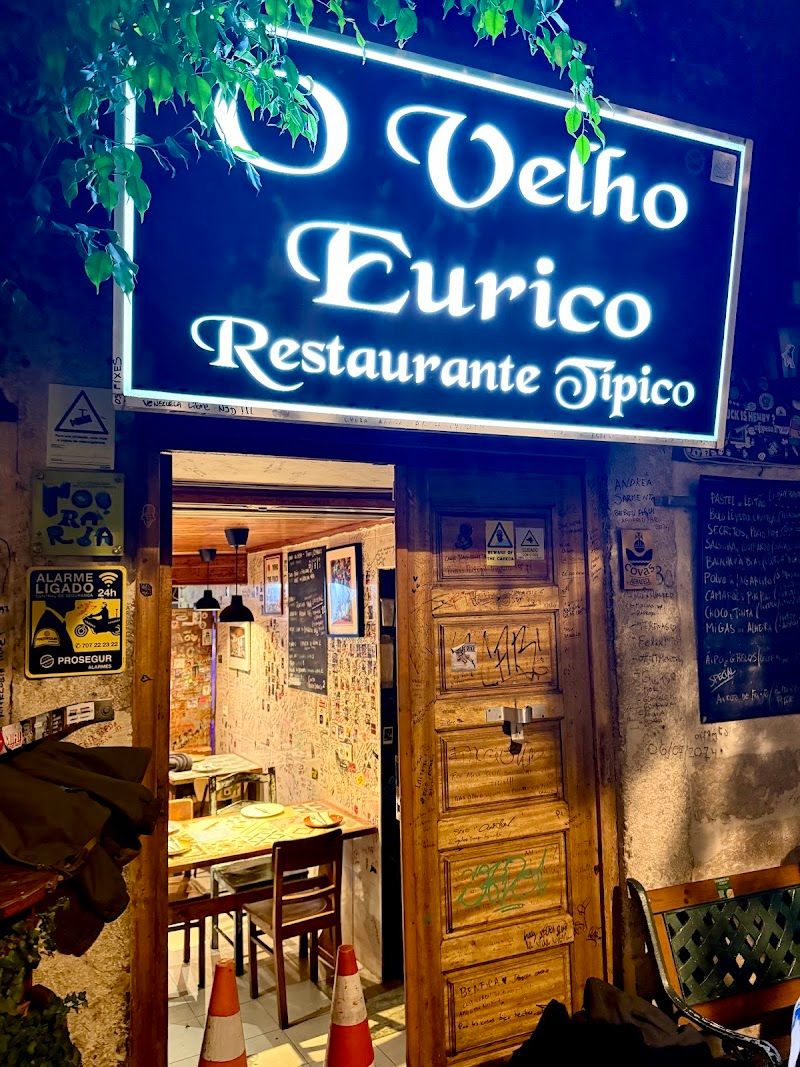
O Velho Eurico
Hole-in-the-wall tasca in Alcântara serving massive portions of roasted meats and daily specials for EUR 10-13. The paper tablecloths serve as menus, walls are covered in football pennants, and the owner greets everyone like family. Zero English spoken, maximum authenticity.
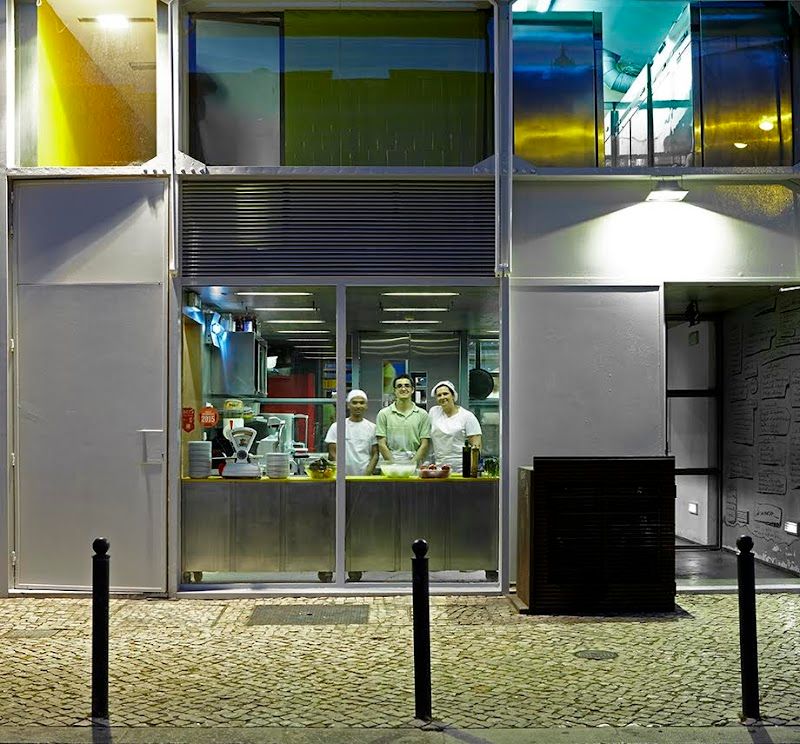
Pizzeria Casanova
Family-run Italian pizzeria in Graça serving wood-fired Neapolitan pizzas (EUR 10-14) since the 1990s. The neighborhood spot has checkered tablecloths, walls covered in photos, and a loyal local following. Refreshingly unpretentious break from Portuguese cuisine.
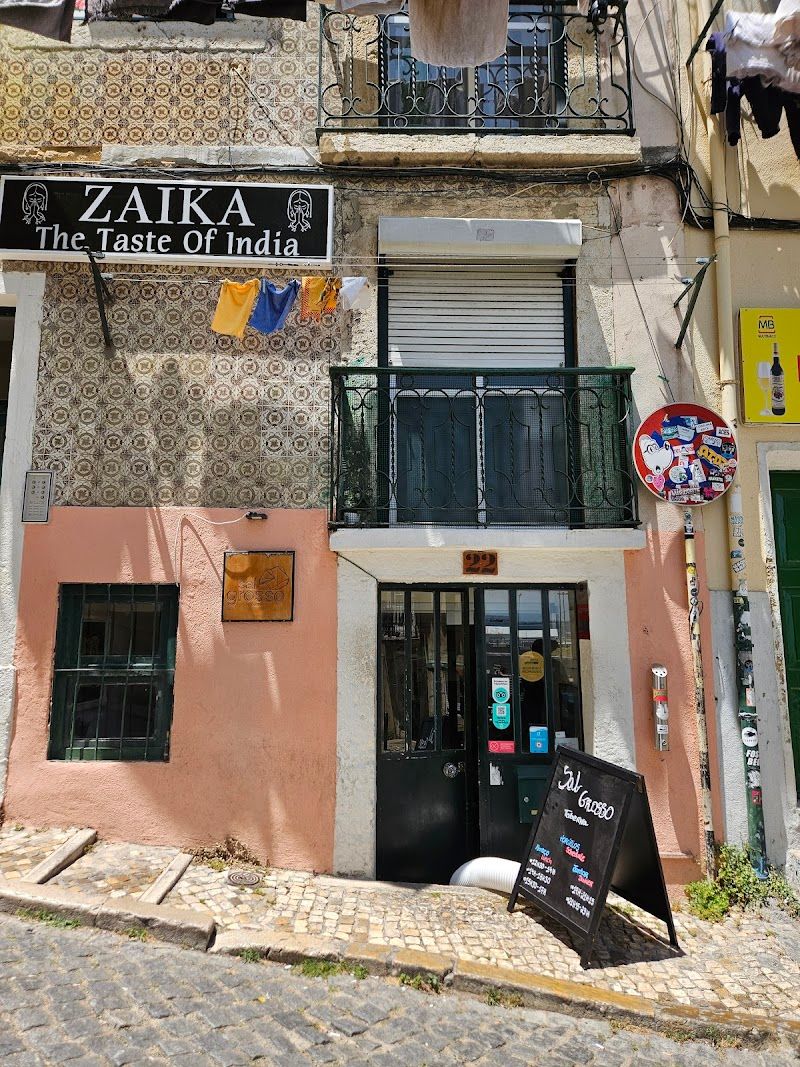
Taberna Sal Grosso
Traditional tasca in Alfama with fado nights and excellent Portuguese comfort food. The francesinha (Porto's famous sandwich) is surprisingly authentic, and the bacalhau à Brás is textbook perfect. Stone walls, barrel tables, and locals nursing imperials.

Sea Me - Peixaria Moderna
Modern fishmonger-restaurant concept where you choose fresh fish from the market display and they prepare it your way. The upstairs dining room serves creative seafood dishes and sushi - tuna tataki, razor clams, octopus carpaccio. Lively atmosphere, design-forward space.
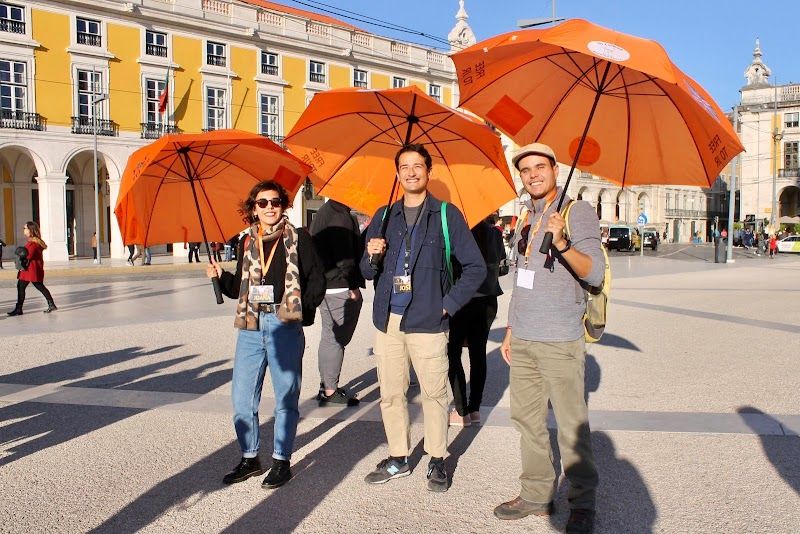
Lisbon by Night Tours
This four-hour evening tour transforms Lisbon's daylight landmarks into a completely different experience under floodlights and city glow. You'll hit the major spots - Belém Tower reflecting in the Tagus, the Cristo Rei statue lit up across the river, and panoramic city views from Parque Eduardo VII - before ending with live fado and dinner in Alfama's narrow streets. The small group size (maximum 8 people) means you're not herding around with tour buses, and hotel pickup saves you the hassle of meeting points. The van portion feels intimate and conversational, with your guide pointing out details you'd never notice walking past these monuments during the day. The Cristo Rei crossing is genuinely spectacular at night - the bridge lights create this golden pathway effect over the water. But the real highlight comes later in Alfama, where you'll sit in a traditional fado house listening to Portugal's melancholic folk music while eating proper local food, not tourist menu nonsense. Here's what most reviews don't mention: the tour runs long, often stretching past the promised four hours, especially if the fado performance gets extended (which happens frequently). The dinner isn't gourmet - expect solid traditional dishes like bacalhau or grilled fish, but don't come expecting fine dining. At around €85-95 per person, it's decent value considering you get transportation, dinner, and entertainment, but budget extra time since these tours rarely finish on schedule.
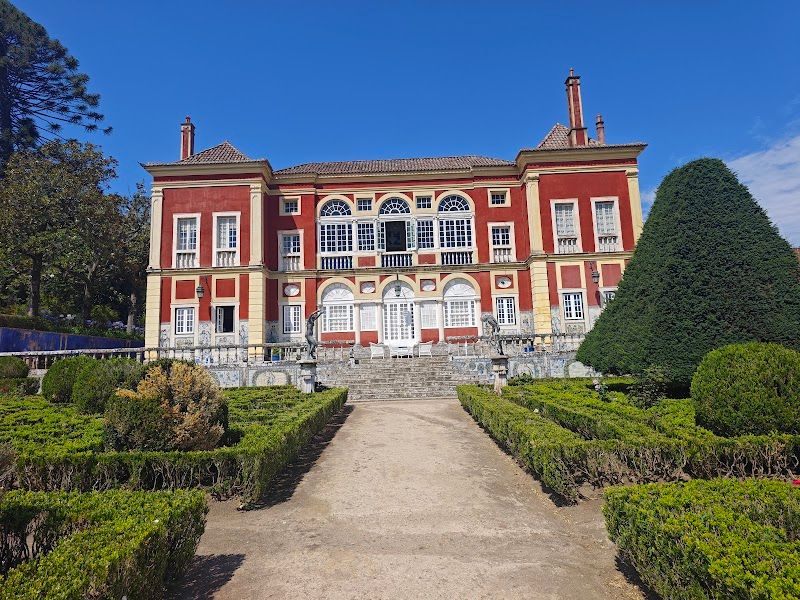
Palácio Fronteira
Palácio Fronteira houses Portugal's most extensive azulejo collection, with hand-painted tiles from the 1670s covering every surface of this still-inhabited aristocratic palace. You'll see the famous Battle Room depicting Portuguese victories in the Restoration War, plus mythological scenes that are among the finest found in azulejo collections. The formal gardens contain the Gallery of Kings, where 15 Portuguese monarchs are portrayed in blue and white tiles alongside reflecting pools and baroque statuary. The guided palace tour takes you through intimate rooms where the Mascarenhas family actually lives, including a library with 17th-century volumes and a chapel with original gilded woodwork. The atmosphere feels authentically aristocratic rather than museum-like, with family portraits and personal touches throughout. The gardens operate separately and are a highlight, with geometric boxwood patterns, cascading water features, and the royal portrait gallery. This photographic opportunity works particularly well in morning light. Most visitors rush through without realizing the palace and gardens require separate tickets and scheduling. Palace tours cost 11 EUR and run limited days, while garden access costs 6 EUR with more flexible timing. If you're short on time, consider skipping the palace interior and focus on the outdoor azulejo work, which is genuinely superior and the Gallery of Kings alone is worth a visit. The palace's location in residential Benfica means fewer crowds but does require planning your transport.
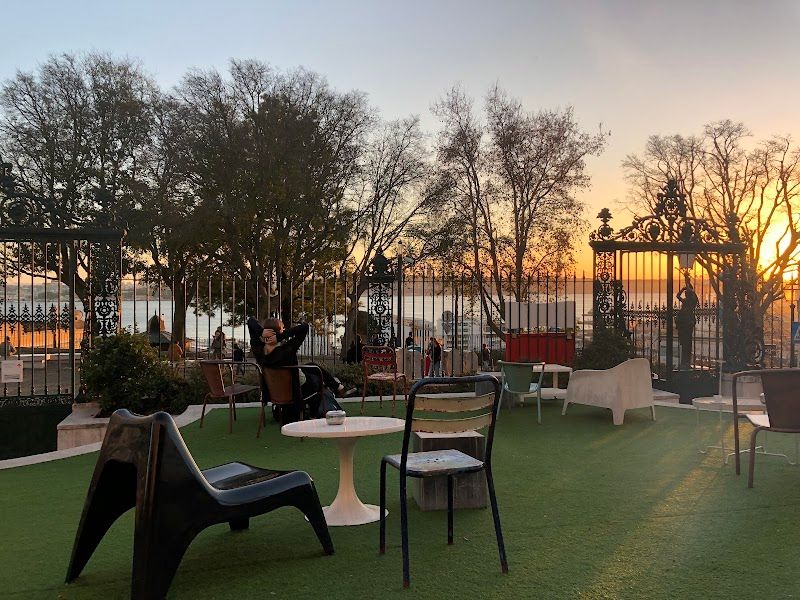
Pharmacia
Quirky restaurant in a former pharmacy overlooking the river, with medicine-themed décor and creative Portuguese fusion dishes. The rooftop terrace offers stunning Tagus views and sunset cocktails. Touristy but fun - try the 'prescription' desserts served in pill bottles.
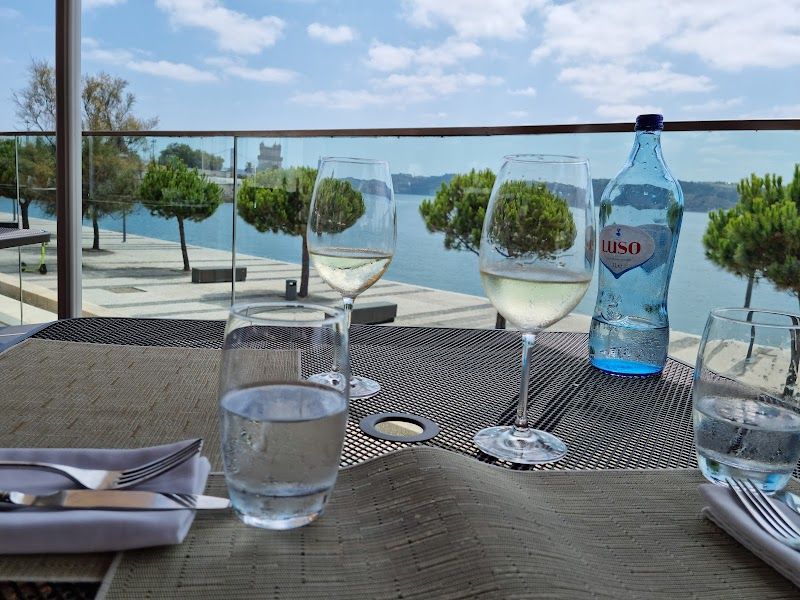
Darwin's Café
A charming café tucked inside the lush gardens of the Botanical Museum, offering a peaceful escape from Belém's crowds. Serves quality coffee, fresh pastries, and light lunches in a greenhouse-like setting surrounded by exotic plants. Popular with locals working remotely and botanical enthusiasts.
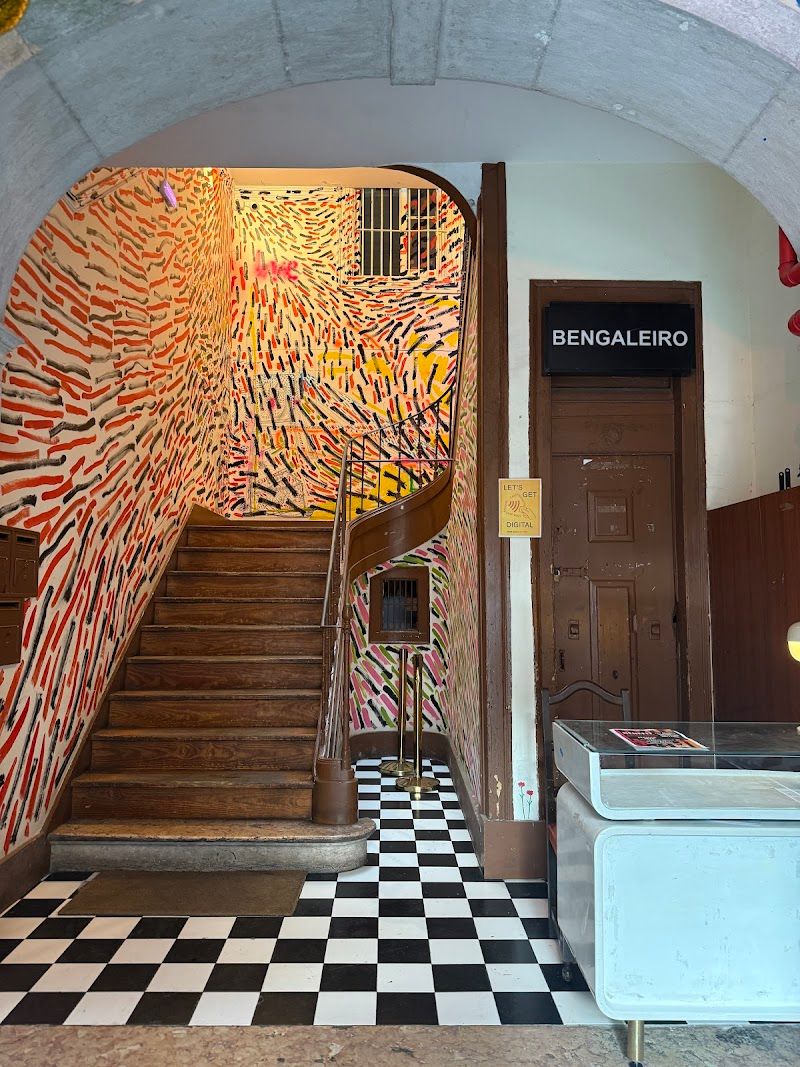
Casa Independente
Multi-level arts space and restaurant in a crumbling Intendente mansion. The rooftop terrace serves petiscos and cocktails, while the ground floor hosts exhibitions and live music. Creative Mediterranean-Portuguese fusion menu, young crowd, bohemian atmosphere. EUR 15-25 per person.
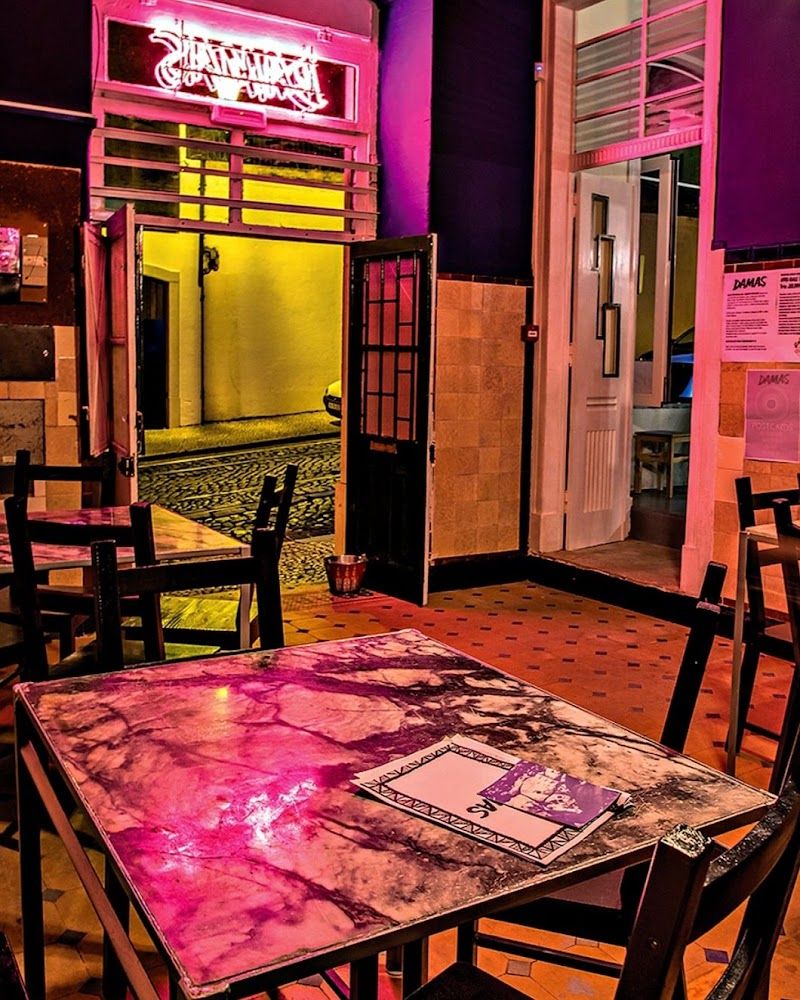
Damas
Contemporary Portuguese restaurant celebrating regional recipes with modern presentation and local ingredients. The chef focuses on traditional dishes from different Portuguese regions with a creative twist. Intimate dining room with exposed stone walls creates a sophisticated yet welcoming atmosphere.

Fabrica Coffee Roasters
Third-wave coffee roastery in a former fabric warehouse with exposed brick and industrial design. They roast beans on-site weekly and serve single-origin pour-overs, with baristas who actually explain tasting notes.
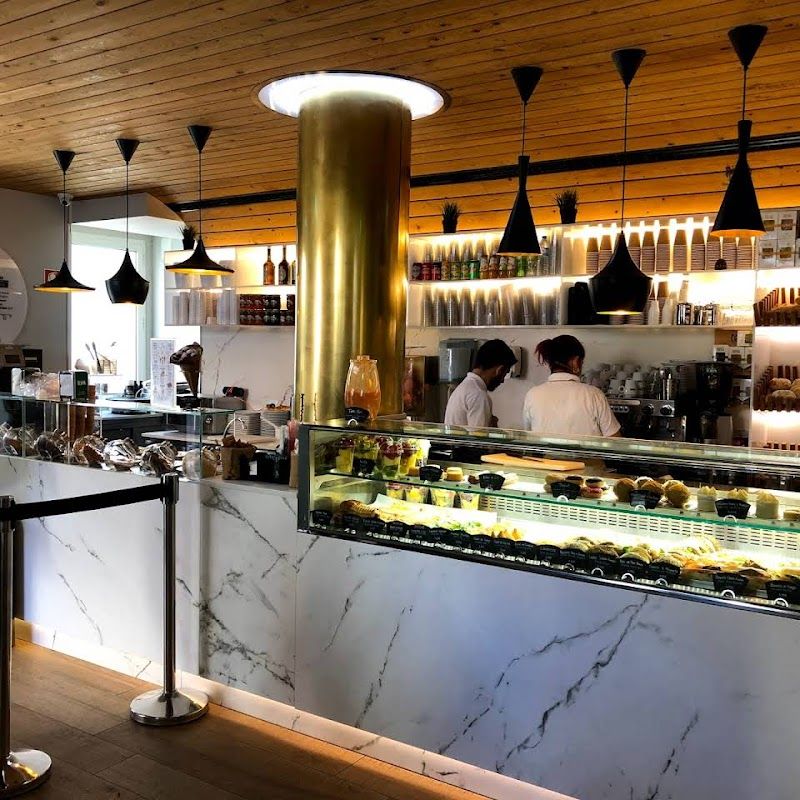
Santo António de Alfama
Family-run restaurant serving traditional Alfama cuisine - grilled sardines (summer), bacalhau, arroz de polvo. The tile-covered dining rooms climb three floors of a narrow building. Friendly service, generous portions, neighborhood prices (EUR 12-18 mains). No reservations - arrive at opening.
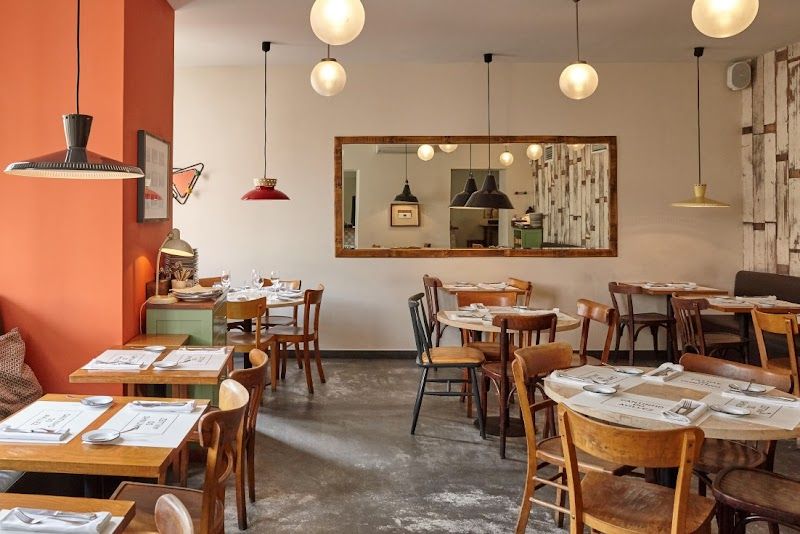
Cantinho do Avillez
José Avillez's casual bistro serves playful Portuguese petiscos (small plates) like exploding olives and black pork secretos. The space is always buzzing, with exposed brick and an open kitchen. Reservations essential - this is Lisbon's most accessible Avillez venue.
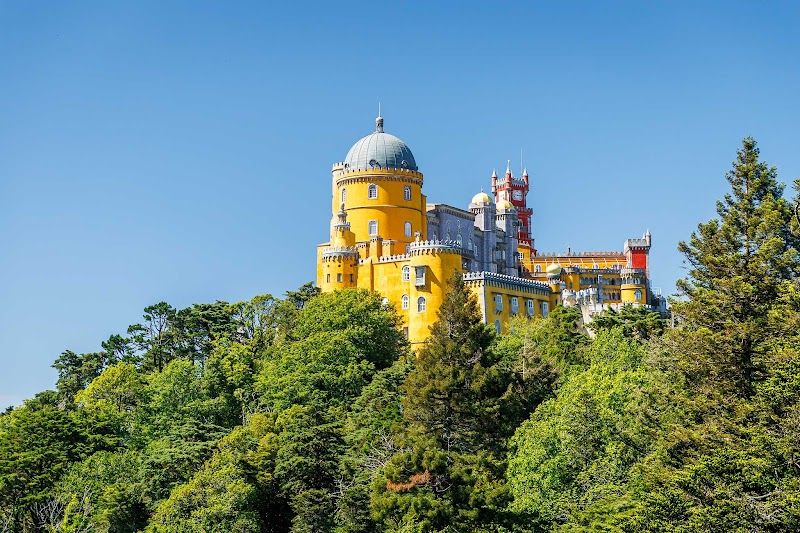
Inside Lisbon
Inside Lisbon runs intimate tuk-tuk tours through Alfama's medieval maze, covering ground you'd never find on foot. You'll wind through impossibly narrow cobblestone alleys barely wider than the vehicle itself, stopping at São Jorge Castle's ramparts for panoramic city views, plus several lesser-known miradouros that most tourists never discover. The tour includes the Fado Museum and authentic neighborhood spots where locals actually hang laundry from ancient windows. The three-hour experience feels like exploring with a friend who's lived here forever. Your guide navigates streets so tight you'll wonder how the tuk-tuk fits, pausing frequently for photos at viewpoints overlooking red-tiled rooftops and the Tagus River. The open-air vehicle means you smell grilled sardines, hear authentic fado drifting from tavernas, and feel completely immersed in neighborhood life. Maximum four passengers keeps it personal, and guides switch languages effortlessly. Most tuk-tuk tours are tourist traps, but Inside Lisbon actually delivers on the intimacy promise. The price isn't published online but expect around €35-45 per person based on similar operators. Skip the hotel pickup unless you're staying far out, the central meeting point works fine. Book afternoon slots for the best light at viewpoints, and don't bother with morning tours when many miradouros are backlit.
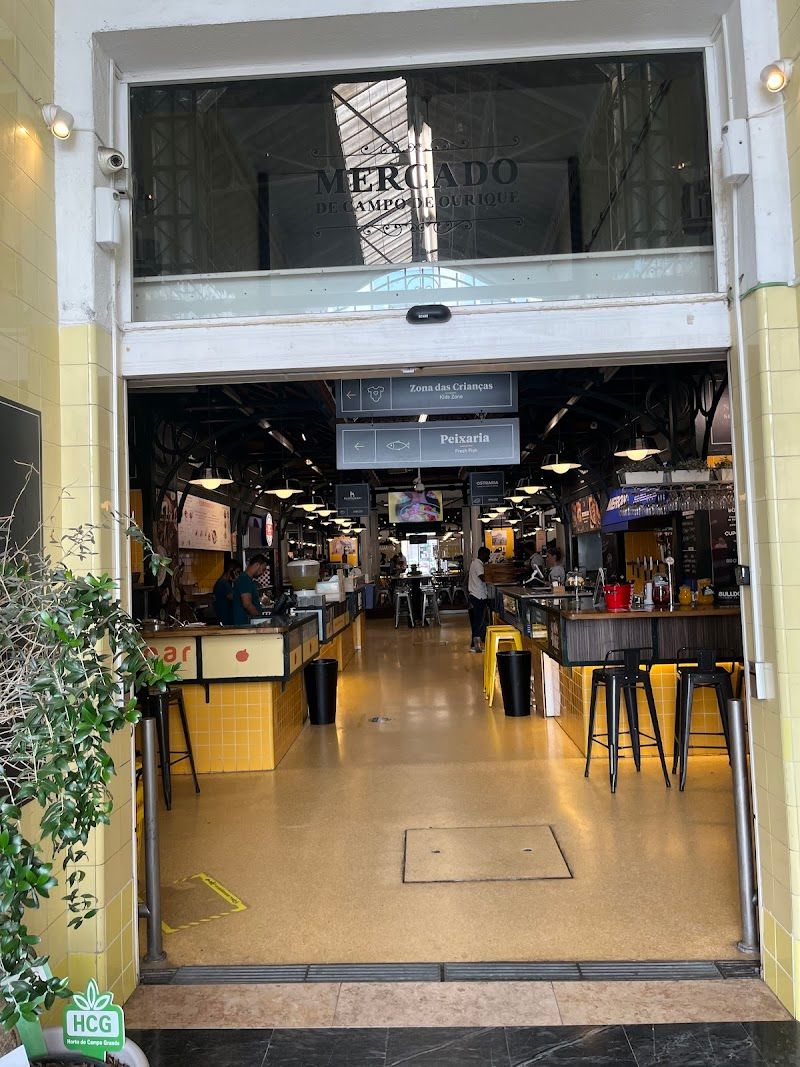
Mercado de Campo de Ourique
Campo de Ourique Market is what Time Out Market should be: a genuine 1934 neighborhood hall where actual locals buy groceries on weekday mornings. The outer ring houses traditional vendors selling fresh fish, meat, and produce at prices that make downtown Lisbon look expensive, while the center courtyard transforms into a casual food court with Portuguese comfort food stalls. You'll find bifanas for €2.50, fresh seafood plates around €8, and craft beer starting at €2. The atmosphere shifts completely between morning and evening. Before noon, you're navigating between Portuguese grandmothers inspecting tomatoes and fishmongers shouting prices. After 6pm, the center fills with young locals sharing petiscos (small plates) and wine, creating an easy social vibe where you can hop between stalls. The converted Art Deco space keeps things cool even in summer, and the acoustics mean conversations hum rather than echo. Most food guides treat this as Time Out Market's quieter cousin, but that misses the point entirely. Skip the trendy fusion stalls and head straight to the traditional Portuguese vendors: Casa do Bacalhau does perfect codfish cakes for €1.50 each, while O Catraio pours generous wine glasses for €2. The produce vendors close by 2pm, so don't expect full grocery shopping in the afternoon.
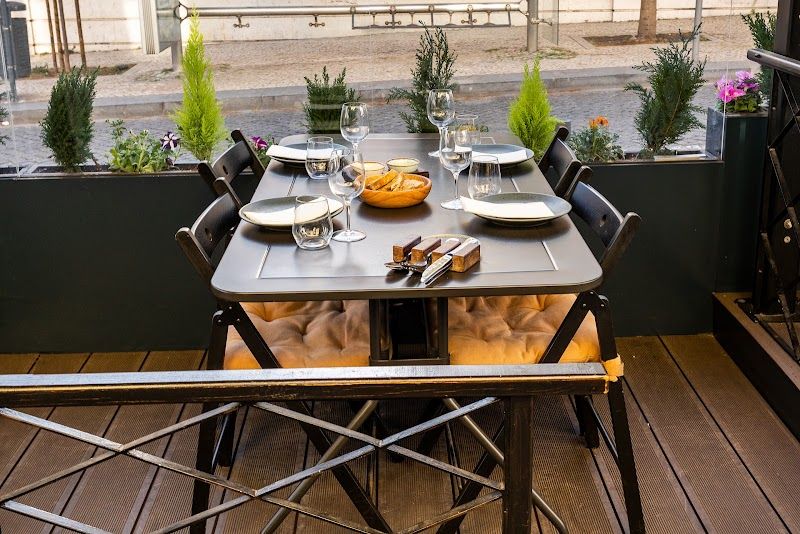
O Frade
Tiny family-run tasca in Alfama serving grilled fish and meat on a charcoal grill visible from the street. The sardines (seasonal May-September) and pork ribs are legendary. Just six tables, paper tablecloths, and home-cooking that draws locals down the steep lanes.
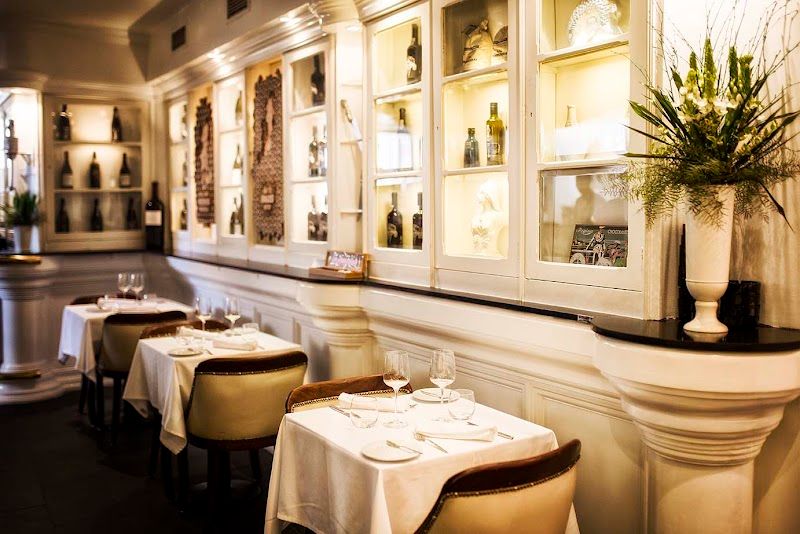
Bistro 100 Maneiras
Ljubomir Stanisic's casual bistro serving bold, fusion-influenced small plates in an intimate space with velvet banquettes. The menu changes constantly but expect inventive combinations like foie gras with passion fruit. Excellent value lunch menu at EUR 20 for three courses.
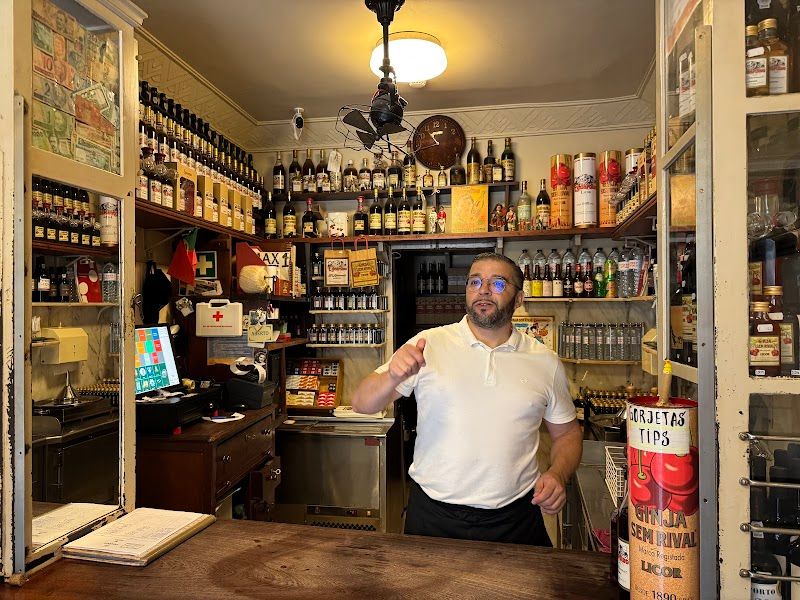
Ginjinha Sem Rival
Standing-room-only ginjinha bar since 1890 serving the traditional sour cherry liqueur in chocolate cups or with a berry at the bottom. Located in a hole-in-the-wall space near Rossio, it's a quick stop for the EUR 1.50 shot locals take before heading to dinner. The original recipe remains unchanged for over 130 years.
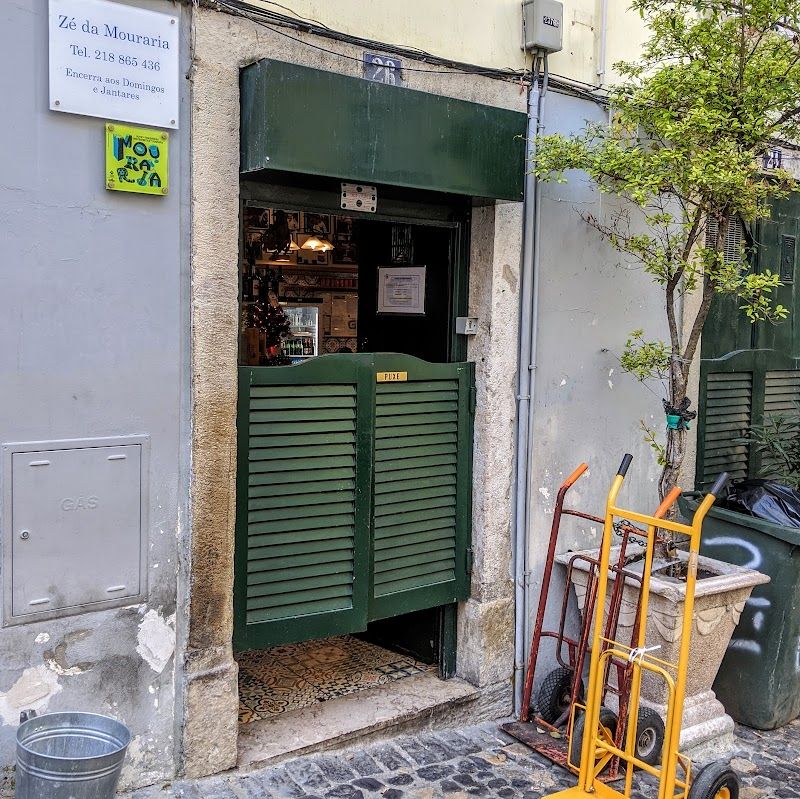
Zé da Mouraria
No-frills neighborhood tasca serving enormous portions of grilled meats and bacalhau for EUR 8-12 per main. The daily lunch specials scrawled on paper tablecloths attract locals, not tourists. Cash only, paper napkins, ice-cold imperials - pure Lisbon.
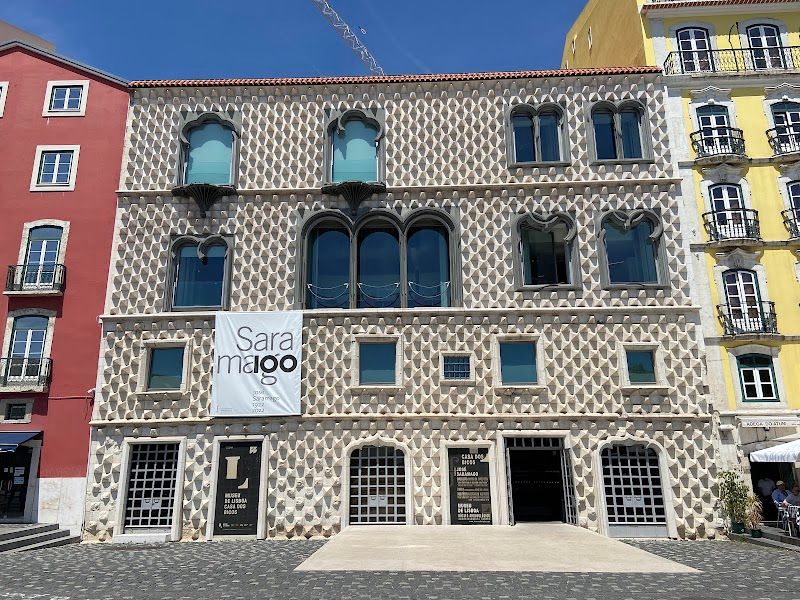
Casa dos Bicos
Casa dos Bicos stands out immediately on Rua dos Bacalhoeiros with its facade of 1,125 pyramid-shaped stones jutting from the walls like a giant cheese grater. Built in 1523 for the son of Afonso de Albuquerque, this palace survived the 1755 earthquake when most of Lisbon didn't. Today it houses the José Saramago Foundation with a small museum about the Nobel Prize winner, plus Roman archaeological remains in the basement that date back 2,000 years. You'll enter through the ground floor into a surprisingly intimate space. The Saramago exhibition takes up just two rooms upstairs, featuring his typewriter, manuscripts, and personal items, but it's thoughtfully curated. The real surprise comes in the basement where glass panels reveal Roman fish-salting tanks and pottery fragments. The contrast feels surreal: you're examining ancient Roman industry beneath a Renaissance palace covered in spiky stones. Most guidebooks oversell this as a major attraction, but it's better viewed as a quick cultural stop while exploring Alfama. The Saramago exhibition will only engage you if you know his work (start with "Blindness" before visiting). Entry is free, making it perfect for a 30-minute detour. Skip it entirely if you're pressed for time, unless you're specifically interested in Portuguese literature or Roman archaeology.
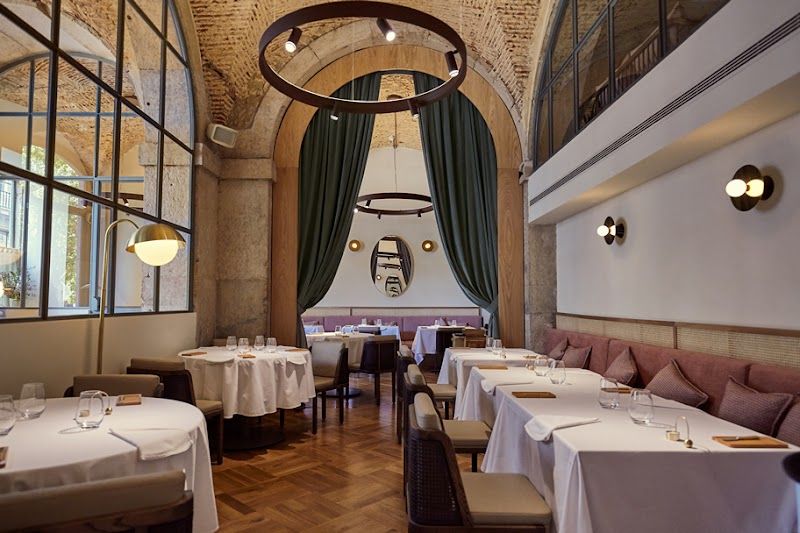
Belcanto
José Avillez's two-Michelin-starred temple of Portuguese fine dining in a restored Chiado townhouse. The tasting menu (EUR 195) reimagines classic dishes with impeccable technique - think liquid olives and deconstructed bacalhau. Service is precise, wine pairings exceptional.
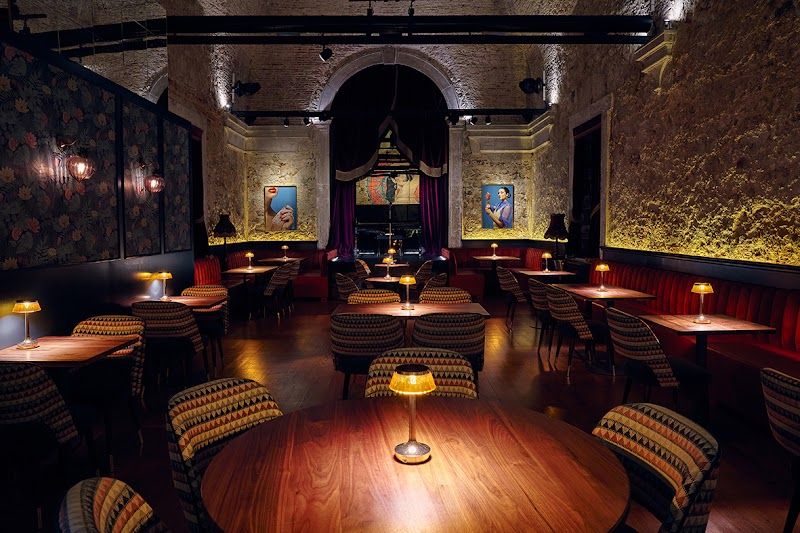
Mini Bar Teatro
José Avillez's experimental cocktail-and-food bar serving creative petiscos and theatrical small plates. The open kitchen resembles a stage set where chefs perform technique-driven dishes. Reservations essential for the counter seats overlooking the action. EUR 40-60 per person with drinks.
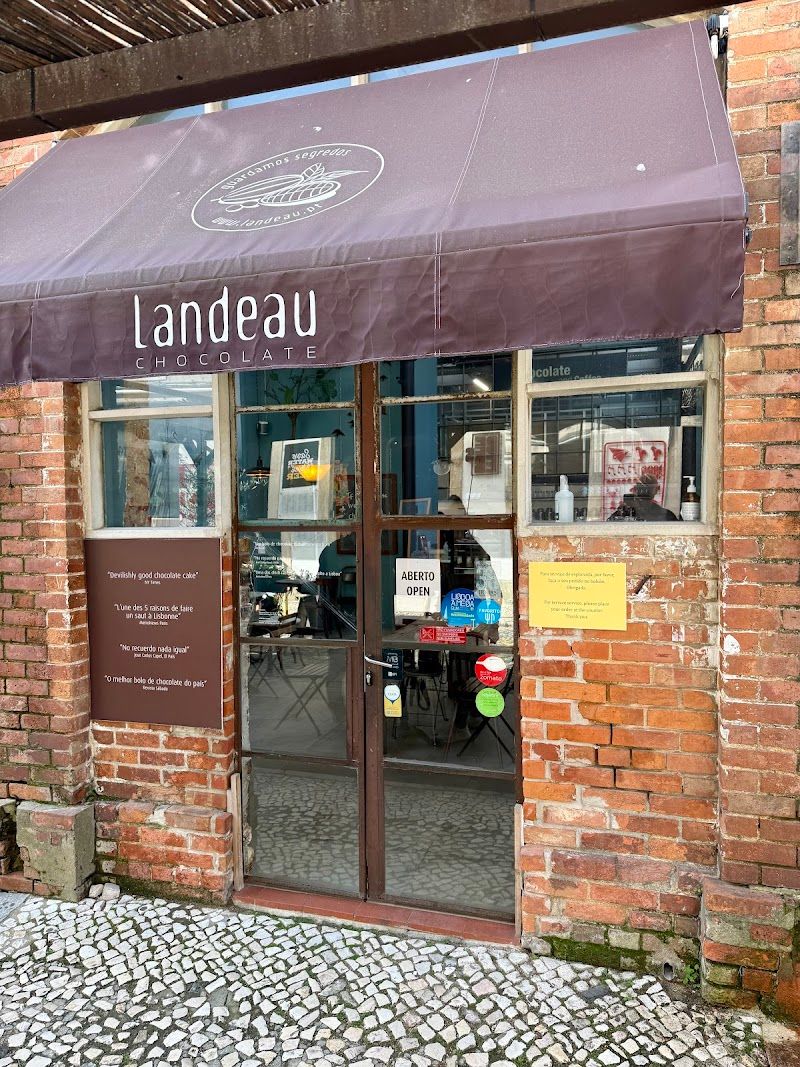
Landeau Chocolate
Minimalist chocolate cake specialist serving exactly one item - dense, flourless chocolate cake with a molten center that's genuinely different from typical Portuguese sweets. Each EUR 4.50 slice comes with complimentary espresso from their Bairro Alto location.
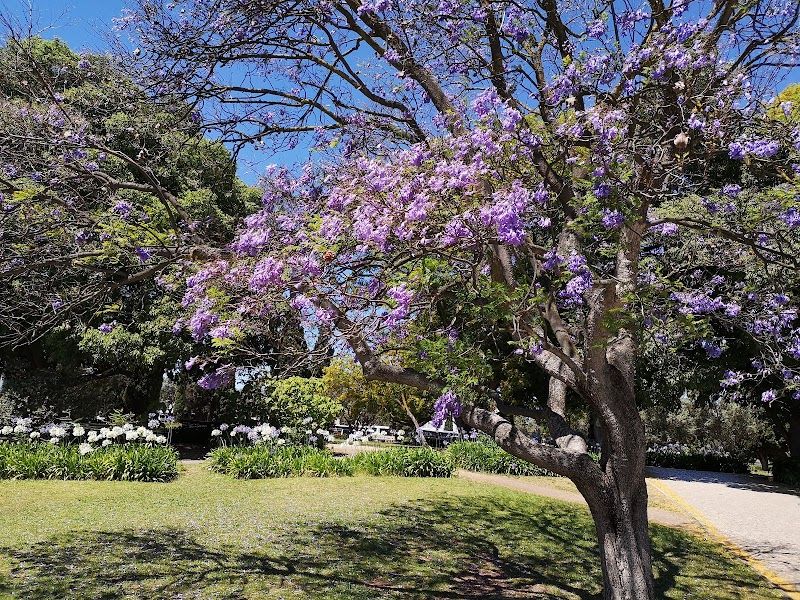
Jardim Vasco da Gama
Jardim Vasco da Gama stretches along the Tagus riverbank between the Discoveries Monument and the Cultural Center, offering one of Lisbon's best free riverside experiences. You'll find perfectly maintained lawns dotted with palm trees, wide gravel paths ideal for strolling, and unobstructed views across the water to the Cristo Rei statue. The garden serves as Belém's breathing space, where locals come to jog at dawn and couples claim benches for sunset watching. The atmosphere feels refreshingly calm compared to the tourist chaos around nearby monuments. You can spread a blanket anywhere on the grass, and the river breeze keeps things comfortable even in summer. The best spots are closest to the water where you get panoramic views of the 25 de Abril Bridge and passing boats. Street performers occasionally set up near the monument end, but most of the garden stays peaceful. Most visitors rush past this garden to tick off monuments, which is their loss. It's completely free and genuinely relaxing, unlike the overpriced cafés nearby that charge €4 for basic coffee. The garden looks identical in all seasons since the palm trees stay green, so don't worry about timing your visit. Skip the formal Cultural Center café and bring your own snacks instead.
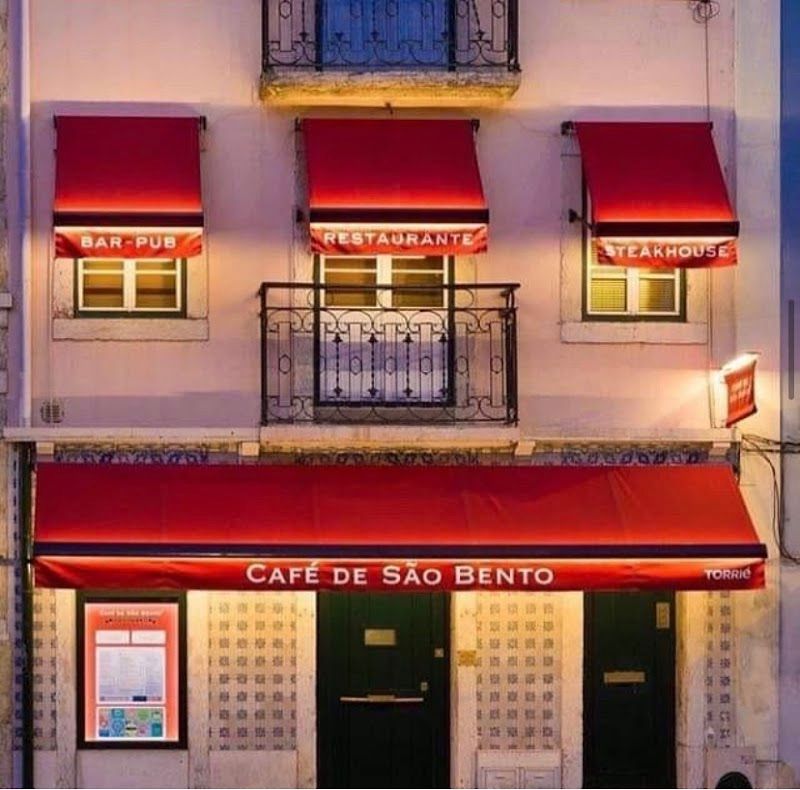
Café de São Bento
Neighborhood café and restaurant across from Parliament serving politicians and locals since 1912. The Art Deco interior features original wood paneling and mirrors. Excellent daily specials at lunch (EUR 12-15) include traditional dishes like cozido à portuguesa on Thursdays.
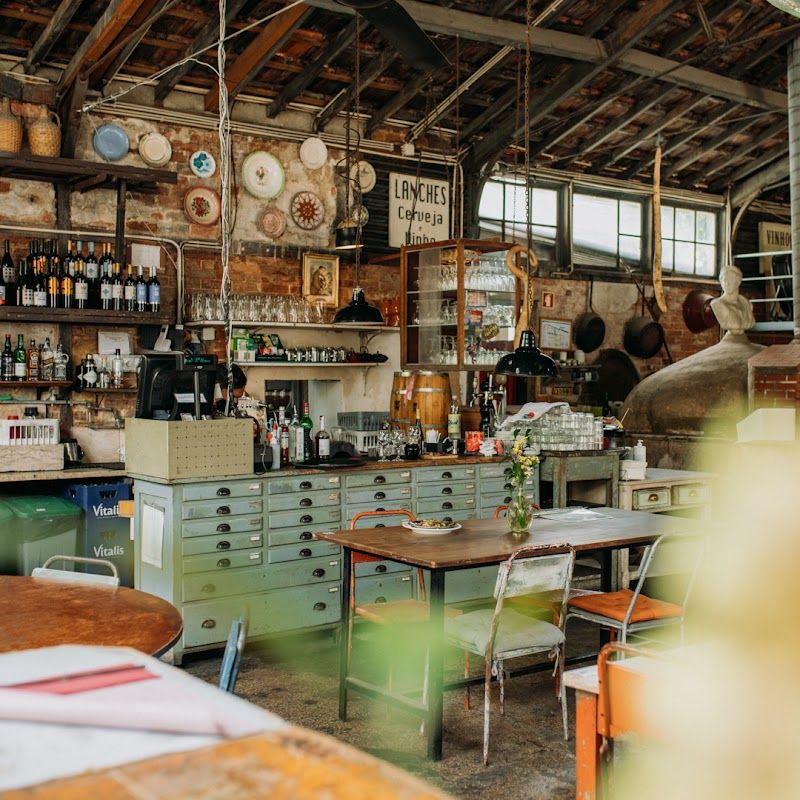
Cantina LX
Casual eatery within LX Factory serving modern Portuguese comfort food with a creative twist. Known for affordable lunch menus and relaxed industrial-chic atmosphere. Popular with local workers and creatives from the area.
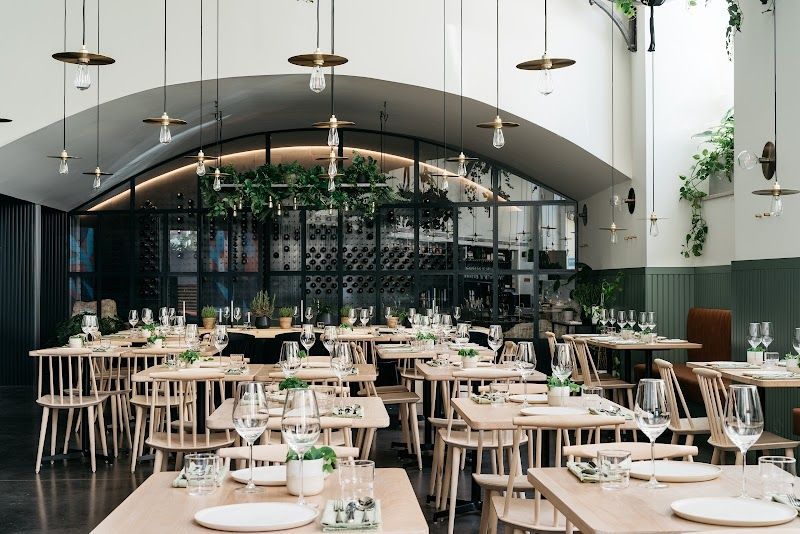
Prado
Farm-to-table restaurant emphasizing Portuguese organic vegetables and sustainable proteins. The constantly changing menu features creative preparations - fermented vegetables, house-made miso, foraged ingredients. Minimal waste philosophy, natural wines, zero pretense. EUR 30-45 per person.
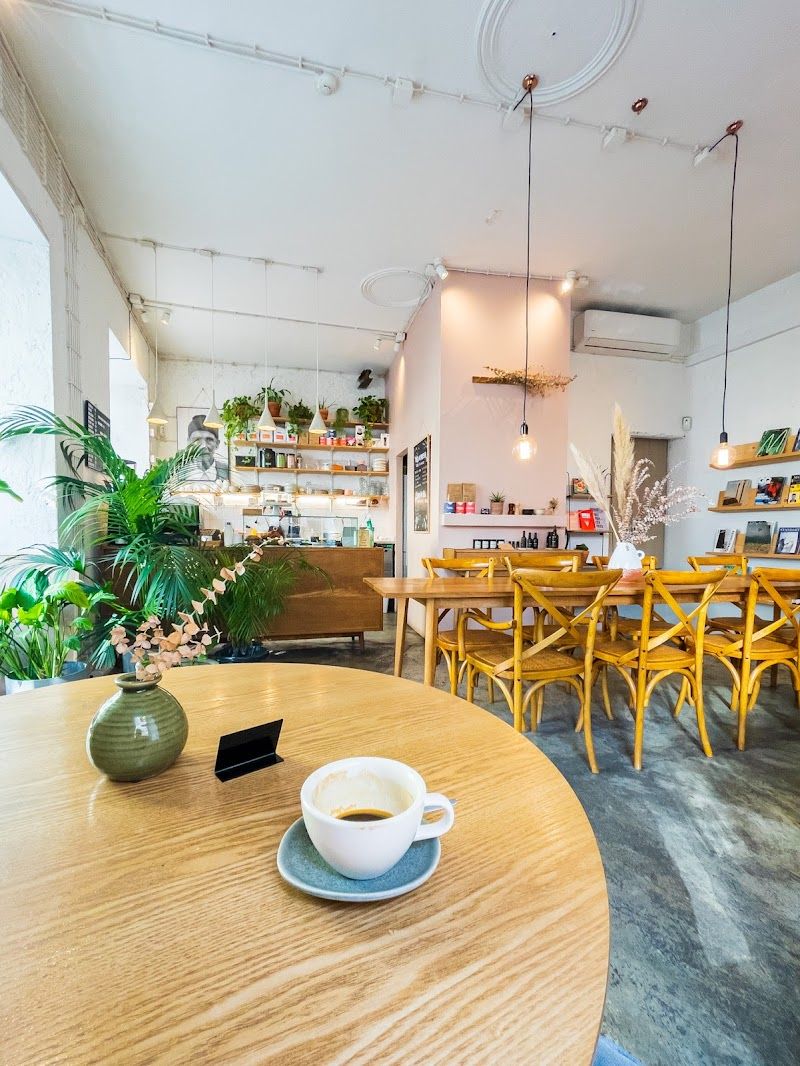
Hello Kristof
Cozy neighborhood coffee shop with vintage furniture and homemade cakes baked daily by the owners. The rotating guest espresso changes monthly, and the banana bread with salted caramel has a cult following among Intendente residents.

Sailboat Lisbon
Sailboat Lisbon operates a pristine 40-foot yacht from Doca de Belém, offering private charters along the Tagus River for up to 8 passengers. You'll sail past Belém Tower, the Monument to the Discoveries, and Cristo Rei statue while enjoying unobstructed views of Lisbon's waterfront that you simply can't get from land. The boat comes equipped with a sound system, comfortable seating, and optional catering ranging from simple snacks to full meals. The experience starts at the marina where Captain João (or one of his equally experienced crew) briefs you on safety before setting sail. Once you're moving, the city transforms into a postcard perfect panorama. The boat handles beautifully in the Tagus's calm waters, and you'll find yourself relaxing immediately as Lisbon's famous light hits the pastel buildings from this unique angle. The crew knows exactly where to position for photos and shares stories about the monuments you're passing. Most sailing companies in Lisbon are overpriced tourist traps, but this one delivers genuine value at around 200 EUR for a 3-hour private charter (split among your group). Skip the sunset cruises unless you're proposing, the afternoon light is actually better for photos and costs 50 EUR less. The onboard catering adds 25 EUR per person but it's restaurant quality, not the usual boat snacks.
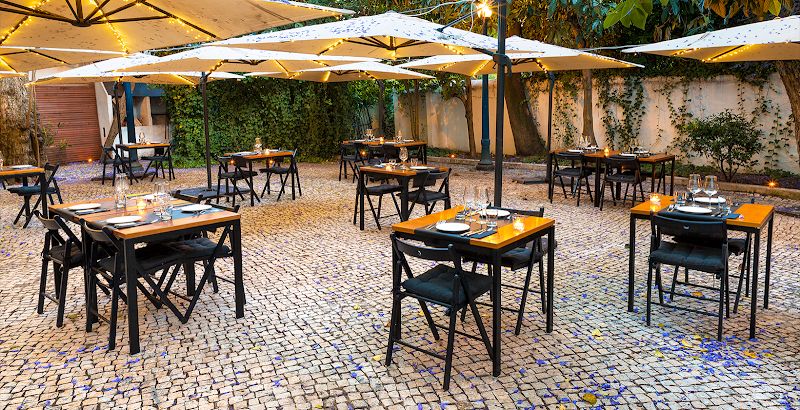
Clube de Jornalistas
Journalists' club restaurant in a hidden garden courtyard off Rua das Trinas. The tranquil setting under grapevines and palm trees feels far from the city center. Portuguese menu with seasonal ingredients, weekend brunch (EUR 20), and an excellent wine list focusing on small producers.
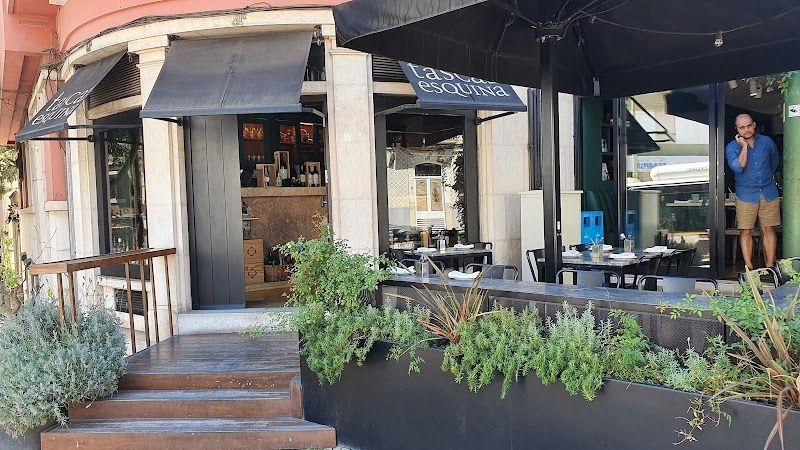
Tasca da Esquina
Chef Vítor Sobral's modern take on Portuguese tavern food in a sleek corner space. Dishes like açorda de gambas (bread stew with prawns) and slow-cooked pork cheeks showcase refined technique without losing soul. The lunch menu at EUR 18 is exceptional value.
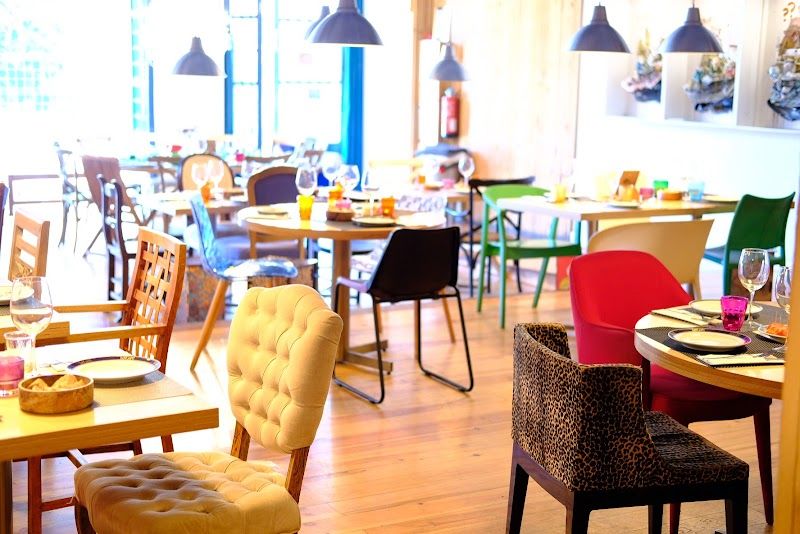
Taberna Moderna
Contemporary petiscos restaurant near Praça das Flores serving creative small plates with Portuguese soul. The octopus with chickpea purée and the pork cheeks are standouts. Industrial-chic design with exposed brick, friendly service, natural wines by the glass.
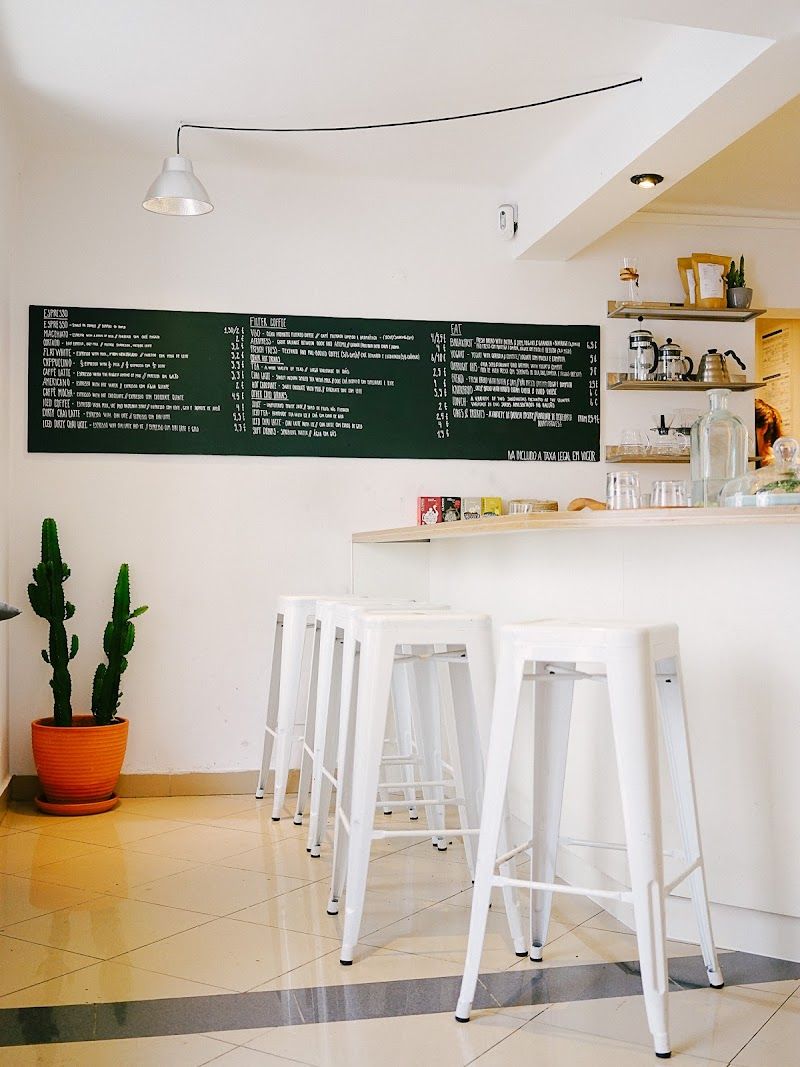
Copenhagen Coffee Lab
Scandinavian-style specialty coffee bar with minimalist design and serious pour-over technique. The Lisbon outpost of a Danish roastery serves filter coffee with tasting notes actually detectable, plus avocado toast that rivals anything in Copenhagen.
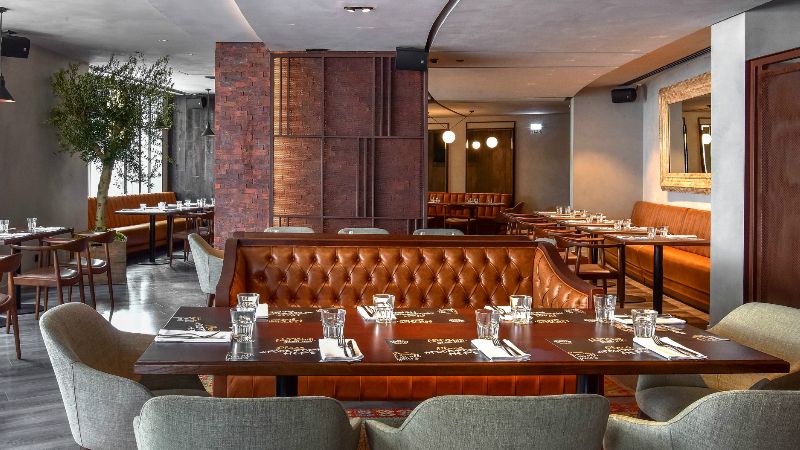
Guilty by Olivier
Chef Olivier da Costa's contemporary Portuguese restaurant in a sleek Príncipe Real space. The menu celebrates Alentejo ingredients - black pork, wild mushrooms, regional cheeses - with refined technique. Excellent lunch menu at EUR 22 for three courses. Natural light floods the minimalist dining room.
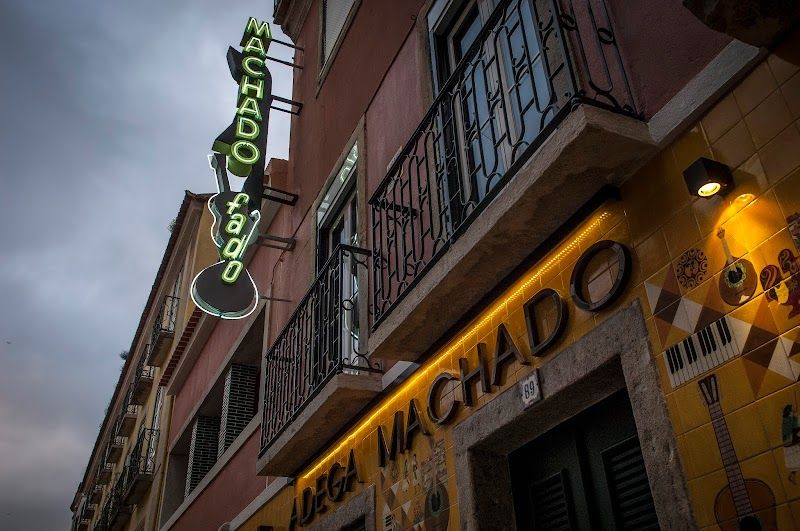
Adega Machado
Traditional fado restaurant in Bairro Alto operating since 1937. The stone-walled dining room hosts professional fado performances nightly (9:45pm and 11:30pm). The Portuguese menu is solid if touristy - focus on the music and atmosphere. Minimum EUR 30 per person including one drink.
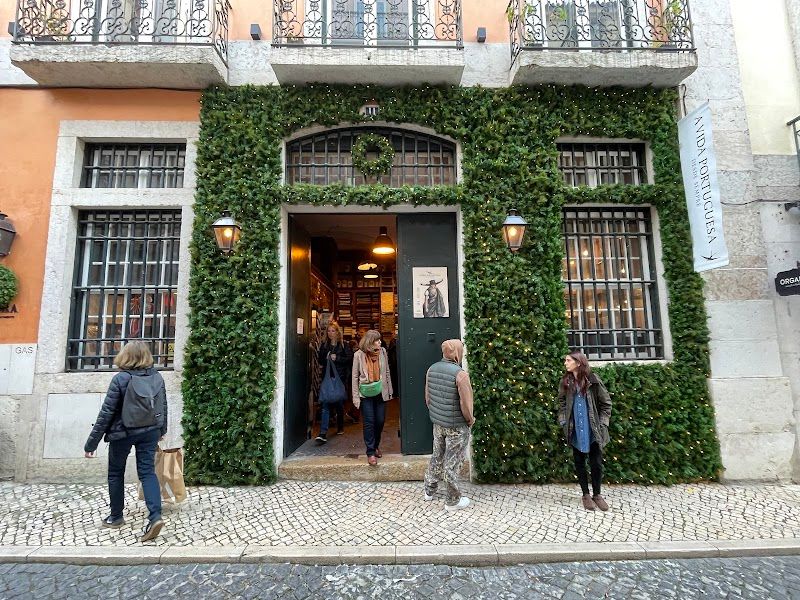
A Vida Portuguesa
A Vida Portuguesa is the place to buy actual Portuguese products, not tourist junk. You'll find Claus Porto soaps that locals actually use, Bordallo Pinheiro's famous cabbage leaf ceramics, beautifully designed sardine tins that make perfect gifts, and quality cork accessories from wallets to bags. The Chiado flagship occupies a converted 1920s perfume factory with original wood fixtures and vintage display cases that feel authentically Portuguese. The space feels more like a curated museum than a souvenir shop. Products are arranged by category across wooden shelves and glass cases, with everything from traditional azulejo tile coasters to modern interpretations of Portuguese crafts. You can actually touch and examine most items, unlike many heritage shops that keep everything behind glass. The staff knows the story behind each brand and can explain why certain products cost more than mass market versions. Most guidebooks call this expensive, but you're paying for authenticity. Claus Porto soap bars run €8 to €12, while the famous sardine tins cost €3 to €8 depending on design. Skip the cork purses (overpriced at €45+) and focus on smaller items like the gorgeous ceramic bowls (€15 to €25) or traditional Portuguese linens. The Bordallo Pinheiro pieces here cost 20% less than at standalone brand stores, making this your best bet for those iconic cabbage plates.
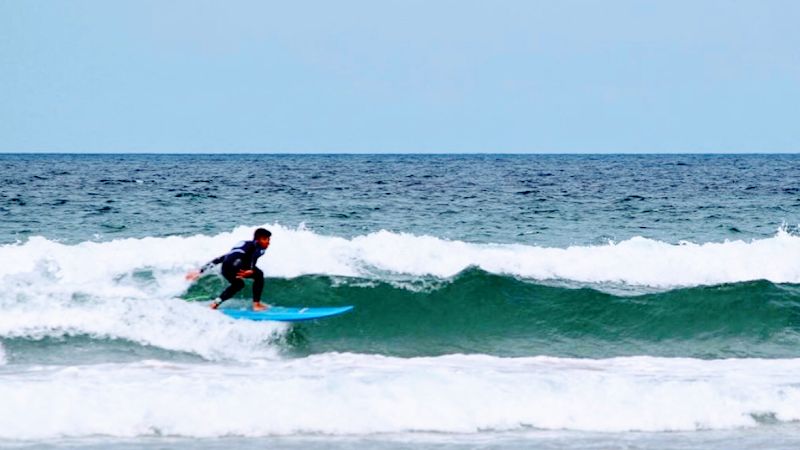
Lisbon Surf School Costa da Caparica
Costa da Caparica's surf school takes you to Portugal's most consistent beginner waves, just 30 minutes from central Lisbon. You'll get proper instruction on 12km of Atlantic coastline where the sandy bottom and rolling waves create ideal learning conditions. The beach faces west into the Atlantic swell, meaning you'll find surfable waves most days of the year, unlike the sheltered Tagus estuary spots closer to the city. Your lesson starts with 20 minutes on the sand learning pop-up technique and wave safety before heading into knee-deep water. The instructors are local surfers who genuinely want you to catch waves, not just go through the motions. You'll spend most of your time in waist-deep water where broken waves give you the perfect push without the intimidation factor. The wetsuit keeps you warm even in winter, and by the end you'll actually be riding waves to shore. Most surf schools in Portugal are tourist traps, but this one delivers real instruction for around 35-40 EUR including gear. The ferry ride from Cais do Sodré adds 45 minutes each way but it's worth it for waves that actually work for beginners. Skip afternoon sessions when the wind picks up and turns the water choppy. Book the 9am slot if possible, the beach is empty and conditions are glassy.
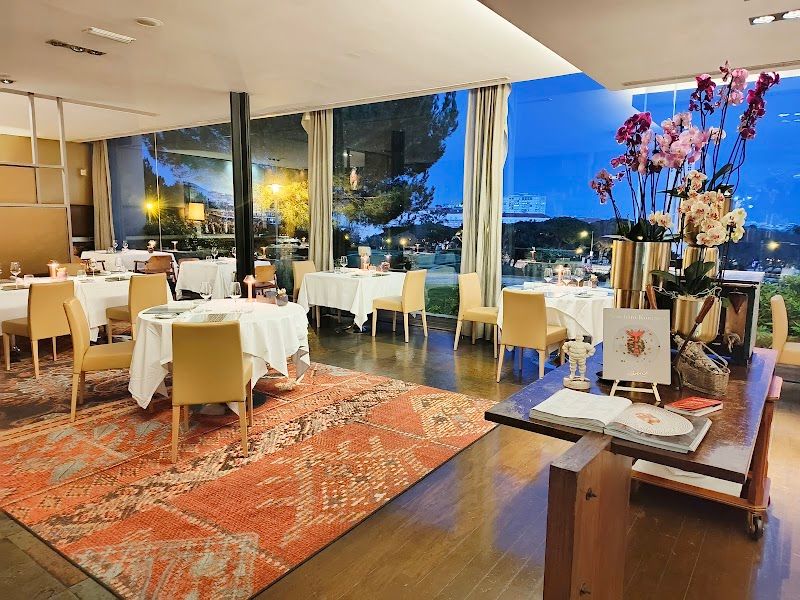
Restaurante Eleven
Michelin-starred contemporary restaurant atop Eduardo VII Park with panoramic city views. The tasting menus (EUR 130-180) showcase Portuguese ingredients with international technique. Floor-to-ceiling windows, minimalist design, impeccable service - Lisbon's most elegant dining room.
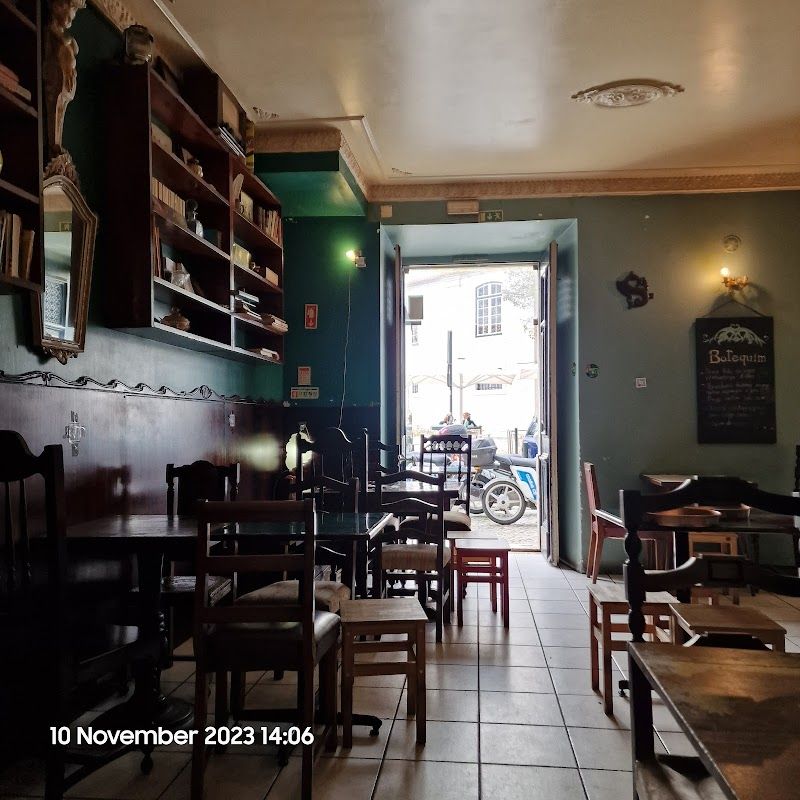
Botequim da Graça
Cozy neighborhood bistro blending Portuguese flavors with modern touches in a relaxed setting. Known for creative tapas-style dishes and an excellent wine selection. The outdoor terrace offers charming views of the neighborhood streets.
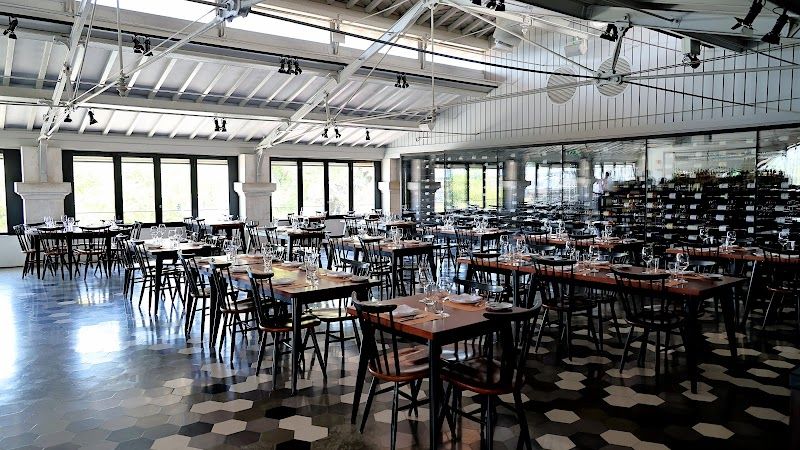
Pap'Açorda
Bairro Alto institution famous for açorda de marisco (bread stew with seafood) served in copper cataplanas. The theatrical presentation and generous portions have made this a local favorite since 1985. Book ahead - the warren of tile-covered rooms fills nightly.
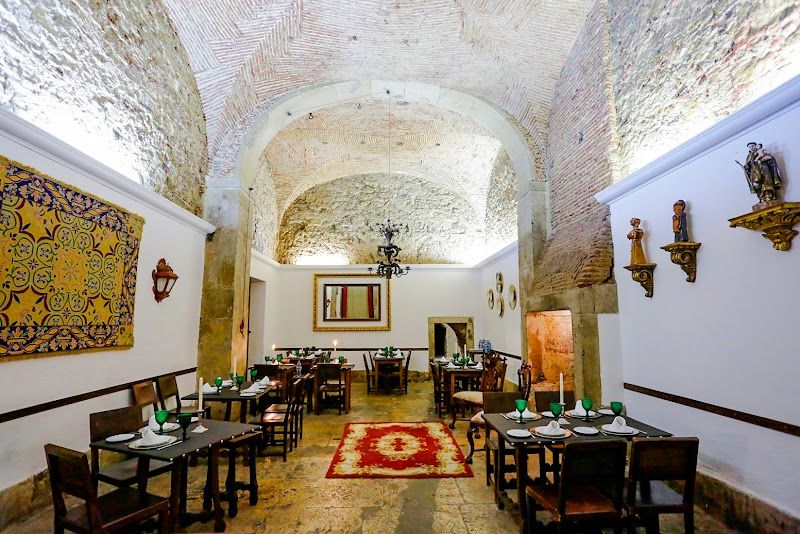
Casa de Linhares
Fado restaurant in a 17th-century mansion where professional fadistas perform nightly at 8pm and 10pm. The traditional Portuguese menu (EUR 35-45 per person) is better than most fado tourist traps. Stone arches, candlelight, and genuine emotion in the singing.
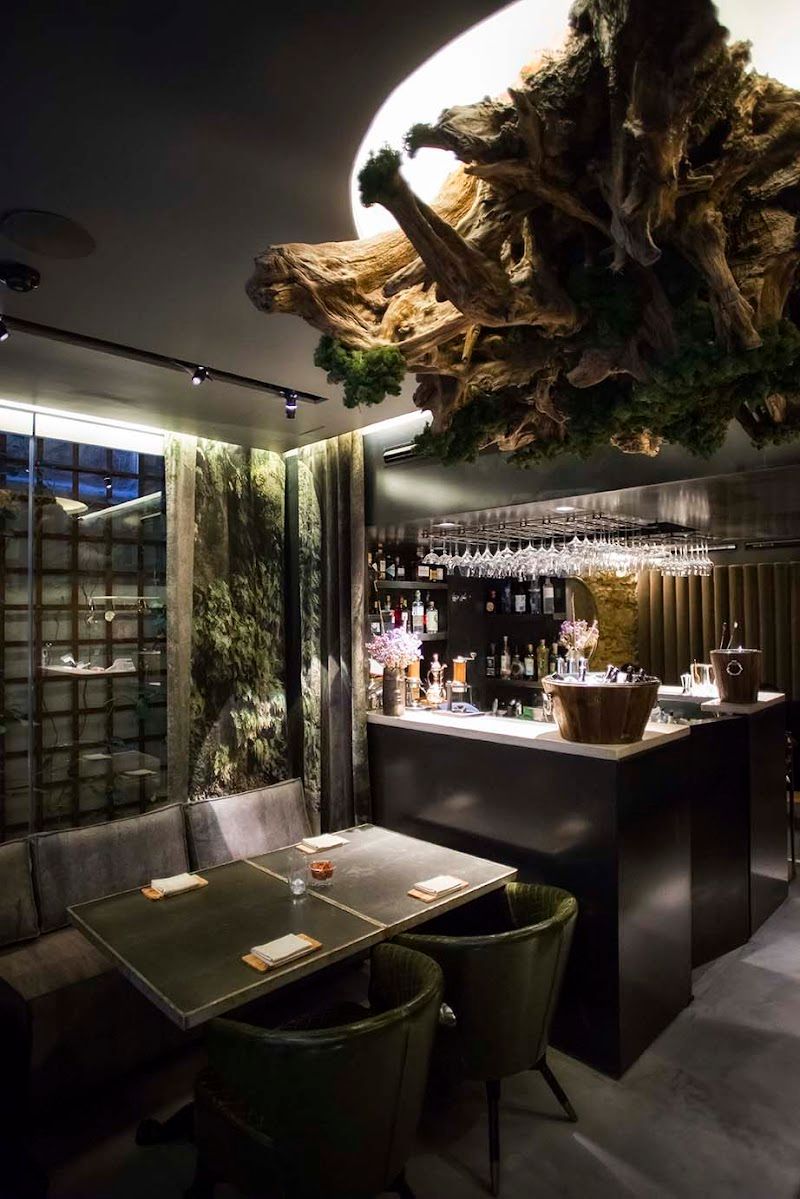
100 Maneiras
Ljubomir Stanisic's flagship fine dining restaurant serving surprise tasting menus (EUR 95-135) in an intimate space with just 32 seats. Provocative, boundary-pushing cuisine that divides opinion - expect molecular techniques, bold flavors, theatrical presentation. Reservations open one month ahead.
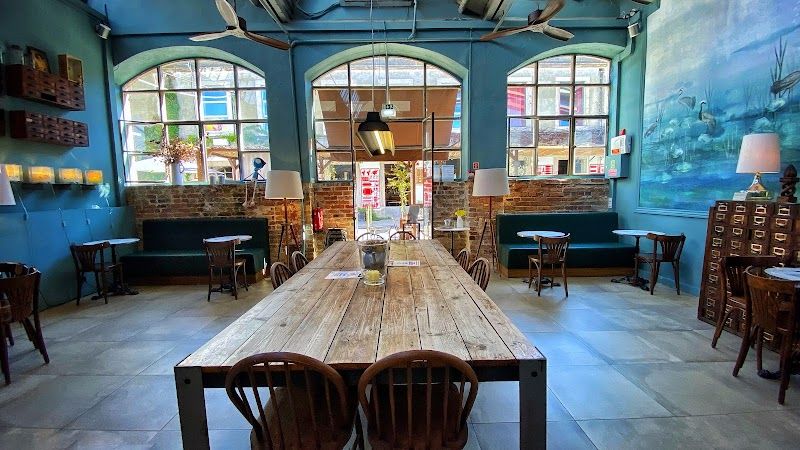
Landeau Chocolate - LX Factory
Chocolate cake specialist famous for their signature dense, fudgy chocolate cake served with whipped cream. Simple menu focused on perfecting one dessert. Minimalist café space within the creative LX Factory complex.
Wine Tasting in Chiado
This intimate wine bar occupies a 19th-century townhouse where you'll taste six Portuguese wines from regions most tourists never hear about: Dao, Bairrada, Alentejo, Douro, and Vinho Verde territories. The two-hour sessions focus entirely on indigenous grape varieties like Touriga Nacional and Arinto, paired with Serra da Estrela cheese and presunto from each region. You're tasting Portugal's actual wine identity, not the international varieties most Lisbon wine bars serve. The sessions happen in a candlelit stone cellar with just 12 people maximum, led by sommeliers who actually know the winemakers personally. You'll start with lighter whites and progress through robust reds, learning why Portuguese wines taste nothing like Spanish ones despite sharing a border. The cheese and charcuterie arrives on wooden boards between tastings, giving you time to discuss what you're experiencing. It feels like a wine education rather than a boozy afternoon. At 45 EUR per person, it's excellent value compared to similar experiences in Paris or Barcelona that cost 80+ EUR. Most wine tours in Lisbon take you to generic tasting rooms, but this spot sources directly from family vineyards. Skip the weekend afternoon sessions if you want serious discussion rather than hen parties. The Friday evening timing works perfectly if you're planning to stay for fado afterward.
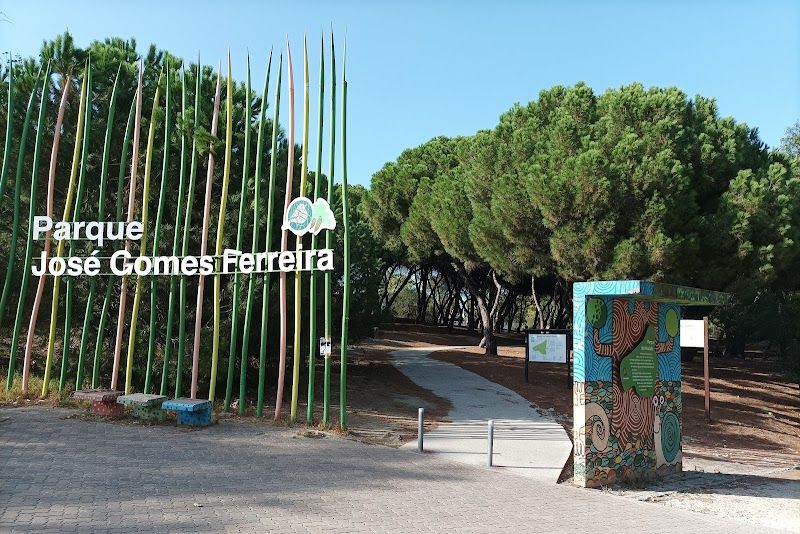
Mata de Alvalade
Mata de Alvalade sprawls across 37 hectares of northern Lisbon, making it one of the city's largest parks that somehow stays completely under the tourist radar. You'll find a proper 2km asphalt running loop that locals take seriously, plus basketball courts that actually get used, a decent playground, and genuine picnic spots under towering pine trees. The park connects several residential neighborhoods, so it feels authentically Portuguese rather than touristy. Walking the main circuit takes about 20 minutes at a leisurely pace, passing through different sections that each have their own character. The eastern side stays busier with joggers and dog walkers, while the western area near the pine grove stays quieter for picnics or reading. You'll hear Portuguese conversations, see kids playing football on the grass, and watch serious runners doing interval training. The atmosphere feels neighborhood focused, like you're experiencing how Lisbon locals actually spend their free time. Most travel guides completely ignore this place, which honestly works in your favor if you want space to breathe away from crowds. The running path gets busy between 7-9 AM and 6-8 PM when locals exercise, but midday stays peaceful. There's no entry fee obviously, and you won't find souvenir stands or tourist facilities. Skip it if you only have one day in Lisbon, but if you're staying longer and want authentic local atmosphere, it delivers better than the overcrowded spots everyone recommends.
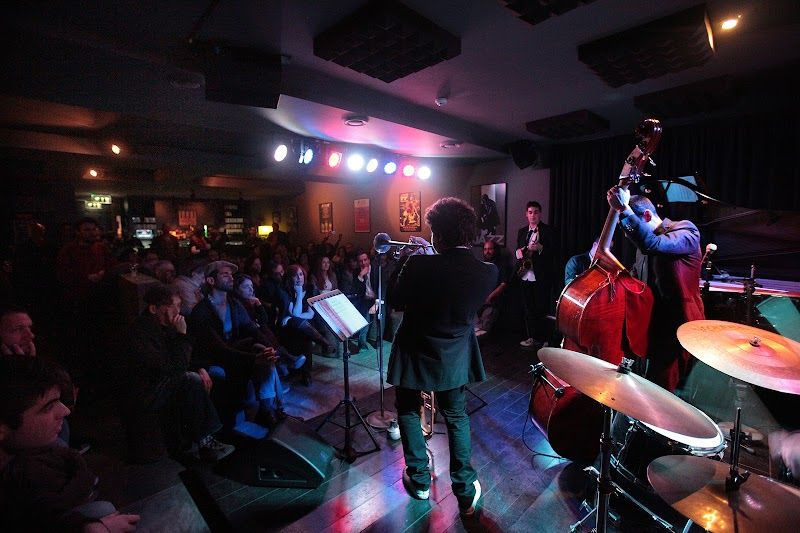
Hot Clube de Portugal
Europe's oldest jazz club operating since 1948 in a basement venue near Avenida da Liberdade. The intimate underground space hosts live jazz performances most nights with both Portuguese and international musicians. Cover charge EUR 10-15 includes one drink, with concerts starting around 10 PM.
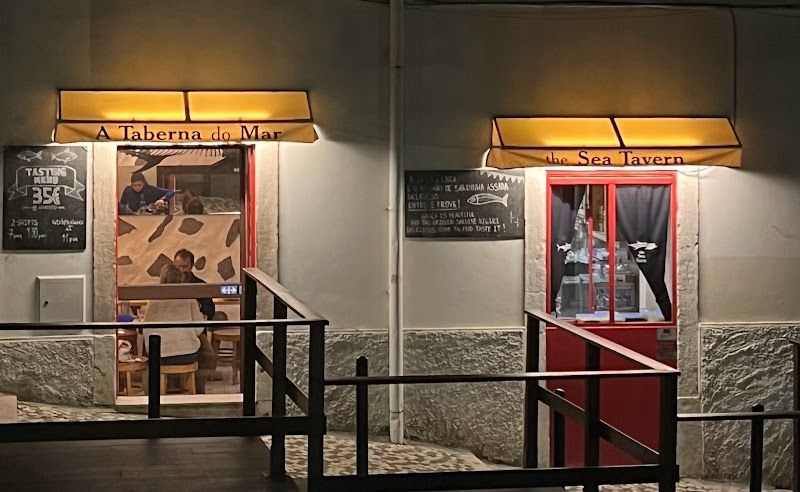
Taberna Graça
Authentic neighborhood taberna serving traditional Portuguese petiscos and generous portions of home-style cooking. The grilled sardines and polvo à lagareiro are standout dishes. Family-run establishment with a warm, local atmosphere far from tourist crowds.
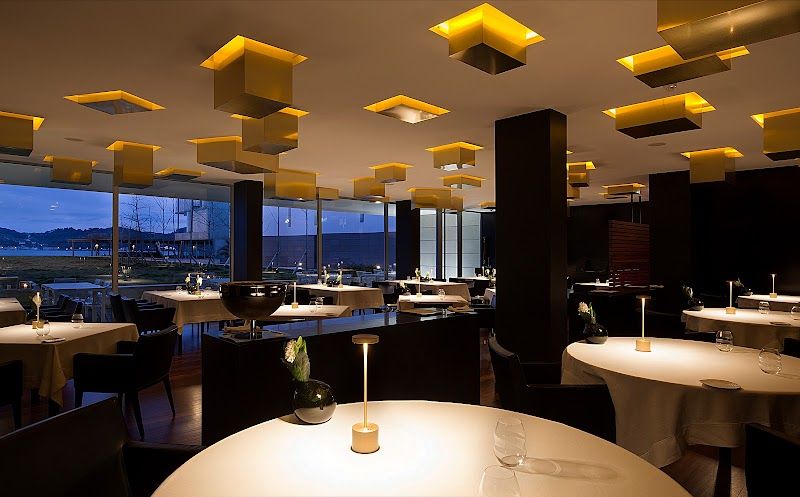
Feitoria Restaurant & Wine Bar
Michelin-starred restaurant inside the Altis Belém Hotel, showcasing modern Portuguese cuisine with seasonal Atlantic ingredients. Chef João Rodrigues creates innovative tasting menus paired with an exceptional Portuguese wine selection. The minimalist dining room overlooks the Tagus River and offers impeccable service.
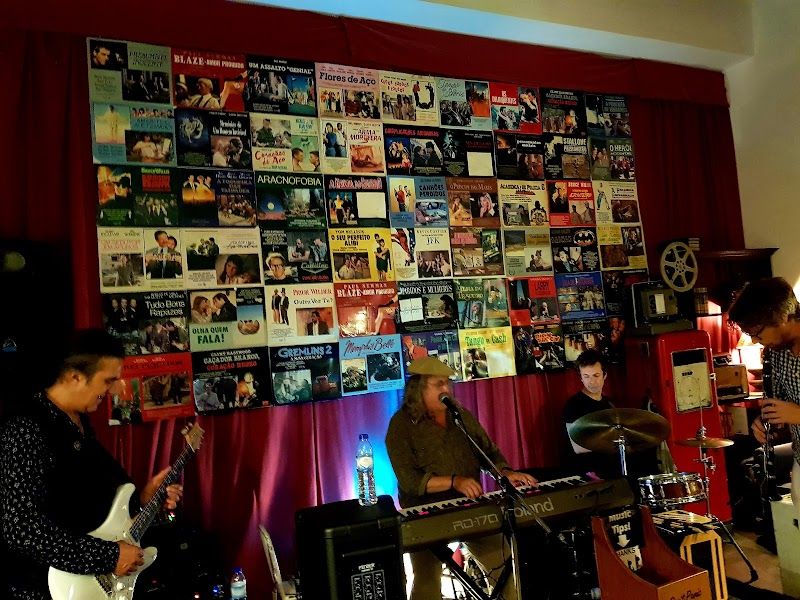
Portas Largas
Bairro Alto's most iconic LGBTQ+ friendly bar with rainbow-lit facade and crowds spilling onto Rua da Atalaia nightly. The small interior plays pop and dance music while the real party happens on the street outside. Drinks are standard Bairro Alto prices (beer EUR 3, cocktails EUR 6-7).
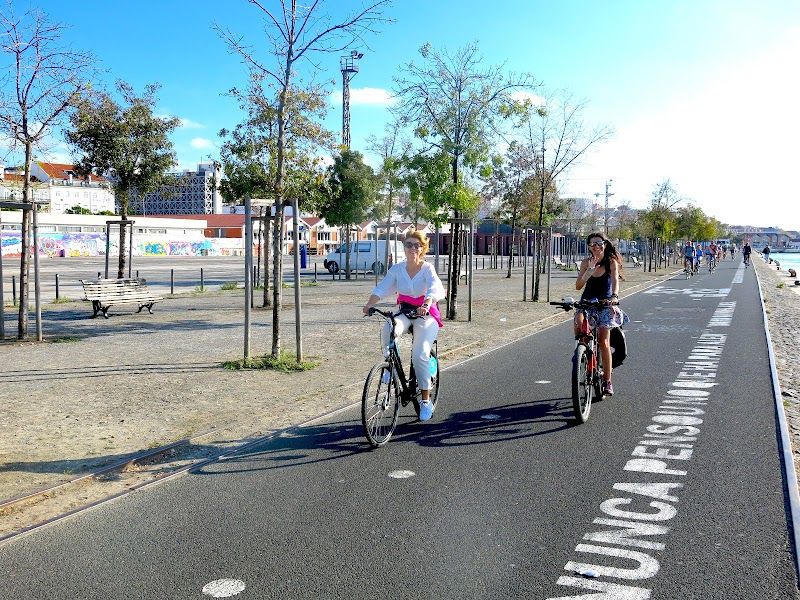
Bike Iberia
Bike Iberia runs electric bike tours along Lisbon's Tagus riverfront, covering 25km of dedicated cycle paths from historic Belém to modern Parque das Nações. You'll cruise past the MAAT museum's undulating roof, the Discoveries Monument where Portuguese explorers set sail, and end at the sleek Vasco da Gama Tower. The electric assist means you barely break a sweat while covering ground that would take hours on foot, and the riverside route stays relatively flat throughout. The ride feels like gliding through Lisbon's timeline: you start among 16th century monuments in Belém, pass through industrial areas being converted to parks, and finish in the glass and steel district built for Expo '98. Your guide stops frequently for photos and stories, especially at the Cristo Rei viewpoint across the bridge. The bike paths are well maintained and mostly separated from traffic, though you'll cross a few busy intersections near Cais do Sodré. At around €35 per person, it's decent value for three hours and covers more ground than walking tours. The morning departure really does beat the heat and crowds, plus you'll reach Belém's famous pastry shops before the lines form. Skip the afternoon tours in summer unless you love cycling in 35°C heat. The electric bikes make this doable for most fitness levels, but you'll still want comfortable shoes and sunscreen.
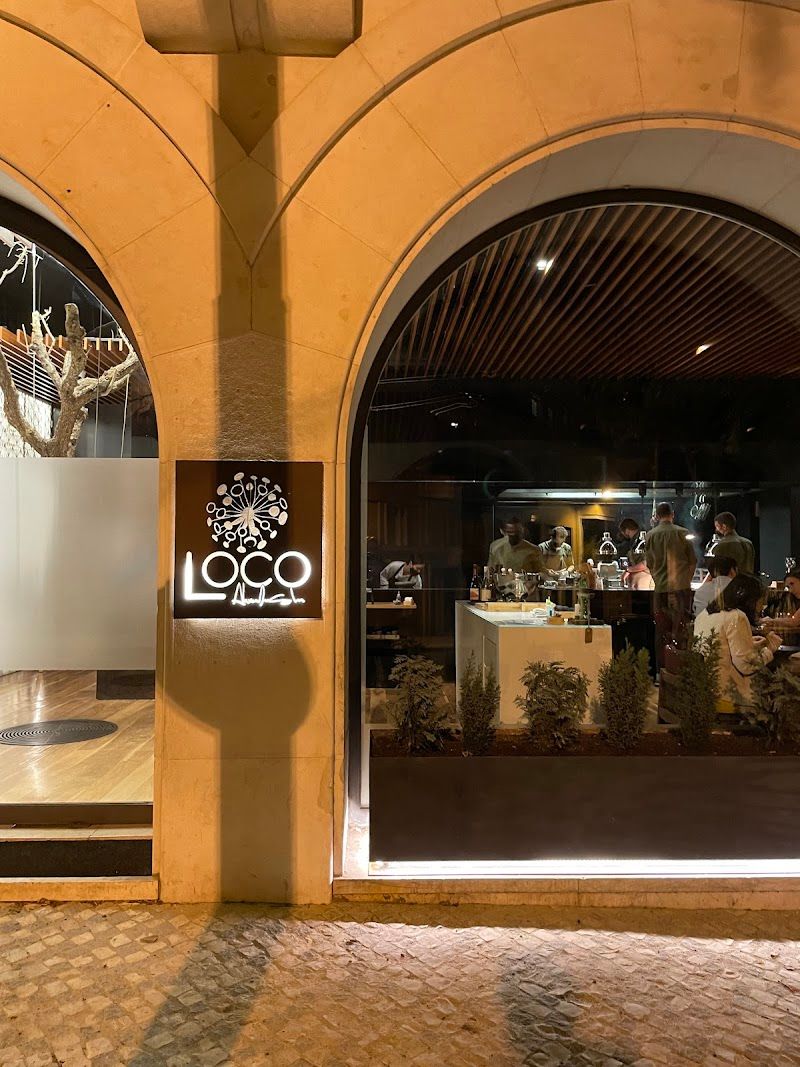
Loco
Chef Alexandre Silva's Michelin-starred restaurant serving hyper-seasonal Portuguese tasting menus (EUR 125). Dishes change weekly based on what's available from small suppliers. Minimalist dining room focuses attention on the creative, precise cuisine. Wine pairings emphasize small Portuguese producers.
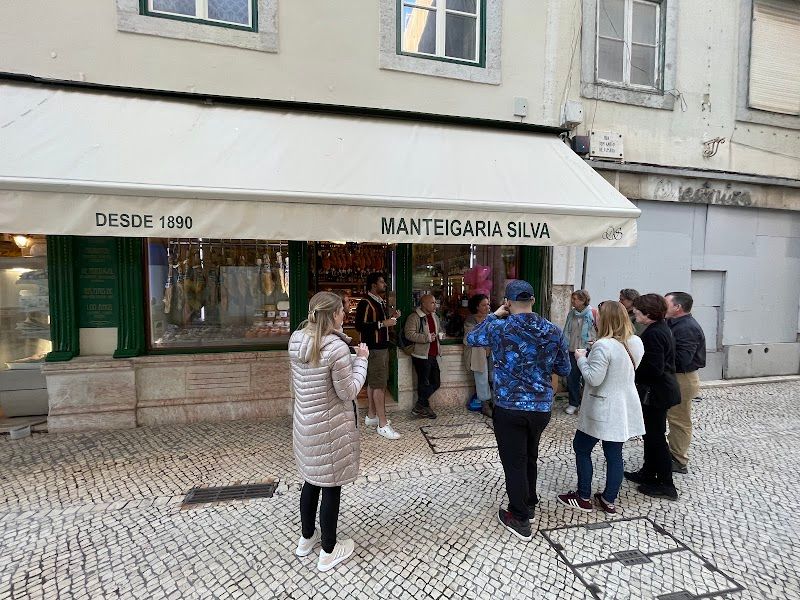
Manteigaria Silva
Historic 1890 delicatessen and tasca selling artisanal Portuguese products - presunto, cheeses, tinned fish, wine. The back room serves simple lunches of cured meats, cheese boards, and conservas. Stand at the marble counter with a glass of wine and petiscos for EUR 8-12.
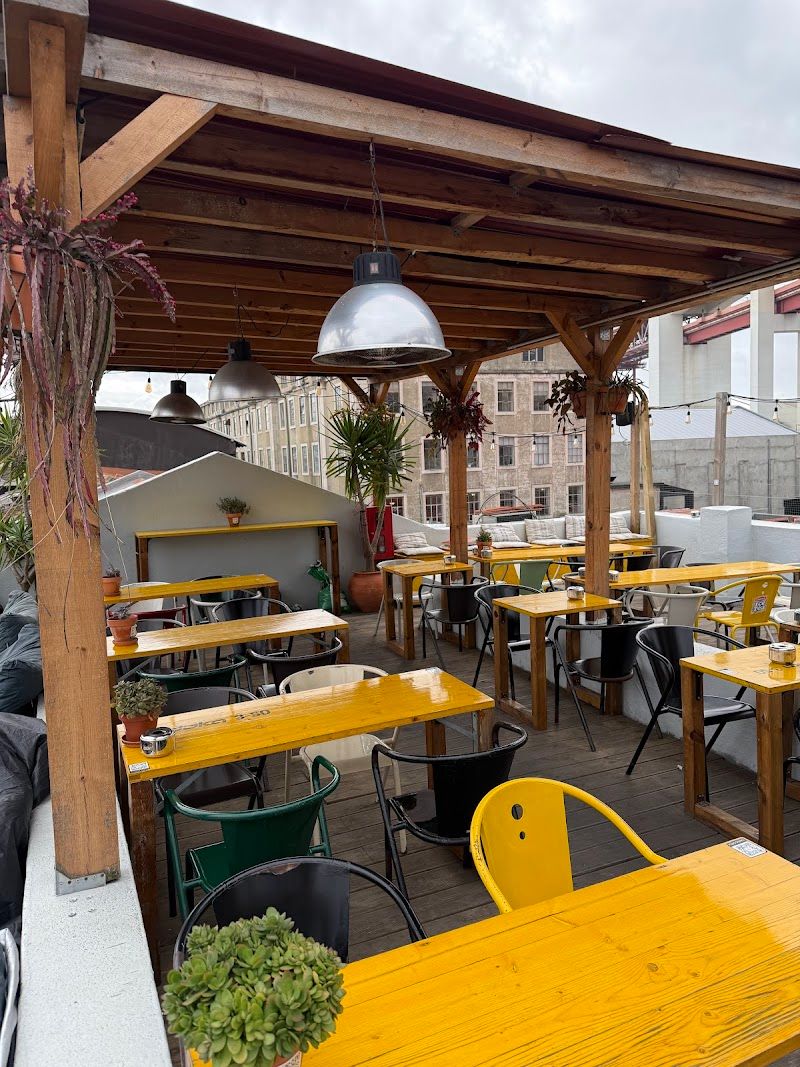
LX Factory - Rooftop Bar
Industrial-chic rooftop space within the LX Factory creative complex overlooking the 25 de Abril Bridge. The repurposed factory setting attracts a creative crowd for sunset drinks and DJ sessions. Cocktails run EUR 8-10 with occasional live music and art market events.
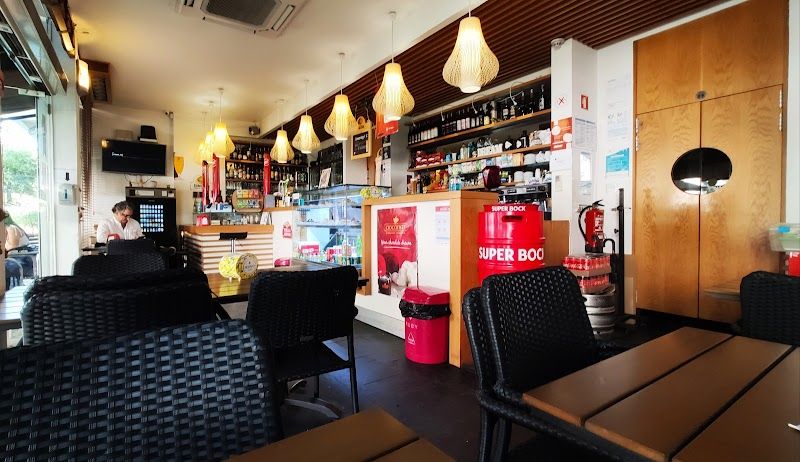
LX Coffee
Industrial-chic coffee shop inside LX Factory's converted warehouse with high ceilings and vintage espresso machines on display. The roastery supplies beans to half the specialty shops in Lisbon, and their baristas pull consistently excellent shots.
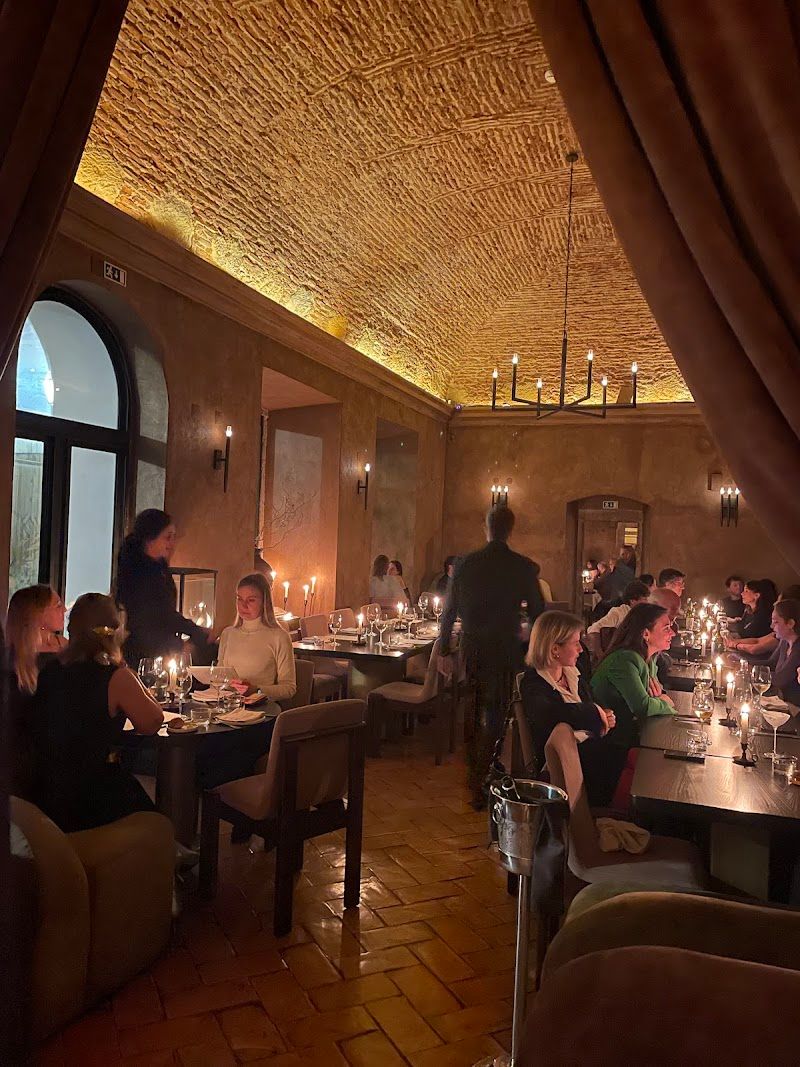
A Travessa
Romantic restaurant in a converted convent with garden dining in the peaceful courtyard. Portuguese and Mediterranean dishes served under orange trees and bougainvillea. Slightly formal atmosphere, excellent for special occasions. Mains EUR 20-32, wine list strong in Alentejo reds.

Lisbon Urban Art Tours
Mouraria's street art scene explodes across entire building facades, with Portuguese heavyweights like Vhils carving faces into concrete and Bordalo II creating massive sculptures from trash. You'll walk through narrow streets where international artists from the CRONO urban art project have transformed abandoned buildings into gallery walls. The tours are led by working local artists who know the stories behind each piece and can explain techniques like Vhils' signature concrete carving method. The 2.5-hour walk winds through Mouraria's steep cobblestone streets, stopping at around 12 major works including Bordalo II's giant animal sculptures made entirely from discarded materials. Your guide pauses at each piece to explain the artist's background and the neighborhood's role in Lisbon's urban art boom since 2010. You'll climb stairs, duck into courtyards, and peer around corners where massive murals cover entire apartment blocks. The atmosphere shifts from gritty industrial to surprisingly artistic as you move through different pockets. Most street art tours in Lisbon are disappointing, but this one works because the guides are actual practicing artists, not just enthusiasts with Wikipedia knowledge. Skip the weekend tours when groups get too large (over 15 people). The tour costs around 18 EUR and you don't need to book ahead, just show up at the meeting point on Gomes Freire street.

Cooking Lisbon
Cooking Lisbon operates from a restored 18th-century kitchen in Mouraria where you'll learn to make proper Portuguese dishes like bacalhau à brás, caldo verde, and those tricky pastéis de nata that require serious technique. The four-hour classes cover three courses plus dessert, and you'll actually understand why Portuguese cooking relies so heavily on olive oil, garlic, and patience. Chef André keeps groups small (maximum 12 people) and teaches traditional methods his grandmother used, not Instagram-friendly shortcuts. You'll start by selecting ingredients at the neighborhood market, then spend most of your time in the atmospheric stone kitchen learning knife skills and proper seasoning. The pace feels relaxed but focused, and André explains the history behind each dish while you cook. The best part comes at the end when you sit down to eat everything you've prepared, paired with three Portuguese wines that actually complement the food instead of just being thrown together. At €85 per person, it's excellent value compared to similar classes in Chiado that charge €120 for less hands-on time. Skip the weekend sessions if you can, weekday classes have better group dynamics and more personal attention. The pastéis de nata lesson alone is worth the price, most cooking schools skip the custard technique that makes them actually good instead of just acceptable.

Vertice Dolphin Watching
Vertice Dolphin Watching runs catamaran trips from Setúbal harbor to the Sado Estuary, where Portugal's only resident pod of bottlenose dolphins lives year-round. You'll spend three hours on a stable catamaran searching for 30+ dolphins that call these waters home, plus occasional sightings of stingrays, seahorses, and migrating birds. The estuary's shallow, protected waters create ideal conditions for marine life, making this one of Europe's most reliable dolphin experiences. The catamaran holds about 40 passengers but never feels crowded thanks to multiple viewing decks and outdoor space. Your guide points out dolphin behavior as pods surface around the boat, often curious enough to approach within meters. The Sado's calm waters mean minimal seasickness, and the crew provides marine life commentary in English and Portuguese. You'll cruise past traditional fishing boats, salt pans, and the estuary's reed-lined shores while scanning for dorsal fins. Most operators overpromise, but Vertice delivers genuine 90% sighting rates on morning trips. Skip afternoon departures when dolphins rest in deeper water and your chances drop to 70%. The €35 price is fair for three hours, though they'll try selling overpriced snacks onboard. Book directly to avoid €5 booking fees from third-party sites.

Memória das Peles
Memória das Peles occupies a small workshop space inside a shopping center. This is where genuine Portuguese leather craftsmanship takes place. You'll find Luís working at his bench, hand-stitching bags, wallets, and belts using techniques his grandfather taught him. The leather comes from Portuguese tanneries and smells appealing when you walk in. Everything here is made to order, with prices starting around €35 for wallets and €80 for small bags. The shop feels like visiting an artisan's studio. Luís works openly in the space, so you'll hear the rhythmic tapping of his hammer and see him cutting patterns by hand. He speaks excellent English and loves explaining the difference between machine and hand stitching. The finished pieces hang around the small space: rich brown and black leather goods with clean, minimal designs that'll last decades. You can handle everything and feel the quality immediately. Most leather shops in Lisbon sell mass produced items from other countries, but these are the genuine articles at fair prices. Custom orders take about two weeks and cost roughly 20% more than ready pieces. It's worth skipping the shopping center's other stores, as they're generic chains you can find anywhere. Visit Luís specifically, ideally on weekdays when he's not rushed and has time to chat about his craft.
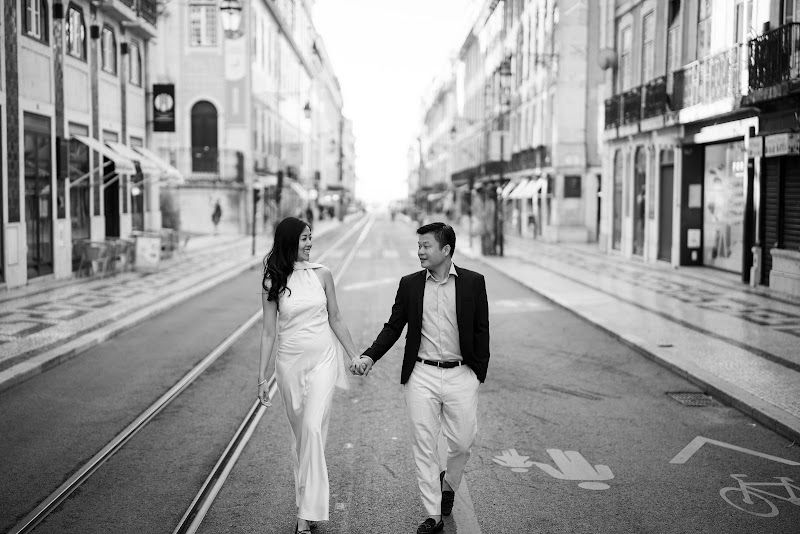
Lisbon Photography Tours
These half-day workshops pair professional photographers with small groups (maximum 8 people) to capture Lisbon's most photogenic neighborhoods during golden hour. You'll spend three hours moving between Graça and Alfama, learning composition techniques at famous miradouros like Senhora do Monte and Santa Luzia, photographing traditional azulejo tile work, and capturing authentic street life in narrow medieval alleys. The sessions cover both technical camera settings and basic editing on your phone or laptop. The tour starts at 4pm in Graça's quieter streets before the light gets interesting. Your guide demonstrates shot composition using the city's layered architecture, then lets you practice while offering individual feedback. The pace feels relaxed but purposeful: you'll stop frequently for 10-15 minutes at each spot, shoot the same scene from multiple angles, and compare results with other participants. By 6:30pm you're positioned at the best viewpoints watching the sun set over terracotta rooftops and the Tagus. At €75 per person, it's excellent value compared to similar tours in other European capitals. Skip this if you're already comfortable with manual camera settings: the technical instruction stays fairly basic. The real worth comes from location knowledge and timing. Your guide knows exactly when the light hits each miradouro and which narrow Alfama streets photograph best in late afternoon shadows.
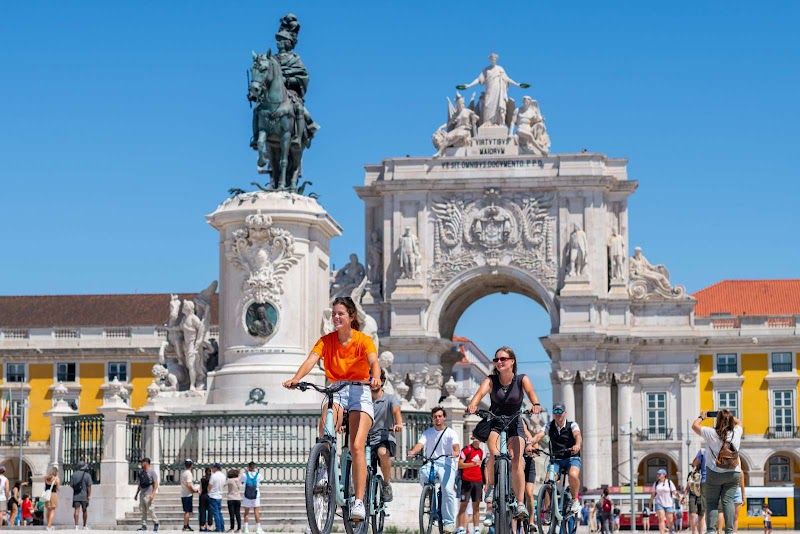
Lisbon Bike Tour
This guided bike tour takes you through Parque das Nações, Lisbon's modern waterfront district built for Expo 98. You'll cycle 15km of flat terrain along the Tagus River, passing the striking Vasco da Gama Bridge, the futuristic Oceanarium, and architectural landmarks like the Portugal Pavilion and Oriente Station. The route covers the Cable Car station, contemporary shopping centers, and waterfront promenades with river views throughout. The ride feels refreshingly easy after Lisbon's notorious hills, with wide bike paths and minimal traffic. Your guide shares stories about the massive urban transformation that turned industrial wasteland into this sleek district. The contemporary architecture creates a stark contrast to Lisbon's historic quarters, and you'll stop frequently for photos at the most photogenic spots. The constant river breeze keeps things comfortable even on warm days. Most bike tours in Lisbon involve serious hill climbing, making this flat route perfect if you want to actually enjoy cycling rather than suffer through it. The 10am departure works best since you'll finish near the Oceanarium at noon, ideal timing to continue with an aquarium visit. Skip the afternoon tours when the waterfront gets crowded with families and the sun reflects harshly off all that modern glass and concrete.
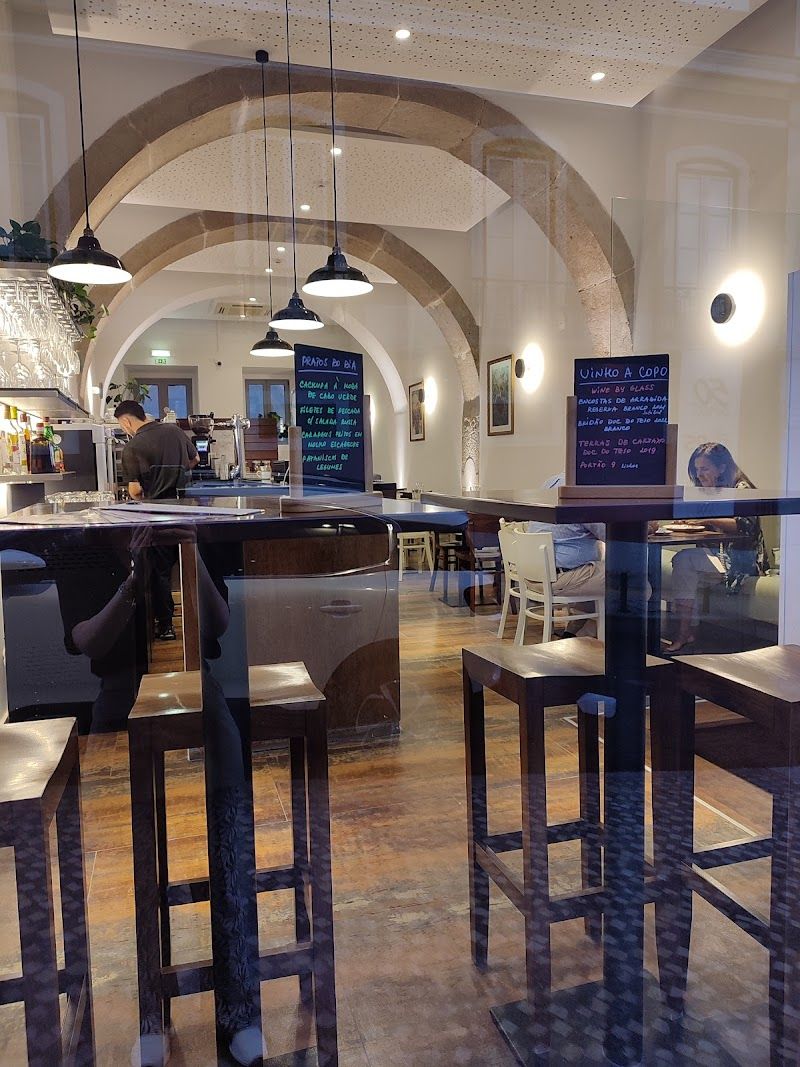
Pois Café
A cozy, living-room style café tucked away in Alfama's winding streets, serving homemade cakes, healthy lunch options, and specialty coffees. The mismatched vintage furniture and bookshelf-lined walls create a bohemian atmosphere beloved by locals and expats. It's an ideal spot to relax with a book or laptop away from the tourist crowds.
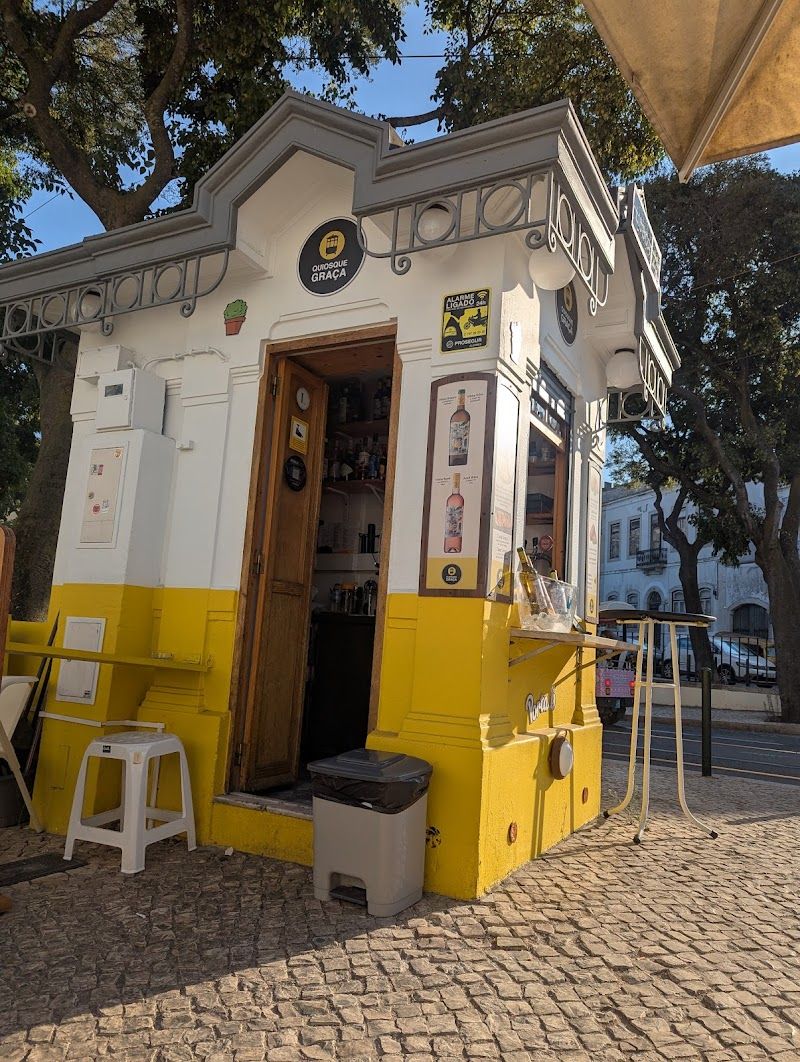
Quiosque da Graca
Hilltop kiosk on Miradouro da Graca's terrace under massive pine trees, packed with locals drinking imperial beers and tourists catching breath after the climb. The EUR 1 espresso tastes better with panoramic views across the castle and downtown.
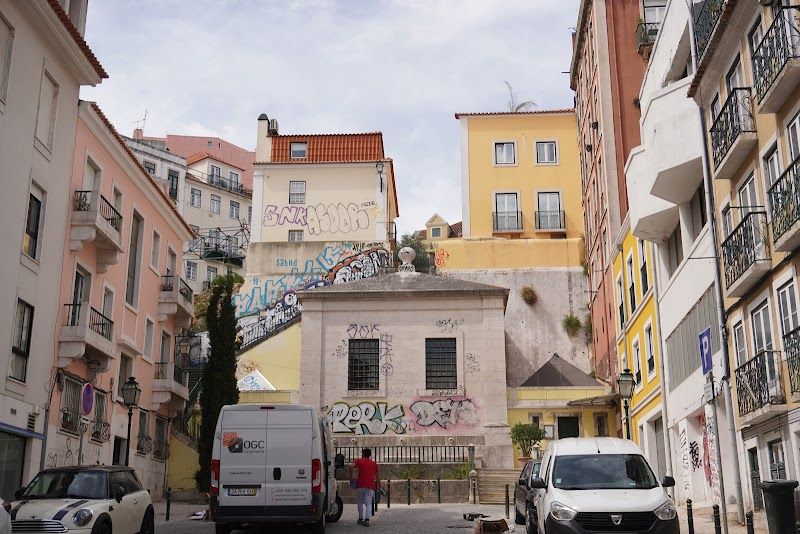
Enoteca Chafariz do Vinho
Wine bar inside a converted 18th-century fountain building serving 1,000+ Portuguese wines by the glass or bottle. Small plates of cheese, presunto, and conservas complement the wine. Knowledgeable staff guide you through regions and varietals. EUR 15-25 per person for wine and snacks.