Portugal
Lisbon
Sun-bleached tiles, sharp bicas, and hills that earn every view
Best Time
March-May and September-October
Ideal Trip
3-4 days
Language
Portuguese, some English in tourist areas
Currency
EUR
Budget
EUR 71-109/day (excl. hotel)
About Lisbon
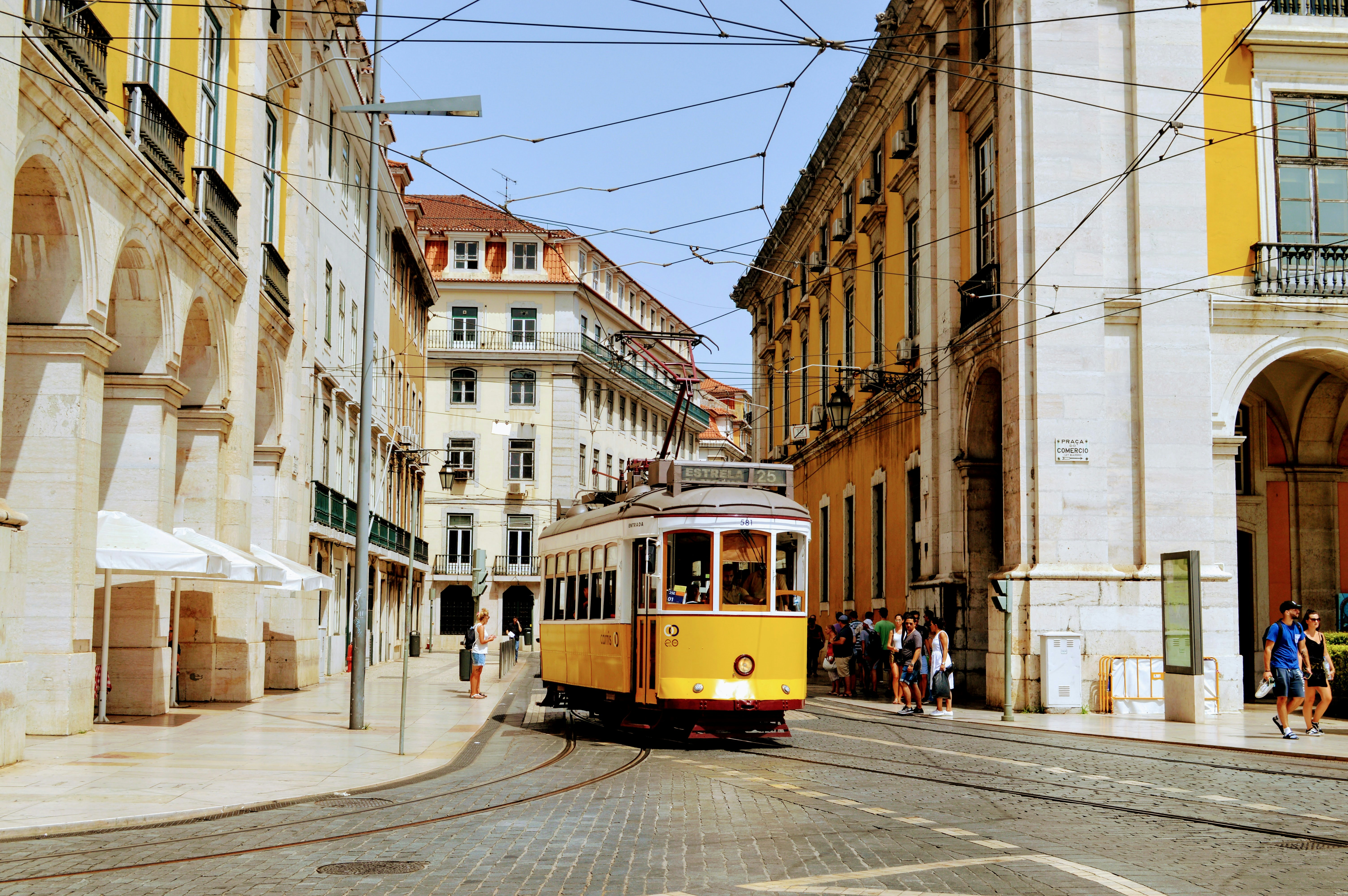
Lisbon is the kind of city that feels like it was designed for walking, even though your calves will disagree by day two. Seven hills means the terrain is relentless, but it also means viewpoints everywhere - free miradouros where you sit with a EUR 2 imperial from the kiosk and watch the light do extraordinary things to the Tagus. Painters and photographers have been saying the Lisbon light is special for centuries, and they are right. Late afternoon golden hour turns the tile facades into something between a painting and a fever dream.
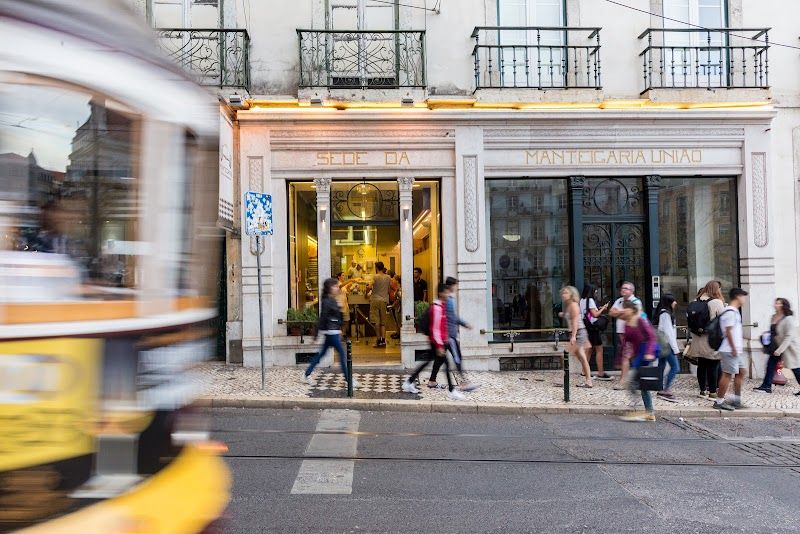
The food is honest, cheap, and better than it has any right to be at these prices. A bica (what locals call espresso - never say "espresso" here) costs EUR 0.70 standing at the bar. A bifana (pork sandwich) is EUR 3-4 and can be the best meal of your day. Pasteis de nata are everywhere but only two places matter: Pasteis de Belem (the original, since 1837) and Manteigaria in Chiado. A full meal at a good neighbourhood tasca runs EUR 10-15 with wine. Lisbon is the cheapest Western European capital for eating well.
The neighbourhoods have distinct personalities. Alfama has been here since the Moors, its tangled lanes now lined with fado bars and drying laundry. Belem has the monuments and the monastery that spice-trade money built. Mouraria is where fado actually started (before Alfama claimed it) and where you eat Bangladeshi, Chinese, and Mozambican food for under EUR 8. Principe Real is where young Lisboetas brunch on Saturdays. LX Factory turned an industrial complex under the bridge into the creative heart of the city.
Tram 28 is famous and packed with pickpockets. Ride it once, early morning before 9 AM, or skip it entirely and take Tram 12, which covers similar ground through Alfama with a fraction of the crowds. The Viva Viagem card (EUR 0.50 plus top-up) makes public transport cheap. The hills are steep enough that tuk-tuks exist, but they charge EUR 30+ for what is a 15-minute walk. Save them for genuine mobility needs. Fado is real and still alive - not museum music, not just for tourists. The informal sessions in Mouraria tascas, where a fadista sings to a room of twenty people over dinner, are the ones that stay with you.
Neighborhoods
Each district has its own personality
Alfama
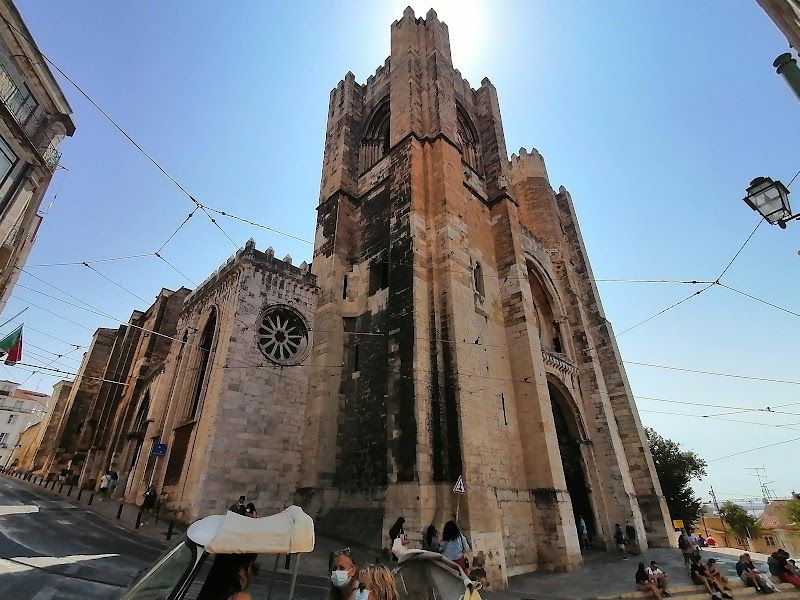
The soul of old Lisbon - narrow lanes, fado from open windows, and neighbourhood life that predates everything else in the city
Baixa & Rossio
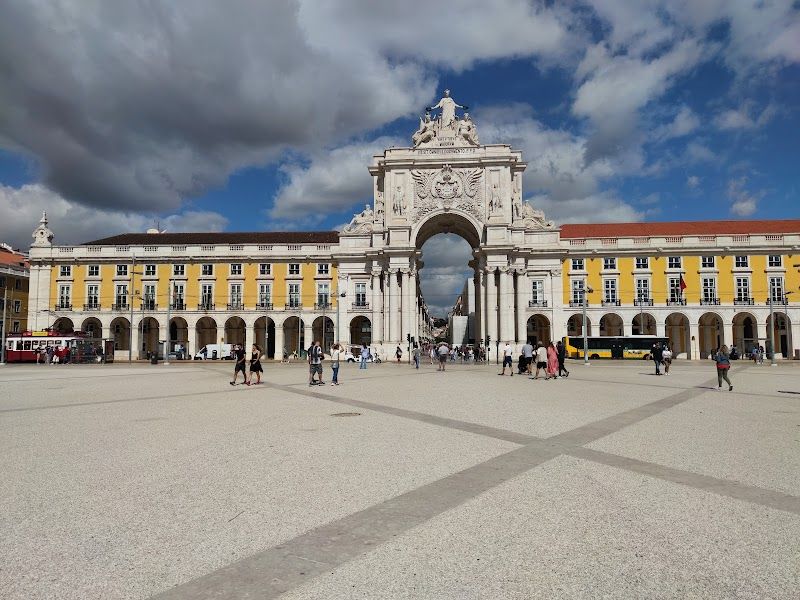
Lisbon's grand centre - the Enlightenment grid built from rubble, opening onto the river at one end and the hills at every other
Chiado & Bairro Alto
Chiado's elegant cafes by day, Bairro Alto's 200-bar street party by night - Lisbon's day and evening split personality
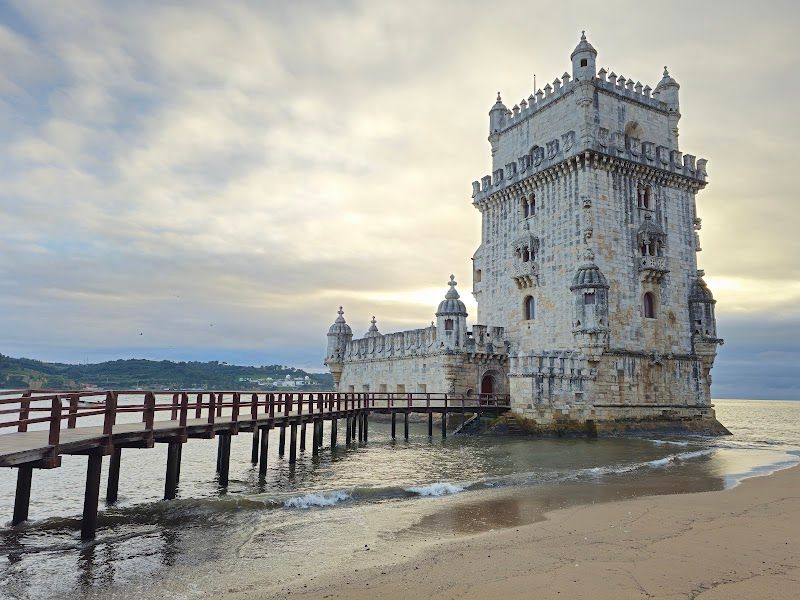
Belem
Monumental Lisbon - where the Age of Discovery launched from, where the spice-trade money built the monastery, and where the best pasteis de nata still come from
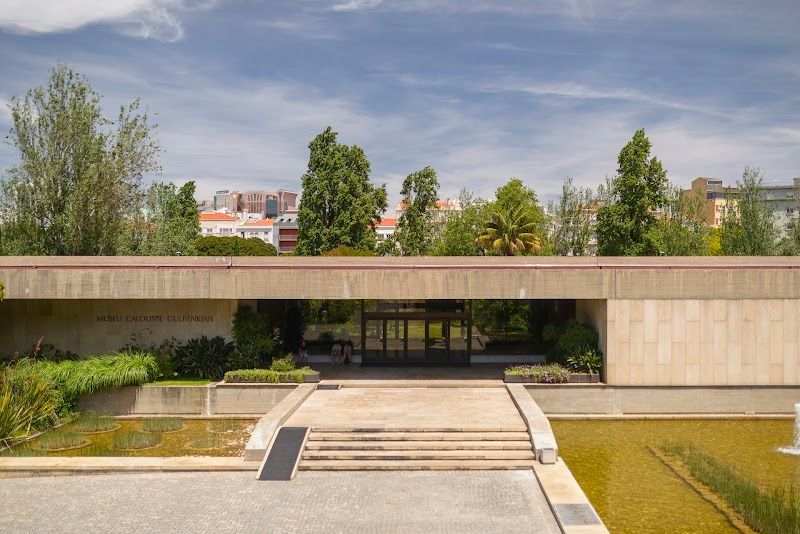
Principe Real & Rato
Lisbon's most polished neighbourhood - design shops, Saturday brunch culture, and the garden that everyone wishes they lived next to
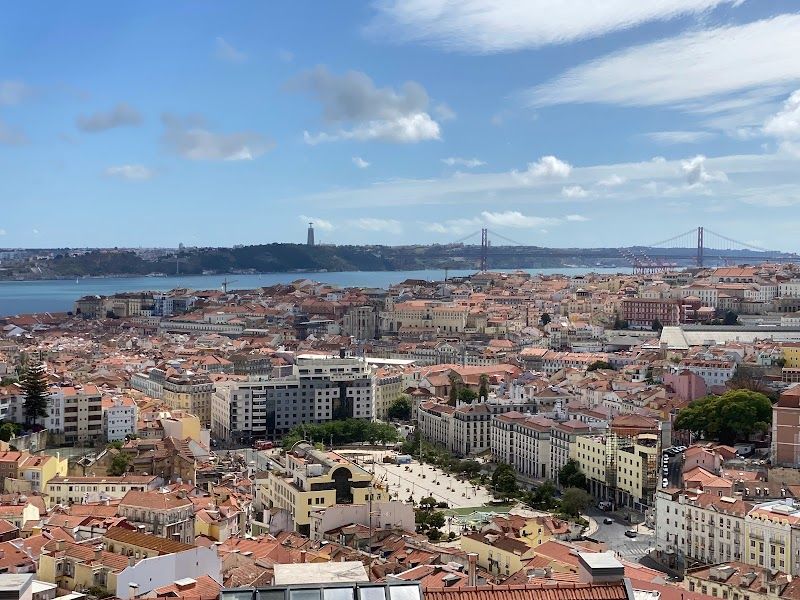
Mouraria & Intendente
The birthplace of fado and Lisbon's most multicultural neighbourhood - five continents of food at local prices, with the best street art in the city
Things to Do
Top experiences in Lisbon
Alfama
Alfama survived the 1755 earthquake because the Moors built it right - twisting lanes that absorb rather than amplify seismic waves. You'll spend 2-3 hours wandering streets so narrow that residents chat between third-floor windows, past doorways where fado singers rehearse and courtyards where old men play cards. The neighbourhood flows from the castle walls down to the cathedral, with two excellent viewpoints (Miradouro de Santa Luzia and Portas do Sol) marking the transition from residential maze to river views. The experience feels like walking through someone's living room that happens to be outdoors. Laundry hangs overhead, cats nap on warm stones, and every corner reveals another postcard moment. The cobblestone streets reflect centuries of foot traffic, worn smooth as marble. You'll hear fragments of conversation, clinking glasses, and the occasional guitar from open taverna doors. The light changes dramatically as you move between sun-soaked squares and shadowy passages. Most guides oversell the formal fado houses - the spontaneous music in neighborhood tascas is more authentic and costs the price of a drink (€3-5 vs €25-40 minimum elsewhere). The Feira da Ladra flea market (Tuesdays/Saturdays) has genuine finds if you arrive early, but skip the overpriced tourist shops on the main drag. Focus your time on the upper section near Largo do Chafariz de Dentro where tour groups rarely venture.
Praca do Comercio
Praça do Comércio is Lisbon's grand waterfront plaza, a massive 36,000 square meter space that opens directly onto the Tagus River. Three sides are lined with matching yellow buildings housing government offices and tourist-trap cafes, while the fourth side gives you unobstructed river views. The centerpiece is the triumphal Arco da Rua Augusta (€3 for the top viewing platform), which frames the entrance to Rua Augusta pedestrian street, and there's an equestrian statue of King José I right in the center. The square feels genuinely grand - you can sense the royal ambitions that built this place before the 1755 earthquake destroyed the original palace. Locals gather on the riverside steps with beers at sunset, while tourists cluster around the arch taking photos. The space hosts weekend markets, outdoor concerts, and the occasional political rally, so there's usually something happening beyond just sightseeing. Walking across it takes about 5 minutes, but you'll want to linger by the water. Most people rush through to reach Rua Augusta, but the real attraction is the riverside setting - it's genuinely one of Europe's most impressive city squares. Skip the overpriced cafes under the arcades and grab drinks from a nearby supermarket instead. The arch's viewing platform is worth €3 if you want photos down Rua Augusta, but the river views from ground level are free and better.
Tower of Belem
The Torre de Belém stands sentinel where Portuguese caravels once departed for the New World, a 16th-century fortress that's become Lisbon's most photographed monument. You're here for the extraordinary Manueline stonework covering every surface - twisted rope carvings, maritime motifs, and those famous Moorish watchtowers that blend Christian and Islamic influences. The most famous detail is the rhinoceros gargoyle on the northwest corner, carved to commemorate the first rhino that reached Europe in 1515. The tower feels smaller than expected when you're standing beneath it, but that intimacy makes the carved details more impressive. Crowds circle constantly with cameras, and the interior queues snake around the base most days. Inside, you'll climb a claustrophobic spiral staircase through former prison cells and ammunition stores to reach the top terrace. The views over the Tagus are pleasant but hardly spectacular, and the narrow stairs create bottlenecks that slow everything down. Here's what most guides won't tell you - the exterior is genuinely the main attraction, and it's free to admire from every angle. At €6 for adults, the interior feels overpriced for what amounts to cramped medieval rooms and average views. Your time is better spent walking the waterfront promenade for different perspectives, then heading to Jerónimos Monastery where the interior actually justifies the entrance fee.
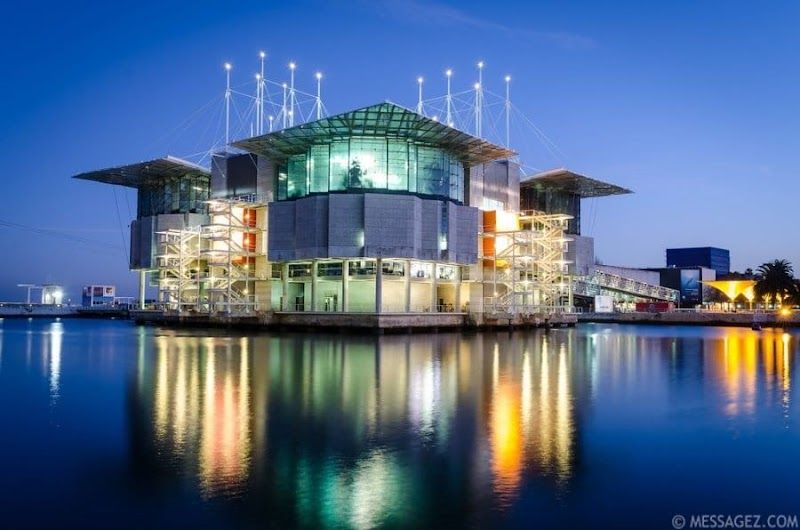
Oceanario de Lisboa
The Lisbon Oceanarium houses one of the world's most impressive main tanks - 5 million litres where sunfish the size of small cars glide alongside dozens of sharks, massive rays, and hundreds of tropical fish species. You'll circle this enormous central habitat viewing it from four levels, each designed to represent different oceanic environments. The second building holds the real crowd-pleasers: playful sea otters that tumble and dive behind floor-to-ceiling glass, colonies of penguins, and a mesmerizing jellyfish gallery with species that pulse and drift like living art. Your visit flows naturally around the central tank, starting from the top level and spiraling down. The lighting creates an almost meditative atmosphere - you'll find yourself stopping longer than planned as schools of tuna sweep past in perfect formation. The sea otter exhibit consistently draws the biggest crowds, especially during feeding times when they perform acrobatic dives. The jellyfish section downstairs feels like entering another planet, with moon jellies and upside-down jellies floating in illuminated cylindrical tanks. At EUR 25 for adults, it's pricey but justified - this genuinely rivals any aquarium globally. Most visitors rush through in 90 minutes, but you'll want at least 2.5 hours to appreciate the details. The temporary exhibitions are consistently excellent and included in your ticket. Skip the overpriced café inside and eat in Parque das Nações afterward.
Castelo de Sao Jorge
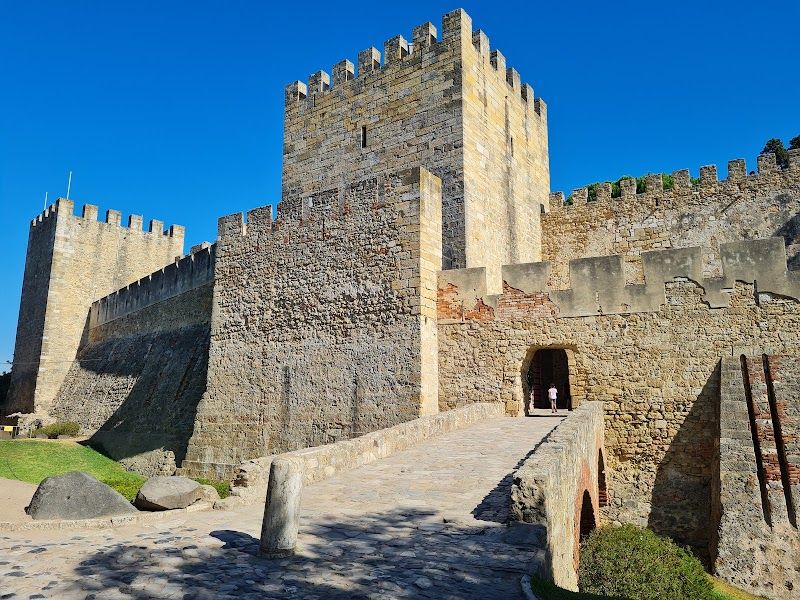
Castelo de São Jorge crowns Lisbon's highest hill with medieval walls that frame the city's best panoramic views. You'll walk ancient ramparts (though they're largely 20th-century reconstructions after earthquake damage) while peacocks roam the gardens freely. The real draw is the Camera Obscura, a 360-degree live projection of Lisbon that updates in real-time, plus views stretching from the Tagus River to the red rooftops of Alfama below. The visit flows naturally from the entrance gates through terraced gardens where peacocks strut between olive trees and archaeological ruins. You'll climb stone steps along the fortress walls, stopping at multiple viewpoints that reveal different angles of the city. The Camera Obscura tour runs every 20 minutes in a small darkened room where mirrors project a bird's-eye view of Lisbon onto a white dish. At EUR 15, you're paying premium prices for walls and views, but those views genuinely justify the cost. Skip the small museum inside (it's forgettable) and focus your time walking the complete rampart circuit. The archaeological site adds some context, but most people come for Instagram shots and leave satisfied. The steep climb through Alfama to reach the entrance is half the experience.
Pastéis de Belém
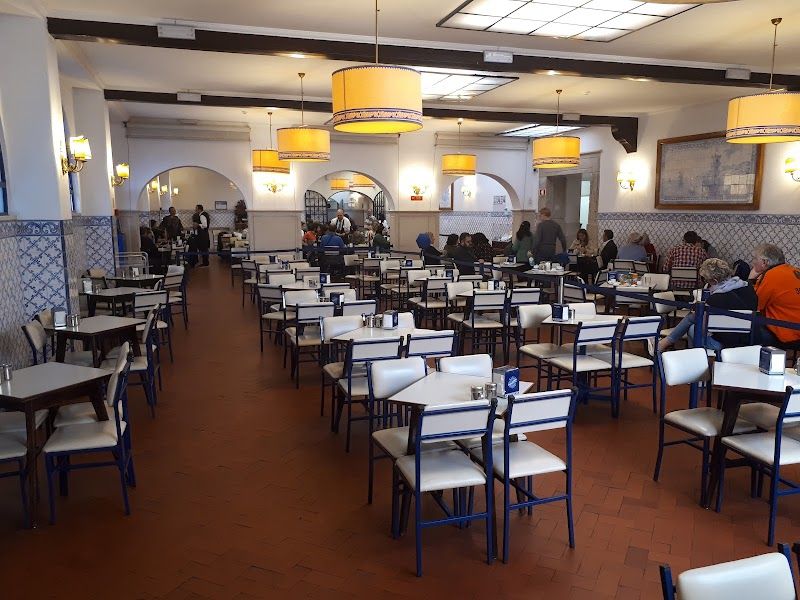
This blue-tiled bakery has been turning out pastéis de nata since 1837 using the original recipe from Jerónimos Monastery monks - they're the only place legally allowed to call them "Pastéis de Belém." You'll watch bakers through glass windows rolling impossibly thin pastry and filling thousands of metal molds, producing over 20,000 tarts daily. The difference between these and regular pastéis de nata isn't subtle - the custard has more depth and the pastry shatters differently. The takeaway counter draws endless tourist queues, but smart visitors head straight into the sprawling dining rooms that feel like a Portuguese grandmother's house expanded to restaurant size. Waiters in bow ties navigate between families, couples, and solo travelers all doing the same thing - eating warm tarts with coffee while powdered cinnamon and sugar packets pile up on checkered tablecloths. The atmosphere is unhurried despite the constant turnover. Most guides treat this like a quick photo stop, but you'll want 30 minutes minimum to properly appreciate what you're eating. At €1.40 per tart and €0.70 for espresso, it's cheaper than most tourist traps yet infinitely better. Don't bother with more than two tarts - they're rich enough that three becomes a chore, not a pleasure.
Centro Comercial Colombo
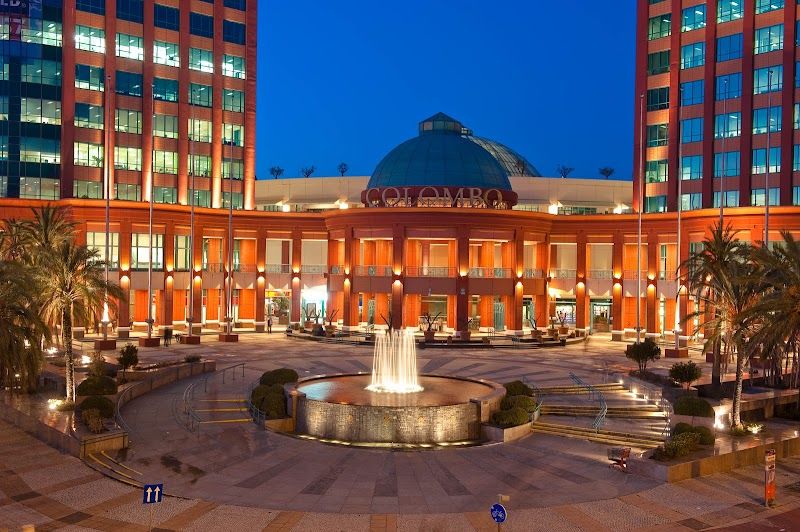
Centro Comercial Colombo is Portugal's largest shopping mall, sprawling across three floors with over 340 stores ranging from Zara and H&M to Portuguese chains like Tiffosi and Salsa. You'll find a 10-screen cinema complex, a massive food court, and everything from electronics to home goods - it's essentially a self-contained retail universe that could easily eat up half your day. The mall serves both locals doing serious shopping and tourists seeking familiar brands or escaping Lisbon's frequent drizzle. The experience feels like any major European mall - marble floors, bright lighting, and crowds of families navigating between anchor stores like El Corte Inglés and Continente hypermarket. The top floor cinema stays busy with both Portuguese and international films (often subtitled, not dubbed), while the food court serves everything from McDonald's to decent Portuguese chains like Telepizza. You'll hear a mix of Portuguese, English, and other European languages as tourists and locals cross paths between stores. Most travel guides either ignore this place completely or dismiss it as soulless, but that misses the point. If you need practical items, decent prices on electronics, or English-language books, this beats wandering tourist-heavy areas downtown. The Continente supermarket is perfect for stocking up on Portuguese products to take home - their wine selection runs €3-15 per bottle. Skip the expensive restaurants and stick to the food court where meals cost €6-10.
Time Out Market Lisboa
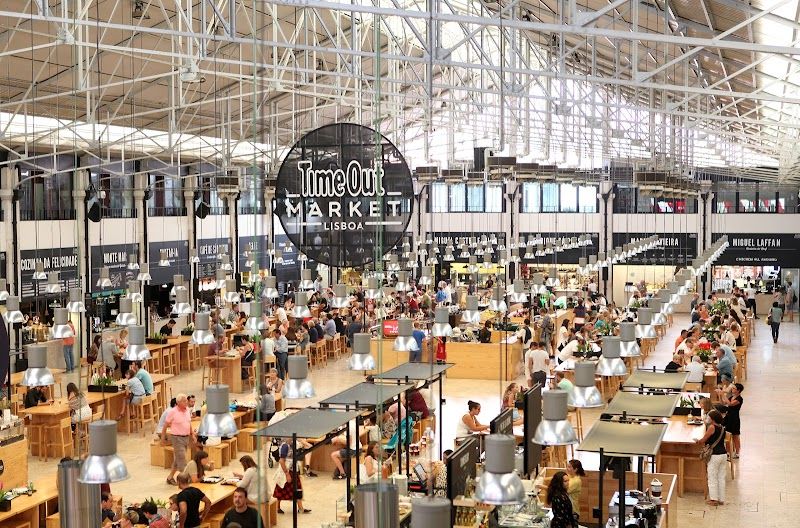
Curated food hall inside the historic Mercado da Ribeira with 40+ stalls from Lisbon's top chefs and restaurants. Each vendor offers 3-4 signature dishes at fair prices (EUR 8-15). Central seating means weekends involve serious competition for tables - come weekdays before 1pm.
Lisbon Sailors
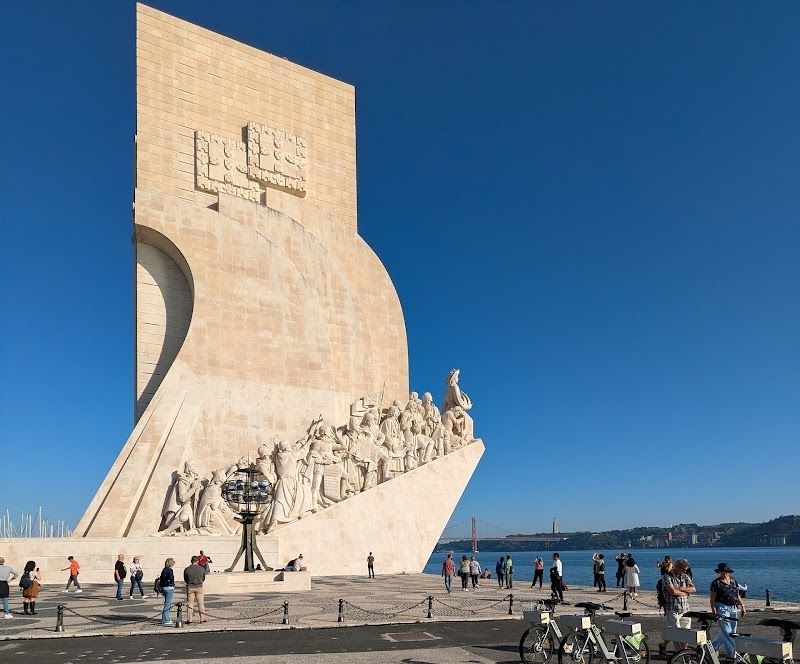
Lisbon Sailors runs intimate sunset cruises for groups of 8-12 people on traditional Portuguese sailboats, departing from the marina at Doca de Belém. You'll sail past the Torre de Belém, under the rust-red 25 de Abril Bridge, and get unobstructed views of the Cristo Rei statue across the Tagus. The wooden boats are authentically restored, and you'll actually help hoist the sails if wind conditions allow - it's hands-on sailing, not just a floating tour bus. The experience feels genuinely Portuguese rather than touristy. Your captain shares stories about Lisbon's maritime history while pouring Portuguese wine from actual glasses (not plastic cups). The boat moves at a proper sailing pace, giving you time to appreciate how the city looks from the water - the terracotta rooftops climbing the hills, the Monument to the Discoveries jutting into the river, and the dramatic scale of the suspension bridge overhead. Other passengers tend to be couples and small groups of friends rather than large tour groups. At €35-40 per person, it's excellent value compared to similar tours in other European capitals that charge €60+. Most sunset sailing tours in Lisbon are overcrowded catamarans with 30+ people - this feels more like sailing with knowledgeable locals. The only downside is weather dependence; they'll switch to motor if there's no wind, which changes the whole vibe. Book directly through their website to avoid markup from tour operators.
LX Factory
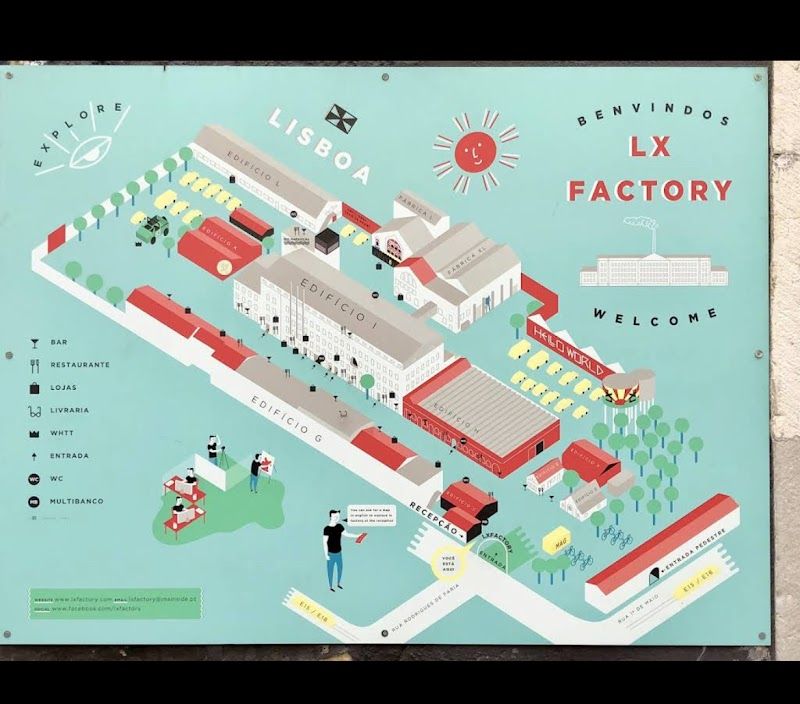
LX Factory transforms a gritty 19th-century textile complex into Lisbon's most creative hub, sprawling beneath the red steel of Ponte 25 de Abril. You'll find 200 shops, studios, and eateries crammed into repurposed industrial buildings where exposed concrete, rusted beams, and faded factory signage create an authentic post-industrial vibe. The crown jewel is Ler Devagar bookshop, famous for its flying bicycle installation suspended above towering bookshelves that reach a glass ceiling. Walking through feels like exploring an artistic squat that got legitimized - graffiti covers exterior walls while interiors house everything from vintage clothing boutiques to architects' studios. The central courtyard buzzes with outdoor seating where you'll hear Portuguese, English, and everything in between. Ler Devagar's mezzanine cafe lets you sip coffee surrounded by 50,000 books, while the ground floor restaurants actually deliver quality food instead of tourist trap mediocrity. Most visitors rush through in 45 minutes, but you need two hours minimum to appreciate what's here. Skip the overpriced souvenir shops on the periphery and focus on Ler Devagar, Landeau Chocolate (their cake costs €4.50 but it's worth it), and 1300 Taberna for proper Portuguese dishes around €12-16. Sunday's brunch market draws massive crowds after 1 PM, so arrive early or stick to weekdays when everything's calmer and lunch prices drop significantly.
Jeronimos Monastery
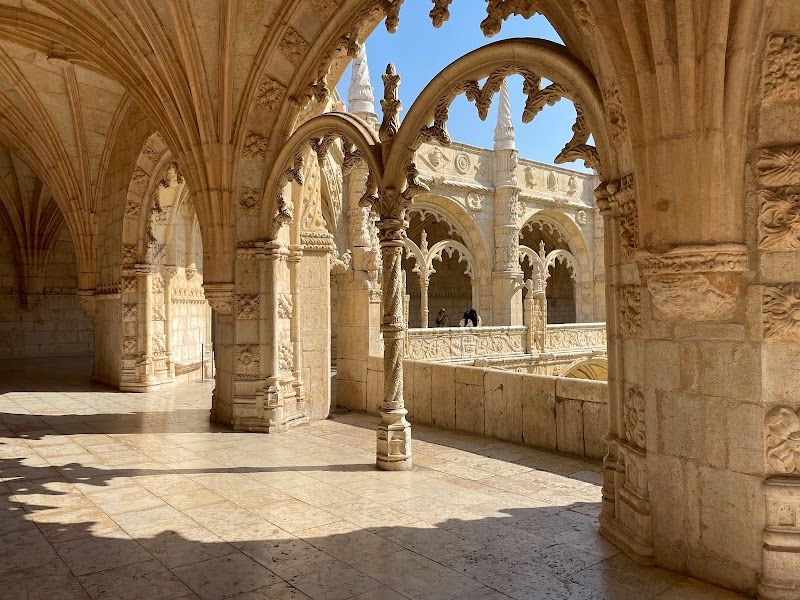
The Jerónimos Monastery is Portugal's architectural crown jewel, built with gold from Vasco da Gama's spice routes when Manuel I had money to burn. You're here for the Manueline stonework - imagine Gothic architecture that discovered seafaring and went completely overboard with maritime motifs. Every surface crawls with carved ropes, coral, shells, and twisting organic forms that took master craftsmen a century to complete. The two-story cloister is where you'll spend most of your time, and honestly, the detail is ridiculous - each column tells a different story in stone. Walking through feels like entering a stone garden where architecture becomes sculpture. The cloister's gallery runs around a central courtyard where orange trees grow, and you'll find yourself stopping constantly to examine another intricate carving. The church nave soars overhead with palm-tree columns that seem to grow from the floor, while light filters through creating dramatic shadows on the limestone. It's surprisingly peaceful despite the crowds - the scale swallows the noise. Most people rush through in 45 minutes, but you need at least 75 to appreciate what you're seeing. The church is always free and worth seeing even if you skip the €10 cloisters. Sunday mornings before 2 PM are free but packed - arrive at opening (10 AM) or pay the fee for a calmer experience. Skip the maritime museum next door unless you're genuinely into nautical history - the monastery itself tells the story better.
Elevador de Santa Justa
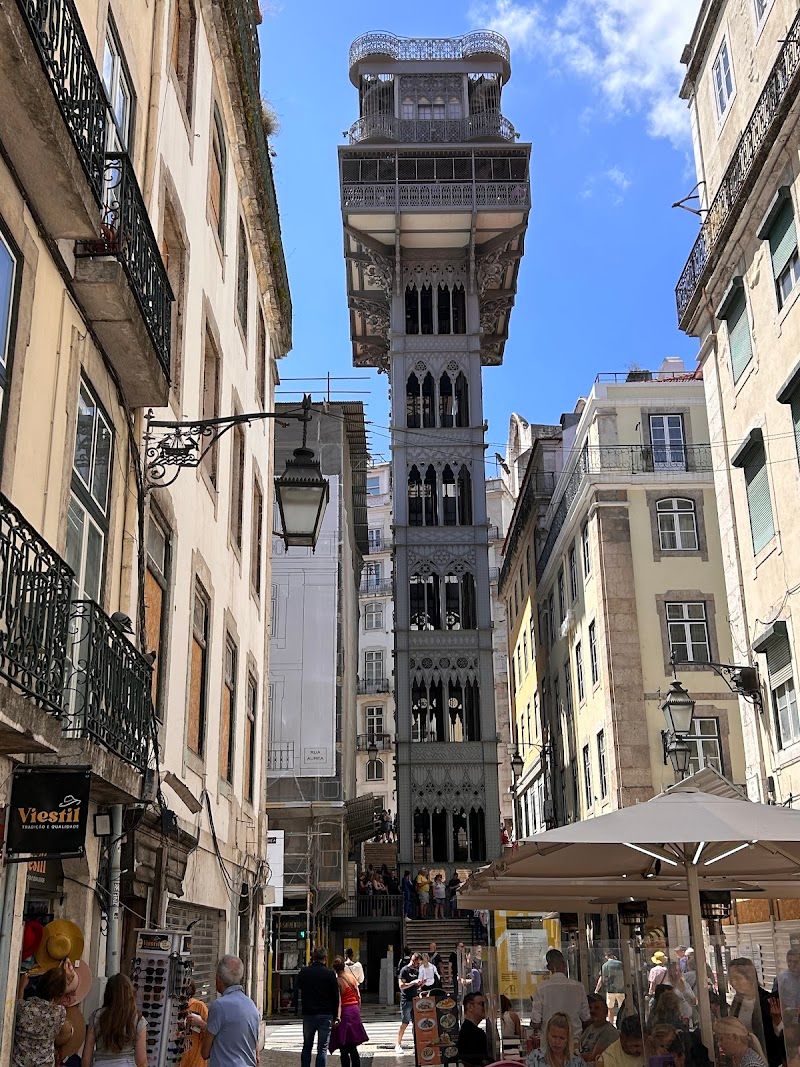
This wrought-iron elevator shoots you 45 meters straight up from downtown Baixa to the Carmo ruins, offering some of Lisbon's best panoramic views. Built in 1902 by a student of Gustave Eiffel, it's essentially a vertical street that saves your legs from a steep climb. The real prize is the circular viewing platform at the top, where you'll see the entire city sprawl from the Tagus River to São Jorge Castle, with the red rooftops of Alfama cascading down the hillside. The elevator itself feels like stepping into a beautiful old birdcage - all decorative ironwork and worn wooden floors. The ride takes about 30 seconds, but you'll spend most of your time on the open-air platform at the top, which gets packed quickly after 10am. The views are legitimately spectacular, especially looking south over the river and east toward the castle perched on its hill. Here's what most guides won't tell you: paying €5.15 to ride up from the bottom is tourist trap territory. Walk up from Chiado via Rua do Carmo (takes 3 minutes), access the platform for free from Largo do Carmo, and skip the queues entirely. The elevator ride itself isn't the point - the views are. Go early morning or late afternoon when the light hits the city just right.
Travel Guides
Expert guides for every travel style

The Best Viewpoints in Lisbon, Ranked
Seven hills means dozens of miradouros. Most are free, all have kiosks selling imperiais, and the light in the golden hour is genuinely extraordinary. Here they are, ranked.
4 min read

Day Trips from Lisbon: Sintra, Cascais & Beyond
Sintra is the obvious one but Cascais has better beaches, Setubal has dolphins, and Obidos has a medieval wall you can walk on with a glass of ginjinha. All under EUR 5 by train.
5 min read

Lisbon with Kids: A Family Guide
Lisbon with kids means Europe's best aquarium, tram rides, pasteis de nata tastings, and the flattest neighbourhood in the city for when the stroller defeats the cobblestones.
5 min read
Lisbon on a Budget: How to Visit for Under EUR 50 a Day
Lisbon is the cheapest capital in Western Europe for travellers who know where to look. Free miradouros, EUR 0.70 bicas, and tascas that charge EUR 10 for lunch with wine.
4 min read

Where to Eat in Lisbon: A Neighbourhood Food Guide
Lisbon eats well and eats cheap - a bica costs EUR 0.70, a bifana EUR 3, and a full tasca lunch with wine EUR 10-15. Here is where to go, neighbourhood by neighbourhood.
5 min read

3 Days in Lisbon: A First-Timer's Itinerary
Three days is the sweet spot for Lisbon. Enough to climb the hills, eat the pasteis, find the miradouros that make the sore calves worthwhile, and still have time for a ginjinha at Rossio.
6 min read
Frequently Asked Questions
Most travelers find 4-5 days ideal to explore the main neighborhoods, museums, and dining scenes without feeling rushed. A long weekend works for a focused visit, while a week allows for day trips and deeper neighborhood exploration.
Le Marais offers the best balance of central location, walkability, dining, and nightlife. Saint-Germain-des-Pres suits those seeking a quieter, more literary atmosphere. For first-time visitors who want proximity to major landmarks, the 7th Arrondissement near the Eiffel Tower is convenient.
Generally very safe for tourists. Standard big-city precautions apply: watch for pickpockets in crowded metro stations and tourist areas, keep valuables secure, and stay aware of your surroundings at night. Avoid leaving bags unattended at cafe terraces.
April through June and September through October offer the best weather, fewer crowds than peak summer, and pleasant temperatures for walking. July and August are hot and busy but have the longest days. Winter is cold but offers lower prices and shorter museum queues.
The metro is fast, cheap, and covers the entire city - stations are never more than 500 meters apart. Buy a Navigo Easy card and load t+ tickets. Walking is the best way to discover neighborhoods. Avoid taxis during rush hour; ride-sharing apps work well late at night.
English is widely spoken in tourist areas, hotels, and restaurants. However, starting interactions with "Bonjour" goes a long way - Parisians appreciate the effort. Learn a few basics: "merci", "s'il vous plait", "l'addition" (the bill). Younger staff are typically more comfortable in English.