
Lisbon
Chiado & Bairro Alto
Chiado's elegant cafes by day, Bairro Alto's 200-bar street party by night - Lisbon's day and evening split personality.
About Chiado & Bairro Alto
Chiado is the literary and shopping quarter above Baixa - Rua Garrett has the boutiques, A Brasileira cafe has the Fernando Pessoa statue, and Bertrand (the world's oldest bookshop, since 1732) has the atmosphere. Bairro Alto above it is residential and quiet during the day, then transforms after 10 PM into Lisbon's main nightlife district with over 200 bars in a tight grid of streets. The drinks are cheap (imperial EUR 1.50-2.50, cocktails EUR 5-7), the crowd spills from bar to bar, and the streets become the party. The Miradouro de Sao Pedro de Alcantara is a 2-minute walk from both and has the best sunset view in the area. Thursday is the local going-out night. Friday and Saturday bring more tourists.
Things to Do
Top experiences in Chiado & Bairro Alto
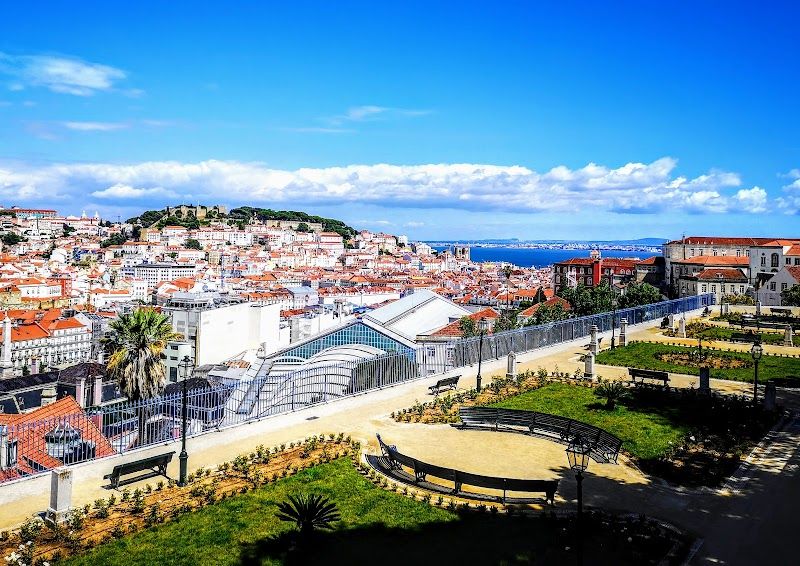
Miradouro de São Pedro de Alcântara
This two-level viewpoint gives you Lisbon's best free panorama, stretching from São Jorge Castle across the red-tiled Baixa district to the Tagus River. The real genius is in the ceramic map panels on the upper terrace that identify every landmark you're seeing - the castle, cathedral, and downtown grid become instantly recognizable. It's perfectly positioned between Bairro Alto and Príncipe Real, making it an ideal orientation stop that actually enhances the rest of your Lisbon exploring. The upper terrace draws the crowds for good reason - the view is genuinely spectacular and the map panels turn it into an outdoor classroom about Lisbon's layout. The lower garden offers more shade and quiet benches around fountains, though you'll trade some view quality for the tranquility. The small kiosk sells overpriced drinks (€3+ for water), but the setting makes it somewhat forgivable. Late afternoon light hits the castle and downtown perfectly, creating that golden postcard glow. Most people rush up, snap photos, and leave within 10 minutes, but spending 30 minutes here actually pays dividends for the rest of your trip. The ceramic maps are genuinely useful - not just tourist decoration - so take time to study them. Skip the kiosk drinks and grab something cheaper from the shops on Rua de São Pedro de Alcântara just outside. The viewpoint gets packed around sunset, so afternoon visits between 3-5pm offer better photo opportunities without the crowds.
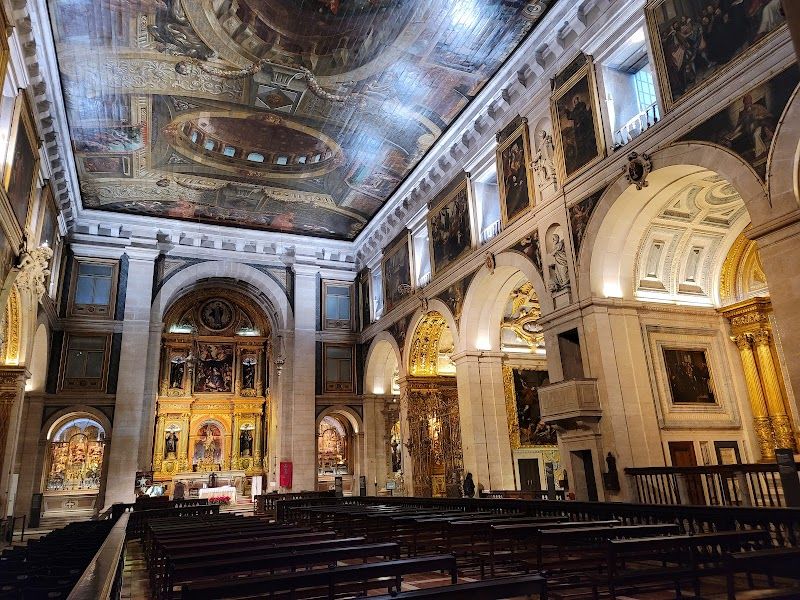
Igreja de São Roque
Igreja de São Roque pulls off Lisbon's greatest architectural bait-and-switch. Behind that deliberately plain facade sits what's arguably Europe's most expensive chapel - the Chapel of St. John the Baptist, assembled in Rome using lapis lazuli, agate, amethyst, and Carrara marble, then shipped piece by piece to Lisbon in 1747. The entire church interior explodes with gilded wood, painted ceilings, and azulejo tiles that'll make you question why you bothered with other baroque churches. You'll enter through the main door and immediately understand why this place has such a following. The nave leads you past several side chapels, each competing for attention, but everything builds toward that famous Chapel of St. John the Baptist on the left side. The contrast between the modest exterior and this interior opulence genuinely surprises people - you'll hear audible gasps from other visitors. The lighting inside creates dramatic shadows across all that marble and gold leaf. Most guides push the adjacent Sacred Art Museum, but honestly, skip it unless you're seriously into ecclesiastical silverware. The €2.50 museum fee isn't worth it when the church itself (free entry) contains all the wow factor. Come in the morning when natural light streams through the windows and highlights the chapel's precious stones best. You'll need 20 minutes max to see everything properly.
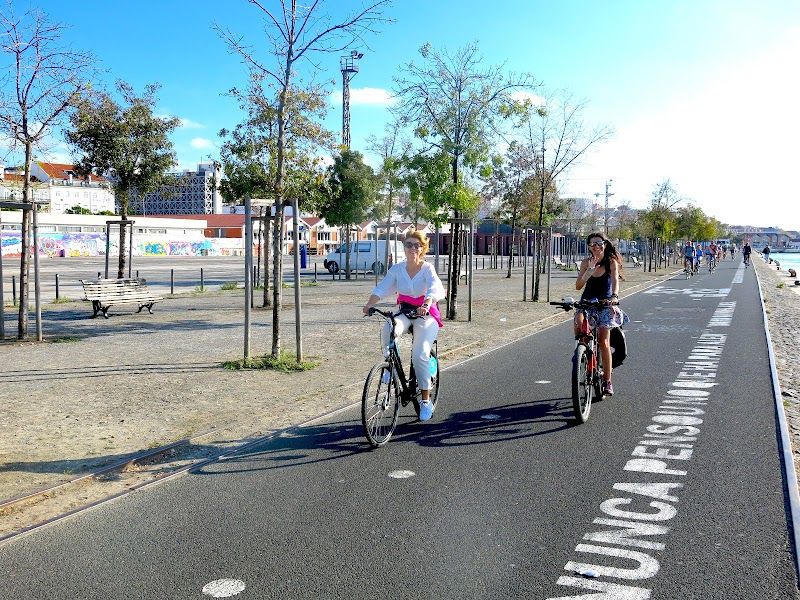
Bike Iberia
Bike Iberia runs electric bike tours along Lisbon's Tagus riverfront, covering 25km of dedicated cycle paths from historic Belém to modern Parque das Nações. You'll cruise past the MAAT museum's undulating roof, the Discoveries Monument where Portuguese explorers set sail, and end at the sleek Vasco da Gama Tower. The electric assist means you barely break a sweat while covering ground that would take hours on foot, and the riverside route stays relatively flat throughout. The ride feels like gliding through Lisbon's timeline: you start among 16th century monuments in Belém, pass through industrial areas being converted to parks, and finish in the glass and steel district built for Expo '98. Your guide stops frequently for photos and stories, especially at the Cristo Rei viewpoint across the bridge. The bike paths are well maintained and mostly separated from traffic, though you'll cross a few busy intersections near Cais do Sodré. At around €35 per person, it's decent value for three hours and covers more ground than walking tours. The morning departure really does beat the heat and crowds, plus you'll reach Belém's famous pastry shops before the lines form. Skip the afternoon tours in summer unless you love cycling in 35°C heat. The electric bikes make this doable for most fitness levels, but you'll still want comfortable shoes and sunscreen.
Where to Eat
Restaurants and cafes in Chiado & Bairro Alto
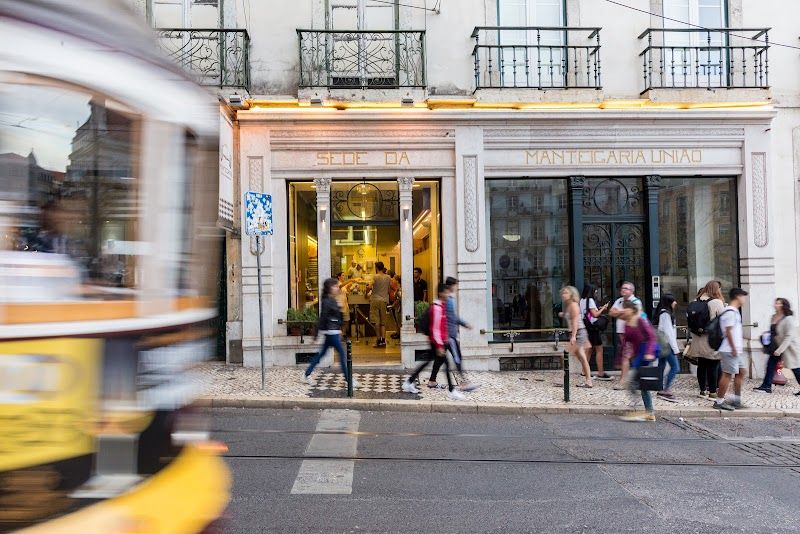
Manteigaria
CafeThis is Lisbon's most famous pastel de nata bakery, where you can watch master bakers roll paper-thin dough and fill tart shells through floor-to-ceiling windows. The pastéis come out of traditional ovens every 20 minutes at exactly 400°C, creating those signature caramelized tops that locals obsess over. Each tart costs €1.20 and arrives warm with little packets of cinnamon and powdered sugar - exactly how they've been served since the 1800s. You'll smell the custard and burnt sugar from half a block away. Inside, it's standing room only with a tiny counter where you order and eat immediately - there are no tables. The ritual is part of the experience: grab your tart, dust it with cinnamon, and eat it in three bites while it's still hot. The custard filling is silky and rich, with that perfect wobble when you bite through the flaky pastry. Honestly, the hype is justified - these are genuinely better than the touristy pastéis you'll find elsewhere. But the Chiado location is painfully crowded, especially between 10am-2pm when cruise groups descend. Most people don't realize the custard continues cooking from residual heat, so if yours seems too liquid, wait 30 seconds. At €1.20 each, you'll want at least two, but resist buying six - they're best eaten immediately and don't travel well.
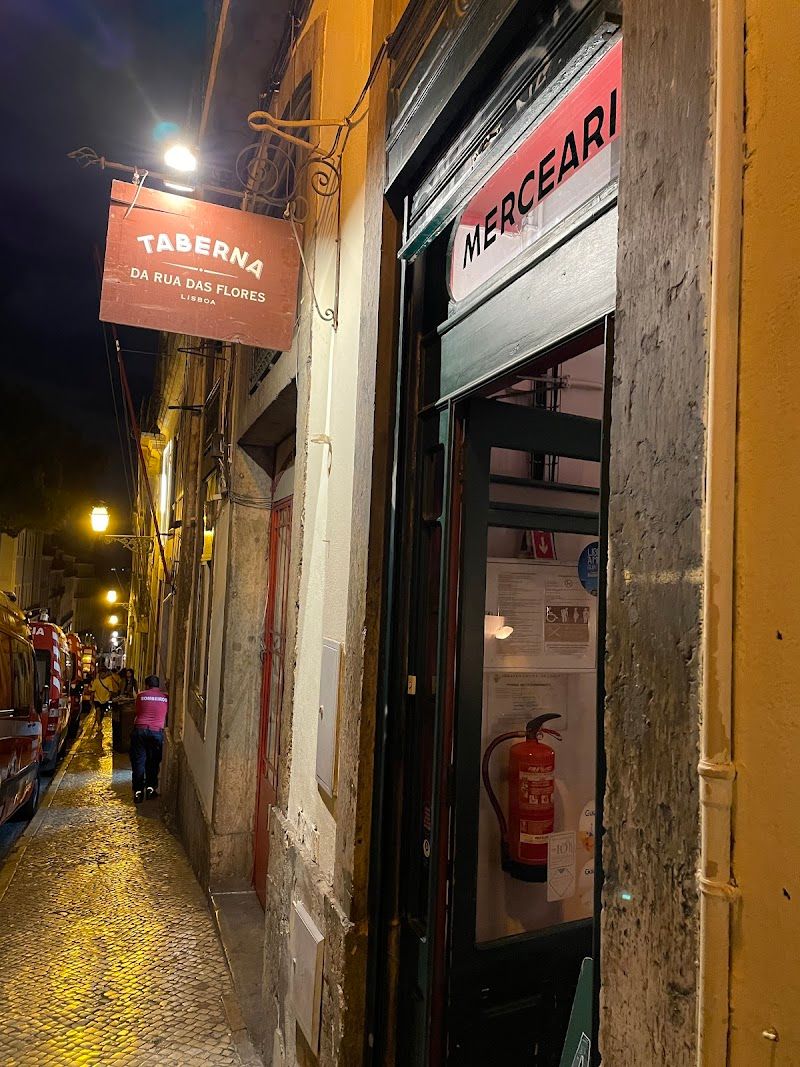
Taberna da Rua das Flores
RestaurantThis postage stamp-sized taberna draws serious food lovers to just 12 tables crammed into a narrow Chiado storefront. Chef-owner João Rodrigues changes the menu daily based on market finds, scrawling dishes like sea bass ceviche with passion fruit or duck confit with fig jam across a small chalkboard. You're here for elevated Portuguese petiscos that blur the line between tapas and fine dining - expect to pay €8-15 per plate for genuinely creative cooking. The space feels like dining in someone's living room if that someone happened to be an exceptional cook. Tables are so close you'll overhear neighboring conversations in three languages, while the open kitchen lets you watch Rodrigues plate each dish with tweezers. The energy peaks around 8pm when every table is full and the wine flows - mostly natural Portuguese bottles starting around €25. Service moves at a relaxed pace that matches the neighborhood vibe. Most food blogs oversell this as some undiscovered treasure, but it's been packed nightly for years. The real trick isn't just arriving early - it's knowing that Tuesday and Wednesday offer the most adventurous menu since weekend crowds push Rodrigues toward safer crowd-pleasers. Skip the cheese plates (mediocre) and focus on whatever seafood he's featuring. Budget €40-50 per person with wine, and don't come expecting quick service.
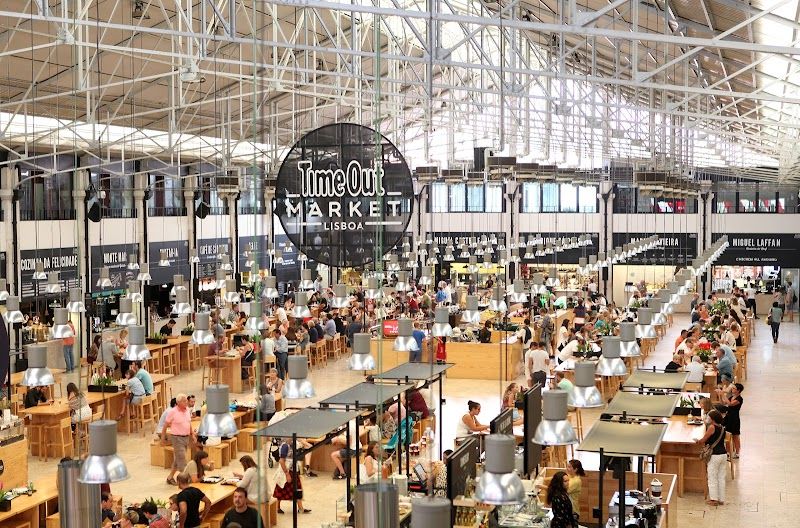
Time Out Market Lisboa
RestaurantCurated food hall inside the historic Mercado da Ribeira with 40+ stalls from Lisbon's top chefs and restaurants. Each vendor offers 3-4 signature dishes at fair prices (EUR 8-15). Central seating means weekends involve serious competition for tables - come weekdays before 1pm.
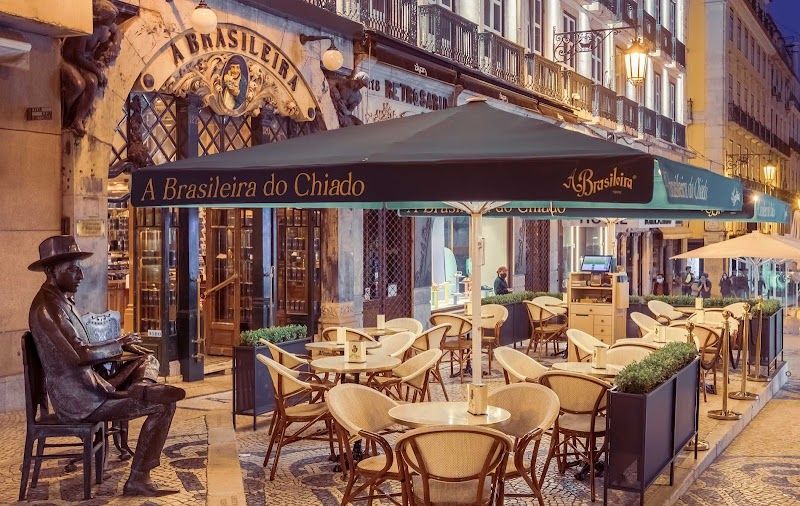
Café A Brasileira
RestaurantHistoric 1905 Art Deco café where Lisbon's literary crowd gathered throughout the 20th century. The bronze statue of poet Fernando Pessoa sits at a sidewalk table. Tourist-heavy now, but the ornate interior, strong bica (EUR 0.80 at bar), and pastéis de nata warrant a stop.
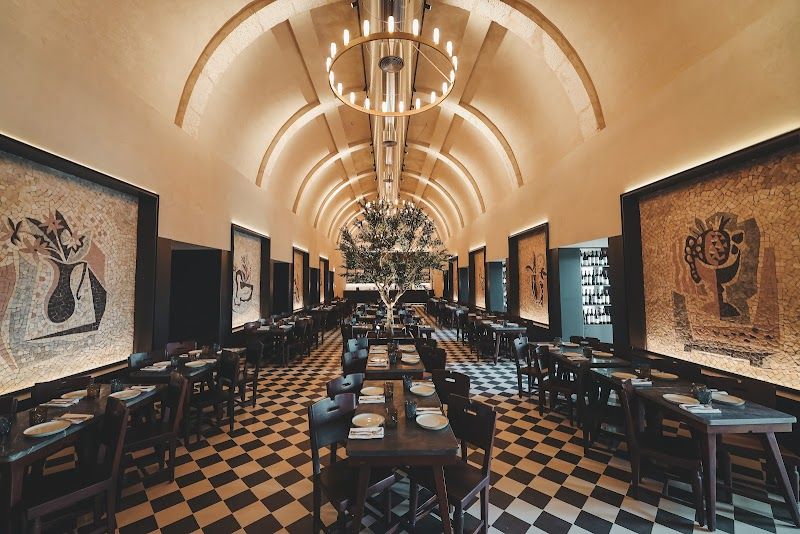
Cervejaria Trindade
RestaurantLisbon's oldest brewery restaurant occupies a former 13th-century convent with stunning azulejo-covered walls. The vast beer hall serves traditional Portuguese dishes and imperial drafts under vaulted ceilings. Tourist-heavy but the setting and history justify a visit.
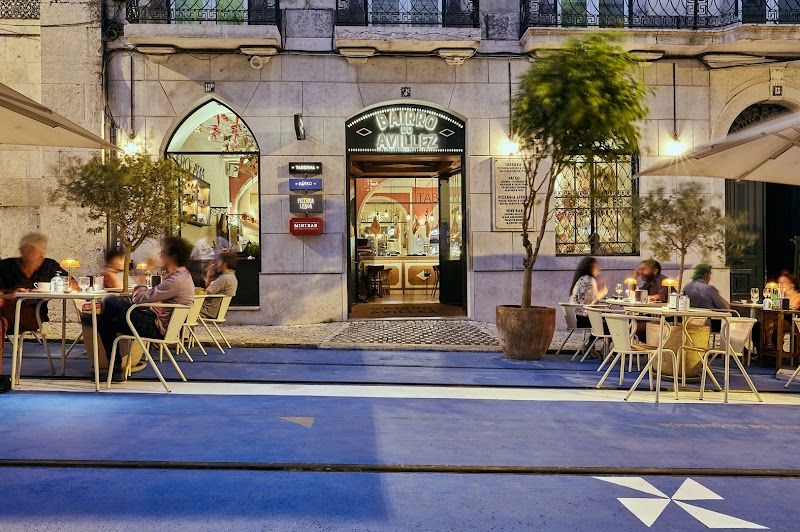
Pateo - Bairro do Avillez
RestaurantJosé Avillez's multi-concept dining complex includes a Portuguese tavern, seafood counter, and fine dining space under one roof. The central patio connects four different restaurants, each with distinct menus. Taberna serves hearty portions of traditional dishes at fair prices (EUR 15-25 mains).
Nightlife
Bars and nightlife in Chiado & Bairro Alto
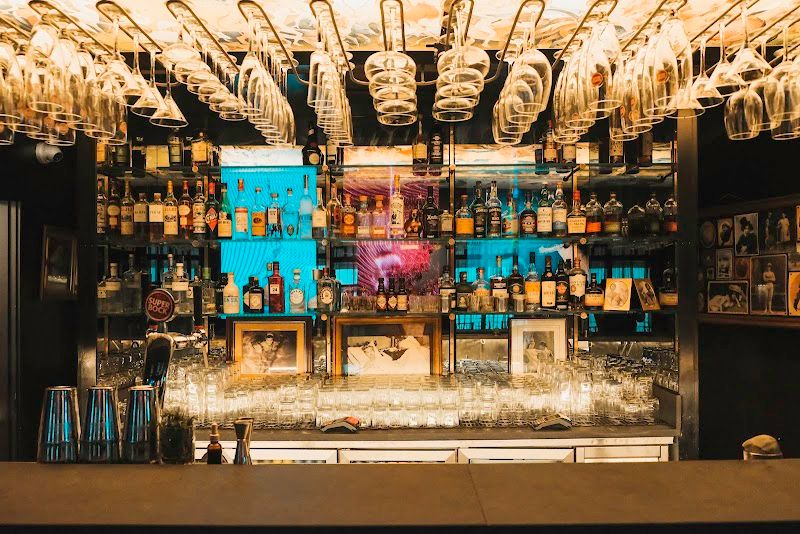
Pensão Amor
NightlifePensão Amor occupies a former 1970s brothel on Pink Street, transformed into Lisbon's most theatrical cocktail bar. You'll wander through the original red velvet rooms where vintage erotica adorns the walls and old-world furniture creates intimate drinking nooks. The space includes a library with floor-to-ceiling bookshelves, a main bar area with cabaret lighting, and smaller themed rooms that maintain the building's provocative past. Burlesque shows happen regularly, and the whole place feels like stepping into a David Lynch film. The experience unfolds as you explore different rooms, each with its own character and seating arrangements. Cocktails run EUR 6-10 and they're well-made, not just gimmicky drinks trading on the venue's history. The lighting stays dim throughout, conversations happen in hushed tones, and when performances start, the energy shifts dramatically. You'll find yourself lingering longer than planned, moving between rooms as the night progresses. Most guides oversell this as purely a novelty, but it's genuinely one of Lisbon's better cocktail bars that happens to have an interesting backstory. Skip it if you're looking for high-energy nightlife - this is about atmosphere and conversation. The venue gets genuinely packed after midnight on weekends, so arrive by 10pm if you want to claim a good spot. Performance nights are worth experiencing once, but the space works just as well for drinks without the show.
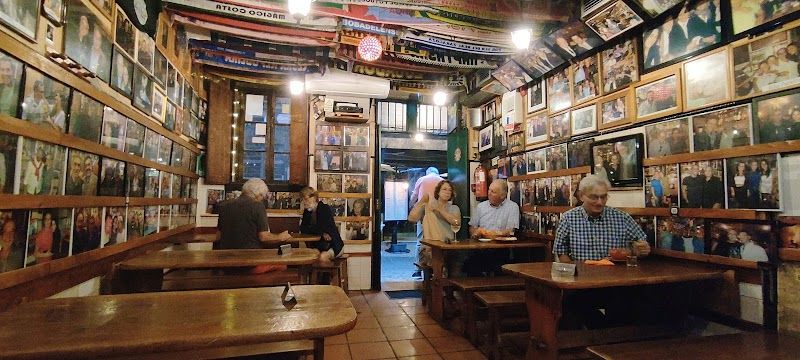
A Tasca do Chico
NightlifeA Tasca do Chico is as authentic as fado gets in Lisbon - a cramped tavern where locals belt out Portugal's melancholic folk songs with zero tourist theatrics. You're not watching a performance, you're witnessing a cultural ritual that happens twice weekly when amateur singers take turns with the Portuguese guitar. The room holds maybe 20 people shoulder-to-shoulder, beer costs €2-3, and there's no minimum spend or overpriced dinner requirement like the tourist fado houses in Alfama. Arrive early and you'll watch the transformation from quiet neighborhood bar to impromptu concert hall. By 8 PM, the Portuguese guitar emerges and someone starts the first song - usually a heartbroken ballad about lost love or faded glory. The crowd falls completely silent, occasionally joining in for choruses they know by heart. Between songs, conversation flows in Portuguese while more people squeeze through the door. Most fado guides steer you toward expensive dinner shows that cost €40-60 per person. Skip those entirely - this is the real thing for the price of a few beers. Mondays and Wednesdays are when amateurs perform, but semi-professionals sometimes show up other nights. The acoustics are terrible and you'll be pressed against strangers, but that's exactly the point. If you can't handle standing for two hours, this isn't for you.
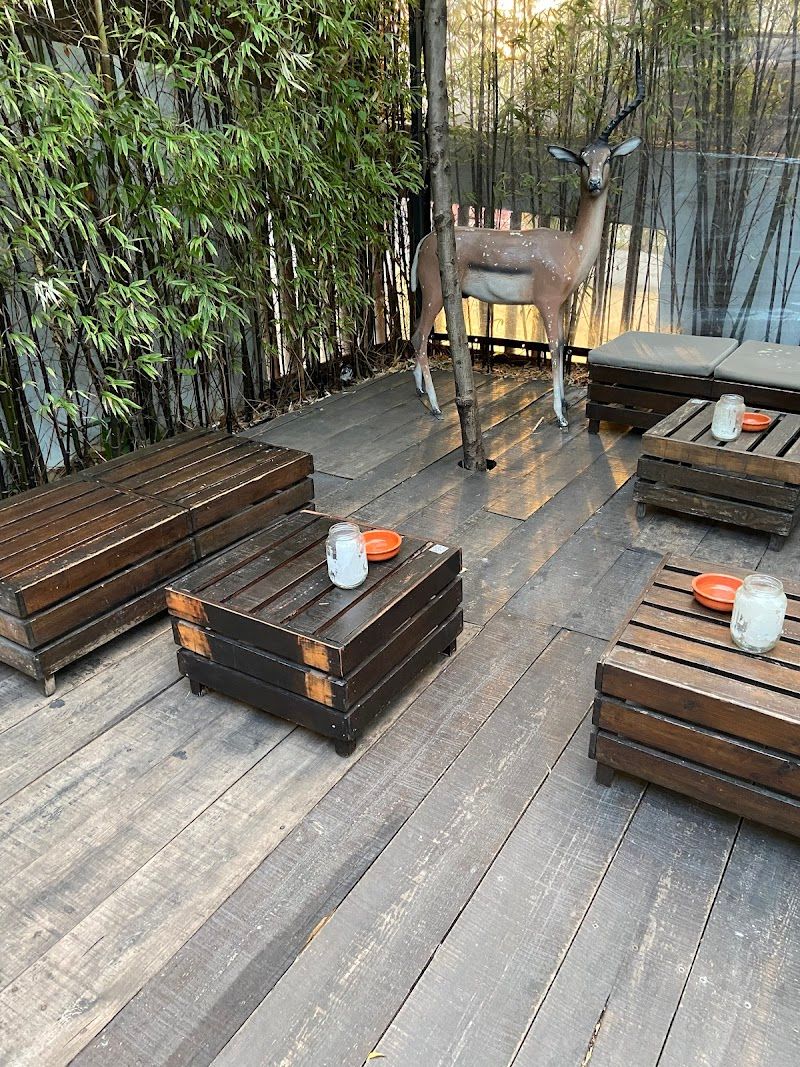
PARK Bar
NightlifePARK Bar transforms a crumbling parking garage rooftop into Lisbon's most democratic rooftop experience. You'll climb concrete stairs past actual parked cars to reach a sprawling terrace where mismatched furniture and fairy lights create an unexpectedly charming atmosphere. The 360-degree views stretch from São Jorge Castle to the Tagus River, with downtown Lisbon spread out below like a terracotta sea. The vibe here is refreshingly unpretentious - you'll find backpackers sharing tables with well-dressed locals, everyone nursing cheap drinks while watching the sunset paint the city golden. There's no velvet rope or dress code, just grab whatever seat you can find and settle in. The bar setup is basic but efficient, and the crowd gets louder and more animated as night falls, especially when there's a DJ spinning. Most rooftop bars in Lisbon charge premium prices for mediocre views, but PARK delivers genuine panoramas at neighborhood bar prices. Skip the overpriced cocktails and stick to beer (EUR 3-4) or wine (EUR 4-5). The space gets absolutely packed after 8 PM, turning into more of a standing-room party than a relaxing drink spot. If you want conversation over drinks, arrive early. If you want to dance under the stars with a mixed crowd, come late.
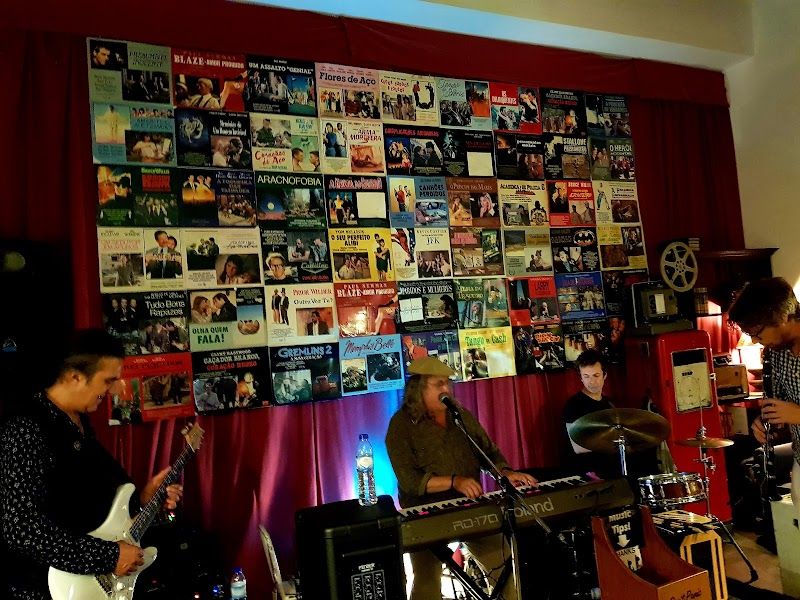
Portas Largas
NightlifeBairro Alto's most iconic LGBTQ+ friendly bar with rainbow-lit facade and crowds spilling onto Rua da Atalaia nightly. The small interior plays pop and dance music while the real party happens on the street outside. Drinks are standard Bairro Alto prices (beer EUR 3, cocktails EUR 6-7).
Getting Here
Insider Tips
Thursday is the new Friday
Thursday nights are when locals go out in Bairro Alto. Friday and Saturday bring more tourists and higher prices at some venues.
Time Out Market
In nearby Cais do Sodre. Go for lunch on a weekday. Weekends are a 30-minute queue for a seat. Marlene Vieira and Cafe de Sao Bento are the picks.
Eat before the bars
Restaurant kitchens in Bairro Alto close early. Book dinner for 8 PM, then walk to the bars after 10:30 PM. The Carmo Convent (EUR 5, roofless ruin from the earthquake) is worth a quick visit in the afternoon.
Nearby Neighborhoods
Continue exploring
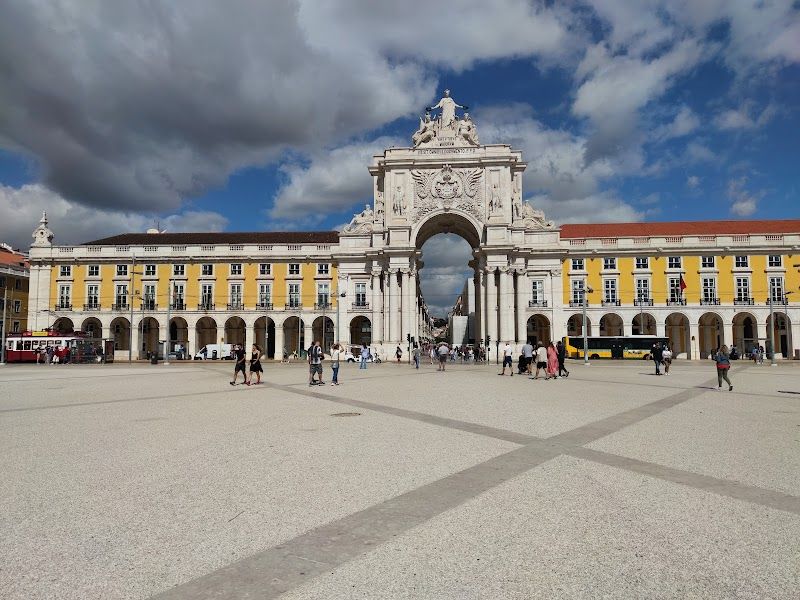
Alfama
The soul of old Lisbon - narrow lanes, fado from open windows, and neighbourhood life that predates everything else in the city.

Baixa & Rossio
Lisbon's grand centre - the Enlightenment grid built from rubble, opening onto the river at one end and the hills at every other.

Belem
Monumental Lisbon - where the Age of Discovery launched from, where the spice-trade money built the monastery, and where the best pasteis de nata still come from.
Plan a trip featuring Chiado & Bairro Alto
Get a personalized Lisbon itinerary with Chiado & Bairro Alto built in.
Start Planning