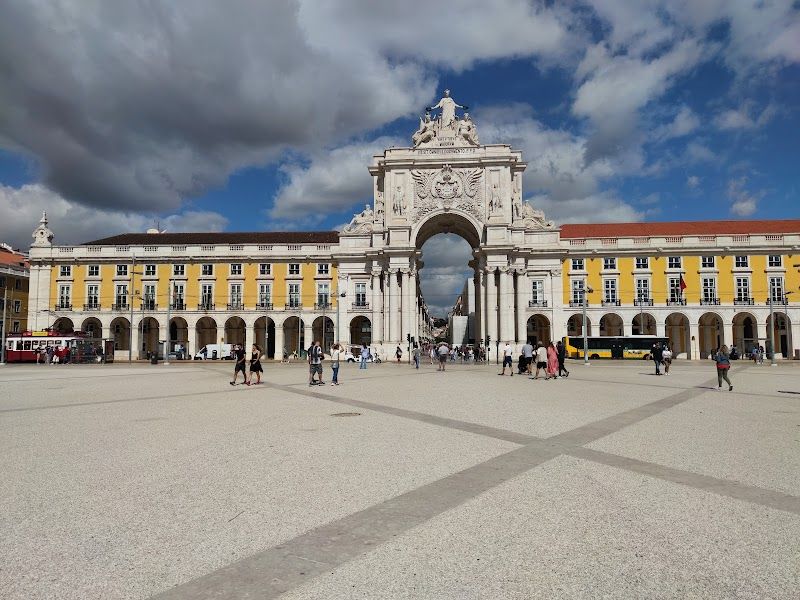
Lisbon
Alfama
The soul of old Lisbon - narrow lanes, fado from open windows, and neighbourhood life that predates everything else in the city.
About Alfama
Alfama is where Lisbon started. The Moors built it, the 1755 earthquake spared it, and the result is a tangle of lanes that no GPS can reliably navigate. Getting lost is the point. The streets are narrow enough that neighbours pass plates between facing windows. Laundry dries on lines strung between buildings. Fado drifts from doorways in the evening. The best viewpoints (Miradouro de Santa Luzia, Miradouro das Portas do Sol) reward every steep climb with river panoramas. The Se Cathedral is free and worth 15 minutes. The Feira da Ladra flea market runs Tuesday and Saturday mornings at the top of the neighbourhood. The light before 10 AM turns the tile facades golden - Alfama faces east, and photographers know this is their hour.
Things to Do
Top experiences in Alfama
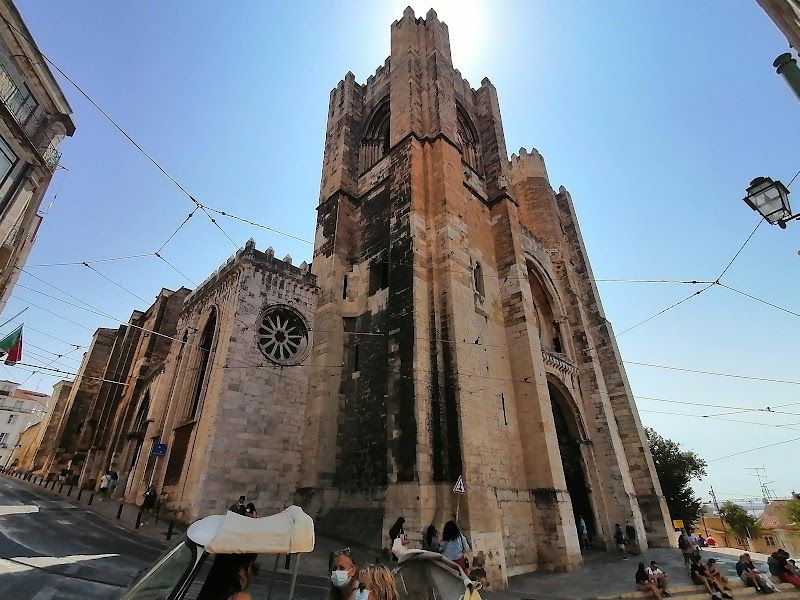
Alfama
Alfama survived the 1755 earthquake because the Moors built it right - twisting lanes that absorb rather than amplify seismic waves. You'll spend 2-3 hours wandering streets so narrow that residents chat between third-floor windows, past doorways where fado singers rehearse and courtyards where old men play cards. The neighbourhood flows from the castle walls down to the cathedral, with two excellent viewpoints (Miradouro de Santa Luzia and Portas do Sol) marking the transition from residential maze to river views. The experience feels like walking through someone's living room that happens to be outdoors. Laundry hangs overhead, cats nap on warm stones, and every corner reveals another postcard moment. The cobblestone streets reflect centuries of foot traffic, worn smooth as marble. You'll hear fragments of conversation, clinking glasses, and the occasional guitar from open taverna doors. The light changes dramatically as you move between sun-soaked squares and shadowy passages. Most guides oversell the formal fado houses - the spontaneous music in neighborhood tascas is more authentic and costs the price of a drink (€3-5 vs €25-40 minimum elsewhere). The Feira da Ladra flea market (Tuesdays/Saturdays) has genuine finds if you arrive early, but skip the overpriced tourist shops on the main drag. Focus your time on the upper section near Largo do Chafariz de Dentro where tour groups rarely venture.
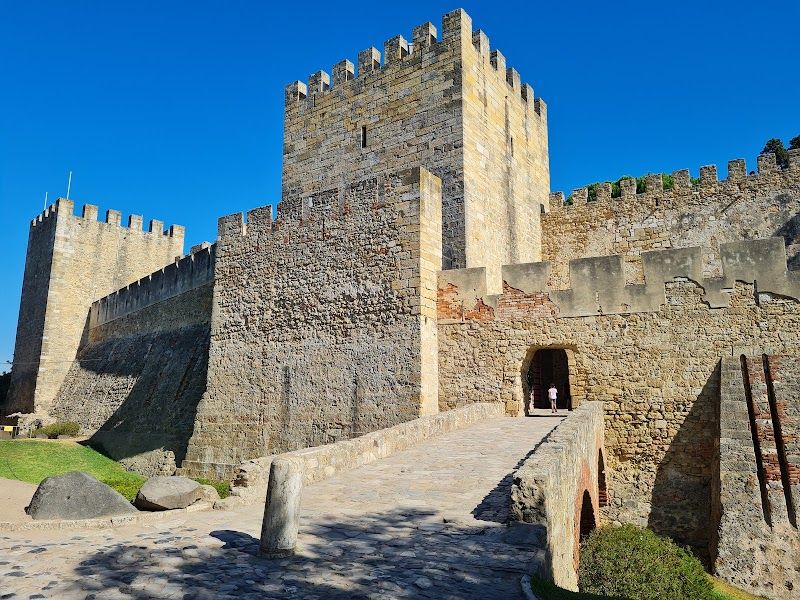
Castelo de Sao Jorge
Castelo de São Jorge crowns Lisbon's highest hill with medieval walls that frame the city's best panoramic views. You'll walk ancient ramparts (though they're largely 20th-century reconstructions after earthquake damage) while peacocks roam the gardens freely. The real draw is the Camera Obscura, a 360-degree live projection of Lisbon that updates in real-time, plus views stretching from the Tagus River to the red rooftops of Alfama below. The visit flows naturally from the entrance gates through terraced gardens where peacocks strut between olive trees and archaeological ruins. You'll climb stone steps along the fortress walls, stopping at multiple viewpoints that reveal different angles of the city. The Camera Obscura tour runs every 20 minutes in a small darkened room where mirrors project a bird's-eye view of Lisbon onto a white dish. At EUR 15, you're paying premium prices for walls and views, but those views genuinely justify the cost. Skip the small museum inside (it's forgettable) and focus your time walking the complete rampart circuit. The archaeological site adds some context, but most people come for Instagram shots and leave satisfied. The steep climb through Alfama to reach the entrance is half the experience.
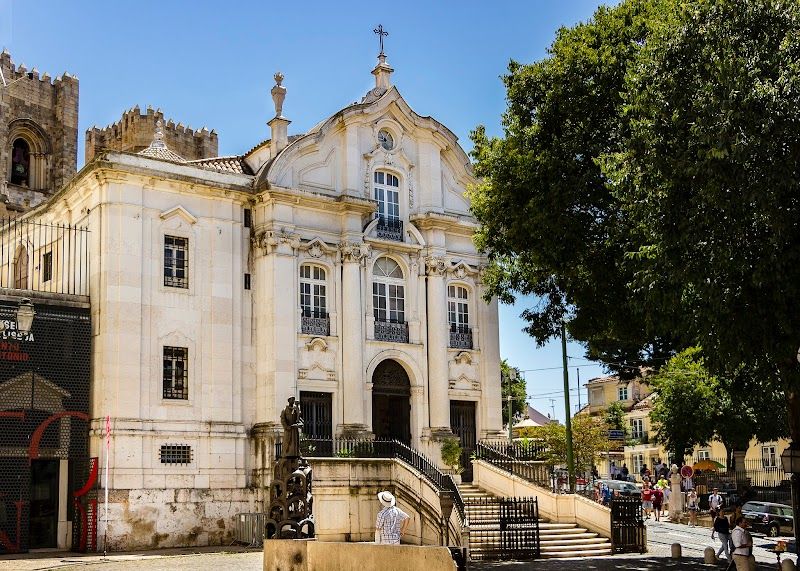
Igreja de Santo António de Lisboa
This compact baroque church sits directly above the birthplace of Saint Anthony of Padua (yes, the same saint who helps you find lost things), making it one of Christianity's most authentic pilgrimage sites. You'll find stunning 18th-century azulejo tiles depicting scenes from the saint's life, a beautiful gilded altar, and surprisingly intricate woodwork for such a small space. Local couples come here specifically for wedding blessings - Saint Anthony is Portugal's unofficial patron of marriage. The church feels genuinely lived-in despite being surrounded by Alfama's tourist crowds. You'll often find elderly Portuguese women lighting candles and whispering prayers, while the priest still conducts regular masses in Portuguese. The interior stays refreshingly cool even in summer, and the acoustics make every whispered prayer feel sacred. A small museum downstairs displays artifacts from the original Roman-era chapel, though it's often closed without warning. Most guides oversell the museum portion - the real experience is upstairs in the main church during a quiet moment. Entry is free, but locals typically drop €1-2 for candles. Skip the crowds by visiting before 10am when you'll have the space mostly to yourself. The church gets packed during wedding season (May-September weekends), so time accordingly if you want a peaceful visit.
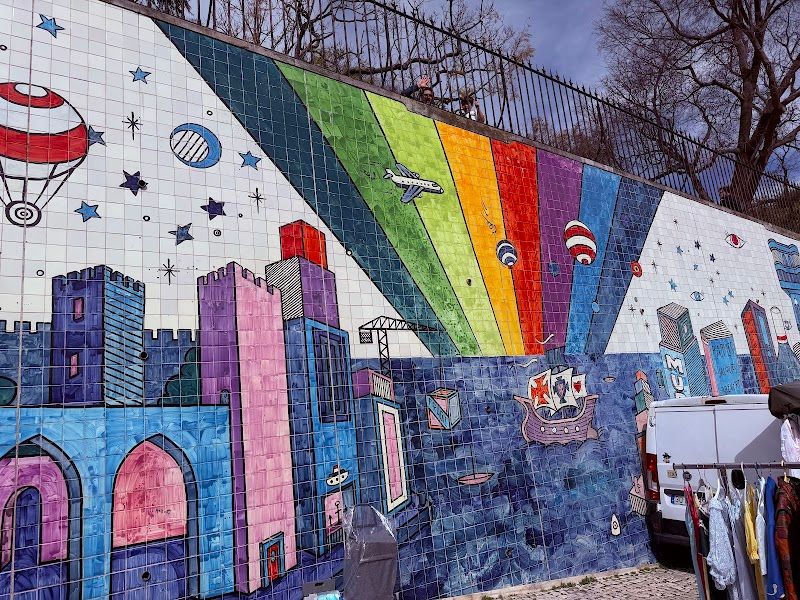
Feira da Ladra
Feira da Ladra is Europe's oldest flea market, running continuously since the 12th century in Alfama's Campo de Santa Clara. You'll find genuine antique Portuguese azulejos (tiles) starting around €15, vintage cameras from €30, vinyl records for €5-20, and African art pieces reflecting Lisbon's colonial connections. The market spreads across the entire square, with about 200 vendors selling everything from grandmother's china to Soviet-era military gear. The atmosphere shifts dramatically as morning progresses - arrive at 8am and you'll browse peacefully among serious collectors and dealers setting up their best pieces. By 11am, tour groups arrive and the square fills with chatter in multiple languages. The vendors near the National Pantheon tend to have higher-quality antiques, while the outer edges mix genuine finds with household castoffs and tourist trinkets. Most guidebooks romanticize every stall, but honestly, about 60% is junk you wouldn't want at home. The magic happens when you stumble across a 1950s Portuguese cookbook for €8 or an original Fado record from the 1960s. Skip the obvious tourist stuff near the entrance - fake azulejos and mass-produced "antique" maps. Budget €20-50 if you want to buy something worthwhile, and bring cash since most vendors don't take cards.
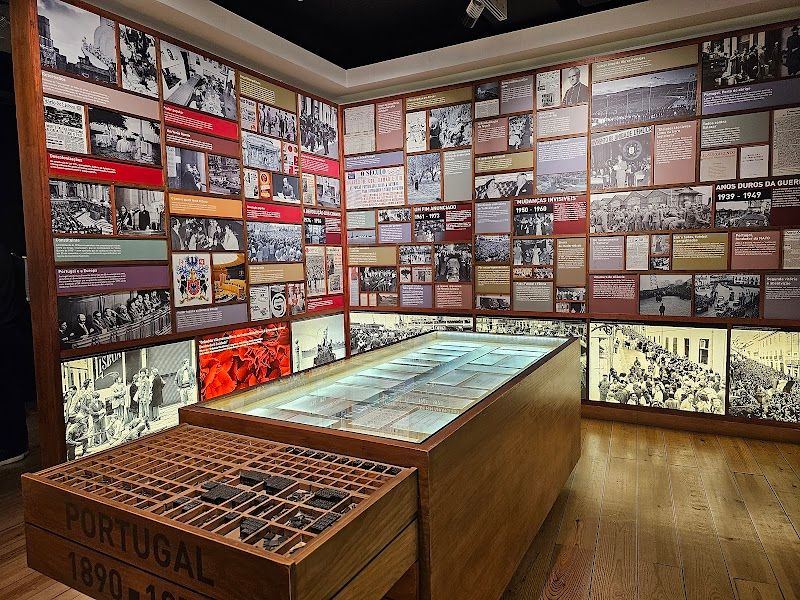
Museu do Aljube - Resistência e Liberdade
This former political prison operated from 1928 to 1965, holding opponents of Salazar's Estado Novo dictatorship in cramped cells that you can still walk through today. The museum doesn't sugarcoat anything - you'll see authentic torture instruments, read prisoners' letters scratched into walls, and listen to recorded testimonies from survivors. The exhibitions trace Portugal's path from dictatorship to the 1974 Carnation Revolution, with particular focus on censorship, secret police operations, and everyday resistance. The building itself tells the story as much as the displays. Original prison cells remain intact with their tiny windows and stone walls, creating an immediate sense of claustrophobia that hits you harder than any text panel could. The audio guide (available in English) is exceptional, featuring actual recordings of former prisoners describing their experiences. The upper floors contrast the darkness below with bright exhibition spaces covering Portugal's transition to democracy, but those basement cells stay with you. Entry costs €3, making this one of Lisbon's best museum values. Most visitors rush through in 45 minutes, but you need at least 90 minutes to properly absorb the weight of what happened here. Skip the temporary exhibitions on the ground floor - they're often underwhelming compared to the permanent collection. The museum can feel emotionally heavy, so don't plan anything too lighthearted immediately after.
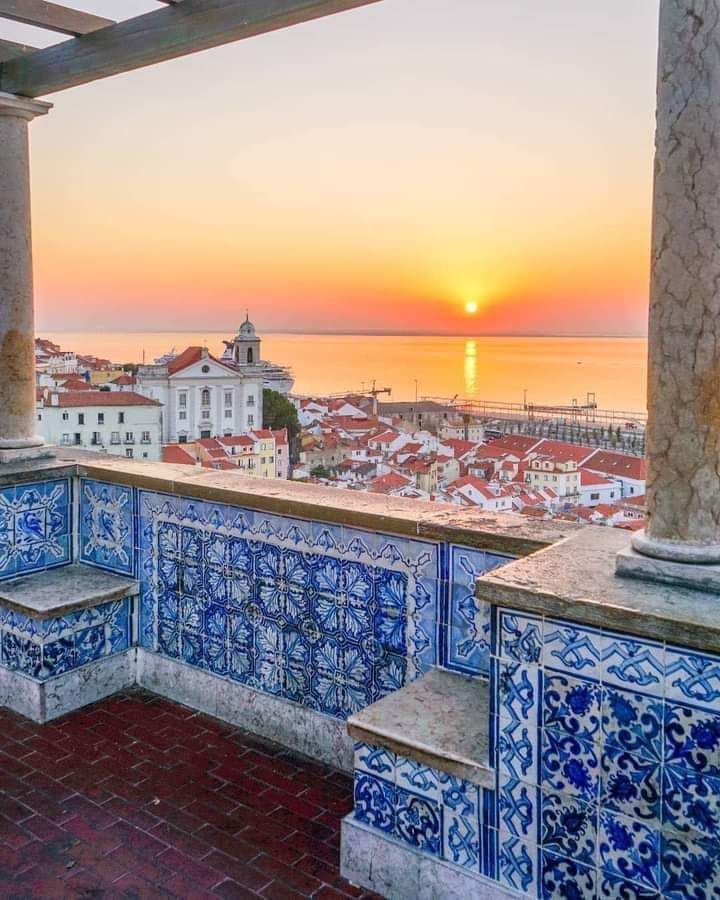
Miradouro de Santa Luzia
Miradouro de Santa Luzia delivers one of Alfama's finest panoramas without the crowds that plague Senhora do Monte. You'll get sweeping views over the neighborhood's famous terracotta rooftops cascading down to the Tagus River, with cruise ships docked at the port and the dome of São Vicente de Fora Monastery punctuating the skyline. The terrace itself is beautifully designed with bougainvillea-covered pergolas providing natural shade and intricate azulejo tile panels depicting Lisbon before the 1755 earthquake. The viewpoint has a relaxed, romantic atmosphere that draws couples and photographers throughout the day. You'll often hear Portuguese guitar from buskers performing under the pergolas, adding to the authentic feel. The space isn't large - maybe 30 people comfortably - but it rarely feels cramped since most visitors snap photos and move on. The tile panels are worth examining closely; they show the old Ribeira Palace and Terreiro do Paço as they looked centuries ago. Most people rush through in five minutes, but this place rewards lingering. The afternoon light (around 4-6pm) makes the rooftops glow beautifully and creates the best photo conditions. Skip the overpriced drinks from vendors who sometimes set up here - there's a decent café just 50 meters away on Largo do Chafariz de Dentro. The viewpoint is free, unlike some Lisbon miradouros that charge entry fees.
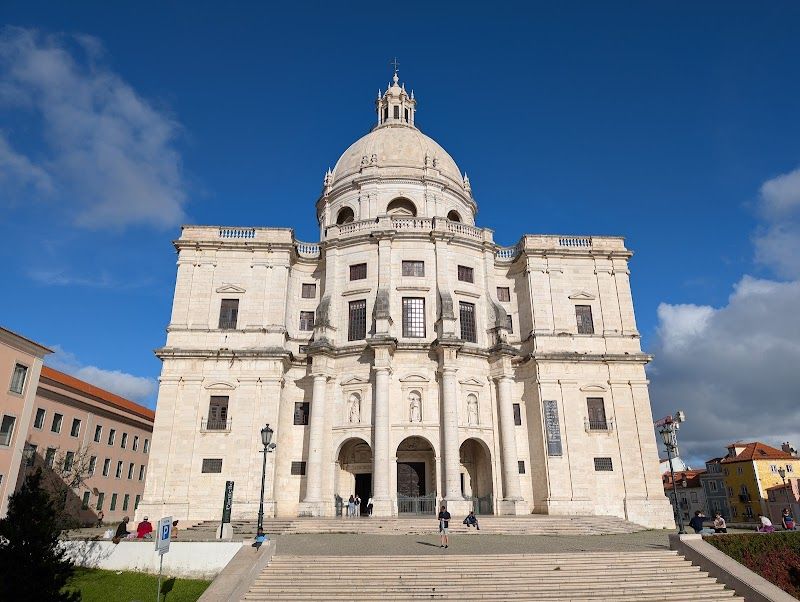
Panteão Nacional
The Panteão Nacional is Portugal's Westminster Abbey - a massive baroque church with a soaring white marble interior where the country's greatest figures rest eternally. You'll find presidents, writers, and beloved fado singer Amália Rodrigues entombed here, plus cenotaphs honoring explorers like Vasco da Gama. The real draw is the rooftop terrace circling the enormous dome, giving you 360-degree views over Alfama's terracotta rooftops, the Tagus River, and eastern Lisbon's sprawling neighborhoods. Inside feels genuinely reverent - the polished marble floors and towering columns create an almost ethereal atmosphere as natural light filters down from the dome. You'll spend about 20 minutes exploring the tombs and reading plaques (some in English), then climb the narrow stairs to the terrace where benches let you sit and absorb the panoramic views. The dome's outdoor walkway is surprisingly spacious and rarely crowded, even on weekends. At just 4 EUR, this delivers better value than most Lisbon viewpoints. Skip it if you're already hitting the castle - the views overlap somewhat. But if you want spectacular photos without tourist hordes, this beats Miradouro da Senhora do Monte hands down. The morning light is perfect for photography, and you'll often have the terrace mostly to yourself before 11am.
Miradouro das Portas do Sol
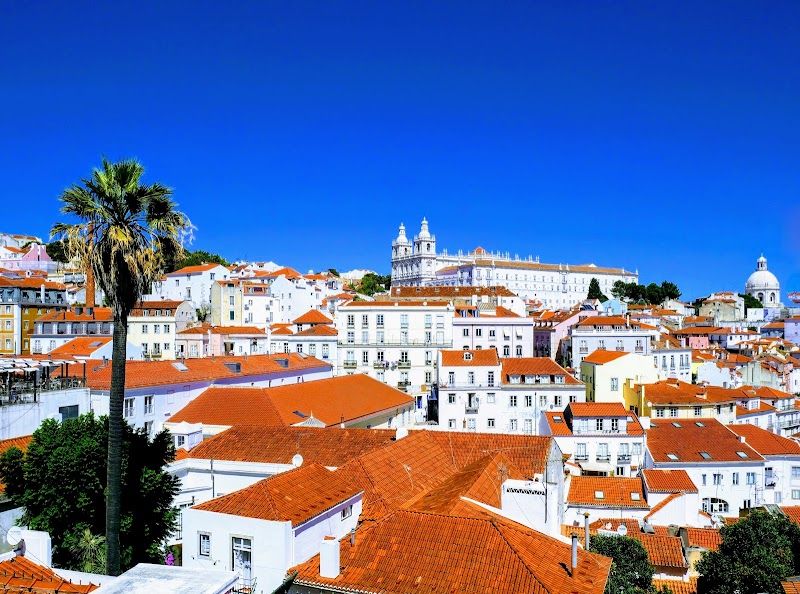
This broad terrace overlooks Alfama's tumbling orange rooftops from the site of an old Moorish gate, giving you one of Lisbon's most complete neighborhood views. You'll see the white twin domes of São Vicente de Fora monastery rising above the maze of medieval streets, with the Tejo estuary stretching beyond. The viewpoint sits right beside the Museum of Decorative Arts in a restored 17th-century palace, and a bronze statue of Saint Vincent (Lisbon's patron saint) anchors the terrace. The space feels relaxed compared to other Alfama viewpoints, with plenty of room to spread out under pine trees that provide actual shade. Street musicians set up regularly, usually playing fado or Brazilian music, and the sound carries beautifully across the terrace. You'll watch neighbors hanging laundry from tiny balconies below while tour groups cycle through for photos. The adjacent cafe spills onto the terrace with plastic chairs and metal tables where locals linger over coffee. Most guides overhype this as the best Alfama viewpoint, but Largo do Chafariz de Dentro gives you better rooftop views without the crowds. The cafe here charges €2.50 for espresso and €4 for beer, which is fair for the location. Skip the museum unless you're genuinely interested in Portuguese furniture and textiles. Come after 4pm when the afternoon light hits the monastery domes perfectly.
Eat Drink Walk
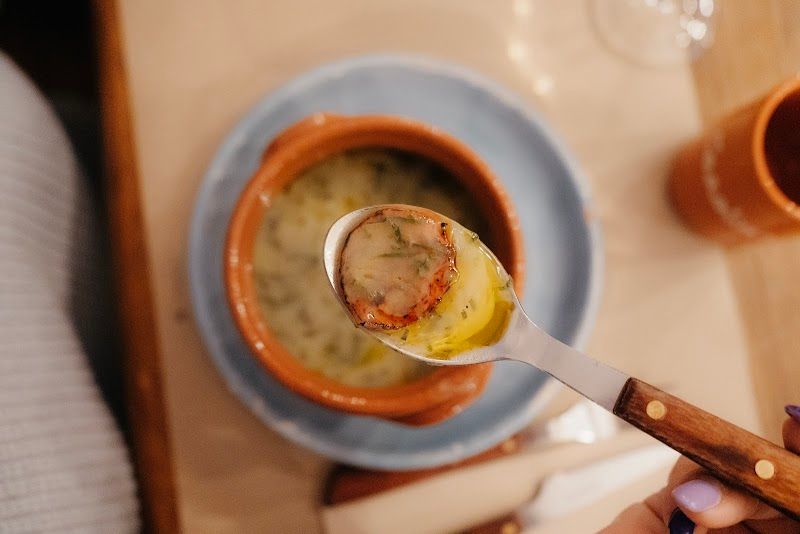
Eat Drink Walk takes you through Baixa's old commercial streets on a three-hour food crawl that's part history lesson, part local hangout. You'll taste your way through six Portuguese specialties - from cherry liqueur at century-old ginjinha bars to custard tarts still warm from traditional ovens. The guides know which bacalhau shop has been family-run since 1930 and why that matters to the flavor. The tour moves at a comfortable pace between stops, with plenty of time to chat with shop owners and hear neighborhood stories between tastings. You'll duck into narrow specialty stores where locals still buy their daily bread, sample aged cheeses while learning about Portugal's dairy regions, and discover why tinned fish here is considered gourmet. The atmosphere feels more like following a food-obsessed local friend than joining a tourist group. Most food tours in Lisbon rush through too many stops with tiny samples - this one gets the balance right. At around €45-55 per person, it's reasonably priced for what you get, and you'll leave genuinely full. Skip the weekend tours if you want smaller groups and more personal attention from shop owners who have time to chat.
Where to Eat
Restaurants and cafes in Alfama
Chapitô à Mesa
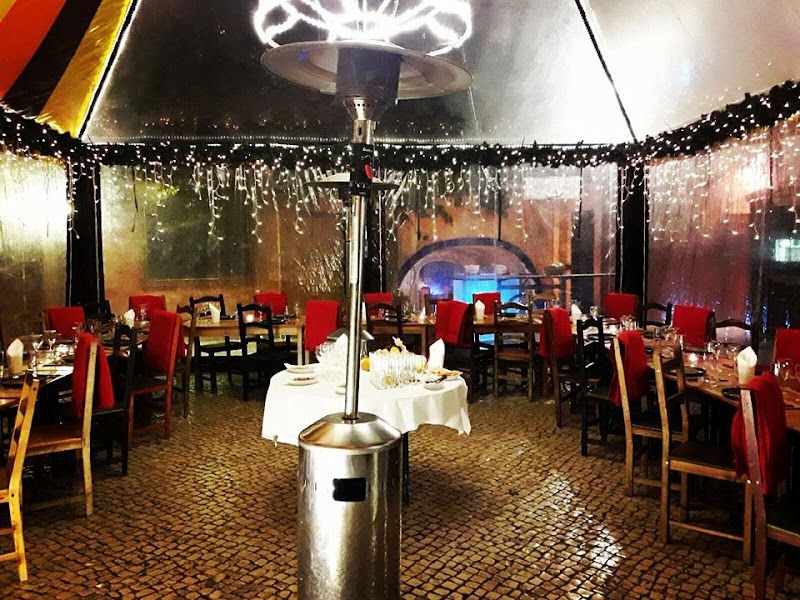
RestaurantRestaurant above a circus school with stunning panoramic views over Alfama and the river. The eclectic menu mixes Portuguese and international dishes. More notable for the terrace views than the food, but the setting at sunset is unbeatable. Mains EUR 16-24.
Pizzeria Casanova
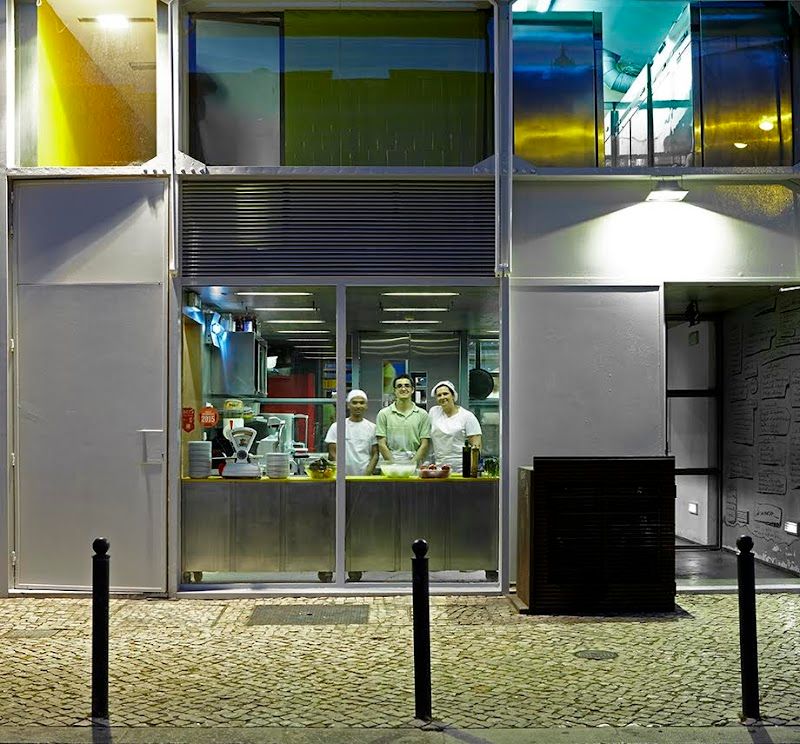
RestaurantFamily-run Italian pizzeria in Graça serving wood-fired Neapolitan pizzas (EUR 10-14) since the 1990s. The neighborhood spot has checkered tablecloths, walls covered in photos, and a loyal local following. Refreshingly unpretentious break from Portuguese cuisine.
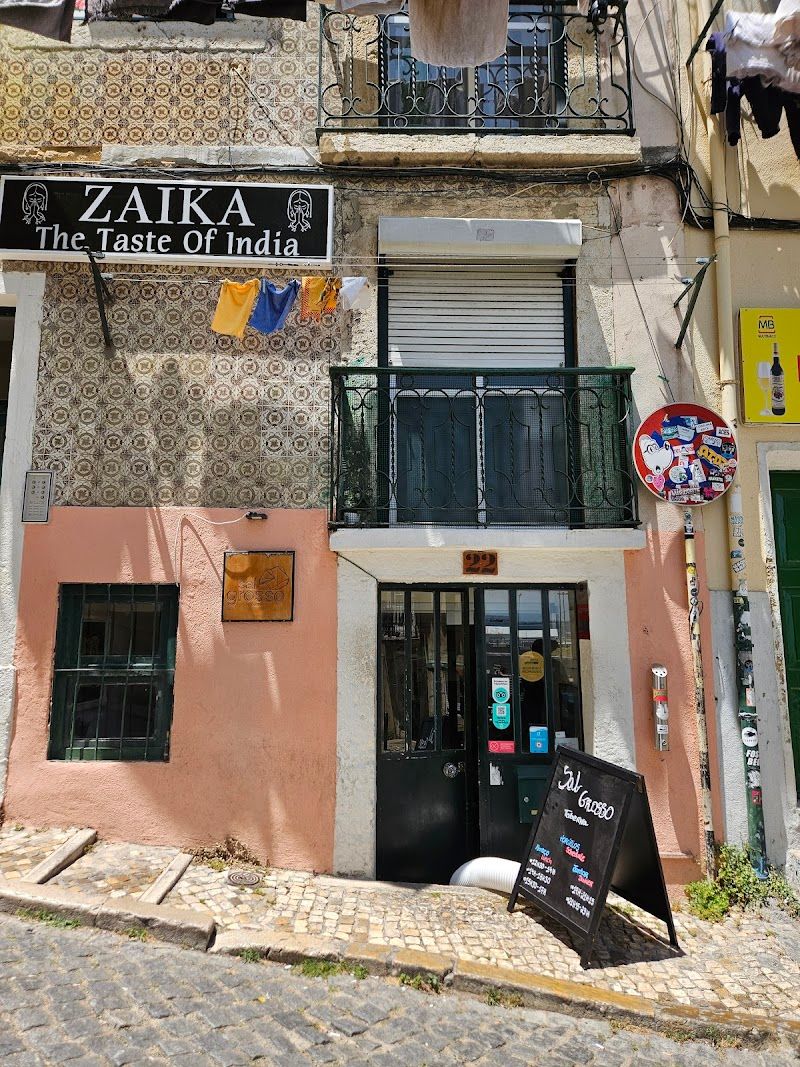
Taberna Sal Grosso
RestaurantTraditional tasca in Alfama with fado nights and excellent Portuguese comfort food. The francesinha (Porto's famous sandwich) is surprisingly authentic, and the bacalhau à Brás is textbook perfect. Stone walls, barrel tables, and locals nursing imperials.
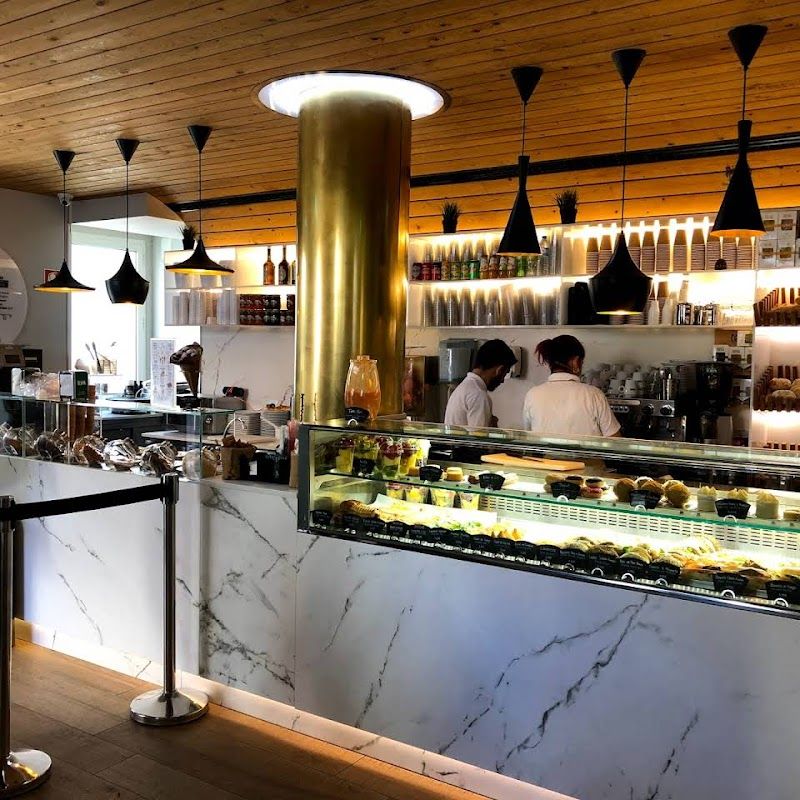
Santo António de Alfama
RestaurantFamily-run restaurant serving traditional Alfama cuisine - grilled sardines (summer), bacalhau, arroz de polvo. The tile-covered dining rooms climb three floors of a narrow building. Friendly service, generous portions, neighborhood prices (EUR 12-18 mains). No reservations - arrive at opening.
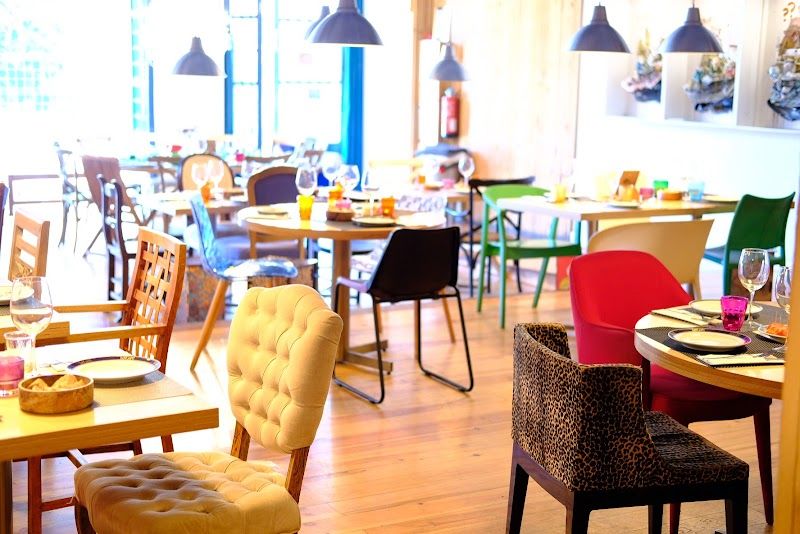
Taberna Moderna
RestaurantContemporary petiscos restaurant near Praça das Flores serving creative small plates with Portuguese soul. The octopus with chickpea purée and the pork cheeks are standouts. Industrial-chic design with exposed brick, friendly service, natural wines by the glass.
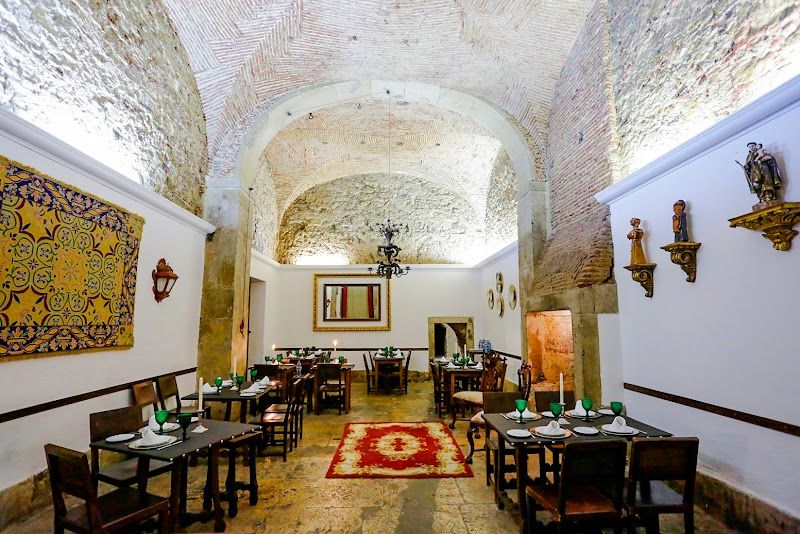
Casa de Linhares
RestaurantFado restaurant in a 17th-century mansion where professional fadistas perform nightly at 8pm and 10pm. The traditional Portuguese menu (EUR 35-45 per person) is better than most fado tourist traps. Stone arches, candlelight, and genuine emotion in the singing.
Getting Here
Insider Tips
Skip Tram 28 through here
Walk instead. The tram is packed after 9 AM and crawling with pickpockets. Tram 12 covers similar ground with a fraction of the crowds. Or just walk - the lanes are the point.
Fado after 9 PM
The tourist fado houses charge EUR 25-40 minimum. The neighbourhood tascas on Rua dos Remedios have free fado from 9:30 PM with just a drink order. The music is often better.
Morning light
Alfama faces east. The light before 10 AM turns the tile facades golden. Start at the top (castle area) and walk downhill - much easier on the legs and the light hits perfectly.
Nearby Neighborhoods
Continue exploring

Baixa & Rossio
Lisbon's grand centre - the Enlightenment grid built from rubble, opening onto the river at one end and the hills at every other.

Chiado & Bairro Alto
Chiado's elegant cafes by day, Bairro Alto's 200-bar street party by night - Lisbon's day and evening split personality.

Belem
Monumental Lisbon - where the Age of Discovery launched from, where the spice-trade money built the monastery, and where the best pasteis de nata still come from.