
Lisbon
Baixa & Rossio
Lisbon's grand centre - the Enlightenment grid built from rubble, opening onto the river at one end and the hills at every other.
About Baixa & Rossio
Baixa is the grid the Marquis of Pombal built after the 1755 earthquake flattened the old city. It was one of the first earthquake-resistant designs in Europe, and the geometric streets still feel modern compared to the medieval chaos on the hills above. Praca do Comercio opens directly onto the Tagus - the riverside steps are where locals sit with an imperial at sunset. Rua Augusta is the pedestrian spine with the triumphal arch (EUR 3 to climb for views down the street). Rossio square at the top has the National Theatre, the ginjinha standing bars (EUR 1.50 a shot of cherry liqueur), and the Rossio station with its horseshoe-arch facade. The Santa Justa Elevator looks impressive but costs EUR 5 for a 45-second ride - walk up from Largo do Carmo instead and get the same view for free.
Things to Do
Top experiences in Baixa & Rossio
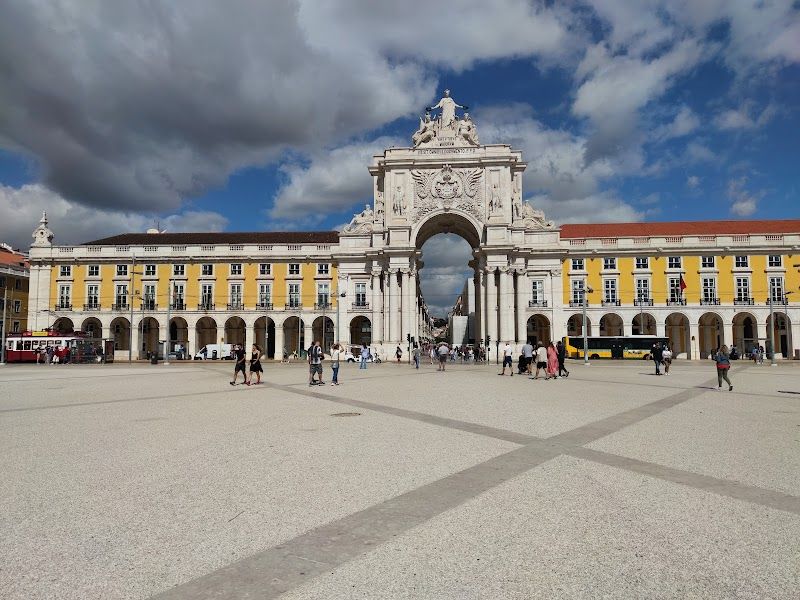
Praca do Comercio
Praça do Comércio is Lisbon's grand waterfront plaza, a massive 36,000 square meter space that opens directly onto the Tagus River. Three sides are lined with matching yellow buildings housing government offices and tourist-trap cafes, while the fourth side gives you unobstructed river views. The centerpiece is the triumphal Arco da Rua Augusta (€3 for the top viewing platform), which frames the entrance to Rua Augusta pedestrian street, and there's an equestrian statue of King José I right in the center. The square feels genuinely grand - you can sense the royal ambitions that built this place before the 1755 earthquake destroyed the original palace. Locals gather on the riverside steps with beers at sunset, while tourists cluster around the arch taking photos. The space hosts weekend markets, outdoor concerts, and the occasional political rally, so there's usually something happening beyond just sightseeing. Walking across it takes about 5 minutes, but you'll want to linger by the water. Most people rush through to reach Rua Augusta, but the real attraction is the riverside setting - it's genuinely one of Europe's most impressive city squares. Skip the overpriced cafes under the arcades and grab drinks from a nearby supermarket instead. The arch's viewing platform is worth €3 if you want photos down Rua Augusta, but the river views from ground level are free and better.
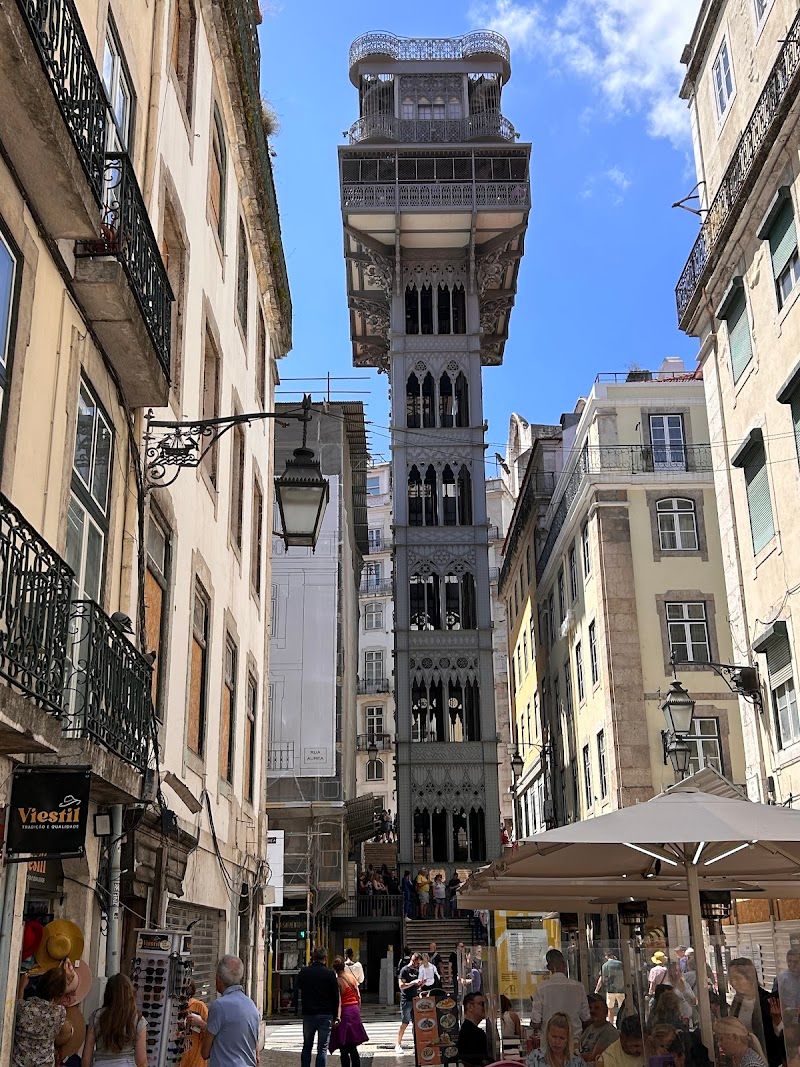
Elevador de Santa Justa
This wrought-iron elevator shoots you 45 meters straight up from downtown Baixa to the Carmo ruins, offering some of Lisbon's best panoramic views. Built in 1902 by a student of Gustave Eiffel, it's essentially a vertical street that saves your legs from a steep climb. The real prize is the circular viewing platform at the top, where you'll see the entire city sprawl from the Tagus River to São Jorge Castle, with the red rooftops of Alfama cascading down the hillside. The elevator itself feels like stepping into a beautiful old birdcage - all decorative ironwork and worn wooden floors. The ride takes about 30 seconds, but you'll spend most of your time on the open-air platform at the top, which gets packed quickly after 10am. The views are legitimately spectacular, especially looking south over the river and east toward the castle perched on its hill. Here's what most guides won't tell you: paying €5.15 to ride up from the bottom is tourist trap territory. Walk up from Chiado via Rua do Carmo (takes 3 minutes), access the platform for free from Largo do Carmo, and skip the queues entirely. The elevator ride itself isn't the point - the views are. Go early morning or late afternoon when the light hits the city just right.
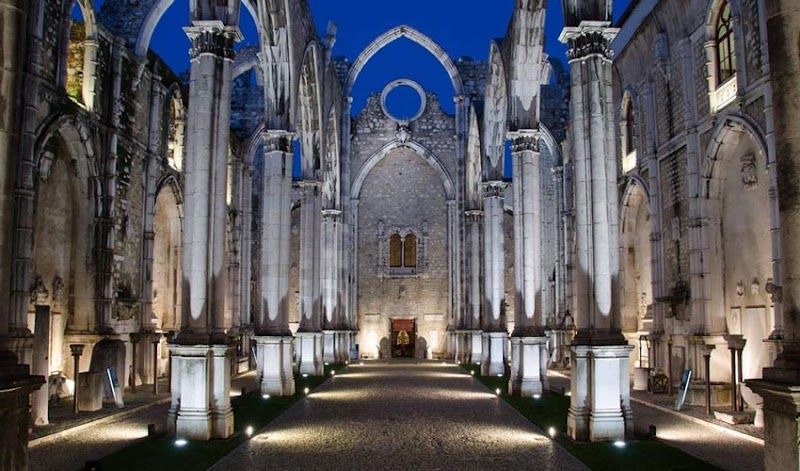
Convento do Carmo
The Convento do Carmo is Lisbon's most dramatic earthquake memorial - a 14th-century Carmelite church left deliberately unrepaired after the 1755 disaster. The Gothic arches rise into open sky where the roof collapsed, creating an otherworldly skeleton of stone that's genuinely moving to experience. Inside the surviving sections, you'll find an archaeological museum with Roman mosaics, medieval tombs, and Pre-Columbian artifacts that feel almost secondary to the ruined church itself. You enter through the intact sacristy and immediately confront the roofless nave - it's genuinely breathtaking how the space transforms from enclosed museum rooms to open-air ruins. The stone floor is scattered with broken capitals and fragments, while the ribbed arches frame patches of sky. Shadows shift constantly across the space, and the contrast between the preserved archaeological displays and the raw destruction creates an almost surreal atmosphere. At €5 entry, it's decent value for the uniqueness alone, though the archaeological collection is pretty standard museum fare. Most visitors rush through in 20 minutes, but the space deserves slower contemplation - sit on one of the stone benches and actually absorb what you're seeing. Skip the upper gallery if you're short on time; the ground-level ruins are what you came for.
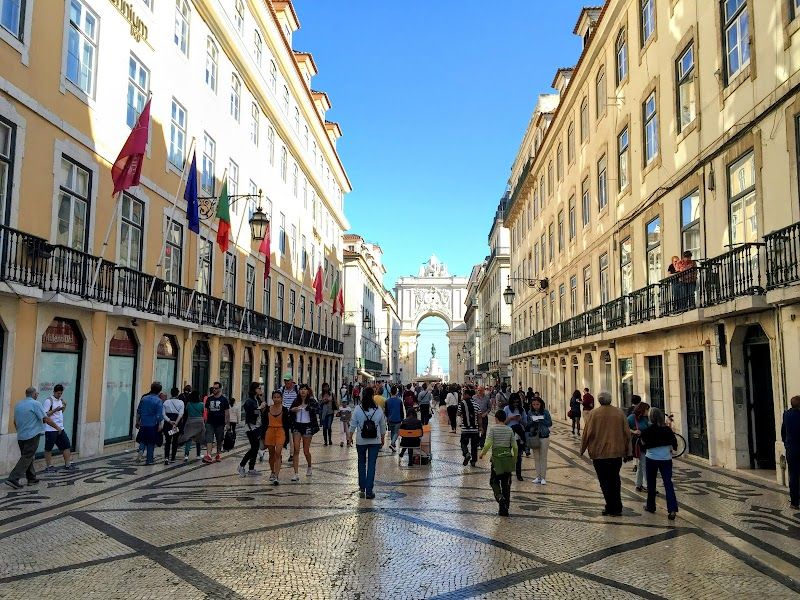
Rua Augusta
Rua Augusta is Baixa's main pedestrian street, stretching from the grand Praça do Comércio to Rossio Square through the heart of Pombaline Lisbon. You'll walk on black and white mosaic pavement past uniform neoclassical buildings housing Zara, H&M, and local souvenir shops, while street musicians perform everything from fado to Beatles covers. The real draw is the Arco da Rua Augusta at the southern end - climb to the top for 3 EUR to see the red rooftops of Alfama and the Tagus River spreading out below. The street has a relaxed pace despite the tourist crowds, with outdoor café tables spilling onto the pedestrian zone and locals cutting through for their daily errands. You'll hear multiple languages as tour groups pause for photos, but it never feels overwhelming. The uniform architecture creates a pleasing rhythm as you walk - every building stands exactly the same height, rebuilt after the 1755 earthquake according to Marquês de Pombal's strict urban planning. Honestly, the shopping is nothing special - standard European chain stores at full prices. The arch climb is worth it for the views, but skip the street-level souvenir shops selling overpriced cork products and ceramic roosters. Come in late afternoon when the light hits the buildings beautifully, then escape to parallel Rua da Prata where identical architecture meets actual Portuguese businesses and reasonable café prices.
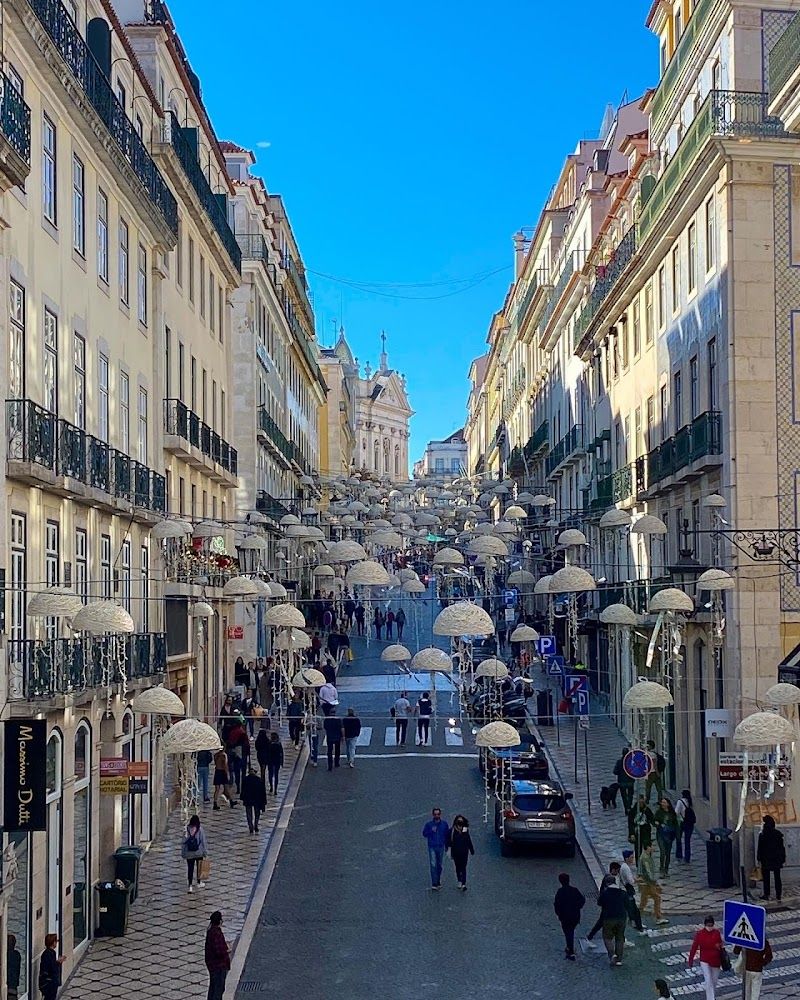
Rua Garrett
Rua Garrett is Chiado's pedestrianized shopping spine, stretching 300 meters between two of Lisbon's most elegant squares. You'll walk past preserved 19th-century storefronts housing everything from Portuguese leather goods at Pelcor (wallets start at €35) to international brands like Zara and Mango. The real draws are A Brasileira café where Pessoa used to write, and Livraria Bertrand, the world's oldest bookstore still operating since 1732. The street flows naturally uphill from Largo do Chiado, with original black and white calçada portuguesa underfoot and Belle Époque facades overhead. Crowds thin out as you climb toward Praça Luís de Camões, and the mix shifts from touristy souvenir shops at the bottom to genuinely good Portuguese designers like Storytailors (shirts from €89) near the top. The preserved Art Nouveau shopfronts create perfect photo ops, especially the tiled facades catching afternoon light. Most guides oversell this as luxury shopping - it's really upscale high street with a few standout local brands mixed in. Skip the overpriced souvenirs near Largo do Chiado and focus on the upper half where rents are lower and shops more authentic. The famous A Brasileira is a tourist trap with mediocre coffee at €2.50, but the bronze statue of Pessoa outside is worth the selfie.
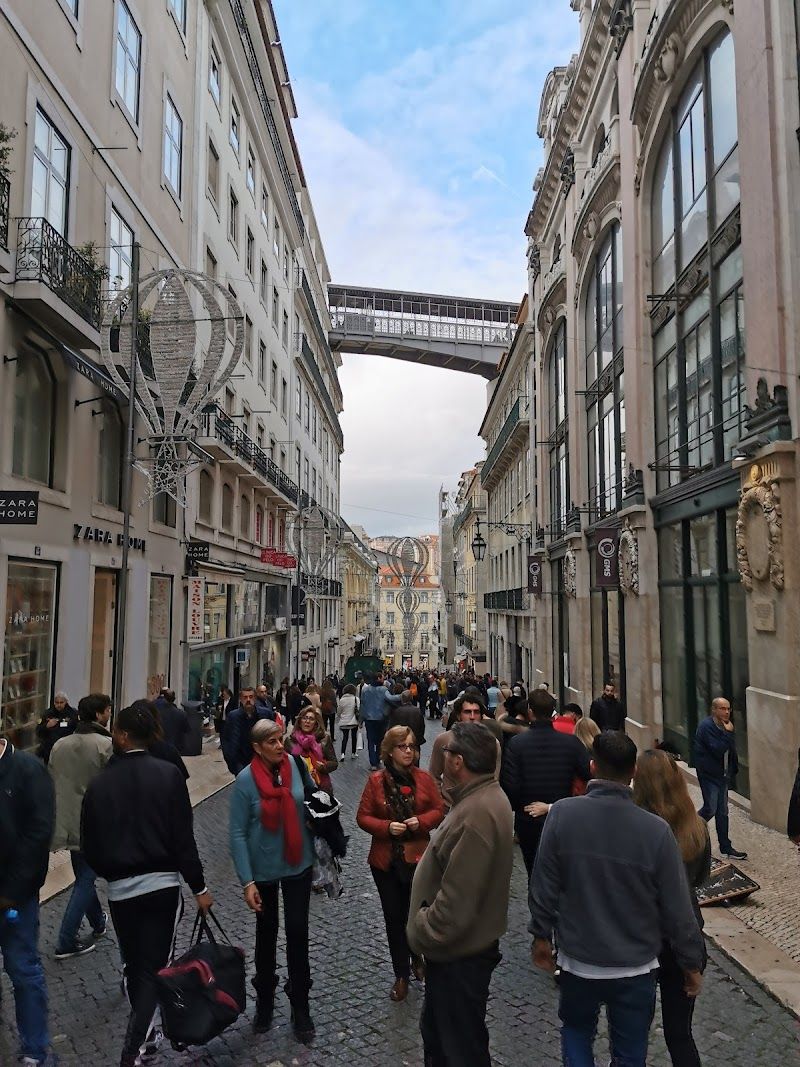
Rua do Carmo
Rua do Carmo runs north-south through Chiado's shopping district, connecting the busy Rossio square to the earthquake-damaged Carmo Convent ruins. You'll find a solid mix of Portuguese brands, international chains, and local shops selling everything from leather goods to traditional ceramics. The street's main draw is its blend of commerce and architecture - 18th-century facades house modern boutiques, and halfway up you'll encounter the dramatic Gothic arches of Carmo Convent's roofless nave. The walk takes about 15 minutes if you're just passing through, but you'll likely get distracted by shop windows and the sudden appearance of medieval stone ruins jutting from the urban landscape. The street has a more relaxed pace than neighboring Rua Garrett - locals actually shop here rather than just tourists browsing. You'll notice the gradual incline as you head toward Largo do Carmo, where the ruins create an unexpected open space that feels almost sacred compared to the commercial energy below. Most people rush straight to Rua Garrett and miss this parallel street entirely, which is their loss. The shopping quality is comparable but prices run about 10-15% lower, especially for Portuguese leather goods and ceramics. Skip the tourist-trap cork shops near Rossio and focus on the middle section around the convent where you'll find better local retailers and fewer crowds.
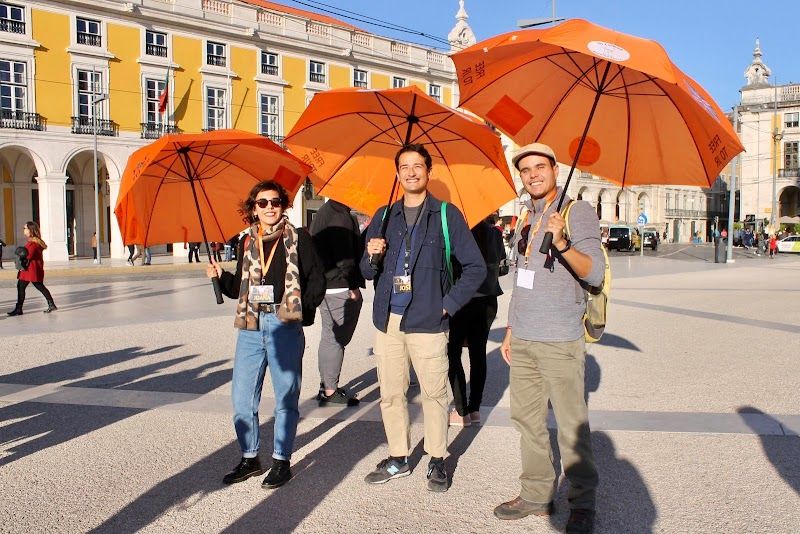
Lisbon by Night Tours
This four-hour evening tour transforms Lisbon's daylight landmarks into a completely different experience under floodlights and city glow. You'll hit the major spots - Belém Tower reflecting in the Tagus, the Cristo Rei statue lit up across the river, and panoramic city views from Parque Eduardo VII - before ending with live fado and dinner in Alfama's narrow streets. The small group size (maximum 8 people) means you're not herding around with tour buses, and hotel pickup saves you the hassle of meeting points. The van portion feels intimate and conversational, with your guide pointing out details you'd never notice walking past these monuments during the day. The Cristo Rei crossing is genuinely spectacular at night - the bridge lights create this golden pathway effect over the water. But the real highlight comes later in Alfama, where you'll sit in a traditional fado house listening to Portugal's melancholic folk music while eating proper local food, not tourist menu nonsense. Here's what most reviews don't mention: the tour runs long, often stretching past the promised four hours, especially if the fado performance gets extended (which happens frequently). The dinner isn't gourmet - expect solid traditional dishes like bacalhau or grilled fish, but don't come expecting fine dining. At around €85-95 per person, it's decent value considering you get transportation, dinner, and entertainment, but budget extra time since these tours rarely finish on schedule.
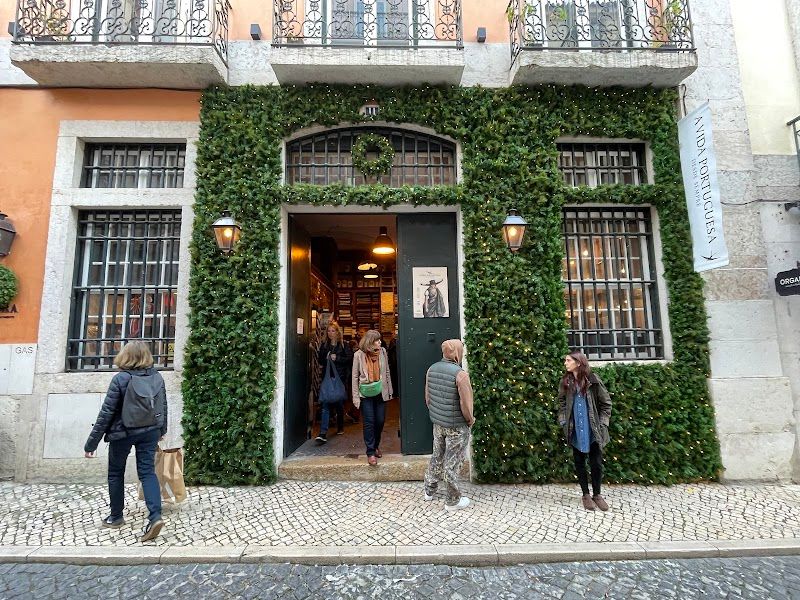
A Vida Portuguesa
A Vida Portuguesa is the place to buy actual Portuguese products, not tourist junk. You'll find Claus Porto soaps that locals actually use, Bordallo Pinheiro's famous cabbage leaf ceramics, beautifully designed sardine tins that make perfect gifts, and quality cork accessories from wallets to bags. The Chiado flagship occupies a converted 1920s perfume factory with original wood fixtures and vintage display cases that feel authentically Portuguese. The space feels more like a curated museum than a souvenir shop. Products are arranged by category across wooden shelves and glass cases, with everything from traditional azulejo tile coasters to modern interpretations of Portuguese crafts. You can actually touch and examine most items, unlike many heritage shops that keep everything behind glass. The staff knows the story behind each brand and can explain why certain products cost more than mass market versions. Most guidebooks call this expensive, but you're paying for authenticity. Claus Porto soap bars run €8 to €12, while the famous sardine tins cost €3 to €8 depending on design. Skip the cork purses (overpriced at €45+) and focus on smaller items like the gorgeous ceramic bowls (€15 to €25) or traditional Portuguese linens. The Bordallo Pinheiro pieces here cost 20% less than at standalone brand stores, making this your best bet for those iconic cabbage plates.
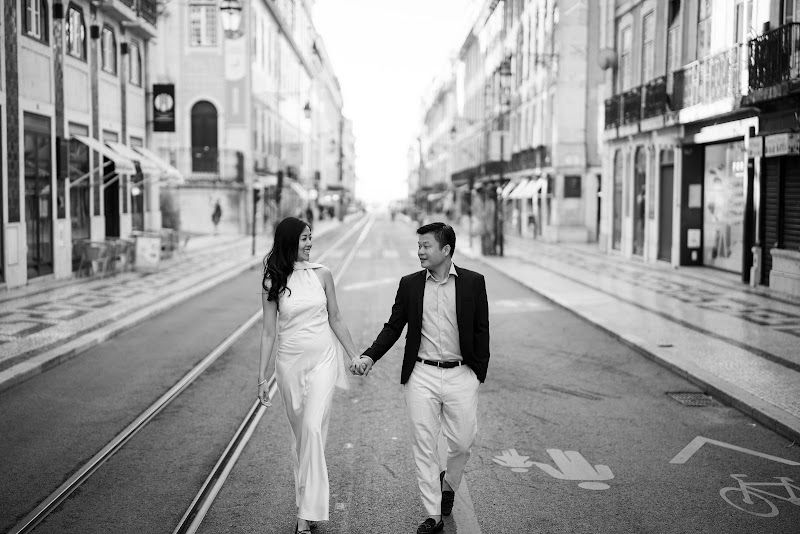
Lisbon Photography Tours
These half-day workshops pair professional photographers with small groups (maximum 8 people) to capture Lisbon's most photogenic neighborhoods during golden hour. You'll spend three hours moving between Graça and Alfama, learning composition techniques at famous miradouros like Senhora do Monte and Santa Luzia, photographing traditional azulejo tile work, and capturing authentic street life in narrow medieval alleys. The sessions cover both technical camera settings and basic editing on your phone or laptop. The tour starts at 4pm in Graça's quieter streets before the light gets interesting. Your guide demonstrates shot composition using the city's layered architecture, then lets you practice while offering individual feedback. The pace feels relaxed but purposeful: you'll stop frequently for 10-15 minutes at each spot, shoot the same scene from multiple angles, and compare results with other participants. By 6:30pm you're positioned at the best viewpoints watching the sun set over terracotta rooftops and the Tagus. At €75 per person, it's excellent value compared to similar tours in other European capitals. Skip this if you're already comfortable with manual camera settings: the technical instruction stays fairly basic. The real worth comes from location knowledge and timing. Your guide knows exactly when the light hits each miradouro and which narrow Alfama streets photograph best in late afternoon shadows.
Where to Eat
Restaurants and cafes in Baixa & Rossio
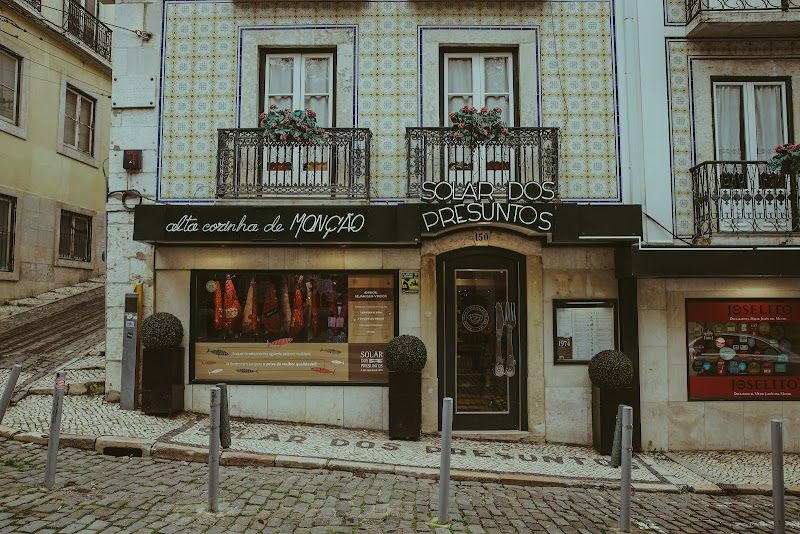
Solar dos Presuntos
RestaurantOld-school Portuguese restaurant serving politicians and businesspeople since 1974. The dining room features hanging presunto hams, white tablecloths, and formal waiters. Specialties include arroz de marisco and perfectly grilled fish sold by weight - expect EUR 30-40 per person.
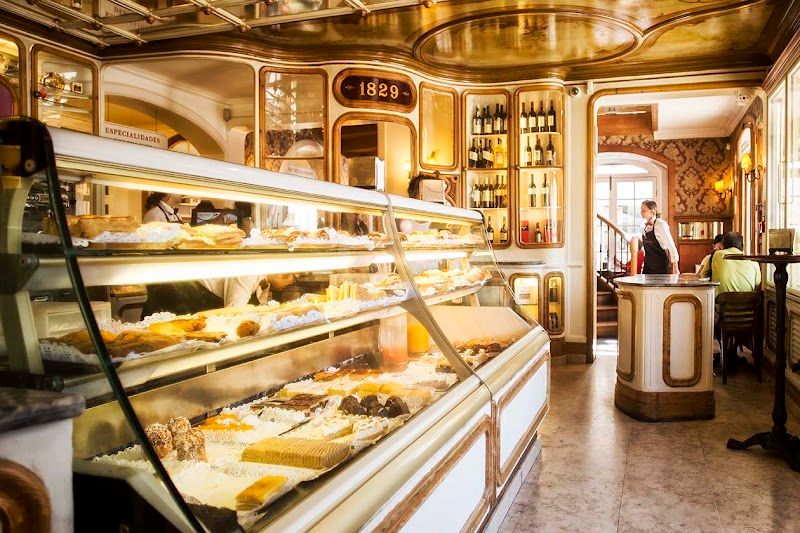
Confeitaria Nacional
CafePortugal's oldest operating pastelaria since 1829 with original 19th-century woodwork and glass display cases filled with regional sweets. The crystal chandeliers and marble counters have served everyone from royalty to modern-day locals grabbing morning pasteis de nata.
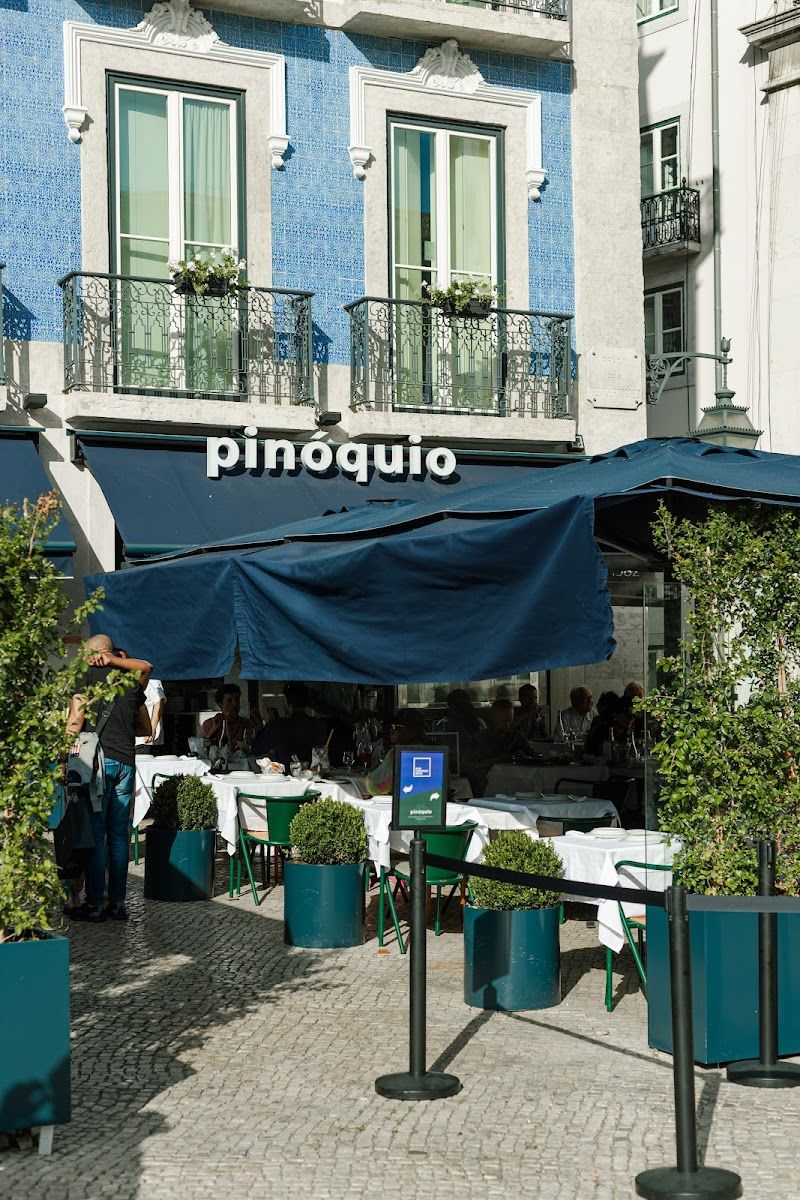
Cervejaria Pinóquio
RestaurantClassic cervejaria in Rossio open until 2am, serving shellfish, steaks, and cold draft beer since 1962. The terrace facing Teatro Nacional D. Maria II offers prime people-watching. Reliably good traditional food at fair prices (EUR 15-25 per person) in the heart of downtown.
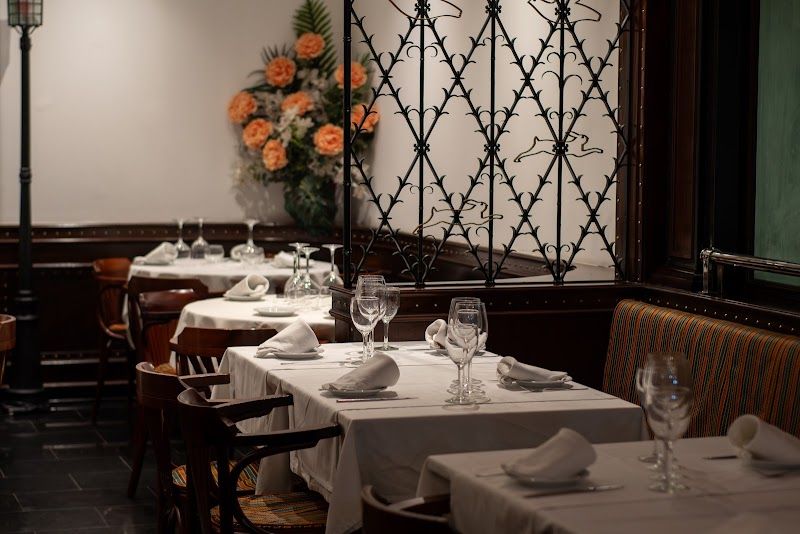
Cafe Nicola
CafeFounded in 1777 on Rossio square with neoclassical facade and outdoor tables facing the wavy mosaic pavement. Historic meeting spot for writers and revolutionaries, now serving galao and torradas to commuters and travelers between train connections.
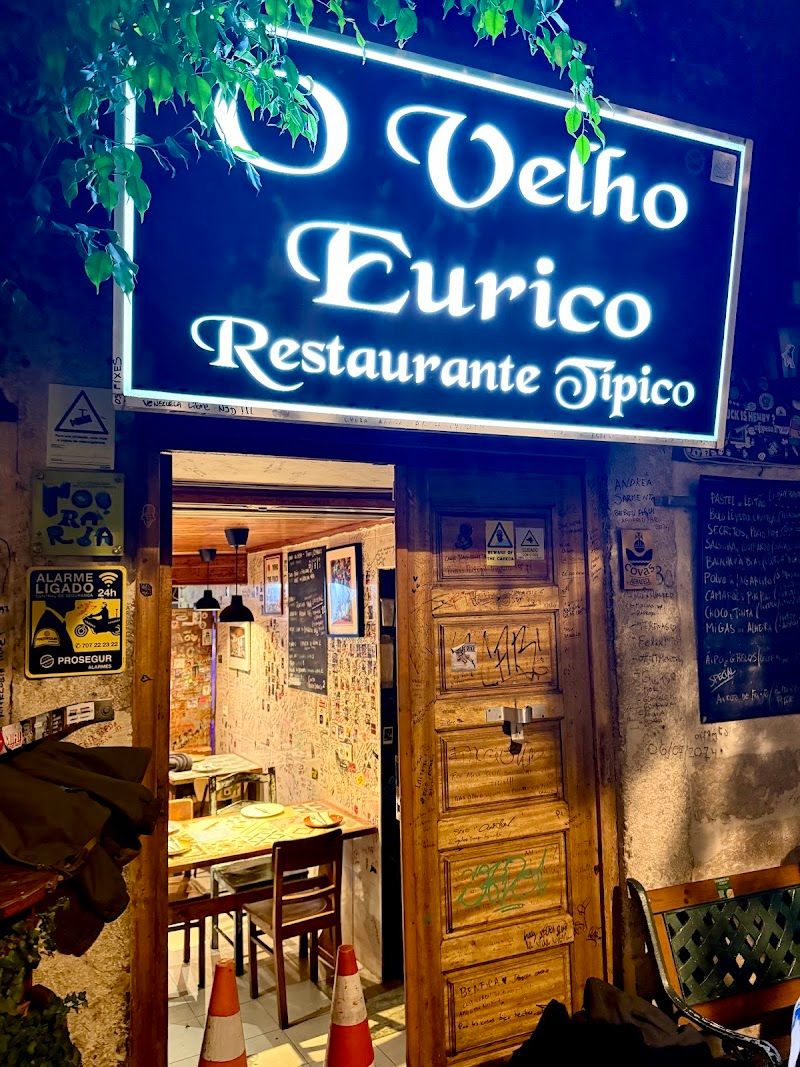
O Velho Eurico
RestaurantHole-in-the-wall tasca in Alcântara serving massive portions of roasted meats and daily specials for EUR 10-13. The paper tablecloths serve as menus, walls are covered in football pennants, and the owner greets everyone like family. Zero English spoken, maximum authenticity.
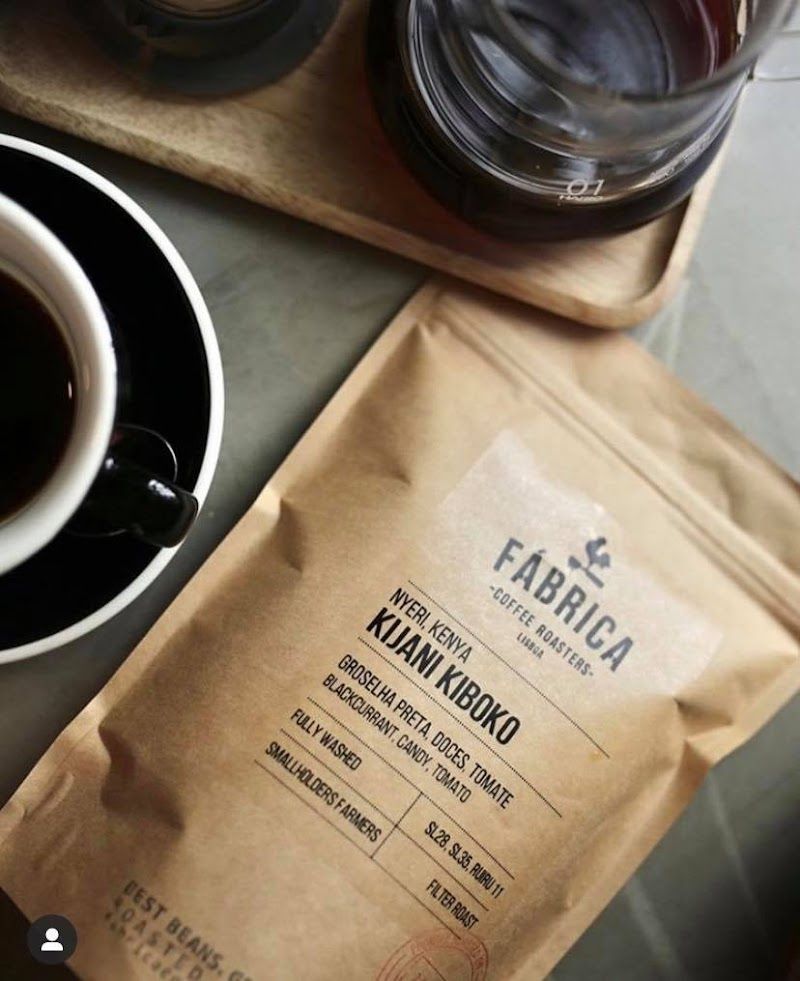
Fabrica Coffee Roasters
CafeThird-wave coffee roastery in a former fabric warehouse with exposed brick and industrial design. They roast beans on-site weekly and serve single-origin pour-overs, with baristas who actually explain tasting notes.
Nightlife
Bars and nightlife in Baixa & Rossio
Getting Here
Insider Tips
Santa Justa shortcut
Walk up from Largo do Carmo to the top terrace of the elevator for free. The paid ride is EUR 5 for a 45-second lift that is not worth the queue.
Avoid Rua Augusta restaurants
The restaurants on Rua Augusta are tourist traps. Walk one block east or west and prices drop 40% for better food.
Ginjinha at Rossio
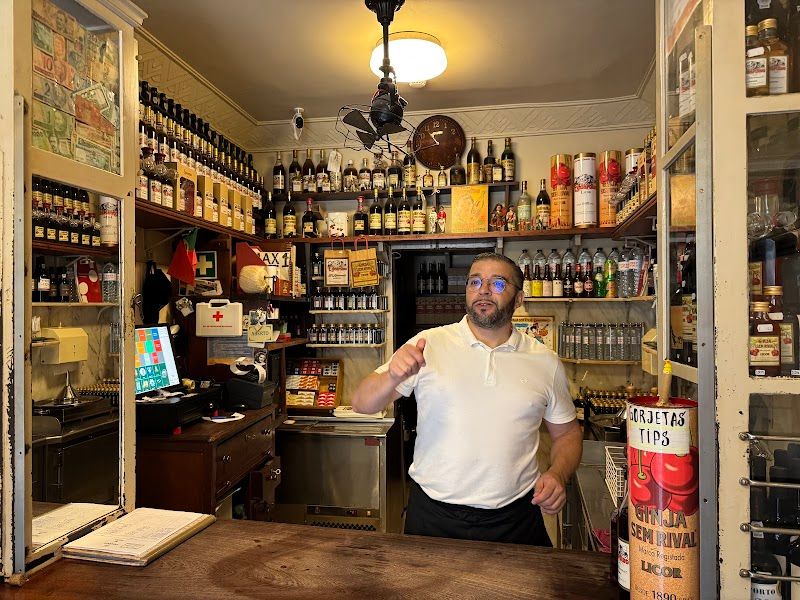
A Ginjinha and Ginjinha Sem Rival face each other near Rossio. EUR 1.50 for a shot of sour cherry liqueur at a standing counter. One is enough. Two is a tradition.
Nearby Neighborhoods
Continue exploring
Alfama
The soul of old Lisbon - narrow lanes, fado from open windows, and neighbourhood life that predates everything else in the city.

Chiado & Bairro Alto
Chiado's elegant cafes by day, Bairro Alto's 200-bar street party by night - Lisbon's day and evening split personality.

Belem
Monumental Lisbon - where the Age of Discovery launched from, where the spice-trade money built the monastery, and where the best pasteis de nata still come from.
Plan a trip featuring Baixa & Rossio
Get a personalized Lisbon itinerary with Baixa & Rossio built in.
Start Planning