
Lisbon
Belem
Monumental Lisbon - where the Age of Discovery launched from, where the spice-trade money built the monastery, and where the best pasteis de nata still come from.
About Belem
Belem is a 20-minute tram ride west of the centre and it has the monuments, the monastery, and the original Pasteis de Belem. The Jeronimos Monastery is the single most impressive building in Lisbon - Manueline architecture paid for with Vasco da Gama's spice trade profits, with carved stonework so detailed it makes Gothic look restrained. Free on Sundays before 2 PM, EUR 10 otherwise. The Tower of Belem is the postcard image but looks better from outside than inside (the interior is cramped, the queue is long, save your time). The MAAT museum has the best contemporary exhibitions and the building itself, by Amanda Levete, is worth the trip. Pasteis de Belem has the recipe since 1837 - skip the takeaway queue and sit in the back rooms for the same pasteis at the same price with zero wait.
Things to Do
Top experiences in Belem
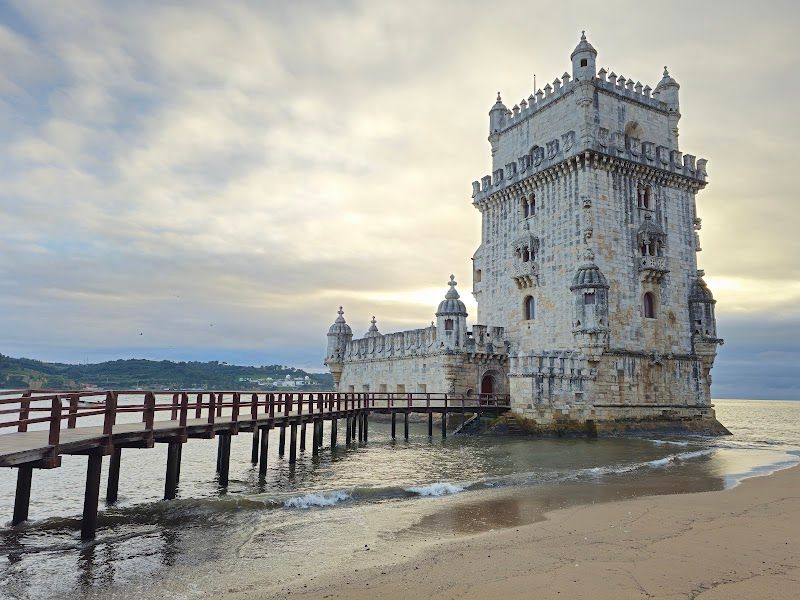
Tower of Belem
The Torre de Belém stands sentinel where Portuguese caravels once departed for the New World, a 16th-century fortress that's become Lisbon's most photographed monument. You're here for the extraordinary Manueline stonework covering every surface - twisted rope carvings, maritime motifs, and those famous Moorish watchtowers that blend Christian and Islamic influences. The most famous detail is the rhinoceros gargoyle on the northwest corner, carved to commemorate the first rhino that reached Europe in 1515. The tower feels smaller than expected when you're standing beneath it, but that intimacy makes the carved details more impressive. Crowds circle constantly with cameras, and the interior queues snake around the base most days. Inside, you'll climb a claustrophobic spiral staircase through former prison cells and ammunition stores to reach the top terrace. The views over the Tagus are pleasant but hardly spectacular, and the narrow stairs create bottlenecks that slow everything down. Here's what most guides won't tell you - the exterior is genuinely the main attraction, and it's free to admire from every angle. At €6 for adults, the interior feels overpriced for what amounts to cramped medieval rooms and average views. Your time is better spent walking the waterfront promenade for different perspectives, then heading to Jerónimos Monastery where the interior actually justifies the entrance fee.
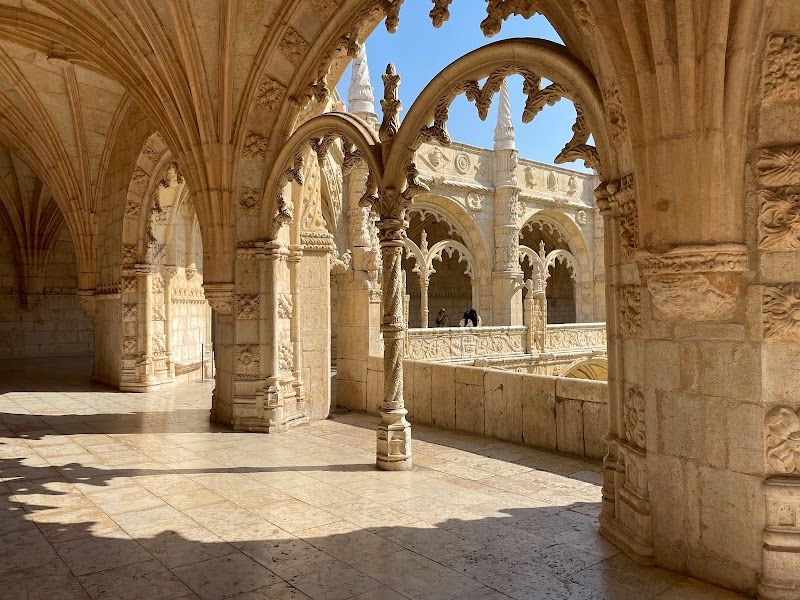
Jeronimos Monastery
The Jerónimos Monastery is Portugal's architectural crown jewel, built with gold from Vasco da Gama's spice routes when Manuel I had money to burn. You're here for the Manueline stonework - imagine Gothic architecture that discovered seafaring and went completely overboard with maritime motifs. Every surface crawls with carved ropes, coral, shells, and twisting organic forms that took master craftsmen a century to complete. The two-story cloister is where you'll spend most of your time, and honestly, the detail is ridiculous - each column tells a different story in stone. Walking through feels like entering a stone garden where architecture becomes sculpture. The cloister's gallery runs around a central courtyard where orange trees grow, and you'll find yourself stopping constantly to examine another intricate carving. The church nave soars overhead with palm-tree columns that seem to grow from the floor, while light filters through creating dramatic shadows on the limestone. It's surprisingly peaceful despite the crowds - the scale swallows the noise. Most people rush through in 45 minutes, but you need at least 75 to appreciate what you're seeing. The church is always free and worth seeing even if you skip the €10 cloisters. Sunday mornings before 2 PM are free but packed - arrive at opening (10 AM) or pay the fee for a calmer experience. Skip the maritime museum next door unless you're genuinely into nautical history - the monastery itself tells the story better.
Lisbon Sailors
Lisbon Sailors runs intimate sunset cruises for groups of 8-12 people on traditional Portuguese sailboats, departing from the marina at Doca de Belém. You'll sail past the Torre de Belém, under the rust-red 25 de Abril Bridge, and get unobstructed views of the Cristo Rei statue across the Tagus. The wooden boats are authentically restored, and you'll actually help hoist the sails if wind conditions allow - it's hands-on sailing, not just a floating tour bus. The experience feels genuinely Portuguese rather than touristy. Your captain shares stories about Lisbon's maritime history while pouring Portuguese wine from actual glasses (not plastic cups). The boat moves at a proper sailing pace, giving you time to appreciate how the city looks from the water - the terracotta rooftops climbing the hills, the Monument to the Discoveries jutting into the river, and the dramatic scale of the suspension bridge overhead. Other passengers tend to be couples and small groups of friends rather than large tour groups. At €35-40 per person, it's excellent value compared to similar tours in other European capitals that charge €60+. Most sunset sailing tours in Lisbon are overcrowded catamarans with 30+ people - this feels more like sailing with knowledgeable locals. The only downside is weather dependence; they'll switch to motor if there's no wind, which changes the whole vibe. Book directly through their website to avoid markup from tour operators.
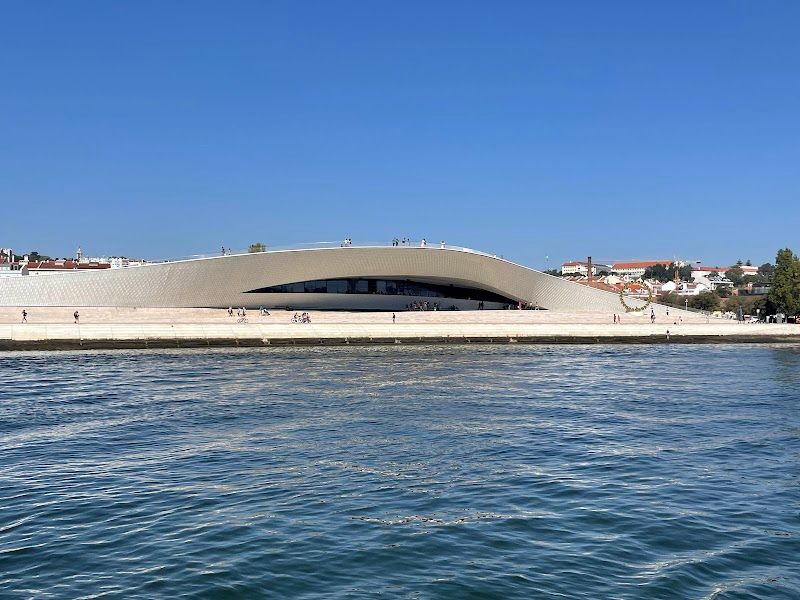
MAAT - Museum of Art, Architecture and Technology
MAAT combines Amanda Levete's contemporary building with the preserved 1908 Tejo Power Station, creating Lisbon's most architecturally ambitious museum. The new building's undulating ceramic-tile facade flows like a wave along the Tagus, while inside you'll find rotating exhibitions that genuinely push boundaries between art, technology, and architecture. The power station retains its original industrial machinery alongside contemporary installations in the massive turbine hall. The experience feels like exploring a spaceship that's landed on Lisbon's riverfront. You'll walk through galleries where digital art responds to your movement, then step into the cathedral-like power station where massive generators dwarf visitors. The rooftop walkway curves dramatically above both buildings, offering unobstructed river views that make for great photo opportunities. The contrast between spaces keeps you engaged - sleek minimalism in the new wing, raw industrial power next door. Here's what most guides won't tell you: the exhibitions can be hit-or-miss, and when they miss, €5 can feel steep for what you get. The power station is consistently more impressive than whatever's showing in the contemporary galleries. Skip the audio guide (€3 extra) and spend that time on the free rooftop instead. If there's a major temporary exhibition, it's usually worth the €8 full ticket, but check what's on before committing.
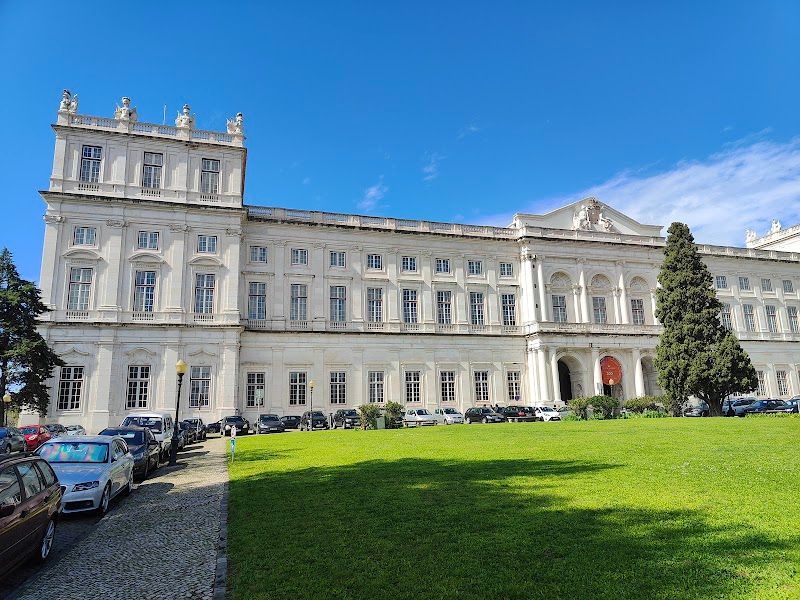
Palácio Nacional da Ajuda
This neoclassical palace shows you exactly how Portugal's last monarchs lived, with rooms frozen in time since King Manuel II fled the 1910 revolution. You'll walk through lavishly decorated state apartments filled with original 19th-century furniture, French tapestries, and an impressive collection of decorative arts. The highlight is the gilded Throne Room with its crystal chandeliers and ornate ceiling - it's where the royal family held their final court ceremonies before exile. The self-guided route takes you through about 20 rooms in chronological order, starting with the more formal state areas and ending in surprisingly intimate private quarters. Unlike Pena Palace's tourist crowds, you'll often find yourself alone in grand salons where you can actually examine the intricate details up close. The palace feels genuinely lived-in rather than museum-like, with personal touches like the queen's sewing room and the king's study still intact. Entry costs €5, making it Lisbon's best palace value - you get the royal experience without Sintra's €14 price tags or hour-long queues. Most visitors rush through in 45 minutes, but you should take the full 90 minutes to appreciate the craftsmanship. Skip the sparse upper floors if you're short on time and focus on the piano nobile where the real treasures are. The audio guide costs an extra €2 but isn't necessary since room descriptions are in English.
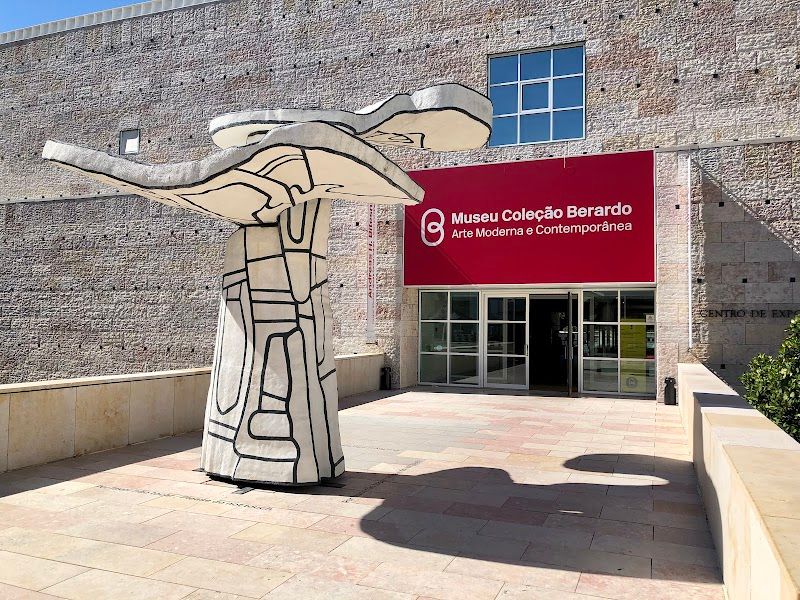
Museu Coleção Berardo
Museu Coleção Berardo houses one of Europe's finest contemporary art collections inside Belém's Cultural Center, completely free of charge. You'll walk through bright, spacious galleries filled with works by Warhol, Picasso, Dalí, Pollock, and dozens of other major 20th-century artists. The collection spans surrealism, pop art, conceptual art, and minimalism across multiple floors, with pieces that would cost €20+ to see elsewhere. The museum feels refreshingly uncrowded compared to Lisbon's tourist-packed attractions - you can actually study the artworks without fighting through crowds. The galleries flow logically by movement and era, with excellent English descriptions throughout. The building itself is modern and well-lit, making the colorful pop art pieces particularly striking. You'll spend most of your time on the main exhibition floors, though temporary shows often occupy the ground level. Most travel guides barely mention this place, which is insane given the quality and zero cost. Skip the temporary exhibitions unless they specifically interest you - the permanent collection is the real draw. The gift shop is overpriced, but the café offers decent coffee with canal views. Pair this with nearby Jerónimos Monastery since you're already in Belém, but honestly, the art collection is more impressive than the monastery's tourist crowds.
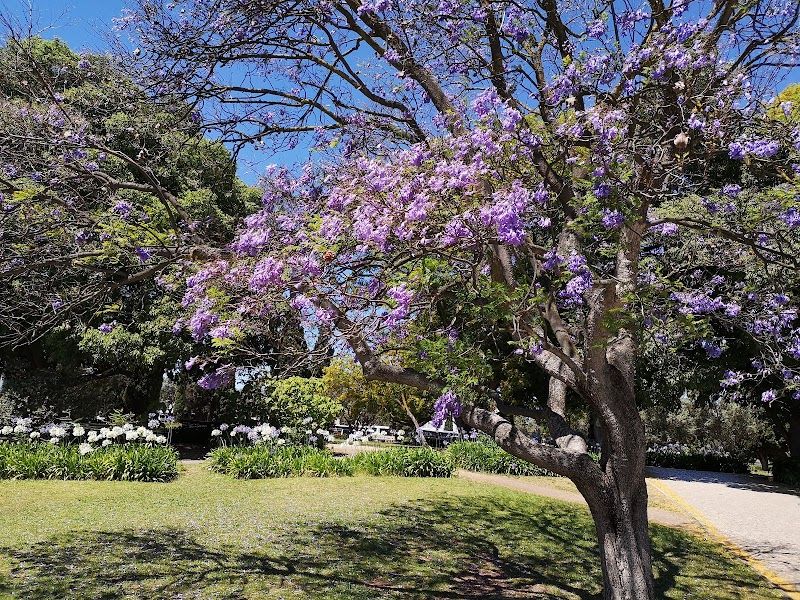
Jardim Vasco da Gama
Jardim Vasco da Gama stretches along the Tagus riverbank between the Discoveries Monument and the Cultural Center, offering one of Lisbon's best free riverside experiences. You'll find perfectly maintained lawns dotted with palm trees, wide gravel paths ideal for strolling, and unobstructed views across the water to the Cristo Rei statue. The garden serves as Belém's breathing space, where locals come to jog at dawn and couples claim benches for sunset watching. The atmosphere feels refreshingly calm compared to the tourist chaos around nearby monuments. You can spread a blanket anywhere on the grass, and the river breeze keeps things comfortable even in summer. The best spots are closest to the water where you get panoramic views of the 25 de Abril Bridge and passing boats. Street performers occasionally set up near the monument end, but most of the garden stays peaceful. Most visitors rush past this garden to tick off monuments, which is their loss. It's completely free and genuinely relaxing, unlike the overpriced cafés nearby that charge €4 for basic coffee. The garden looks identical in all seasons since the palm trees stay green, so don't worry about timing your visit. Skip the formal Cultural Center café and bring your own snacks instead.

Sailboat Lisbon
Sailboat Lisbon operates a pristine 40-foot yacht from Doca de Belém, offering private charters along the Tagus River for up to 8 passengers. You'll sail past Belém Tower, the Monument to the Discoveries, and Cristo Rei statue while enjoying unobstructed views of Lisbon's waterfront that you simply can't get from land. The boat comes equipped with a sound system, comfortable seating, and optional catering ranging from simple snacks to full meals. The experience starts at the marina where Captain João (or one of his equally experienced crew) briefs you on safety before setting sail. Once you're moving, the city transforms into a postcard perfect panorama. The boat handles beautifully in the Tagus's calm waters, and you'll find yourself relaxing immediately as Lisbon's famous light hits the pastel buildings from this unique angle. The crew knows exactly where to position for photos and shares stories about the monuments you're passing. Most sailing companies in Lisbon are overpriced tourist traps, but this one delivers genuine value at around 200 EUR for a 3-hour private charter (split among your group). Skip the sunset cruises unless you're proposing, the afternoon light is actually better for photos and costs 50 EUR less. The onboard catering adds 25 EUR per person but it's restaurant quality, not the usual boat snacks.
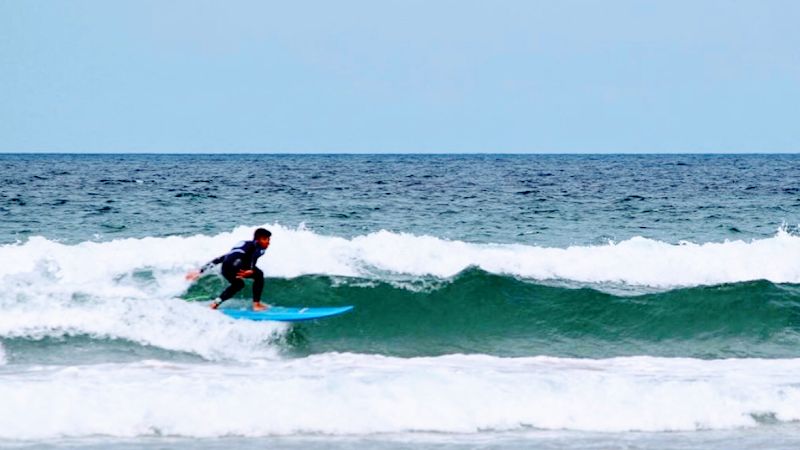
Lisbon Surf School Costa da Caparica
Costa da Caparica's surf school takes you to Portugal's most consistent beginner waves, just 30 minutes from central Lisbon. You'll get proper instruction on 12km of Atlantic coastline where the sandy bottom and rolling waves create ideal learning conditions. The beach faces west into the Atlantic swell, meaning you'll find surfable waves most days of the year, unlike the sheltered Tagus estuary spots closer to the city. Your lesson starts with 20 minutes on the sand learning pop-up technique and wave safety before heading into knee-deep water. The instructors are local surfers who genuinely want you to catch waves, not just go through the motions. You'll spend most of your time in waist-deep water where broken waves give you the perfect push without the intimidation factor. The wetsuit keeps you warm even in winter, and by the end you'll actually be riding waves to shore. Most surf schools in Portugal are tourist traps, but this one delivers real instruction for around 35-40 EUR including gear. The ferry ride from Cais do Sodré adds 45 minutes each way but it's worth it for waves that actually work for beginners. Skip afternoon sessions when the wind picks up and turns the water choppy. Book the 9am slot if possible, the beach is empty and conditions are glassy.
Where to Eat
Restaurants and cafes in Belem
Pastéis de Belém
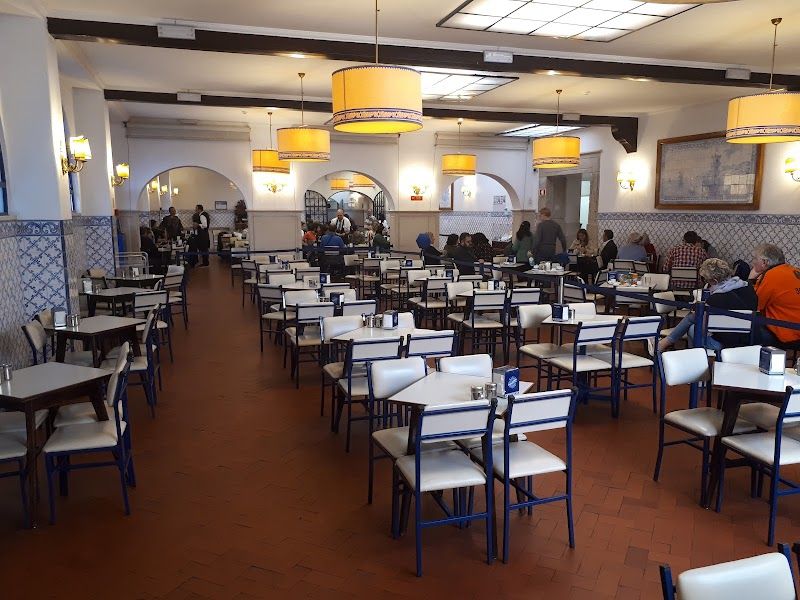
RestaurantThis blue-tiled bakery has been turning out pastéis de nata since 1837 using the original recipe from Jerónimos Monastery monks - they're the only place legally allowed to call them "Pastéis de Belém." You'll watch bakers through glass windows rolling impossibly thin pastry and filling thousands of metal molds, producing over 20,000 tarts daily. The difference between these and regular pastéis de nata isn't subtle - the custard has more depth and the pastry shatters differently. The takeaway counter draws endless tourist queues, but smart visitors head straight into the sprawling dining rooms that feel like a Portuguese grandmother's house expanded to restaurant size. Waiters in bow ties navigate between families, couples, and solo travelers all doing the same thing - eating warm tarts with coffee while powdered cinnamon and sugar packets pile up on checkered tablecloths. The atmosphere is unhurried despite the constant turnover. Most guides treat this like a quick photo stop, but you'll want 30 minutes minimum to properly appreciate what you're eating. At €1.40 per tart and €0.70 for espresso, it's cheaper than most tourist traps yet infinitely better. Don't bother with more than two tarts - they're rich enough that three becomes a chore, not a pleasure.
Darwin's Café
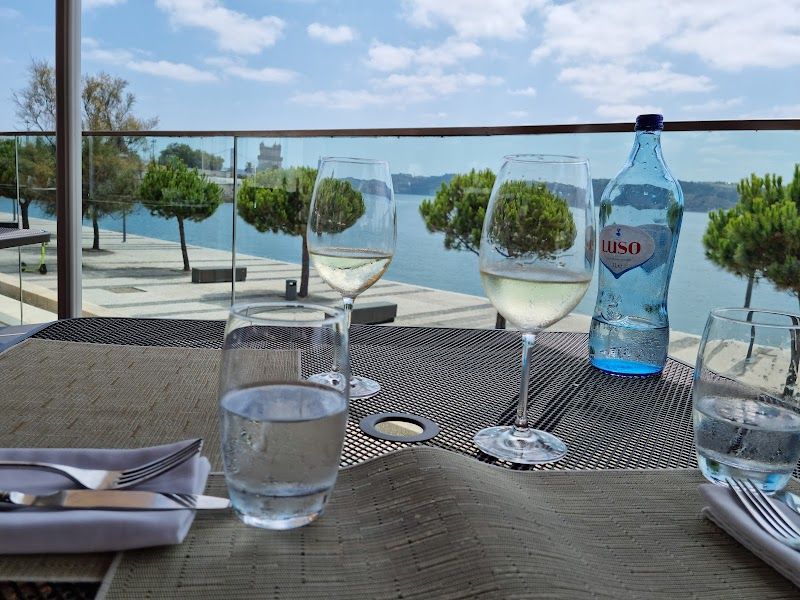
CafeA charming café tucked inside the lush gardens of the Botanical Museum, offering a peaceful escape from Belém's crowds. Serves quality coffee, fresh pastries, and light lunches in a greenhouse-like setting surrounded by exotic plants. Popular with locals working remotely and botanical enthusiasts.
O Frade
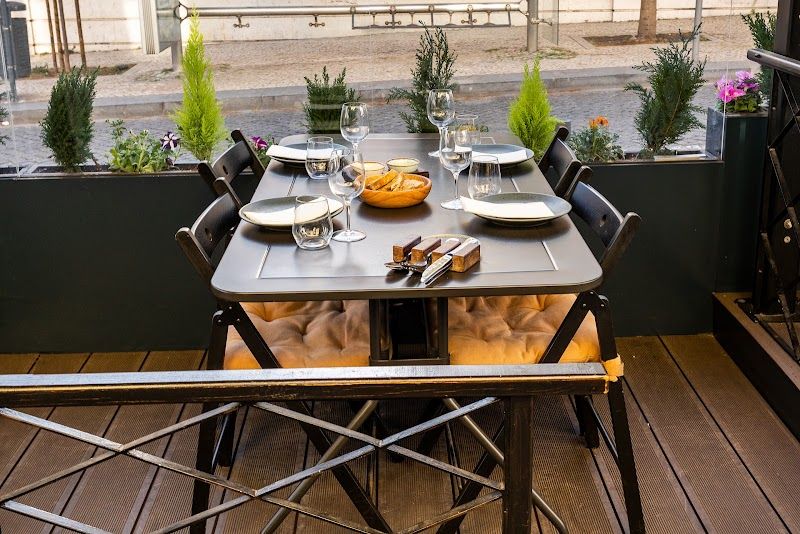
RestaurantTiny family-run tasca in Alfama serving grilled fish and meat on a charcoal grill visible from the street. The sardines (seasonal May-September) and pork ribs are legendary. Just six tables, paper tablecloths, and home-cooking that draws locals down the steep lanes.
Feitoria Restaurant & Wine Bar
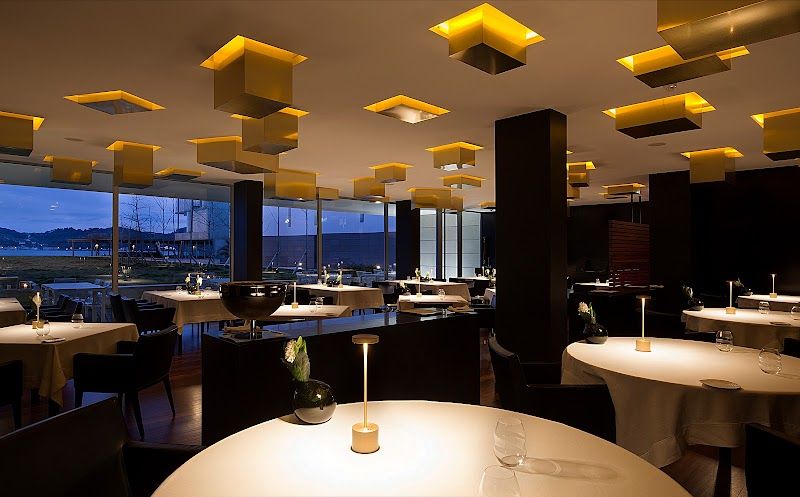
RestaurantMichelin-starred restaurant inside the Altis Belém Hotel, showcasing modern Portuguese cuisine with seasonal Atlantic ingredients. Chef João Rodrigues creates innovative tasting menus paired with an exceptional Portuguese wine selection. The minimalist dining room overlooks the Tagus River and offers impeccable service.
Getting Here
Insider Tips
Monastery timing
Free entry Sundays and holidays before 2 PM - arrive at 9:45 AM to beat the rush. The cloisters are the highlight. The church nave is always free.
Pasteis de Belem trick
The seated restaurant in the back rooms has no queue and the same pasteis (EUR 1.30 each). Ask for extra cinnamon. They make about 20,000 per day.
Getting there
Tram 15E from Praca do Comercio (EUR 1.50 with Zapping) is the scenic route. Or walk the waterfront from Santos in 40 minutes for the river views.
Nearby Neighborhoods
Continue exploring
Alfama
The soul of old Lisbon - narrow lanes, fado from open windows, and neighbourhood life that predates everything else in the city.

Baixa & Rossio
Lisbon's grand centre - the Enlightenment grid built from rubble, opening onto the river at one end and the hills at every other.

Chiado & Bairro Alto
Chiado's elegant cafes by day, Bairro Alto's 200-bar street party by night - Lisbon's day and evening split personality.