
Lisbon
Principe Real & Rato
Lisbon's most polished neighbourhood - design shops, Saturday brunch culture, and the garden that everyone wishes they lived next to.
About Principe Real & Rato
Principe Real is the neighbourhood Lisbon residents aspire to live in. The central garden (Jardim do Principe Real) has a massive cedar tree, a Saturday organic market, and parents with strollers. The surrounding streets have independent boutiques, concept stores, and the best brunch spots in the city. Embaixada converted a Moorish-revival palace into a shopping gallery of Portuguese designers. The Jardim Botanico entrance is on Rua da Escola Politecnica and costs EUR 3 - one of the best deals in Lisbon, with palm houses, butterfly greenhouses, and almost no visitors. Rato below it has the Amoreiras shopping centre and connects to the Estrela neighbourhood with its garden and basilica.
Things to Do
Top experiences in Principe Real & Rato
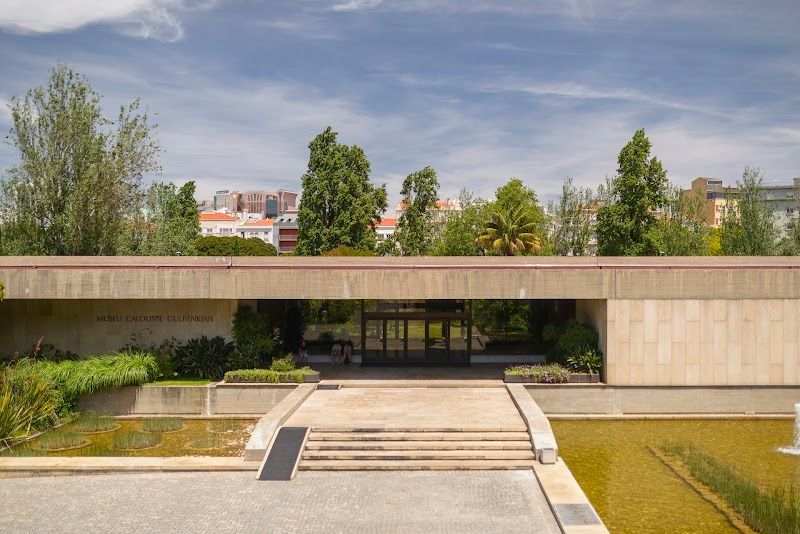
Museu Calouste Gulbenkian
The Gulbenkian houses one of Europe's finest private art collections, built by Armenian oil magnate Calouste Gulbenkian over six decades. You'll walk through 5,000 years of art history - from Egyptian sarcophagi and Mesopotamian bowls to Monet's water lilies and Renoir's portraits. The Lalique jewelry collection alone justifies the visit, with art nouveau pieces displayed like precious relics in dimly lit cases. The museum feels more like wandering through a wealthy collector's home than a formal institution. Rooms flow chronologically through spacious, carpeted galleries where you can actually get close to the art without crowds pushing past. The building itself is 1960s modernist architecture that somehow makes ancient Islamic ceramics and French Impressionist paintings feel like natural neighbors. You'll often find yourself alone with a Rembrandt self-portrait or Degas sculpture. At €10 for the main collection, it's Lisbon's best cultural bargain - cheaper than most major European museums with comparable quality. The Modern Collection building (separate €5 ticket) showcases Portuguese artists you've never heard of; skip it unless you're genuinely interested in 20th-century Portuguese art. Most visitors rush through in 90 minutes, but you'll appreciate the intimacy more if you take the full 2.5 hours and sit in the garden between buildings.
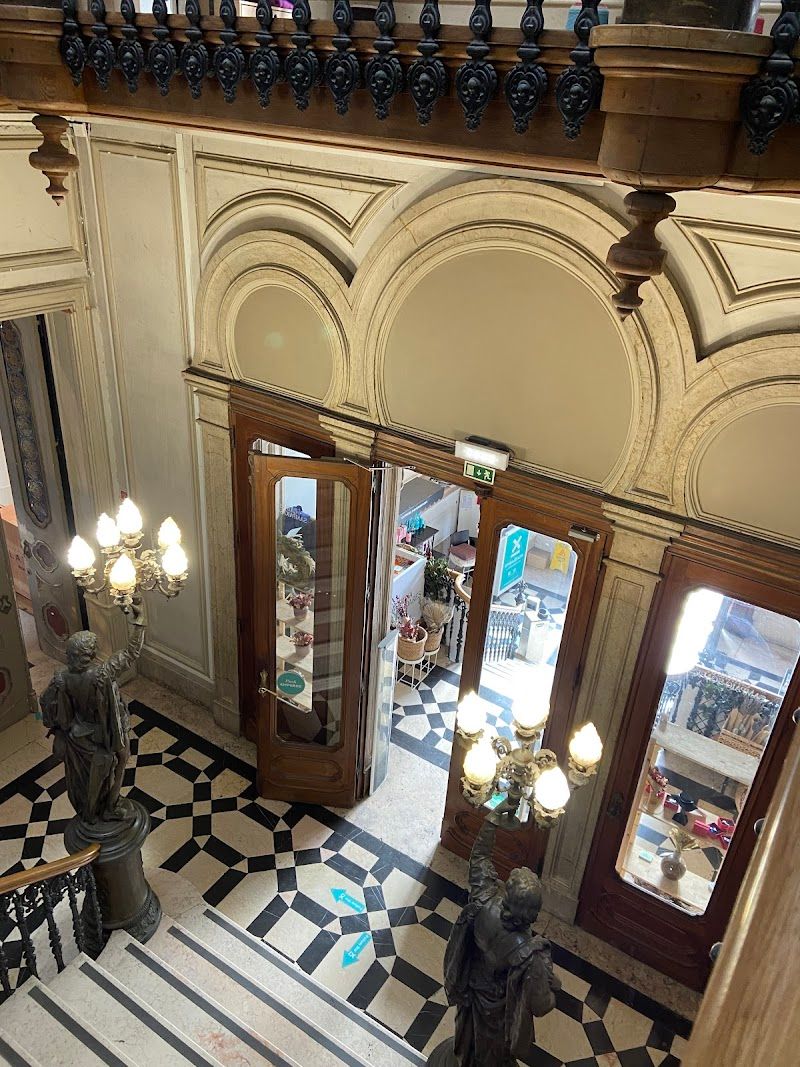
Embaixada
This restored 19th-century palace houses Portugal's most interesting collective of local designers across six floors of ornate rooms. You'll find everything from handmade ceramics and leather goods to contemporary fashion and jewelry, all created by Portuguese artisans. The building itself is the real star - original Moorish-inspired frescoes, intricate plasterwork, and period details that somehow make shopping feel like exploring a museum. The rooftop restaurant, Red Frog, serves modern Portuguese dishes with garden views. Each room has a different designer or brand, so you're constantly discovering new spaces as you wander through. The ground floor features larger fashion pieces and accessories, while upper floors get more intimate with smaller studios and workshops. You can often see artisans working, especially in the jewelry and textile spaces. The building's grand staircase and decorative ceilings create an unexpectedly elegant backdrop for browsing handcrafted goods. Prices reflect the artisanal quality - expect €30-80 for accessories, €100+ for clothing, and €20-50 for home goods. The restaurant is overpriced for what you get (mains €18-24), but the terrace is lovely for drinks. Skip the basement level which feels cramped and poorly lit. Focus your time on floors 2-4 where the most interesting designers work, and don't feel obligated to buy - the building tour alone justifies the visit.
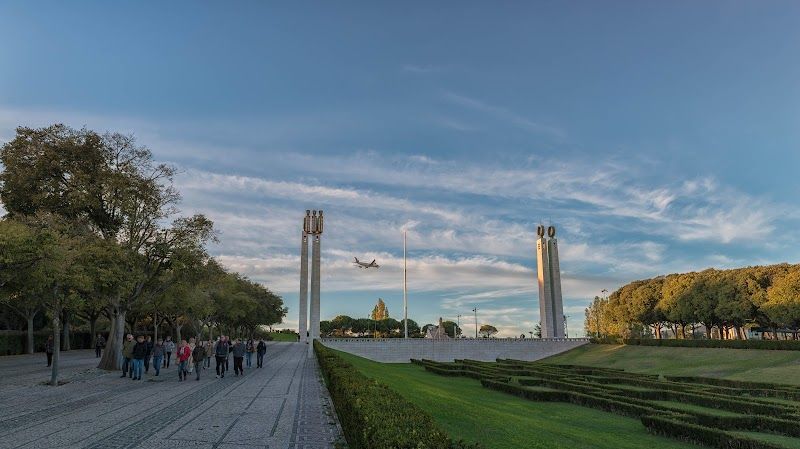
Parque Eduardo VII
Parque Eduardo VII stretches uphill from Marquês de Pombal in a perfectly symmetrical design of manicured hedgerows and gravel paths. The central promenade cuts straight through geometric box hedges toward the city's best free panoramic viewpoint, while the Estufa Fria greenhouse complex on the eastern side houses tropical plants in three connected pavilions. You'll get sweeping views down Avenida da Liberdade to the Tagus River, plus the entire Baixa district spread out below. The walk uphill takes about 15 minutes on wide gravel paths flanked by precisely trimmed hedges that feel more French château than Portuguese park. Lisboetas jog here early morning and gather for picnics on weekends, especially around the upper viewing area where the formal gardens give way to open grass. The atmosphere shifts from manicured elegance at the bottom to relaxed hilltop hangout at the top, with the greenhouse offering a humid tropical escape. Most guides oversell the greenhouse (€3.50 entry) - it's pleasant but skippable unless you're genuinely into plants or need shade on hot days. The real payoff is that panoramic view from the top, which rivals paid viewpoints elsewhere in the city. Come in late afternoon when the light hits the river perfectly, and don't bother with the formal lower section if you're short on time.
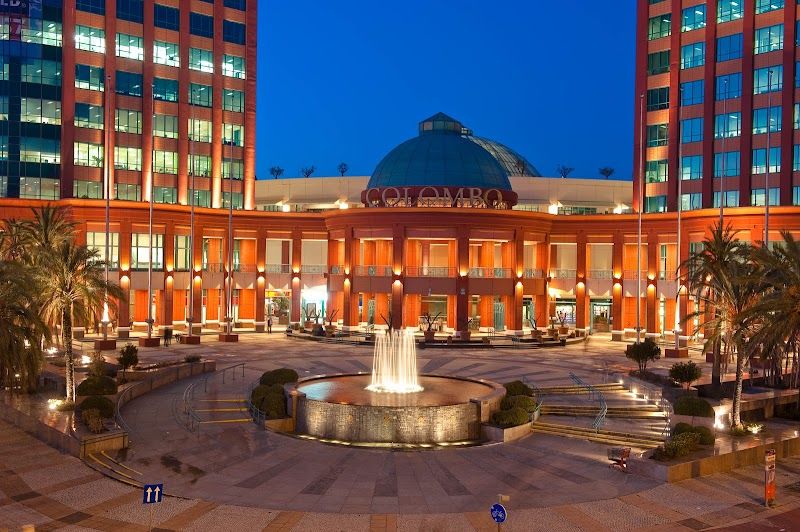
Centro Comercial Colombo
Centro Comercial Colombo is Portugal's largest shopping mall, sprawling across three floors with over 340 stores ranging from Zara and H&M to Portuguese chains like Tiffosi and Salsa. You'll find a 10-screen cinema complex, a massive food court, and everything from electronics to home goods - it's essentially a self-contained retail universe that could easily eat up half your day. The mall serves both locals doing serious shopping and tourists seeking familiar brands or escaping Lisbon's frequent drizzle. The experience feels like any major European mall - marble floors, bright lighting, and crowds of families navigating between anchor stores like El Corte Inglés and Continente hypermarket. The top floor cinema stays busy with both Portuguese and international films (often subtitled, not dubbed), while the food court serves everything from McDonald's to decent Portuguese chains like Telepizza. You'll hear a mix of Portuguese, English, and other European languages as tourists and locals cross paths between stores. Most travel guides either ignore this place completely or dismiss it as soulless, but that misses the point. If you need practical items, decent prices on electronics, or English-language books, this beats wandering tourist-heavy areas downtown. The Continente supermarket is perfect for stocking up on Portuguese products to take home - their wine selection runs €3-15 per bottle. Skip the expensive restaurants and stick to the food court where meals cost €6-10.
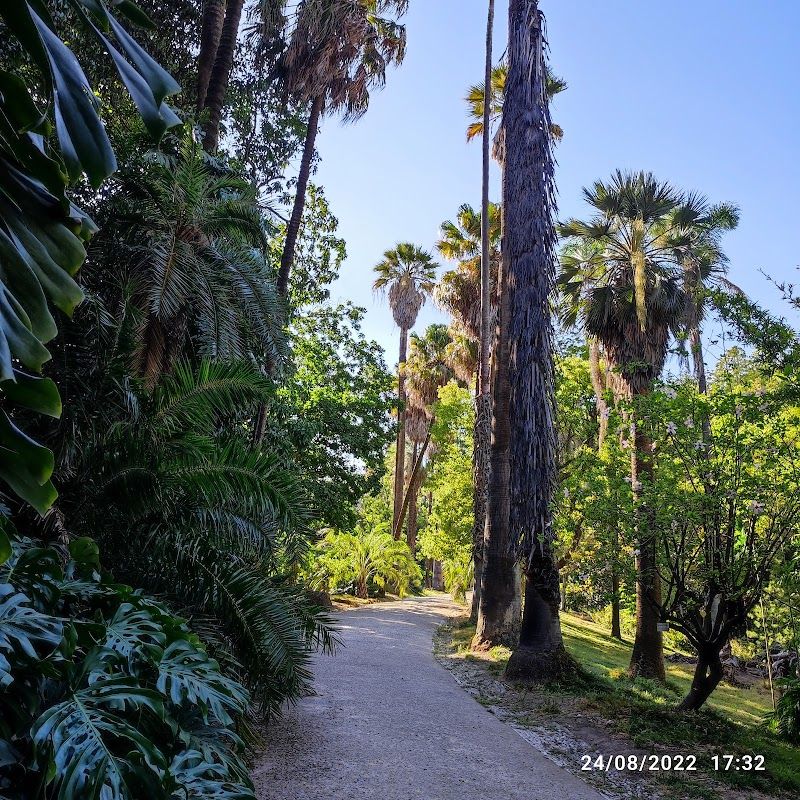
Jardim Botânico de Lisboa
This 150-year-old botanical garden climbs a terraced hillside behind the Natural History Museum, showcasing 18,000 plant species collected from Portugal's former colonies. You'll wander through distinct climate zones - from Australian tree ferns that tower overhead to succulents from Angola and aromatic plants from Macau. The butterfly garden (when it's functioning) and the massive greenhouse filled with tropical specimens are the clear highlights. At 3 EUR, it's one of Lisbon's best value attractions. The visit flows naturally downhill through different botanical sections, each labeled in Portuguese and Latin. You'll hear water trickling from small fountains and bird songs echoing off the surrounding buildings, creating an unexpectedly peaceful atmosphere just minutes from busy Avenidas Novas. The upper terraces offer glimpses over Lisbon's rooftops, while the lower sections feel completely enclosed and private. Most visitors spend about 90 minutes here, though plant enthusiasts easily stretch it to two hours. Most guides oversell this as a major attraction - it's lovely but small, and the maintenance can be inconsistent. Some greenhouse sections are occasionally closed, and plant labeling isn't always current. The real appeal is the tranquility and the chance to see botanical specimens you won't find in other European gardens. Skip it if you're pressed for time, but if you need a quiet break from Lisbon's crowds, this delivers better than the more famous Gulbenkian gardens.
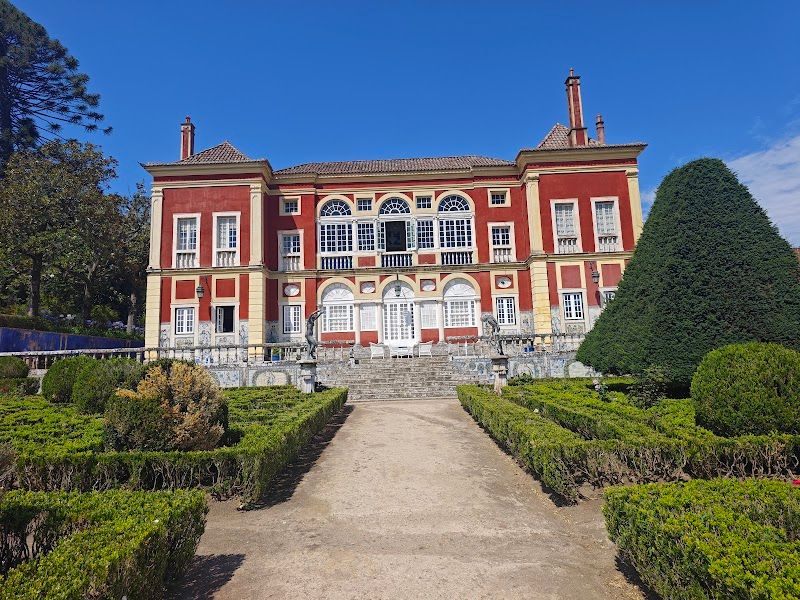
Palácio Fronteira
Palácio Fronteira houses Portugal's most extensive azulejo collection, with hand-painted tiles from the 1670s covering every surface of this still-inhabited aristocratic palace. You'll see the famous Battle Room depicting Portuguese victories in the Restoration War, plus mythological scenes that are among the finest found in azulejo collections. The formal gardens contain the Gallery of Kings, where 15 Portuguese monarchs are portrayed in blue and white tiles alongside reflecting pools and baroque statuary. The guided palace tour takes you through intimate rooms where the Mascarenhas family actually lives, including a library with 17th-century volumes and a chapel with original gilded woodwork. The atmosphere feels authentically aristocratic rather than museum-like, with family portraits and personal touches throughout. The gardens operate separately and are a highlight, with geometric boxwood patterns, cascading water features, and the royal portrait gallery. This photographic opportunity works particularly well in morning light. Most visitors rush through without realizing the palace and gardens require separate tickets and scheduling. Palace tours cost 11 EUR and run limited days, while garden access costs 6 EUR with more flexible timing. If you're short on time, consider skipping the palace interior and focus on the outdoor azulejo work, which is genuinely superior and the Gallery of Kings alone is worth a visit. The palace's location in residential Benfica means fewer crowds but does require planning your transport.
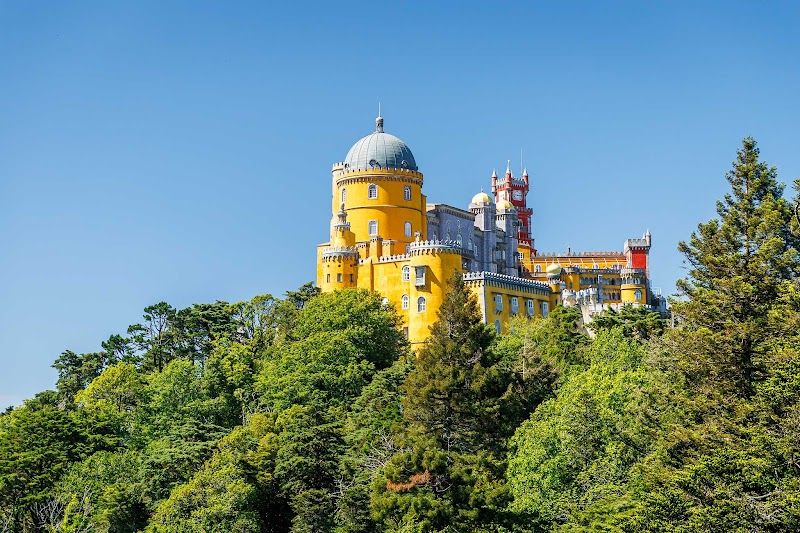
Inside Lisbon
Inside Lisbon runs intimate tuk-tuk tours through Alfama's medieval maze, covering ground you'd never find on foot. You'll wind through impossibly narrow cobblestone alleys barely wider than the vehicle itself, stopping at São Jorge Castle's ramparts for panoramic city views, plus several lesser-known miradouros that most tourists never discover. The tour includes the Fado Museum and authentic neighborhood spots where locals actually hang laundry from ancient windows. The three-hour experience feels like exploring with a friend who's lived here forever. Your guide navigates streets so tight you'll wonder how the tuk-tuk fits, pausing frequently for photos at viewpoints overlooking red-tiled rooftops and the Tagus River. The open-air vehicle means you smell grilled sardines, hear authentic fado drifting from tavernas, and feel completely immersed in neighborhood life. Maximum four passengers keeps it personal, and guides switch languages effortlessly. Most tuk-tuk tours are tourist traps, but Inside Lisbon actually delivers on the intimacy promise. The price isn't published online but expect around €35-45 per person based on similar operators. Skip the hotel pickup unless you're staying far out, the central meeting point works fine. Book afternoon slots for the best light at viewpoints, and don't bother with morning tours when many miradouros are backlit.
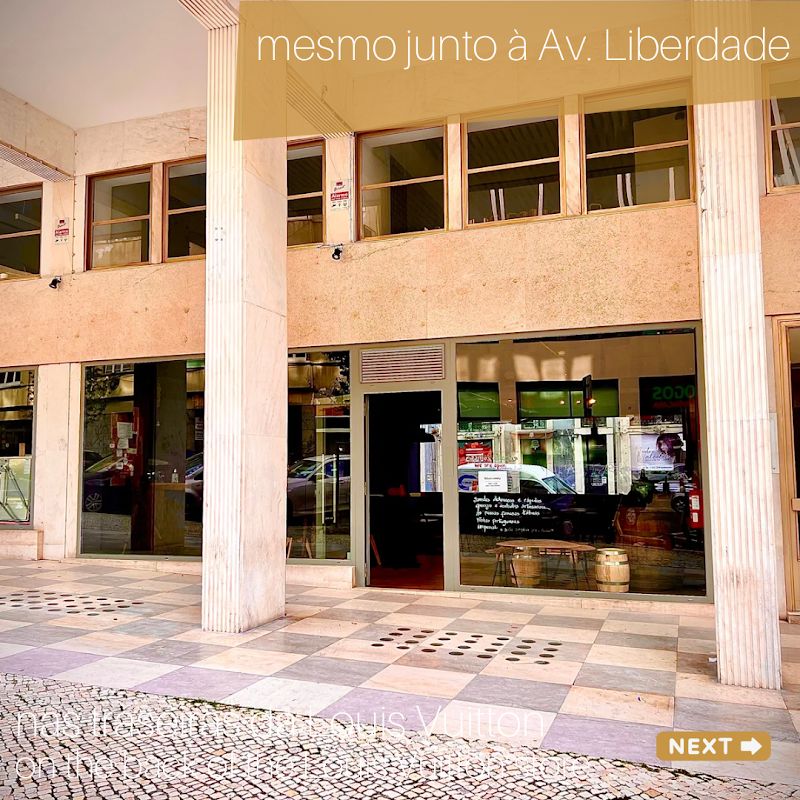
Wine Tasting in Chiado
This intimate wine bar occupies a 19th-century townhouse where you'll taste six Portuguese wines from regions most tourists never hear about: Dao, Bairrada, Alentejo, Douro, and Vinho Verde territories. The two-hour sessions focus entirely on indigenous grape varieties like Touriga Nacional and Arinto, paired with Serra da Estrela cheese and presunto from each region. You're tasting Portugal's actual wine identity, not the international varieties most Lisbon wine bars serve. The sessions happen in a candlelit stone cellar with just 12 people maximum, led by sommeliers who actually know the winemakers personally. You'll start with lighter whites and progress through robust reds, learning why Portuguese wines taste nothing like Spanish ones despite sharing a border. The cheese and charcuterie arrives on wooden boards between tastings, giving you time to discuss what you're experiencing. It feels like a wine education rather than a boozy afternoon. At 45 EUR per person, it's excellent value compared to similar experiences in Paris or Barcelona that cost 80+ EUR. Most wine tours in Lisbon take you to generic tasting rooms, but this spot sources directly from family vineyards. Skip the weekend afternoon sessions if you want serious discussion rather than hen parties. The Friday evening timing works perfectly if you're planning to stay for fado afterward.

Cooking Lisbon
Cooking Lisbon operates from a restored 18th-century kitchen in Mouraria where you'll learn to make proper Portuguese dishes like bacalhau à brás, caldo verde, and those tricky pastéis de nata that require serious technique. The four-hour classes cover three courses plus dessert, and you'll actually understand why Portuguese cooking relies so heavily on olive oil, garlic, and patience. Chef André keeps groups small (maximum 12 people) and teaches traditional methods his grandmother used, not Instagram-friendly shortcuts. You'll start by selecting ingredients at the neighborhood market, then spend most of your time in the atmospheric stone kitchen learning knife skills and proper seasoning. The pace feels relaxed but focused, and André explains the history behind each dish while you cook. The best part comes at the end when you sit down to eat everything you've prepared, paired with three Portuguese wines that actually complement the food instead of just being thrown together. At €85 per person, it's excellent value compared to similar classes in Chiado that charge €120 for less hands-on time. Skip the weekend sessions if you can, weekday classes have better group dynamics and more personal attention. The pastéis de nata lesson alone is worth the price, most cooking schools skip the custard technique that makes them actually good instead of just acceptable.
Where to Eat
Restaurants and cafes in Principe Real & Rato
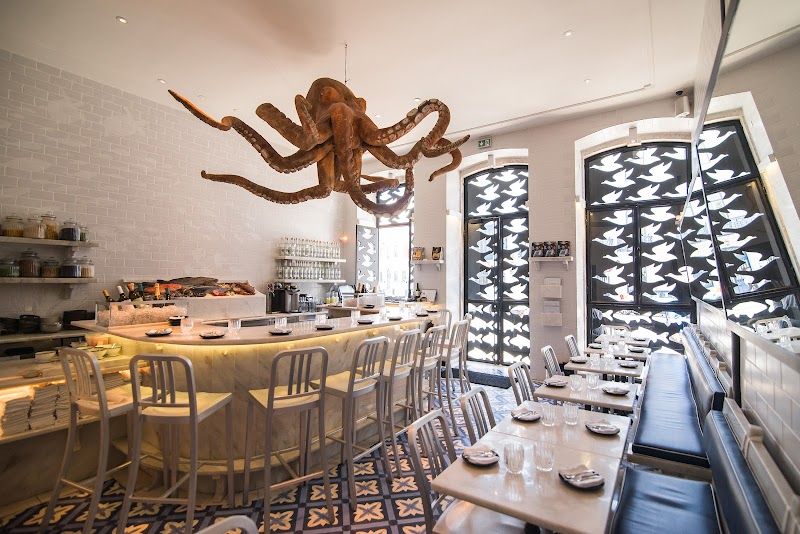
A Cevicheria
RestaurantKiko Martins' Peruvian-influenced cevicheria with a giant octopus statue guarding the entrance. The counter wraps around an open kitchen slinging tiger's milk-cured fish, anticuchos, and creative ceviches. Just 15 seats - reservations open exactly one week in advance at midnight.
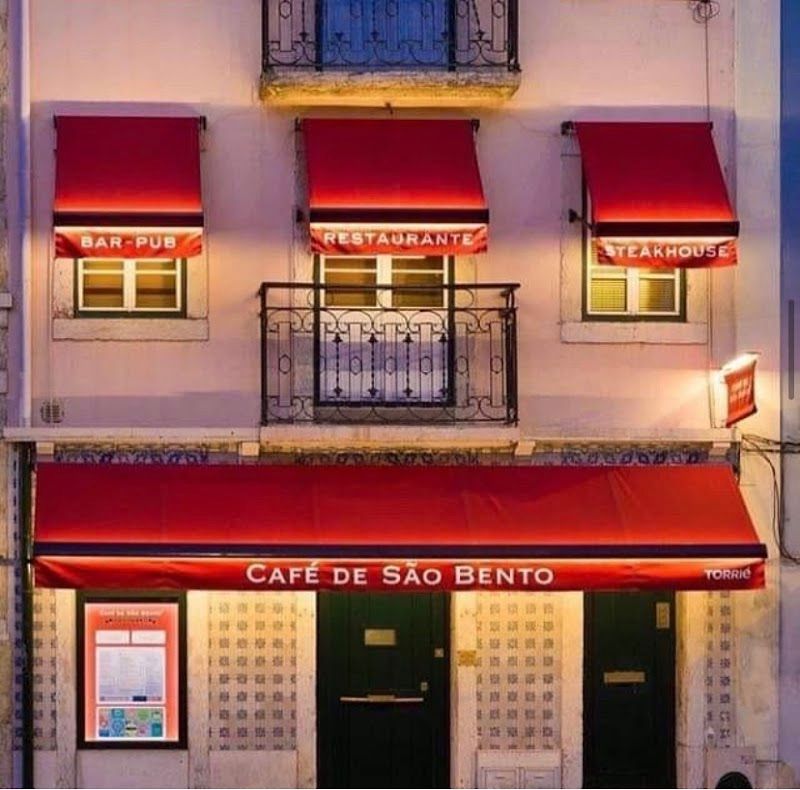
Café de São Bento
RestaurantNeighborhood café and restaurant across from Parliament serving politicians and locals since 1912. The Art Deco interior features original wood paneling and mirrors. Excellent daily specials at lunch (EUR 12-15) include traditional dishes like cozido à portuguesa on Thursdays.
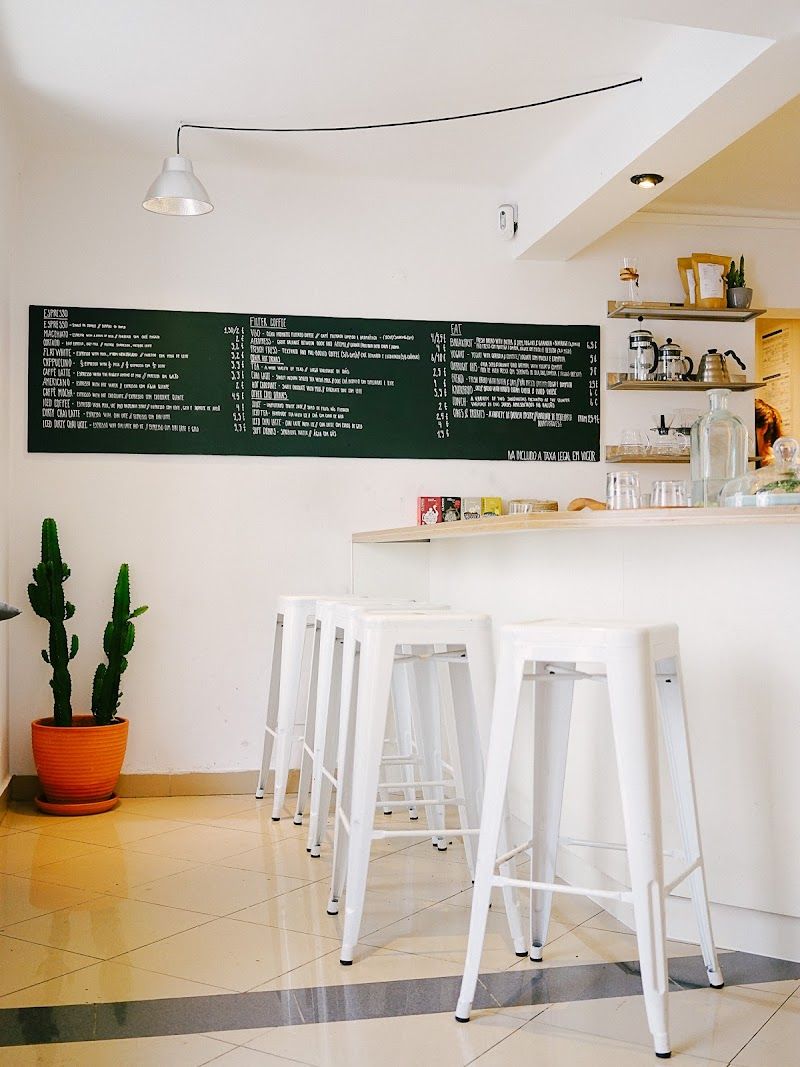
Copenhagen Coffee Lab
CafeScandinavian-style specialty coffee bar with minimalist design and serious pour-over technique. The Lisbon outpost of a Danish roastery serves filter coffee with tasting notes actually detectable, plus avocado toast that rivals anything in Copenhagen.
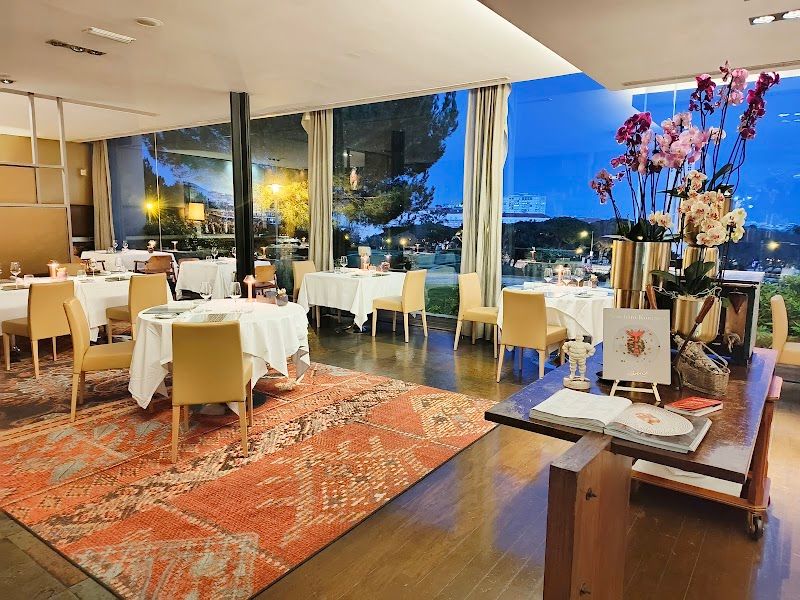
Restaurante Eleven
RestaurantMichelin-starred contemporary restaurant atop Eduardo VII Park with panoramic city views. The tasting menus (EUR 130-180) showcase Portuguese ingredients with international technique. Floor-to-ceiling windows, minimalist design, impeccable service - Lisbon's most elegant dining room.
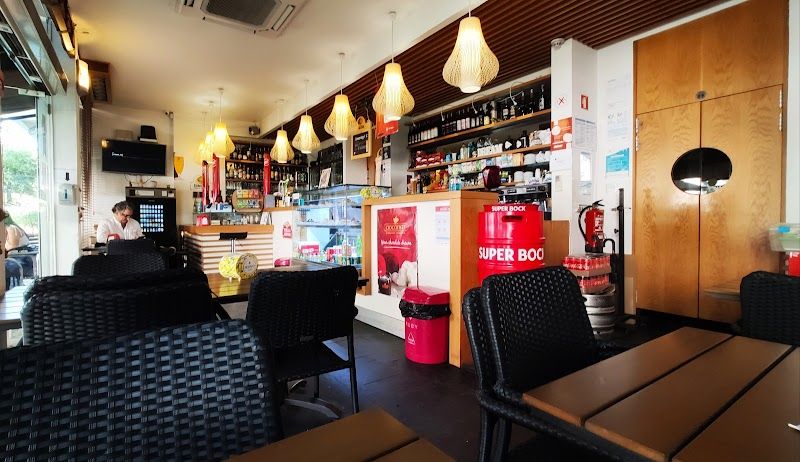
LX Coffee
CafeIndustrial-chic coffee shop inside LX Factory's converted warehouse with high ceilings and vintage espresso machines on display. The roastery supplies beans to half the specialty shops in Lisbon, and their baristas pull consistently excellent shots.
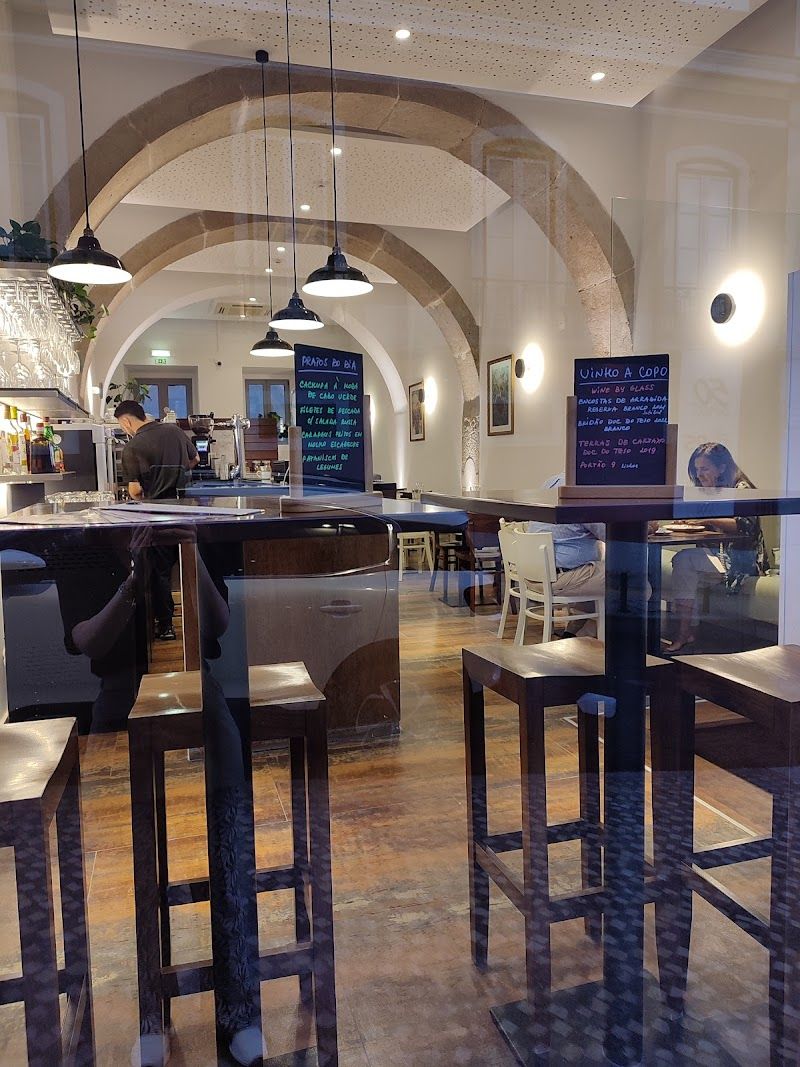
Pois Café
CafeA cozy, living-room style café tucked away in Alfama's winding streets, serving homemade cakes, healthy lunch options, and specialty coffees. The mismatched vintage furniture and bookshelf-lined walls create a bohemian atmosphere beloved by locals and expats. It's an ideal spot to relax with a book or laptop away from the tourist crowds.
Nightlife
Bars and nightlife in Principe Real & Rato
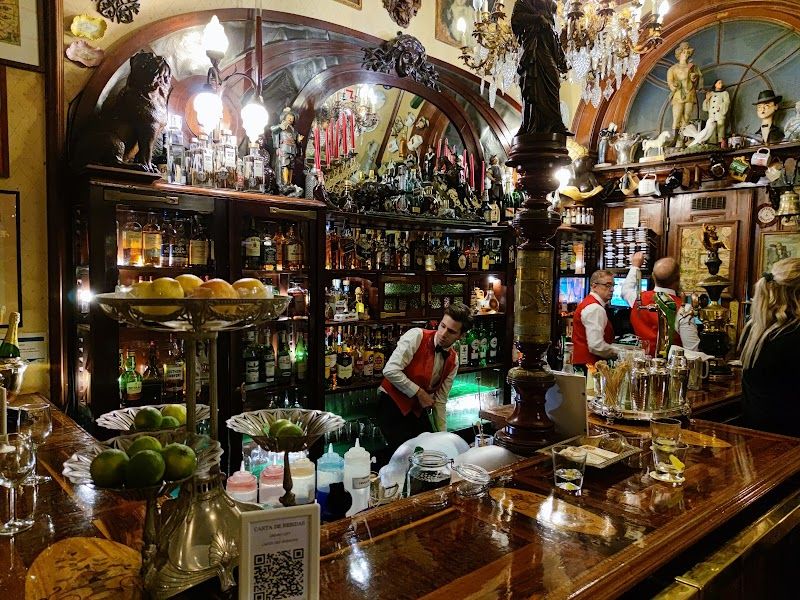
Pavilhão Chinês
NightlifePavilhão Chinês feels like stumbling into a Victorian collector's fever dream - every surface is crammed with vintage toys, model planes suspended from the ceiling, taxidermy animals, toy soldiers in formation, and thousands of other curiosities that somehow create a cohesive whole rather than chaotic clutter. The dark wood paneling and red velvet banquettes give it the atmosphere of a gentleman's club that's been ransacked by particularly sophisticated children. You're here for cocktails (€8-12) that are expertly mixed and surprisingly strong, served in surroundings that guarantee you'll discover something new each time you look up. The front room gets packed after 10pm with tourists snapping photos, but the real magic happens in the back rooms where intimate conversations unfold under the watchful glass eyes of stuffed birds and vintage dolls. The bartenders know their craft - order anything classic and it'll be spot-on, though service slows considerably when it's busy. The lighting is deliberately dim, creating shadows that make the collections feel alive and slightly unsettling in the best possible way. Most people treat this as a quick photo stop, but you'll want at least 90 minutes to properly explore and let a few drinks work their magic. Skip the weekend evenings unless you enjoy shouting over crowds - Tuesday through Thursday after 9pm hits the sweet spot of atmosphere without chaos. The cocktails justify the slightly higher prices, and unlike many themed bars, this one has genuine soul rather than manufactured quirkiness.
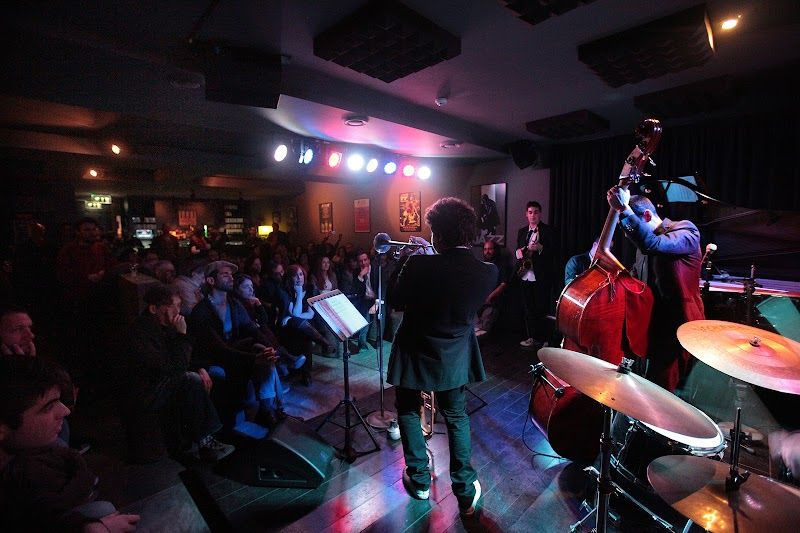
Hot Clube de Portugal
NightlifeEurope's oldest jazz club operating since 1948 in a basement venue near Avenida da Liberdade. The intimate underground space hosts live jazz performances most nights with both Portuguese and international musicians. Cover charge EUR 10-15 includes one drink, with concerts starting around 10 PM.
Getting Here
Insider Tips
Saturday organic market
The market in the garden runs Saturday mornings. Small, curated, and excellent cheese, bread, and wine stalls. Arrive by 10 AM for the best selection.
Botanical Garden
EUR 3 entry, almost empty. The palm collection and the butterfly greenhouse are the highlights. Enter from Rua da Escola Politecnica, not the university gate.
Dinner reservation
The restaurants here book up fast. Reserve 2 days ahead for weekend dinners. A Cevicheria (Peruvian-Portuguese) and Prado (farm-to-table) are the standouts.
Nearby Neighborhoods
Continue exploring
Alfama
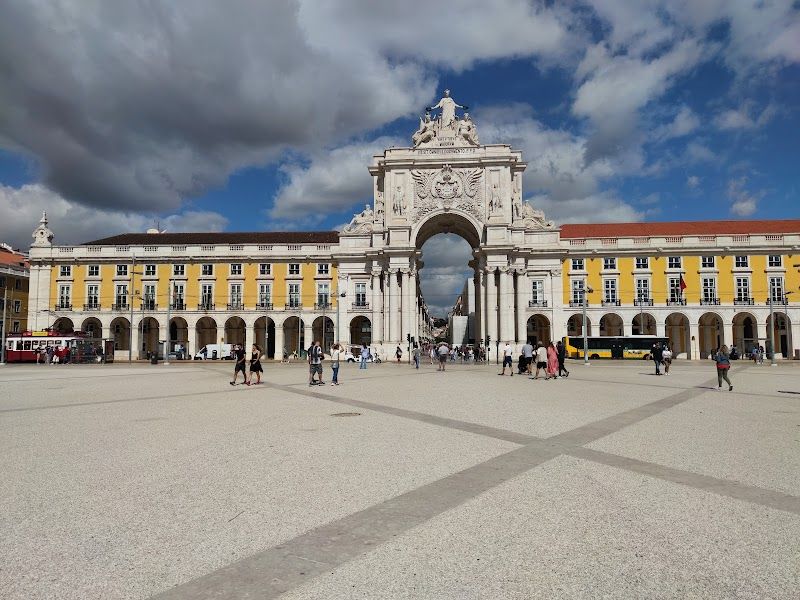
The soul of old Lisbon - narrow lanes, fado from open windows, and neighbourhood life that predates everything else in the city.

Baixa & Rossio
Lisbon's grand centre - the Enlightenment grid built from rubble, opening onto the river at one end and the hills at every other.

Chiado & Bairro Alto
Chiado's elegant cafes by day, Bairro Alto's 200-bar street party by night - Lisbon's day and evening split personality.
Plan a trip featuring Principe Real & Rato
Get a personalized Lisbon itinerary with Principe Real & Rato built in.
Start Planning