Lisbon
Mouraria & Intendente
The birthplace of fado and Lisbon's most multicultural neighbourhood - five continents of food at local prices, with the best street art in the city.
About Mouraria & Intendente
Mouraria is where fado actually started, long before Alfama claimed the title. The neighbourhood is Lisbon at its most multicultural - Chinese, Bangladeshi, Mozambican, and Portuguese restaurants share the same streets, and you can eat a full meal for EUR 5-8. It is rougher around the edges than Alfama, less polished than Principe Real, and more authentic than both. Intendente above it has undergone a transformation from rough to emerging, with new bars, galleries, and the street art to prove it. Martim Moniz square has food kiosks and the multicultural market energy that makes this neighbourhood unlike anywhere else in the city. The walk from Martim Moniz up through Intendente has the best concentration of murals and tile art in Lisbon.
Things to Do
Top experiences in Mouraria & Intendente
Miradouro da Senhora do Monte
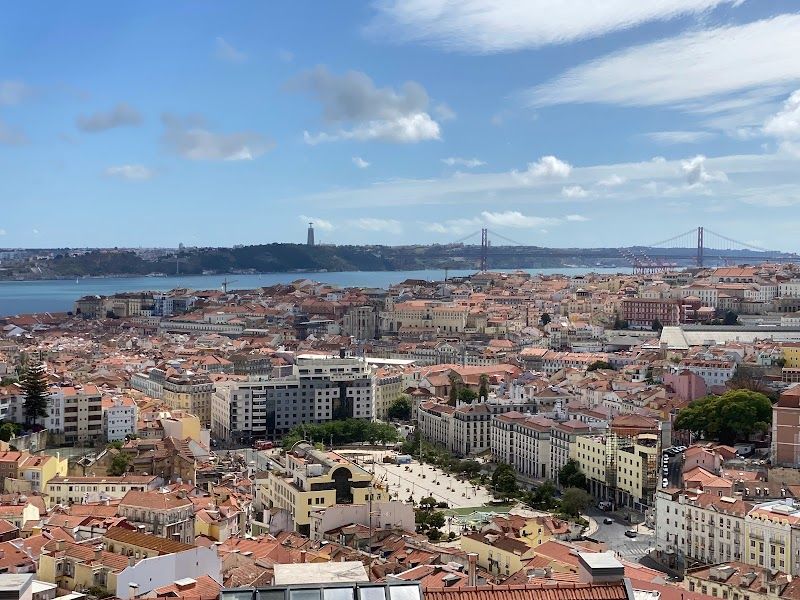
Miradouro da Senhora do Monte sits at Lisbon's highest natural viewpoint, 180 meters above sea level, offering the city's most complete panorama without fighting crowds. You'll see everything from São Jorge Castle's ramparts to the 25 de Abril Bridge and Cristo Rei statue across the Tagus - the entire downtown spreads below like a detailed map. The small whitewashed chapel of Nossa Senhora do Monte anchors this peaceful terrace, surrounded by stone benches under fragrant pine trees. The atmosphere here feels refreshingly local compared to touristy Portas do Sol or Senhora da Graça. Couples claim benches for sunset picnics while elderly neighbors from Mouraria climb up for evening chats. The view unfolds gradually as you settle in - first you notice the castle, then the cathedral's twin towers, finally the river curving toward the sea. Pine needles crunch underfoot and church bells drift up from the neighborhoods below. Most guides don't mention this is genuinely difficult to reach - expect a steep 15-minute climb through Mouraria's narrow streets or take Tram 28 to Largo da Graça and walk up. There's absolutely nothing to buy here, so grab water and snacks from the mini-market near Largo da Graça beforehand. Skip this if you're mobility-limited - the final approach involves uneven stone steps that get slippery when wet.
Miradouro da Graca
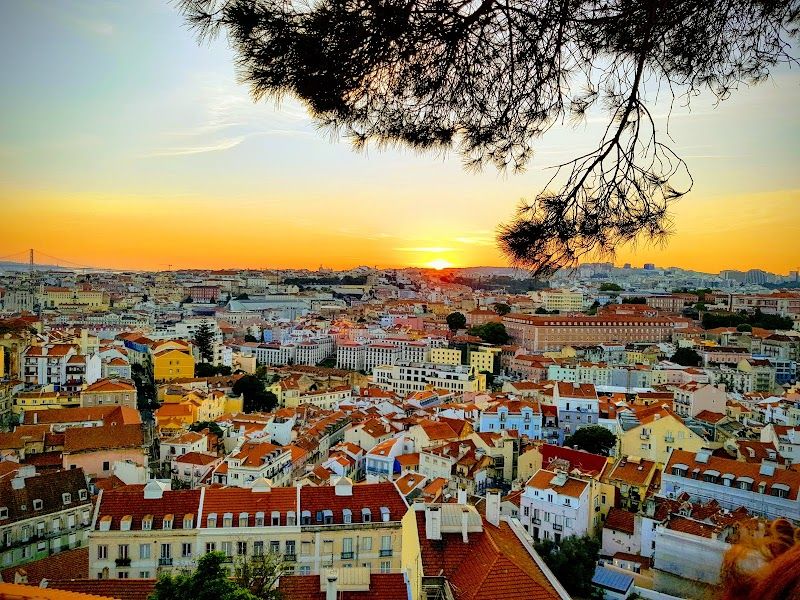
Miradouro da Graça delivers Lisbon's most satisfying panoramic view without charging you a cent. You'll get an unobstructed sweep across the terracotta rooftops of Alfama, straight to São Jorge Castle perched on its hilltop, then down to the geometric grid of Baixa and the silvery Tagus beyond. The viewpoint sits on a generous terrace dotted with pine trees that provide natural shade, plus a simple kiosk serving proper coffee (€1.50) and cold beer (€2.50). This feels like a neighborhood living room rather than a tourist trap. Locals arrive with newspapers, students camp out with laptops, and families push strollers up the hill for the evening ritual. The wooden benches fill up gradually through the afternoon, but the real magic happens at sunset when golden light washes across the castle walls and everyone falls silent for a moment. You'll hear Portuguese conversations, clinking glasses, and the distant trams rattling through the streets below. Most guides won't tell you that the climb from Martim Moniz metro is genuinely steep - 15 minutes of uphill walking that'll leave you slightly breathless. Skip the overcrowded Tram 28 and embrace the walk; it makes the payoff better. The nearby Miradouro da Senhora do Monte offers wider views but lacks the community atmosphere that makes Graça special. Come for sunset, but arrive 30 minutes early to secure a good bench.
Jardim do Torel
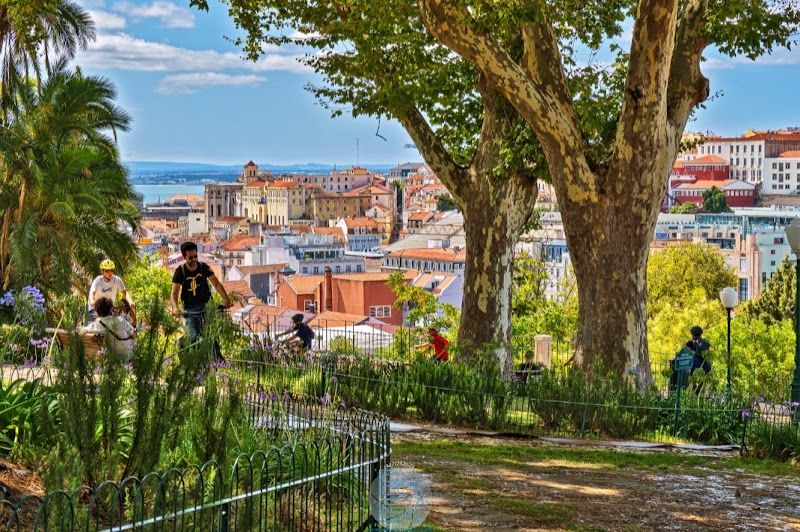
Jardim do Torel climbs the hillside in romantic terraced levels, offering sweeping views across Lisbon's red rooftops to the Tagus River. You'll find Art Deco sculptures scattered among palm trees and manicured flowerbeds, plus a small café serving decent coffee for €1.50. The garden's tiered design creates intimate pockets where you can sit on stone benches and take in panoramas that rival those from Miradouro da Senhora do Monte. The garden flows downhill through three distinct terraced levels, each with its own character and vantage point. Peacocks occasionally strut across the paths (they belong to nearby residents), and the sound of trickling water from small fountains mixes with distant Lisbon traffic. The atmosphere feels wonderfully removed from the city below, especially in the early morning when joggers from the neighborhood outnumber tourists. Most guidebooks barely mention this place, which keeps crowds manageable even on weekends. The café closes unpredictably, so don't count on it for anything beyond a quick coffee. Skip the bottom entrance on Rua do Telhal - it's steeper and less impressive. The views are spectacular at sunset, but morning light (around 9-10am) actually shows off Lisbon's architecture better.
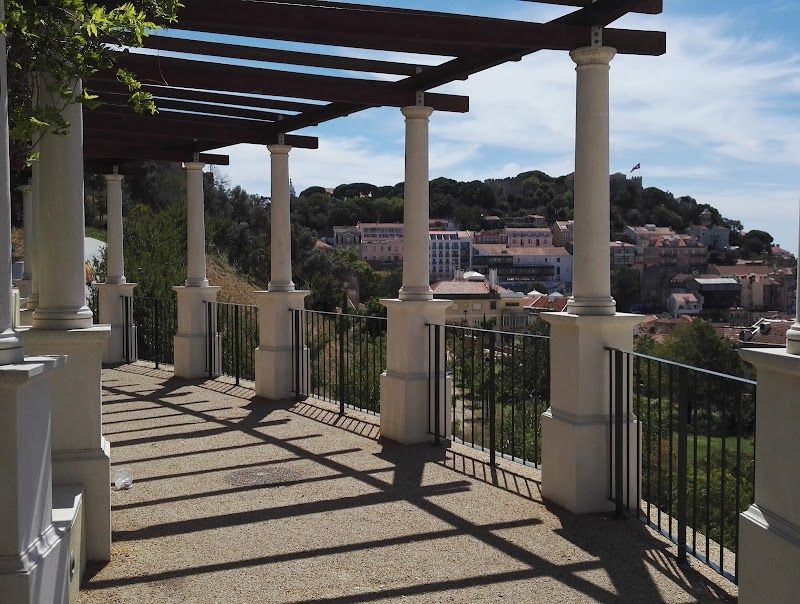
Jardim da Cerca da Graça
This terraced garden climbs the slopes of Graça Hill on what used to be monastery grounds, giving you some of the best panoramic views in Lisbon without the crowds of other miradouros. You'll find Mediterranean plants cascading down stone terraces, original monastery walls weaving through the pathways, and multiple viewpoints that take in everything from the Tagus River to São Jorge Castle. The garden feels more like a secret hillside retreat than a typical city park. The visit flows naturally upward through different levels, each offering new perspectives over Lisbon's terracotta rooftops and distant hills. Stone steps and gravel paths wind between lavender, rosemary, and olive trees, while the old monastery walls create intimate pockets of shade. The upper terraces are where the magic happens - you'll have sweeping views with hardly anyone else around, especially in the early morning or late afternoon when the light hits the city just right. Most guidebooks barely mention this place, which works in your favor since you'll often have entire sections to yourself. The garden is free and always open, though the paths can be steep if you have mobility issues. Skip the lower entrance near Largo da Graça and head straight for the upper sections where the real views are - you can always work your way down from there.
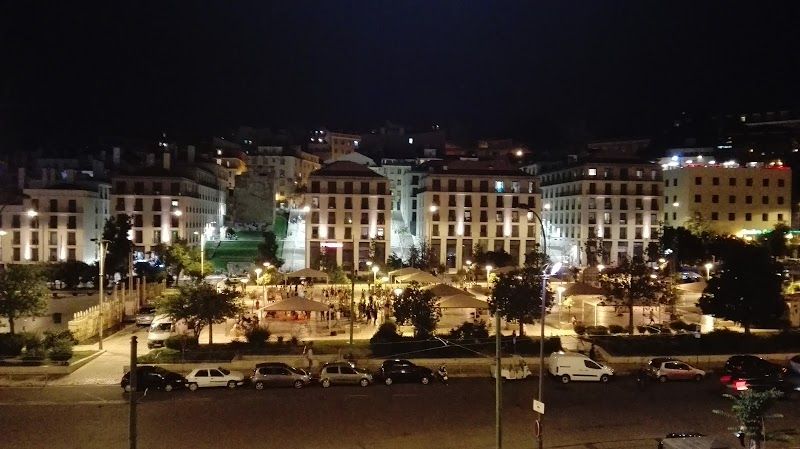
Praça Martim Moniz
Praça Martim Moniz is Lisbon's most multicultural square, where Portuguese history meets contemporary immigrant communities from across Asia and Africa. You'll find dozens of food kiosks run by families from Bangladesh, Nepal, India, and Cape Verde, plus weekend markets selling everything from Bollywood DVDs to African fabrics. This is also where historic Tram 28 begins its famous journey, so expect crowds of tourists mixing with locals doing their actual shopping. The sloping square feels like three different places depending when you visit. Mornings are quiet with just commuters grabbing coffee, while afternoons bring families and the weekend markets spread across the upper level. After dark, the food stalls light up and the atmosphere shifts completely - you'll hear multiple languages, smell curry and grilled fish, and watch football matches on small TVs while people eat standing up around plastic tables. Most guidebooks oversell this as some amazing cultural experience, but it's really just a functional neighborhood square that happens to reflect modern Lisbon's diversity. The food is genuinely good and cheap (meals for €3-6), but don't expect pristine conditions or Instagram-worthy presentations. Skip the touristy crafts at the weekend market and focus on the food stalls after 7pm when they're actually busy with locals.

Tram 28 Ride
Tram 28 is the most famous tram route in Europe, rattling through Alfama, Graca, Baixa, and up to Estrela on a vintage 1930s yellow tram. The route winds through streets so narrow the tram almost touches the buildings on both sides. It is worth doing once. The caveats: pickpockets target this tram heavily (hold your bag in front of you), after 9 AM it is standing room only, and the wait at the Martim Moniz terminus can be 30-45 minutes. The workaround is Tram 12, which covers much of the same route through Alfama with a fraction of the crowds.

Lisbon Urban Art Tours
Mouraria's street art scene explodes across entire building facades, with Portuguese heavyweights like Vhils carving faces into concrete and Bordalo II creating massive sculptures from trash. You'll walk through narrow streets where international artists from the CRONO urban art project have transformed abandoned buildings into gallery walls. The tours are led by working local artists who know the stories behind each piece and can explain techniques like Vhils' signature concrete carving method. The 2.5-hour walk winds through Mouraria's steep cobblestone streets, stopping at around 12 major works including Bordalo II's giant animal sculptures made entirely from discarded materials. Your guide pauses at each piece to explain the artist's background and the neighborhood's role in Lisbon's urban art boom since 2010. You'll climb stairs, duck into courtyards, and peer around corners where massive murals cover entire apartment blocks. The atmosphere shifts from gritty industrial to surprisingly artistic as you move through different pockets. Most street art tours in Lisbon are disappointing, but this one works because the guides are actual practicing artists, not just enthusiasts with Wikipedia knowledge. Skip the weekend tours when groups get too large (over 15 people). The tour costs around 18 EUR and you don't need to book ahead, just show up at the meeting point on Gomes Freire street.
Where to Eat
Restaurants and cafes in Mouraria & Intendente
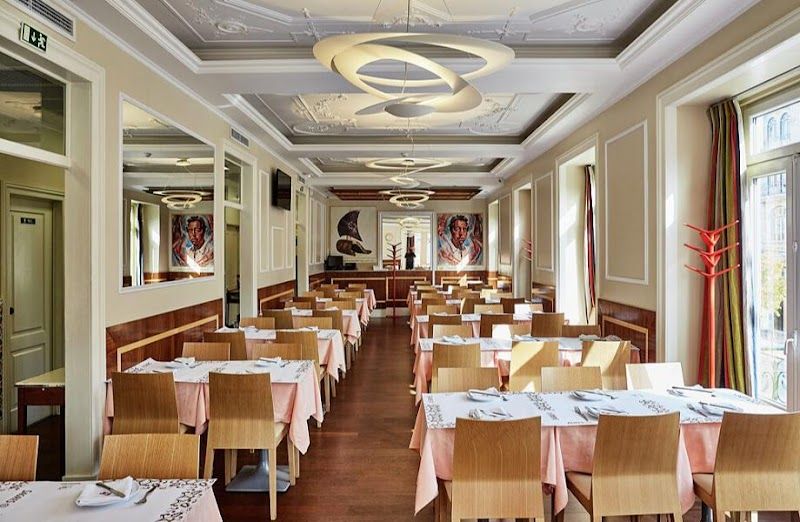
Ramiro
RestaurantRamiro isn't just another seafood restaurant - it's Lisbon's most beloved marisqueira where locals have been cracking shells since 1956. You'll feast on enormous tigre prawns (€4-6 each), sweet scarlet prawns, and the bizarre-looking percebes (goose barnacles) that taste like concentrated ocean. The menu's written in marker on brown paper, servers wear bow ties, and everyone finishes with the legendary prego sandwich that soaks up all those delicious shellfish juices. The experience feels like organized chaos - you'll squeeze into tiny plastic chairs at marble-topped tables while the constant clatter of shells hitting metal buckets creates a symphony of satisfied eating. Servers move with practiced efficiency, cracking your prawns tableside and explaining how to extract meat from percebes if you're brave enough to try them. The energy peaks around 8pm when every table's occupied and the bar fills with locals nursing Super Bocks while eyeing empty seats. Most guides don't mention that a meal here easily costs €40-60 per person once you get carried away with the prawns, and those famous queues are genuinely brutal on weekends. The prego (€8) isn't optional - your hands will be covered in garlicky shellfish oil and you'll need that steak sandwich to feel human again. Skip the expensive lobster and focus on the prawns and percebes for the authentic Ramiro experience.
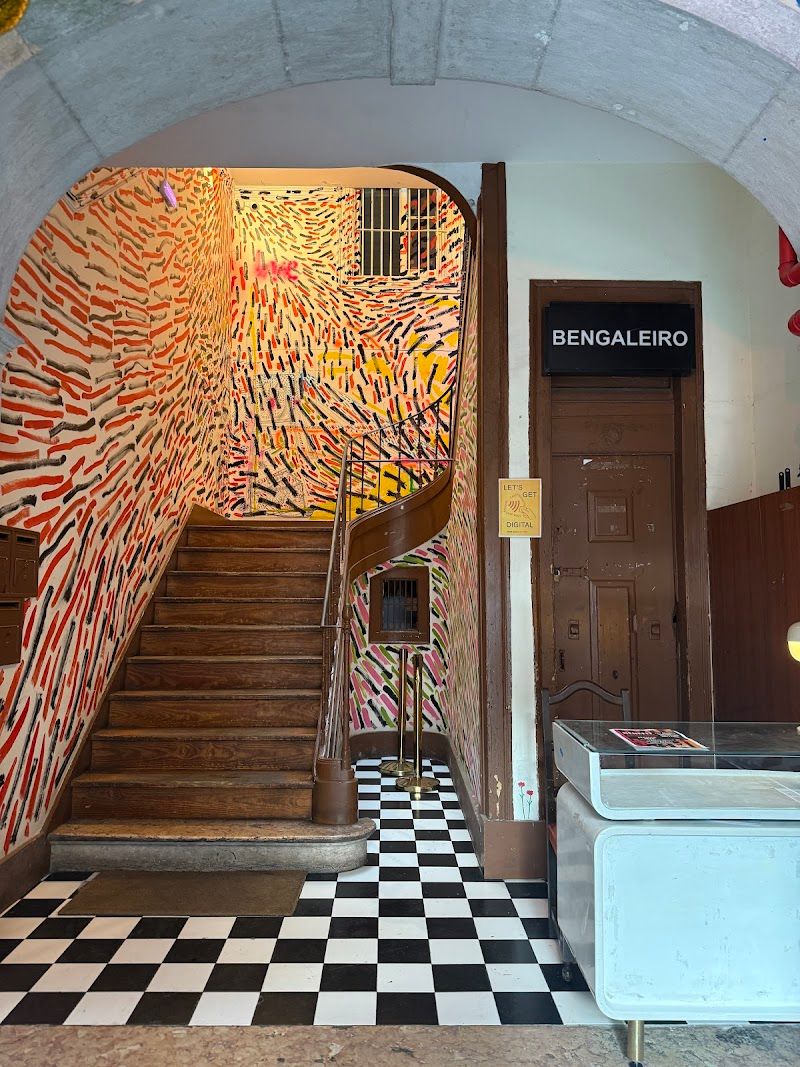
Casa Independente
RestaurantMulti-level arts space and restaurant in a crumbling Intendente mansion. The rooftop terrace serves petiscos and cocktails, while the ground floor hosts exhibitions and live music. Creative Mediterranean-Portuguese fusion menu, young crowd, bohemian atmosphere. EUR 15-25 per person.
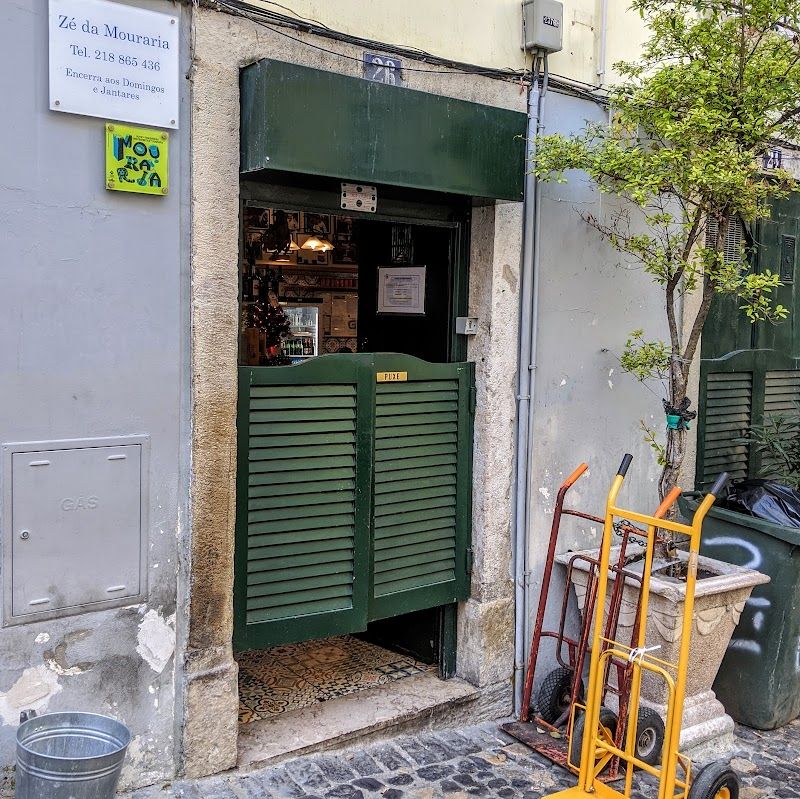
Zé da Mouraria
RestaurantNo-frills neighborhood tasca serving enormous portions of grilled meats and bacalhau for EUR 8-12 per main. The daily lunch specials scrawled on paper tablecloths attract locals, not tourists. Cash only, paper napkins, ice-cold imperials - pure Lisbon.
Getting Here
Insider Tips
Lunch under EUR 8
The Bangladeshi and Chinese restaurants on Rua do Benformoso serve full meals for EUR 5-8. Better than most EUR 15 tourist lunches and three times the portion.
Fado origin
Rua do Capelao has a small mural marking where fado started. The neighbourhood fado sessions here are more raw and less produced than Alfama's. Ask around for schedules.
Street art walk
Walk from Martim Moniz up through Intendente to Anjos. The murals and tile art installations along this route are the best free gallery in Lisbon.
Nearby Neighborhoods
Continue exploring
Alfama
The soul of old Lisbon - narrow lanes, fado from open windows, and neighbourhood life that predates everything else in the city.

Baixa & Rossio
Lisbon's grand centre - the Enlightenment grid built from rubble, opening onto the river at one end and the hills at every other.

Chiado & Bairro Alto
Chiado's elegant cafes by day, Bairro Alto's 200-bar street party by night - Lisbon's day and evening split personality.
Plan a trip featuring Mouraria & Intendente
Get a personalized Lisbon itinerary with Mouraria & Intendente built in.
Start Planning