First Time in Liverpool: What You Need to Know
The Beatles trail, the waterfront, Bold Street food, and getting around
Everything before your first visit: how the Beatles trail actually works, what is free, where to eat on Bold Street, the Baltic Triangle, and the buses.
First Time in Liverpool: What You Need to Know
Liverpool isn't just about the Beatles, though they're why most people come. This is a compact city where the waterfront, docks, and music history sit alongside one of England's best independent food scenes. You can walk between most attractions, the locals are direct and friendly, and there's genuine substance behind the tourist trail. The city rebuilt itself after decades of decline, so what you see now is a mix of grand Victorian architecture, converted warehouses, and new cultural spaces that feel lived-in rather than polished for visitors.
The Beatles Trail
The Beatles trail is everywhere in Liverpool and it's the reason most first-time visitors come. Start at the Cavern Club on Mathew Street, which is free during the day and has live music from noon daily. This is the rebuilt version using original bricks from the demolished original, so it's authentic enough without being precious about it. The Beatles Story at Albert Dock costs £18 and is the best organized museum about the band, worth the entry for the Cavern recreation and Abbey Road studio mock-up. Allow 2-2.5 hours here. Strawberry Field in Woolton is £15 to enter the Salvation Army garden that Lennon could see from his Aunt Mimi's house. The red gates are still there, and it's 20 minutes from the city center by bus 86A. Penny Lane is a real street in Mossley Hill where the barber shop from the song still operates. Take bus 86 from the city center. The most personal sites are the National Trust childhood homes of Lennon at Mendips and McCartney at 20 Forthlin Road. These cost £27 combined, require advance booking at nationaltrust.org.uk, and run small group tours that feel genuinely intimate. If you'd rather not navigate buses, the Magical Mystery Tour bus costs £22 for two hours and covers the south Liverpool sites in one go, departing from Albert Dock.
What Is Free
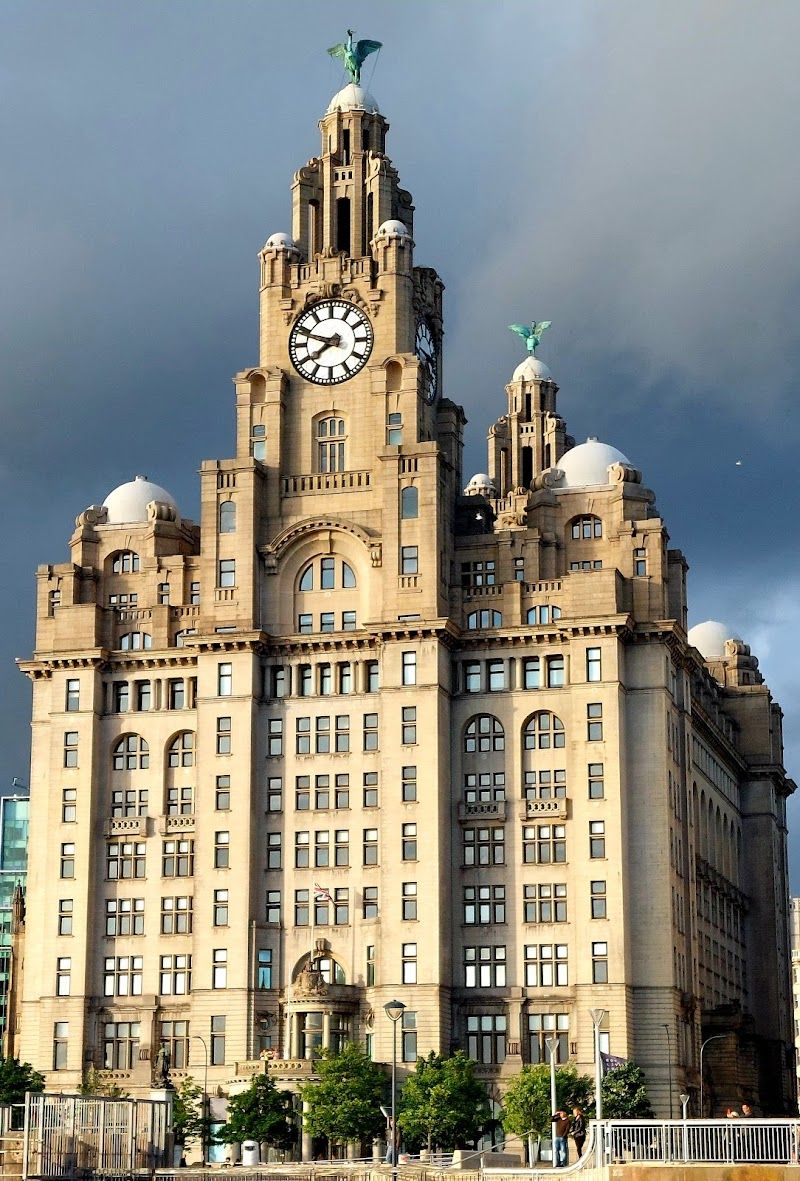
Liverpool has an unusual amount of quality free attractions. Tate Liverpool's permanent collection is free and genuinely good, focusing on modern and contemporary art. The Walker Art Gallery has one of England's best pre-20th century collections outside London, with Pre-Raphaelites and Victorian paintings worth an hour of your time. The Museum of Liverpool on William Brown Street covers the city's social and cultural history without being boring. At Albert Dock, both the Maritime Museum and International Slavery Museum are free and substantial. The Cavern Club is free during the day, the Pier Head waterfront gives you the classic Liverpool view for nothing (though the Royal Liver Building tour costs £13.50). The Bombed Out Church, St Luke's, is exactly what it sounds like: a church destroyed in WWII and left as a shell, now used for events. Sefton Park is a proper Victorian park with a Palm House glasshouse that's free to walk through. Both cathedrals are free to enter, though climbing the Anglican Cathedral tower costs £6.50 and gives you the best view in the city.
Bold Street and Food
Bold Street is Liverpool's best eating street, running south from the city center for about half a kilometer of almost entirely independent restaurants. You'll find Middle Eastern, Korean, Ethiopian, Japanese, Caribbean, and a strong vegan scene alongside traditional British cafes. Prices are moderate: expect £15-25 per person with drinks for a proper meal. Maray serves Middle Eastern small plates for £20-25 per person and is the most recommended restaurant in the city, so book ahead. The food is actually excellent, not just hyped. Try their lamb shawarma and halloumi dishes. Traditional Scouse, the local lamb or beef stew, appears in older pubs and cafes for £8-12. It's the correct local dish to try at least once, though it's comfort food rather than fine dining. Coffee costs £2.50-4 in independent cafes, which are everywhere on Bold Street. The quality is consistently good because the competition is fierce.
The Baltic Triangle
The Baltic Triangle is Liverpool's creative and food district, built in converted industrial buildings south of the city center. The main draw is Baltic Market, open Thursday through Sunday with multiple street food vendors charging £8-12 per plate. No single cuisine dominates, and the quality is higher than typical food halls because the vendors are mostly local. Camp and Furnace hosts events, food nights, and gigs in a former industrial space that feels genuinely atmospheric rather than manufactured. Several craft brewery taprooms operate in the area, charging £5-6 for local beer. The Triangle is 15-20 minutes on foot from Albert Dock or 10 minutes from Bold Street. Visit Thursday to Sunday when the market operates, because the area feels empty otherwise.
Getting Around
The city center, Albert Dock, and the Cavern Quarter are all within 15-20 minutes walking distance of each other, so you'll mostly walk. Merseytravel buses cover the wider city for £2.50 single trips or £5.80 for a day ticket. Bus 86A goes to Woolton for Strawberry Field, bus 86 or 80 reaches Penny Lane. Liverpool Central station connects the city center to suburbs via Merseyrail. Taxis and ride-share work fine for getting to the Baltic Triangle at night when you don't want to walk. The Mersey Ferry costs £12 for the River Explorer cruise from Pier Head and is worth doing once for the waterfront view, but treat it as tourism rather than transport. The ferry gives you the classic perspective of Liverpool's waterfront that you can't get from land.
Ready to Visit Liverpool?
Get a personalized itinerary tailored to your travel style and interests.
Plan Your Liverpool TripMore Liverpool Guides
2-3 Days in Liverpool: First-Timer's Itinerary
How to spend 2-3 days in Liverpool: the Beatles Story and Cavern Club on day one, the Three Graces and Tate Liverpool, Bold Street lunch, and the Baltic Triangle in the evening.
7 min
Eating in Liverpool: Bold Street, the Baltic Market, and Scouse
Liverpool's food scene runs from Bold Street independents to the Baltic Market street food hall to Scouse in old-school pubs. Here is how to eat well in 2-3 days.
6 min