United Kingdom
Liverpool
The Beatles' city, a UNESCO waterfront, the best gallery scene outside London, and Bold Street's food revolution
Best Time
May-September
Ideal Trip
2-3 days
Language
English
Currency
GBP
Budget
GBP 40-93/day (excl. hotel)
About Liverpool
Liverpool is the city that gave the world The Beatles and then spent 50 years figuring out what to do next. The answer turned out to be: regenerate the waterfront into a UNESCO site, build one of the best gallery scenes outside London, develop a food scene that nobody expected, and remain stubbornly, unapologetically itself. The Scouse accent is thick, the humour is sharp, the people will talk to you on the street whether you want them to or not, and the pride in the city is genuine. Liverpool does not try to be London. Liverpool tries to be Liverpool, and it succeeds.
The Beatles trail is real and it is everywhere. The Cavern Club (free entry most times, the rebuilt version on the original site, live music daily), Penny Lane (yes it is a real street, the barber shop is still there), Strawberry Field (GBP 15, the Salvation Army garden that Lennon saw from his aunt's house, now open to the public), the Beatles Story at Albert Dock (GBP 18, the best Beatles museum, the recreated Cavern and Abbey Road studio are worth the entry), and the Magical Mystery Tour bus (GBP 22, 2 hours hitting all the landmarks, genuinely enjoyable even if you are not obsessed). The childhood homes of Lennon and McCartney are National Trust properties (GBP 27 combined, small group tours only, book ahead).
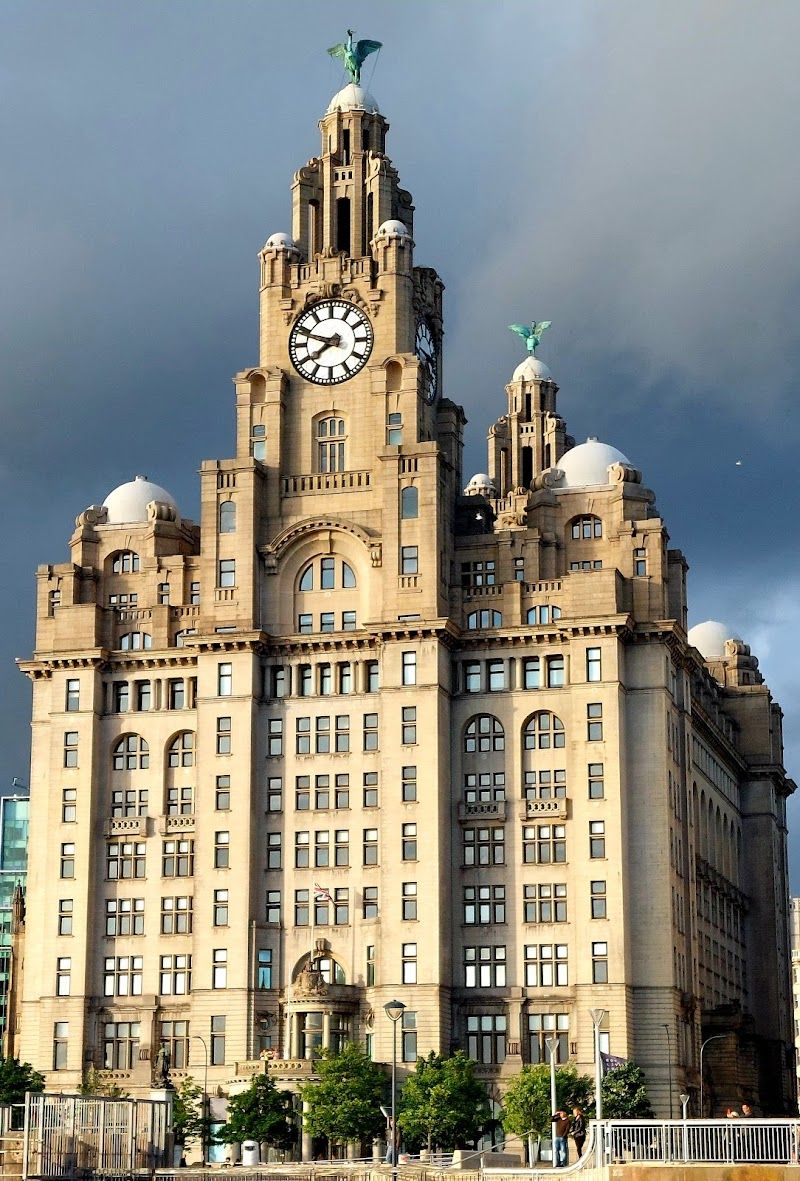
The waterfront is where Liverpool earns its UNESCO status. The Three Graces (the Royal Liver Building with the Liver Birds on top, the Cunard Building, the Port of Liverpool Building) form the most impressive waterfront trio in Britain. Albert Dock has the Tate Liverpool (free, the best modern art gallery outside London), the Maritime Museum (free, the Titanic and emigration galleries are moving), and the Beatles Story. The food scene has expanded: Bold Street has more independent restaurants per metre than any street in the UK, and the Baltic Triangle has become the creative and food district with street food markets, craft breweries, and converted warehouse restaurants.
Neighborhoods
Each district has its own personality
Albert Dock & Waterfront
The UNESCO World Heritage docklands regenerated into Liverpool's cultural and tourist centre: Tate Liverpool, the Beatles Story, the Three Graces, and the Mersey waterfront
Cavern Quarter & City Centre
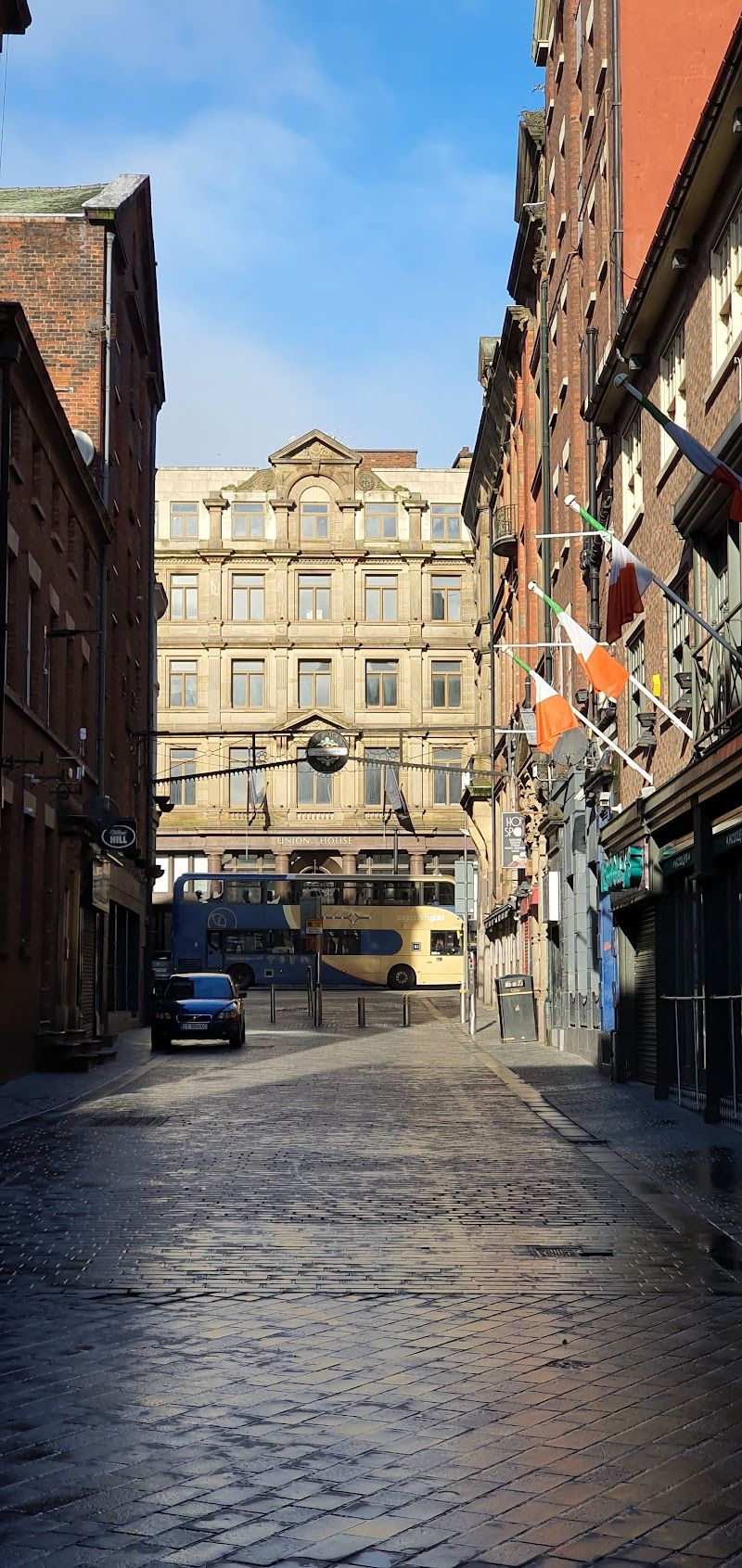
The music heritage heart of Liverpool: the Cavern Club, Mathew Street's live music strip, the William Brown Street museum quarter, and the city's retail and civic centre
Bold Street & Georgian Quarter
Liverpool's food and independent culture spine: Bold Street's dense concentration of independent restaurants and cafes, and the intact Georgian terraces of the quarter behind it
Things to Do
Top experiences in Liverpool
Royal Liver Building Tour
The Royal Liver Building tour takes you inside Liverpool's most famous landmark, the 1911 concrete pioneer that defined the city's skyline. You'll climb the clock tower (faces bigger than Big Ben's), learn about the copper Liver Birds perched 90 meters up, and access the external viewing platform for unmatched views over the Mersey and Three Graces. The 75-minute tour covers the building's engineering firsts, the Royal Liver Assurance Company's story, and the clock mechanism that's kept Liverpool on time for over a century. Tours are intimate affairs, capped at 10 people, led by guides who know every rivet and story. You'll walk through working offices normally off-limits to the public, then climb narrow staircases to the clock room where Victorian machinery still ticks away. The highlight comes at the viewing platform where you're eye-level with the Liver Birds and can see across to Birkenhead, down the estuary, and over Liverpool's rooftops. The wind hits hard up there, but the perspective is unbeatable. At £13.50, it's excellent value for what you get, especially compared to London's tourist traps. Book ahead because Saturday tours sell out weeks in advance, and weekday afternoon slots fill quickly too. The tour moves at a good pace but involves plenty of stairs, so skip it if mobility is an issue. Most people underestimate how cold it gets on the viewing platform, even in summer, so bring layers.
Mathew Street
Mathew Street is a short pedestrian cobblestone street where the Beatles played 292 times at the original Cavern Club between 1961 and 1963. You'll find the reconstructed Cavern Club (the original was demolished in 1973), the Wall of Fame with handprints and signatures of every artist who performed here, and John Lennon's statue sitting on a bench. The street hosts Beatles-themed shops selling everything from T-shirts to vinyl records, plus traditional pubs with live music. Walking the narrow street feels like a pilgrimage site for music fans, with constant sounds of cover bands drifting from doorways. The Wall of Fame stretches along brick buildings, featuring hundreds of names you'll recognize and many you won't. Street performers often play Beatles songs near the statue, while tourists pose for photos and peek into the famous arched entrance of the Cavern Club. The atmosphere shifts from touristy during the day to genuinely musical after 7pm. Honestly, it's quite commercialized and most of the 'Beatles' shops sell identical mass-produced merchandise at inflated prices. The Cavern Club charges around £5-8 entry depending on the act, but unless there's a tribute band you specifically want to see, the music quality varies wildly. Focus on the Wall of Fame and statue during daylight hours, then grab a pint at the nearby Grapes pub instead of paying club entry fees.
Anfield Stadium
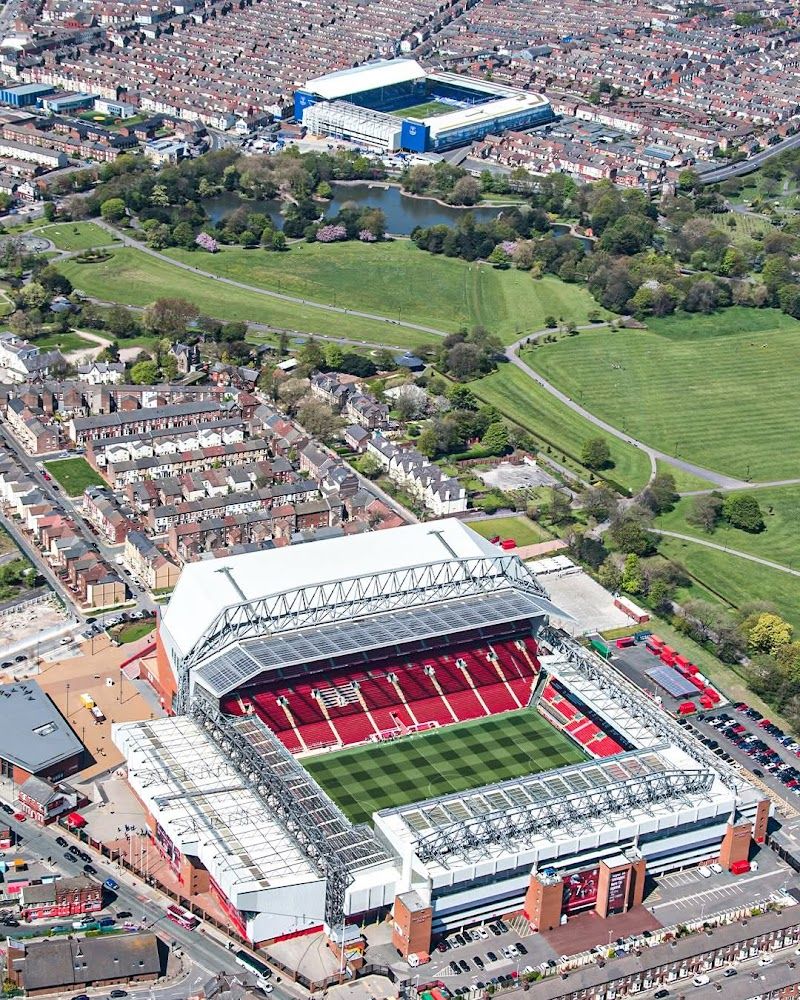
Anfield Stadium lets you walk through Liverpool FC's home ground where six European Cups were won and countless football legends made their mark. You'll see the players' dressing room with shirts hanging on pegs, walk down the tunnel hearing crowd noise through speakers, and touch the famous "This Is Anfield" sign that visiting teams fear. The pitch-side view from the tunnel is genuinely spine-tingling, even for non-football fans. The trophy room displays all six European Cups plus league titles dating back decades. Your 90-minute tour moves through spaces that feel surprisingly intimate and personal. Standing in the home dressing room where Gerrard, Dalglish, and countless others prepared for matches creates an unexpectedly emotional moment. The tunnel walk builds anticipation perfectly before you emerge pitch-side to see the Kop towering above you. The atmosphere feels reverent rather than touristy, with guides sharing insider stories about match days and player superstitions. Most tours cost around £25 for adults, but prices fluctuate based on demand and special exhibitions. Book directly through Liverpool FC's website to avoid markup from third-party sellers. Skip the expensive stadium store at the end unless you're buying for a serious Liverpool fan. The museum section feels rushed and outdated compared to the behind-the-scenes access, so don't worry if you're running short on time there.
Cavern Club
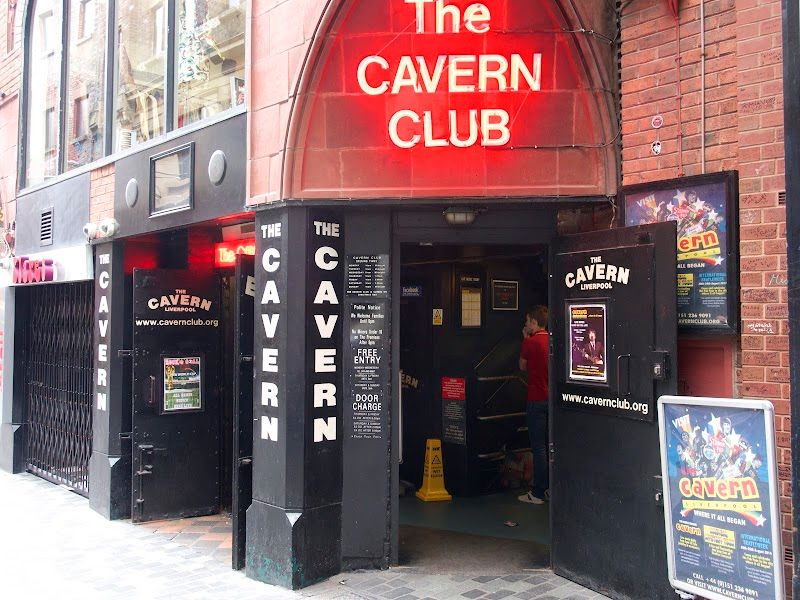
The Cavern Club on Mathew Street is the most significant live music venue in rock and roll history. The Beatles played here 292 times between 1961 and 1963, and the club was the incubator for the sound that became Merseybeat. The original club was demolished in 1973 when the Merseyrail underground was extended; the current club, which opened in 1984, was built using 15,000 of the original bricks and reconstructs the original layout: the low brick barrel-vaulted ceiling, the original stage position, the narrow entrance steps down from street level. Entry during the day is free. Live music runs from noon daily, seven days a week: the schedule is posted on the website and covers Beatles tribute acts, original bands, and solo performers. The evening shows (from around 7 PM) sometimes have a cover charge of GBP 2-5. The Wall of Fame outside the club lists every act that played the original Cavern. The Cavern Quarter around Mathew Street has several other music venues and bars, making it the best area for an evening out centred on live music.
Liverpool Cathedral
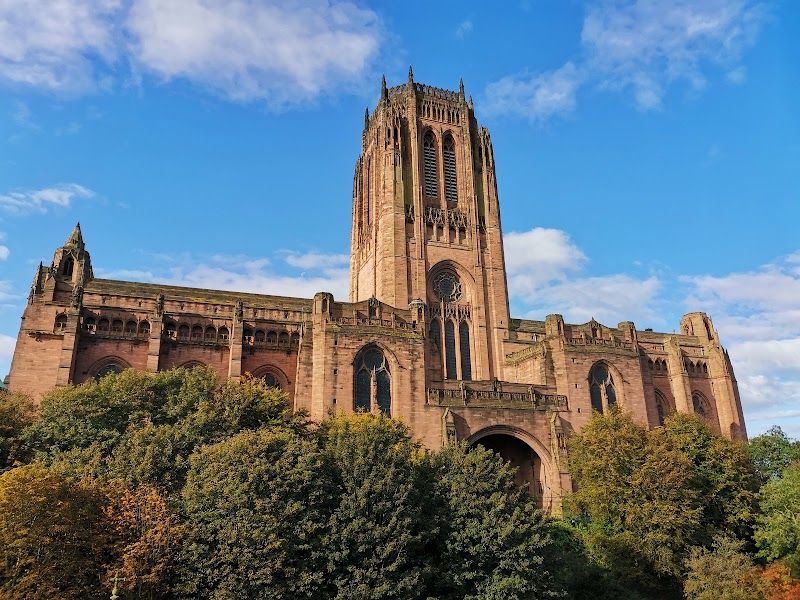
Liverpool Cathedral stands as Britain's largest cathedral, a red sandstone giant that took 74 years to build and houses the world's heaviest ringing peal of bells. The tower experience lifts you 500 feet up for views stretching to North Wales and the Pennines, while inside you'll find Gothic arches soaring higher than anywhere else on earth. The sheer scale hits you immediately: the entire Statue of Liberty could fit inside this vast space. The visit starts in the echoing nave where your footsteps sound tiny against the massive stone pillars. The tower lift whisks you up in stages, stopping at two viewing galleries where Liverpool spreads out below like a detailed map. Back down, the audio guide walks you through chapels and side altars, but honestly, it's the overwhelming sense of space that stays with you. The acoustics are incredible during services when the organ fills every corner. Most guides don't mention that the tower costs £6.50 extra on top of the £5 cathedral entry, making it £11.50 total for the full experience. Skip the overpriced cafe but don't miss the volunteer-led tours at 11am and 1pm, they're free and packed with construction stories you won't get elsewhere. The gift shop is surprisingly good for local history books. Go on a clear day or you'll waste money on cloudy tower views.
Museum of Liverpool
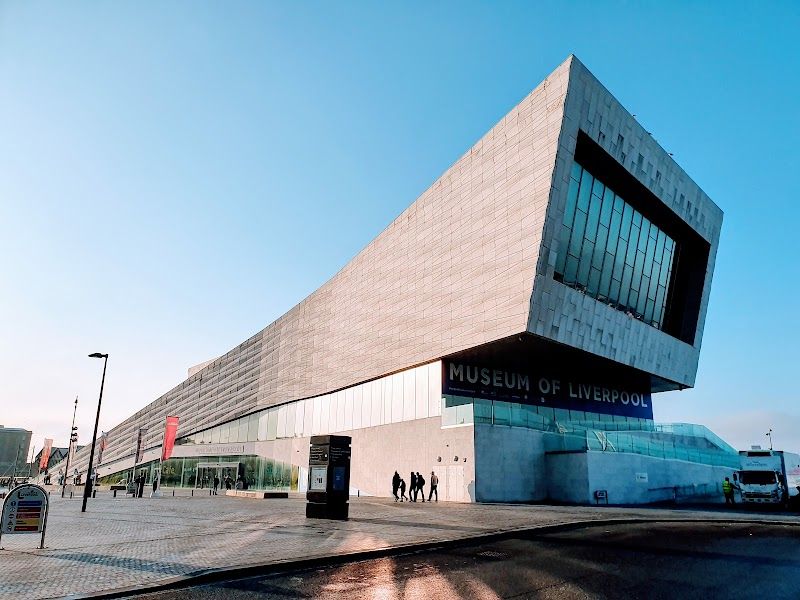
This waterfront museum tells Liverpool's story through its port, people, and culture, with free admission making it genuinely accessible to everyone. You'll find original artifacts from the city's maritime heyday, interactive displays about immigration and emigration waves, and substantial galleries covering everything from the slave trade to the Cavern Club. The Wondrous Place gallery goes far beyond Beatles nostalgia, chronicling skiffle, Merseybeat, and modern Liverpool bands with listening stations and original instruments. The building itself feels like a giant glass cube perched on Mann Island, with floor to ceiling windows offering views across the Mersey. Each floor flows chronologically, starting with Liverpool's foundation and working through its global significance as a port city. The atmosphere balances serious historical content with genuinely engaging interactive elements, though it can get packed with school groups on weekdays. The People's Republic gallery examining working class life and trade union history often gets overlooked but provides crucial context. Most visitors rush straight to the music section and miss the port history galleries, which are actually more revealing about why Liverpool became culturally significant in the first place. The temporary exhibition space usually hosts worthwhile shows, though quality varies. Skip the gift shop unless you need another Beatles mug, and don't bother with the cafe when better options exist steps away at Albert Dock.
Beatles Story at Albert Dock
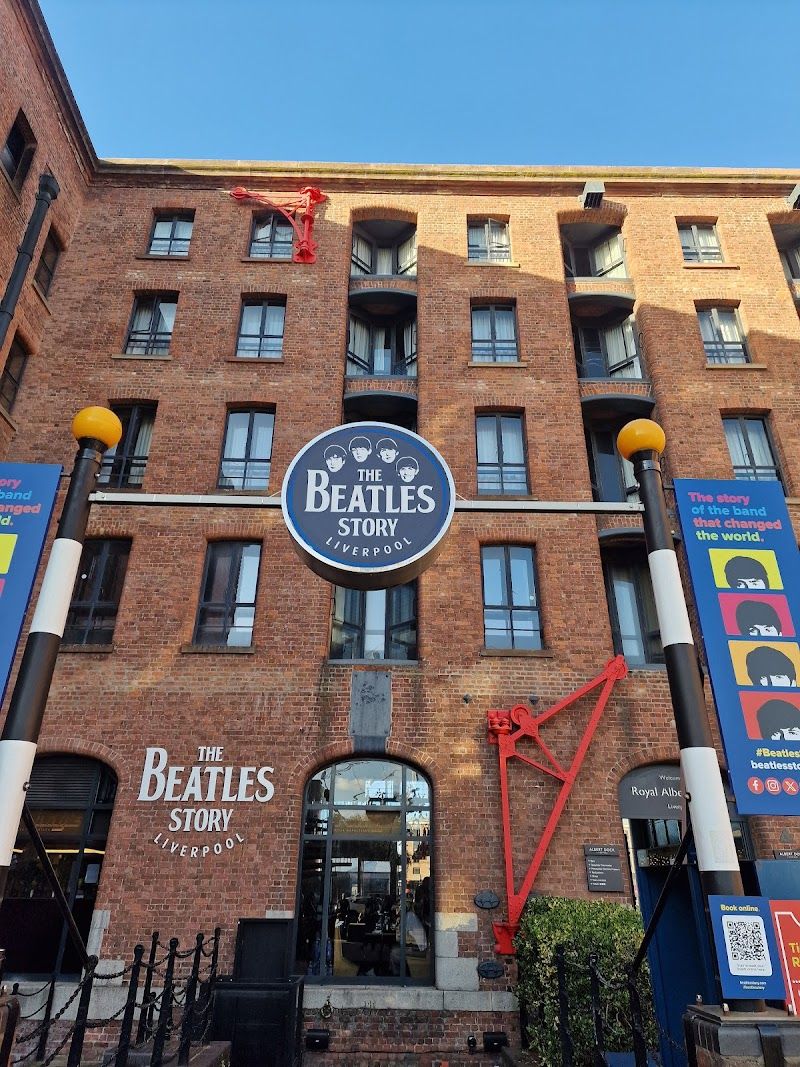
The Beatles Story packs the complete Beatles journey into a surprisingly well-curated museum inside Albert Dock's Victorian warehouses. You'll walk through recreated Hamburg clubs, stand inside a full-scale Cavern Club replica with authentic brick arches, and sit in the exact Abbey Road Studio 2 control room setup where they recorded most of their hits. The audio guide (included) features actual band interviews and studio chatter that brings each room to life. The flow works chronologically from their scruffy teenage years through global superstardom to the bitter 1970 split. You'll hear John's harmonica echoing in the Cavern recreation, see Paul's handwritten lyrics behind glass, and watch rare footage in the cinema sections. The Abbey Road studio replica is genuinely atmospheric: you can almost hear the playback of 'Here Comes the Sun' through those vintage monitors. Each section builds naturally into the next without feeling rushed or overstuffed. At £18 for adults, it's pricey but worth it if you're remotely interested in the band. Skip the expensive cafe upstairs and focus your energy on the Cavern Club and Abbey Road sections, which are genuinely special. The gift shop at the exit actually stocks quality items rather than the usual tourist tat you'll find on Mathew Street. Most visitors rush through in 90 minutes, but you'll get much more from a leisurely 2.5 hour visit.
Sefton Park
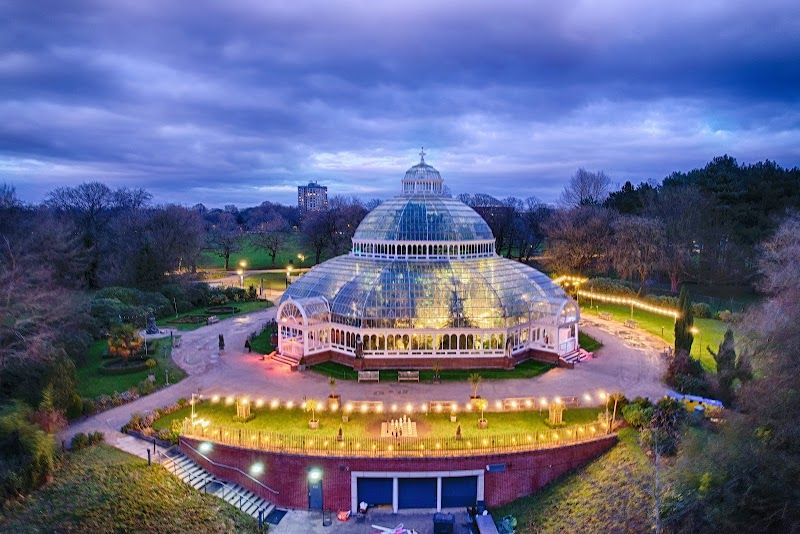
Sefton Park sprawls across 235 acres of south Liverpool, anchored by its stunning Victorian Palm House from 1896. The cast iron and glass glasshouse holds three climate zones packed with towering palms, exotic blooms, and enough humidity to fog your camera lens. Beyond the Palm House, you'll find a proper boating lake where families rent rowboats, plus miles of tree-lined paths that weave past cricket pitches and open meadows. The Palm House feels like stepping into a tropical greenhouse that's been preserved in amber since Victoria's reign. Inside, the octagonal design creates three distinct environments: desert plants in the driest section, temperate species in the middle, and a proper rainforest feel in the humid zone. The ironwork overhead catches light beautifully, especially on overcast days when the glass ceiling glows. Outside, the park has that relaxed Sunday afternoon energy where joggers share paths with dog walkers and families feeding ducks. Most guides oversell the entire park when really it's about the Palm House and the lake area. The outer sections can feel a bit empty and windswept, so stick to the central attractions unless you're after a proper long walk. Entry to everything is completely free, which makes this one of Liverpool's best value days out. The cafe inside the Palm House charges typical tourist prices (£3.50 for coffee, £4 for cake) but the setting inside those glass walls justifies the markup.
The Philharmonic Dining Rooms
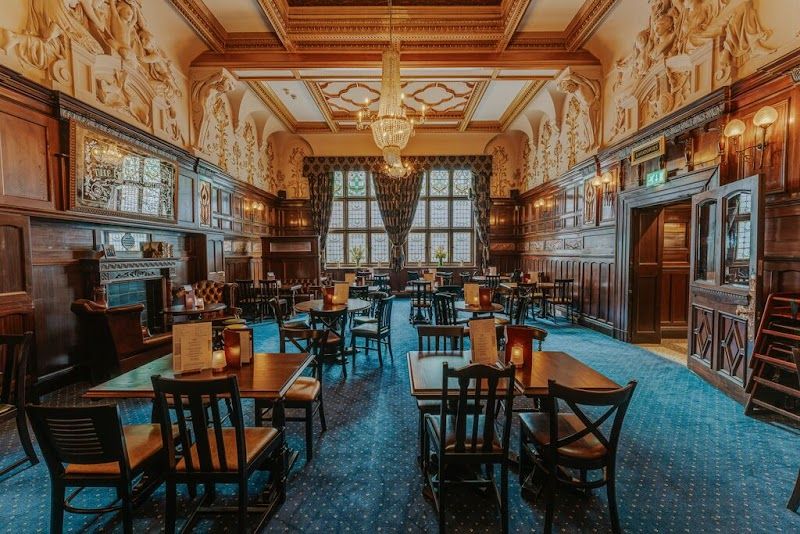
A stunning Victorian pub built in 1900, renowned for having some of the most ornate pub interiors in Britain. The Grade II listed building features elaborate mosaic floors, etched glass, wrought iron, and famously opulent marble gentlemen's toilets that are a tourist attraction in themselves.
Baltic Market
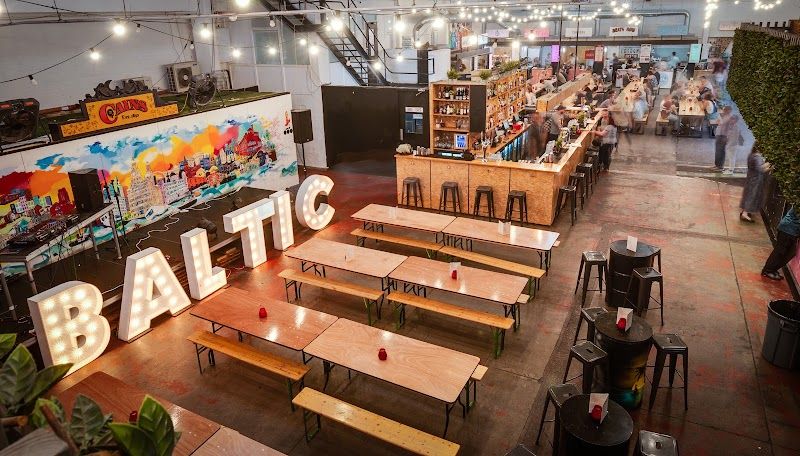
Street food market in a converted warehouse with rotating vendors serving global cuisines from Thai and Indian to burgers and vegan options. Open Thursday to Sunday with communal seating and a bar serving craft beers and cocktails. Expect to pay GBP 8-12 per plate from any of the dozen or so independent traders.
Liverpool Metropolitan Cathedral
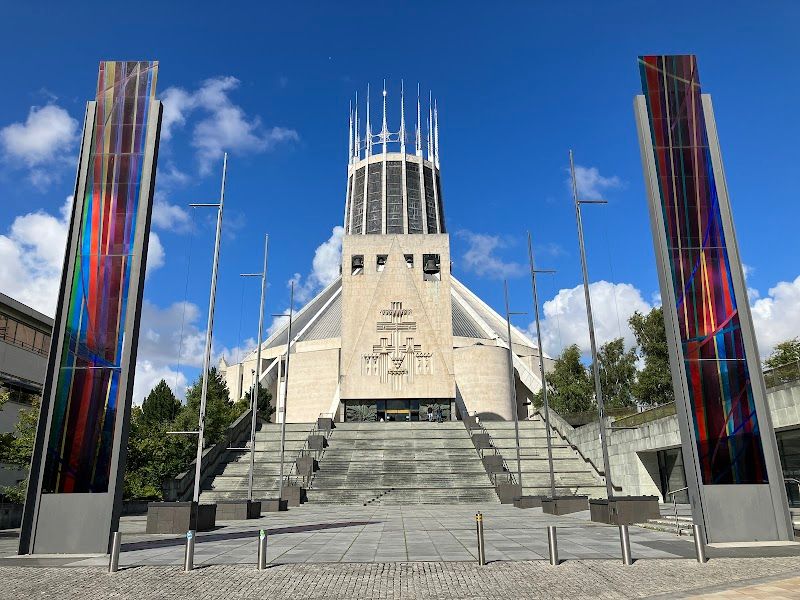
Liverpool's Metropolitan Cathedral looks like a concrete spaceship that landed in 1967, and it's genuinely striking. The circular modernist design centers around a massive crown-shaped lantern tower that floods the interior with light through John Piper's extraordinary stained glass. You'll spend most of your time craning your neck upward at the kaleidoscope of blues, purples, and golds that shift throughout the day. The building sits above Edwin Lutyens' abandoned cathedral crypt, which you can visit separately for £5. Walking inside feels like entering a cosmic cathedral where traditional church architecture got completely reimagined. The circular nave means there's no bad seat, and the altar sits in the center with seating radiating outward. The stained glass creates pools of colored light that move across the floor as the sun shifts, making afternoon visits particularly rewarding. The acoustic properties are excellent, so if there's a service or concert happening, you'll hear every note clearly from anywhere in the space. Most guides oversell this as revolutionary architecture, but honestly, it's more interesting than beautiful. The real draw is experiencing how radically different a 1960s cathedral feels compared to Liverpool's Gothic Anglican Cathedral down the road. Skip the gift shop, which is forgettable, but don't miss the Lutyens Crypt if you're interested in architectural history. The £5 entrance fee feels steep for what's essentially an unfinished basement, but the massive brick arches show what could have been Britain's largest cathedral.
Tate Liverpool
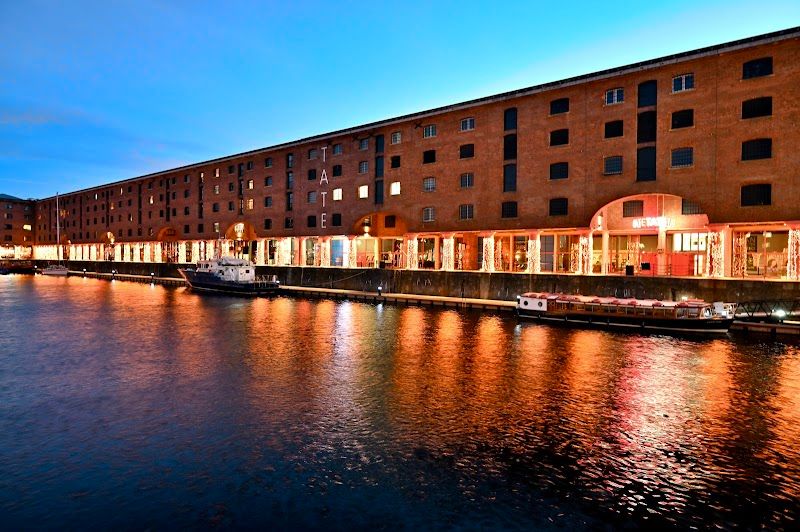
Tate Liverpool sits in a converted Victorian warehouse on Albert Dock, housing the UK's best collection of modern art outside London. You'll find heavy hitters like Picasso and Matisse alongside contemporary British work, plus rotating exhibitions that actually matter. The permanent collection covers 1900 to present day, with particularly strong holdings of post-war British art and pieces that reflect Liverpool's maritime history. The building itself is part of the experience: original cast-iron columns and brick walls create dramatic gallery spaces. The layout flows naturally across four floors, starting with contemporary pieces on the ground level and working up to the strongest historical work on the top floor. The converted warehouse gives you soaring ceilings and unexpected sightlines between artworks. You'll move through intimate rooms and vast open spaces where sculptures have room to breathe. The views across Albert Dock through tall windows remind you constantly of Liverpool's industrial past. The atmosphere feels serious but not stuffy, with plenty of families and locals mixing with art tourists. Most guides don't tell you the top floor has the real treasures while ground floor galleries often house weaker temporary displays. Skip the basement entirely unless there's a major exhibition. The permanent collection is free, but temporary shows cost £10-14 and aren't always worth it. The cafe serves decent coffee and light meals for £6-9, though you'll find better food elsewhere in Albert Dock. Allow two hours if you're selective, but you could easily spend half a day here.
Travel Guides
Expert guides for every travel style
Eating in Liverpool: Bold Street, the Baltic Market, and Scouse
Liverpool's food scene runs from Bold Street independents to the Baltic Market street food hall to Scouse in old-school pubs. Here is how to eat well in 2-3 days.
6 min
First Time in Liverpool: What You Need to Know
Everything before your first visit: how the Beatles trail actually works, what is free, where to eat on Bold Street, the Baltic Triangle, and the buses.
7 min
Frequently Asked Questions
A focused Beatles day covers the Beatles Story at Albert Dock (2-2.5 hours, GBP 18), the Cavern Club on Mathew Street (free, allow an hour including a drink), Strawberry Field in Woolton (GBP 15, 1-1.5 hours, 20 minutes from the city centre by bus), and Penny Lane (drive-past or bus). That is a full day. The National Trust childhood homes of Lennon and McCartney (GBP 27 combined, book ahead at nationaltrust.org.uk) require a separate half-day as the tours are guided and timed. The Magical Mystery Tour bus (GBP 22, 2 hours, departs Albert Dock) covers most of the south Liverpool sites efficiently if you do not want to navigate the buses yourself.
A significant amount. Tate Liverpool (permanent collection, temporary exhibitions cost GBP 10-14). The Walker Art Gallery (one of the best pre-20th century collections outside London). The Museum of Liverpool and the Maritime Museum including the International Slavery Museum (both on Albert Dock and William Brown Street). The Cavern Club during the day (live music from noon). The exterior of the Three Graces (Royal Liver Building, Cunard Building, Port of Liverpool Building) from the Pier Head. St George's Hall exterior. The Bombed Out Church (St Luke's). Sefton Park including the Palm House glasshouse.
Yes, particularly Thursday to Sunday when the Baltic Market is open and the district is at its best. It is a 15-minute walk south from Albert Dock through the city centre. The street food at the Baltic Market costs GBP 8-12 per plate and the quality is consistently good. Camp and Furnace hosts regular food nights and events. The craft brewery taprooms have pints from GBP 5. It is the area of Liverpool that feels least like a tourist district and most like a city that is working out what it wants to be next.
The city centre, Albert Dock, and the Cavern Quarter are all walkable from each other in 15-20 minutes. Merseytravel buses (GBP 2.50 single, GBP 5.80 day ticket) cover the wider city including Woolton for Strawberry Field (bus 86A from the city centre) and Penny Lane (bus 86 or 80). The Mersey Ferry (GBP 12, River Explorer cruise) is worth taking once for the waterfront view rather than as a transport option. Anfield and Everton's stadium are about 2 miles north of the city centre: bus or taxi.