Liverpool
Things to Do
38 attractions, museums, and experiences
Mathew Street
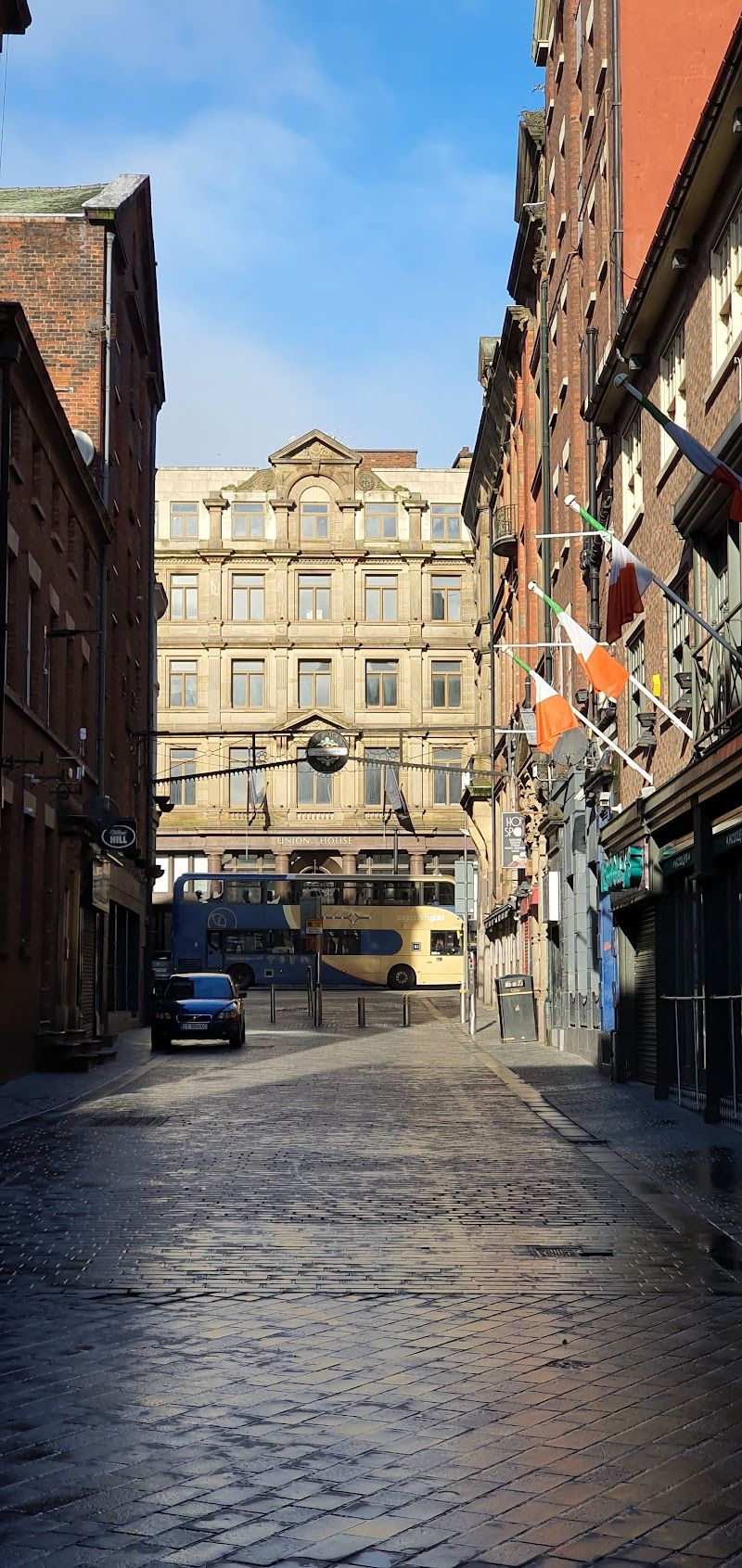
Mathew Street is a short pedestrian cobblestone street where the Beatles played 292 times at the original Cavern Club between 1961 and 1963. You'll find the reconstructed Cavern Club (the original was demolished in 1973), the Wall of Fame with handprints and signatures of every artist who performed here, and John Lennon's statue sitting on a bench. The street hosts Beatles-themed shops selling everything from T-shirts to vinyl records, plus traditional pubs with live music. Walking the narrow street feels like a pilgrimage site for music fans, with constant sounds of cover bands drifting from doorways. The Wall of Fame stretches along brick buildings, featuring hundreds of names you'll recognize and many you won't. Street performers often play Beatles songs near the statue, while tourists pose for photos and peek into the famous arched entrance of the Cavern Club. The atmosphere shifts from touristy during the day to genuinely musical after 7pm. Honestly, it's quite commercialized and most of the 'Beatles' shops sell identical mass-produced merchandise at inflated prices. The Cavern Club charges around £5-8 entry depending on the act, but unless there's a tribute band you specifically want to see, the music quality varies wildly. Focus on the Wall of Fame and statue during daylight hours, then grab a pint at the nearby Grapes pub instead of paying club entry fees.
Royal Liver Building Tour
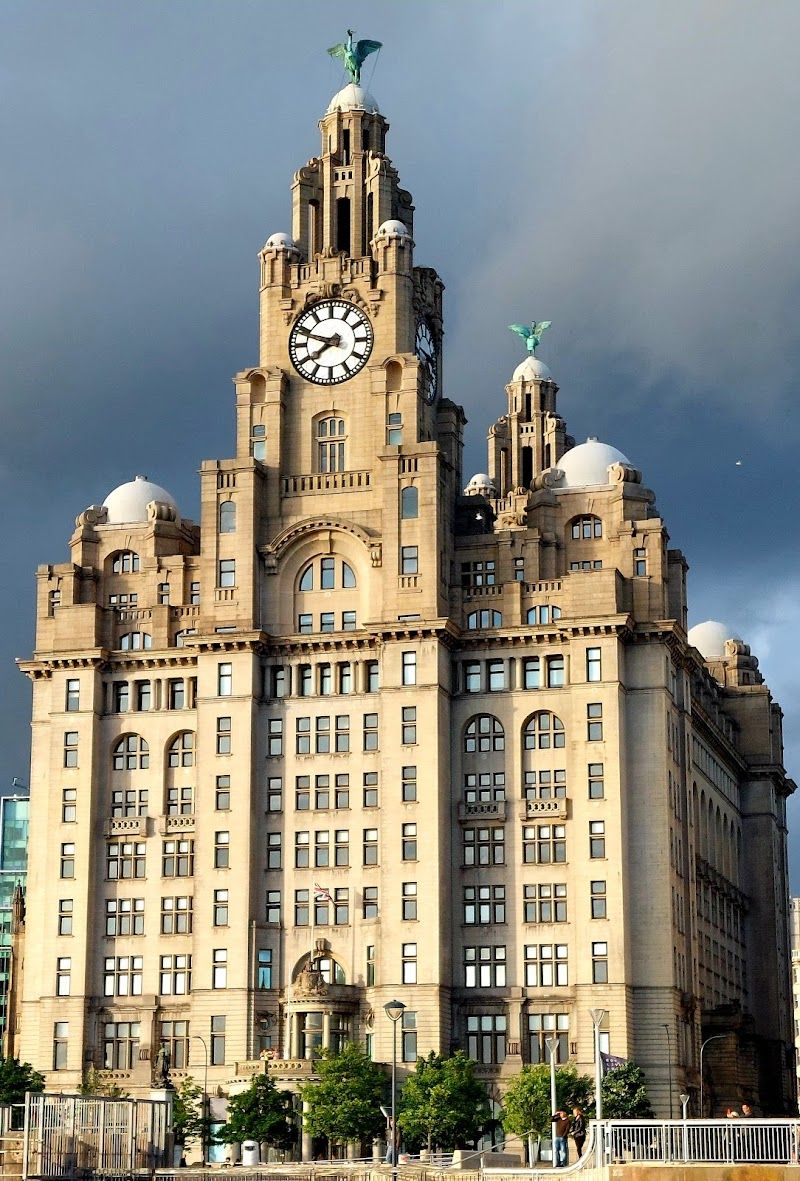
The Royal Liver Building tour takes you inside Liverpool's most famous landmark, the 1911 concrete pioneer that defined the city's skyline. You'll climb the clock tower (faces bigger than Big Ben's), learn about the copper Liver Birds perched 90 meters up, and access the external viewing platform for unmatched views over the Mersey and Three Graces. The 75-minute tour covers the building's engineering firsts, the Royal Liver Assurance Company's story, and the clock mechanism that's kept Liverpool on time for over a century. Tours are intimate affairs, capped at 10 people, led by guides who know every rivet and story. You'll walk through working offices normally off-limits to the public, then climb narrow staircases to the clock room where Victorian machinery still ticks away. The highlight comes at the viewing platform where you're eye-level with the Liver Birds and can see across to Birkenhead, down the estuary, and over Liverpool's rooftops. The wind hits hard up there, but the perspective is unbeatable. At £13.50, it's excellent value for what you get, especially compared to London's tourist traps. Book ahead because Saturday tours sell out weeks in advance, and weekday afternoon slots fill quickly too. The tour moves at a good pace but involves plenty of stairs, so skip it if mobility is an issue. Most people underestimate how cold it gets on the viewing platform, even in summer, so bring layers.
Anfield Stadium
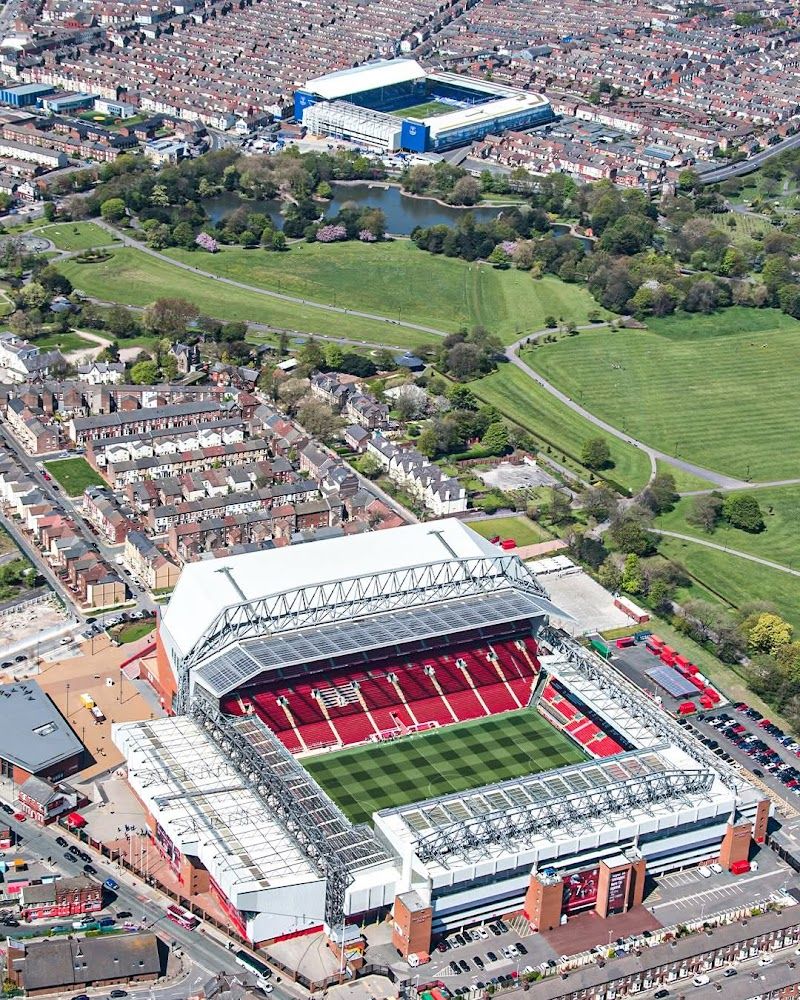
Anfield Stadium lets you walk through Liverpool FC's home ground where six European Cups were won and countless football legends made their mark. You'll see the players' dressing room with shirts hanging on pegs, walk down the tunnel hearing crowd noise through speakers, and touch the famous "This Is Anfield" sign that visiting teams fear. The pitch-side view from the tunnel is genuinely spine-tingling, even for non-football fans. The trophy room displays all six European Cups plus league titles dating back decades. Your 90-minute tour moves through spaces that feel surprisingly intimate and personal. Standing in the home dressing room where Gerrard, Dalglish, and countless others prepared for matches creates an unexpectedly emotional moment. The tunnel walk builds anticipation perfectly before you emerge pitch-side to see the Kop towering above you. The atmosphere feels reverent rather than touristy, with guides sharing insider stories about match days and player superstitions. Most tours cost around £25 for adults, but prices fluctuate based on demand and special exhibitions. Book directly through Liverpool FC's website to avoid markup from third-party sellers. Skip the expensive stadium store at the end unless you're buying for a serious Liverpool fan. The museum section feels rushed and outdated compared to the behind-the-scenes access, so don't worry if you're running short on time there.
Cavern Club
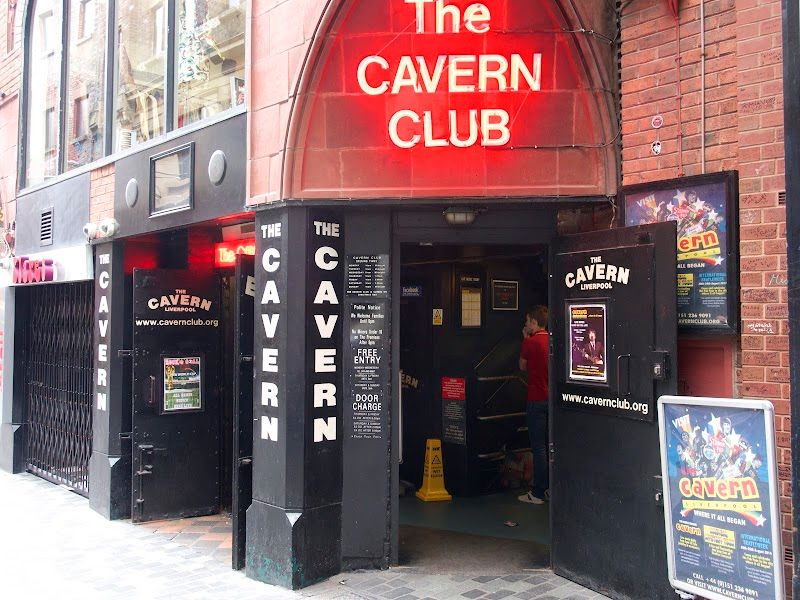
The Cavern Club on Mathew Street is the most significant live music venue in rock and roll history. The Beatles played here 292 times between 1961 and 1963, and the club was the incubator for the sound that became Merseybeat. The original club was demolished in 1973 when the Merseyrail underground was extended; the current club, which opened in 1984, was built using 15,000 of the original bricks and reconstructs the original layout: the low brick barrel-vaulted ceiling, the original stage position, the narrow entrance steps down from street level. Entry during the day is free. Live music runs from noon daily, seven days a week: the schedule is posted on the website and covers Beatles tribute acts, original bands, and solo performers. The evening shows (from around 7 PM) sometimes have a cover charge of GBP 2-5. The Wall of Fame outside the club lists every act that played the original Cavern. The Cavern Quarter around Mathew Street has several other music venues and bars, making it the best area for an evening out centred on live music.
Liverpool Cathedral
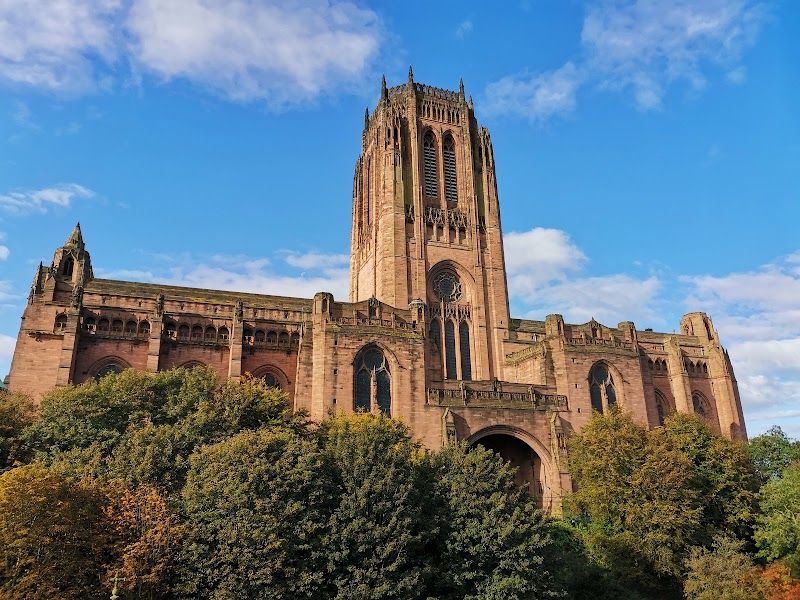
Liverpool Cathedral stands as Britain's largest cathedral, a red sandstone giant that took 74 years to build and houses the world's heaviest ringing peal of bells. The tower experience lifts you 500 feet up for views stretching to North Wales and the Pennines, while inside you'll find Gothic arches soaring higher than anywhere else on earth. The sheer scale hits you immediately: the entire Statue of Liberty could fit inside this vast space. The visit starts in the echoing nave where your footsteps sound tiny against the massive stone pillars. The tower lift whisks you up in stages, stopping at two viewing galleries where Liverpool spreads out below like a detailed map. Back down, the audio guide walks you through chapels and side altars, but honestly, it's the overwhelming sense of space that stays with you. The acoustics are incredible during services when the organ fills every corner. Most guides don't mention that the tower costs £6.50 extra on top of the £5 cathedral entry, making it £11.50 total for the full experience. Skip the overpriced cafe but don't miss the volunteer-led tours at 11am and 1pm, they're free and packed with construction stories you won't get elsewhere. The gift shop is surprisingly good for local history books. Go on a clear day or you'll waste money on cloudy tower views.
Museum of Liverpool
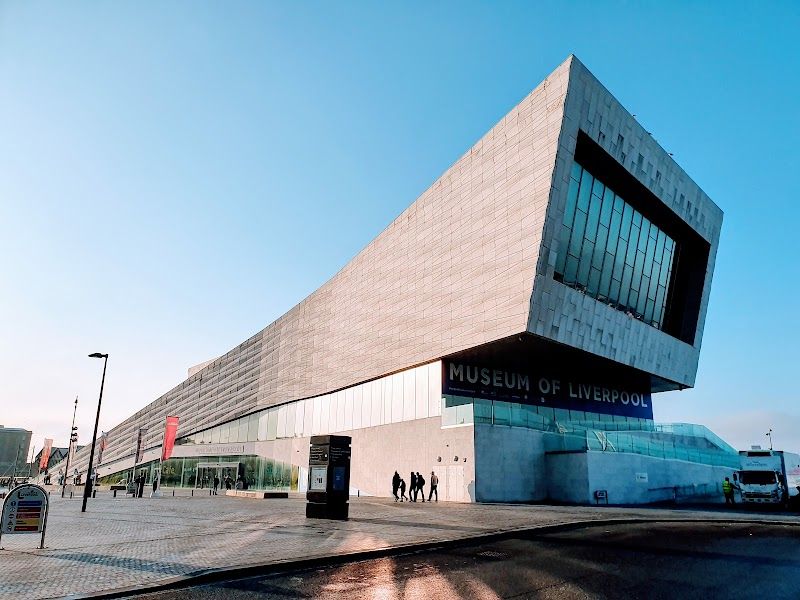
This waterfront museum tells Liverpool's story through its port, people, and culture, with free admission making it genuinely accessible to everyone. You'll find original artifacts from the city's maritime heyday, interactive displays about immigration and emigration waves, and substantial galleries covering everything from the slave trade to the Cavern Club. The Wondrous Place gallery goes far beyond Beatles nostalgia, chronicling skiffle, Merseybeat, and modern Liverpool bands with listening stations and original instruments. The building itself feels like a giant glass cube perched on Mann Island, with floor to ceiling windows offering views across the Mersey. Each floor flows chronologically, starting with Liverpool's foundation and working through its global significance as a port city. The atmosphere balances serious historical content with genuinely engaging interactive elements, though it can get packed with school groups on weekdays. The People's Republic gallery examining working class life and trade union history often gets overlooked but provides crucial context. Most visitors rush straight to the music section and miss the port history galleries, which are actually more revealing about why Liverpool became culturally significant in the first place. The temporary exhibition space usually hosts worthwhile shows, though quality varies. Skip the gift shop unless you need another Beatles mug, and don't bother with the cafe when better options exist steps away at Albert Dock.
Beatles Story at Albert Dock
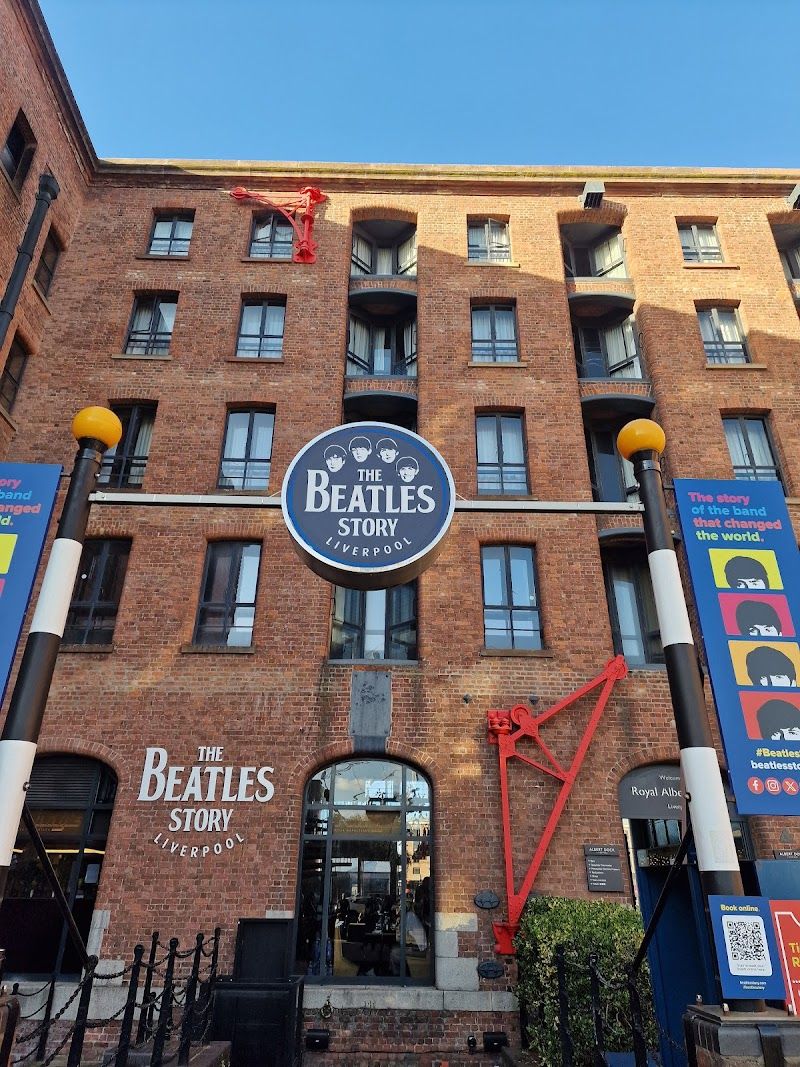
The Beatles Story packs the complete Beatles journey into a surprisingly well-curated museum inside Albert Dock's Victorian warehouses. You'll walk through recreated Hamburg clubs, stand inside a full-scale Cavern Club replica with authentic brick arches, and sit in the exact Abbey Road Studio 2 control room setup where they recorded most of their hits. The audio guide (included) features actual band interviews and studio chatter that brings each room to life. The flow works chronologically from their scruffy teenage years through global superstardom to the bitter 1970 split. You'll hear John's harmonica echoing in the Cavern recreation, see Paul's handwritten lyrics behind glass, and watch rare footage in the cinema sections. The Abbey Road studio replica is genuinely atmospheric: you can almost hear the playback of 'Here Comes the Sun' through those vintage monitors. Each section builds naturally into the next without feeling rushed or overstuffed. At £18 for adults, it's pricey but worth it if you're remotely interested in the band. Skip the expensive cafe upstairs and focus your energy on the Cavern Club and Abbey Road sections, which are genuinely special. The gift shop at the exit actually stocks quality items rather than the usual tourist tat you'll find on Mathew Street. Most visitors rush through in 90 minutes, but you'll get much more from a leisurely 2.5 hour visit.
Sefton Park
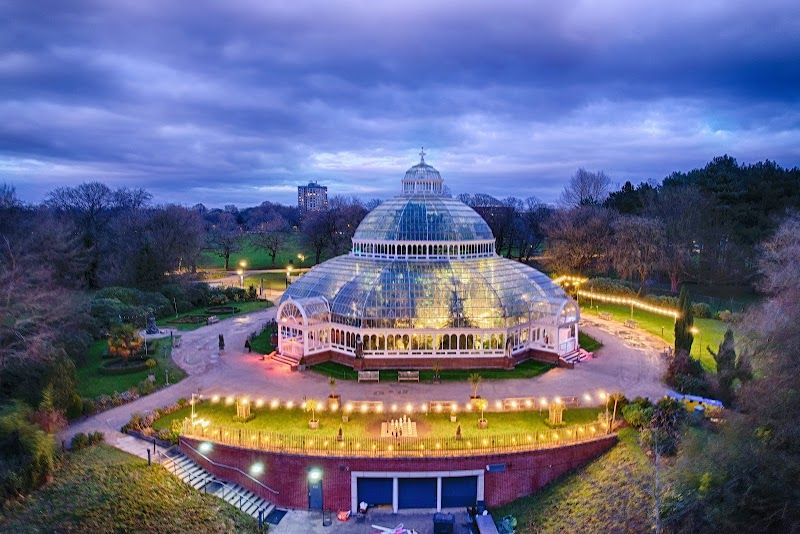
Sefton Park sprawls across 235 acres of south Liverpool, anchored by its stunning Victorian Palm House from 1896. The cast iron and glass glasshouse holds three climate zones packed with towering palms, exotic blooms, and enough humidity to fog your camera lens. Beyond the Palm House, you'll find a proper boating lake where families rent rowboats, plus miles of tree-lined paths that weave past cricket pitches and open meadows. The Palm House feels like stepping into a tropical greenhouse that's been preserved in amber since Victoria's reign. Inside, the octagonal design creates three distinct environments: desert plants in the driest section, temperate species in the middle, and a proper rainforest feel in the humid zone. The ironwork overhead catches light beautifully, especially on overcast days when the glass ceiling glows. Outside, the park has that relaxed Sunday afternoon energy where joggers share paths with dog walkers and families feeding ducks. Most guides oversell the entire park when really it's about the Palm House and the lake area. The outer sections can feel a bit empty and windswept, so stick to the central attractions unless you're after a proper long walk. Entry to everything is completely free, which makes this one of Liverpool's best value days out. The cafe inside the Palm House charges typical tourist prices (£3.50 for coffee, £4 for cake) but the setting inside those glass walls justifies the markup.
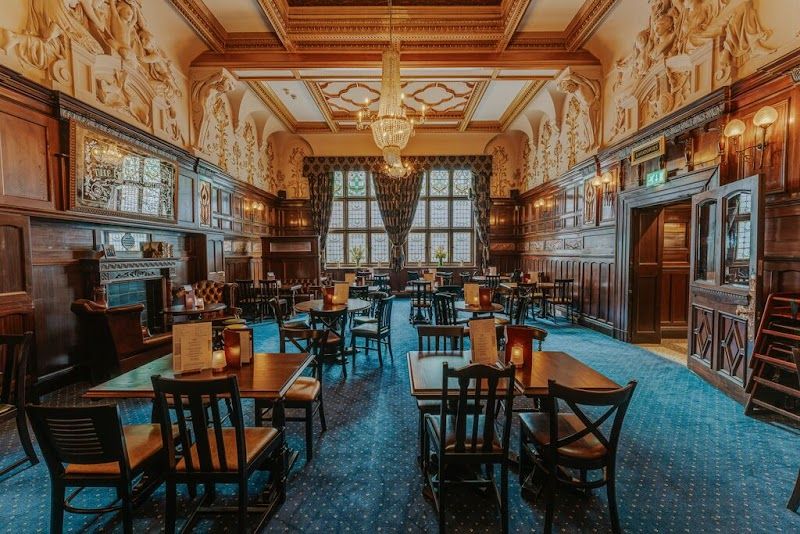
The Philharmonic Dining Rooms
A stunning Victorian pub built in 1900, renowned for having some of the most ornate pub interiors in Britain. The Grade II listed building features elaborate mosaic floors, etched glass, wrought iron, and famously opulent marble gentlemen's toilets that are a tourist attraction in themselves.
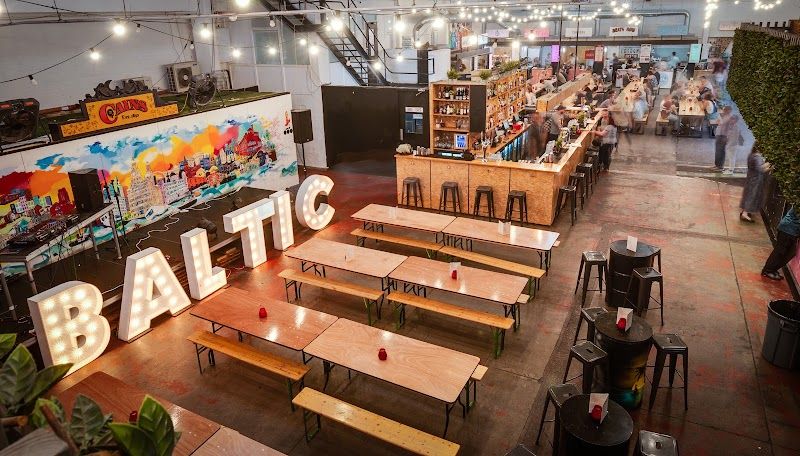
Baltic Market
Street food market in a converted warehouse with rotating vendors serving global cuisines from Thai and Indian to burgers and vegan options. Open Thursday to Sunday with communal seating and a bar serving craft beers and cocktails. Expect to pay GBP 8-12 per plate from any of the dozen or so independent traders.
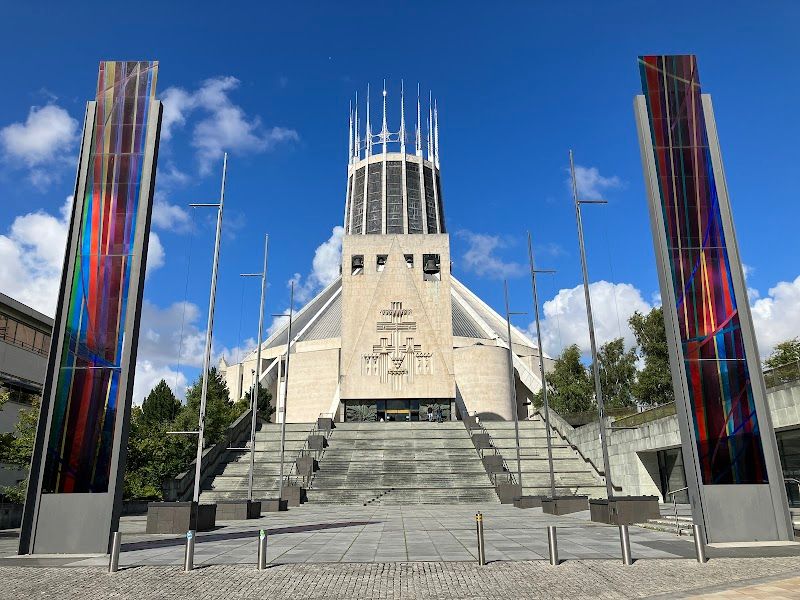
Liverpool Metropolitan Cathedral
Liverpool's Metropolitan Cathedral looks like a concrete spaceship that landed in 1967, and it's genuinely striking. The circular modernist design centers around a massive crown-shaped lantern tower that floods the interior with light through John Piper's extraordinary stained glass. You'll spend most of your time craning your neck upward at the kaleidoscope of blues, purples, and golds that shift throughout the day. The building sits above Edwin Lutyens' abandoned cathedral crypt, which you can visit separately for £5. Walking inside feels like entering a cosmic cathedral where traditional church architecture got completely reimagined. The circular nave means there's no bad seat, and the altar sits in the center with seating radiating outward. The stained glass creates pools of colored light that move across the floor as the sun shifts, making afternoon visits particularly rewarding. The acoustic properties are excellent, so if there's a service or concert happening, you'll hear every note clearly from anywhere in the space. Most guides oversell this as revolutionary architecture, but honestly, it's more interesting than beautiful. The real draw is experiencing how radically different a 1960s cathedral feels compared to Liverpool's Gothic Anglican Cathedral down the road. Skip the gift shop, which is forgettable, but don't miss the Lutyens Crypt if you're interested in architectural history. The £5 entrance fee feels steep for what's essentially an unfinished basement, but the massive brick arches show what could have been Britain's largest cathedral.
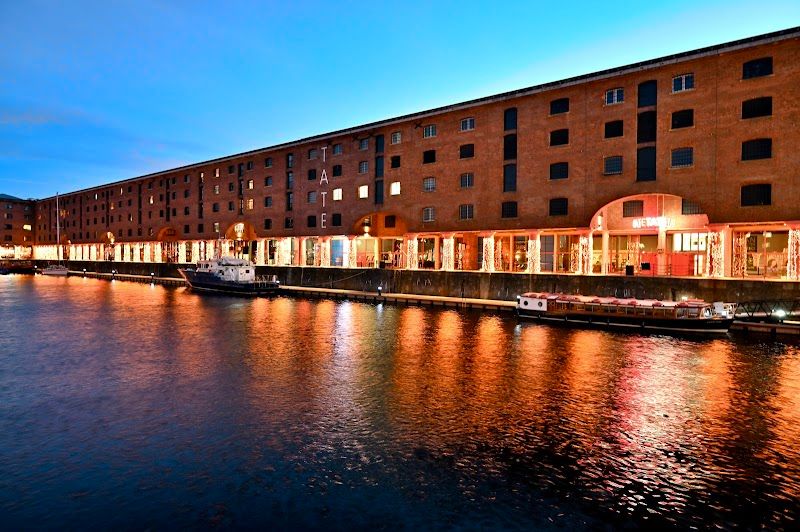
Tate Liverpool
Tate Liverpool sits in a converted Victorian warehouse on Albert Dock, housing the UK's best collection of modern art outside London. You'll find heavy hitters like Picasso and Matisse alongside contemporary British work, plus rotating exhibitions that actually matter. The permanent collection covers 1900 to present day, with particularly strong holdings of post-war British art and pieces that reflect Liverpool's maritime history. The building itself is part of the experience: original cast-iron columns and brick walls create dramatic gallery spaces. The layout flows naturally across four floors, starting with contemporary pieces on the ground level and working up to the strongest historical work on the top floor. The converted warehouse gives you soaring ceilings and unexpected sightlines between artworks. You'll move through intimate rooms and vast open spaces where sculptures have room to breathe. The views across Albert Dock through tall windows remind you constantly of Liverpool's industrial past. The atmosphere feels serious but not stuffy, with plenty of families and locals mixing with art tourists. Most guides don't tell you the top floor has the real treasures while ground floor galleries often house weaker temporary displays. Skip the basement entirely unless there's a major exhibition. The permanent collection is free, but temporary shows cost £10-14 and aren't always worth it. The cafe serves decent coffee and light meals for £6-9, though you'll find better food elsewhere in Albert Dock. Allow two hours if you're selective, but you could easily spend half a day here.
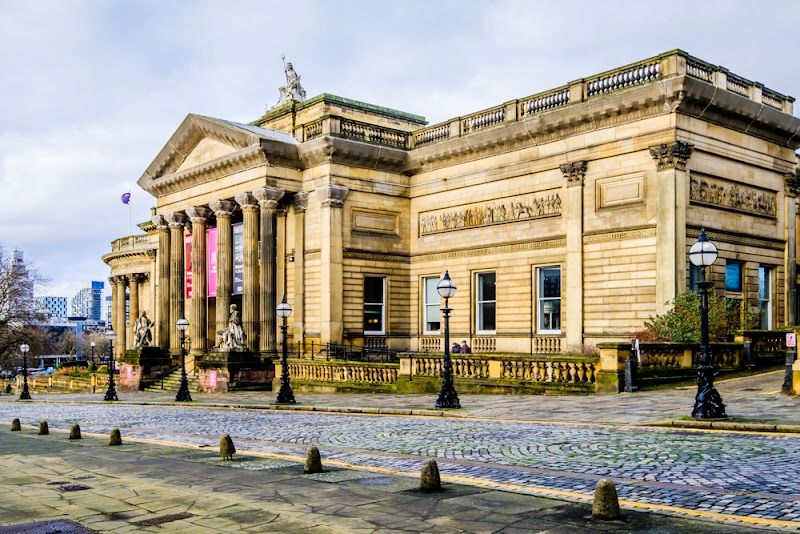
Walker Art Gallery
The Walker Art Gallery holds Britain's best collection of pre-20th century art outside London, completely free to visit. You'll find Rembrandt's self-portrait, Stubbs' magnificent horses, and an unmatched Pre-Raphaelite collection including works by Millais and Rossetti. The Victorian galleries showcase dramatic history paintings and genre scenes that most London museums keep in storage, while contemporary pieces by David Hockney and Lucian Freud round out the collection. The galleries flow chronologically across two floors, starting with Renaissance works and building to the showstopping Victorian rooms. The Pre-Raphaelite gallery feels intimate despite housing world-class pieces, and you'll often have Stubbs' famous equestrian paintings almost to yourself. Natural light floods the main galleries during daytime visits, making the colors particularly vivid. The building itself is grand but not overwhelming, with wide corridors and comfortable viewing distances. Most visitors rush through to tick boxes, but the real treasures reward slow looking. Skip the ground floor contemporary section unless you're particularly interested, it's the weakest part of the collection. The cafe is overpriced at £8 for basic sandwiches, so eat elsewhere. Weekday mornings are genuinely quiet, while weekend afternoons bring families and tour groups that can make the smaller galleries feel cramped.
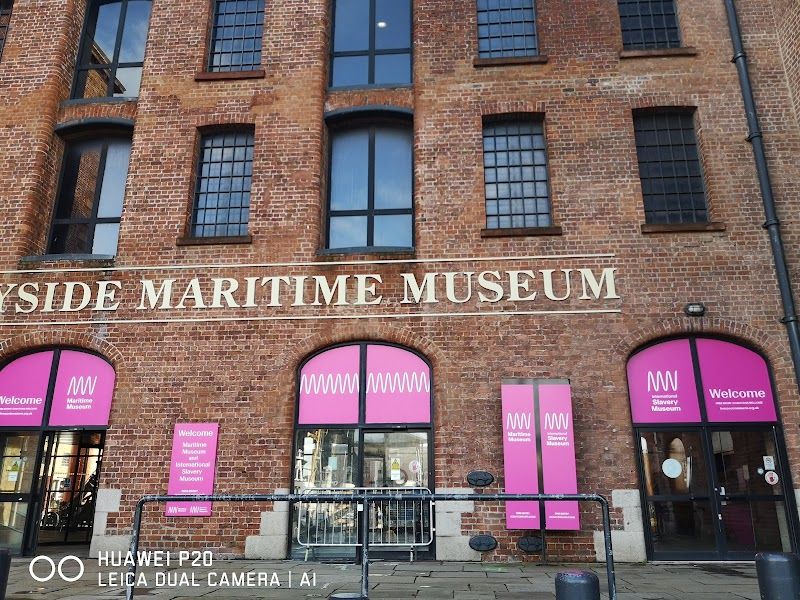
Merseyside Maritime Museum
This massive maritime museum inside a converted Victorian warehouse tells Liverpool's story as one of the world's great ports. You'll walk through reconstructed ship interiors, see actual lifeboats from the Titanic, and follow the journeys of nine million emigrants who left Europe through Liverpool's docks. The International Slavery Museum upstairs confronts Liverpool's role in the slave trade with unflinching detail, while the basement Customs and Excise galleries show centuries of smuggling attempts including modern drug trafficking methods. The museum flows across four floors of Albert Dock's solid brick architecture, where natural light filters through large windows onto polished wooden floors. You'll hear recorded voices of emigrants describing their Atlantic crossings, touch replica ship wheels, and examine detailed ship models that took craftsmen months to build. The Titanic gallery draws crowds but the emigration section feels more personal, with actual passenger lists and luggage tags that somehow survived the crossing. Most visitors rush through in 90 minutes but you need at least 2.5 hours to do it justice. Skip the ground floor gift shop area and head straight to level two for the emigration story, then work your way up. The basement smuggling exhibits are genuinely fascinating and usually empty. Entry is completely free, though they ask for voluntary donations. Avoid weekends when school groups dominate the interactive displays.
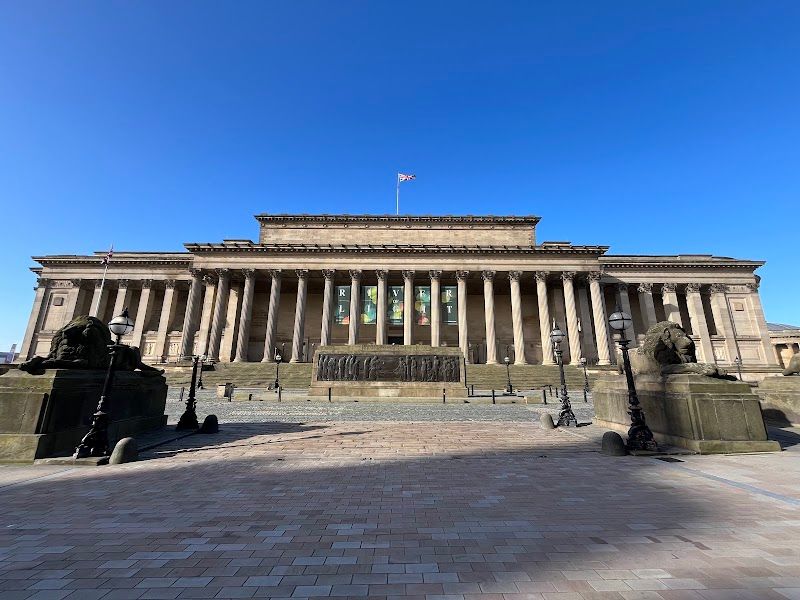
St George's Hall
St George's Hall is Liverpool's grandest Victorian statement piece, a massive neoclassical courthouse and concert hall that'll make you feel like you've wandered into ancient Rome. You're here for two main attractions: the Great Hall with its legendary Minton floor (30,000 hand-painted tiles that stay covered 360 days a year), and the circular Concert Room where Dickens gave readings and the acoustics are so perfect you can hear a whisper from across the room. The building also houses original Victorian courtrooms and holding cells that feel authentically grim. Walking through feels like exploring a temple that someone forgot to finish. The Great Hall stretches 169 feet with massive columns and a barrel-vaulted ceiling that echoes your footsteps. Most of the time you'll be walking on protective covering, knowing those incredible tiles lie beneath. The Concert Room hits differently, completely circular with carved wood and perfect sound that makes you want to test it immediately. The old courtrooms upstairs feel frozen in time, complete with original dock and judge's bench. Honestly, it's spectacular but timing matters everything. If the Minton floor isn't uncovered, you're missing 70% of what makes this special. Free entry is brilliant, but the building can feel empty and echoing when quiet. Skip the basement cells unless you're really into Victorian prison conditions, they're more depressing than educational. The audio guide costs £3 and actually adds value here.
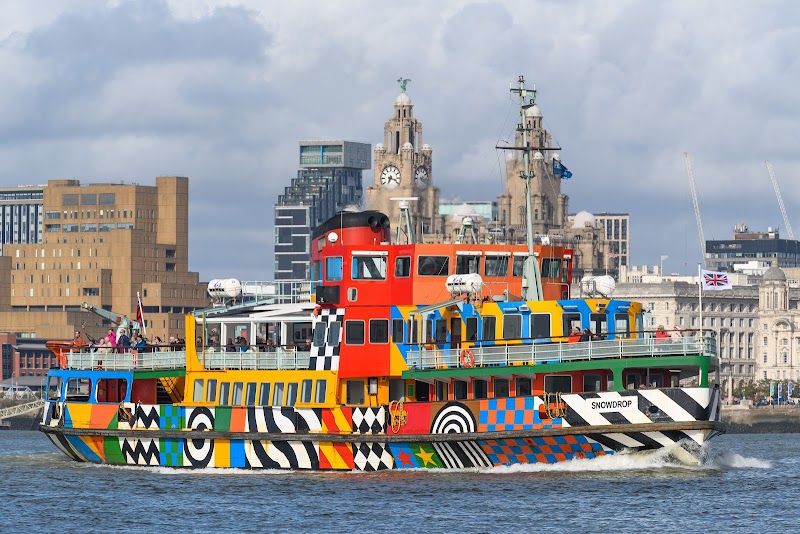
Mersey Ferries
The Mersey Ferry gives you the only proper perspective on Liverpool's waterfront, running a 50-minute River Explorer cruise that loops from Pier Head to Birkenhead and back. You'll see the Three Graces (Liver Building, Cunard Building, and Port of Liverpool Building) from the water, exactly as millions of emigrants saw them when departing for America. The live commentary covers Liverpool's role as a major port, the slave trade, and maritime history that shaped the city. The ferry itself is part of the experience: these aren't tourist boats but working vessels that have connected Liverpool and Wirral for over 800 years. The journey starts gently as you pull away from Pier Head, with Liverpool's UNESCO waterfront unfolding to your left. The commentary flows naturally as landmarks appear, and you'll find yourself leaning over the rail taking photos you couldn't capture from land. Mid-river, the scale of the Mersey becomes clear, and you understand why this was once Britain's gateway to the world. The return journey offers different angles and lighting, particularly stunning on afternoon sailings when the sun hits the buildings. Other passengers are a mix of tourists and locals who genuinely use this as transport. Most guides don't mention that tickets cost £12.50 for adults and you can buy them on board or online. The commentary can feel repetitive if you're already familiar with Liverpool's history, but first-time visitors find it invaluable. Skip the morning sailings in winter when harsh light washes out the buildings. The cafe on board serves basic snacks and drinks, but prices are reasonable for a tourist attraction.
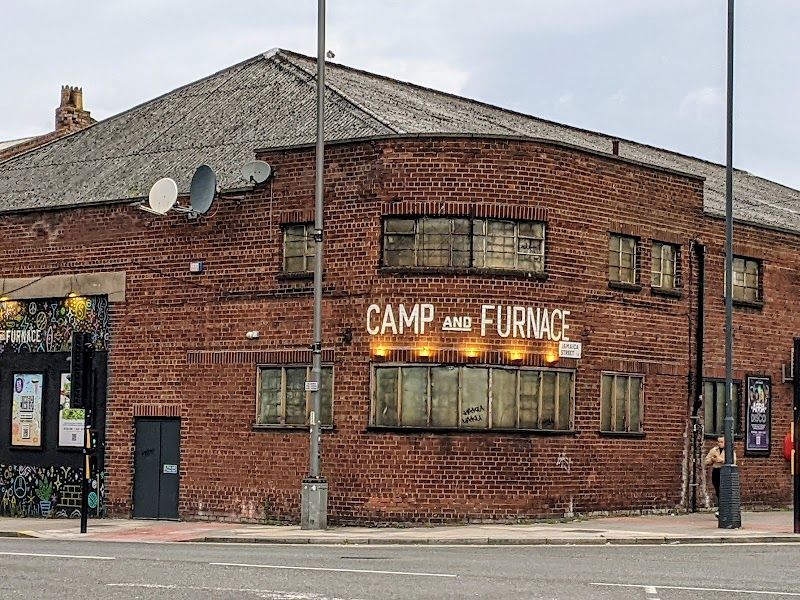
Camp and Furnace
Massive event space and bar in a 20,000 square foot former blade-making factory hosting everything from food markets to live music. The main hall features long communal tables, a rotating calendar of street food pop-ups, and regular themed events like vinyl record fairs. Pints run around GBP 5-6 and the kitchen serves wood-fired pizzas.
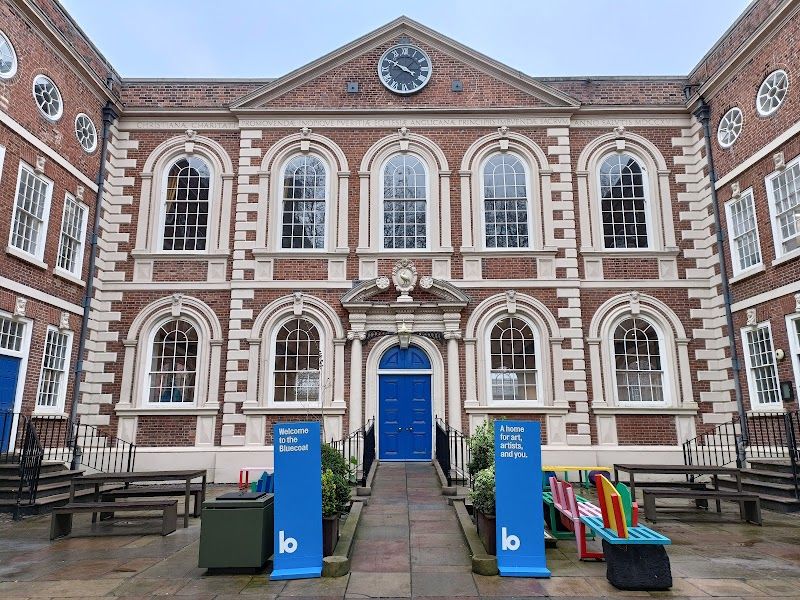
The Bluecoat
The Bluecoat occupies Liverpool's oldest building, a gorgeous 1717 Queen Anne structure that's been everything from a charity school to an arts centre since 1927. You'll find three floors of contemporary art exhibitions that actually change regularly (unlike some Liverpool galleries that keep the same stuff up for months), plus working artist studios where you can often peek in and see people creating. The building itself is the real star though, with original features like the stunning entrance hall and those distinctive blue-coated charity school figures above the door. Walking through feels like discovering rooms in a friend's historic house rather than trudging through a sterile gallery. The exhibitions flow naturally through intimate spaces, and you'll often stumble into the studios where artists are happy to chat about their work. The central courtyard provides a genuine escape from Bold Street's noise, with tables scattered under trees and the smell of good coffee drifting from the café. It's the kind of place where you lose track of time, especially if you grab a seat in the garden with one of their excellent soups. Most guides rave about every exhibition, but honestly, the contemporary art can be hit or miss. The building and atmosphere are always worth it though, and the café serves some of the best value lunch in the city centre (soups around £4, sandwiches £6-8). Skip the top floor if you're short on time, the ground floor and courtyard give you the full experience. The gift shop is surprisingly good for locally made ceramics and prints.
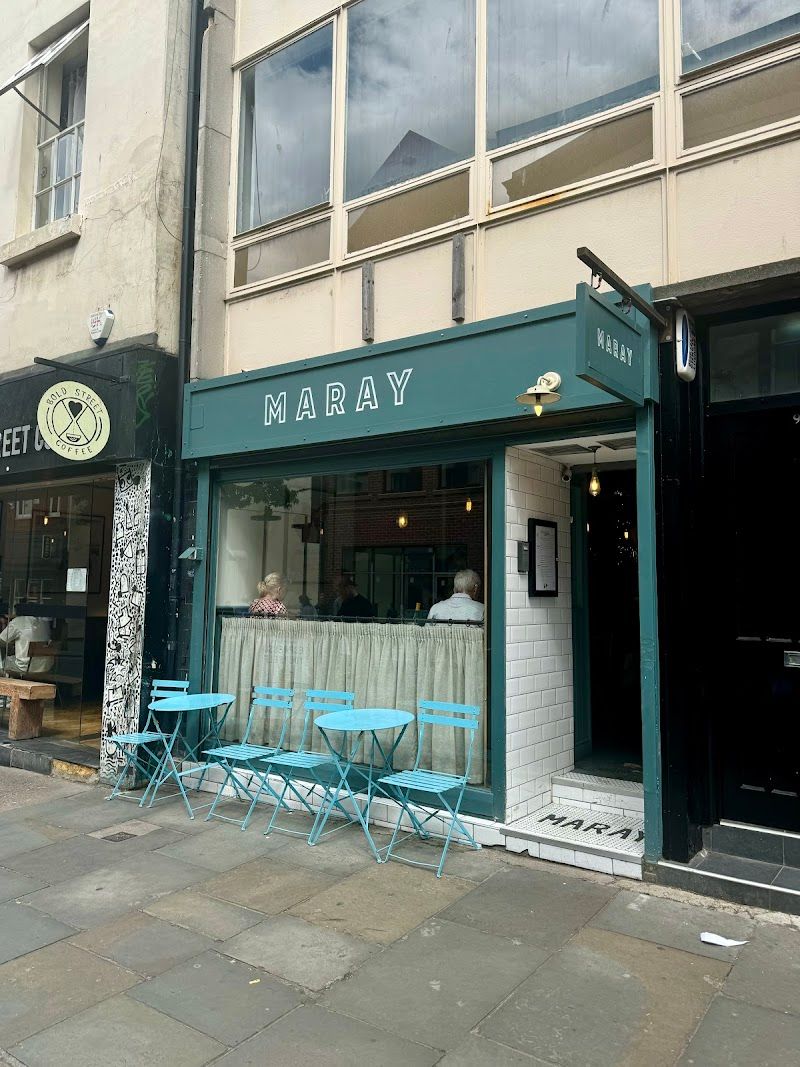
Maray Bold Street
Middle Eastern small plates restaurant serving Lebanese and Palestinian-inspired dishes in a relaxed setting. The cauliflower shawarma and halloumi fries are signature items, with most dishes designed for sharing across the table.
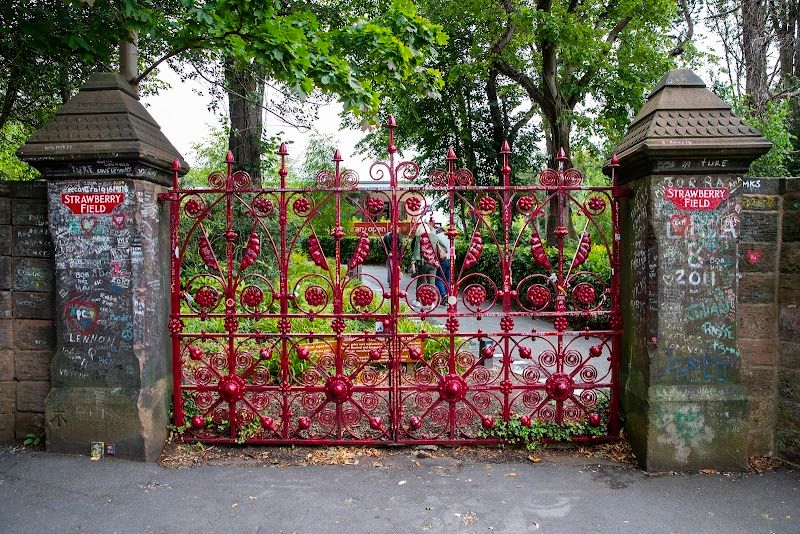
Strawberry Field
Strawberry Field is the actual Salvation Army children's home garden that John Lennon climbed into as a boy, immortalized in the Beatles' psychedelic masterpiece. You'll get the full story of how this quiet Woolton garden shaped one of music's most famous songs, plus a proper look at Lennon's childhood world beyond the city center. The exhibition walks you through Lennon's connection to the place, the Salvation Army's summer fetes he loved, and how those memories became 'Strawberry Fields Forever' in 1967. The experience feels surprisingly intimate for a Beatles attraction. You start at the famous red gates (recreated after the originals were nicked by fans), then move through the converted exhibition building at your own pace. The displays mix childhood photos, audio clips, and local stories that paint a picture of young Lennon as a curious kid rather than a future rock god. The garden itself is peaceful, and you can actually imagine children playing here in the 1950s. At £15 for adults (kids under 16 free), it's pricier than it should be for what amounts to a 75 minute visit. The exhibition repeats itself a bit, and some displays feel padded. But if you're doing the south Liverpool Beatles trail anyway, it completes the story nicely with the National Trust homes nearby. Skip the gift shop, focus on the audio elements, and don't expect the spiritual revelation some guides promise.
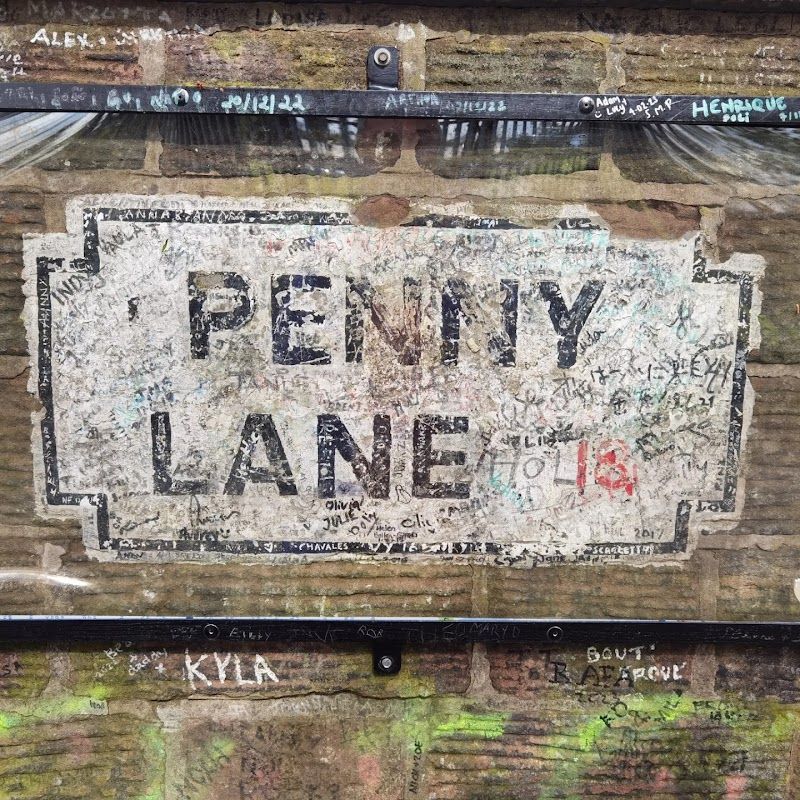
Penny Lane
Penny Lane is an ordinary residential street in Mossley Hill that became legendary thanks to Paul McCartney's childhood memories and the Beatles' 1967 song. You'll find the famous barber shop still operating at the roundabout, plus the shelter in the middle of the roundabout and banker's building that inspired the lyrics. The street itself is pleasantly suburban with Edwardian houses, but it's the connection to Beatles history that draws fans from around the world to snap photos and walk where the Fab Four once roamed. The experience is charmingly low key compared to other Beatles sites. You'll stroll down a quiet residential road while locals go about their daily business, creating an oddly authentic connection to the band's pre fame Liverpool. The barber shop (Tony Slavin's) still cuts hair and welcomes curious visitors for a quick peek inside. Street signs get stolen so regularly that the council now uses anti theft fixings, though determined fans still manage it. The whole area feels frozen in time, especially the roundabout with its original shelter. Honestly, it's worth 30 minutes max unless you're a serious Beatles obsessive. The street itself is just a normal road, and you'll have seen everything worthwhile within 10 minutes of arriving. Skip the expensive Beatles taxi tours that charge £25+ for this stop. Take the 86 bus instead for £2.50 and combine it with nearby Strawberry Field for better value. Most guides oversell this as a major attraction when it's really just a pleasant photo opportunity.
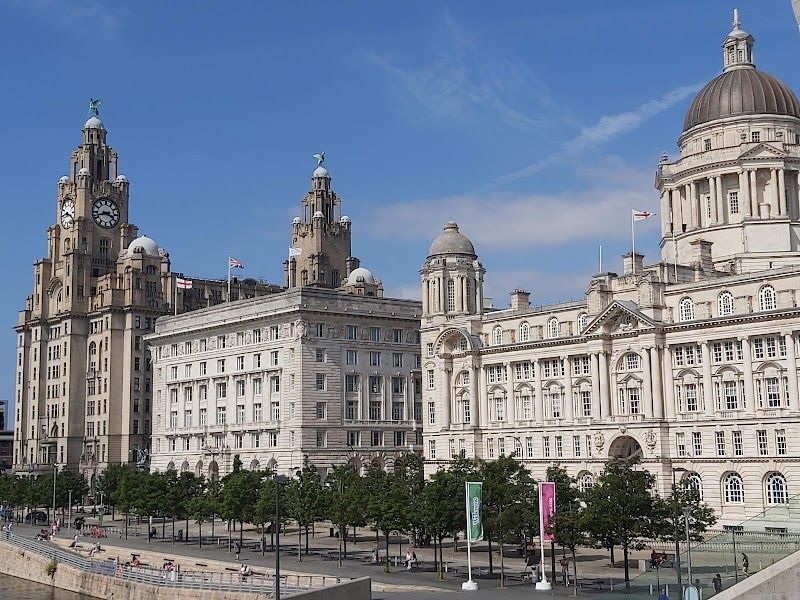
The Three Graces
The Three Graces are Liverpool's trio of Edwardian giants standing shoulder to shoulder along the Mersey waterfront. You're looking at the Royal Liver Building with its famous Liver Birds perched on top, the classical Cunard Building where transatlantic passengers once boarded luxury liners, and the domed Port of Liverpool Building that housed the city's maritime empire. Built between 1907 and 1916, they represent Britain's most impressive waterfront architecture outside London. Walking among these buildings feels like stepping into Liverpool's golden age when this was the gateway to America. The scale hits you immediately: each building towers above you in different architectural styles yet somehow works perfectly together. The Liver Birds catch your eye first, scanning the horizon for returning ships, while the Cunard Building's booking hall still echoes with the grandeur of first class travel. You can walk freely around all three, peering into lobbies and soaking up the maritime atmosphere. Most guides make this sound more complicated than it is. You don't need a tour, just walk the perimeter and look up. The interiors are mostly modern offices now except for Cunard's ground floor, which you can peek into for free. Skip the expensive Liver Building tour at £15 unless you're obsessed with rooftop views. Fifteen minutes is enough to appreciate them properly, despite what tour operators claim about needing an hour.
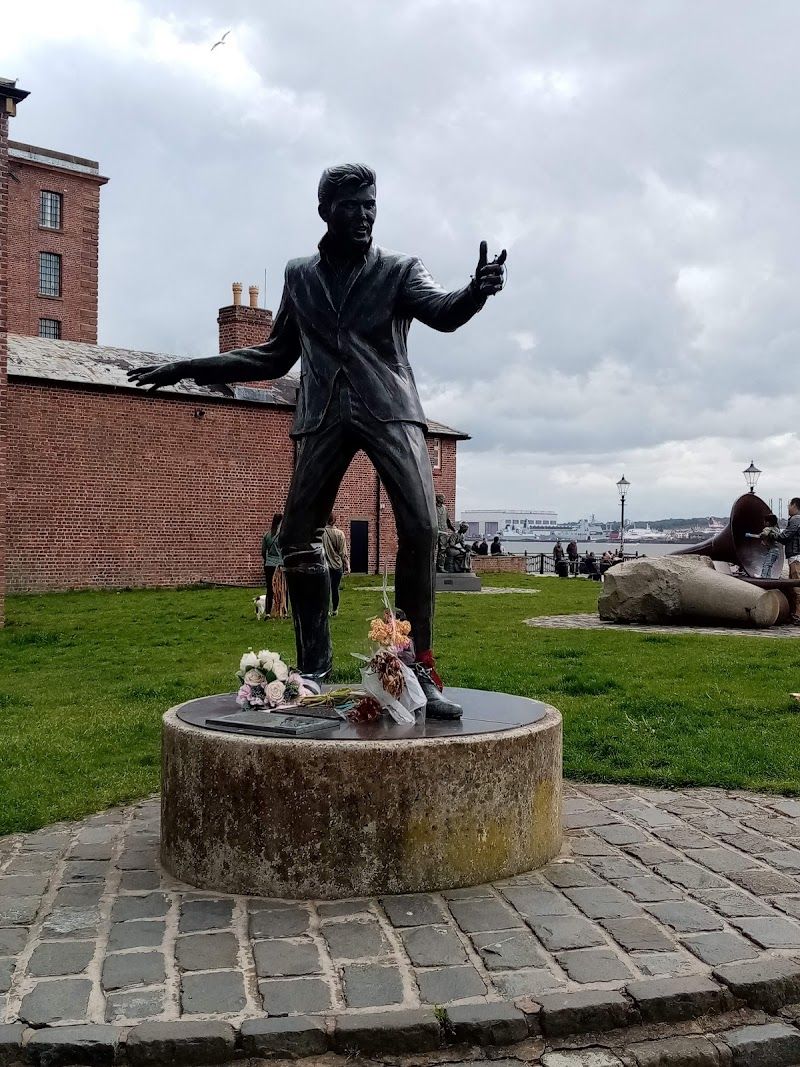
Billy Fury Statue
This bronze statue honors Billy Fury, Britain's biggest rock star before the Beatles arrived. Standing at Pier Head with the River Mersey behind him, the leather-clad figure captures Fury in full Elvis mode, one leg forward and microphone in hand. The 2003 sculpture sits on a simple stone plinth with a detailed plaque explaining how this Liverpool lad outsold every other British artist in the early 1960s, including the Fab Four themselves. You'll find the statue positioned perfectly for photos with the Three Graces (Liver Building, Cunard Building, Port of Liverpool Building) as your backdrop. The waterfront location means there's always a breeze, and tour groups regularly stop here as part of Liverpool's music trail. Most visitors snap a quick selfie and move on, but the plaque tells a genuinely compelling story about Fury's meteoric rise and tragically short career cut down by heart problems at just 42. Honestly, this isn't worth a special trip unless you're already exploring the waterfront. The statue itself is well-crafted but small, and you'll cover it in five minutes tops. Combine it with the Museum of Liverpool (free entry) or the Beatles Story (£17) nearby to make your visit worthwhile. Early morning gives you the best light for photos without crowds blocking your shot.
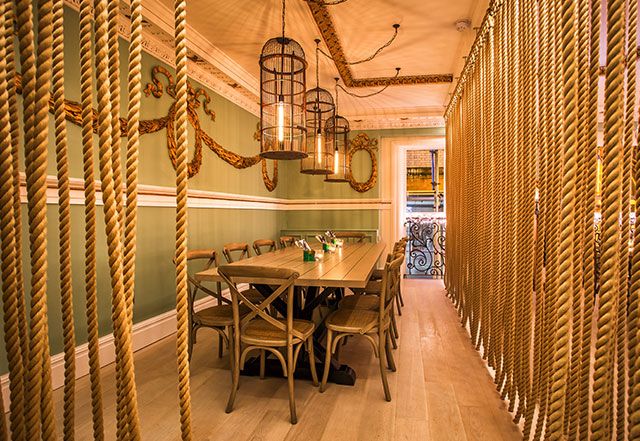
Mowgli Street Food
Indian street food restaurant serving small plates inspired by recipes from founder Nisha Katona's family. The menu features yoghurt chat bombs, tiffin boxes, and curry dishes designed for sharing in a lively, contemporary space.
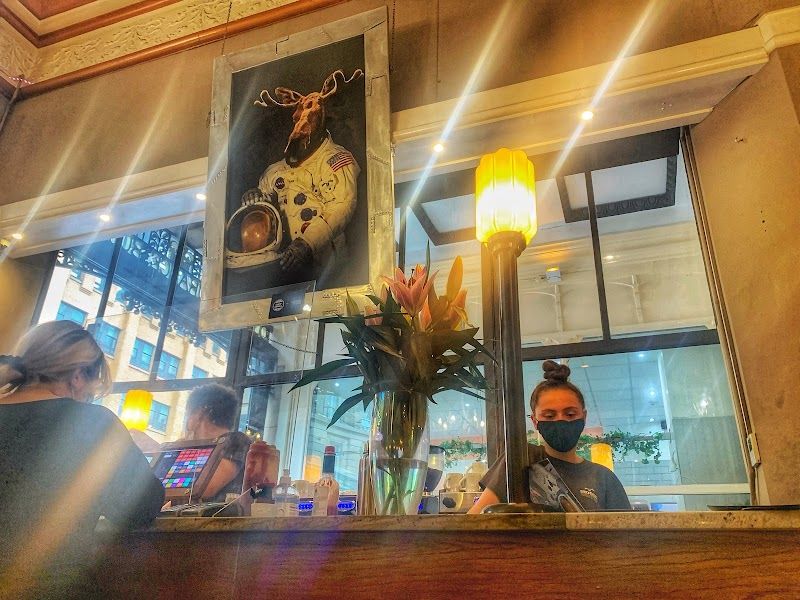
Moose Coffee
North American-style breakfast and brunch cafe serving oversized portions of pancakes, eggs benedict, and maple-glazed bacon. The menu leans heavily into Canadian and American diner classics with all-day breakfast service.
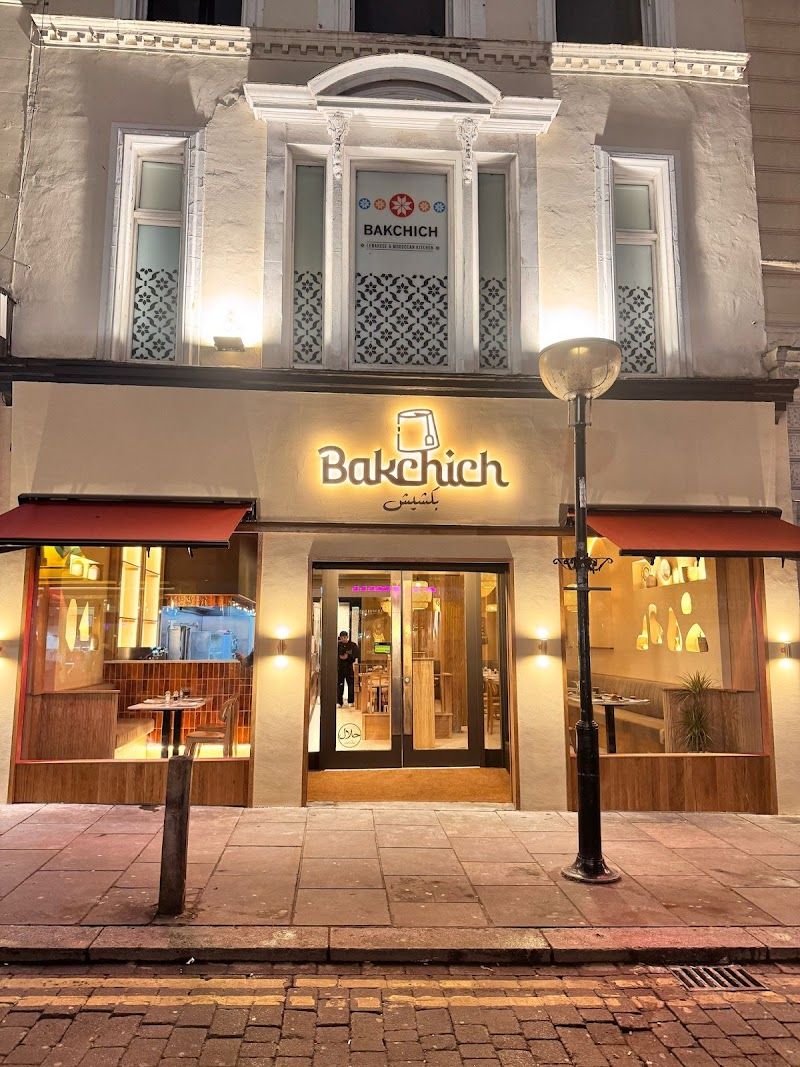
Bakchich
Lebanese street food restaurant specializing in wraps, mezze platters, and grilled meats served in a contemporary casual setting. The chicken shawarma and falafel wraps are made fresh to order with house-made pickles and sauces.
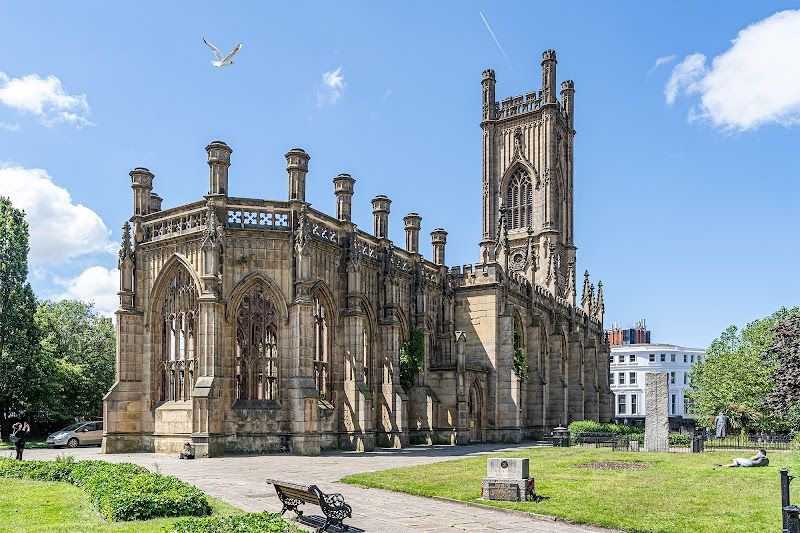
Bombed Out Church
The Bombed Out Church is exactly what it sounds like: the skeletal remains of St Luke's Church, left roofless and gutted after German bombing in 1941. You'll walk through Gothic Revival arches that now frame open sky instead of vaulted ceilings, with wildflowers growing where pews once stood. It's free to enter and explore, functioning as both war memorial and surprisingly active community space that hosts everything from vintage markets to live gigs. Walking through feels oddly peaceful despite the violent history. The stone walls still bear scorch marks from the fires, and you can see where the roof structure once attached. Birds nest in the upper reaches of the walls, and depending on when you visit, you might find food stalls set up between the columns or musicians performing where the altar used to be. The contrast between destruction and new life growing within creates an unexpectedly moving atmosphere. Most travel guides make this sound more dramatic than it is, it's really just a quick 15 minute wander unless there's an event on. The weekend markets (usually Saturday) are genuinely good for street food, expect to pay £5 to £8 for portions. Skip it if you're pressed for time and not into history, but if you're already exploring Bold Street, it's worth the two minute detour. The surrounding area has better photo opportunities than inside the ruins themselves.
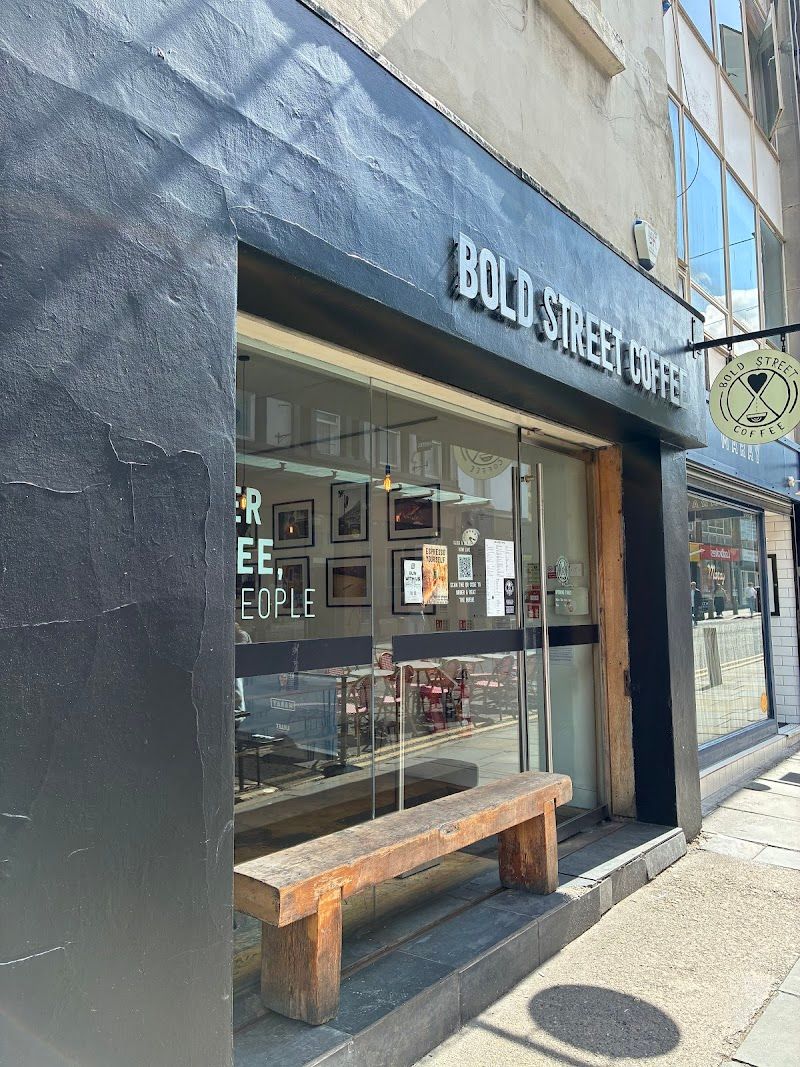
Bold Street Coffee
Independent coffee shop roasting their own beans on-site with a focus on single-origin espresso and filter options. The space features exposed brick walls and serves pastries from local bakeries alongside their specialty coffee.
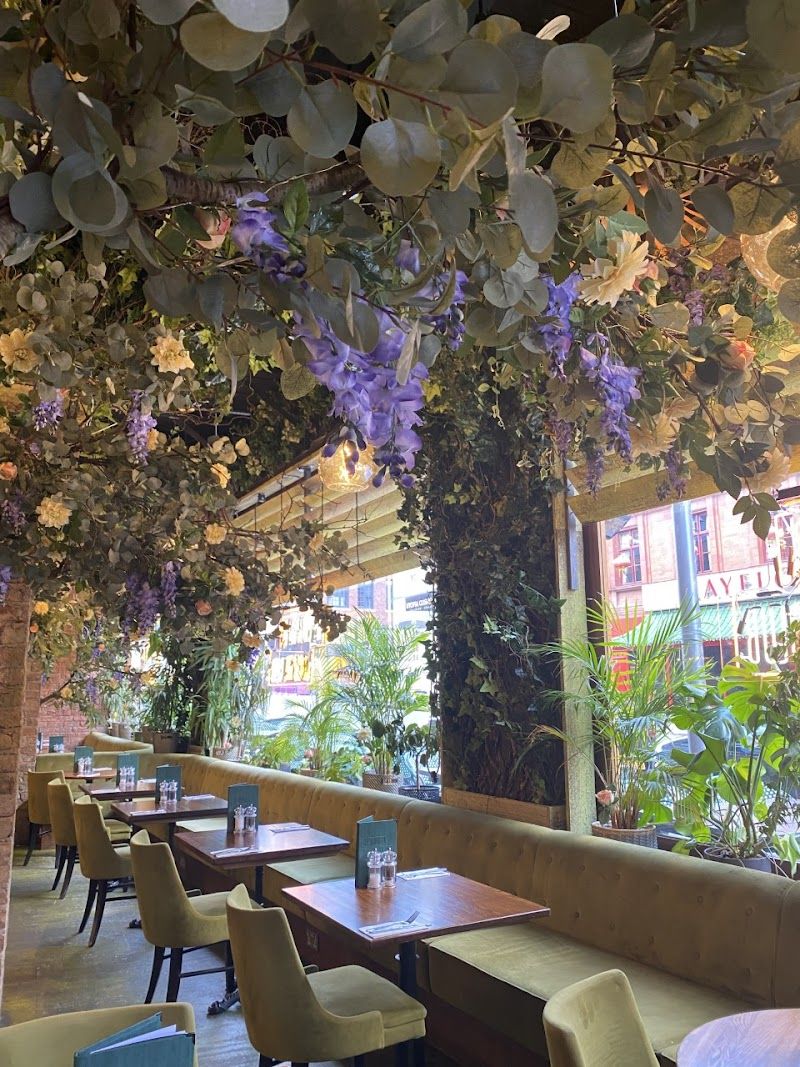
The Brunch Club Liverpool
All-day brunch restaurant serving American-style breakfast dishes, pancakes, and loaded waffles in a casual diner-style environment. Menu includes both sweet and savoury options with vegetarian and vegan alternatives.
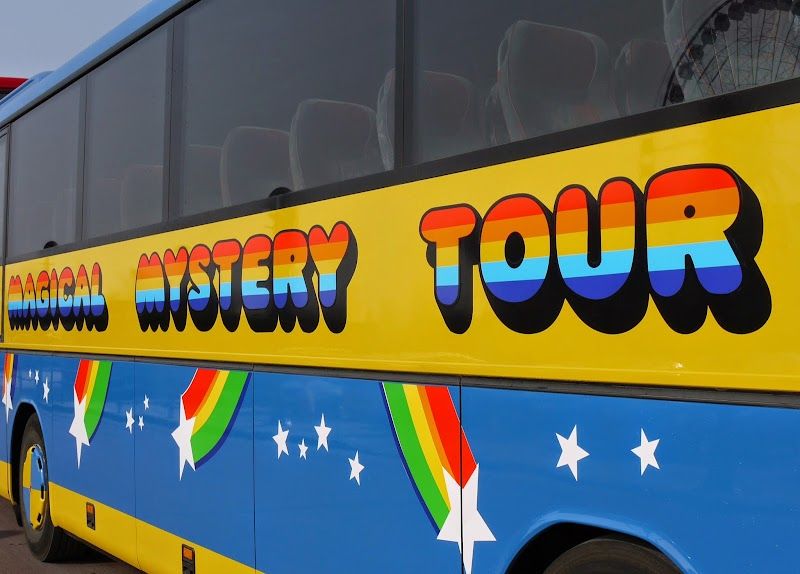
Magical Mystery Tour Bus
The Magical Mystery Tour is a 2-hour bus tour covering the major Beatles landmarks across Liverpool, departing from the Albert Dock. The route covers Mathew Street and the Cavern Quarter, Penny Lane (stopping outside the barber shop still operating at the corner), Strawberry Field (drive-past of the gates), the childhood neighbourhoods of Lennon and McCartney, and the Allerton and Woolton areas where the band formed. GBP 22 adult, GBP 17 child. The tour runs twice daily in most seasons: 11 AM and 2 PM from Albert Dock. Commentary is provided live by the guide, not by audio guide, which makes the difference between a good and a mediocre experience: the guides who grew up in Liverpool and have genuine enthusiasm for the history make the tour. Combined tickets with the Beatles Story museum are available at a discount. The tour does not enter any sites: it is a drive and commentary experience. It covers significantly more ground than walking allows and puts the scattered landmarks into geographical context in a way that self-guided visits do not.
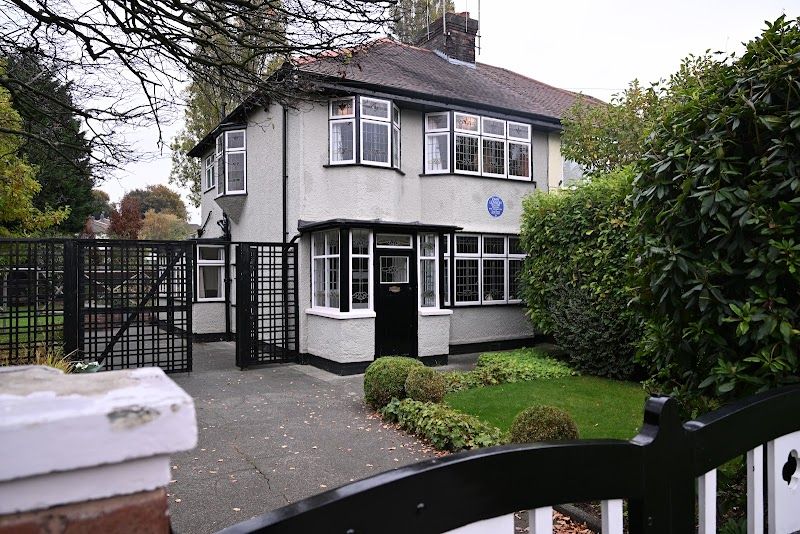
Lennon and McCartney Childhood Homes Tour
The National Trust owns and operates tours of the childhood homes of both John Lennon (Mendips, 251 Menlove Avenue, Woolton) and Paul McCartney (20 Forthlin Road, Allerton). Both are small, ordinary 1950s semi-detached houses in south Liverpool suburbs that have been restored to their period appearance. Mendips was the home of Lennon's aunt Mimi and uncle George, who raised him: the parlour where he would have practised guitar, the tiny back bedroom where he wrote his earliest songs, and the porch where Mimi reportedly told him "the guitar's all very well John, but you'll never make a living at it." 20 Forthlin Road was the McCartney family home: the front room where Lennon and McCartney wrote together during school holidays, the kitchen, the outside toilet. Tours are small group (maximum 6-8 people per house), 45 minutes each, guided by National Trust volunteers with detailed knowledge of the period. GBP 27 combined for both houses. Tickets must be booked in advance at nationaltrust.org.uk: they sell out weeks ahead in summer. The tour minibus collects from Albert Dock and drops back. Photography is restricted inside the homes.
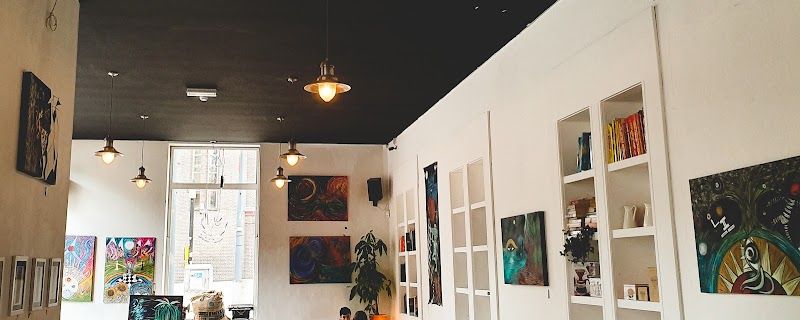
92 Degrees Coffee
Specialty coffee roastery and cafe focusing on direct-trade beans with detailed tasting notes provided for each brew. The minimal interior puts the focus on the coffee, with pour-over and espresso methods used depending on the bean origin.
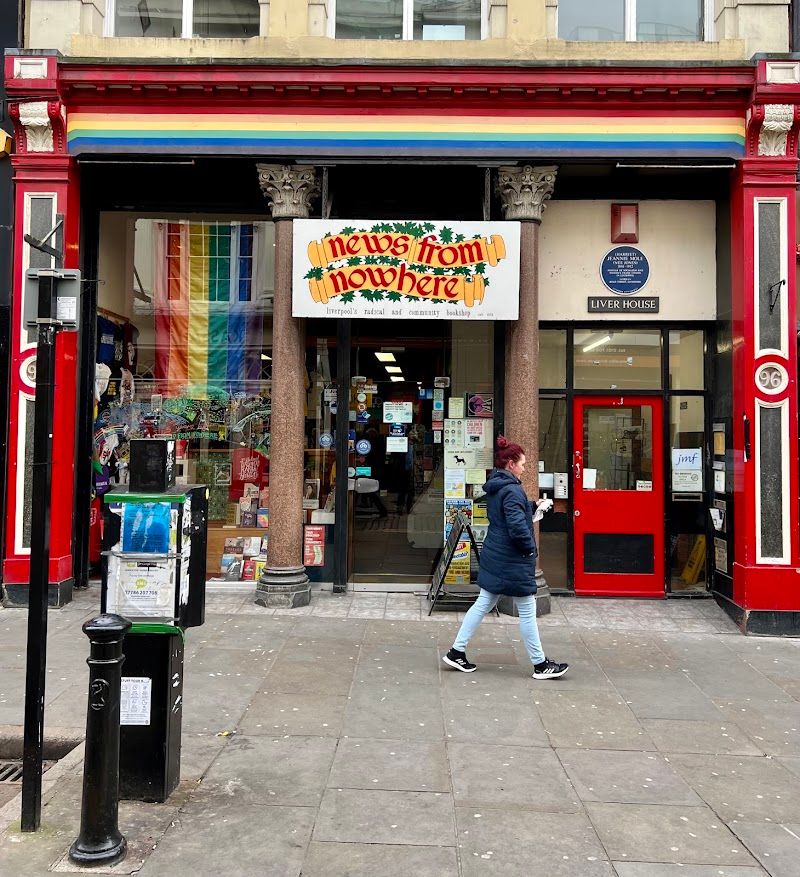
News From Nowhere
News From Nowhere occupies a cramped first-floor space above Bold Street's shops, packed floor to ceiling with radical literature you genuinely won't find anywhere else in Liverpool. This volunteer-run cooperative has been selling feminist theory, queer studies, anti-capitalist manifestos, and anarchist zines since 1974. You'll browse through sections on Palestine solidarity, climate activism, and transgender rights alongside poetry collections from working-class voices. The stock changes based on what the collective believes matters right now. Climbing the narrow stairs feels like entering someone's passionate personal library rather than a commercial bookshop. Volunteers behind the counter are proper activists who'll recommend obscure pamphlets or point you toward local campaign groups. The space buzzes with quiet intensity: people reading on the floor, checking handwritten notices for upcoming protests, or debating politics in hushed tones. Every surface displays flyers for film screenings, solidarity meetings, and community workshops. Most travel guides ignore this place entirely, which keeps it authentic but means you might walk past the unremarkable street entrance. Book prices run £8 to £15 for new titles, with cheaper second-hand options throughout. Don't expect coffee shop vibes or Instagram moments: this is serious political education, not lifestyle browsing. The opening hours can be erratic since volunteers run everything, so check their social media before making a special trip.
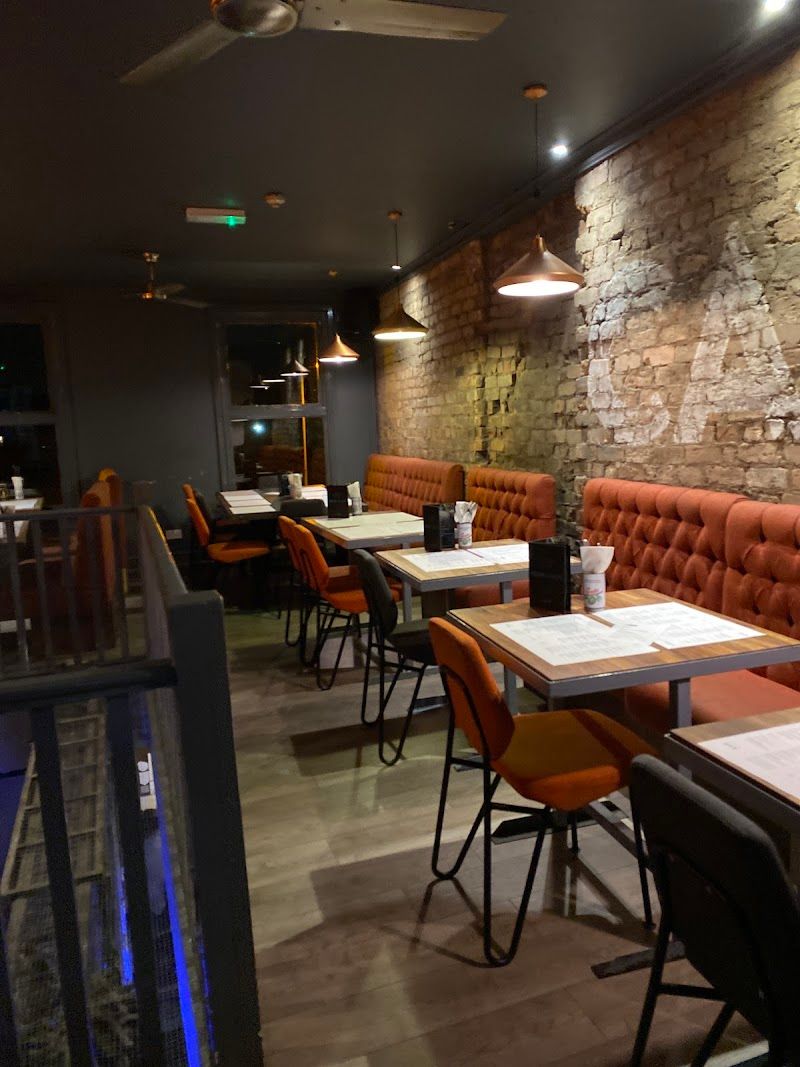
Neon Jamon Chinatown
Spanish tapas bar serving traditional and modern small plates with an emphasis on Iberian ham, chorizo, and seafood. The wine list focuses on Spanish regions with sherries available by the glass.
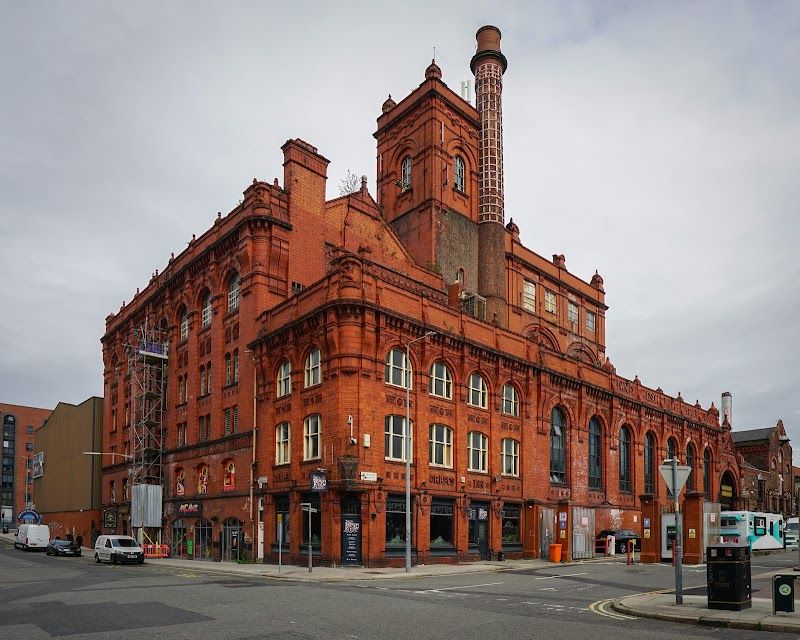
Cains Brewery Village
Former Victorian brewery complex now housing independent businesses, artist studios, cafes and event spaces across multiple buildings. The site includes galleries, vintage shops, and small creative enterprises in the original red brick structures. Public access varies by individual business but the courtyard areas are open for exploring.
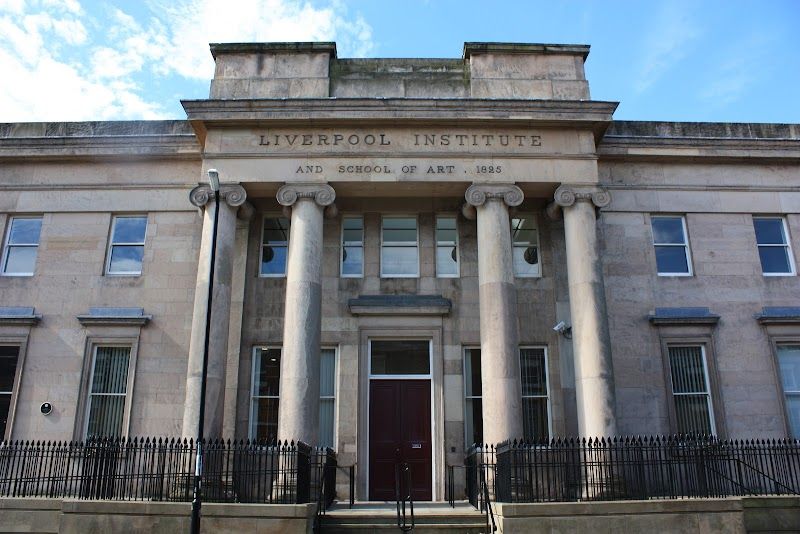
LIPA - Liverpool Institute for Performing Arts
Paul McCartney's former school building, now transformed into a world-renowned performing arts university co-founded by McCartney himself in 1996. The Grade II listed building retains many original features from when both McCartney and George Harrison were students here. While it's an active campus, the exterior and entrance area showcase the building's musical legacy with historical plaques.
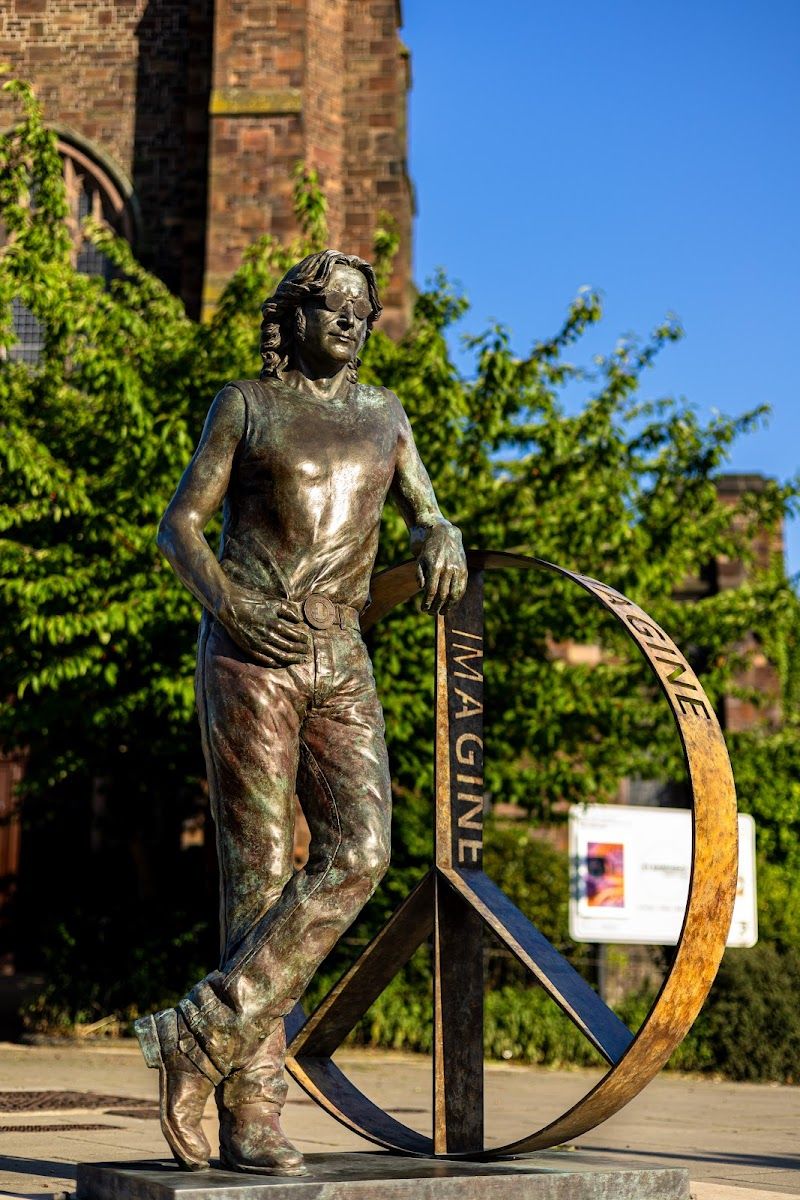
John Lennon Statue
Life-sized bronze statue of John Lennon in a relaxed pose, leaning against the Cavern Club wall on Mathew Street. Created by sculptor David Webster in 2010, it captures Lennon in his younger years. The statue has become one of the most photographed spots in the Cavern Quarter, with fans leaving flowers and tributes nearby.
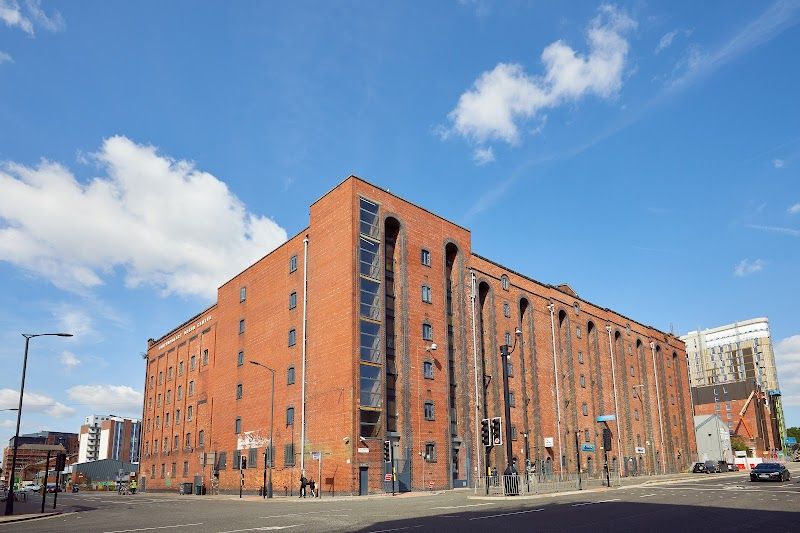
Constellations
Bar and events venue built from shipping containers arranged around an outdoor courtyard with heating and covered areas. Hosts DJ nights, live music, and alternative club events with a focus on electronic and indie music. Kitchen serves loaded fries, burgers, and sharing plates with vegan options.