Liverpool
Albert Dock & Waterfront
The UNESCO World Heritage docklands regenerated into Liverpool's cultural and tourist centre: Tate Liverpool, the Beatles Story, the Three Graces, and the Mersey waterfront.
About Albert Dock & Waterfront
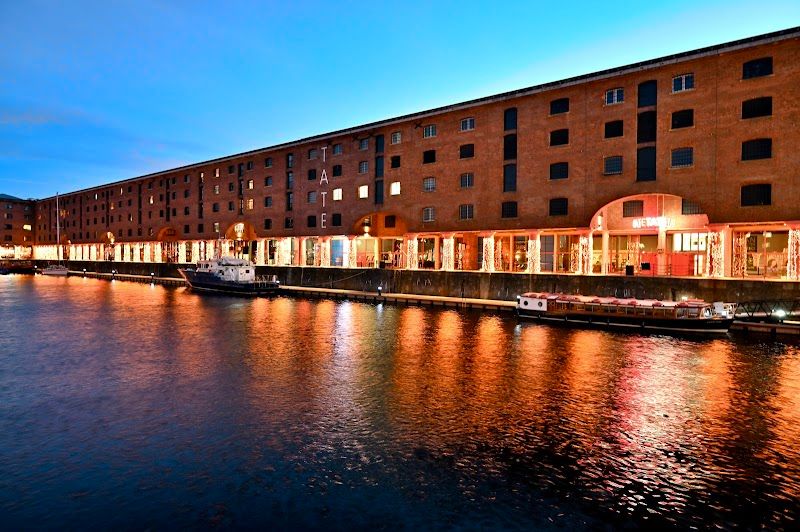
Albert Dock is the centrepiece of Liverpool's waterfront regeneration and the point of arrival for most visitors to the city. The Grade I listed dock complex, built in 1846, was derelict by the 1970s and has been converted into galleries, museums, restaurants, and hotels since the 1980s. The dock itself is surrounded by five-storey warehouses with cast-iron Doric columns at ground level, and the water reflects the buildings on all sides. Tate Liverpool occupies the northwest warehouse: the permanent collection is free and covers 100 years of modern and contemporary art. The Beatles Story is in the Britannia Vaults at the south end: GBP 18 and the best organised account of the band's formation and legacy. The Maritime Museum and International Slavery Museum are in the same complex: free and among the most important museums on the dock.
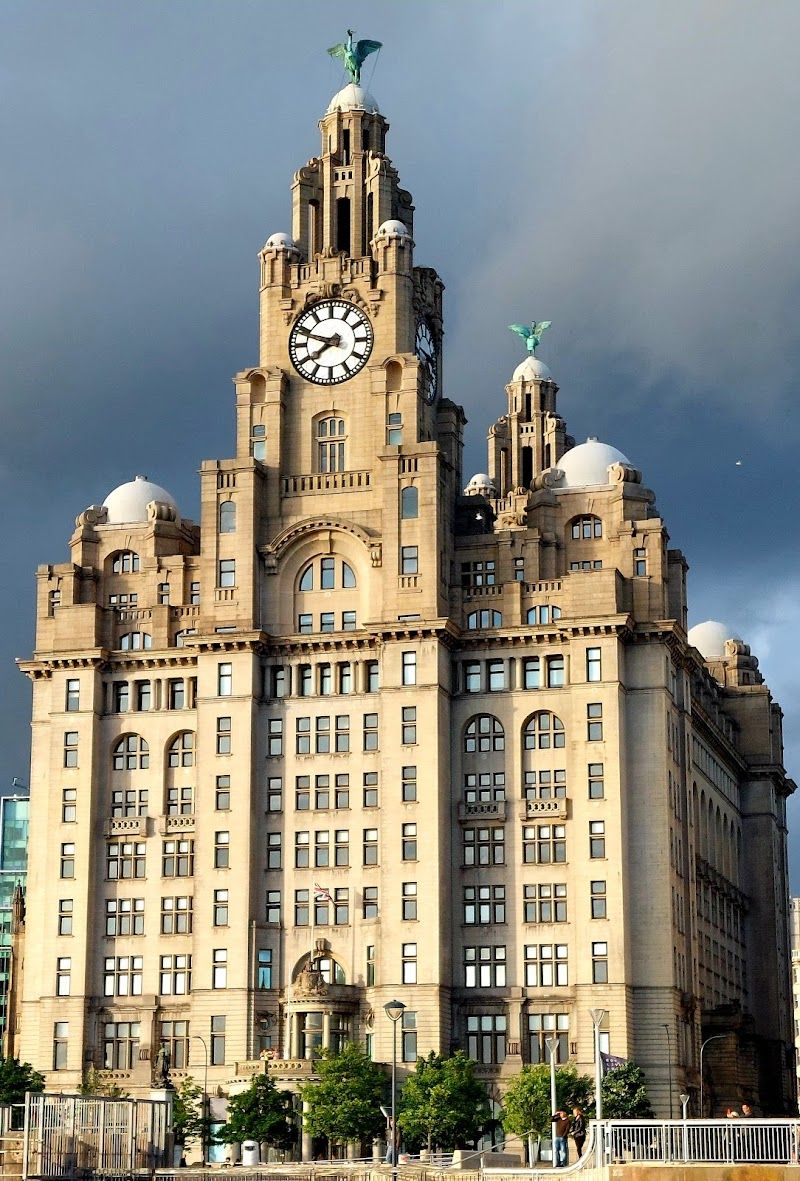
Beyond the dock, the Pier Head is where the Three Graces stand: the Royal Liver Building (1911, the Liver Birds on top, the clock faces larger than Big Ben), the Cunard Building, and the Port of Liverpool Building. The view from the waterfront, with the Three Graces against the sky and the Mersey behind you, is the image of Liverpool. The Royal Liver Building tours (GBP 13.50, book ahead, small groups) go up the clock tower. The Mersey Ferry departs from Pier Head for the River Explorer cruise (GBP 12, 50 minutes, the best view of the waterfront is from the water).
Albert Dock is the most practical base in Liverpool: walking distance from the Cavern Quarter, the Baltic Triangle, and the city centre museums on William Brown Street.
Things to Do
Top experiences in Albert Dock & Waterfront
Royal Liver Building Tour
The Royal Liver Building tour takes you inside Liverpool's most famous landmark, the 1911 concrete pioneer that defined the city's skyline. You'll climb the clock tower (faces bigger than Big Ben's), learn about the copper Liver Birds perched 90 meters up, and access the external viewing platform for unmatched views over the Mersey and Three Graces. The 75-minute tour covers the building's engineering firsts, the Royal Liver Assurance Company's story, and the clock mechanism that's kept Liverpool on time for over a century. Tours are intimate affairs, capped at 10 people, led by guides who know every rivet and story. You'll walk through working offices normally off-limits to the public, then climb narrow staircases to the clock room where Victorian machinery still ticks away. The highlight comes at the viewing platform where you're eye-level with the Liver Birds and can see across to Birkenhead, down the estuary, and over Liverpool's rooftops. The wind hits hard up there, but the perspective is unbeatable. At £13.50, it's excellent value for what you get, especially compared to London's tourist traps. Book ahead because Saturday tours sell out weeks in advance, and weekday afternoon slots fill quickly too. The tour moves at a good pace but involves plenty of stairs, so skip it if mobility is an issue. Most people underestimate how cold it gets on the viewing platform, even in summer, so bring layers.
Museum of Liverpool
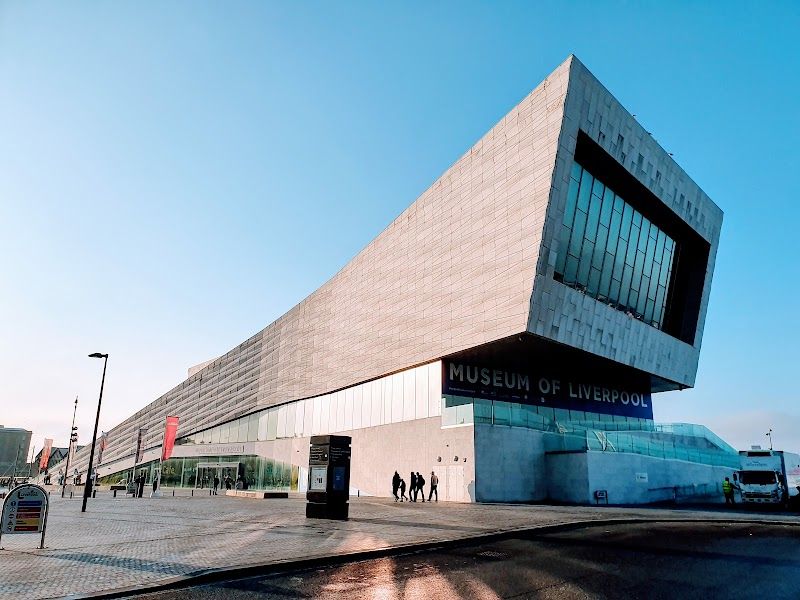
This waterfront museum tells Liverpool's story through its port, people, and culture, with free admission making it genuinely accessible to everyone. You'll find original artifacts from the city's maritime heyday, interactive displays about immigration and emigration waves, and substantial galleries covering everything from the slave trade to the Cavern Club. The Wondrous Place gallery goes far beyond Beatles nostalgia, chronicling skiffle, Merseybeat, and modern Liverpool bands with listening stations and original instruments. The building itself feels like a giant glass cube perched on Mann Island, with floor to ceiling windows offering views across the Mersey. Each floor flows chronologically, starting with Liverpool's foundation and working through its global significance as a port city. The atmosphere balances serious historical content with genuinely engaging interactive elements, though it can get packed with school groups on weekdays. The People's Republic gallery examining working class life and trade union history often gets overlooked but provides crucial context. Most visitors rush straight to the music section and miss the port history galleries, which are actually more revealing about why Liverpool became culturally significant in the first place. The temporary exhibition space usually hosts worthwhile shows, though quality varies. Skip the gift shop unless you need another Beatles mug, and don't bother with the cafe when better options exist steps away at Albert Dock.
Beatles Story at Albert Dock
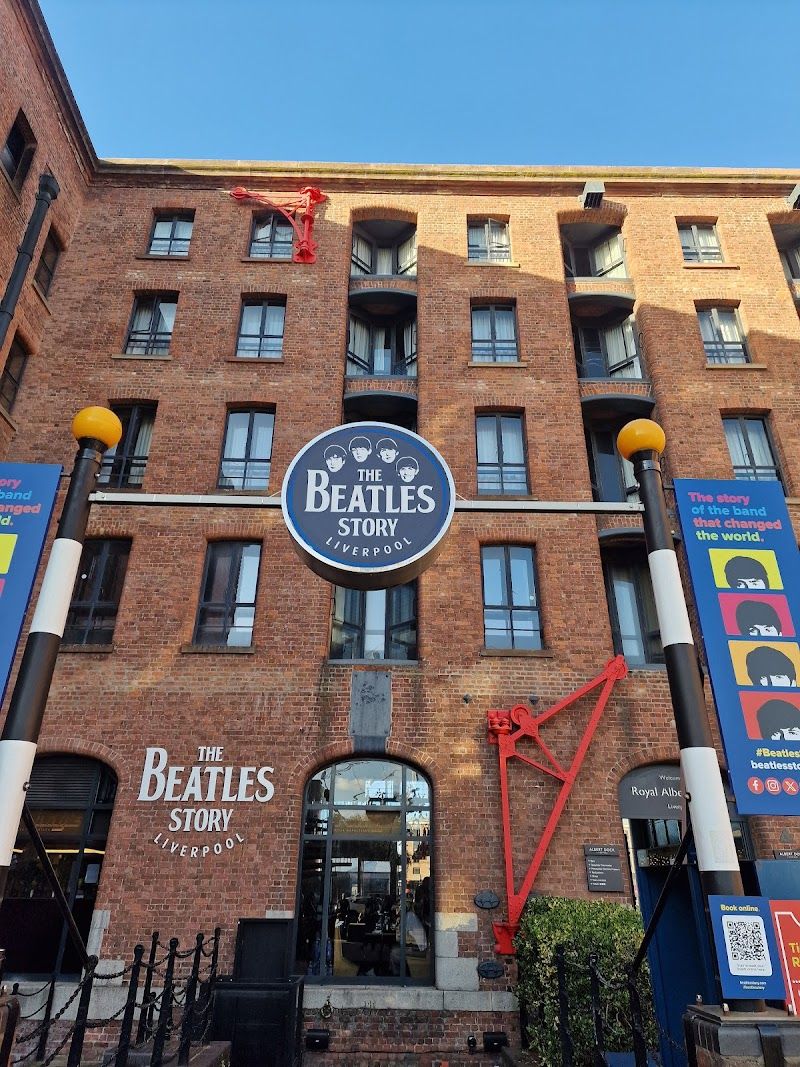
The Beatles Story packs the complete Beatles journey into a surprisingly well-curated museum inside Albert Dock's Victorian warehouses. You'll walk through recreated Hamburg clubs, stand inside a full-scale Cavern Club replica with authentic brick arches, and sit in the exact Abbey Road Studio 2 control room setup where they recorded most of their hits. The audio guide (included) features actual band interviews and studio chatter that brings each room to life. The flow works chronologically from their scruffy teenage years through global superstardom to the bitter 1970 split. You'll hear John's harmonica echoing in the Cavern recreation, see Paul's handwritten lyrics behind glass, and watch rare footage in the cinema sections. The Abbey Road studio replica is genuinely atmospheric: you can almost hear the playback of 'Here Comes the Sun' through those vintage monitors. Each section builds naturally into the next without feeling rushed or overstuffed. At £18 for adults, it's pricey but worth it if you're remotely interested in the band. Skip the expensive cafe upstairs and focus your energy on the Cavern Club and Abbey Road sections, which are genuinely special. The gift shop at the exit actually stocks quality items rather than the usual tourist tat you'll find on Mathew Street. Most visitors rush through in 90 minutes, but you'll get much more from a leisurely 2.5 hour visit.
Tate Liverpool
Tate Liverpool sits in a converted Victorian warehouse on Albert Dock, housing the UK's best collection of modern art outside London. You'll find heavy hitters like Picasso and Matisse alongside contemporary British work, plus rotating exhibitions that actually matter. The permanent collection covers 1900 to present day, with particularly strong holdings of post-war British art and pieces that reflect Liverpool's maritime history. The building itself is part of the experience: original cast-iron columns and brick walls create dramatic gallery spaces. The layout flows naturally across four floors, starting with contemporary pieces on the ground level and working up to the strongest historical work on the top floor. The converted warehouse gives you soaring ceilings and unexpected sightlines between artworks. You'll move through intimate rooms and vast open spaces where sculptures have room to breathe. The views across Albert Dock through tall windows remind you constantly of Liverpool's industrial past. The atmosphere feels serious but not stuffy, with plenty of families and locals mixing with art tourists. Most guides don't tell you the top floor has the real treasures while ground floor galleries often house weaker temporary displays. Skip the basement entirely unless there's a major exhibition. The permanent collection is free, but temporary shows cost £10-14 and aren't always worth it. The cafe serves decent coffee and light meals for £6-9, though you'll find better food elsewhere in Albert Dock. Allow two hours if you're selective, but you could easily spend half a day here.
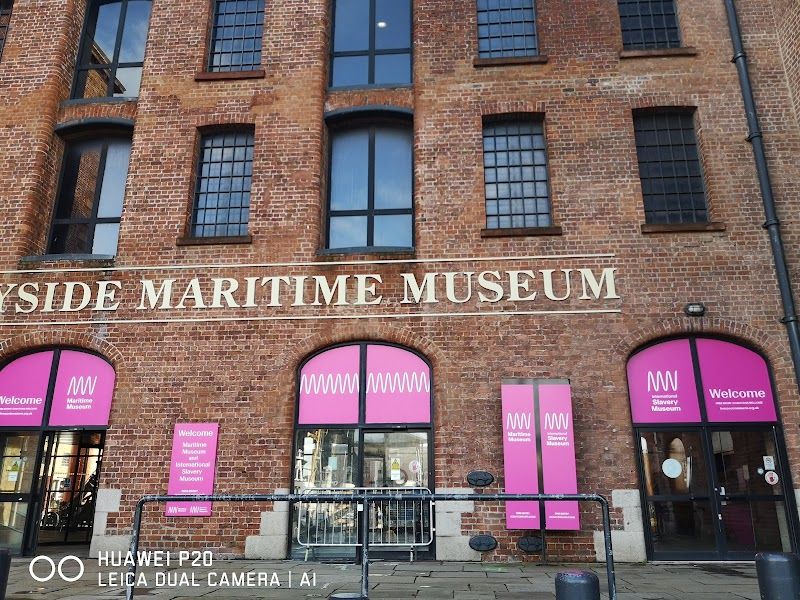
Merseyside Maritime Museum
This massive maritime museum inside a converted Victorian warehouse tells Liverpool's story as one of the world's great ports. You'll walk through reconstructed ship interiors, see actual lifeboats from the Titanic, and follow the journeys of nine million emigrants who left Europe through Liverpool's docks. The International Slavery Museum upstairs confronts Liverpool's role in the slave trade with unflinching detail, while the basement Customs and Excise galleries show centuries of smuggling attempts including modern drug trafficking methods. The museum flows across four floors of Albert Dock's solid brick architecture, where natural light filters through large windows onto polished wooden floors. You'll hear recorded voices of emigrants describing their Atlantic crossings, touch replica ship wheels, and examine detailed ship models that took craftsmen months to build. The Titanic gallery draws crowds but the emigration section feels more personal, with actual passenger lists and luggage tags that somehow survived the crossing. Most visitors rush through in 90 minutes but you need at least 2.5 hours to do it justice. Skip the ground floor gift shop area and head straight to level two for the emigration story, then work your way up. The basement smuggling exhibits are genuinely fascinating and usually empty. Entry is completely free, though they ask for voluntary donations. Avoid weekends when school groups dominate the interactive displays.
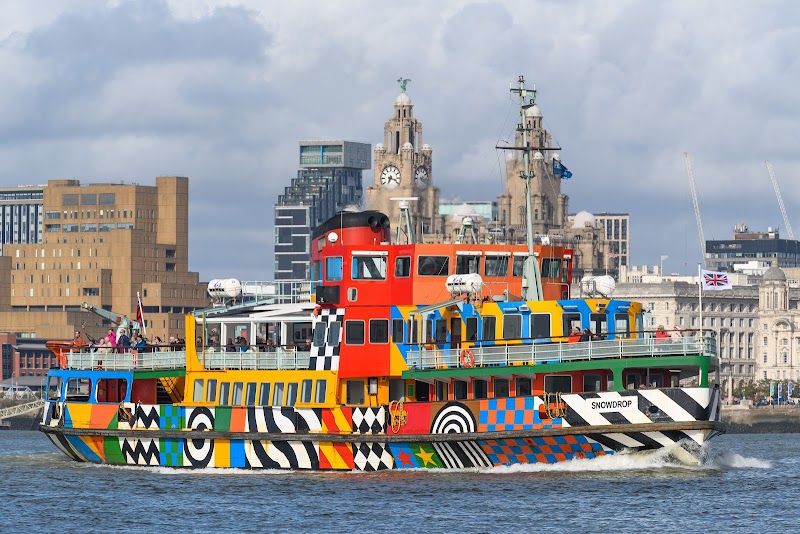
Mersey Ferries
The Mersey Ferry gives you the only proper perspective on Liverpool's waterfront, running a 50-minute River Explorer cruise that loops from Pier Head to Birkenhead and back. You'll see the Three Graces (Liver Building, Cunard Building, and Port of Liverpool Building) from the water, exactly as millions of emigrants saw them when departing for America. The live commentary covers Liverpool's role as a major port, the slave trade, and maritime history that shaped the city. The ferry itself is part of the experience: these aren't tourist boats but working vessels that have connected Liverpool and Wirral for over 800 years. The journey starts gently as you pull away from Pier Head, with Liverpool's UNESCO waterfront unfolding to your left. The commentary flows naturally as landmarks appear, and you'll find yourself leaning over the rail taking photos you couldn't capture from land. Mid-river, the scale of the Mersey becomes clear, and you understand why this was once Britain's gateway to the world. The return journey offers different angles and lighting, particularly stunning on afternoon sailings when the sun hits the buildings. Other passengers are a mix of tourists and locals who genuinely use this as transport. Most guides don't mention that tickets cost £12.50 for adults and you can buy them on board or online. The commentary can feel repetitive if you're already familiar with Liverpool's history, but first-time visitors find it invaluable. Skip the morning sailings in winter when harsh light washes out the buildings. The cafe on board serves basic snacks and drinks, but prices are reasonable for a tourist attraction.
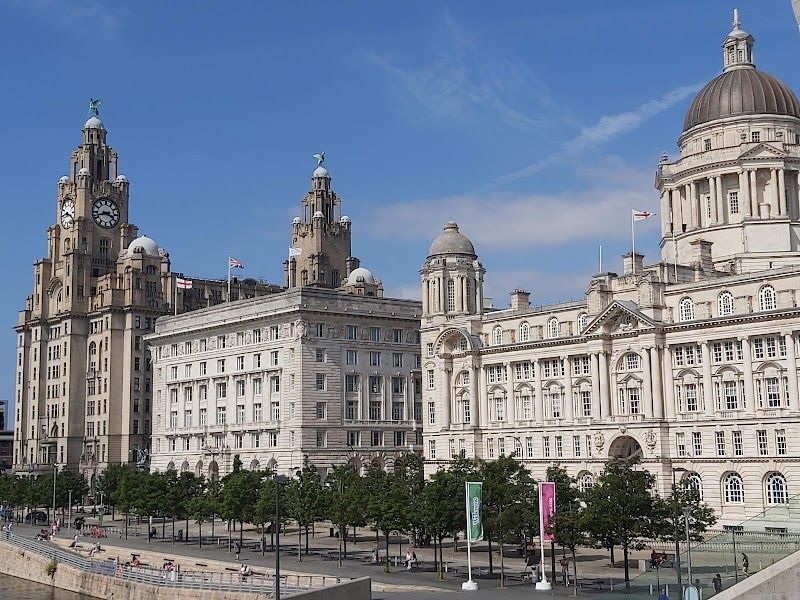
The Three Graces
The Three Graces are Liverpool's trio of Edwardian giants standing shoulder to shoulder along the Mersey waterfront. You're looking at the Royal Liver Building with its famous Liver Birds perched on top, the classical Cunard Building where transatlantic passengers once boarded luxury liners, and the domed Port of Liverpool Building that housed the city's maritime empire. Built between 1907 and 1916, they represent Britain's most impressive waterfront architecture outside London. Walking among these buildings feels like stepping into Liverpool's golden age when this was the gateway to America. The scale hits you immediately: each building towers above you in different architectural styles yet somehow works perfectly together. The Liver Birds catch your eye first, scanning the horizon for returning ships, while the Cunard Building's booking hall still echoes with the grandeur of first class travel. You can walk freely around all three, peering into lobbies and soaking up the maritime atmosphere. Most guides make this sound more complicated than it is. You don't need a tour, just walk the perimeter and look up. The interiors are mostly modern offices now except for Cunard's ground floor, which you can peek into for free. Skip the expensive Liver Building tour at £15 unless you're obsessed with rooftop views. Fifteen minutes is enough to appreciate them properly, despite what tour operators claim about needing an hour.
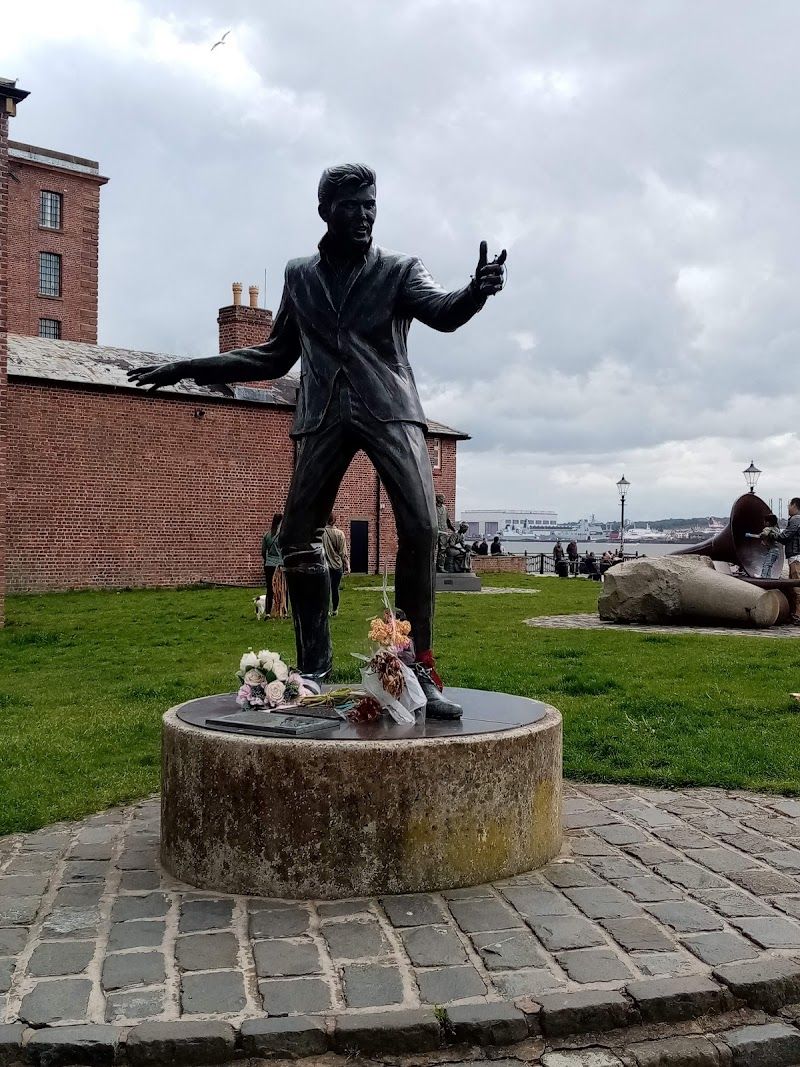
Billy Fury Statue
This bronze statue honors Billy Fury, Britain's biggest rock star before the Beatles arrived. Standing at Pier Head with the River Mersey behind him, the leather-clad figure captures Fury in full Elvis mode, one leg forward and microphone in hand. The 2003 sculpture sits on a simple stone plinth with a detailed plaque explaining how this Liverpool lad outsold every other British artist in the early 1960s, including the Fab Four themselves. You'll find the statue positioned perfectly for photos with the Three Graces (Liver Building, Cunard Building, Port of Liverpool Building) as your backdrop. The waterfront location means there's always a breeze, and tour groups regularly stop here as part of Liverpool's music trail. Most visitors snap a quick selfie and move on, but the plaque tells a genuinely compelling story about Fury's meteoric rise and tragically short career cut down by heart problems at just 42. Honestly, this isn't worth a special trip unless you're already exploring the waterfront. The statue itself is well-crafted but small, and you'll cover it in five minutes tops. Combine it with the Museum of Liverpool (free entry) or the Beatles Story (£17) nearby to make your visit worthwhile. Early morning gives you the best light for photos without crowds blocking your shot.
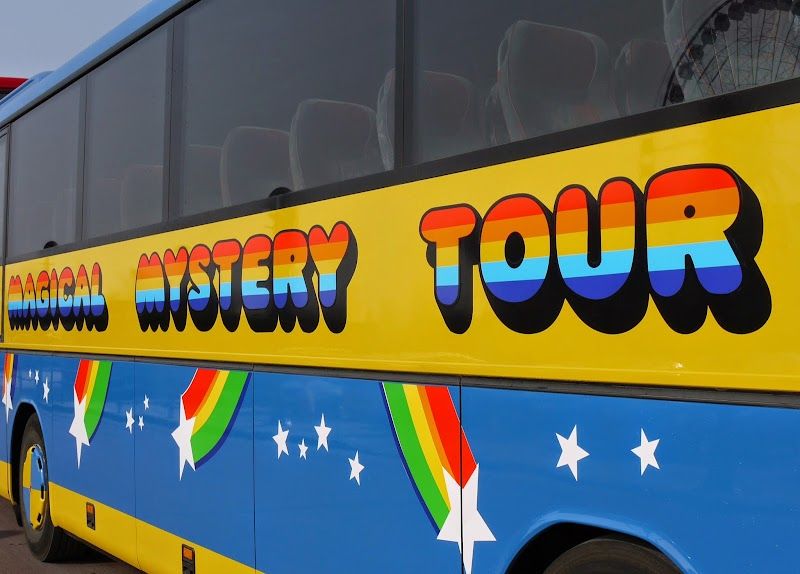
Magical Mystery Tour Bus
The Magical Mystery Tour is a 2-hour bus tour covering the major Beatles landmarks across Liverpool, departing from the Albert Dock. The route covers Mathew Street and the Cavern Quarter, Penny Lane (stopping outside the barber shop still operating at the corner), Strawberry Field (drive-past of the gates), the childhood neighbourhoods of Lennon and McCartney, and the Allerton and Woolton areas where the band formed. GBP 22 adult, GBP 17 child. The tour runs twice daily in most seasons: 11 AM and 2 PM from Albert Dock. Commentary is provided live by the guide, not by audio guide, which makes the difference between a good and a mediocre experience: the guides who grew up in Liverpool and have genuine enthusiasm for the history make the tour. Combined tickets with the Beatles Story museum are available at a discount. The tour does not enter any sites: it is a drive and commentary experience. It covers significantly more ground than walking allows and puts the scattered landmarks into geographical context in a way that self-guided visits do not.
Getting Here
On Foot
Albert Dock is at the southern end of the waterfront, a 10-15 minute walk from the Cavern Quarter and 15-20 minutes from Bold Street. The waterfront path to the Pier Head is flat and direct.
Insider Tips
Tate Liverpool is free
The permanent collection at Tate Liverpool is free entry. Go upstairs first: the collection gets stronger the higher you go. Budget 1.5-2 hours for the permanent collection. Temporary exhibitions cost GBP 10-14. The cafe on the ground floor has decent coffee and a view of the dock.
Royal Liver Building tour logistics
Tours run weekday afternoons and Saturdays, GBP 13.50, maximum 10 people. Book on the Royal Liver Building website in advance: Saturday tours sell out. Wear a warm layer - the clock tower platform is exposed and cold. The view covers the full Mersey estuary and the Welsh hills on a clear day.
Morning vs afternoon at Albert Dock
Albert Dock in the morning (9-10 AM, before the tourist coaches arrive) has the dock reflections at their best and the waterfront restaurants quiet. The Beatles Story opens at 9 AM: first entry of the day is the least crowded. The Pier Head is best in the late afternoon when the light hits the Three Graces from the west.
Nearby Neighborhoods
Continue exploring
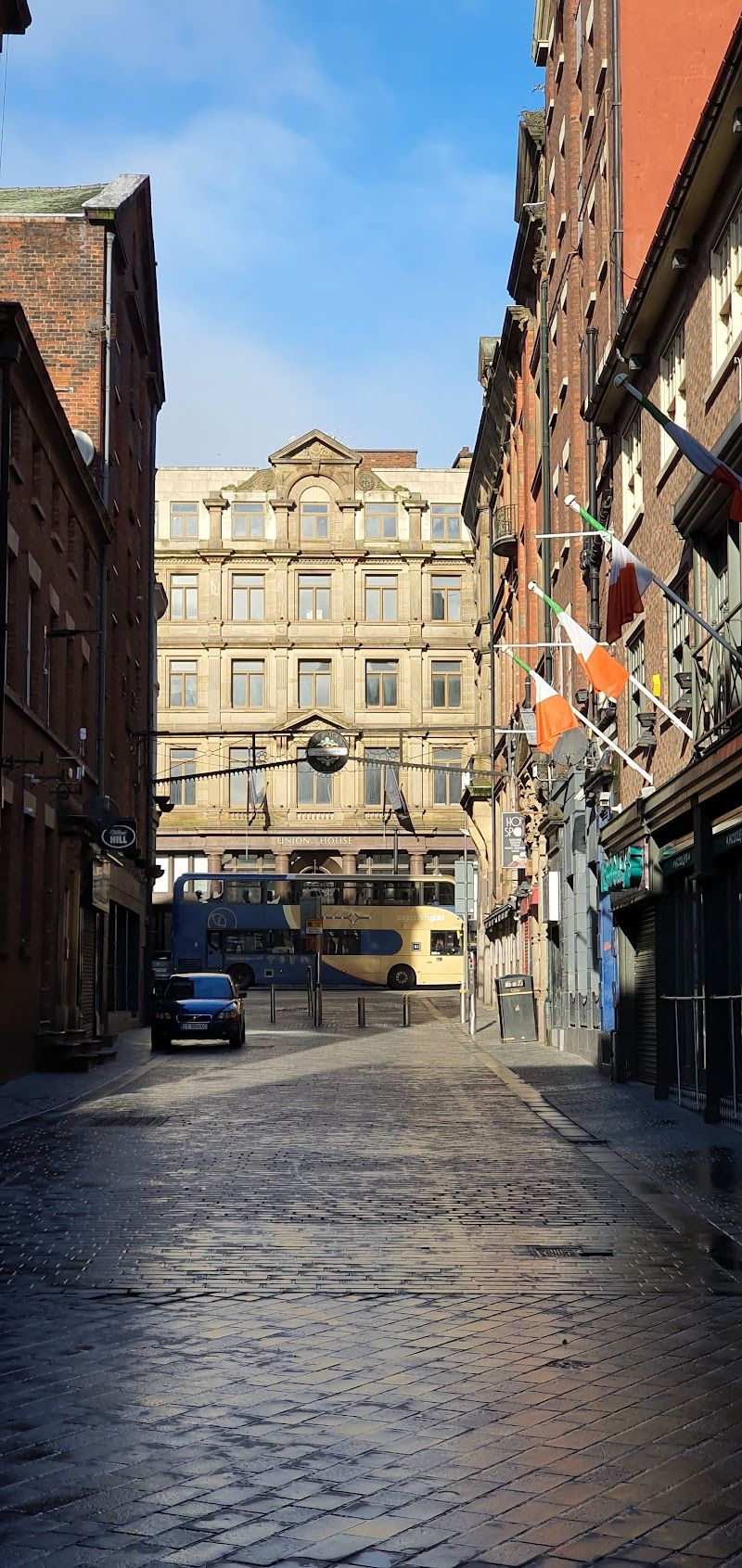
Cavern Quarter & City Centre
The music heritage heart of Liverpool: the Cavern Club, Mathew Street's live music strip, the William Brown Street museum quarter, and the city's retail and civic centre.
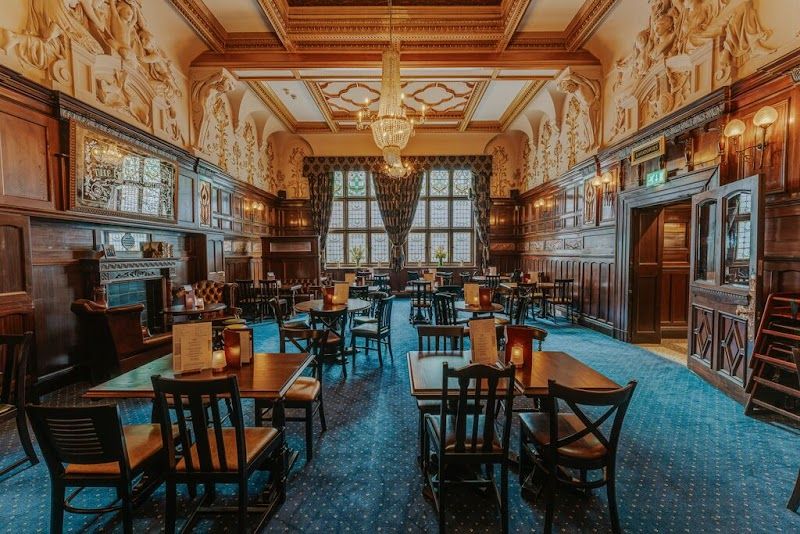
Bold Street & Georgian Quarter
Liverpool's food and independent culture spine: Bold Street's dense concentration of independent restaurants and cafes, and the intact Georgian terraces of the quarter behind it.
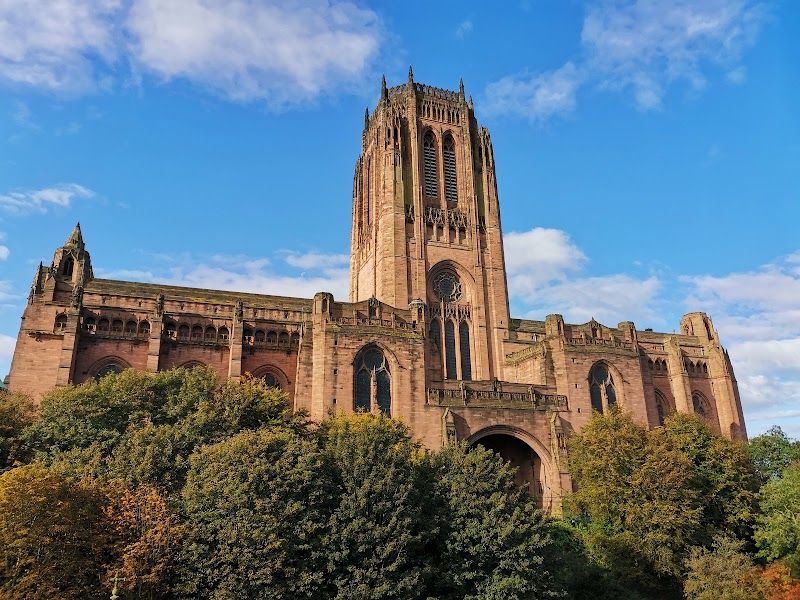
Baltic Triangle
Liverpool's creative and food district in converted warehouses south of the city centre: the Baltic Market, craft breweries, independent galleries, and Camp and Furnace events.
Plan a trip featuring Albert Dock & Waterfront
Get a personalized Liverpool itinerary with Albert Dock & Waterfront built in.
Start Planning