Liverpool
Baltic Triangle
Liverpool's creative and food district in converted warehouses south of the city centre: the Baltic Market, craft breweries, independent galleries, and Camp and Furnace events.
About Baltic Triangle
The Baltic Triangle sits between the Albert Dock to the west and the Bold Street area to the north, occupying a grid of former industrial and warehouse buildings that have been repurposed over the past 15 years into the city's most active creative district. It is not a polished development: the streets are still rough-edged, the buildings are still largely industrial in character, and the businesses are almost entirely independent. That combination - genuine industrial space, independent ownership, lower rents than the city centre - has produced the most interesting food and creative scene in Liverpool.
The Baltic Market is the centrepiece: a converted warehouse with a rotating selection of street food vendors, open Thursday to Sunday, GBP 8-12 per plate, and consistently the best informal eating in the city. Camp and Furnace occupies an adjacent former industrial space and runs food nights, markets, gigs, and events throughout the year. The craft brewery taprooms in the triangle (Brimstage Brewery, Mad Hatter Brewing, and others) have pints from GBP 5 and the informal atmosphere of rooms that were doing something else entirely 20 years ago. Independent galleries, creative agencies, and studios fill the spaces in between.
Things to Do
Top experiences in Baltic Triangle
Liverpool Cathedral
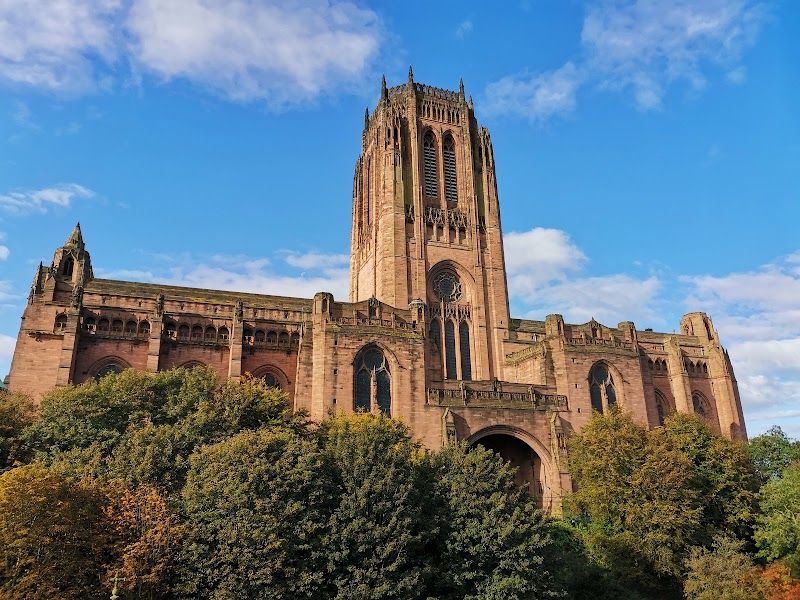
Liverpool Cathedral stands as Britain's largest cathedral, a red sandstone giant that took 74 years to build and houses the world's heaviest ringing peal of bells. The tower experience lifts you 500 feet up for views stretching to North Wales and the Pennines, while inside you'll find Gothic arches soaring higher than anywhere else on earth. The sheer scale hits you immediately: the entire Statue of Liberty could fit inside this vast space. The visit starts in the echoing nave where your footsteps sound tiny against the massive stone pillars. The tower lift whisks you up in stages, stopping at two viewing galleries where Liverpool spreads out below like a detailed map. Back down, the audio guide walks you through chapels and side altars, but honestly, it's the overwhelming sense of space that stays with you. The acoustics are incredible during services when the organ fills every corner. Most guides don't mention that the tower costs £6.50 extra on top of the £5 cathedral entry, making it £11.50 total for the full experience. Skip the overpriced cafe but don't miss the volunteer-led tours at 11am and 1pm, they're free and packed with construction stories you won't get elsewhere. The gift shop is surprisingly good for local history books. Go on a clear day or you'll waste money on cloudy tower views.
Sefton Park
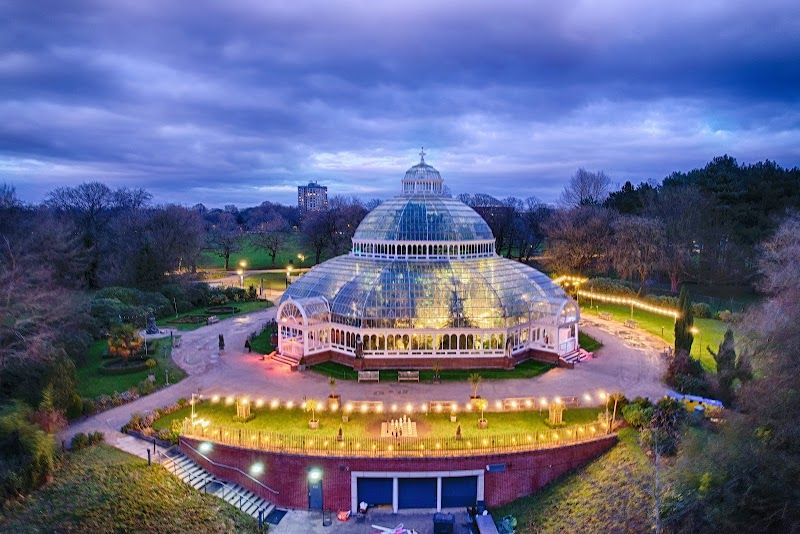
Sefton Park sprawls across 235 acres of south Liverpool, anchored by its stunning Victorian Palm House from 1896. The cast iron and glass glasshouse holds three climate zones packed with towering palms, exotic blooms, and enough humidity to fog your camera lens. Beyond the Palm House, you'll find a proper boating lake where families rent rowboats, plus miles of tree-lined paths that weave past cricket pitches and open meadows. The Palm House feels like stepping into a tropical greenhouse that's been preserved in amber since Victoria's reign. Inside, the octagonal design creates three distinct environments: desert plants in the driest section, temperate species in the middle, and a proper rainforest feel in the humid zone. The ironwork overhead catches light beautifully, especially on overcast days when the glass ceiling glows. Outside, the park has that relaxed Sunday afternoon energy where joggers share paths with dog walkers and families feeding ducks. Most guides oversell the entire park when really it's about the Palm House and the lake area. The outer sections can feel a bit empty and windswept, so stick to the central attractions unless you're after a proper long walk. Entry to everything is completely free, which makes this one of Liverpool's best value days out. The cafe inside the Palm House charges typical tourist prices (£3.50 for coffee, £4 for cake) but the setting inside those glass walls justifies the markup.
Strawberry Field
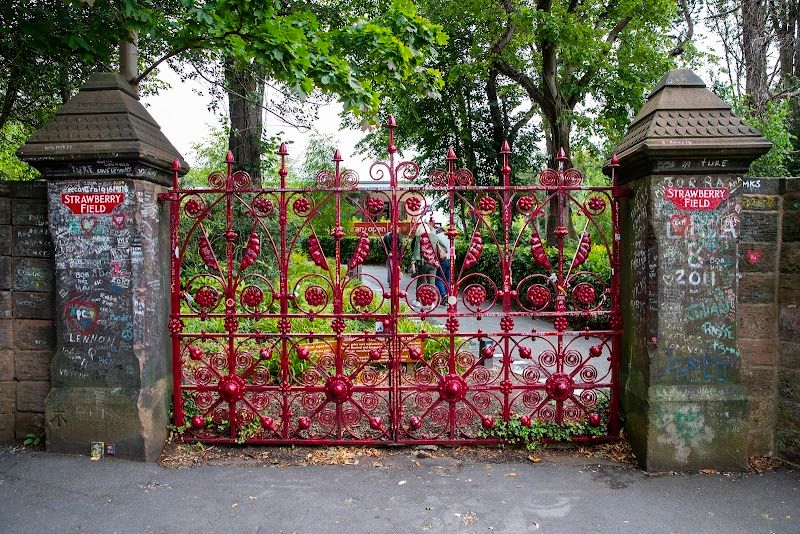
Strawberry Field is the actual Salvation Army children's home garden that John Lennon climbed into as a boy, immortalized in the Beatles' psychedelic masterpiece. You'll get the full story of how this quiet Woolton garden shaped one of music's most famous songs, plus a proper look at Lennon's childhood world beyond the city center. The exhibition walks you through Lennon's connection to the place, the Salvation Army's summer fetes he loved, and how those memories became 'Strawberry Fields Forever' in 1967. The experience feels surprisingly intimate for a Beatles attraction. You start at the famous red gates (recreated after the originals were nicked by fans), then move through the converted exhibition building at your own pace. The displays mix childhood photos, audio clips, and local stories that paint a picture of young Lennon as a curious kid rather than a future rock god. The garden itself is peaceful, and you can actually imagine children playing here in the 1950s. At £15 for adults (kids under 16 free), it's pricier than it should be for what amounts to a 75 minute visit. The exhibition repeats itself a bit, and some displays feel padded. But if you're doing the south Liverpool Beatles trail anyway, it completes the story nicely with the National Trust homes nearby. Skip the gift shop, focus on the audio elements, and don't expect the spiritual revelation some guides promise.
Penny Lane
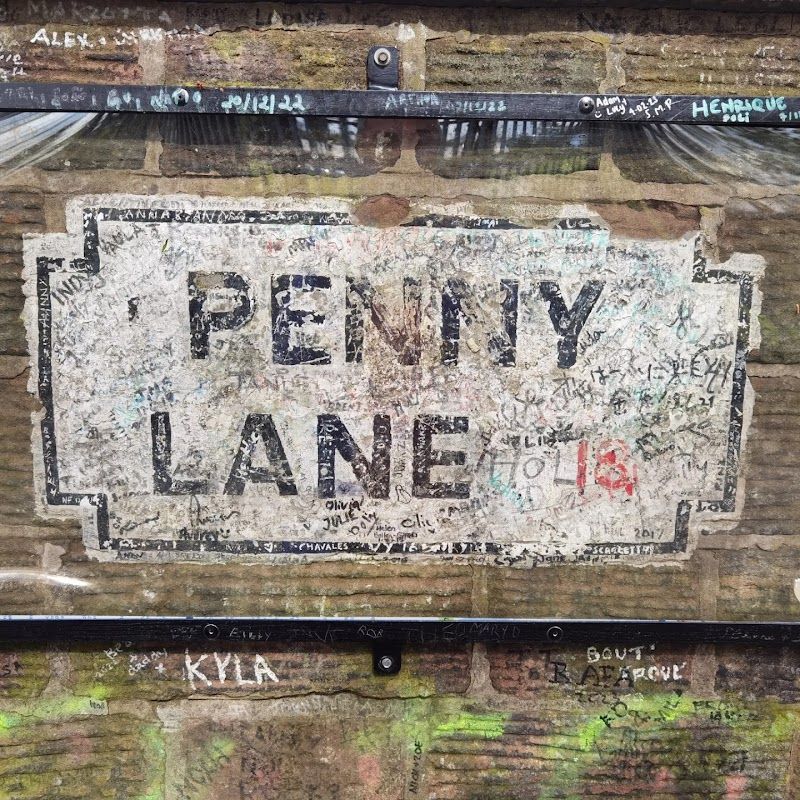
Penny Lane is an ordinary residential street in Mossley Hill that became legendary thanks to Paul McCartney's childhood memories and the Beatles' 1967 song. You'll find the famous barber shop still operating at the roundabout, plus the shelter in the middle of the roundabout and banker's building that inspired the lyrics. The street itself is pleasantly suburban with Edwardian houses, but it's the connection to Beatles history that draws fans from around the world to snap photos and walk where the Fab Four once roamed. The experience is charmingly low key compared to other Beatles sites. You'll stroll down a quiet residential road while locals go about their daily business, creating an oddly authentic connection to the band's pre fame Liverpool. The barber shop (Tony Slavin's) still cuts hair and welcomes curious visitors for a quick peek inside. Street signs get stolen so regularly that the council now uses anti theft fixings, though determined fans still manage it. The whole area feels frozen in time, especially the roundabout with its original shelter. Honestly, it's worth 30 minutes max unless you're a serious Beatles obsessive. The street itself is just a normal road, and you'll have seen everything worthwhile within 10 minutes of arriving. Skip the expensive Beatles taxi tours that charge £25+ for this stop. Take the 86 bus instead for £2.50 and combine it with nearby Strawberry Field for better value. Most guides oversell this as a major attraction when it's really just a pleasant photo opportunity.
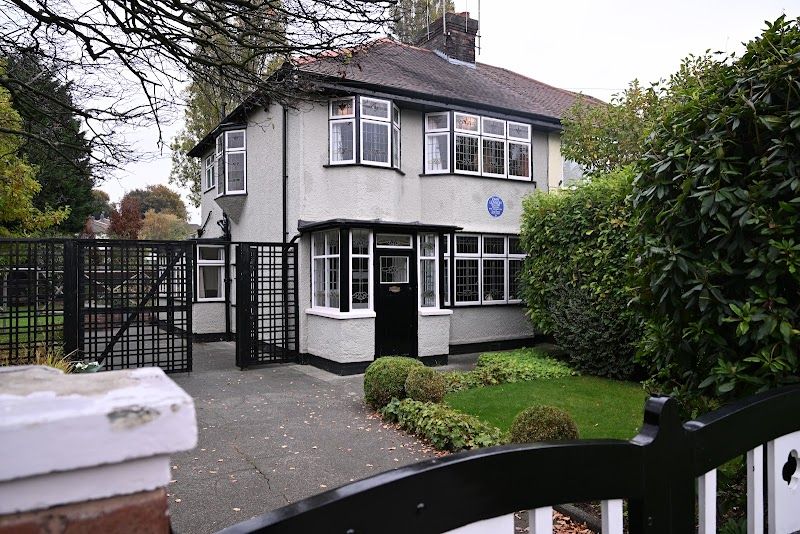
Lennon and McCartney Childhood Homes Tour
The National Trust owns and operates tours of the childhood homes of both John Lennon (Mendips, 251 Menlove Avenue, Woolton) and Paul McCartney (20 Forthlin Road, Allerton). Both are small, ordinary 1950s semi-detached houses in south Liverpool suburbs that have been restored to their period appearance. Mendips was the home of Lennon's aunt Mimi and uncle George, who raised him: the parlour where he would have practised guitar, the tiny back bedroom where he wrote his earliest songs, and the porch where Mimi reportedly told him "the guitar's all very well John, but you'll never make a living at it." 20 Forthlin Road was the McCartney family home: the front room where Lennon and McCartney wrote together during school holidays, the kitchen, the outside toilet. Tours are small group (maximum 6-8 people per house), 45 minutes each, guided by National Trust volunteers with detailed knowledge of the period. GBP 27 combined for both houses. Tickets must be booked in advance at nationaltrust.org.uk: they sell out weeks ahead in summer. The tour minibus collects from Albert Dock and drops back. Photography is restricted inside the homes.
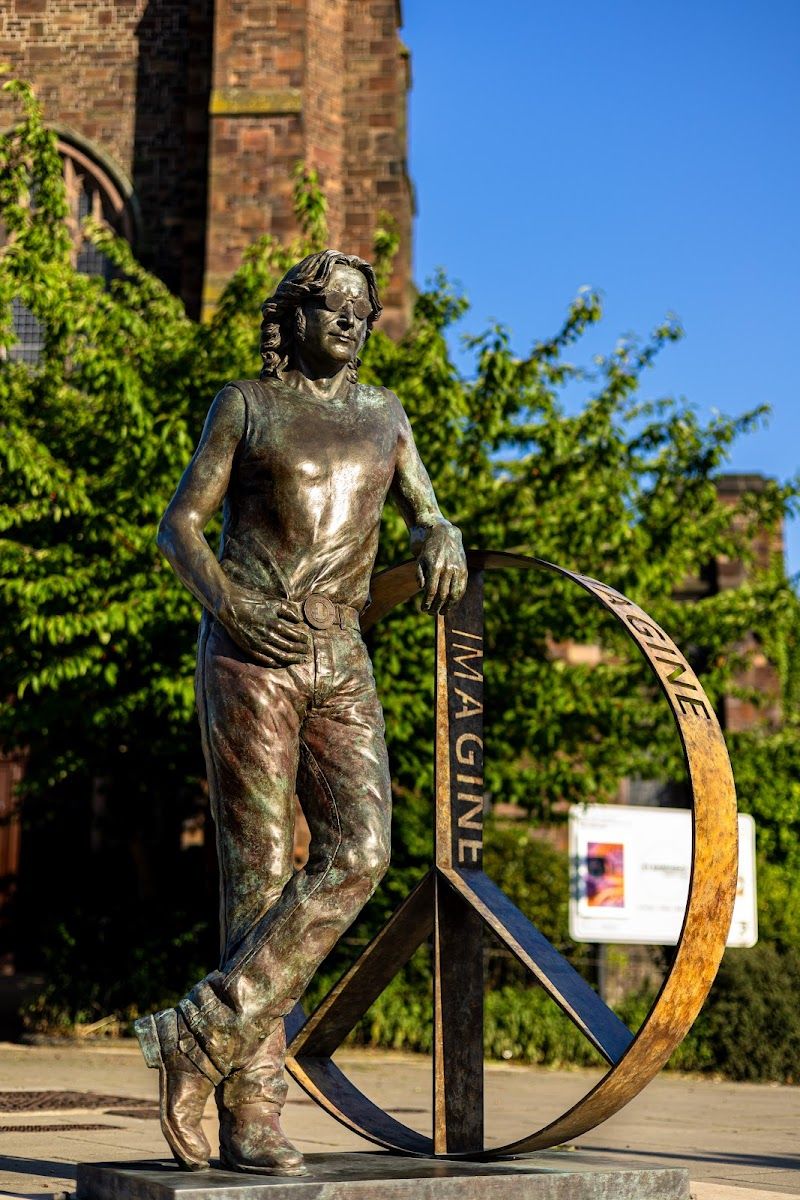
John Lennon Statue
Life-sized bronze statue of John Lennon in a relaxed pose, leaning against the Cavern Club wall on Mathew Street. Created by sculptor David Webster in 2010, it captures Lennon in his younger years. The statue has become one of the most photographed spots in the Cavern Quarter, with fans leaving flowers and tributes nearby.
Where to Eat
Restaurants and cafes in Baltic Triangle
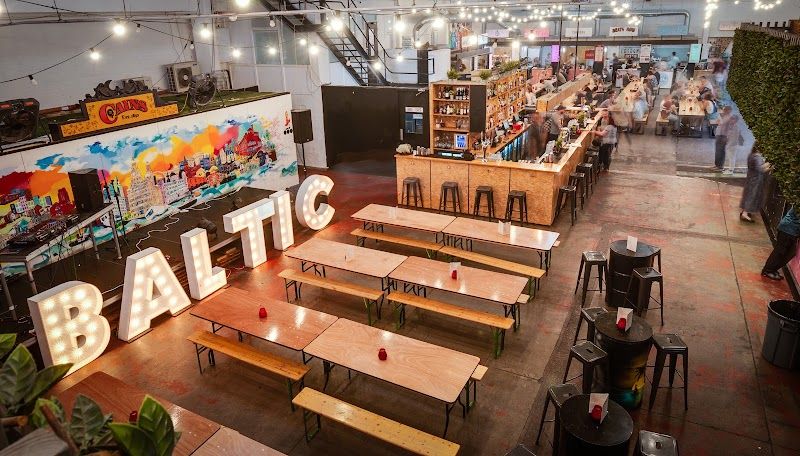
Baltic Market
RestaurantStreet food market in a converted warehouse with rotating vendors serving global cuisines from Thai and Indian to burgers and vegan options. Open Thursday to Sunday with communal seating and a bar serving craft beers and cocktails. Expect to pay GBP 8-12 per plate from any of the dozen or so independent traders.
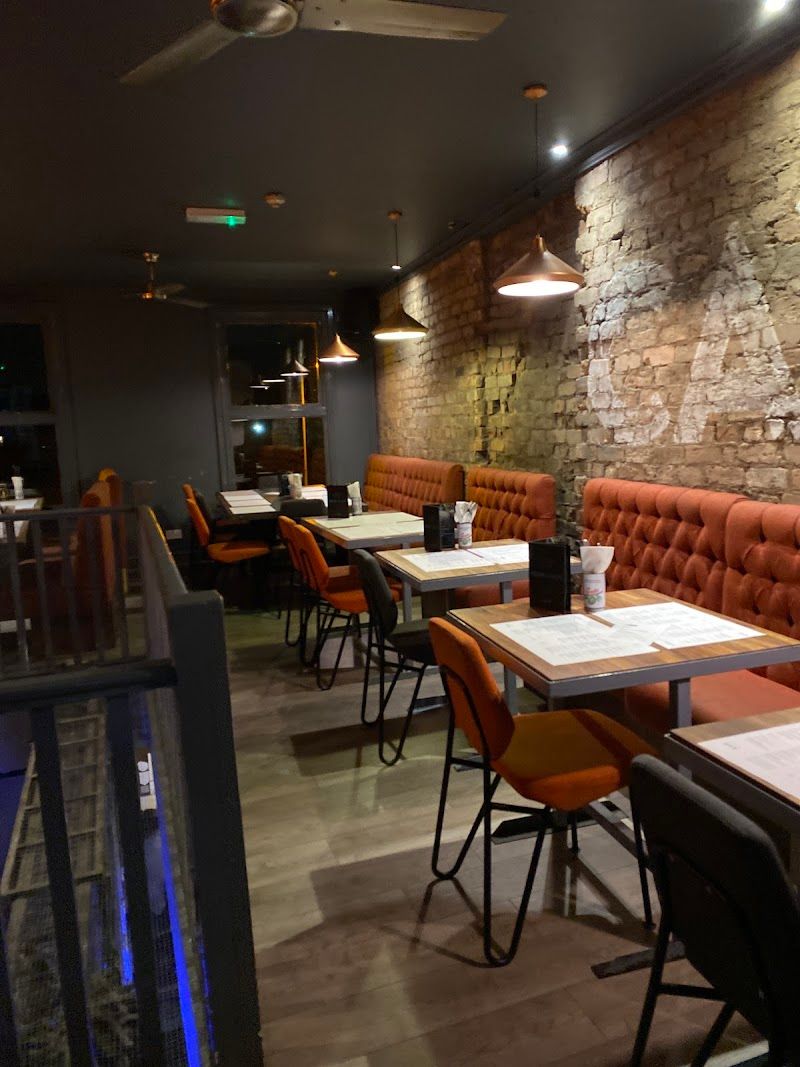
Neon Jamon Chinatown
RestaurantSpanish tapas bar serving traditional and modern small plates with an emphasis on Iberian ham, chorizo, and seafood. The wine list focuses on Spanish regions with sherries available by the glass.
Nightlife
Bars and nightlife in Baltic Triangle
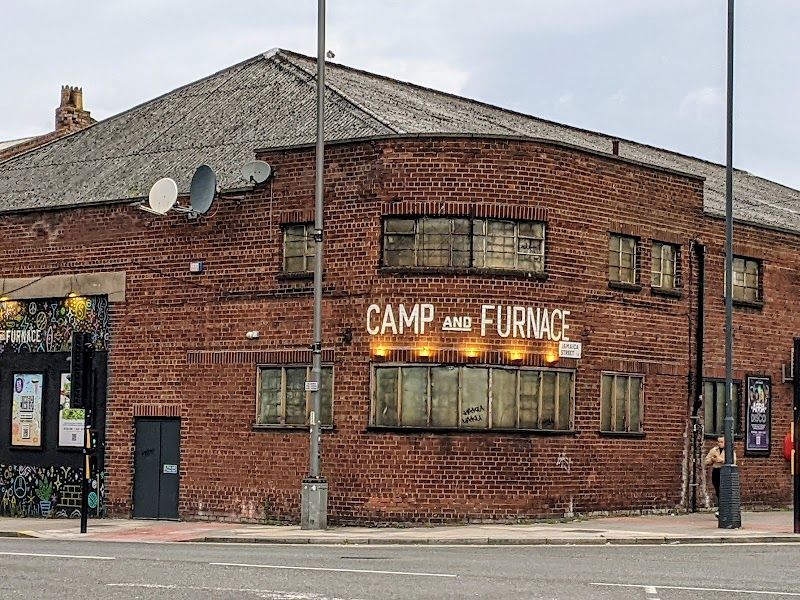
Camp and Furnace
NightlifeMassive event space and bar in a 20,000 square foot former blade-making factory hosting everything from food markets to live music. The main hall features long communal tables, a rotating calendar of street food pop-ups, and regular themed events like vinyl record fairs. Pints run around GBP 5-6 and the kitchen serves wood-fired pizzas.
Constellations
NightlifeBar and events venue built from shipping containers arranged around an outdoor courtyard with heating and covered areas. Hosts DJ nights, live music, and alternative club events with a focus on electronic and indie music. Kitchen serves loaded fries, burgers, and sharing plates with vegan options.
Getting Here
On Foot
15-20 minute walk from Albert Dock or the Cavern Quarter. Not a natural walking route from the main tourist areas at night: taxi or ride-share is the practical option after 9 PM.
Insider Tips
Baltic Market days
The Baltic Market is open Thursday to Sunday. Thursday lunch is the quietest: good food, no queue. Saturday evening is the busiest and the most atmospheric. Check the current vendor list at baltic-market.co.uk before visiting: the lineup changes seasonally.
Getting to the Baltic Triangle
A 15-20 minute walk south from Albert Dock through the city centre, or 10 minutes from Bold Street. The area is compact: the main cluster of venues is around Jamaica Street and Greenland Street. It is a rougher walk from the city centre than the tourist map suggests: flat, but through some empty streets. Taxi or ride-share after dark is reasonable.
Camp and Furnace
Camp and Furnace runs a varied programme of events, food nights, and live music. Check campandfurnace.com for what is on during your visit. The building itself is worth seeing regardless of what is scheduled: the industrial conversion is the best example in the district.
Nearby Neighborhoods
Continue exploring
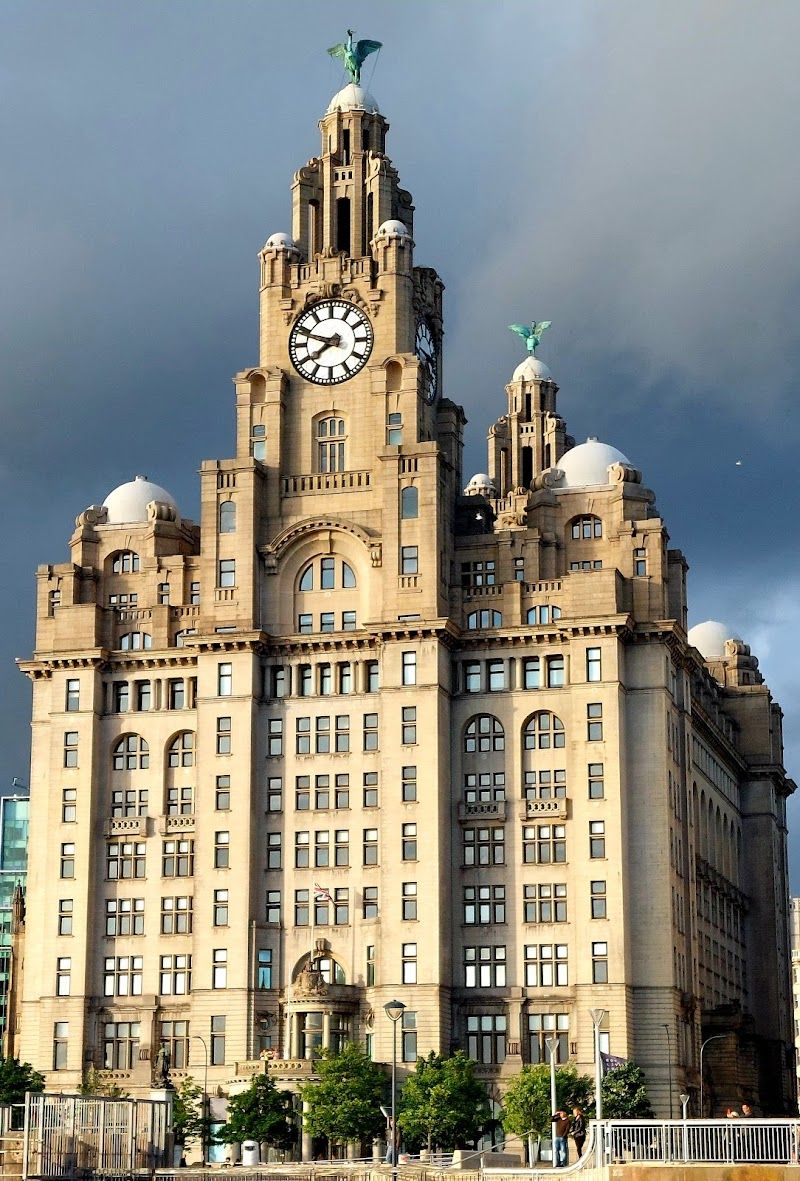
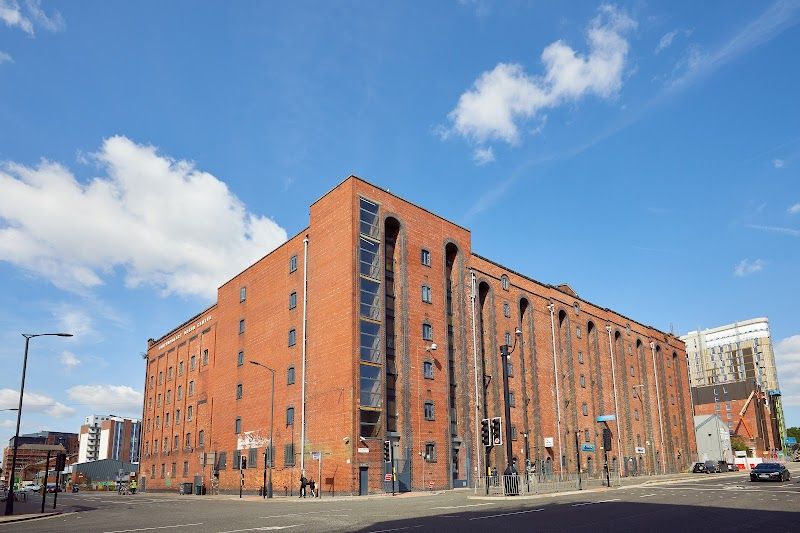
Albert Dock & Waterfront
The UNESCO World Heritage docklands regenerated into Liverpool's cultural and tourist centre: Tate Liverpool, the Beatles Story, the Three Graces, and the Mersey waterfront.
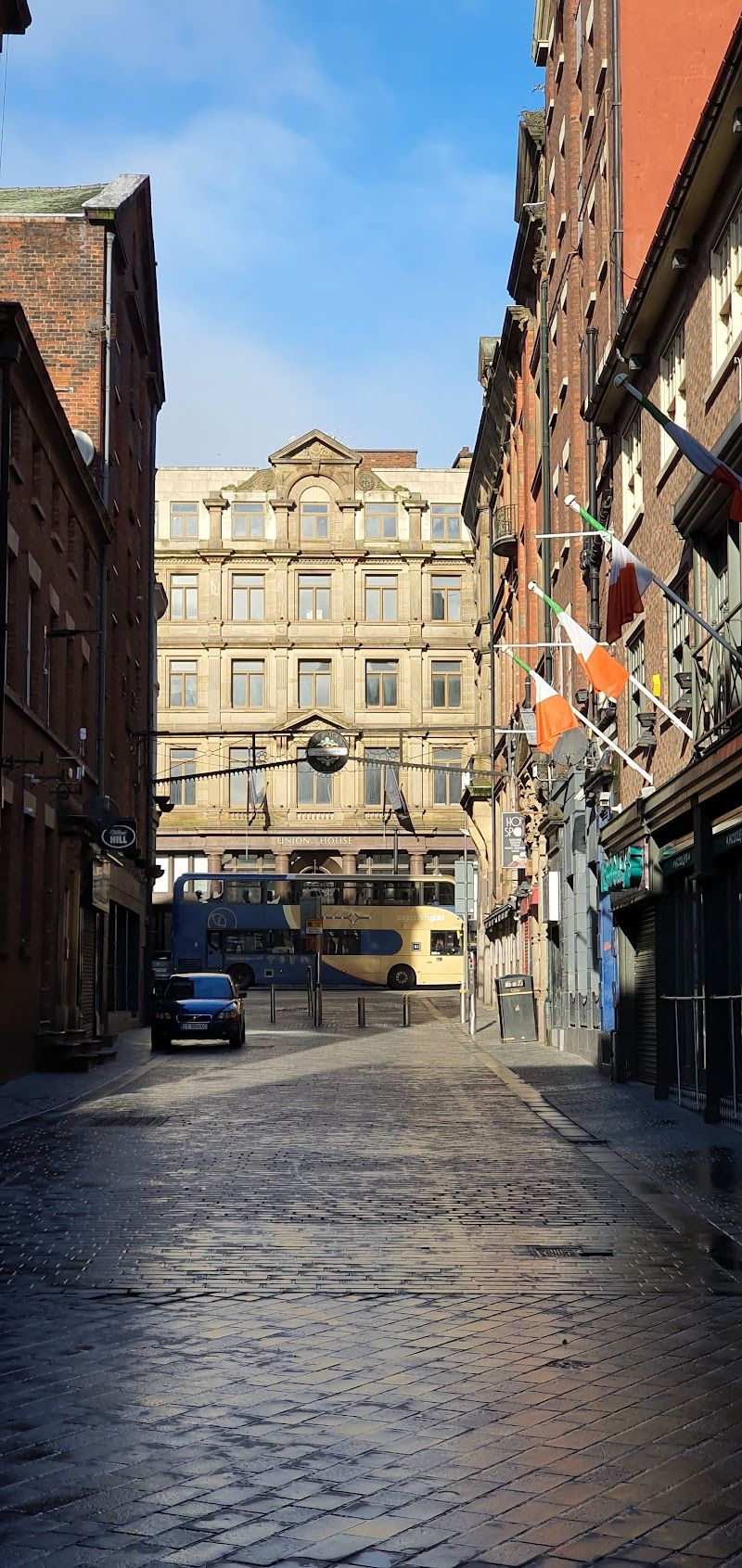
Cavern Quarter & City Centre
The music heritage heart of Liverpool: the Cavern Club, Mathew Street's live music strip, the William Brown Street museum quarter, and the city's retail and civic centre.
Bold Street & Georgian Quarter
Liverpool's food and independent culture spine: Bold Street's dense concentration of independent restaurants and cafes, and the intact Georgian terraces of the quarter behind it.
Plan a trip featuring Baltic Triangle
Get a personalized Liverpool itinerary with Baltic Triangle built in.
Start Planning