Liverpool
Cavern Quarter & City Centre
The music heritage heart of Liverpool: the Cavern Club, Mathew Street's live music strip, the William Brown Street museum quarter, and the city's retail and civic centre.
About Cavern Quarter & City Centre
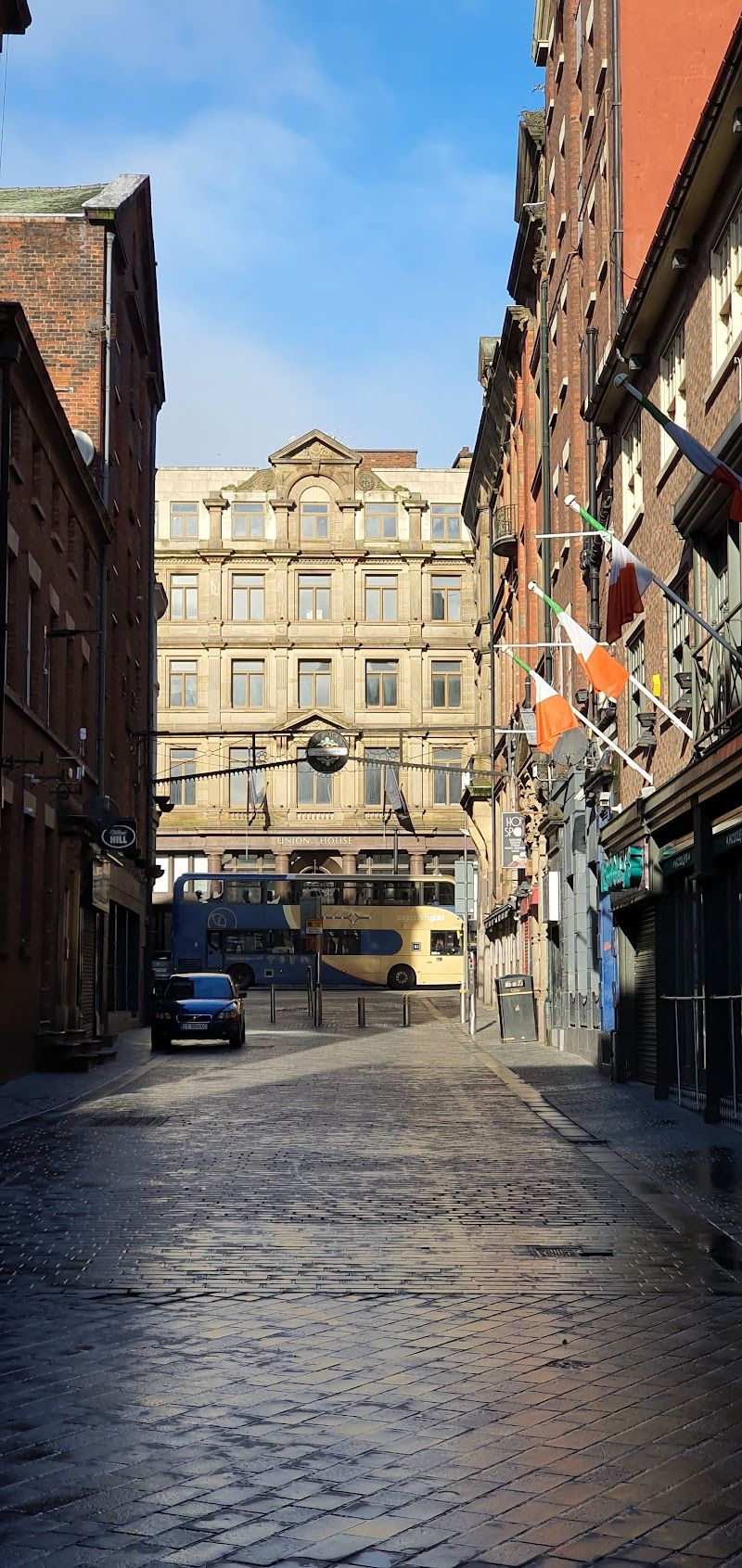
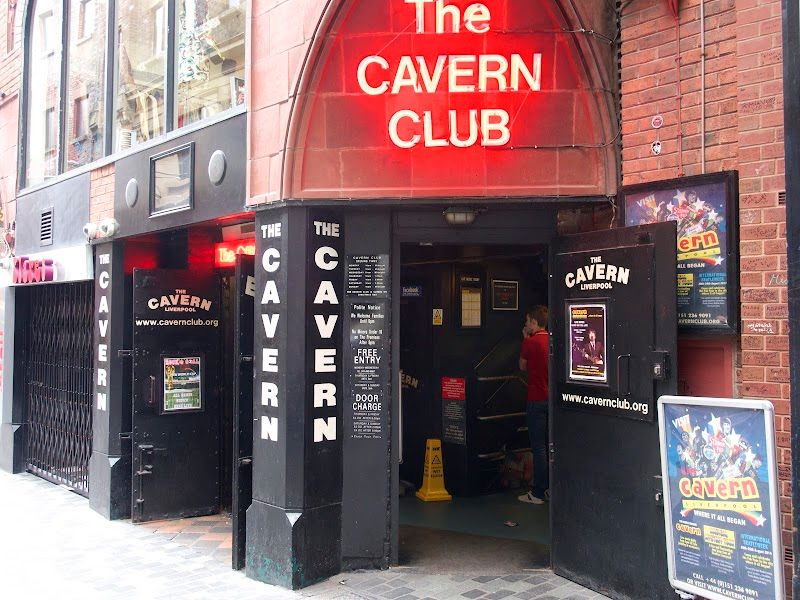
The Cavern Quarter centres on Mathew Street, a narrow pedestrianised lane in the commercial heart of Liverpool that became the epicentre of Merseybeat in the early 1960s. The Cavern Club at number 10 is where The Beatles played 292 times: the current version, rebuilt in 1984 using original bricks, has live music from noon daily and is free to enter during the day. The Wall of Fame running along the street lists every act that performed at the original Cavern. The John Lennon statue at the far end of the street and the surrounding bars and music venues make this the most concentrated Beatles-related area in the city.
The wider city centre includes the William Brown Street museum quarter: the Walker Art Gallery (free, the best collection of pre-20th century European art outside London, the Stubbs horses and the Pre-Raphaelites are particularly strong), the Museum of Liverpool (free, the city's social and cultural history), and St George's Hall (the neoclassical concert hall and law court completed in 1854, the Great Hall interior is one of the finest Victorian spaces in Britain). Lime Street station and the shopping districts of Liverpool ONE and Church Street are in this area.
Things to Do
Top experiences in Cavern Quarter & City Centre
Mathew Street
Mathew Street is a short pedestrian cobblestone street where the Beatles played 292 times at the original Cavern Club between 1961 and 1963. You'll find the reconstructed Cavern Club (the original was demolished in 1973), the Wall of Fame with handprints and signatures of every artist who performed here, and John Lennon's statue sitting on a bench. The street hosts Beatles-themed shops selling everything from T-shirts to vinyl records, plus traditional pubs with live music. Walking the narrow street feels like a pilgrimage site for music fans, with constant sounds of cover bands drifting from doorways. The Wall of Fame stretches along brick buildings, featuring hundreds of names you'll recognize and many you won't. Street performers often play Beatles songs near the statue, while tourists pose for photos and peek into the famous arched entrance of the Cavern Club. The atmosphere shifts from touristy during the day to genuinely musical after 7pm. Honestly, it's quite commercialized and most of the 'Beatles' shops sell identical mass-produced merchandise at inflated prices. The Cavern Club charges around £5-8 entry depending on the act, but unless there's a tribute band you specifically want to see, the music quality varies wildly. Focus on the Wall of Fame and statue during daylight hours, then grab a pint at the nearby Grapes pub instead of paying club entry fees.
Anfield Stadium
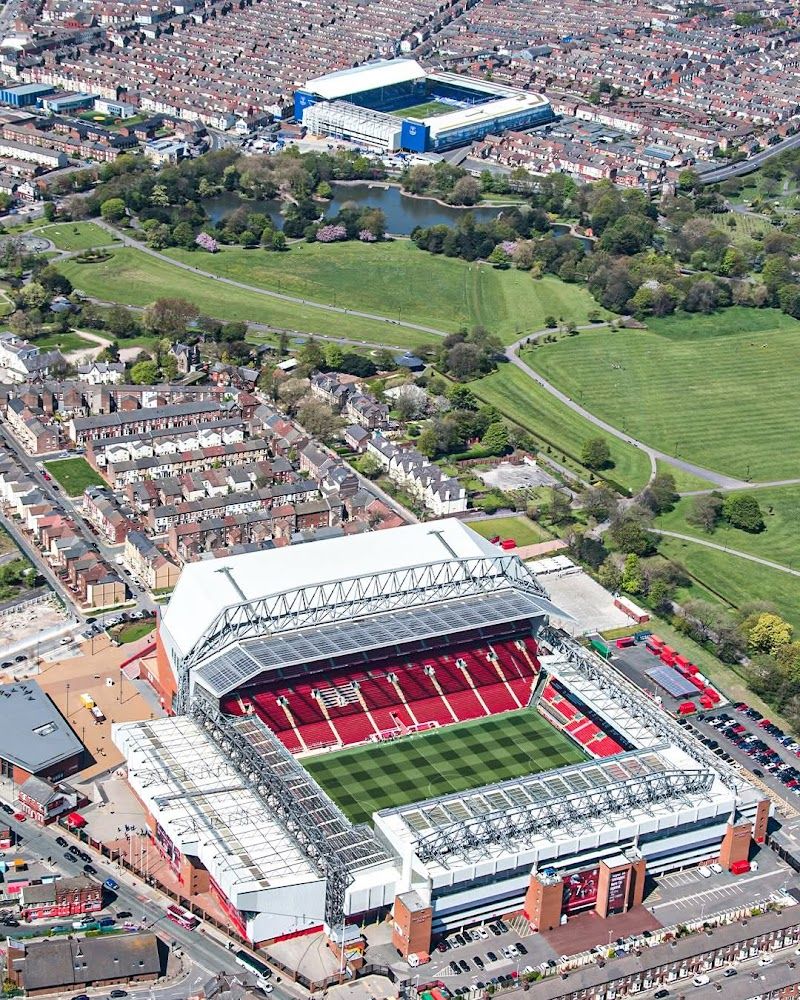
Anfield Stadium lets you walk through Liverpool FC's home ground where six European Cups were won and countless football legends made their mark. You'll see the players' dressing room with shirts hanging on pegs, walk down the tunnel hearing crowd noise through speakers, and touch the famous "This Is Anfield" sign that visiting teams fear. The pitch-side view from the tunnel is genuinely spine-tingling, even for non-football fans. The trophy room displays all six European Cups plus league titles dating back decades. Your 90-minute tour moves through spaces that feel surprisingly intimate and personal. Standing in the home dressing room where Gerrard, Dalglish, and countless others prepared for matches creates an unexpectedly emotional moment. The tunnel walk builds anticipation perfectly before you emerge pitch-side to see the Kop towering above you. The atmosphere feels reverent rather than touristy, with guides sharing insider stories about match days and player superstitions. Most tours cost around £25 for adults, but prices fluctuate based on demand and special exhibitions. Book directly through Liverpool FC's website to avoid markup from third-party sellers. Skip the expensive stadium store at the end unless you're buying for a serious Liverpool fan. The museum section feels rushed and outdated compared to the behind-the-scenes access, so don't worry if you're running short on time there.
Walker Art Gallery
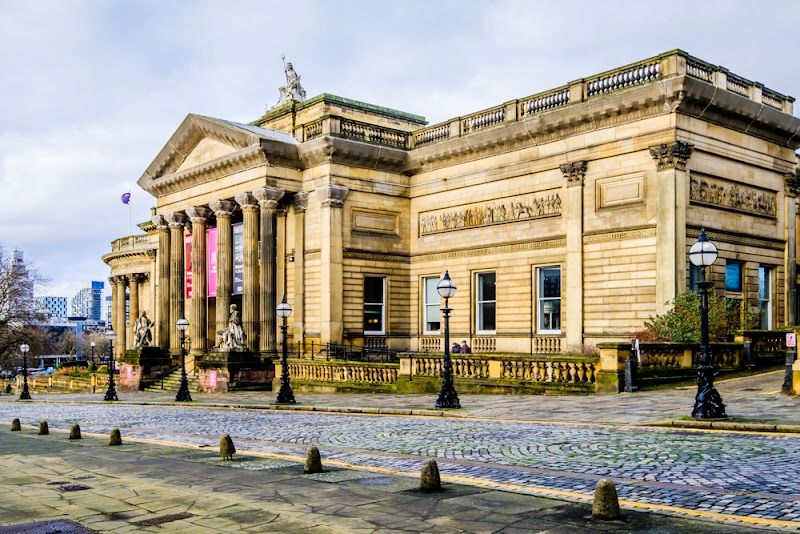
The Walker Art Gallery holds Britain's best collection of pre-20th century art outside London, completely free to visit. You'll find Rembrandt's self-portrait, Stubbs' magnificent horses, and an unmatched Pre-Raphaelite collection including works by Millais and Rossetti. The Victorian galleries showcase dramatic history paintings and genre scenes that most London museums keep in storage, while contemporary pieces by David Hockney and Lucian Freud round out the collection. The galleries flow chronologically across two floors, starting with Renaissance works and building to the showstopping Victorian rooms. The Pre-Raphaelite gallery feels intimate despite housing world-class pieces, and you'll often have Stubbs' famous equestrian paintings almost to yourself. Natural light floods the main galleries during daytime visits, making the colors particularly vivid. The building itself is grand but not overwhelming, with wide corridors and comfortable viewing distances. Most visitors rush through to tick boxes, but the real treasures reward slow looking. Skip the ground floor contemporary section unless you're particularly interested, it's the weakest part of the collection. The cafe is overpriced at £8 for basic sandwiches, so eat elsewhere. Weekday mornings are genuinely quiet, while weekend afternoons bring families and tour groups that can make the smaller galleries feel cramped.
St George's Hall
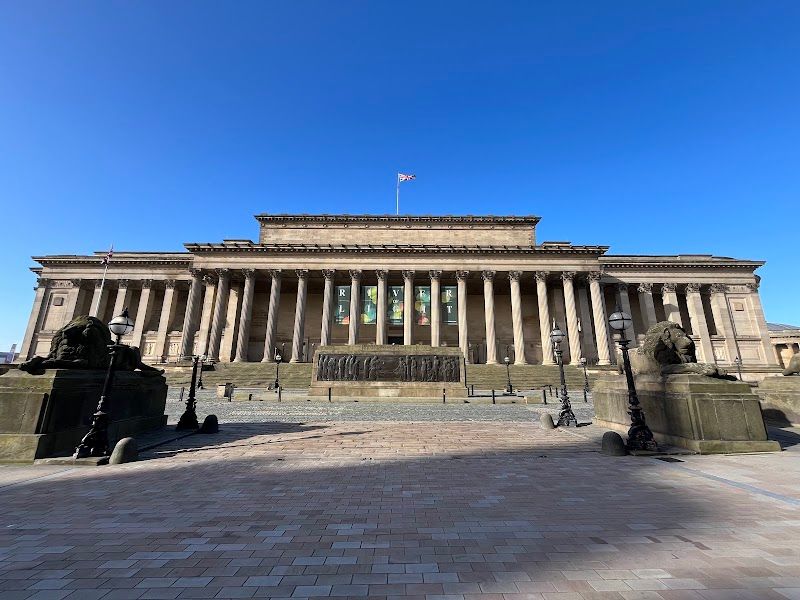
St George's Hall is Liverpool's grandest Victorian statement piece, a massive neoclassical courthouse and concert hall that'll make you feel like you've wandered into ancient Rome. You're here for two main attractions: the Great Hall with its legendary Minton floor (30,000 hand-painted tiles that stay covered 360 days a year), and the circular Concert Room where Dickens gave readings and the acoustics are so perfect you can hear a whisper from across the room. The building also houses original Victorian courtrooms and holding cells that feel authentically grim. Walking through feels like exploring a temple that someone forgot to finish. The Great Hall stretches 169 feet with massive columns and a barrel-vaulted ceiling that echoes your footsteps. Most of the time you'll be walking on protective covering, knowing those incredible tiles lie beneath. The Concert Room hits differently, completely circular with carved wood and perfect sound that makes you want to test it immediately. The old courtrooms upstairs feel frozen in time, complete with original dock and judge's bench. Honestly, it's spectacular but timing matters everything. If the Minton floor isn't uncovered, you're missing 70% of what makes this special. Free entry is brilliant, but the building can feel empty and echoing when quiet. Skip the basement cells unless you're really into Victorian prison conditions, they're more depressing than educational. The audio guide costs £3 and actually adds value here.
Where to Eat
Restaurants and cafes in Cavern Quarter & City Centre
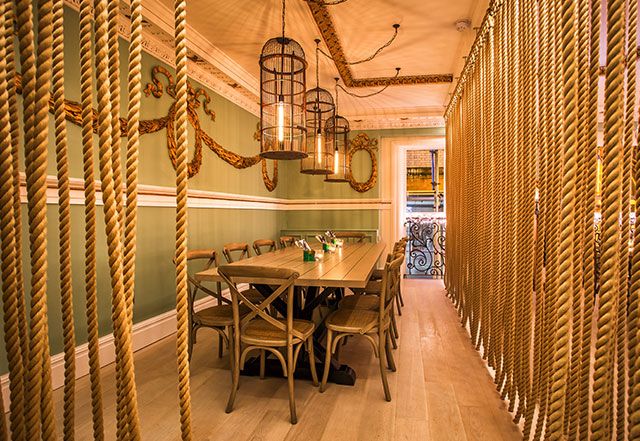
Mowgli Street Food
RestaurantIndian street food restaurant serving small plates inspired by recipes from founder Nisha Katona's family. The menu features yoghurt chat bombs, tiffin boxes, and curry dishes designed for sharing in a lively, contemporary space.
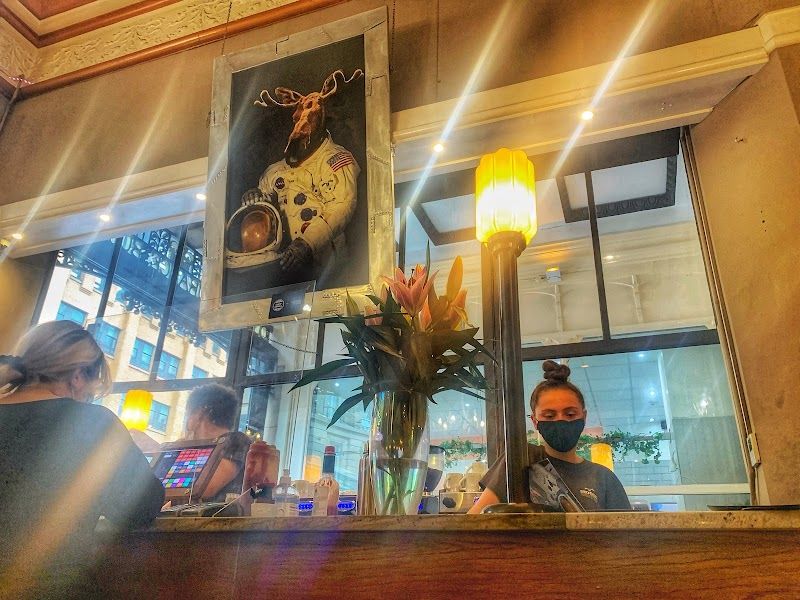
Moose Coffee
CafeNorth American-style breakfast and brunch cafe serving oversized portions of pancakes, eggs benedict, and maple-glazed bacon. The menu leans heavily into Canadian and American diner classics with all-day breakfast service.
Nightlife
Bars and nightlife in Cavern Quarter & City Centre
Getting Here
On Foot
Highly walkable. Mathew Street is 10 minutes from Albert Dock, 5 minutes from Liverpool Central station, and 5 minutes from Bold Street. The museum quarter on William Brown Street is a 10-minute walk from the Cavern.
Insider Tips
Cavern Club timing
Lunchtime sessions (noon-3 PM) are the quietest and give you space to look at the brick arches and the stage layout. Evening from 7 PM is the proper live music experience but busier. Free during the day; evening shows sometimes GBP 2-5. The bar downstairs has reasonable drink prices by city centre standards.
Walker Art Gallery is underrated
Free entry. The Walker is one of the best art galleries outside London and consistently undervisited compared to Tate Liverpool. The George Stubbs horse paintings, the Pre-Raphaelite collection, and the early 20th century British rooms are the highlights. Budget 1.5 hours. Closed Mondays.
St George's Hall tours
The exterior of St George's Hall is free to appreciate from Lime Street. Guided interior tours (GBP 5-7, check the schedule at liverpoolmuseums.org.uk) access the Great Hall with its Minton tile floor and the original law courts. The building is genuinely one of the finest examples of Greek Revival architecture in Britain.
Nearby Neighborhoods
Continue exploring
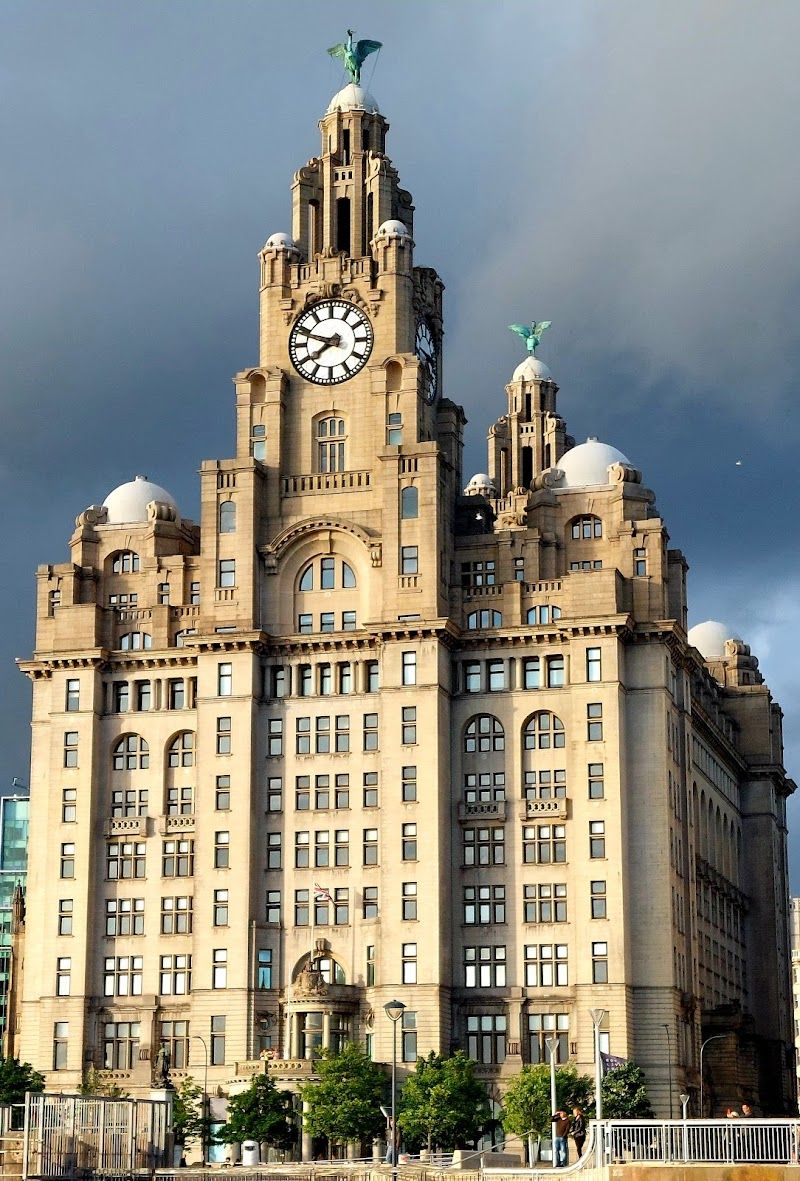
Albert Dock & Waterfront
The UNESCO World Heritage docklands regenerated into Liverpool's cultural and tourist centre: Tate Liverpool, the Beatles Story, the Three Graces, and the Mersey waterfront.
Bold Street & Georgian Quarter
Liverpool's food and independent culture spine: Bold Street's dense concentration of independent restaurants and cafes, and the intact Georgian terraces of the quarter behind it.
Baltic Triangle
Liverpool's creative and food district in converted warehouses south of the city centre: the Baltic Market, craft breweries, independent galleries, and Camp and Furnace events.
Plan a trip featuring Cavern Quarter & City Centre
Get a personalized Liverpool itinerary with Cavern Quarter & City Centre built in.
Start Planning