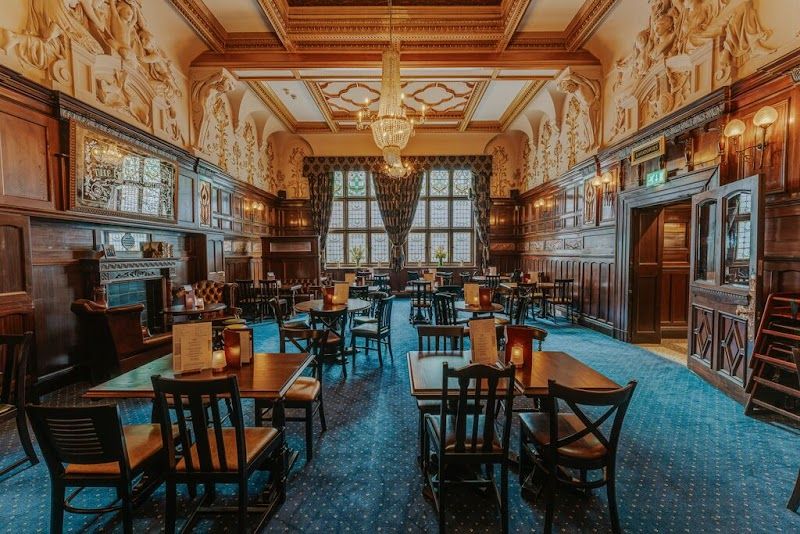
Liverpool
Bold Street & Georgian Quarter
Liverpool's food and independent culture spine: Bold Street's dense concentration of independent restaurants and cafes, and the intact Georgian terraces of the quarter behind it.
About Bold Street & Georgian Quarter
Bold Street runs south from the city centre for about half a kilometre and has more independent restaurants, cafes, and food businesses per metre than almost any street in the UK. The food is diverse: Middle Eastern, Korean, Ethiopian, Japanese, Caribbean, and a strong vegan and vegetarian scene alongside traditional British. Maray (Middle Eastern small plates, GBP 20-25 per person) is the most-cited restaurant in the city. The street has survived the pressure that turned similar streets in other cities into chain restaurant corridors: the independent ownership and diverse offer is genuine rather than curated.
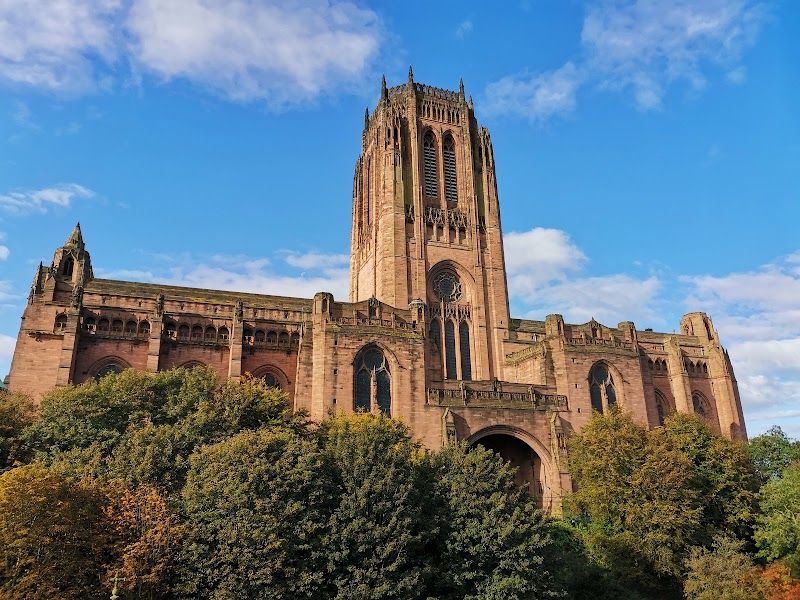
Behind Bold Street to the east lies the Georgian Quarter: streets of intact late 18th and early 19th century terraced housing, including Rodney Street (the Harley Street of Liverpool, where medical practices occupied the Georgian townhouses for 150 years, and where Liverpool's Victorian merchant class lived), Falkner Square, and Percy Street. The Metropolitan Cathedral of Christ the King at the top of Mount Pleasant (free entry, completed 1967, circular modernist design with John Piper stained glass and a crown of thorns lantern tower) and the Anglican Cathedral at the bottom of Hope Street (free entry, the largest cathedral in Britain by volume, the tower climb is GBP 6.50) bookend Hope Street, making the Georgian Quarter a natural walking circuit between the two cathedrals.
Things to Do
Top experiences in Bold Street & Georgian Quarter
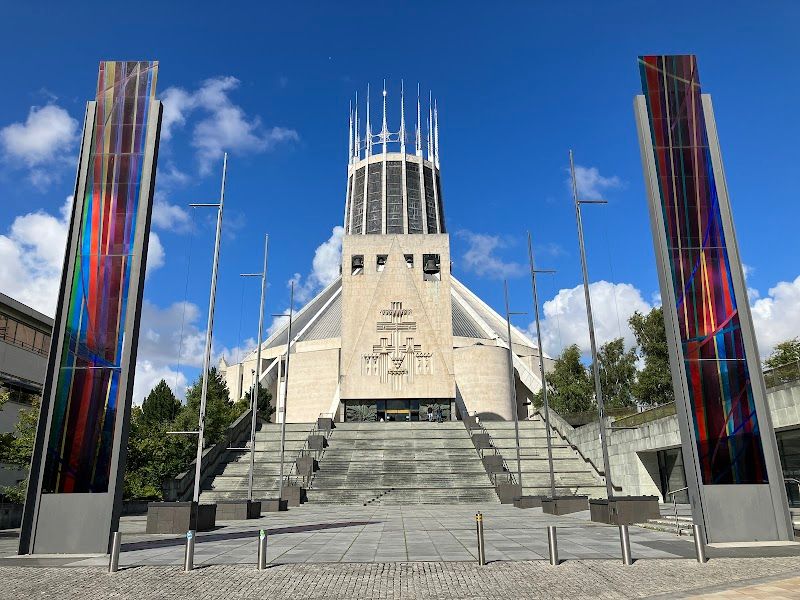
Liverpool Metropolitan Cathedral
Liverpool's Metropolitan Cathedral looks like a concrete spaceship that landed in 1967, and it's genuinely striking. The circular modernist design centers around a massive crown-shaped lantern tower that floods the interior with light through John Piper's extraordinary stained glass. You'll spend most of your time craning your neck upward at the kaleidoscope of blues, purples, and golds that shift throughout the day. The building sits above Edwin Lutyens' abandoned cathedral crypt, which you can visit separately for £5. Walking inside feels like entering a cosmic cathedral where traditional church architecture got completely reimagined. The circular nave means there's no bad seat, and the altar sits in the center with seating radiating outward. The stained glass creates pools of colored light that move across the floor as the sun shifts, making afternoon visits particularly rewarding. The acoustic properties are excellent, so if there's a service or concert happening, you'll hear every note clearly from anywhere in the space. Most guides oversell this as revolutionary architecture, but honestly, it's more interesting than beautiful. The real draw is experiencing how radically different a 1960s cathedral feels compared to Liverpool's Gothic Anglican Cathedral down the road. Skip the gift shop, which is forgettable, but don't miss the Lutyens Crypt if you're interested in architectural history. The £5 entrance fee feels steep for what's essentially an unfinished basement, but the massive brick arches show what could have been Britain's largest cathedral.
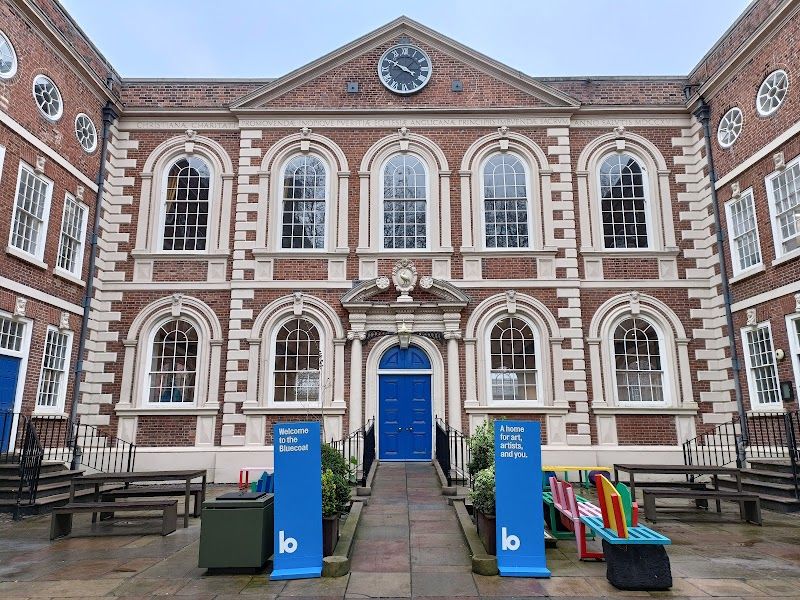
The Bluecoat
The Bluecoat occupies Liverpool's oldest building, a gorgeous 1717 Queen Anne structure that's been everything from a charity school to an arts centre since 1927. You'll find three floors of contemporary art exhibitions that actually change regularly (unlike some Liverpool galleries that keep the same stuff up for months), plus working artist studios where you can often peek in and see people creating. The building itself is the real star though, with original features like the stunning entrance hall and those distinctive blue-coated charity school figures above the door. Walking through feels like discovering rooms in a friend's historic house rather than trudging through a sterile gallery. The exhibitions flow naturally through intimate spaces, and you'll often stumble into the studios where artists are happy to chat about their work. The central courtyard provides a genuine escape from Bold Street's noise, with tables scattered under trees and the smell of good coffee drifting from the café. It's the kind of place where you lose track of time, especially if you grab a seat in the garden with one of their excellent soups. Most guides rave about every exhibition, but honestly, the contemporary art can be hit or miss. The building and atmosphere are always worth it though, and the café serves some of the best value lunch in the city centre (soups around £4, sandwiches £6-8). Skip the top floor if you're short on time, the ground floor and courtyard give you the full experience. The gift shop is surprisingly good for locally made ceramics and prints.
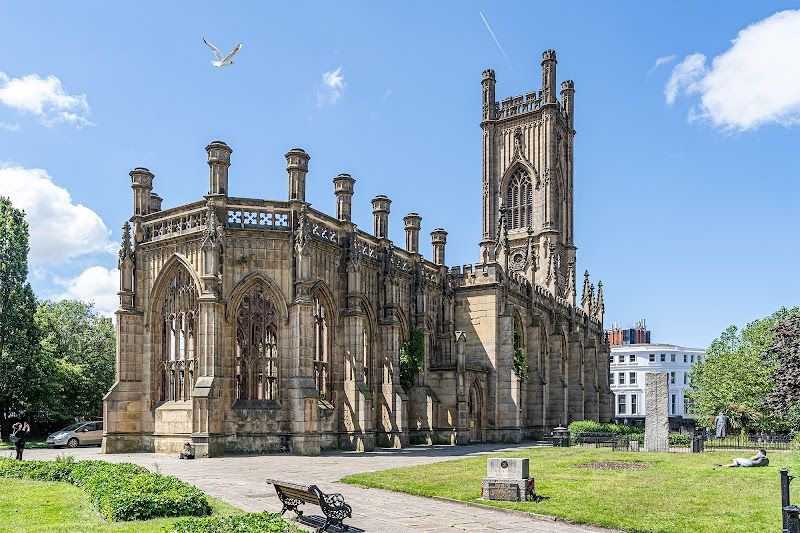
Bombed Out Church
The Bombed Out Church is exactly what it sounds like: the skeletal remains of St Luke's Church, left roofless and gutted after German bombing in 1941. You'll walk through Gothic Revival arches that now frame open sky instead of vaulted ceilings, with wildflowers growing where pews once stood. It's free to enter and explore, functioning as both war memorial and surprisingly active community space that hosts everything from vintage markets to live gigs. Walking through feels oddly peaceful despite the violent history. The stone walls still bear scorch marks from the fires, and you can see where the roof structure once attached. Birds nest in the upper reaches of the walls, and depending on when you visit, you might find food stalls set up between the columns or musicians performing where the altar used to be. The contrast between destruction and new life growing within creates an unexpectedly moving atmosphere. Most travel guides make this sound more dramatic than it is, it's really just a quick 15 minute wander unless there's an event on. The weekend markets (usually Saturday) are genuinely good for street food, expect to pay £5 to £8 for portions. Skip it if you're pressed for time and not into history, but if you're already exploring Bold Street, it's worth the two minute detour. The surrounding area has better photo opportunities than inside the ruins themselves.
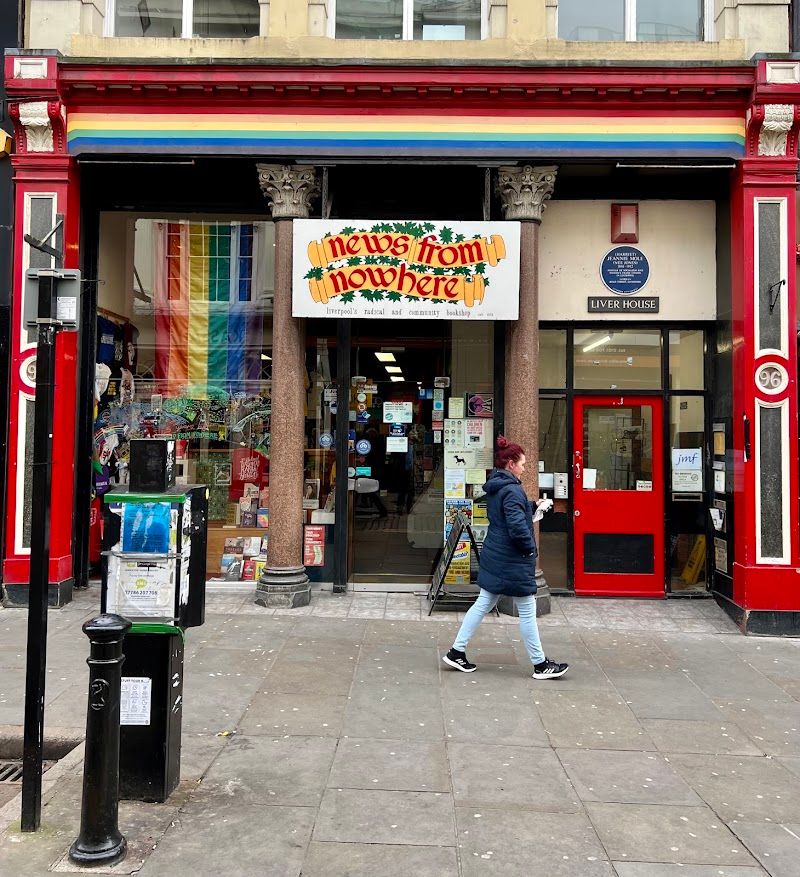
News From Nowhere
News From Nowhere occupies a cramped first-floor space above Bold Street's shops, packed floor to ceiling with radical literature you genuinely won't find anywhere else in Liverpool. This volunteer-run cooperative has been selling feminist theory, queer studies, anti-capitalist manifestos, and anarchist zines since 1974. You'll browse through sections on Palestine solidarity, climate activism, and transgender rights alongside poetry collections from working-class voices. The stock changes based on what the collective believes matters right now. Climbing the narrow stairs feels like entering someone's passionate personal library rather than a commercial bookshop. Volunteers behind the counter are proper activists who'll recommend obscure pamphlets or point you toward local campaign groups. The space buzzes with quiet intensity: people reading on the floor, checking handwritten notices for upcoming protests, or debating politics in hushed tones. Every surface displays flyers for film screenings, solidarity meetings, and community workshops. Most travel guides ignore this place entirely, which keeps it authentic but means you might walk past the unremarkable street entrance. Book prices run £8 to £15 for new titles, with cheaper second-hand options throughout. Don't expect coffee shop vibes or Instagram moments: this is serious political education, not lifestyle browsing. The opening hours can be erratic since volunteers run everything, so check their social media before making a special trip.
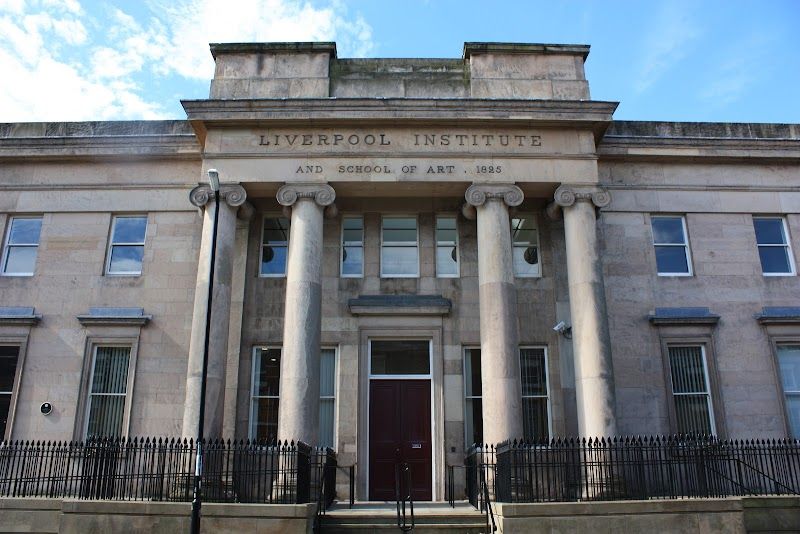
LIPA - Liverpool Institute for Performing Arts
Paul McCartney's former school building, now transformed into a world-renowned performing arts university co-founded by McCartney himself in 1996. The Grade II listed building retains many original features from when both McCartney and George Harrison were students here. While it's an active campus, the exterior and entrance area showcase the building's musical legacy with historical plaques.
Where to Eat
Restaurants and cafes in Bold Street & Georgian Quarter
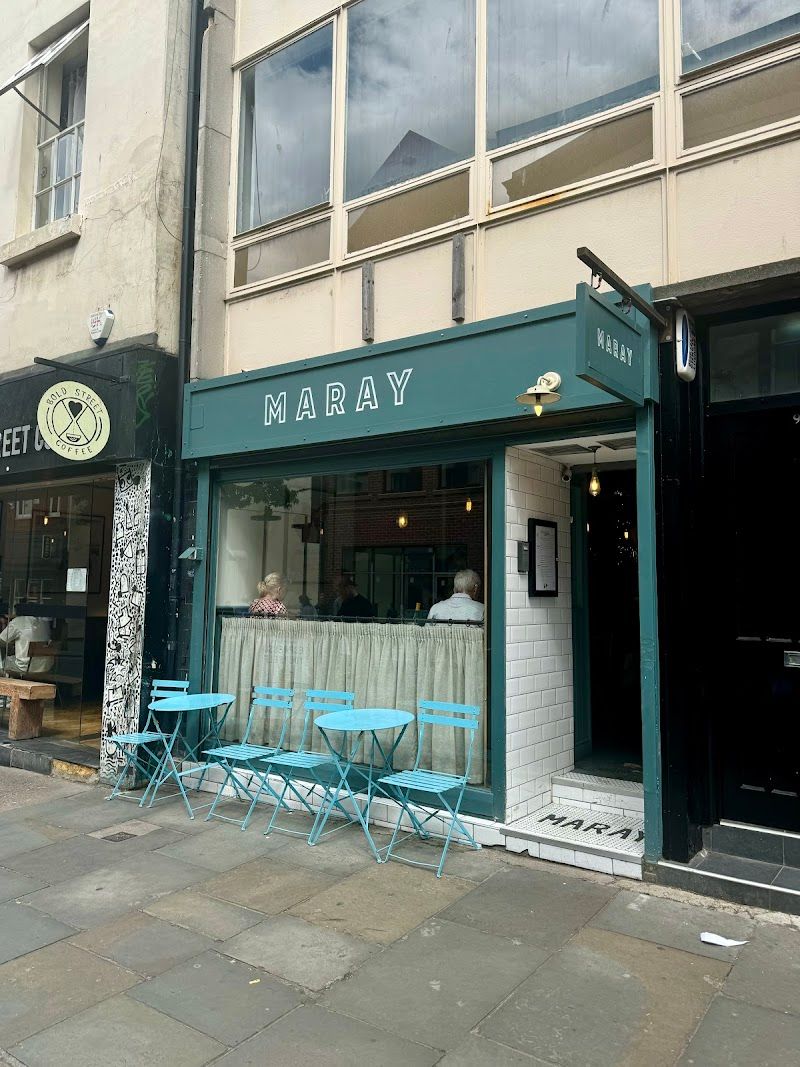
Maray Bold Street
RestaurantMiddle Eastern small plates restaurant serving Lebanese and Palestinian-inspired dishes in a relaxed setting. The cauliflower shawarma and halloumi fries are signature items, with most dishes designed for sharing across the table.
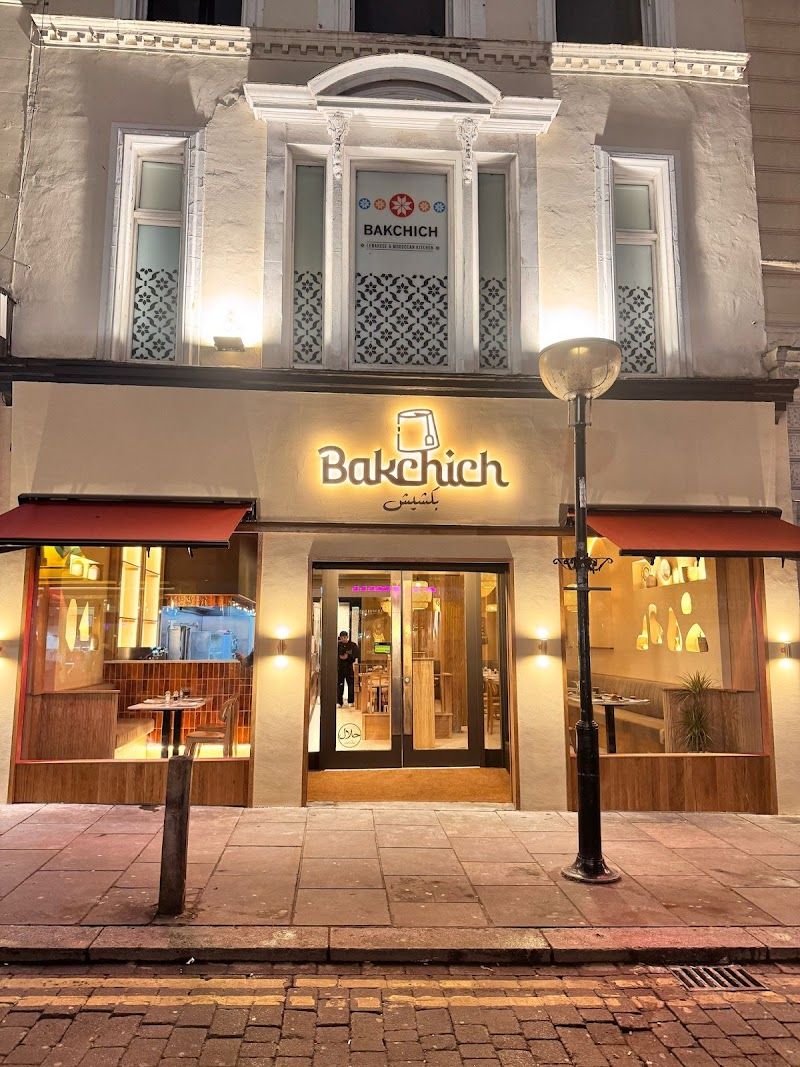
Bakchich
RestaurantLebanese street food restaurant specializing in wraps, mezze platters, and grilled meats served in a contemporary casual setting. The chicken shawarma and falafel wraps are made fresh to order with house-made pickles and sauces.
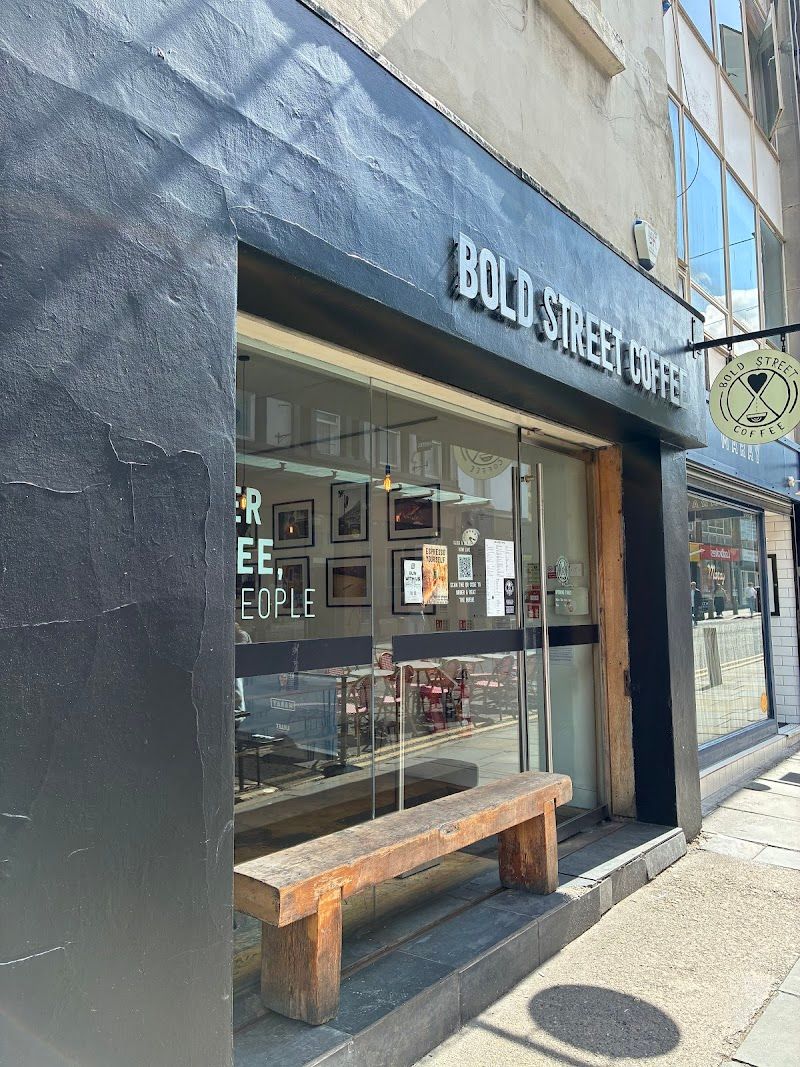
Bold Street Coffee
CafeIndependent coffee shop roasting their own beans on-site with a focus on single-origin espresso and filter options. The space features exposed brick walls and serves pastries from local bakeries alongside their specialty coffee.
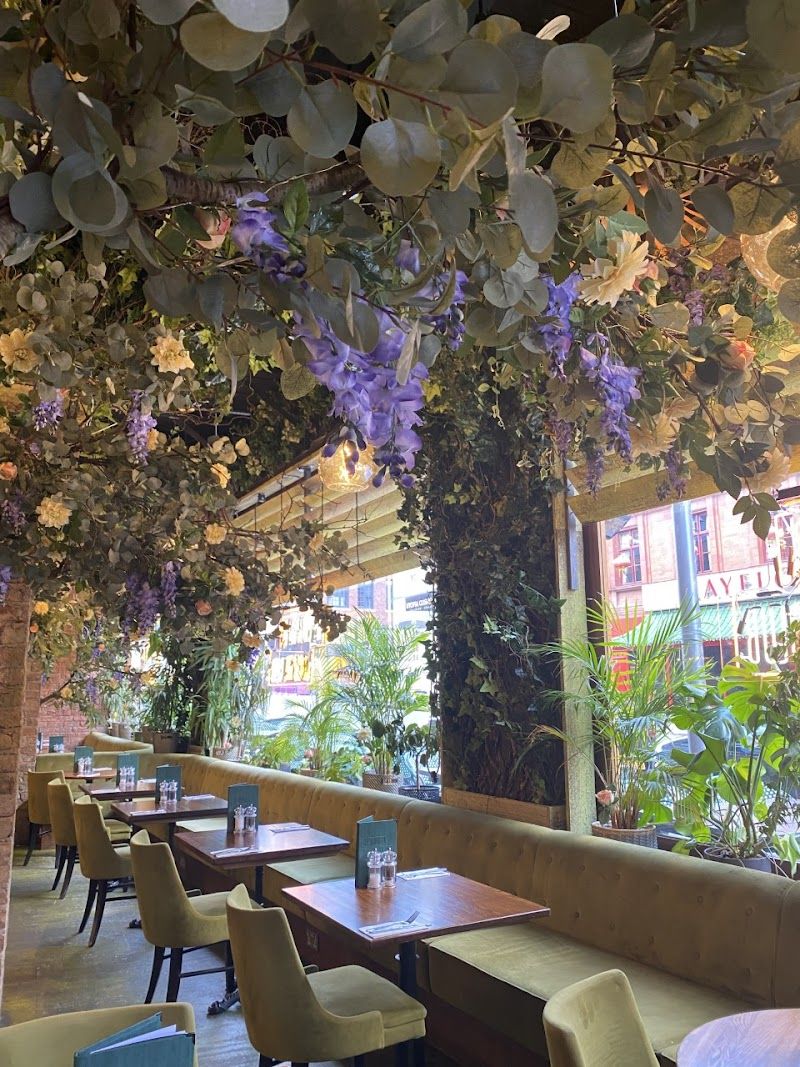
The Brunch Club Liverpool
RestaurantAll-day brunch restaurant serving American-style breakfast dishes, pancakes, and loaded waffles in a casual diner-style environment. Menu includes both sweet and savoury options with vegetarian and vegan alternatives.
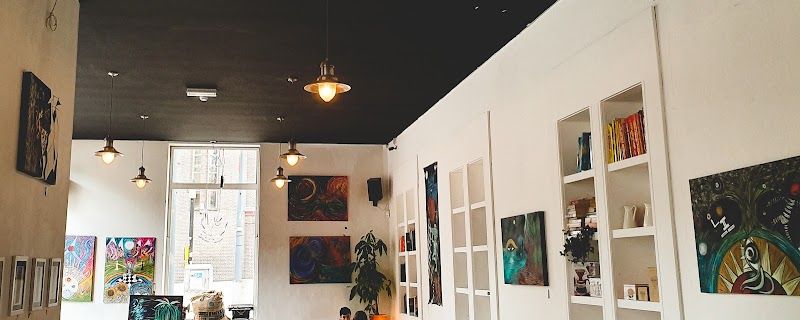
92 Degrees Coffee
CafeSpecialty coffee roastery and cafe focusing on direct-trade beans with detailed tasting notes provided for each brew. The minimal interior puts the focus on the coffee, with pour-over and espresso methods used depending on the bean origin.
Nightlife
Bars and nightlife in Bold Street & Georgian Quarter
Getting Here
On Foot
Bold Street is 10 minutes on foot from Albert Dock (uphill) and 5 minutes from the Cavern Quarter. The Georgian Quarter is flat and walkable.
Insider Tips
Bold Street for lunch
Bold Street is the best lunch option in Liverpool: the concentration of independent places means you can walk the street and choose rather than researching in advance. The busiest section is between Berry Street and the top near Renshaw Street. Arrive before noon on weekdays or after 1:30 PM to avoid the office lunch crowd.
The two cathedrals walk
Hope Street connects the Metropolitan Cathedral at the top (free, the circular modernist one, 15 minutes from Bold Street) to the Anglican Cathedral at the bottom (free, the Gothic one, the largest in Britain by volume). The walk between them is 10 minutes through the Georgian Quarter. Do both in one go: allow 45 minutes each to do them properly.
Bombed Out Church
St Luke's Church on Berry Street, at the junction with Bold Street, was gutted in the 1941 Blitz and left as a roofless memorial. The shell is free to walk through and is used for outdoor food events, markets, and occasional concerts. Check what's on at stlukeschurch.co.uk before visiting.
Nearby Neighborhoods
Continue exploring
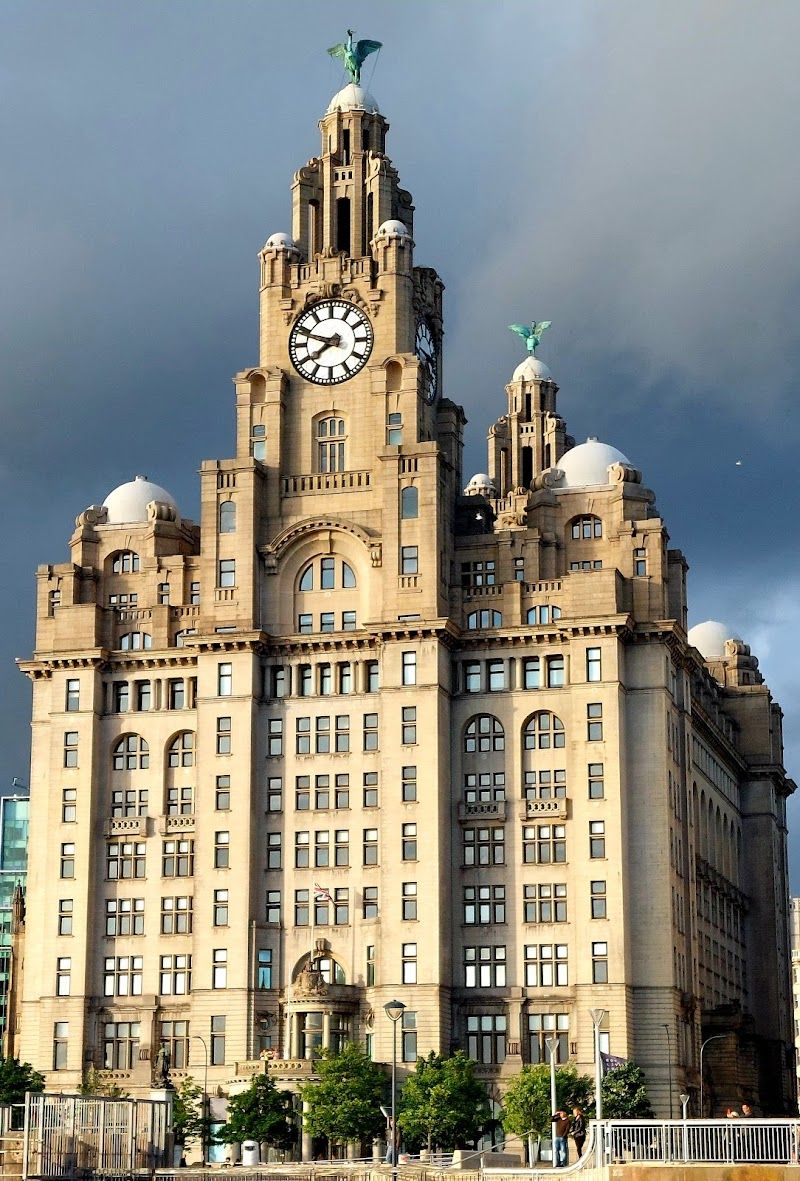
Albert Dock & Waterfront
The UNESCO World Heritage docklands regenerated into Liverpool's cultural and tourist centre: Tate Liverpool, the Beatles Story, the Three Graces, and the Mersey waterfront.
Cavern Quarter & City Centre
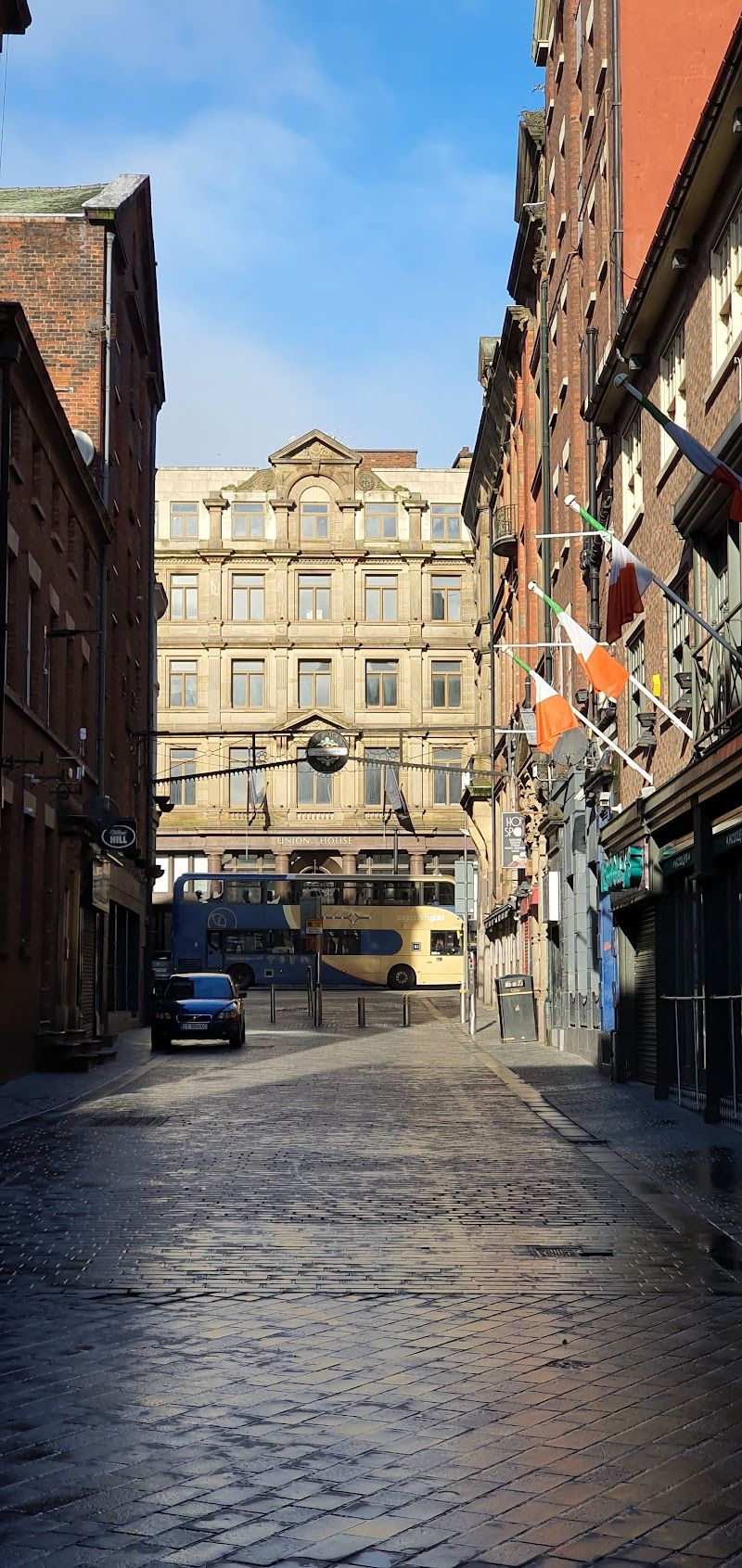
The music heritage heart of Liverpool: the Cavern Club, Mathew Street's live music strip, the William Brown Street museum quarter, and the city's retail and civic centre.
Baltic Triangle
Liverpool's creative and food district in converted warehouses south of the city centre: the Baltic Market, craft breweries, independent galleries, and Camp and Furnace events.
Plan a trip featuring Bold Street & Georgian Quarter
Get a personalized Liverpool itinerary with Bold Street & Georgian Quarter built in.
Start Planning