London
Bloomsbury & King's Cross
Intellectual, literary, regenerated
About Bloomsbury & King's Cross
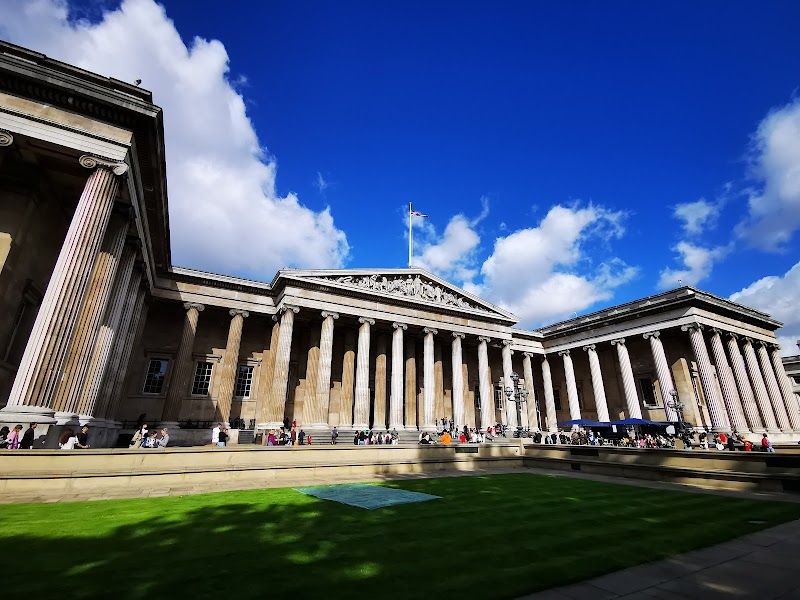
Bloomsbury is London's thinking neighborhood - built around the British Museum, dotted with university buildings, and still full of the independent bookshops that made the Bloomsbury Group famous. The British Museum itself holds 8 million objects, spans 2 million years, and costs nothing to enter.
Don't try to see the whole museum. Pick the Rosetta Stone, the Parthenon Marbles, and the Egyptian mummies - that's 90 minutes and covers the highlights. Friday evenings until 8:30 PM are the least crowded time to visit. Afterwards, walk to the London Review Bookshop on Bury Place for the kind of browsing that turns into two hours, or grab a pint at the Museum Tavern where Karl Marx used to drink after his research sessions.
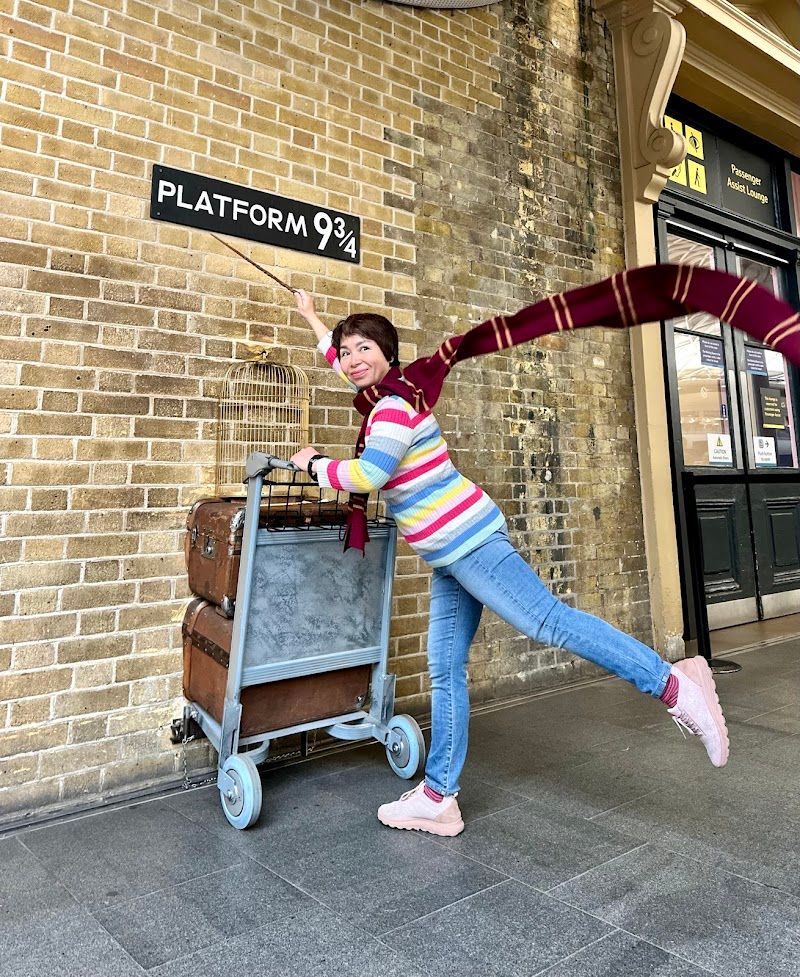
King's Cross, ten minutes north, went from sketchy to spectacular in a single decade. Granary Square's fountains entertain kids while parents drink coffee. Coal Drops Yard - built in Victorian coal-handling sheds - has the shopping. Platform 9 3/4 draws Harry Potter fans (early morning skip the 45-minute queue). Dishoom's bacon naan roll at the King's Cross branch has a cult following for good reason - arrive before 10 AM or join the wait.
Things to Do
Top experiences in Bloomsbury & King's Cross
The British Museum Tours
The British Museum's guided tours transform what could be an overwhelming maze of 8 million artifacts into focused storytelling sessions. The highlight tours-Egyptian Death and Afterlife, Ancient Greece, and Assyrian Lion Hunt reliefs-are led by archaeologists and art historians who've spent years studying these specific collections. You'll stand inches from the Rosetta Stone while learning how Champollion cracked hieroglyphics, not just read the wall placard. Expect groups of 15-20 people moving through carefully planned routes that avoid the worst crowds. The Egyptian tour spends serious time in Room 63's mummy cases, explaining CT scan findings and burial practices. Greek tours linger at the Parthenon sculptures in Room 18, addressing the repatriation debate head-on. Tours feel like university seminars-intellectually rigorous but accessible, with guides fielding detailed questions. Skip the general highlights tour unless you're genuinely new to museums. The themed tours dive deeper and attract fewer tourists with short attention spans. Book the 2pm slots when school groups have cleared out. The Lewis Chessmen and Sutton Hoo tours are underrated-smaller groups, better access to cases, and guides who aren't repeating the same Egyptian facts for the thousandth time.
Lamb's Conduit Street
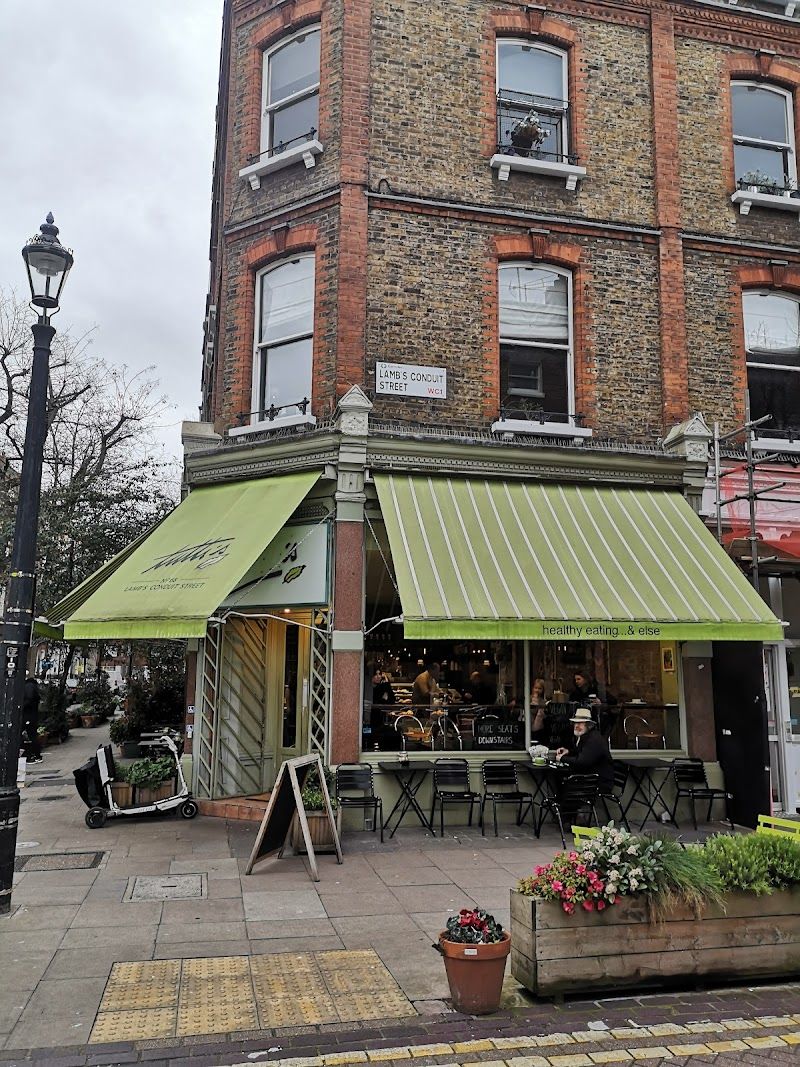
Georgian street named after William Lamb who built a conduit bringing fresh water to the area in 1577. Now lined with independent fashion boutiques, traditional pubs like The Lamb with original Victorian snob screens, and the Persephone Books shop selling forgotten female authors. The street maintains a neighborhood feel despite Bloomsbury's central location.
Coal Drops Yard
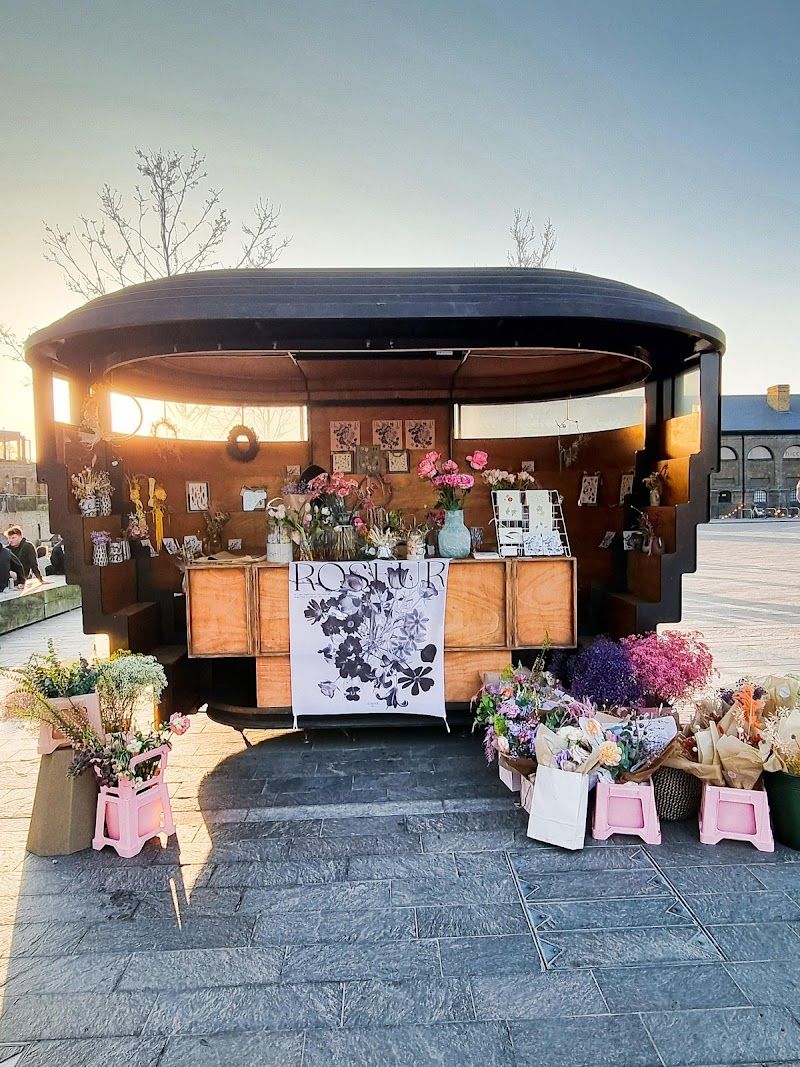
Coal Drops Yard is Thomas Heatherwick's clever rework of two Victorian railway buildings, where the architect bent the roofs until they kiss in the middle, creating London's most photogenic shopping canopy. You'll find 50+ shops spanning independent fashion brands, design studios, and restaurants spread across the ground floor arches and upper galleries. The £2 billion King's Cross redevelopment's retail centerpiece sits right on Regent's Canal, so you can combine serious shopping with waterside dining. The whole place feels like stepping into an architectural Instagram post - those curved roofs create dramatic shadows and sightlines you'll want to photograph from every angle. You'll wander between the parallel buildings through connecting bridges, with canal boats drifting past the floor-to-ceiling windows. The mix works well: COS and & Other Stories anchor the fashion offering while smaller independents fill the Victorian arches. The restaurants spill onto canal-side terraces where you can watch narrowboats navigate the locks. Most travel writers oversell this as revolutionary retail - it's basically a very pretty shopping center with £25 main courses and £150 jumpers. The architecture delivers, but many shops you'll find elsewhere in London for less money. Focus your time on the independents like Present & Correct for stationery or Cubitts for glasses, skip the obvious chains, and budget £15-20 for canal-side coffee and pastry. The whole experience takes 2-3 hours if you're actually shopping rather than just gawping at the roof.
The Postal Museum
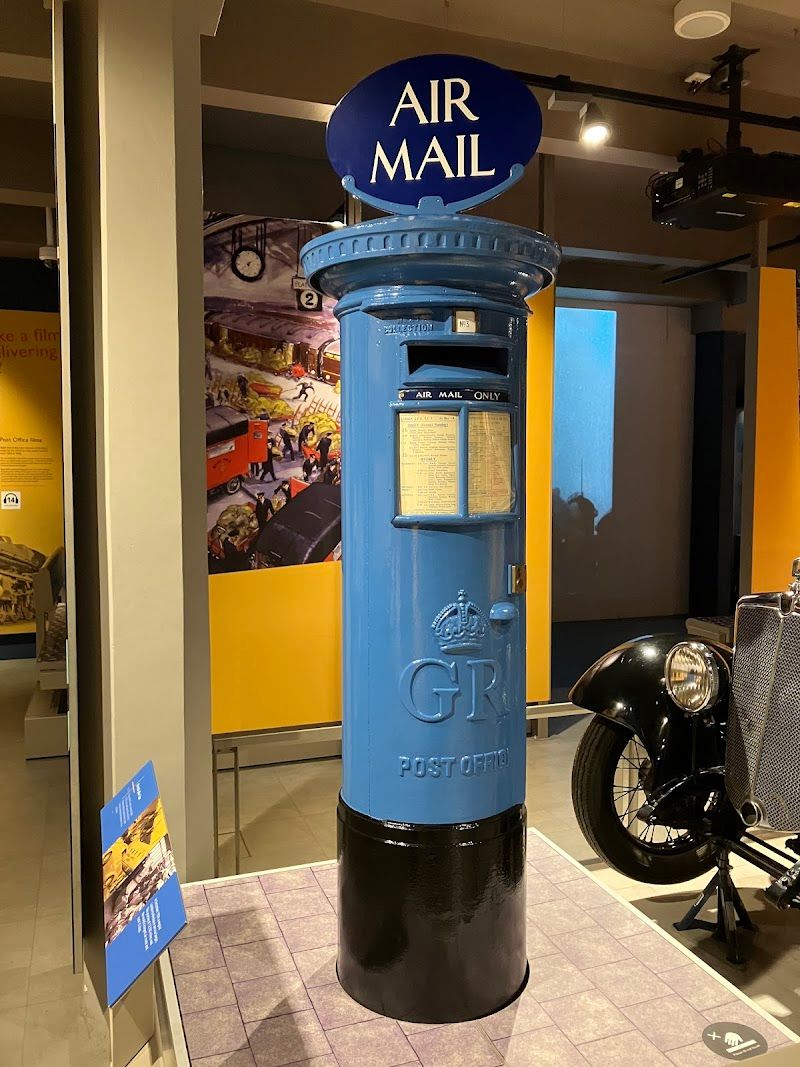
The Postal Museum tells Britain's 500-year postal story through everything from medieval letter delivery to modern parcel sorting, but the real draw is Mail Rail - a 15-minute ride through the actual underground railway that carried London's mail from 1927 to 2003. You'll sit in purpose-built carriages that glide through narrow Victorian tunnels, past original platforms and sorting stations frozen exactly as postal workers left them. The museum upstairs covers Penny Black stamps, wartime postal services, and those red postboxes you see everywhere - it's surprisingly engaging even if you've never thought twice about how your letters get delivered. The Mail Rail experience feels like stepping into a secret London most people never knew existed. The tunnels are genuinely atmospheric - dimly lit brick archways with authentic railway signals and abandoned mail bags still scattered about. Upstairs, the museum flows chronologically through British postal history with interactive sorting games, vintage uniforms, and a recreation of a 1930s post office counter. The whole place has that satisfying blend of nostalgia and clever engineering that makes you appreciate something you'd normally take for granted. Most visitors rush straight to Mail Rail and barely glance at the museum proper, which is a mistake - the upstairs exhibits are genuinely well done and provide context that makes the underground ride more meaningful. Adult tickets cost £17, which feels steep for what's essentially a 15-minute train ride plus a small museum, but the novelty factor justifies it if you're curious about London's infrastructure. Skip the gift shop unless you're genuinely into postal memorabilia - it's overpriced tourist tat.
Platform 9¾
A luggage trolley permanently embedded in the wall between platforms 9 and 10 marks the fictional entrance to the Hogwarts Express from Harry Potter. A photographer is on hand daily to capture your shot with provided House scarves, and the adjacent shop sells official merchandise. The queue moves quickly outside peak times.
The Foundling Museum
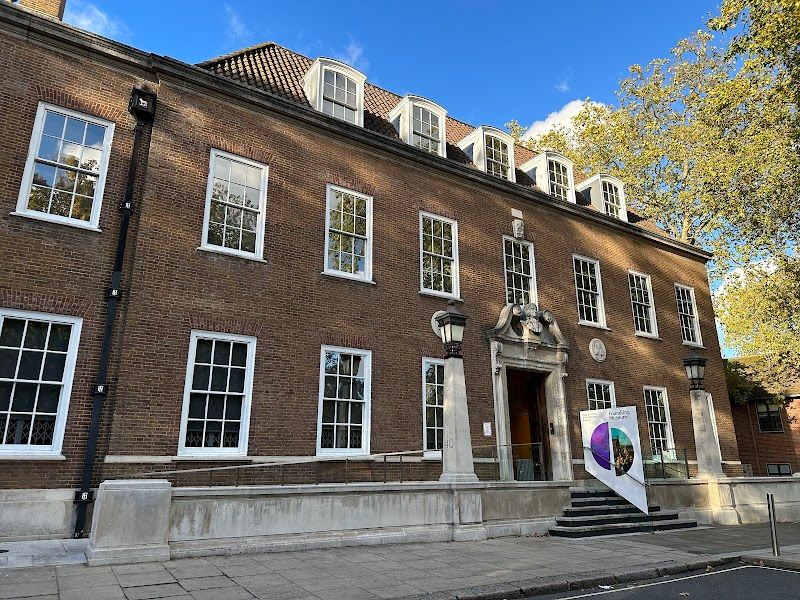
This museum tells the story of the Foundling Hospital, Britain's first home for abandoned children, established in 1739. Tokens left by mothers hoping to reclaim their children are displayed alongside Handel's manuscripts and Hogarth paintings donated to support the charity. The intimate galleries occupy the original hospital buildings with period rooms restored.
Where to Eat
Restaurants and cafes in Bloomsbury & King's Cross
Dishoom King's Cross
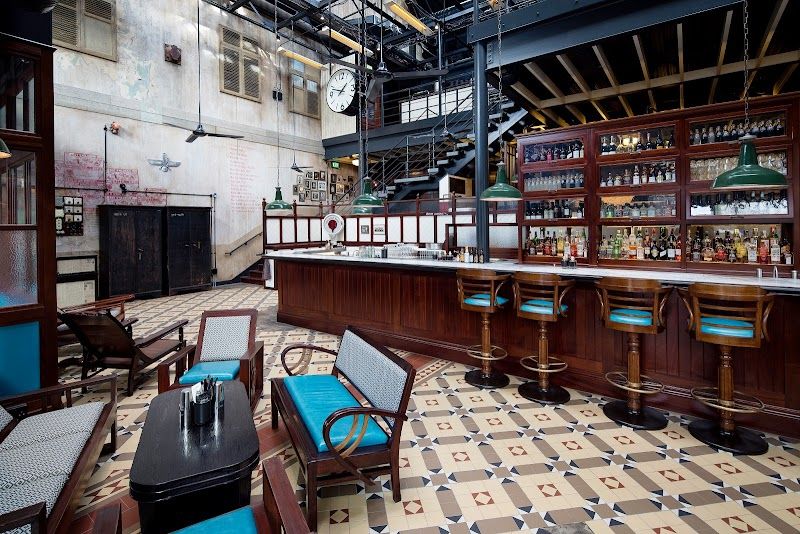
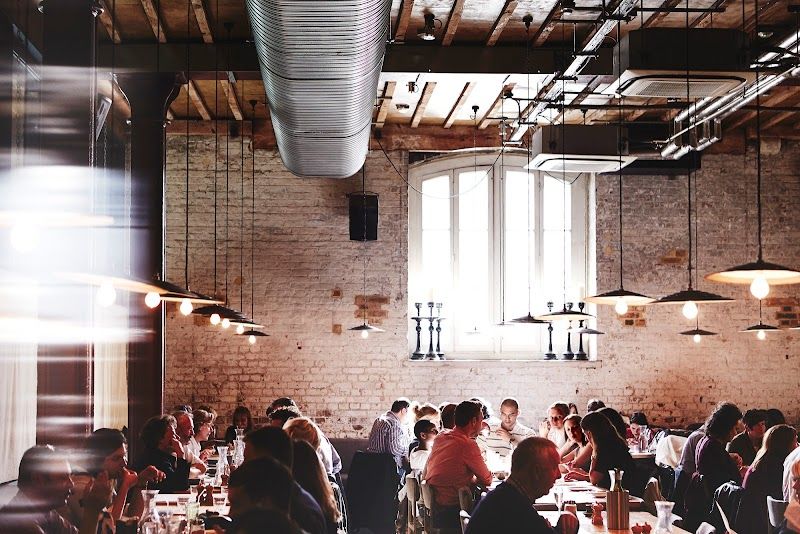
RestaurantBombay-style café in a former Victorian transit shed serving breakfast through dinner. The bacon naan roll at breakfast and black daal are institution-level dishes. The space features original industrial architecture with booth seating.
Caravan King's Cross
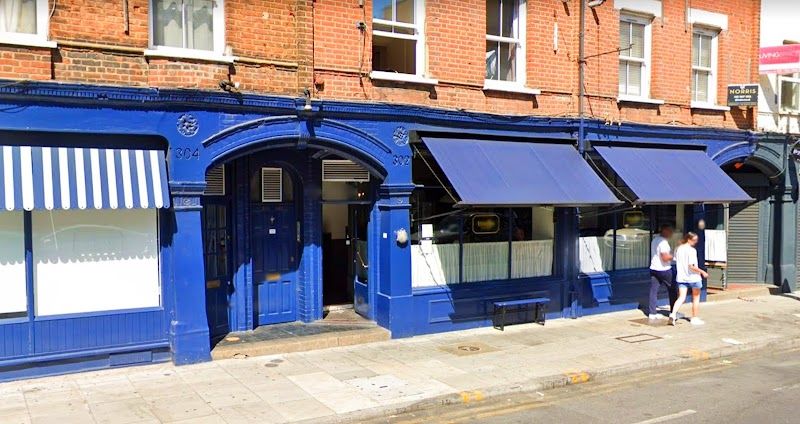
RestaurantAll-day restaurant in Granary Square with global small plates and specialty coffee. The weekend brunch draws crowds for shakshuka, pancakes, and avocado toast. The outdoor seating overlooks the fountain.
Trullo
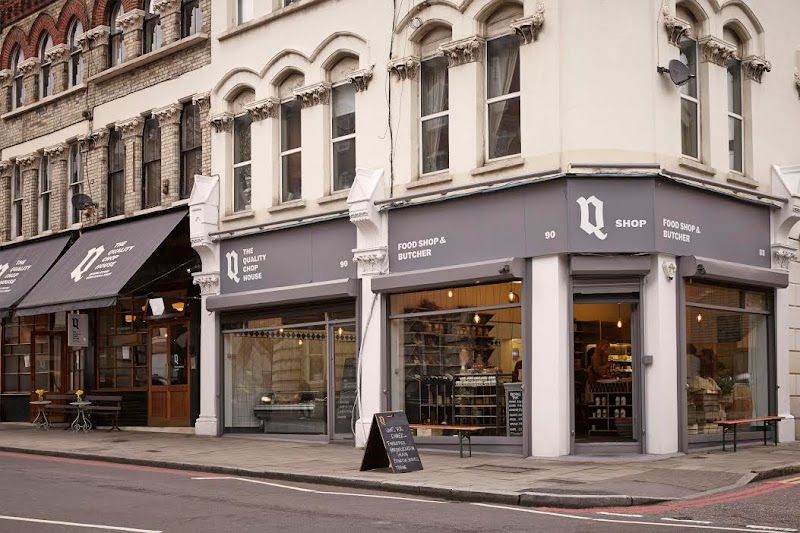
RestaurantItalian restaurant in Highbury specializing in handmade pasta and wood-grilled meats. The regional Italian wine list is carefully curated. The beef shin ragu and pappardelle is a signature dish.
Quality Chop House
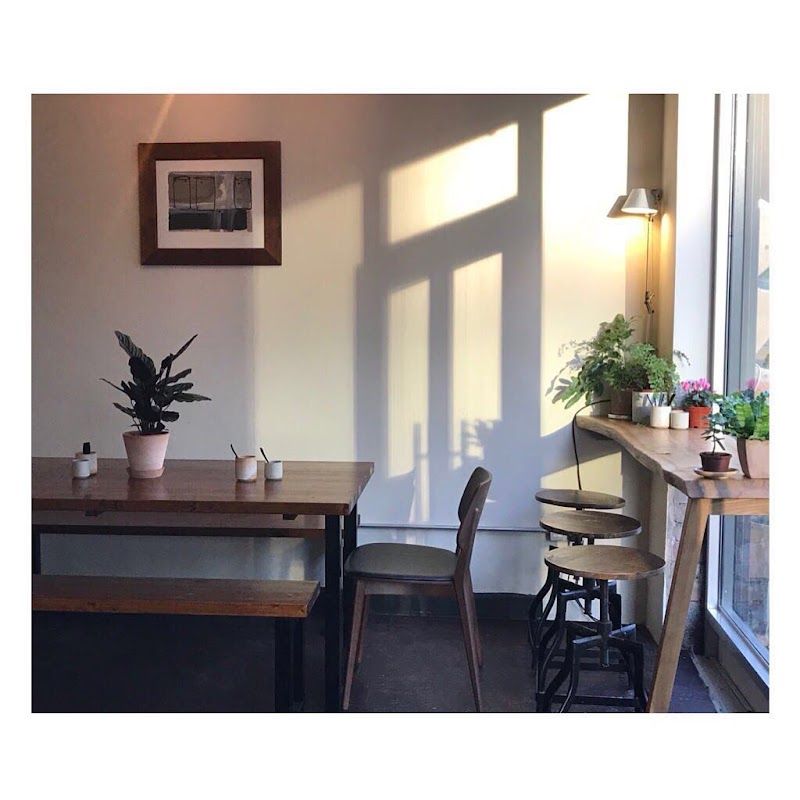
RestaurantHistoric Victorian working-class dining room serving British food and exceptional wine. The original wooden booths from 1869 remain. The confit potatoes and steak are menu fixtures.
Pophams Bakery Islington
RestaurantBakery cafe specializing in laminated pastries with creative fillings that change seasonally. The bacon and maple syrup croissant is a cult item. All pastries are baked on-site daily.
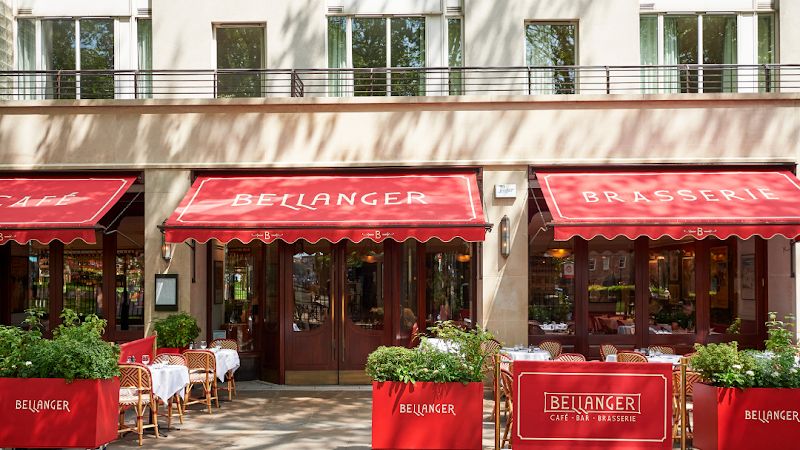
Bellanger
RestaurantAll-day Alsatian brasserie in Islington with breakfast through dinner service. The tarte flambée, choucroute, and schnitzel reflect the French-German border cuisine. Weekend brunch draws neighborhood crowds.
Getting Here
Metro Stations
On Foot
Very walkable - Bloomsbury squares make for pleasant strolling
Insider Tips
British Museum
Weekday mornings before 11 AM are quietest. Pick 2-3 galleries rather than trying to see everything. Friday late openings until 8:30 PM are excellent and uncrowded.
Platform 9 3/4
The photo-op queue is managed by the Harry Potter Shop. Go early morning or late evening to skip the 30+ minute wait. The shop itself is free to browse.
Granary Square
The dancing fountains are great for kids in summer. Coal Drops Yard has upscale shopping. Dishoom (Indian) and Barrafina (Spanish) in the area are worth booking ahead.
Nearby Neighborhoods
Continue exploring


Related Articles
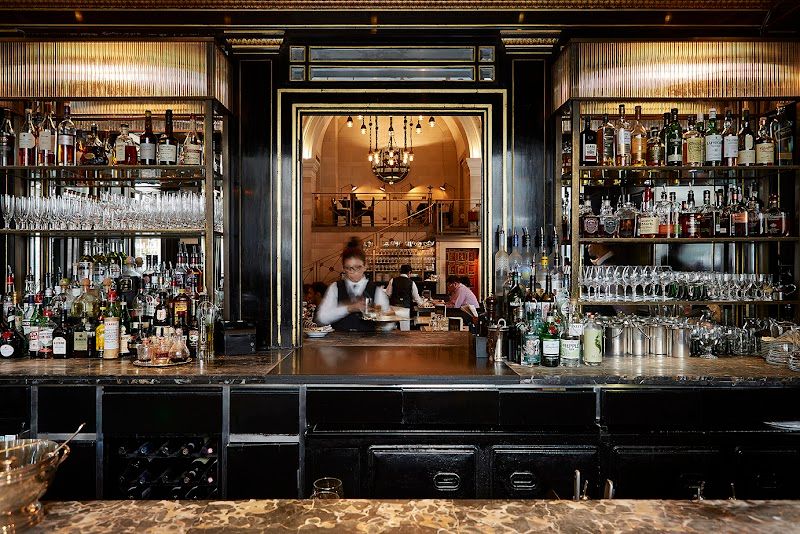
Best Food Places in London: Where Locals Actually Eat
From Brick Lane curry houses to Borough Market stalls, here's where locals actually eat in London - plus the tourist spots that are genuinely worth your money.
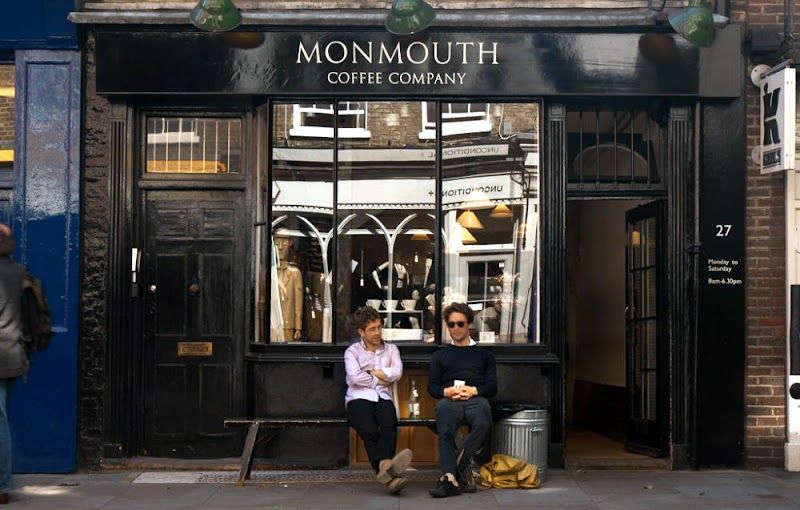
London's Best Food Markets: Where to Eat Like a Local
Skip the tourist traps and eat where Londoners actually go. Our guide covers Borough Market, Camden, Brick Lane, and more - with specific stalls, prices, and insider tips.
Plan a trip featuring Bloomsbury & King's Cross
Get a personalized London itinerary with Bloomsbury & King's Cross built in.
Start Planning