
London
South Bank & Bankside
Cultural, scenic, buzzing
About South Bank & Bankside
The South Bank is a two-mile stretch where you can visit a world-class art museum, eat your way through a thousand-year-old market, and watch the entire London skyline light up at dusk - all without crossing a road.
Start at Tate Modern, which is free and housed in a former power station. Skip the ground-floor crowds and go straight to the 10th-floor viewing platform for the best free panorama in London - St Paul's framed perfectly through the glass. Borough Market is the food highlight: show up hungry Thursday or Friday to dodge Saturday's 100,000 visitors. Kappacasein's raclette (8 pounds), Bread Ahead doughnuts (4 pounds), and a dozen oysters from Richard Haward's stall (12 pounds) make a better lunch than most restaurants.
The Thames Path connects everything. Walk from Westminster Bridge to Tower Bridge and you'll pass the London Eye, National Theatre, Shakespeare's Globe, and the Millennium Bridge without needing a map. Budget 2-3 hours for the walk with stops, or 45 minutes if you're just passing through.
Things to Do
Top experiences in South Bank & Bankside
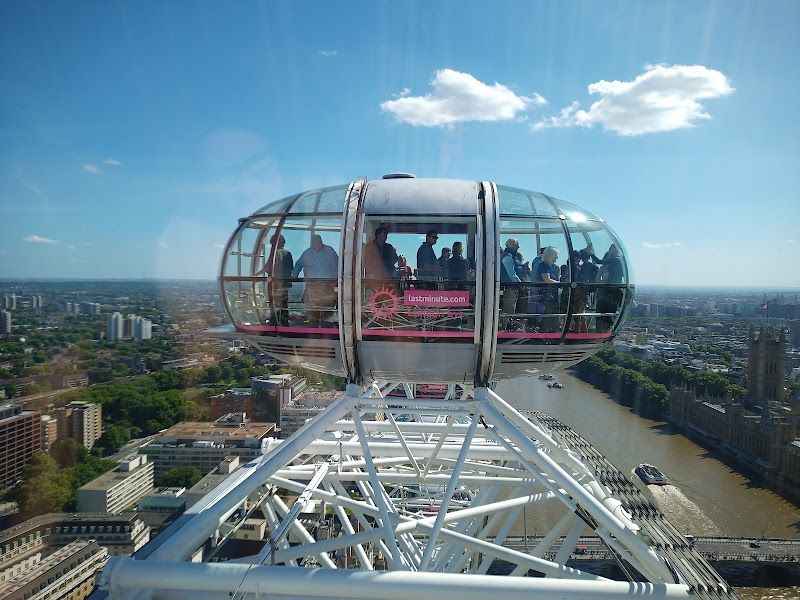
Coca-Cola London Eye
The London Eye gives you London's best 360-degree views from 135 meters up, with sightlines stretching 40 kilometers on clear days. You'll spot Big Ben directly across the Thames, the Shard piercing the southeastern skyline, and Canary Wharf's towers in the distance. The glass capsules are spacious enough that 25 people don't feel cramped, and the wheel moves so slowly you barely notice the motion. The 30-minute rotation feels perfectly timed - long enough to photograph every angle without getting bored. The capsules are fully enclosed and climate-controlled, so weather rarely ruins the experience. Staff efficiently load passengers while the wheel keeps moving, creating a smooth flow without the stop-start of traditional ferris wheels. Honestly, it's touristy and expensive, but the views genuinely deliver. The real trick is timing - summer afternoons create hazy conditions and massive crowds. Winter mornings offer crystal-clear visibility with half the people. Skip the champagne experience unless you're celebrating something special; the standard ride gives you the same views for much less money.
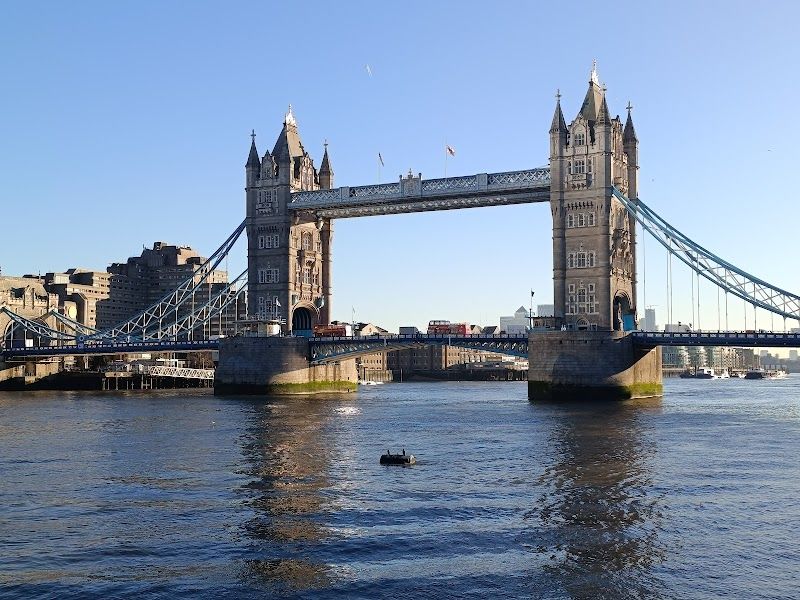
Tower Bridge
Tower Bridge isn't just a river crossing-it's a working piece of Victorian machinery that still operates exactly as designed in 1894. The bascules lift about 800 times per year, and when they do, you're watching the same counterweight system that's been raising this bridge for 130 years. The glass floor walkways, added in 2014, give you a direct view down to the Thames 42 meters below, while the original Victorian Engine Rooms house the massive steam engines that powered the bridge until 1976. Your visit starts in the North Tower with a brief exhibition before climbing to the high-level walkways that connect both towers. The glass panels are genuinely thrilling-much more so than similar attractions elsewhere. The engine rooms, accessed separately, showcase the original coal-fired boilers and steam engines with detailed explanations of the lifting mechanism. Staff are knowledgeable about the engineering and often share stories about famous bridge lifts. The £12 adult ticket is steep for what amounts to great views and some industrial history. Skip the exhibition upstairs-it's mostly generic London content. The real value is the glass floor experience and the engine rooms, which most people rush through but contain the most fascinating technical details. Go early to avoid school groups, and don't bother with the photo opportunities-they're overpriced tourist traps.
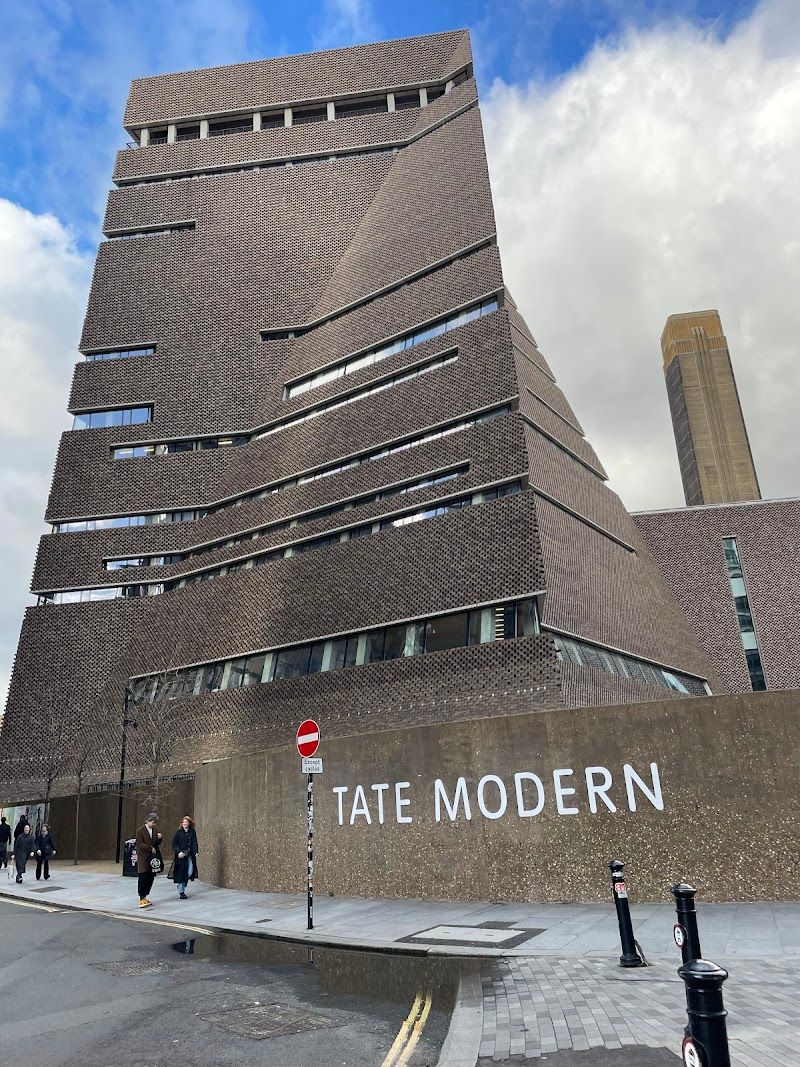
Tate Modern
This converted power station houses one of the world's largest modern art collections, with Picasso, Matisse, and Rothko sharing space with video installations and conceptual pieces. The massive Turbine Hall - five stories tall and football-field long - showcases rotating large-scale installations that use the industrial space brilliantly. The permanent galleries organize art thematically rather than chronologically, so you'll find Warhol pop art next to contemporary digital work. The building itself is half the experience. You enter through the sloped ramp into the cathedral-like Turbine Hall, then take escalators up through galleries that still feel industrial despite the white walls. The viewing level on floor 10 genuinely delivers - St Paul's sits perfectly framed across the Thames, with the City's skyscrapers stretching east. The space never feels cramped even when busy, thanks to the building's massive scale. Skip the audio guide and just wander - the thematic organization means you'll stumble across unexpected connections between artists. The restaurant is overpriced and average; grab coffee from the level 2 café instead. Most people rush to the view, but the Turbine Hall installation deserves 20 minutes minimum. Evening visits after 6 PM are noticeably quieter, and the Thames views are better with London's lights coming on.
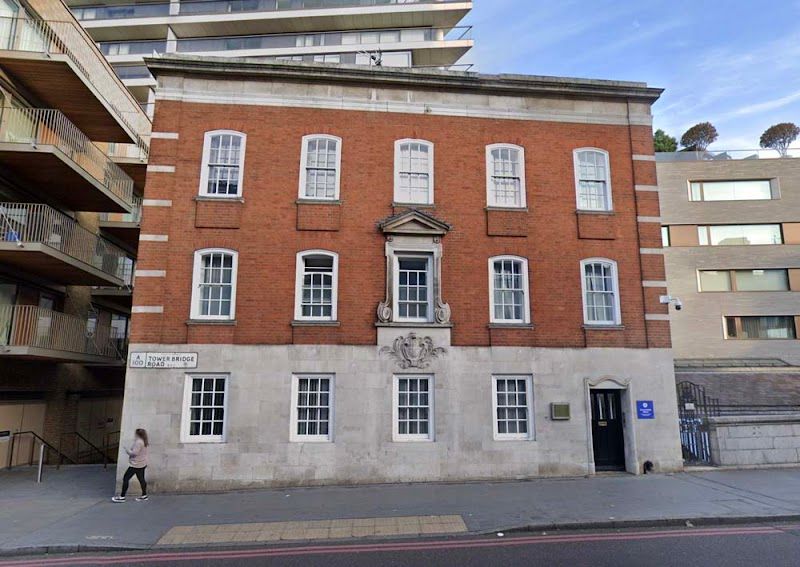
Tower Bridge Experience
Self-guided tour of London's most iconic Victorian bridge, featuring the original steam engines, glass floor walkways 42 meters above the Thames, and exhibitions about the bridge's engineering and construction. Includes views from the high-level walkways connecting both towers.
London Bridge Experience
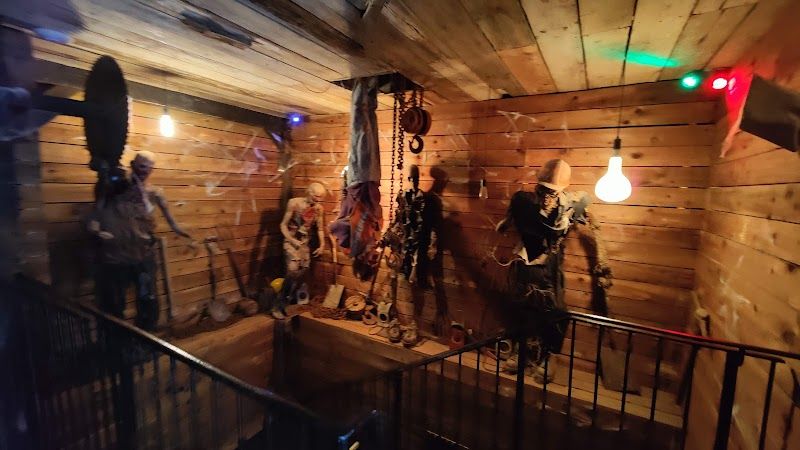
Interactive theatrical tour combining London Bridge's 2,000-year history with a horror attraction set in the medieval vaults beneath the bridge. Actors guide visitors through Roman invasions, Viking attacks, and the Great Fire while jump scares await in the darker sections.
Borough Market Food Tour
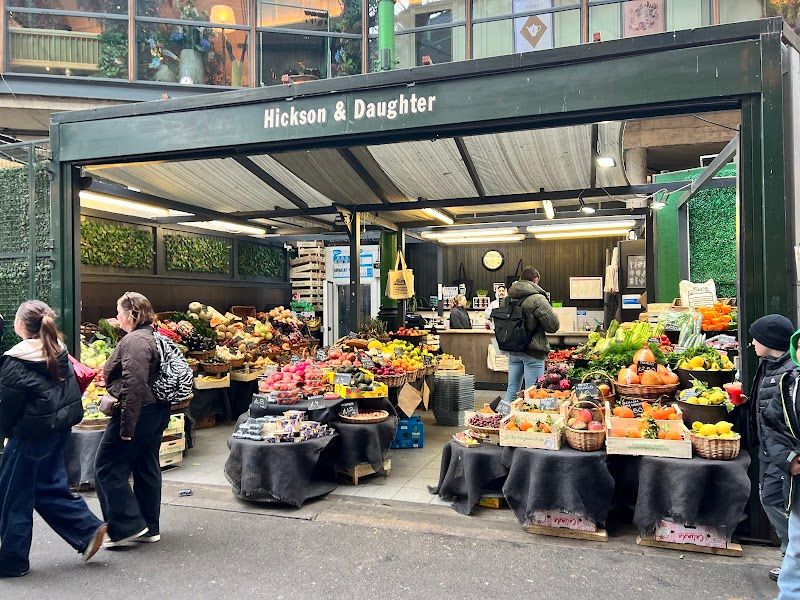
Borough Market's guided tour takes you through eight centuries of London's food history, hitting 12-15 stalls in two hours. You'll taste Neal's Yard aged cheddar, Monmouth Coffee's single origins, and whatever seasonal specialties catch your guide's eye that day. The behind-the-scenes element means you'll chat with third-generation cheesemongers and learn why certain Spanish hams cost £200 per kilo. The tour follows a loose figure-eight through the Victorian iron and glass halls, with your guide calling out vendors by name and steering you past the tourist traps toward stalls that actually matter. You'll pause at Appleton's for their legendary Bramley apple juice, sample fresh pasta at Flour Power City, and finish with something sweet from Paul A Young's chocolate counter. The commentary weaves together food history, London geography, and plenty of gossip about vendor rivalries. Honestly, skip this if you're comfortable exploring markets solo - Borough's compact enough to navigate yourself, and you'll save £40 per person. The tour shines for nervous eaters or anyone who wants curated tastings without the decision fatigue. Your guide handles all purchases, so you're not fumbling with cash at every stall. Just know you'll still be hungry afterward since portions are deliberately small.
Imperial War Museum
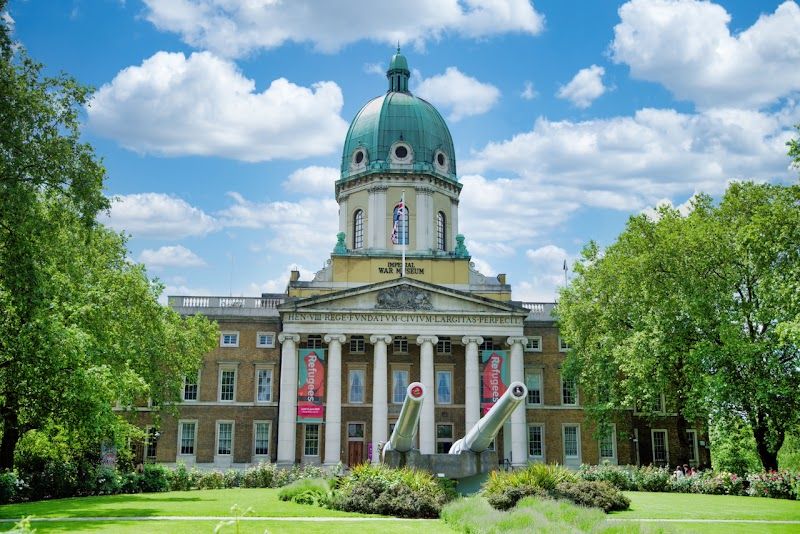
The Imperial War Museum occupies the striking domed building of the former Bedlam asylum, and that architectural history adds weight to its mission of examining war's human cost. The ground floor atrium houses genuine warplanes suspended overhead-including a Spitfire and Harrier jump jet-while tanks and field guns line the floor. The Holocaust exhibition upstairs is genuinely harrowing, using personal testimonies and artifacts in a thoughtfully designed space that never feels exploitative. You'll spend most of your time moving between floors via the central atrium, which creates natural breathing space between intense exhibitions. The First World War galleries recreate trench conditions with unsettling accuracy, complete with mud and the smell of dampness. The contemporary conflict displays on recent wars in Iraq and Afghanistan feel immediate and complex rather than patriotic, examining both military strategy and civilian impact through video testimonies and recovered equipment. This isn't a quick browse-the Holocaust exhibition alone needs 90 minutes if you're reading properly. The café is overpriced and underwhelming, so eat beforehand. Skip the basement Lord Ashcroft Gallery unless you're specifically interested in Victoria Cross medals. The audio guide costs extra but adds crucial context, especially for the newer galleries. Arrive early on weekends; school groups flood in after 11am and the narrow corridors become congested.
SEA LIFE London Aquarium
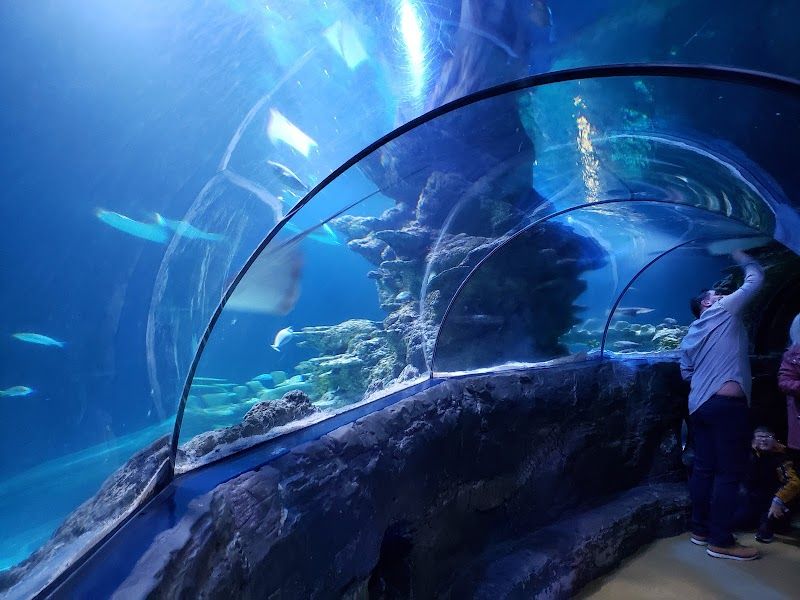
SEA LIFE London occupies the basement of County Hall with 14 themed zones spread across three levels. The Pacific Ocean tank's glass tunnel is genuinely impressive-you'll have green sea turtles and blacktip reef sharks swimming directly overhead while rays glide past at eye level. The penguin colony lives in a refrigerated enclosure that actually feels like stepping into Antarctica, complete with snow machines and temperatures around 5°C. The route is clearly marked but feels cramped during peak times, especially in the tunnel sections where everyone stops to take photos. The jellyfish gallery with its color-changing LED walls is surprisingly mesmerizing, while the touch pools let kids handle starfish and small rays. Most talks happen in the central atrium area, which echoes badly when crowded but offers the best photo opportunities with the overhead tank lighting. It's genuinely entertaining for two hours, though the £30+ adult ticket feels steep for what's essentially a basement aquarium. The shark tunnel delivers on its promise, but skip the overpriced souvenir shop and don't bother with the 4D cinema add-on. Weekday mornings before 11am offer the best experience with smaller crowds and cleaner glass viewing panels.
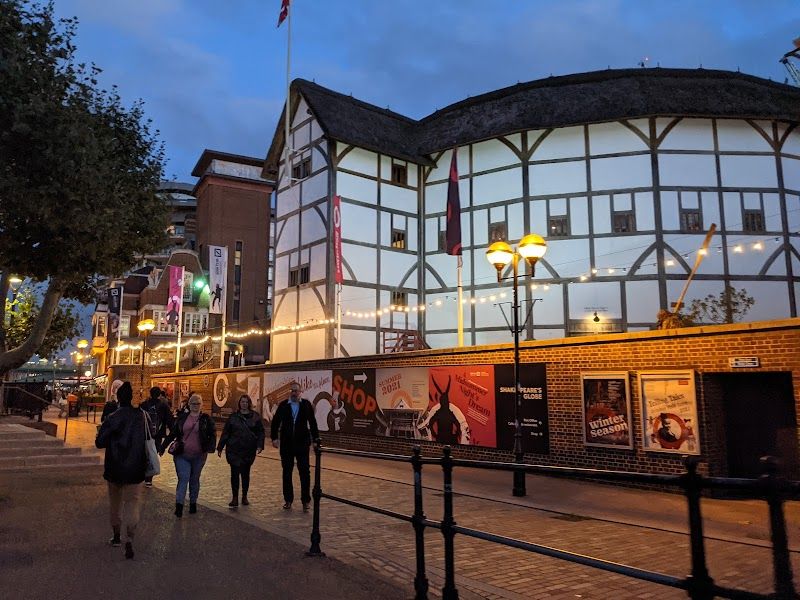
Shakespeare's Globe
Shakespeare's Globe is a painstakingly accurate reconstruction of the 1599 theatre where Shakespeare's plays premiered, built with Tudor techniques using oak, lime plaster, and Norfolk reed thatch. You'll explore three floors of exhibition galleries that show how plays were staged in Shakespeare's time, complete with period costumes you can try on and replica instruments to handle. The highlight is seeing an actual performance in the open-air theatre, where groundlings stand in the pit just as they did 400 years ago. Walking through the exhibition feels like time travel - you'll discover how Elizabethan actors performed all roles including women, how they created sound effects with coconut shells and metal sheets, and what the original Globe smelled like (spoiler: not great). The theatre itself is stunning when empty, with its circular wooden galleries and thrust stage, but truly comes alive during performances when actors interact directly with the standing audience. Rain stops the show since there's no roof over the pit, adding authentic unpredictability. The exhibition costs £17 for adults, but it's genuinely engaging rather than dusty academic displays. Skip the overpriced guided tour (£22) and use the free audio guide instead. If you're not seeing a show, visit on summer afternoons when natural light floods the theatre space. The gift shop is surprisingly good for Shakespeare-related books, though avoid the tourist tat.
Where to Eat
Restaurants and cafes in South Bank & Bankside
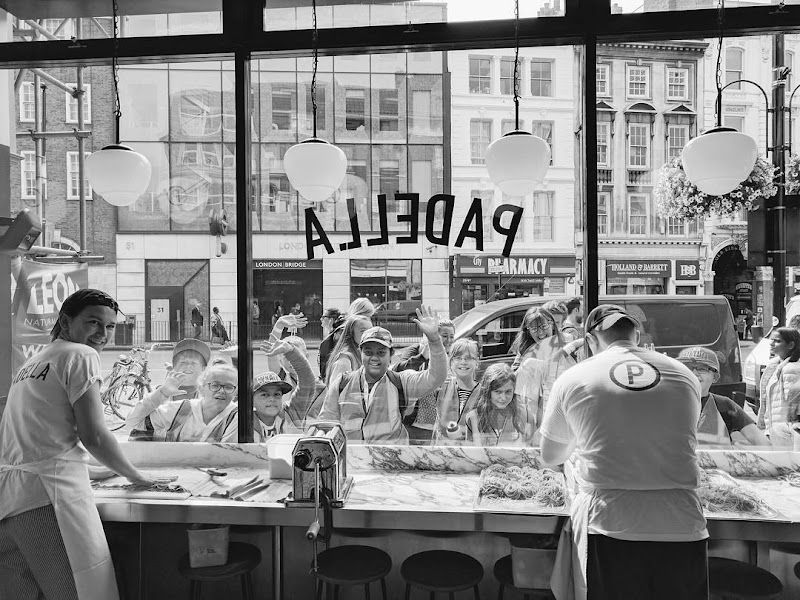
Padella
RestaurantFresh pasta specialist near Borough Market with handmade tagliatelle, pici, and pappardelle prepared throughout the day. The famous pici cacio e pepe and ragú regularly sell out. Queue-only policy keeps prices remarkably low.
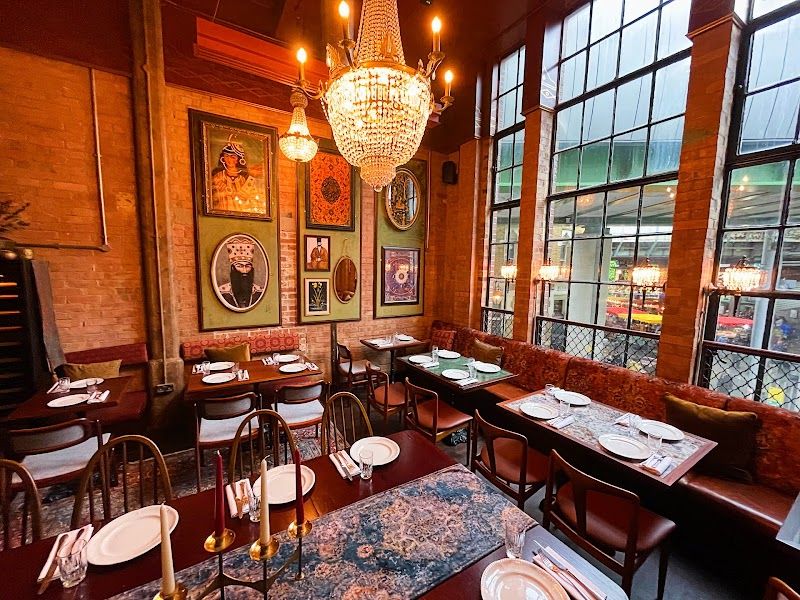
Berenjak Borough
RestaurantIranian kabab house recreating the coal grill restaurants of Tehran. The bread bar serves lavash straight from the clay oven. The chicken and lamb kababs are grilled over charcoal and served with saffron rice.
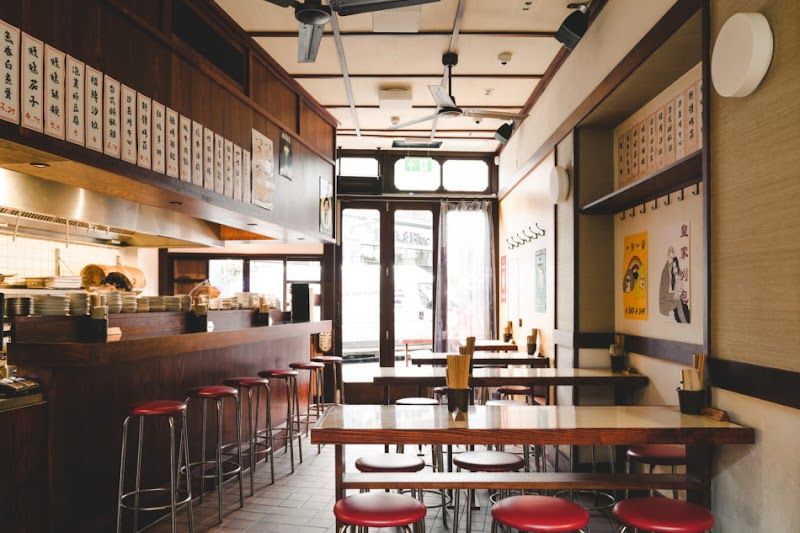
Bao Borough
RestaurantTaiwanese restaurant near Borough Market with full-service dining and reservations available. The xiao chi small plates showcase Taiwan's night market culture. The guinea fowl bao and peanut ice cream sandwich are signatures.
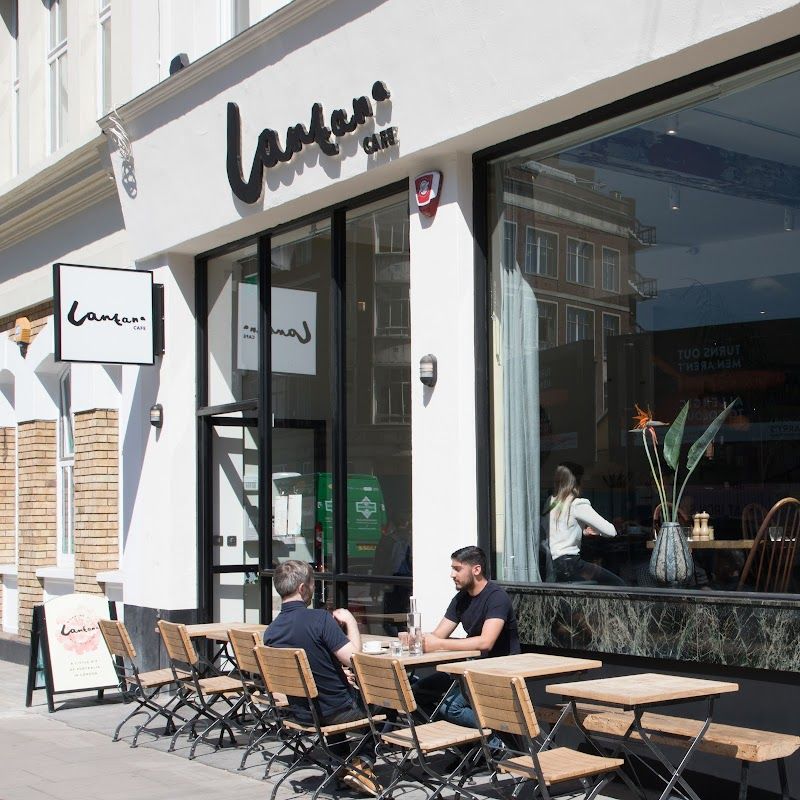
Lantana
CafeAustralian-style café in Fitzrovia credited with bringing antipodean brunch culture to London. Compact space with a focus on fresh, seasonal ingredients and excellent coffee. The corn fritters and avocado toast remain menu staples years after opening.
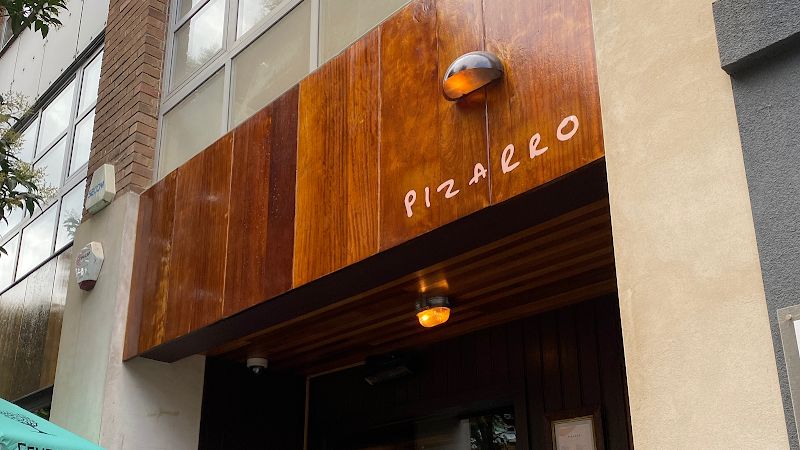
Pizarro
RestaurantSpanish restaurant in Bermondsey from José Pizarro with regional dishes and grilled seafood. The outdoor seating on Bermondsey Street is ideal for weekend lunch. The tortilla and grilled octopus are signatures.
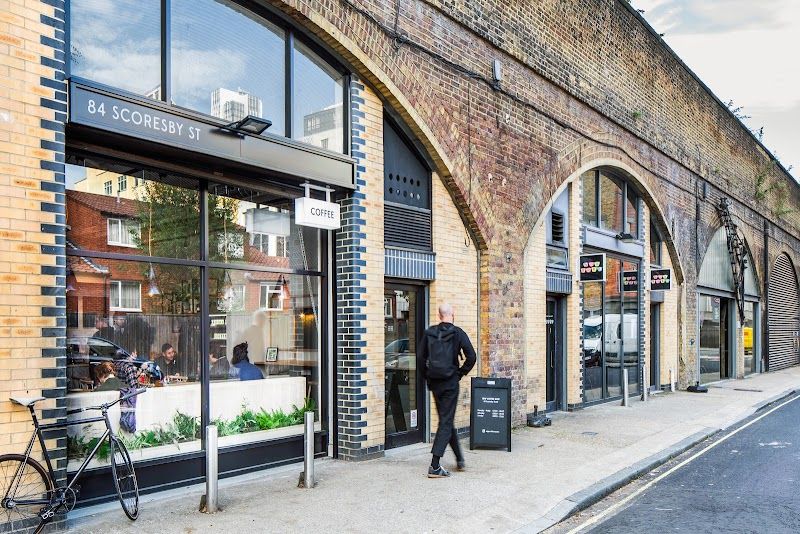
Origin Coffee Roasters
CafeCornwall-based specialty roaster's London outpost in the heart of the City near Bank. Modern space with copper piping and exposed brick serving meticulously sourced single-origin coffees. Friendly baristas happy to discuss the coffee's provenance and brewing methods.
Nightlife
Bars and nightlife in South Bank & Bankside
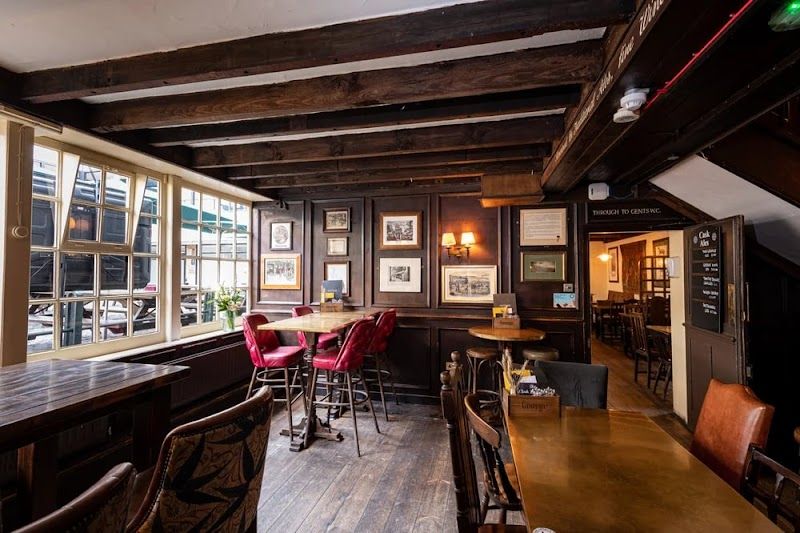
Getting Here
Metro Stations
On Foot
Excellent - the Thames Path connects all major attractions
Insider Tips
Borough Market Timing
Go Thursday or Friday to avoid Saturday crowds. The market is closed Sunday and Monday. Kappacasein raclette and Bread Ahead doughnuts are the essentials.
Free Views
Skip the paid London Eye and head to Tate Modern's free 10th-floor viewing platform for stunning city views with St Paul's framed perfectly.
Thames Path Walk
Walk from Westminster Bridge to Tower Bridge along the South Bank - about 2 miles of amazing views, street performers, and cultural venues.
Nearby Neighborhoods
Continue exploring


Related Articles
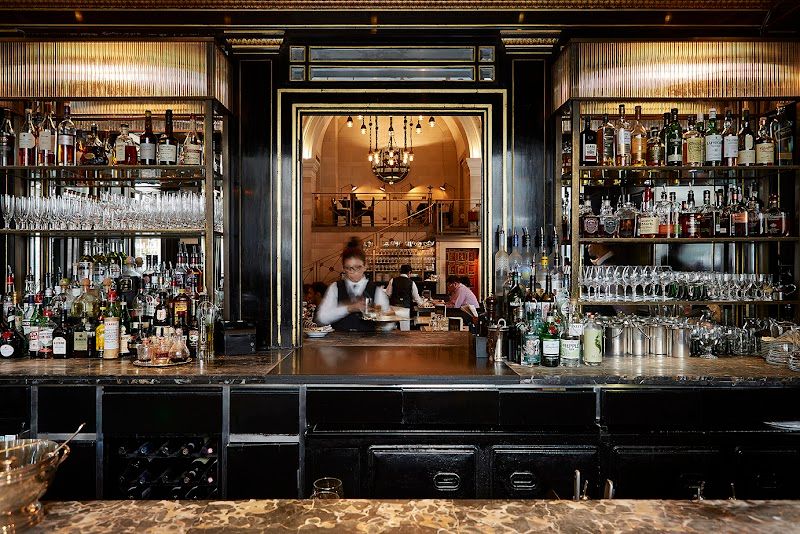
Best Food Places in London: Where Locals Actually Eat
From Brick Lane curry houses to Borough Market stalls, here's where locals actually eat in London - plus the tourist spots that are genuinely worth your money.
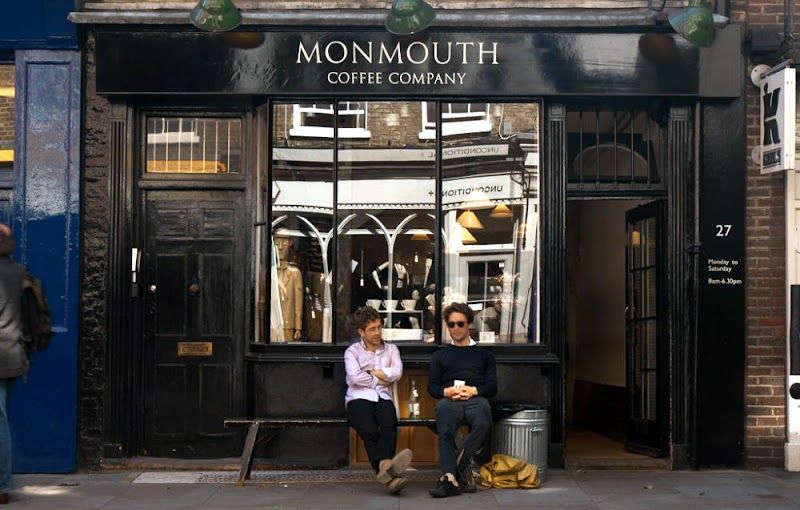
London's Best Food Markets: Where to Eat Like a Local
Skip the tourist traps and eat where Londoners actually go. Our guide covers Borough Market, Camden, Brick Lane, and more - with specific stalls, prices, and insider tips.
Plan a trip featuring South Bank & Bankside
Get a personalized London itinerary with South Bank & Bankside built in.
Start Planning