
London
City of London
Historic, dynamic, contrasting
About City of London
The City of London is the original square mile - where Romans built a wall in AD 200 and medieval merchants built a trading empire on top of it. Now it's a forest of glass towers, but look down and there's a Roman temple under Bloomberg's headquarters and a medieval church wedged between office blocks.
St Paul's Cathedral is the anchor: 25 pounds gets you inside plus the climb to the Whispering Gallery and Golden Gallery, where the 360-degree view is genuinely better than the Shard (and half the price). The Tower of London at the eastern edge costs 33.60 pounds - book timed-entry online and arrive at 9 AM to see the Crown Jewels before the coach tours show up at 10:30.
Here's the trick with the City: it empties on weekends. That suits you perfectly. Saturday and Sunday mean no queues for Sky Garden (free, book online), peaceful walks past hidden Wren churches, and the Barbican Centre practically to yourself. Weekdays bring a different energy - Leadenhall Market's Victorian iron-and-glass arcades buzzing with suited workers grabbing coffee.
Things to Do
Top experiences in City of London
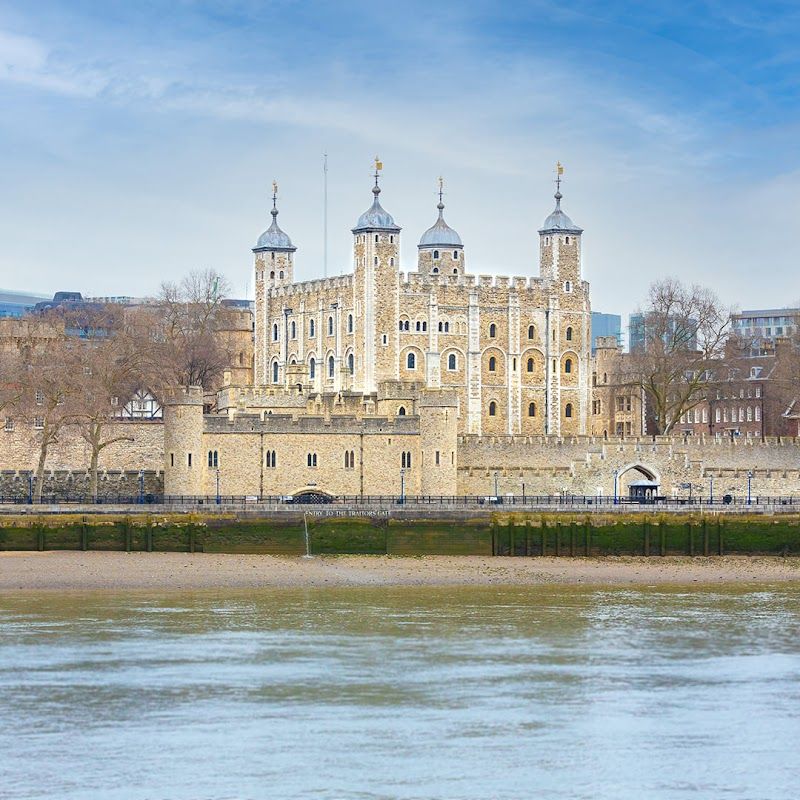
Tower of London
This is Britain's most complete medieval fortress, where you'll walk through 900 years of bloody history while seeing the actual Crown Jewels used at King Charles III's coronation. The Sovereign's Sceptre with the 530-carat Cullinan I diamond genuinely stops you in your tracks, and the moving walkway past the crown collection means you can't dawdle but guarantees everyone gets a proper look. The Yeoman Warders (actual Beefeaters who live on-site) lead the best castle tours anywhere - they're retired military with 22+ years service and tell stories about Anne Boleyn's execution with dark humor that makes history stick. You'll climb the narrow spiral stairs in the Bloody Tower where the princes disappeared, see actual graffiti carved by Tudor prisoners, and meet the six ravens who supposedly protect the kingdom. Skip the audio guide entirely - the Yeoman tours are infinitely better and free. The Medieval Palace gets crowded but has the best preserved royal apartments. The Crown Jewels queue moves faster than it looks, but the gift shop afterwards is a tourist trap with £25 tea towels. Don't rush the Wall Walk - the Thames views are spectacular and often overlooked.
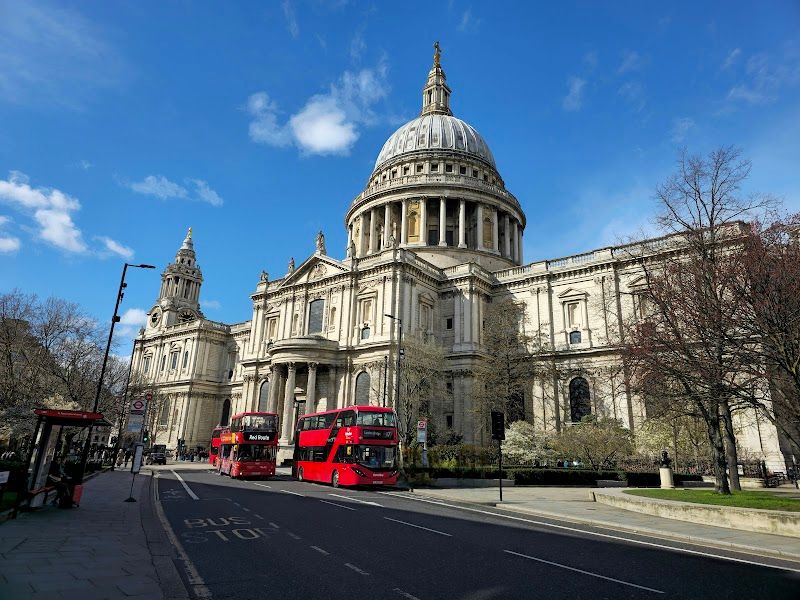
St Paul's Cathedral
Wren's cathedral isn't just architecture-it's a masterclass in baroque engineering where you'll crane your neck at the 365-foot dome painted with scenes from St. Paul's life, walk past Nelson's tomb in the crypt, and discover Churchill's funeral took place right where you're standing. The building survived 29 bombs during WWII, making it genuinely symbolic of London's endurance rather than tourist marketing fluff. The climb happens in three stages: Stone Gallery at 378 steps offers decent views but feels anticlimactic, while the final push to Golden Gallery rewards you with unobstructed 360-degree panoramas where you can spot the Thames snaking east and the London Eye looking toylike to the south. The Whispering Gallery actually works-I've tested it multiple times-but requires patience as crowds make timing tricky. Most visitors rush the crypt, but it's genuinely fascinating with Wellington's massive sarcophagus and fascinating exhibits about the cathedral's construction. Skip the audio guide-the signage is excellent and you'll move at your own pace. Weekday mornings before 10:30am offer the most peaceful experience before tour groups arrive. The dome climb isn't suitable if you're claustrophobic-those final spiral stairs are genuinely narrow and steep.
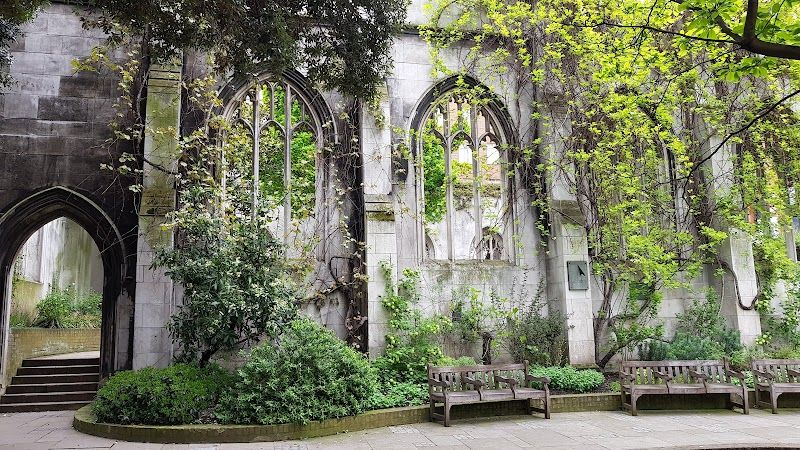
St. Dunstan in the East
This bombed-out medieval church has become London's most atmospheric public garden, where Gothic stone arches rise like ancient ruins through cascading ivy and mature trees. You'll find genuine 12th-century stonework alongside Christopher Wren's 17th-century tower, all draped in climbing plants that change dramatically with the seasons. It's completely free and feels like discovering a secret courtyard in the middle of the financial district. You enter through a small gate and suddenly you're surrounded by towering stone walls covered in green vines, with dappled sunlight filtering through the canopy above. Office workers eat lunch on wooden benches scattered throughout, while photographers hunt for the perfect shot of light streaming through the empty window frames. The space is surprisingly intimate - you can explore the entire garden in 15 minutes, though most people linger longer just soaking up the peaceful atmosphere. Most guides oversell this as some mystical experience, but it's really just a lovely small garden that happens to have dramatic architecture. The Instagram photos make it look bigger than it actually is - it's about the size of a tennis court. Spring and early summer offer the best visit when the climbing roses bloom, but even winter has its charm with bare stone visible through dormant vines. Skip it if you're short on time and prioritizing major sights.
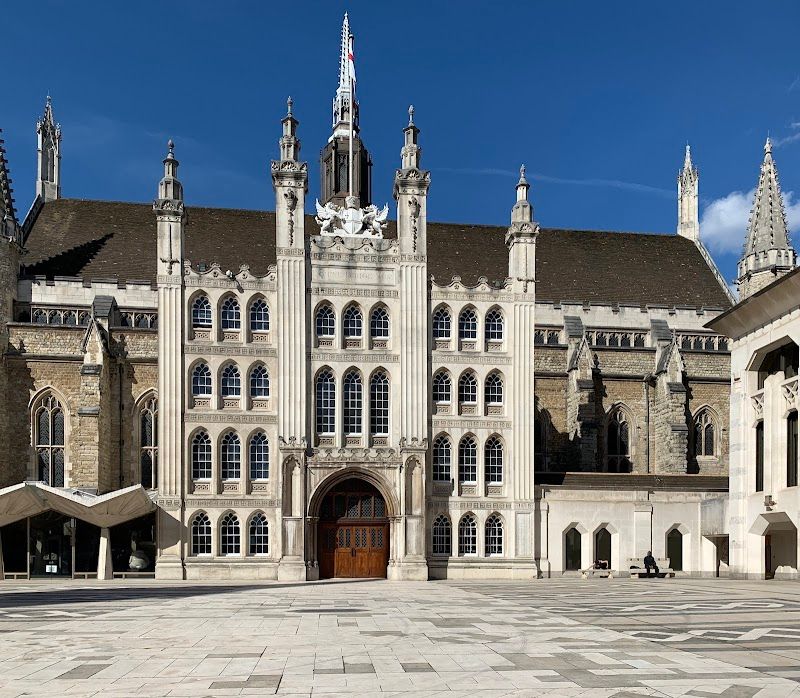
City of London Guildhall
A medieval civic building that has been the seat of City government for over 800 years, featuring a magnificent Great Hall with spectacular vaulted ceilings. The Guildhall Art Gallery houses an impressive collection of 17th-century paintings and the remains of London's Roman amphitheatre in its basement. Free to visit the main hall and Roman ruins.
Sky Garden
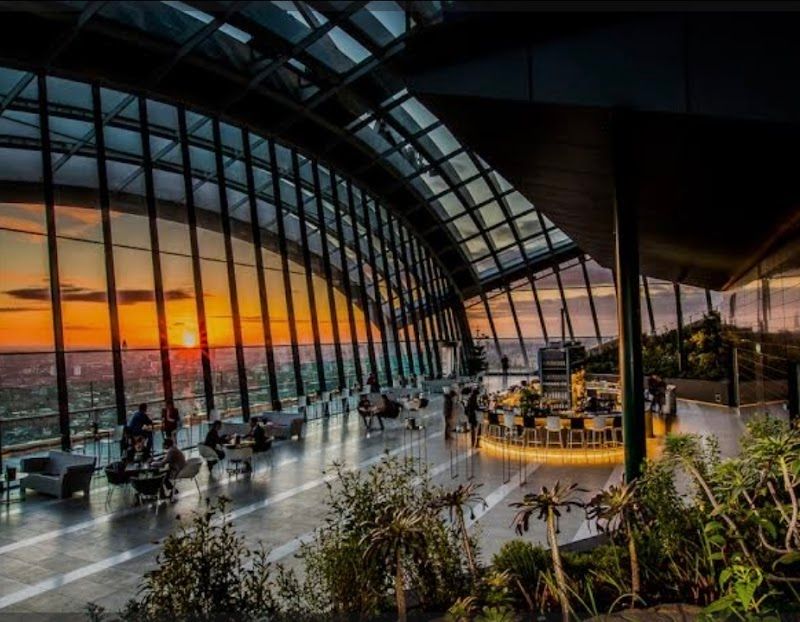
The Sky Garden sits on floors 35-37 of 20 Fenchurch Street, wrapping around the building's curved glass walls. You get unobstructed sightlines to Tower Bridge, the Shard, St Paul's Cathedral, and straight down the Thames. The actual garden sections are smaller than expected-mostly Mediterranean shrubs and South African plants arranged on terraces, but they're secondary to those floor-to-ceiling windows. The visit flows counterclockwise around the building's perimeter. Start on the west side for Tower Bridge views, then work around to see Canary Wharf and the City. The two bars get crowded by midday, but the observation areas stay manageable. Security checks take 10-15 minutes, and lifts are surprisingly fast to the top. Honestly, calling this London's 'highest public garden' oversells the plants-you're here for the views, and they're spectacular. The 90-minute time limit feels rushed during sunset slots. Skip the overpriced restaurants unless you've booked dinner specifically for the window seats. The free admission makes this unbeatable value, but the booking system is genuinely frustrating.
Leadenhall Market
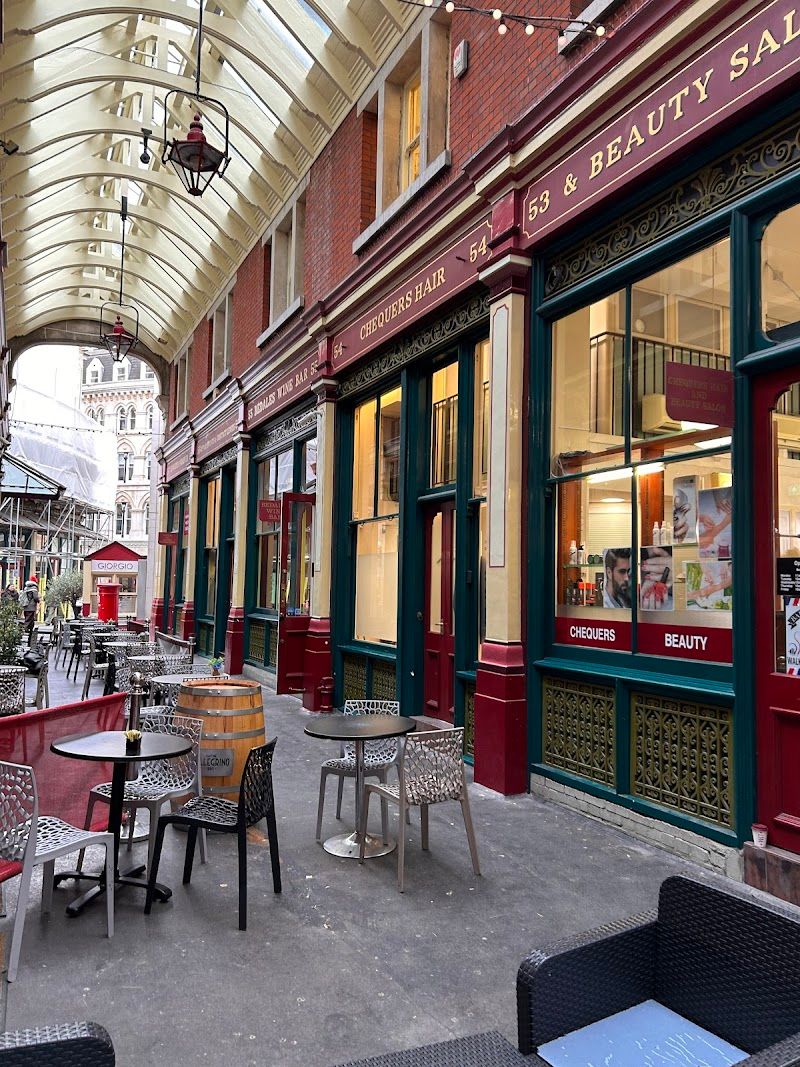
Leadenhall Market occupies the exact spot where Romans gathered for trade 2,000 years ago, now transformed into London's most photogenic Victorian arcade. The ornate cast-iron roof and maroon paintwork create a theatrical backdrop for upscale pubs, wine bars, and boutiques selling everything from handmade chocolates to vintage prints. Harry Potter fans know it as the entrance to Diagon Alley, but the real appeal is wandering these cobbled lanes where City workers grab their morning coffee. The market feels like stepping onto a film set even when cameras aren't rolling. Natural light filters through the glass roof, casting intricate shadows on the tessellated floor, while the sound of your footsteps echoes off Victorian ironwork. During lunch hours it transforms into a social hub where suited bankers queue for gourmet sandwiches at places like Ashby's fishmongers or grab a pint at the Lamb Tavern, London's oldest licensed premises. Most visitors spend 20 minutes taking photos and leave, missing the point entirely. The real experience is grabbing a coffee from one of the specialist roasters and watching the morning routine unfold. Lunch gets ridiculously crowded and expensive (£8-12 for basic sandwiches), so either come early or after 2pm. Skip the touristy Harry Potter photo ops near the Leadenhall Place entrance and explore the quieter Whittington Avenue side where original Victorian shopfronts remain untouched.
Barbican Centre
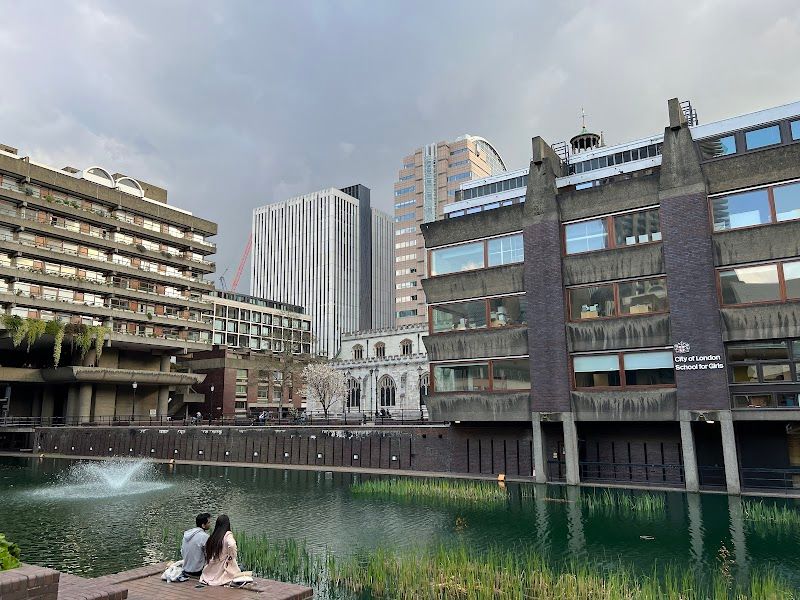
The Barbican Centre transforms a brutalist concrete fortress into Europe's largest arts complex, where you'll find the London Symphony Orchestra's home concert hall, two theatres staging everything from Shakespeare to experimental works, three cinemas showing arthouse films, and rotating contemporary art exhibitions. The building itself is the real star - this 1960s architectural statement divides opinion fiercely, but walking through its elevated walkways and discovering spaces feels like exploring a concrete spaceship that's somehow become beautiful with age. Your visit unfolds across multiple levels connected by those famous concrete walkways and glass bridges. The foyers buzz with pre-show energy, while the arts galleries offer quiet contemplation between performances. The tropical conservatory on level 3 provides the biggest surprise - stepping from cold concrete into humid jungle air filled with towering palms and the sound of water trickling past sleeping koi. The outdoor terraces give you breathing space with views across the residential towers where 4,000 people actually live. Most people either love or hate the architecture immediately, but the programming is consistently excellent - LSO concerts from £10, theatre tickets £15-65, and cinema screenings around £12-16. Skip the overpriced restaurants and grab something quick from the ground-level café instead. The art gallery is often underwhelming compared to major museums, so prioritize performances and that conservatory visit. Book concerts well ahead - the acoustics in the main hall are genuinely spectacular.
The Cooking Academy
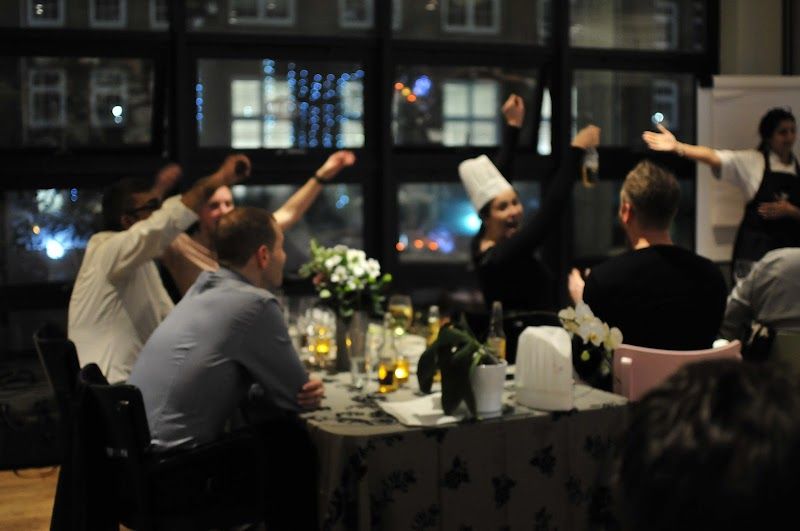
Hands-on cooking classes in a professional kitchen near Oxford Circus, teaching techniques from sushi rolling to pasta making. Classes are taught by working chefs and include all ingredients, equipment, and the meal you prepare.
Where to Eat
Restaurants and cafes in City of London
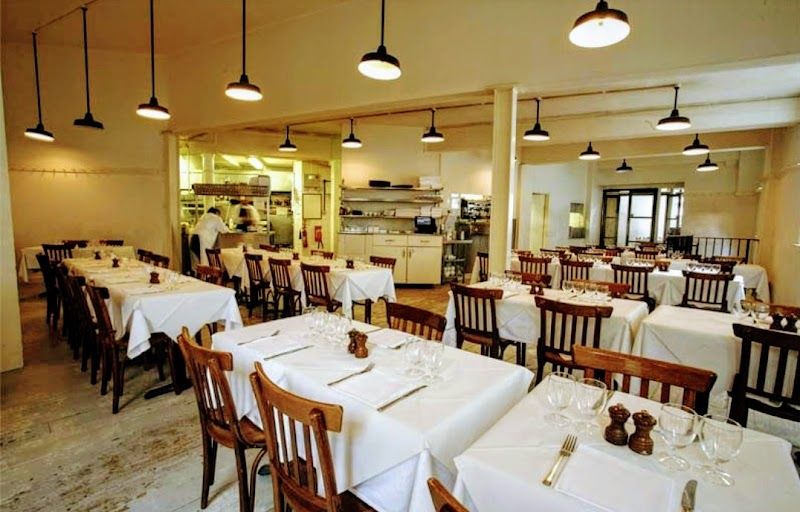
St. John Smithfield
RestaurantPioneering nose-to-tail restaurant in a former smokehouse serving offal, whole roasted animals, and house-baked bread. The bone marrow and parsley salad is the signature starter. Fergus Henderson's restaurant changed British dining.
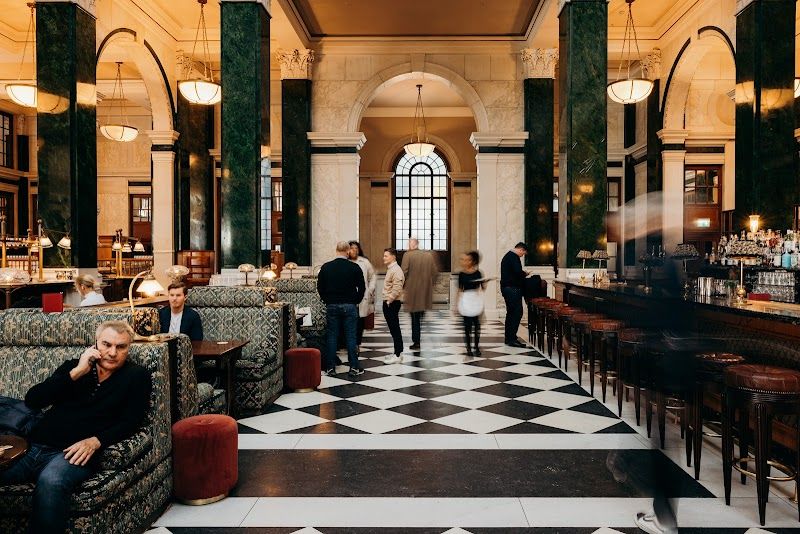
The Ned
RestaurantA spectacular 1920s former bank transformed into a members' club and hotel with multiple restaurants including a stunning ground floor space beneath the original banking hall's soaring columns. The Nickel Bar offers classic cocktails in a grand Art Deco setting accessible to non-members. Perfect for experiencing Old World City glamour.
Nightlife
Bars and nightlife in City of London
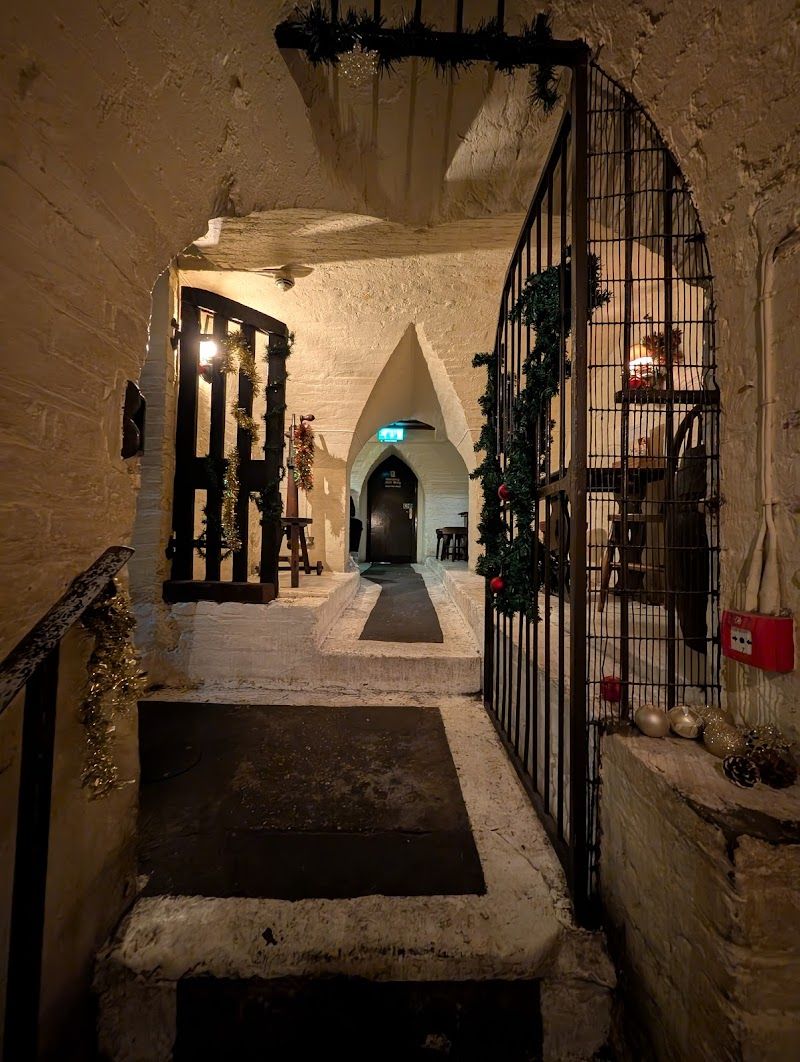
Ye Olde Cheshire Cheese
NightlifeRebuilt in 1667 after the Great Fire, this labyrinthine pub features sawdust floors, low ceilings, and six bars spread across multiple levels. Literary regulars included Dickens, Twain, and Dr. Johnson, whose former house stands next door.
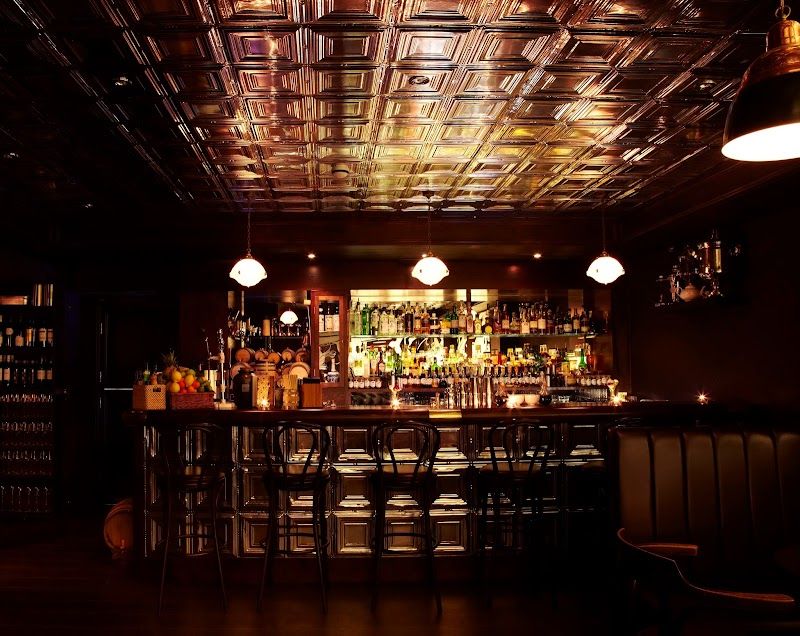
Nightjar
NightlifeProhibition-era speakeasy in Shoreditch featuring live jazz, swing, and blues seven nights a week in a candlelit basement setting. The cocktail menu spans vintage recipes from 1700 to 1969, with elaborate presentations involving smoking cloches and theatrical garnishes.
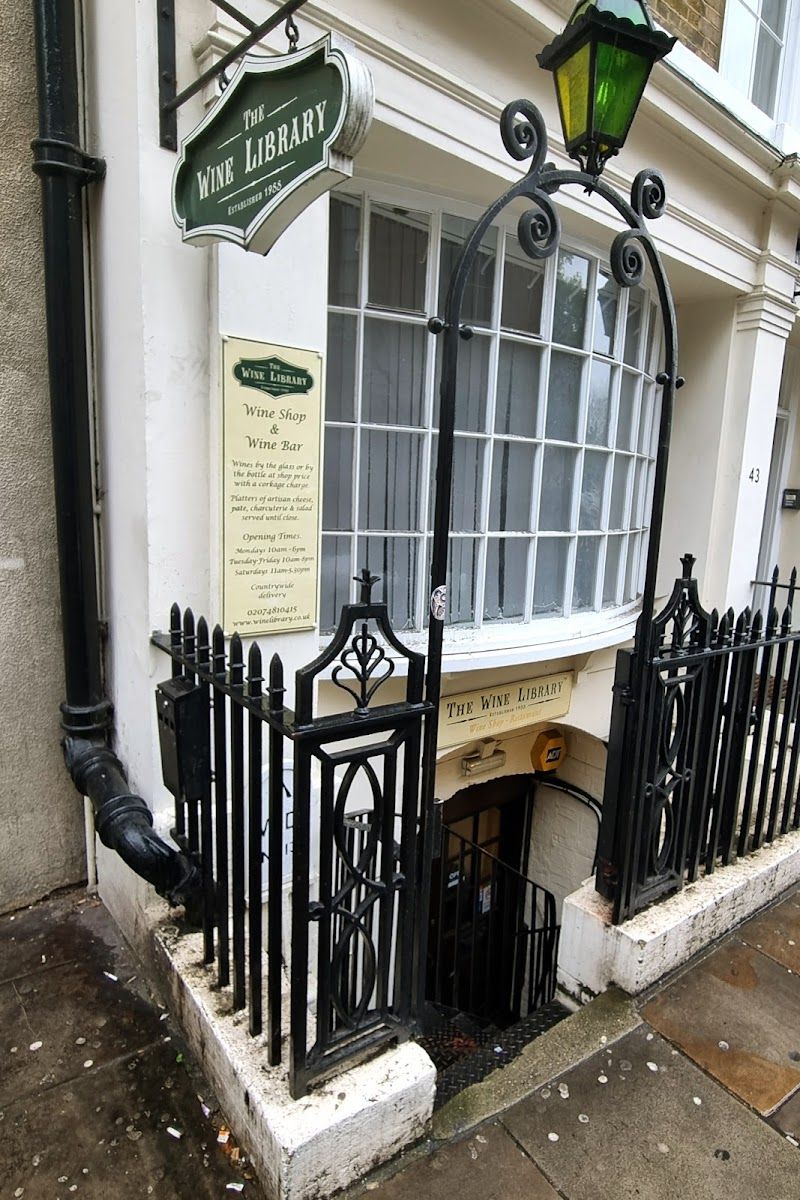
The Wine Library
NightlifeA unique underground wine bar and shop specializing in fine wines served at retail prices plus a small corkage fee. Located in a Victorian railway arch near Fenchurch Street, it offers an exceptional selection of wines by the glass and an intimate, knowledgeable atmosphere. Popular with City workers seeking quality without restaurant markups.
Getting Here
Metro Stations
On Foot
Very walkable - compact area packed with sights
Insider Tips
Weekend vs Weekday
The City is a completely different place on weekends - eerily quiet, making it perfect for photography and exploring without crowds. Many restaurants close, so plan ahead.
Sky Garden
Free panoramic views from the top of the Walkie-Talkie building at 20 Fenchurch Street. Book tickets online in advance - they go fast but cost nothing.
Hidden Churches
Over 40 churches survive in the Square Mile. St Bartholomew the Great (1123) and the Temple Church (Knights Templar) are extraordinary and usually deserted.
Nearby Neighborhoods
Continue exploring


Related Articles
Best Food Places in London: Where Locals Actually Eat
From Brick Lane curry houses to Borough Market stalls, here's where locals actually eat in London - plus the tourist spots that are genuinely worth your money.
London's Best Food Markets: Where to Eat Like a Local
Skip the tourist traps and eat where Londoners actually go. Our guide covers Borough Market, Camden, Brick Lane, and more - with specific stalls, prices, and insider tips.
Plan a trip featuring City of London
Get a personalized London itinerary with City of London built in.
Start Planning