
London
Camden Town
Alternative, eclectic, vibrant
About Camden Town
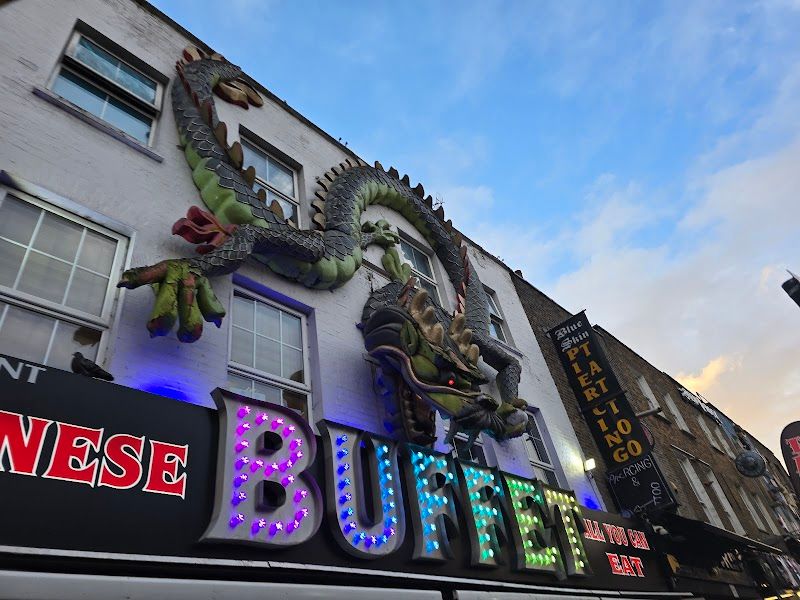
Camden has been doing its own thing since the punk era, and it still doesn't care what you think. Giant boots and dragons protrude from shop fronts, Amy Winehouse's statue watches over the market, and the Regent's Canal towpath takes you from craft beer pubs to narrowboat cafes in five minutes.
Camden Market is actually five markets stitched together along the canal. The Stables Market (in a former horse hospital) has the vintage clothing and curiosities. Camden Lock has the crafts. The food stalls cover everything from Ethiopian injera to Argentinian choripan, and you can eat well for 8-10 pounds. Saturday is the full experience but gets shoulder-to-shoulder by noon - weekday mornings give you the same stalls at half the intensity.
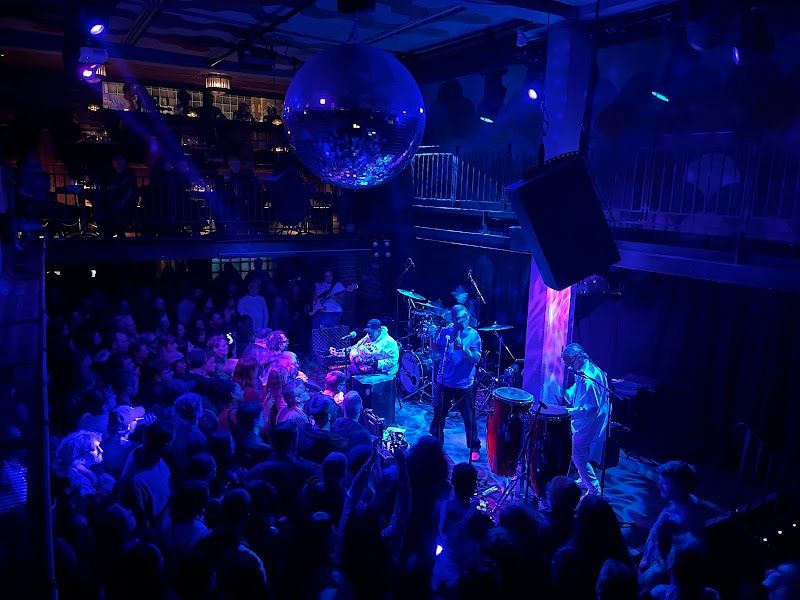
The live music scene built Camden's reputation, and it holds up. The Jazz Cafe, Electric Ballroom, and Roundhouse host acts most nights. The Dublin Castle on Parkway is where Madness got discovered - you can see tomorrow's headliners tonight for 5-10 pounds. Walk the canal east to King's Cross or west to Little Venice for a breather when the market energy gets too much.
Things to Do
Top experiences in Camden Town
Regent's Canal Towpath
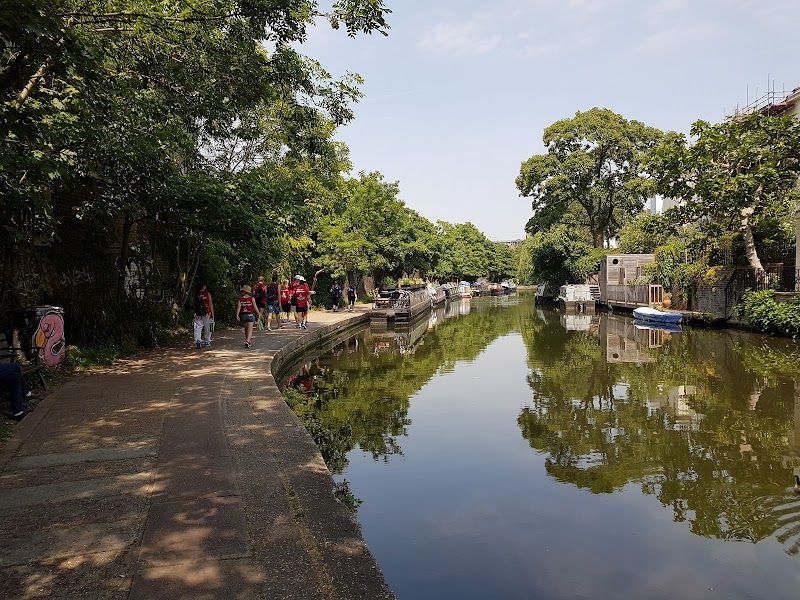
Regent's Canal cuts a surprisingly quiet 8.6-mile path through central London, connecting Little Venice to the Thames at Limehouse. The towpath runs alongside working narrowboats, converted houseboats, and genuine wildlife - herons are common near Camden Lock, and you'll spot coots and moorhens throughout. The stretch from Camden to King's Cross is the most rewarding, passing through two atmospheric tunnels where your voice echoes off Victorian brickwork. The walk feels like stepping into a parallel London where narrow boats replace double-deckers and canal workers replace commuters. At Camden Lock the path gets crowded with tourists, but push through - the section past London Zoo's aviary (you can hear exotic birds calling) opens up beautifully. The Maida Hill tunnel requires a torch on your phone, while the shorter Islington tunnel stays lit. Canal boats chug past constantly, their occupants waving from tiny decks. Most guides oversell the entire route - stick to Camden Lock to Granary Square for the best payoff without the industrial monotony further east. Weekend mornings bring fewer cyclists but more joggers. The path floods after heavy rain near King's Cross, creating muddy detours. Skip Little Venice unless you're already nearby; it's pleasant but not worth a special trip compared to the Camden section.
The Roundhouse
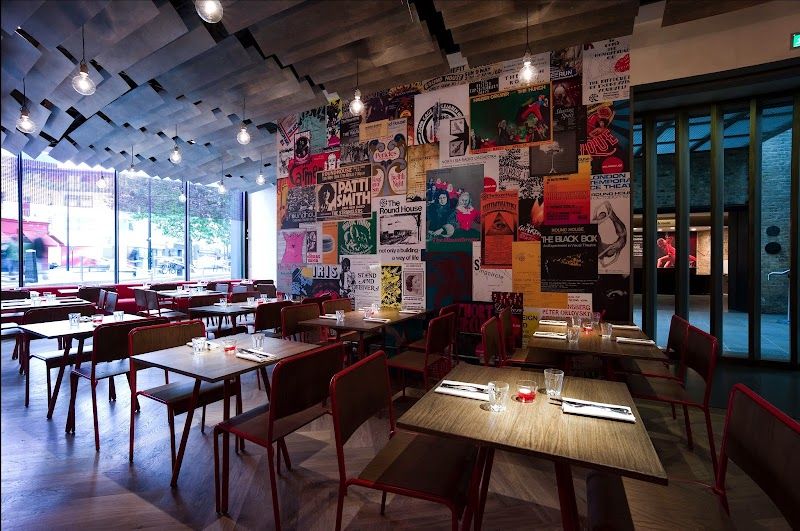
The Roundhouse transforms a Victorian railway engine shed into one of London's most atmospheric concert venues, where you'll watch everything from indie bands to avant-garde theatre under its soaring circular roof. Built in 1847, this Grade II-listed building still feels industrial - exposed brick walls, steel beams, and that distinctive round layout create an intimacy you won't find at other large venues. The main space holds 3,300 standing or 1,800 seated, but even from the back you feel connected to whatever's happening on stage. Inside, the circular design means there's no bad view, though the acoustics vary dramatically depending on where you stand. The ground floor gets packed and sweaty during popular gigs, while the upper gallery offers breathing room and better sightlines. Between shows, you can explore the creative studios upstairs where emerging artists work, and the building buzzes with an energy that feels authentically artistic rather than corporate. The pre-show atmosphere in the bars is often as good as the main event. Ticket prices range wildly from £15 for new bands to £80+ for major acts, but the venue's reputation means even lesser-known shows are usually worth catching. Skip the overpriced merchandise stand and grab drinks before shows start - bar queues get brutal during intervals. The venue oversells its food offerings, so eat in Camden beforehand. Most people don't realize you can book seated tickets for many standing shows, which costs extra but saves your feet during longer performances.
Hampstead Village
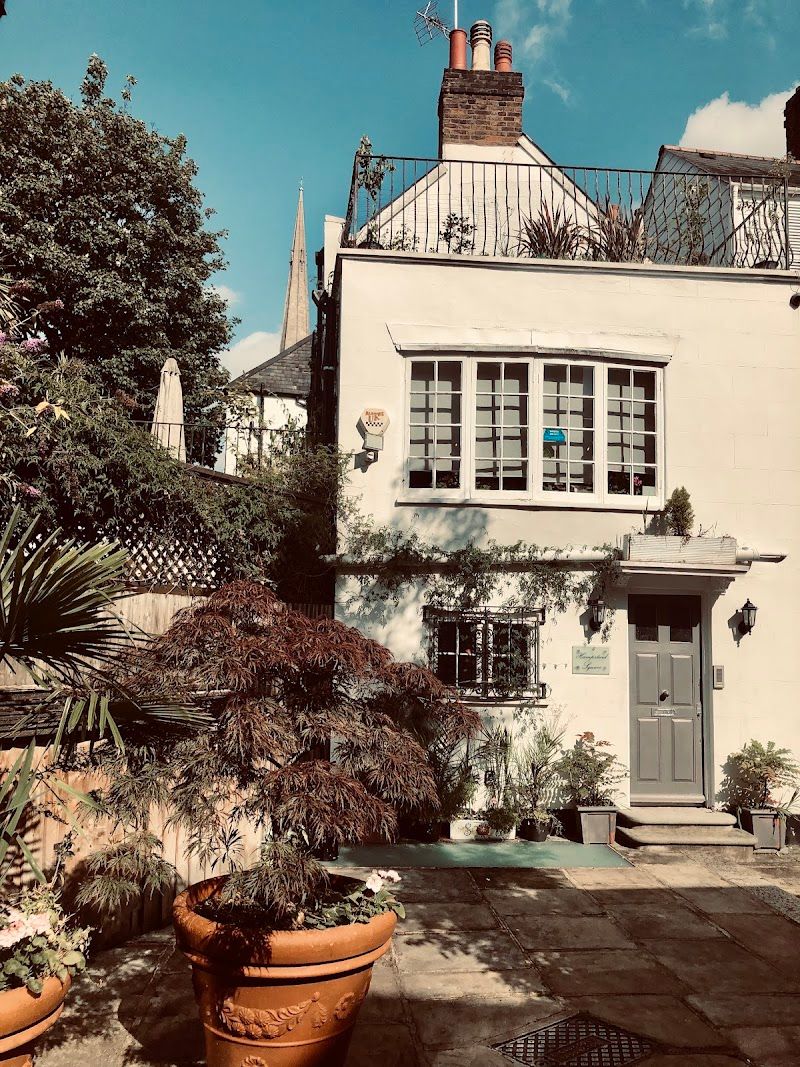
Historic hilltop village with Georgian houses, narrow lanes, and independent shops that has retained its village character despite being in Zone 2. Flask Walk, Hampstead High Street, and Church Row form the historic core where writers and artists have lived for centuries. The area offers views across London from its elevated position.
Camden Market
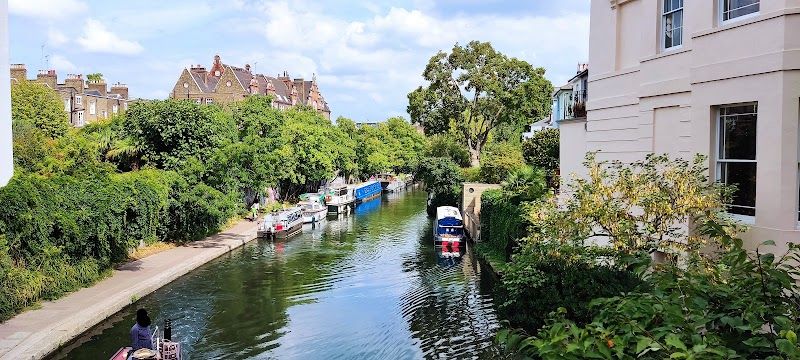
A sprawling collection of interconnected markets including Camden Lock, Stables Market and Buck Street Market, offering vintage clothing, handmade crafts, international street food and alternative fashion. The industrial aesthetic with canal-side location and distinctive horse statues creates a gritty, creative atmosphere. Over 1,000 shops and stalls make this one of London's largest markets.
Primrose Hill
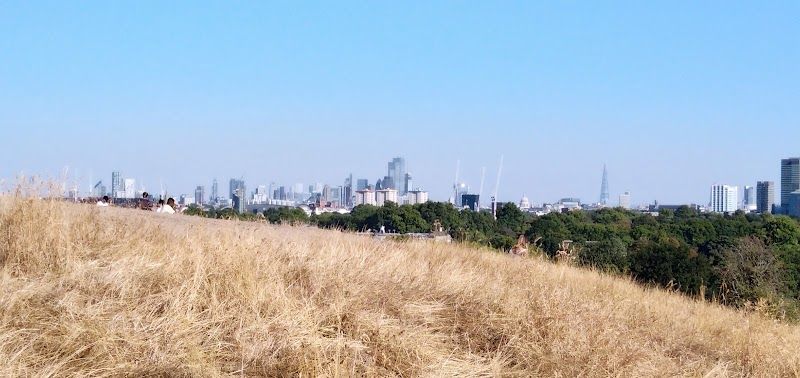
This 78-meter grassy knoll offers one of London's finest panoramic viewpoints, with protected sight lines across Regent's Park to the city skyline. The summit provides a peaceful escape with St Paul's Cathedral, the London Eye, The Shard and BT Tower all visible. The surrounding village atmosphere with gastropubs and independent shops adds charm.
Regent's Park
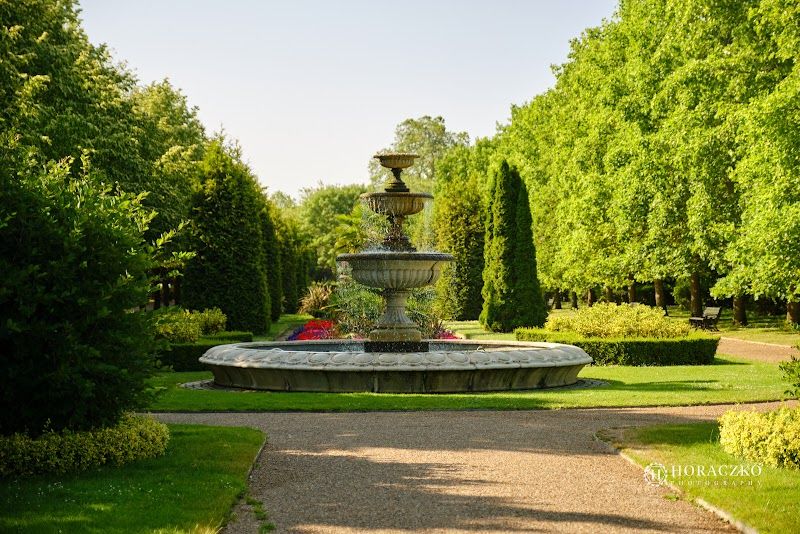
This massive circular park centers around Queen Mary's Gardens, where 12,000 roses bloom in geometric beds that Nash designed as focal points for his surrounding cream-colored terraces. The zoo anchors the northern edge, while the open-air theatre operates in a natural amphitheater setting that few London parks can match. Walking the Outer Circle takes about 45 minutes and passes some of London's most expensive real estate. The experience flows differently depending on your entry point-Gloucester Gate drops you into the formal gardens immediately, while Baker Street station leads through sports fields first. The Inner Circle walk around Queen Mary's Gardens takes 20 minutes at a leisurely pace, with the rose pergola and waterfall garden as clear highlights. The northern section feels wilder around the zoo perimeter, with actual hills and mature trees. Most visitors cluster around the rose garden and miss the better views from Primrose Hill's southern slopes within the park boundary. The boating lake gets overcrowded on weekends-the Japanese garden tucked behind it stays quieter. Skip the expensive zoo unless you have kids; the free views of giraffes and camels from the path are sufficient. The park's real strength is space to breathe, not individual attractions.

London Zoo
London Zoo occupies 36 acres in the northern corner of Regent's Park and houses over 750 species. The Tiger Territory's floor-to-ceiling glass puts you inches from 400-pound Sumatran tigers - genuinely heart-stopping when they approach. Land of the Lions recreates a Gujarati village complete with railway station, and the penguins have a proper beach with a 140,000-liter pool. The layout follows the outer circle then spirals inward, so you'll walk about 2 miles total. Gorilla Kingdom sits on a hill with three separate viewing areas - the indoor viewing room gets you closest to the silverbacks lounging behind glass. The reptile house runs cool and humid, while Butterfly Paradise stays tropical. Kids sprint between playgrounds scattered throughout. Three hours minimum, but families easily spend five. The Lubetkin penguin pool (1934) no longer houses penguins but architecture fans photograph it constantly. Skip the overpriced cafes - Camden Market is a 10-minute walk. Weekends mean crowds and screaming children echo off the glass enclosures. The new monkey walkway overhead is impressive but brief.
Hampstead Heath & Highgate Tour
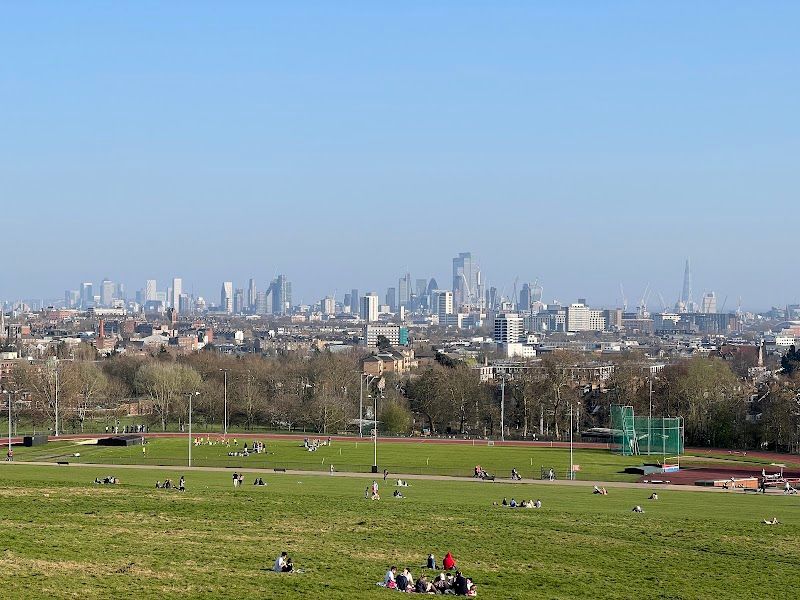
This self-guided walking route connects two of North London's most literary neighbourhoods through 800 acres of ancient heathland. You'll pass Keats House in Hampstead Village (where he wrote 'Ode to a Nightingale'), climb Parliament Hill for sweeping views across London's skyline, then descend into Highgate to explore the Victorian necropolis where Karl Marx, George Eliot, and Douglas Adams are buried. The route covers about 4 miles total, weaving through narrow village streets, open heath, and elaborate cemetery paths. The walk feels like travelling through different centuries - Georgian terraces in Hampstead give way to wild heathland where kite-flyers and dog walkers replace tourists, then Victorian gothic drama takes over in Highgate Cemetery's overgrown western section. Parliament Hill offers one of London's best panoramic viewpoints, especially dramatic at sunset when the city lights begin twinkling. The cemetery's crumbling angels and ivy-covered tombs create an atmospheric finish, though crowds thin out significantly in the older western section. Most walking tours rush this route in 3 hours, but you'll want 4-5 to properly explore. Keats House charges £7.50 entry but the blue plaque outside tells you everything essential. Skip the overpriced Hampstead village cafes and pack snacks for Parliament Hill instead. Highgate's West Cemetery (£4) is far more atmospheric than the tidier East Cemetery where Marx lies - most visitors do this backwards.
Camden Market Food Tour
Camden Market's food tour takes you through four distinct market areas where vendors serve everything from Korean corn dogs to Moroccan tagines. You'll hit 6-8 stalls over two hours, getting generous samples plus stories about how Camden transformed from a working-class area into London's alternative culture capital. The guide knows which Ethiopian stall makes the best injera and why the Venezuelan arepa guy switched from engineering to street food. The tour flows between Camden Lock Market's international offerings, the Stable Market's quirky converted railway arches, and Horse Hospital's more experimental vendors. You're constantly moving and eating - no sitting around listening to lengthy explanations. The guide keeps things moving but pauses to explain how punk culture shaped this area's food scene. Expect to try things you've never heard of alongside elevated versions of street food classics. Most food tours in London feel touristy and overpriced, but this one actually delivers. At around £45-55 per person, you get enough food to count as lunch plus insider access to stalls that might intimidate solo diners. Skip the weekend tours unless you enjoy being jostled by teenagers taking Instagram photos. The Tuesday-Thursday sweet spot gives you the same vendors with breathing room to actually taste your food.
Where to Eat
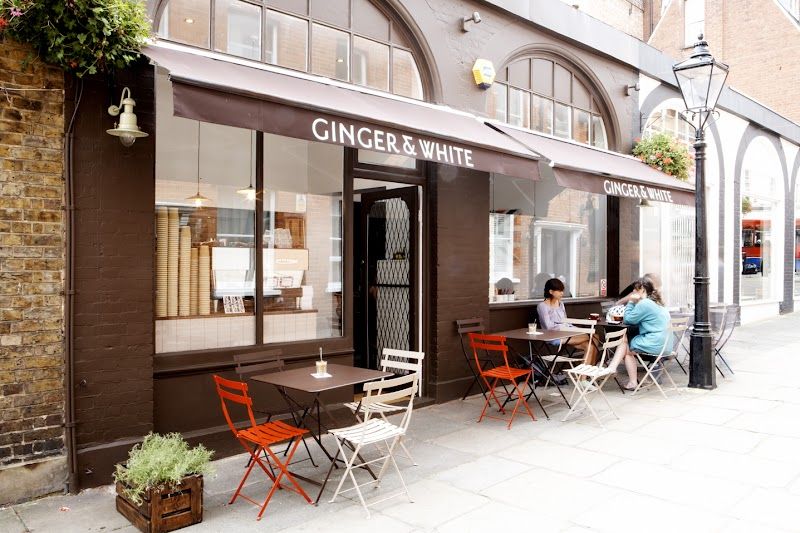
Restaurants and cafes in Camden Town
Nightlife
Bars and nightlife in Camden Town
Getting Here
Metro Stations
On Foot
Very walkable within the market area
Insider Tips
Beat the Crowds
Visit on a weekday or arrive at 10 AM opening. Weekends get extremely busy, especially around the tube station.
Canal Walk
Walk along Regent's Canal to Little Venice (west) or King's Cross (east) for a peaceful escape from the market madness.
Live Music
Check listings at the Jazz Cafe, Electric Ballroom, and Roundhouse for nightly gigs. The Dublin Castle is where Madness were discovered.
Nearby Neighborhoods
Continue exploring


Related Articles
Best Food Places in London: Where Locals Actually Eat
From Brick Lane curry houses to Borough Market stalls, here's where locals actually eat in London - plus the tourist spots that are genuinely worth your money.
London's Best Food Markets: Where to Eat Like a Local
Skip the tourist traps and eat where Londoners actually go. Our guide covers Borough Market, Camden, Brick Lane, and more - with specific stalls, prices, and insider tips.
Plan a trip featuring Camden Town
Get a personalized London itinerary with Camden Town built in.
Start Planning