London
Kensington & Chelsea
Elegant, refined, cultural
About Kensington & Chelsea
Kensington has three of the world's best museums on a single road - and all three are free. The V&A, Natural History Museum, and Science Museum sit side by side on Exhibition Road, holding collections worth billions of pounds that you can walk into without paying a penny.
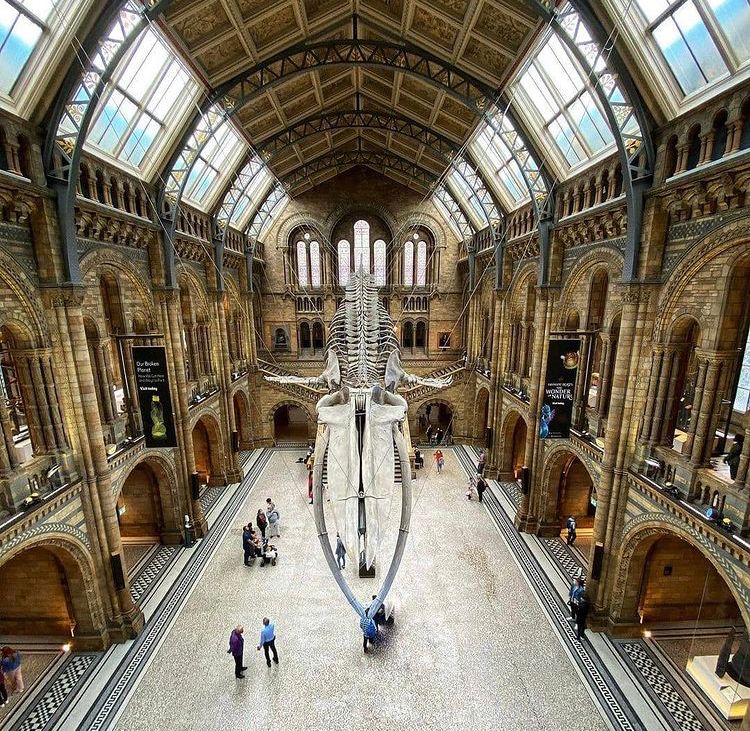
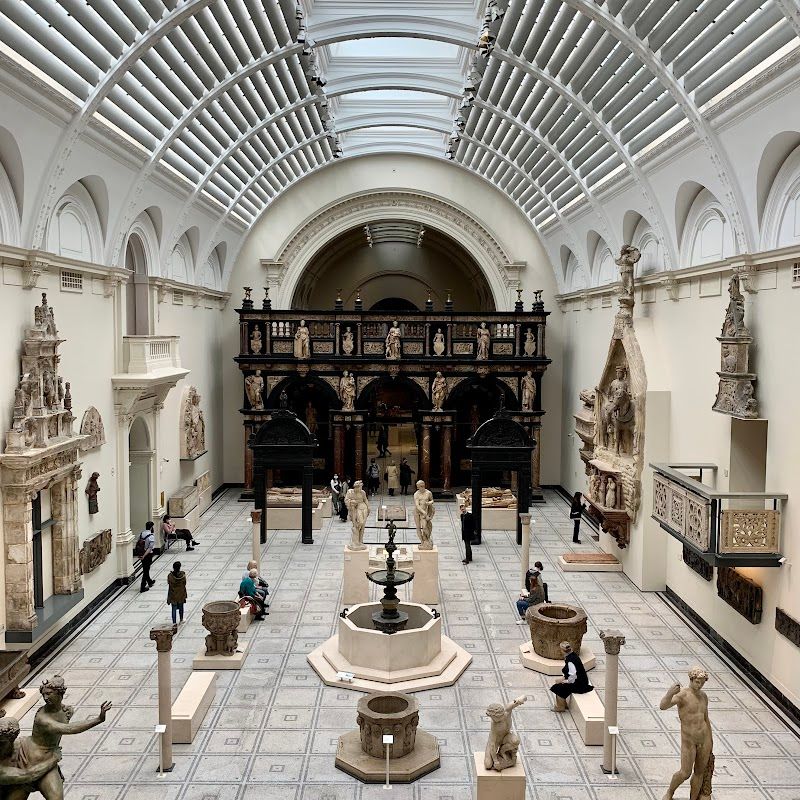
Pick one per visit rather than rushing through all three. The V&A's Medieval and Renaissance galleries are staggering - 12 full rooms nobody seems to know about. The Natural History Museum's Hintze Hall with its blue whale skeleton is worth seeing even if you only have 20 minutes. The Science Museum is the one to bring kids to, with hands-on galleries that actually work.
Beyond Museum Mile, Kensington Palace costs 22 pounds and is where Princess Diana lived - the gardens are free though, and connect to Hyde Park's 350 acres. For shopping, Harrods is worth seeing for the Food Halls alone (no purchase required). The King's Road in Chelsea launched the 1960s fashion revolution and still has character, if more upscale now. Lunch at the Ivy Chelsea Garden or a pint at the Builders Arms brings you back down to earth after all that museum grandeur.
Things to Do
Top experiences in Kensington & Chelsea
Hyde Park
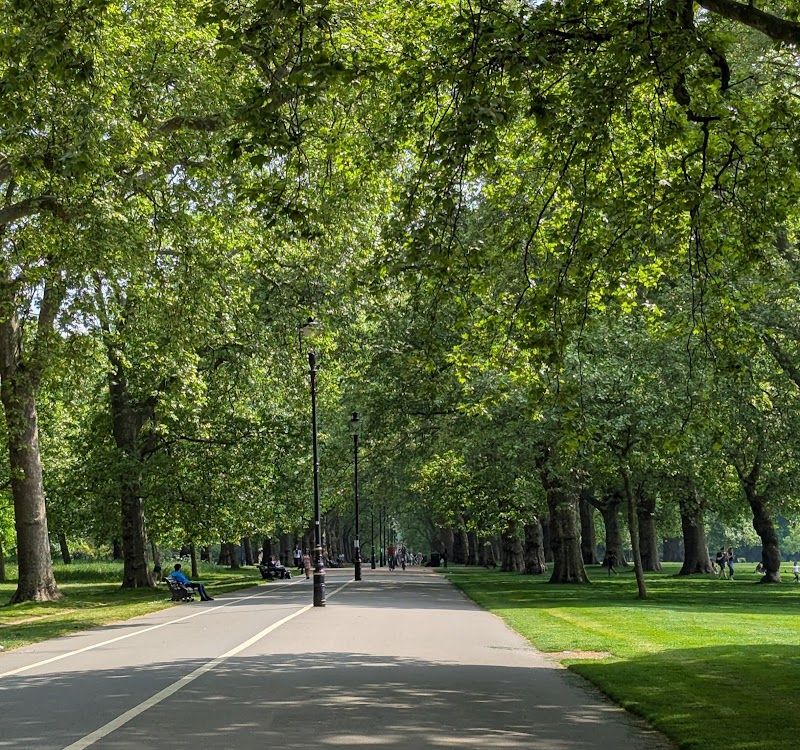
Hyde Park is London's largest central park, a 350-acre green rectangle that feels surprisingly wild despite being surrounded by traffic. The Serpentine lake cuts through the middle, creating two distinct halves - the busier eastern side near Speaker's Corner and Marble Arch, and the quieter western end that backs up to Kensington Palace. The Diana Memorial Fountain sits in the southwest corner, designed as a flowing oval of Cornish granite that children love to splash in during summer. Walking here feels like moving through different worlds - from the formal Rose Garden near Hyde Park Corner to the wilder areas around the Serpentine where herons fish undisturbed. The paths are wide and well-maintained, perfect for cycling or jogging, while the grass areas fill with picnickers and sunbathers whenever the sun appears. Speaker's Corner on Sunday mornings still draws passionate orators on soapboxes, though the crowds are smaller than they once were. The park works best when you're not trying to see everything - it's massive and you'll exhaust yourself walking corner to corner. The Diana Memorial gets overcrowded on warm days, and Hyde Park Corner is permanently noisy from traffic. Focus on either the lake area for a proper nature break, or the western edge near Kensington Gardens if you want the palace views. Winter Wonderland (November-January) completely transforms the park but brings enormous crowds.
Natural History Museum
The Natural History Museum houses 80 million specimens across five floors of Victorian Gothic architecture. Hope, the 26-meter blue whale skeleton suspended in Hintze Hall, sets the tone immediately. The Dinosaur Gallery's animatronic T-Rex still makes adults jump, while the Mammals Gallery upstairs has excellent interactive displays that often go unnoticed. The Earth Hall's escalator through a metal sphere simulating earthquake effects is effective. Most people head straight for the dinosaurs, causing bottlenecks by 11am. The flow works better when starting with the Human Evolution gallery or Minerals section (the Vault of gems is impressive). The Wildlife Garden behind the museum is an actual ecosystem with over 3,000 species, including foxes that appear around dusk. Skip the overpriced café and eat at the V&A next door instead. The Earth galleries have the most sophisticated content but are often ignored. If you have kids under 8, the Investigate Centre lets them handle real specimens. The museum shop is excellent but expensive - the postcards are reasonable and the quality is high.
Saatchi Gallery
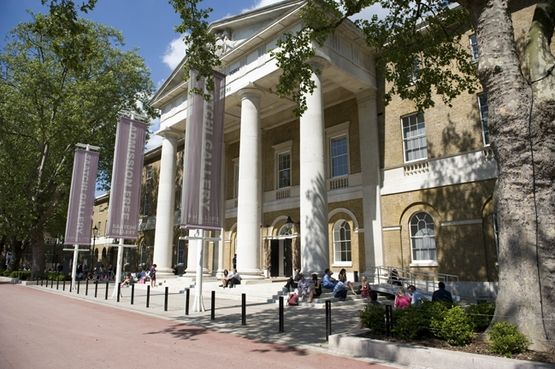
The Saatchi Gallery occupies a grand 1803 military building and has launched more contemporary art careers than anywhere else in London. You'll see works by artists before they hit the international scene - previous unknowns displayed here now sell for millions at Sotheby's. The 15 rooms showcase everything from massive installations to video art, sculpture, and paintings that challenge every assumption about what art should be. Expect to see art that makes you uncomfortable, confused, or completely captivated. The experience flows through interconnected white-walled galleries where each room delivers something completely different. The building's original Georgian proportions create dramatic contrasts with contemporary works - imagine a 20-foot neon sculpture in a room with period moldings. The atmosphere stays surprisingly intimate despite the 70,000 square feet, and you'll often find yourself alone with genuinely provocative pieces. The exhibitions change every 3-4 months, so repeat visits feel entirely fresh. Most guides oversell this as groundbreaking when some exhibitions are frankly pretentious nonsense. The quality varies wildly - sometimes you'll encounter genuinely brilliant emerging talent, other times you'll wonder who decided a pile of discarded mannequins constituted art. Check their website before visiting since some exhibitions are significantly stronger than others. The free admission means you can pop in for 30 minutes if an exhibition doesn't grab you, making it perfect for testing your contemporary art tolerance.
Science Museum
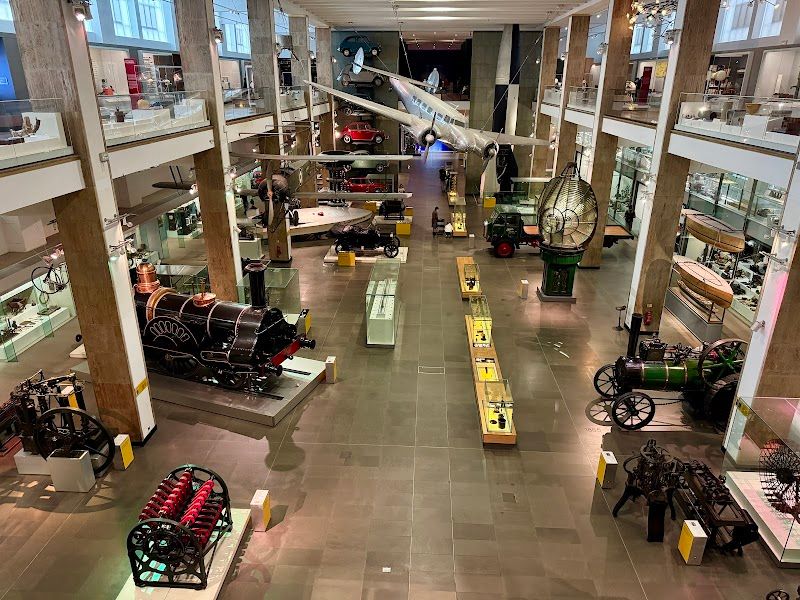
The Science Museum houses seven floors of actual spacecraft, locomotives, and working machines spanning 300 years of innovation. You'll walk through the genuine Apollo 10 command module that orbited the moon, stand next to Stephenson's Rocket from 1829, and see Puffing Billy, the world's oldest surviving steam locomotive. The Information Age gallery traces computing from Babbage's Difference Engine to modern smartphones with working demonstrations. The layout flows chronologically upward, starting with steam engines on the ground floor and progressing to space exploration on the third. Flight gallery showcases everything from the 1903 Wright Flyer replica to modern jet engines you can peer inside. The mathematics gallery, designed by Zaha Hadid, presents abstract concepts through beautiful historic instruments and interactive displays that actually make calculus interesting. Skip the pricey flight simulator and overpriced café on level 2 - the basement café has better sandwiches for half the price. Wonderlab justifies its £15 fee only if you have kids under 10 who enjoy hands-on physics experiments. The free monthly Lates events transform the space into an adult playground with cocktails and live science demonstrations that beat any typical night out.
Victoria and Albert Museum
The V&A houses an astonishing collection that jumps between centuries and continents without warning-you'll find a 16th-century bed next to contemporary fashion, then stumble into rooms of Islamic ceramics or Japanese swords. The Cast Courts alone justify the visit: towering plaster casts of Michelangelo's David and Trajan's Column that Victorian collectors commissioned when they couldn't acquire the originals. The museum's layout is genuinely confusing-even the staff carry maps. You'll get lost, but that's part of the experience. The Fashion Gallery draws crowds, while the Medieval & Renaissance galleries stay surprisingly quiet despite housing treasures like the Becket Casket. The building itself tells London's story through its architecture, from the original 1850s sections to the controversial 2017 Exhibition Road entrance. Three hours barely scratches the surface, so pick themes rather than trying to see everything. The jewelry gallery gets packed after 2pm, and the temporary exhibitions (which do charge) often overshadow the free permanent collection. Level 6 stays nearly empty despite having some of the best pieces. Download their app-the paper maps are useless for navigation.
Kensington Gardens
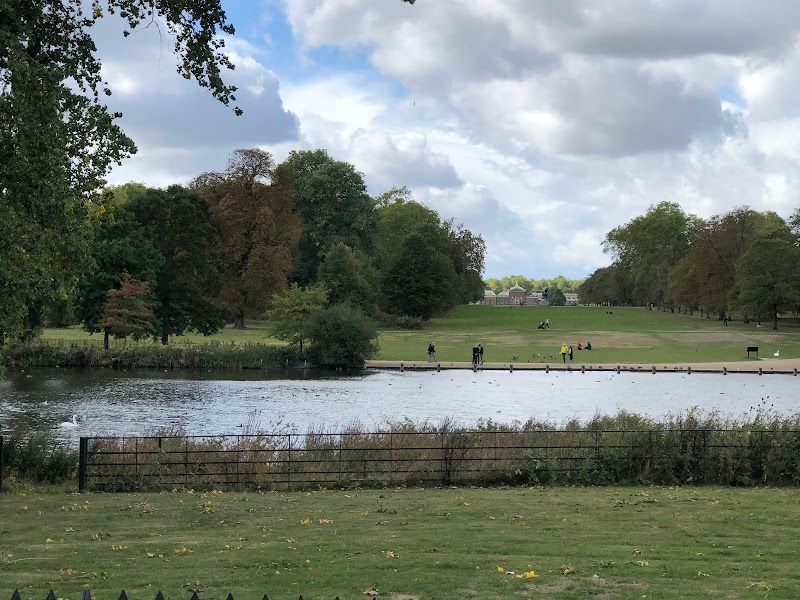
Kensington Gardens is the western half of what most people think is just Hyde Park, but it has a completely different character. The Italian Gardens at the northern edge are formal and geometric with their pristine fountains and clipped hedges, while the southern section around the Albert Memorial feels like an outdoor museum. The Round Pond attracts serious model boat enthusiasts on weekends, and the Serpentine Gallery always has contemporary art worth checking out. The flow here is much more structured than Hyde Park's open meadows. You'll find yourself following the tree-lined avenues that radiate from Kensington Palace, passing dog walkers heading to the designated off-leash areas and joggers doing loops around the Round Pond. The Albert Memorial dominates the southern vista - it's genuinely impressive up close, though most people just photograph it from across the street. The Peter Pan statue draws crowds but the real magic is in the quieter northern sections. Skip the Diana Memorial Playground unless you have kids - it's overcrowded and not particularly special. The palace itself is fine but overpriced for what you get. Instead, spend your time walking the Broad Walk from north to south, which gives you the best sense of the gardens' formal layout. Early morning or late afternoon light makes the whole place feel cinematic.
Brompton Cemetery
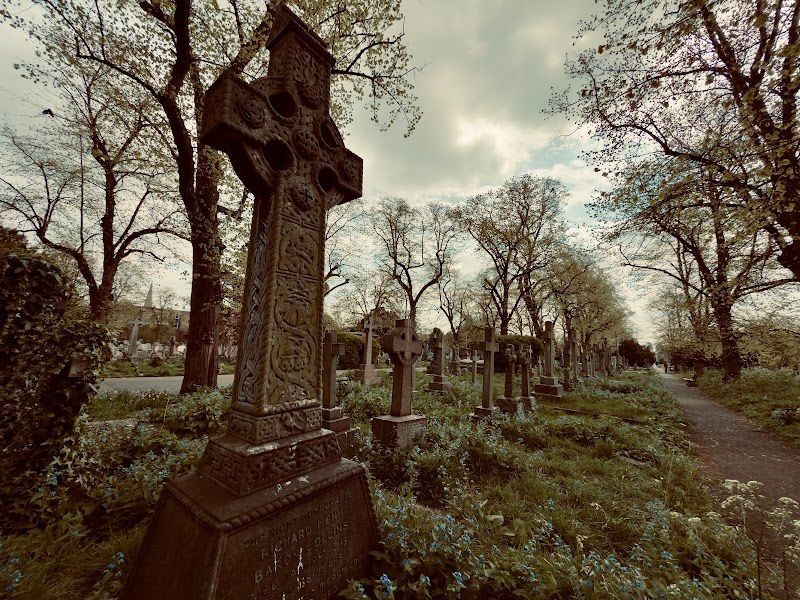
Magnificent Victorian cemetery opened in 1840, featuring elaborate Gothic architecture, tree-lined avenues, and ornate monuments. It's a beautiful green space for peaceful walks and one of London's 'Magnificent Seven' cemeteries. Notable burials include suffragette Emmeline Pankhurst.
Where to Eat
Restaurants and cafes in Kensington & Chelsea
The River Café
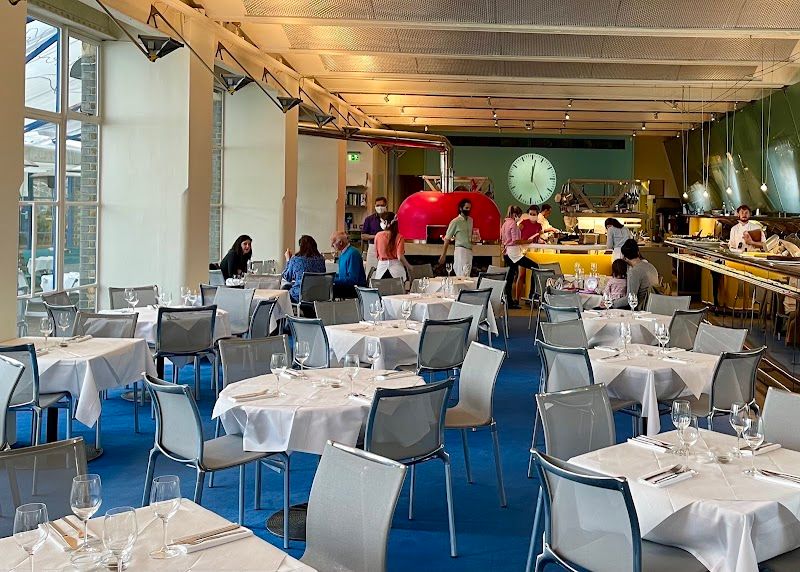
RestaurantItalian restaurant in Hammersmith with a wood-fired oven and riverside garden. Ruth Rogers has maintained the Michelin star for decades with handmade pasta and wood-roasted dishes. The cookbook series influenced a generation of chefs.
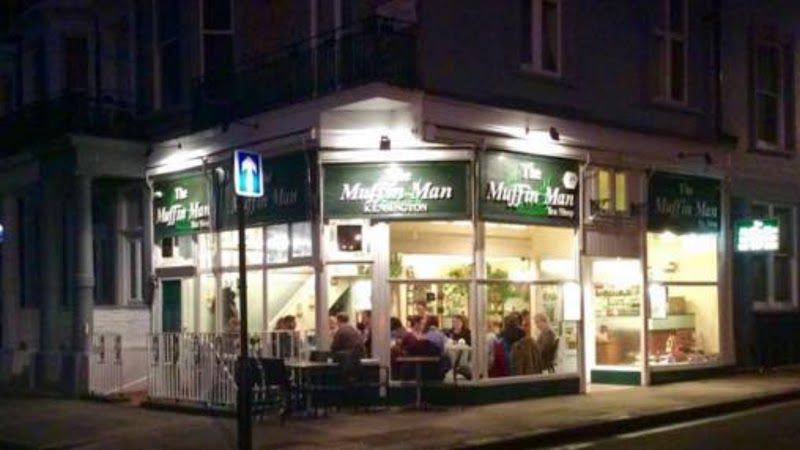
The Muffin Man Tea Shop
CafeTraditional English tea room tucked away in a former muffin bakery dating back to the 1890s. Serves proper afternoon tea with homemade scones, finger sandwiches, and cakes in a quaint Victorian setting. Quintessentially British without the tourist crowds.
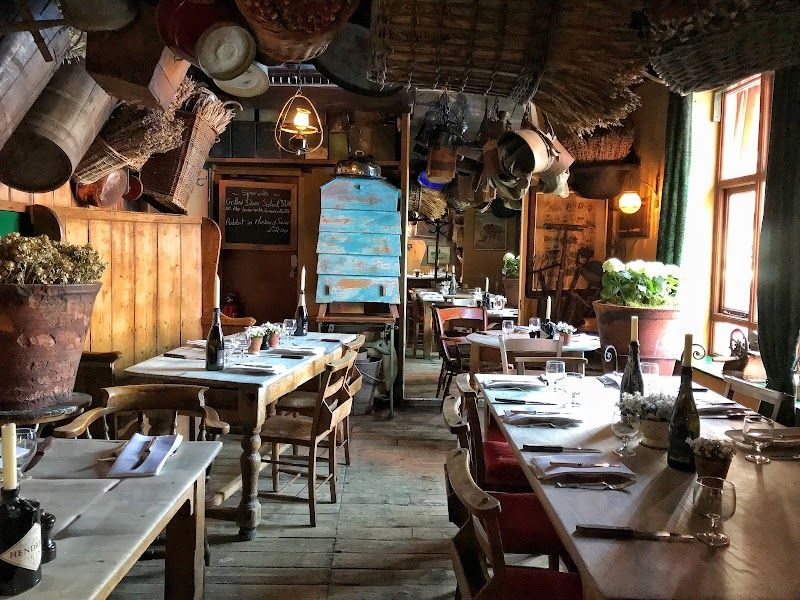
Maggie Jones's
RestaurantRustic British restaurant in a charming 18th-century building with farmhouse décor and candlelit atmosphere. Known for generous portions of traditional dishes like steak and kidney pie, game, and sticky toffee pudding. A Kensington institution since 1964.
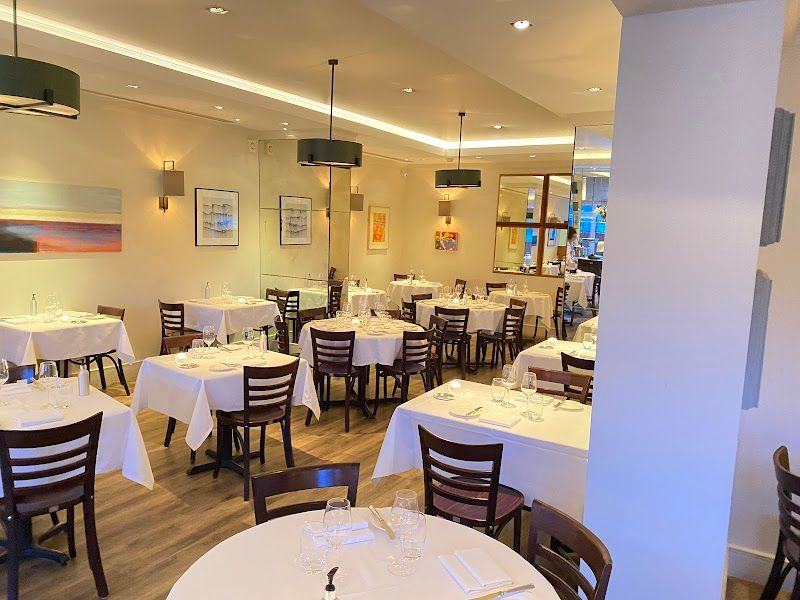
Chez Bruce
RestaurantModern European restaurant in Wandsworth Common with a neighborhood feel despite the Michelin star. The seasonal menu changes frequently and the cheese trolley is wheeled to your table. Bruce Poole has run it since 1995.
Nightlife
Bars and nightlife in Kensington & Chelsea
Getting Here
Metro Stations
On Foot
Good but distances are longer - the area is spread out
Insider Tips
Museum Strategy
All three major museums are free. Pick one per day to avoid burnout, or focus on highlights with a free map. V&A is best for adults, NHM for families.
Harrods Food Halls
You don't need to buy anything - the Food Halls are a free attraction in themselves. Visit weekday mornings for the best experience.
Hyde Park
Rent a deck chair by the Serpentine, visit the Diana Memorial Playground with kids, or swim in the Lido in summer. The park connects to Kensington Gardens seamlessly.
Nearby Neighborhoods
Continue exploring


Related Articles
Best Food Places in London: Where Locals Actually Eat
From Brick Lane curry houses to Borough Market stalls, here's where locals actually eat in London - plus the tourist spots that are genuinely worth your money.
London's Best Food Markets: Where to Eat Like a Local
Skip the tourist traps and eat where Londoners actually go. Our guide covers Borough Market, Camden, Brick Lane, and more - with specific stalls, prices, and insider tips.
Plan a trip featuring Kensington & Chelsea
Get a personalized London itinerary with Kensington & Chelsea built in.
Start Planning