
London
Marylebone & Fitzrovia
Village-like, refined, understated
About Marylebone & Fitzrovia
Marylebone is London's best-kept neighborhood - a village of independent shops, excellent restaurants, and Georgian side streets that most tourists walk right past on their way to Oxford Street. Their loss.
Marylebone High Street is the anchor. Daunt Books (the Edwardian travel bookshop with the oak galleries) is worth visiting even if you don't read. La Fromagerie sells cheese aged in their own cellars. The Sunday farmers' market in the Cramer Street car park brings in producers from within 100 miles. The whole street takes about 20 minutes to walk end to end, but budget an hour minimum because you will stop.
The Wallace Collection in Manchester Square is Marylebone's power move - a townhouse holding works by Rembrandt, Titian, and Frans Hals' Laughing Cavalier, completely free, and usually emptier than a weekday cinema. Regent's Park is a 5-minute walk north, with the Open Air Theatre in summer (Shakespeare and musicals from 25 pounds) and Queen Mary's Rose Garden peaking June through September.
Things to Do
Top experiences in Marylebone & Fitzrovia
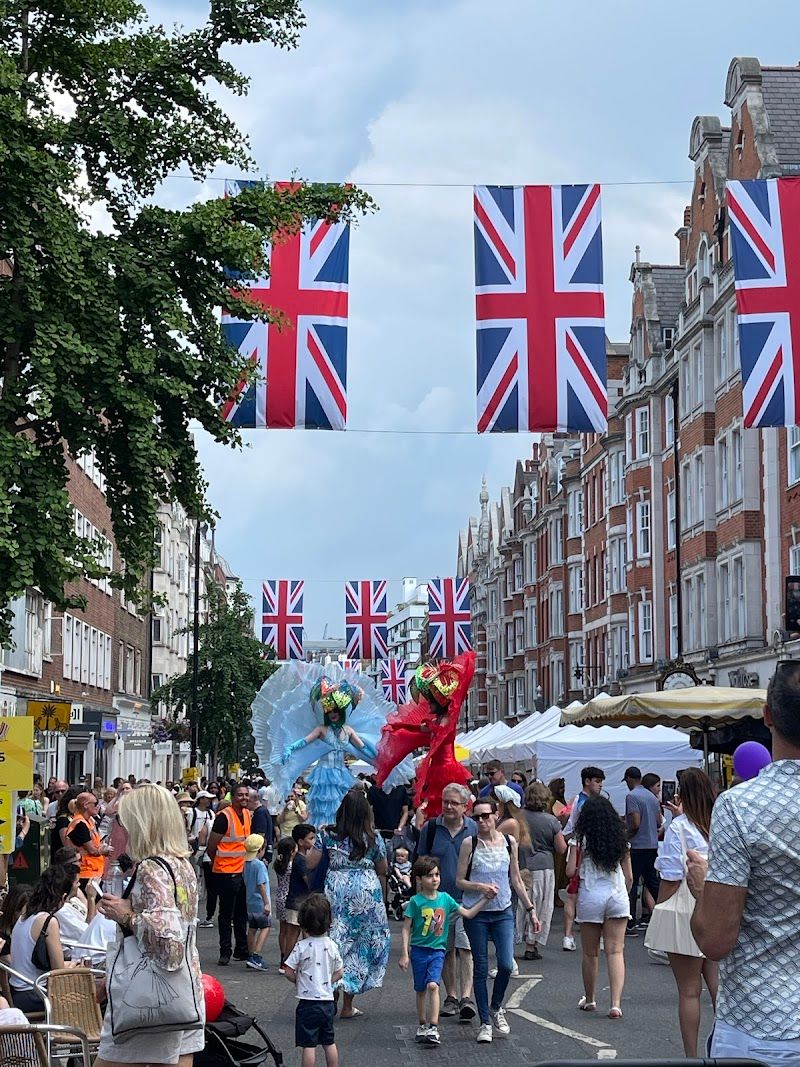
Marylebone High Street
Village-like shopping street with independent boutiques, delis, and the original Daunt Books in an Edwardian bookshop with oak galleries. The street's Georgian buildings house La Fromagerie, artisan bakeries, and the historic Marylebone Farmers' Market on Sundays. Less touristy than Oxford Street but equally central.
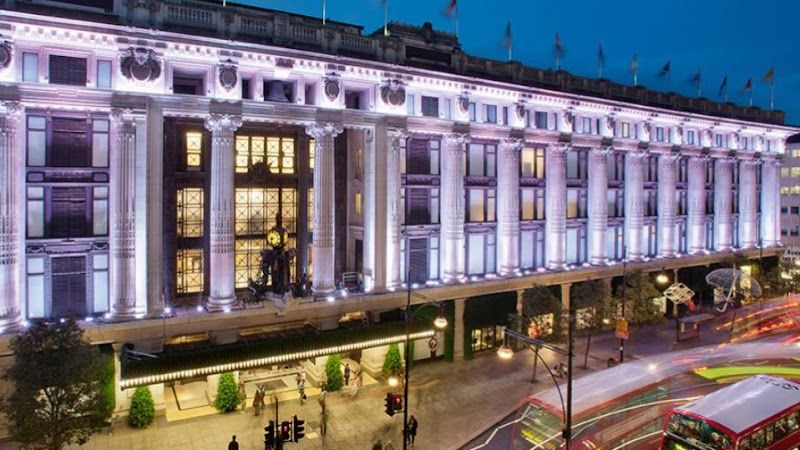
Selfridges
Selfridges is London's theatre of shopping, a 1909 department store that transformed retail into entertainment. You'll find the world's largest beauty hall sprawling across the ground floor, designer fashion across multiple floors, and pop-up installations that change monthly - recent ones featured everything from Korean street food to NFT art galleries. The building itself rewards exploration, with its famous Queen of Time clock outside and restored Art Deco lifts that still operate with uniformed attendants. Shopping here feels like wandering through a series of curated exhibitions rather than browsing traditional departments. The beauty hall buzzes with makeup artists offering free consultations, while the fourth floor houses everything from vintage Chanel to emerging London designers. The food hall resembles a gourmet market with counters serving everything from fresh oysters (£2.50 each) to Japanese wagyu. Each floor has a different energy - menswear feels like a gentleman's club, while womenswear ranges from minimalist galleries to theatrical showcases. Most visitors get overwhelmed by the ground floor chaos and miss the real treasures upstairs. Skip the tourist-packed ground floor beauty counters and head straight to the Ultralounge beauty space on the first floor for better service. The rooftop restaurants are overpriced (mains £25-35) but the views justify a drink. If you're actually shopping, Thursday evenings stay open until 9pm with notably fewer crowds than weekends.
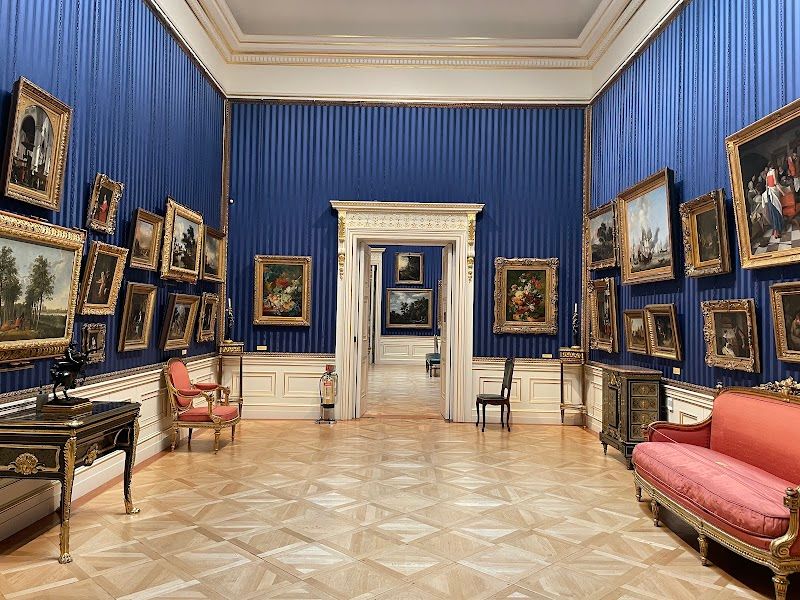
The Wallace Collection
The Wallace Collection occupies a gorgeous 18th-century mansion that feels more like visiting a wealthy collector's private home than a public museum. You'll find Fragonard's swooningly romantic paintings hanging in silk-lined drawing rooms, medieval armor displayed in wood-paneled galleries, and Sèvres porcelain that Napoleon himself would have recognized. The Great Gallery stretches the length of the building, packed with works by Titian, Rubens, and Rembrandt in heavy gold frames. Walking through feels genuinely intimate - you're peering into ornate cabinets filled with snuffboxes and miniatures, then turning a corner to find Poussin's massive canvases. The atmosphere stays hushed and contemplative, nothing like the cattle-drive feeling of the National Gallery. Each room flows naturally into the next, and the covered courtyard provides a serene break with decent coffee and surprisingly good pastries. Most guides don't mention that half the visitors only make it through the ground floor before giving up - the real treasures are upstairs. Skip the medieval arms collection unless you're genuinely interested; focus your time on the first-floor paintings and French furniture. The audio guide costs £5 but isn't necessary - the wall labels are comprehensive and the layout is intuitive.
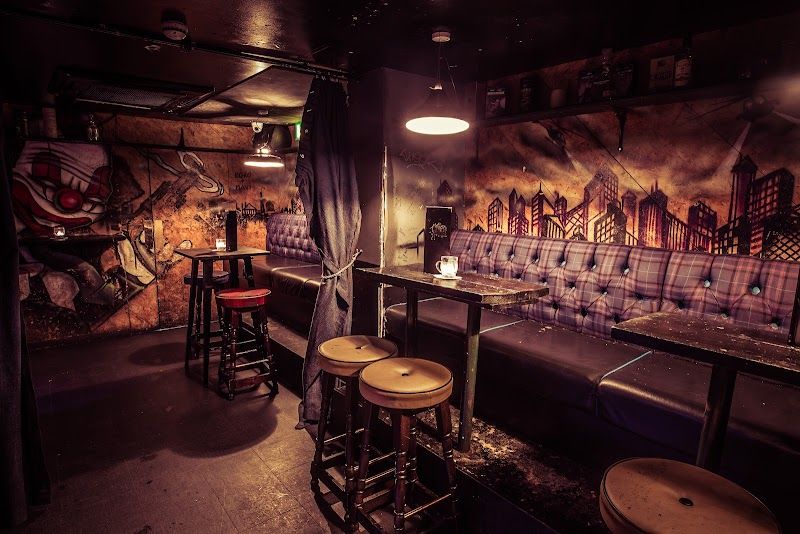
London Cocktail Club Masterclass
Two-hour cocktail making workshop teaching classic and contemporary cocktail techniques, including shaking, stirring, muddling, and garnishing. Participants make and sample four cocktails while learning about spirits history and bar craft.
Where to Eat
Restaurants and cafes in Marylebone & Fitzrovia
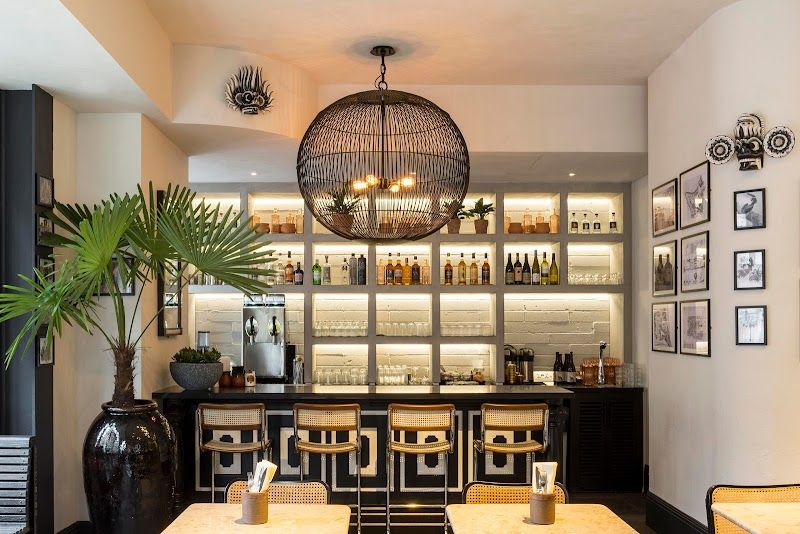
Hoppers St Christopher's Place
RestaurantSri Lankan restaurant specializing in fermented rice hoppers, kotthu roti, and bone marrow varuval. The open kitchen shows the hopper griddles in action. Order the eponymous hopper with a runny egg baked into the center.
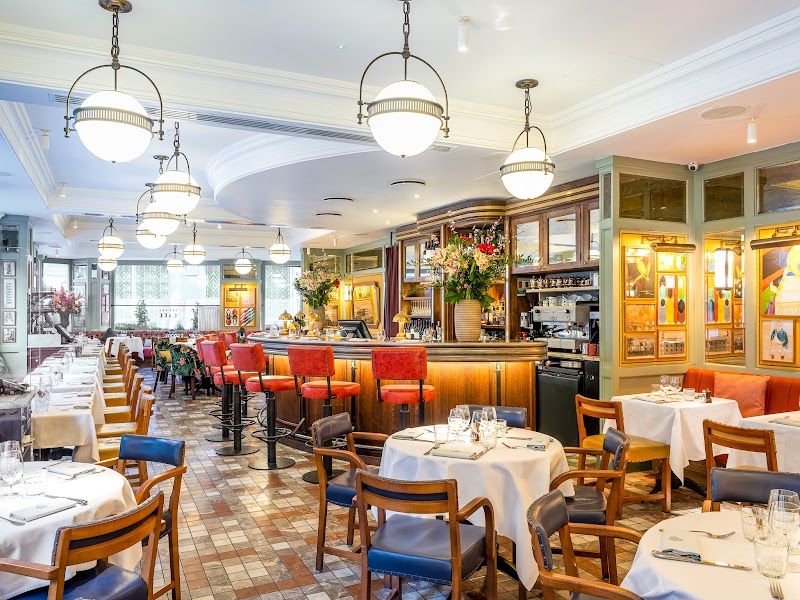
The Ivy Café
CafeMore casual offshoot of the famous Ivy restaurant in Marylebone, serving breakfast through dinner in a glamorous art deco setting. Known for excellent afternoon tea and all-day availability without the main restaurant's exclusivity. The green leather booths and stained glass create an elegant atmosphere.
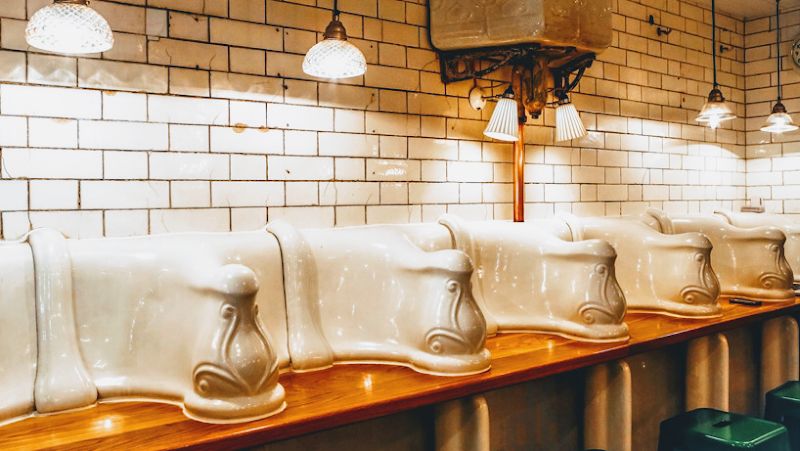
Attendant
CafeSpecialty coffee shop built inside a restored Victorian underground public toilet in Fitzrovia. Original porcelain urinals remain as quirky décor while serving excellent coffee and breakfast. The unique location makes it one of London's most unusual café experiences.
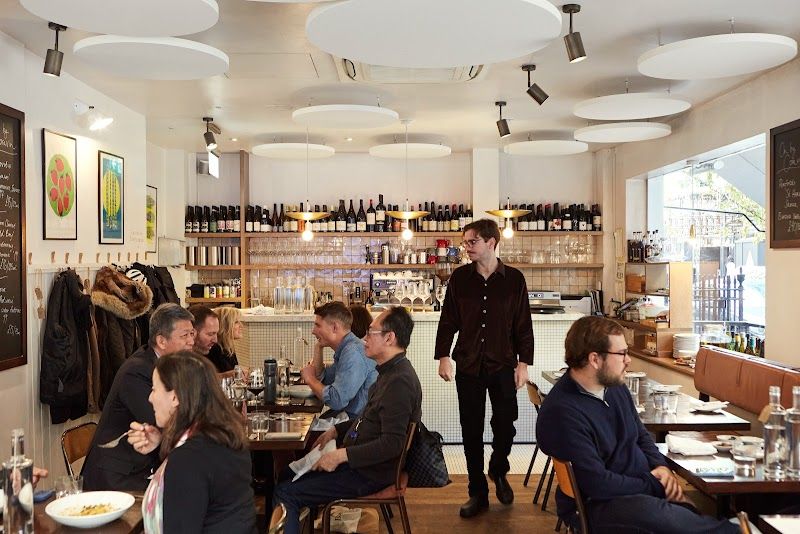
Clipstone
RestaurantNeighborhood restaurant in Fitzrovia with daily-changing menu and natural wine focus. The kitchen uses the wood oven for vegetables and meat. Sister restaurant to Portland, with a more relaxed vibe.
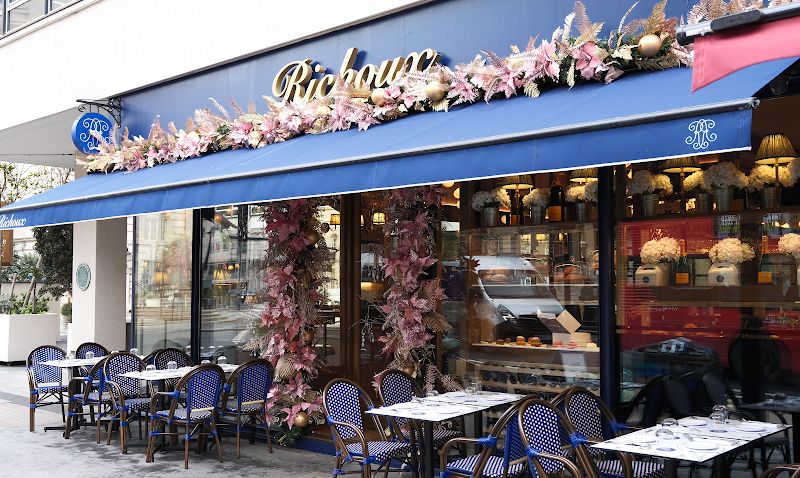
Richoux
RestaurantHistoric English tea room operating since 1909 on Piccadilly with old-world charm and traditional afternoon tea service. Red leather banquettes, white tablecloths, and attentive service transport you to another era. Proper afternoon tea with finger sandwiches and tiered cake stands.
Nightlife
Bars and nightlife in Marylebone & Fitzrovia
Getting Here
Metro Stations
On Foot
Very walkable - a pleasure to stroll the quiet residential streets
Insider Tips
Marylebone High Street
Visit Daunt Books (the beautiful Edwardian bookshop), La Fromagerie (cheese and wine), and Monocle Cafe. Sunday farmers' market in the Cramer Street car park is excellent.
Wallace Collection
Completely free and usually empty. The Great Gallery rivals any room in the National Gallery. The courtyard restaurant is lovely for lunch.
Regent's Park
Queen Mary's Rose Garden is spectacular June-September. The Open Air Theatre summer season (Shakespeare, musicals) is magical. Primrose Hill just north offers the best sunset views of the London skyline.
Nearby Neighborhoods
Continue exploring


Related Articles
Best Food Places in London: Where Locals Actually Eat
From Brick Lane curry houses to Borough Market stalls, here's where locals actually eat in London - plus the tourist spots that are genuinely worth your money.
London's Best Food Markets: Where to Eat Like a Local
Skip the tourist traps and eat where Londoners actually go. Our guide covers Borough Market, Camden, Brick Lane, and more - with specific stalls, prices, and insider tips.
Plan a trip featuring Marylebone & Fitzrovia
Get a personalized London itinerary with Marylebone & Fitzrovia built in.
Start Planning