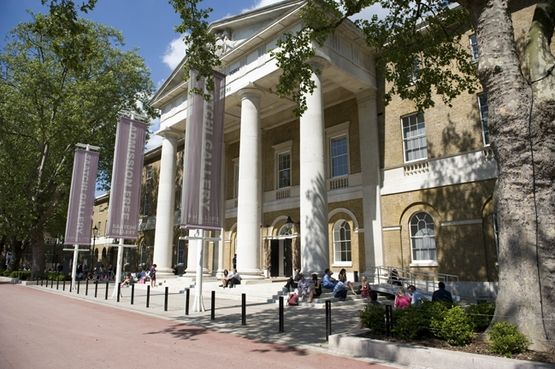
London
Notting Hill & Portobello
Colorful, bohemian, photogenic
About Notting Hill & Portobello
Notting Hill earned its Instagram fame honestly - the pastel Georgian houses really are that photogenic, and Portobello Road Market really does stretch nearly a mile with antiques, vintage fashion, and street food vendors packed side by side.
The market runs different schedules depending on what you're after. Saturday is the full experience with every stall open, but also 100,000 other visitors. Friday is the serious antique day - genuine Georgian silver and Victorian jewelry without the crowds. Weekday mornings are just permanent shops and a handful of produce stalls, which has its own quiet appeal. The antique dealers aren't messing around: you can find 1-pound trinkets or 10,000-pound paintings within the same block.
Notting Hill's Caribbean heritage matters more than the movie. The Notting Hill Carnival in August (Europe's largest street festival) traces back to the Trinidadian community that settled here in the 1950s. Year-round, that influence shows up in jerk chicken shops on All Saints Road, rum bars below street level, and record stores with reggae vinyl. Lancaster Road and Westbourne Park Road have the most concentrated color for photos - go before 9 AM for empty streets and good light.
Things to Do
Top experiences in Notting Hill & Portobello
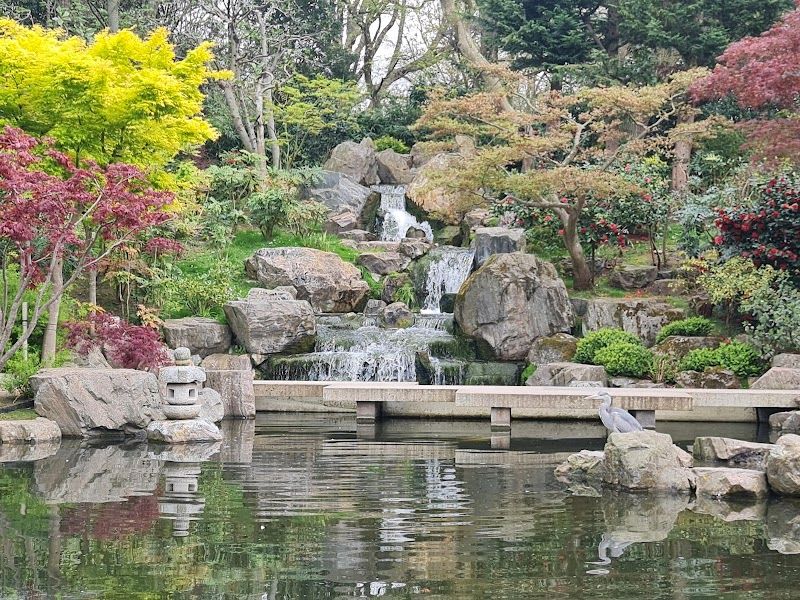
Kyoto Garden
Kyoto Garden sits within Holland Park as London's most authentic slice of Japan, complete with a traditional koi pond, stone lanterns, and carefully positioned rocks that follow centuries-old design principles. You'll find peacocks wandering the surrounding parkland (they're loud but photogenic), while the garden itself maintains perfect silence except for trickling water. The waterfall cascades over dark stones into a pond where massive koi fish surface expectantly - locals feed them despite the signs asking you not to. The wooden bridge crossing the central pond gives you the classic view that fills Instagram feeds, but the real magic happens along the winding stone path where each turn reveals a new composition of plants, rocks, and water. Cherry blossoms draw crowds in April, but the garden works year-round - autumn maples turn brilliant red, while winter reveals the elegant bare structure. You'll hear Japanese spoken as often as English here, and wedding photographers claim spots early on weekends. Most travel guides oversell this as a major destination, but it's genuinely tiny - you can see everything in 15 minutes if rushed. The surrounding Holland Park is actually more interesting for a longer visit, with formal gardens, woodland walks, and those attention-seeking peacocks. Come for 45 minutes total, spend 20 in the Japanese section, then explore the rest. It's completely free, though parking costs £4.90 per hour on surrounding streets.
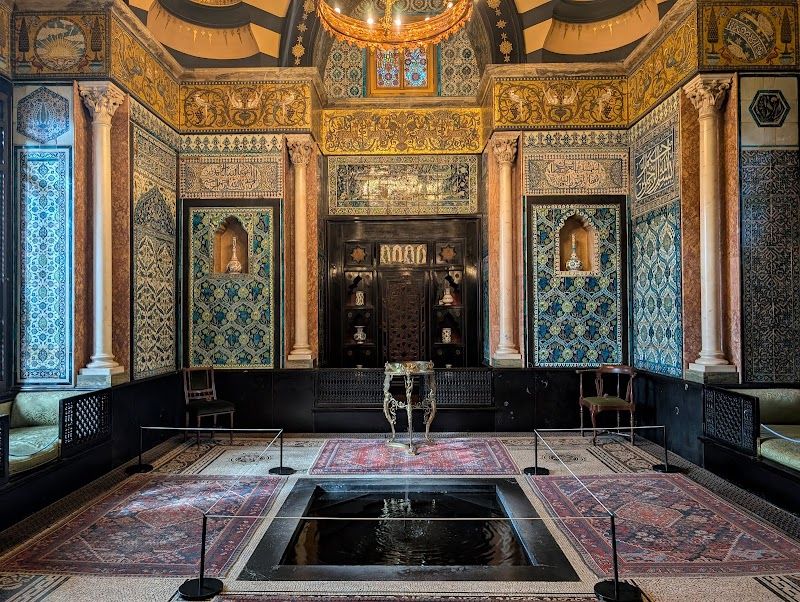
Leighton House Museum
Former home of Victorian artist Frederic Leighton, featuring an Arab Hall with gilded tiles and a golden dome. The house showcases Pre-Raphaelite art and Islamic architecture in a domestic setting that's steeped in history. One of London's many lesser-known museums that's definitely worth a visit.
The Notting Hill Walk
Self-guided or group walking tour exploring Notting Hill's pastel-colored mews, Portobello Road's antique shops, and filming locations from the Hugh Grant film. The route covers hidden gardens, Victorian architecture, and the area's Caribbean heritage.
Kew Gardens
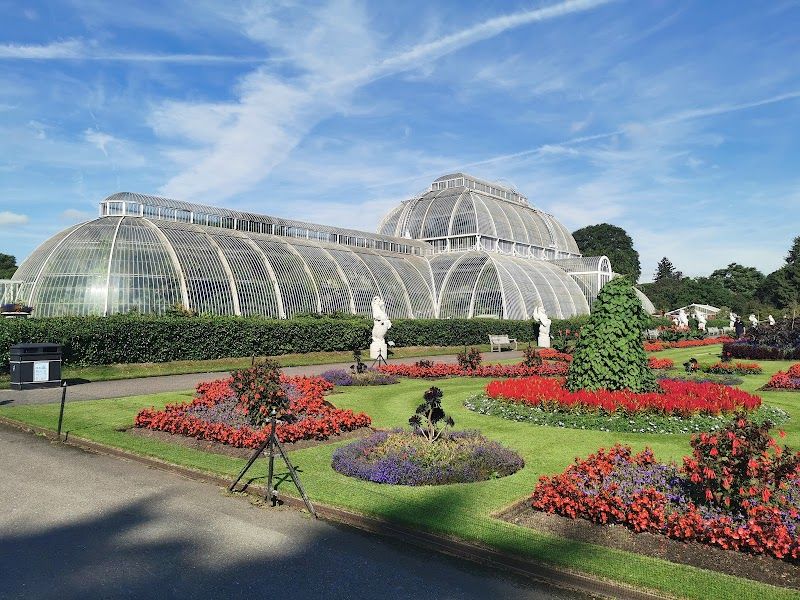
Kew's reputation as a research institution is what sets it apart from regular botanical gardens. The Palm House isn't just pretty-it's a functioning Victorian climate laboratory where you'll see 150-year-old cycads and catch researchers taking measurements. The Princess of Wales Conservatory houses ten different climate zones under one roof, from desert cacti to carnivorous plants in boggy conditions. The herbarium stores 8.5 million dried specimens, and you'll spot scientists everywhere. Start early and accept you won't see everything in one visit. The Temperate House reopened in 2018 after five years of restoration and feels genuinely cathedral-like with its soaring glass ceiling. The Japanese Gateway leads to an authentic landscape that changes dramatically with seasons. Walking the Treetop Walkway gives you perspective on how massive the old-growth trees really are, especially the 200-year-old sweet chestnuts. Most people underestimate the scale and spend too much time in the first glasshouse they enter. The queues for the Palm House can be ridiculous on weekends-the Princess of Wales Conservatory is often emptier but equally impressive. Skip the Marianne North Gallery unless you're genuinely into Victorian botanical art. The Hive installation is Instagram bait but the sound design is actually fascinating if you spend more than two minutes there.
Portobello Road Market
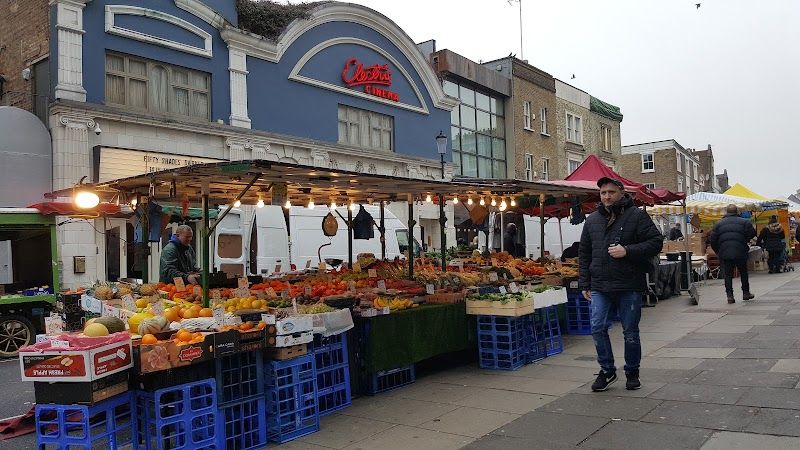
Portobello Road Market stretches from Notting Hill Gate to Ladbroke Grove, transforming dramatically as you walk north. The antiques section near Notting Hill Gate features genuine Victorian jewelry, Art Deco furniture, and rare books in permanent shops that spill onto Saturday sidewalk stalls. The middle section sells vintage band t-shirts, 1960s leather jackets, and costume jewelry, while the northern end under the Westway flyover becomes a proper street market with Caribbean food stalls and household goods. Saturday mornings feel like controlled chaos as dealers arrange Victorian silverware on folding tables while tourists snap photos of the pastel-colored houses from Notting Hill movie fame. The antiques dealers know their stuff and price accordingly-expect genuine pieces but no bargains unless you arrive early. The vintage clothing section draws fashion students and stylists hunting for authentic pieces, though quality varies wildly from stall to stall. Weekdays are completely different-only the permanent antique shops stay open, making it actually better for serious browsing without crowds. Skip the touristy middle section unless you enjoy overpriced vintage band tees. The food stalls under the Westway serve excellent Caribbean dishes but close early afternoon. Most visitors underestimate the walking distance-it's genuinely exhausting to cover the entire market properly.
Holland Park
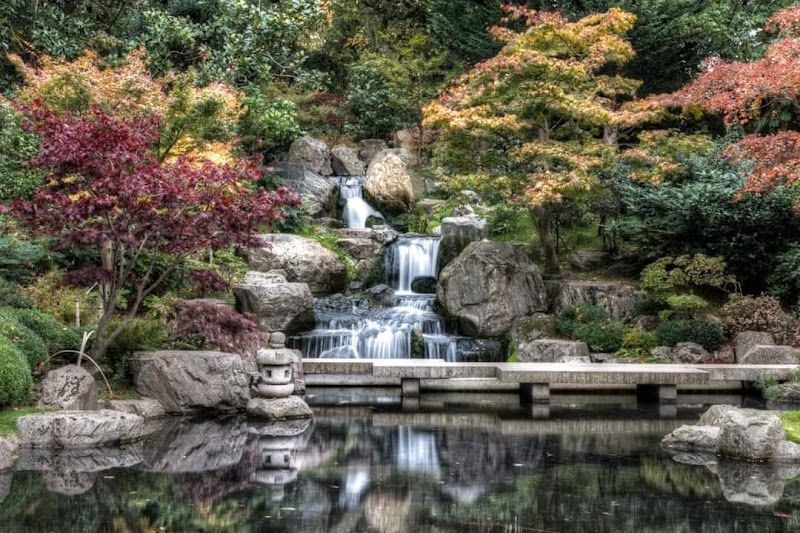
Holland Park wraps around the skeletal remains of Holland House, a 17th-century mansion that took a direct hit during the Blitz. What survived - arched doorways, stone walls, and a colonnade - now frames outdoor opera performances in summer and creates an unexpectedly romantic backdrop year-round. The real draw is the Kyoto Garden, where waterfalls cascade over rocks into pools filled with massive koi carp, while peacocks strut across manicured lawns and call from tree branches. The park splits into distinct worlds - you'll move from formal gardens with neat hedgerows to wild woodland where squirrels dart between ancient oaks. The Japanese garden feels transported from another continent, complete with a moon bridge and carefully placed stones that follow traditional design principles. Peacocks appear everywhere, often blocking paths while they display their tail feathers or eyeing visitors' picnics with obvious intent. The contrast between manicured sections and overgrown areas makes each turn feel like discovering a new park entirely. Most people beeline straight to the Kyoto Garden and miss the best bits. The woodland area in the park's northern section stays empty while crowds cluster around the waterfall. Skip the crowded central lawn on weekends - it's just grass. The ruins are more atmospheric at dusk when golden light hits the remaining walls. Free entry means you can pop in for 20 minutes or spend the whole afternoon, but 90 minutes covers everything comfortably without feeling rushed.
Design Museum
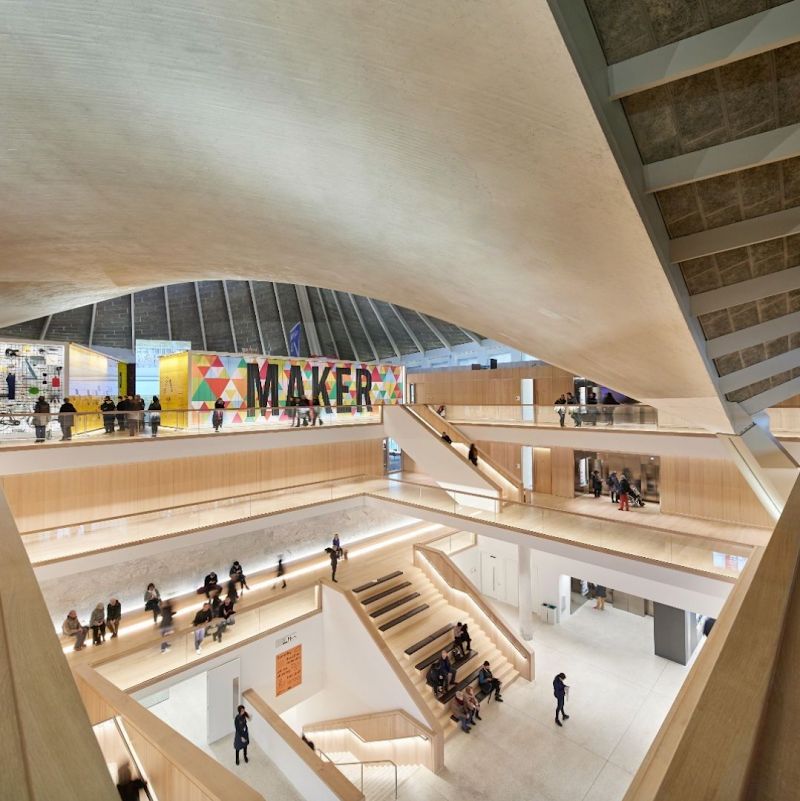
Design Museum showcases how objects shape our daily lives, from the computer mouse you're probably using to read this to the chair you're sitting on. The permanent collection spans centuries of design evolution - you'll see everything from 1960s furniture to contemporary sneakers, plus temporary exhibitions that rotate every few months covering topics like video game design or sustainable fashion. The building itself is striking: John Pawson transformed a 1960s concrete structure into a bright, minimalist space with a dramatic helical staircase at its centre. You'll start on the ground floor with temporary exhibitions (these vary wildly in quality), then work your way up. The real highlight sits on the top floor - the permanent 'Designer Maker User' collection spreads across bright, airy galleries where you can trace design stories from the AK-47 to the iPhone. The displays explain not just what objects look like, but why they were made that way and how they changed behaviour. The rooftop offers decent views over Holland Park, though it's nothing special. Here's what most guides won't tell you: the temporary exhibitions cost £16-18 and are often hit-or-miss, while the best content (the permanent collection) is completely free. Skip the overpriced cafe downstairs - there are better options on Kensington High Street. The museum shop is genuinely good if you're into design books or quirky homeware, though expect to pay premium prices. Visit on weekday mornings to avoid school groups.
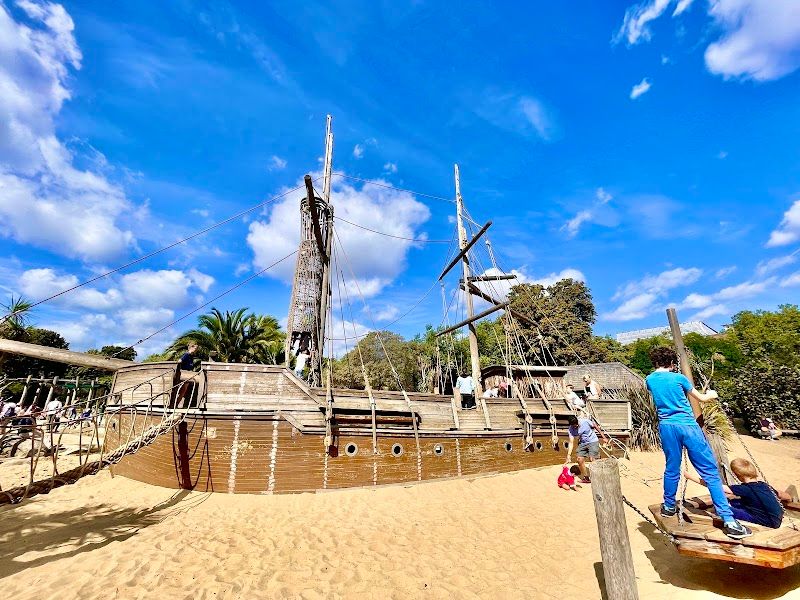
Diana Memorial Playground
Diana Memorial Playground transforms a corner of Kensington Gardens into an adventure zone built around Peter Pan's Neverland. The centerpiece is a massive wooden pirate ship where kids can climb rigging, work the ship's wheel, and peer through portholes. Beyond the ship you'll find wigwam-style teepees, a sensory trail with different textures underfoot, musical instruments built into tree stumps, and a beach area with real sand where toddlers can dig and build. The playground buzzes with purposeful chaos as children aged 12 and under explore every nook. Parents perch on benches while kids disappear into the ship's lower decks or scramble up rope climbing frames. The whole space feels enclosed and safe behind its fence, with trained play workers keeping an eye on things. The design cleverly separates areas for different ages, so toddlers aren't overwhelmed by bigger kids charging around the pirate ship. This is genuinely free entertainment that can easily fill two hours, making it exceptional value in expensive London. The playground gets packed on sunny weekends when the queue stretches along Broad Walk - rainy days are actually perfect since most equipment stays usable under tree cover. Don't bother bringing your own snacks since there's nowhere to eat inside, and forget about checking emails since mobile signal is patchy within the gated area.
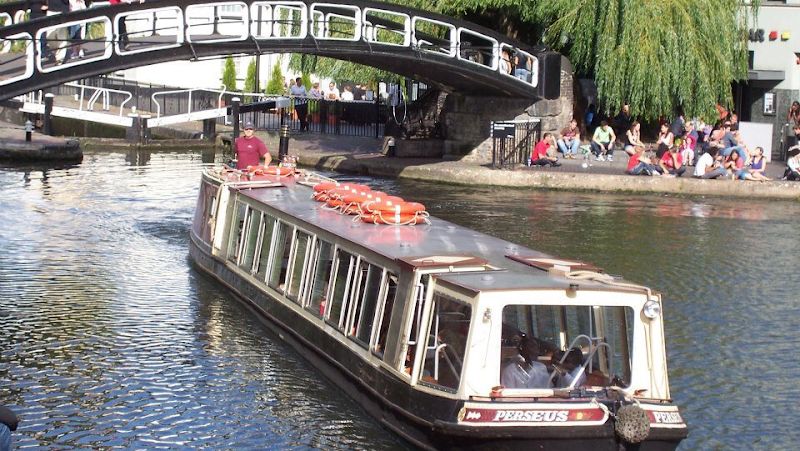
Little Venice Canals
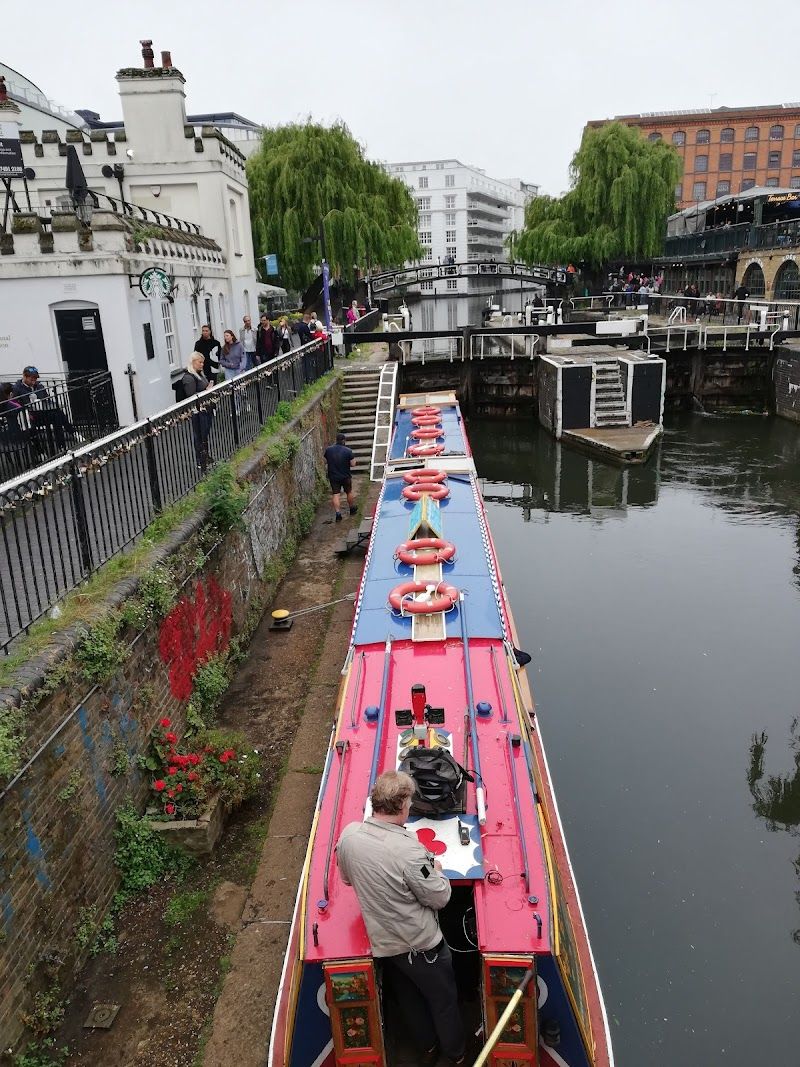
Regent's Canal meets the Grand Union Canal at a quiet area, with waterways lined by willows and permanent mooring for narrowboats painted in various colors. The junction is flanked by Blomfield Road and Warwick Avenue, which form the center of this neighborhood. Waterfront cafés are located along the main roads, alongside the Canal Café Theatre on a barge and Browning's Pool, which is named after the famous poet Robert Browning. Waterbus services operate to Camden and London Zoo.
Where to Eat
Restaurants and cafes in Notting Hill & Portobello
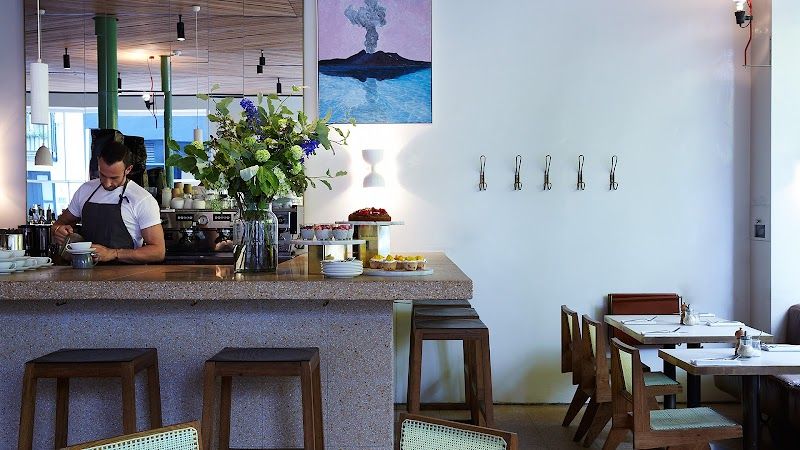
Granger & Co
RestaurantAustralian restaurateur Bill Granger's all-day dining spot in Notting Hill serving his famous ricotta hotcakes and relaxed brunch dishes. Light-filled corner space with whitewashed interiors and communal tables. The Aussie-style coffee is consistently excellent.
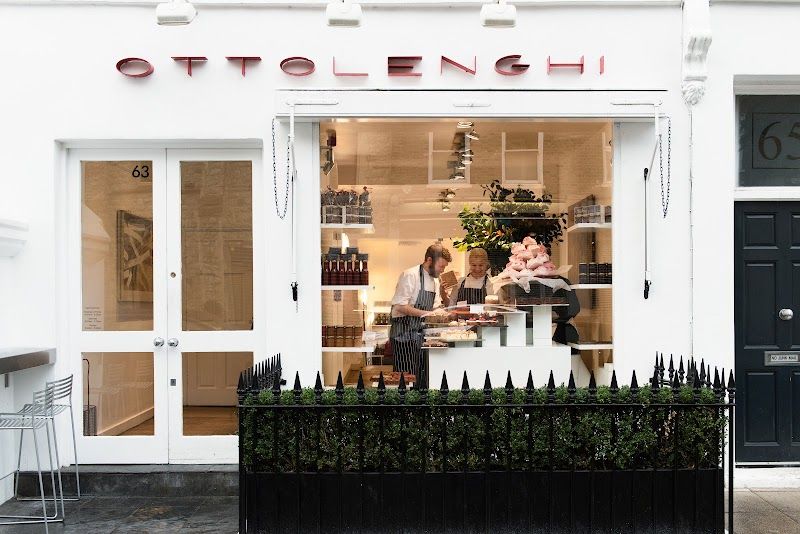
Ottolenghi Notting Hill
RestaurantYotam Ottolenghi's original restaurant and deli with Mediterranean and Middle Eastern salads, baked goods, and takeaway. The communal table displays seasonal salads. The cakes and meringues are architectural.
Nightlife
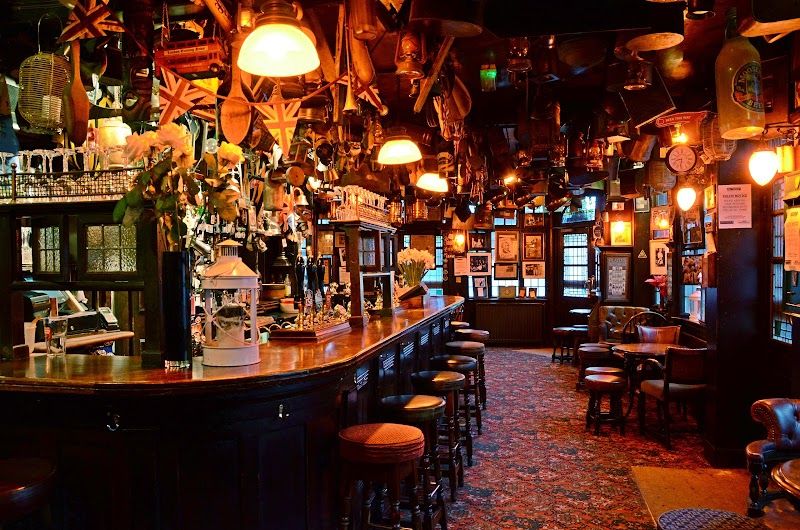
Bars and nightlife in Notting Hill & Portobello
Getting Here
Metro Stations
On Foot
Very walkable - the market runs along a single road making navigation easy
Insider Tips
Portobello Market
The antique section (north end) is best on Fridays. Saturday is the full market experience but crowded. Weekday mornings offer a relaxed browse of the permanent shops.
Best Photo Spots
Lancaster Road and Westbourne Park Road have the most colorful houses. Early morning light is best. The famous blue door is at 280 Westbourne Park Road.
Beyond the Tourist Trail
Golborne Road at the north end of Portobello has excellent Portuguese and Moroccan food. The Electric Cinema is one of London's most luxurious picture houses.
Nearby Neighborhoods
Continue exploring


Related Articles
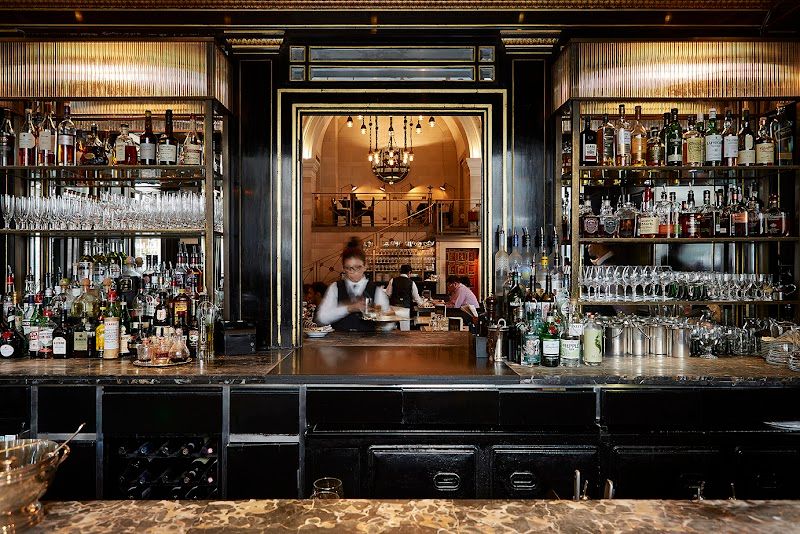
Best Food Places in London: Where Locals Actually Eat
From Brick Lane curry houses to Borough Market stalls, here's where locals actually eat in London - plus the tourist spots that are genuinely worth your money.
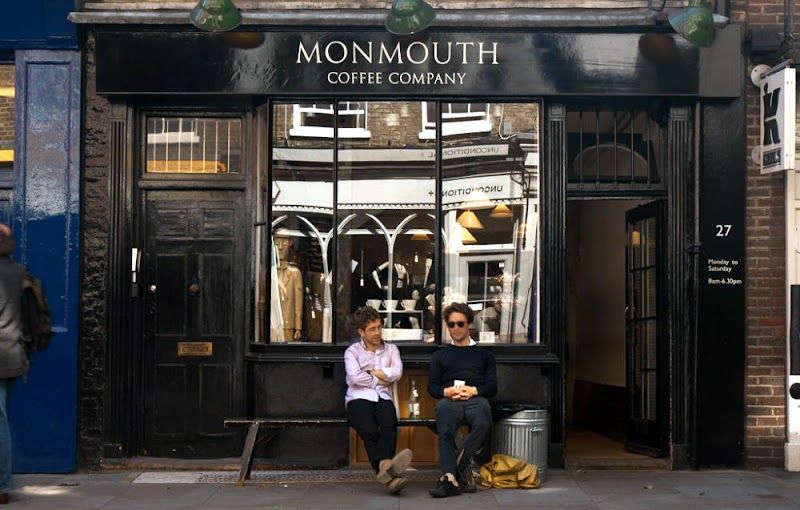
London's Best Food Markets: Where to Eat Like a Local
Skip the tourist traps and eat where Londoners actually go. Our guide covers Borough Market, Camden, Brick Lane, and more - with specific stalls, prices, and insider tips.
Plan a trip featuring Notting Hill & Portobello
Get a personalized London itinerary with Notting Hill & Portobello built in.
Start Planning