2-3 Days in Lyon: First-Timer's Itinerary
Traboules, bouchons, the Fourviere view, and the best food market in France
How to spend 2-3 days in Lyon: the traboule walk in Vieux Lyon, Fourviere at sunset, Musee des Beaux-Arts, Croix-Rousse market, and Halles de Lyon Paul Bocuse. The practical first-timer's guide.
Lyon rewards first-time visitors who commit to its eating culture and accept that you will walk uphill frequently. This city has France's most serious food scene outside Paris, Renaissance architecture that actually predates most of what you see in Paris, and working silk looms that haven't changed since Napoleon's time. The best parts require climbing: Fourviere for the views, Croix-Rousse for the silk history, and every bouchon staircase for the quenelles.
Vieux Lyon and Fourviere
Your calves will burn from the cobblestones and funicular climbs, but this is how you earn Lyon's best views and understand why the Romans built here. The traboules feel like secret passages because they were, and the bouchon lunch will be heavier than you expect and better than you imagine.
- Renaissance courtyards through hidden passages
- Roman ruins with Alpine views
- First proper bouchon meal
Morning: Traboules and Cathedral
Start at 54 Rue Saint-Jean at 9am before tour groups arrive. Look for brass plaques on heavy wooden doors, push them open, and walk through Renaissance courtyards connected by covered passages called traboules. These shortcuts between streets were built for silk merchants to transport fabric without getting it wet. The best sequence runs north along Rue du Boeuf: you will find spiral staircases, stone galleries, and courtyards that smell like centuries of cooking. At Cathedrale Saint-Jean, ignore the Gothic facade and head inside to the north transept where the 14th-century astronomical clock performs its little puppet show at 12pm, 2pm, 3pm, and 4pm daily.
Late Morning: Fourviere Hill
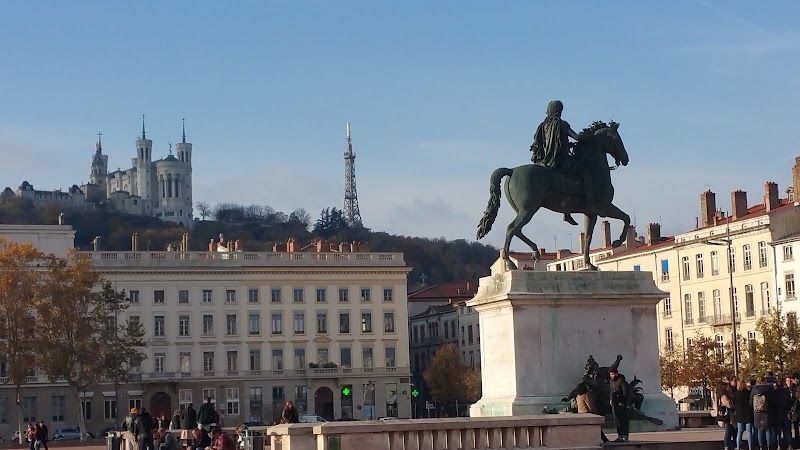
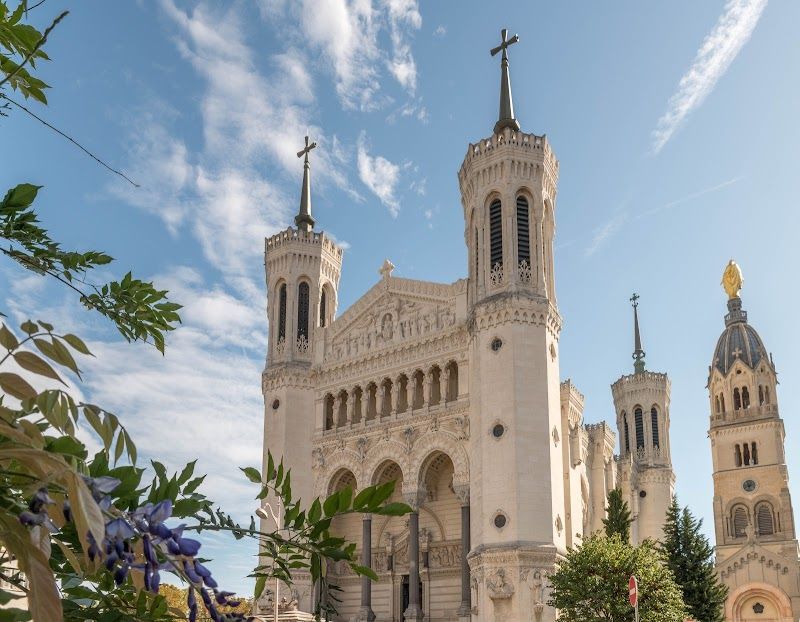
Take the funicular from Saint-Jean station (EUR 2.40, runs every 10 minutes, buy tickets from the machine). The ride up takes 3 minutes and deposits you at Basilique Notre-Dame de Fourviere, which looks like a wedding cake had an argument with a Byzantine church. The interior is deliberately excessive: gold mosaics, marble columns, and painted ceilings that make Vegas look subtle. Climb to the terrace behind the basilica for Lyon's signature view across both rivers and the Alps on clear days. Walk 5 minutes north to the Roman theaters, the oldest in France from 15 BC. The attached Gallo-Roman museum (EUR 7) has the best Roman mosaics in France, but the outdoor ruins are free and equally interesting.
Lunch: Your First Bouchon
Walk back down to Vieux Lyon (20 minutes downhill or take the funicular) for lunch at a certified bouchon. Look for the official 'Bouchon Lyonnais' plaque with the Gnafron puppet logo on the door. Order salade lyonnaise (frisee lettuce with warm bacon dressing and a poached egg) and quenelles de brochet (pike dumplings in cream sauce that taste nothing like fish). The portions are enormous and the waitresses will be brusque in the traditional way. Expect EUR 25-30 per person including a glass of Cotes du Rhone. Cafe des Federations on Rue du Major Martin is reliable and looks exactly like a bouchon should: red checkered tablecloths and photographs of dead chefs.
Afternoon: More Vieux Lyon
Spend the afternoon wandering more traboule networks between Rue Saint-Jean and Rue du Boeuf. The Musee Gadagne (EUR 8) on Place du Petit College tells Lyon's city history through artifacts and has good views from its top floor, but it is skippable if you are already tired from walking. The building itself, a Renaissance mansion, is more interesting than most of the exhibits inside. By 5pm, walk to the Saone riverbank and follow the quais south for the best golden hour light on the old city facades reflected in the water.
Presqu'ile and Croix-Rousse
This day moves from high art to working-class silk history to serious eating. You will climb another hill, but Croix-Rousse rewards you with cheese vendors who let you taste before buying and views that improve with every block as you walk back down.
- France's second-best art museum
- Working silk looms and market cheese
- Food hall grazing expedition
Morning: Art and Fountains
Start at Musee des Beaux-Arts on Place des Terreaux (EUR 8, opens 10am). This is France's best art museum outside Paris, housed in a former Benedictine abbey with a peaceful sculpture courtyard. The Impressionist rooms on the second floor have Renoirs and Monets you have never seen in books, and the Egyptian collection includes a genuine temple transported from Medamoud. Allow 90 minutes. Outside, Place des Terreaux centers on Bartholdi's fountain (the same sculptor who made the Statue of Liberty), where four horses represent rivers flowing toward the sea. The adjacent Hotel de Ville has the prettiest facade in Lyon, all carved stone and French flags.
Late Morning: Croix-Rousse Market and Silk
Take Metro Line C from Hotel de Ville to Croix-Rousse or walk uphill for 15 minutes through increasingly steep streets. The morning market on Boulevard de la Croix-Rousse (Tuesday through Sunday until 1pm) is where Lyon's chefs shop: buy Saint-Marcellin cheese, Lyonnaise saucisson, and a baguette, then eat lunch sitting on the church steps overlooking the city. The Maison des Canuts at 10 Rue d'Ivry (EUR 7) demonstrates silk weaving on original Jacquard looms from the 1800s. The guide will explain how silk workers lived six people to a room and why their 1831 revolt terrified Paris. The mechanical looms are genuinely fascinating and still produce silk sold in the gift shop.
Afternoon: Walking Down and Food Halls
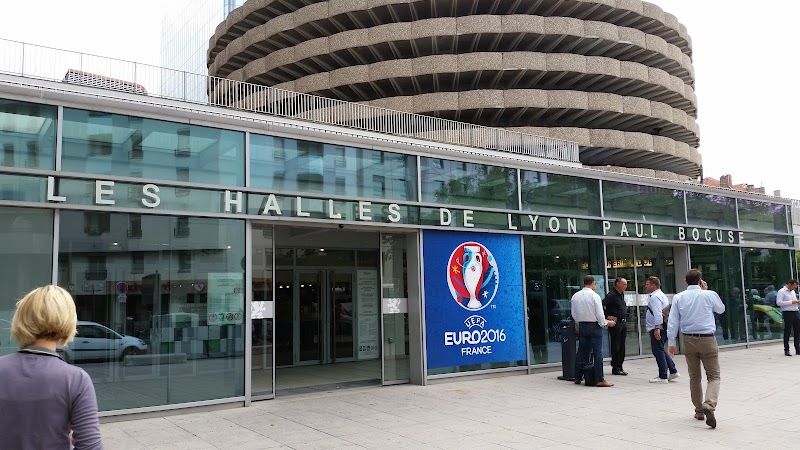
Walk downhill from Croix-Rousse to Presqu'ile, a 20-minute descent through neighborhoods that improve with each block as you approach the city center. Stop at Halles de Lyon Paul Bocuse (102 Cours Lafayette) for serious food browsing. This covered market has Lyon's best cheese vendors, charcuterie specialists, and oyster bars under one roof. Taste Saint-Marcellin cheese from Mere Richard (the texture should be slightly runny), order a dozen oysters with Sancerre at the Huitres Garnier bar, and buy praline tart slices from the Sebastien Bouillet stall. Budget EUR 20-30 for serious grazing. The building gets crowded after 2pm, so arrive earlier if possible.
Evening: Presqu'ile Wine Bar
End the day at Le Kitchen Cafe on Rue d'Algerie for natural wines and small plates. The wine list focuses on Beaujolais and Cotes du Rhone producers you cannot find at home, served with cheese plates and charcuterie that complement the market shopping. Expect EUR 35-40 per person for wine and food. The atmosphere is relaxed, the staff speaks English, and the wines are exactly what you should be drinking in Lyon.
Confluence or Wine Country
Choose your own adventure: stay in Lyon for contemporary architecture and river walks, or escape to wine country for tastings and village scenery. Both options work well as a gentler third day after two days of intensive walking and eating.
- Crystal architecture or vineyard tastings
- River walks or village exploring
- Modern Lyon or traditional Beaujolais
Option A: Confluence District
The Musee des Confluences (EUR 12) looks like a crystal cloud crashed into the point where the Rhone and Saone rivers meet. The building, designed by Austrian architects, is more impressive than the permanent exhibits inside, which mix anthropology, natural history, and contemporary design without much coherence. Allow 2 hours maximum. The real reward is walking north along the Berges du Rhone, a riverside park with bike paths and river views back toward Vieux Lyon. Stop at Parc de la Tete d'Or if you need green space: it is free, has a large lake, and features exceptional rose gardens that peak in May and June.
Option B: Beaujolais Day Trip
Rent a car (30 minutes north of Lyon) or join a half-day wine tour to Beaujolais villages. The scenery is gentle hills covered in vineyards, and the villages of Fleurie and Chiroubles offer the best combination of wine quality and photogenic stone buildings. Most small producers offer free tastings if you buy a bottle, and Beaujolais wines are lighter and more food-friendly than most people expect. The driving is easy, parking is free, and you will taste wines that rarely make it to export markets. Budget EUR 15-25 per bottle for good producers like Domaine de la Madone in Fleurie.
Essential Lyon Tips
Buy a TCL day pass for EUR 6 if you plan to use public transport more than twice
Bouchons serve lunch 12pm-2pm and dinner 7pm-10pm only, no exceptions
Most museums close on Mondays and Tuesday mornings
The traboules in Vieux Lyon close at 8pm daily
Restaurant reservations are essential for dinner, even at casual places
Taxis are expensive and slow; walk or use the metro instead
Ready to Visit Lyon?
Get a personalized itinerary tailored to your travel style and interests.
Plan Your Lyon TripMore Lyon Guides
First Time in Lyon: What You Need to Know
Everything you need to know before your first visit: what a bouchon is and what to order, how to find the traboules, the TGV from Paris, when to visit, and how not to overpay.
7 min
Where to Eat in Lyon: A Neighbourhood Food Guide
Lyon is France's food capital and this is how to eat it: the bouchon classics you should order, how to use the Halles de Lyon Paul Bocuse, and where to eat by neighbourhood.
9 min