France
Lyon
France's real food capital, two rivers, Renaissance traboules, and wine country in every direction
Best Time
April-June and September-October
Ideal Trip
2-3 days
Language
French, limited English outside hotels and tourist areas
Currency
EUR
Budget
EUR 33-76/day (excl. hotel)
About Lyon
Lyon is where the French go to eat. Not Paris, where the restaurant scene is half performance and half tourist markup, but Lyon, where a bouchon (the city's traditional bistro) serves you a tablier de sapeur (breaded tripe) and a pot of Cotes du Rhone for EUR 18 and the waiter does not care whether you know what tablier de sapeur means. Paul Bocuse built his empire here. The Halles de Lyon Paul Bocuse is the indoor market where chefs shop for Saint-Marcellin cheese that is so ripe it runs off the plate, and quenelles (pike dumplings in cream sauce) that are Lyon's answer to the question nobody in Paris thought to ask.
The city sits at the confluence of the Rhone and the Saone, which means two rivers, two waterfronts, and a series of neighbourhoods built on peninsulas, hills, and riverbanks that each feel like a different city. Vieux Lyon is a UNESCO World Heritage site with Renaissance traboules (hidden passageways through buildings that the silk workers used and that you can still walk through today, for free, if you know which doors to push). Presqu'ile is the peninsula between the rivers where the shopping, theatres, and Place Bellecour (the largest pedestrian square in Europe) are. Croix-Rousse is the old silk-weaving hill, now the bohemian quarter with markets, street art, and independent shops.
Lyon is also the gateway to the Rhone wine region. Beaujolais starts 30 minutes north. The northern Rhone (Cote-Rotie, Hermitage, Condrieu) is an hour south. A day trip to a winemaker who will let you taste in their cellar costs nothing except the drive and whatever bottles you buy on the way out. The city itself has wine bars where a glass of local Beaujolais costs EUR 5 and the person pouring it can tell you the name of the winemaker and what slope the grapes came from.
Neighborhoods
Each district has its own personality
Vieux Lyon
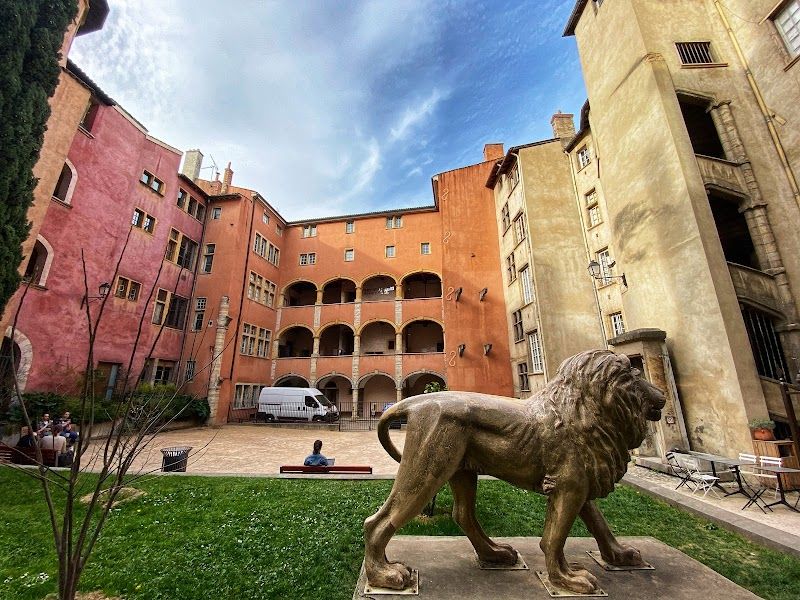
The UNESCO Renaissance old town on the west bank of the Saone: narrow cobblestone streets, 15th-16th century facades, hidden traboules, the best concentration of certified bouchons, and the funicular up to Fourviere above
Presqu'ile
The city centre on the peninsula between two rivers: the grand squares, the Opera, Musee des Beaux-Arts, Rue de la Republique for shopping, and the best restaurant and bar concentration in Lyon
Croix-Rousse
The old silk-weavers' hill above Presqu'ile, now Lyon's bohemian quarter: independent shops, the best outdoor market in the city, street art, and a village atmosphere with views across both rivers
Things to Do
Top experiences in Lyon
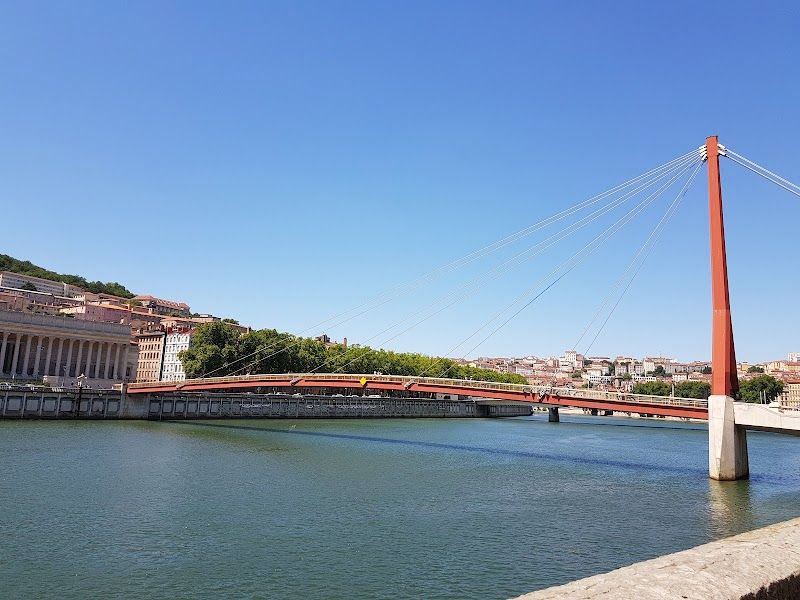
Passerelle du Palais de Justice
This graceful pedestrian bridge connects Presqu'île to Vieux Lyon across the Saône River, offering what locals consider the best low-angle view of the Renaissance quarter. You'll get unobstructed shots of the pastel-colored buildings climbing the hillside, with Basilique Notre-Dame de Fourvière crowning the scene. The neoclassical Palais de Justice with its imposing colonnade dominates the modern side, creating a striking architectural contrast. Walking across feels like stepping onto a viewing platform suspended over water. The bridge sits low enough that you're almost at river level, making the medieval and Renaissance buildings appear to rise dramatically from the water's edge. Tour boats pass underneath regularly, and you'll often share the space with photographers and couples taking evening strolls. The perspective here beats any hilltop viewpoint for capturing Vieux Lyon's famous facades in their full glory. Most tourists rush across without stopping, but this spot deserves at least 15 minutes of your time. The lighting changes completely throughout the day, so don't just come once. Skip the crowded viewpoints on Fourvière hill if you're short on time. This free vantage point delivers better photos with zero effort, and you'll avoid the tourist crowds that plague the basilica's terraces.
Vieux Lyon Traboules Walk
The traboules are secret passageways threading through Renaissance courtyards and staircases, connecting parallel streets across Vieux Lyon. Silk workers originally used these shortcuts to transport fabric without getting soaked, and today over 40 remain open to the public during daylight hours. You'll walk through actual 15th and 16th century merchant houses, climbing worn stone staircases and crossing intimate courtyards that most tourists never see because they don't realize the doors open. Start at 54 Rue Saint-Jean where a small brass plaque marks your entry point. Push the heavy door, step into a Renaissance courtyard, climb the stone staircase, and emerge on the parallel street feeling like you've discovered a secret. The experience repeats as you follow plaques north along Rue du Boeuf and Rue de la Juiverie, each traboule revealing different architectural details: spiral staircases, carved galleries, and intimate courtyards where residents hang laundry and park bicycles. Most guides make this sound more mysterious than it is, but that's actually the charm. These aren't museum pieces but working residential buildings where real people live, so keep quiet as you pass through. The tourist office at Place du Change sells detailed maps for EUR 1, though following the brass door plaques works perfectly well. The Maison du Chamarier at 37 Rue Saint-Jean has the most spectacular Renaissance loggia, but honestly, the magic is in the simple act of pushing unmarked doors and finding yourself somewhere unexpected.
Place des Terreaux
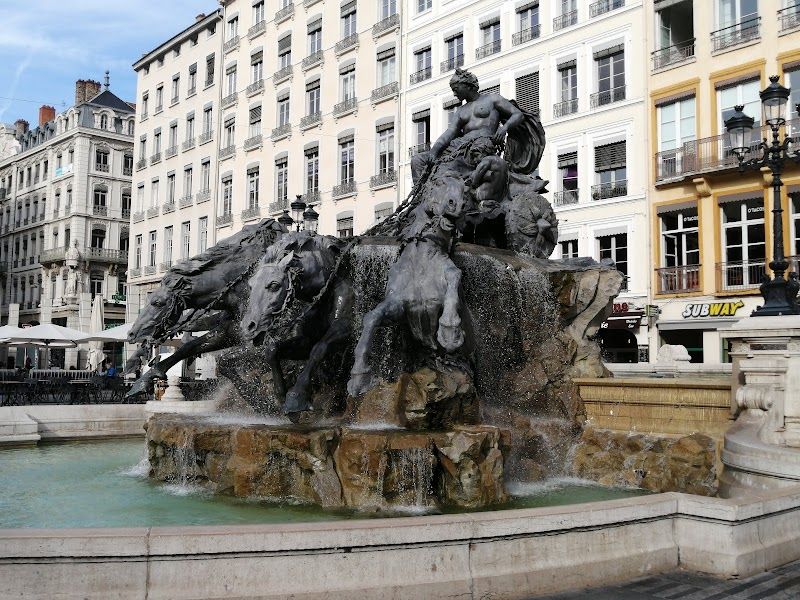
Place des Terreaux showcases Lyon's theatrical side with Bartholdi's dramatic fountain at its center, where four bronze horses rear up representing rivers flowing toward the sea. The square sits between the imposing 17th-century Hôtel de Ville and the Musée des Beaux-Arts, creating a perfect architectural triangle that's been Lyon's ceremonial heart for centuries. You'll find yourself naturally drawn to circle the fountain, watching how the light catches the horses' muscular forms throughout the day. The square operates like Lyon's outdoor living room, where locals cut through on their way to work while tourists pause for photos. Morning brings the best light for appreciating the Hôtel de Ville's elegant facade without harsh shadows, and you'll have space to properly examine Bartholdi's fountain details before afternoon crowds arrive. The surrounding cafes fill with a mix of museum visitors, city hall workers, and people simply watching Lyon's daily theater unfold. Most guides oversell this as a destination when it's really a perfect starting point for exploring Presqu'île. Skip the overpriced café terraces facing the square (you're paying for location, not quality) and instead grab coffee from the small places on rue Sainte-Catherine just behind the Hôtel de Ville. The fountain looks identical from every angle, so don't waste time circling it multiple times.
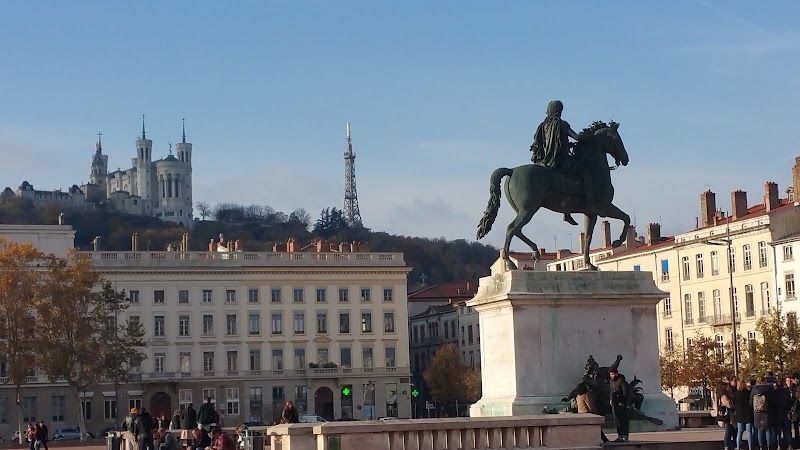
Place Bellecour
Place Bellecour is Europe's largest pedestrian square, a massive 62,000 square meter expanse of red clay that serves as Lyon's unofficial living room. You'll find Louis XIV on horseback at the center, surrounded by perfectly manicured lawns and tree-lined edges. The square connects the Rhône and Saône rivers in the heart of Presqu'île, with clear sightlines to Basilique Notre-Dame de Fourvière on the hill above. Walking across feels like crossing a small desert, especially in summer when the clay surface radiates heat and there's zero shade in the center. Locals use it as a shortcut between metro lines, while tourists cluster around the statue taking photos. The southeast corner houses a small tourist pavilion where you'll spot the Little Prince statue that everyone photographs. Street performers occasionally set up near the edges, and the Christmas market transforms the entire space each December. Most guides oversell this as a destination when it's really just a very large meeting point. Don't make a special trip, but you'll cross it naturally while exploring Presqu'île. The real value is orientation: standing at the statue gives you perfect views to locate yourself in the city. Skip the overpriced cafés along the edges and save your energy for the actual neighborhoods beyond.
Parc de la Tête d'Or
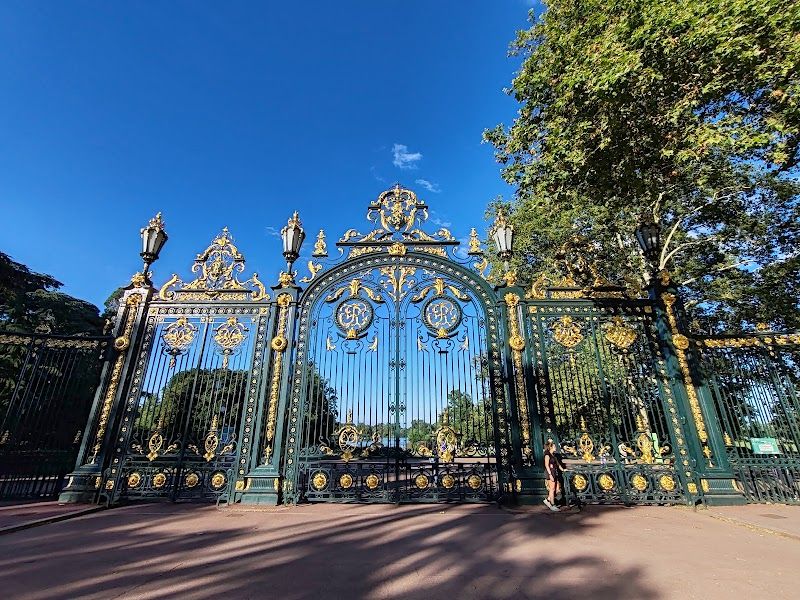
Parc de la Tête d'Or is Lyon's sprawling 117-hectare playground where locals have been escaping city life since 1857. You'll find France's second-largest urban park packed with genuine attractions: a completely free zoo housing giraffes, lions, and 130 other species, plus botanical greenhouses from 1865 that rival paid attractions elsewhere. The rose garden explodes with 30,000 bushes in late May and June, while the central lake offers rowboat rentals and peaceful walking paths. The experience feels like several parks rolled into one. You'll start hearing exotic animal calls before you even see the zoo enclosures, where African plains animals roam surprisingly spacious grounds. The Victorian-era greenhouses steam with tropical plants year-round, while families picnic on vast lawns where actual Bresse cattle graze. Weekend mornings bring joggers circling the lake, while afternoons see kids feeding ducks and couples rowing boats that cost around 8 EUR per hour. Most guides don't mention that the zoo, while free, shows its age in some older enclosures. Skip the small mammal house unless it's raining. The rose garden gets overhyped outside of peak bloom season, but the lake area stays beautiful year-round. Parking fills up fast on sunny weekends, so take the metro to Masséna station instead.
Basilique Notre-Dame de Fourviere
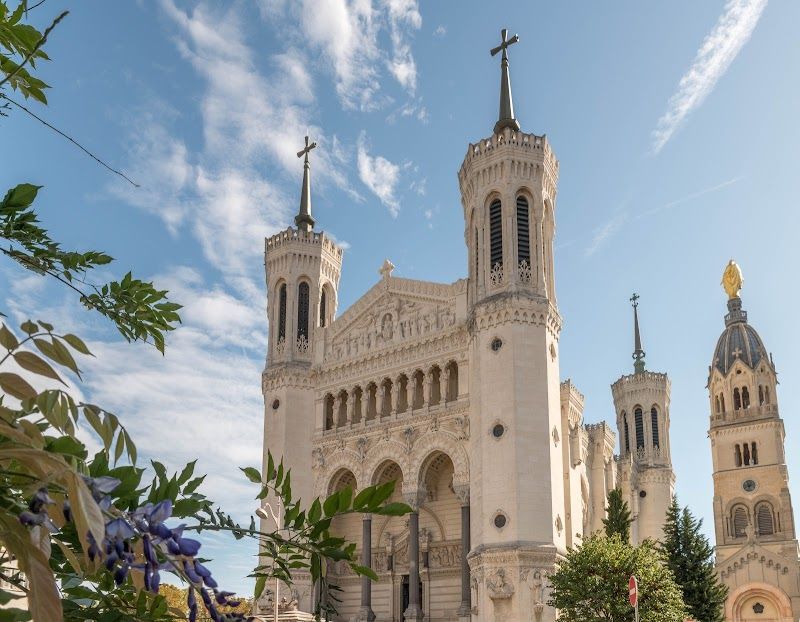
This 19th-century basilica crowns Fourvière Hill and delivers Lyon's best panoramic views across the entire city. You're here for two things: the sweeping terrace overlooking both the Rhône and Saône rivers, and the interior that's so ornately decorated it borders on overwhelming. Every surface inside gleams with Byzantine-style mosaics, gilded stonework, and painted enamels that the locals call "Lyon-Byzantine." The views stretch across the Presqu'île peninsula to the Alps on clear days, and sometimes all the way to Mont Blanc. The funicular ride up takes 4 minutes and feels like a mini adventure itself, climbing steeply from Vieux Lyon through a tunnel. Inside the basilica, your eyes need time to adjust to the visual intensity: gold leaf everywhere, intricate mosaics covering walls and ceilings, and marble columns that reflect the light. The free terrace beside the church is where you'll spend most of your time, watching the city spread out below while tour groups cycle through. Most visitors spend too long inside gawking at the decorations when the real prize is outside. The interior is impressive but 15 minutes covers it unless you're genuinely interested in 19th-century religious art. Save your time for the terrace, especially 45 minutes before sunset when the light turns the rivers copper and the whole city glows. The funicular costs EUR 2.40 with any TCL transit pass, and entry to everything is free.
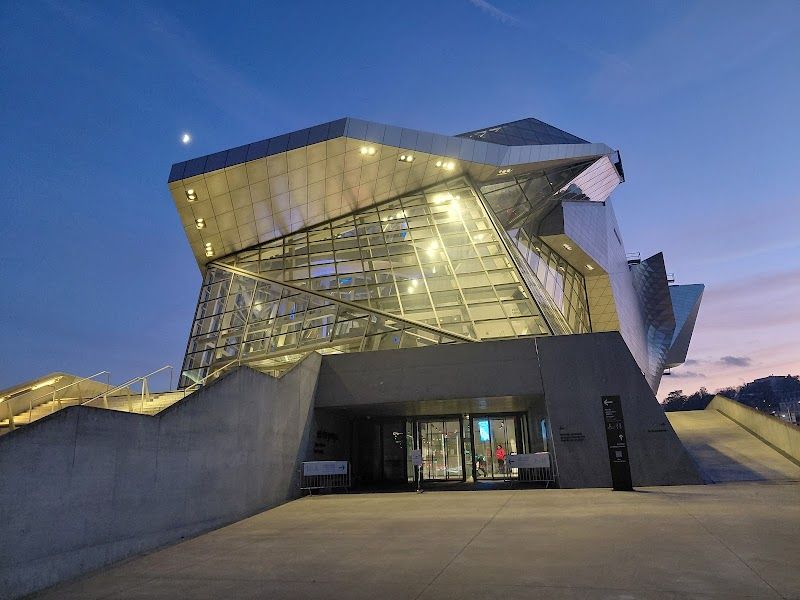
Musee des Confluences
Enter from the Cours Charlemagne side for the full architectural impact, then walk completely around the building before going in to see how dramatically it changes from each angle. Start with the crystal cloud upper floors for the best interior architecture, then work your way down. Most people do the reverse, and it's common for visitors to get tired before reaching the top sections. The museum café on the ground floor has surprisingly good coffee and pastries, perfect for processing what you've just seen. The café's terrace gives you another angle on the building's exterior.
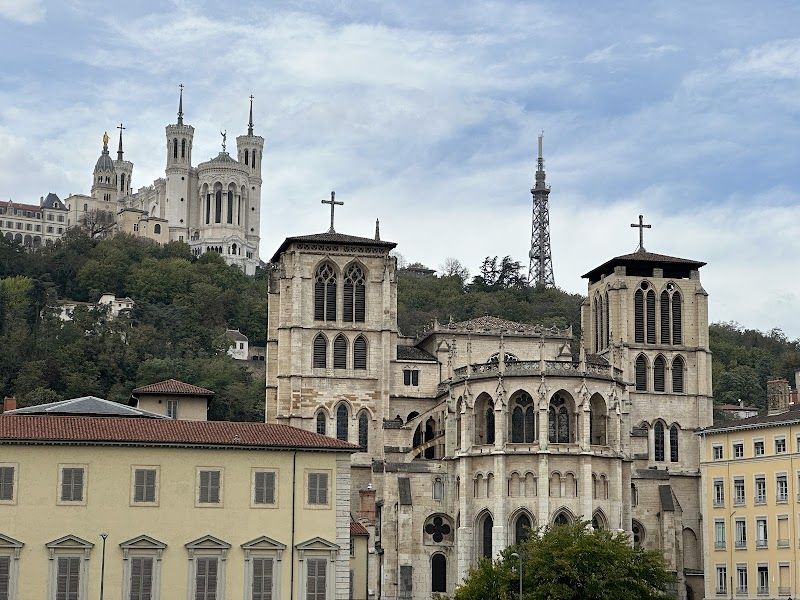
Cathedrale Saint-Jean-Baptiste de Lyon
Lyon's cathedral is a living textbook of medieval architecture, built in stages from 1180 to 1480. You'll walk through four centuries of evolution as you move from the Romanesque nave toward the Gothic choir, with the flamboyant Gothic west porch being genuinely spectacular. The star attraction is the 14th century astronomical clock in the north transept: a 9 meter tall mechanical marvel that still performs its Annunciation show at noon, 2 PM, 3 PM, and 4 PM. The interior feels properly Gothic, dark and solemn with shafts of colored light filtering through 13th century rose windows. During clock performances, crowds gather in the north transept to watch mechanical figures emerge and enact the Annunciation scene. The rest of the time you'll have the nave mostly to yourself, letting you appreciate how each architectural period layered onto the last. The contrast between the heavy Romanesque columns and soaring Gothic arches is striking. Most guides oversell this as essential Lyon, but it's worth 30 minutes if you're already exploring Vieux Lyon. The astronomical clock is genuinely impressive, but skip it if you're not here during performance times. Entry is free, which makes it an easy addition to your traboule walking route. The exterior is actually more photogenic than the interior, so grab shots of that flamboyant porch from Place Saint Jean.
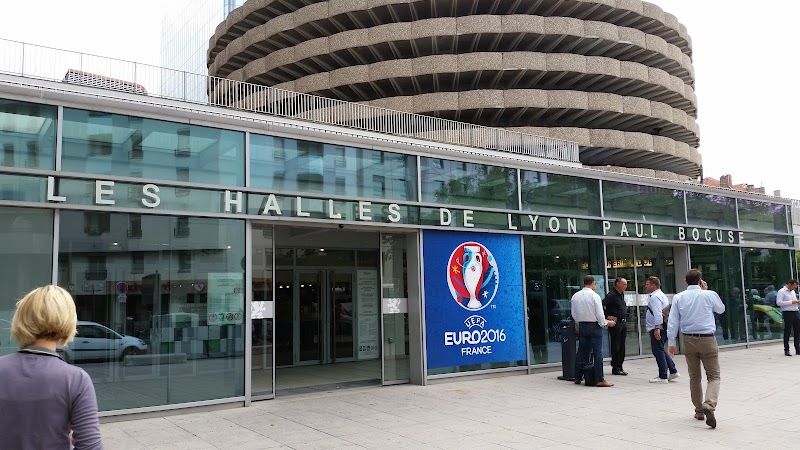
Halles de Lyon Paul Bocuse
This covered market is where Lyon's legendary chefs actually shop, making it the most authentic taste of the city's food culture you'll find. You're walking through the same aisles as Michelin-starred kitchen brigades, picking from counters that include Mere Richard's legendary cheese station where Saint-Marcellin is so ripe it slides off the spoon, multiple charcuterie stalls selling proper rosette de Lyon, and quenelle specialists making fresh pike dumplings daily. Paul Bocuse himself had a stall here until his death, and his presence still defines the market's standards. The experience feels like grazing through Lyon's entire culinary identity under one roof. You'll eat standing at marble counters, watching fromagers slice wheels of Comte while charcutiers carve paper-thin tranches of saucisson. The central oyster bar serves a dozen oysters with Muscadet for EUR 15-18, while praline tart vendors compete for the crispiest pastry. Conversations happen in rapid-fire French between vendors and regular customers who've been coming for decades. Most food tours bring groups here on Saturdays, which turns the narrow aisles into a scrum. Tuesday or Thursday mornings are perfect for actually tasting without being elbowed. Budget EUR 20-30 for proper grazing, but you can easily spend more at the wine stalls. Skip the touristy souvenir counters near the entrance and head straight to the back where the quenelle makers work.
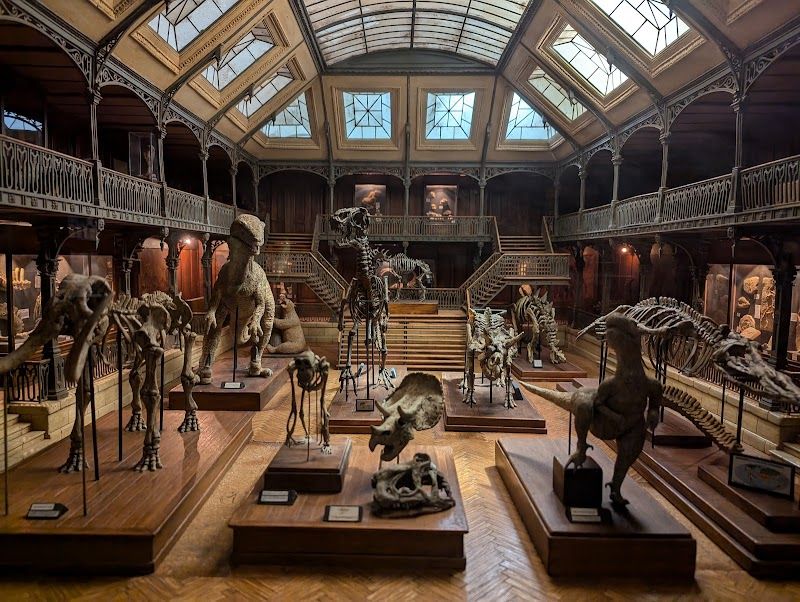
Musée Miniature et Cinéma
This two-story museum splits between mind-bending miniatures and authentic movie props, creating an unexpectedly captivating experience. The miniature section features hyperrealistic dollhouse rooms where every detail works: tiny light switches flip on, newspapers have readable text, and food looks fresh enough to eat. The cinema floor displays actual costumes, prosthetics, and animatronics from major films like Alien, Perfume, and various Marvel productions, plus detailed explanations of special effects techniques. You'll spend most of your time bent over glass cases with magnifying glasses, marveling at miniature scenes that trick your brain completely. The cinema section feels like walking through a professional film studio's prop warehouse, with everything from grotesque masks to intricate robot parts. The whole place has a quiet, focused atmosphere where you hear lots of "how did they do that?" whispers as visitors discover new details. Most travel guides underestimate how engaging this place is, but skip it if you're not into craftsmanship or movie-making. The €9.50 adult admission is reasonable for what you get, though the gift shop is overpriced tourist stuff. Start with the miniatures on the ground floor when your eyes are fresh, then head upstairs for the cinema collection. The museum gets busy with French school groups on Wednesday afternoons.
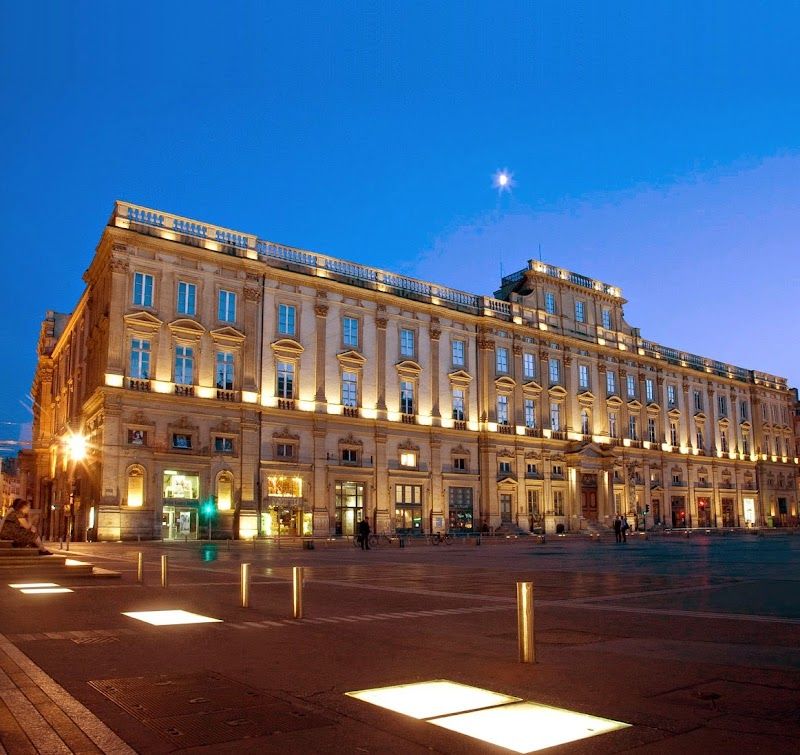
Musee des Beaux-Arts de Lyon
The Musée des Beaux-Arts de Lyon contains one of France's most impressive art collections outside Paris, spanning 5,000 years from Egyptian sarcophagi to Picasso sketches across 70 rooms in a converted 17th-century Benedictine abbey. You'll find genuine masterpieces that rival the Louvre: Monet water lilies the Parisians don't have, a Rodin sculpture garden in the central courtyard, and an entire floor of Impressionists including rare Degas pastels. The building itself has original abbey architecture and soaring galleries that make each walk between rooms memorable. Your visit flows naturally from ancient civilizations on the ground floor up through medieval and Renaissance works to the Impressionist rooms that everyone comes for. The sculpture courtyard in the center provides a perfect breather, particularly when lit dramatically in evening hours. You'll spend most of your time on the first floor where the Impressionist collection genuinely surprises: these aren't B-list works shipped out from Paris, but paintings that museums worldwide would fight over. The medieval rooms feel relatively empty compared to the Impressionist rooms upstairs, which is actually a refreshing change. Most guides don't mention that Wednesday evenings (until 10 PM) transform this place completely: you'll have the Impressionist rooms nearly to yourself for just EUR 8, while weekend afternoons are crowded with tour groups. The Egyptian section is not a priority to visit unless you're genuinely interested, as it's nothing you haven't seen at other museums. The museum cafe serves decent lunches on weekdays, but a real insider tip is visiting the sculpture courtyard during Tuesday market hours when it's free to enter.
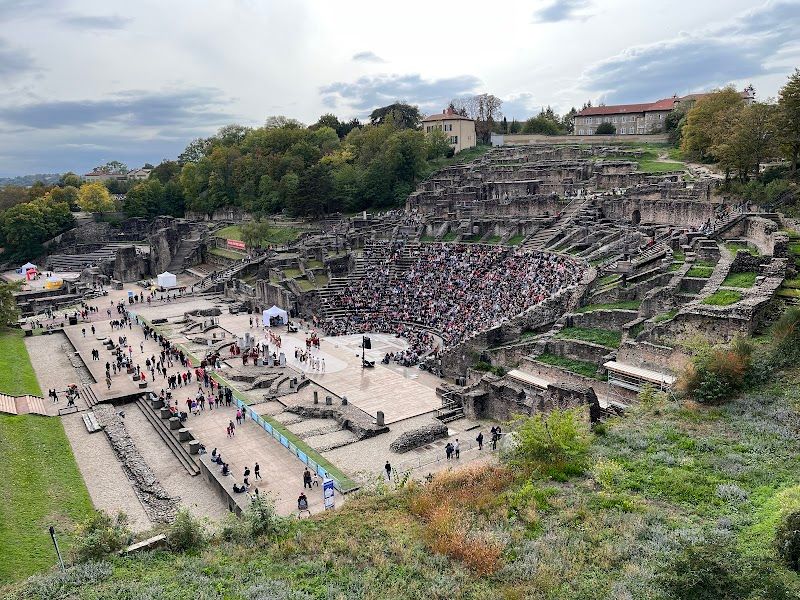
Theatres Romains de Fourviere
These are the oldest Roman theaters in France, built right into the Fourvière hillside starting in 15 BC. The Grand Theatre could hold 10,800 spectators and still has its original stone seating rising up the slope, while the smaller Odeon next door hosted intimate music recitals. What makes them special isn't just their age: they're free to explore and the view from the upper rows spans the entire Rhône valley on clear days. Walking through feels like stepping onto an ancient film set. You can climb right up to the top rows where Roman citizens once sat, run your hands along 2,000 year old stone seats, and stand on the stage where actors performed for emperors. The theaters are cut directly into the rock face, so you're walking through genuine Roman engineering. Summer evenings bring the Nuits de Fourvière festival, when these ancient stones come alive again with opera and concerts. Most people rush through in 20 minutes, but you should spend at least an hour here. The attached Gallo Roman Museum costs EUR 7 and houses the famous Claudian Tablets: actual bronze speeches by Emperor Claudius, who was born in Lyon. Skip the museum if you're tight on budget, the theaters themselves are the real draw. Come in morning light for the best photos and fewer crowds.
Travel Guides
Expert guides for every travel style
Where to Eat in Lyon: A Neighbourhood Food Guide
Lyon is France's food capital and this is how to eat it: the bouchon classics you should order, how to use the Halles de Lyon Paul Bocuse, and where to eat by neighbourhood.
9 min
First Time in Lyon: What You Need to Know
Everything you need to know before your first visit: what a bouchon is and what to order, how to find the traboules, the TGV from Paris, when to visit, and how not to overpay.
7 min
Frequently Asked Questions
Two days covers the essentials: one for Vieux Lyon and Fourviere (traboule walk in the morning, Cathedrale Saint-Jean, funicular up to the basilica, lunch at a certified bouchon), one for Presqu'ile and Croix-Rousse (Musee des Beaux-Arts, Croix-Rousse market if it's morning, Halles de Lyon Paul Bocuse for lunch, Confluence for architecture). A third day lets you do a Beaujolais or northern Rhone wine day trip. A long weekend from Paris works well: TGV is 2 hours, EUR 30-60 booked early.
A bouchon is Lyon's traditional bistro format: checked tablecloths, no-nonsense service, hearty portions, local wine by the pot (a 46cl carafe). The real ones have a Bouchon Lyonnais certification plaque on the door. Order: salade lyonnaise (frisee with lardons, poached egg, croutons, EUR 10-12), quenelles de brochet (pike dumplings in cream sauce, the texture is unlike anything else, EUR 14-18), tablier de sapeur (breaded tripe, either you love it or you do not, EUR 14-16), praline tart (pink praline and almond, EUR 4-5 a slice). A three-course menu is EUR 18-28.
Traboules are passageways that cut through building courtyards and connect parallel streets. Silk workers used them to transport fabric out of the rain. There are over 40 open to the public in Vieux Lyon (and more in Croix-Rousse). They are inside residential buildings: look for small brass plaques on doors on Rue Saint-Jean, Rue du Boeuf, and Rue de la Juiverie. Push the door, walk through the courtyard and out the other side. They are free and open during daylight hours. Be quiet, people live in these buildings.
TGV from Paris Gare de Lyon to Lyon Part-Dieu takes 2 hours and costs EUR 30-60 booked in advance (EUR 80-120 last-minute). Trains run frequently. Lyon has two main stations: Part-Dieu (east, near the modern business district) and Perrache (south end of Presqu'ile, more central for most hotels). Flying is not worth it for Paris-Lyon.
The Fete des Lumieres (Festival of Lights) is Lyon's annual light festival, held every year on and around 8 December. The city turns its major buildings and streets into large-scale light installations for 4 nights. It is free, it is extraordinary, and hotels book up months in advance. If you plan to go, book accommodation in October at the latest. The streets are very crowded: arrive early at each installation or accept that you will be moving with the crowd.