Lyon
Things to Do
40 attractions, museums, and experiences
Passerelle du Palais de Justice
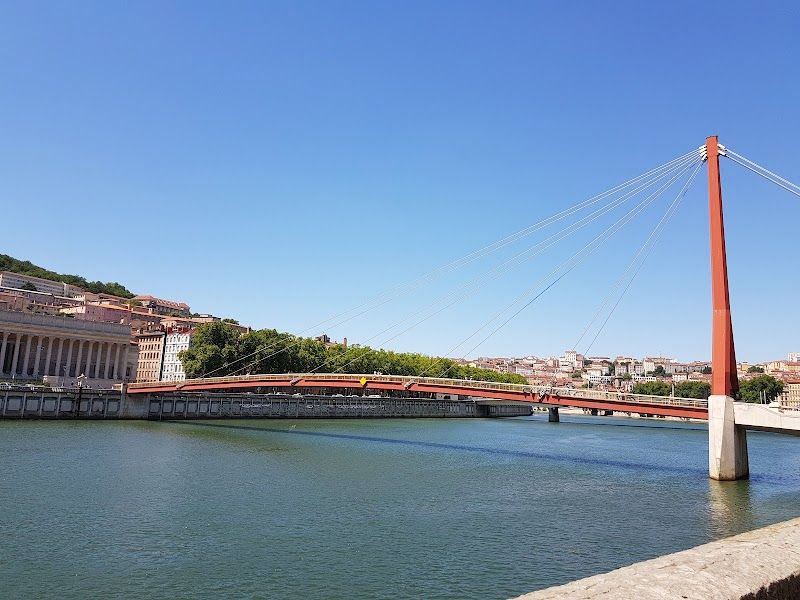
This graceful pedestrian bridge connects Presqu'île to Vieux Lyon across the Saône River, offering what locals consider the best low-angle view of the Renaissance quarter. You'll get unobstructed shots of the pastel-colored buildings climbing the hillside, with Basilique Notre-Dame de Fourvière crowning the scene. The neoclassical Palais de Justice with its imposing colonnade dominates the modern side, creating a striking architectural contrast. Walking across feels like stepping onto a viewing platform suspended over water. The bridge sits low enough that you're almost at river level, making the medieval and Renaissance buildings appear to rise dramatically from the water's edge. Tour boats pass underneath regularly, and you'll often share the space with photographers and couples taking evening strolls. The perspective here beats any hilltop viewpoint for capturing Vieux Lyon's famous facades in their full glory. Most tourists rush across without stopping, but this spot deserves at least 15 minutes of your time. The lighting changes completely throughout the day, so don't just come once. Skip the crowded viewpoints on Fourvière hill if you're short on time. This free vantage point delivers better photos with zero effort, and you'll avoid the tourist crowds that plague the basilica's terraces.
Place Bellecour
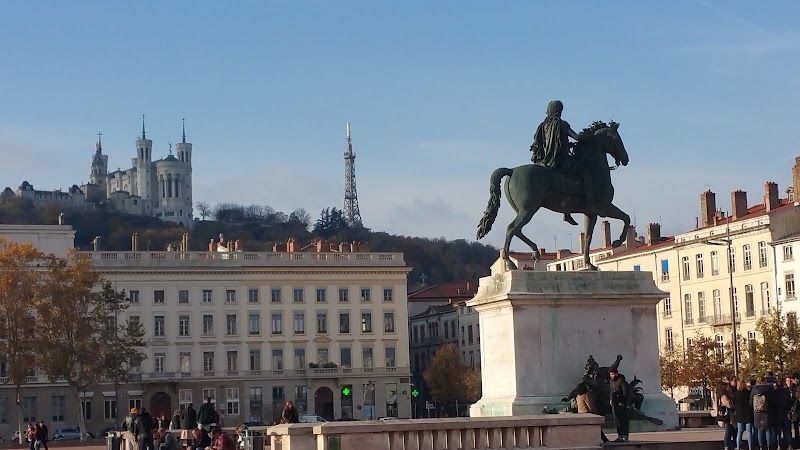
Place Bellecour is Europe's largest pedestrian square, a massive 62,000 square meter expanse of red clay that serves as Lyon's unofficial living room. You'll find Louis XIV on horseback at the center, surrounded by perfectly manicured lawns and tree-lined edges. The square connects the Rhône and Saône rivers in the heart of Presqu'île, with clear sightlines to Basilique Notre-Dame de Fourvière on the hill above. Walking across feels like crossing a small desert, especially in summer when the clay surface radiates heat and there's zero shade in the center. Locals use it as a shortcut between metro lines, while tourists cluster around the statue taking photos. The southeast corner houses a small tourist pavilion where you'll spot the Little Prince statue that everyone photographs. Street performers occasionally set up near the edges, and the Christmas market transforms the entire space each December. Most guides oversell this as a destination when it's really just a very large meeting point. Don't make a special trip, but you'll cross it naturally while exploring Presqu'île. The real value is orientation: standing at the statue gives you perfect views to locate yourself in the city. Skip the overpriced cafés along the edges and save your energy for the actual neighborhoods beyond.
Vieux Lyon Traboules Walk
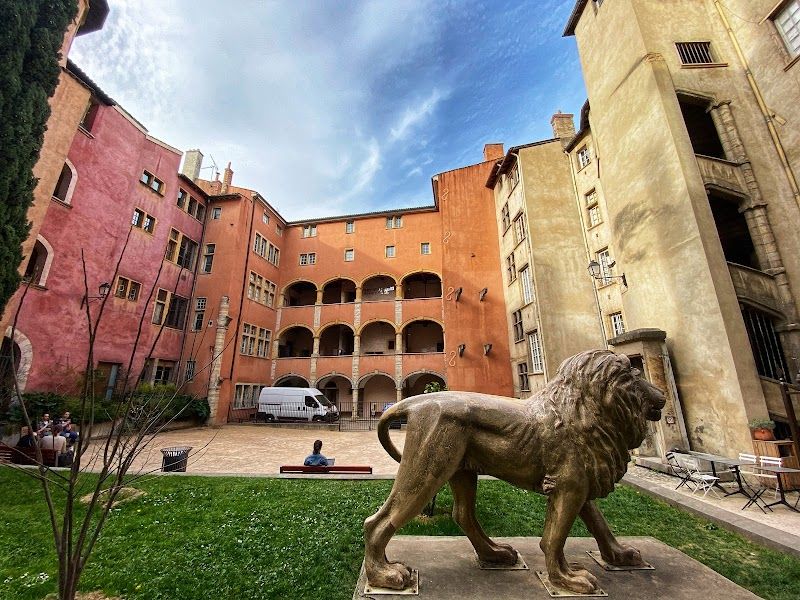
The traboules are secret passageways threading through Renaissance courtyards and staircases, connecting parallel streets across Vieux Lyon. Silk workers originally used these shortcuts to transport fabric without getting soaked, and today over 40 remain open to the public during daylight hours. You'll walk through actual 15th and 16th century merchant houses, climbing worn stone staircases and crossing intimate courtyards that most tourists never see because they don't realize the doors open. Start at 54 Rue Saint-Jean where a small brass plaque marks your entry point. Push the heavy door, step into a Renaissance courtyard, climb the stone staircase, and emerge on the parallel street feeling like you've discovered a secret. The experience repeats as you follow plaques north along Rue du Boeuf and Rue de la Juiverie, each traboule revealing different architectural details: spiral staircases, carved galleries, and intimate courtyards where residents hang laundry and park bicycles. Most guides make this sound more mysterious than it is, but that's actually the charm. These aren't museum pieces but working residential buildings where real people live, so keep quiet as you pass through. The tourist office at Place du Change sells detailed maps for EUR 1, though following the brass door plaques works perfectly well. The Maison du Chamarier at 37 Rue Saint-Jean has the most spectacular Renaissance loggia, but honestly, the magic is in the simple act of pushing unmarked doors and finding yourself somewhere unexpected.
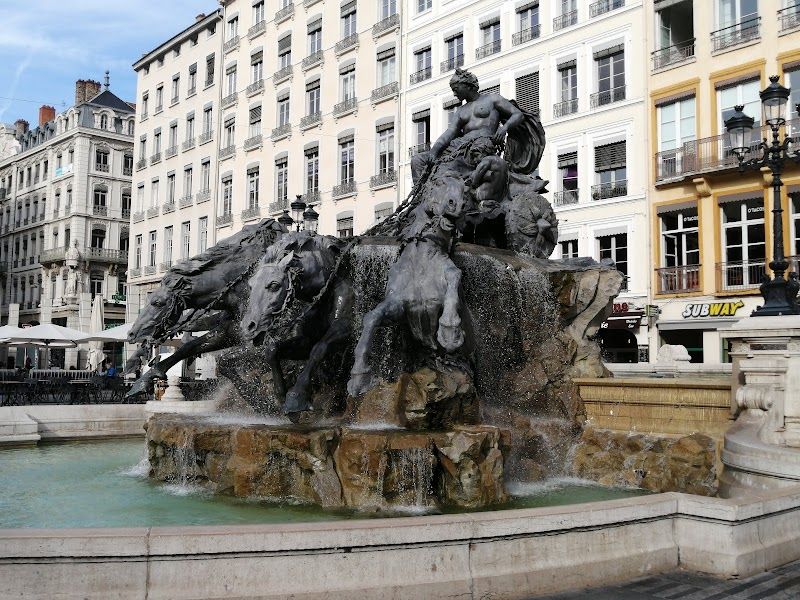
Place des Terreaux
Place des Terreaux showcases Lyon's theatrical side with Bartholdi's dramatic fountain at its center, where four bronze horses rear up representing rivers flowing toward the sea. The square sits between the imposing 17th-century Hôtel de Ville and the Musée des Beaux-Arts, creating a perfect architectural triangle that's been Lyon's ceremonial heart for centuries. You'll find yourself naturally drawn to circle the fountain, watching how the light catches the horses' muscular forms throughout the day. The square operates like Lyon's outdoor living room, where locals cut through on their way to work while tourists pause for photos. Morning brings the best light for appreciating the Hôtel de Ville's elegant facade without harsh shadows, and you'll have space to properly examine Bartholdi's fountain details before afternoon crowds arrive. The surrounding cafes fill with a mix of museum visitors, city hall workers, and people simply watching Lyon's daily theater unfold. Most guides oversell this as a destination when it's really a perfect starting point for exploring Presqu'île. Skip the overpriced café terraces facing the square (you're paying for location, not quality) and instead grab coffee from the small places on rue Sainte-Catherine just behind the Hôtel de Ville. The fountain looks identical from every angle, so don't waste time circling it multiple times.
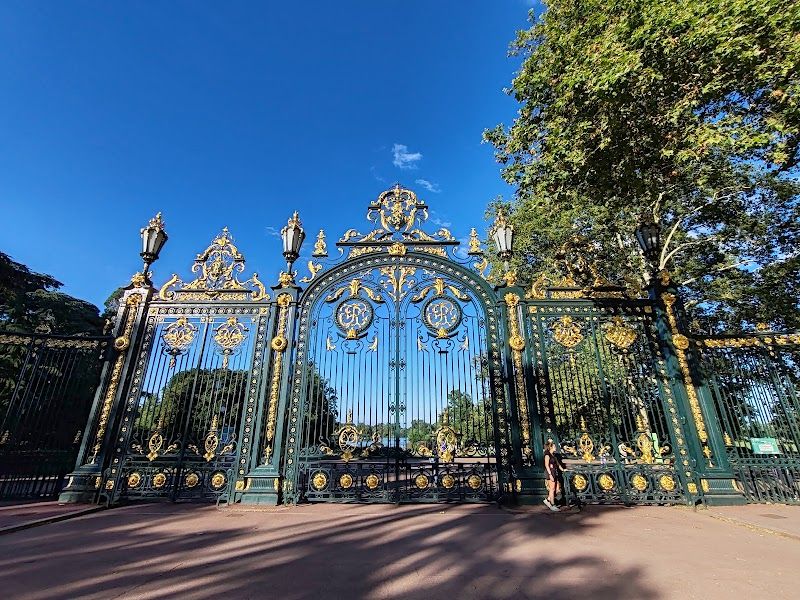
Parc de la Tête d'Or
Parc de la Tête d'Or is Lyon's sprawling 117-hectare playground where locals have been escaping city life since 1857. You'll find France's second-largest urban park packed with genuine attractions: a completely free zoo housing giraffes, lions, and 130 other species, plus botanical greenhouses from 1865 that rival paid attractions elsewhere. The rose garden explodes with 30,000 bushes in late May and June, while the central lake offers rowboat rentals and peaceful walking paths. The experience feels like several parks rolled into one. You'll start hearing exotic animal calls before you even see the zoo enclosures, where African plains animals roam surprisingly spacious grounds. The Victorian-era greenhouses steam with tropical plants year-round, while families picnic on vast lawns where actual Bresse cattle graze. Weekend mornings bring joggers circling the lake, while afternoons see kids feeding ducks and couples rowing boats that cost around 8 EUR per hour. Most guides don't mention that the zoo, while free, shows its age in some older enclosures. Skip the small mammal house unless it's raining. The rose garden gets overhyped outside of peak bloom season, but the lake area stays beautiful year-round. Parking fills up fast on sunny weekends, so take the metro to Masséna station instead.
Basilique Notre-Dame de Fourviere
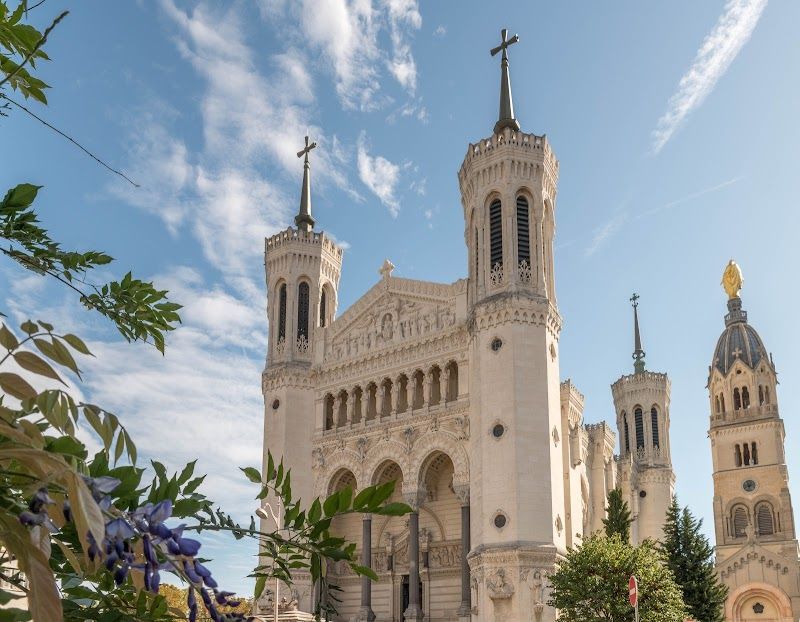
This 19th-century basilica crowns Fourvière Hill and delivers Lyon's best panoramic views across the entire city. You're here for two things: the sweeping terrace overlooking both the Rhône and Saône rivers, and the interior that's so ornately decorated it borders on overwhelming. Every surface inside gleams with Byzantine-style mosaics, gilded stonework, and painted enamels that the locals call "Lyon-Byzantine." The views stretch across the Presqu'île peninsula to the Alps on clear days, and sometimes all the way to Mont Blanc. The funicular ride up takes 4 minutes and feels like a mini adventure itself, climbing steeply from Vieux Lyon through a tunnel. Inside the basilica, your eyes need time to adjust to the visual intensity: gold leaf everywhere, intricate mosaics covering walls and ceilings, and marble columns that reflect the light. The free terrace beside the church is where you'll spend most of your time, watching the city spread out below while tour groups cycle through. Most visitors spend too long inside gawking at the decorations when the real prize is outside. The interior is impressive but 15 minutes covers it unless you're genuinely interested in 19th-century religious art. Save your time for the terrace, especially 45 minutes before sunset when the light turns the rivers copper and the whole city glows. The funicular costs EUR 2.40 with any TCL transit pass, and entry to everything is free.
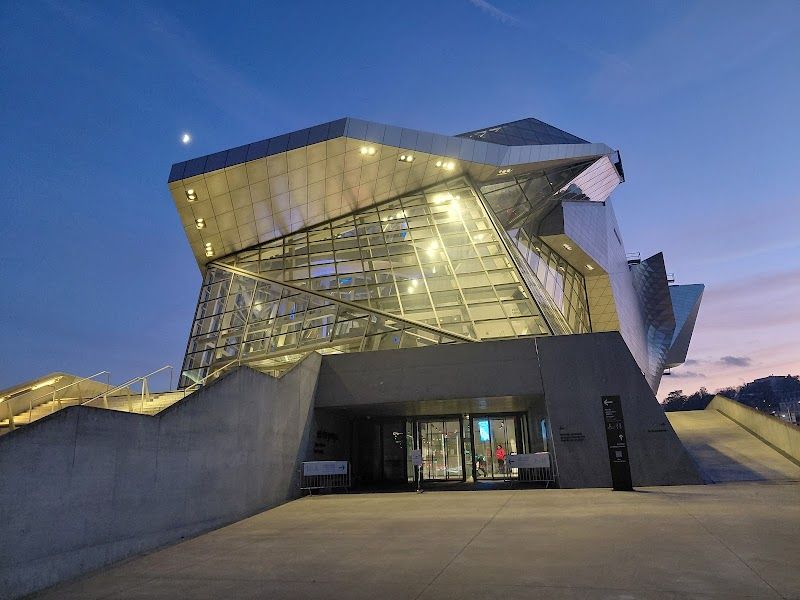
Musee des Confluences
Enter from the Cours Charlemagne side for the full architectural impact, then walk completely around the building before going in to see how dramatically it changes from each angle. Start with the crystal cloud upper floors for the best interior architecture, then work your way down. Most people do the reverse, and it's common for visitors to get tired before reaching the top sections. The museum café on the ground floor has surprisingly good coffee and pastries, perfect for processing what you've just seen. The café's terrace gives you another angle on the building's exterior.
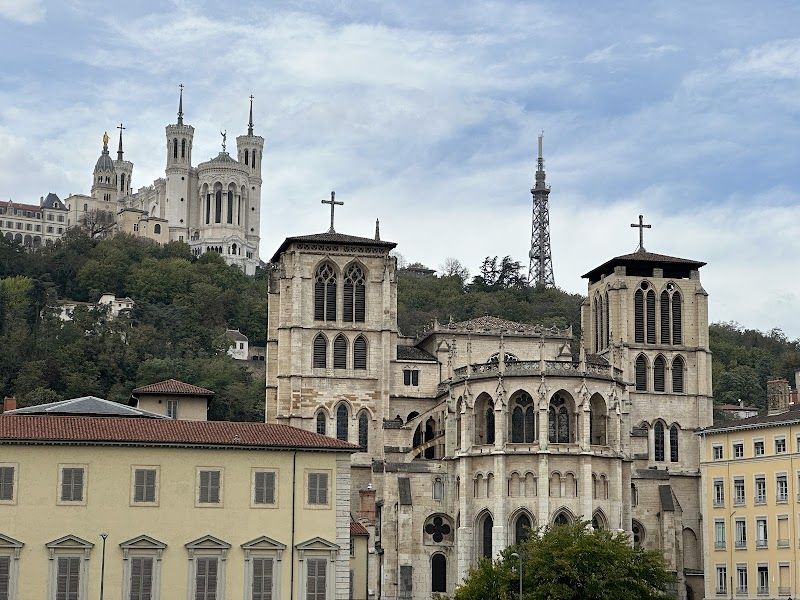
Cathedrale Saint-Jean-Baptiste de Lyon
Lyon's cathedral is a living textbook of medieval architecture, built in stages from 1180 to 1480. You'll walk through four centuries of evolution as you move from the Romanesque nave toward the Gothic choir, with the flamboyant Gothic west porch being genuinely spectacular. The star attraction is the 14th century astronomical clock in the north transept: a 9 meter tall mechanical marvel that still performs its Annunciation show at noon, 2 PM, 3 PM, and 4 PM. The interior feels properly Gothic, dark and solemn with shafts of colored light filtering through 13th century rose windows. During clock performances, crowds gather in the north transept to watch mechanical figures emerge and enact the Annunciation scene. The rest of the time you'll have the nave mostly to yourself, letting you appreciate how each architectural period layered onto the last. The contrast between the heavy Romanesque columns and soaring Gothic arches is striking. Most guides oversell this as essential Lyon, but it's worth 30 minutes if you're already exploring Vieux Lyon. The astronomical clock is genuinely impressive, but skip it if you're not here during performance times. Entry is free, which makes it an easy addition to your traboule walking route. The exterior is actually more photogenic than the interior, so grab shots of that flamboyant porch from Place Saint Jean.
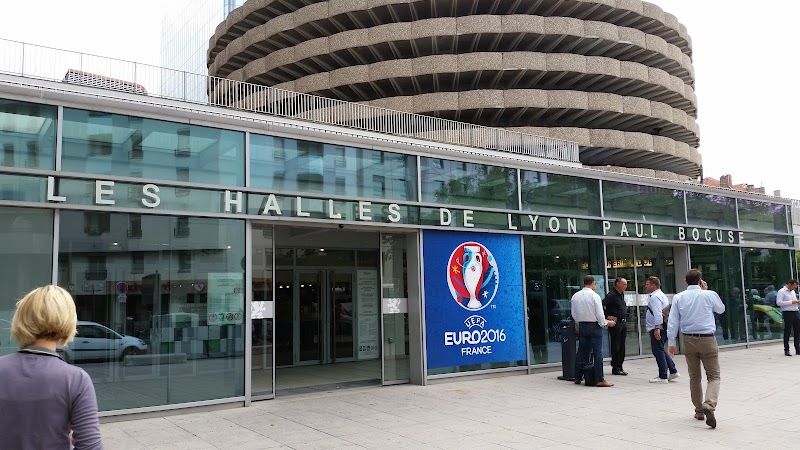
Halles de Lyon Paul Bocuse
This covered market is where Lyon's legendary chefs actually shop, making it the most authentic taste of the city's food culture you'll find. You're walking through the same aisles as Michelin-starred kitchen brigades, picking from counters that include Mere Richard's legendary cheese station where Saint-Marcellin is so ripe it slides off the spoon, multiple charcuterie stalls selling proper rosette de Lyon, and quenelle specialists making fresh pike dumplings daily. Paul Bocuse himself had a stall here until his death, and his presence still defines the market's standards. The experience feels like grazing through Lyon's entire culinary identity under one roof. You'll eat standing at marble counters, watching fromagers slice wheels of Comte while charcutiers carve paper-thin tranches of saucisson. The central oyster bar serves a dozen oysters with Muscadet for EUR 15-18, while praline tart vendors compete for the crispiest pastry. Conversations happen in rapid-fire French between vendors and regular customers who've been coming for decades. Most food tours bring groups here on Saturdays, which turns the narrow aisles into a scrum. Tuesday or Thursday mornings are perfect for actually tasting without being elbowed. Budget EUR 20-30 for proper grazing, but you can easily spend more at the wine stalls. Skip the touristy souvenir counters near the entrance and head straight to the back where the quenelle makers work.
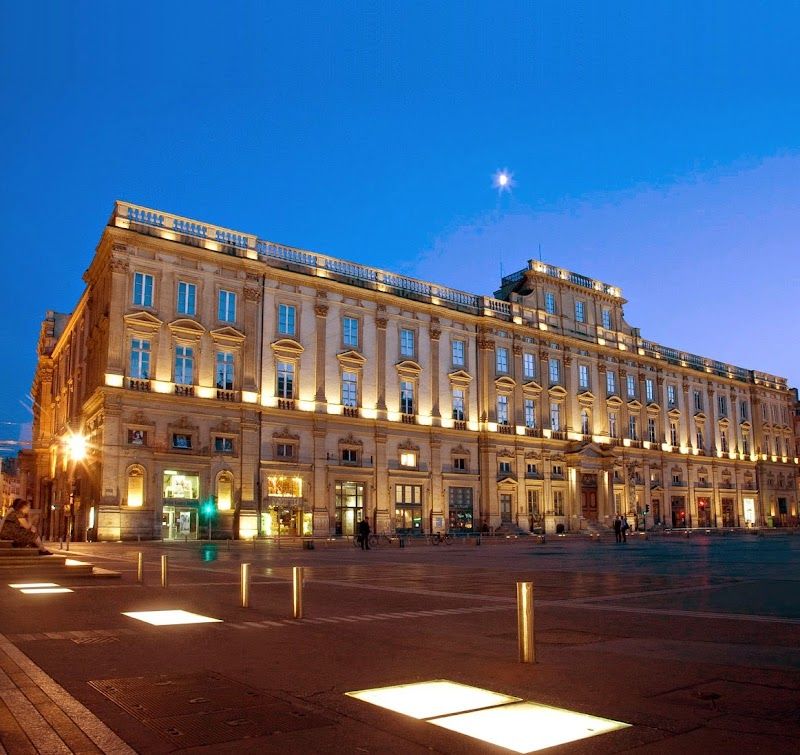
Musee des Beaux-Arts de Lyon
The Musée des Beaux-Arts de Lyon contains one of France's most impressive art collections outside Paris, spanning 5,000 years from Egyptian sarcophagi to Picasso sketches across 70 rooms in a converted 17th-century Benedictine abbey. You'll find genuine masterpieces that rival the Louvre: Monet water lilies the Parisians don't have, a Rodin sculpture garden in the central courtyard, and an entire floor of Impressionists including rare Degas pastels. The building itself has original abbey architecture and soaring galleries that make each walk between rooms memorable. Your visit flows naturally from ancient civilizations on the ground floor up through medieval and Renaissance works to the Impressionist rooms that everyone comes for. The sculpture courtyard in the center provides a perfect breather, particularly when lit dramatically in evening hours. You'll spend most of your time on the first floor where the Impressionist collection genuinely surprises: these aren't B-list works shipped out from Paris, but paintings that museums worldwide would fight over. The medieval rooms feel relatively empty compared to the Impressionist rooms upstairs, which is actually a refreshing change. Most guides don't mention that Wednesday evenings (until 10 PM) transform this place completely: you'll have the Impressionist rooms nearly to yourself for just EUR 8, while weekend afternoons are crowded with tour groups. The Egyptian section is not a priority to visit unless you're genuinely interested, as it's nothing you haven't seen at other museums. The museum cafe serves decent lunches on weekdays, but a real insider tip is visiting the sculpture courtyard during Tuesday market hours when it's free to enter.
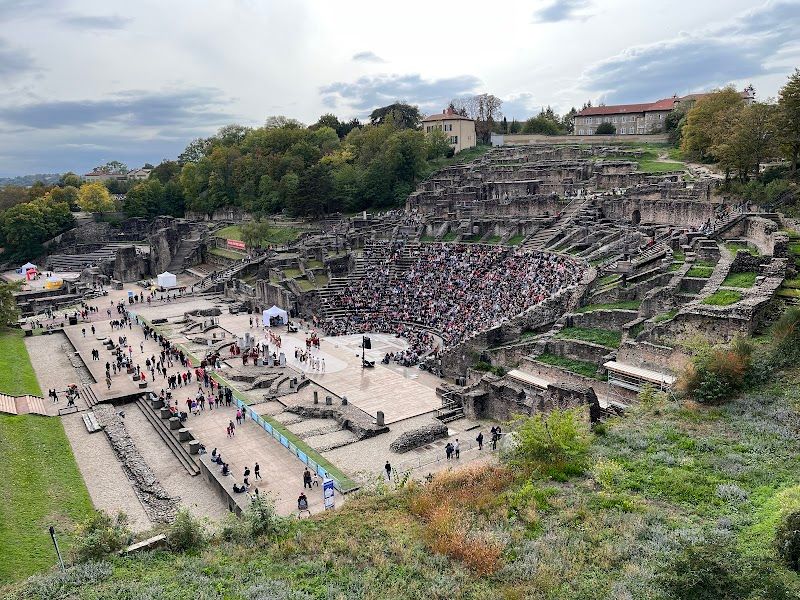
Theatres Romains de Fourviere
These are the oldest Roman theaters in France, built right into the Fourvière hillside starting in 15 BC. The Grand Theatre could hold 10,800 spectators and still has its original stone seating rising up the slope, while the smaller Odeon next door hosted intimate music recitals. What makes them special isn't just their age: they're free to explore and the view from the upper rows spans the entire Rhône valley on clear days. Walking through feels like stepping onto an ancient film set. You can climb right up to the top rows where Roman citizens once sat, run your hands along 2,000 year old stone seats, and stand on the stage where actors performed for emperors. The theaters are cut directly into the rock face, so you're walking through genuine Roman engineering. Summer evenings bring the Nuits de Fourvière festival, when these ancient stones come alive again with opera and concerts. Most people rush through in 20 minutes, but you should spend at least an hour here. The attached Gallo Roman Museum costs EUR 7 and houses the famous Claudian Tablets: actual bronze speeches by Emperor Claudius, who was born in Lyon. Skip the museum if you're tight on budget, the theaters themselves are the real draw. Come in morning light for the best photos and fewer crowds.
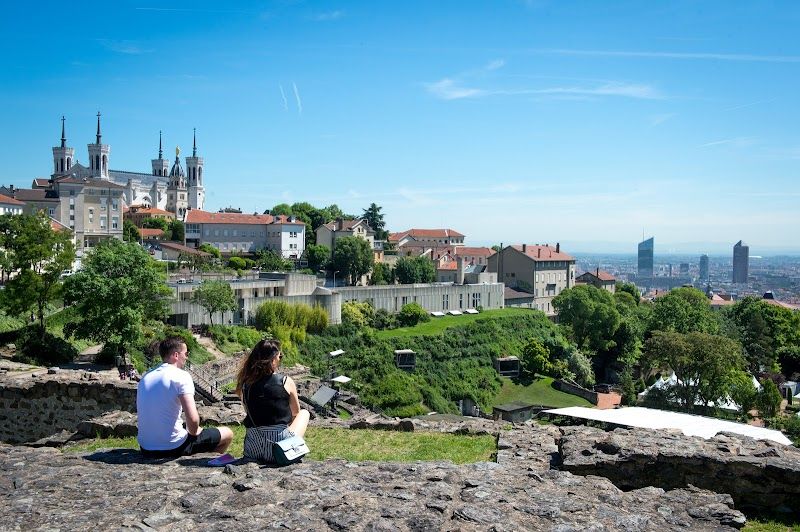
Musée Gallo-Romain de Lyon-Fourvière
This museum houses the most important Roman artifacts found in Lyon, built right into the hillside where ancient Lugdunum once thrived. You'll see the famous Claudian Tablets, bronze inscriptions of Emperor Claudius's speech to the Roman Senate about Gallic citizenship, plus mosaics, sculptures, and everyday objects that bring Roman life to focus. The building itself is remarkable: concrete and glass structures that seem to grow from the archaeological site, with windows framing views of the ancient theaters below. Your visit flows chronologically through Roman Lyon's history, starting with pre-Roman Gaul and moving through the imperial period. The displays feel intimate rather than overwhelming, with excellent English explanations that actually tell stories instead of just listing facts. The bronze workshop section is particularly striking, showing how skilled Roman craftsmen were, and the religious artifacts room reveals the mix of Roman and Celtic beliefs. The architecture creates natural pauses where you can look out at the ruins you're about to explore. Most guides don't mention that this place gets packed with school groups on Tuesday and Thursday mornings, so avoid those times. The €7 ticket is excellent value since it includes the adjacent Roman theaters, but honestly, you could easily spend your entire time in the museum and skip the ruins if you're not into scrambling over ancient stones. Start with the basement level and work up, the flow makes much more sense that way.
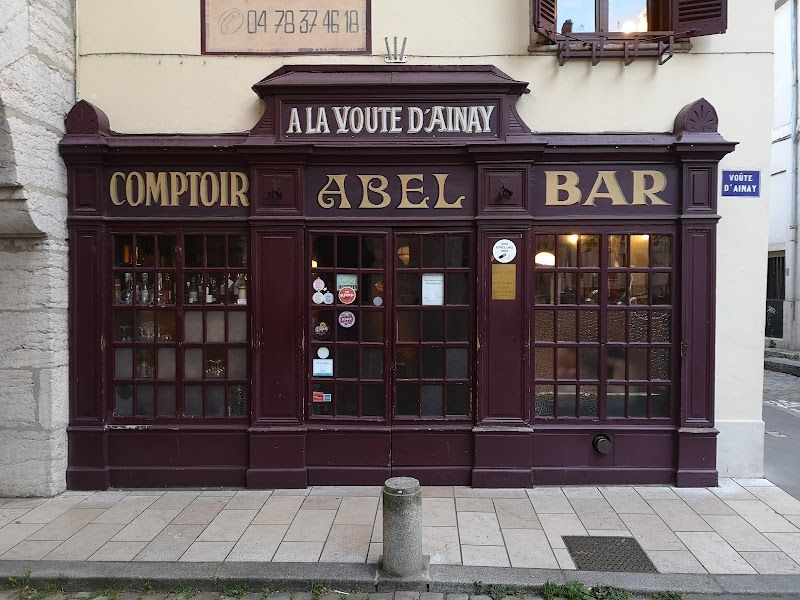
Café Comptoir Abel
Lyon's oldest bouchon, operating since 1928 in a 16th-century building with exposed stone walls and wooden beams. The house speciality is gratinee lyonnaise (onion soup with cheese), and they serve a traditional cochonnailles plate with various pork products. The wooden bar dates from the original opening.
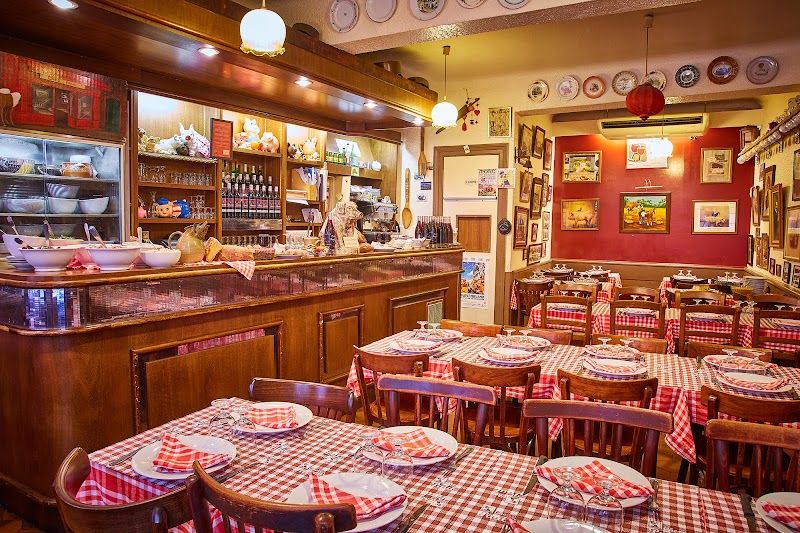
Chez Paul
Certified bouchon in the heart of Vieux Lyon serving traditional Lyonnais cuisine since 1930. The salade lyonnaise and tablier de sapeur are house specialties, served in a room with red-checked tablecloths and a collection of vintage radios on the walls. The three-course menu with a pot of Beaujolais is the classic choice.
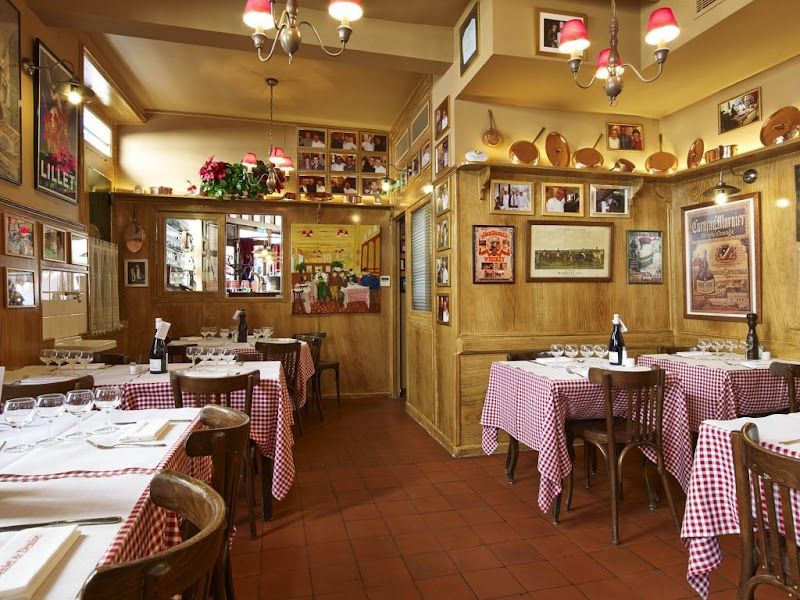
Daniel et Denise Créqui
Meilleur Ouvrier de France chef Joseph Viola runs this certified bouchon known for precise execution of classic recipes. The quenelles de brochet are made daily in-house, and the praline tart is baked each morning. The dining room features vintage Lyon posters and servers wear traditional aprons.
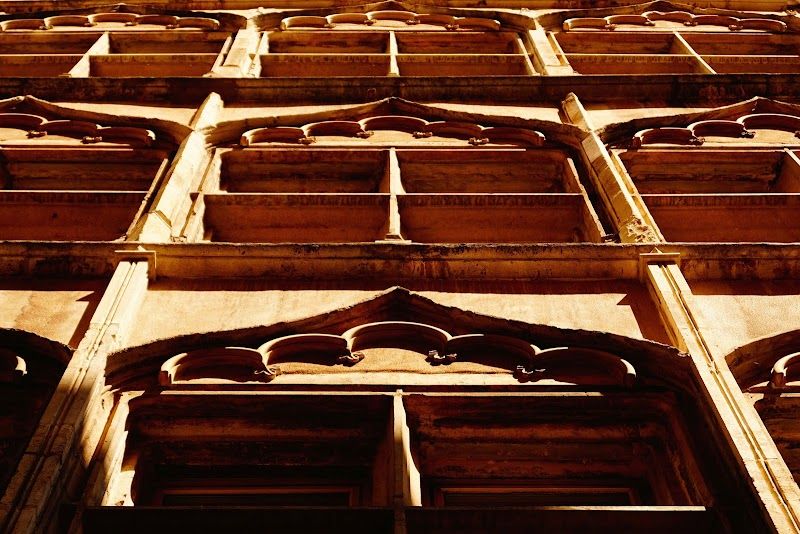
Lyon Old Town Renaissance & Traboules Guided Visit
Vieux Lyon's Renaissance quarter houses Europe's largest collection of intact Renaissance buildings, and this 2-hour guided walk grants access to the traboules that most tourists rarely see. These covered passageways wind through private courtyards and between buildings, originally designed so silk merchants could transport delicate fabrics without weather damage. You'll walk through about 8-10 traboules, including the famous Traboule de la Tour Rose with its spiral staircase and the Long Traboule that stretches an entire city block. The experience feels like permitted urban exploration. Your guide unlocks heavy wooden doors that lead into Renaissance courtyards where silk workshops once operated. The contrast is striking: you'll step from narrow cobblestone streets into elegant galleries with stone arches and ornate staircases that wouldn't look out of place in an Italian palazzo. The traboules stay cool even on hot days, and the acoustics make every footstep echo dramatically off the vaulted ceilings. Most guides provide detailed commentary but tend to rush through the best courtyards. The real magic happens when you linger in places like the Cour des Voraces, where the guide usually gives you 5 minutes of free exploration time. Tours cost around 15-20 EUR and groups are limited to 20 people. Booking morning tours (9-11am) is recommended, as they rarely fill up completely. It's best to skip afternoon slots if possible, as school groups often clog the narrow passages after lunch.
Jardin du Rosaire
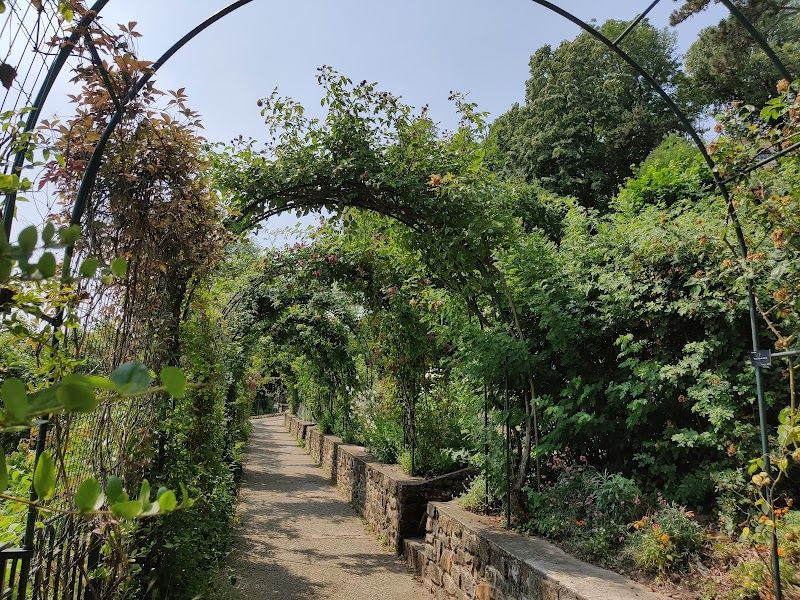
The Jardin du Rosaire cascades down Fourvière hill in perfectly manicured terraces, connecting Lyon's famous basilica to the Renaissance streets below. You'll walk through formal rose gardens, past religious sculptures, and along stone pathways that curve around the hillside. The real draw is the succession of viewpoints: each terrace reveals a different angle of Lyon's red rooftops, the Saône river, and the Alps on clear days. Descending through the garden feels like walking through a living postcard. The upper terraces stay quiet even when the basilica above buzzes with tour groups. Stone steps wind between carefully pruned hedges and seasonal flower beds, while benches positioned at key curves let you pause for photos. The religious statues add solemnity without feeling heavy, and the garden's design cleverly frames the city views as you descend. Most visitors rush up via funicular and miss this entirely, which keeps it pleasantly uncrowded. The descent takes 15 minutes if you walk straight through, but allow 45 minutes to actually enjoy the viewpoints and read the plaques. Skip it in heavy rain when the stone steps get slippery. The garden connects to Place du Change in Vieux Lyon, making it perfect for transitioning between Fourvière's churches and the old town's traboules.
Berges du Rhône
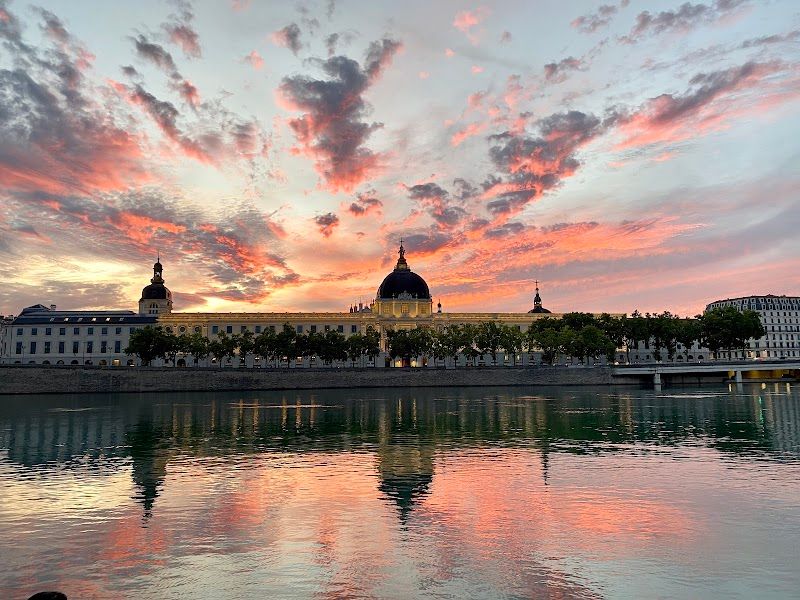
The Berges du Rhône transforms Lyon's left bank into France's most successful urban riverside project, stretching 5km from the ultra-modern Confluence district to Parc de la Tête d'Or. You'll find genuine beach volleyball courts with imported sand, pétanque pitches where serious players gather daily, and floating bar terraces that feel more Mediterranean than Alpine. The promenade sits below street level, creating an unexpected oasis where cyclists, joggers, and families with kids on scooters share wide paths lined with plane trees. Walking here feels like discovering Lyon's alter ego, where the city trades its Renaissance stone for contemporary wood decking and metal sculptures. The best stretch runs between Pont Lafayette and Pont Morand, where café terraces spill onto floating platforms and you get perfect views of Presqu'île's colorful facades reflected in the water. On summer evenings, especially Thursdays, it becomes an outdoor living room where locals bring picnics, practice slackline, and watch rowers glide past. Most visitors rush through heading to Parc de la Tête d'Or, missing the real magic in the central section. Skip the southern end near Confluence unless you're already there, it's more functional than beautiful. The floating bars charge around 8 EUR for cocktails, fair for the location. Come at sunset for the golden hour lighting, but avoid weekday lunch when it's scorching hot with little shade.
Les Nuits de Fourviere
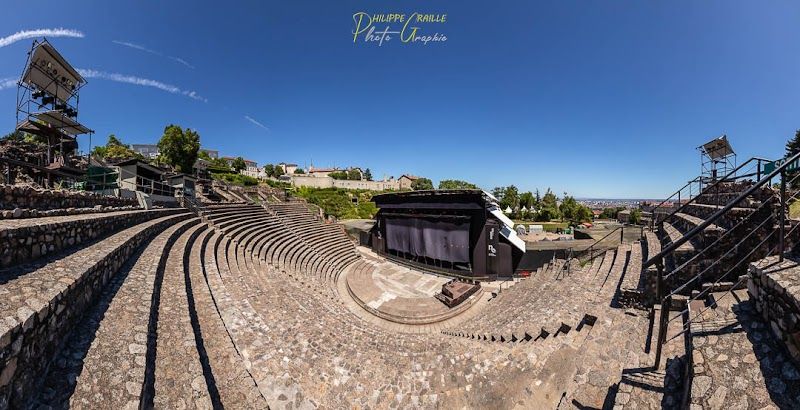
Les Nuits de Fourvière transforms Lyon's 2,000-year-old Roman amphitheatres into one of Europe's most atmospheric summer festival venues. You'll watch opera, classical concerts, world music, and contemporary dance performances against original Gallo-Roman stone architecture, with Lyon's twinkling cityscape spread below. The festival runs June through July, featuring around 60 performances that range from intimate chamber music to full-scale opera productions. Settling into those ancient stone seats as dusk falls feels genuinely magical. The acoustics work surprisingly well despite the open-air setting, and performers seem to feed off the unique energy of playing where gladiators once entertained crowds. During intermission, you can wander the upper terraces for panoramic views over the Saône River and Vieux Lyon's orange rooftops. The mix of ancient ruins, stellar performances, and that spectacular backdrop creates an atmosphere you simply won't find elsewhere. Ticket prices vary wildly: expect €15-25 for world music acts, €40-80 for classical concerts, and €60-120 for major opera productions. Skip the overpriced on-site drinks (€8 for wine) and grab a bottle beforehand. The stone seats get brutally uncomfortable after two hours, so that cushion isn't optional. Book early for weekend shows, but weeknight performances often have last-minute availability at better prices.
Musée Miniature et Cinéma
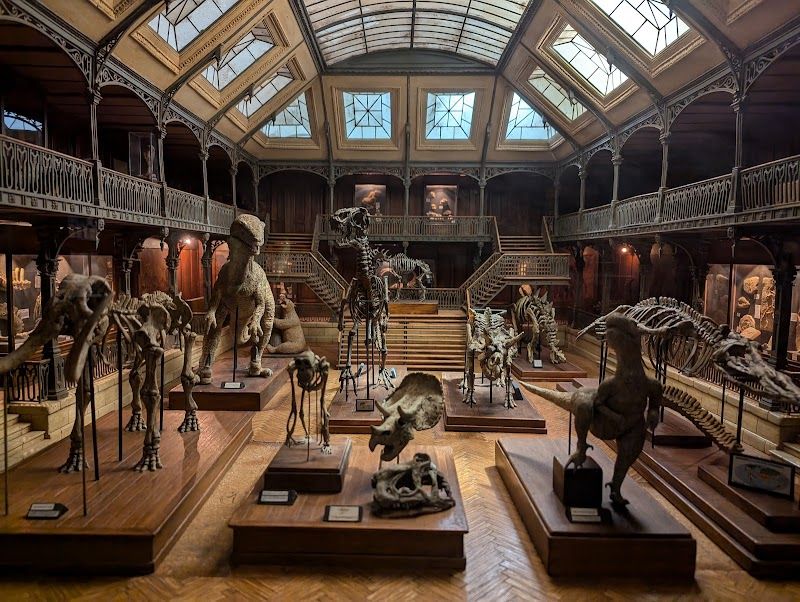
This two-story museum splits between mind-bending miniatures and authentic movie props, creating an unexpectedly captivating experience. The miniature section features hyperrealistic dollhouse rooms where every detail works: tiny light switches flip on, newspapers have readable text, and food looks fresh enough to eat. The cinema floor displays actual costumes, prosthetics, and animatronics from major films like Alien, Perfume, and various Marvel productions, plus detailed explanations of special effects techniques. You'll spend most of your time bent over glass cases with magnifying glasses, marveling at miniature scenes that trick your brain completely. The cinema section feels like walking through a professional film studio's prop warehouse, with everything from grotesque masks to intricate robot parts. The whole place has a quiet, focused atmosphere where you hear lots of "how did they do that?" whispers as visitors discover new details. Most travel guides underestimate how engaging this place is, but skip it if you're not into craftsmanship or movie-making. The €9.50 adult admission is reasonable for what you get, though the gift shop is overpriced tourist stuff. Start with the miniatures on the ground floor when your eyes are fresh, then head upstairs for the cinema collection. The museum gets busy with French school groups on Wednesday afternoons.
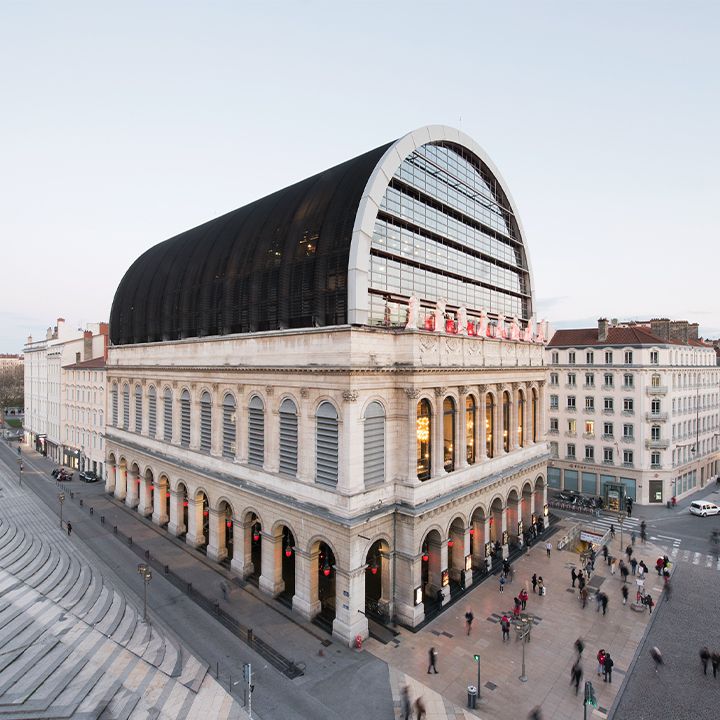
Opéra National de Lyon
The Opéra National de Lyon showcases one of France's boldest architectural experiments: Jean Nouvel's 1993 glass barrel vault that rises six stories above the original 1831 neoclassical facade. You'll see a striking contrast between ornate columns and contemporary curves that somehow works brilliantly together. The red spiral staircase inside is genuinely spectacular, and the building hosts world-class opera and ballet performances year-round. Walking around the exterior takes about 15 minutes and gives you the full visual impact from multiple angles. The glass roof reflects Lyon's changing light throughout the day, creating different moods from morning to evening. Inside, the public foyer feels surprisingly intimate despite the grand scale, and you can glimpse the main auditorium's warm wood and red velvet if doors are open. Most architecture guides oversell this as a lengthy visit when it's really a quick photo stop unless you're attending a performance. The exterior view from Place de la Comédie captures everything you need to see. Performance tickets range from 15 EUR to 120 EUR, but honestly, the building's impact comes from Nouvel's exterior design rather than the interior spaces.
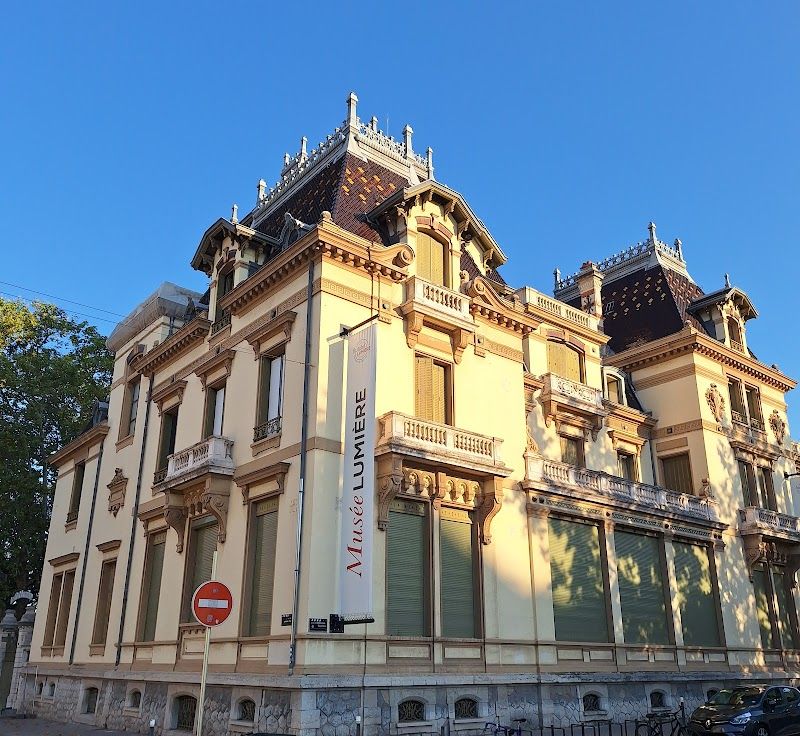
Musée Lumière
This villa is where Auguste and Louis Lumière literally invented cinema in the 1890s, and you'll see the original equipment they used to create the first motion pictures. The museum displays their early cinematographs, projection devices, and hundreds of glass plates from their pioneering films. You can walk through their actual laboratory spaces and see personal artifacts from the brothers who changed entertainment forever. The garden contains the original Lumière factory building where they manufactured the world's first cinematograph cameras. You'll start in the villa's ground floor rooms filled with mechanical cameras and projection equipment that feels surprisingly crude yet revolutionary. The basement cinema regularly screens restored Lumière films from 1895, including the famous "Workers Leaving the Lumière Factory" and "Arrival of a Train." Walking through rooms where cinema was born while watching those first flickering images creates an almost spiritual connection to film history. The upstairs floors showcase the evolution from still photography to motion pictures through interactive displays. Most film buffs expect more artifacts, but remember this is about two specific inventors, not cinema broadly. Skip the lengthy wall texts and focus on the basement screenings and original equipment displays. At €6.50 for adults, it's reasonable for what amounts to a very specialized pilgrimage site. The location requires a tram ride from central Lyon, so combine it with exploring the 8th arrondissement.
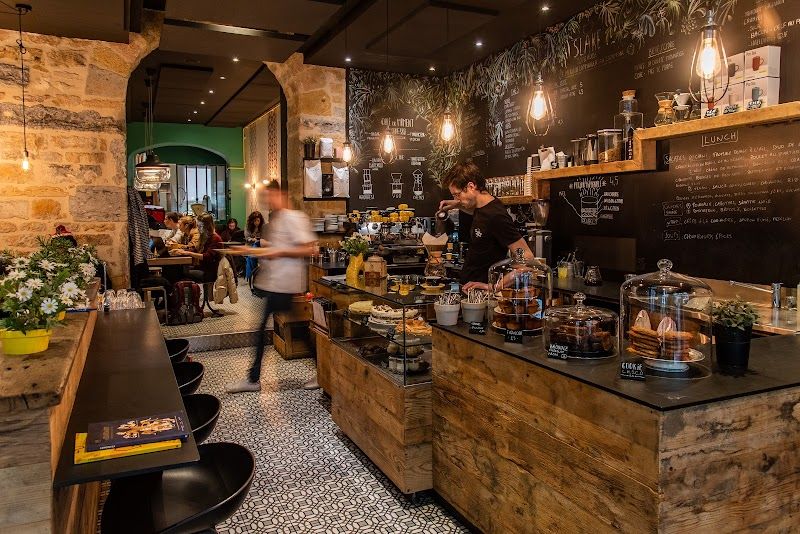
Slake Coffee House
Specialty coffee shop in Presqu'ile serving single-origin pour-overs and espresso from European micro-roasters. The industrial-minimalist space attracts freelancers during the day and coffee enthusiasts who appreciate detailed tasting notes. They rotate beans every two weeks and offer cupping sessions on Saturday mornings.
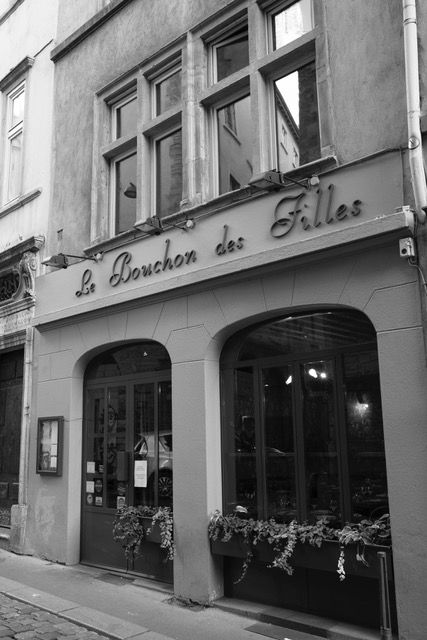
Le Bouchon des Filles
All-female team runs this certified bouchon on a quiet Vieux Lyon side street, bringing a lighter touch to traditional recipes. The salade lyonnaise features a perfectly runny poached egg, and the tarte aux pralines is made with Pralus pralines from Roanne. Wine list focuses on natural Beaujolais from small producers.
Le Poêlon d'Or
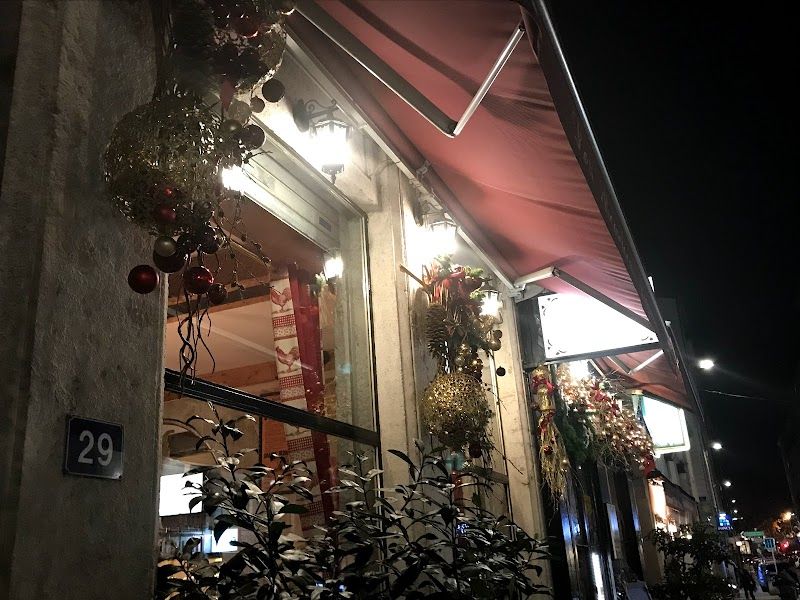
Family-run restaurant in Vieux Lyon serving generous portions of Lyon classics in a vaulted Renaissance-era cellar. The menu includes boudin noir with apples, andouillette grilled over vine cuttings, and a chocolate praline dessert. Wine service is unpretentious with good Cotes du Rhone by the glass.
Musée Gadagne
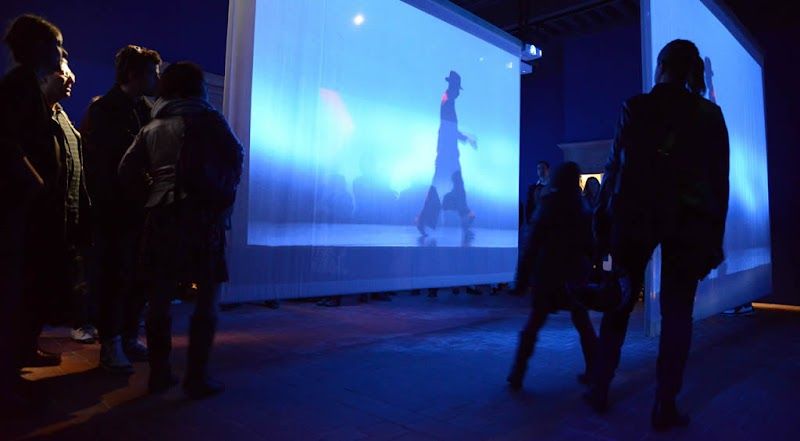
Musée Gadagne combines two distinct collections inside a Renaissance palace that's impressive, housing some of Lyon's most significant artifacts and collections. You'll explore Lyon's evolution from a Roman settlement to a modern city through exhibits, models, and displays, and then dive into the world of Guignol puppetry with hundreds of marionettes from around the globe. The building itself features spiral stone staircases, vaulted ceilings, and two peaceful courtyards that evoke the 16th century. The visit flows naturally between the history and puppet museums, though you can easily spend most of your time in either section. The city history rooms feel intimate, with medieval artifacts displayed in period settings that make Lyon's past tangible. The marionette collection surprises visitors with its sophistication, showcasing traditional Guignol characters as well as intricate Asian shadow puppets. The Renaissance architecture provides a magical backdrop, particularly when the afternoon light filters through the courtyard windows. Most guides describe this as essential Lyon culture, but it's actually suited best for history enthusiasts or families with children who will love the puppet displays. We recommend skipping the ground floor introduction rooms and heading straight to the medieval sections on the upper floors. Entry costs 8 EUR for adults and 4 EUR for students. The building's beauty is a compelling reason to visit, even if the collections don't resonate with everyone.
Café du Soleil
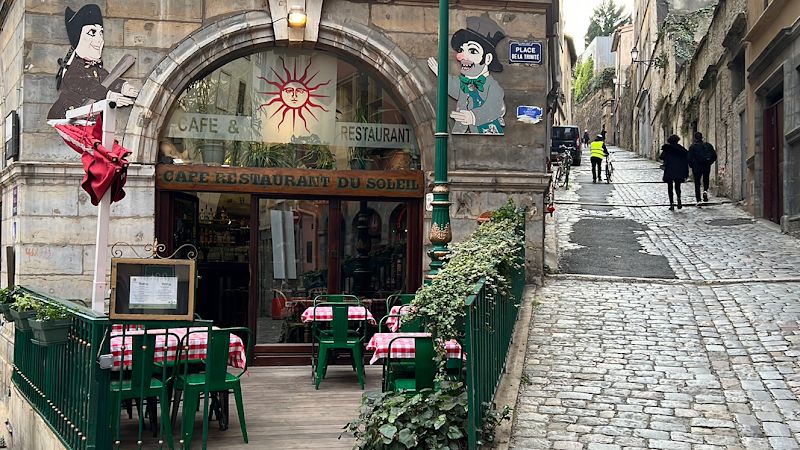
A traditional bistro in Vieux Lyon, situated in a less touristy part of the neighborhood, offers authentic bouchon atmosphere without crowds. This local favorite serves classic Lyonnais dishes such as quenelles and andouillette in a cozy setting. The outdoor terrace on the small square is perfect for people-watching.
Maison des Canuts
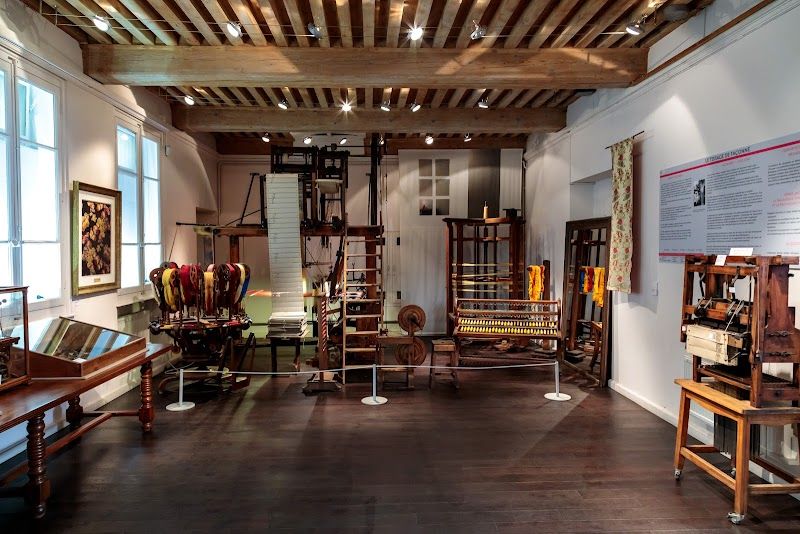
The Maison des Canuts is the silk-weaving museum on the Croix-Rousse hill and it is better than it sounds. The canuts were the silk weavers who dominated this neighbourhood from the 16th to the 19th century, and the museum preserves working Jacquard looms that demonstrate how the technology worked. Joseph-Marie Jacquard invented his programmable loom in Lyon in 1804: the punch card system he used to control the pattern was later adapted by Babbage for the Analytical Engine and then by IBM for computing. The museum explains this connection without overplaying it. The shop sells silk scarves woven in Lyon (EUR 30-60) which are the most useful souvenir in the city. Guided tours run at set times (check the schedule at the door, joining a tour is better than self-guiding). EUR 7 entry. Allow 45 minutes.
Jardin des Chartreux
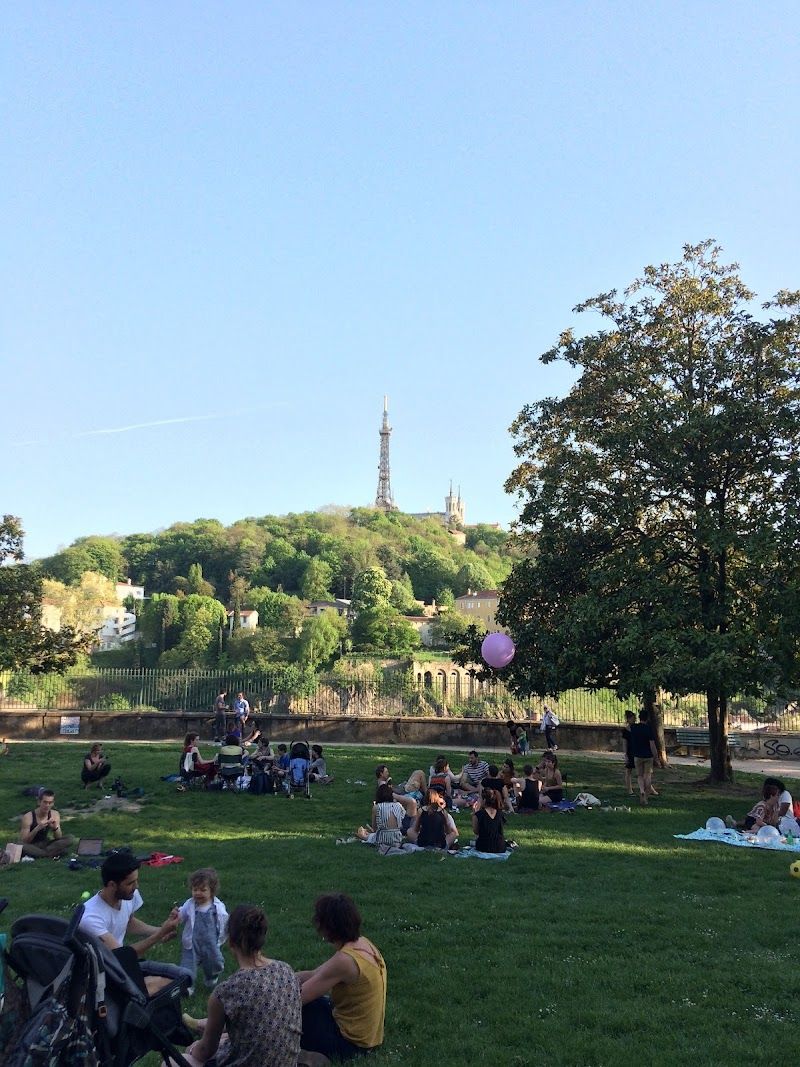
Jardin des Chartreux spreads across terraced slopes above the Saint-Paul district, offering panoramic views over the Saône River toward Presqu'île and the city center. Built on the site of a 17th-century Carthusian monastery, this hillside park features winding gravel paths, mature plane trees providing natural shade, and well-positioned benches facing the best viewpoints. You'll find yourself genuinely alone here, unlike the tourist-packed Parc de la Tête d'Or or the crowded Basilica of Notre-Dame de Fourvière nearby. The park feels like Lyon's secret neighborhood retreat. Locals come here to read, elderly residents play pétanque on small courts, and dog walkers follow the upper paths. The terraced layout means you're always discovering new sight lines through the trees, with the medieval towers of Vieux Lyon visible below and the modern Part-Dieu district gleaming in the distance. Stone retaining walls and old monastery foundations peek through the landscaping, reminders of the site's religious past. Most guidebooks barely mention this place, which works in your favor. The views rival Fourvière's famous basilica viewpoint but without the crowds or the uphill tourist train. Skip the upper entrances near Cours Général Giraud, they're less scenic and harder to find. The best light for photos hits in late afternoon when the sun illuminates the Presqu'île buildings across the river. Entry is completely free, and you can easily combine this with a walk through Vieux Lyon below.
Le Kitchen Café
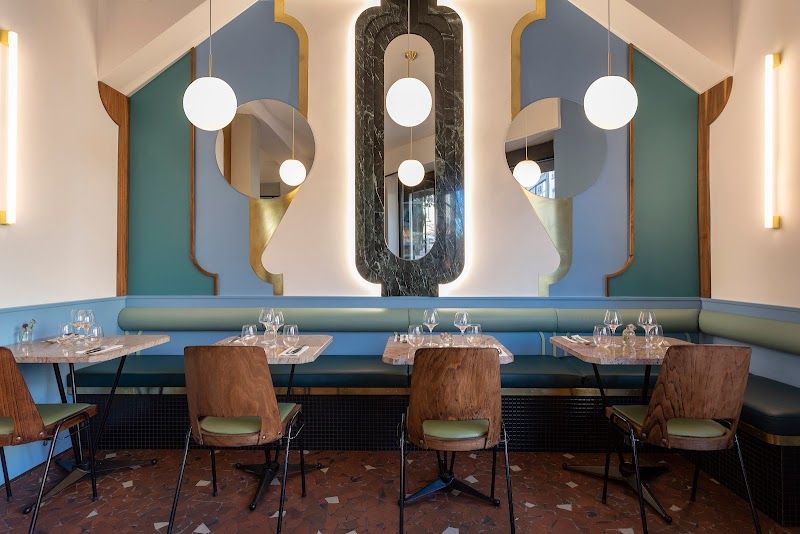
Brunch specialist on the slopes of Croix-Rousse with a sunny terrace and creative breakfast plates. The menu includes eggs Benedict with smoked salmon, granola bowls with seasonal fruit, and excellent flat whites. Popular with the neighborhood's creative crowd and young families.
Imouto
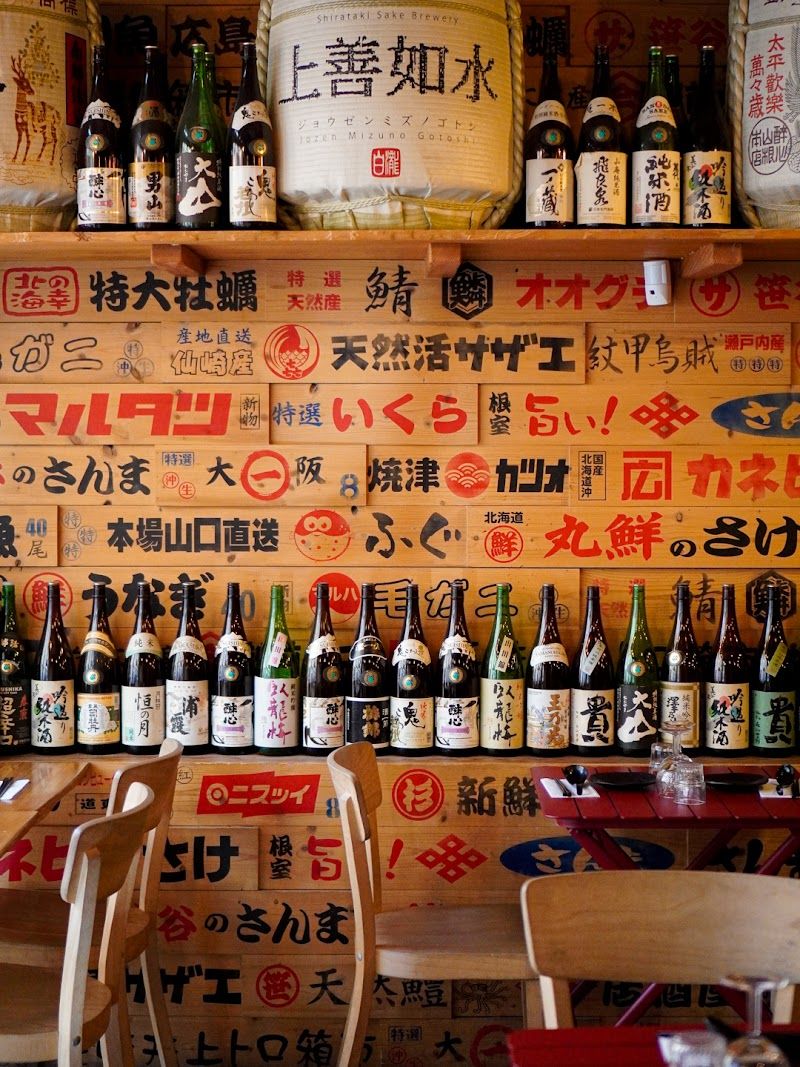
Japanese izakaya in Presqu'ile serving small plates and natural sake in a minimalist space. The menu changes daily with items like mackerel tataki, duck gyoza, and seasonal vegetable tempura. The sake selection includes rare bottles from small Kyoto breweries.
Le Musée
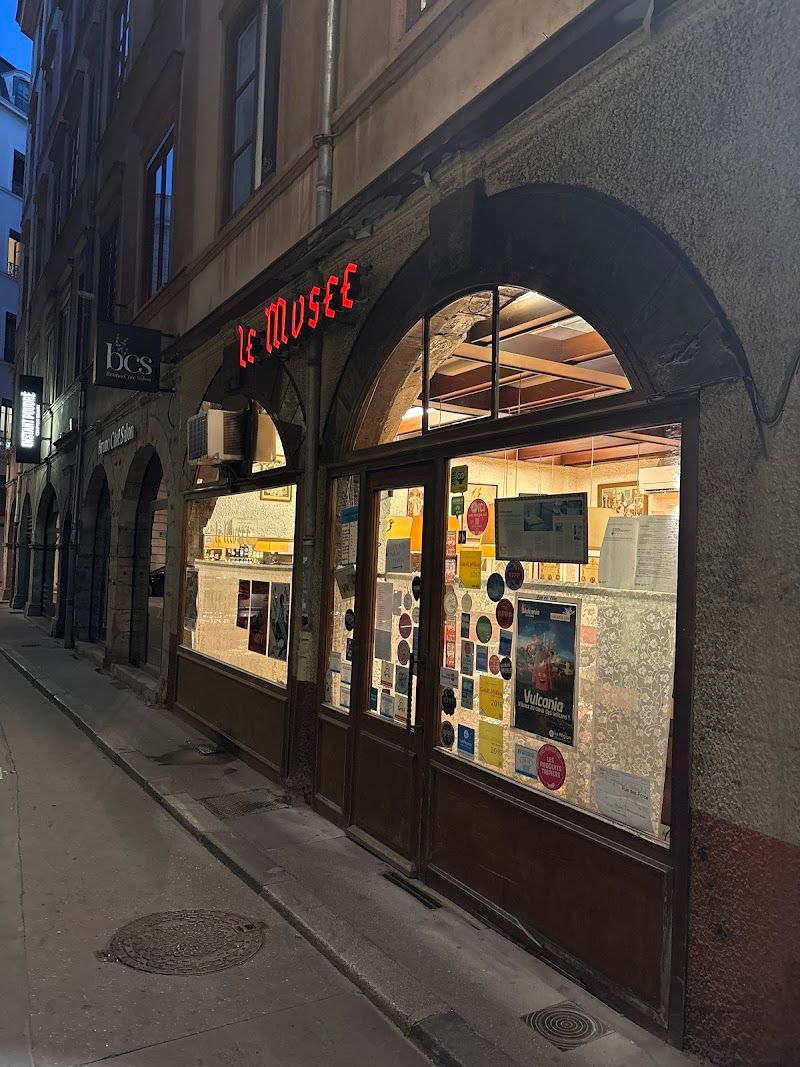
Certified bouchon steps from Place des Terreaux, decorated with Belle Epoque mirrors and theatre posters. The menu includes all the classics plus Lyon-style veal kidneys and pike-perch with beurre blanc. The cheese trolley features local Saint-Marcellin and Rigotte de Condrieu.
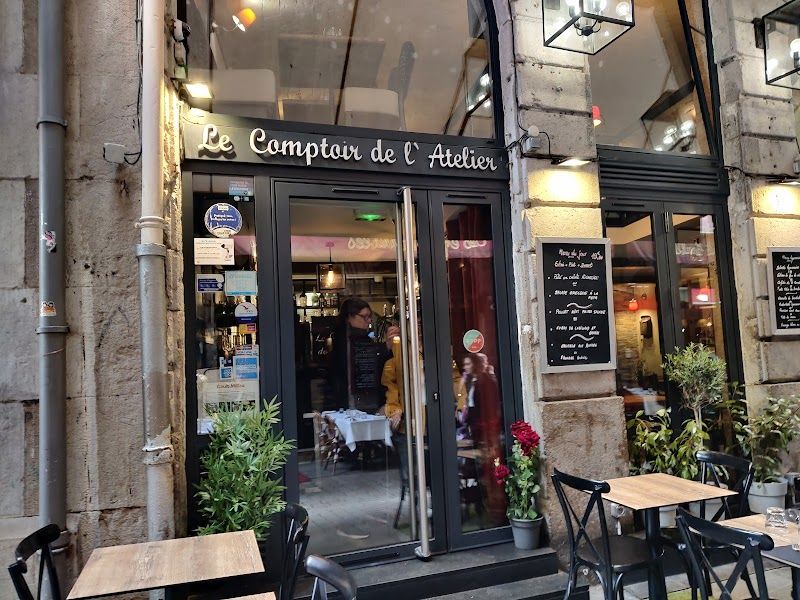
Le Comptoir de Sam
Wine bar on Presqu'ile focused on natural and biodynamic wines with an extensive selection of northern Rhone by the glass. The bartenders guide selections based on your preferences and can arrange vertical tastings of Crozes-Hermitage or Saint-Joseph. Small sharing plates change based on what's available at the market that morning.
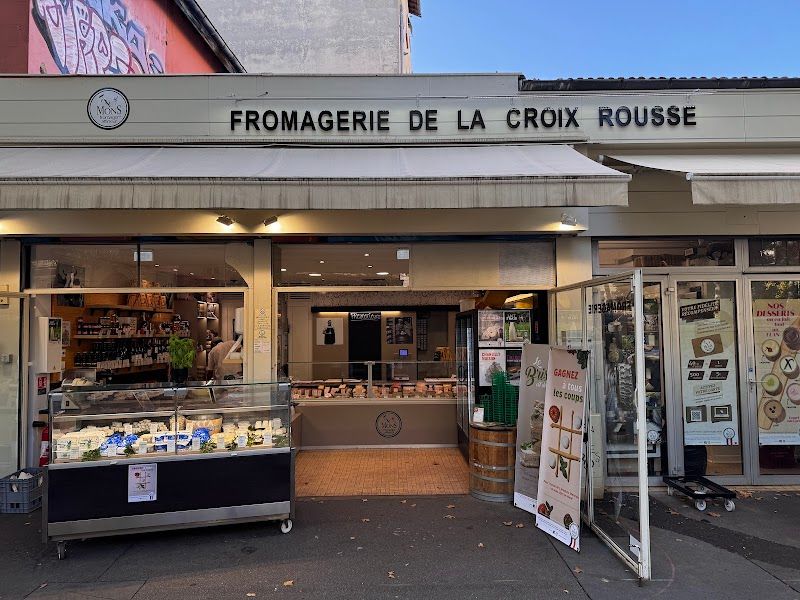
Croix-Rousse Market (Boulevard de la Croix-Rousse)
The Boulevard de la Croix-Rousse market is the best outdoor market in Lyon and one of the best in France. It runs along the main boulevard of the Croix-Rousse plateau from Tuesday to Sunday morning and sells produce, cheese, charcuterie, olives, fish, flowers, street food, and craftwork. The difference from a tourist market is that this is where Lyonnais actually shop: the vegetable stalls sell seasonal produce from farms in the Ain and Drome departments, the cheese vendors are the same ones who supply the better restaurants in the city, and the olive stall at the Place de la Croix-Rousse end has varieties most Parisians have never heard of. Sunday is the largest and most festive. Tuesday to Thursday are calmer and easier to navigate. Come before 10 AM to get the best produce. The market runs roughly 7 AM to 1 PM on all days.
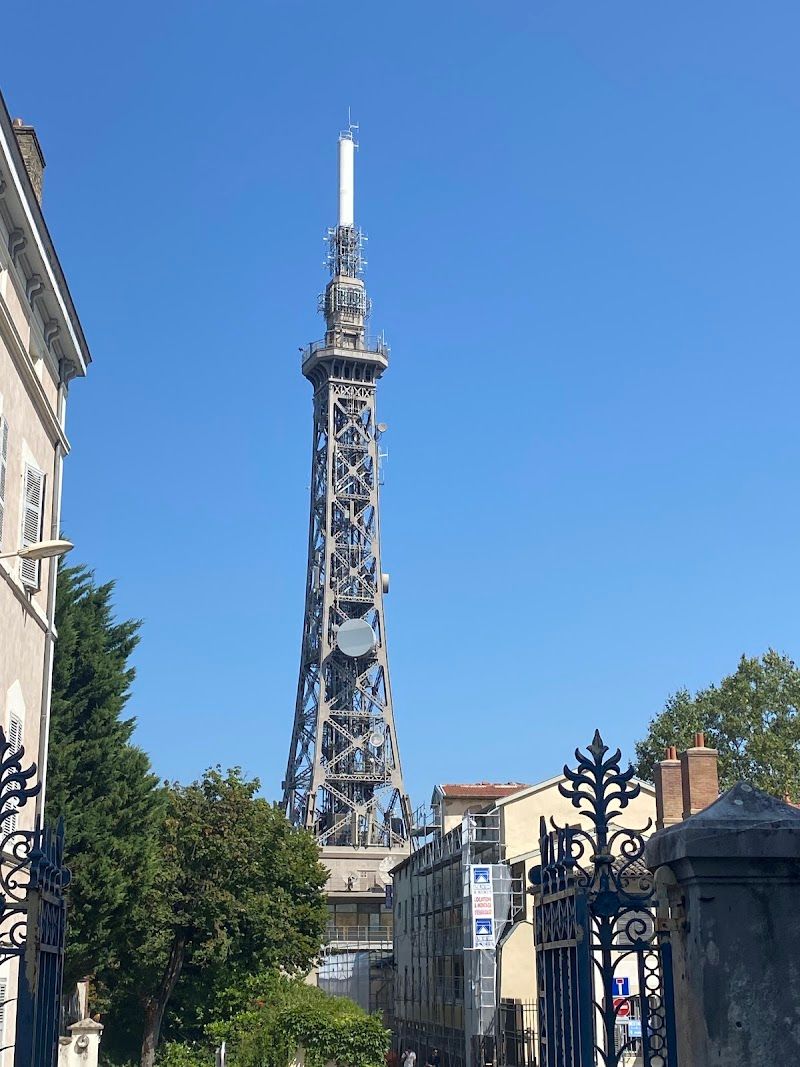
Tour Métallique de Fourvière
This 85-meter tall metal tower, often called Lyon's 'little Eiffel Tower', was built in 1894 and stands prominently on Fourvière hill. Originally constructed as a telecommunications tower, it's now a recognized landmark offering views of the city. The distinctive red structure is particularly photogenic at sunset and is illuminated at night.
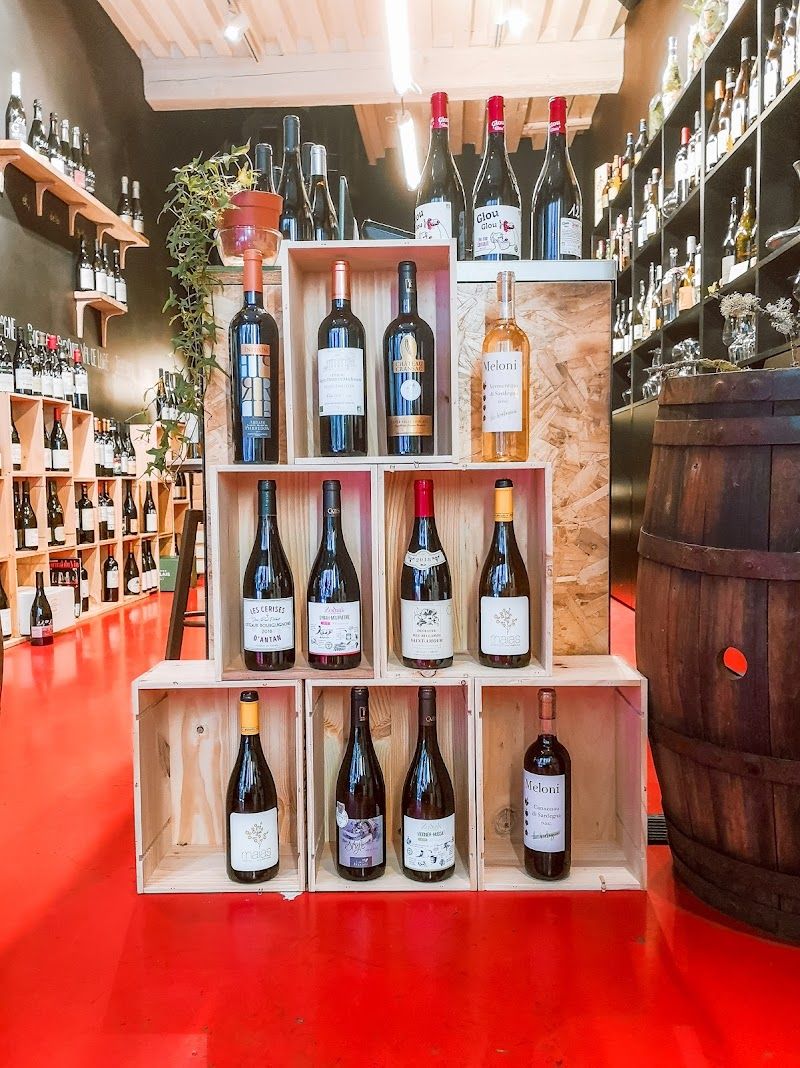
La Lie Wine Bar
Natural wine bar in Croix-Rousse specializing in small-producer Beaujolais and northern Rhone appellations. The cave-like interior features exposed stone walls, and the staff can discuss the specific parcels and vinification methods of each bottle. Glasses of Morgon start around EUR 6, with charcuterie boards designed to complement the tannin structures.
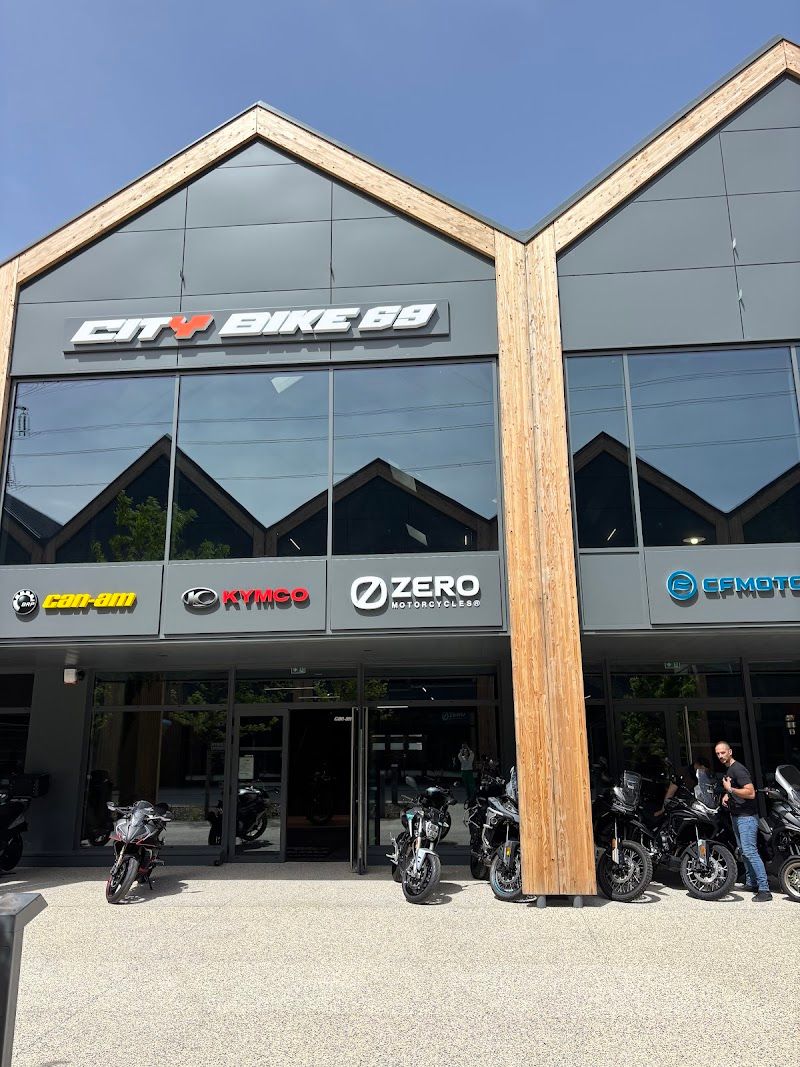
Lyon City Bike
Lyon City Bike takes you on a genuinely enjoyable 3-hour ride through the city's most photogenic districts, covering the pedestrian-friendly Presqu'île peninsula, the car-free Berges du Rhône riverside paths, and the ultra-modern Confluence quarter. You'll cruise past 20+ major sites including Europe's largest pedestrian square at Place Bellecour, the ornate Opera house, and the jaw-dropping metallic Musée des Confluences that juts into the river confluence like a giant crystal. The flat terrain along both rivers makes this totally doable even if you haven't touched a bike in years. The ride flows beautifully between old and new Lyon, with your guide stopping regularly for photos and local stories you won't find in guidebooks. You'll glide along the tree-lined Rhône banks where locals jog and picnic, then suddenly find yourself surrounded by gleaming glass towers and avant-garde architecture in Confluence. The contrast is striking, especially when you're pedaling from 19th-century bourgeois facades straight into Lyon's ambitious urban renewal project. Most of the route uses dedicated bike lanes or pedestrian zones, so you're rarely dealing with traffic. Honestly, this beats walking tours hands down for covering Lyon's spread-out geography, though some guides rush through the historical details to fit everything in. The bikes are basic city cruisers, nothing fancy, but perfectly adequate for the gentle terrain. Skip the optional helmet if you're confident, as French cycling culture is pretty relaxed. The 25 EUR price point makes this one of Lyon's better value organized activities.
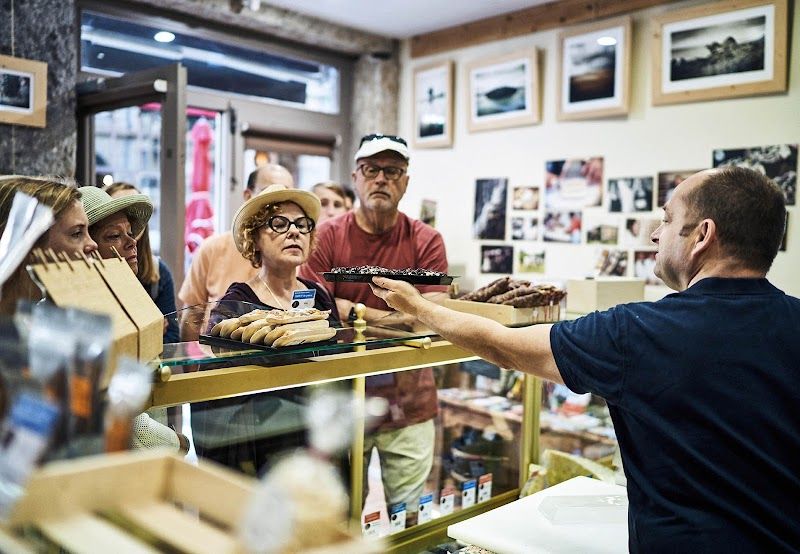
Lyon Food Tour
A guided food tour in Lyon is the fastest way to understand why the city has the food reputation it does. A good Lyon tour covers the Halles de Lyon Paul Bocuse (with tasting at the market stalls: Saint-Marcellin cheese, oysters, charcuterie), a certified bouchon for the classic dishes (salade lyonnaise, quenelles, cervelle de canut), a wine bar for a Beaujolais or northern Rhone pour, and a praline tart stop. 3-4 hours, EUR 70-95 per person with most food included. Morning tours let you see the market at its best. The guides at the better operators are Lyonnais who can explain the bouchon certification system and argue convincingly about which quenelle is the best in the city.
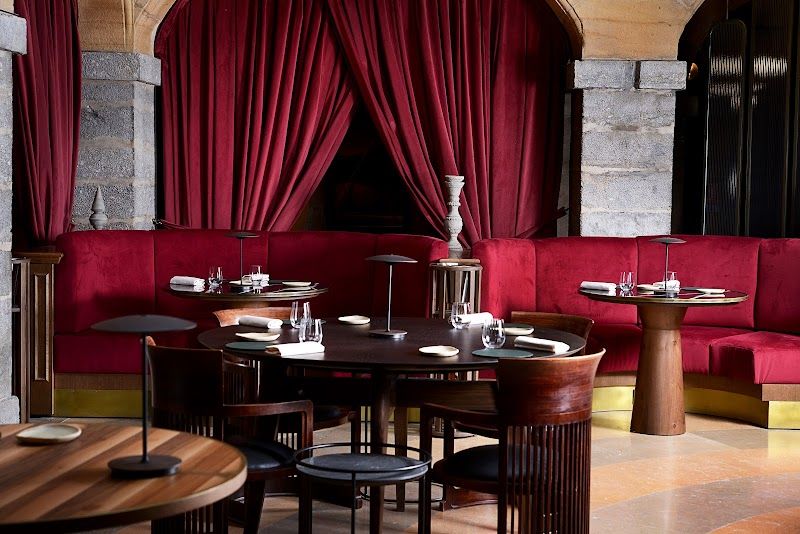
Les Loges
We recommend making a reservation at the elegant gastronomic restaurant within the Cour des Loges hotel in Vieux Lyon. Chef Anthony Bonnet presents refined contemporary French cuisine using seasonal ingredients in a sophisticated Renaissance setting. This restaurant has a Michelin star and is known for its intimate dining room with vaulted ceilings.
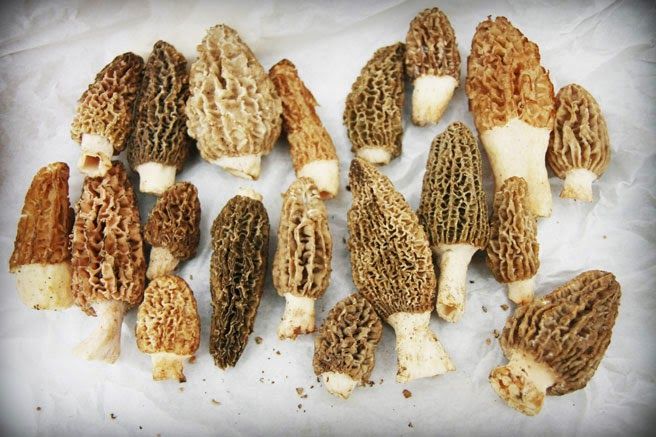
Plum Lyon Teaching Kitchen
Plum Lyon Teaching Kitchen brings you into a professional cooking space in Croix-Rousse where English-speaking chefs teach you to master Lyon's signature dishes in three-hour hands-on classes. You'll work with proper equipment to make classics like quenelles de brochet with creamy Nantua sauce, salade lyonnaise with crispy lardons, or coq au vin, then sit down to eat everything you've prepared alongside local Côtes du Rhône wines. The classes feel intimate with just 8-12 participants, so you get real attention and can ask questions about techniques. The experience flows naturally from market talk and ingredient prep to hands-on cooking, with Chef Erin guiding you through each step without being overbearing. The kitchen buzzes with conversation as you julienne vegetables, whisk sauces, and plate your dishes like a pro. You'll learn why Lyon earned its reputation as France's culinary capital while working alongside fellow food lovers from around the world. The best part comes at the end when you sit around communal tables, sharing the meal you've just created with wine pairings that actually make sense. Most cooking classes in Lyon cost around 95-120 EUR and feel touristy, but this one justifies the price tag with genuinely useful skills you'll remember. Skip the weekend classes if you want a more serious cooking crowd, weekday sessions attract fewer casual tourists. The Thursday evening classes cost about 10 EUR more but include seasonal market ingredients that change with Lyon's exceptional produce calendar.