Lyon
Croix-Rousse
The old silk-weavers' hill above Presqu'ile, now Lyon's bohemian quarter: independent shops, the best outdoor market in the city, street art, and a village atmosphere with views across both rivers.
About Croix-Rousse
Croix-Rousse sits on the steep hill immediately north of Presqu'ile and was the centre of Lyon's silk-weaving industry from the 16th to the 19th century. The canuts (silk weavers) lived and worked here, and the buildings were designed with large windows to let in light for the looms. The modern version of Croix-Rousse is Lyon's most interesting neighbourhood for independent shops, brunch spots, and street art. The Boulevard de la Croix-Rousse market runs Tuesday through Sunday mornings and is the best outdoor market in Lyon: produce, cheese, charcuterie, olives, street food. The Maison des Canuts (EUR 7) is the silk-weaving museum and it is surprisingly good: working looms, silk samples, and the history of the canut revolts (the first French workers' uprising, 1831). The traboules here are different from Vieux Lyon: larger, more industrial, built for moving bolts of silk rather than impressing merchants. The climb up (Montee de la Grande Cote is the main pedestrian route) is steep. The metro is faster.
Things to Do
Top experiences in Croix-Rousse
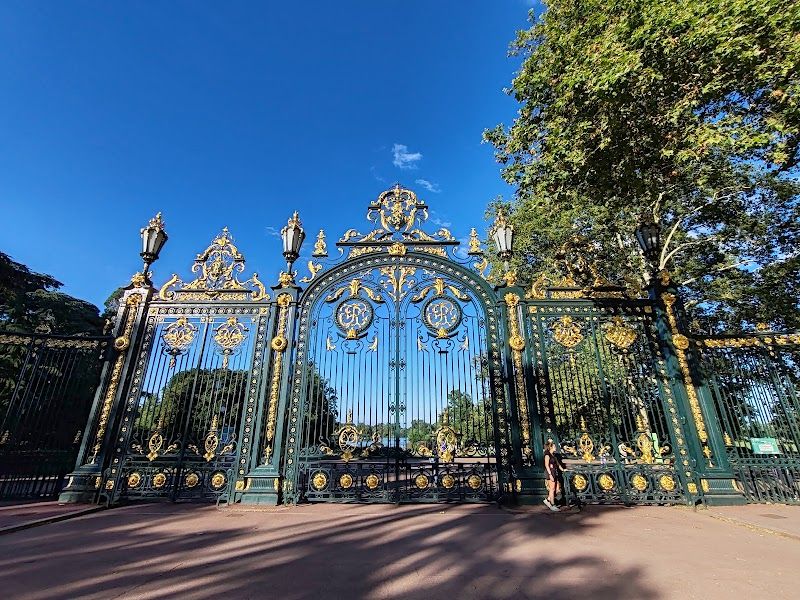
Parc de la Tête d'Or
Parc de la Tête d'Or is Lyon's sprawling 117-hectare playground where locals have been escaping city life since 1857. You'll find France's second-largest urban park packed with genuine attractions: a completely free zoo housing giraffes, lions, and 130 other species, plus botanical greenhouses from 1865 that rival paid attractions elsewhere. The rose garden explodes with 30,000 bushes in late May and June, while the central lake offers rowboat rentals and peaceful walking paths. The experience feels like several parks rolled into one. You'll start hearing exotic animal calls before you even see the zoo enclosures, where African plains animals roam surprisingly spacious grounds. The Victorian-era greenhouses steam with tropical plants year-round, while families picnic on vast lawns where actual Bresse cattle graze. Weekend mornings bring joggers circling the lake, while afternoons see kids feeding ducks and couples rowing boats that cost around 8 EUR per hour. Most guides don't mention that the zoo, while free, shows its age in some older enclosures. Skip the small mammal house unless it's raining. The rose garden gets overhyped outside of peak bloom season, but the lake area stays beautiful year-round. Parking fills up fast on sunny weekends, so take the metro to Masséna station instead.
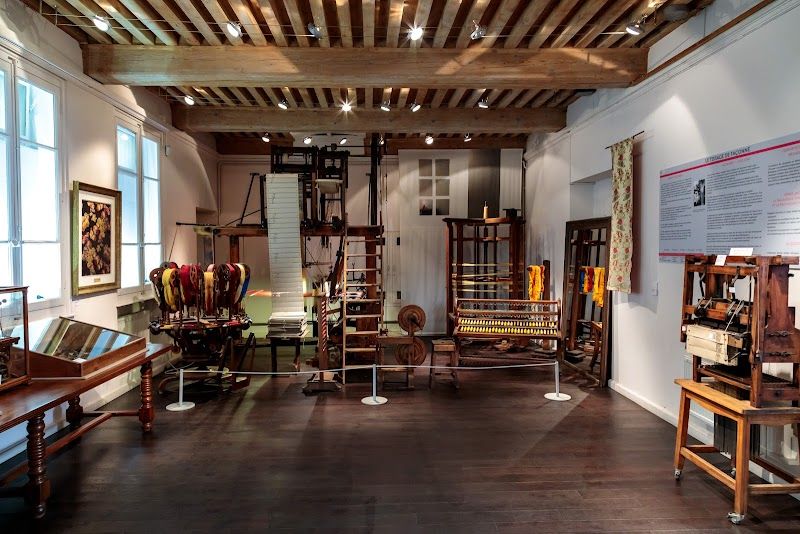
Maison des Canuts
The Maison des Canuts is the silk-weaving museum on the Croix-Rousse hill and it is better than it sounds. The canuts were the silk weavers who dominated this neighbourhood from the 16th to the 19th century, and the museum preserves working Jacquard looms that demonstrate how the technology worked. Joseph-Marie Jacquard invented his programmable loom in Lyon in 1804: the punch card system he used to control the pattern was later adapted by Babbage for the Analytical Engine and then by IBM for computing. The museum explains this connection without overplaying it. The shop sells silk scarves woven in Lyon (EUR 30-60) which are the most useful souvenir in the city. Guided tours run at set times (check the schedule at the door, joining a tour is better than self-guiding). EUR 7 entry. Allow 45 minutes.
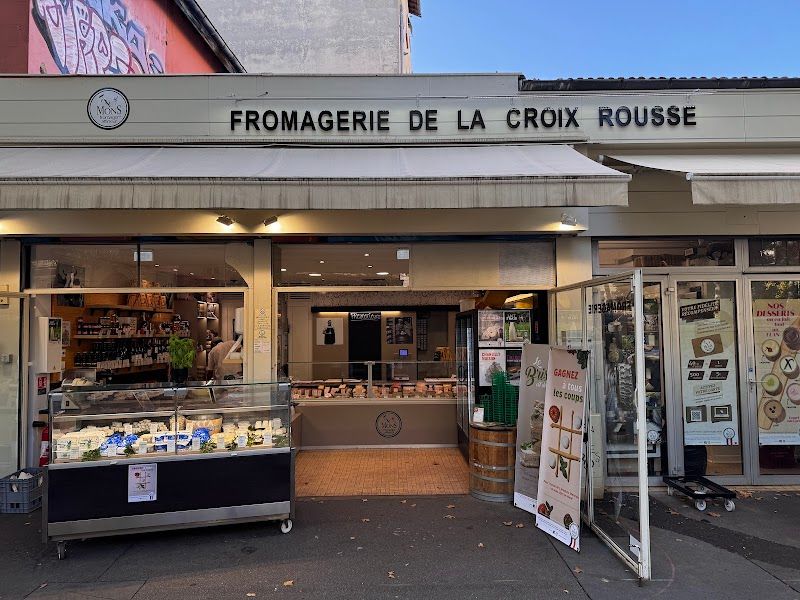
Croix-Rousse Market (Boulevard de la Croix-Rousse)
The Boulevard de la Croix-Rousse market is the best outdoor market in Lyon and one of the best in France. It runs along the main boulevard of the Croix-Rousse plateau from Tuesday to Sunday morning and sells produce, cheese, charcuterie, olives, fish, flowers, street food, and craftwork. The difference from a tourist market is that this is where Lyonnais actually shop: the vegetable stalls sell seasonal produce from farms in the Ain and Drome departments, the cheese vendors are the same ones who supply the better restaurants in the city, and the olive stall at the Place de la Croix-Rousse end has varieties most Parisians have never heard of. Sunday is the largest and most festive. Tuesday to Thursday are calmer and easier to navigate. Come before 10 AM to get the best produce. The market runs roughly 7 AM to 1 PM on all days.
Getting Here
Getting There
Metro C: Croix-Rousse station
On Foot
Hilly. The plateau at the top is flat and very walkable. Getting up and down requires either the metro/funicular or accepting a steep 20-minute climb.
Insider Tips
The Boulevard market
Boulevard de la Croix-Rousse market runs Tuesday to Sunday from around 7 AM to 1 PM. Sunday is the fullest. Get there before 10 AM for the best produce and to avoid the weekend crowds. The olive stalls near the Place de la Croix-Rousse end are the best in Lyon. The cheese vendors will let you taste before you buy.
Maison des Canuts
EUR 7 entry, tours run at specific times (check the schedule, the tours are worth joining rather than wandering alone). The museum shows working Jacquard looms (the same mechanism that inspired the programming punch card). The shop sells silk scarves woven in Lyon, which are the best souvenir in the city if you have EUR 30-60 to spend.
How to get up the hill
Metro C from Hotel de Ville (one stop) is the fast option. The Montee de la Grande Cote is the main pedestrian climb: 20 minutes, steep, with street art on the walls the whole way up. The Ficelle (Lyon's smaller funicular system, same ticket as the metro) also serves the hill. Walking down from Croix-Rousse to Presqu'ile takes 20 minutes and the views improve with each block.
Nearby Neighborhoods
Continue exploring
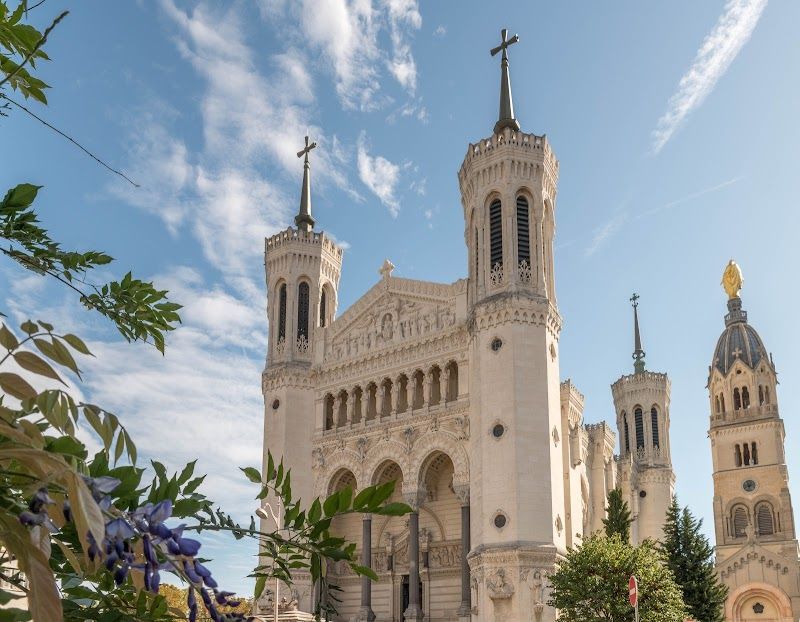
Vieux Lyon
The UNESCO Renaissance old town on the west bank of the Saone: narrow cobblestone streets, 15th-16th century facades, hidden traboules, the best concentration of certified bouchons, and the funicular up to Fourviere above.
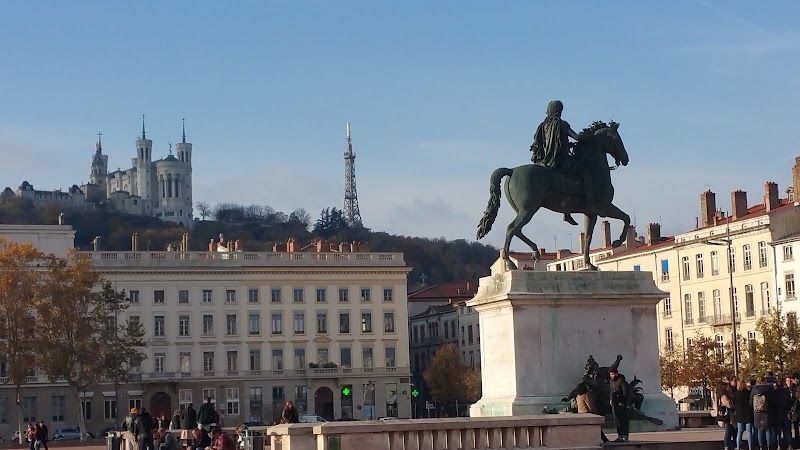
Presqu'ile
The city centre on the peninsula between two rivers: the grand squares, the Opera, Musee des Beaux-Arts, Rue de la Republique for shopping, and the best restaurant and bar concentration in Lyon.
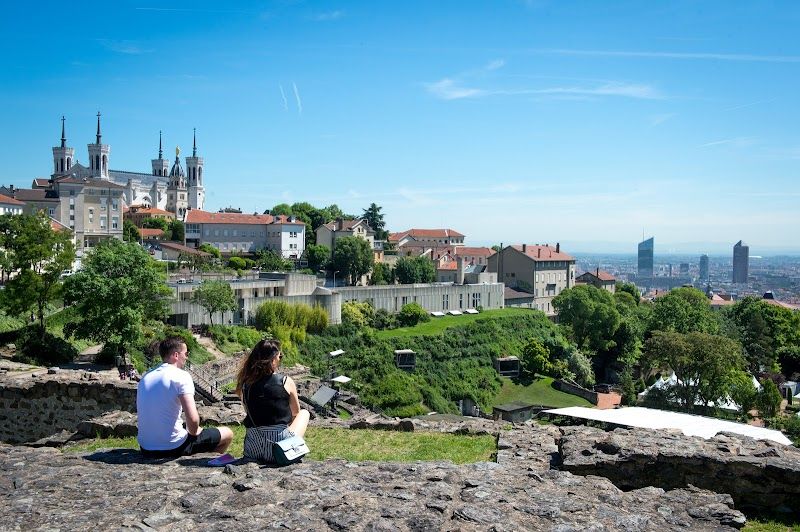
Fourviere & Roman Lyon
The sacred hill above Vieux Lyon: the basilica, the Roman theatres, the Gallo-Roman museum, and the best view in Lyon from the esplanade at sunset.
Plan a trip featuring Croix-Rousse
Get a personalized Lyon itinerary with Croix-Rousse built in.
Start Planning