Lyon
Fourviere & Roman Lyon
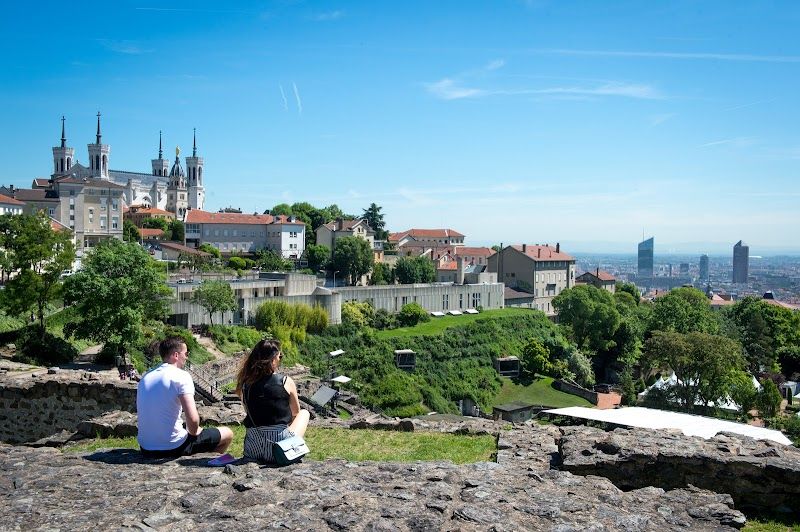
The sacred hill above Vieux Lyon: the basilica, the Roman theatres, the Gallo-Roman museum, and the best view in Lyon from the esplanade at sunset.
About Fourviere & Roman Lyon
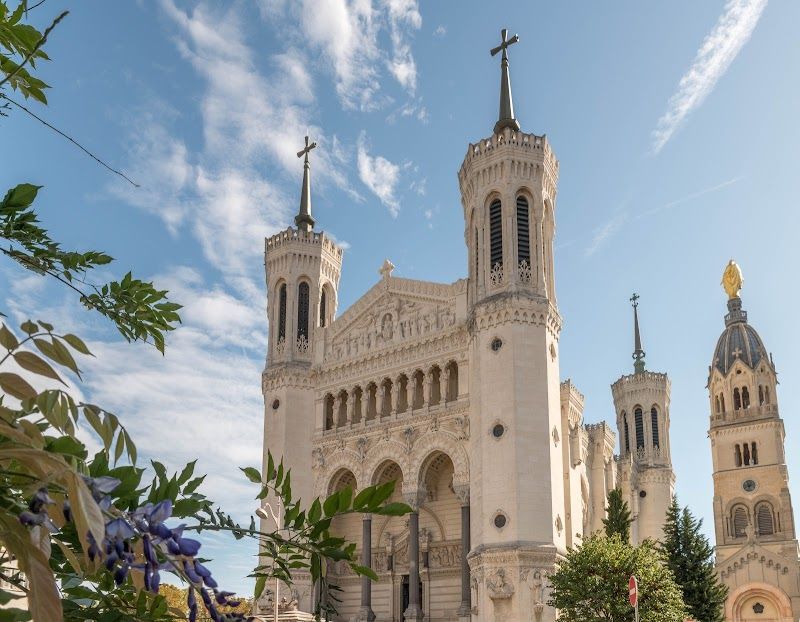
Fourviere hill is where Lyon began as Lugdunum, the Roman capital of Gaul in 43 BC. The Roman amphitheatre and the smaller Odeon (both well-preserved, free to enter, the Gallo-Roman museum above them costs EUR 7) are the oldest Roman structures in France still used for public events: the Nuits de Fourviere summer festival hosts concerts here. The Basilique Notre-Dame de Fourviere was built between 1872 and 1884 and is aggressively ornate in a way that divides visitors sharply: the exterior is restrained, the interior is a riot of mosaic, marble, and gold. The terrace beside the basilica, however, is where everyone agrees: the panoramic view from here covers the entire city, both rivers, Croix-Rousse hill, and on clear days the Alps. The esplanade at sunset is Lyon's most reliable postcard moment. Getting up: funicular from Vieux Lyon Saint-Jean station (EUR 2.40 with a TCL ticket) or the steep Montee du Gourguillon on foot (30 minutes from Vieux Lyon).
Things to Do
Top experiences in Fourviere & Roman Lyon
Musée Gallo-Romain de Lyon-Fourvière
This museum houses the most important Roman artifacts found in Lyon, built right into the hillside where ancient Lugdunum once thrived. You'll see the famous Claudian Tablets, bronze inscriptions of Emperor Claudius's speech to the Roman Senate about Gallic citizenship, plus mosaics, sculptures, and everyday objects that bring Roman life to focus. The building itself is remarkable: concrete and glass structures that seem to grow from the archaeological site, with windows framing views of the ancient theaters below. Your visit flows chronologically through Roman Lyon's history, starting with pre-Roman Gaul and moving through the imperial period. The displays feel intimate rather than overwhelming, with excellent English explanations that actually tell stories instead of just listing facts. The bronze workshop section is particularly striking, showing how skilled Roman craftsmen were, and the religious artifacts room reveals the mix of Roman and Celtic beliefs. The architecture creates natural pauses where you can look out at the ruins you're about to explore. Most guides don't mention that this place gets packed with school groups on Tuesday and Thursday mornings, so avoid those times. The €7 ticket is excellent value since it includes the adjacent Roman theaters, but honestly, you could easily spend your entire time in the museum and skip the ruins if you're not into scrambling over ancient stones. Start with the basement level and work up, the flow makes much more sense that way.
Jardin des Chartreux
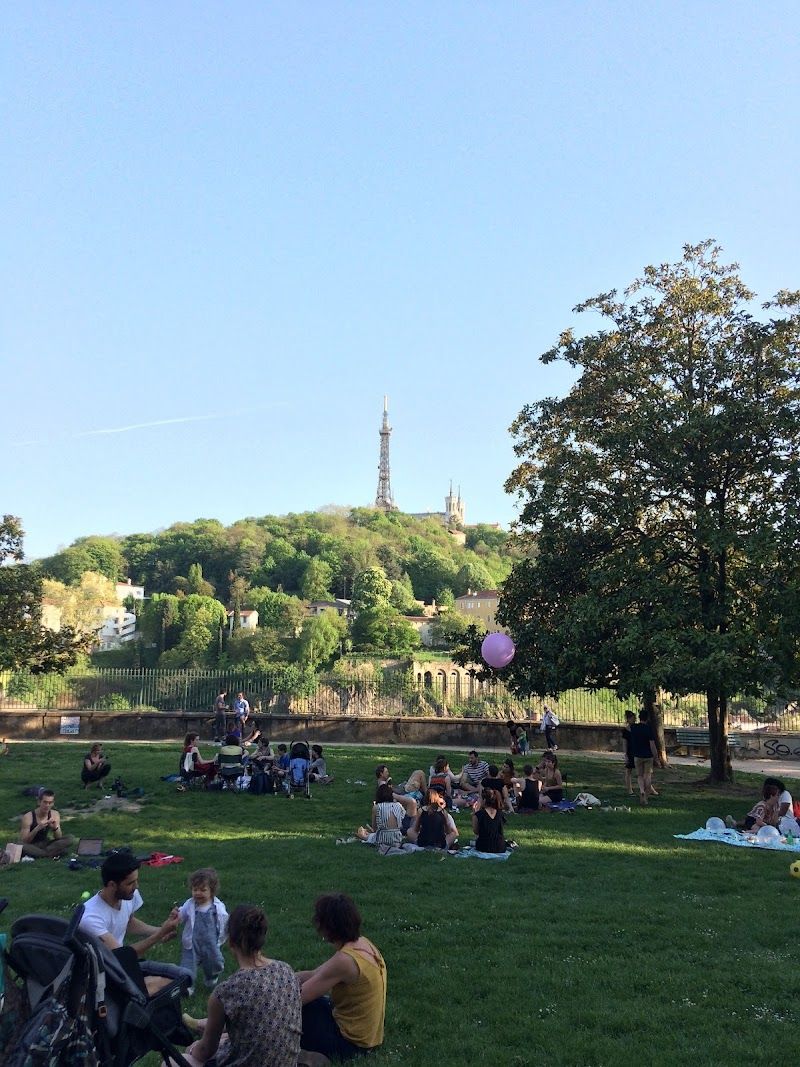
Jardin des Chartreux spreads across terraced slopes above the Saint-Paul district, offering panoramic views over the Saône River toward Presqu'île and the city center. Built on the site of a 17th-century Carthusian monastery, this hillside park features winding gravel paths, mature plane trees providing natural shade, and well-positioned benches facing the best viewpoints. You'll find yourself genuinely alone here, unlike the tourist-packed Parc de la Tête d'Or or the crowded Basilica of Notre-Dame de Fourvière nearby. The park feels like Lyon's secret neighborhood retreat. Locals come here to read, elderly residents play pétanque on small courts, and dog walkers follow the upper paths. The terraced layout means you're always discovering new sight lines through the trees, with the medieval towers of Vieux Lyon visible below and the modern Part-Dieu district gleaming in the distance. Stone retaining walls and old monastery foundations peek through the landscaping, reminders of the site's religious past. Most guidebooks barely mention this place, which works in your favor. The views rival Fourvière's famous basilica viewpoint but without the crowds or the uphill tourist train. Skip the upper entrances near Cours Général Giraud, they're less scenic and harder to find. The best light for photos hits in late afternoon when the sun illuminates the Presqu'île buildings across the river. Entry is completely free, and you can easily combine this with a walk through Vieux Lyon below.
Tour Métallique de Fourvière
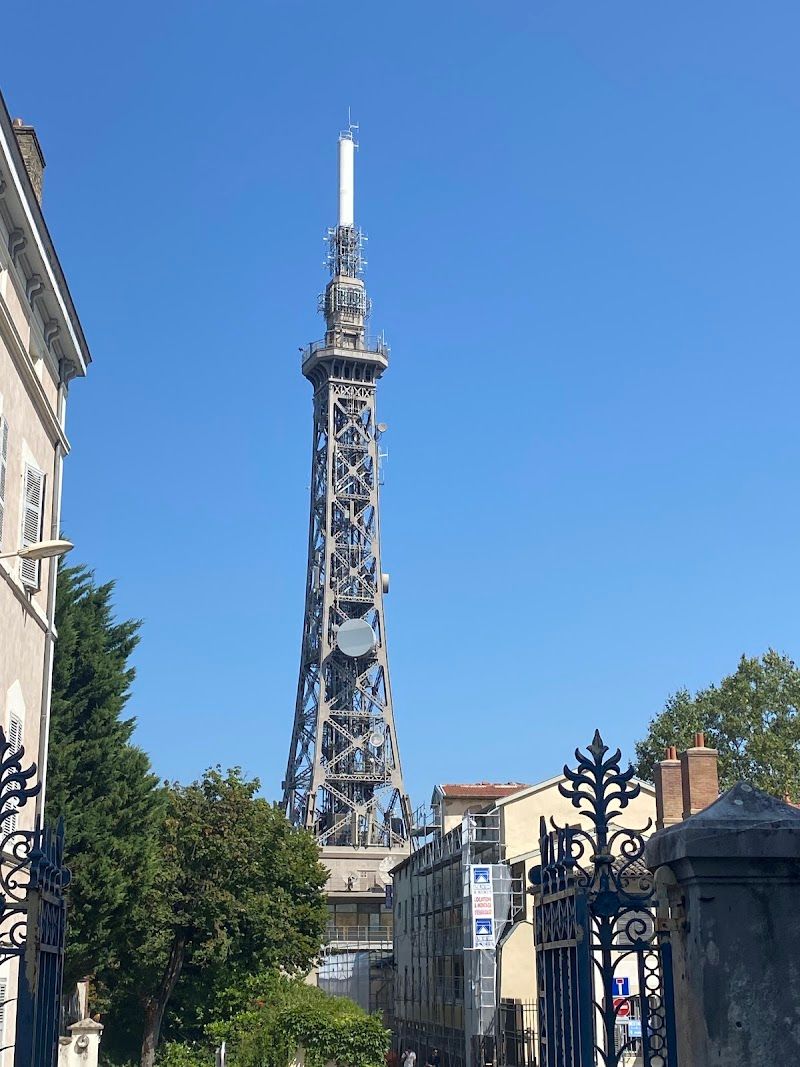
This 85-meter tall metal tower, often called Lyon's 'little Eiffel Tower', was built in 1894 and stands prominently on Fourvière hill. Originally constructed as a telecommunications tower, it's now a recognized landmark offering views of the city. The distinctive red structure is particularly photogenic at sunset and is illuminated at night.
Getting Here
Getting There
Funicular from Vieux Lyon Saint-Jean (Metro D)
On Foot
Car-free at the top. The walk up from Vieux Lyon is steep (30 min). The funicular is the practical choice.
Insider Tips
Best view in Lyon
The esplanade beside the basilica (not the basilica roof, which costs extra) is free and has the best panoramic view of Lyon. Go 45 minutes before sunset. The city faces east so the afternoon light is on the buildings across the Saone and Rhone. Bring a jacket in spring and autumn: the hill catches wind.
Roman theatres and the museum
The two Roman theatres (the Grand Theatre from 15 BC, the Odeon from the 2nd century) are free to enter and open daily. The Gallo-Roman museum built into the hillside above them (EUR 7) covers Lyon as the Roman capital of Gaul with mosaics, bronze tablets, and everyday objects. Allow 1 hour for the museum and 30 minutes for the theatres. In summer the theatres host the Nuits de Fourviere festival (operas, concerts, theatre).
Basilica interior
Entry is free. The exterior is heavy stone but the interior is the surprise: every surface is covered in mosaic, marble, and carved stone. The style is called Lyon-Byzantine and it was intended to be overwhelming. The chapel of the Virgin at the back is the most intense section. Whether you find it beautiful or excessive depends on your tolerance for devotional maximalism. Allow 20 minutes.
Nearby Neighborhoods
Continue exploring
Vieux Lyon
The UNESCO Renaissance old town on the west bank of the Saone: narrow cobblestone streets, 15th-16th century facades, hidden traboules, the best concentration of certified bouchons, and the funicular up to Fourviere above.
Presqu'ile
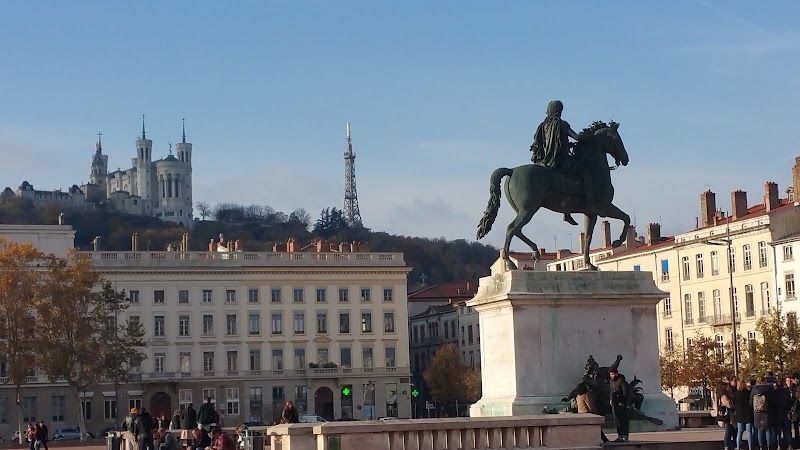
The city centre on the peninsula between two rivers: the grand squares, the Opera, Musee des Beaux-Arts, Rue de la Republique for shopping, and the best restaurant and bar concentration in Lyon.
Croix-Rousse
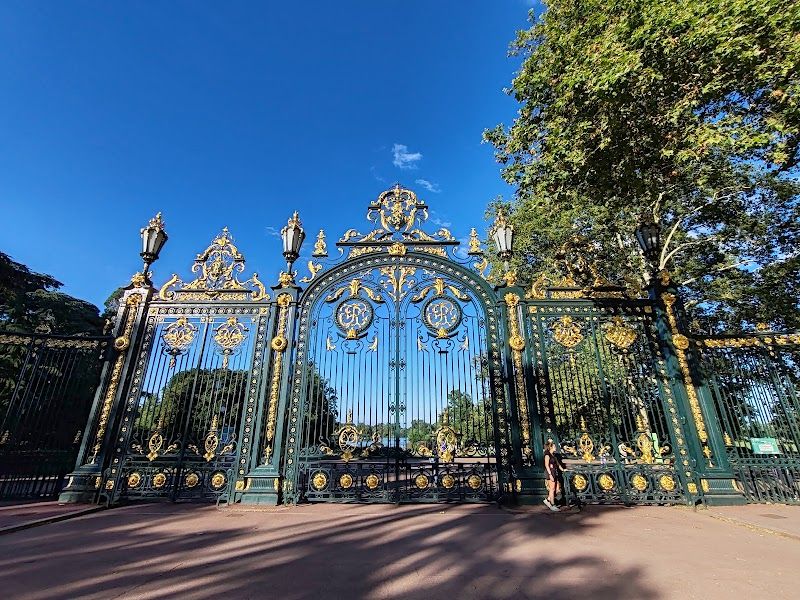
The old silk-weavers' hill above Presqu'ile, now Lyon's bohemian quarter: independent shops, the best outdoor market in the city, street art, and a village atmosphere with views across both rivers.
Plan a trip featuring Fourviere & Roman Lyon
Get a personalized Lyon itinerary with Fourviere & Roman Lyon built in.
Start Planning