Lyon
Vieux Lyon
The UNESCO Renaissance old town on the west bank of the Saone: narrow cobblestone streets, 15th-16th century facades, hidden traboules, the best concentration of certified bouchons, and the funicular up to Fourviere above.
About Vieux Lyon
Vieux Lyon is one of the best-preserved Renaissance quarters in Europe and the reason Lyon has UNESCO World Heritage status. The three sub-districts (Saint-Jean, Saint-Paul, Saint-Georges) are built on the narrow strip of land between the Saone river and the Fourviere hill, which means the streets are always in the shadow of something remarkable. Cathedrale Saint-Jean is the anchor: a Gothic cathedral started in the 12th century with an astronomical clock inside that dates to the 14th century and still works. The traboules are the highlight that most tourists miss: over 40 are open to the public during daylight hours. They are inside residential buildings (push the doors marked with a small brass plaque), and they connect the parallel streets through courtyards with Renaissance staircases. Rue du Boeuf and Rue Saint-Jean are the restaurant streets. Quality varies. The certified bouchons (look for the Bouchon Lyonnais plaque) are the reliable choice. The funicular departs from the Saint-Jean station at the southern end of the old town and goes up to Fourviere in 4 minutes.
Things to Do
Top experiences in Vieux Lyon
Vieux Lyon Traboules Walk
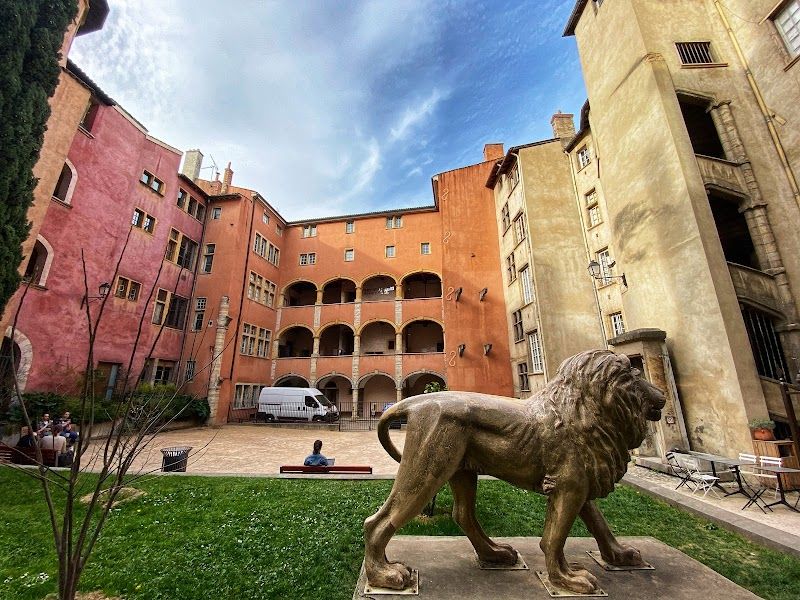
The traboules are secret passageways threading through Renaissance courtyards and staircases, connecting parallel streets across Vieux Lyon. Silk workers originally used these shortcuts to transport fabric without getting soaked, and today over 40 remain open to the public during daylight hours. You'll walk through actual 15th and 16th century merchant houses, climbing worn stone staircases and crossing intimate courtyards that most tourists never see because they don't realize the doors open. Start at 54 Rue Saint-Jean where a small brass plaque marks your entry point. Push the heavy door, step into a Renaissance courtyard, climb the stone staircase, and emerge on the parallel street feeling like you've discovered a secret. The experience repeats as you follow plaques north along Rue du Boeuf and Rue de la Juiverie, each traboule revealing different architectural details: spiral staircases, carved galleries, and intimate courtyards where residents hang laundry and park bicycles. Most guides make this sound more mysterious than it is, but that's actually the charm. These aren't museum pieces but working residential buildings where real people live, so keep quiet as you pass through. The tourist office at Place du Change sells detailed maps for EUR 1, though following the brass door plaques works perfectly well. The Maison du Chamarier at 37 Rue Saint-Jean has the most spectacular Renaissance loggia, but honestly, the magic is in the simple act of pushing unmarked doors and finding yourself somewhere unexpected.
Basilique Notre-Dame de Fourviere
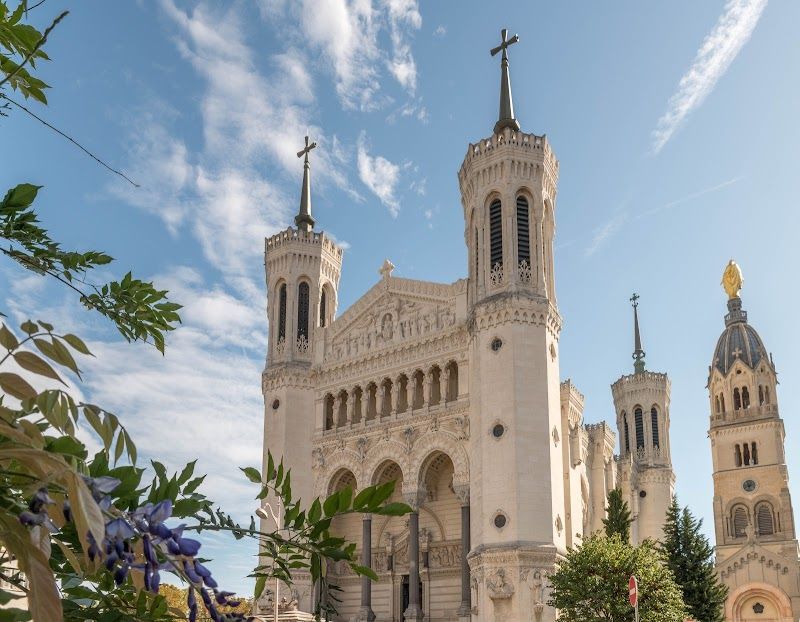
This 19th-century basilica crowns Fourvière Hill and delivers Lyon's best panoramic views across the entire city. You're here for two things: the sweeping terrace overlooking both the Rhône and Saône rivers, and the interior that's so ornately decorated it borders on overwhelming. Every surface inside gleams with Byzantine-style mosaics, gilded stonework, and painted enamels that the locals call "Lyon-Byzantine." The views stretch across the Presqu'île peninsula to the Alps on clear days, and sometimes all the way to Mont Blanc. The funicular ride up takes 4 minutes and feels like a mini adventure itself, climbing steeply from Vieux Lyon through a tunnel. Inside the basilica, your eyes need time to adjust to the visual intensity: gold leaf everywhere, intricate mosaics covering walls and ceilings, and marble columns that reflect the light. The free terrace beside the church is where you'll spend most of your time, watching the city spread out below while tour groups cycle through. Most visitors spend too long inside gawking at the decorations when the real prize is outside. The interior is impressive but 15 minutes covers it unless you're genuinely interested in 19th-century religious art. Save your time for the terrace, especially 45 minutes before sunset when the light turns the rivers copper and the whole city glows. The funicular costs EUR 2.40 with any TCL transit pass, and entry to everything is free.
Cathedrale Saint-Jean-Baptiste de Lyon
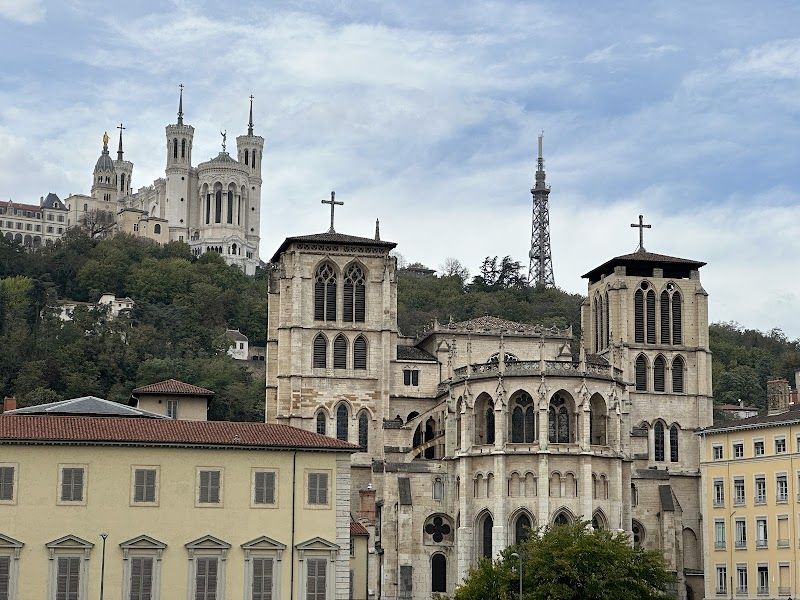
Lyon's cathedral is a living textbook of medieval architecture, built in stages from 1180 to 1480. You'll walk through four centuries of evolution as you move from the Romanesque nave toward the Gothic choir, with the flamboyant Gothic west porch being genuinely spectacular. The star attraction is the 14th century astronomical clock in the north transept: a 9 meter tall mechanical marvel that still performs its Annunciation show at noon, 2 PM, 3 PM, and 4 PM. The interior feels properly Gothic, dark and solemn with shafts of colored light filtering through 13th century rose windows. During clock performances, crowds gather in the north transept to watch mechanical figures emerge and enact the Annunciation scene. The rest of the time you'll have the nave mostly to yourself, letting you appreciate how each architectural period layered onto the last. The contrast between the heavy Romanesque columns and soaring Gothic arches is striking. Most guides oversell this as essential Lyon, but it's worth 30 minutes if you're already exploring Vieux Lyon. The astronomical clock is genuinely impressive, but skip it if you're not here during performance times. Entry is free, which makes it an easy addition to your traboule walking route. The exterior is actually more photogenic than the interior, so grab shots of that flamboyant porch from Place Saint Jean.
Theatres Romains de Fourviere
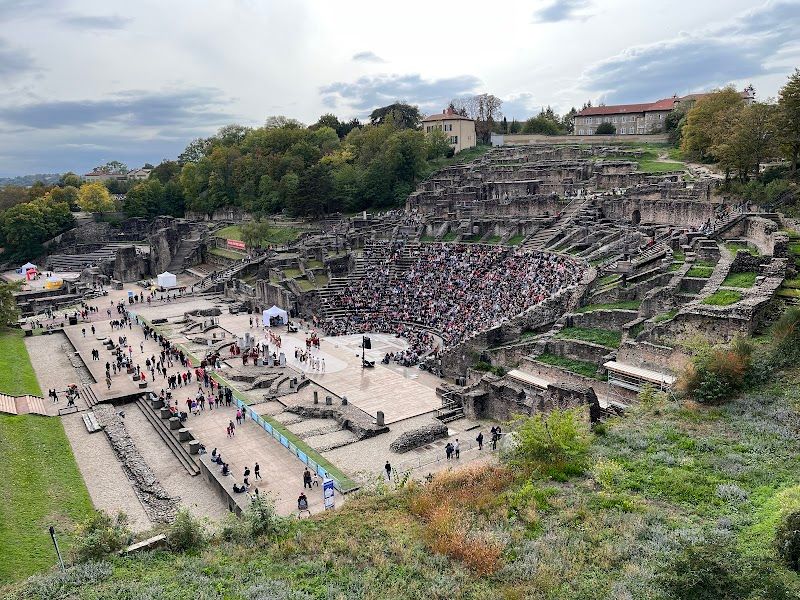
These are the oldest Roman theaters in France, built right into the Fourvière hillside starting in 15 BC. The Grand Theatre could hold 10,800 spectators and still has its original stone seating rising up the slope, while the smaller Odeon next door hosted intimate music recitals. What makes them special isn't just their age: they're free to explore and the view from the upper rows spans the entire Rhône valley on clear days. Walking through feels like stepping onto an ancient film set. You can climb right up to the top rows where Roman citizens once sat, run your hands along 2,000 year old stone seats, and stand on the stage where actors performed for emperors. The theaters are cut directly into the rock face, so you're walking through genuine Roman engineering. Summer evenings bring the Nuits de Fourvière festival, when these ancient stones come alive again with opera and concerts. Most people rush through in 20 minutes, but you should spend at least an hour here. The attached Gallo Roman Museum costs EUR 7 and houses the famous Claudian Tablets: actual bronze speeches by Emperor Claudius, who was born in Lyon. Skip the museum if you're tight on budget, the theaters themselves are the real draw. Come in morning light for the best photos and fewer crowds.
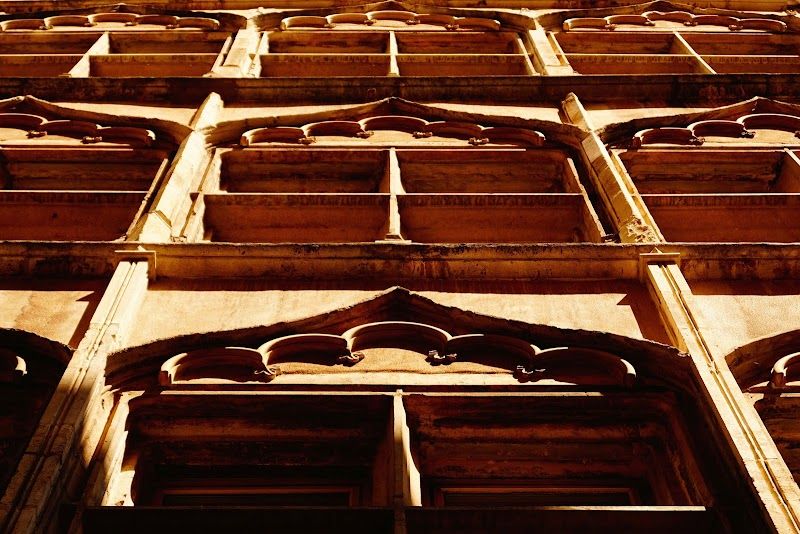
Lyon Old Town Renaissance & Traboules Guided Visit
Vieux Lyon's Renaissance quarter houses Europe's largest collection of intact Renaissance buildings, and this 2-hour guided walk grants access to the traboules that most tourists rarely see. These covered passageways wind through private courtyards and between buildings, originally designed so silk merchants could transport delicate fabrics without weather damage. You'll walk through about 8-10 traboules, including the famous Traboule de la Tour Rose with its spiral staircase and the Long Traboule that stretches an entire city block. The experience feels like permitted urban exploration. Your guide unlocks heavy wooden doors that lead into Renaissance courtyards where silk workshops once operated. The contrast is striking: you'll step from narrow cobblestone streets into elegant galleries with stone arches and ornate staircases that wouldn't look out of place in an Italian palazzo. The traboules stay cool even on hot days, and the acoustics make every footstep echo dramatically off the vaulted ceilings. Most guides provide detailed commentary but tend to rush through the best courtyards. The real magic happens when you linger in places like the Cour des Voraces, where the guide usually gives you 5 minutes of free exploration time. Tours cost around 15-20 EUR and groups are limited to 20 people. Booking morning tours (9-11am) is recommended, as they rarely fill up completely. It's best to skip afternoon slots if possible, as school groups often clog the narrow passages after lunch.
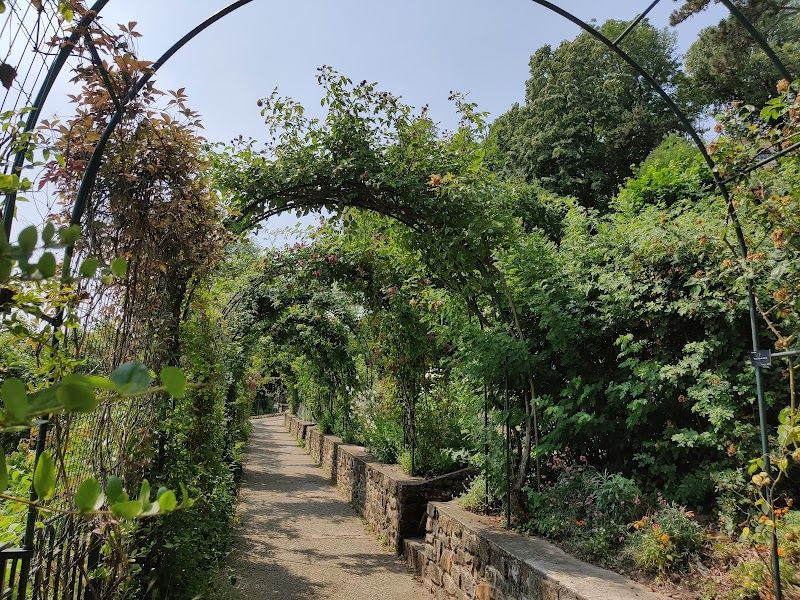
Jardin du Rosaire
The Jardin du Rosaire cascades down Fourvière hill in perfectly manicured terraces, connecting Lyon's famous basilica to the Renaissance streets below. You'll walk through formal rose gardens, past religious sculptures, and along stone pathways that curve around the hillside. The real draw is the succession of viewpoints: each terrace reveals a different angle of Lyon's red rooftops, the Saône river, and the Alps on clear days. Descending through the garden feels like walking through a living postcard. The upper terraces stay quiet even when the basilica above buzzes with tour groups. Stone steps wind between carefully pruned hedges and seasonal flower beds, while benches positioned at key curves let you pause for photos. The religious statues add solemnity without feeling heavy, and the garden's design cleverly frames the city views as you descend. Most visitors rush up via funicular and miss this entirely, which keeps it pleasantly uncrowded. The descent takes 15 minutes if you walk straight through, but allow 45 minutes to actually enjoy the viewpoints and read the plaques. Skip it in heavy rain when the stone steps get slippery. The garden connects to Place du Change in Vieux Lyon, making it perfect for transitioning between Fourvière's churches and the old town's traboules.
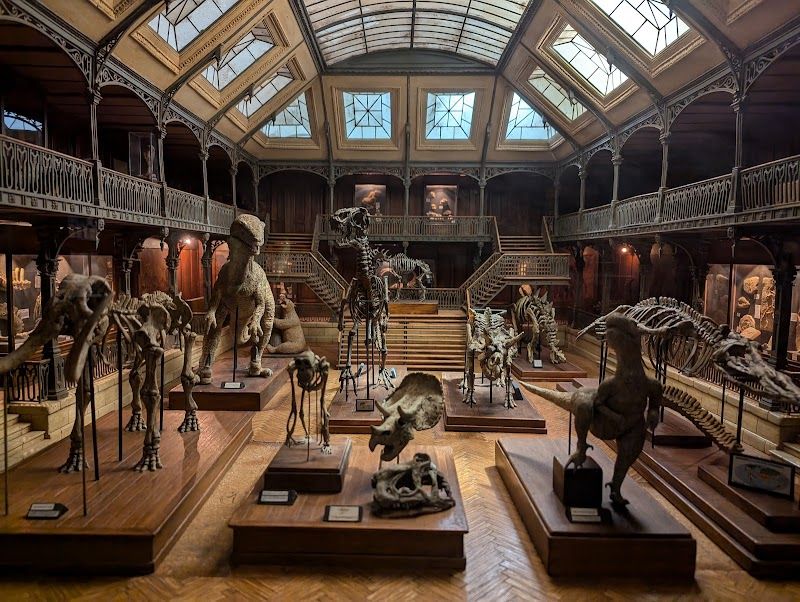
Musée Miniature et Cinéma
This two-story museum splits between mind-bending miniatures and authentic movie props, creating an unexpectedly captivating experience. The miniature section features hyperrealistic dollhouse rooms where every detail works: tiny light switches flip on, newspapers have readable text, and food looks fresh enough to eat. The cinema floor displays actual costumes, prosthetics, and animatronics from major films like Alien, Perfume, and various Marvel productions, plus detailed explanations of special effects techniques. You'll spend most of your time bent over glass cases with magnifying glasses, marveling at miniature scenes that trick your brain completely. The cinema section feels like walking through a professional film studio's prop warehouse, with everything from grotesque masks to intricate robot parts. The whole place has a quiet, focused atmosphere where you hear lots of "how did they do that?" whispers as visitors discover new details. Most travel guides underestimate how engaging this place is, but skip it if you're not into craftsmanship or movie-making. The €9.50 adult admission is reasonable for what you get, though the gift shop is overpriced tourist stuff. Start with the miniatures on the ground floor when your eyes are fresh, then head upstairs for the cinema collection. The museum gets busy with French school groups on Wednesday afternoons.
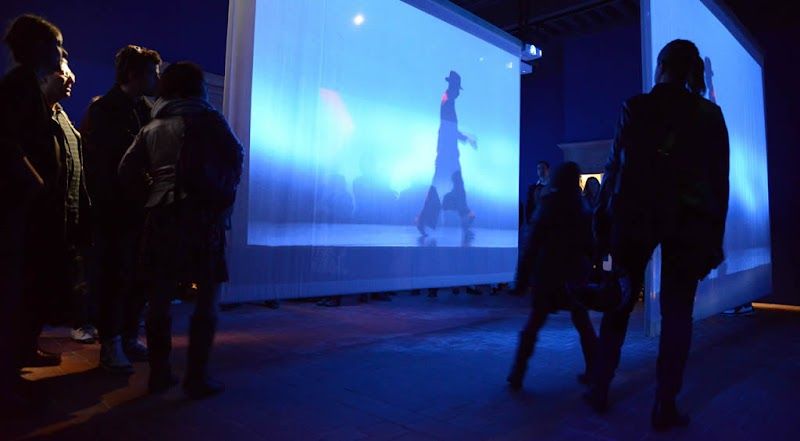
Musée Gadagne
Musée Gadagne combines two distinct collections inside a Renaissance palace that's impressive, housing some of Lyon's most significant artifacts and collections. You'll explore Lyon's evolution from a Roman settlement to a modern city through exhibits, models, and displays, and then dive into the world of Guignol puppetry with hundreds of marionettes from around the globe. The building itself features spiral stone staircases, vaulted ceilings, and two peaceful courtyards that evoke the 16th century. The visit flows naturally between the history and puppet museums, though you can easily spend most of your time in either section. The city history rooms feel intimate, with medieval artifacts displayed in period settings that make Lyon's past tangible. The marionette collection surprises visitors with its sophistication, showcasing traditional Guignol characters as well as intricate Asian shadow puppets. The Renaissance architecture provides a magical backdrop, particularly when the afternoon light filters through the courtyard windows. Most guides describe this as essential Lyon culture, but it's actually suited best for history enthusiasts or families with children who will love the puppet displays. We recommend skipping the ground floor introduction rooms and heading straight to the medieval sections on the upper floors. Entry costs 8 EUR for adults and 4 EUR for students. The building's beauty is a compelling reason to visit, even if the collections don't resonate with everyone.
Where to Eat
Restaurants and cafes in Vieux Lyon
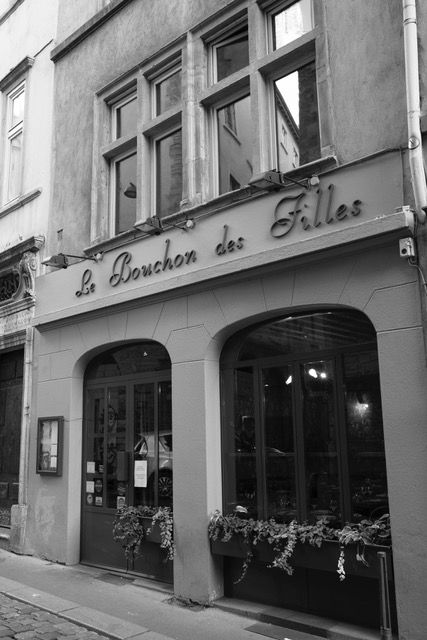
Le Bouchon des Filles
RestaurantAll-female team runs this certified bouchon on a quiet Vieux Lyon side street, bringing a lighter touch to traditional recipes. The salade lyonnaise features a perfectly runny poached egg, and the tarte aux pralines is made with Pralus pralines from Roanne. Wine list focuses on natural Beaujolais from small producers.
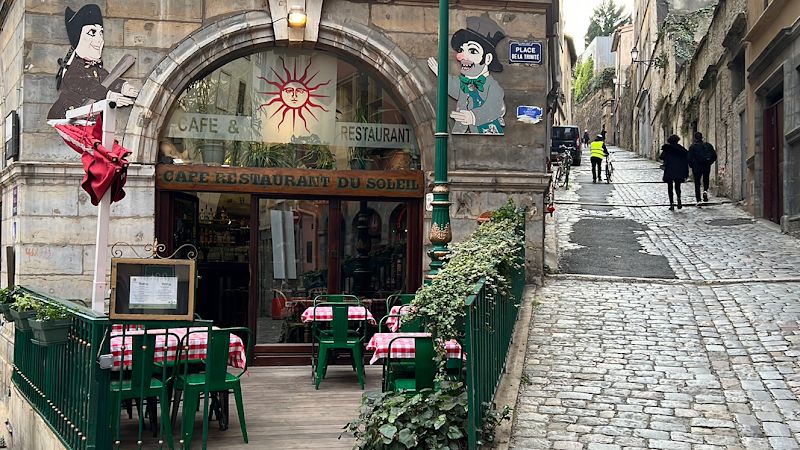
Café du Soleil
RestaurantA traditional bistro in Vieux Lyon, situated in a less touristy part of the neighborhood, offers authentic bouchon atmosphere without crowds. This local favorite serves classic Lyonnais dishes such as quenelles and andouillette in a cozy setting. The outdoor terrace on the small square is perfect for people-watching.
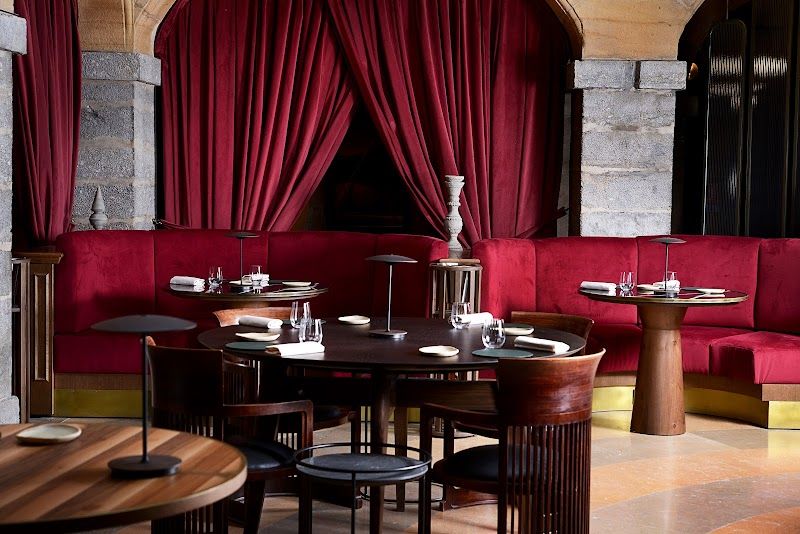
Les Loges
RestaurantWe recommend making a reservation at the elegant gastronomic restaurant within the Cour des Loges hotel in Vieux Lyon. Chef Anthony Bonnet presents refined contemporary French cuisine using seasonal ingredients in a sophisticated Renaissance setting. This restaurant has a Michelin star and is known for its intimate dining room with vaulted ceilings.
Getting Here
Getting There
Metro D: Vieux Lyon station
On Foot
Very walkable, all streets are pedestrian or very low traffic. The streets between the Saone and Fourviere are hilly.
Insider Tips
The traboule rule
Start at 54 Rue Saint-Jean and follow the brass plaques on the doors. Push any door with a plaque, walk through the courtyard and staircase, and exit on the parallel street. The passageways are free and open during the day. Be quiet inside, people live in these buildings. The ones on Rue du Boeuf have the best Renaissance staircases.
How to spot a real bouchon
The Bouchon Lyonnais association certifies traditional bouchons. Look for a small plaque on the door with a Gnafron puppet (the traditional Lyon puppet character). Certified bouchons serve the traditional menu: salade lyonnaise, quenelles, tablier de sapeur, cervelle de canut (herbed fromage blanc). The tourist restaurants on the main strip of Rue Saint-Jean are not all certified. Go one street deeper or ask the hotel.
Funicular to Fourviere
The funicular departs from the Saint-Jean station at the south end of Vieux Lyon. EUR 2.40 with a TCL transit ticket (the same ticket you use for the metro). At the top: Basilique Notre-Dame de Fourviere, the Roman theatres (the oldest in France), and the Gallo-Roman museum (EUR 7). The terrace next to the basilica has the best panoramic view of Lyon.
Nearby Neighborhoods
Continue exploring
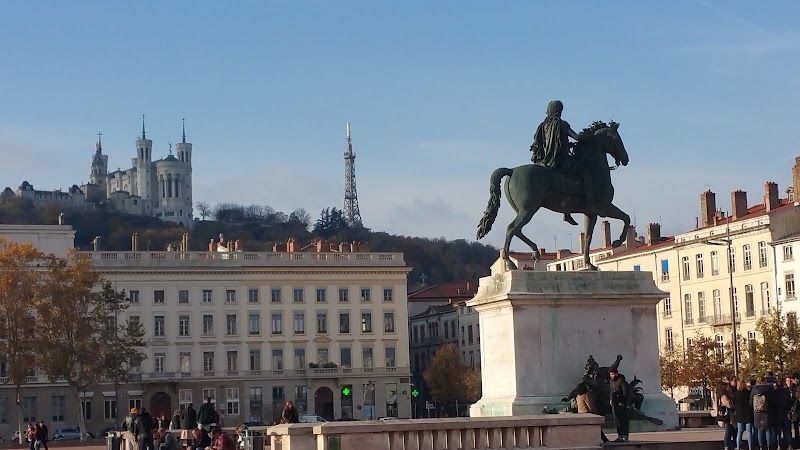
Presqu'ile
The city centre on the peninsula between two rivers: the grand squares, the Opera, Musee des Beaux-Arts, Rue de la Republique for shopping, and the best restaurant and bar concentration in Lyon.
Croix-Rousse
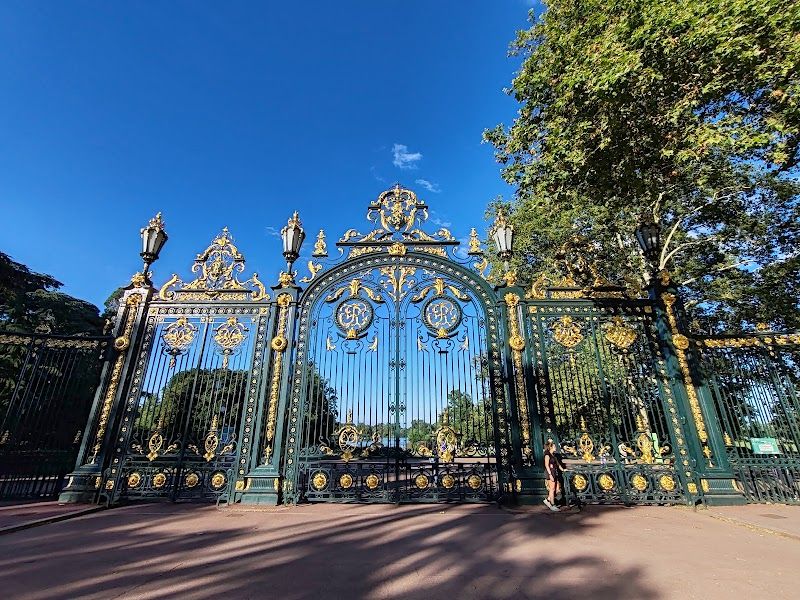
The old silk-weavers' hill above Presqu'ile, now Lyon's bohemian quarter: independent shops, the best outdoor market in the city, street art, and a village atmosphere with views across both rivers.
Fourviere & Roman Lyon
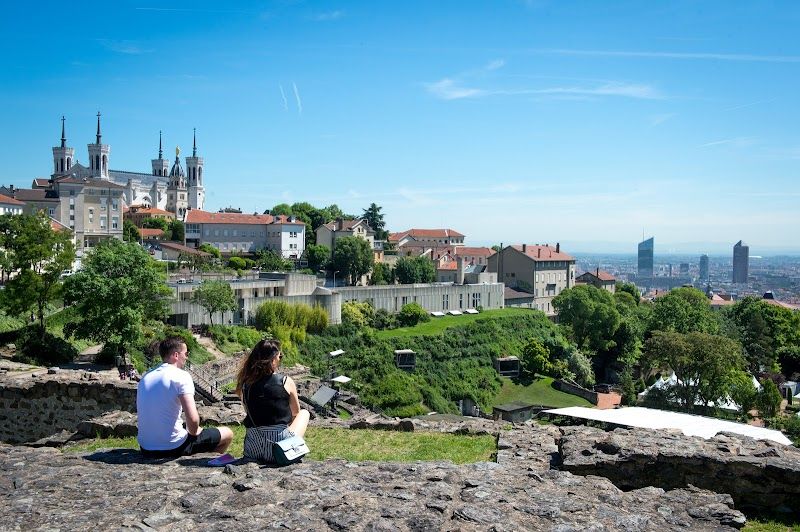
The sacred hill above Vieux Lyon: the basilica, the Roman theatres, the Gallo-Roman museum, and the best view in Lyon from the esplanade at sunset.
Plan a trip featuring Vieux Lyon
Get a personalized Lyon itinerary with Vieux Lyon built in.
Start Planning