2-3 Days in Marseille: First-Timer's Itinerary
Vieux-Port fish market, Le Panier, Notre-Dame de la Garde, and the Calanques
How to spend 2-3 days in Marseille: the fish market at 8 AM, Le Panier streets, MuCEM architecture, Notre-Dame de la Garde at sunset, and the Calanques the next day.
2-3 Days in Marseille: First-Timer's Itinerary
Look, Marseille isn't going to win any beauty contests, but that's exactly why it works. This is France's grittiest major city, where North African spice shops sit next to bouillabaisse joints that have been ladling the same recipe for three generations. You'll climb painted stairs through the old quarter, take boats out to limestone cliffs that drop straight into turquoise water, and eat fish soup that costs more than your flight here. The city smells like diesel and sea salt, the locals speak with an accent that makes Parisians wince, and the summer heat bounces off the white stone until your eyes water. Give it three days and you'll either love it completely or never want to come back.
Old Port, Le Panier, and the Golden Madonna
Your first day is all about getting the lay of the land, which means starting where Marseille began 2,600 years ago and climbing your way up to see it all spread out below. You'll haggle with fishermen at dawn, get lost in narrow streets that smell like tagine, and end the day watching the sun set over the Mediterranean from the city's most famous church. It's touristy, sure, but tourists go there because the view really is that good.
- Vieux-Port fish market at dawn
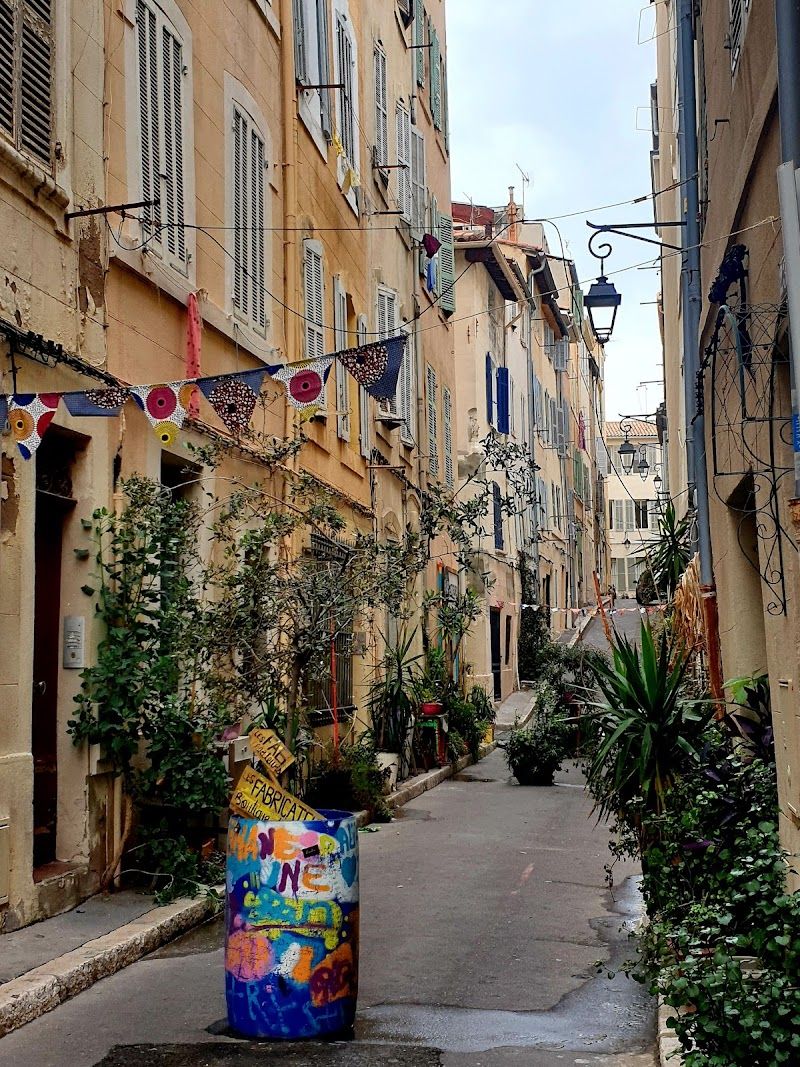
- Climbing through Le Panier's painted stairs
- MuCEM's architecture
- Sunset panorama from Notre-Dame de la Garde
Morning: Fish Market and Le Panier
Get to the Vieux-Port fish market at 8 AM sharp on the Quai des Belges. The fishing boats are tied up on the north side, and the fishermen sell directly off their decks: sea bream, red mullet, sometimes octopus if you're lucky. By 11 AM it's over, so don't sleep in. The fish is expensive (EUR 15-20 per kilo) but this is the real deal, not the frozen stuff from the supermarkets. After the market winds down, walk toward Rue de la République and look for the painted stairs that lead up into Le Panier. This is Marseille's oldest neighborhood, and yes, it's been gentrified, but climb anyway. The street art covers entire building sides, and every corner opens onto another tiny square with plane trees and old men playing pétanque.
Mid-Morning: La Vieille Charité
At the center of Le Panier, you'll find La Vieille Charité, a 17th-century poorhouse with a baroque chapel surrounded by three levels of pink stone galleries. The courtyard is free to walk through and honestly, that's enough unless you're really into archaeology museums (EUR 6-12 if you want to go inside). The architecture is the point here: the proportions are perfect, and the light in the late morning hits the stone just right. From here, continue climbing to Place des Moulins at the top of the hill. The view looks down over the red tile roofs to the old port, and you can see why this spot has been inhabited for three millennia.
Afternoon: MuCEM and the Waterfront
Walk back down to the waterfront and head to MuCEM, the Museum of European and Mediterranean Civilizations. The building itself is worth the trip: a cube covered in concrete lace that looks like it's floating over the water. The elevated walkway to Fort Saint-Jean is free to walk even without a museum ticket, and it gives you the best views of the old port without paying anything. If you do want to go inside (EUR 11), the exhibitions are hit or miss, but the rooftop terrace is excellent. Next door, the Cathédrale de la Major is free to enter, and the exterior is the real attraction: those green and white stripes make it look more like a train station than a church, which is exactly what the 19th-century architects intended.
Evening: Notre-Dame de la Garde
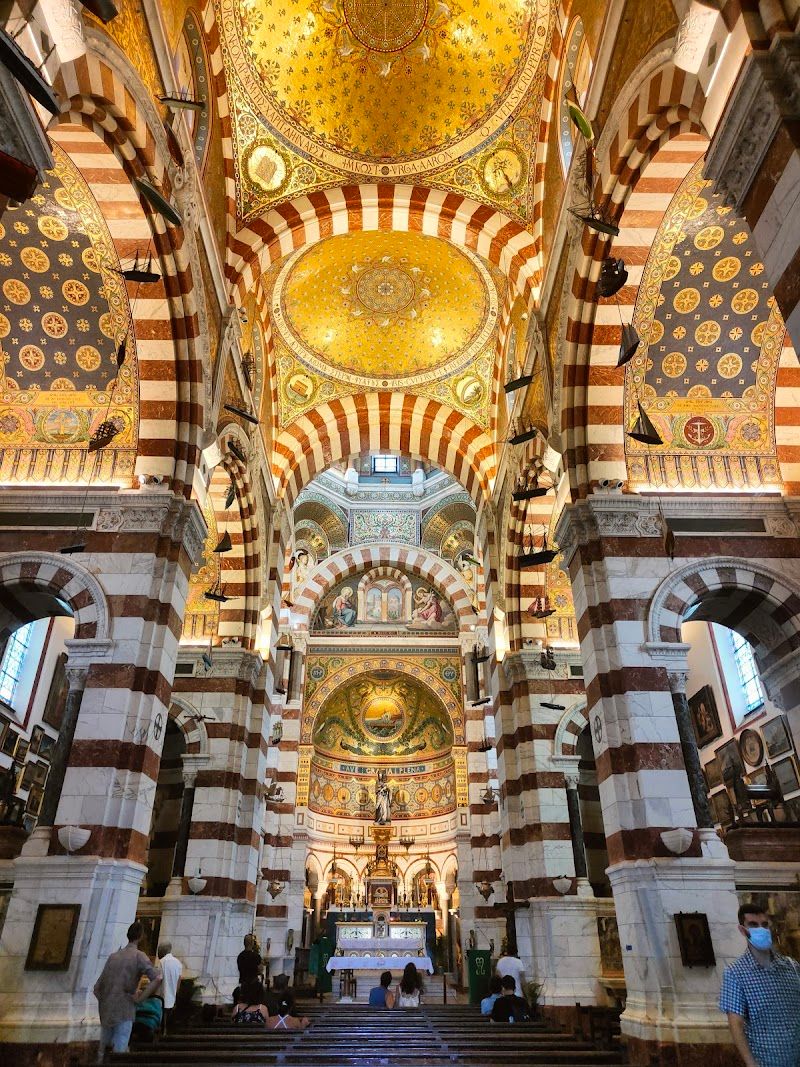
Take Bus 60 from the Vieux-Port to Notre-Dame de la Garde (EUR 1.70, runs every 20 minutes). Time this for 30 minutes before sunset. Yes, every tourist in Marseille will be up there with you, but they're all there for the same reason: the view really is spectacular. The panorama covers the entire city, the Frioul Islands, the Calanques to the south, and on clear days you can see the Alps. The church itself is aggressively 19th-century Neo-Byzantine, topped by a golden statue of the Virgin Mary that sailors have been navigating by for 150 years. Entry is free, and the sunset light off the limestone cliffs is worth whatever crowds you'll have to deal with.
Dinner: Le Café des Épices
For dinner, head to Le Café des Épices in Le Panier (4 Rue du Lacydon). Chef Arnaud de Grammont trained in Morocco and brings North African spices to Mediterranean fish. The menu changes daily based on the morning's catch, but expect dishes like sea bass with harissa and preserved lemons (EUR 28) or lamb tagine with apricots (EUR 24). The dining room is tiny, maybe 20 seats, so reserve ahead. A three-course meal with wine runs about EUR 50 per person, and you'll taste why Marseille's fusion of French and North African cuisines works so well.
Calanques, Fishing Village, and Bouillabaisse
Today you'll see why people put up with Marseille's rough edges: the coastline. Limestone cliffs drop 200 meters straight into water so blue it looks artificial, and hidden fishing villages serve bouillabaisse recipes that haven't changed since your great-grandmother was born. This is the most expensive day of your trip, but if you're only coming to Marseille once, spend the money.
- Boat trip through the Calanques
- Sunset at Vallon des Auffes
- Authentic bouillabaisse dinner
Morning: Calanques Boat Trip
Book your Calanques boat trip the day before at one of the kiosks on Quai des Belges. The standard three-calanque tour costs EUR 28-35 and takes 3-4 hours, leaving at 9 AM when the water is calmest. You'll see Calanque de Sormiou, Morgiou, and usually Sugiton: limestone cliffs that look like Norway but with turquoise water and pine trees clinging to the rocks. The full-day trip to Calanque d'En-Vau costs EUR 40-50 and is worth the extra money if the weather is clear. En-Vau has the most dramatic scenery, with white cliffs that drop straight down and a tiny beach you can only reach by boat or a two-hour hike. Bring sunscreen and water; there's no shade on these boats, and the sun reflects off the white stone.
Afternoon: Vallon des Auffes
After your boat trip, walk south along the Corniche Kennedy toward the Vallon des Auffes. Look for the steps that lead down beneath the road viaduct, about 10 minutes from the Vieux-Port. This tiny fishing harbor looks like it belongs in a Greek island postcard, not in France's second-largest city. The colored boats bob between the rocks, and the restaurant terraces hang out over the water on stilts. It's completely touristy now, but the setting is genuinely beautiful. Arrive around sunset for the best light reflecting off the water and the limestone cliffs behind the harbor.
Evening: Bouillabaisse Dinner
If you want real bouillabaisse, you must book 24 hours ahead. This isn't negotiable. Chez Fonfon or Chez Michel, both in the Vallon des Auffes, serve the authentic version: four different fish (usually red mullet, sea bream, monkfish, and john dory), saffron broth, rouille sauce, and gruyere cheese (EUR 60-80 per person, minimum two people). The ritual matters: they bring the fish and broth separately, you spread rouille on the bread, sprinkle cheese, and ladle the broth over everything. It's expensive and ritualistic and absolutely worth it if you're only doing it once. If you didn't book ahead, L'Epuisette on the Corniche is the backup option, same price range, same advance booking requirement.
Street Art, Prison Island, and Coastal Walk
Your third day is more relaxed: street art in the city's creative quarter, a ferry ride to the prison island from The Count of Monte Cristo, and a coastal walk with swimming stops. This is Marseille at a slower pace, when you can wander without an agenda and maybe understand why locals defend their complicated city so fiercely.
- Cours Julien street art
- Ferry to Fort d'If and Frioul Islands
- Corniche Kennedy coastal walk
Morning: Cours Julien and Street Art
Start at Place Jean Jaurès (Cours Julien metro stop) and walk through the street art quarter. The main square has outdoor cafes and vintage shops, but the real attraction is on the side streets heading north toward La Plaine. Entire building walls are covered in murals, some commissioned, some not, all changing regularly. The 45-minute walk takes you past record shops, vintage clothing stores, and cafes where students sit outside smoking and arguing about politics. If you're here on Tuesday, Thursday, or Saturday, the La Plaine market is running: North African spices, fresh produce, and the best olives in the city (EUR 3-5 per 100 grams for the good ones).
Midday: Fort d'If and Frioul Islands
Take the ferry from Quai des Belges to Fort d'If and the Frioul Islands (EUR 17.50 combined ticket, ferries every 45 minutes in summer). Fort d'If is the fortress prison where Alexandre Dumas set The Count of Monte Cristo, and yes, it's touristy, but the cells are genuinely atmospheric (EUR 6 museum entry, 45 minutes is enough). The real attraction is the Frioul Islands: wild limestone landscape, completely clear water, and almost no development except for one cafe. Bring water and sunscreen; there's no shade and the white rock reflects everything. The swimming is excellent if you don't mind rocky beaches and cold water.
Afternoon: Corniche Kennedy Walk
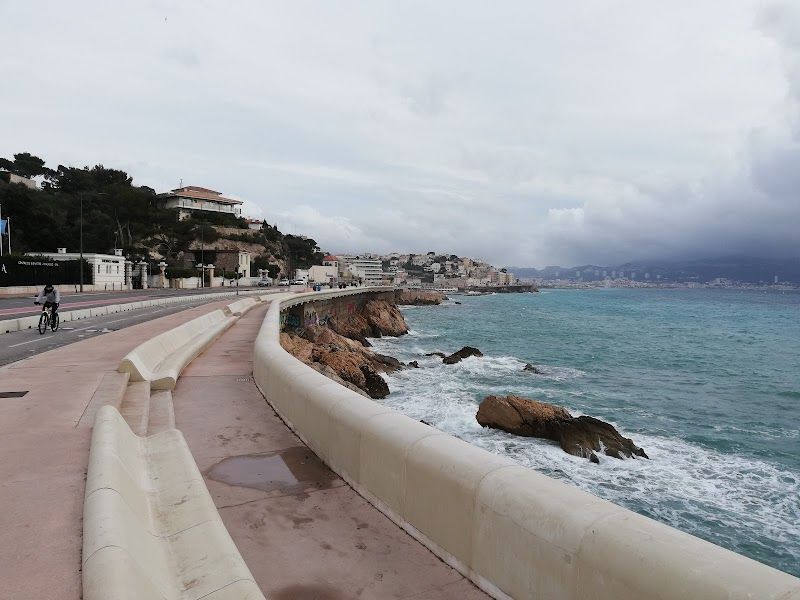
Back on the mainland, take the Corniche Kennedy walk south from the Vieux-Port. This 3-kilometer coastal path is free and gives you the best views of the Calanques from land. The public Plage du Prophète halfway along is the city's best swimming beach: pebbly but with clear water and a view of the islands. The walk takes about an hour at a relaxed pace, with plenty of spots to sit on the rocks and watch the boats coming in and out of the harbor. End at the Parc Borély if you want grass and shade, or turn back when you've had enough sun and salt air.
Final Dinner: La Boîte à Sardine
For your last dinner, try La Boîte à Sardine (2 Rue de la Loge) near the Vieux-Port. This tiny bistro serves modern takes on Provençal classics: sardine rillettes with lemon (EUR 8), daube de boeuf with pasta (EUR 18), and excellent local rosé (EUR 6 per glass). The menu is small, the tables are close together, and the servers speak minimal English, but the food is exactly what Marseille does best: simple ingredients prepared well, without pretension. Expect to spend EUR 35-40 per person with wine, and make peace with the fact that you're already planning your next trip back.
Practical Notes
All prices listed are in EUR and current as of 2024
Book bouillabaisse restaurants 24-48 hours ahead, especially Chez Fonfon and Chez Michel
The Vieux-Port fish market only runs in the morning and is gone by 11 AM
Bus 60 to Notre-Dame de la Garde runs every 20 minutes and costs EUR 1.70
Calanques boat trips cancel in rough weather, so book flexibly
Bring cash for the fish market and some smaller restaurants
Summer temperatures reach 35°C, so start early and seek shade in the afternoon
Ready to Visit Marseille?
Get a personalized itinerary tailored to your travel style and interests.
Plan Your Marseille TripMore Marseille Guides
First Time in Marseille: What You Need to Know
Everything for a first visit: bouillabaisse etiquette (EUR 45-65 pp, 24h notice, avoid the tourist versions), how to reach the Calanques, Marseille safety facts, and getting around.
7 min
Eating in Marseille: Bouillabaisse, Street Food & Where Locals Actually Go
The complete Marseille food guide: proper bouillabaisse (who does it right), the fish market, Cours Julien cheap eats, and what to skip near the tourist traps.
7 min