France
Marseille
France's oldest city, the Calanques, proper bouillabaisse, and a port that has never cared what Paris thinks
Best Time
May-June and September-October
Ideal Trip
2-3 days
Language
French, limited English outside hotels and tourist areas
Currency
EUR
Budget
EUR 47-100/day (excl. hotel)
About Marseille
Marseille is the French city that does not care what Paris thinks. It is older (founded by Greek sailors in 600 BC), rougher around the edges, louder, and more honest about what it is: a Mediterranean port city where 90 nationalities live on top of each other and the result is the best bouillabaisse in the world and the worst parking in France. The Vieux-Port is the centre of everything, a rectangle of water lined with fishing boats and restaurants where the morning fish market has been running since the Greeks were here. The fish goes straight from the market to the bouillabaisse pot, and a proper bouillabaisse (EUR 45-65 per person, minimum two people, always order 24 hours ahead) is a two-course event: the broth first with rouille and croutons, then the fish.
The Calanques are why people come back. These limestone fjords between Marseille and Cassis are a national park, accessible by boat (EUR 28-35 for a three-calanque cruise from the Vieux-Port), by foot (the trails are steep and exposed, bring water, no shade, 2-4 hours per calanque), or by car to Cassis and then boat from there. Calanque de Sormiou has a restaurant on the beach. Calanque d'En-Vau has the turquoise water that ends up on the postcards. The park limits access in summer due to fire risk, so check before you go.
The city has neighbourhoods that feel like different countries. Le Panier is the oldest quarter, a hilltop tangle of painted stairs and street art above the Vieux-Port. La Joliette is the redeveloped docks with the MuCEM (Museum of European and Mediterranean Civilisations, EUR 11, the building alone is worth seeing), Les Terrasses du Port shopping centre, and the Cathedral de la Major. Cours Julien is the bohemian quarter with street art, record shops, and the best cheap food in the city. Notre-Dame de la Garde is the basilica on the highest hill, free entry, and the panoramic view from the top is the one that makes you understand why Marseille exists: it is all about the sea.
Neighborhoods
Each district has its own personality
Vieux-Port & La Canebière
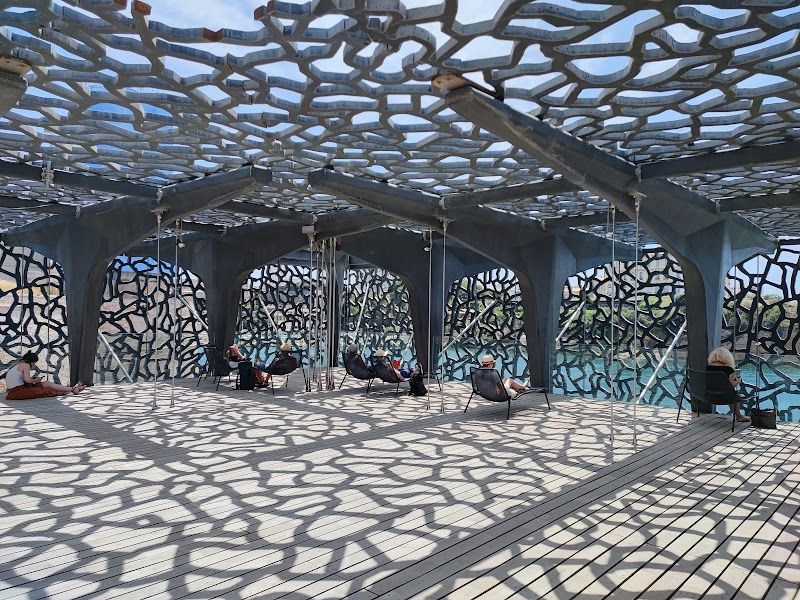
The working harbour at the centre of everything: the fish market at 7 AM, ferries to the islands, restaurant terraces facing the water, and the MuCEM walkway at the western entrance to the port
Le Panier
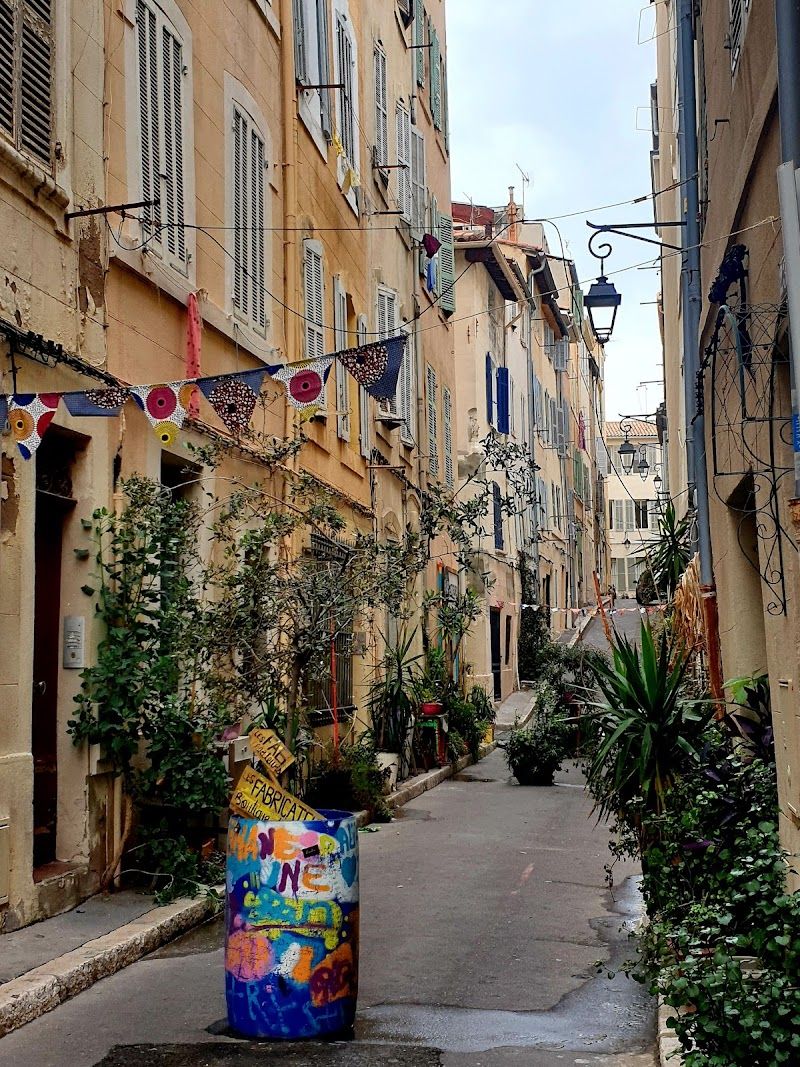
The oldest inhabited part of Marseille on the hill above the port: steep streets, painted staircases, street art galleries, artisan shops, and La Vieille Charite at the centre
Notre-Dame de la Garde & South
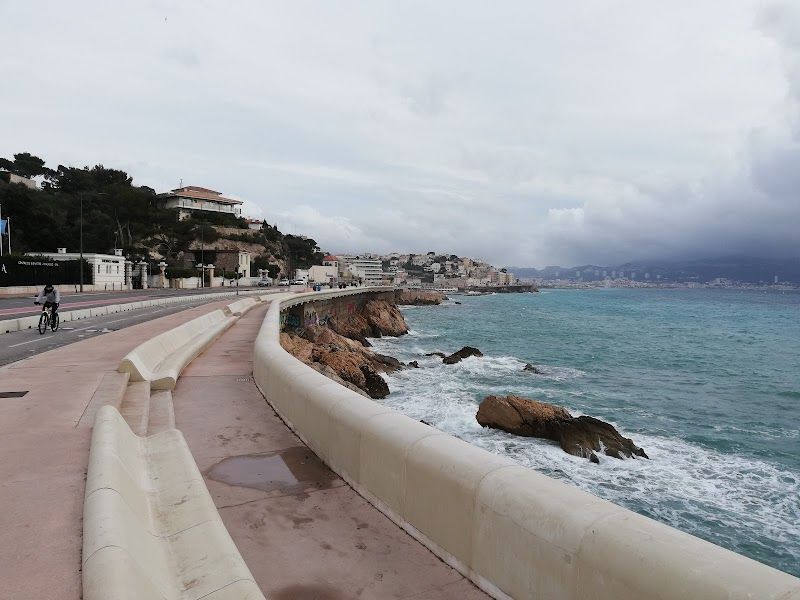
The high point of the city and the coastal south: the basilica at the summit, the Corniche Kennedy running along the sea cliffs, the tiny Vallon des Auffes fishing port below, and the Calanques beginning further south
Things to Do
Top experiences in Marseille
Le Panier Quarter Walk
Le Panier is Marseille's oldest neighborhood, where Greek sailors first settled in 600 BC on the hill overlooking what's now the Vieux-Port. Today it's a maze of narrow cobblestone streets covered in constantly changing street art, with artisan workshops, small galleries, and the occasional locals-only café. The centerpiece is La Vieille Charité, a 17th-century baroque complex built around a domed chapel that now houses three museums (Egyptian, African, and Mediterranean collections) for EUR 6-12. You'll start at the bottom near the port and climb steep streets that feel more like outdoor art galleries than actual roads. Every wall, stairway, and doorway seems to have a mural, and the art changes regularly as new artists add their work. The atmosphere shifts as you climb: touristy at the bottom near Rue de la République, increasingly authentic as you reach the upper streets around Place des Moulins. From the top, you get views back down to the old port and across the city. This isn't some sanitized historic district, it's a real neighborhood where people actually live, though gentrification is creeping in. Skip the museums at La Vieille Charité unless you're genuinely interested in the collections; the building's architecture is impressive enough from the courtyard (free to enter). The walk takes about 90 minutes if you're stopping for photos, but avoid midday in summer when the stone streets become hot with zero shade.
Corniche Kennedy
Corniche Kennedy stretches 5 kilometers along Marseille's rocky Mediterranean coastline, connecting the Vieux-Port to the Prado beaches through a series of sea views and Belle Époque architecture. You'll walk or drive past dramatic limestone cliffs, secluded swimming coves where locals dive from rocks, and the postcard-perfect Vallon des Auffes fishing village with its colorful pointu boats. The promenade offers constant glimpses of the Château d'If and Frioul Islands floating offshore. The walk feels like discovering Marseille's genteel side after the gritty port atmosphere. Elegant 19th-century villas line sections of the route, their gardens spilling over stone walls toward the sea. You'll pass couples fishing from rocky outcrops, families picnicking in tiny coves, and serious swimmers taking their daily plunge regardless of season. The Mediterranean crashes against the rocks below while seagulls wheel overhead, and every bend reveals another perfect photo opportunity. Most guides treat this as a quick drive-by, but you need at least 90 minutes on foot to appreciate it properly. The stretch from Vallon des Auffes to Malmousque is the most spectacular, skip the final kilometer toward Prado which gets monotonous. Parking costs 2 EUR per hour in marked spots, but street parking fills up fast after 11am. The afternoon light makes the limestone cliffs glow golden, evening visits feel rushed despite the sunset appeal.
Notre-Dame de la Garde
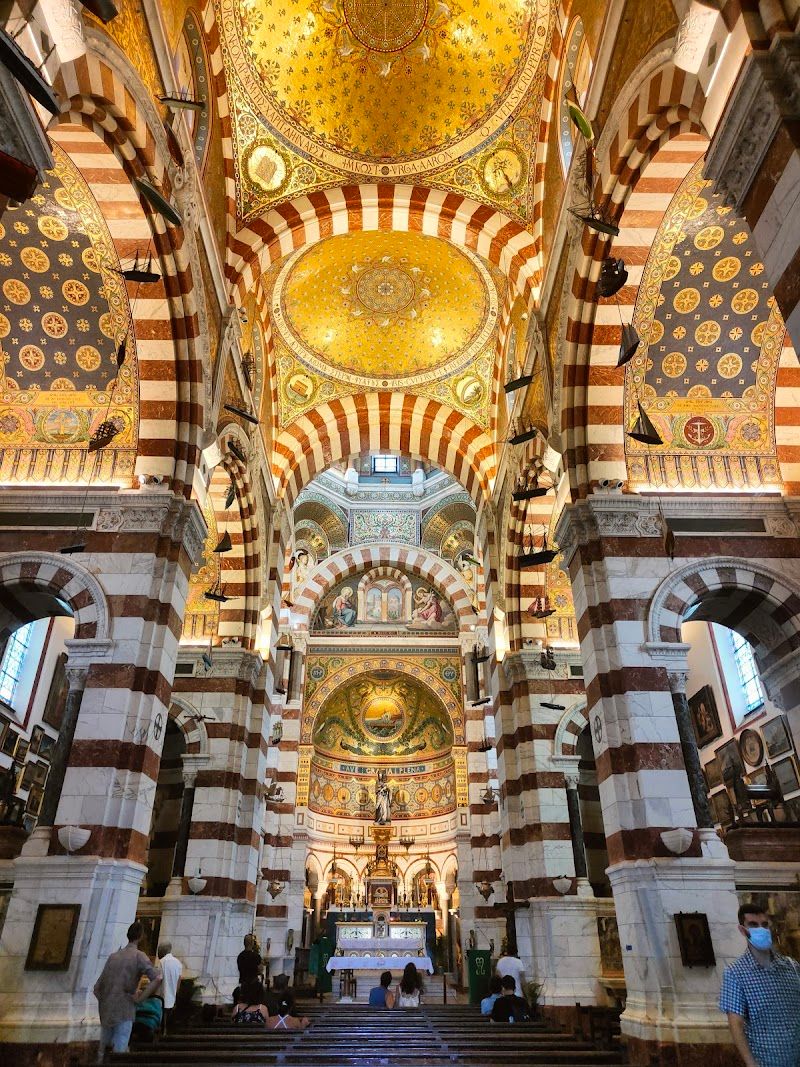
Notre-Dame de la Garde is Marseille's golden-crowned basilica perched 154 meters above the Mediterranean, and frankly, it's the only viewpoint in the city that matters. The Romano-Byzantine church is topped with a 9-meter golden statue of the Madonna and Child that's visible from boats 50 kilometers offshore. Inside, you'll find thousands of ex-votos: painted ship wrecks, model boats, military medals, and photographs left by sailors thanking "La Bonne Mère" for survival at sea. The basilica feels more like a maritime museum than a typical church, with every surface covered in these deeply personal offerings from fishermen and their families. The atmosphere is unexpectedly moving, even if you're not religious. But most people come for the 360-degree panoramic terrace that explains why Marseille exists: the Vieux-Port directly below, the château d'If and Frioul islands offshore, the Calanques coastline stretching south, and on clear days, the Alps rising behind the city. Skip the 30-minute uphill slog from the Vieux-Port and take Bus 60 instead (EUR 1.70 with a standard transit ticket, runs every 20 minutes). Most guides don't mention that the morning eastern light makes the city view dramatically better than afternoon shots. Entry to the basilica is free, and you can easily see everything worthwhile in 90 minutes.
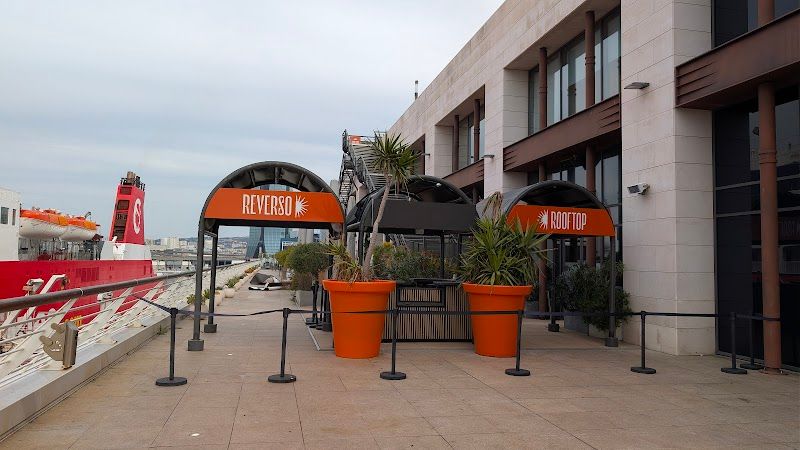
Les Terrasses du Port
Les Terrasses du Port brings modern mall culture to Marseille's waterfront with 160+ shops spread across multiple levels that cascade down toward the Mediterranean. You'll find the usual suspects (Zara, H&M, Fnac) alongside French chains like Monoprix and a decent selection of local boutiques selling Provençal soaps and regional specialties. The open-air design means you're shopping with constant sea breezes and glimpses of cruise ships docking at the terminal below. The experience feels more like strolling through a series of connected terraces than wandering a typical enclosed mall. Natural light floods every level, and you can always pop outside onto one of the many balconies for fresh air and harbor views. The top floors house the restaurants, from quick crepe stands (€8-12) to proper sit-down spots with terraces where you can watch ferries heading to Corsica while you eat. The whole place has a relaxed, almost resort-like atmosphere that's distinctly Mediterranean. Most travel guides oversell this as a cultural experience when it's really just pleasant shopping with great views. Skip the chain restaurants on the upper levels, they're overpriced at €18-25 for basic pasta. The Monoprix supermarket on the lower level is perfect for picnic supplies, and the views from the parking garage elevators are actually better than some of the official terraces. Come here when you need a break from sightseeing, not as a destination itself.
MuCEM - Museum of European and Mediterranean Civilisations
MuCEM is Marseille's standout modern museum, housed in a striking black concrete cube that seems to float above the Mediterranean at the entrance to the old port. Inside, you'll find Mediterranean civilizations traced from ancient times to today through archaeological artifacts, ethnographic collections, and contemporary art installations. The real draw is Rudy Ricciotti's latticed concrete architecture that filters sunlight into geometric patterns across the galleries, plus the elevated walkway connecting to historic Fort Saint-Jean. The visit flows naturally from the ground floor's temporary exhibitions (usually excellent) up through the permanent collection spanning three levels. The building itself steals the show with its perforated walls creating an ever-changing play of light and shadow as you move through the spaces. The rooftop terrace delivers spectacular views over the Vieux-Port entrance and out to sea, while the connecting bridge to Fort Saint-Jean feels like walking on water 15 meters above the waves. Most guides don't mention that you can enjoy much of MuCEM's appeal without paying the EUR 11 entry fee. The dramatic exterior, the free walkway to Fort Saint-Jean, and the J4 esplanade in front offer the architectural experience and sea views. If you do pay, focus on the temporary exhibitions over the permanent collection, which can feel scattered. The rooftop is worth the admission alone for photographers. Skip Tuesdays when it's closed.
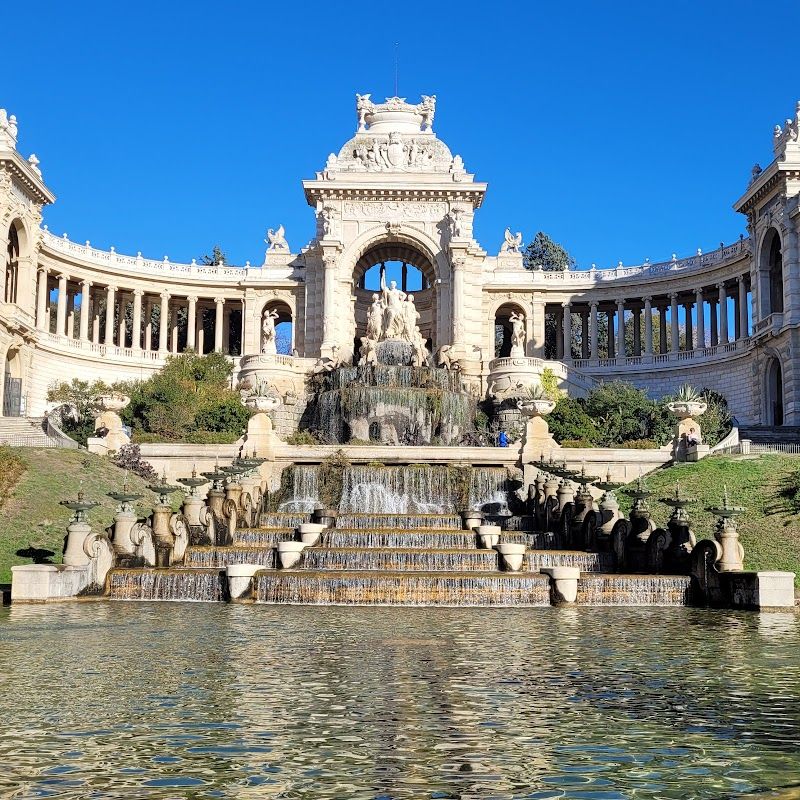
Palais Longchamp
Palais Longchamp stands as Marseille's most impressive architectural statement, built in 1869 to celebrate the arrival of canal water from the Durance River. You'll find a magnificent cascading fountain at the center, flanked by curved colonnades that sweep toward two pavilions housing the Fine Arts and Natural History museums. The exterior spectacle costs nothing to see, while museum entry runs about 6 EUR each if you're interested. Walking up to the palace feels genuinely grand: water cascades down multiple tiers while carved animals and allegorical figures watch from the stonework. The colonnades create perfect symmetry, and you can wander freely around the entire structure. Behind the palace, landscaped gardens offer a quieter perspective with fewer tour groups, plus you get that classic postcard shot looking back at the colonnades framing the central fountain. Most visitors spend too much time debating the museums and miss the real attraction: this is about the architecture and gardens, not the collections inside. The Natural History museum feels dated, while the Fine Arts has decent Provençal paintings but nothing exceptional. Come for the exterior, bring your camera, and save your museum euros for the MuCEM down at the port.
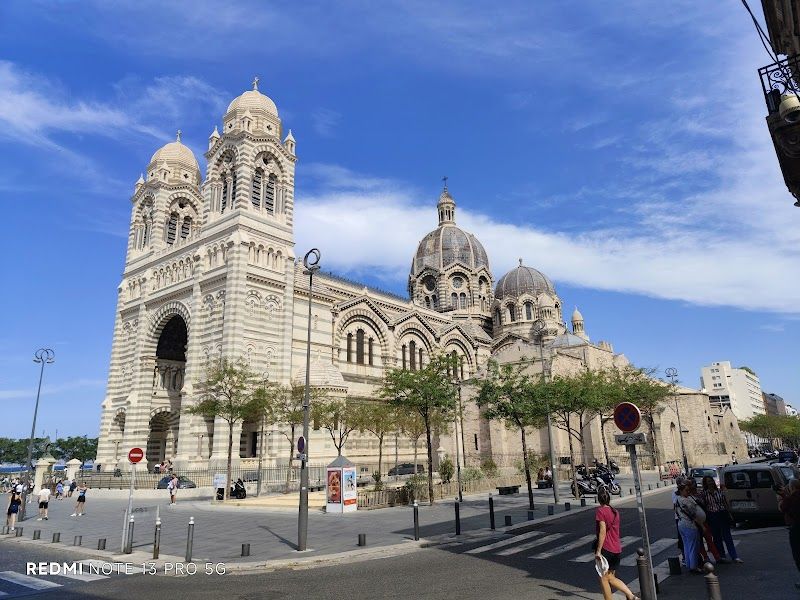
Cathédrale La Major
Cathédrale La Major rises like a Byzantine palace transplanted to the Mediterranean, with green and white striped stonework that looks nothing like traditional French churches. Built between 1852 and 1893, this massive cathedral holds 444 marble columns, golden mosaics covering 2,870 square meters, and a blend of Eastern and Western Christian art that reflects Marseille's position as a gateway between Europe and the Orient. The sheer scale impresses: it's 142 meters long and can hold 3,000 people. Walking inside feels like entering a completely different world from the narrow streets of Le Panier outside. The striped exterior continues inside with alternating bands of white Carrara marble and green stone from Florence, while Byzantine-style mosaics cover the domes and walls in gold, blue, and crimson. Your footsteps echo in the vast space, and afternoon light filters through stained glass windows onto the marble floors. The atmosphere stays surprisingly peaceful despite being free to enter. Most visitors spend too much time photographing the exterior and rush through the interior, but the real treasures are inside. The crypt (free entry) contains beautiful marble work that most people skip entirely. Skip the crowded midday hours when cruise ship groups arrive, and don't bother with the souvenir shop near the entrance. The contrast with the tiny Romanesque Vieille Major next door makes both churches more interesting.
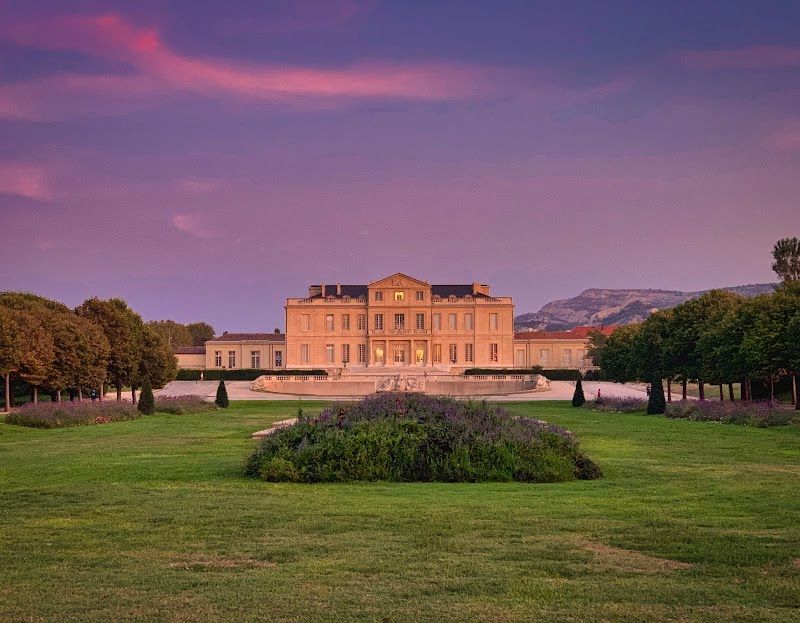
Parc Borély
Parc Borély sprawls across 17 hectares of Marseille's 8th arrondissement, combining formal French gardens with wild botanical sections and the kind of massive lawns where locals actually picnic. You'll find the 18th-century Château Borély housing a decorative arts museum (€6 entry), plus distinct garden zones: manicured rose beds, Mediterranean plant collections, and shaded groves of plane trees that have been here for over a century. The park also includes a concrete skate bowl, duck ponds, and enough winding paths to lose tourists completely. Walking through feels like discovering Marseille's quieter personality, especially compared to the intensity around the Old Port. Families spread blankets under ancient trees while joggers loop the perimeter paths, and the formal gardens near the château give way to wilder sections where you'll hear more birds than traffic. The rose garden peaks spectacularly in late spring, but even in summer the established trees create genuine shade pockets. Weekend afternoons bring pickup football games on the main lawn and families feeding ducks by the small pond. Most guides oversell the château museum, which is pleasant but not essential unless you're genuinely into 18th-century ceramics and furniture. The real value here is space and shade during Marseille's brutal summer heat. Skip the crowded main entrance on Avenue du Parc Borély and use smaller side gates for a more peaceful entry. The botanical sections are genuinely interesting if you're into Mediterranean plants, but the rose garden gets overhyped outside of May and June.
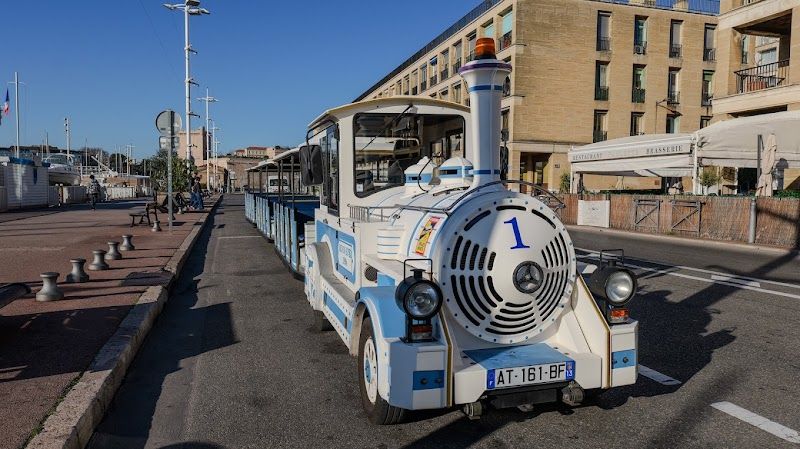
Marseille City Pass & Le Petit Train
Le Petit Train loops through Marseille's key neighborhoods on a 60-minute circuit that covers 6 kilometers without the leg work. You'll roll from the Old Port up to Notre-Dame de la Garde basilica for panoramic city views, then down to the Vallon des Auffes fishing village where weathered boats bob in a tiny harbour. The multilingual audio commentary does justice to Marseille's complex 2,600-year evolution from Greek colony to France's grittiest major port. The open-air train cars give you unobstructed photo opportunities as you wind through narrow streets that regular tour buses can't navigate. Climbing to Notre-Dame feels almost theatrical as the city spreads below you, while the descent to Vallon des Auffes reveals one of Marseille's most photogenic corners. The commentary keeps pace well, delivering historical context without drowning out the street sounds and sea breeze that make this ride enjoyable. Honestly, this tour beats walking Marseille's steep hills in Mediterranean heat, especially if you're short on time. The €8 ticket includes unlimited hop-on, hop-off privileges for the day, though most people underuse this feature. Skip the crowded afternoon departures when school groups pile on. The morning runs are calmer and the light hits Notre-Dame de la Garde beautifully for photos.
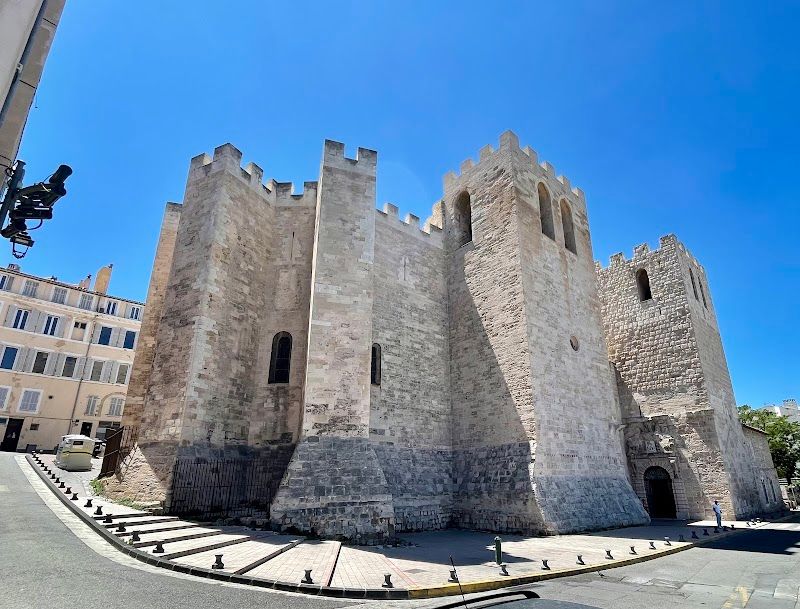
Abbaye Saint-Victor
Abbaye Saint-Victor stands like a stone fortress above Marseille's old port, and it's genuinely one of France's oldest Christian sites dating to the 5th century. The real draw is underground: for just EUR 2, you can explore the crypts and catacombs where early Christians worshipped in secret. You'll find ancient sarcophagi, stone altars carved 1,500 years ago, and the famous Black Madonna statue that's been a pilgrimage destination for centuries. The visit feels like descending into Marseille's spiritual foundation. The upper church is austere and fortress-like, built thick to withstand Saracen raids, but the crypts below transport you to Christianity's earliest days in France. The stone corridors are cool and dim, with explanatory panels in French and English. The Black Madonna draws a steady stream of locals lighting candles, and you can feel the weight of centuries of devotion in these underground chambers. Most guidebooks oversell the main church, which is honestly quite plain. Spend your time in the crypts instead, that's where the history lives. The EUR 2 entry is excellent value compared to other Marseille attractions. Skip this if you're not interested in early Christian history, but if ancient sites intrigue you, this beats the overhyped Basilique Notre-Dame de la Garde for authentic atmosphere.
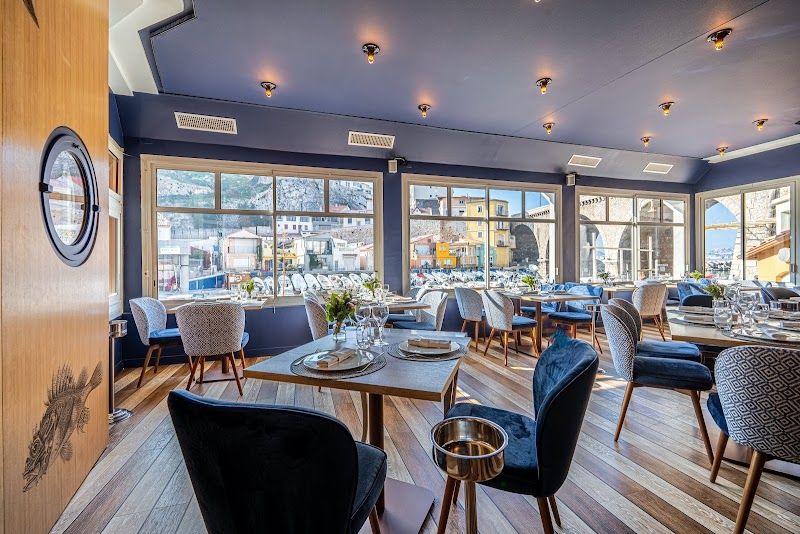
Chez Fonfon
Family-run restaurant in the tiny fishing port of Vallon des Auffes, serving authentic bouillabaisse since 1952. One of the original signatories of the Bouillabaisse Charter, requiring 24-hour advance order for their signature dish. The terrace overlooks colorful pointu boats and the Mediterranean.
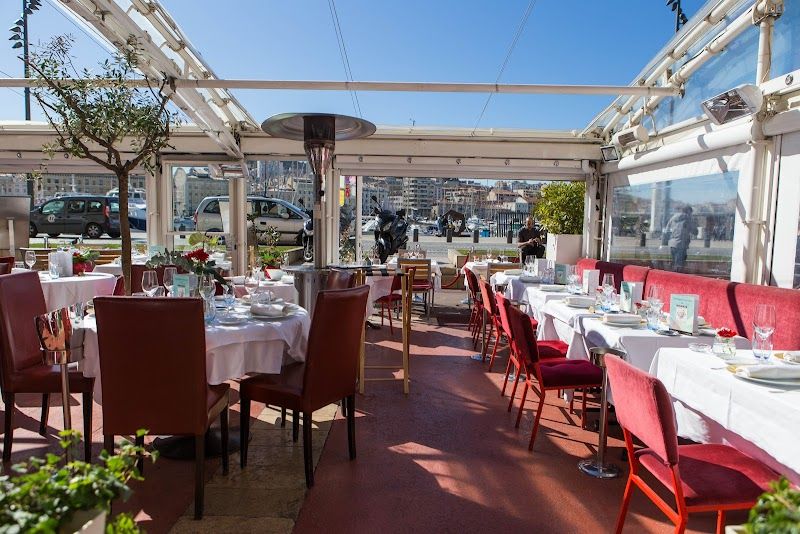
Le Miramar
Classic Vieux-Port restaurant operated by chef Christian Buffa, known for strict adherence to traditional bouillabaisse preparation methods. The dining room offers direct harbor views and the open kitchen lets you watch the rouille being prepared. Bouillabaisse Charter member since the beginning.
Travel Guides
Expert guides for every travel style
Eating in Marseille: Bouillabaisse, Street Food & Where Locals Actually Go
The complete Marseille food guide: proper bouillabaisse (who does it right), the fish market, Cours Julien cheap eats, and what to skip near the tourist traps.
7 min
First Time in Marseille: What You Need to Know
Everything for a first visit: bouillabaisse etiquette (EUR 45-65 pp, 24h notice, avoid the tourist versions), how to reach the Calanques, Marseille safety facts, and getting around.
7 min
From the Journal
What to Eat in Marseille: 12 Local Specialties Beyond Bouillabaisse
Marseille's food scene goes far beyond bouillabaisse. Discover panisse, navette cookies, and 10 other local specialties that locals actually eat in France's most diverse city.
Marseille's Best Food Markets: Where Locals Shop and What to Buy
Marseille's food markets are where the city's soul lives. The Vieux-Port fish market has operated since 600 BC, while Marché des Capucins is where locals buy everything from Moroccan spices to perfect tomatoes.
Marseille vs Nice: Which French Riviera City Should You Choose
Marseille is rough-edged authenticity and the best bouillabaisse in France. Nice is polished elegance and beach clubs. Here's which south France destination fits your travel style.
Frequently Asked Questions
Two full days covers the essentials: one day for the Vieux-Port, Le Panier, MuCEM, and Notre-Dame de la Garde; one day for the Calanques (boat trip or hike to Sormiou). A third day allows for Cours Julien, Fort Saint-Jean, the Frioul Islands, and a proper bouillabaisse dinner. From Paris, the TGV takes 3 hours (EUR 40-80 booked ahead) and arrives at Marseille Saint-Charles station, 10 minutes on foot from the Vieux-Port.
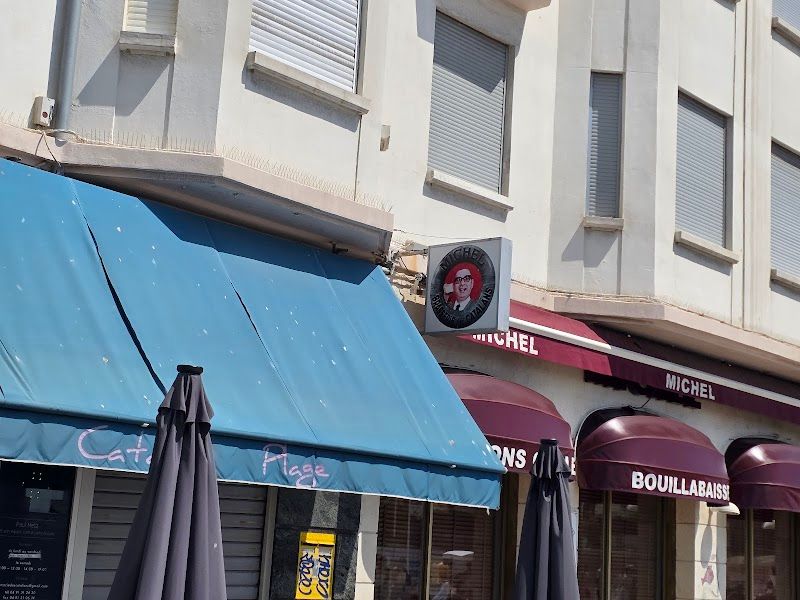
Bouillabaisse is Marseille's fish stew: a saffron broth served first with rouille (saffron-garlic aioli), croutons, and cheese, then the whole fish separately. A real bouillabaisse requires at minimum rascasse, grondin, and saint-pierre, takes hours to make, and costs EUR 45-65 per person minimum (two people minimum). The eight restaurants that have signed the Bouillabaisse Charter and serve the authentic version include Chez Fonfon and Chez Michel (both in Vallon des Auffes, book days ahead in season) and Le Miramar (on the Vieux-Port, EUR 55-70). If it costs under EUR 30, it is not real bouillabaisse.
The tourist areas (Vieux-Port, Le Panier, MuCEM, Notre-Dame de la Garde, Corniche Kennedy) are safe during the day and evening. Standard city precautions apply: watch for pickpockets in crowded areas, do not display expensive items. Some northern arrondissements (13th, 14th, 15th) have higher crime rates: stick to tourist zones unless you know the city. Marseille has a rougher reputation than Paris but most of the criminality is localised gang activity that tourists are not part of.
From Marseille: boat trips from the Vieux-Port (EUR 28-35, three calanques, 3-4 hours), or on foot (trails from the south of the city, 2-4 hours each way per calanque, steep and exposed, bring 2 litres of water). From Cassis (35 minutes by train from Marseille Saint-Charles): shorter hike to Calanque d'En-Vau (1.5 hours each way), or boats from Cassis port (EUR 15-20 for three calanques). The park closes hiking trails in summer due to fire risk: check calanques-parcnational.fr before going.