The Marseille vs Nice debate comes down to this: do you want the French city that doesn't care what Paris thinks, or the one that perfected the art of Mediterranean sophistication? Both sit on France's Mediterranean coast, both offer ancient history and outstanding food, but they could not be more different in temperament.
Marseille is France's oldest city (founded by Greeks in 600 BC), a working port where 90 nationalities live on top of each other and the result is the most authentic bouillabaisse in the world. Nice is the polished jewel of the Côte d'Azur, where Russian aristocrats built palaces and the British invented the beach holiday. The choice between these south France destinations depends entirely on what kind of Mediterranean experience you're after.
Character and Atmosphere: Grit vs Polish
The difference between Marseille vs Nice becomes obvious the moment you step off the train. Marseille's Saint-Charles station opens onto La Canebière, a broad boulevard that slopes down to the Vieux-Port, the rectangular harbor that has been the city's beating heart since the Greeks were here. The streets are louder, the traffic worse, and the conversations more animated. This is a Mediterranean port city that happens to be in France, not a French city that happens to be on the Mediterranean.
Nice, by contrast, greets you with the pristine Promenade des Anglais, a 7-kilometer sweep of palm-lined waterfront where Belle Époque hotels face the Baie des Anges. The old town (Vieux Nice) is a carefully preserved maze of ochre buildings and narrow streets that feel more like a film set than a working neighborhood. Where Marseille sprawls and argues with itself, Nice has been polished to perfection.
The verdict: If you want to experience authentic Mediterranean life with all its chaos and energy, choose Marseille. If you prefer your Mediterranean experience refined and Instagram-ready, Nice delivers.
Beaches and Coastal Access: Different Approaches to the Sea
The coastal comparison in this Nice vs Marseille travel debate is not straightforward. Nice has the famous beaches - Plage Beau Rivage, Plage Neptune, and the private beach clubs along the Promenade des Anglais where you can rent a lounger for EUR 25-40 per day. But Nice's beaches are pebble, not sand, and the city beach experience is more about seeing and being seen than swimming.
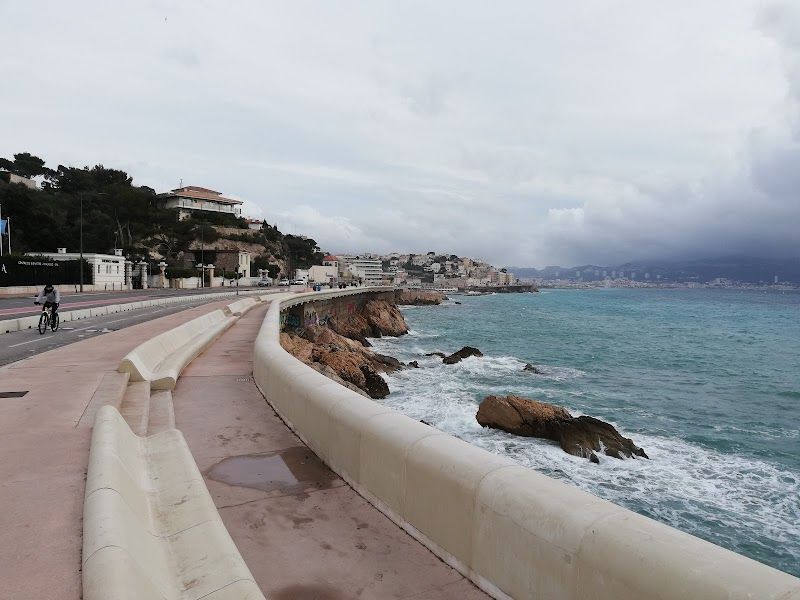
Marseille's relationship with the sea is more complex and ultimately more rewarding. The city beaches (Plage du Prado, Plage de la Pointe Rouge) are decent but not spectacular. The real coastal magic happens at the Corniche Kennedy, a 5-kilometer clifftop road that winds between the city and the Calanques National Park. This is where Marseillais go to swim, diving from rocks into crystal-clear water at spots like the Vallon des Auffes fishing village.
The Calanques boat trips from Marseille's Vieux-Port (EUR 25-45) take you to limestone inlets that make the French Riviera's most famous beaches look ordinary. Cassis, En-Vau, and Port-Pin are accessible only by boat or serious hiking, and the water is the kind of turquoise that doesn't exist on Nice's city beaches.
The verdict: Nice wins for convenient beach access and the classic Mediterranean beach club experience. Marseille wins for dramatic coastal scenery and swimming spots that feel like secret discoveries.
Food Culture: Refined vs Authentic
This is where the Marseille or Nice better question gets interesting. Nice invented salade niçoise and gave the world pissaladière (onion and anchovy tart), but its restaurant scene caters heavily to tourists and second-home owners. You can eat exceptionally well in Nice, but you'll pay for the privilege and the setting.
Marseille's food culture is more democratic and arguably more authentic. The morning fish market at the Vieux-Port has been running since the Greeks were here. The fish goes straight from the market to restaurants like Chez Fonfon and Chez Michel, where a proper bouillabaisse (EUR 35-65 per person, minimum two people, always order 24 hours ahead) remains a two-course ritual: the broth first with rouille and croutons, then the fish.
The street food culture in Marseille has no equivalent in Nice. Panisse (chickpea fritters) and socca (chickpea pancakes) sell for EUR 3-6 from vendors around the Le Panier district. The North African influence is stronger in Marseille - you'll find better couscous and tagines here than anywhere else in France.
Cost comparison for dining:
| Meal Type | Marseille | Nice |
|---|---|---|
| Budget lunch (plat du jour) | EUR 12-18 | EUR 16-24 |
| Mid-range dinner with wine | EUR 25-40 | EUR 35-55 |
| Upscale dinner with wine | EUR 60-120 | EUR 80-150 |
| Street food snack | EUR 3-6 | EUR 5-9 |
| Local beer at bar | EUR 3.5-6 | EUR 5-8 |
The verdict: Marseille offers more authentic, affordable food culture. Nice has more refined dining but at a premium price.
Culture and Museums: Ancient History vs Art Collections
Both cities offer substantial cultural attractions, but with different focuses. Nice's museum scene revolves around art - the Musée Matisse, Musée d'Art Moderne et d'Art Contemporain, and the recently renovated Musée des Beaux-Arts. The old town is picturesque but feels preserved rather than lived-in.
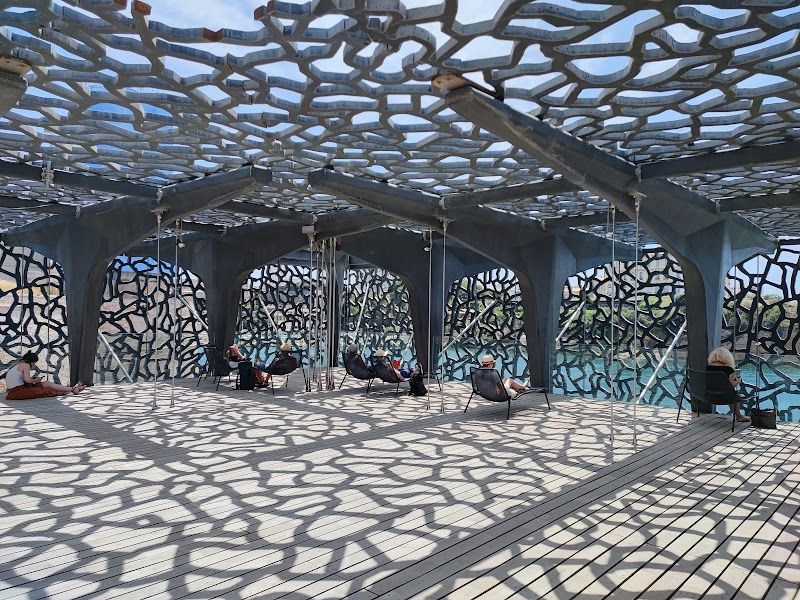
Marseille's cultural offerings are more historically grounded. The MuCEM (Museum of European and Mediterranean Civilisations) (EUR 11) is France's most important new museum, built on the site of the ancient Greek port. The Musée d'Histoire de Marseille (EUR 6) contains the actual remains of Greek ships from the 2nd century BC, discovered during construction of a shopping center.
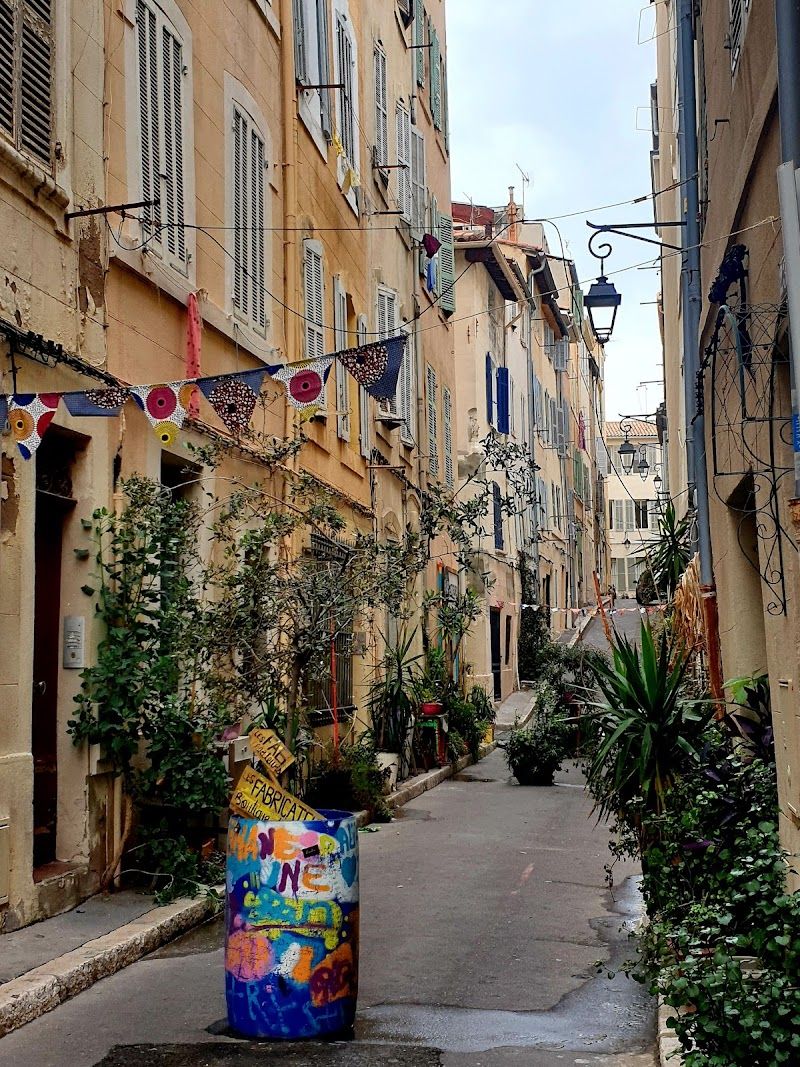
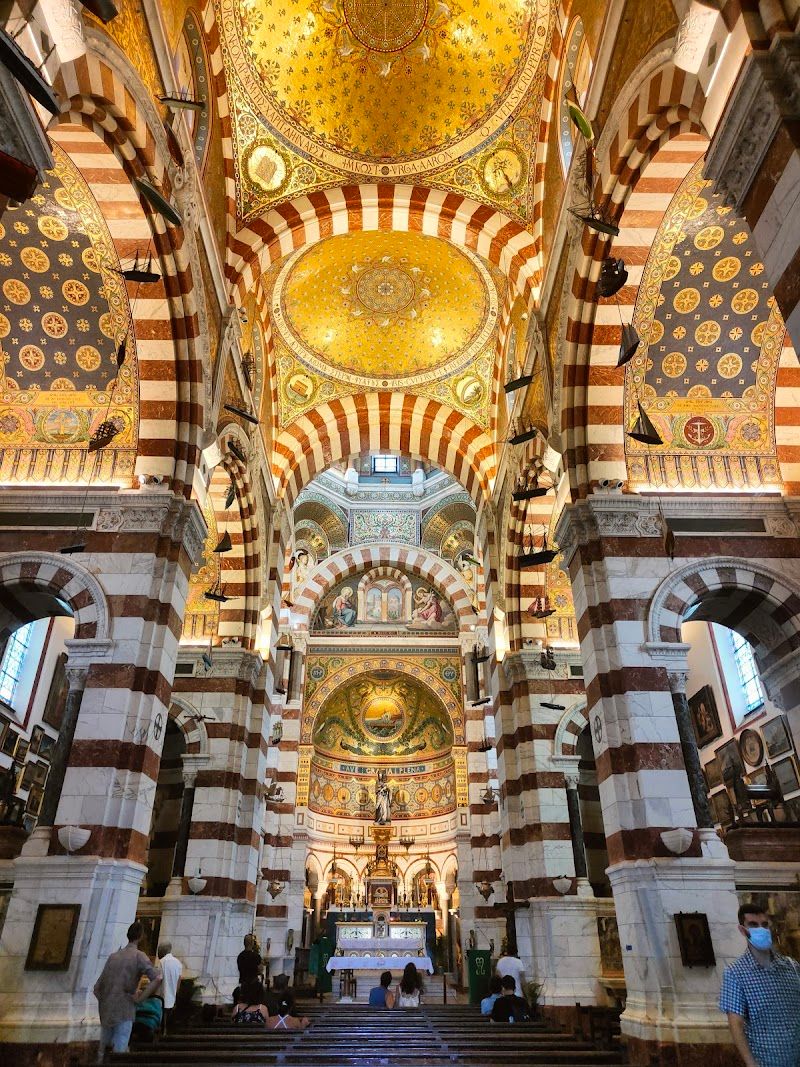
Le Panier district is where the Greeks settled in 600 BC and where Marseille's cultural life still thrives. Unlike Nice's preserved old town, Le Panier feels authentic - street art covers ancient walls, elderly residents argue in Arabic and Armenian, and the Cathédrale La Major rises like a Byzantine fever dream above the Mediterranean.
The verdict: Nice has better art museums and prettier architecture. Marseille offers deeper historical significance and more authentic cultural experiences.
Practical Considerations: Getting Around and Costs
Transportation within both cities is efficient but different in character. Nice's tram system is modern and connects the airport, city center, and main attractions. Single tickets cost EUR 1.7, day passes EUR 5. The city is compact enough to walk, and cycling along the Promenade des Anglais is pleasant.
Marseille's RTM metro system (EUR 1.7 per trip, EUR 5.2 day pass) covers the sprawling city better than Nice's system covers its compact center. The metro connects the airport (via shuttle bus, EUR 10) to Saint-Charles station in 25 minutes. Marseille requires more transport planning - it's three times larger than Nice and the attractions are more spread out.
Accommodation costs show the fundamental difference between these Provence vs Côte d'Azur destinations:
| Accommodation Type | Marseille | Nice |
|---|---|---|
| Hostel dorm bed | EUR 25-45 | EUR 35-55 |
| Budget hotel double | EUR 55-85 | EUR 75-110 |
| Mid-range hotel double | EUR 85-150 | EUR 120-200 |
| Boutique hotel double | EUR 120-220 | EUR 180-300 |
| Luxury hotel double | EUR 200-450 | EUR 300-600 |
The verdict: Marseille is significantly more affordable and offers better value. Nice commands premium prices for its prestige location.
Day Trip Options and Regional Access
Both cities serve as excellent bases for exploring southern France, but with different regional advantages. From Nice, you can reach Monaco in 30 minutes by train, Cannes in 40 minutes, and Italian Riviera towns like Ventimiglia in an hour. The coastal train journey between Nice and Monaco is one of Europe's most scenic.
Marseille offers better access to Provence's interior. Aix-en-Provence is 35 minutes by bus, Avignon is 1 hour 20 minutes by high-speed train, and the lavender fields of Valensole plateau are a 2-hour drive. The Calanques National Park, accessible by boat or hiking trail, provides wilderness experiences that Nice cannot match.
For beach variety, Nice wins on convenience - you can reach different resort towns along the Côte d'Azur easily by train. Marseille wins on dramatic coastal scenery - the boat trip to the Calanques reveals Mediterranean landscapes that feel more Greek island than French Riviera.
Weather and Seasonality: When to Choose Each
Both cities enjoy Mediterranean climates, but there are subtle differences that matter for trip planning. Nice benefits from protection by the Alps Maritimes, creating a microclimate that's warmer in winter and slightly cooler in summer. The mistral wind that can make Marseille unpleasant in winter rarely affects Nice with the same intensity.
Marseille's shoulder seasons (April-May, September-October) are ideal - the city feels more manageable when summer crowds thin out, and the morning fish markets are less chaotic. Nice's shoulder seasons are lovely but more expensive as French and international visitors extend their stays.
Summer crowds affect both cities differently. Nice becomes a parade of cruise ship passengers and day-trippers from Monaco, while Marseille's large local population means the city maintains its authentic character even in July and August.
The verdict: Nice offers more consistent weather year-round. Marseille provides better value in shoulder seasons and maintains authenticity during peak summer.
Final Verdict: Which French Riviera City Should You Choose
The Marseille vs Nice decision comes down to what you value in a Mediterranean city experience.
Choose Marseille if you want:
- Authentic Mediterranean culture with minimal tourist veneer
- Outstanding food at reasonable prices, including the world's best bouillabaisse
- Access to dramatic coastal scenery (Calanques) and Provence's interior
- Significant historical sites and genuine working-port atmosphere
- Better value for money across accommodation, dining, and activities
- A city that feels lived-in rather than preserved
Choose Nice if you want:
- Polished Mediterranean elegance with hotels
- Convenient beach access and classic French Riviera atmosphere
- Easy day trips to Monaco, Cannes, and other Côte d'Azur destinations
- Refined dining and shopping in a compact, walkable city
- Art museums and Belle Époque architecture
- The prestige of staying on the French Riviera's most famous coast
For first-time visitors to south France destinations who want to understand French Mediterranean culture, Marseille provides deeper, more authentic experiences. For travelers seeking the classic French Riviera dream of elegant beaches and sophisticated dining, Nice delivers exactly what its reputation promises.
The honest answer is that both cities reward different travel styles. Marseille challenges you to embrace Mediterranean chaos and discover France's most multicultural city. Nice invites you to relax into refined coastal elegance. Neither disappoints, but only one will match what you're actually looking for in your French Mediterranean adventure.
If you're still deciding, consider this: Marseille gives you stories to tell about the real France. Nice gives you the perfect Instagram shots. Both are valuable, but only you know which matters more for your trip.