Marseille
Notre-Dame de la Garde & South
The high point of the city and the coastal south: the basilica at the summit, the Corniche Kennedy running along the sea cliffs, the tiny Vallon des Auffes fishing port below, and the Calanques beginning further south.
About Notre-Dame de la Garde & South
This arc of Marseille stretches from the highest natural point in the city (the basilica hill, 154 metres above sea level) south along the coast to the Prado beaches and the beginning of the Calanques national park. It is the least urban part of central Marseille and the part that most clearly explains the relationship between the city and the sea.
Notre-Dame de la Garde, the Romano-Byzantine basilica at the summit, is the emotional and visual centre of Marseille. The Marseillais call it La Bonne Mere (the Good Mother) and the golden Madonna on top of the bell tower is visible from everywhere in the city and from boats at sea. The interior is covered with ex-votos: offerings from sailors, fishermen, and soldiers who survived disasters, thanking the Madonna. Entry is free. The 360-degree panoramic view from the esplanade covers the entire city, the Vieux-Port, the Frioul Islands, and on clear days the Alps. Bus 60 from the Vieux-Port runs every 20 minutes.
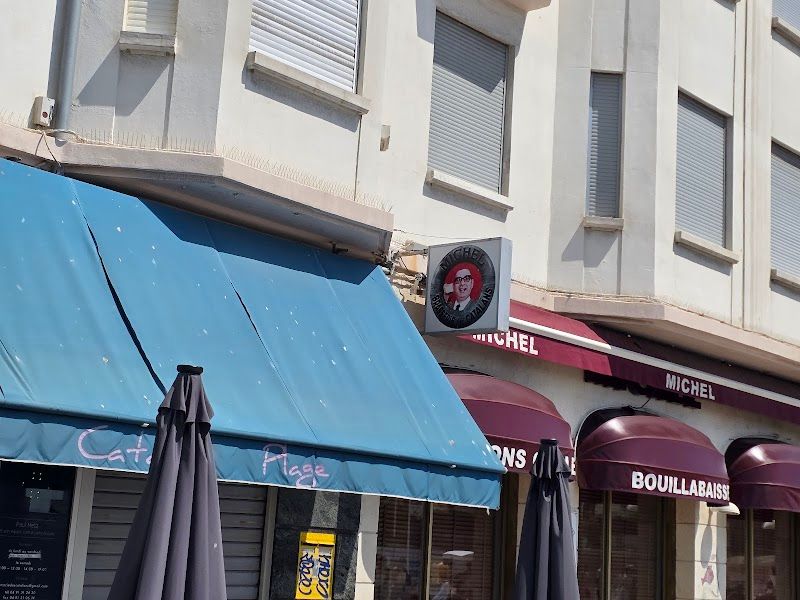
The Corniche Kennedy is the coastal road that runs south from the Vieux-Port along the cliff above the sea. It has views offshore and descends to the Vallon des Auffes, a tiny fishing harbour hidden below a viaduct that is 50 metres across and contains the best bouillabaisse restaurants in Marseille (Chez Fonfon and Chez Michel, EUR 60-80 per person, book well ahead in season). Further south, the Corniche passes the Plage du Prophete (free public beach) and the paid beach clubs before reaching the Prado beaches and the southern suburbs.
Things to Do
Top experiences in Notre-Dame de la Garde & South
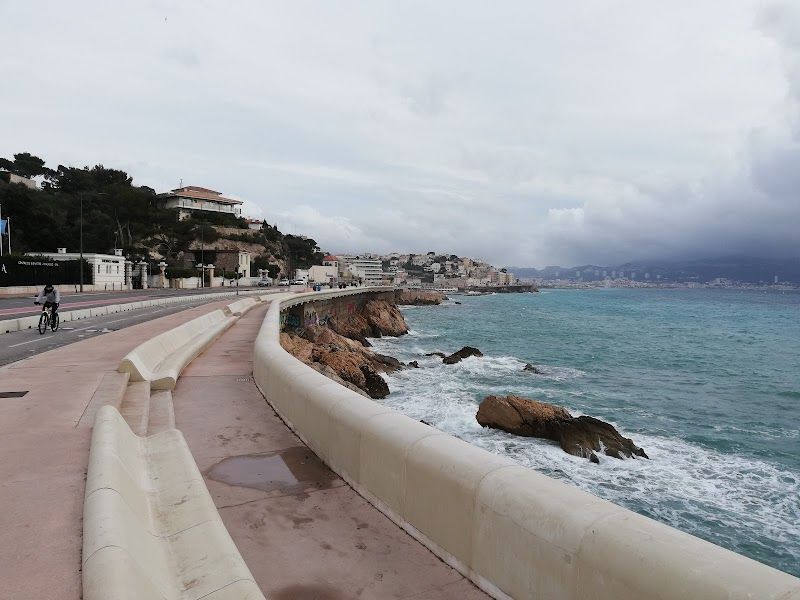
Corniche Kennedy
Corniche Kennedy stretches 5 kilometers along Marseille's rocky Mediterranean coastline, connecting the Vieux-Port to the Prado beaches through a series of sea views and Belle Époque architecture. You'll walk or drive past dramatic limestone cliffs, secluded swimming coves where locals dive from rocks, and the postcard-perfect Vallon des Auffes fishing village with its colorful pointu boats. The promenade offers constant glimpses of the Château d'If and Frioul Islands floating offshore. The walk feels like discovering Marseille's genteel side after the gritty port atmosphere. Elegant 19th-century villas line sections of the route, their gardens spilling over stone walls toward the sea. You'll pass couples fishing from rocky outcrops, families picnicking in tiny coves, and serious swimmers taking their daily plunge regardless of season. The Mediterranean crashes against the rocks below while seagulls wheel overhead, and every bend reveals another perfect photo opportunity. Most guides treat this as a quick drive-by, but you need at least 90 minutes on foot to appreciate it properly. The stretch from Vallon des Auffes to Malmousque is the most spectacular, skip the final kilometer toward Prado which gets monotonous. Parking costs 2 EUR per hour in marked spots, but street parking fills up fast after 11am. The afternoon light makes the limestone cliffs glow golden, evening visits feel rushed despite the sunset appeal.
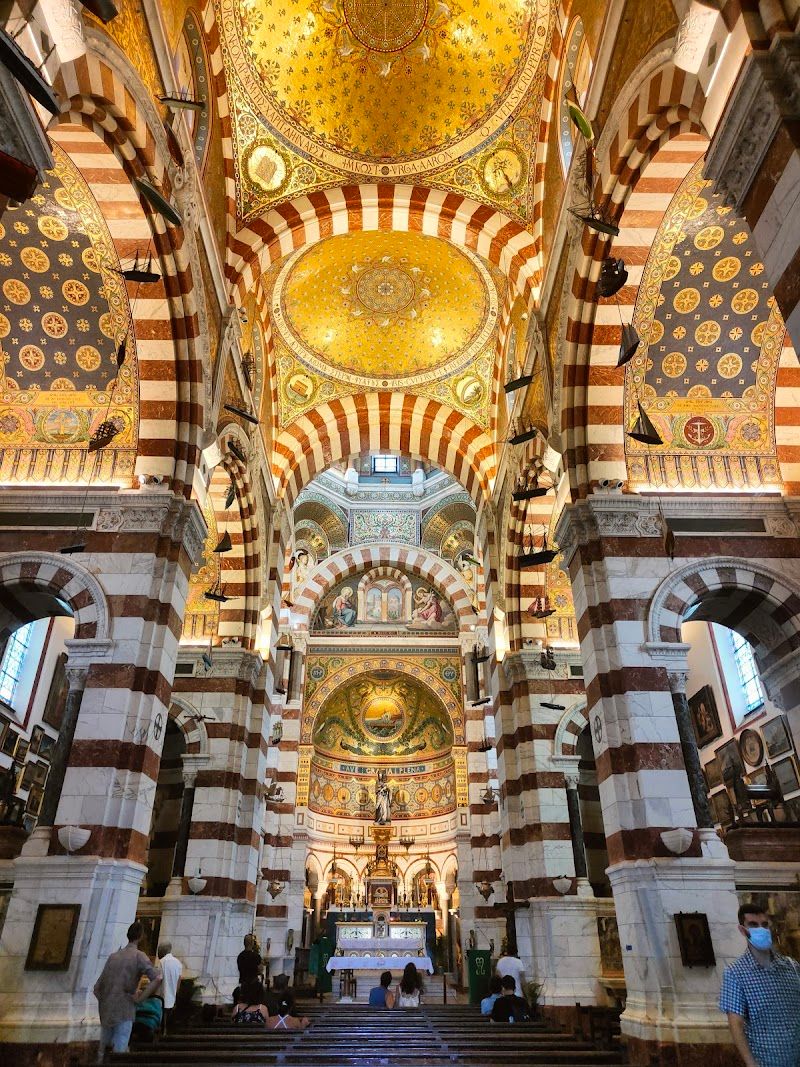
Notre-Dame de la Garde
Notre-Dame de la Garde is Marseille's golden-crowned basilica perched 154 meters above the Mediterranean, and frankly, it's the only viewpoint in the city that matters. The Romano-Byzantine church is topped with a 9-meter golden statue of the Madonna and Child that's visible from boats 50 kilometers offshore. Inside, you'll find thousands of ex-votos: painted ship wrecks, model boats, military medals, and photographs left by sailors thanking "La Bonne Mère" for survival at sea. The basilica feels more like a maritime museum than a typical church, with every surface covered in these deeply personal offerings from fishermen and their families. The atmosphere is unexpectedly moving, even if you're not religious. But most people come for the 360-degree panoramic terrace that explains why Marseille exists: the Vieux-Port directly below, the château d'If and Frioul islands offshore, the Calanques coastline stretching south, and on clear days, the Alps rising behind the city. Skip the 30-minute uphill slog from the Vieux-Port and take Bus 60 instead (EUR 1.70 with a standard transit ticket, runs every 20 minutes). Most guides don't mention that the morning eastern light makes the city view dramatically better than afternoon shots. Entry to the basilica is free, and you can easily see everything worthwhile in 90 minutes.
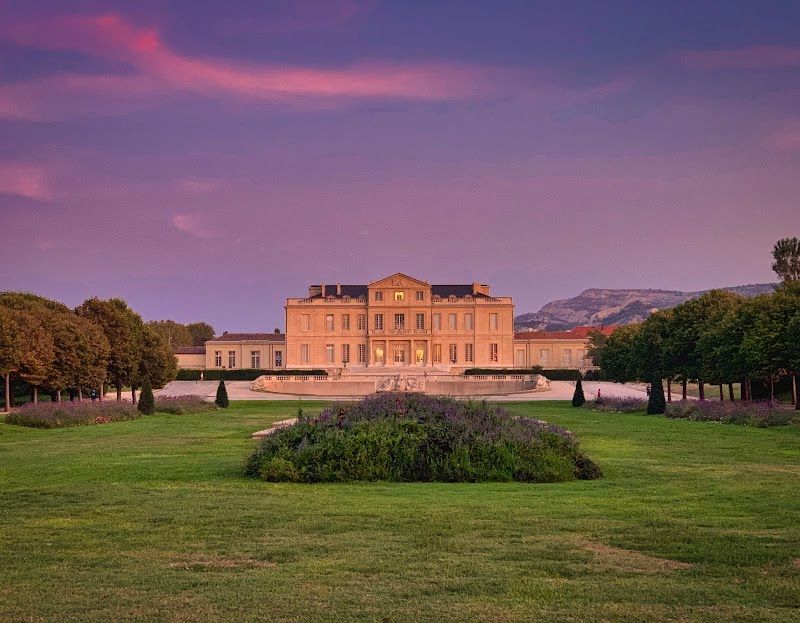
Parc Borély
Parc Borély sprawls across 17 hectares of Marseille's 8th arrondissement, combining formal French gardens with wild botanical sections and the kind of massive lawns where locals actually picnic. You'll find the 18th-century Château Borély housing a decorative arts museum (€6 entry), plus distinct garden zones: manicured rose beds, Mediterranean plant collections, and shaded groves of plane trees that have been here for over a century. The park also includes a concrete skate bowl, duck ponds, and enough winding paths to lose tourists completely. Walking through feels like discovering Marseille's quieter personality, especially compared to the intensity around the Old Port. Families spread blankets under ancient trees while joggers loop the perimeter paths, and the formal gardens near the château give way to wilder sections where you'll hear more birds than traffic. The rose garden peaks spectacularly in late spring, but even in summer the established trees create genuine shade pockets. Weekend afternoons bring pickup football games on the main lawn and families feeding ducks by the small pond. Most guides oversell the château museum, which is pleasant but not essential unless you're genuinely into 18th-century ceramics and furniture. The real value here is space and shade during Marseille's brutal summer heat. Skip the crowded main entrance on Avenue du Parc Borély and use smaller side gates for a more peaceful entry. The botanical sections are genuinely interesting if you're into Mediterranean plants, but the rose garden gets overhyped outside of May and June.
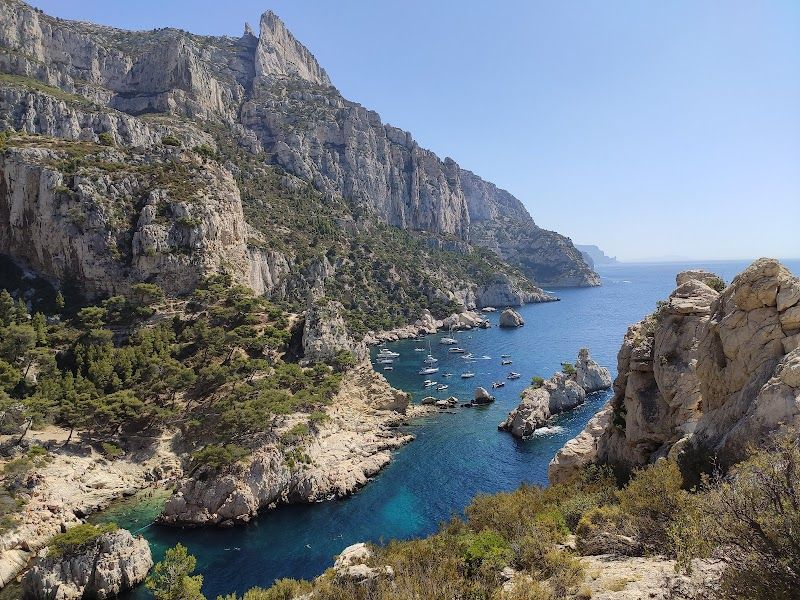
Calanques Boat Trip from Vieux-Port
The Calanques boat trip takes you along Europe's most dramatic coastline, where vertical white limestone cliffs plunge into impossibly turquoise water. You'll visit three calanques on the standard trip: Morgiou and Sormiou (the accessible ones) plus one further east like Sugiton. The boats pause at each calanque for photos and swimming, giving you access to places that would take serious hiking to reach overland. Expect crystal-clear water, dramatic geology, and that specific Mediterranean light that makes everything look like a postcard. The 3.5-hour trip departs from Quai des Belges with about 50 other passengers on converted fishing boats. You'll cruise past Marseille's industrial port before the coastline transforms into something from a fantasy novel. At each stop, the captain cuts the engine and you float in silence while people jump off the boat to swim. The water is startlingly cold even in summer, but the experience of swimming in these natural amphitheaters surrounded by 200-meter cliffs is unforgettable. The boat ride between calanques offers constant photo opportunities as new formations appear around each headland. Most operators charge EUR 28-35 for the standard three-calanque trip, which is fair value for what you get. Skip the commentary headphones (they're terrible) and just enjoy the views. The full-day trips to En-Vau cost EUR 45-50 but are worth it if you have time, since En-Vau is genuinely the most spectacular calanque. Book morning departures when possible as the water stays calmer and the light is better for photos. Summer fire restrictions often close hiking trails but never affect boat access, making this your reliable way to see the calanques from June through September.
Getting Here
Getting There
No direct metro. Bus 60 from Vieux-Port (Metro Line 1) serves Notre-Dame de la Garde. The Corniche Kennedy is served by Bus 83.
On Foot
Hilly to very hilly. Notre-Dame de la Garde requires a steep climb or the bus. The Corniche Kennedy is a flat coastal walk once you reach it.
Insider Tips
Bus 60 for Notre-Dame de la Garde
Bus 60 from the Vieux-Port runs every 20 minutes and takes 10 minutes. EUR 1.70 with a transit ticket. The walk up takes 30 minutes and is steep the whole way. Go 30 minutes before sunset for the best light on the city below. The panoramic view is free.
Finding the Vallon des Auffes
From the Corniche Kennedy, look for the viaduct about 10 minutes south of the Vieux-Port on foot. The steps descend beneath the viaduct to sea level. The Vallon des Auffes is invisible from the main road. The descent takes 3 minutes. Arrive at sunset for the light off the water.
Calanques departure point
Boat trips to the Calanques depart from the Quai des Belges in the Vieux-Port (not from this neighbourhood), but the hiking trails into the Calanques begin south of the Prado beaches. The Calanque de Sormiou trailhead is accessible by bus from the city centre. Check fire risk closures on calanques-parcnational.fr before any hiking visit.
Nearby Neighborhoods
Continue exploring
Vieux-Port & La Canebière
The working harbour at the centre of everything: the fish market at 7 AM, ferries to the islands, restaurant terraces facing the water, and the MuCEM walkway at the western entrance to the port.
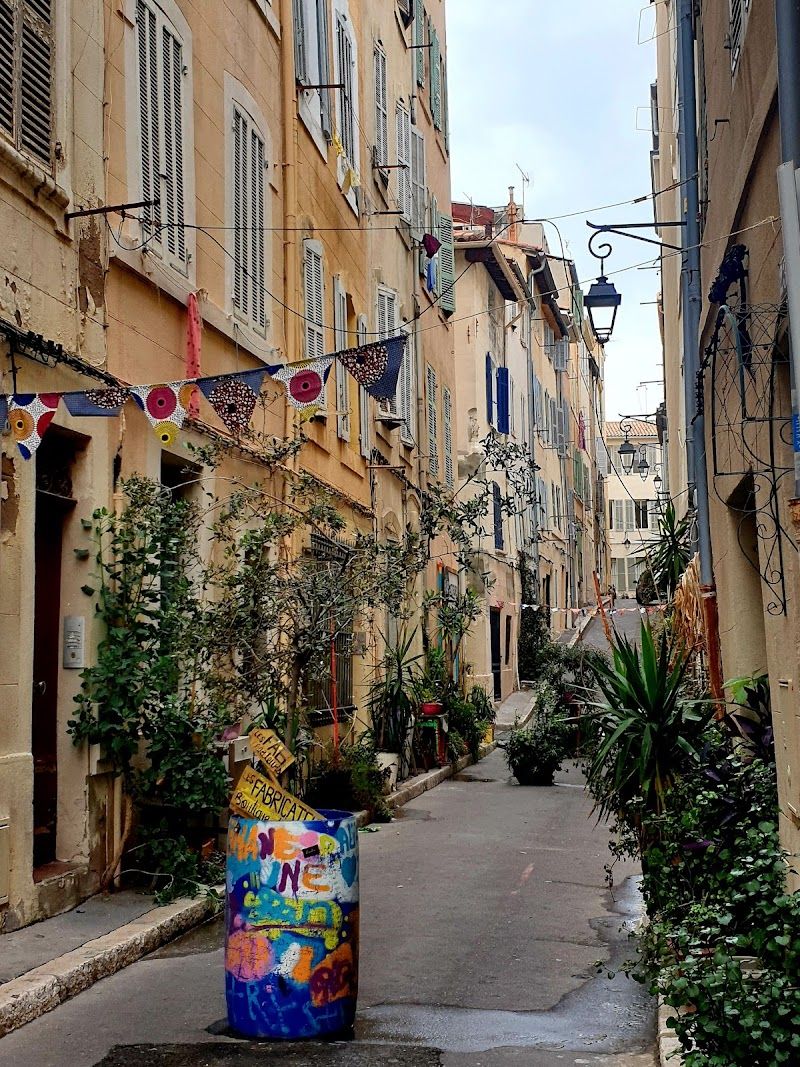
Le Panier
The oldest inhabited part of Marseille on the hill above the port: steep streets, painted staircases, street art galleries, artisan shops, and La Vieille Charite at the centre.
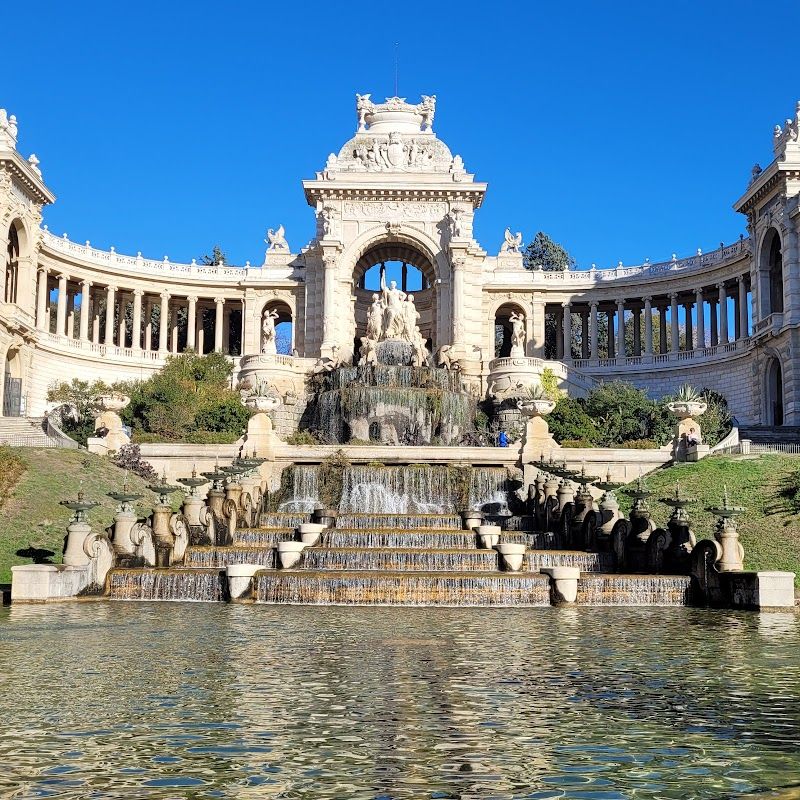
Cours Julien & La Plaine
Marseille's bohemian quarter east of the Vieux-Port: street art on every wall, record shops, cheap diverse food from every corner of the Mediterranean and beyond, and bars that stay open late.
Related Articles
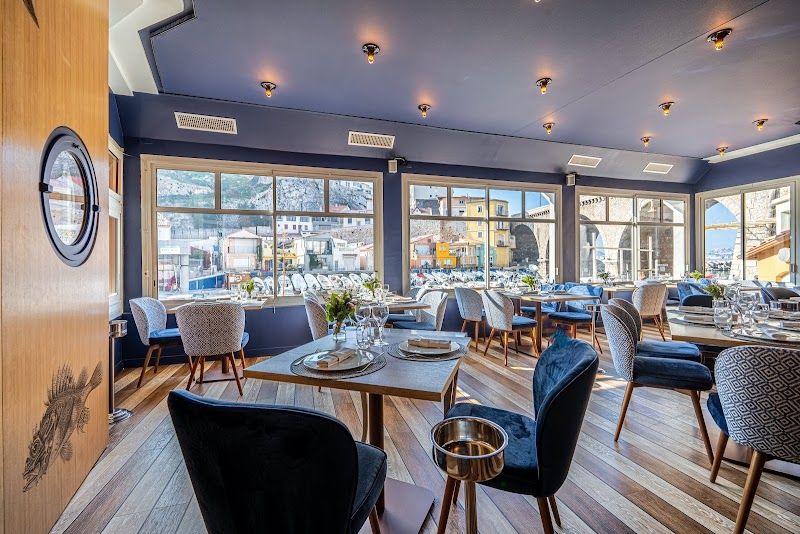
What to Eat in Marseille: 12 Local Specialties Beyond Bouillabaisse
Marseille's food scene goes far beyond bouillabaisse. Discover panisse, navette cookies, and 10 other local specialties that locals actually eat in France's most diverse city.
Marseille's Best Food Markets: Where Locals Shop and What to Buy
Marseille's food markets are where the city's soul lives. The Vieux-Port fish market has operated since 600 BC, while Marché des Capucins is where locals buy everything from Moroccan spices to perfect tomatoes.
Plan a trip featuring Notre-Dame de la Garde & South
Get a personalized Marseille itinerary with Notre-Dame de la Garde & South built in.
Start Planning