Marseille food specialties tell the story of a 2,600-year-old port where Greek colonists, North African immigrants, and Provençal fishermen created something entirely their own. Yes, bouillabaisse is the city's most famous dish, but locals eat it maybe twice a year. The real marseille food culture happens in the panisse stands of the Vieux-Port morning fish market, the socca vendors outside football matches, and the family-run bakeries that have been making navette cookies since Napoleon was emperor.
This is not refined Parisian cuisine. Marseille food is loud, messy, and honest - just like the city itself. It borrows heavily from North Africa (couscous is practically the unofficial city dish), relies on whatever the Mediterranean provides, and does not apologize for putting chickpea flour in half of everything. The result is a collection of marseille local dishes that you will not find anywhere else in France, served in portions that acknowledge this is a working port city where people need actual food.
The Chickpea Foundation: Panisse and Socca
Marseille's relationship with chickpea flour borders on obsession, and for good reason. The Greeks brought chickpeas when they founded the city in 600 BC, the Arabs refined the preparation techniques during their medieval presence, and the result is two dishes that define marseille food to try above all others.
Panisse looks like thick golden fries but tastes like nothing you expect. Street vendors slice chickpea flour logs into batons, deep-fry them until crispy outside and creamy inside, then serve them in paper cones with salt and sometimes a squeeze of lemon. The texture is what sells it - crunchy exterior giving way to an interior that is simultaneously firm and yielding, with a nutty flavor that chickpea flour develops when cooked properly.
Find the best panisse at the stands around Cours Julien on weekends, where vendors charge EUR 3-6 per portion. The lines form around noon, and when they run out, they run out. Avoid the touristy panisse near the Vieux-Port entrance - it sits under heat lamps and tastes like cardboard.
Socca is panisse's thinner, more elegant cousin. This chickpea flour pancake cooks in massive copper pans in wood-fired ovens, developing a crispy edge and custardy center that vendors scrape into portions with wooden spatulas. The best socca happens at the OM football stadium on match days, where fans queue for portions served on brown paper with coarse salt and black pepper. Real socca should still be steaming when you get it and taste faintly of wood smoke.
Provence Specialties Meet Mediterranean Reality
Pissaladière arrived from Nice but Marseille made it bigger and more chaotic. This onion tart topped with anchovies and black olives represents everything marseille food culture stands for: take something simple, make it substantial enough to feed dock workers, and do not worry about presentation. The best versions have caramelized onions that took three hours to cook properly, anchovies that taste like the sea instead of salt, and a crust that holds together despite generous toppings.
Le Panier has the city's most authentic pissaladière at Boulangerie Julien on Rue des Moulins. They bake it in rectangular sheets Tuesday through Saturday, cutting portions to order for around EUR 4-7 depending on size. Order yours "bien garni" (well-topped) and eat it warm.
Tapenade in Marseille bears little resemblance to the refined spreads served in Provence's tourist towns. Local versions are coarser, saltier, and often mixed with capers that pop between your teeth. The traditional black olive version dominates, but green olive tapenade appears in summer when fresh olives arrive from the hills above the city. Real Marseille tapenade should be chunky enough that you can identify individual olive pieces.
Fish Beyond Bouillabaisse: What Locals Actually Eat
Bourride is what happens when you want bouillabaisse flavors without the EUR 45-65 price tag or 24-hour advance notice. This white fish stew uses cheaper fish like monkfish and sea bass, thickened with aioli instead of relying on expensive rockfish for body. The result tastes cleaner and lighter than bouillabaisse, with garlic-heavy aioli that locals mix directly into the broth.
Chez Toinou on Cours Saint-Louis serves excellent bourride for EUR 18-25, available without reservation most days. Order it with the traditional accompaniments: crusty bread, rouille (spicy mayonnaise), and a pitcher of rosé wine.
Aïoli Monstre happens every Friday at traditional Marseille restaurants - a massive platter of salt cod, vegetables, hard-boiled eggs, and snails, all served with bowls of garlicky aioli. This is social eating: everyone shares from the same platters, arguing about the proper aioli-to-vegetable ratio while drinking wine that costs more than the food.
Chez Michel serves the city's most authentic Aïoli Monstre every Friday for EUR 22 per person, minimum four people. Reservations essential, and expect to spend three hours at the table.
The North African Influence: Marseille's Unofficial National Dish
Couscous may not be traditionally French, but it is undeniably marseille food culture. The city's large North African population, dating back to the 1960s, made couscous so common that most locals consider it a regional specialty. Marseille couscous differs from restaurant versions elsewhere in France - the semolina is coarser, the vegetables are cut larger, and the merguez sausages are spicier.
The best couscous happens in Le Panier's family-run restaurants, where Algerian and Moroccan grandmothers still hand-roll the semolina. Expect to pay EUR 15-22 for a complete couscous with vegetables and meat, served in portions designed for people who work with their hands.
Merguez appears everywhere in Marseille - grilled outside football matches, stuffed into baguettes for lunch, and served alongside couscous. Local versions are spicier than Parisian merguez, with more harissa and less filler. The best merguez vendors are the ones with lines of construction workers at lunch time.
Sweet Traditions: Marseille Food Specialties for Dessert
Navettes are Marseille's signature cookie, boat-shaped biscuits flavored with orange blossom water that locals buy by the kilogram during holidays. The tradition dates to 1781 when baker Aveyrous created them to commemorate the arrival of the Virgin Mary's boat (navette) in Marseille. These are not delicate cookies - they are hard enough to survive in sailors' bags for weeks, designed to be dunked in coffee or wine.
The original recipe belongs to Four des Navettes on Rue Sainte (open since 1781), where they still bake navettes in wood-fired ovens. A box of 12 costs EUR 8-12, and locals buy them only here, considering other versions inferior imitations.
Cade is socca's sweet cousin, a chickpea flour cake that hovers between dessert and snack. Street vendors serve it warm, cut into squares and dusted with powdered sugar. The texture resembles firm custard, with chickpea flour's nuttiness balanced by just enough sugar to make it dessert-appropriate.
Oreillettes appear during Carnival season (February-March) - thin pastry sheets fried until crispy and dusted with orange blossom sugar. The name means "little ears" because the pastry resembles ear shapes when fried properly. These are temporary specialties, available only during Carnival, making them worth seeking out if you visit during the season.
Drinks That Define the City
Pastis is not unique to Marseille, but the city's relationship with this anise-flavored spirit runs deeper than anywhere else in France. Locals drink it as an aperitif before dinner, as a digestif after meals, and sometimes as liquid lunch on summer afternoons. The proper ratio is one part pastis to five parts cold water, served with ice cubes that cloud the liquid when added.
Every neighborhood bar has house pastis, usually Ricard or Pernod, served for EUR 3-5. Ask for "un pastis" and the bartender will automatically bring water and ice - mixing it yourself is part of the ritual.
Cassis wine comes from vineyards 20 kilometers east of Marseille, producing white wines that pair perfectly with fish dishes. Local restaurants serve Cassis by the glass (EUR 4-8) or bottle, and it appears on every bouillabaisse menu as the traditional accompaniment.
Where to Find Authentic Marseille Food Culture
The Vieux-Port morning fish market operates daily except Sundays, with vendors selling directly from their boats between 8 AM and 1 PM. This is where restaurant chefs buy ingredients for the day's bouillabaisse, and where you can see marseille food specialties in their natural habitat.
Street food concentrates around major markets and transportation hubs. The area around Saint-Charles train station has excellent merguez and panisse vendors, while Cours Julien weekend markets feature socca and pissaladière stands.
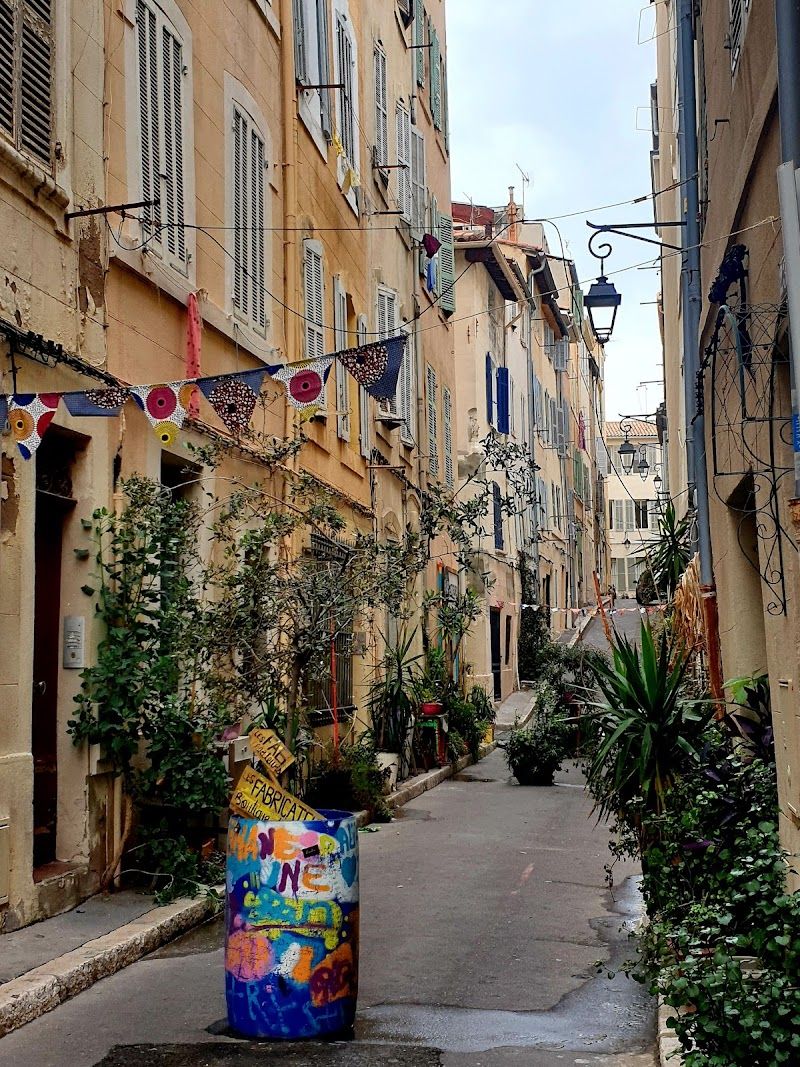
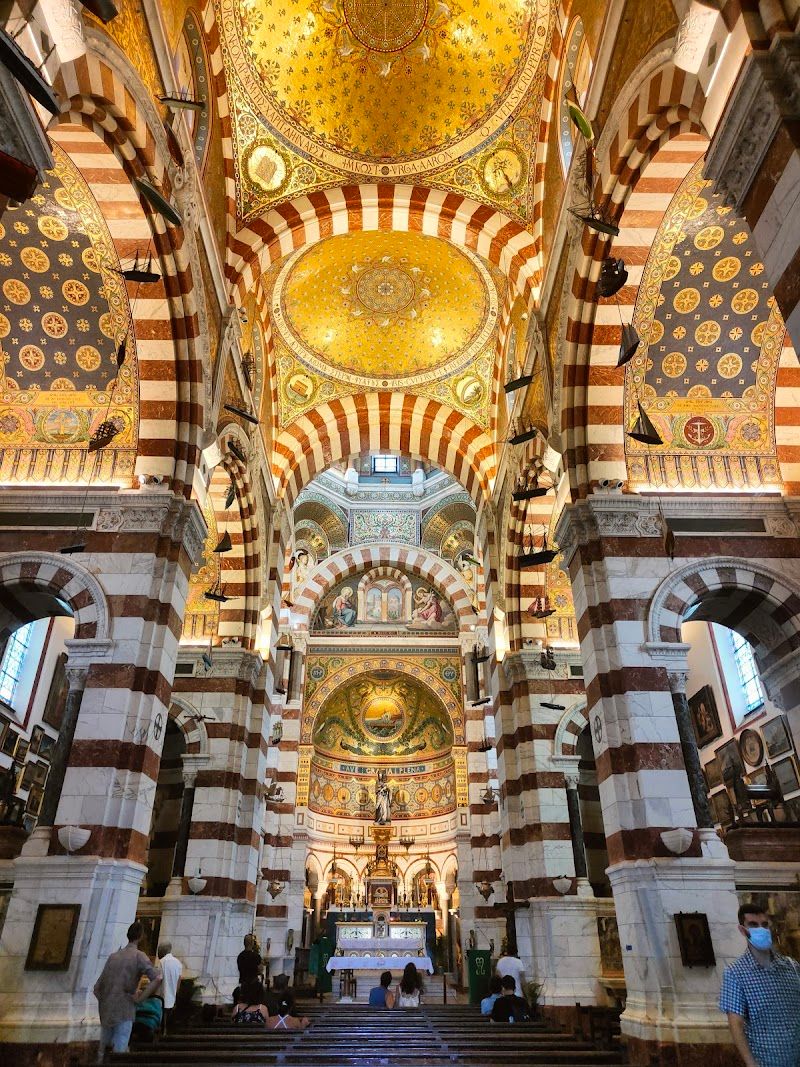
Authentic restaurants cluster in residential neighborhoods rather than tourist areas. Le Panier has family-run establishments serving couscous and bourride, while the streets around Notre-Dame de la Garde contain bistros specializing in traditional Provençal dishes.
Seasonal Specialties and Festival Foods
Marseille food culture follows the Mediterranean calendar, with specific dishes appearing at certain times of year. Spring brings violet sea urchins (oursins violets), served raw on the half-shell at waterfront restaurants. Summer means sardine season, with grilled sardines appearing at every beach-side café.
August is tomatoes season, when local varieties like Black Krim and Cherokee Purple appear in markets and restaurants serve tomato-focused dishes like pan bagnat (a Niçoise salad sandwich that crossed the border). Fall brings olive harvest, with new oil appearing in November and December.
Christmas season features the "Thirteen Desserts" tradition, though this Provençal custom appears more in tourist restaurants than local homes. More authentic is the January tradition of sharing galette des rois (king cake) with colleagues, often accompanied by champagne in workplace celebrations.
The Economics of Eating in Marseille
Marseille food remains remarkably affordable compared to other major French cities. Street food costs EUR 3-6 per portion, making panisse and socca genuine budget options for travelers. Casual bistro meals range EUR 12-18 for lunch, often including wine or coffee.
Mid-range dinners with local wine cost EUR 25-40 per person, significantly less than equivalent meals in Paris or Nice. Even upscale restaurants serving refined versions of marseille local dishes rarely exceed EUR 60 per person unless you are ordering the full bouillabaisse experience.
Markets offer the best value for travelers with kitchen access. The morning fish market provides restaurant-quality ingredients at wholesale prices, while neighborhood markets sell vegetables, cheeses, and bread at prices that make self-catering economical.
Marseille's diverse population and working-class traditions keep food prices realistic, creating opportunities for travelers to eat well without spending heavily. The city's food culture prioritizes substance over presentation, portion size over plating artistry, and authentic flavors over Instagram-worthy arrangements.
For travelers planning to explore marseille food specialties systematically, our comprehensive food guide provides specific restaurant recommendations, market schedules, and seasonal availability information. Combined with walking tours of Le Panier and time spent around the Vieux-Port, you can experience the full range of what makes Marseille's food culture unique in France.