Marseille
Cours Julien & La Plaine
Marseille's bohemian quarter east of the Vieux-Port: street art on every wall, record shops, cheap diverse food from every corner of the Mediterranean and beyond, and bars that stay open late.
About Cours Julien & La Plaine
Cours Julien is a pedestrianised square east of the Vieux-Port with fountains, cafe terraces, and murals on the surrounding buildings. The area around it, particularly the streets running up to La Plaine (Place Jean Jaures), is the most interesting neighbourhood in Marseille for food, nightlife, and street art at moderate prices.
The street art here is different from Le Panier. Where Le Panier has painted stair risers and small murals, Cours Julien and the streets around it have large-scale pieces commissioned from international artists: the entire sides of buildings covered in murals five storeys high. The collection changes slowly as new pieces are added over old ones, and the neighbourhood has built a significant reputation on the international street art circuit.
The food in Cours Julien reflects Marseille's 90-nationality composition more honestly than any other neighbourhood in the city. North African (couscous, merguez, tagine), Lebanese, Armenian, Comorian, Italian, and standard French bistro all coexist within a few streets. The price points are lower than the Vieux-Port by EUR 5-8 per dish. The natural wine bars that have opened in the last decade are among the best in the city. La Plaine has a Tuesday, Thursday, and Saturday market that sells produce, clothing, and crafts: it is a working neighbourhood market, not a tourist market.
Things to Do
Top experiences in Cours Julien & La Plaine
Palais Longchamp
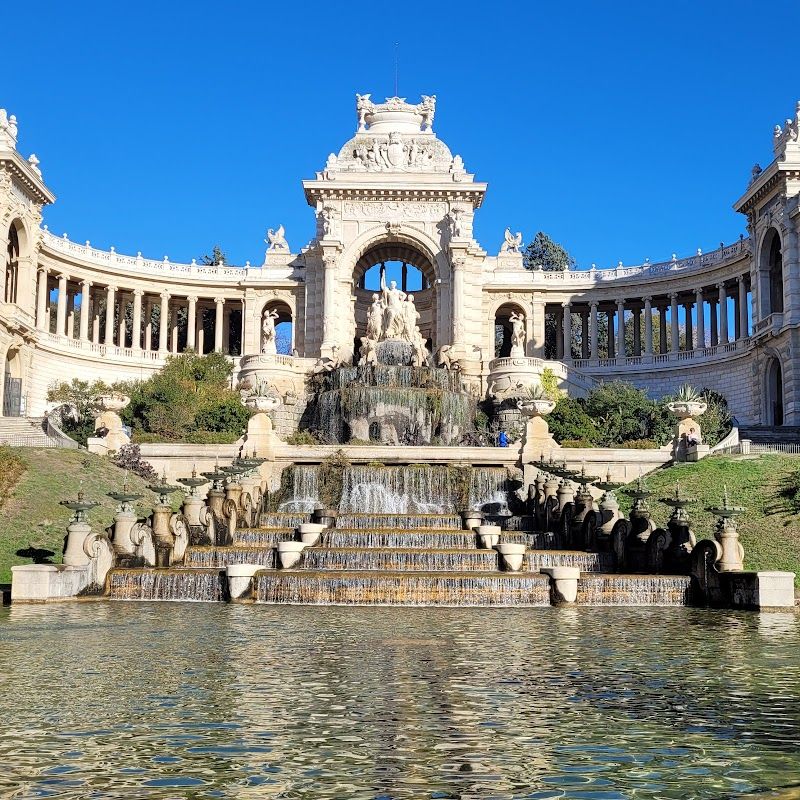
Palais Longchamp stands as Marseille's most impressive architectural statement, built in 1869 to celebrate the arrival of canal water from the Durance River. You'll find a magnificent cascading fountain at the center, flanked by curved colonnades that sweep toward two pavilions housing the Fine Arts and Natural History museums. The exterior spectacle costs nothing to see, while museum entry runs about 6 EUR each if you're interested. Walking up to the palace feels genuinely grand: water cascades down multiple tiers while carved animals and allegorical figures watch from the stonework. The colonnades create perfect symmetry, and you can wander freely around the entire structure. Behind the palace, landscaped gardens offer a quieter perspective with fewer tour groups, plus you get that classic postcard shot looking back at the colonnades framing the central fountain. Most visitors spend too much time debating the museums and miss the real attraction: this is about the architecture and gardens, not the collections inside. The Natural History museum feels dated, while the Fine Arts has decent Provençal paintings but nothing exceptional. Come for the exterior, bring your camera, and save your museum euros for the MuCEM down at the port.
Musée des Beaux-Arts
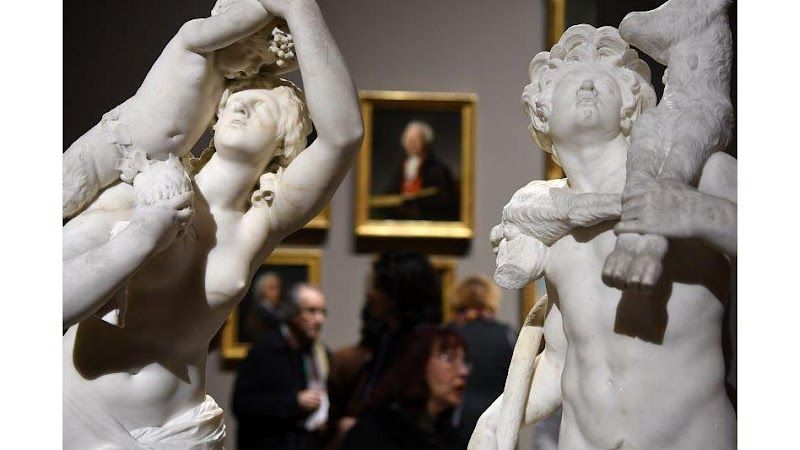
The Musée des Beaux-Arts is located in the left wing of Palais Longchamp, showcasing one of southern France's finest collections of European paintings from the 16th to 19th centuries. You'll find works by Rubens, Perugino, and lesser-known Provençal masters like Pierre Puget, whose sculptures are genuinely impressive. The palace itself, built in 1869 to commemorate bringing water to Marseille, is a significant feature with its elaborate facade and grand staircases. You'll enter through soaring rooms with ornate ceilings that frame the artwork beautifully. The layout flows chronologically, taking you from Renaissance portraits through Baroque masterpieces to 19th-century Provençal landscapes that capture the Mediterranean light perfectly. The building's original decorative elements compete with the paintings for attention, creating an almost overwhelming visual experience. Most visitors spend time photographing the architecture as much as studying the art. Honestly, half the appeal here is the palace architecture rather than the collection itself. While the Rubens pieces are excellent, many rooms feel sparse and the contemporary exhibitions can be hit or miss. Entry costs 6 EUR but it's free the first Sunday of each month when locals pack the place. If you're short on time, focus on the main galleries and then explore the gardens and fountains outside, which are definitely worth spending extra time on.
Where to Eat
Restaurants and cafes in Cours Julien & La Plaine
La Mercerie
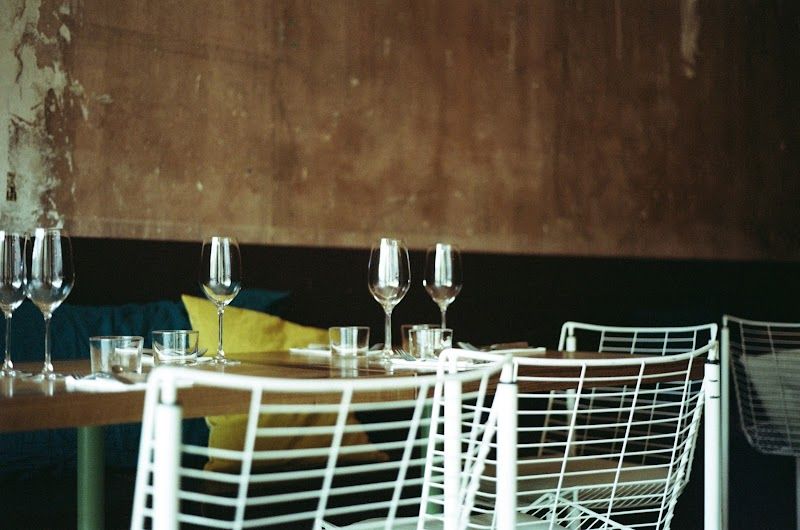
RestaurantCours Julien bistro in a former haberdashery shop, keeping the original wooden shelving and vintage decor. The menu balances traditional Provençal dishes with creative small plates designed for sharing. Natural wine selection is extensive, with many local producers represented.
Le Comptoir Dugommier
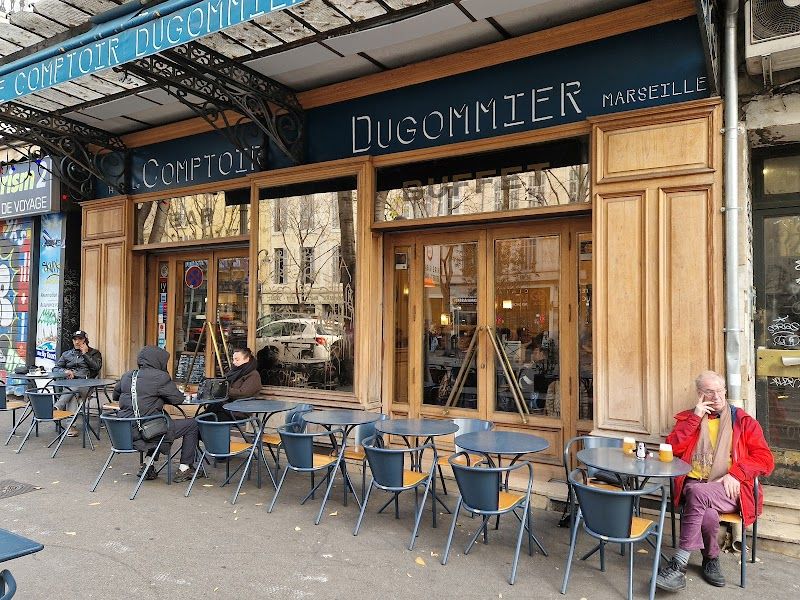
RestaurantNeighborhood bistro near Notre-Dame de la Garde serving updated takes on Marseille classics. The chef previously worked at L'Epuisette and brings refined technique to comfort dishes like soupe de poisson and bourride. Wine list focuses on small Provence producers rarely found in restaurants.
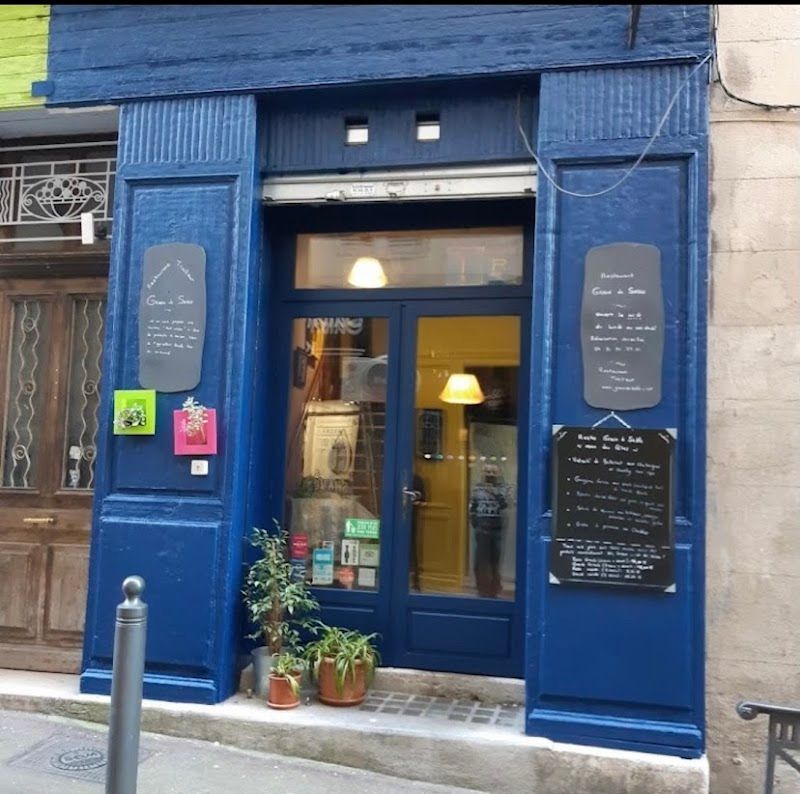
Le Grain de Sable
RestaurantAuthentic Lebanese restaurant near the Vieux-Port serving generous mezze platters and grilled meats. Family-run operation where the mother still makes all the pastries daily. The mixed grill for two is enough for three people, and the homemade labneh is exceptional.
Getting Here
Getting There
Metro Line 2: Notre-Dame du Mont station or Cours Julien stop
On Foot
Moderately hilly. The neighbourhood is walkable and compact. About 20 minutes on foot from the Vieux-Port.
Insider Tips
The street art circuit
Start at Cours Julien and walk the streets radiating from it north toward La Plaine. The murals on Rue d'Aubagne and the streets around it are the largest and most recent. The whole area is an open-air gallery and the best pieces are not on the main square but on the side streets. Allow 45 minutes for a thorough walk.
La Plaine market
The market at Place Jean Jaures (La Plaine) runs Tuesday, Thursday, and Saturday mornings. It is a neighbourhood market selling produce, North African spices and pastries, second-hand clothing, and crafts. Saturday is the largest. Arrive before 10 AM. This is where Cours Julien residents actually shop.
Natural wine bars
The natural wine bar scene in Cours Julien has expanded significantly. A glass of well-chosen southern French wine is EUR 5-8. The bars here are less about cocktails and more about small producers from Provence, the Languedoc, and the Rhone. The food in the better wine bars is as good as in the restaurants.
Nearby Neighborhoods
Continue exploring
Vieux-Port & La Canebière
The working harbour at the centre of everything: the fish market at 7 AM, ferries to the islands, restaurant terraces facing the water, and the MuCEM walkway at the western entrance to the port.
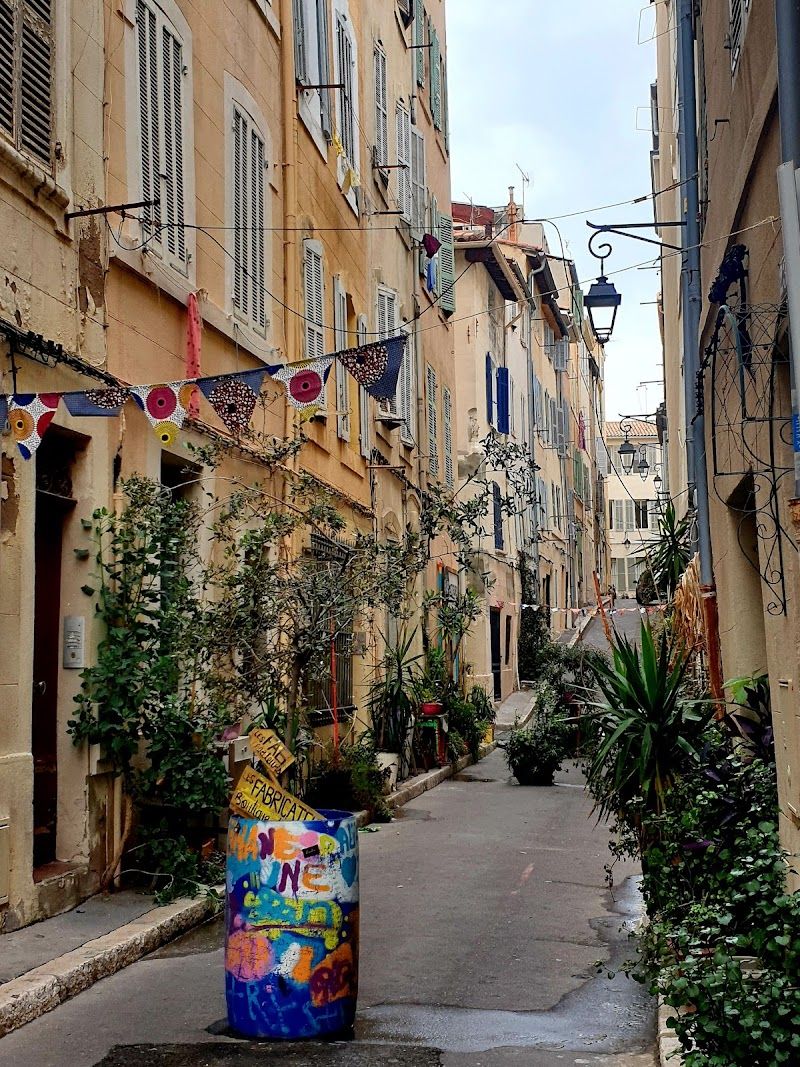
Le Panier
The oldest inhabited part of Marseille on the hill above the port: steep streets, painted staircases, street art galleries, artisan shops, and La Vieille Charite at the centre.
Notre-Dame de la Garde & South
The high point of the city and the coastal south: the basilica at the summit, the Corniche Kennedy running along the sea cliffs, the tiny Vallon des Auffes fishing port below, and the Calanques beginning further south.
Related Articles
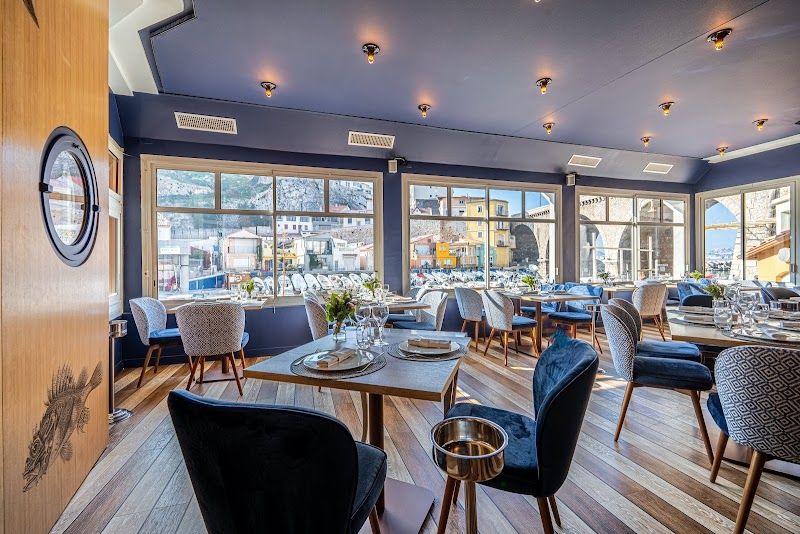
What to Eat in Marseille: 12 Local Specialties Beyond Bouillabaisse
Marseille's food scene goes far beyond bouillabaisse. Discover panisse, navette cookies, and 10 other local specialties that locals actually eat in France's most diverse city.
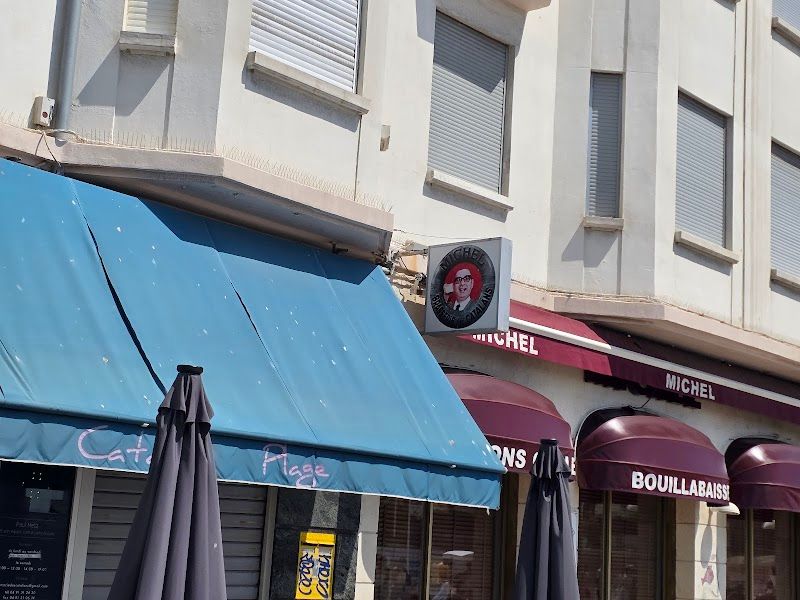
Marseille's Best Food Markets: Where Locals Shop and What to Buy
Marseille's food markets are where the city's soul lives. The Vieux-Port fish market has operated since 600 BC, while Marché des Capucins is where locals buy everything from Moroccan spices to perfect tomatoes.
Plan a trip featuring Cours Julien & La Plaine
Get a personalized Marseille itinerary with Cours Julien & La Plaine built in.
Start Planning