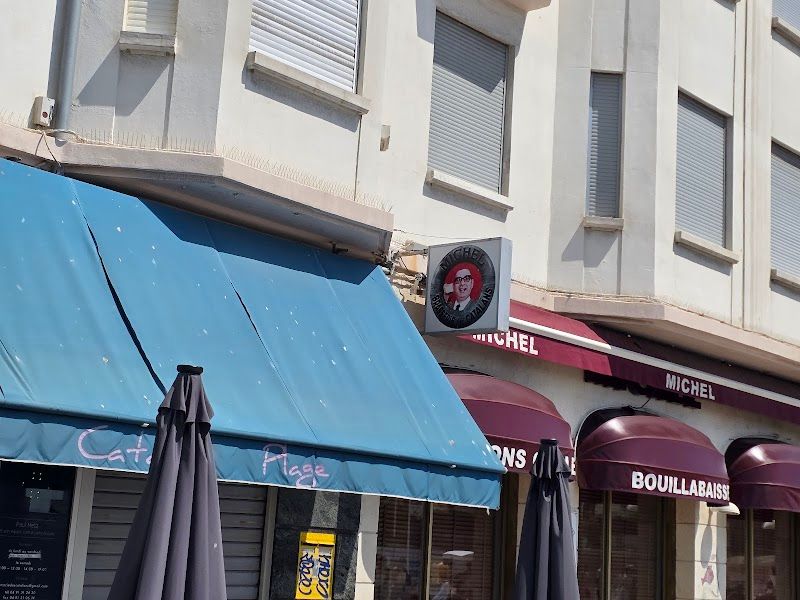
The marseille food market scene is where this Mediterranean port city shows its true character. While tourists queue for overpriced bouillabaisse on the Quai des Belges, locals are haggling over sea bream at 8 AM in the Vieux-Port fish market or loading up on harissa and fresh pasta at Marché des Capucins. These markets are not quaint tourist attractions - they are working spaces where 90 nationalities shop side by side, and where the city's famous food culture actually comes from.
The Vieux-Port Morning Fish Market: Marseille's Oldest Market
The Vieux-Port fish market happens every morning except Monday on the Quai des Belges, the same spot where Greek colonists sold their catch in 600 BC. This is not a market for tourists - it is where restaurant chefs and local housewives buy the fish that becomes bouillabaisse, where the morning's catch gets sorted into wooden crates while seagulls dive for scraps.
The market runs from 8 AM to 1 PM Tuesday through Sunday, and the best selection disappears by 11 AM. Prices depend entirely on what the boats brought in that morning, but expect to pay around EUR 15-25 per kilogram for good fish. The vendors - mostly women whose families have worked these stalls for generations - will fillet your fish and give brutal assessments of what is worth buying.
What to buy: Sea bream (daurade) and John Dory (saint-pierre) for proper bouillabaisse, fresh sardines for grilling, sea urchins (oursins) from December to April, and whatever the vendors recommend. They know better than you do.
What to skip: Anything that looks like it has been sitting since yesterday. The vendors will tell you honestly - they would rather lose a sale than their reputation.
The fish market sits at the heart of the Vieux-Port neighborhood, making it easy to combine with other morning activities in Marseille's historic center.
Marché des Capucins: Where Marseille Actually Shops
Marché des Capucins, located on Place des Capucins in the Noailles district, is the closest thing Marseille has to a grand food market. This covered market hall, built in 1970 but feeling older, is where the city's North African, Italian, Greek, and French communities converge over produce, spices, and prepared foods.
Open Tuesday through Sunday, 7 AM to 7 PM (closed Mondays), this is a proper working market. The vendors know their regulars, prices are fair, and the quality ranges from ordinary to exceptional depending on which stall you choose.
The Best Stalls at Marché des Capucins
Spices and North African specialties: The Moroccan spice vendors in the center section sell harissa, ras el hanout, and preserved lemons that put supermarket versions to shame. A jar of proper harissa costs around EUR 4-6, and they will let you taste different heat levels.
Italian delicacies: Giovanni's stall (everyone calls him Giovanni, though his name is actually Antoine) has been selling imported Italian products for thirty years. His fresh pasta is made daily, his olives come from specific farms in Liguria, and his judgment of Parmesan is absolute. Fresh pasta runs EUR 3-5 per portion.
Produce: The vegetable stalls on the north side source from local farms and wholesale markets. Tomatoes in summer are spectacular and cheap (around EUR 2-3 per kilogram), and the vendors will select fruit that is perfectly ripe for today or tomorrow, depending on what you ask for.
Cheese: The fromagerie near the entrance has a proper selection of French cheeses, but more importantly, they understand ripeness. A piece of Roquefort that is perfect today costs around EUR 8-12 for 200 grams.
This is also where you will find ingredients for Marseille's street food specialties - chickpea flour for panisse, olive oil for socca, and the North African spices that make their way into everything here.
Marché de la Plaine: Marseille's Hippest Food Market
Every Tuesday, Thursday, and Saturday morning, Place Jean Jaurès in Cours Julien transforms into Marché de la Plaine, a farmer's market that attracts young Marseillais, artists, and anyone who cares about provenance. This is not the biggest market in the city, but it is the most selective.
The market runs from 8 AM to 1 PM on market days, and unlike other Marseille markets, this one has an environmental conscience. Most vendors are local producers, organic certification is common, and plastic bags have been banned since before it was fashionable.
Local honey: Several beekeepers sell honey from the hills around Marseille. Garrigue honey (made from wild herbs) is the local specialty, with a complex flavor that costs around EUR 8-10 for a 500g jar.
Goat cheese: The cheesemaker from Cassis brings fresh chèvre and aged goat cheeses. Her fresh cheese with herbs is worth the EUR 4-5 price.
Seasonal produce: The vegetable selection here follows the seasons religiously. Spring brings wild asparagus, summer means perfect melons, autumn is all about mushrooms, and winter features citrus from the Var region.
The surrounding Cours Julien neighborhood is worth exploring after the market, with its street art, independent bookshops, and coffee roasters.
Marché du Prado: The Neighborhood Market
Marché du Prado happens every Monday, Wednesday, Friday, and Saturday morning on Avenue du Prado near the Parc Borély. This is a residential market where local families do their regular shopping, which means prices are competitive and quality is consistent.
The market runs 8 AM to 1 PM on market days, and the atmosphere is more relaxed than the intense commerce of Marché des Capucins. Vendors know their regular customers, children run between stalls, and the pace is unhurried.
Fish trucks: Several fishmongers park here, selling fresh catch from small boats. Prices are usually better than at the Vieux-Port, and the selection includes fish that restaurants don't bother with - home cooking.
Rotisserie chicken: Two competing chicken trucks set up on opposite sides of the market, both roasting chickens on massive spits. A whole chicken costs around EUR 8-10, and the skin crackles.
North African pastries: A vendor makes fresh chebakia, makroud, and other North African sweets. These cost around EUR 2-3 per piece and disappear quickly.
This market works best if you are staying in southern Marseille or want to combine market shopping with a walk in Parc Borély.
Food Tours vs. Shopping Solo: What Works Better
Several companies offer marseille food tour experiences that include market visits, but the economics are questionable. Most food tours charge EUR 60-80 per person for three hours and hit the same tourist-friendly stalls that speak English and give samples.
For actual shopping and learning, the Vieux-Port fish market works better solo. The vendors appreciate customers who buy something, not tourists taking photos. At Marché des Capucins, language barriers matter less than pointing and willingness to try things.
If you do want guided market experience, look for walking tours that include multiple neighborhoods rather than single-market focus. Some local guides combine Le Panier exploration with Cours Julien market visits, which gives better context for how food fits into Marseille's distinct districts.
Specialty Markets and Seasonal Events
Beyond the regular weekly markets, Marseille hosts several specialty food events worth timing your visit around.
Christmas markets (December): The Place aux Huiles Christmas market near the Vieux-Port focuses on Provençal specialties - calissons from Aix, nougat from Montélimar, and olive oils from local mills. Quality varies, but prices are reasonable.
Truffle markets (January-March): When truffle season hits, impromptu markets appear in Le Panier and near the Cathedral. These are serious affairs where local chefs compete with private buyers for the best specimens.
Fish festivals (summer): Several neighborhoods organize sardine festivals and fish-focused markets during summer months. These combine market stalls with grilling demonstrations and are worth seeking out.
Ramadan night markets: During Ramadan, temporary evening markets appear in neighborhoods with large Muslim populations, selling dates, pastries, and prepared foods for iftar.
Market Shopping Strategy: Timing and Etiquette
Successful market shopping in Marseille requires understanding local rhythms. Most markets are best between 9 AM and 11 AM - early enough for good selection, late enough that vendors are awake and friendly.
Language: Basic French helps, but pointing and enthusiasm work fine. Most vendors understand "Qu'est-ce que vous recommendez?" (What do you recommend?) and will guide you toward what is good today.
Payment: Cash only at most stalls. Some larger vendors at Marché des Capucins accept cards, but bring EUR 50-100 in small bills for a proper shopping trip.
Bags: Bring your own shopping bags. Plastic bags cost extra where they exist at all, and paper bags disintegrate quickly with wet fish or heavy vegetables.
Tasting: Vendors will offer tastes of cheese, olives, and seasonal fruit, but buy something if you taste something. This is commerce, not entertainment.
Bargaining: Limited bargaining happens at the end of the day when vendors want to clear stock, but morning prices are generally fair and fixed.
Getting to Marseille's Food Markets
Marseille's metro system connects most major markets efficiently. A single RTM ticket costs EUR 1.7 and is valid for one hour with transfers.
Vieux-Port markets: Metro Line 1 to Vieux-Port-Hôtel de Ville station puts you directly at the fish market.
Marché des Capucins: Metro Line 1 to Noailles station, then a two-minute walk up Rue d'Aubagne.
Marché de la Plaine: Metro Line 1 to Notre-Dame du Mont-Cours Julien station, then walk down to Place Jean Jaurès.
Marché du Prado: Metro Line 2 to Rond-Point du Prado station, then walk south on Avenue du Prado.
Parking near markets ranges from difficult to impossible. Street parking costs around EUR 2 per hour where it exists, and parking violations are efficiently ticketed.
What to Do After Market Shopping
Market shopping works best when combined with other Marseille activities. After buying fish at the Vieux-Port, walk through Le Panier historic district or take the short ferry across to Fort Saint-Nicolas. Post-Capucins shopping pairs well with exploring the multicultural Noailles neighborhood or walking up to Notre-Dame de la Garde basilica.
For comprehensive Marseille planning, our first-time visitor guide and 2-3 day itinerary show how market visits fit into broader exploration of the city.
The city's market culture extends beyond shopping into its restaurant scene, which we cover thoroughly in our complete food guide. Understanding where ingredients come from makes the final dishes more meaningful - and helps you spot the restaurants that actually care about quality versus those just serving tourist versions of Marseille classics.
Marseille's food markets are not tourist attractions that happen to sell food. They are working institutions where the city's complex identity plays out over produce and fish, where 2,600 years of Mediterranean commerce continues every morning, and where you can eat better for less money than anywhere else in the city. Show up early, bring cash, and buy what the locals recommend.