Marseille
Things to Do
36 attractions, museums, and experiences
Le Panier Quarter Walk
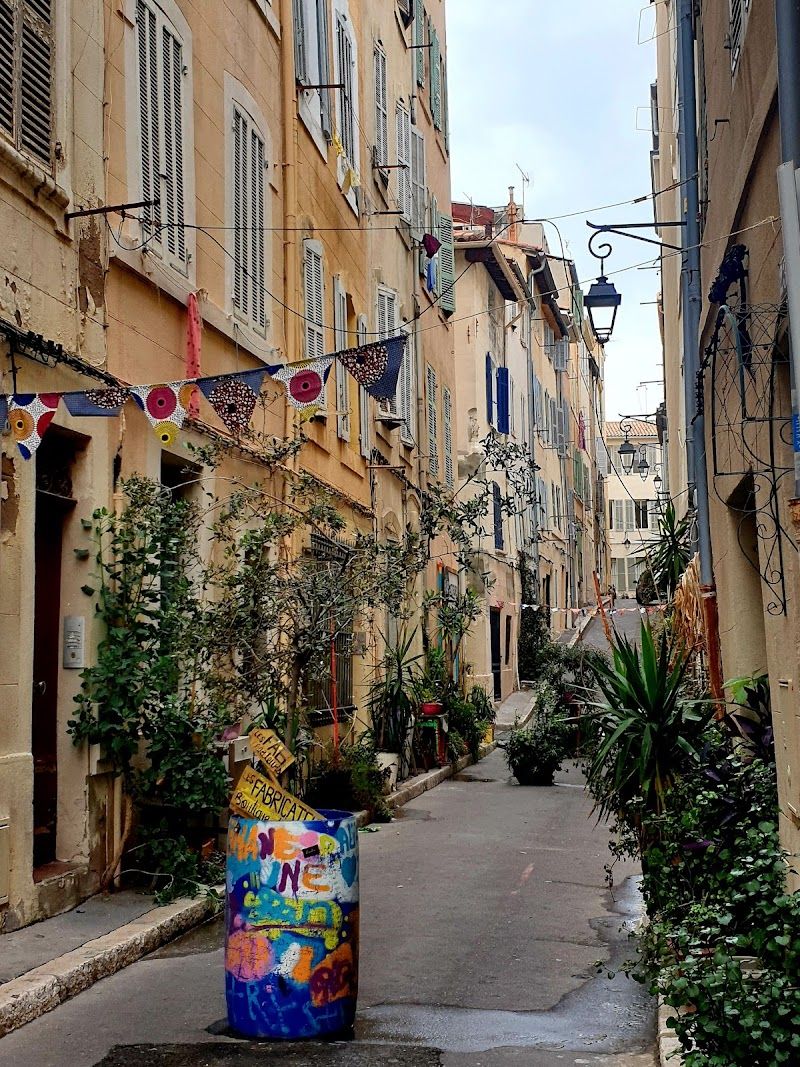
Le Panier is Marseille's oldest neighborhood, where Greek sailors first settled in 600 BC on the hill overlooking what's now the Vieux-Port. Today it's a maze of narrow cobblestone streets covered in constantly changing street art, with artisan workshops, small galleries, and the occasional locals-only café. The centerpiece is La Vieille Charité, a 17th-century baroque complex built around a domed chapel that now houses three museums (Egyptian, African, and Mediterranean collections) for EUR 6-12. You'll start at the bottom near the port and climb steep streets that feel more like outdoor art galleries than actual roads. Every wall, stairway, and doorway seems to have a mural, and the art changes regularly as new artists add their work. The atmosphere shifts as you climb: touristy at the bottom near Rue de la République, increasingly authentic as you reach the upper streets around Place des Moulins. From the top, you get views back down to the old port and across the city. This isn't some sanitized historic district, it's a real neighborhood where people actually live, though gentrification is creeping in. Skip the museums at La Vieille Charité unless you're genuinely interested in the collections; the building's architecture is impressive enough from the courtyard (free to enter). The walk takes about 90 minutes if you're stopping for photos, but avoid midday in summer when the stone streets become hot with zero shade.
Corniche Kennedy
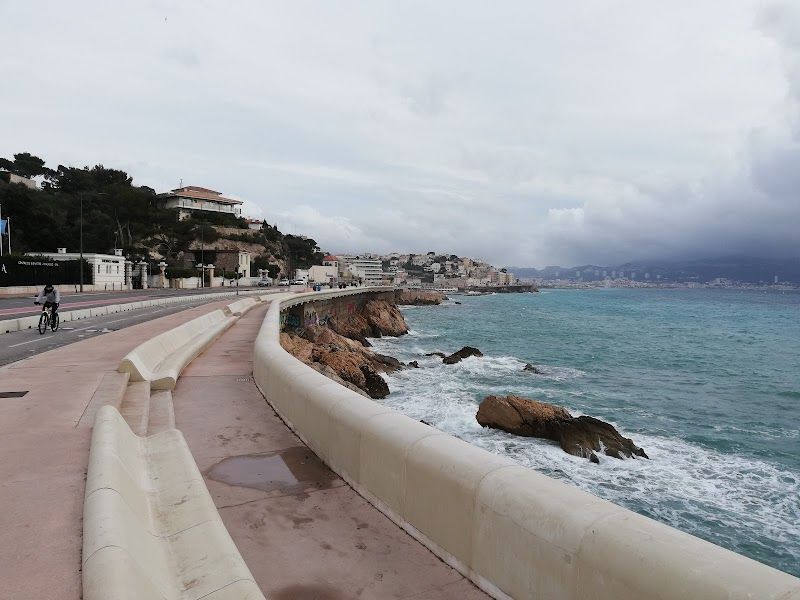
Corniche Kennedy stretches 5 kilometers along Marseille's rocky Mediterranean coastline, connecting the Vieux-Port to the Prado beaches through a series of sea views and Belle Époque architecture. You'll walk or drive past dramatic limestone cliffs, secluded swimming coves where locals dive from rocks, and the postcard-perfect Vallon des Auffes fishing village with its colorful pointu boats. The promenade offers constant glimpses of the Château d'If and Frioul Islands floating offshore. The walk feels like discovering Marseille's genteel side after the gritty port atmosphere. Elegant 19th-century villas line sections of the route, their gardens spilling over stone walls toward the sea. You'll pass couples fishing from rocky outcrops, families picnicking in tiny coves, and serious swimmers taking their daily plunge regardless of season. The Mediterranean crashes against the rocks below while seagulls wheel overhead, and every bend reveals another perfect photo opportunity. Most guides treat this as a quick drive-by, but you need at least 90 minutes on foot to appreciate it properly. The stretch from Vallon des Auffes to Malmousque is the most spectacular, skip the final kilometer toward Prado which gets monotonous. Parking costs 2 EUR per hour in marked spots, but street parking fills up fast after 11am. The afternoon light makes the limestone cliffs glow golden, evening visits feel rushed despite the sunset appeal.
Notre-Dame de la Garde
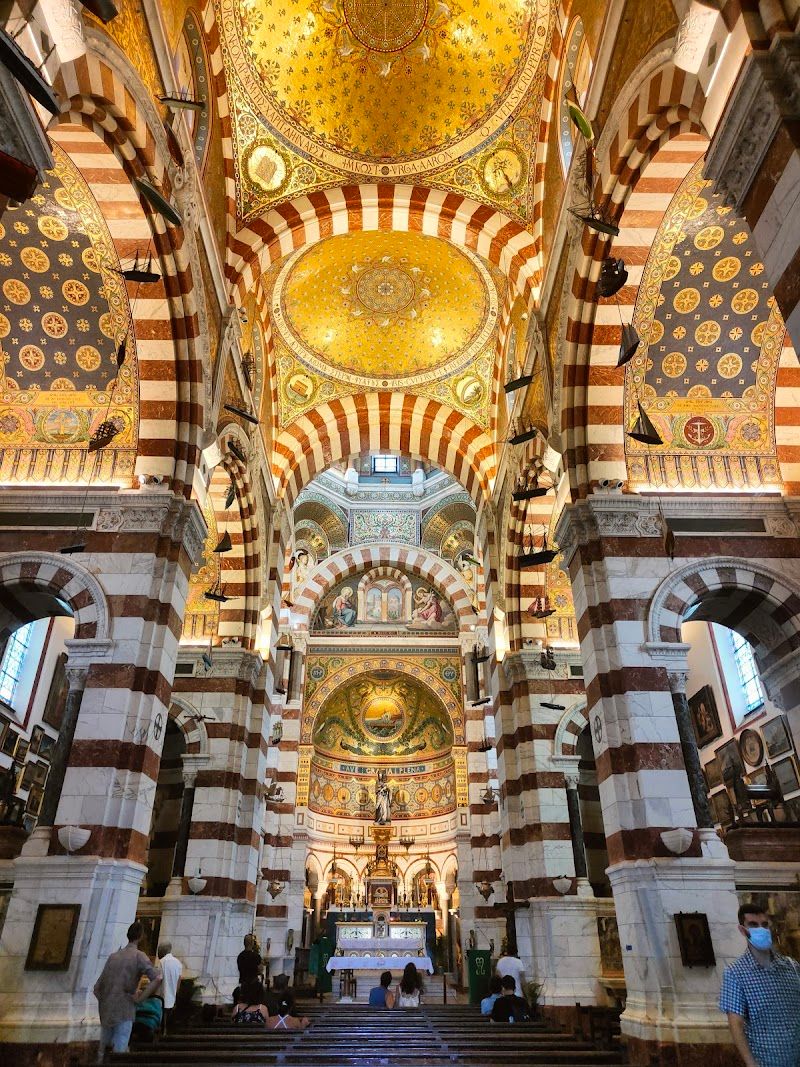
Notre-Dame de la Garde is Marseille's golden-crowned basilica perched 154 meters above the Mediterranean, and frankly, it's the only viewpoint in the city that matters. The Romano-Byzantine church is topped with a 9-meter golden statue of the Madonna and Child that's visible from boats 50 kilometers offshore. Inside, you'll find thousands of ex-votos: painted ship wrecks, model boats, military medals, and photographs left by sailors thanking "La Bonne Mère" for survival at sea. The basilica feels more like a maritime museum than a typical church, with every surface covered in these deeply personal offerings from fishermen and their families. The atmosphere is unexpectedly moving, even if you're not religious. But most people come for the 360-degree panoramic terrace that explains why Marseille exists: the Vieux-Port directly below, the château d'If and Frioul islands offshore, the Calanques coastline stretching south, and on clear days, the Alps rising behind the city. Skip the 30-minute uphill slog from the Vieux-Port and take Bus 60 instead (EUR 1.70 with a standard transit ticket, runs every 20 minutes). Most guides don't mention that the morning eastern light makes the city view dramatically better than afternoon shots. Entry to the basilica is free, and you can easily see everything worthwhile in 90 minutes.
MuCEM - Museum of European and Mediterranean Civilisations
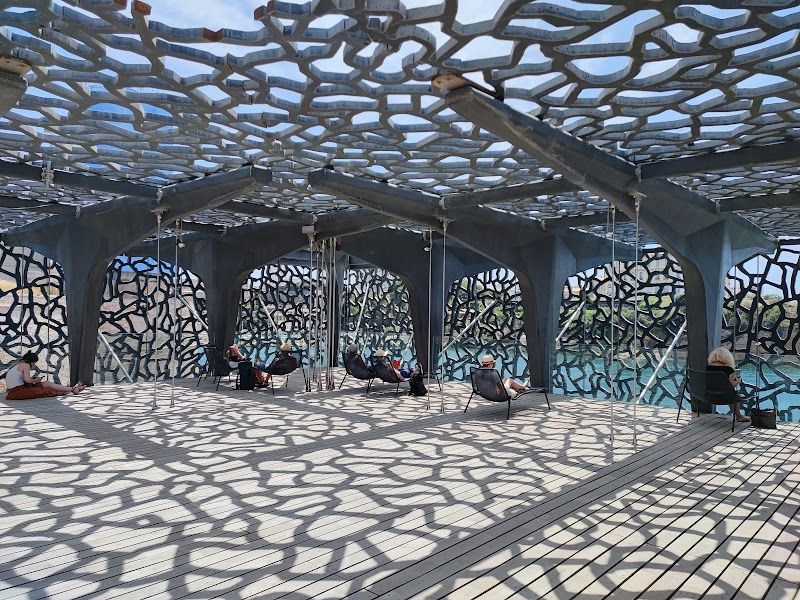
MuCEM is Marseille's standout modern museum, housed in a striking black concrete cube that seems to float above the Mediterranean at the entrance to the old port. Inside, you'll find Mediterranean civilizations traced from ancient times to today through archaeological artifacts, ethnographic collections, and contemporary art installations. The real draw is Rudy Ricciotti's latticed concrete architecture that filters sunlight into geometric patterns across the galleries, plus the elevated walkway connecting to historic Fort Saint-Jean. The visit flows naturally from the ground floor's temporary exhibitions (usually excellent) up through the permanent collection spanning three levels. The building itself steals the show with its perforated walls creating an ever-changing play of light and shadow as you move through the spaces. The rooftop terrace delivers spectacular views over the Vieux-Port entrance and out to sea, while the connecting bridge to Fort Saint-Jean feels like walking on water 15 meters above the waves. Most guides don't mention that you can enjoy much of MuCEM's appeal without paying the EUR 11 entry fee. The dramatic exterior, the free walkway to Fort Saint-Jean, and the J4 esplanade in front offer the architectural experience and sea views. If you do pay, focus on the temporary exhibitions over the permanent collection, which can feel scattered. The rooftop is worth the admission alone for photographers. Skip Tuesdays when it's closed.
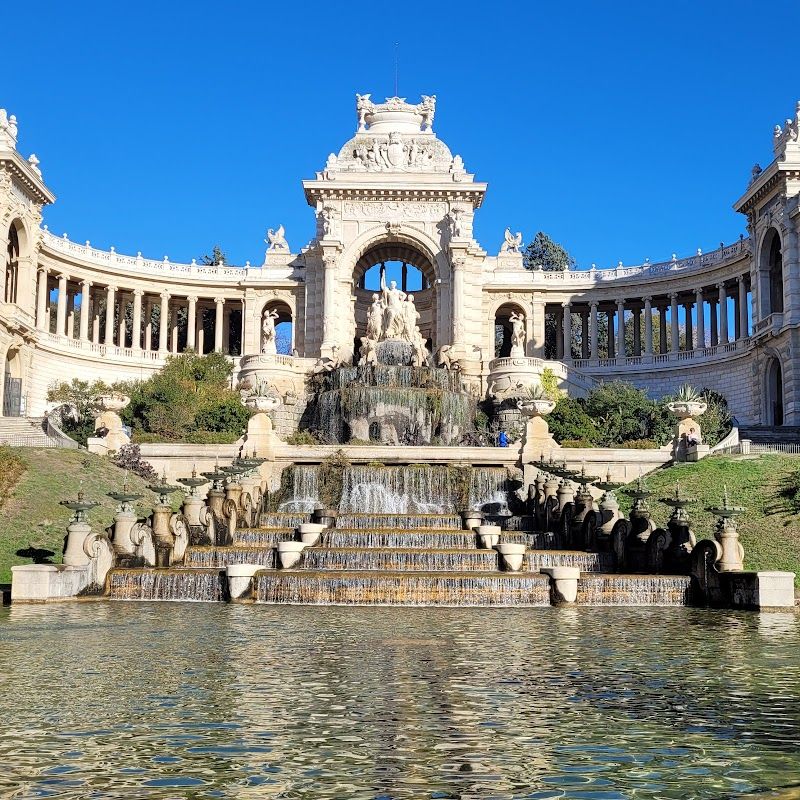
Palais Longchamp
Palais Longchamp stands as Marseille's most impressive architectural statement, built in 1869 to celebrate the arrival of canal water from the Durance River. You'll find a magnificent cascading fountain at the center, flanked by curved colonnades that sweep toward two pavilions housing the Fine Arts and Natural History museums. The exterior spectacle costs nothing to see, while museum entry runs about 6 EUR each if you're interested. Walking up to the palace feels genuinely grand: water cascades down multiple tiers while carved animals and allegorical figures watch from the stonework. The colonnades create perfect symmetry, and you can wander freely around the entire structure. Behind the palace, landscaped gardens offer a quieter perspective with fewer tour groups, plus you get that classic postcard shot looking back at the colonnades framing the central fountain. Most visitors spend too much time debating the museums and miss the real attraction: this is about the architecture and gardens, not the collections inside. The Natural History museum feels dated, while the Fine Arts has decent Provençal paintings but nothing exceptional. Come for the exterior, bring your camera, and save your museum euros for the MuCEM down at the port.
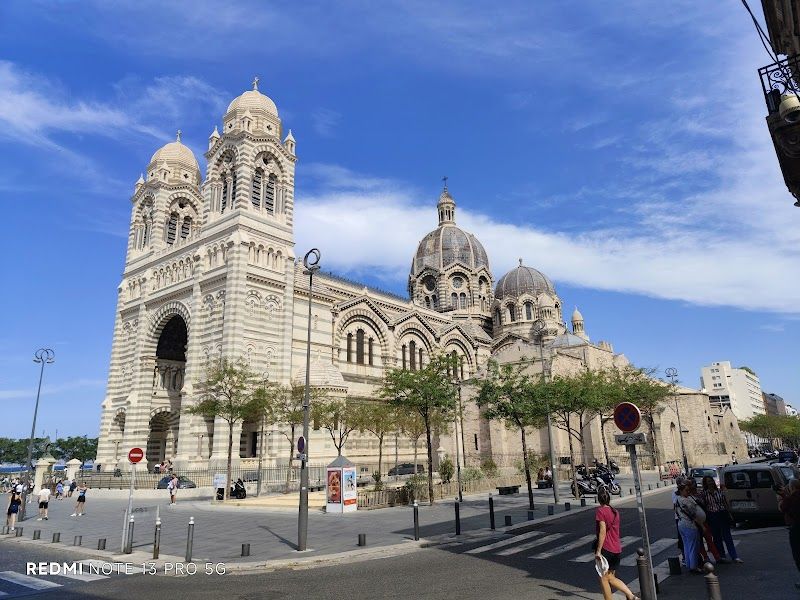
Cathédrale La Major
Cathédrale La Major rises like a Byzantine palace transplanted to the Mediterranean, with green and white striped stonework that looks nothing like traditional French churches. Built between 1852 and 1893, this massive cathedral holds 444 marble columns, golden mosaics covering 2,870 square meters, and a blend of Eastern and Western Christian art that reflects Marseille's position as a gateway between Europe and the Orient. The sheer scale impresses: it's 142 meters long and can hold 3,000 people. Walking inside feels like entering a completely different world from the narrow streets of Le Panier outside. The striped exterior continues inside with alternating bands of white Carrara marble and green stone from Florence, while Byzantine-style mosaics cover the domes and walls in gold, blue, and crimson. Your footsteps echo in the vast space, and afternoon light filters through stained glass windows onto the marble floors. The atmosphere stays surprisingly peaceful despite being free to enter. Most visitors spend too much time photographing the exterior and rush through the interior, but the real treasures are inside. The crypt (free entry) contains beautiful marble work that most people skip entirely. Skip the crowded midday hours when cruise ship groups arrive, and don't bother with the souvenir shop near the entrance. The contrast with the tiny Romanesque Vieille Major next door makes both churches more interesting.
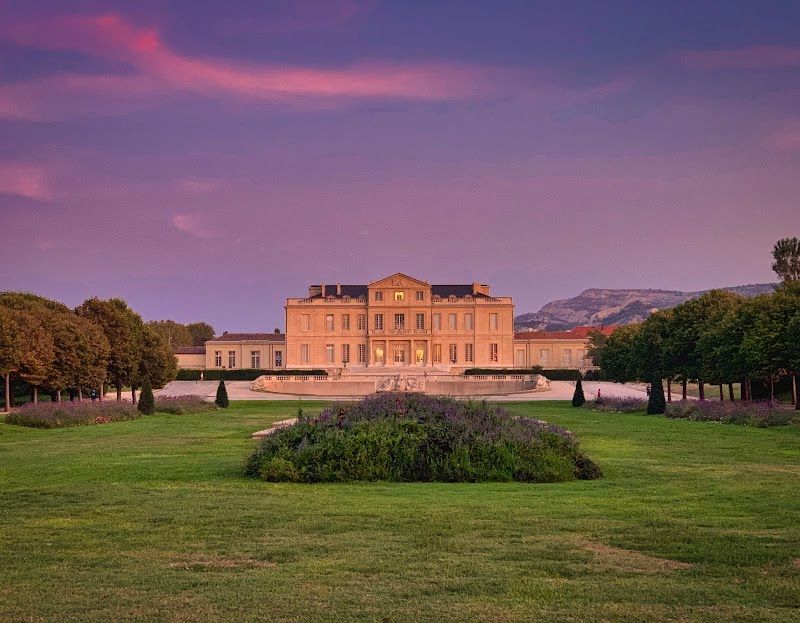
Parc Borély
Parc Borély sprawls across 17 hectares of Marseille's 8th arrondissement, combining formal French gardens with wild botanical sections and the kind of massive lawns where locals actually picnic. You'll find the 18th-century Château Borély housing a decorative arts museum (€6 entry), plus distinct garden zones: manicured rose beds, Mediterranean plant collections, and shaded groves of plane trees that have been here for over a century. The park also includes a concrete skate bowl, duck ponds, and enough winding paths to lose tourists completely. Walking through feels like discovering Marseille's quieter personality, especially compared to the intensity around the Old Port. Families spread blankets under ancient trees while joggers loop the perimeter paths, and the formal gardens near the château give way to wilder sections where you'll hear more birds than traffic. The rose garden peaks spectacularly in late spring, but even in summer the established trees create genuine shade pockets. Weekend afternoons bring pickup football games on the main lawn and families feeding ducks by the small pond. Most guides oversell the château museum, which is pleasant but not essential unless you're genuinely into 18th-century ceramics and furniture. The real value here is space and shade during Marseille's brutal summer heat. Skip the crowded main entrance on Avenue du Parc Borély and use smaller side gates for a more peaceful entry. The botanical sections are genuinely interesting if you're into Mediterranean plants, but the rose garden gets overhyped outside of May and June.
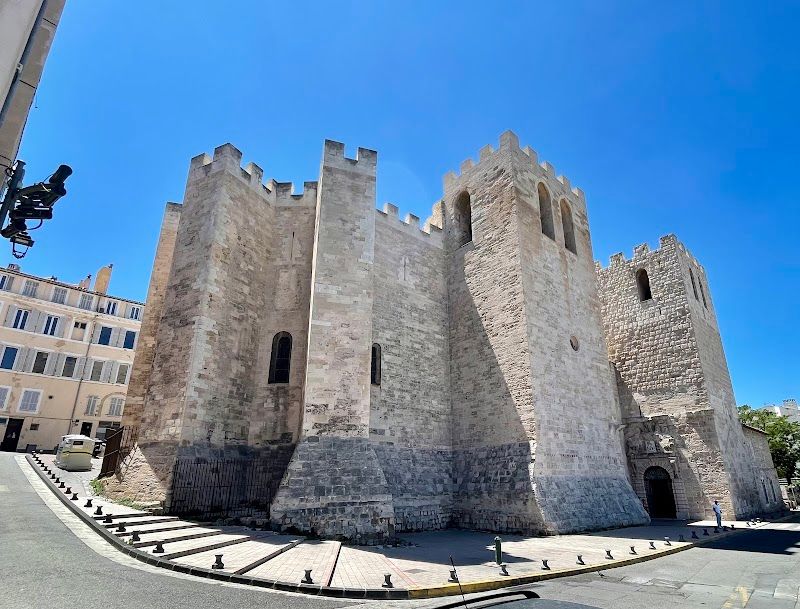
Abbaye Saint-Victor
Abbaye Saint-Victor stands like a stone fortress above Marseille's old port, and it's genuinely one of France's oldest Christian sites dating to the 5th century. The real draw is underground: for just EUR 2, you can explore the crypts and catacombs where early Christians worshipped in secret. You'll find ancient sarcophagi, stone altars carved 1,500 years ago, and the famous Black Madonna statue that's been a pilgrimage destination for centuries. The visit feels like descending into Marseille's spiritual foundation. The upper church is austere and fortress-like, built thick to withstand Saracen raids, but the crypts below transport you to Christianity's earliest days in France. The stone corridors are cool and dim, with explanatory panels in French and English. The Black Madonna draws a steady stream of locals lighting candles, and you can feel the weight of centuries of devotion in these underground chambers. Most guidebooks oversell the main church, which is honestly quite plain. Spend your time in the crypts instead, that's where the history lives. The EUR 2 entry is excellent value compared to other Marseille attractions. Skip this if you're not interested in early Christian history, but if ancient sites intrigue you, this beats the overhyped Basilique Notre-Dame de la Garde for authentic atmosphere.
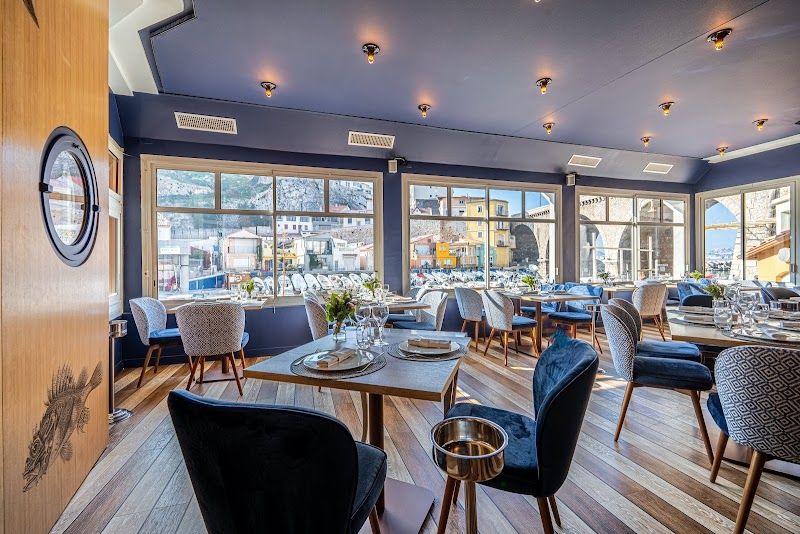
Chez Fonfon
Family-run restaurant in the tiny fishing port of Vallon des Auffes, serving authentic bouillabaisse since 1952. One of the original signatories of the Bouillabaisse Charter, requiring 24-hour advance order for their signature dish. The terrace overlooks colorful pointu boats and the Mediterranean.
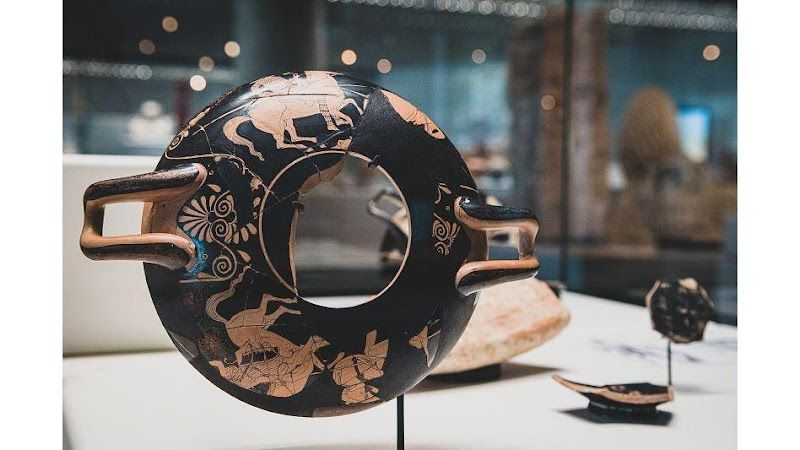
Musée d'Histoire de Marseille
This surprisingly engaging museum sits beneath the Centre Bourse shopping center, showcasing 2,600 years of Marseille's past through genuine archaeological discoveries. The centerpiece is a perfectly preserved 3rd century Roman merchant ship hull, displayed alongside ancient Greek ramparts you can actually walk through. You'll see artifacts from Greek colonization in 600 BC through medieval times, plus interactive displays that bring the old port to life. The experience flows chronologically through glass walkways suspended over real excavation sites. You're literally walking above where archaeologists uncovered Greek fortifications and Roman docks. The ship display is genuinely impressive: the wooden hull survived because it was buried in harbor mud for centuries. Touch screens let you explore 3D reconstructions of ancient Marseille, showing how the coastline and port evolved over millennia. Most travel guides oversell this as essential, but it's actually perfect for rainy days or when you need air conditioning. The €6 admission is reasonable, though seniors get in for €3. Skip the temporary exhibitions unless you read French well. The best part isn't the museum itself but the included access to Port Antique garden outside, where Greek dock remains sit under open sky.
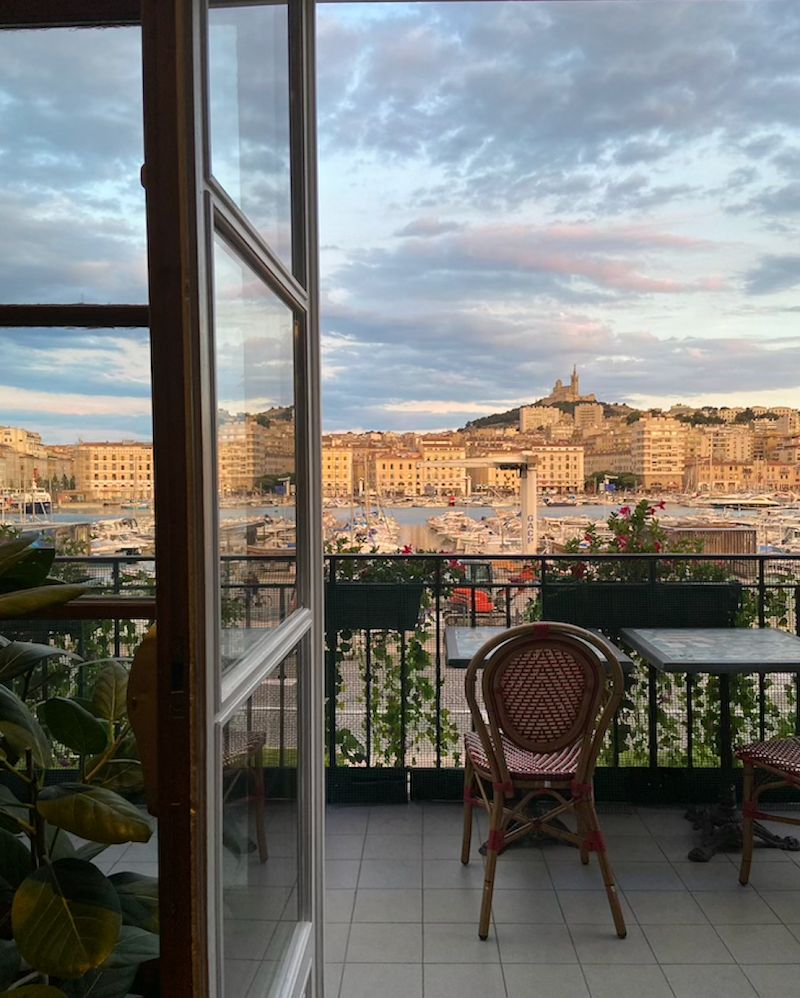
La Caravelle
Historic seafarers' bar on the Vieux-Port since 1947, known for serving traditional pastis in the proper Marseille way with a carafe of cold water. The wood-paneled interior is covered with maritime memorabilia, vintage photos, and ship models, creating an authentic dockside atmosphere unchanged for decades.
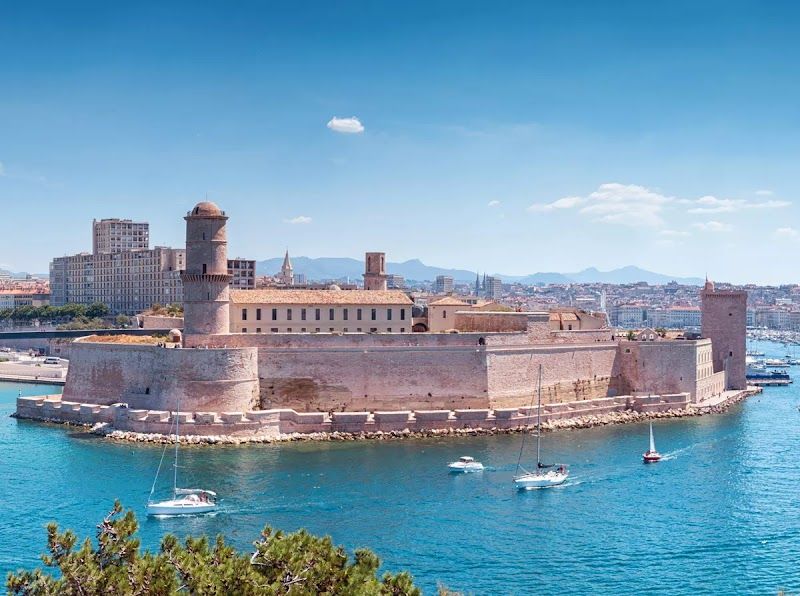
Fort Saint-Jean
Fort Saint-Jean is a 17th-century fortress that literally guards Marseille's old port entrance, built by Louis XIV to keep an eye on the rebellious locals as much as foreign invaders. You can walk completely around the ramparts at sea level for free, exploring medieval towers like the Tour du Roi René and Tour du Fanal while getting postcard views of the Vieux-Port. The dramatic footbridge to MuCEM adds a modern twist, suspended 12 meters above the water. The experience feels like walking through layers of history, from medieval stones to Baroque fortifications. You'll start at the modern entrance near MuCEM, then follow stone pathways that hug the Mediterranean coastline. The rampart walk takes you past massive cannon positions and through ancient gateways, with boats bobbing in the harbor below and the Notre-Dame de la Garde basilica gleaming on the hill above. The contrast between weathered fortress walls and the sleek museum architecture creates striking photo opportunities. Most guides don't mention that the interior exhibitions are forgettable, so skip them entirely and focus on the outdoor ramparts and towers. The sunset timing is overrated because you're facing east toward the port, morning light is actually better for photography. Entry is completely free, making this one of Marseille's best deals, but don't expect much interpretation or signage in English.
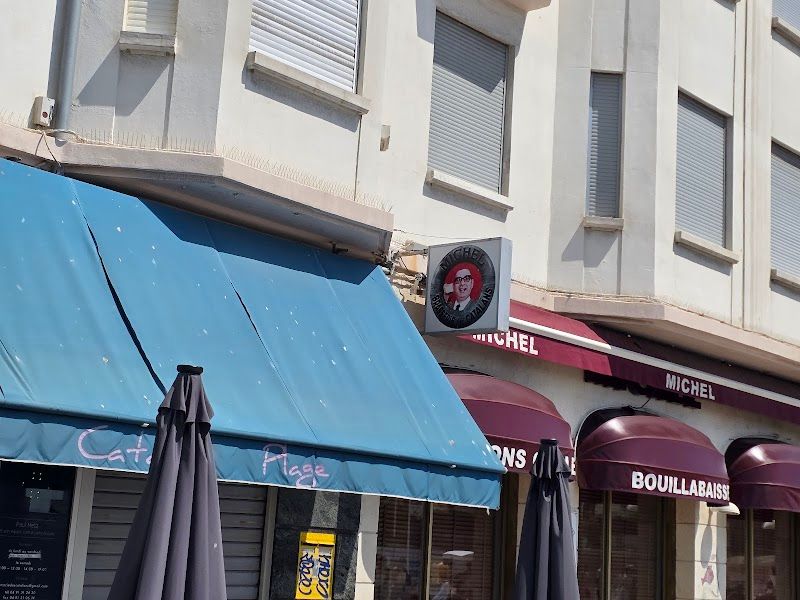
Chez Michel
No-frills bouillabaisse specialist on the Corniche with a loyal local following and Bouillabaisse Charter certification. The focus is entirely on the fish, sourced daily from the Criée fish market. Minimal decoration, maximum flavor, and prices slightly lower than the touristy Vieux-Port locations.
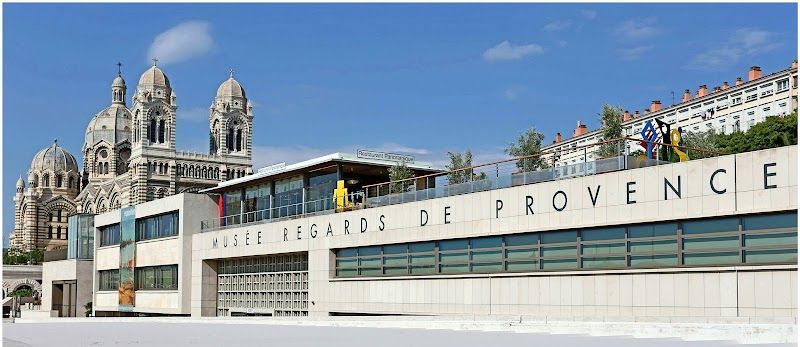
Regards de Provence
Regards de Provence occupies a striking 1948 sanitary station building that looks like a modernist castle, complete with a cylindrical tower that dominates the skyline. Inside, you'll find rotating exhibitions of how artists from Cézanne to contemporary painters have captured Provence's landscapes, light, and culture. The permanent collection spans 150 years of Provençal art, with some genuinely surprising pieces that go beyond the typical lavender field clichés. The museum flows logically through chronological periods, starting with 19th century romanticized visions and moving toward grittier modern interpretations. What strikes you immediately is how the building's original medical function creates an unexpectedly intimate viewing experience: small rooms force you to engage closely with each piece. The tower climb involves several flights of narrow stairs, but the 360-degree panorama at the top genuinely delivers, especially the view toward MuCEM and the old port. Most travel guides oversell this as essential Marseille culture, but honestly, it's worth visiting primarily for the building and tower view rather than the art collection itself. The permanent collection feels somewhat limited, and temporary exhibitions can be hit or miss. Entry costs around 6 EUR, which feels fair given the unique architecture and vista. Skip this if you're short on time and prioritize MuCEM instead, unless you're specifically interested in regional art history.
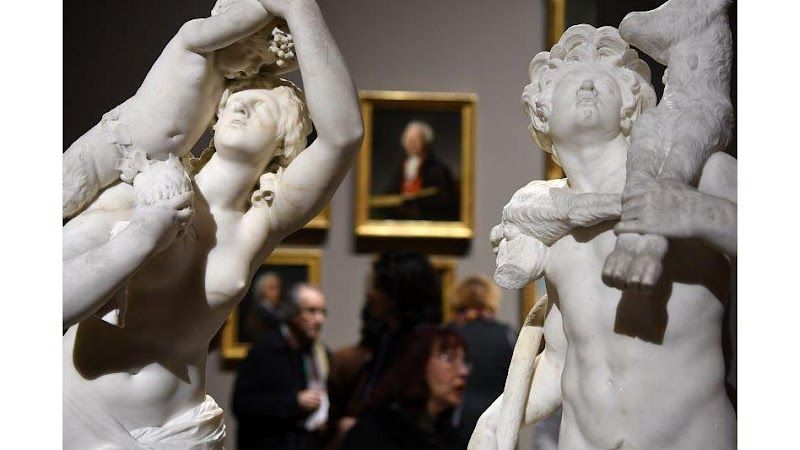
Musée des Beaux-Arts
The Musée des Beaux-Arts is located in the left wing of Palais Longchamp, showcasing one of southern France's finest collections of European paintings from the 16th to 19th centuries. You'll find works by Rubens, Perugino, and lesser-known Provençal masters like Pierre Puget, whose sculptures are genuinely impressive. The palace itself, built in 1869 to commemorate bringing water to Marseille, is a significant feature with its elaborate facade and grand staircases. You'll enter through soaring rooms with ornate ceilings that frame the artwork beautifully. The layout flows chronologically, taking you from Renaissance portraits through Baroque masterpieces to 19th-century Provençal landscapes that capture the Mediterranean light perfectly. The building's original decorative elements compete with the paintings for attention, creating an almost overwhelming visual experience. Most visitors spend time photographing the architecture as much as studying the art. Honestly, half the appeal here is the palace architecture rather than the collection itself. While the Rubens pieces are excellent, many rooms feel sparse and the contemporary exhibitions can be hit or miss. Entry costs 6 EUR but it's free the first Sunday of each month when locals pack the place. If you're short on time, focus on the main galleries and then explore the gardens and fountains outside, which are definitely worth spending extra time on.
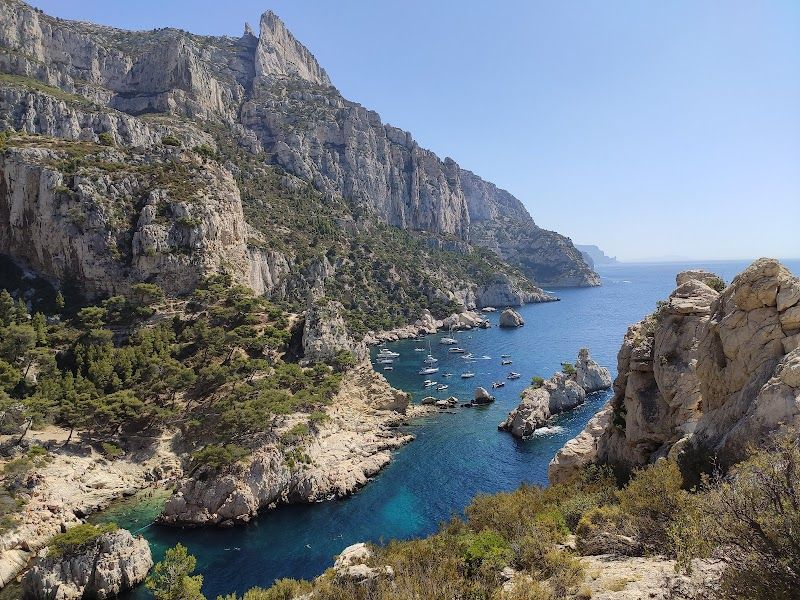
Calanques Boat Trip from Vieux-Port
The Calanques boat trip takes you along Europe's most dramatic coastline, where vertical white limestone cliffs plunge into impossibly turquoise water. You'll visit three calanques on the standard trip: Morgiou and Sormiou (the accessible ones) plus one further east like Sugiton. The boats pause at each calanque for photos and swimming, giving you access to places that would take serious hiking to reach overland. Expect crystal-clear water, dramatic geology, and that specific Mediterranean light that makes everything look like a postcard. The 3.5-hour trip departs from Quai des Belges with about 50 other passengers on converted fishing boats. You'll cruise past Marseille's industrial port before the coastline transforms into something from a fantasy novel. At each stop, the captain cuts the engine and you float in silence while people jump off the boat to swim. The water is startlingly cold even in summer, but the experience of swimming in these natural amphitheaters surrounded by 200-meter cliffs is unforgettable. The boat ride between calanques offers constant photo opportunities as new formations appear around each headland. Most operators charge EUR 28-35 for the standard three-calanque trip, which is fair value for what you get. Skip the commentary headphones (they're terrible) and just enjoy the views. The full-day trips to En-Vau cost EUR 45-50 but are worth it if you have time, since En-Vau is genuinely the most spectacular calanque. Book morning departures when possible as the water stays calmer and the light is better for photos. Summer fire restrictions often close hiking trails but never affect boat access, making this your reliable way to see the calanques from June through September.
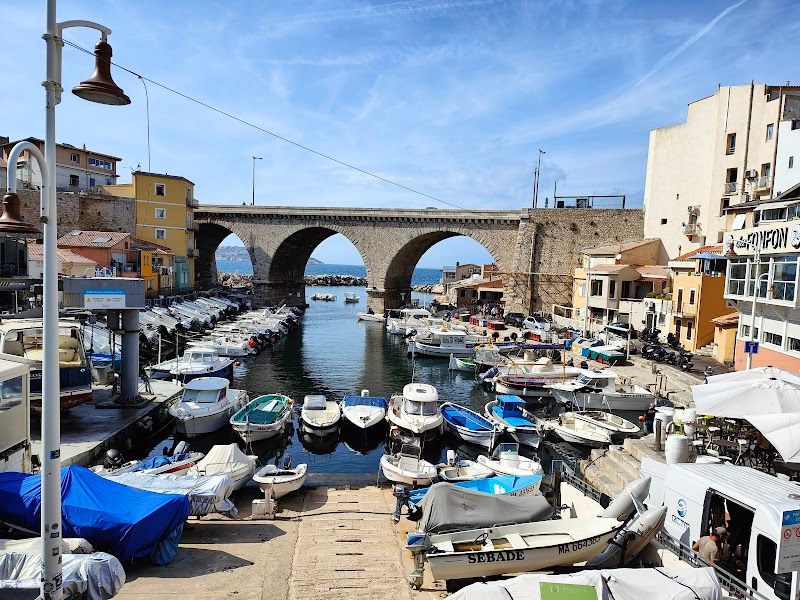
Vallon des Auffes
Vallon des Auffes is a postcard-perfect fishing port carved into the cliffs below Marseille's Corniche Kennedy, completely hidden from the main road by a stone viaduct. You'll find maybe a dozen colorful pointu boats pulled up on the rocky shore, sleeping cats sprawled across warm stones, and two legendary bouillabaisse restaurants facing each other across 50 meters of crystalline water. It's a functioning fishing village that happens to sit inside France's second-largest city. The experience feels like discovering a movie set. You descend stone steps through the viaduct and suddenly the city noise vanishes, replaced by gentle lapping waves and the clink of boat rigging. Fishermen mend nets in the morning sun while restaurant staff prep tables for the evening service. The narrow walkway around the basin takes maybe 10 minutes to complete, but you'll want to linger on the far rocks where the view back toward the boats is perfect. Most guides oversell this as some secret discovery, but it's well-known and gets packed during sunset hours. Chez Fonfon and Chez Michel both charge €65-80 per person for proper bouillabaisse (minimum two people, book days ahead). Skip the expensive fish soup unless you're serious about bouillabaisse culture. Come early morning for fishing boat activity or late afternoon for golden light, but avoid peak lunch hours when tour groups descend.
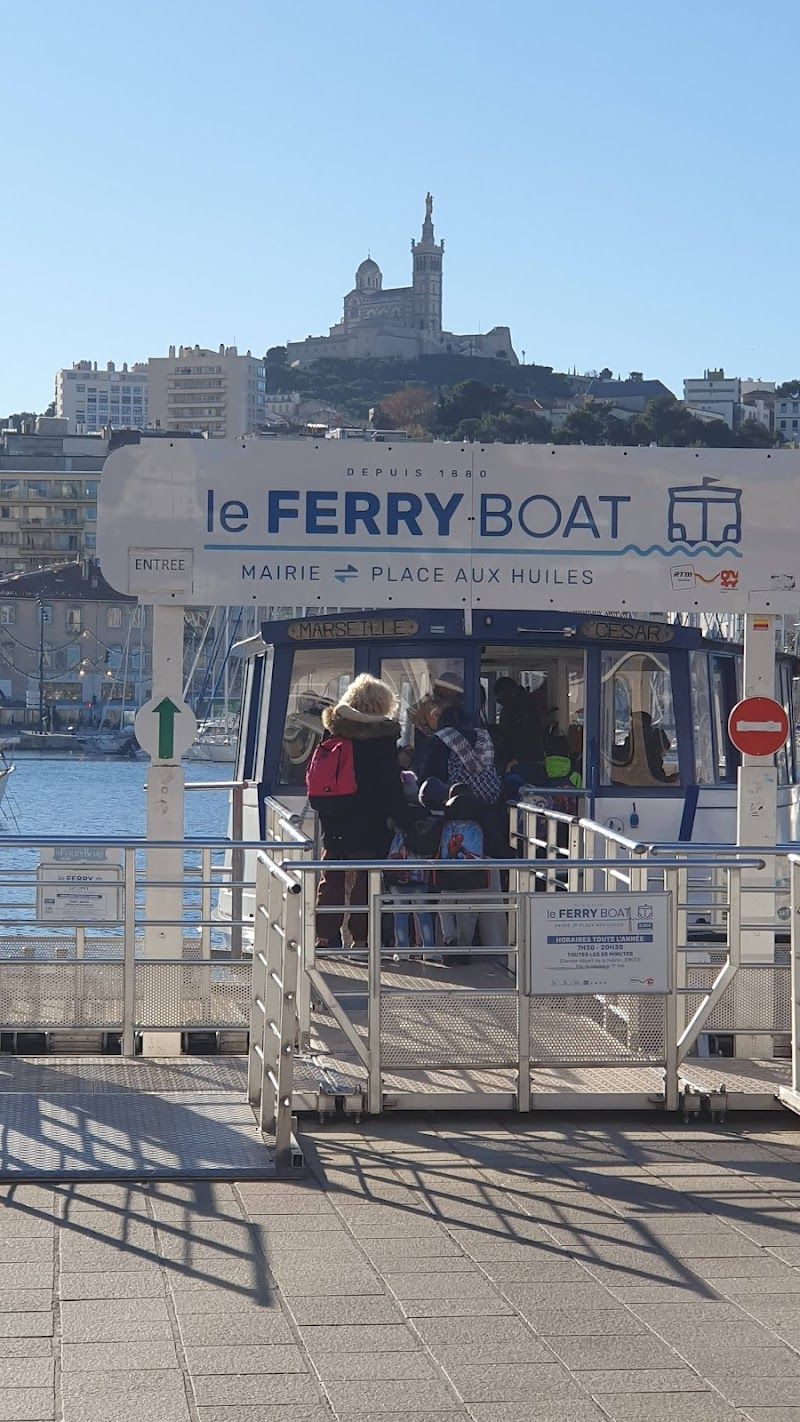
Vieux-Port Morning Fish Market
This is Marseille's oldest continuous market, where local fishermen have sold their catch directly from boats since 600 BC. You'll find whatever came in that night: sea bass, red mullet, John Dory, the essential bouillabaisse fish like rascasse and grondin, plus octopus and sea urchins displayed on ice. The boats tie up along the north quay around 7 AM, and fishermen hawk their wares straight from wooden crates while gulls circle overhead. The scene feels authentically working class in a city that's rapidly gentrifying. Locals argue over prices in thick Provençal accents while tourists hover with cameras, unsure whether to intrude. The smell of brine and fish fills the morning air as vendors shout prices and toss purchases into plastic bags. It's chaotic, loud, and completely unpretentious: this is what Marseille actually looks like when it's not performing for visitors. Most fish runs EUR 8-15 per kilo, but don't bother buying unless you're cooking that day. The real value is watching this 2,600-year-old tradition play out while sipping coffee from nearby cafés. Skip the tourist-facing stalls on the south quay, they're overpriced and selling yesterday's catch. By 11 AM it's over, so arrive early or miss the whole show.
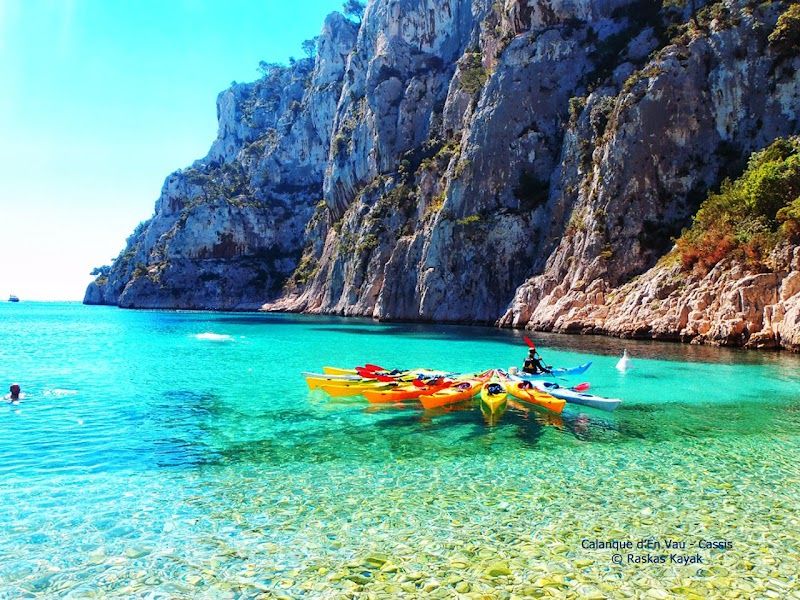
Raskas Kayak
Raskas Kayak gets you into the Calanques National Park the way nature intended: quietly, with just your paddle cutting through impossibly blue water. You'll launch from Marseille's Pointe Rouge and spend three hours accessing limestone inlets that tour boats can't reach, like Calanque de Sugiton with its dramatic white cliffs and swimming holes perfect for cliff jumping. The guides know every current and cave entrance, plus they'll tell you which spots are safe for diving and where to find the clearest water. The paddle out feels like entering another world as Marseille's urban sprawl gives way to pristine Mediterranean wilderness. Your group (usually 8-10 people) moves at a relaxed pace, stopping frequently to swim in water so clear you can see fish darting around underwater rocks 10 meters below. The guides share local stories while you float in protected coves where the only sounds are waves lapping against limestone and the occasional seabird call. The cliff jumping spots range from beginner friendly 3-meter drops to adrenaline pumping 8-meter leaps. Most operators charge around 65-75 EUR, but Raskas delivers better value with smaller groups and longer swimming stops. Skip the Cassis departure: it costs 10 EUR more and you'll battle tourist boat wakes the entire time. The Marseille route takes you to wilder calanques with better cliff jumping and fewer crowds. Book directly through their website to avoid booking fees, and bring an underwater camera because the visibility here rivals the Caribbean.
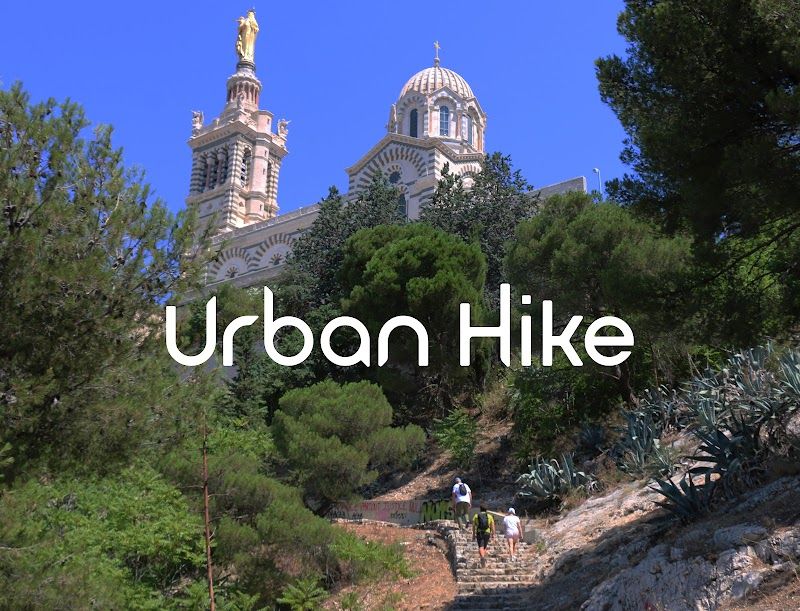
Urban Aventure - Marseille Walking Tours
Urban Aventure's walking tours take you through Marseille's oldest neighborhoods with certified local guides who know every smuggler's passage and ancient Greek foundation stone. You'll wind through Le Panier's narrow traboules (covered passageways), stand where Greek colonists first landed in 600 BC at Vieux-Port, and learn bouillabaisse's real history at the fish market. The guides share stories about everything from World War II resistance networks to today's street artists transforming crumbling walls into galleries. The two-hour route flows naturally from the bustling fish market at Quai des Belges into Le Panier's quiet maze of medieval streets, then back down to the ancient harbor. Your guide stops frequently to point out details you'd never notice alone: Roman pottery shards embedded in walls, hidden staircases used by smugglers, and the exact spot where Greek sailors first moored their boats. The group size stays small (maximum 15 people), so you can ask questions and actually hear the answers over Marseille's traffic. Most walking tours here are tourist traps, but Urban Aventure's guides are locals who grew up in these neighborhoods. They'll tell you which bouillabaisse restaurants are authentic (hint: avoid anything under 40 EUR) and which traboules connect to the best viewpoints. Tours cost around 25 EUR per person and book up quickly during summer, especially the morning slots that catch the fish market in action.
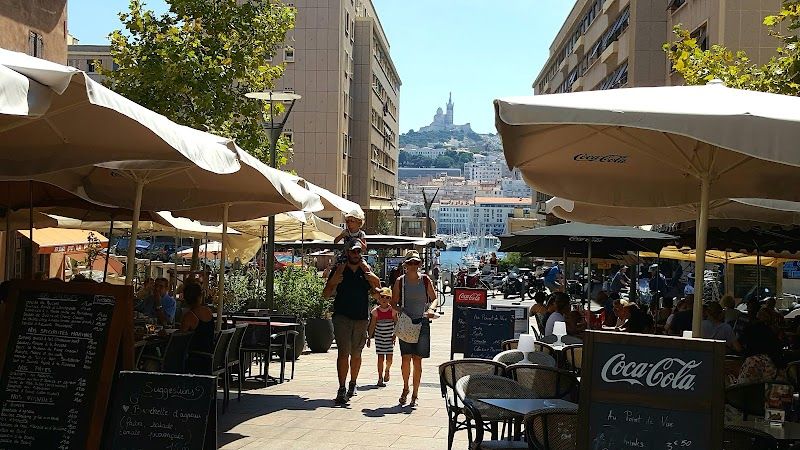
Place de Lenche
Place de Lenche sits directly above the original Greek agora where Marseille began 2,600 years ago, making it arguably the oldest continuously inhabited spot in France. You'll find a small, unremarkable square surrounded by faded pastel buildings, but beneath your feet lie the stone foundations of the ancient Greek port discovered during 1960s excavations. The real draw here is the panoramic view over Vieux-Port and the chance to stand exactly where Phocaean Greeks first established their trading post. The square feels more like a wide spot in the narrow streets than a formal plaza, with locals hanging laundry from wrought-iron balconies and cats sunning themselves on warm stones. Archaeological information panels dot the perimeter, showing diagrams of the Greek port layout discovered below. The afternoon light hits the square perfectly, illuminating the view down to the harbor while casting the surrounding medieval streets in golden shadows. You can easily imagine ancient merchants negotiating deals in this same spot. Most guidebooks oversell this as a major attraction when it's really a brief but meaningful stop during a Le Panier walk. The archaeological panels are only in French, so you'll miss the technical details unless you translate them. The view is lovely but not dramatically different from other Le Panier viewpoints. Spend 10 minutes reading the panels and taking in the harbor vista, then continue exploring the surrounding streets where you'll find better photo opportunities.
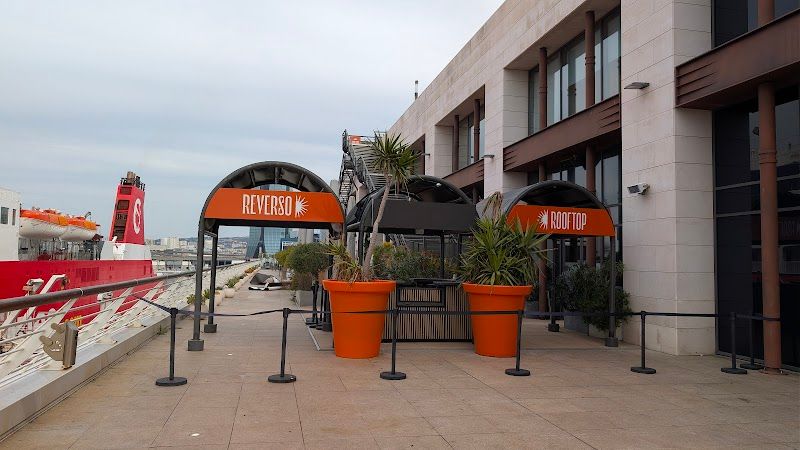
Les Terrasses du Port
Les Terrasses du Port brings modern mall culture to Marseille's waterfront with 160+ shops spread across multiple levels that cascade down toward the Mediterranean. You'll find the usual suspects (Zara, H&M, Fnac) alongside French chains like Monoprix and a decent selection of local boutiques selling Provençal soaps and regional specialties. The open-air design means you're shopping with constant sea breezes and glimpses of cruise ships docking at the terminal below. The experience feels more like strolling through a series of connected terraces than wandering a typical enclosed mall. Natural light floods every level, and you can always pop outside onto one of the many balconies for fresh air and harbor views. The top floors house the restaurants, from quick crepe stands (€8-12) to proper sit-down spots with terraces where you can watch ferries heading to Corsica while you eat. The whole place has a relaxed, almost resort-like atmosphere that's distinctly Mediterranean. Most travel guides oversell this as a cultural experience when it's really just pleasant shopping with great views. Skip the chain restaurants on the upper levels, they're overpriced at €18-25 for basic pasta. The Monoprix supermarket on the lower level is perfect for picnic supplies, and the views from the parking garage elevators are actually better than some of the official terraces. Come here when you need a break from sightseeing, not as a destination itself.
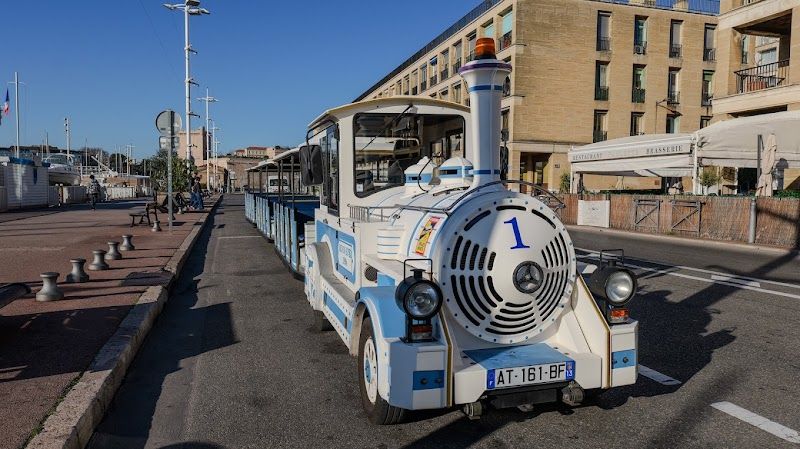
Marseille City Pass & Le Petit Train
Le Petit Train loops through Marseille's key neighborhoods on a 60-minute circuit that covers 6 kilometers without the leg work. You'll roll from the Old Port up to Notre-Dame de la Garde basilica for panoramic city views, then down to the Vallon des Auffes fishing village where weathered boats bob in a tiny harbour. The multilingual audio commentary does justice to Marseille's complex 2,600-year evolution from Greek colony to France's grittiest major port. The open-air train cars give you unobstructed photo opportunities as you wind through narrow streets that regular tour buses can't navigate. Climbing to Notre-Dame feels almost theatrical as the city spreads below you, while the descent to Vallon des Auffes reveals one of Marseille's most photogenic corners. The commentary keeps pace well, delivering historical context without drowning out the street sounds and sea breeze that make this ride enjoyable. Honestly, this tour beats walking Marseille's steep hills in Mediterranean heat, especially if you're short on time. The €8 ticket includes unlimited hop-on, hop-off privileges for the day, though most people underuse this feature. Skip the crowded afternoon departures when school groups pile on. The morning runs are calmer and the light hits Notre-Dame de la Garde beautifully for photos.
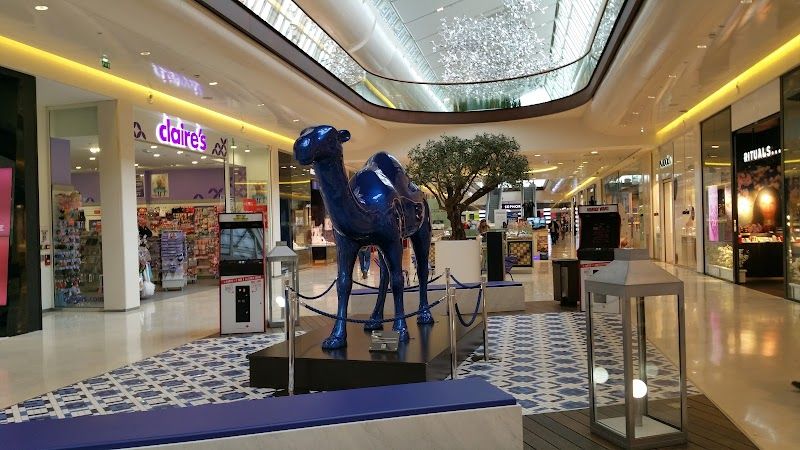
Les Docks Village
Les Docks Village transforms a 19th century warehouse into Marseille's most interesting shopping complex, where exposed brick walls and steel beams frame 60 independent boutiques. You'll find everything from emerging French fashion designers to vintage furniture shops, plus a decent food court overlooking the old port. The converted industrial space genuinely feels different from typical malls, with original maritime cranes still visible outside and authentic dockyard atmosphere intact. The experience flows naturally across two main levels connected by a dramatic central staircase where most people stop for photos. Afternoon light streams through massive windows, highlighting the raw materials and creating genuine warehouse vibes. The rooftop terrace offers solid port views, though it's smaller than you'd expect. Shops range from affordable local brands to pricier concept stores, with most clothing pieces starting around 40 EUR. Most guides oversell this as a shopping paradise, but it's really about the atmosphere rather than must-have purchases. Skip the overpriced restaurants downstairs and grab coffee from the small kiosk instead. The vintage furniture section delivers better value than the fashion boutiques, and weekend crowds make browsing frustrating. Locals treat this as a casual hangout spot rather than serious shopping destination.
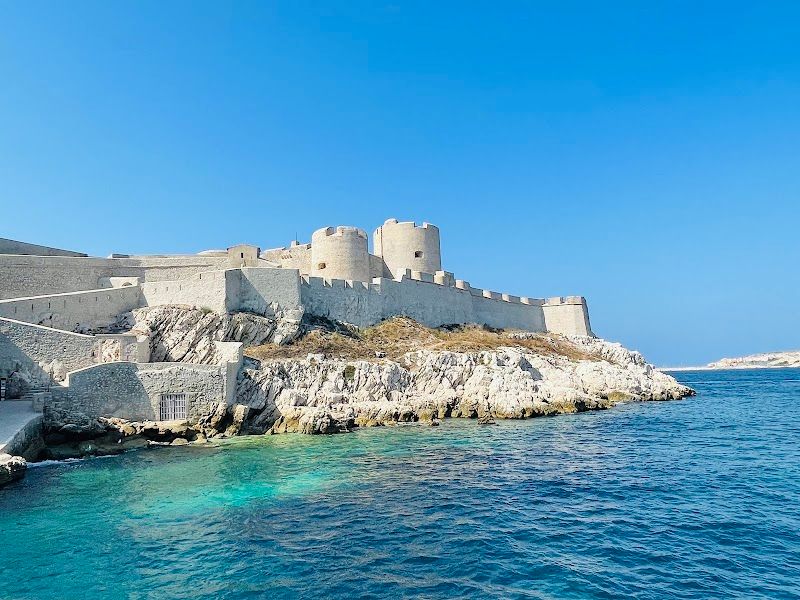
Frioul Islands Ferry and Fort d'If
The Iles du Frioul are four islands 5 km offshore from Marseille, reachable by ferry from the Vieux-Port in 20 minutes (EUR 10.80 return). The islands are part of the national park with no permanent residents, wild limestone landscapes, and beaches with clear water. Ile Ratonneau and Ile Pomegues are the main islands, connected by a modern harbour. Fort d'If is a separate island: the 16th-century fortress where Alexandre Dumas imprisoned Edmond Dantes in The Count of Monte Cristo. The fort is now a museum (EUR 6 entry, ferry not included) with the cells where Dumas set the famous escape tunnels. The ferry operators sell a combined Frioul Islands and Fort d'If ticket (EUR 17.50). Departure from Quai des Belges, ferries every 45 minutes in summer, less frequent in winter. The Frioul beaches (Plage du Grand Soufre on Ratonneau) are accessible from the port on foot (20 minutes) and offer clear Mediterranean water without the summer crowds of the Prado beaches on the mainland.
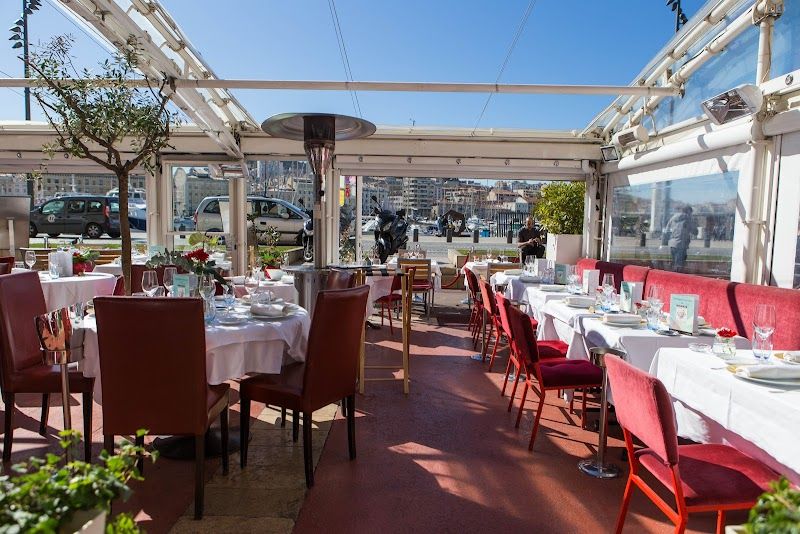
Le Miramar
Classic Vieux-Port restaurant operated by chef Christian Buffa, known for strict adherence to traditional bouillabaisse preparation methods. The dining room offers direct harbor views and the open kitchen lets you watch the rouille being prepared. Bouillabaisse Charter member since the beginning.
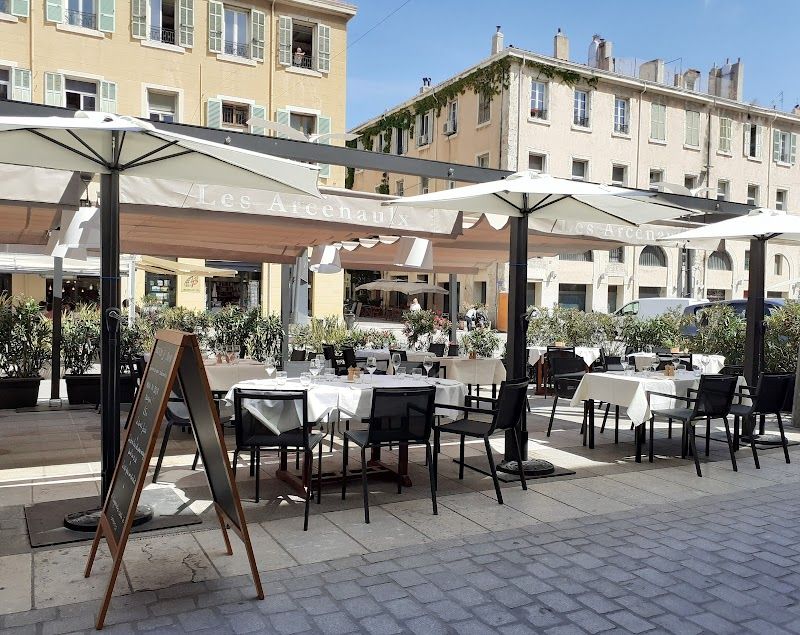
Les Arcenaulx
Restaurant and bookshop housed in 17th-century former arsenal warehouses near the Vieux-Port. The vaulted stone ceilings and bookshelf-lined walls create an atmospheric setting for traditional Provençal cuisine. Their pieds-paquets is one of the best in the city for trying this divisive Marseille specialty.
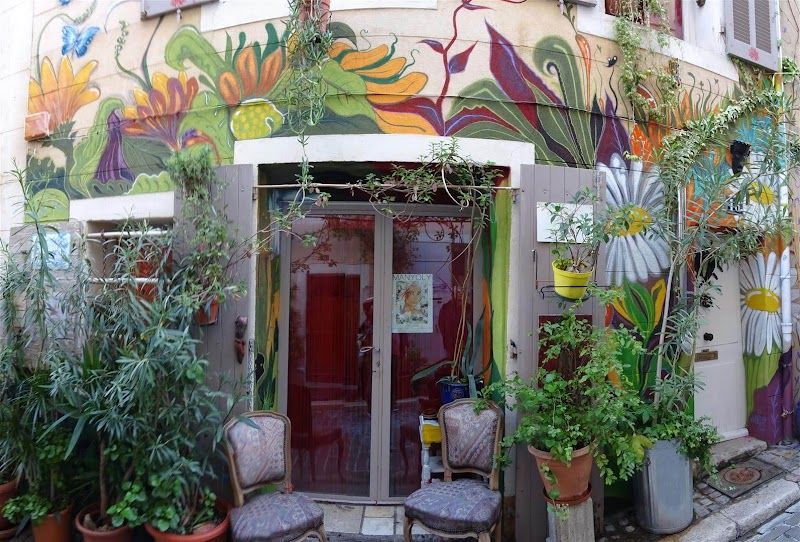
Bar des 5 Coins
Natural wine bar on Cours Julien serving small-producer bottles from Provence and beyond, with a rotating selection of organic and biodynamic wines. The intimate space features exposed stone walls and a knowledgeable owner who guides guests through adventurous wine choices paired with local charcuterie.
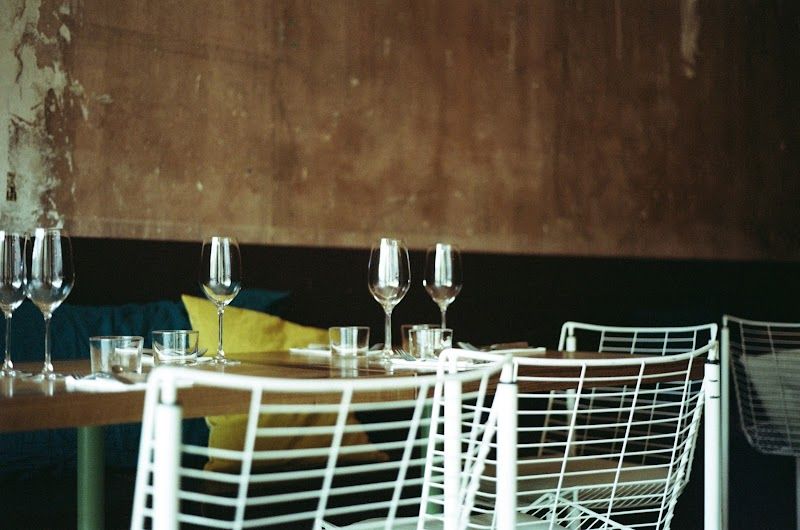
La Mercerie
Cours Julien bistro in a former haberdashery shop, keeping the original wooden shelving and vintage decor. The menu balances traditional Provençal dishes with creative small plates designed for sharing. Natural wine selection is extensive, with many local producers represented.
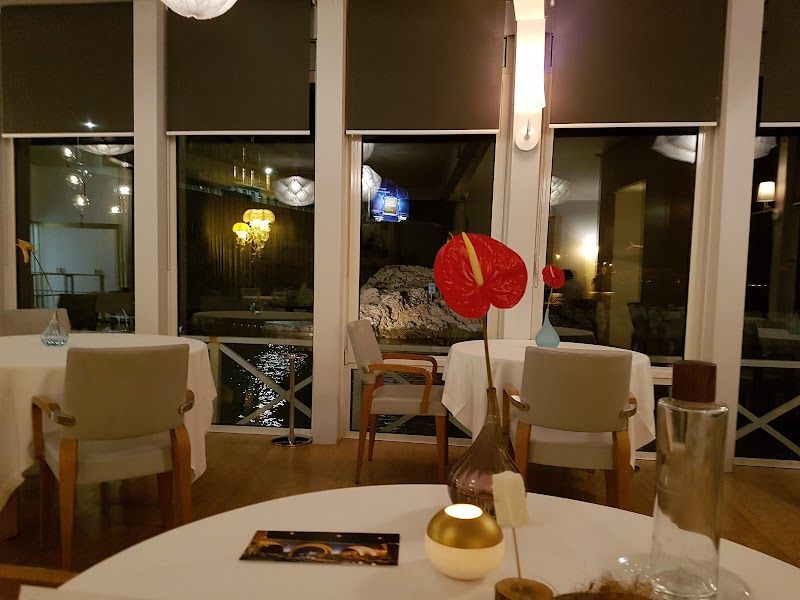
L'Epuisette
Michelin-starred restaurant perched on rocks at Vallon des Auffes with floor-to-ceiling windows facing the sea. Chef Guillaume Sourrieu elevates traditional Marseille seafood with modern technique while maintaining Bouillabaisse Charter standards. The wine list features exceptional Provence whites.
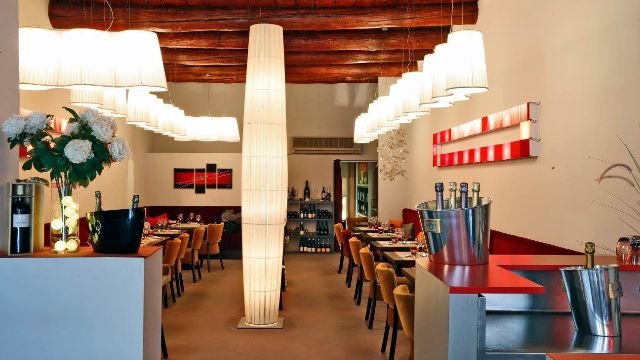
La Table du Fort
Modern bistro near Fort Saint-Jean and MuCEM with a covered terrace overlooking the J4 esplanade. Chef focuses on seasonal Provençal ingredients with contemporary presentation. The lunch menu offers exceptional value at EUR 22 for three courses.
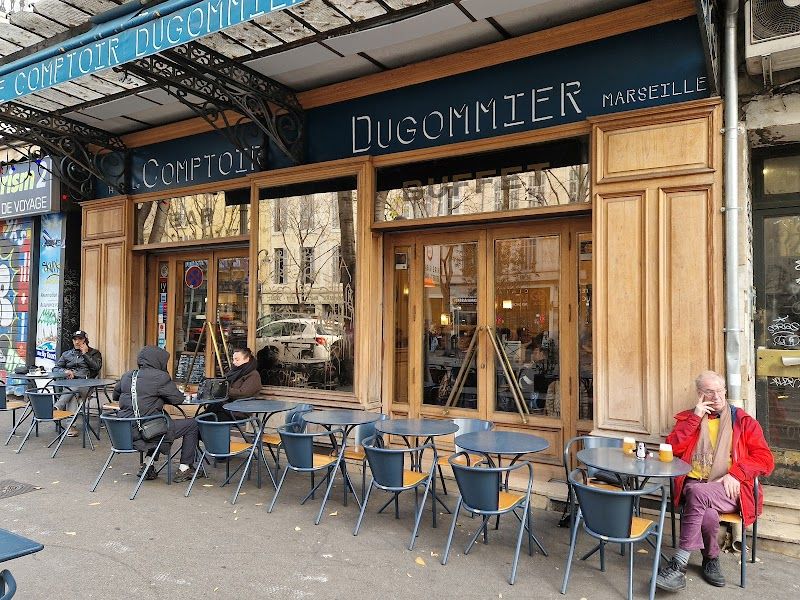
Le Comptoir Dugommier
Neighborhood bistro near Notre-Dame de la Garde serving updated takes on Marseille classics. The chef previously worked at L'Epuisette and brings refined technique to comfort dishes like soupe de poisson and bourride. Wine list focuses on small Provence producers rarely found in restaurants.
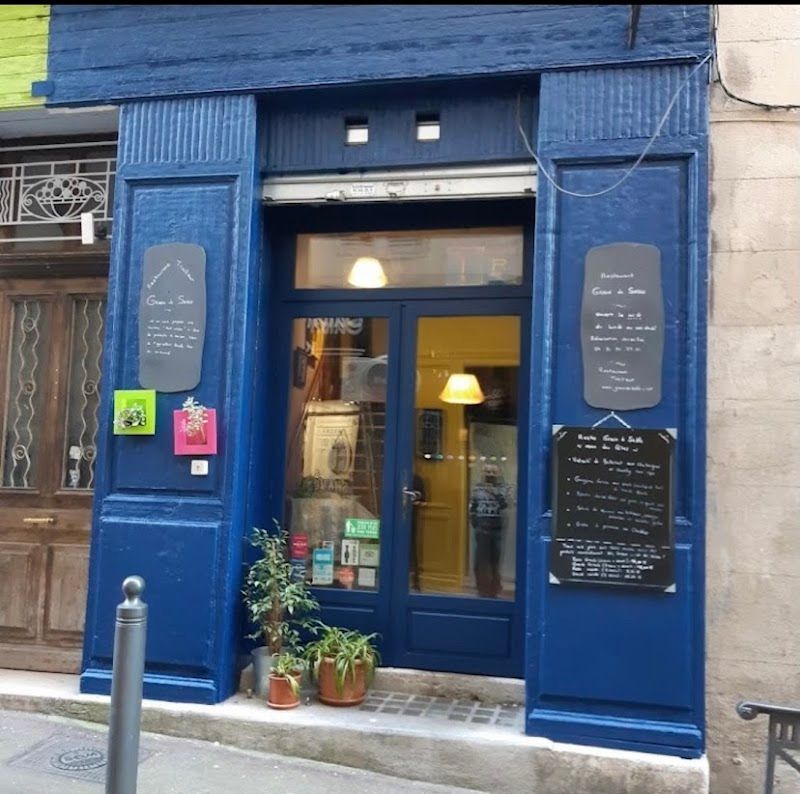
Le Grain de Sable
Authentic Lebanese restaurant near the Vieux-Port serving generous mezze platters and grilled meats. Family-run operation where the mother still makes all the pastries daily. The mixed grill for two is enough for three people, and the homemade labneh is exceptional.
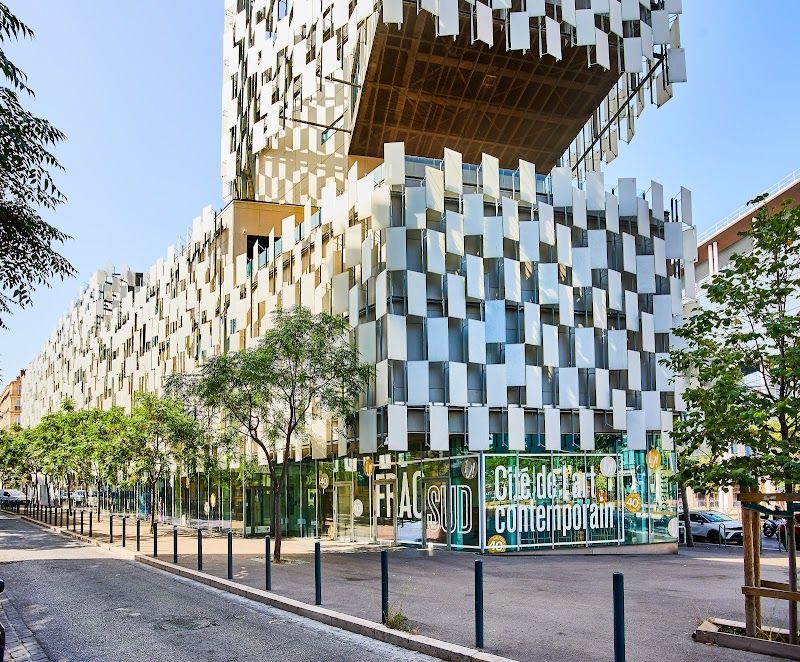
FRAC Marseille
FRAC Marseille showcases contemporary art in Kengo Kuma's angular glass cube, perched dramatically above the old port in the redeveloped La Joliette district. You'll find rotating exhibitions featuring Mediterranean and international artists working in video, installation, and conceptual pieces from the 1960s onward. The building itself competes with the artwork: floor-to-ceiling windows frame the port below while concrete and steel create striking interior spaces that feel simultaneously industrial and refined. The galleries flow logically across three levels, with the most ambitious installations usually taking over the spacious ground floor. Natural light floods through those signature glass walls, creating an airy atmosphere that's rare in contemporary art spaces. You'll likely have the place mostly to yourself outside weekend afternoons, when local art students and curious tourists trickle through. The rooftop terrace rewards every visit with panoramic views across Marseille's harbor and the Phocaean hills beyond. Most people rush through in 30 minutes, but the thoughtful curation deserves more time. Free admission makes it perfect for a quick cultural hit between exploring the docks, though temporary exhibitions vary wildly in quality. Skip the small bookshop unless you're hunting French art catalogs. The building stays cool even in summer heat, making it an ideal midday retreat when the port area becomes unbearable.
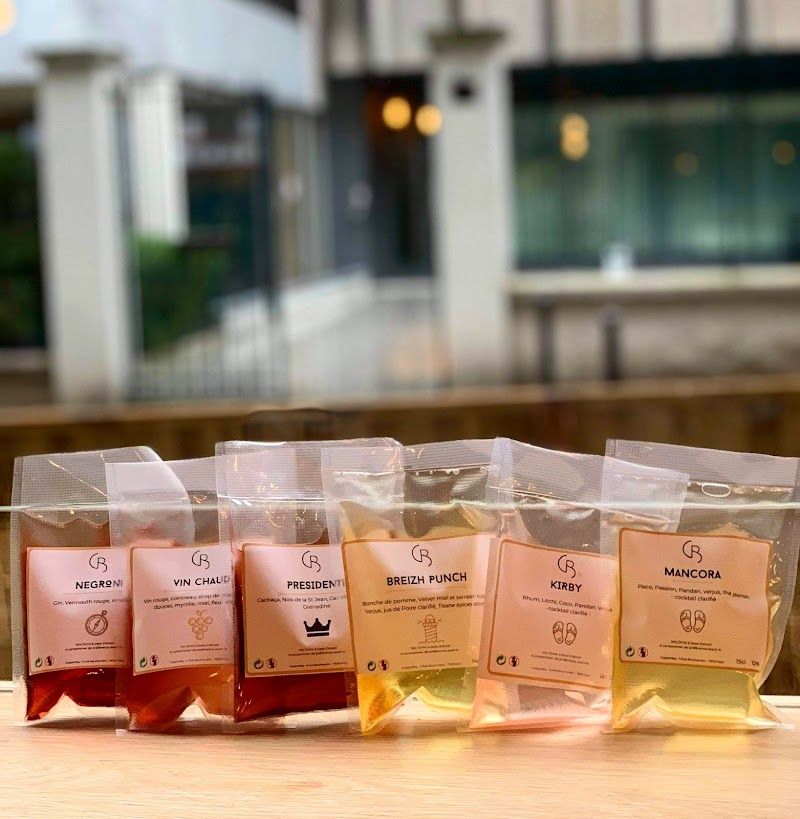
La Cuisine
A modern Mediterranean restaurant within Les Terrasses du Port offering fresh, seasonal cuisine with views over the harbor. The menu focuses on locally-sourced ingredients with creative presentations. Popular with both business lunches and evening diners seeking quality without pretension.
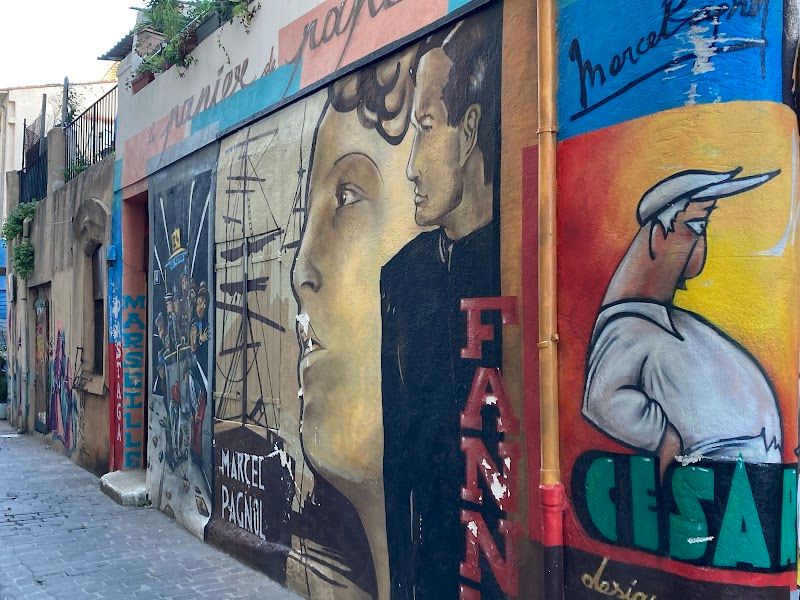
Street Art Marseille Tour
Two-hour guided exploration of Cours Julien's street art scene, featuring massive murals by international artists like Inti, Jef Aérosol, and local collective Le M.U.R. Learn how this former working-class neighborhood transformed into Southern France's street art capital starting in the 1990s.