Milan
Things to Do
116 attractions, museums, and experiences
Navigli District
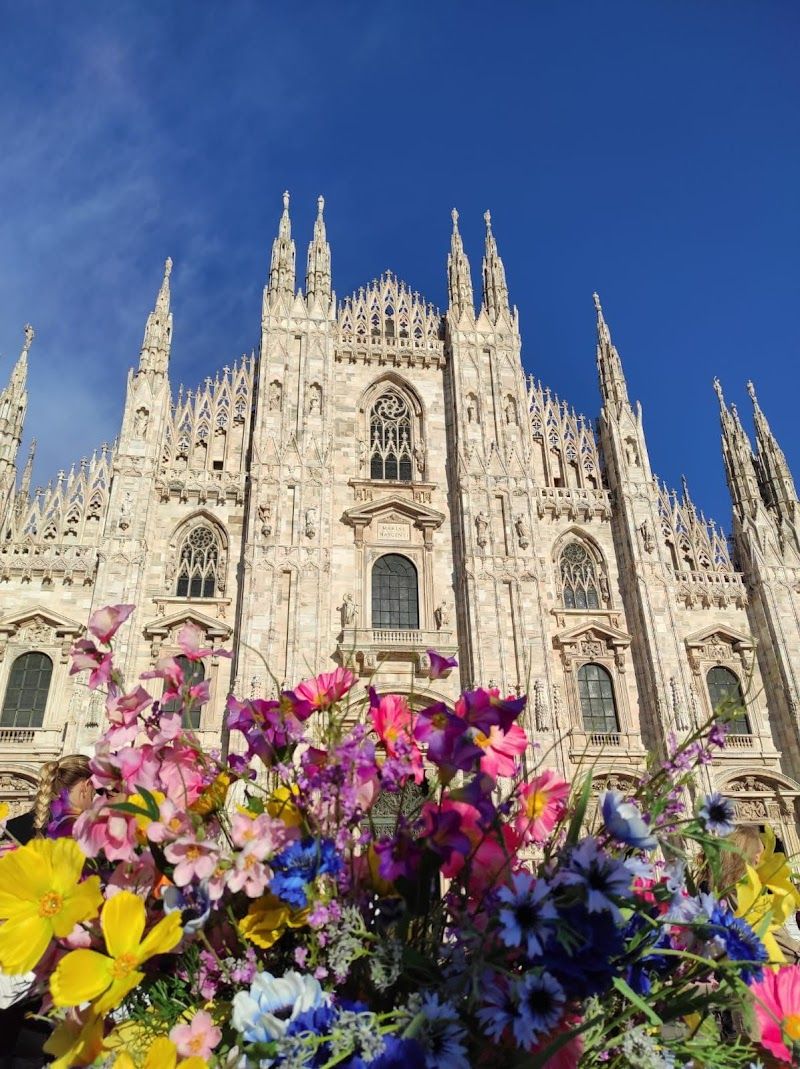
Milan's Navigli District is where the city's soul reveals itself after dark, transforming from daytime tourist curiosity into the beating heart of Milanese nightlife. These weathered canals - Naviglio Grande and the smaller Naviglio Pavese - are the last survivors of an ingenious 12th-century waterway system that Leonardo da Vinci himself perfected with his revolutionary lock designs. Originally built to transport the pink Candoglia marble that built the Duomo, these canals once stretched 150 kilometers, connecting Milan to the great lakes and making it a maritime power despite being landlocked. Today's reality is far more intimate but equally compelling. The stonework quays, lined with plane trees and crossed by iron bridges, create an almost Parisian atmosphere that feels worlds away from Milan's corporate facade. By 6 PM, the canal-side terraces fill with perfectly dressed locals clutching Aperol spritzes, the orange glow of drinks mirroring the golden hour light dancing on the water. The restaurants here aren't tourist traps - they're neighborhood haunts where three generations of families gather for Sunday lunch. Vintage boutiques occupy converted warehouses, their exposed brick walls housing everything from 1970s Valentino to obscure Italian design pieces. Art galleries tucked into former loading docks showcase emerging Milanese talent. The monthly antique market transforms the entire district into an open-air treasure hunt where serious collectors hunt for Murano glass and Art Deco furniture alongside curious wanderers. This isn't manufactured charm - it's authentic Milan, complete with the occasional whiff of canal water and the constant hum of Vespa engines echoing off ancient stones.
10 Corso Como
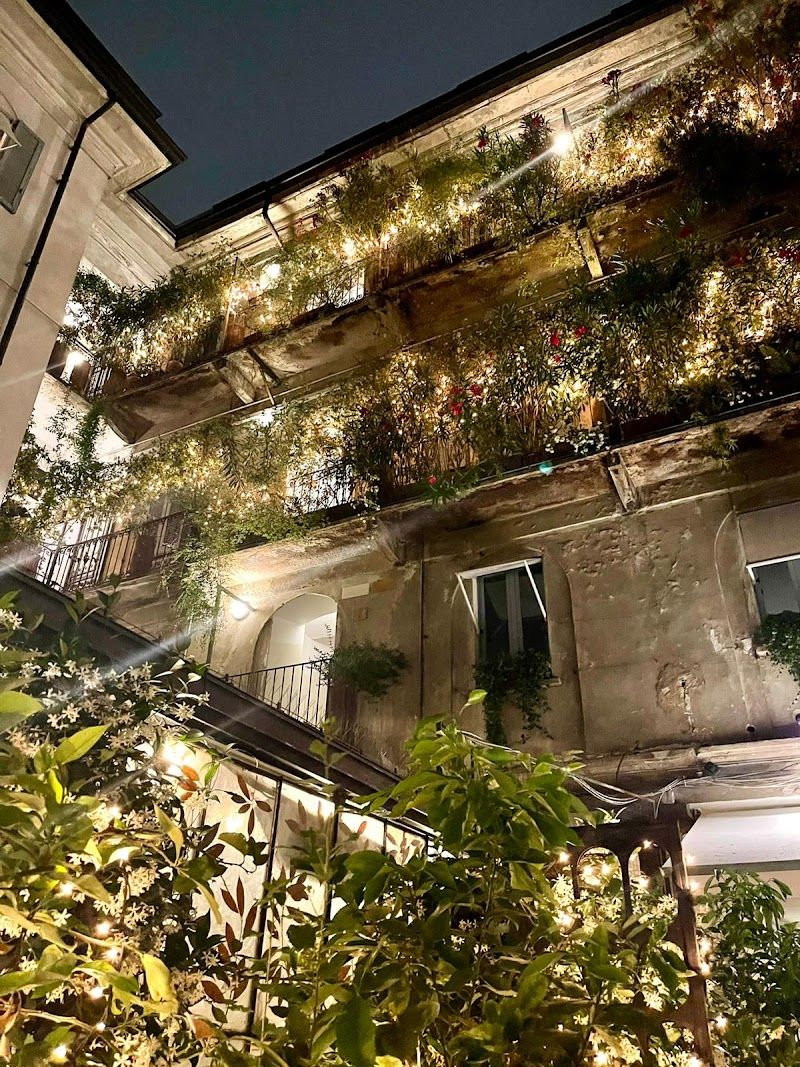
This pioneering concept store transformed Milan's shopping scene by mixing high-end fashion with art, books, and dining in a converted garage space. You'll find carefully curated designer pieces from established and emerging brands, a serious art bookshop, rotating contemporary exhibitions on the third floor, and a gorgeous garden restaurant in the courtyard. It's not just shopping - it's more like wandering through fashion editor Carla Sozzani's personal vision of how retail should work. The space flows naturally from the ground-floor boutique through different rooms and levels, each with its own personality but cohesive aesthetic. The fashion selection feels personal rather than commercial, with pieces you won't find in department stores alongside cult accessories and design objects. The third-floor gallery genuinely surprises - serious contemporary art that changes every few months, completely free while you browse. The garden cafe in back creates an unexpectedly peaceful retreat from the Corso Como energy outside. Most visitors rush through the fashion floors and miss the bookshop, which stocks the best art and fashion titles in Milan. The restaurant gets busy at lunch (expect 25-30 EUR for a main course), but it's perfect for aperitivo around 6pm when the garden lighting kicks in. Skip the expensive accessories near the entrance - the real finds are upstairs where the curation gets more adventurous and the crowds thin out.
Quadrilatero della Moda
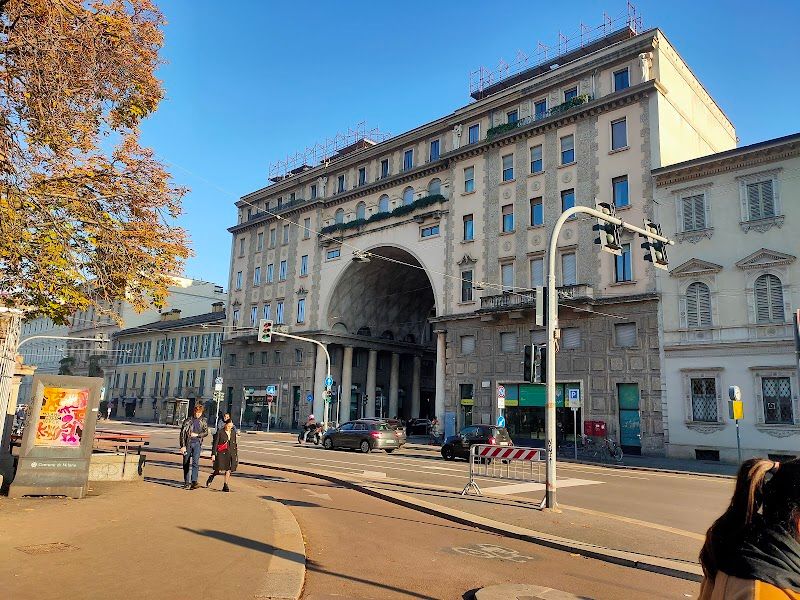
Milan's Quadrilatero della Moda is where capitalism meets artistry in the most intoxicating way possible. This four-block rectangle - bounded by Via Montenapoleone, Via della Spiga, Via Manzoni, and Corso Venezia - contains more luxury per square meter than anywhere else on Earth. The irony is delicious: these 18th-century Neoclassical palazzi, once home to Milanese nobility, now house the fashion houses that rule the modern world. Armani's flagship spans an entire corner building, while Prada's minimalist temple feels like a gallery where handbags happen to be for sale. The window displays change seasonally and are genuinely spectacular - Dolce & Gabbana's Christmas installations alone justify the trip. Via della Spiga, mercifully pedestrianized, offers the most civilized strolling experience, lined with limestone facades and elegant courtyards. The side streets reveal the real magic: Via Sant'Andrea and Via Santo Spirito house smaller Italian designers whose prices won't require selling organs. Even confirmed shopping-phobes will appreciate the architectural theater - these aren't just shops, they're stage sets for the global fashion industry. The crowds thin dramatically once you step off the main arteries, revealing hidden courtyards and the occasional aperitivo spot where actual Milanese gather. Yes, it's painfully expensive, but experiencing fashion's Vatican costs nothing but shoe leather.
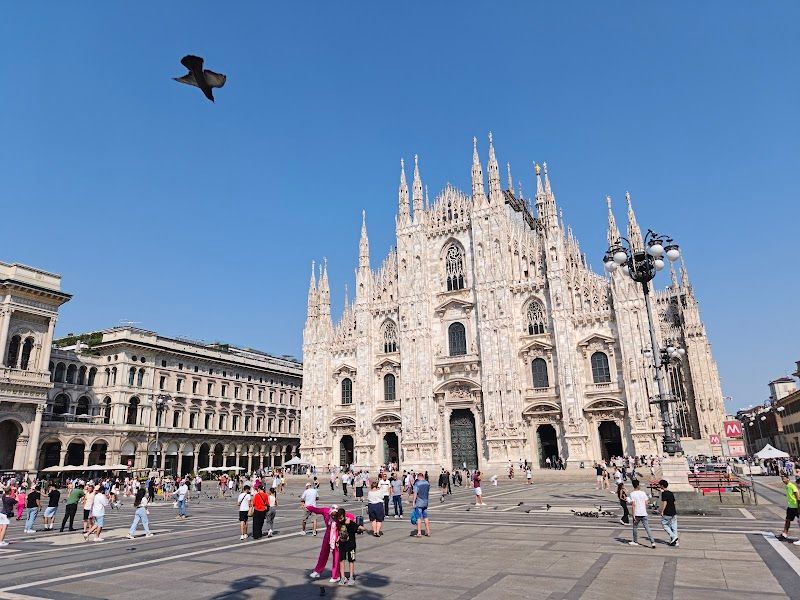
Duomo di Milano
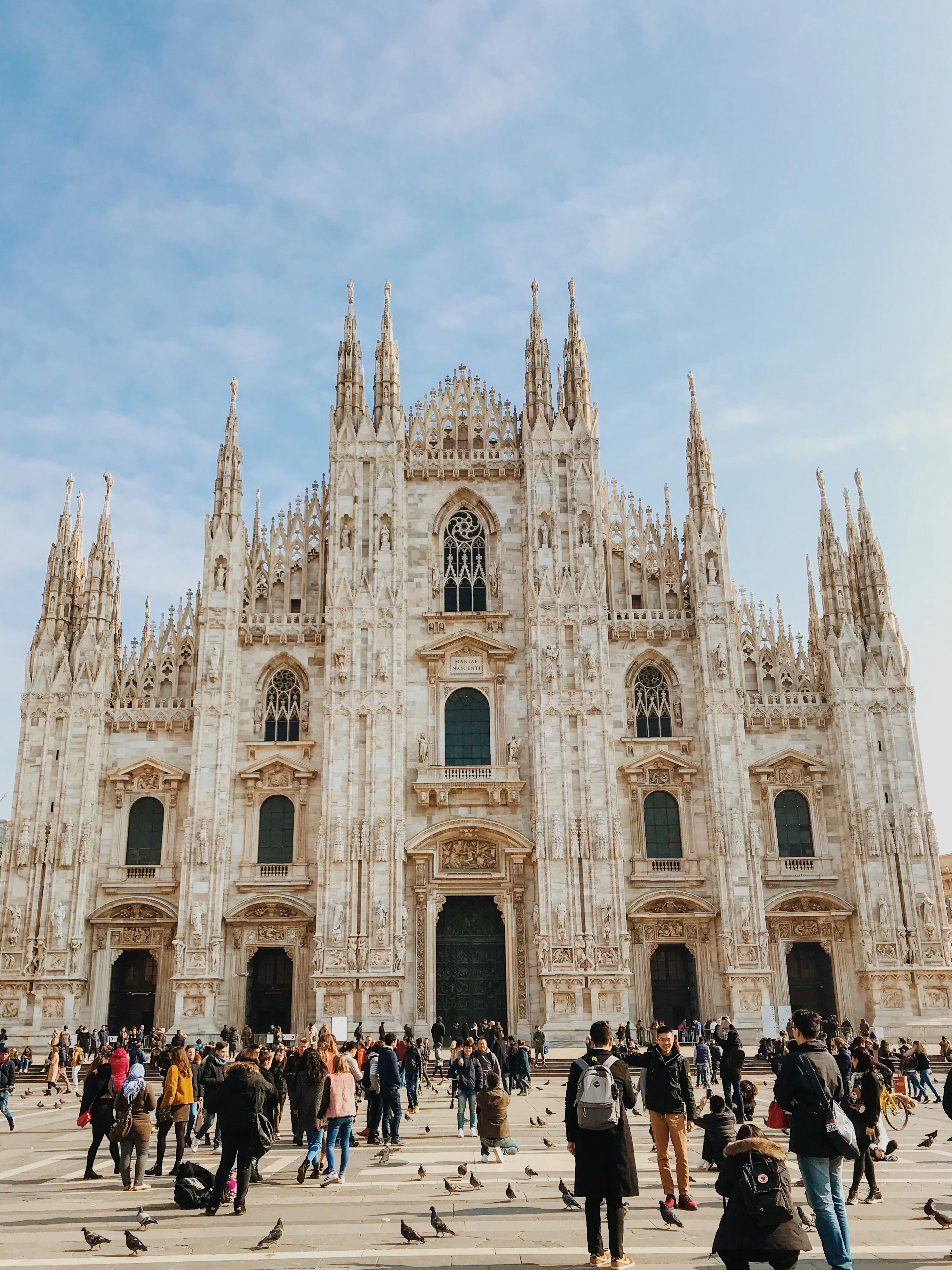
The Duomo took nearly 600 years to build and it shows in every one of its 3,400 statues, 135 spires, and the sheer verticality of the Gothic facade. It is the largest church in Italy (St. Peter's is technically in Vatican City) and the third largest in the world. Construction began in 1386 under Gian Galeazzo Visconti's orders to create something that would rival the great cathedrals of Northern Europe, and the result is a monument to both divine ambition and human stubbornness. The facade alone wasn't completed until Napoleon's orders in the early 1800s - he needed a proper backdrop for his coronation as King of Italy. The interior is enormous and surprisingly dim, with jewel-toned stained glass filtering ethereal light across five naves. Your eyes need time to adjust to fully appreciate the soaring vaulted ceilings and the intricate floor patterns. Most visitors shuffle through like zombies, necks craned upward, missing the exquisite details at eye level. The real treasure is the rooftop experience - EUR 14 by stairs, EUR 16 by lift - where you walk among a forest of marble spires with the Alps visible on clear days. The golden Madonnina statue at the top has watched over Milan since 1774, and from up there, you understand why locals consider her the city's true protector. The contrast between the medieval stonework and Milan's modern skyline creates one of Europe's most compelling urban vistas.
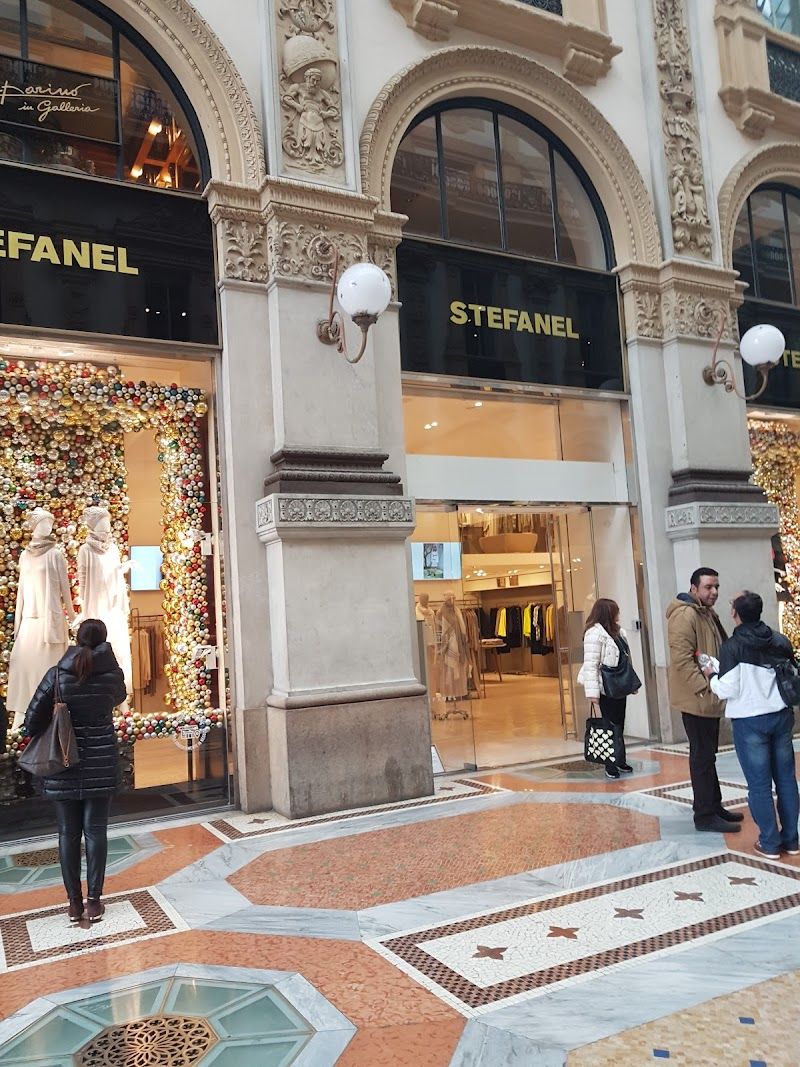
Galleria Vittorio Emanuele II
Milan's most elegant shopping arcade connects the Duomo to La Scala through a spectacular iron-and-glass corridor that's basically Italy's first shopping mall. You'll walk beneath soaring 32-meter vaulted ceilings while luxury boutiques like Prada (in its original 1913 location), Borsalino, and Tod's line the marble floors. The octagonal center showcases intricate floor mosaics representing Milan, Turin, Florence, and Rome - each city's coat of arms rendered in detailed stonework that most people rush past. The experience feels like shopping inside a cathedral, with natural light streaming through the glass dome onto polished marble corridors. Tourists cluster around the bull mosaic for photos while locals sip €4 espressos at historic Biffi Caffè or browse Rizzoli's beautiful bookstore. The acoustics amplify every footstep and conversation, creating an almost theatrical atmosphere where window shopping becomes performance art. Honestly, unless you're buying luxury goods, this is more about the architecture than actual shopping. The restaurants inside are tourist traps - €18 for basic pasta you'll get for €12 elsewhere. Come for a quick walk-through to admire the engineering marvel, snap photos of the mosaics, and maybe grab coffee at Biffi if you need a break from sightseeing. Skip the overpriced gelato stands and save your euros for better food outside.
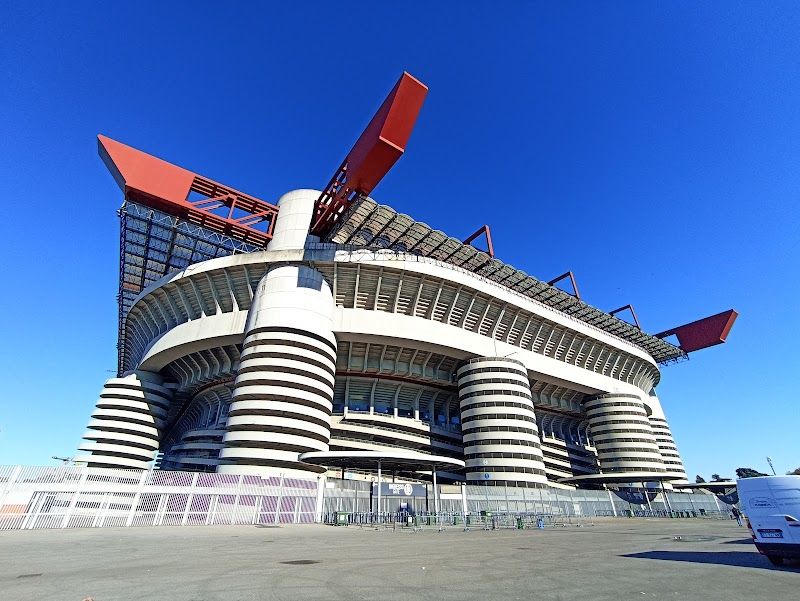
San Siro Stadium
The Stadio Giuseppe Meazza - universally known as San Siro - isn't just a football stadium, it's a concrete colosseum where religion meets sport. This 75,000-seat behemoth has been home to both AC Milan and Inter Milan since 1926, making it one of the few stadiums in the world shared by two massive rivals. The current structure, with its distinctive spiraling towers and external ramps, was rebuilt for the 1990 World Cup and remains one of Europe's most intimidating football cathedrals. On match days, particularly during the Derby della Madonnina, the atmosphere is genuinely otherworldly - a wall of sound, smoke, and choreographed displays that puts most other sporting events to shame. The museum tour (EUR 18, daily 10:00-18:00) takes you through both teams' dressing rooms, down the players' tunnel where legends like Maldini and Ronaldo once walked, and pitchside where you'll grasp the sheer scale of the place. The museum itself showcases trophies from both clubs' glorious histories - Milan's eight Champions League titles, Inter's treble-winning season. Match tickets range from EUR 30-40 for Serie A games to EUR 150+ for derbies. Even non-football fans should experience this place - it's architectural theater meets sporting passion. With demolition planned for 2027 to make way for a new stadium, this is genuinely your last chance to witness one of football's most sacred spaces.
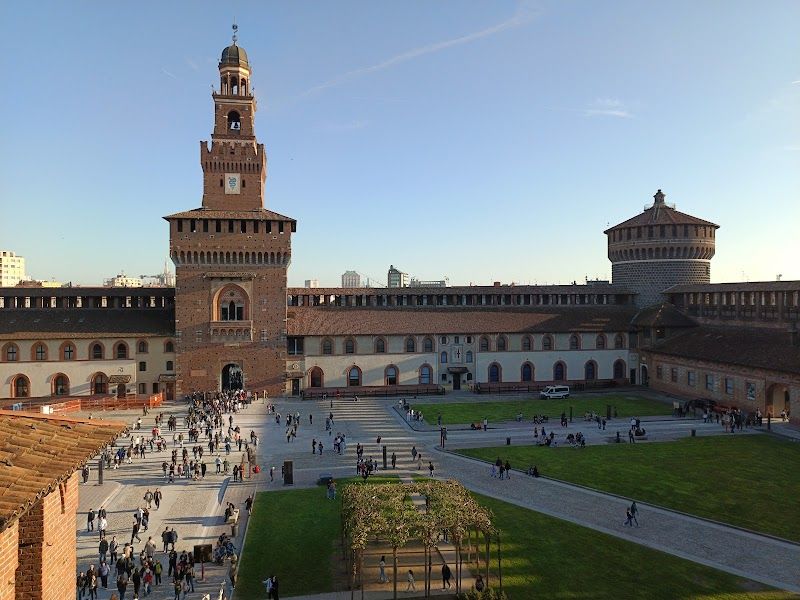
Castello Sforzesco
Don't let the tourist buses fool you - Castello Sforzesco is far more than just another Instagram backdrop. This hulking 15th-century fortress, built by Francesco Sforza on the ruins of an earlier Visconti castle, represents Milan's political ambitions at their peak. The Sforzas weren't just any noble family - they turned Milan into a Renaissance powerhouse that rivaled Florence and Venice. Walking through the massive gates feels appropriately theatrical, as the imposing brick walls and crenellated towers were designed to intimidate both enemies and subjects. The central courtyard, Piazza d'Armi, genuinely impresses with its scale - imagine 15th-century ceremonies and military parades here. But here's what most visitors miss: the real treasures are inside the museums (EUR 5 for all - criminally underpriced). The Museum of Ancient Art houses Michelangelo's haunting Rondanini Pietà, his final work left unfinished at his death. Unlike the polished perfection of his earlier sculptures, this piece feels raw and emotional - you can literally see the artist struggling with mortality. The Egyptian collection surprises with quality pieces, while the musical instrument museum showcases everything from Renaissance lutes to 19th-century pianos. The archaeological museum reveals Milan's Roman past as Mediolanum. Each museum flows naturally into the next, making the EUR 5 ticket exceptional value. The castle opens daily 7:00-19:30 (museums 9:00-17:30), and the experience takes 2-3 hours if you're thorough.
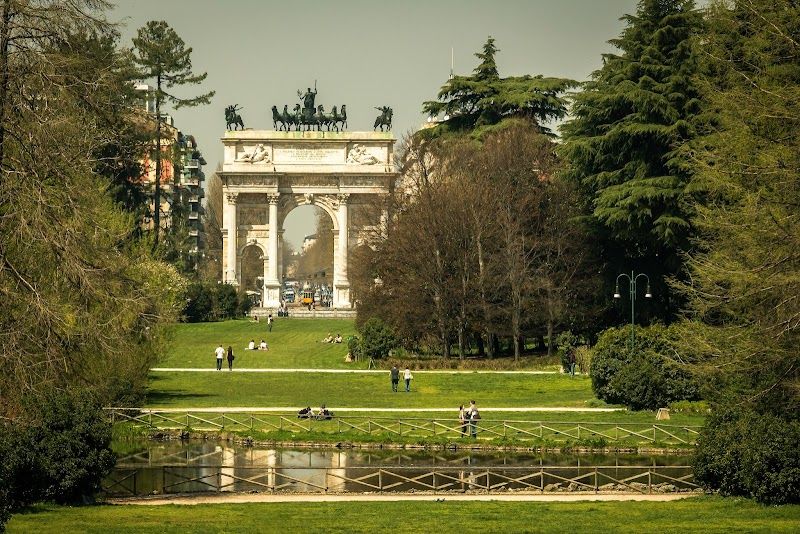
Parco Sempione
Parco Sempione is Milan's central breathing space, stretching from Castello Sforzesco to the Arco della Pace in a perfectly straight line that locals use for everything from morning runs to evening aperitivo picnics. The 95-acre English-style park anchors three major attractions: the Triennale Design Museum (€15 entry), the sleek Torre Branca observation tower (€5), and the neoclassical Arena Civica where AC Milan was founded. You'll find actual Milanese here, not just tourists - families feeding ducks at the small lake, couples sprawled on blankets, and serious joggers who treat the main avenue like their personal track. The park flows naturally from the castle's back entrance toward the triumphal arch, with wide tree-lined paths that feel more Parisian than Italian. The atmosphere shifts throughout the day - quiet and misty at sunrise when only runners appear, then filling with dog walkers, then families by afternoon. Torre Branca rises unexpectedly from the greenery like a miniature Eiffel Tower, while the Triennale's modernist building contrasts sharply with the surrounding 19th-century landscaping. Most guides oversell the Triennale unless you're genuinely into contemporary design - the temporary exhibitions can be hit or miss for €15. The Torre Branca is worth the €5 if it's clear (it closes in bad weather), but the real appeal here is simply having green space in central Milan. Skip the overcrowded areas near the castle entrance and head toward the quieter northwestern section where locals actually hang out.
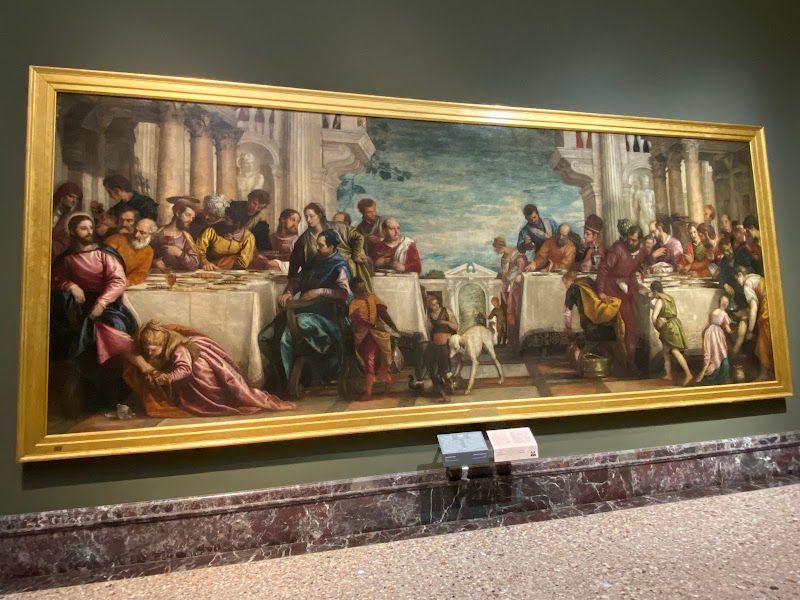
Pinacoteca di Brera
The Pinacoteca di Brera is Milan's magnificently overlooked answer to Florence's Uffizi - smaller, less crowded, and arguably superior for pure Renaissance painting quality. Housed in a 17th-century Jesuit college that Napoleon transformed into a gallery in 1809, this is where serious art lovers come to escape the tourist hordes while encountering some of Italy's greatest masterpieces. The collection spans six centuries across 38 thoughtfully curated rooms, but the real magic lies in the intimate scale that lets you actually contemplate the art without fighting crowds. Raphael's ethereal 'Marriage of the Virgin' anchors Room 24 - its perfect perspective and luminous colors still take your breath away. Mantegna's revolutionary 'Dead Christ' in Room 6 demonstrates foreshortening so radical it shocked 15th-century viewers and still feels startling today. Caravaggio's moody 'Supper at Emmaus' showcases his dramatic chiaroscuro technique, while Hayez's romantic 'The Kiss' has become an icon of Italian nationalism. Beyond the headline acts, discover Piero della Francesca's serene altarpiece, Bellini's sacred conversations, and surprisingly strong modern Italian works. The bronze Napoleon statue in the elegant courtyard reminds you this gallery exists because the emperor looted monastery collections across northern Italy. At EUR 15, it's exceptional value for world-class art in a civilized setting. Thursday evenings extend until 10:15 PM with a wonderfully relaxed, almost contemplative atmosphere as golden hour light filters through the galleries.
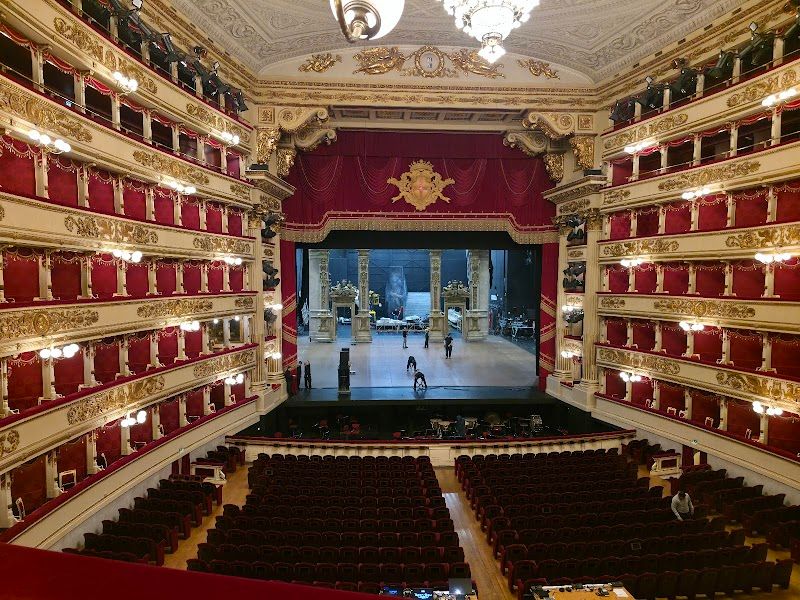
Teatro alla Scala
La Scala is the undisputed cathedral of opera, where legends are born and careers destroyed with a single boo from the notoriously demanding Milanese audience. The exterior is deliberately understated - architect Giuseppe Piermarini's 1778 neoclassical facade looks almost modest, like a wealthy aristocrat who doesn't need to show off. But step inside and you'll understand why this place has ruled the opera world for nearly 250 years. The horseshoe-shaped auditorium is pure theatrical magic: six tiers rising toward a frescoed ceiling, 2,000 seats upholstered in crimson velvet, and gilt boxes where Milan's elite have gossiped and schemed since the 18th century. The acoustics are genuinely miraculous - whisper from the stage and they'll hear you in the cheapest gallery seat. This is where Verdi premiered 'Otello' and 'Falstaff,' where Toscanini conducted his legendary performances, and where Maria Callas ruled as the ultimate diva. Even hardened opera skeptics find themselves moved by the sheer weight of history here. The adjacent museum (open daily 9am-5:30pm, EUR 12) houses an impressive collection of costumes, set designs, and conductor batons, plus offers tantalizing glimpses into the auditorium from a private box - your only chance to see inside without buying a performance ticket.
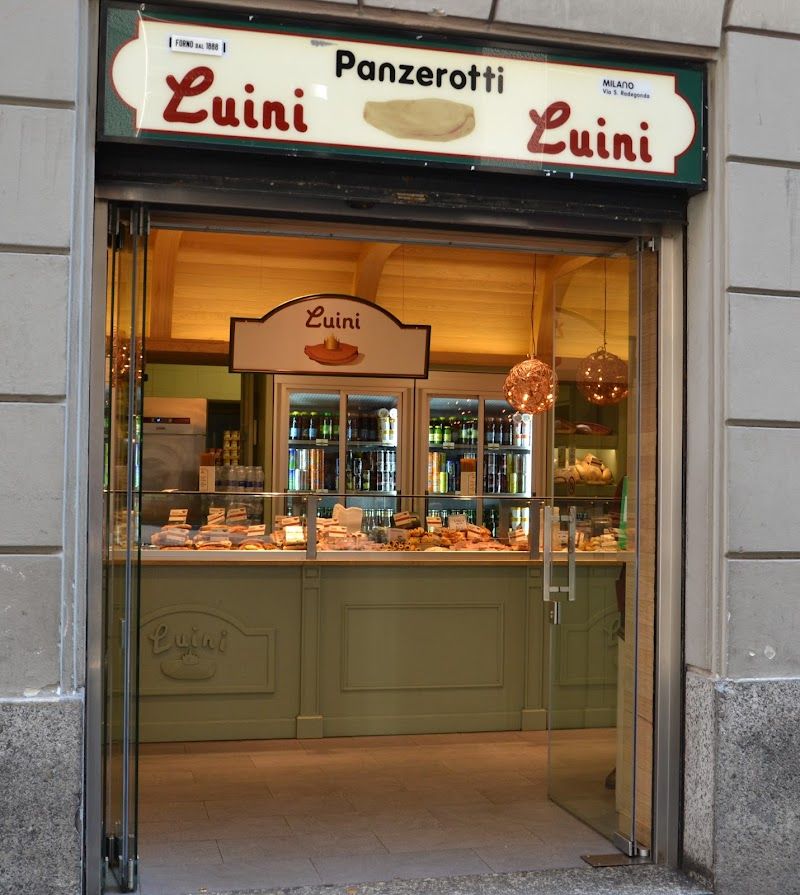
Luini
Forget your fancy aperitivo spots - real Milanese worship at this cramped counter that's been slinging panzerotti since 1949. Located in a blink-and-you'll-miss-it storefront on Via Santa Radegonda, just steps from the Duomo's tourist chaos, Luini represents everything authentic about Milan's street food culture. The Luini family has perfected their recipe over three generations, creating what locals consider the city's most essential snack. These aren't your average fried pockets - the dough achieves an almost impossible balance between crispy exterior and pillowy interior, while the filling reaches molten perfection that will absolutely burn your tongue if you're impatient (and you will be). The classic tomato-mozzarella costs just EUR 3.50, making it Milan's best dining bargain in a city where a coffee can cost EUR 4. Expect queues that snake around the corner during lunch (12:30-14:30), but don't let this deter you - the Luini staff operates with military efficiency, pumping out hundreds of panzerotti daily. The shop opens at 10:00 and closes when they sell out, typically around 20:00, but smart locals know to arrive before 19:00 to guarantee selection. The interior hasn't changed since the 1960s - faded yellow tiles, a single glass display case, and barely enough room for three customers. This isn't Instagram-friendly dining; it's functional, unpretentious, and absolutely delicious.
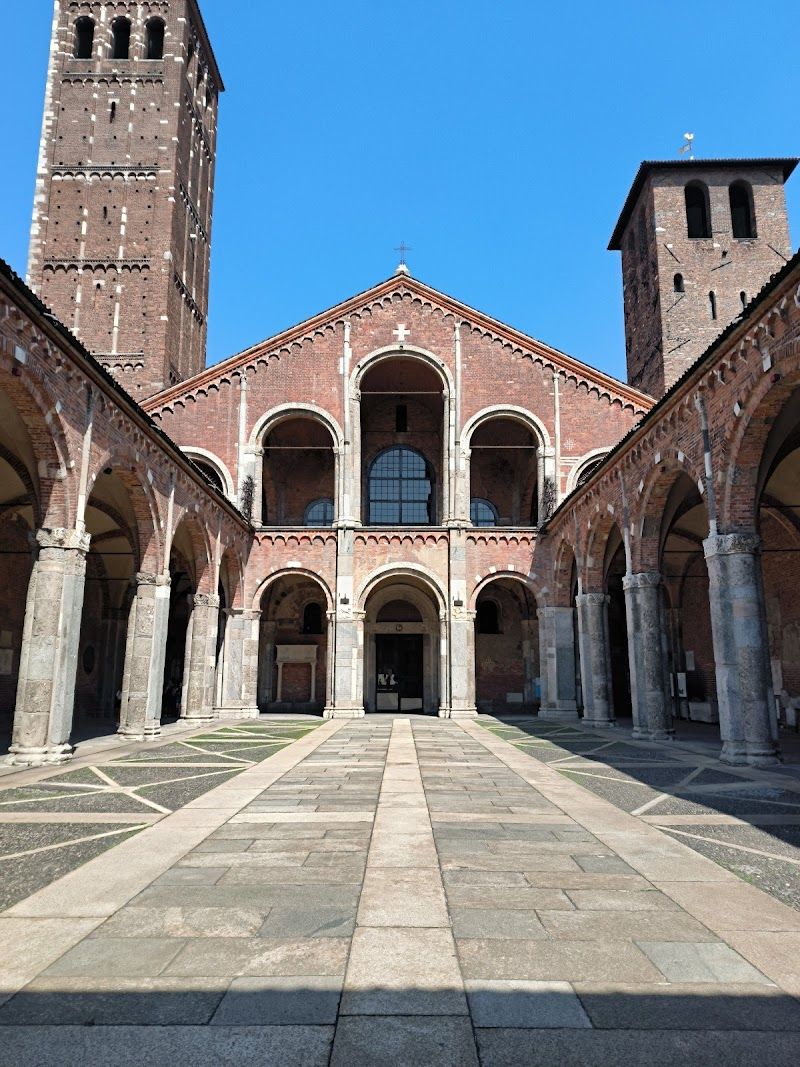
Basilica di Sant'Ambrogio
Sant'Ambrogio isn't just Milan's oldest church - it's where you'll find the most authentic early Christian art in Northern Italy, largely untouched by later renovations that sanitized other medieval churches. The golden altar (Paliotto d'Oro) from 835 AD tells biblical stories in intricate relief panels that you can study up close, while the apse mosaics shimmer with original 4th-century tesserae. The crypt holds the glass tomb of three saints including Ambrose himself, Milan's patron who challenged emperors and shaped Christianity. Walking through feels like stepping back 1,600 years - the low Romanesque arches create intimate shadows, and the uneven stone floors worn smooth by pilgrims give every step weight. The twin bell towers (one 9th century, one 12th) create an asymmetrical courtyard that's uniquely Milanese. During services, the acoustics carry whispers across the nave while amplifying chants into something otherworldly. Most visitors rush past the wooden choir stalls from 1469 and the pulpit's carved capitals - spend time with these details. Skip the small museum (€3) unless you're obsessed with liturgical objects; the church itself contains everything worthwhile. The 4th-century sarcophagus of Stilicho gets overlooked but shows remarkably preserved Roman craftsmanship.
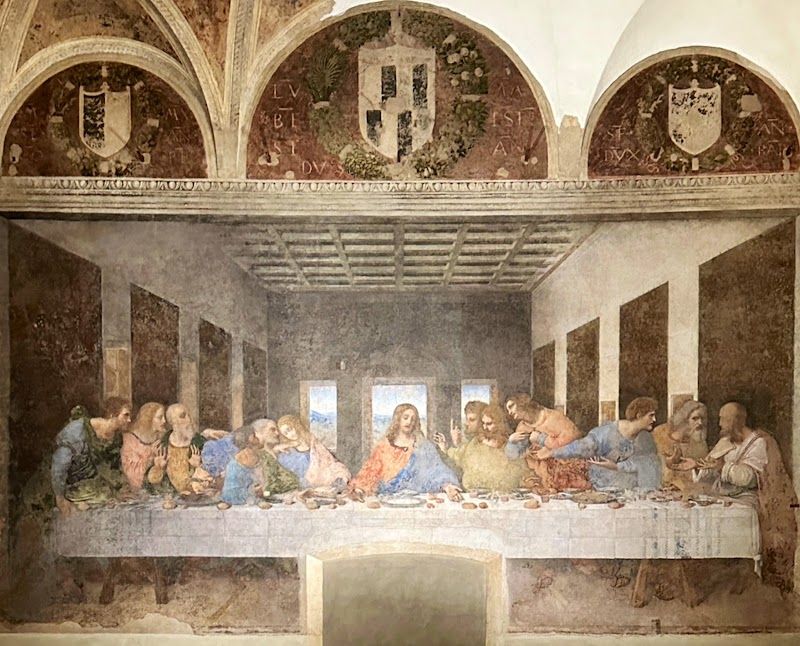
GetYourGuide Last Supper and Duomo Tour
This tour pairs Milan's two heavyweight attractions in one efficient package: da Vinci's Last Supper fresco and the Gothic cathedral that dominates the city center. You'll get those precious reserved slots that individual travelers struggle to secure, plus skip-the-line access to climb inside the Duomo's spires and explore its rooftop forest of flying buttresses. The art historian guides actually know their stuff - they'll explain why Judas is clutching that money bag and how restorers painstakingly removed centuries of misguided "improvements" from the fresco. The Last Supper portion feels almost sacred - you're shuffled into the climate-controlled refectory with just 24 other people for exactly 15 minutes of silent viewing. The fresco is smaller than you'd expect but incredibly detailed once your eyes adjust. Then you're whisked across town to the Duomo, where the real revelation isn't the cathedral floor but the rooftop access via elevator. Walking among those Gothic spires with the Alps visible on clear days beats any interior view. Honestly, this combination makes sense only if you're short on time - the €75-85 price tag is steep but reflects those impossible-to-get Last Supper reservations. Most tours rush you between locations without enough transition time. The Duomo portion feels slightly rushed after the intensity of seeing da Vinci's masterpiece. If you can only do one, choose the Last Supper - you can visit the Duomo anytime, but that fresco viewing is genuinely once-in-a-lifetime.
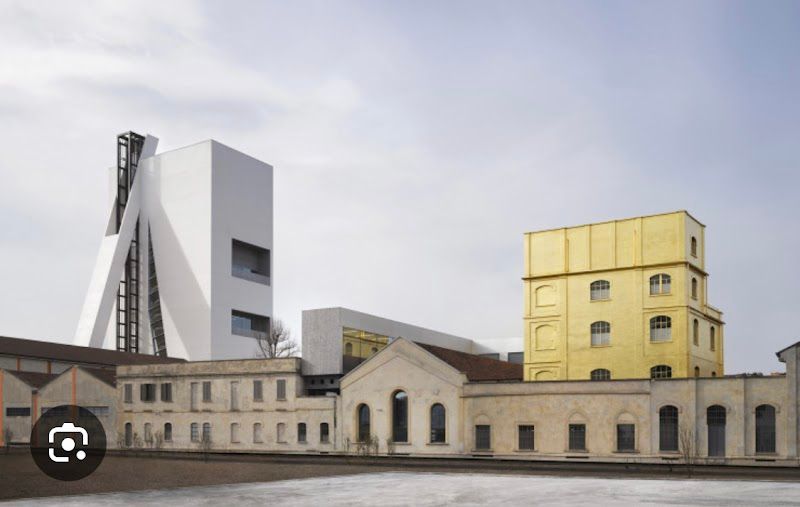
Fondazione Prada
Fondazione Prada occupies a transformed 1910s gin distillery where Rem Koolhaas created one of Europe's most striking contemporary art spaces. You'll navigate between seven restored industrial buildings and three bold new structures, including the gold-leaf Torre and the mirror-clad Haunted House. Permanent works include Louise Bourgeois' haunting sculptures and Damien Hirst's pharmacy installation, while rotating exhibitions showcase cutting-edge contemporary artists. The complex feels like wandering through an art-filled industrial playground where each building offers completely different experiences. The old fermentation tanks now house video installations, while the pristine white Podium building contrasts sharply with the weathered brick warehouses. Wes Anderson's Bar Luce perfectly recreates a 1950s Milanese café with mint-green banquettes and vintage Formica tables where you can actually sit and order espresso. Most visitors rush through without realizing the Torre requires separate timing - it's only open certain hours and offers Milan's best 360-degree views. Skip the overhyped Cisterna basement space unless there's something exceptional on. The full experience costs €15 for the foundation plus €10 extra for Torre access, but you can easily spend half a day here if you're serious about contemporary art.
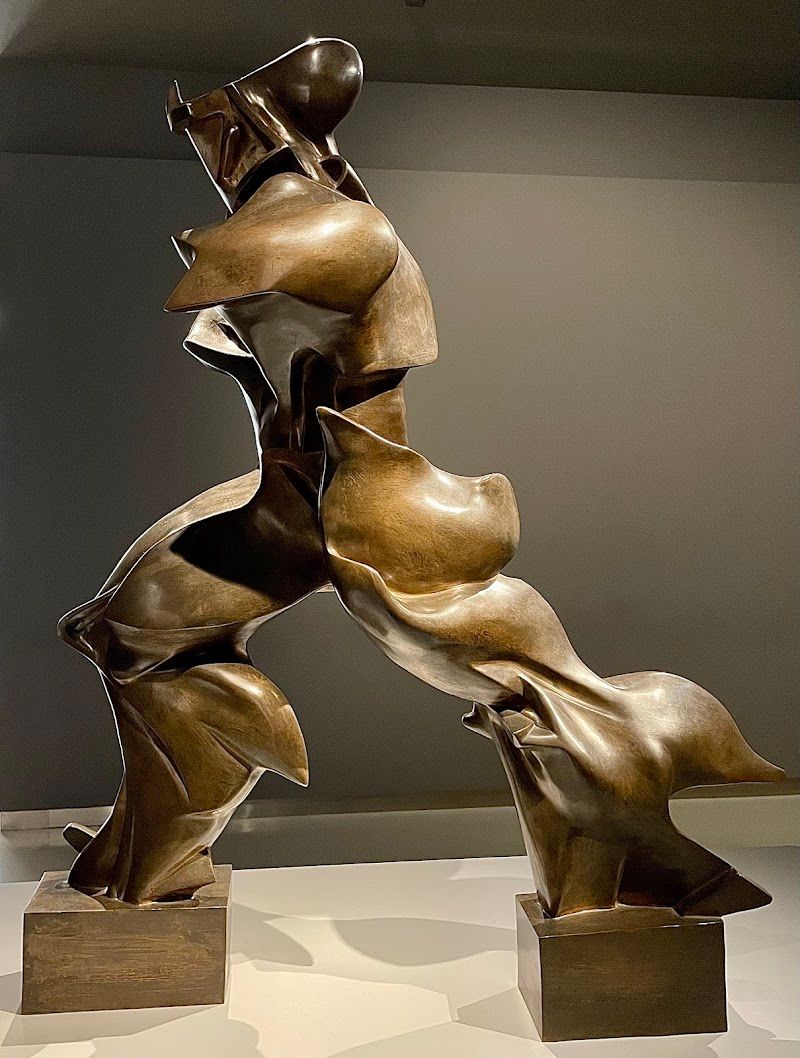
Museo del Novecento
The Museo del Novecento transforms a 1950s rationalist building into Italy's premier showcase of 20th-century art, with 400 works spanning Futurism to Arte Povera. You'll encounter Umberto Boccioni's revolutionary sculptures that literally exploded traditional forms, Lucio Fontana's slashed canvases that redefined space, and Giuseppe Pellizza da Volpedo's massive social realist masterpiece The Fourth Estate. The collection focuses exclusively on Italian movements, making it more cohesive than most modern art museums. The building's spiral ramp pulls you chronologically through Italy's artistic evolution, from the explosive energy of early Futurism through the conceptual experiments of the 1960s. Each floor opens into naturally lit galleries where you can actually see brushstrokes and textures - the lighting design is exceptional. The crowds thin out significantly after the second floor, giving you space to contemplate Fontana's slashed canvases and Mario Sironi's urban landscapes in peace. Most visitors rush to the top-floor terrace for Duomo views and miss the real treasures on floors 2-3. The €5 entry fee (free on Tuesday afternoons after 2 PM) makes this Milan's best art bargain, but the audio guide costs an additional €5 and honestly isn't worth it - the wall texts are comprehensive. Skip the ground-floor temporary exhibitions unless they're specifically interesting to you.
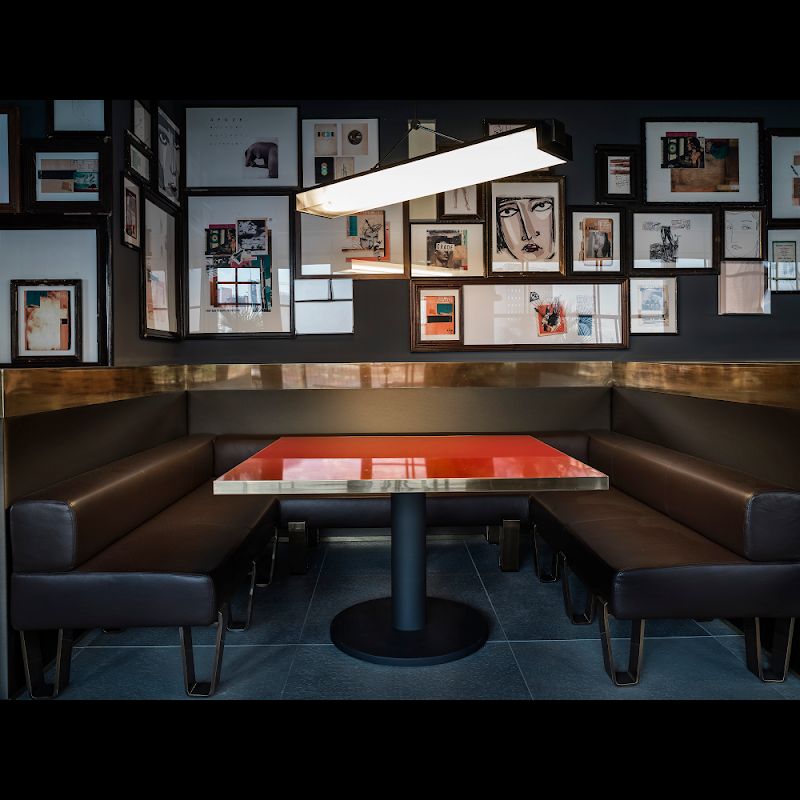
Ceresio 7
Perched on the seventh floor of a converted industrial building in Porta Garibaldi, Ceresio 7 transforms Milan's concrete jungle into an unexpected aquamarine oasis. The Dsquared2 twins turned this rooftop into the city's most coveted poolside dining destination, complete with two azure pools that reflect the Bosco Verticale towers and distant Alps on clear days. The space feels like a Miami Beach club transported to Milan's financial district - all white marble, teak decking, and strategically placed palm trees swaying against the skyline. The crowd is unapologetically fashion-forward: publishing executives air-kissing over aperitivos, Instagram influencers posing poolside, and actual models who somehow make wet hair look editorial. Thursday nights turn into impromptu networking sessions for Milan's creative class. The Mediterranean-Asian fusion menu surprises with dishes like miso-glazed black cod (€38) and truffle risotto with uni (€42) that actually justify the scene tax. Cocktails lean American Bar classic - think perfectly balanced Negronis (€16) and theatrical martinis (€18) that arrive with just enough garnish theater. The indoor dining room exists but feels like admitting defeat - the magic happens poolside where Milan's urban sprawl becomes unexpectedly beautiful as the sun sets behind the Porta Nuova towers. Open Tuesday-Sunday from 7:30pm (kitchen closes at midnight), with weekend lunch service from 12:30pm. Expect to spend €80-120 per person for dinner with drinks.
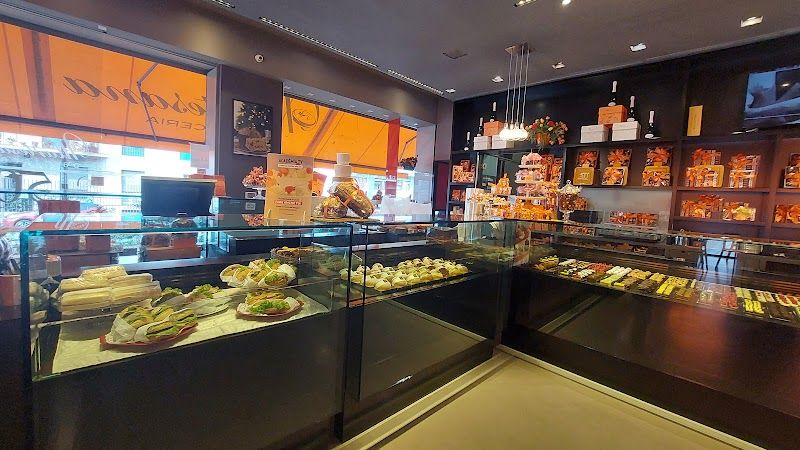
Pasticceria Martesana
Forget the touristy pastry shops near the Duomo - Pasticceria Martesana is where Milan's discerning locals have been getting their sugar fix since 1929. This isn't just another pretty bakery; it's a third-generation family operation that has perfected the art of traditional Lombard pastry making while quietly innovating behind the scenes. The moment you step inside the elegant storefront on Corso di Porta Venezia, you'll understand why fashion editors and business executives make daily pilgrimages here. The glass display cases gleam like jewelry showcases, filled with architectural marvels of sugar, cream, and perfectly laminated dough. Their cornetti (€1.80) aren't just breakfast pastry - they're works of art with impossibly flaky layers that shatter at first bite. The cappuccino (€1.50) is textbook perfect, served in proper porcelain cups that locals nurse while scanning La Gazzetta dello Sport. But the real magic happens with their single-portion cakes (€4-7) - miniature symphonies of seasonal flavors that change with obsessive attention to what's actually ripe and good. During Christmas season, their panettone becomes the stuff of legend, with a waiting list that includes Milan's most powerful families. The bakers arrive at 4 AM daily, and by evening, the cases are nearly empty - a testament to both quality and the refined palates of their clientele. This is Italian pastry making at its most sophisticated.
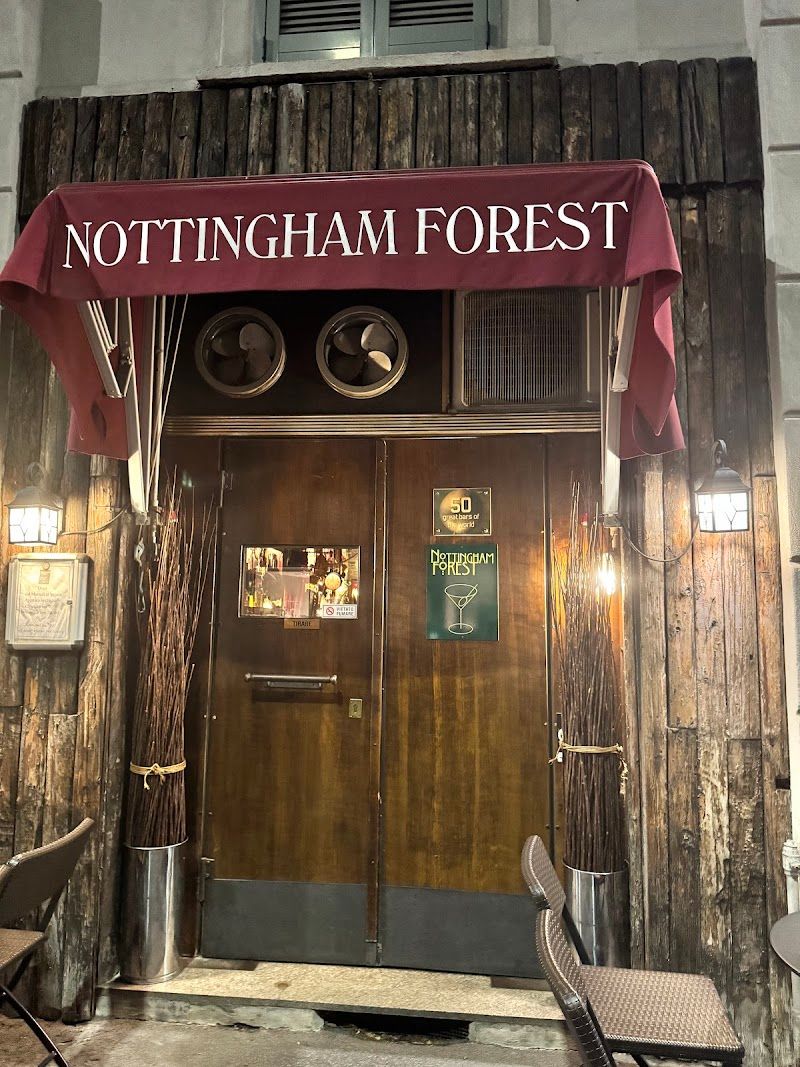
Nottingham Forest
Hidden behind an unmarked door in Porta Garibaldi, Nottingham Forest is Milan's worst-kept secret - a speakeasy that transformed a derelict 1960s auto repair shop into the city's most atmospheric cocktail den. The original concrete floors and exposed brick walls now frame an enchanting woodland fantasy, complete with mounted deer heads, moss-covered surfaces, and hanging branches that create intimate alcoves throughout the dimly lit space. The theatrical forest theme walks the line between whimsical and macabre, but it works brilliantly against Milan's sleek fashion district backdrop. Open Tuesday through Saturday from 7 PM to 2 AM, this 60-seat temple to mixology serves cocktails that justify the inevitable queue snaking down Via Borsieri. Head bartender Dario Comini and his team craft seasonal menus that read like poetry - think 'Rabbit Hole' with fat-washed bourbon and forest mushroom syrup, or 'Wolf Pack' featuring house-smoked mezcal and pine-infused vermouth. Cocktails range from €12-16, which feels steep until you witness the theatrical presentation and taste the precision behind each drink. The sound design deserves special mention - subtle forest sounds mix with carefully curated playlists that somehow make sense with the mounted taxidermy staring down at you. Most visitors miss the tiny back room past the restrooms, where regulars gather around a communal table for off-menu experiments.
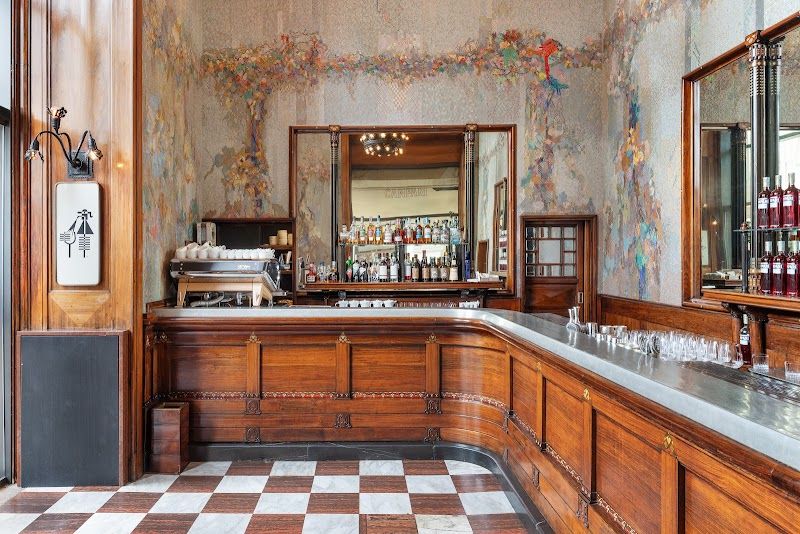
Camparino in Galleria
Step into Camparino in Galleria and you're entering Milan's most authentic slice of aperitivo history. This tiny Art Nouveau gem, wedged into the northeastern corner of Galleria Vittorio Emanuele II since 1915, is where Campari first seduced the Milanese palate over a century ago. The Campari company literally built this bar as their flagship showcase, and miraculously, it's survived two world wars, countless renovations, and the tourist hordes with its soul intact. The interior is a masterclass in preserved elegance: hand-laid mosaic floors depicting the Campari logo, original brass fixtures that have developed the perfect patina, and diminutive marble-topped tables that force an intimate experience whether you want one or not. The curved mahogany bar, barely six feet long, has served everyone from Milanese industrialists to modern-day fashion editors. Don't expect craft cocktail theatrics - this isn't that kind of place. The bartenders, many of whom have worked here for decades, move with practiced efficiency, turning out perfect Campari sodas (€8), classic negronis (€12), and their signature Campari spritz (€9) with machine-like precision. The house aperitivo platter (€15) features decent olives, cheese cubes, and tramezzini, though you're really here for the drinks and the atmosphere. Standing room dominates, with maybe eight tiny tables total, so expect to rub shoulders with strangers while watching the Galleria's endless fashion show through the large windows. The acoustics amplify every conversation, creating a buzzing soundtrack of Italian chatter, tourist observations, and the constant clink of glasses.
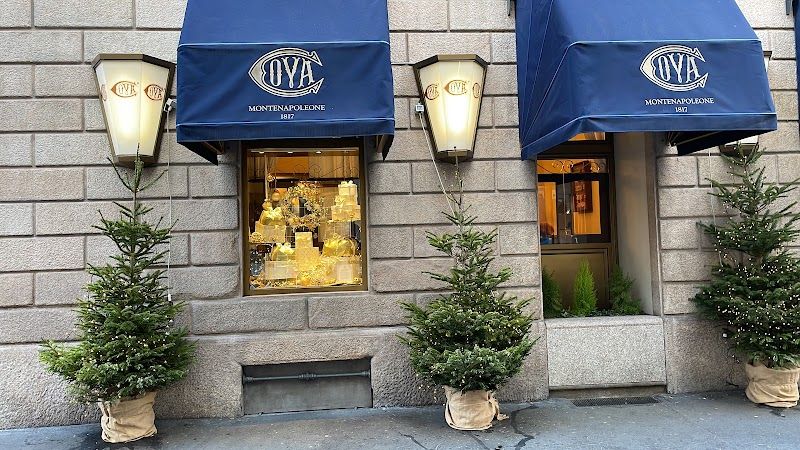
Cova Montenapoleone
Step into Cova Montenapoleone and you're entering Milan's most storied café - a crystalline time capsule where Giuseppe Verdi once nibbled pastries and La Scala's prima donnas still gossip over cappuccinos. Founded in 1817 by Antonio Cova, this isn't just another pretty patisserie; it's where Milan's cultural elite have conducted their most important conversations for over two centuries. The original Teatro alla Scala location hosted revolutionaries planning Italy's unification, artists debating aesthetic movements, and financiers orchestrating deals that shaped modern Milan. Today's Montenapoleone flagship maintains that rarefied atmosphere with crystal chandeliers, marble-topped tables, and staff who serve with theatrical precision. The panettone (available year-round, €45-85 depending on size) remains legendary - dense, buttery, studded with candied fruits that actually taste like fruit rather than sugary bits. Their signature mocha pralines (€3.50 each) are miniature works of art, but the real insider move is ordering the torta Cova (€6.50 per slice) - a secret-recipe chocolate cake that predates most Italian unification. Morning cappuccinos cost €2.80 at the bar, €4.50 seated, but you're paying for theater as much as coffee. The experience feels authentically aristocratic without being stuffy, though tourists clutching shopping bags from nearby Prada can disrupt the refined ambiance during peak hours.
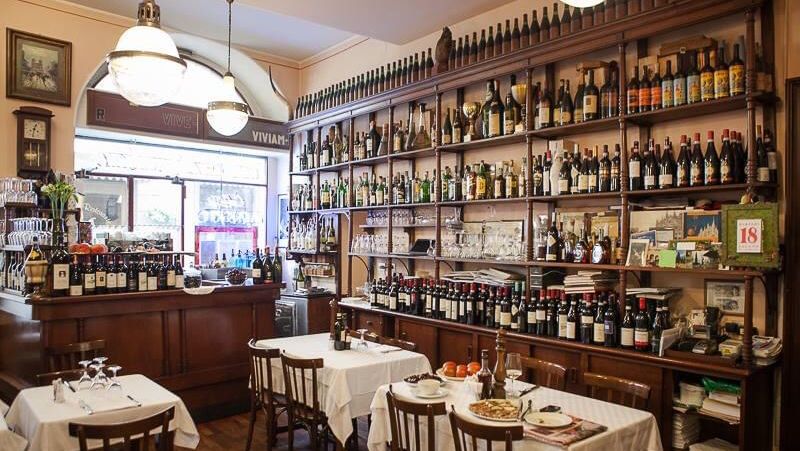
Trattoria Milanese
Step through the heavy wooden door of Trattoria Milanese and you're transported to 1933, when the Borghetti family first opened this temple to Lombard cuisine. The dark wood paneling, vintage photographs of old Milan, and marble-topped tables haven't changed since Mussolini was in power - and neither has the menu. This isn't nostalgic theater; it's the genuine article, run by the third generation of the same family who still hand-write orders on paper pads and remember your preferences after two visits. The waiters, most pushing retirement age, move with practiced efficiency through the cramped dining room, balancing plates of ossobuco (€22) and towering cotolette with theatrical flair. Open Tuesday to Sunday 12:00-14:30 and 19:30-22:30 (closed Mondays and August). The kitchen serves proper Milanese classics: nervetti salad (€8) - calf's foot terrine that sounds awful but tastes sublime, risotto alla milanese (€16) made with real Carnaroli rice and saffron, and the legendary cotoletta alla milanese (€28) - a bone-in veal chop the size of a small shield, pounded thin and fried golden. Skip the tourist-trap restaurants around La Scala; this cramped, noisy trattoria near Santa Maria delle Grazie is where three generations of Milanese have celebrated births, mourned losses, and argued politics over wine-stained tablecloths. Expect to spend €45-55 per person with wine.
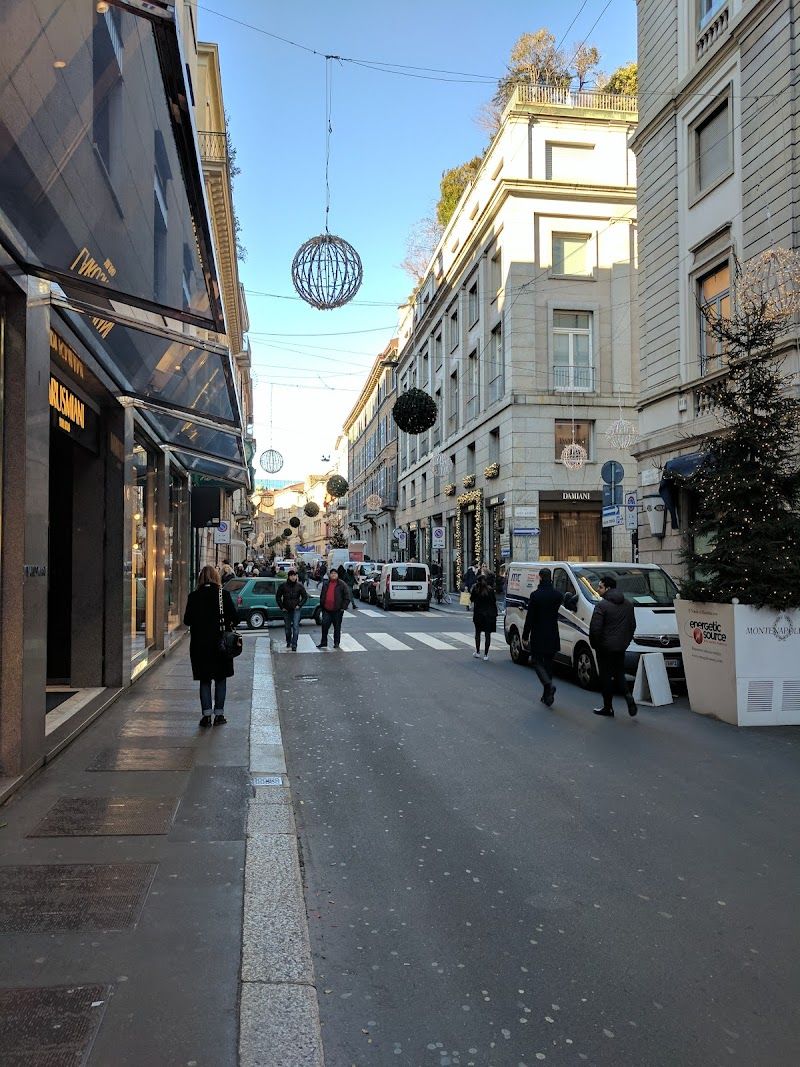
Via Montenapoleone
Via Montenapoleone stands as Milan's most prestigious shopping artery, anchoring the legendary Quadrilatero della Moda where fashion dreams meet financial reality. This elegant boulevard, stretching from Piazza San Babila to Via Manzoni, earned its name from Napoleon's military engineers who redesigned the street layout in the early 1800s - though they probably never imagined handbags would one day cost more than horses. The street's neoclassical palazzos now house temple-like flagship stores for Gucci, Prada, Louis Vuitton, Hermès, and virtually every luxury brand that matters. Each storefront is an architectural statement - from Prada's minimalist shrine at number 8 to Gucci's opulent palazzo at number 5. The shopping experience here borders on performance art: expect to be greeted by impeccably dressed staff who can spot your spending potential from fifty meters away. Price tags start around €500 for accessories and climb into five figures for exclusive pieces. Most stores open at 10:00 and close at 19:30 (20:00 on weekends). Even if your budget screams 'Zara,' the people-watching is priceless - this is where Milanese socialites, international oligarchs, and fashion editors converge in a daily parade of calculated elegance. The real magic happens in the historic courtyards hidden behind many storefronts, where 18th-century architecture creates intimate shopping sanctuaries.
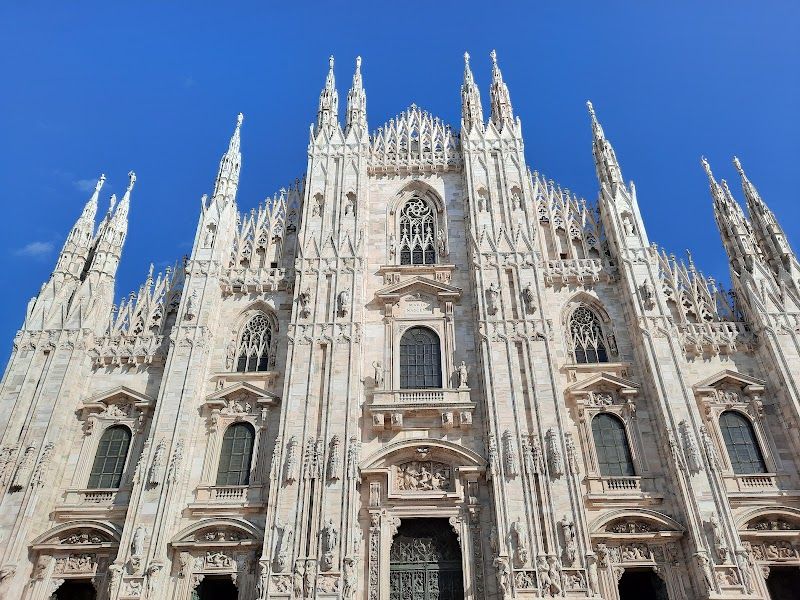
Duomo Rooftop Terraces Guided Tour
Climbing onto the Duomo's rooftop terraces is like stepping into a medieval stonemason's fever dream - and it's absolutely Milan's most spectacular experience. This Gothic masterpiece, begun in 1386 and finally completed in 1965 (yes, nearly 600 years), reveals its true majesty only from above. As you emerge onto the marble terraces 70 meters above Piazza del Duomo, you're suddenly walking among a forest of 135 spires that pierce the sky like stone prayers. The detail up close is staggering: 3,400 statues peer down at you, each carved with obsessive precision by generations of craftsmen. The central spire, crowned by the golden Madonnina statue (Milan's beloved protector since 1774), towers another 40 meters above your head. On clear days - and this is crucial - the view stretches impossibly far across the Po Valley to the Alps, with the Matterhorn's distinctive pyramid visible on the horizon. The rooftop experience transforms your understanding of Gothic architecture from distant admiration to intimate encounter. You'll duck under flying buttresses, navigate narrow walkways between spires, and gain access to elevated platforms that offer different perspectives of both the cathedral's intricate stonework and Milan's sprawling urban landscape. The contrast between the ancient craftsmanship beneath your feet and the modern city spreading in all directions creates a uniquely Milan moment - where history and contemporary life intersect dramatically. Open daily 9am-7pm (last entry 6pm), tickets from €15-25 depending on elevator versus stairs access.
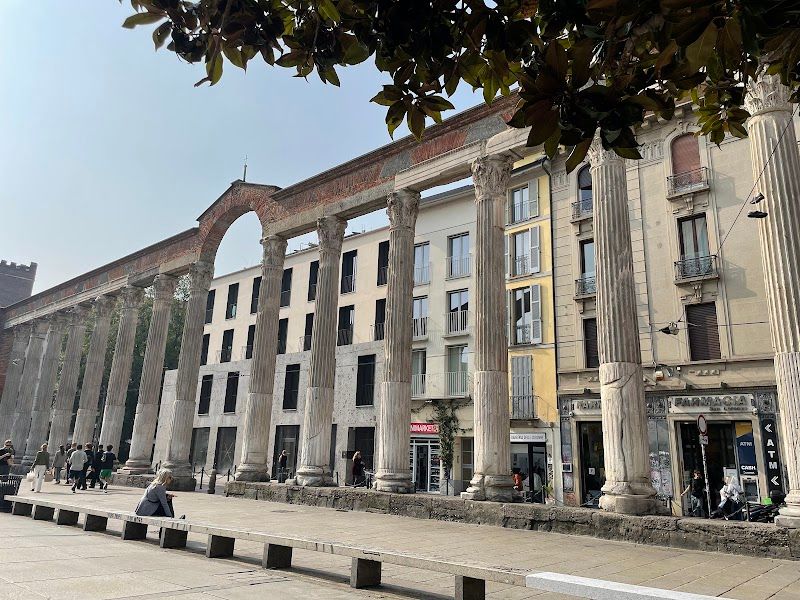
Colonne di San Lorenzo
These sixteen Corinthian columns are Milan's most significant Roman survivors. Standing 8 meters tall before the ancient Basilica of San Lorenzo, they date back to a 2nd-century temple or bath complex that dominated this area when Milan was Mediolanum, capital of the Western Roman Empire. The columns were recycled in the 4th century by early Christians who relocated them here, stone by stone, to create an impressive entrance portico for their new basilica - a prime example of ancient upcycling. This spot holds archaeological value, but its attraction also lies in how 1,800-year-old marble integrates with modern Milanese life. By day, tourists take photos in front of the weathered capitals while locals ride through on Vespas. After aperitivo hour, the piazza transforms into Milan's most atmospheric outdoor living room. Students sprawl across the ancient stones with spritz and panettone, street musicians fill the colonnade with melodies, and the warm golden lighting makes the marble glow. The juxtaposition is characteristic of Milan - respectful of history, but also lived-in. The basilica behind offers free entry and is open from 7:30am to 6:30pm, containing 5th-century architecture. Most visitors overlook the true treasure: the octagonal Cappella di Sant'Aquilino, where original 4th-century mosaics shimmer with gold-leaf tesserae in an intimate space that resembles stepping into a jewel box, available for €2 entry.
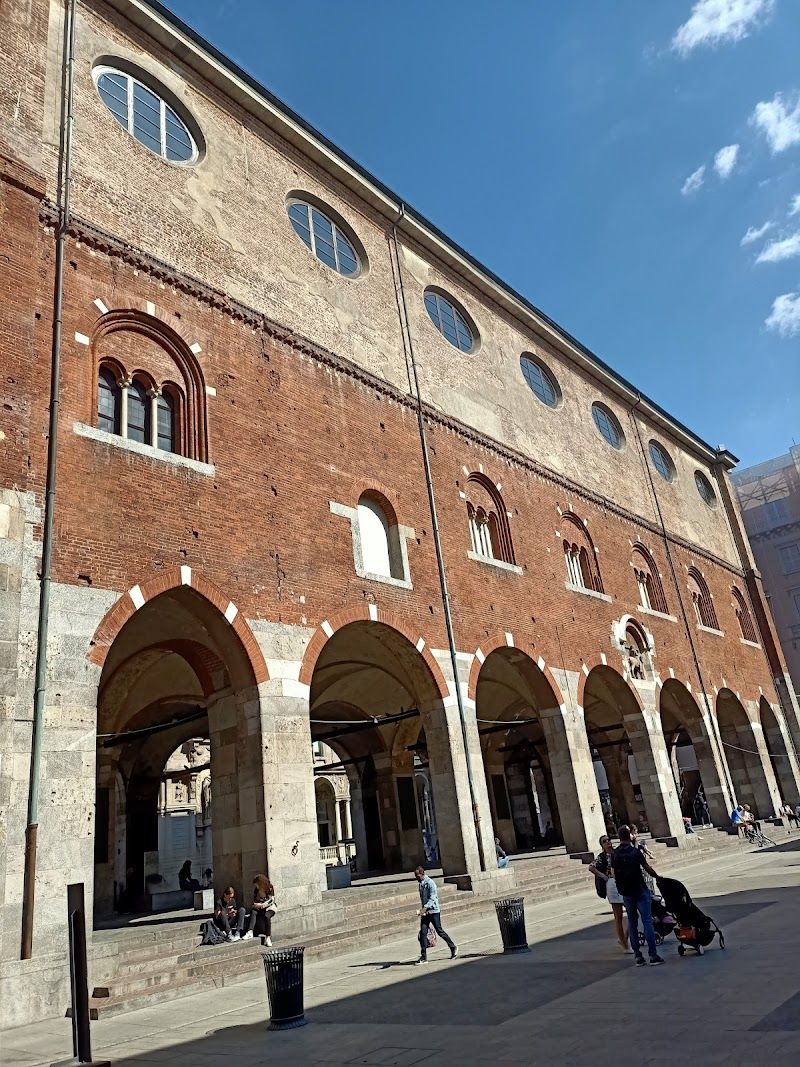
Piazza Mercanti
Piazza Mercanti is Milan's best-preserved medieval square, a small stone-paved courtyard that served as the city's commercial heart for centuries. You will find yourself surrounded by four historic buildings, including the 13th-century Palazzo della Ragione with its distinctive arched loggia and the red-and-white striped Palazzo dei Giureconsulti. The central wellhead and carved street signs in old Milanese dialect transport you back to when merchants hawked goods here under these same arches. The square feels like stepping through a different era, one moment you are dodging crowds near the Duomo, the next you are in this quiet medieval courtyard where your footsteps echo off ancient stones. The atmosphere changes completely depending on the light: morning sun filtering through the arches creates dramatic shadows, while evening transforms it into a setting perfect for photographs. Most visitors spend just a few minutes here, but the carved details and inscriptions reward closer inspection. Most tours promise too much, and you'll see everything worth noting in 15 minutes. The real value is as a peaceful break from the Duomo chaos, providing a quiet respite from the bustling crowds. While it's worth a quick visit to see the carved details of the square itself, the small museum inside Palazzo della Ragione is usually only of interest to those with a specific interest in medieval Milan history. The best photo opportunities are from the center of the square looking up at the surrounding buildings.
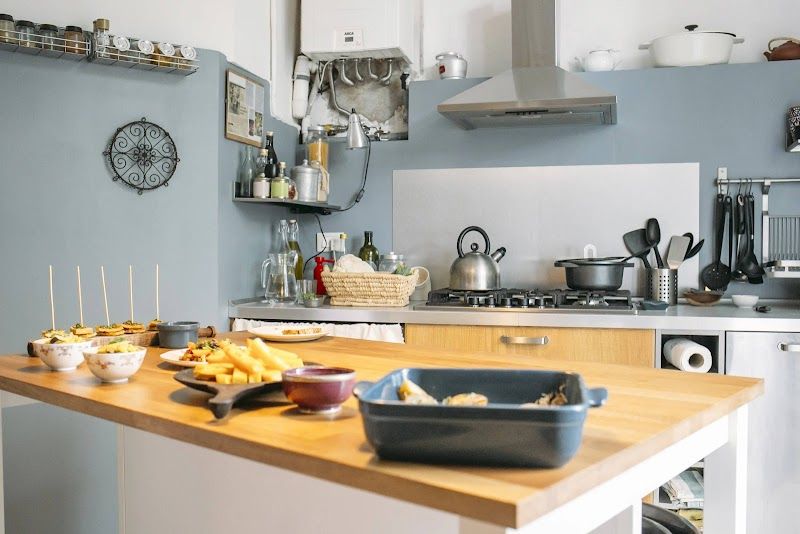
Cesarine Milanese Cooking Class
This three-hour cooking class takes you into a real Milanese home where you'll learn to make the city's two signature dishes from a local cook. You'll work with authentic ingredients like saffron threads from Abruzzo and veal shanks with the marrow still intact, using techniques that Italian nonnas have passed down for generations. The class covers everything from selecting the right rice variety to the precise timing that makes risotto creamy rather than mushy, plus the slow braising method that transforms tough ossobuco into fork-tender perfection. Your host treats you like family from the moment you arrive, explaining each step while you chop, stir, and season together in their actual kitchen. The atmosphere feels genuinely homey - you'll hear stories about their grandmother's cooking while learning why you never add cheese to risotto until the very end. The pace is relaxed but focused, and you'll find yourself absorbed in the methodical stirring and the rich aromas building throughout the afternoon. At around €95 per person, it's excellent value considering you get a full meal with wine pairings included. Most cooking classes in Milan stick to touristy locations, but Cesarine connects you with real home cooks who actually know these recipes intimately. The only downside is that classes can feel rushed if you're paired with impatient participants, but most hosts are skilled at managing different skill levels without making anyone feel left behind.
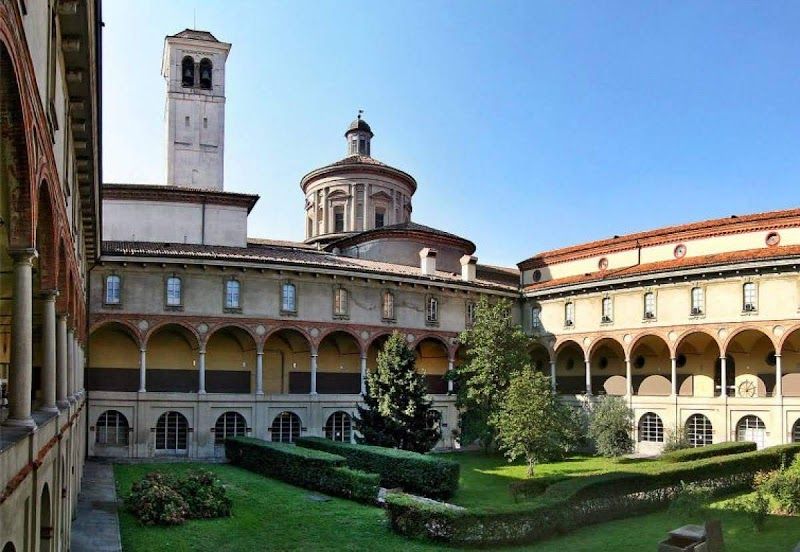
Museo Nazionale della Scienza e della Tecnologia Leonardo da Vinci
Italy's largest science and technology museum, housed in a 16th-century monastery, with a dedicated Leonardo da Vinci gallery featuring models built from his codex drawings. The submarine Toti (EUR 10 extra, book online) lets you walk through a real Cold War Italian navy submarine. The transport galleries have steam trains, aircraft, and ships. Interactive labs for children run on weekends. EUR 10 adults, EUR 7.50 children. It is excellent for kids ages 4-14 and genuinely interesting for adults too.
Santa Maria delle Grazie
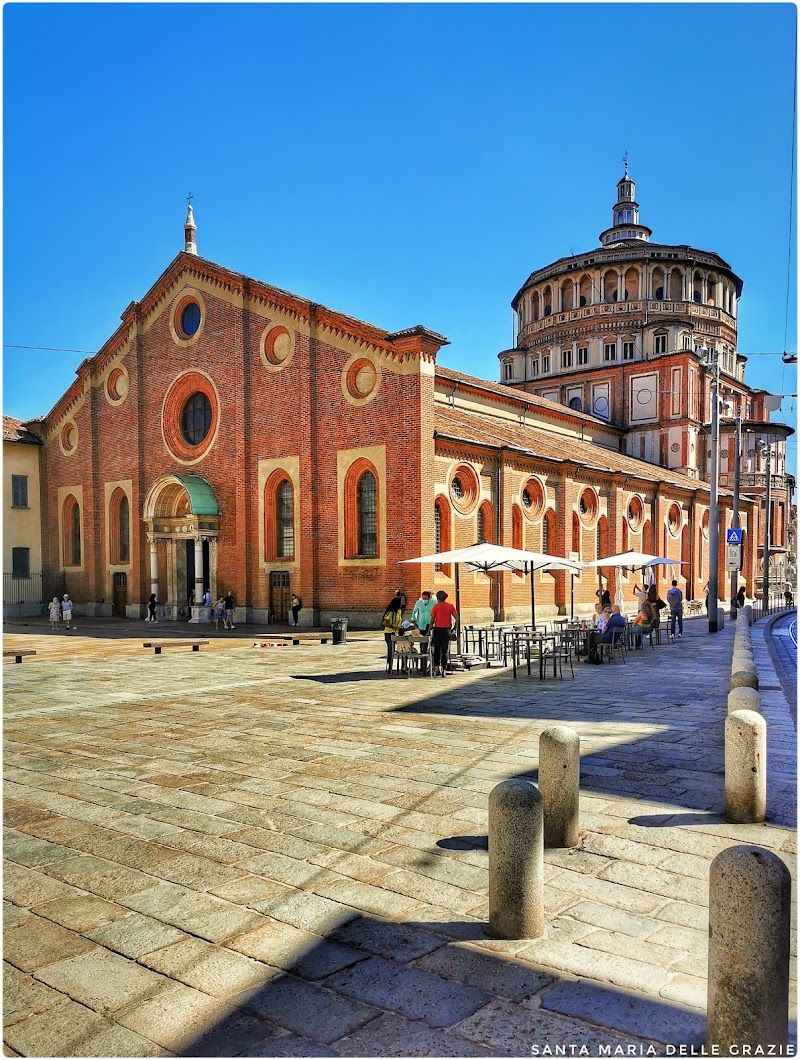
Santa Maria delle Grazie is a 15th-century church where Gothic meets Renaissance in a remarkable way, creating Milan's most underappreciated architectural experience. While everyone queues for The Last Supper next door, the church itself features Bramante's domed tribune - a masterpiece of mathematical precision where light streams through windows to create constantly shifting patterns across marble and frescoes. The contrast between the original Gothic nave and Bramante's geometric Renaissance addition is striking, showing two architectural philosophies in perfect conversation. You'll enter through the main piazza door into the Gothic nave, but the real magic happens when you reach Bramante's tribune at the altar end. The space opens up dramatically under his dome, where every proportion follows Renaissance ideals of harmony and light. The peaceful cloister, accessible through a side door, offers respite from Milan's pace with its simple arches and garden courtyard. Most visitors spend 10 minutes here before rushing off - a mistake that misses the subtle details in the chapels and the way afternoon light transforms the tribune. This is one of Milan's best free experiences, yet most people treat it as a footnote to The Last Supper. The church operates independently from the famous fresco (no advance booking needed), making it perfect for spontaneous visits. Skip the generic guidebook descriptions of historical significance and focus on Bramante's architectural genius - his tribune influenced St. Peter's Basilica design. Avoid Sunday mornings when Mass restricts tourist access, and don't bother with the small museum unless you're genuinely interested in Dominican history.
Mercato Metropolitano Milano
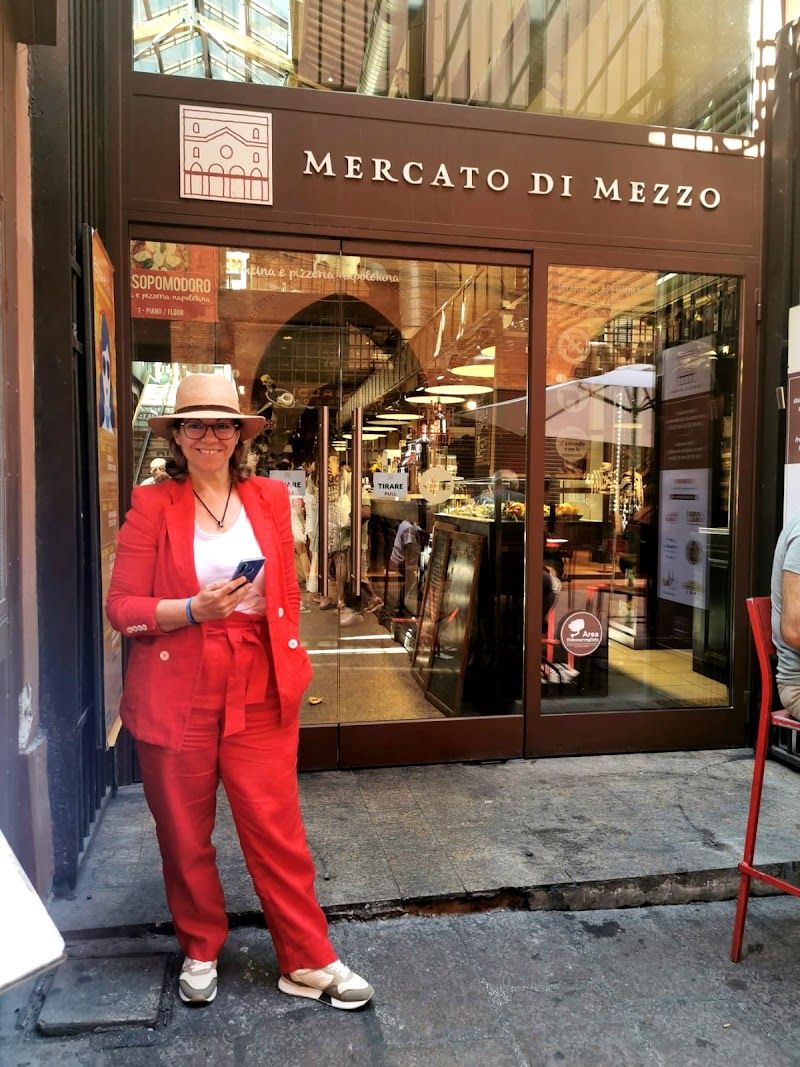
Mercato Metropolitano Milano transforms a former industrial warehouse near Porta Genova into Milan's most ambitious food hall, with over 40 vendors spanning everything from Sicilian arancini (€4-6) to craft cocktails (€8-12). You'll find proper sit-down restaurants alongside quick grab spots, plus local artisan producers selling everything from aged cheeses to handmade pasta. The space doubles as a cultural hub with live music most evenings and occasional food workshops. The converted warehouse feels genuinely communal rather than touristy - locals come for after-work aperitivo while families share weekend lunches at the long wooden tables. The acoustic design means it never feels overwhelming despite housing hundreds of diners, and the open kitchen concept lets you watch everything being prepared fresh. The craft beer selection is exceptional, featuring small Italian breweries you won't find elsewhere in the city. Most food halls feel like upscale cafeterias, but this one actually works because vendors aren't just reheating pre-made items. However, weekend evenings get genuinely packed - arrive before 7pm or after 9pm to avoid the worst crowds. Skip the more expensive "gourmet" stalls near the entrance and head toward the back where prices drop significantly. The €15-20 you'll spend for a full meal beats most nearby restaurants for quality.
QC Termemilano Spa Experience
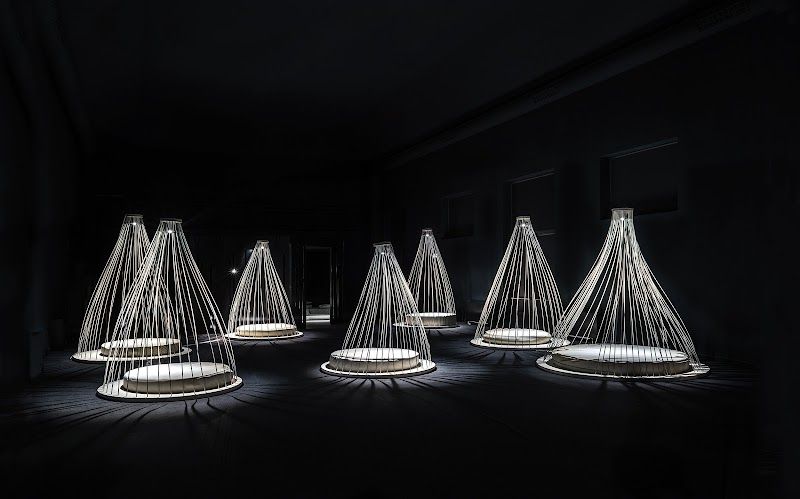
QC Termemilano transforms a gorgeous 1920s tram depot into Milan's most atmospheric spa experience, with original industrial bones housing 25 different wellness areas. You'll find everything from Himalayan salt rooms and bio saunas to Japanese ofuro baths and meditation spaces, all arranged around the stunning central hall with its soaring glass roof. The outdoor thermal pools stay at a perfect 38°C year-round, creating steam clouds that look magical against Milan's skyline. The experience flows naturally from hot to cold - you'll drift between saunas, steam rooms, and thermal pools without any rigid schedule. The restored architecture creates an almost sacred atmosphere, especially in the evening when soft lighting transforms the space. The outdoor area feels like a secret garden in the middle of the city, with wooden walkways connecting different pools and relaxation areas. Day passes run €45-65 depending on the season, which is reasonable for 4+ hours of unlimited access. Most visitors make the mistake of rushing - this isn't about checking off every room but finding your rhythm. Skip the overpriced restaurant inside and eat beforehand. The weekend crowds can kill the zen vibe, so weekdays are genuinely better if you can swing it.
Triennale di Milano
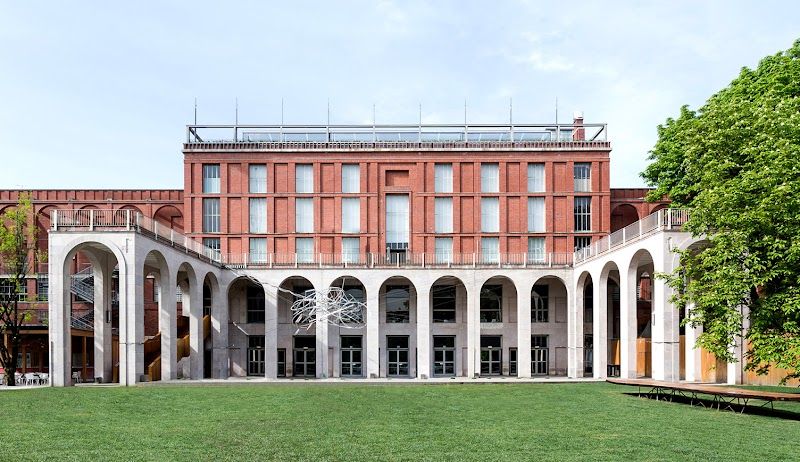
This is Italy's most important design museum, housed in a striking rationalist building that's an artwork itself. You'll find rotating exhibitions that showcase everything from Alessi kitchenware to radical architecture concepts, plus a permanent collection that traces Italian design's evolution from 1945 onwards. The museum takes design seriously - expect thoughtful curation around industrial objects, furniture, and contemporary art that actually changed how people live. The galleries flow chronologically through Italy's design boom, with standout pieces like original Olivetti typewriters, Vespa prototypes, and Memphis Group furniture that looks like it landed from outer space. The building's clean lines and natural light create perfect backdrops for the exhibits, while the top floor opens onto a terrace with direct views of Castello Sforzesco's towers. You'll spend most of your time on the second and third floors where the permanent collection lives. Regular admission costs €12, but that Wednesday evening deal (free after 6:30 PM) is genuinely good value. The temporary exhibitions vary wildly in quality - check what's on before visiting since they can make or break your experience. Skip the ground floor gift shop unless you're buying postcards; the real design pieces are overpriced. The rooftop restaurant is pleasant but not worth a special trip - grab an espresso and enjoy the castello views instead.
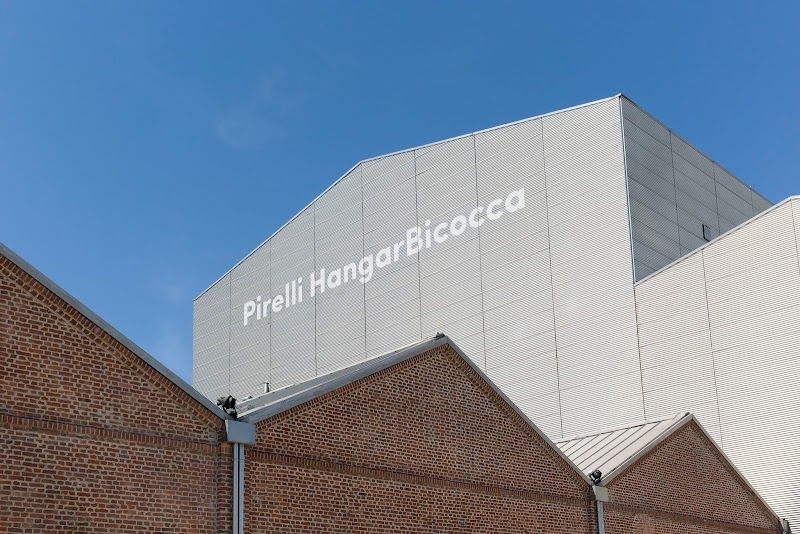
Pirelli HangarBicocca
Pirelli HangarBicocca transforms a massive former locomotive factory into one of Europe's most dramatic contemporary art spaces. The cavernous 15,000-square-meter hangar creates an almost cathedral-like atmosphere where monumental installations take on otherworldly proportions. Anselm Kiefer's Seven Heavenly Palaces dominates the main space - seven towering concrete and lead structures that feel like ancient ruins in a post-apocalyptic landscape. The raw industrial architecture, with its exposed steel beams and weathered concrete floors, doesn't just house the art - it becomes part of it. Walking through feels like exploring an abandoned cathedral filled with contemporary relics. The scale hits you immediately - Kiefer's towers stretch 14-18 meters high, their surfaces crusted with ash, clay, and metal fragments that catch the filtered light streaming through skylights. The space stays refreshingly cool even in summer, and the acoustics create an almost reverent quiet broken only by footsteps echoing off concrete. Rotating exhibitions in the side galleries tend toward equally ambitious large-scale works that would be impossible to display elsewhere. Most art guides oversell this as essential viewing, but honestly, it's quite niche - if conceptual contemporary art isn't your thing, 90 minutes here will feel endless. The permanent Kiefer installation is undeniably impressive but also oppressive and somber. Free admission makes it worth trying, but book online since weekend slots fill fast. Skip the small side exhibitions unless you're already hooked by the main hangar.
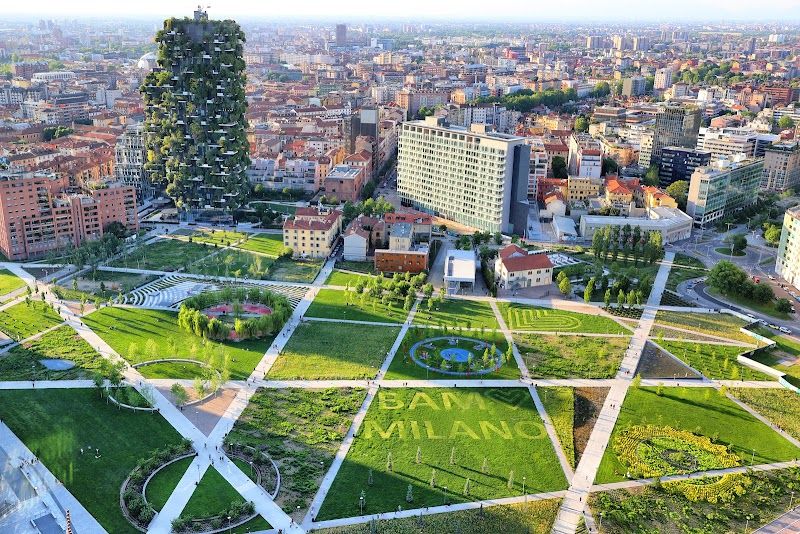
Biblioteca degli Alberi
Biblioteca degli Alberi transforms 22 acres of former industrial land into Milan's most sophisticated botanical experiment, with 135 tree species arranged in circular garden rooms that shift dramatically through the seasons. You'll walk through themed groves - Mediterranean oaks in one circle, Japanese maples in another, North American varieties in a third - while glass skyscrapers tower overhead. The contrast between cutting-edge botany and futuristic architecture makes this feel like stepping into a sci-fi movie where nature and technology actually coexist peacefully. The circular design means you can wander in any direction and discover something new - spring brings cherry blossoms and magnolias, summer offers dense canopies perfect for escaping Milan's heat, autumn explodes with maple colors you wouldn't expect in Italy. The wide gravel paths connect seamlessly between garden rooms, and elevated walkways give you treetop perspectives of both plants and the surrounding Porta Nuova skyline. Families spread picnics on the generous lawns while joggers loop the perimeter paths. Most travel guides gush about this place, but honestly, it's still maturing - many trees are young and the gardens need another decade to reach their full potential. The summer fitness classes are decent but get crowded, and weekend afternoons turn into outdoor office spaces for locals with laptops. Visit on weekday mornings for the best experience, and don't expect Kew Gardens - this is urban landscaping done very well, not a botanical wonderland.
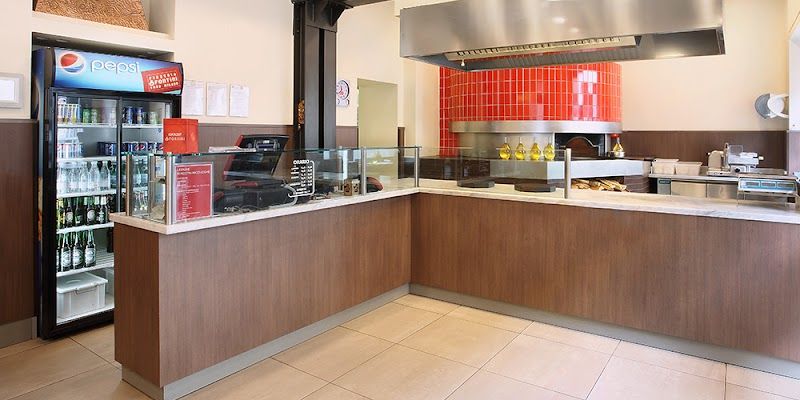
Pizzeria Spontini
Milan's iconic thick-crust pizza al trancio, served since 1953. The pizza is rectangular, soft, and topped generously - order by the slice at the counter.
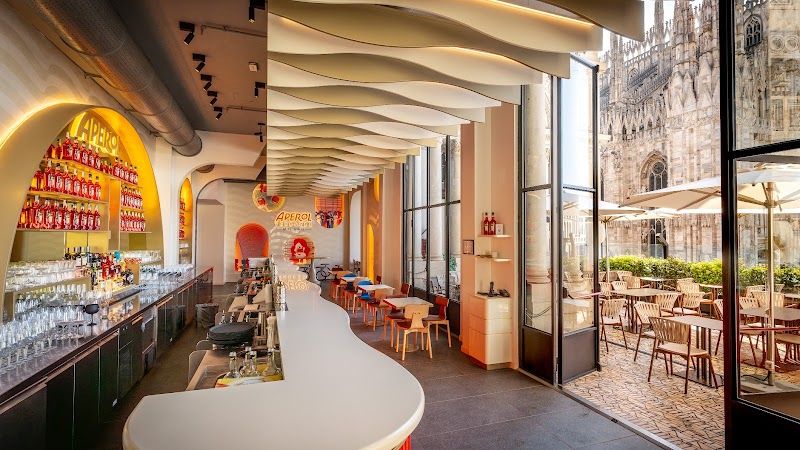
Terrazza Aperol
Iconic rooftop bar overlooking Piazza Duomo with prime cathedral views and the signature Aperol Spritz. Arrive before 6:30 PM to secure a spot without reservations, as it fills quickly during aperitivo hour. The setting sun hitting the Duomo's spires creates the most dramatic views around 7 PM in summer.
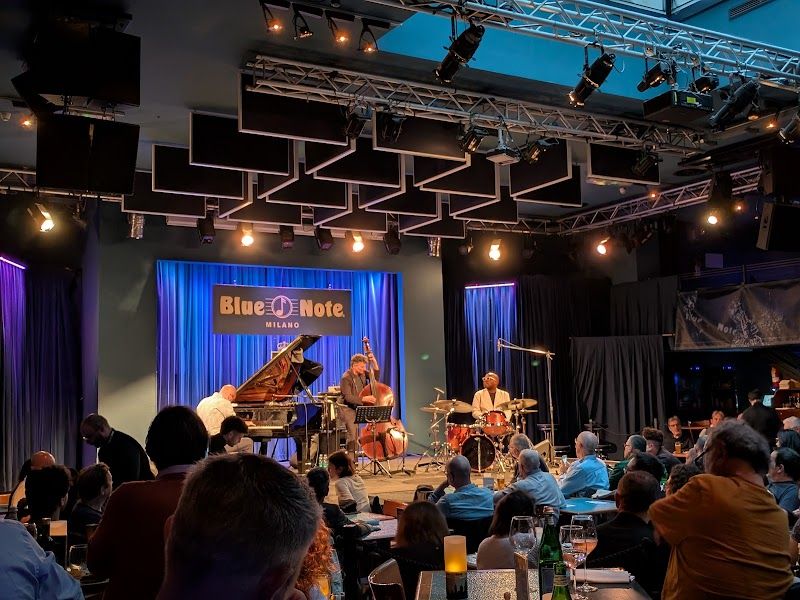
Milan Jazz and Cocktail Evening Tour
This guided tour takes you through Milan's authentic jazz scene across three carefully chosen venues in Brera and Porta Venezia, with a local guide who knows the owners and can get you into places you'd never find alone. You'll experience the evolution from traditional bebop haunts like Blue Note Milano to contemporary fusion spots where local musicians experiment with electronic elements. Each stop includes cover charges (typically €15-25 per venue) and a welcome cocktail, while your guide shares stories about Milan's jazz renaissance that began in the smoky clubs of the 1960s. The evening flows naturally from intimate basement venues where you're close enough to watch fingering techniques, to slightly larger spaces where the energy builds as the night progresses. You'll hear everything from classic standards to modern interpretations, often with Italian musicians who've trained at Berklee or studied in New York. The atmosphere shifts distinctly between venues - from hushed reverence at traditional spots to animated conversation during fusion sets where audience participation is encouraged. Most jazz tours in Milan hit tourist traps, but this one connects you with venues where locals actually go to hear serious music. Skip this if you're expecting smooth jazz or dinner music - these are working musicians playing challenging material. The €120-150 tour price includes everything except additional drinks, and you'll save money versus trying to navigate the scene solo since many venues have membership requirements or don't advertise showtimes publicly.
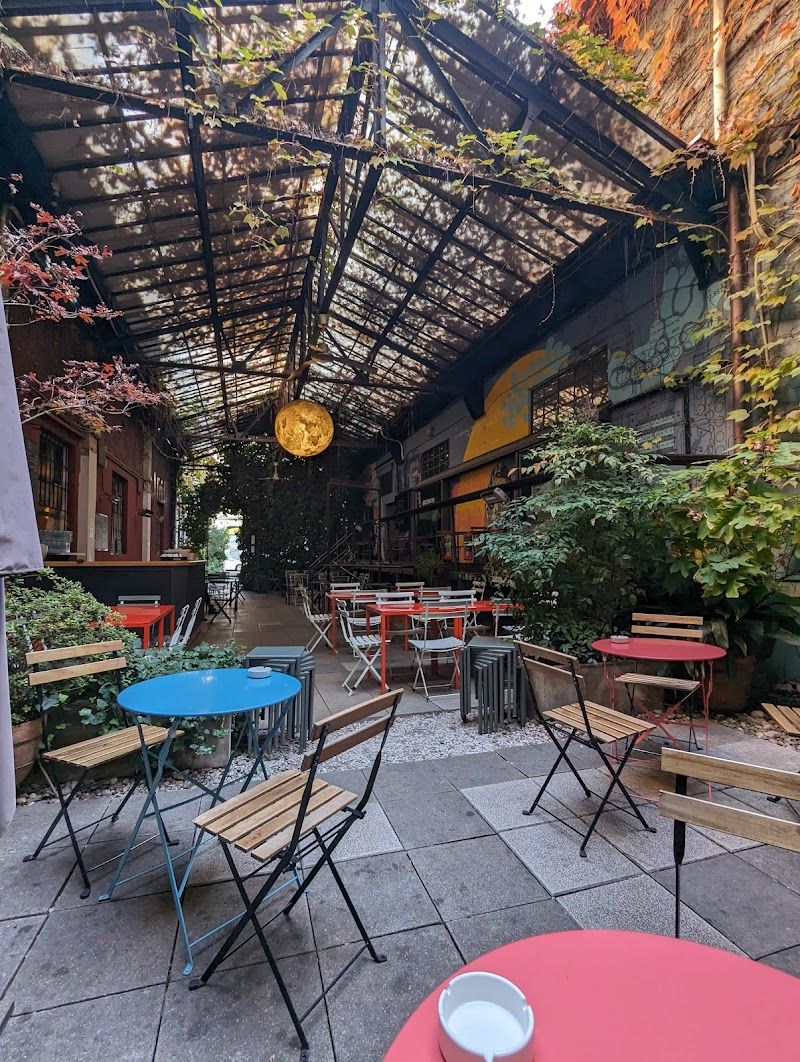
Frida
Contemporary trattoria in the heart of Isola serving creative Italian cuisine with a modern twist. The intimate space features an open kitchen and a carefully curated wine list focusing on natural and biodynamic wines. Known for their seasonal menu that changes frequently based on market availability.
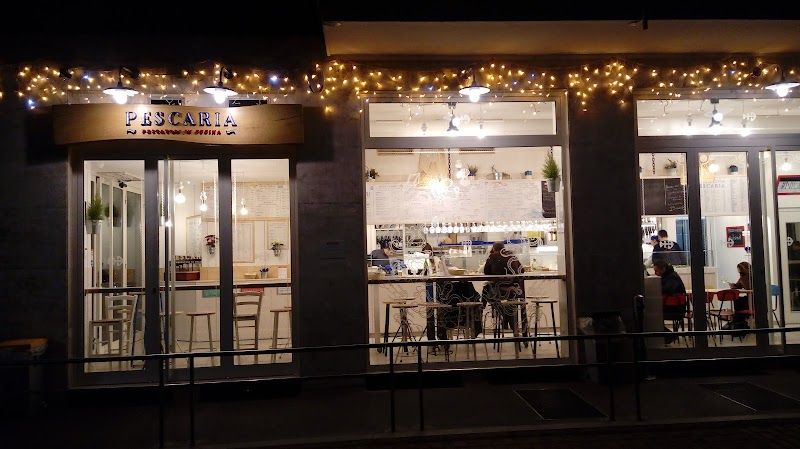
Pescaria Milano
Fried fish street food concept in Navigli. Sustainably sourced seafood served as sandwiches, fried cones, and platters. Quick, casual, and affordable for aperitivo hour.
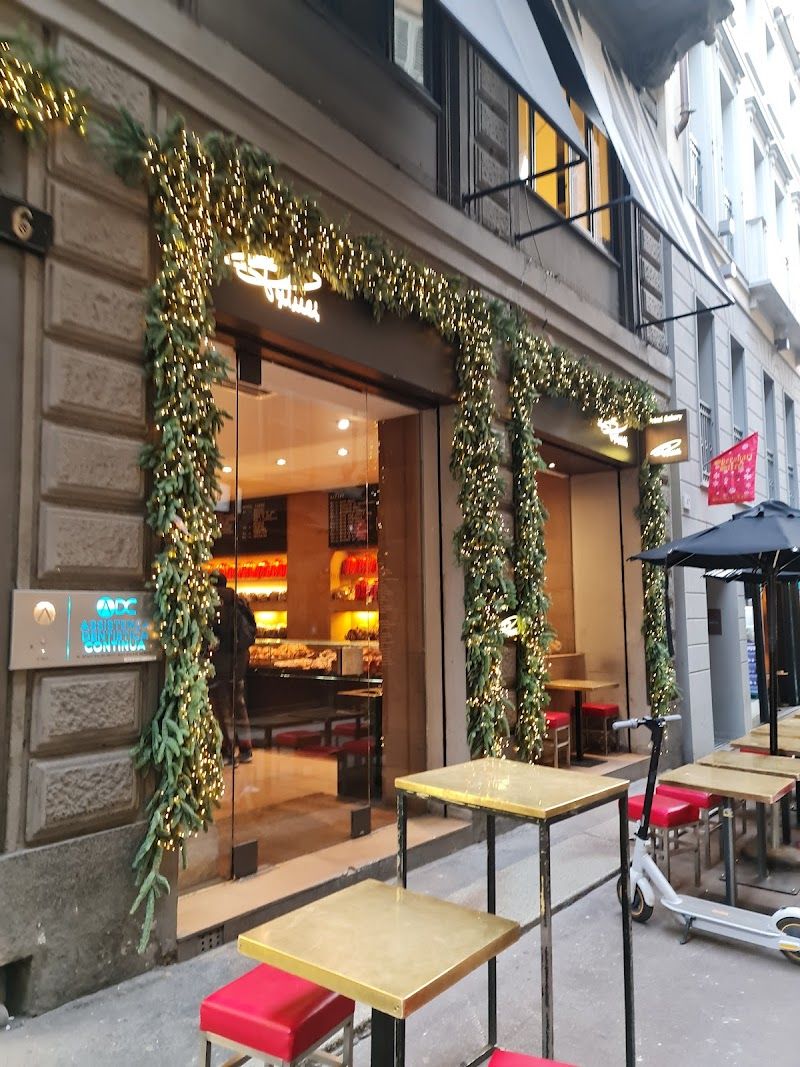
Princi
Milanese bakery and café chain serving pizza al taglio, focaccia, pastries, and coffee throughout the day. Excellent for quick breakfast or lunch at reasonable prices.
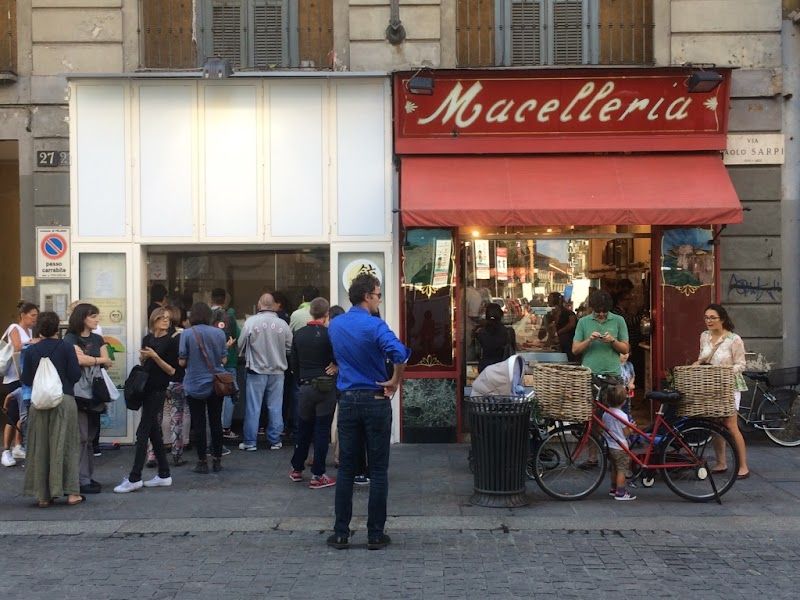
Ravioleria Sarpi
Fresh handmade dumplings and noodles in Milan's Chinatown. Choose your fillings, watch them make your ravioli, then have them cooked in broth or sauce. Exceptional value at EUR 8-12.
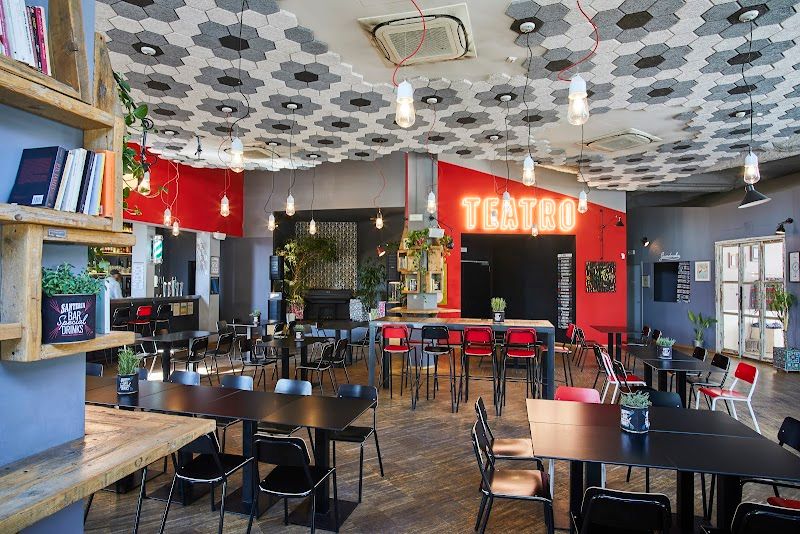
Santeria Social Club
A multifunctional cultural space and live music venue in a former industrial building near Brera. This eclectic spot hosts concerts, DJ sets, art exhibitions, and aperitivo, attracting a creative crowd. The venue combines a restaurant, bar, and concert hall under one roof.
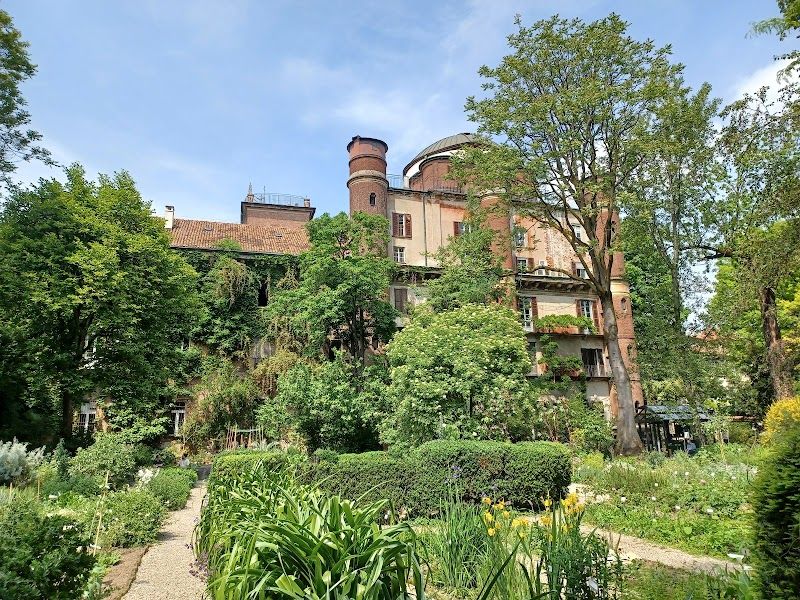
Orto Botanico di Brera
This pocket-sized botanical garden sits behind the Brera Academy, occupying just one hectare but packing in centuries of scientific history since Maria Teresa founded it in 1774. You'll find around 300 plant species arranged in themed sections - medicinal herbs that pharmacy students once studied, towering ginkgo trees that predate Napoleon, and two baroque fish ponds that reflect the surrounding 18th-century buildings. The original greenhouse still houses tropical specimens, while the herb garden demonstrates how Milan's apothecaries once sourced their remedies. Walking through feels like discovering someone's private estate rather than a public garden. The gravel paths wind between raised beds where professors still teach botany classes, and students sketch under the shade of ancient magnolias. The space stays remarkably quiet despite being steps from Via Brera's galleries - high walls block out street noise completely. Two small ponds anchor the layout, surrounded by benches where you can actually hear birds singing and water trickling. Most travel guides oversell this as a major attraction when it's really a lovely 30-minute break between Brera's art galleries. Entry is free, but opening hours are unpredictable - officially 9am-12pm and 2pm-6pm, but they close randomly for university events. Skip it if you're rushed or expecting Kew Gardens - come if you need a genuine pause from Milan's intensity and don't mind something genuinely small-scale.
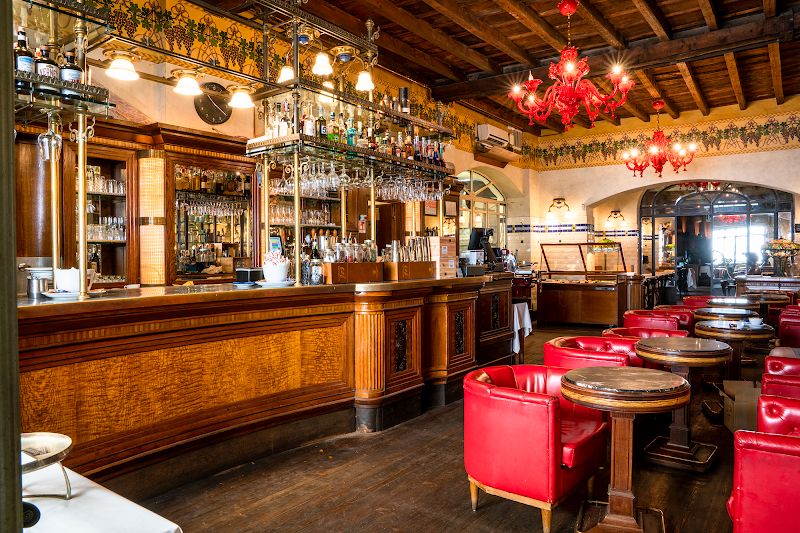
Osteria del Binari
Cozy neighborhood osteria in Porta Romana serving daily-changing menus of regional Italian dishes. The hand-written menu on the chalkboard tells you what arrived fresh that morning.
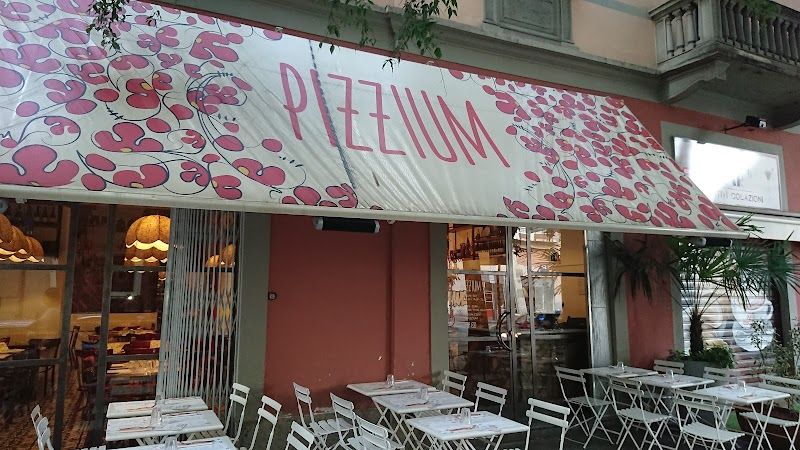
Pizzium
Modern pizza chain by master pizzaiolo Franco Pepe, using high-quality ingredients and proper Neapolitan technique. Fast, casual, and consistent quality.
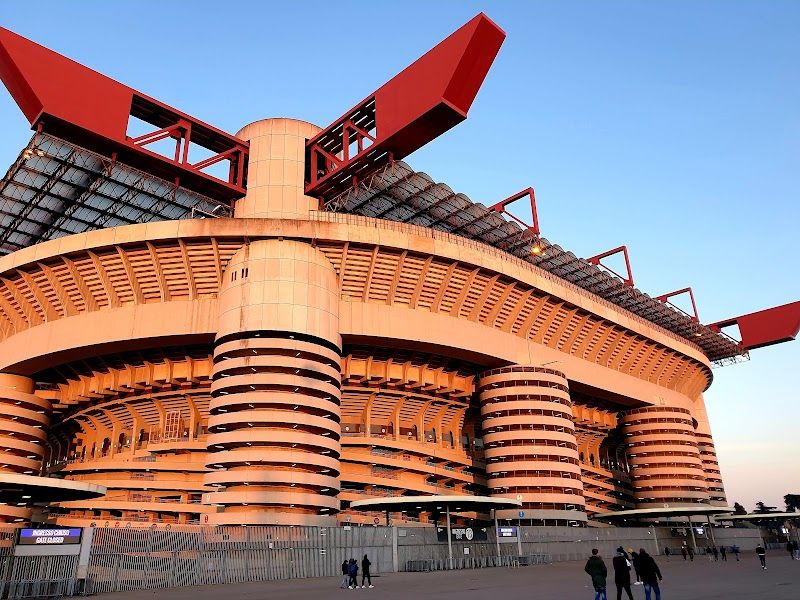
San Siro Stadium Tour and Museum
San Siro is where football legends made history for over 90 years, and this tour gets you into places that normally only players see. You'll walk through the players' tunnel onto the pitch where Maldini, Ronaldo, and Kaká played, visit both AC Milan and Inter Milan locker rooms, and sit in the press conference room. The museum displays original trophies from Champions League victories, vintage jerseys from Derby della Madonnina matches, and interactive exhibits that let you test your shooting accuracy. The tour follows a set route that builds anticipation perfectly: you start in the museum learning about the rivalry between Milan's two clubs, then descend into the bowels of the stadium. Walking through that tunnel onto the pitch gives you genuine goosebumps, especially when you realize you're standing where 80,000 fans create the most electric atmosphere in Italian football. The locker rooms still smell like liniment and the wooden benches show decades of wear from nervous players. Honest talk: at €20 for adults, it's overpriced for what you get, but football fans won't care. Skip the overpriced stadium store unless you're after something specific. The museum section drags a bit, so don't spend more than 20 minutes there before the stadium tour begins. Book online to guarantee your spot, especially during tourist season when tours sell out by afternoon.
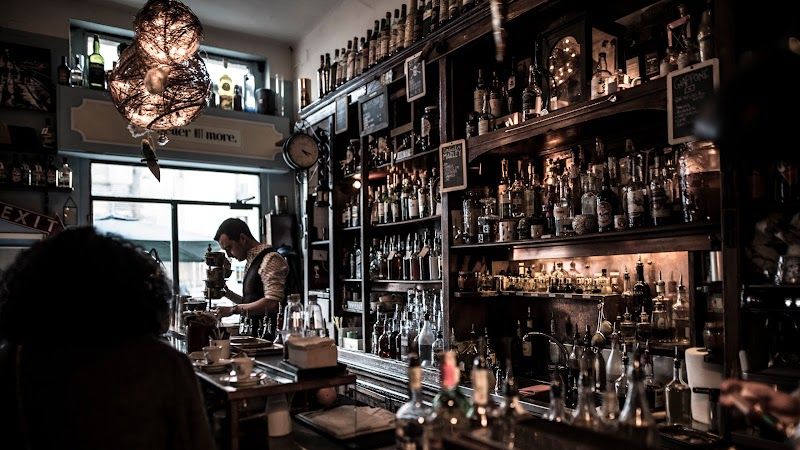
Mag Café
Aperitivo bar in Magenta with an exceptional buffet spread. For EUR 10, you get a cocktail and access to a full dinner buffet - one of Milan's best aperitivo values.
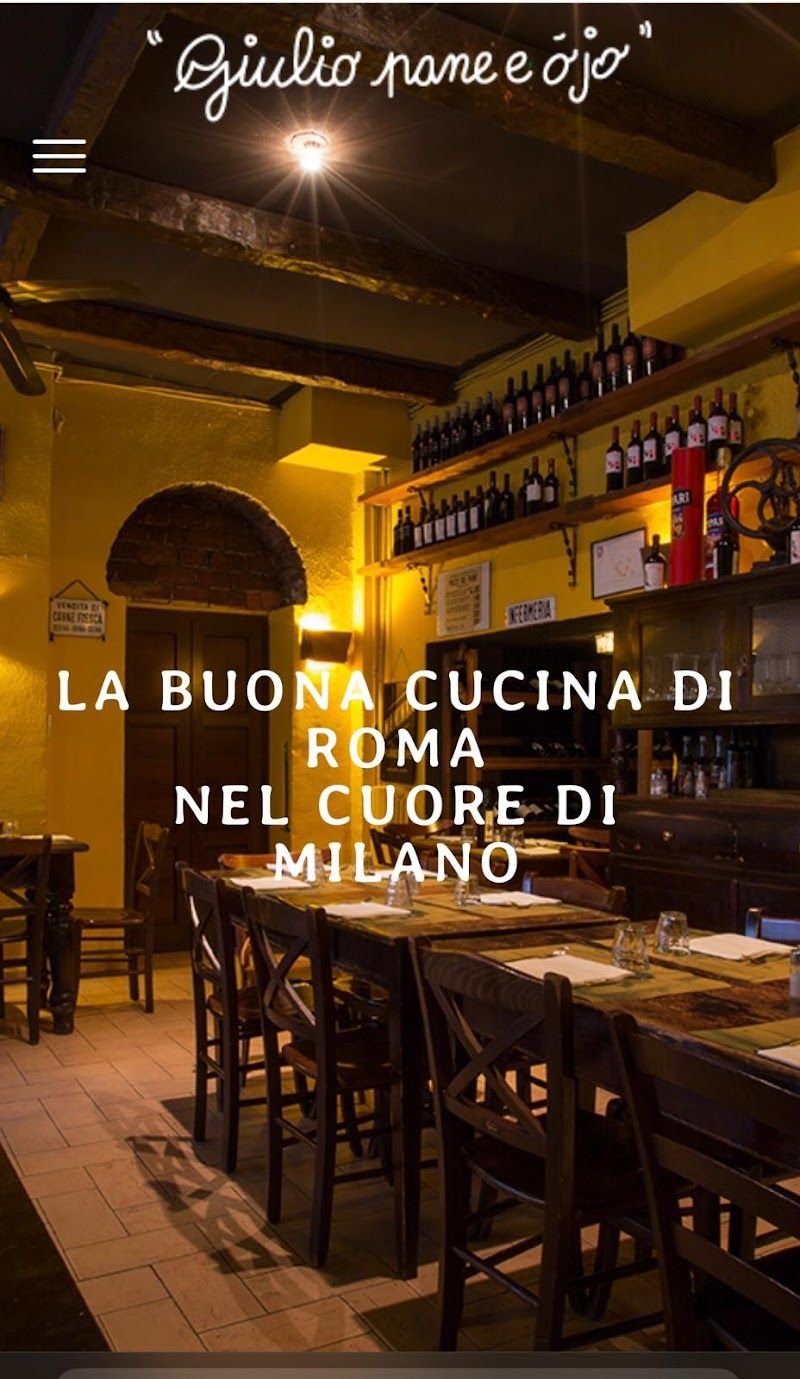
Giulio Pane e Ojo
Roman trattoria serving authentic Roman classics: carbonara, cacio e pepe, amatriciana. The pasta is made fresh daily and the portions are generous.
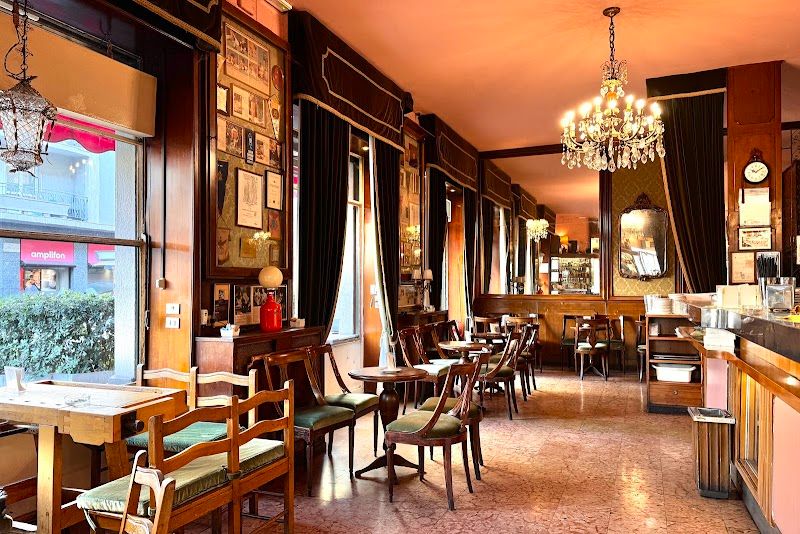
Bar Basso
This 1947 cocktail bar and cafe in Porta Venezia is where the Negroni Sbagliato was accidentally invented in the 1960s. Owner Maurizio Stocchetto still serves oversized cocktails in his signature extra-large glasses. The 1960s red leather booths and dim lighting remain unchanged, and it's where fashion week crowds decompress after shows.
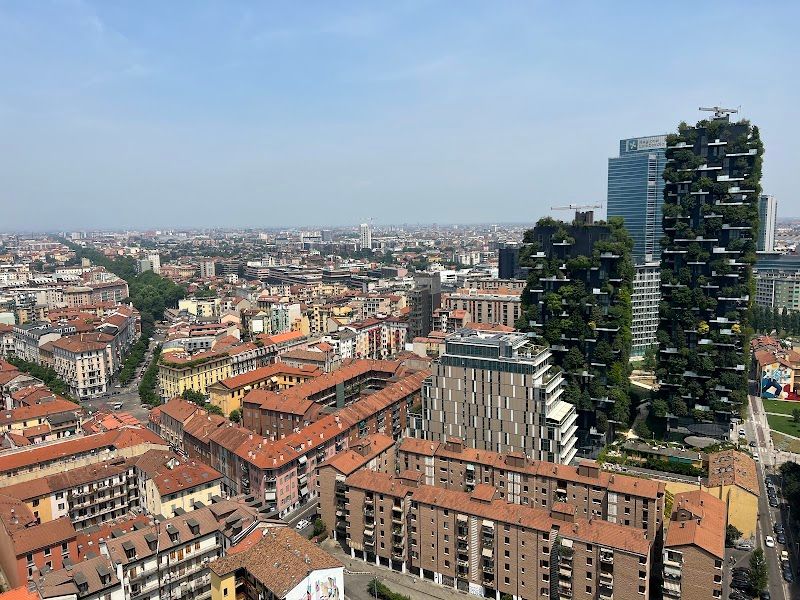
Bosco Verticale
Bosco Verticale is exactly what it sounds like - two residential towers transformed into living skyscrapers with 900 trees and 20,000 plants growing from every balcony. Stefano Boeri's 2014 creation proves sustainable architecture doesn't have to be ugly, turning luxury apartment living into a vertical ecosystem that genuinely absorbs CO2 and houses birds and insects 110 meters above Milan's streets. You can't go inside, but the exterior alone shows how green building can work without sacrificing style. Walking around the base feels like discovering architecture from the future - the towers change dramatically with each angle as different plants catch the light and seasons shift the colors. Morning light hits the east-facing greenery beautifully, while the contrast against Milan's traditional grey buildings is striking. The dedicated maintenance teams you'll spot rappelling down the facades are part of the show - it takes serious engineering to keep a vertical forest alive. Most travel guides oversell this as a major destination when it's really a 15-minute photo stop. The surrounding Porta Nuova district has better dining and shopping than the towers themselves. Don't circle the buildings endlessly - get your shots from the park behind and move on. The real value is seeing Milan's commitment to green urban planning in action, not spending an hour staring at apartment balconies.
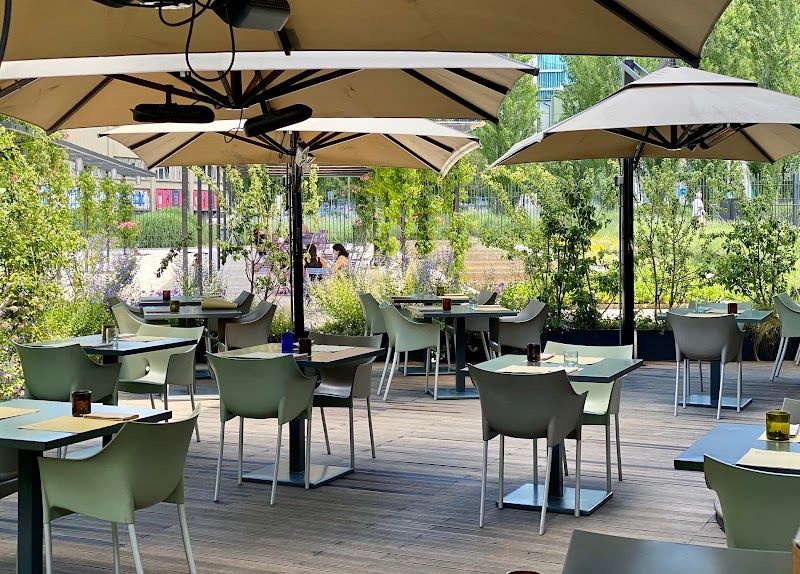
Ratanà
Modern Milanese cuisine in a converted industrial space near Porta Garibaldi. Chef Cesare Battisti reinvents classics like risotto al salto and mondeghili with seasonal ingredients and impeccable technique.
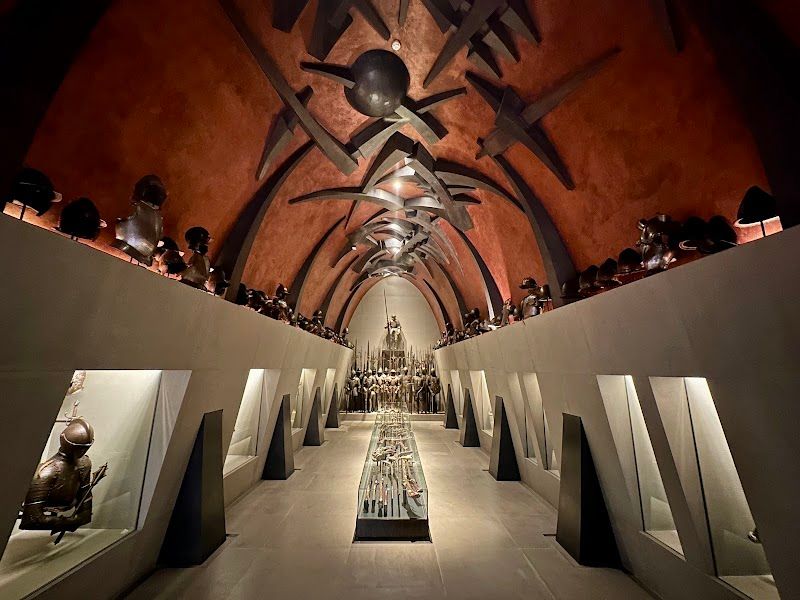
Museo Poldi Pezzoli
The Poldi Pezzoli is what happens when a 19th-century aristocrat with impeccable taste and deep pockets creates his dream home. Gian Giacomo Poldi Pezzoli filled this elegant palazzo with Renaissance masterpieces, medieval weapons, Persian carpets, and Venetian glass - it's like wandering through a wealthy collector's private residence rather than a formal museum. The star piece is Pollaiolo's ethereal Portrait of a Young Woman, but you'll also find works by Botticelli, Mantegna, and Giovanni Bellini scattered throughout rooms that feel more like a sophisticated apartment than gallery spaces. You move through intimate chambers where each room has its own personality - the Armory bristles with medieval suits and swords, while the Golden Room drips with baroque excess. The scale stays human-sized, never overwhelming, and the lighting creates an almost conspiratorial atmosphere as you discover treasures tucked into corners. Unlike Milan's massive museums, this feels personal and slightly secretive, as if you're exploring someone's actual home while they're away. At €14 for adults (€7 on Wednesdays), it's pricey for the size, but the quality makes up for quantity. Most people rush to the famous portrait and miss the extraordinary clock collection upstairs - those timepieces are genuinely spectacular. Skip the audio guide and just wander; the magic here is in stumbling upon unexpected beauty, not following prescribed routes.
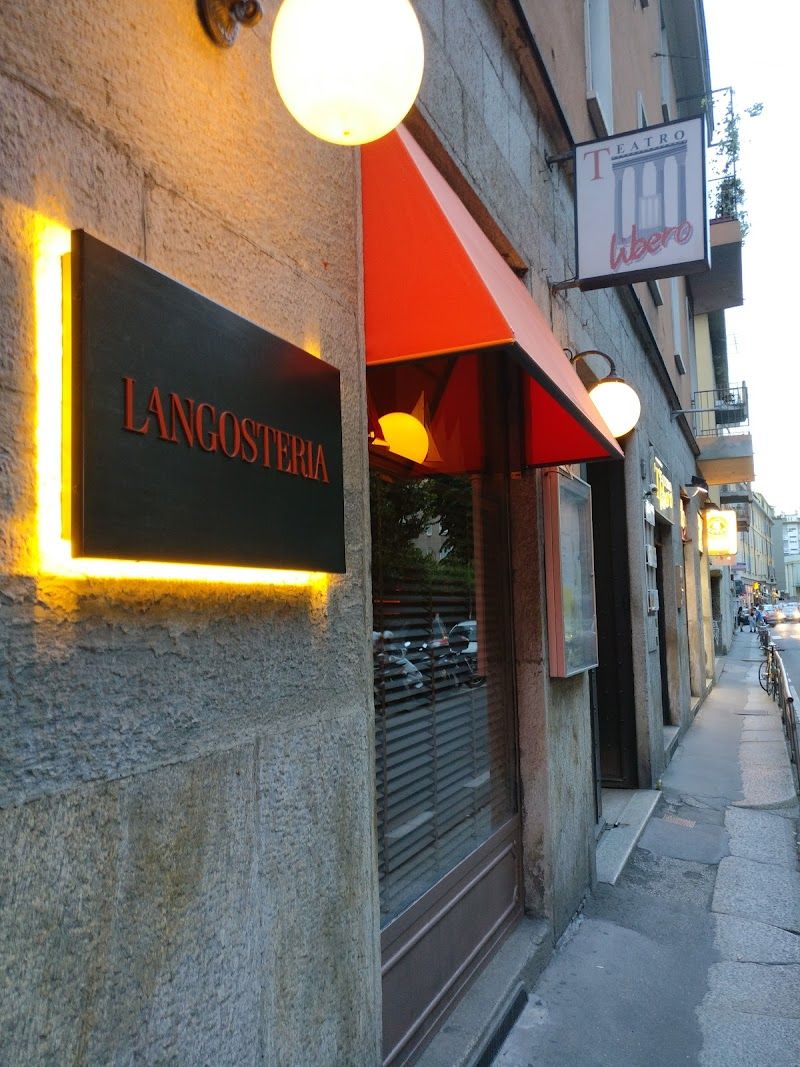
Langosteria
High-end seafood restaurant and raw bar in the Quadrilatero fashion district. Impeccably fresh Mediterranean fish, oysters, and crudo in a sleek modern space.
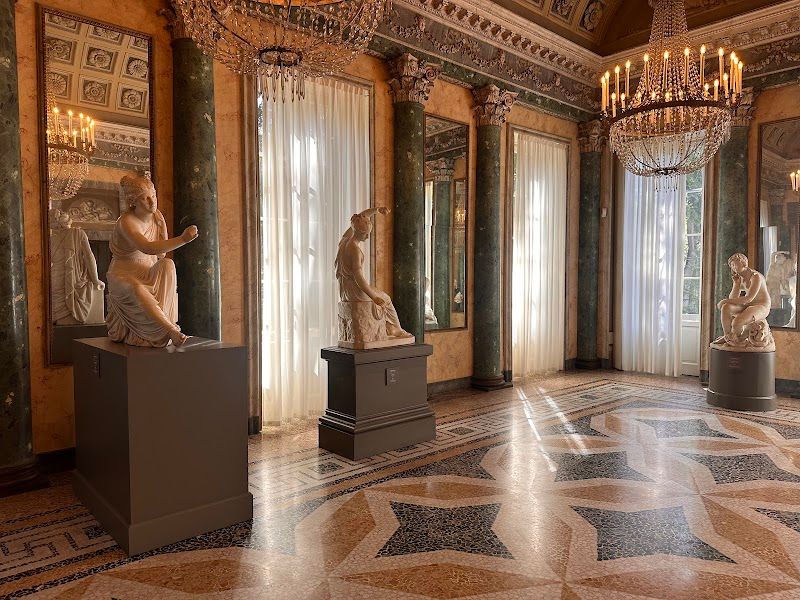
GAM - Galleria d'Arte Moderna
The GAM houses Italy's most comprehensive collection of 19th and 20th-century art outside Rome, with works spanning Romanticism through early modernism. You'll find Francesco Hayez's famous The Kiss (yes, another version), plus stunning Divisionist paintings that shimmer with pointillist technique, and lesser-known gems from the Scapigliatura movement. The Grassi and Vismara collections add French Impressionists and Post-Impressionists to the mix, making this Milan's answer to the Musée d'Orsay. The neoclassical Villa Reale provides an intimate setting where you move through elegant salons with original period furnishings and frescoed ceilings. Each room has a distinct personality, from the dramatic Romantic galleries to the light-filled Impressionist spaces overlooking the English garden. The scale feels manageable - you can actually focus on individual works without museum fatigue setting in after an hour. Entry costs €5, making it exceptional value compared to Milan's pricier attractions. Most visitors rush through to tick boxes, but the real treasures are in the lesser-known Italian movements - spend time with the Divisionists like Segantini and Pellizza da Volpedo rather than bee-lining for the French Impressionists. Skip the ground floor contemporary sections entirely and head straight upstairs to the 19th-century masterpieces.
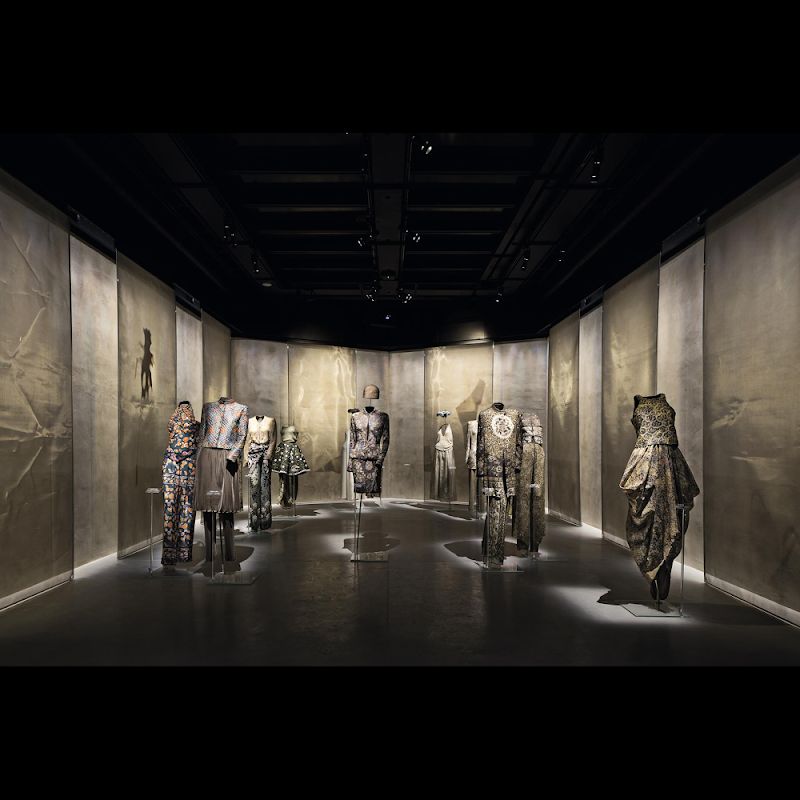
Armani/Silos
Armani/Silos transforms a 1950s grain silo into fashion's most sophisticated museum, displaying 40 years of Giorgio Armani's designs across four stark floors. You'll see 600 outfits and 200 accessories arranged thematically rather than chronologically - deconstructed blazers, flowing evening gowns, and pieces inspired by his travels to Asia and Africa. The industrial concrete interior strips away distractions, letting Armani's clean lines and muted palettes speak for themselves. The visit flows vertically through the cylindrical space, with each floor exploring different aspects of Armani's philosophy. Ground floor focuses on his revolutionary soft tailoring that rejected the structured shoulders of the 1980s. Upper floors showcase red carpet pieces worn by celebrities and his exploration of Eastern silhouettes. The raw concrete walls and minimal lighting create an almost gallery-like reverence - you'll find yourself moving slowly, studying construction details and fabric choices. Most fashion museums feel overwhelming, but this one succeeds through restraint. Skip the audio guide (€5) - the pieces speak clearly without commentary. The real revelation is seeing how consistently Armani has worked within his aesthetic boundaries. Entry costs €12, though they don't advertise this prominently. If you're not genuinely interested in fashion construction and design philosophy, 75 minutes will feel long.
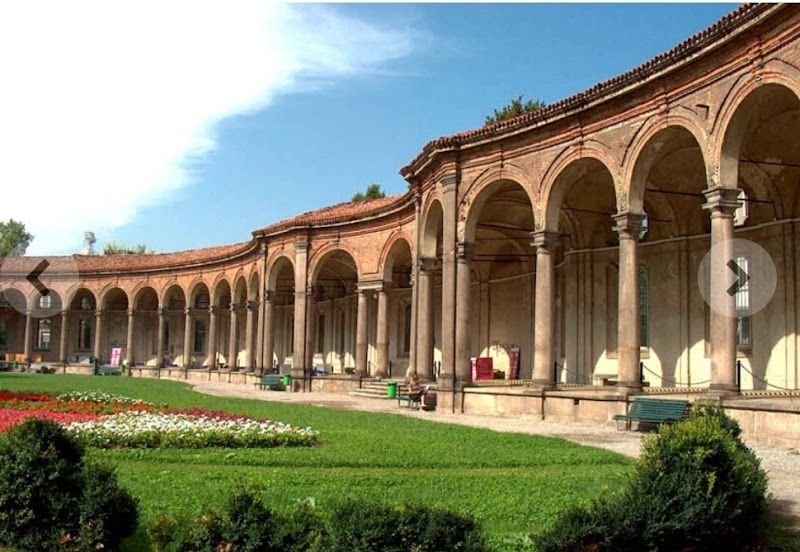
Rotonda della Besana
Rotonda della Besana transforms an 18th-century baroque cemetery chapel into Milan's most unexpected cultural space - a perfect circle of neoclassical columns surrounding a peaceful garden courtyard. The former cemetery now houses MUBA children's museum and rotating contemporary art exhibitions, while the colonnade creates natural shade for reading or people-watching. You're essentially getting two experiences: architectural history buffs can admire the unusual circular design, while families get interactive play spaces that actually engage kids. Walking through feels like discovering a secret courtyard where baroque meets family-friendly. The circular portico creates perfect acoustics - whisper at one column and someone across can hear you clearly. Kids gravitate toward MUBA's hands-on workshops while parents appreciate the rare combination of culture and green space. The contrast hits you immediately: stepping from busy Via Besana into this tranquil rotunda feels like entering a private cloister. Most guides oversell this as essential Milan - it's lovely but won't change your life. The real value comes if you're traveling with children or need a peaceful break from cathedral crowds. MUBA entry costs around 8-10 EUR per child, adults enter free. Skip it if you're rushing between major sights, but it's perfect for a 30-minute breather when the Duomo crowds get overwhelming.
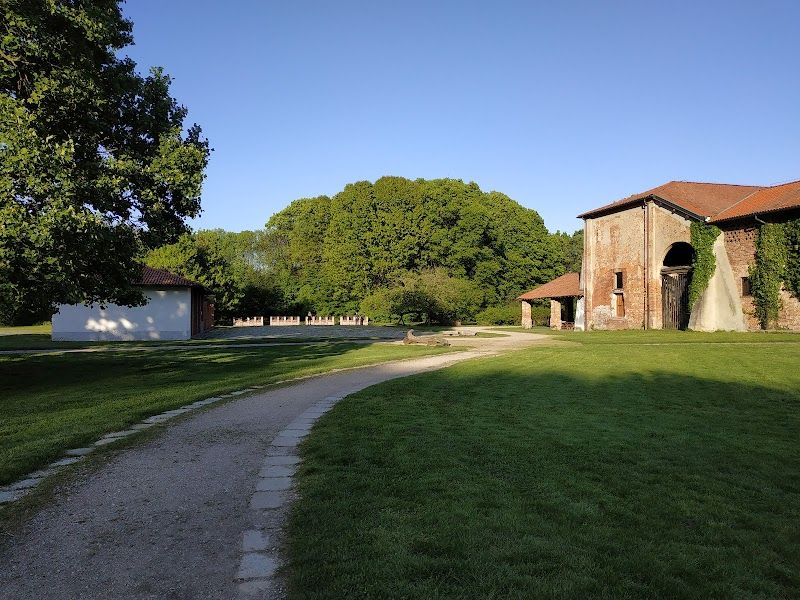
Bosco in Città
Bosco in Città delivers what Milan desperately needs - 250 acres of actual forest where you can forget you're in Italy's industrial capital. This isn't manicured parkland but genuine woodland with dirt trails winding between oak and hornbeam trees, plus working farmland complete with donkeys, sheep, and chickens roaming near 17th-century cascine farmhouses. The forest was built on abandoned agricultural land in 1974 and feels authentically wild, with educational programs that actually teach you about local ecosystems. Your visit unfolds like a countryside escape that happens to be 20 minutes from the Duomo. The main trail loops through dense woodland where families picnic under centuries-old trees while kids chase after the farm animals. The atmosphere shifts completely from Milan's concrete - you'll hear birdsong instead of traffic, and the air smells like earth and leaves. Cascina San Romano anchors the experience with its ancient stone buildings and small barnyard where animals wander freely. Most guides oversell this as a major attraction when it's really best appreciated as a neighborhood escape for locals. The weekend crowds with screaming children can kill the peaceful vibe, so visit weekday mornings if possible. Don't expect hiking - the trails are flat and easy, more like woodland strolls. Skip the educational center unless you're with kids, and focus your time around the cascine farmhouses where the historical atmosphere actually delivers.
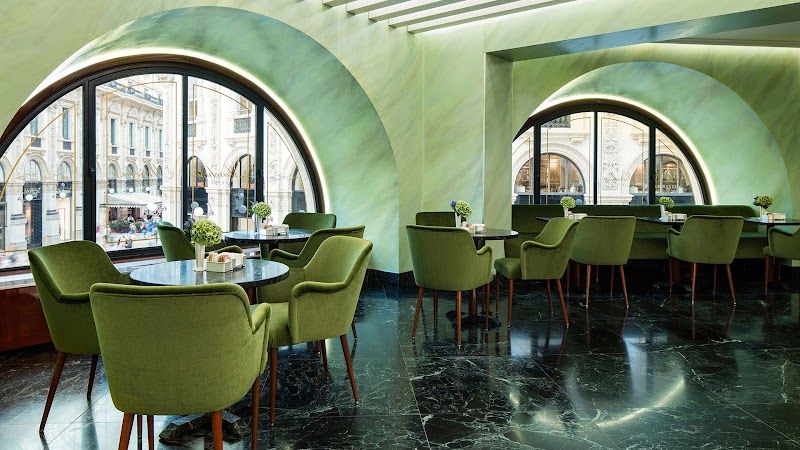
Pasticceria Marchesi 1824
Milan's oldest pastry shop, opened in 1824, now owned by Prada. Elegant Milanese sweets like panettone, pasticcini, and pralines served in a jewel-box setting.
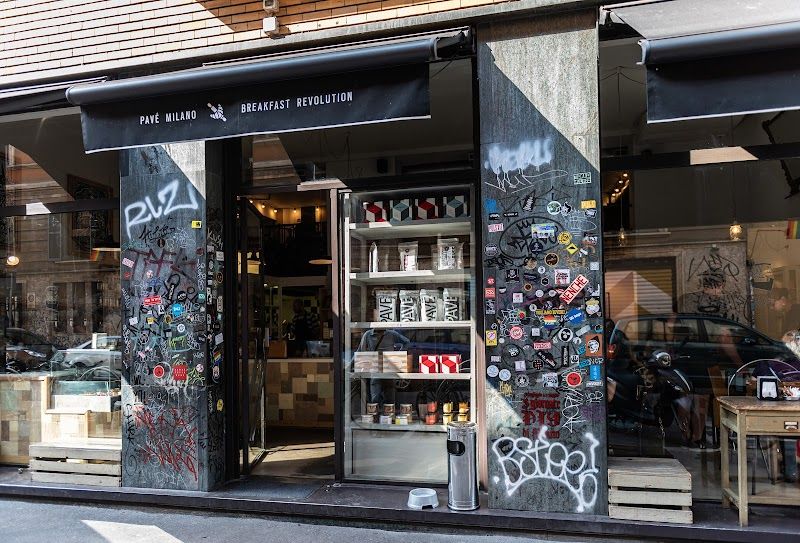
Pavé
All-day café and bakery in a minimalist Scandinavian-style space. Excellent sourdough bread, pastries, brunch plates, and specialty coffee from local roasters.
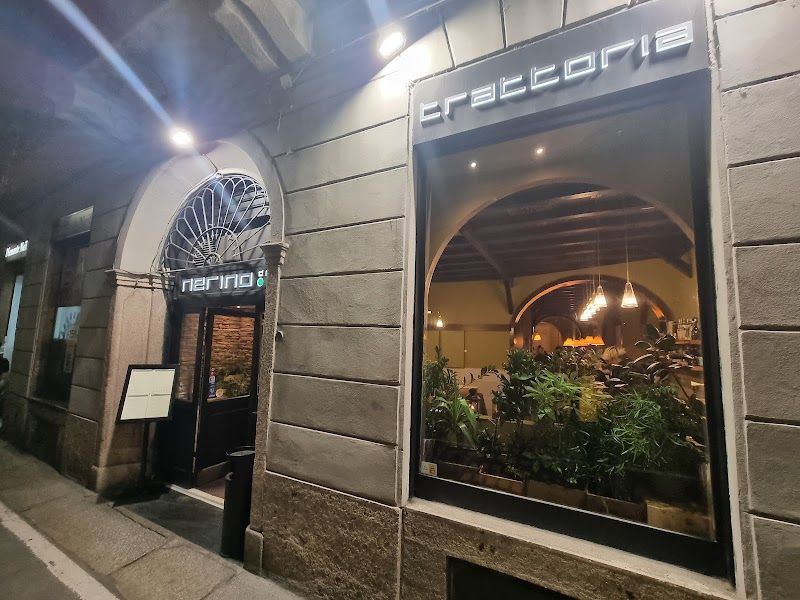
Nerino Dieci Trattoria
Modern trattoria near Piazza Affari serving creative takes on Italian classics. The space is contemporary with an open kitchen, and the menu changes seasonally.
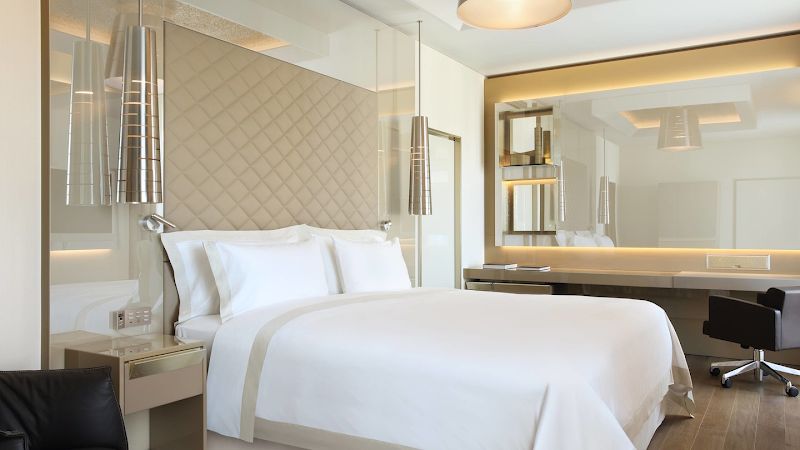
Excelsior Milano
Excelsior Milano transforms seven floors of a restored 1920s building into Milan's most ambitious luxury department store. You'll find over 200 brands from Valentino to Comme des Garcons, plus a dedicated design floor showcasing Italian furniture and home goods that most tourists completely miss. The real draw is the progression upward - ground floor fashion gives way to a spa-like wellness center on the sixth floor, crowned by a rooftop restaurant with unobstructed Duomo views. The experience feels more like exploring a luxury hotel than shopping - each floor has distinct lighting and music, with wide corridors that never feel cramped even during peak hours. The basement food hall surprises with legitimate Italian specialties rather than tourist traps, while the upper floors get progressively quieter and more exclusive. Staff actually know their products and won't hover unless you need help, which is refreshingly rare for Milan's luxury scene. Most guides oversell this as a shopping paradise, but it's really about the building and views - prices run 20-30% higher than standalone boutiques for identical items. The seventh floor terrace bar charges €18 for cocktails but you can access the terrace views for free just by walking through. Skip the wellness floor unless you're actually booking a treatment (starts around €80), and avoid Saturday afternoons when the food hall becomes genuinely unpleasant.
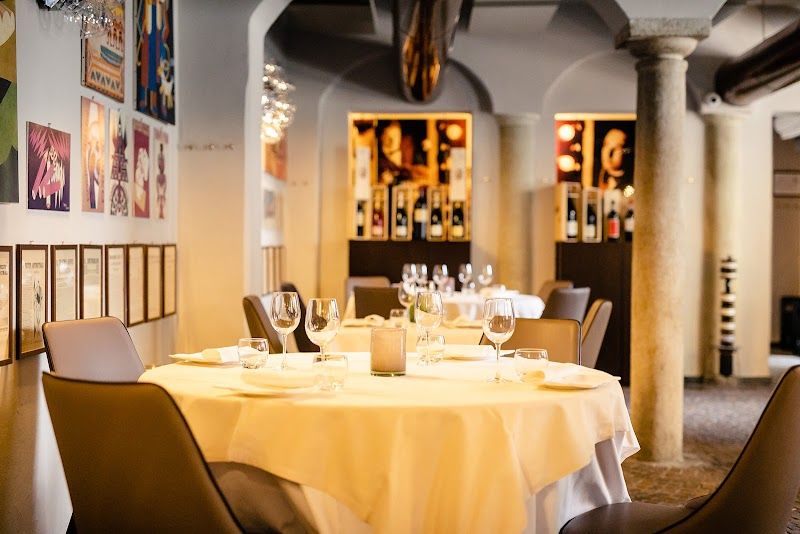
Lacerba
All-day Isola bar transforming from coffee shop to aperitivo hotspot to late-night DJ venue. The generous aperitivo spread (EUR 10-12) includes fresh focaccia, pasta, and vegetable dishes. Weekend nights feature vinyl-only DJ sets spanning disco, house, and Italo classics.
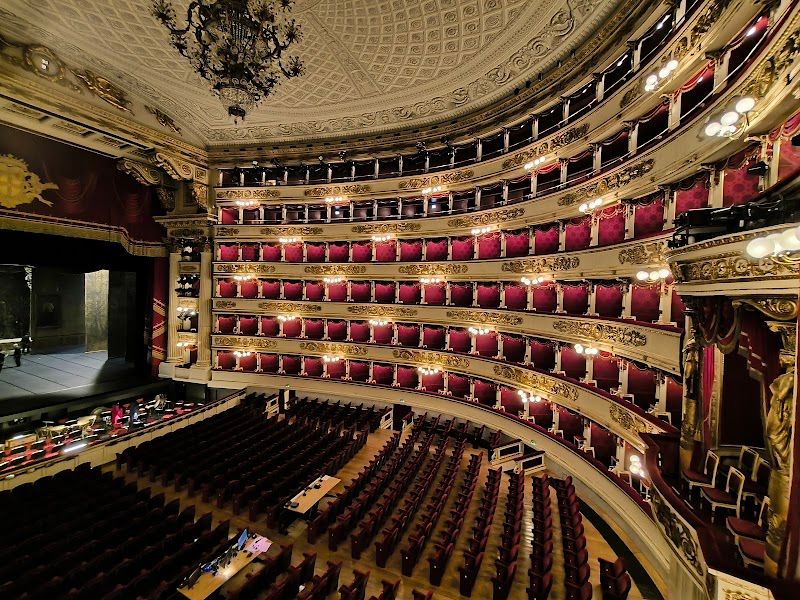
Teatro alla Scala Museum and Theatre Tour
La Scala isn't just an opera house - it's where Verdi premiered his masterpieces and where Maria Callas made history. The museum displays original costumes from legendary productions, handwritten scores, and surprisingly intricate set models that show you how those massive stage transformations actually work. When rehearsals aren't happening, you'll get into the theater itself to see those famous red velvet seats and gilded boxes up close. The audio guide walks you through Piermarini's 1778 design while you move between the museum's six rooms and the theater viewing area. You'll peek into the royal box where Napoleon once sat, and if you're lucky, catch musicians tuning up in the orchestra pit below. The museum feels intimate despite the grandeur - glass cases let you examine Toscanini's baton and costumes worn by legendary sopranos just inches away. Here's what nobody mentions: if there's a rehearsal, you only get a quick glimpse from the museum boxes, not the full theater experience. The €9 museum ticket is reasonable, but the real magic happens if you can score actual performance tickets (starting around €25 for gallery seats). Skip the overpriced gift shop - the free program notes from performances make better souvenirs than generic La Scala mugs.
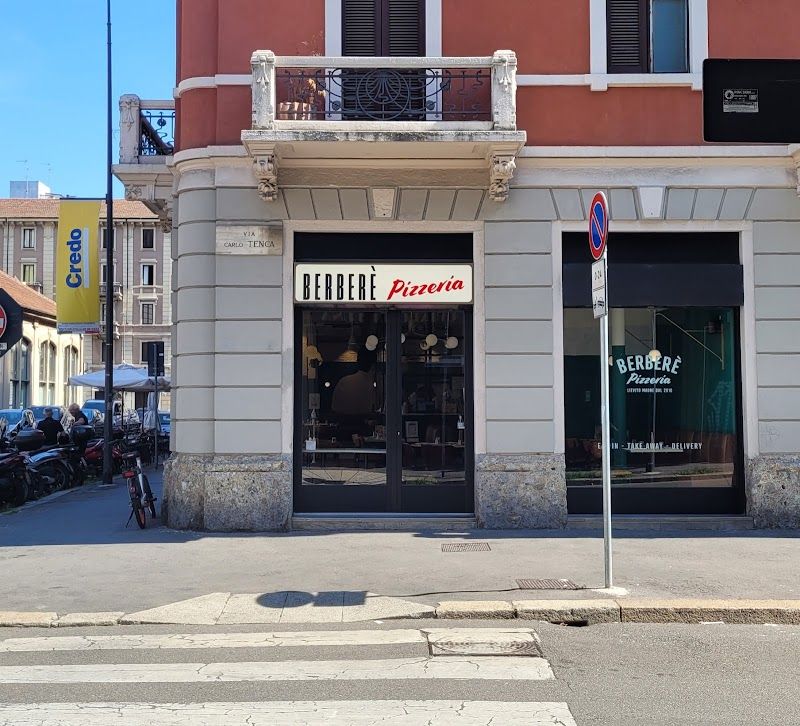
Berbère Pizzeria
Neapolitan-style pizza with creative seasonal toppings and organic flour aged for 48 hours. The light, airy crust and inventive combinations go beyond traditional pizza.
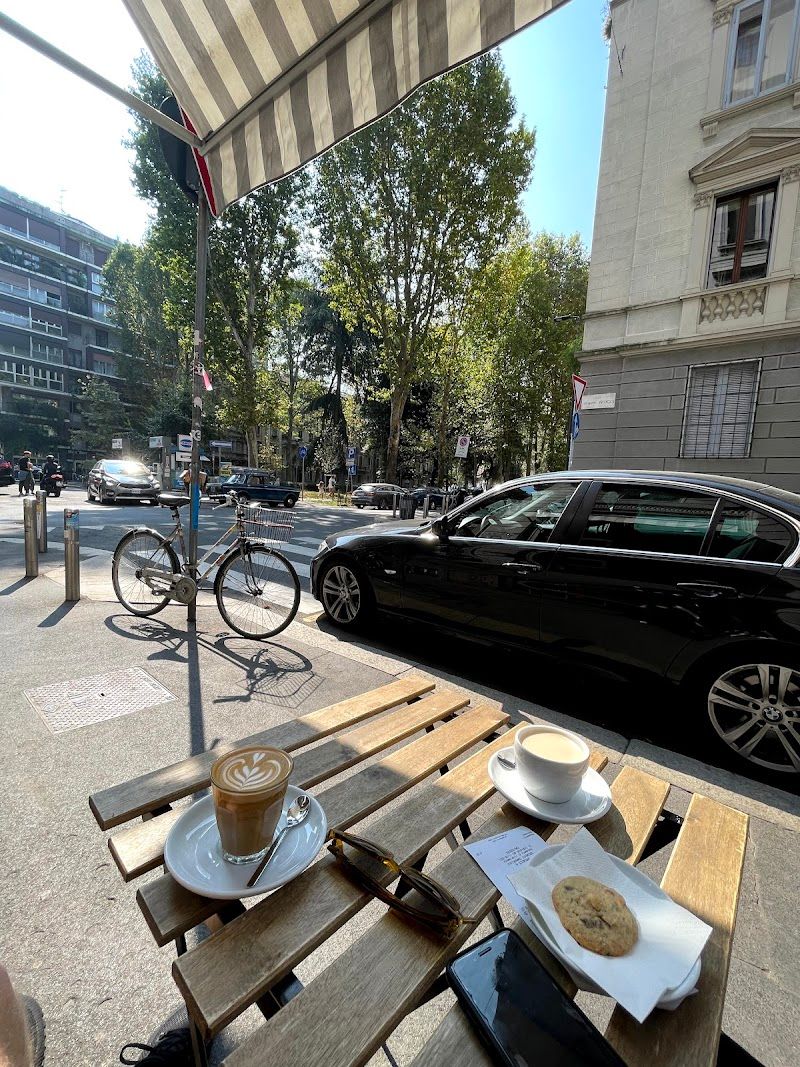
Orsonero Coffee
This specialty coffee roastery near Porta Venezia brought third-wave coffee culture to Milan in 2014. They roast single-origin beans on-site and brew pour-overs, AeroPress, and V60 alongside traditional espresso. The minimalist white-tiled space attracts designers and freelancers working on laptops.
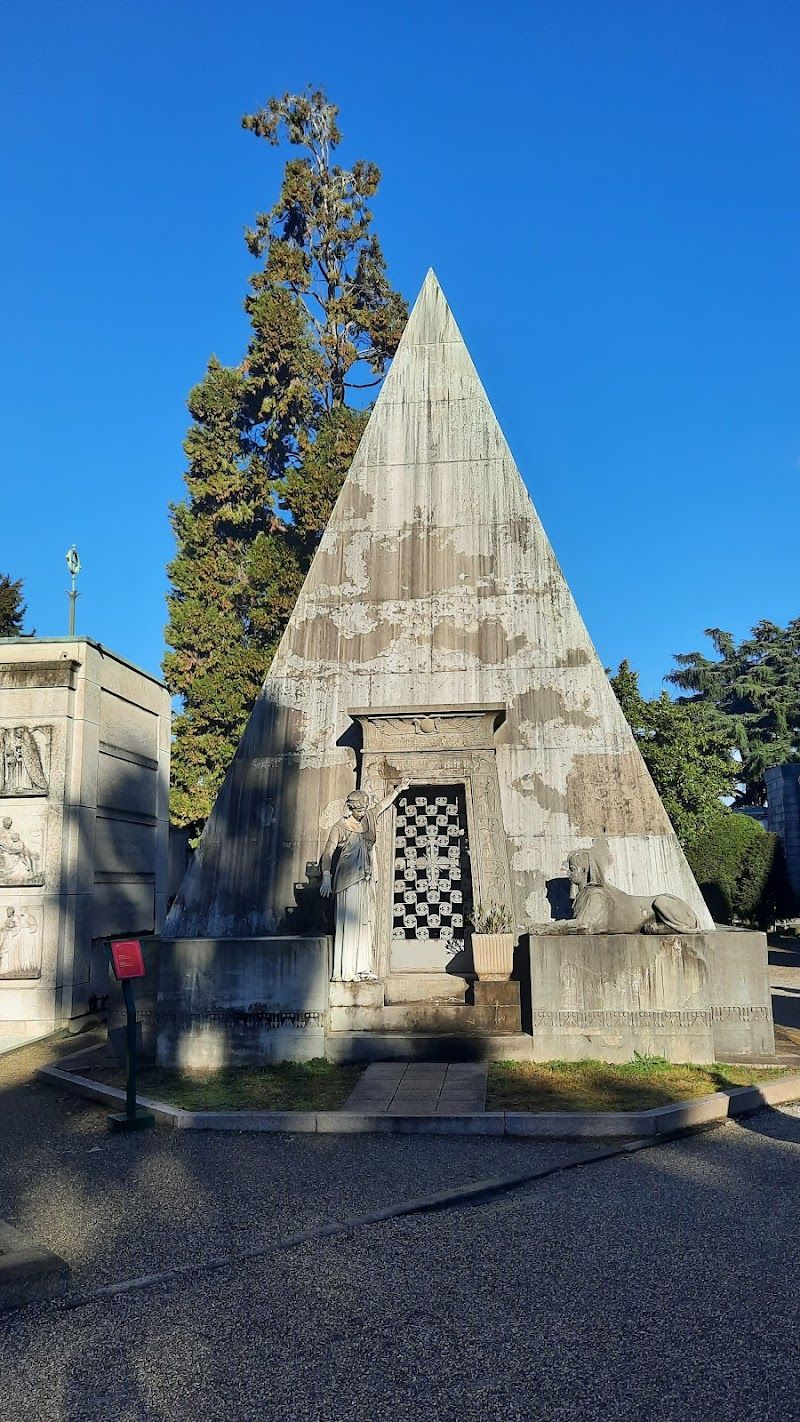
Cimitero Monumentale di Milano
Milan's Monumentale Cemetery is where Italy's wealthy families competed to build the most spectacular tombs, creating an accidental sculpture park that rivals any museum. You'll walk past towering Art Nouveau monuments, miniature Gothic cathedrals, and modernist masterpieces by sculptors like Medardo Rosso and Giò Pomodoro. The centerpiece Famedio hall houses Italy's cultural elite - composer Giuseppe Verdi, novelist Alessandro Manzoni, and conductor Arturo Toscanini - under stunning Byzantine mosaics. The experience feels like wandering through a wealthy neighborhood frozen in time, where marble angels weep over forgotten industrialists and elaborate family chapels showcase century-old craftsmanship. You'll find yourself studying intricate bronze reliefs and Art Deco details that would be roped off in any museum. The Jewish section contains some of the finest early 1900s sculpture in Italy, while the newer areas show how modern artists approach memorial art. Most visitors rush through in 30 minutes, missing the real treasures scattered throughout the 250,000 graves. Entry is free, but the small guidebook (€3) helps identify the masterpieces among lesser works. Skip the crowded central avenue and explore the side paths where families still maintain elaborate private chapels. The morning light hits the marble beautifully, and you'll avoid the afternoon tour groups.
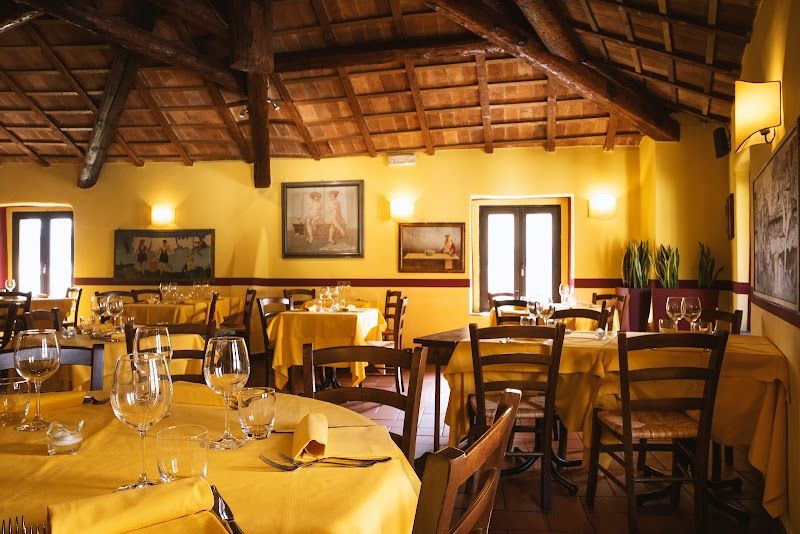
El Brellin
Historic restaurant in a 19th-century washing house on the Naviglio Grande. Traditional Milanese menu with outdoor tables right over the water.
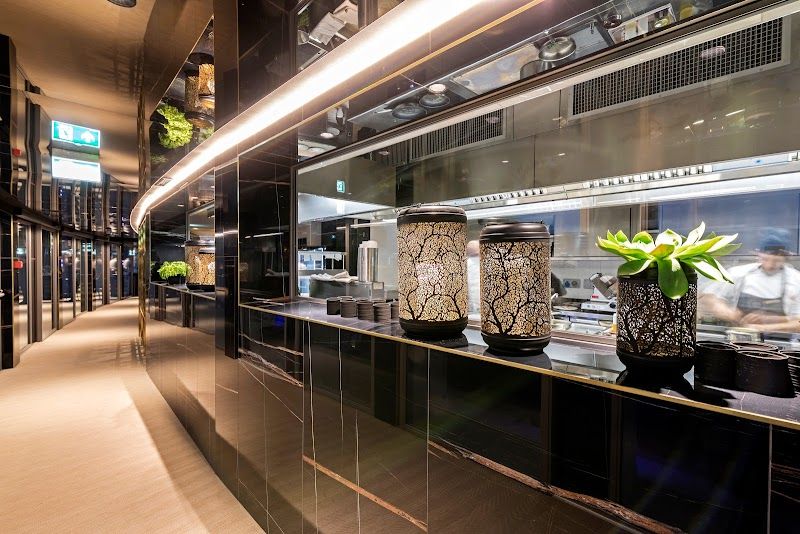
Milan Rooftop Bar Hopping Tour
This rooftop crawl takes you to three carefully selected sky bars across Milan's Centro and Porta Nuova districts, each offering different perspectives of the city's skyline. You'll start with classic Duomo views from a historic center terrace, move to the modern skyscrapers of Porta Nuova, and finish at a garden rooftop with panoramic city vistas. Your local guide handles all the logistics and gets you past velvet ropes at venues where tourists typically wait in line or get turned away entirely. The tour flows perfectly from sunset aperitivo culture to Milan's sophisticated night scene. You'll sample signature cocktails at each stop - think negroni variations with Duomo backdrops, creative spritz combinations among the Bosco Verticale towers, and craft cocktails on herb-scented terraces. The atmosphere shifts from golden hour photography sessions to animated conversations as locals arrive for their evening ritual. Each venue has its own personality, from sleek minimalism to lush urban gardens. Most rooftop bar guides are either overpriced tourist traps or impossible to access without connections - this tour solves both problems. Expect to spend around €15-20 per cocktail at these venues if you went solo, but the real value is the reserved access and skipping €20+ cover charges. The Porta Nuova stop is genuinely spectacular but gets packed after 9pm, so the timing here is crucial. Skip similar tours that include four or five stops - three venues give you enough variety without feeling rushed.
Dry Milano
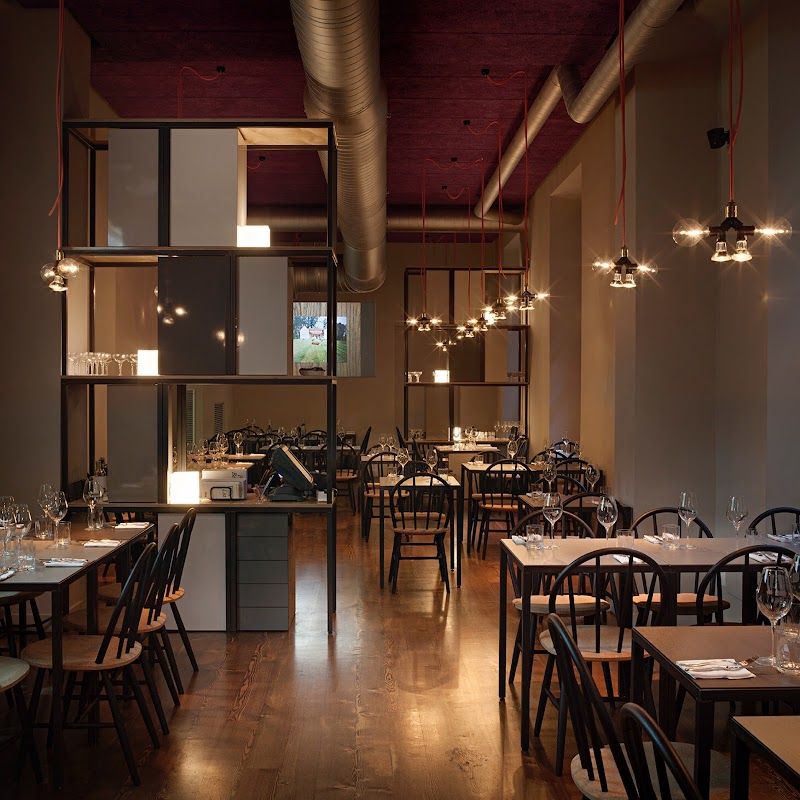
Cocktail bar with serious food, serving creative small plates and excellent aperitivo spreads. The drinks program is award-winning, but locals come for the buffet at aperitivo hour (EUR 10).
Rita & Cocktails
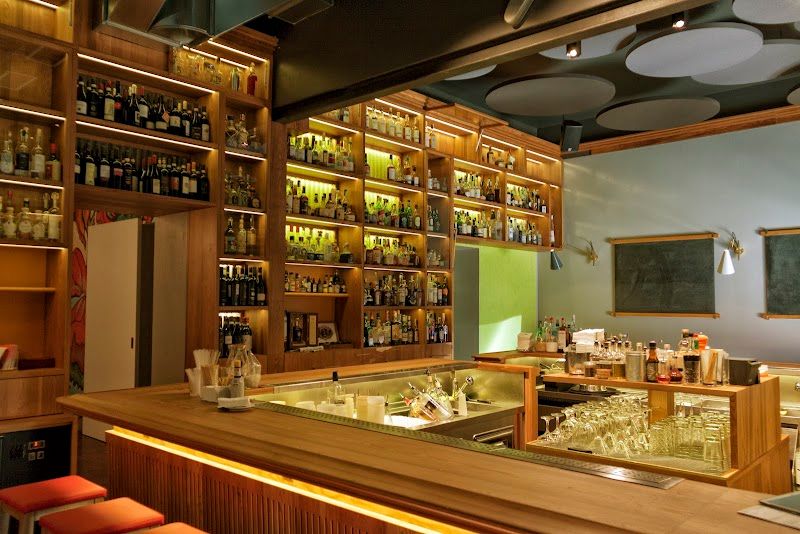
Tiny Navigli cocktail bar with only 20 seats and a tropical-disco aesthetic featuring pink neon and palm prints. The aperitivo buffet here is notably generous, with fresh pasta and quality cheeses alongside the usual spreads. DJ sets on weekends lean toward funk and rare groove.
Al Fresco
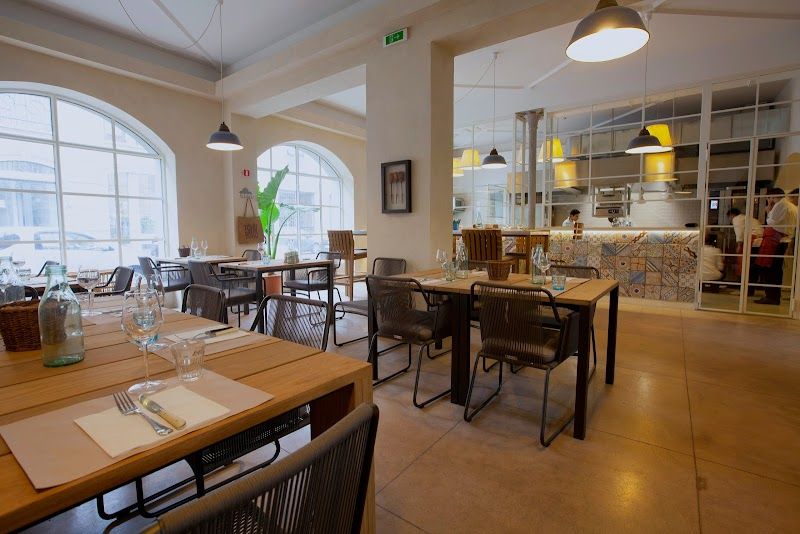
Tiny neighborhood restaurant in Porta Romana serving market-driven Italian cooking. The menu changes daily based on what chef Matteo finds at market that morning.
N'Ombra de Vin
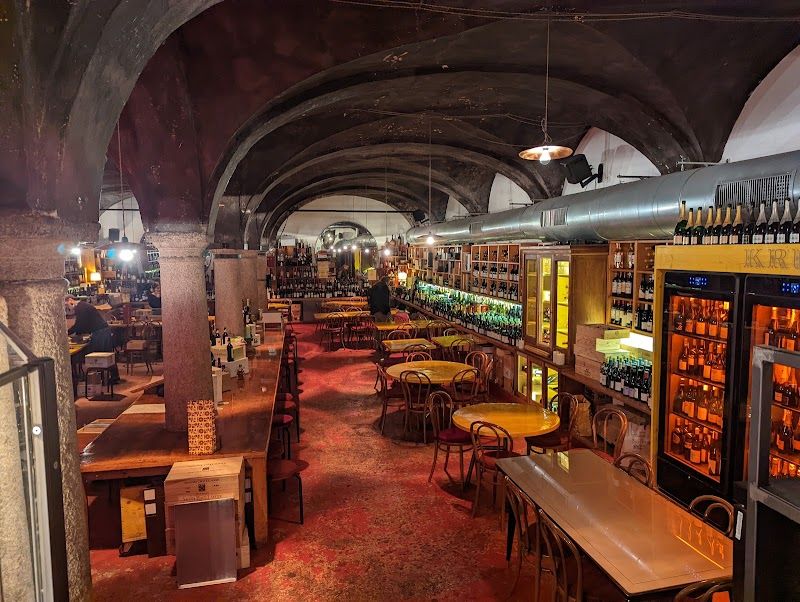
An intimate enoteca specializing in natural and biodynamic wines paired with creative small plates and cheese selections. Located on a charming Brera side street, this cozy wine bar offers over 600 labels in a rustic-elegant setting with exposed brick and wooden shelves.
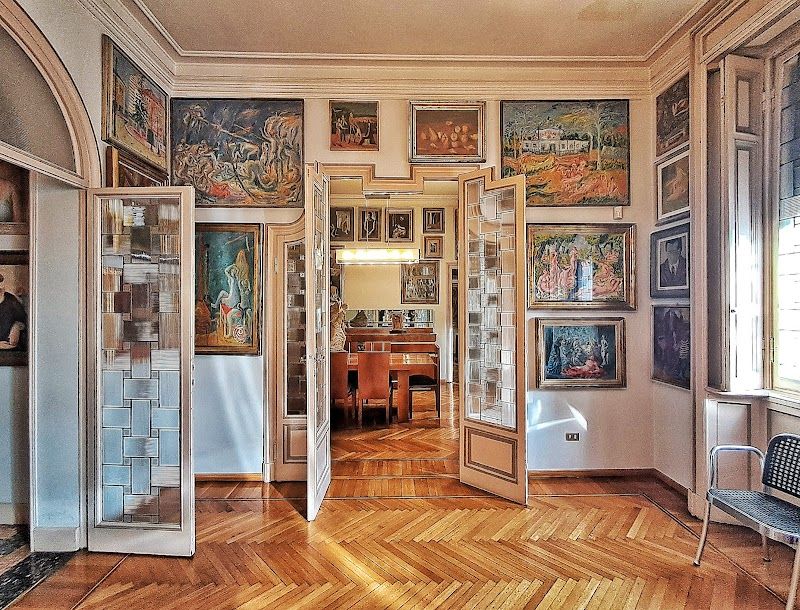
Casa Museo Boschi Di Stefano
Casa Museo Boschi Di Stefano offers something rare in Milan - the chance to see how wealthy collectors actually lived with serious contemporary art. Antonio Boschi and Marieda Di Stefano transformed their elegant 1930s apartment into a showcase for 300 works by Italy's modern masters, including de Chirico's surreal landscapes, Fontana's slashed canvases, and Morandi's contemplative still lifes. You're walking through their actual home, with paintings hanging exactly where the couple placed them for daily enjoyment. The experience feels like visiting sophisticated friends who happen to own museum-quality art. You'll move through period rooms where rationalist furniture sits beneath avant-garde paintings, creating conversations between different artistic movements. The intimate scale means you can study each work closely - Sironi's urban scenes, Campigli's mysterious figures, and rare pieces by artists you've likely never heard of but should know. Nothing feels sterile or overly curated. Most art guides barely mention this place, which works in your favor since it's completely free and genuinely uncrowded. The volunteer guides are passionate and speak decent English, though you can easily appreciate everything on your own. Skip the small temporary exhibitions - the permanent collection in the original apartment layout is the real draw here.
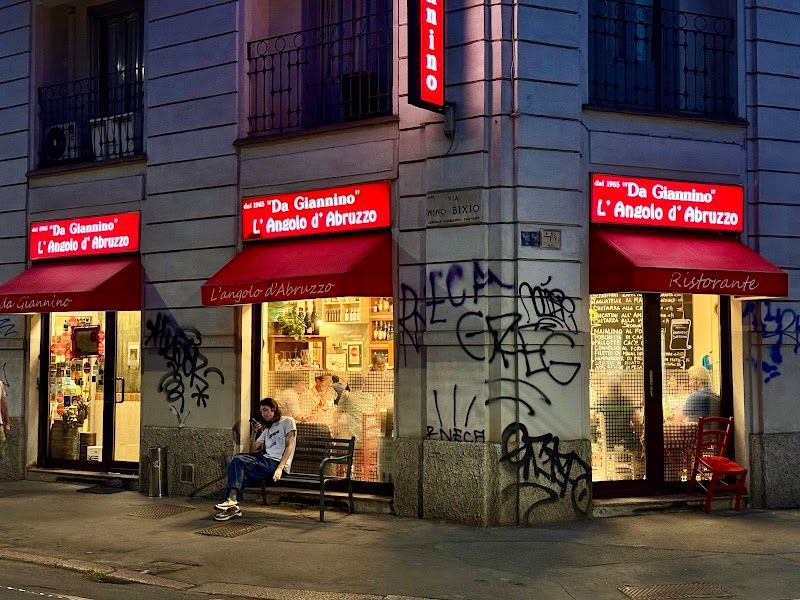
Da Giannino - L'Angolo d'Abruzzo
Abruzzese cuisine in Milan, specializing in arrosticini (lamb skewers) and handmade pasta. The kitchen is from the mountainous Abruzzo region, bringing central Italian flavors to Lombardy.
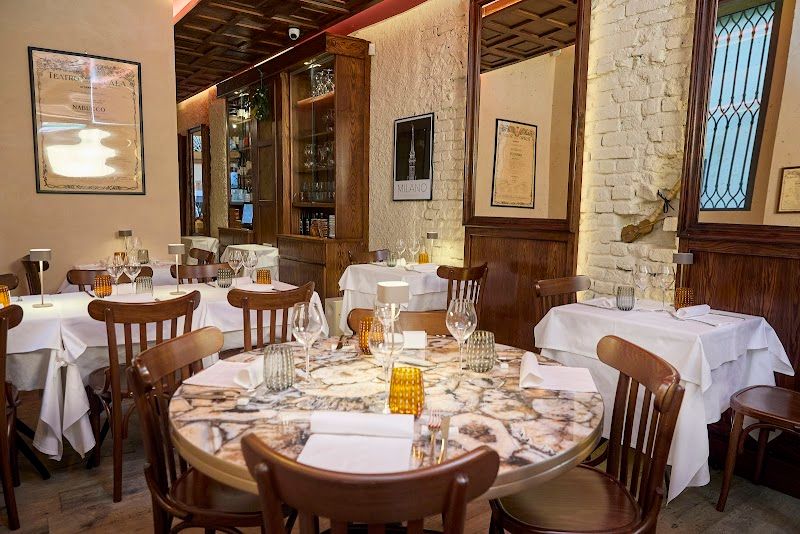
Nabucco
A beloved neighborhood trattoria serving traditional Milanese cuisine since 1968, steps from La Scala. Known for its risotto alla milanese, ossobuco, and warm, old-school atmosphere with red-checkered tablecloths and vintage posters. Popular with locals and opera-goers alike.
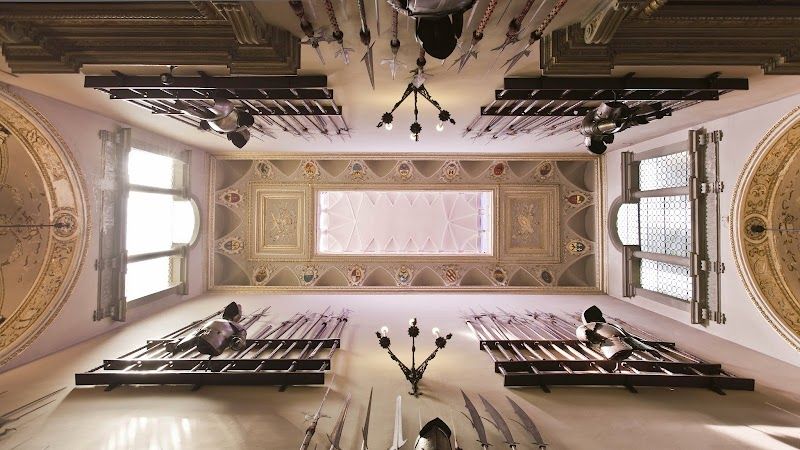
Museo Bagatti Valsecchi
The Bagatti Valsecchi brothers were Milan's original Instagram influencers, except their platform was an entire palazzo and their aesthetic was hardcore Renaissance revival. In the 1880s, Fausto and Giuseppe transformed their family home into what they believed a perfect 15th-century Milanese residence should look like, hunting down authentic period furniture, paintings, and decorative objects across Europe. You'll walk through 14 rooms where every detail screams Renaissance authenticity - from Venetian glass to carved cassone chests - except for cleverly disguised modern conveniences like a shower hidden inside a fake Renaissance cabinet. The visit feels like walking through someone's actual home rather than a sterile museum, because that's exactly what it was until 1974. The brothers lived here surrounded by their obsessive recreation, eating off Renaissance ceramics and sleeping in beds that belonged to 16th-century nobles. The walnut-paneled library stops most visitors in their tracks, while the frescoed bedroom reveals just how far the brothers went to maintain their historical fantasy. Audio guides (included) share stories about specific pieces and the brothers' sometimes ridiculous lengths to achieve period accuracy. Entry costs €12 for adults, which feels steep for what amounts to a very elaborate rich man's hobby, but the sheer commitment to the vision makes it oddly compelling. Skip the basement level entirely - it's just administrative displays that break the spell. Start with the main floor reception rooms, then work upward to the private quarters where the real treasures hide. Most visitors rush through in 45 minutes, but the details reward slower examination if you're into decorative arts.
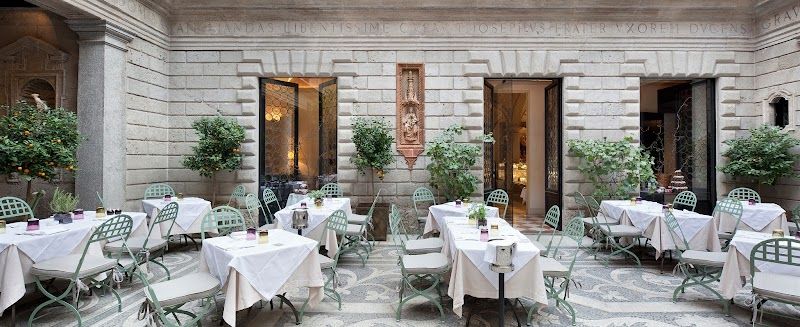
Il Salumaio di Montenapoleone
Historic delicatessen and restaurant in the heart of the fashion district since 1957. Traditional Italian cold cuts, wines, and simple dishes served in elegant surroundings.
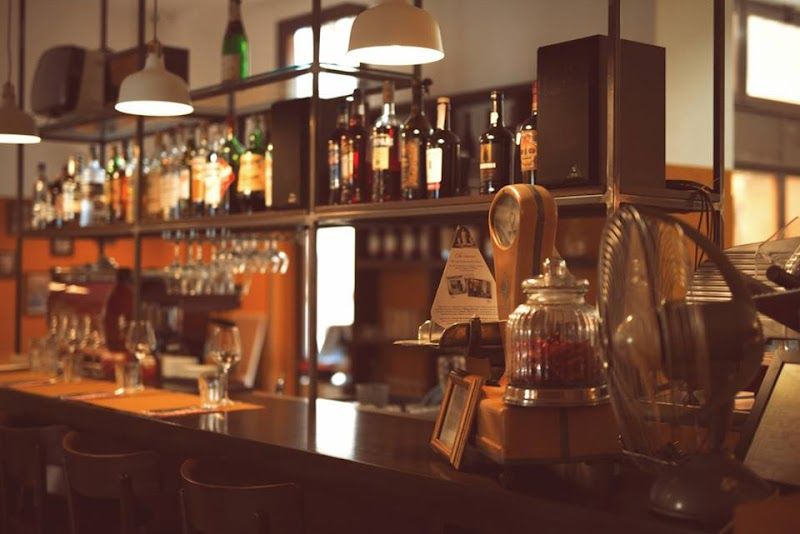
Trippa
A tiny, energetic osteria from chef Diego Rossi serving nose-to-tail Milanese cooking. The menu changes daily based on market finds, with dishes like beef heart tartare and veal brain fritto misto.
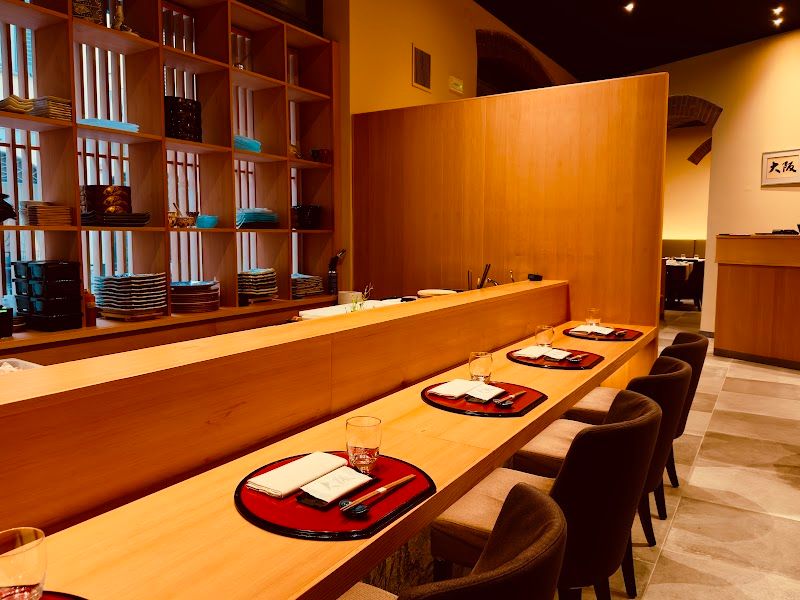
Osaka Ramen & Sake Bar
Authentic Japanese ramen in Porta Romana. The tonkotsu broth is rich and porky, and the noodles are imported from Japan. A warm bowl for cold Milan winters.
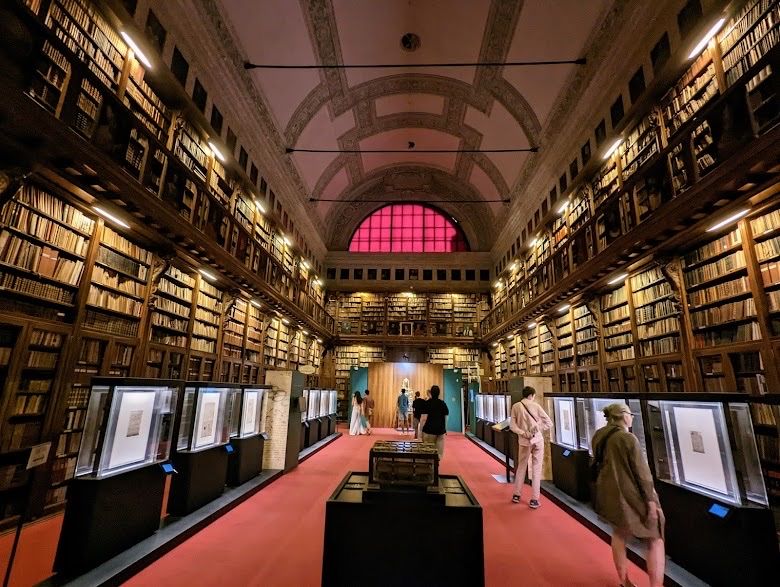
Biblioteca e Pinacoteca Ambrosiana
Cardinal Federico Borromeo's 1609 library and art gallery holds some of Europe's most important manuscripts alongside intimate Renaissance masterpieces. You'll see Leonardo da Vinci's actual Codex Atlanticus pages (they rotate selections), Caravaggio's luminous Basket of Fruit, and Raphael's full-scale cartoon for The School of Athens. The collection spans 35,000 manuscripts and includes works by Botticelli, Titian, and Bramantino displayed in small rooms that feel more like a private palazzo than a typical museum. The visit flows through connecting chambers where natural light illuminates the paintings as Borromeo intended. Unlike Milan's larger museums, this feels contemplative: you can study Caravaggio's revolutionary still life technique up close or examine Leonardo's mirror writing without crowds pushing past. The manuscript room displays breathtaking illuminated texts, while the Codex section rotates different Leonardo pages monthly. The atmosphere stays scholarly and peaceful, with most rooms holding just 4-5 visitors at once. Most guides rush through here in 45 minutes, but you need 90 minutes to appreciate the manuscripts properly. Entry costs EUR 15 and includes the Codex viewing, which many visitors skip entirely (big mistake). The audio guide adds EUR 5 but isn't essential since detailed English descriptions accompany major works. Skip the gift shop overpriced books and focus your time on the manuscript rooms where you'll find 15th-century treasures most people walk past.
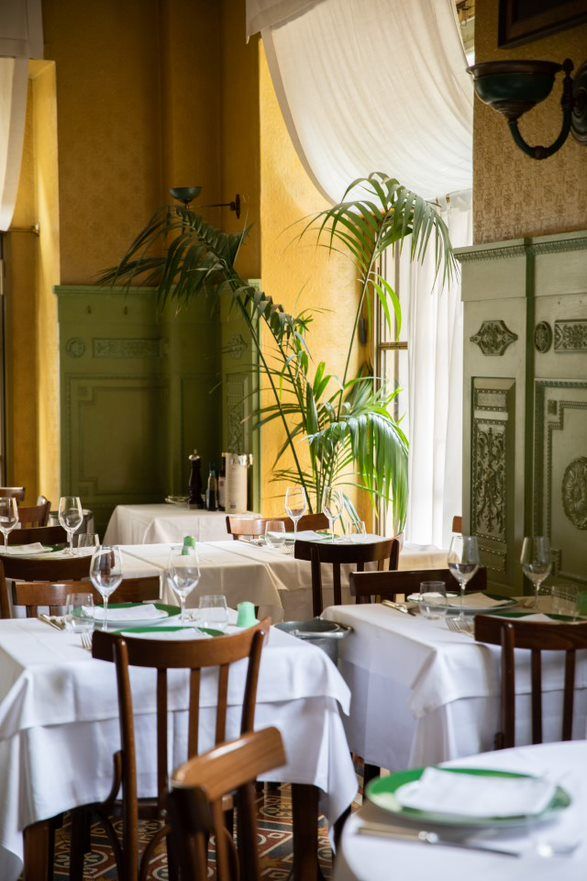
Ristorante da Giacomo Milano
A beloved neighborhood trattoria serving traditional Milanese cuisine with a focus on fresh seafood and risotto dishes. The casual, bustling atmosphere attracts locals and university students from nearby Politecnico. Known for generous portions and authentic recipes that haven't changed in decades.
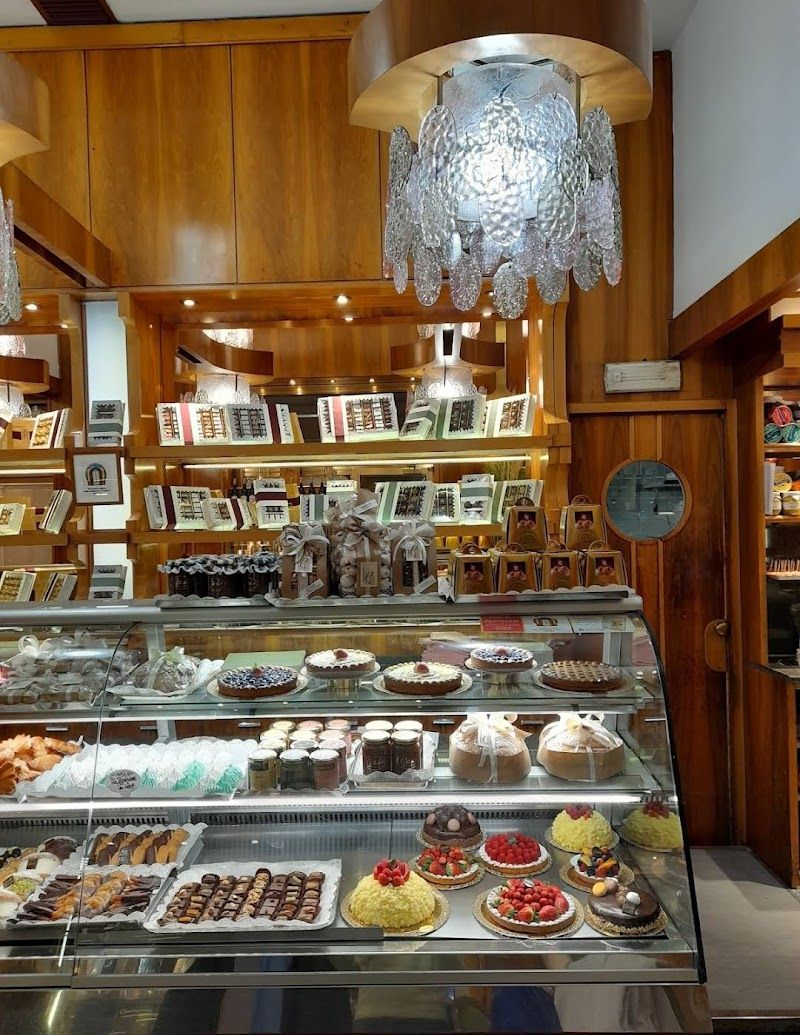
Pasticceria Gattullo
A traditional Milanese pasticceria near Corso Buenos Aires, family-run since 1938 and famous for its panettone that locals order months in advance for Christmas. They bake the traditional Milanese colomba for Easter and maintain old recipes for forgotten pastries like the veneziana. The shop retains its original 1950s display cases and tile floors.
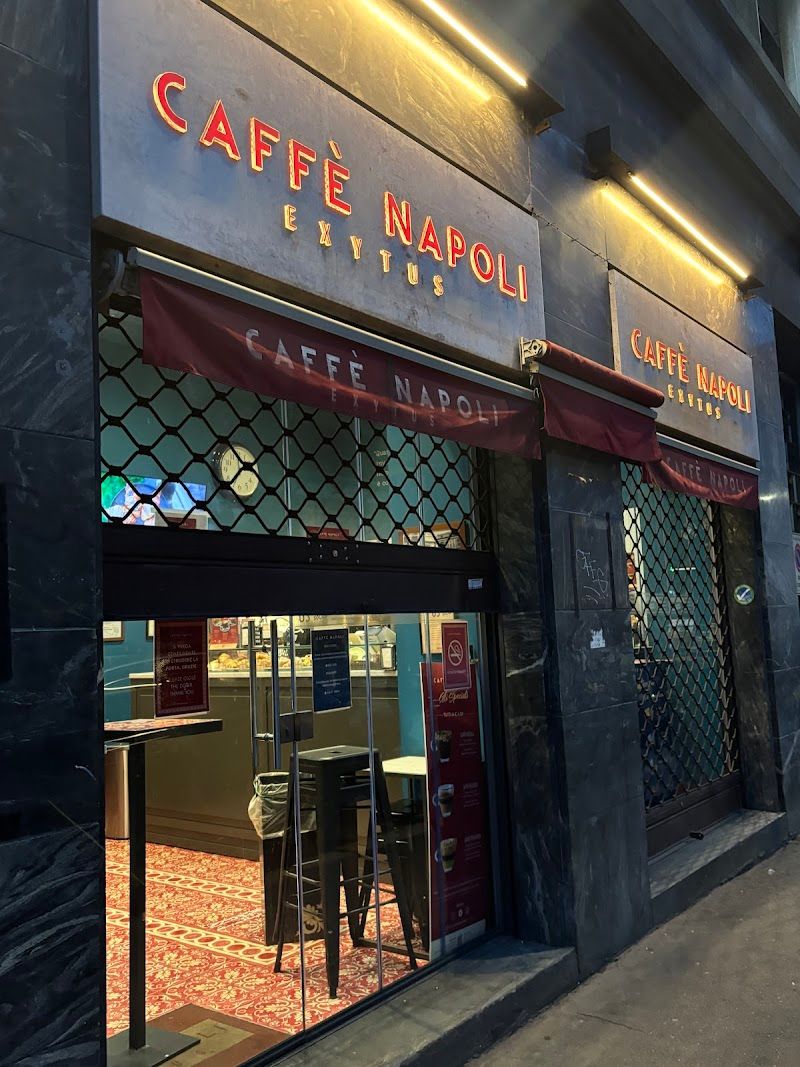
Caffè Napoli
A traditional Milanese cafe-bar near Sant'Ambrogio basilica, operating since 1954 with original wood paneling and marble countertops. Locals pack the bar in the morning for a quick espresso and cornetto before work, standing shoulder-to-shoulder in the Milanese tradition. The tramezzini sandwiches at lunch are made fresh daily with classic fillings like tuna-mayo and egg salad.
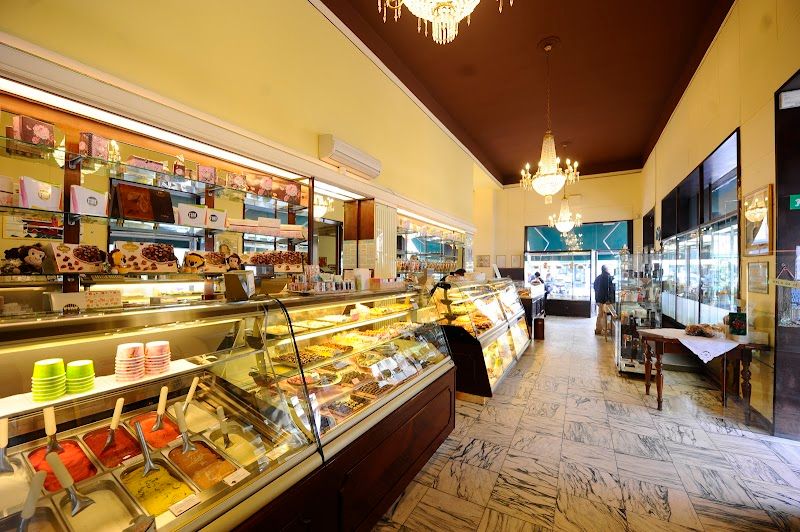
Pasticceria Cucchi
Operating since 1936 in Porta Romana, Cucchi maintains Milan's cafe traditions with vintage Formica tables and a long marble bar. The house specialty is the 'veneziana', a sugar-topped sweet bread that's Milan's lesser-known alternative to panettone. Neighborhood regulars come for the proper cappuccino and cornetto breakfast standing at the bar.
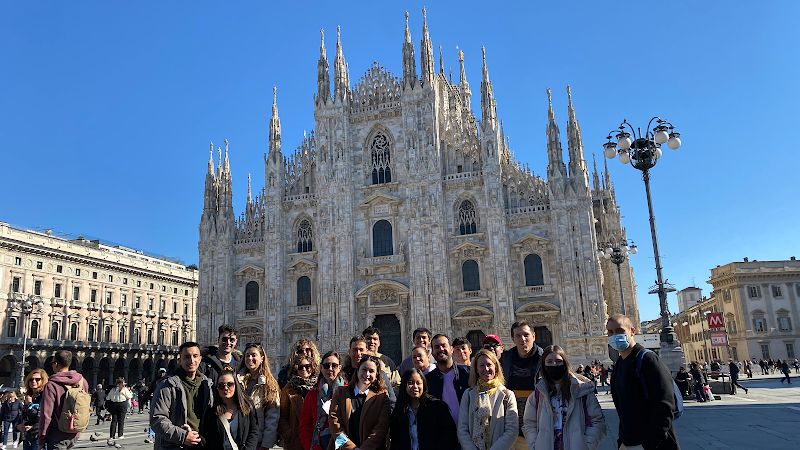
Milan Walking Tour
A guided walking tour through the historic centre covering the Duomo, Galleria, La Scala, Castello Sforzesco, and Brera. The good guides explain Milan's history from Roman Mediolanum through the Visconti and Sforza dukes to its reinvention as Italy's financial and fashion capital. They also explain why Milan looks different from Rome or Florence - heavy bombing in WWII destroyed much of the historic centre, and the rebuilding mixed brutalist modernity with surviving Renaissance and neoclassical buildings. 3 hours, mostly flat (a relief after cities with hills).
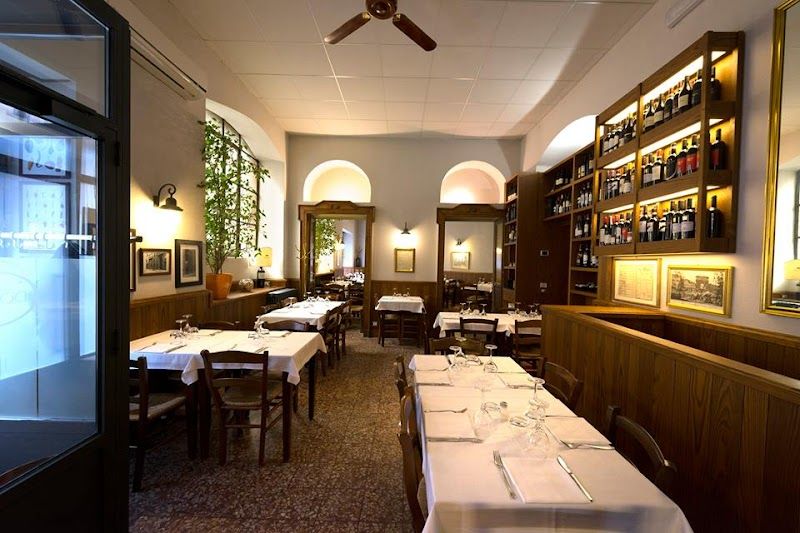
Dongiò
Casual trattoria in Isola specializing in Calabrian cuisine from southern Italy. The 'nduja (spicy spreadable salami) dishes and handmade fileja pasta showcase southern flavors.
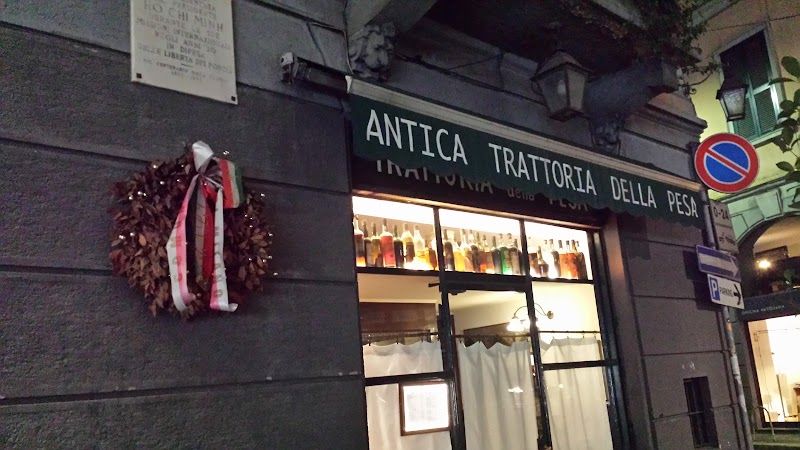
Antica Trattoria della Pesa
Operating since 1880, this trattoria in a former customs house serves massive portions of Milanese classics. The cassoeula (pork and cabbage stew) is served only in winter, as tradition demands.
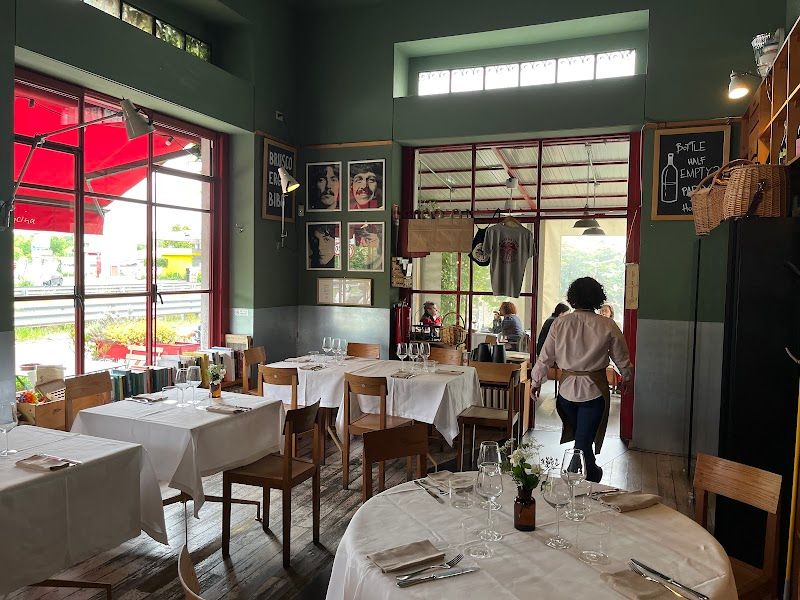
Erba Brusca
Farm-to-table restaurant with its own vegetable garden outside the city. The menu is hyper-seasonal, with dishes like nettle risotto and herb-crusted lamb that showcase the Lombardy countryside.
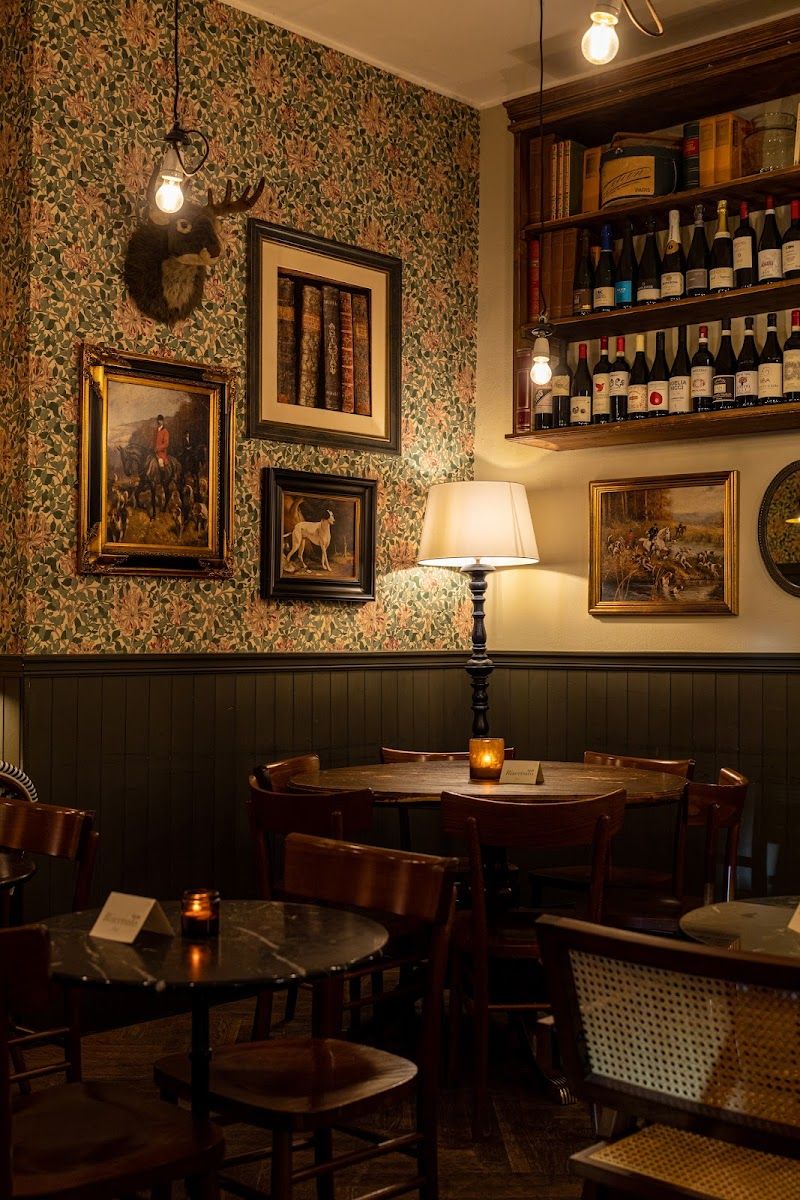
Ugo Club
Navigli's underground club (literally, it's in a basement) with brick arches and a sound system that draws serious house and techno heads. Open Thursday to Saturday from midnight to 4 AM. The entrance is unmarked and easy to miss, with a bouncer checking the line from a small door.
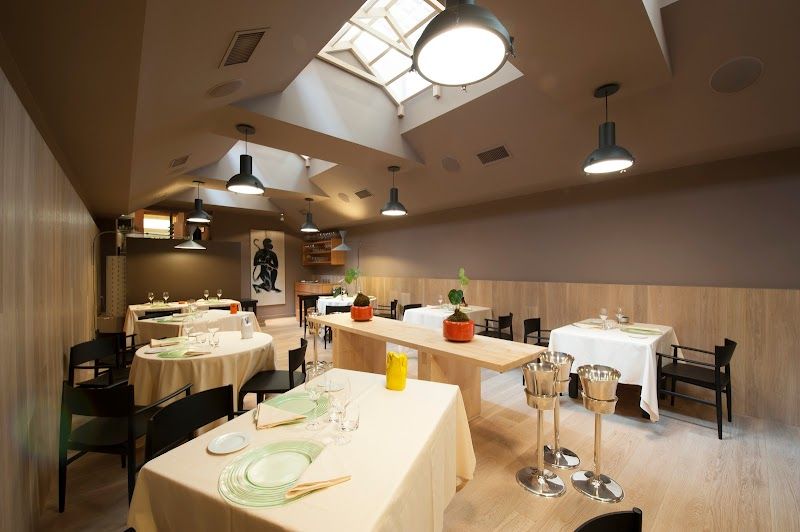
Joia
Italy's first Michelin-starred vegetarian restaurant, run by chef Pietro Leemann for over 30 years. Refined, creative dishes that prove fine dining doesn't need meat.
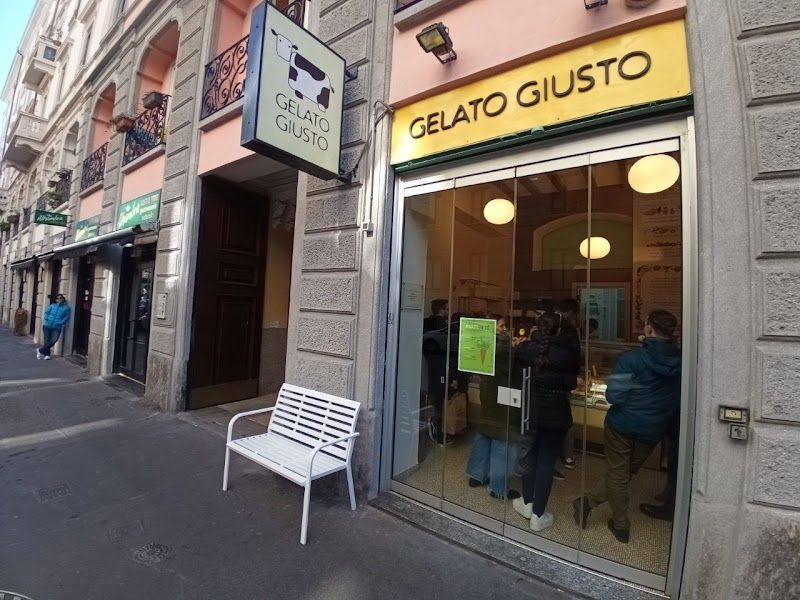
Gelato Giusto
Artisanal gelato made with organic ingredients and no artificial flavors. The pistachio is legendary, but seasonal flavors like fig or persimmon are worth trying.
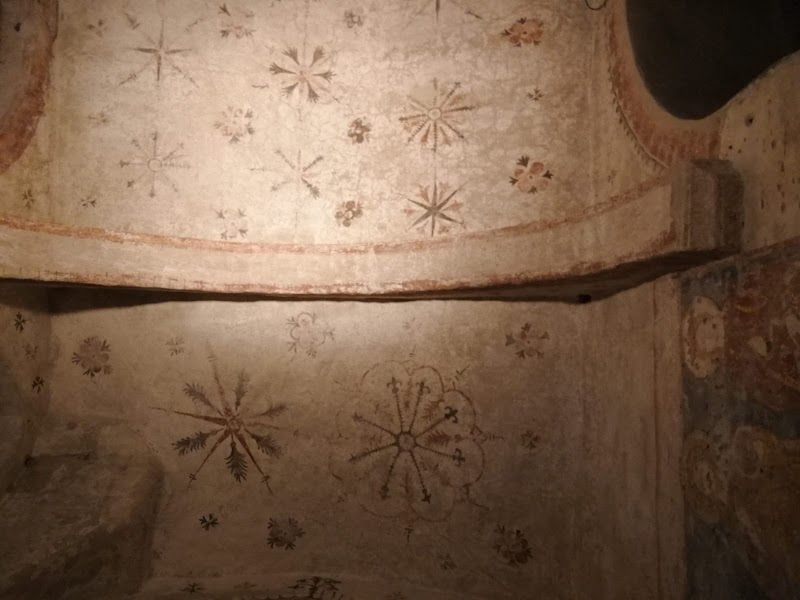
Cripta di San Sepolcro
The Cripta di San Sepolcro sits directly above Milan's ancient Roman forum, where you can peer through glass panels in the medieval floor to see 2,000-year-old ruins below. This isn't just another church crypt: it's a genuine archaeological sandwich where Romanesque columns literally grow from Roman foundations. You'll walk among 11th-century stonework while looking down at the remains of Mediolanum's political heart, including forum pavements and building foundations that predate the Duomo by centuries. The experience feels like time travel in reverse. You descend into what should be the past but instead find yourself in the medieval layer, looking further down into even older Roman stones. The space is intimate and cool, with dramatic lighting that highlights the contrast between rough Roman blocks and refined Romanesque arches. The juxtaposition is genuinely striking: polished medieval craftsmanship rising from weathered ancient ruins creates an architectural conversation across centuries. Most travel guides oversell this as a major attraction when it's really a fascinating 20-minute stop for history lovers. The space is tiny, so if you're not genuinely interested in archaeological layers, skip it. The volunteer guides are knowledgeable but the visit can feel rushed when groups arrive. Entry is free, which makes it worthwhile if you're already exploring the centro storico, but don't make a special trip unless you're an archaeology enthusiast.
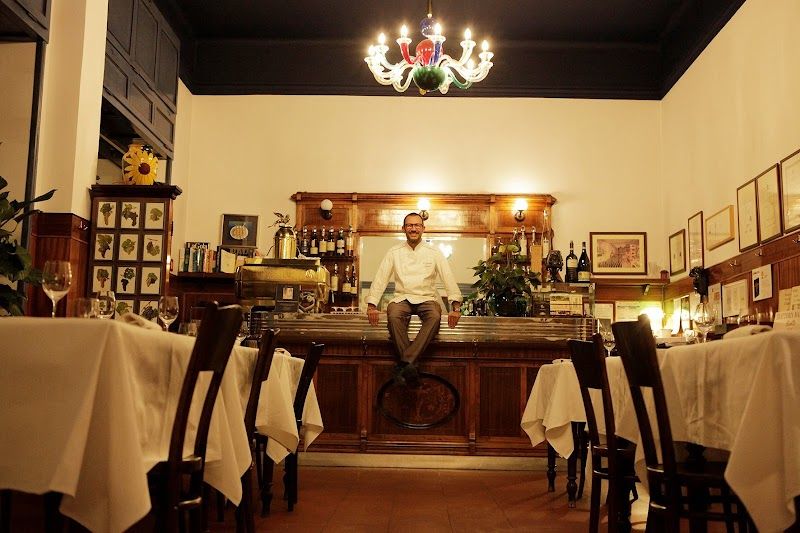
Trattoria Masuelli San Marco
Family-run since 1921, this is old-school Milan with white tablecloths and tuxedoed waiters. The menu hasn't changed: risotto alla milanese, ossobuco, and cotoletta done right.
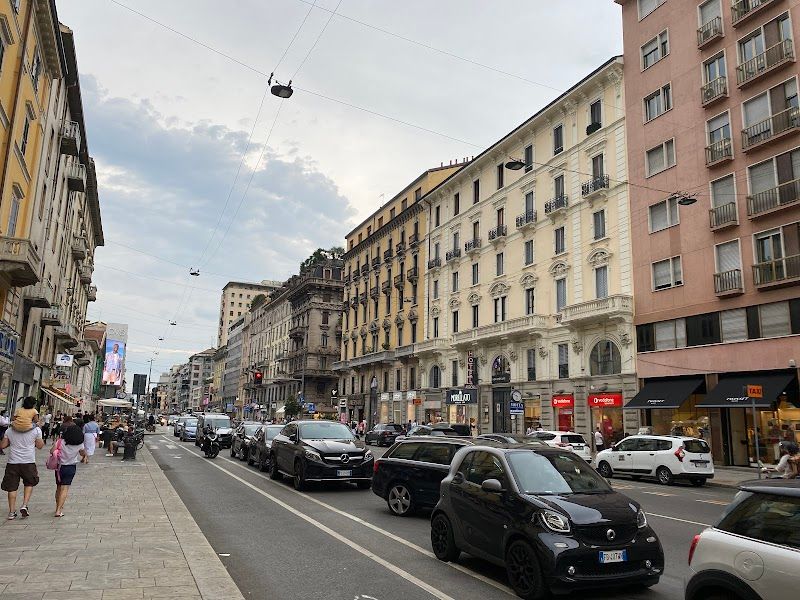
Corso Buenos Aires
Corso Buenos Aires stretches 1.6 kilometers from Porta Venezia to Piazzale Loreto, packing over 350 shops into what's arguably Europe's longest shopping street. You'll find everything from Zara and H&M to smaller Italian boutiques, electronics stores, and gelato shops lining both sides of this pedestrian-friendly avenue. The street has a distinctly local feel compared to the tourist-heavy Quadrilatero della Moda, with Milanese families doing their weekend shopping alongside visitors hunting for deals. Walking the full length takes about two hours if you're browsing seriously, though you can easily spend half a day ducking into stores. The southern end near Porta Venezia feels more upscale, while the northern stretch toward Piazzale Loreto gets grittier with more electronics shops and casual dining. Metro stations at both ends make it easy to hop on and off, and the wide sidewalks handle crowds well even on busy Saturdays. Street performers and the occasional market stall add energy to the scene. Most guides oversell this as a shopping paradise, but it's really just a very long high street with predictable chain stores. The real advantage is practical: shops stay open until 8pm on weekdays when the rest of Milan shuts down at 7pm, and prices run about 20% cheaper than the designer district. Skip the northern third unless you need electronics, focus on the Porta Venezia end for the best mix of shops and cafes.
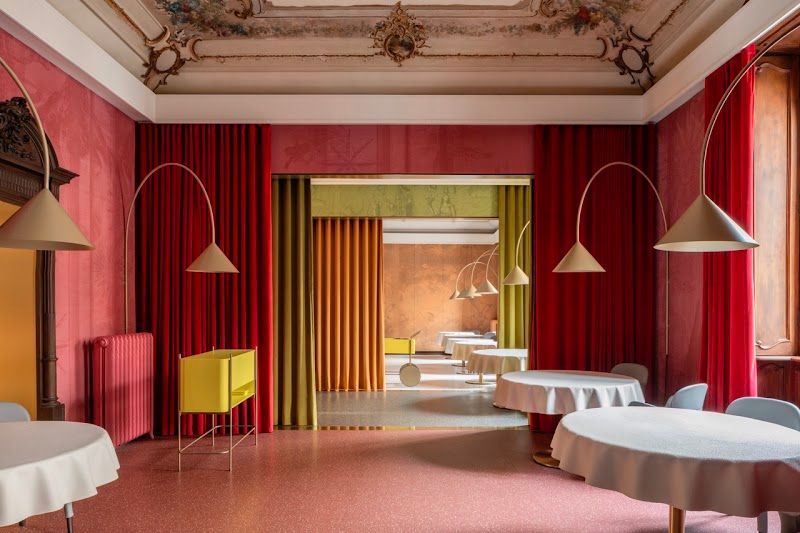
Contraste
Michelin-starred restaurant from chef Matias Perdomo serving bold, experimental tasting menus. Expect unexpected combinations and dramatic presentations in an industrial-chic space.
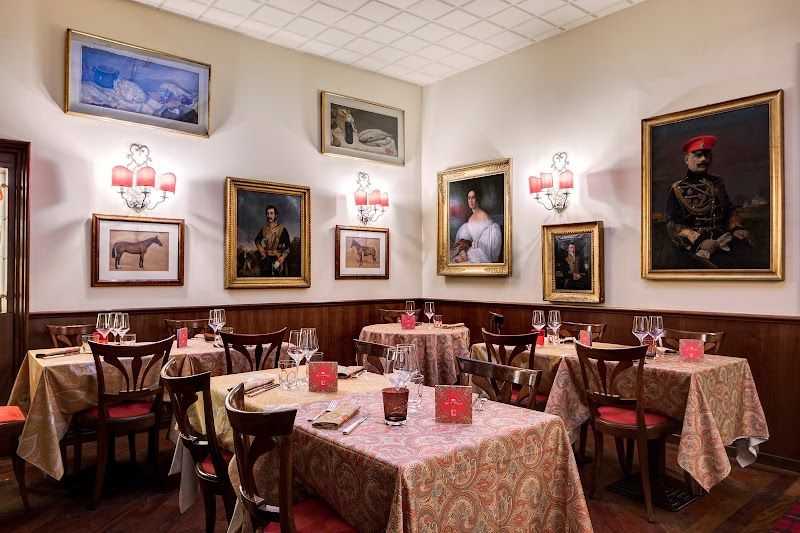
Bice
Historic Milanese restaurant established in 1926, known for authentic risotto alla milanese and cotoletta. The elegant dining room with art deco touches attracts fashion industry insiders from nearby showrooms. A true institution in the heart of the fashion district.
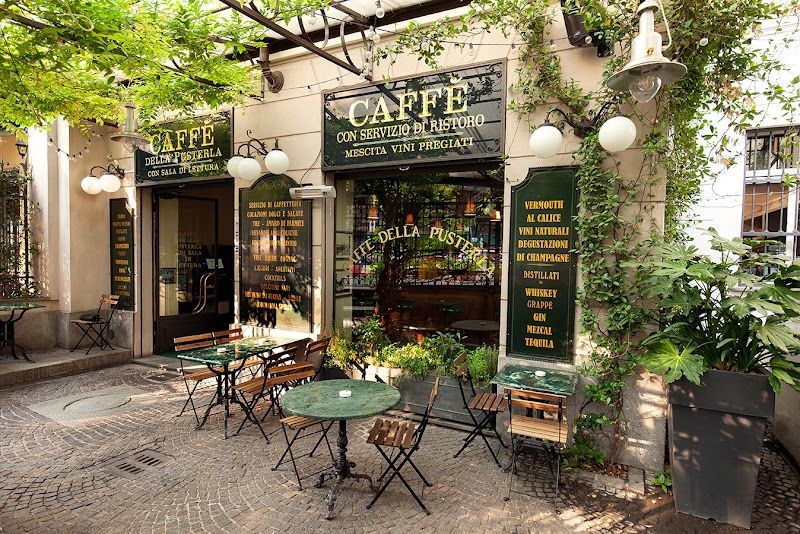
Caffè della Pusterla
A neighborhood cafe in the Navigli district with outdoor seating along Via De Amicis, popular with locals for morning coffee and evening aperitivo. The bartenders know regulars by name and their usual order. Simple panini and focaccia are made on-site daily, and the spritz is properly made with Aperol, prosecco, and a splash of soda.
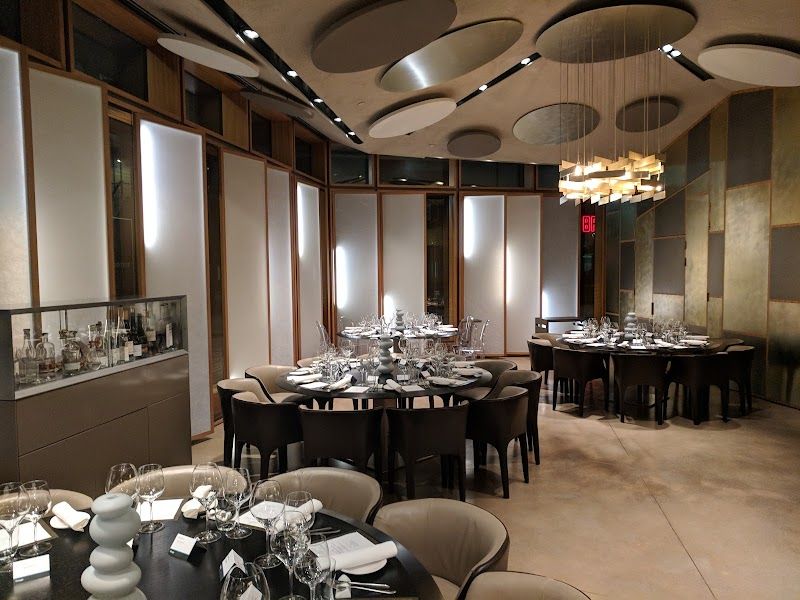
Ristorante Berton
Michelin-starred restaurant from chef Andrea Berton in a modern glass-walled space. Contemporary Italian cuisine with impeccable technique and a focus on seafood.
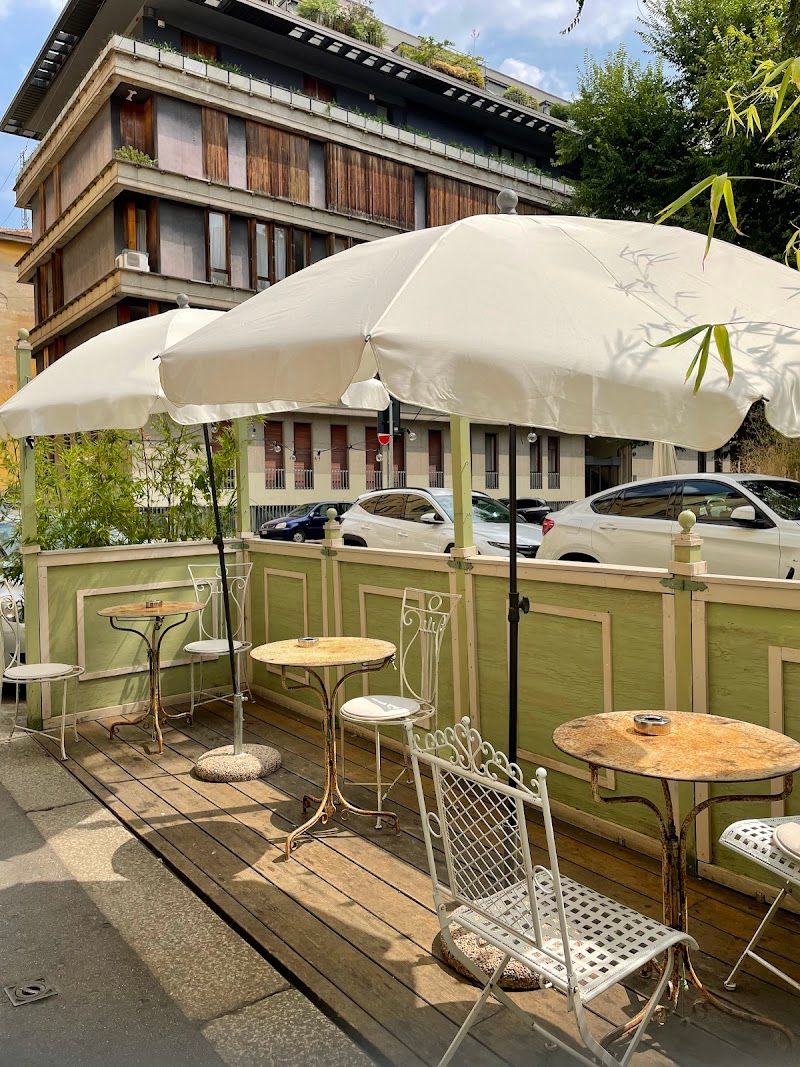
Fioraio Bianchi Caffè
A unique café-flower shop hybrid that serves excellent coffee and light bites surrounded by beautiful fresh flowers and plants. The charming vintage décor and botanical atmosphere make it a beloved local spot for morning cappuccinos and afternoon tea. Perfect for a relaxing break while exploring the Isola district.
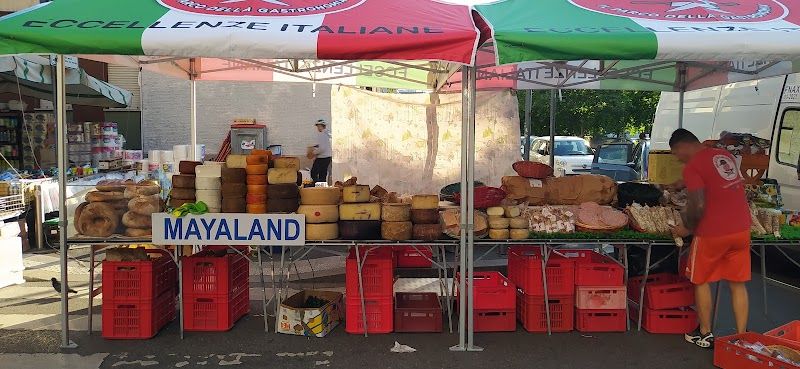
Mercato di Via Fauché
Mercato di Via Fauché is Milan's most authentic neighborhood market, operating since 1929 in a covered hall that serves locals rather than tourists. You'll find exceptional fresh produce, aged cheeses, whole fish displayed on ice, and cuts of meat that draw regulars every morning. The flower vendors outside add color, while surrounding stalls hawk everything from kitchen gadgets to regional Italian specialties shipped in from Sicily and Puglia. The atmosphere feels genuinely Milanese: elderly shoppers inspect tomatoes with surgical precision, vendors shout prices in dialect, and the smell of fresh herbs mingles with roasting porchetta. You'll navigate narrow aisles between stalls, dodging locals with wheeled shopping bags who know exactly where to find the best mozzarella. The pace picks up around 10am when office workers grab quick lunches before everything winds down by noon. Most food markets in Milan cater to tourists, but this one stays refreshingly real. Skip the overpriced items near the entrance and head straight to the back where prices drop significantly. The cheese selection rivals expensive delis at half the cost, particularly the aged parmigiano and fresh burrata. Come before 11am for the best selection, but don't expect English: vendors assume you're local and act accordingly.
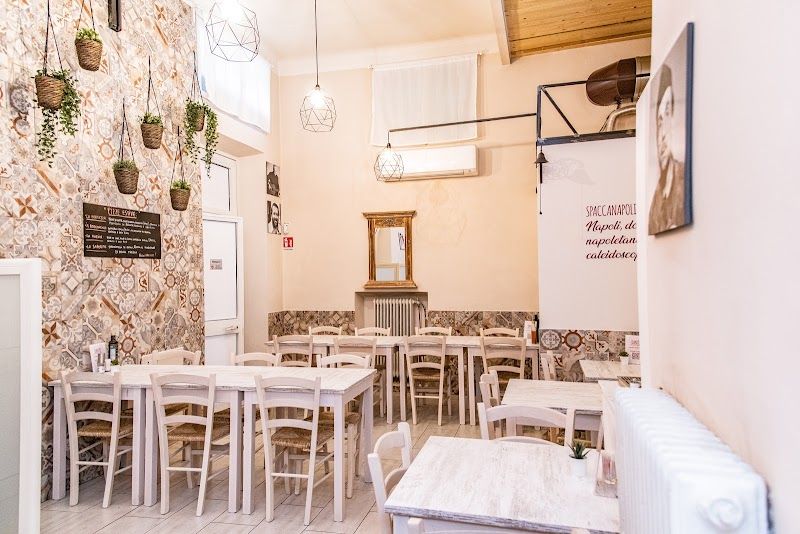
Pizzeria 1977 da Tano
A no-frills pizzeria run by the same Neapolitan family since 1977, serving authentic pizza with perfectly charred crusts and quality toppings. The simple interior and friendly service create an unpretentious atmosphere beloved by students and professors alike. Their pizza margherita is considered one of the best in the neighborhood.
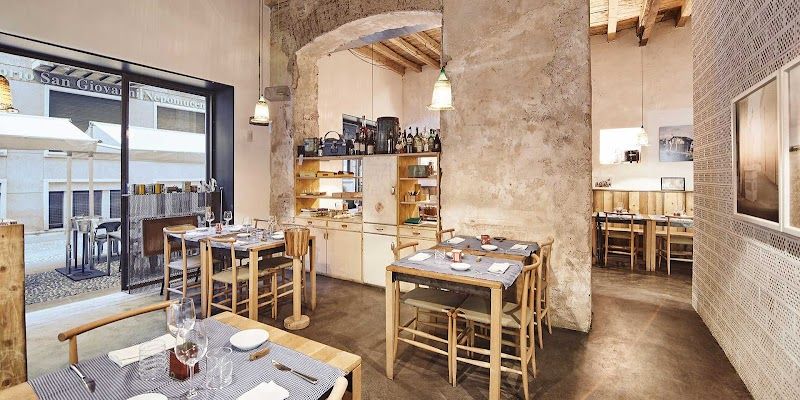
28 Posti
Chef Marco Ambrosino's intimate 28-seat restaurant serving creative Italian cuisine with unexpected flavor combinations. The open kitchen means you watch every plate being prepared.
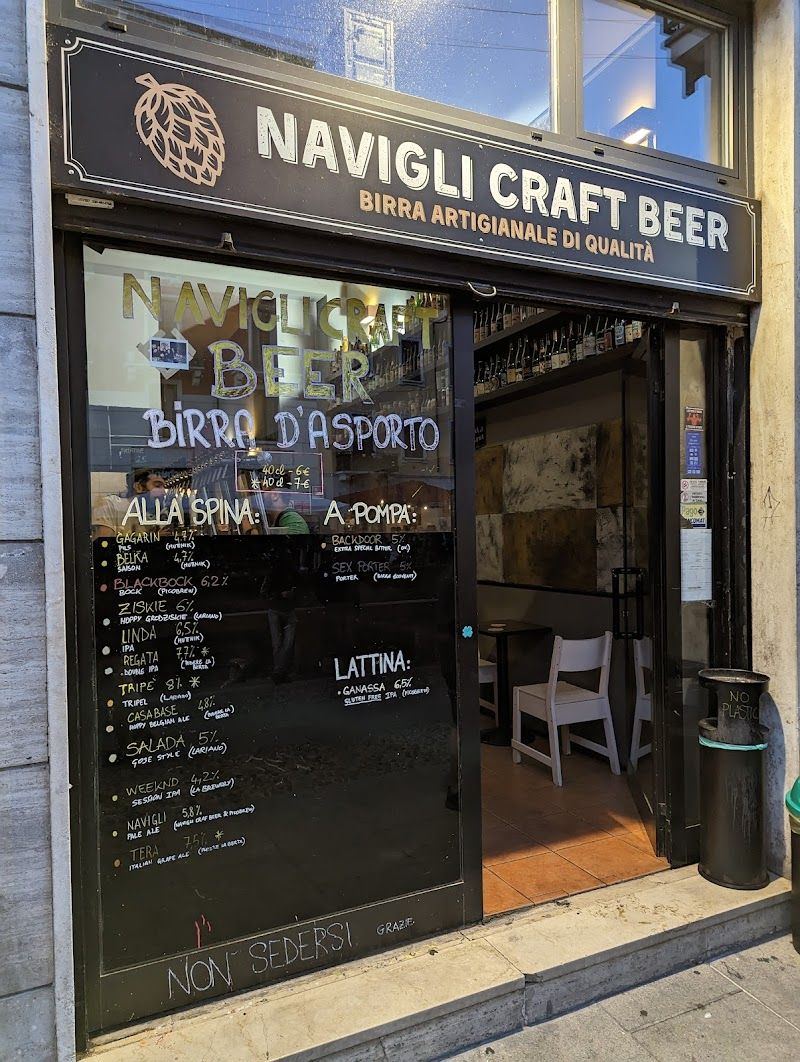
Craft
Brera's sophisticated cocktail bar in a 16th-century cellar with exposed brick vaults and vintage apothecary bottles lining the walls. The menu focuses on classic cocktails executed with precision and house-made syrups. Quieter and more conversational than most Milan bars, attracting an older, design-world crowd.
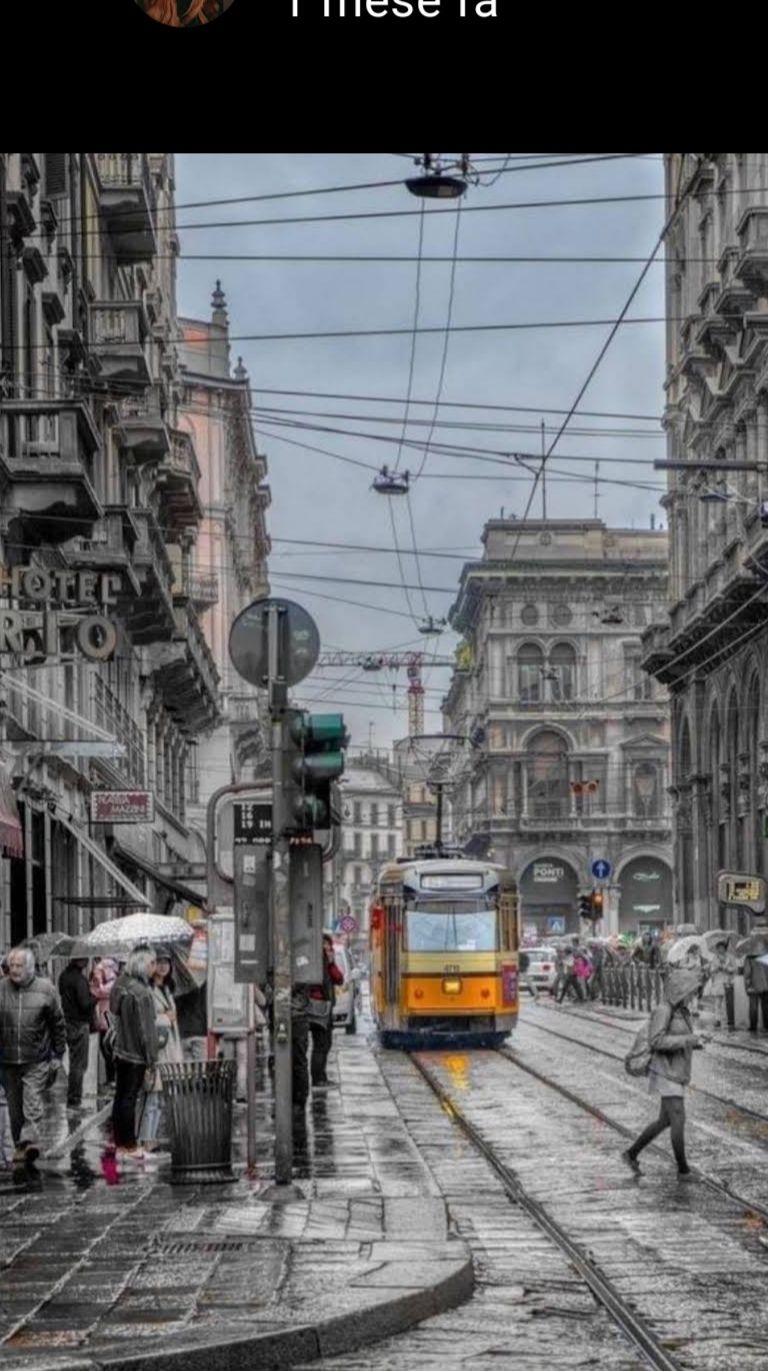
Via Torino
Via Torino stretches for eight blocks from the Duomo's southern edge to the medieval Porta Ticinese, offering Milan's most accessible shopping street without the luxury price tags of the Quadrilatero. You'll find Zara, H&M, and Mango alongside Italian chains like Calzedonia and OVS, plus dozens of independent shoe stores selling everything from €15 sneakers to €80 leather boots. The street follows its original Roman route, keeping that narrow medieval feel while accommodating modern storefronts. The shopping experience shifts dramatically as you walk south. Near Piazza Duomo, you're dodging tour groups snapping photos, but by the time you reach Sant'Alessandro church halfway down, it's mostly locals picking up everyday items. The final stretch toward Porta Ticinese gets grittier and more interesting, with vintage shops, record stores, and bars mixed between the clothing retailers. Street musicians often play near the medieval gate. Most shopping guides overhype this street, but it's genuinely useful for mid-range finds without tourist markup. Skip the overpriced accessories near the Duomo end and focus on the shoe stores around Via Santa Marta, where quality leather shoes go for €40 to €60. The Foot Locker and sports stores cluster near Porta Ticinese if you need athletic gear. Avoid weekends when it becomes shoulder-to-shoulder crowded.
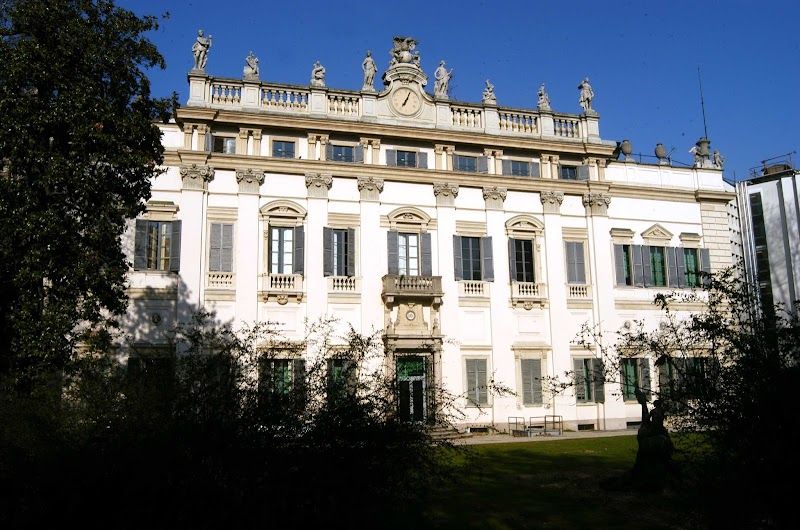
Biblioteca Sormani
Biblioteca Sormani occupies the magnificent Palazzo Sormani Andreani, an 18th century aristocratic palace that houses Milan's central library system across frescoed rooms and marble halls. You'll find over 600,000 books, manuscripts, and periodicals spread through elegant reading rooms where gilded ceilings and crystal chandeliers create an almost theatrical study environment. The building itself is the real draw here, with its grand staircase, period furniture, and peaceful internal courtyards that feel worlds away from Milan's traffic. Entering feels like stepping into a nobleman's private study that happens to welcome the public. The main reading room stretches beneath ornate ceiling frescoes, while smaller chambers offer intimate spaces with antique wooden desks and tall windows. Students and locals treat this as their living room, spreading books across marble tables while afternoon light filters through historic windows. The atmosphere stays remarkably quiet despite the foot traffic, and you'll hear more page turning than conversation. Most travel guides oversell this as a major attraction when it's really a functional library that happens to be beautiful. Unless you're genuinely interested in reading or studying, 20 minutes is enough to appreciate the architecture and peek into the main halls. The exhibitions in the basement are often underwhelming and poorly lit. Skip the weekend crowds and come on weekday mornings when you'll have the elegant spaces mostly to yourself.
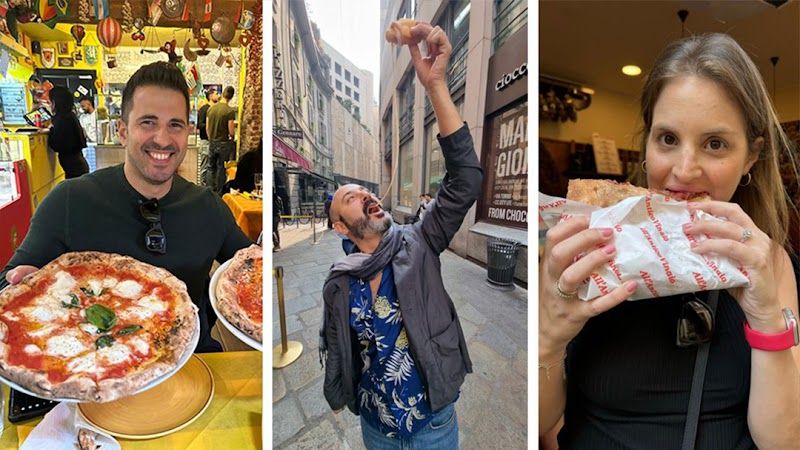
Milan Aperitivo Walking Tour
This three-hour walking tour hits four carefully chosen aperitivo spots across Milan's most social neighborhoods: Brera, Corso Como, and Porta Garibaldi. You'll sample classic Milanese drinks like Negroni Sbagliato and Campari-based spritzes while your guide explains why aperitivo culture runs deeper than happy hour. Each stop includes complimentary cicchetti (small bites), and the final venue offers panoramic city views from a rooftop terrace. The experience moves at a leisurely Italian pace, spending 40-45 minutes at each location. You'll start in artistic Brera among gallery-goers and design professionals, then migrate to the fashion crowd around Corso Como. The atmosphere shifts from intimate wine bars with marble counters to sleek cocktail lounges with DJ sets. Your guide shares stories about aperitivo's origins in Turin and how Milan adapted the tradition, plus insider knowledge about which drinks pair best with the free buffets. Most aperitivo tours rush through generic spots, but this one focuses on places locals actually frequent. The €65 price tag includes all drinks and food, making it decent value compared to buying rounds individually. Skip the weekend tours when venues get packed with tourists. The Thursday and Friday departures offer the most authentic experience since that's when Milanese professionals genuinely unwind after work.
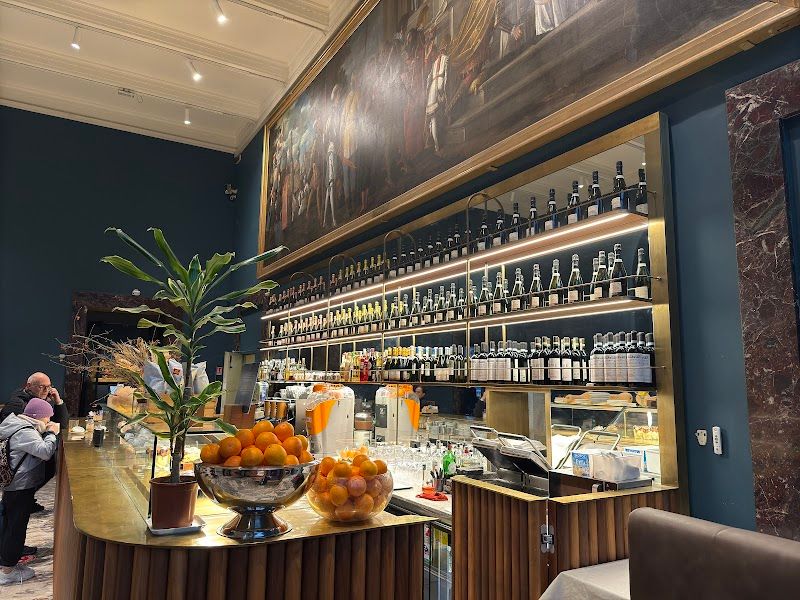
Caffè Fernanda
The cafe inside the Pinacoteca di Brera art museum, designed by Italian architect Annalisa Mauri with contemporary furnishings. It serves excellent coffee and light lunch in a tranquil courtyard setting away from Brera's tourist crowds. The aperitivo menu includes creative small plates that pair with natural wines selected by the sommelier.
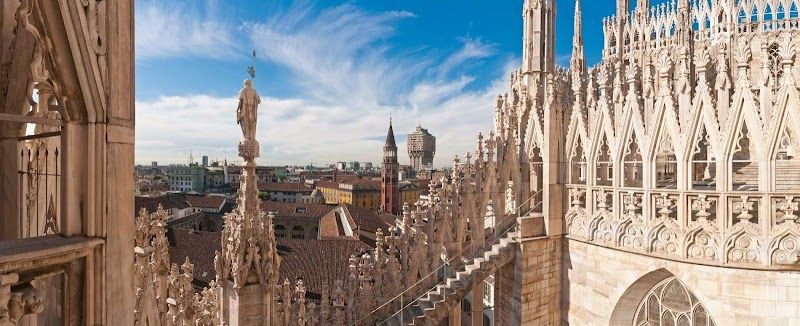
Navigli Bike Tour with Aperitivo
This three-hour bike tour takes you through Milan's historic Navigli canal system, covering 15km of mostly flat terrain through neighborhoods most tourists never see. You'll cycle along the Naviglio Grande and Naviglio Pavese, stopping at Leonardo da Vinci's original lock system and peering into private courtyards where washing lines hang between centuries-old buildings. The route winds through the Darsena district, past working-class bars where locals drink morning coffee, then loops back through tree-lined towpaths. The ride feels like traveling through Milan's industrial past and creative present. Your guide shares stories about da Vinci's engineering while you dodge the occasional jogger on narrow paths. The canals smell faintly of algae, and you'll hear water lapping against moored houseboats. By late afternoon, university students gather on canal steps with bottles of wine, and the golden light hits 19th-century warehouses turned artist studios. The tour ends at a traditional bar where aperitivo means€8 spritz with generous plates of olives and focaccia. Most guides don't mention that weekend tours can feel rushed with larger groups of 15+ people. Book weekday departures for a more personal experience, and know that the bikes are basic city models without gears. The aperitivo stop is pleasant but not extraordinary, skip the second drink at €10 and head to nearby Bar Basso instead. Tours cost €45 per person including bike rental and first drink.
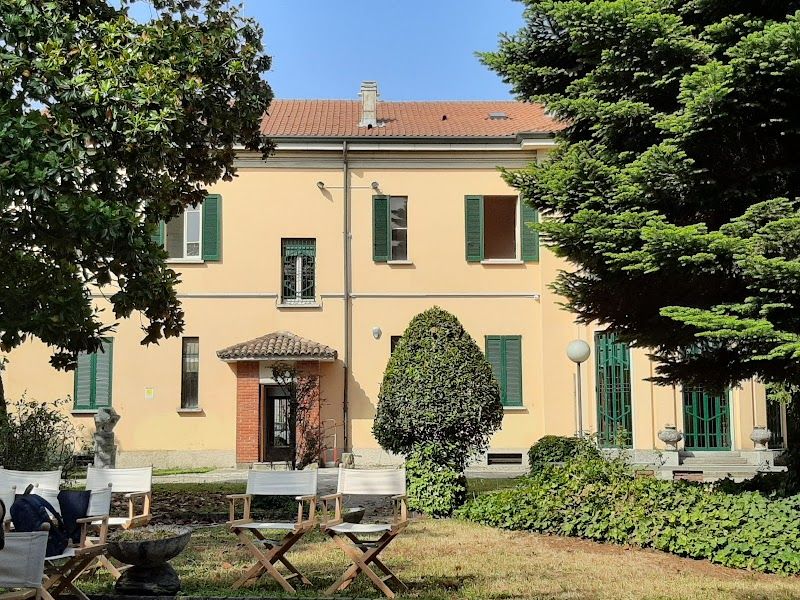
Casa Testori
Casa Testori preserves the former home of Giovanni Testori, one of Milan's most influential 20th-century writers and art critics. You'll walk through intimate rooms filled with his personal collection of paintings by Giorgio de Chirico, Lucio Fontana, and other Italian masters, plus his extensive library of rare books and manuscripts. The house itself is a beautiful example of early 20th-century Milanese architecture, with original furnishings that show how this cultural heavyweight actually lived. The guided tour takes you through five rooms, each telling part of Testori's story as both critic and collector. Your guide explains how Testori championed artists who later became household names, often buying their work before anyone else recognized their talent. The atmosphere feels genuinely personal, like browsing a friend's private collection rather than a sterile museum. You'll see handwritten letters between Testori and famous artists, plus his annotated art books that reveal his critical process. Most travel guides oversell this as essential Milan culture, but it's really for serious art lovers or Testori fans specifically. The collection is small but high quality. Tours run only on weekends and cost 10 EUR, though they're often free during special events. Skip it if you're short on time in Milan, but if you love intimate house museums and modern Italian art, it's genuinely rewarding.
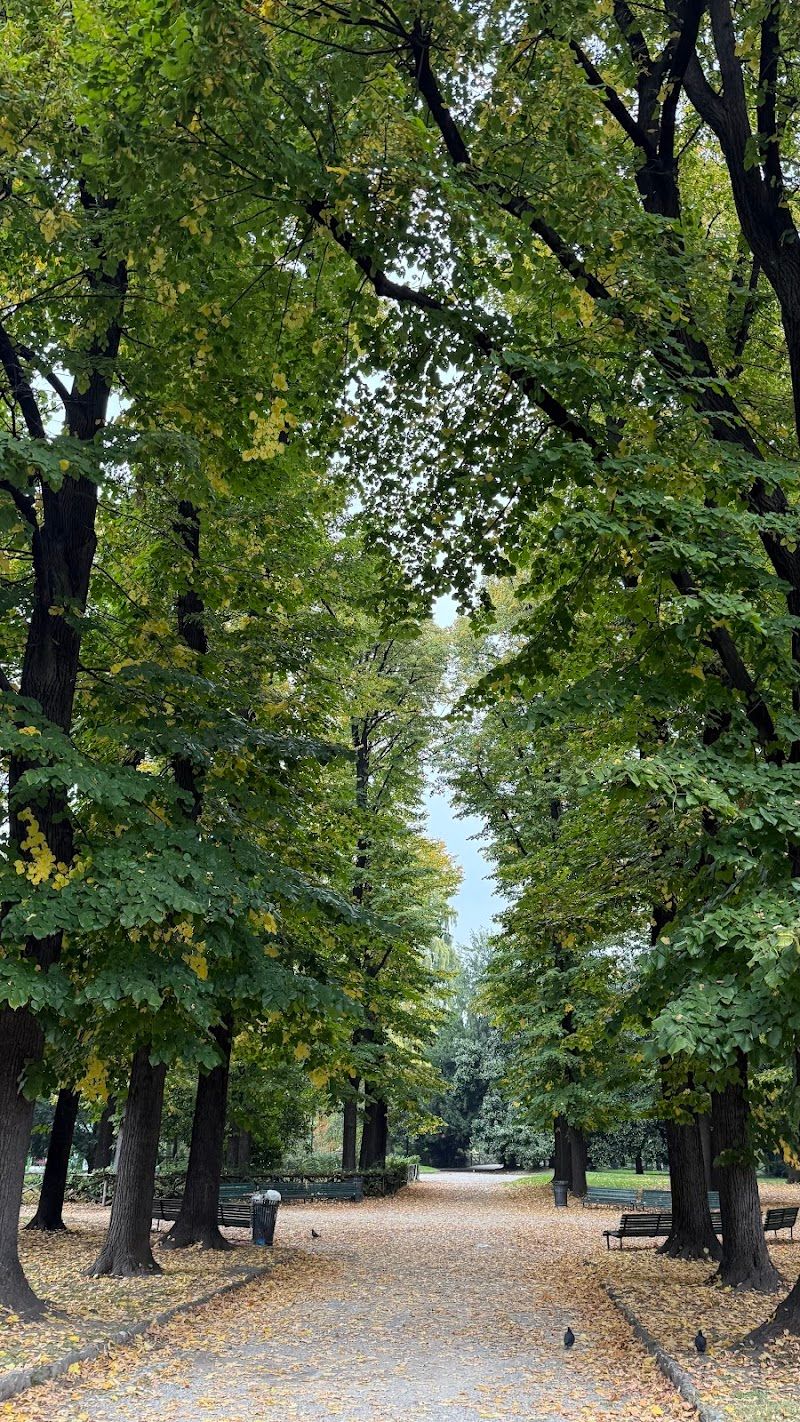
Giardini Pubblici Indro Montanelli
Giardini Pubblici Indro Montanelli stretches across 40 acres of surprisingly well-preserved 18th-century landscape design right next to Milan's fashion district. You'll find winding gravel paths around a small lake, scattered neoclassical statues, and mature plane trees that create genuine shade in summer. The Natural History Museum anchors one corner, while the planetarium offers astronomy shows for 5 EUR, making this more than just green space. The park feels refreshingly unhurried compared to central Milan's pace. Families spread picnic blankets near the playground while joggers loop the perimeter paths. The original Art Nouveau entrance gates from 1881 still frame your entry, and the layout hasn't changed much since then. Morning brings dog walkers and elderly locals reading newspapers on benches, while afternoons see office workers grabbing quick lunch breaks under the trees. Most travel guides oversell this as a major destination when it's really Milan's neighborhood park that happens to be historic. The Natural History Museum is surprisingly good but closes at odd hours (check before coming). Skip the overcrowded weekend afternoons and come weekday mornings when it's properly peaceful. The 90-minute duration most guides suggest is generous, you'll see everything worthwhile in 45 minutes unless you're visiting the museum or planetarium.
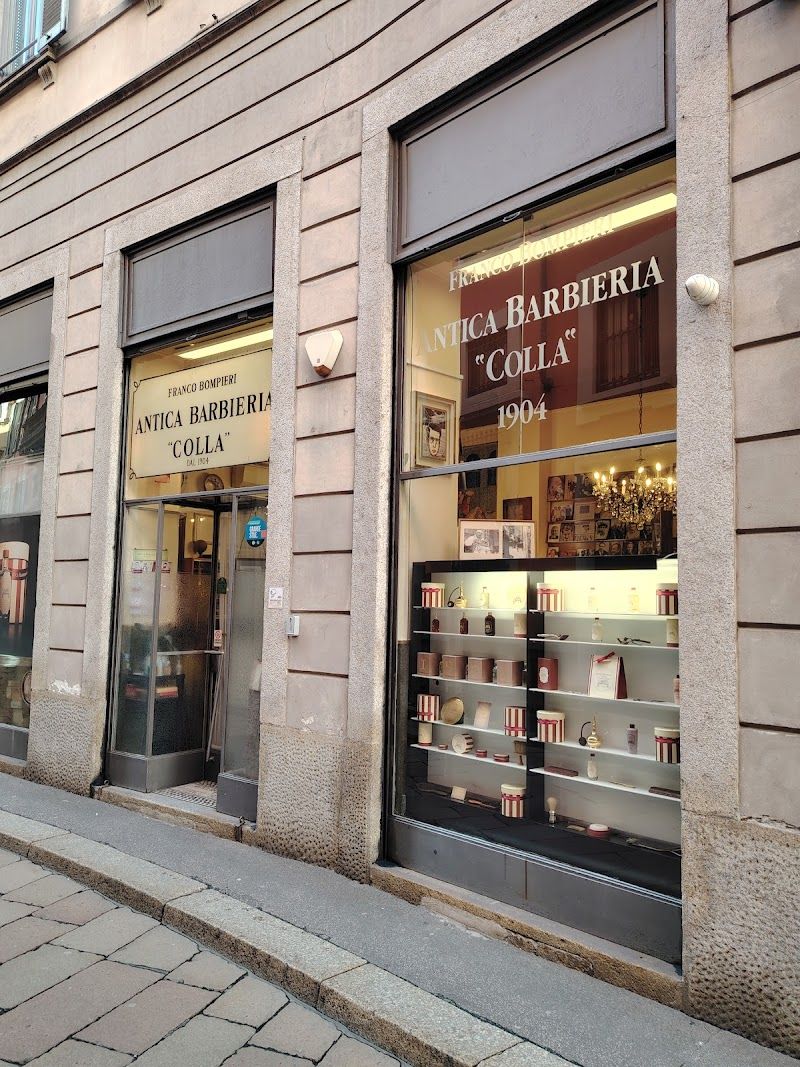
Antica Barberia Colla
Antica Barberia Colla is Milan's oldest barbershop, operating continuously since 1904 in the same Art Nouveau space near La Scala. You'll find original marble basins, hand-carved wooden chairs, and vintage equipment that still gets daily use. The Colla family runs traditional services: hot towel shaves (€25), classic cuts (€35), and beard trims (€20) using techniques passed down through four generations. This isn't a tourist attraction pretending to be authentic, it's the real thing. Stepping inside feels like entering a gentleman's club from 1920. The scent of bay rum and lavender fills the air while straight razors click against leather strops. Original tilework covers the walls, and the barbers work with methodical precision, taking 45 minutes for a proper shave. You'll hear Italian conversations between regulars who've been coming for decades. The atmosphere stays calm and focused, a stark contrast to the shopping crowds outside. Most travel guides treat this like a museum you peek into, but you should actually get a service done. The hot towel shave is worth every euro and takes about 40 minutes. Avoid late afternoons when local businessmen crowd the place. Don't expect English conversation, the barbers speak minimal English but their skill needs no translation. Book ahead if you're visiting during Fashion Week when the place gets slammed.
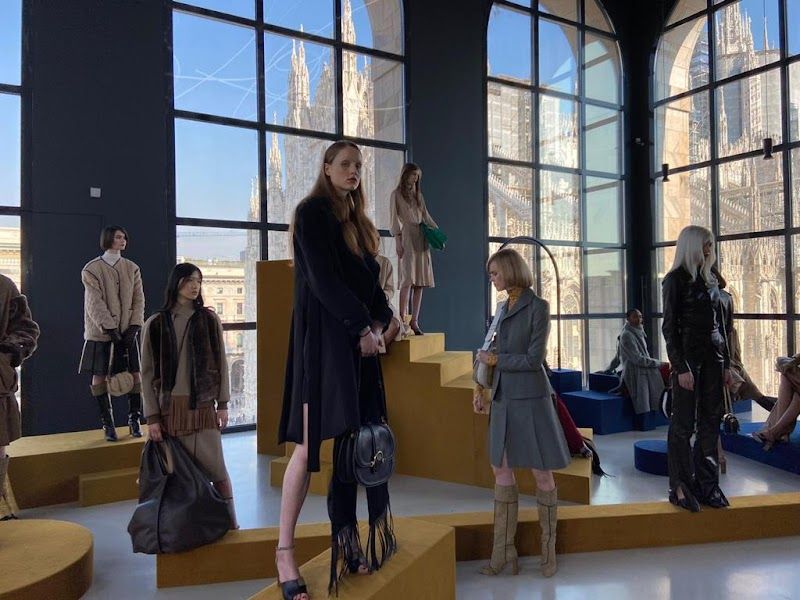
Milan Fashion and Design District Tour
This three-hour guided walk takes you through Quadrilatero della Moda, Milan's legendary fashion rectangle bordered by Via Montenapoleone, Via della Spiga, Via Sant'Andrea, and Via Borgospesso. You'll explore flagship stores from Prada to Versace, peek into historic ateliers where Italian tailoring traditions continue, and visit design museums showcasing centuries of textile craftsmanship. The tour includes access to private showrooms and boutiques in 15th-century courtyards that most tourists never find. The experience feels like getting VIP access to fashion's inner sanctum. Your guide leads you through marble-floored palazzos housing Hermès and Bulgari, then suddenly ducks into a narrow passageway revealing emerging designers' studios. You'll handle fabrics at a working atelier, learn why Milan overtook Paris in ready-to-wear, and discover how post-war industrialists transformed this aristocratic neighborhood into fashion's global headquarters. The textile museum visit reveals hand-woven silks and intricate embroidery techniques still used today. Most tours spend too much time in obvious flagship stores where you can't touch anything anyway. This one's strength is the showroom access and emerging designer stops, but skip it if you're not genuinely interested in fashion history or textile techniques. At €45 per person, it's pricey for what's essentially window shopping with commentary, though the museum entry alone costs €12.
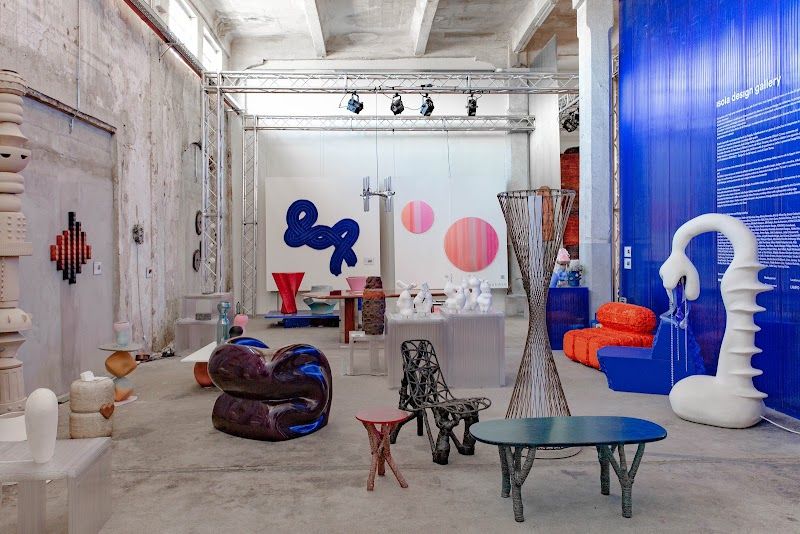
Isola Street Art and Design Tour
Isola's transformation from industrial wasteland to Milan's creative epicenter happened fast, and this walking tour with local artists shows you exactly how it unfolded. You'll see large-scale murals by collectives like Orticanoodles, smaller guerrilla pieces tucked into courtyards, and the polished street art that developers commissioned for the Porta Nuova towers. The route covers both the sanitized Varesine district and grittier back streets where artists still work illegally. Your guide knows these artists personally and can tell you which pieces sparked neighborhood controversies or city hall meetings. The tour moves at a comfortable pace through pedestrian zones and quiet residential streets, stopping at working studios where you might catch painters mid-project. You'll duck into independent design shops selling screen prints and ceramics, plus a few galleries that showcase local talent alongside international street artists. Most cultural tours in Milan stick to obvious sites, but this one reveals how gentrification actually works in real time. The Varesine section feels corporate and sterile compared to the authentic creativity happening on side streets near Porta Garibaldi station. Skip the weekend tours if you want access to working studios, since most artists keep weekday schedules. The 25 EUR cost includes small group access that larger tour companies can't match.
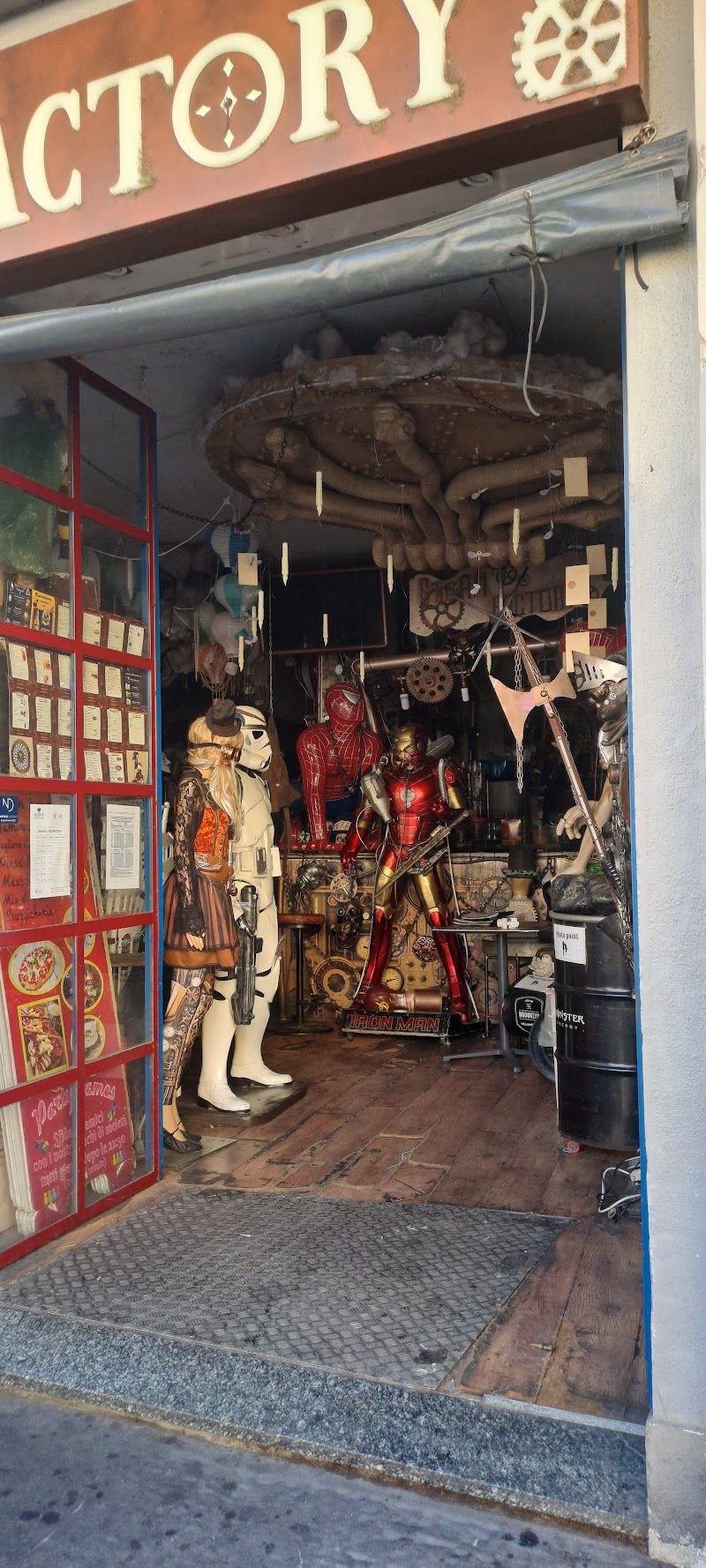
Mercatone dell'Antiquariato di Naviglio Grande
On the last Sunday of every month, over 400 antique dealers transform the cobblestone walkways along Naviglio Grande into Milan's premier vintage hunting ground. You'll find everything from 18th century Venetian mirrors to 1960s Italian design pieces, plus old maps, vintage jewelry, and curiosities that range from genuinely valuable to delightfully eccentric. The setting along the historic canal makes this feel more like a treasure hunt through someone's aristocratic attic than a typical flea market. The market stretches for nearly a kilometer along both sides of the canal, with the best dealers clustering near Porta Genova Metro station. Vendors start setting up at dawn, and by 10am the walkways fill with serious collectors, interior designers, and curious tourists all hunting for finds. You'll hear Italian, French, and English as dealers explain provenance and negotiate prices. The canal-side cafes stay busy with people taking breaks between vendor stalls, and the whole scene has an unhurried, almost theatrical quality. Most visitors waste time browsing everything instead of focusing on specific categories or periods. Quality varies wildly, so unless you know what you're looking at, stick to pieces under 100 EUR or obvious decorative items. The real treasures get snapped up before noon, but prices drop significantly after 2pm when dealers want to avoid packing unsold items. Skip the reproductions near the main entrance and head straight to the far end where serious dealers set up.
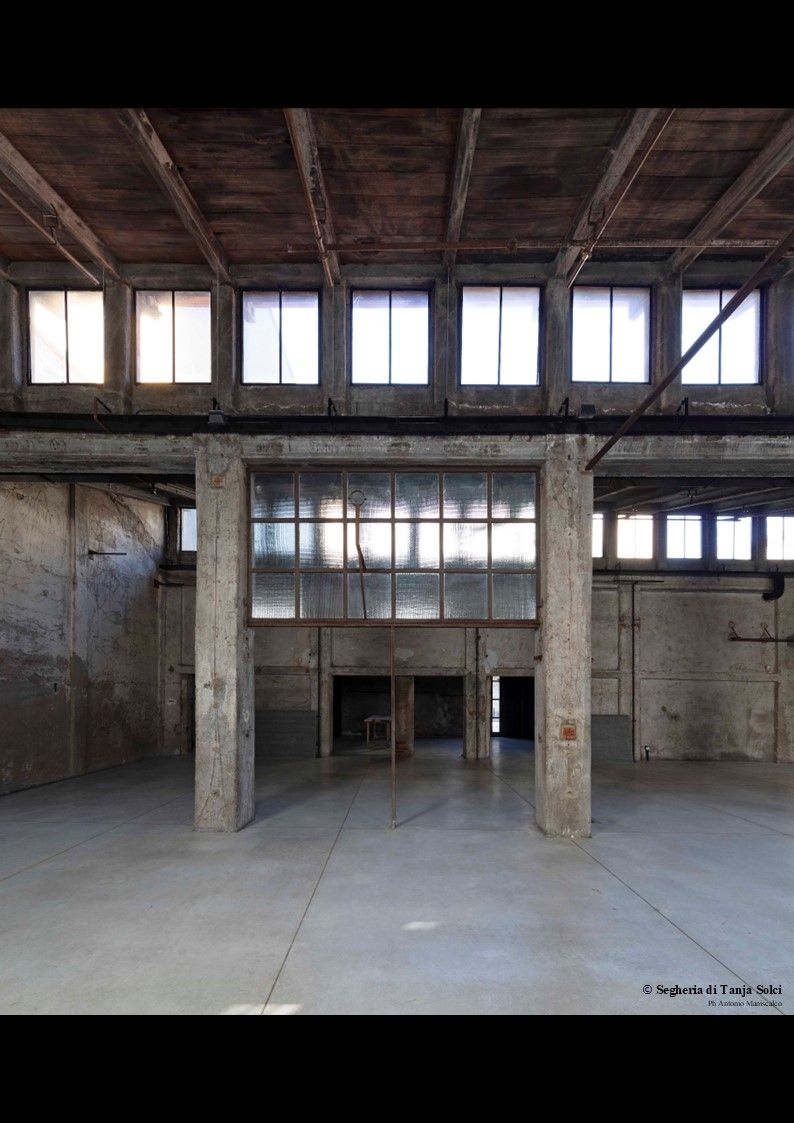
Carlo e Camilla in Segheria
Restaurant in a converted sawmill by chef Carlo Cracco. Long communal tables, industrial space, and creative Italian dishes that blend tradition with innovation.
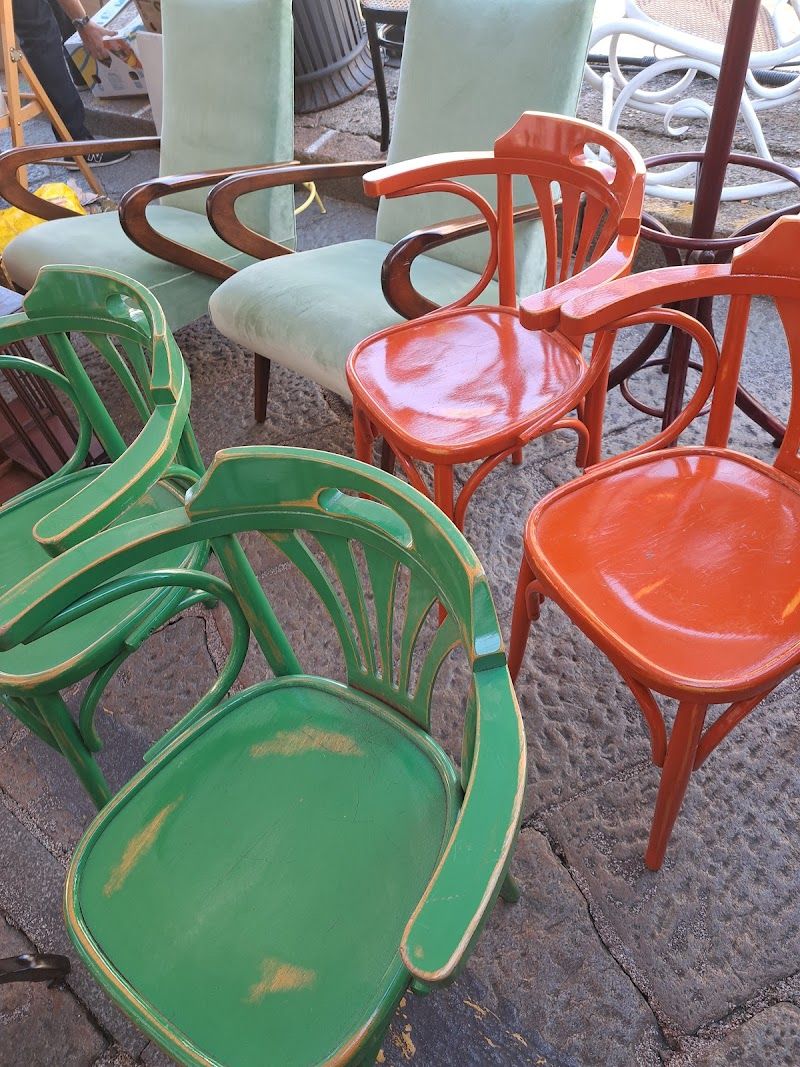
Fiera di Sinigaglia
Fiera di Sinigaglia sprawls along the Naviglio Grande every Saturday morning, transforming this canal-side street into Milan's oldest flea market since 1885. You'll find everything from 1970s leather jackets (€15-30) to vintage Bialetti coffee makers, dusty art books, and Communist party pins. The real treasures are mid-century Italian design pieces, vintage eyewear, and pre-war photographs of Milano that serious collectors hunt for. The scene kicks off around 7am with vendors spreading blankets directly on the cobblestones while others set up proper tables. You'll weave between elderly Milanese examining porcelain, young designers hunting for inspiration, and tourists confused by the apparent chaos. The canal provides a scenic backdrop, though you'll barely notice it while digging through boxes of vinyl records and costume jewelry. Cash rules here, most vendors won't even consider cards. Most travel guides romanticize this place, but honestly, 60% is junk. The goldmine lies with the 4-5 serious antique dealers clustered near the Porta Ticinese end who know their stuff and price accordingly. Skip the touristy vintage t-shirts (overpriced at €20+) and focus on ceramics, books, and small decorative objects where you can actually negotiate. After 1pm vendors start packing up regardless of what time you arrive.
Bergamo Day Trip
Bergamo is 50 minutes by train (EUR 6-8 each way) and has one of the most stunning upper towns in Italy. Citta Alta (Upper Town) sits on a hilltop surrounded by 16th-century Venetian walls (UNESCO) and is reached by funicular (EUR 1.40). Inside: Piazza Vecchia (one of the most beautiful squares in Italy), the Basilica di Santa Maria Maggiore (free, extraordinary interior), and Colleoni Chapel with its Renaissance facade. The lower town is modern and forgettable. Go straight to Citta Alta and stay there.