Italy
Milan
Aperitivo at six, opera at eight, and a cathedral that took 600 years to finish
Best Time
April-June and September-October
Ideal Trip
2-3 days
Language
Italian, limited English outside hotels and tourist areas
Currency
EUR
Budget
EUR 47-102/day (excl. hotel)
About Milan
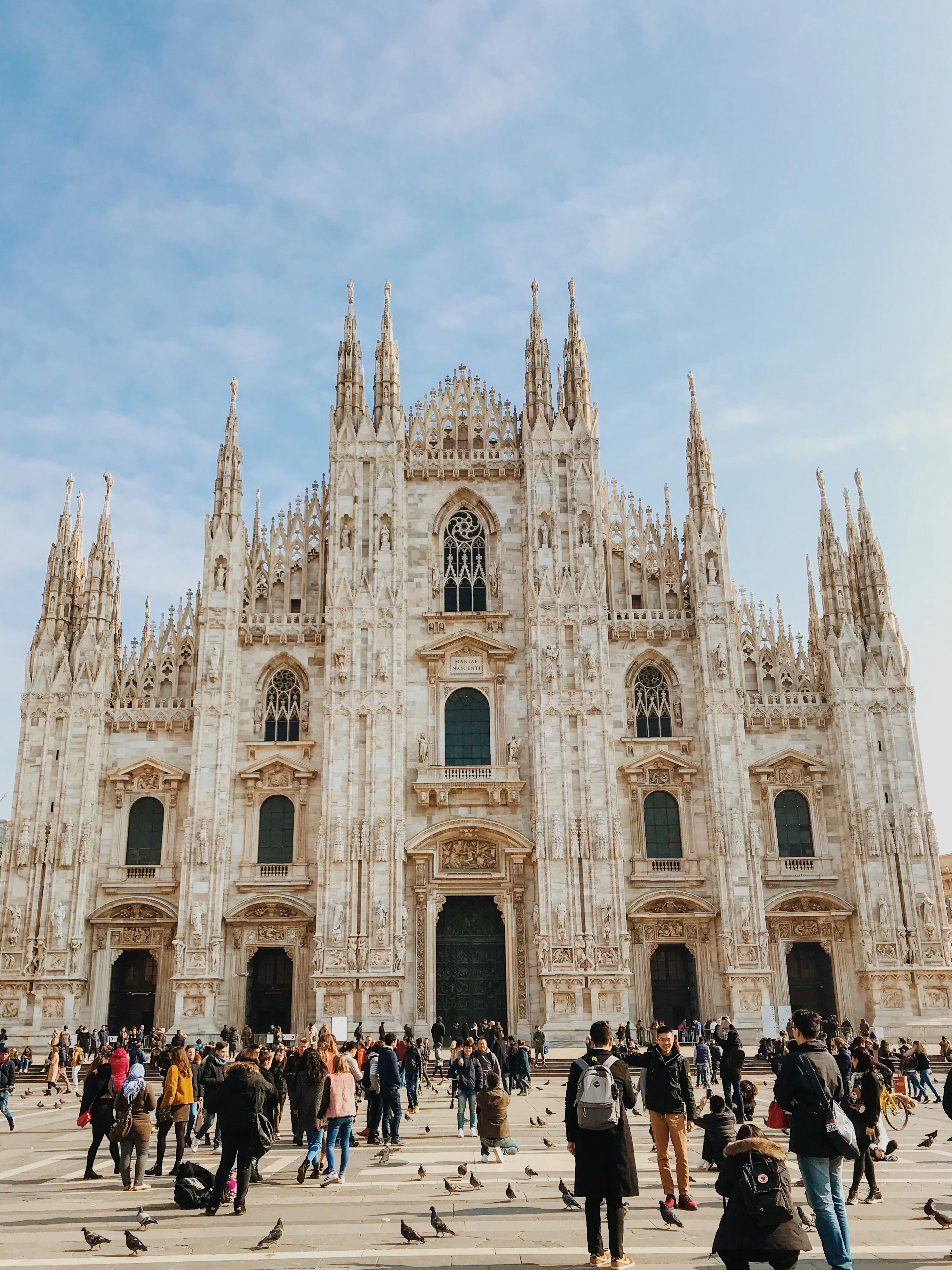
Milan is the city Italians respect more than love. It is Italy's financial engine, its fashion capital, and its design capital, and it wears all three roles with a confidence that Rome finds exhausting and Florence finds vulgar. The Duomo is the most ambitious cathedral in Italy - 600 years of construction, 3,400 statues, and a rooftop you can walk on for EUR 14 that puts you eye-level with marble spires and, on clear days, the Alps. The Galleria Vittorio Emanuele II next to it is one of the most beautiful shopping arcades in the world, and it connects the cathedral to La Scala, where opera was invented as a competitive sport.
The food is different from what most people expect from Italy. Milan is northern, and that means butter instead of olive oil, rice instead of pasta, and saffron in everything. Risotto alla milanese is the signature dish - a golden, creamy bowl of Carnaroli rice and bone marrow that tastes nothing like risotto anywhere else. Cotoletta alla milanese (breaded veal cutlet, bone-in, the size of a dinner plate) is the other essential. And then there is aperitivo: the ritual that starts at 6 PM, where you order a drink for EUR 8-12 and help yourself to a buffet that, at the better places, genuinely replaces dinner. The Navigli canals are where this happens best.
Beyond the Duomo and The Last Supper (which you must book 2-3 months ahead), the city has extraordinary museums. The Pinacoteca di Brera has Raphael, Mantegna, and Caravaggio with a fraction of the Uffizi crowds. Fondazione Prada, designed by Rem Koolhaas, is world-class contemporary art in a converted distillery. Pirelli Hangar Bicocca is free. The fashion is not just shopping - Armani Silos (EUR 12) is a fashion museum, and even window shopping in the Quadrilatero della Moda is a lesson in Italian design culture.
Day trips are exceptional: Lake Como is 50 minutes by train, Bergamo has one of Italy's most stunning medieval hilltop towns (also 50 minutes), and the Cinque Terre is reachable in 2.5 hours. Milan is flat, efficient, and has one of the best metro systems in Italy. It is not as immediately charming as Rome or Florence, but it grows on you - especially after your first aperitivo on the Naviglio Grande at sunset.
Neighborhoods
Each district has its own personality
Centro Storico
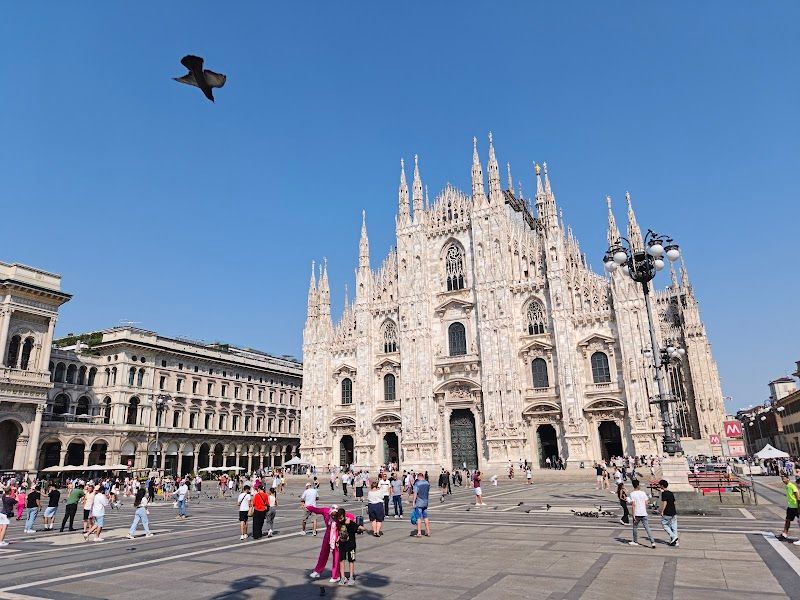
Milan's monumental core - the Duomo, the Galleria, the castle, and the grand squares that make the first impression
Brera
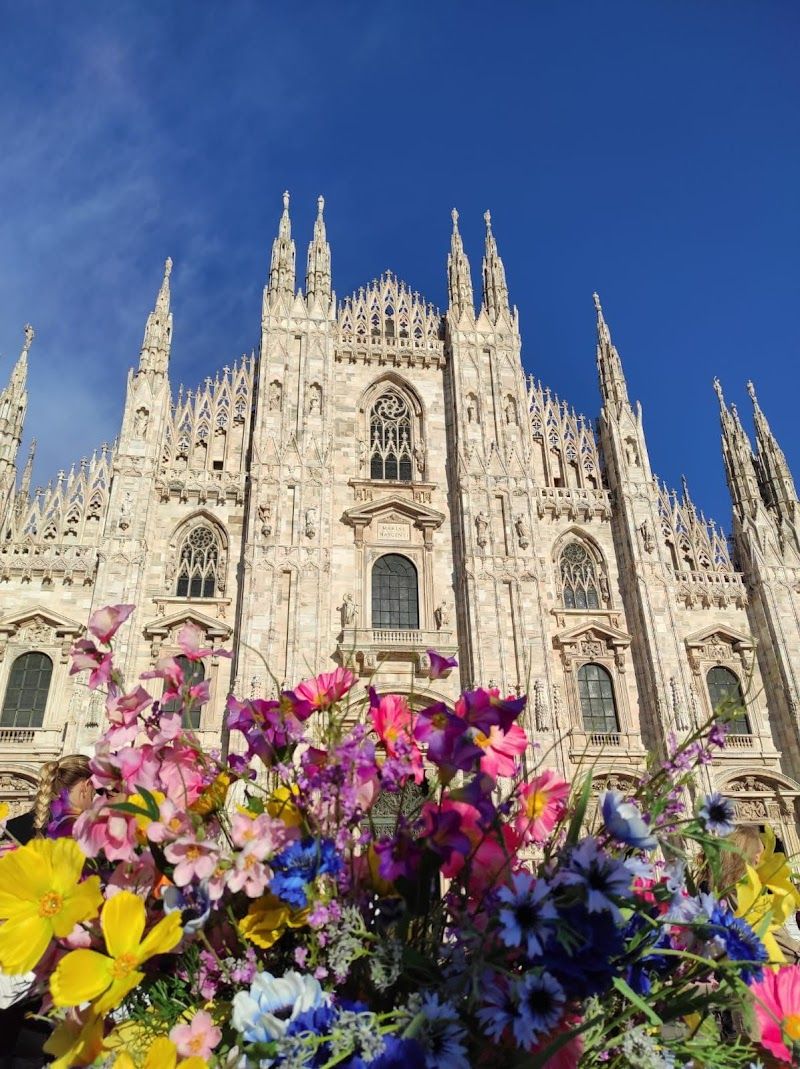
Milan's bohemian art quarter - cobbled streets, the Pinacoteca, independent boutiques, and the best aperitivo scene outside Navigli
Navigli
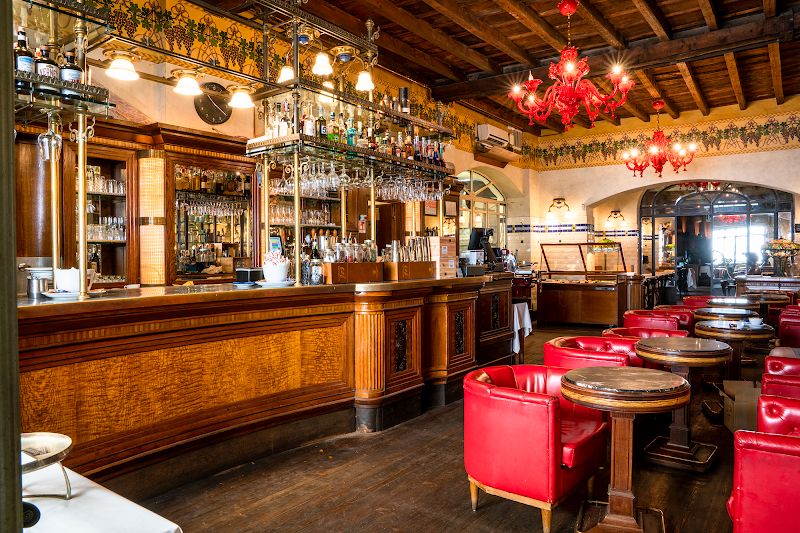
Milan's canal district - aperitivo at sunset on the water, vintage shops, flea markets, and the most relaxed neighbourhood in the city
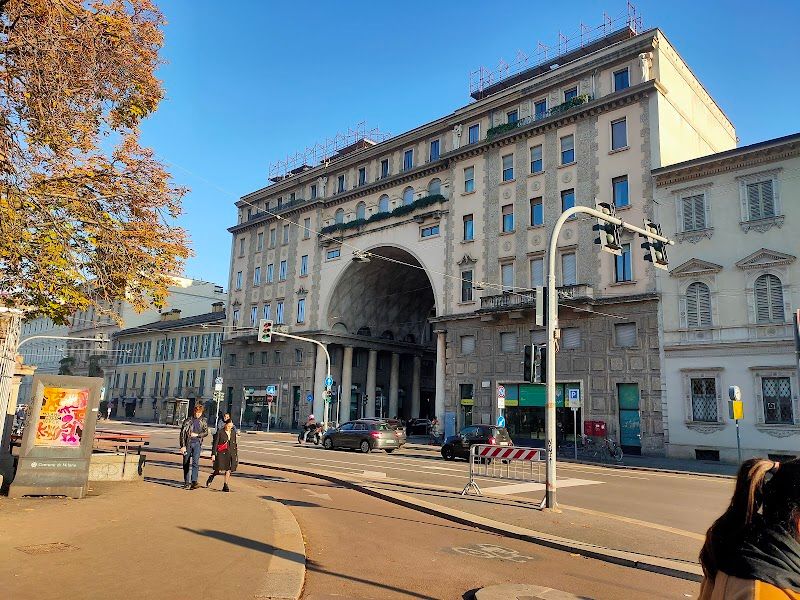
Quadrilatero della Moda
The world capital of luxury fashion - four blocks of Armani, Prada, and Versace in 18th-century palazzi, with window displays that are art installations
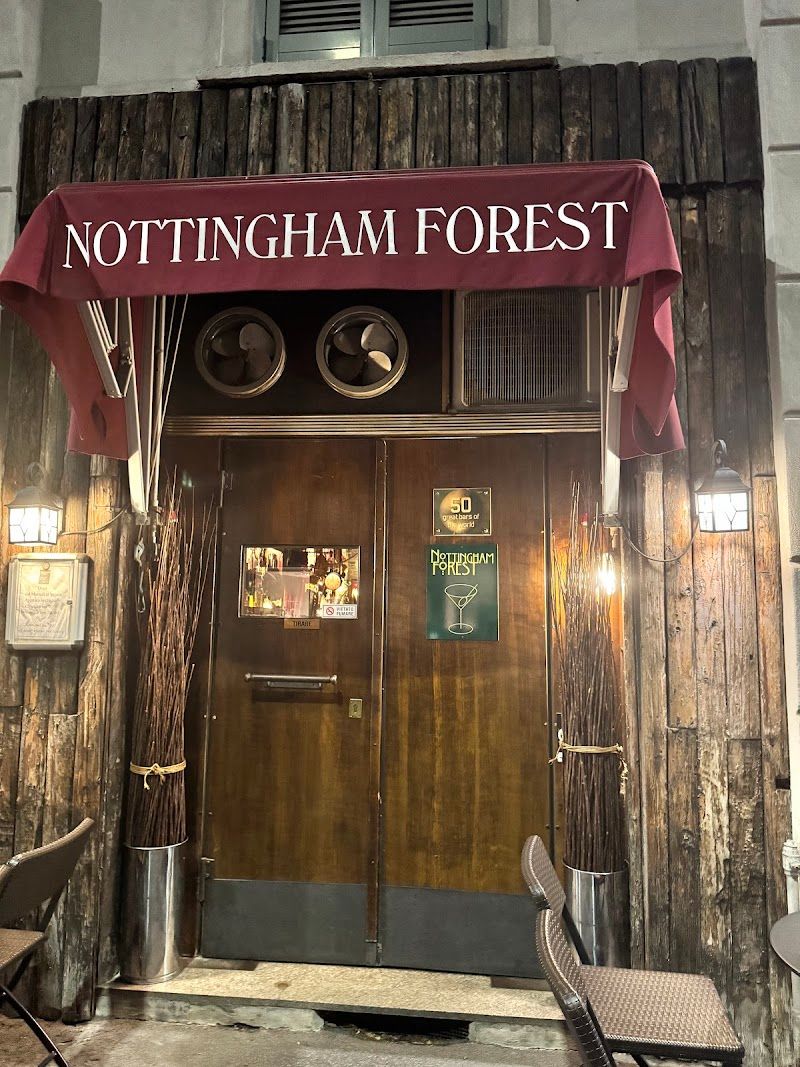
Porta Venezia
Milan's most diverse neighbourhood - Art Nouveau facades, the city's oldest park, African and Middle Eastern food alongside Italian trattorias
Magenta & Sant'Ambrogio
Residential Milan with world-class treasures - The Last Supper, Milan's oldest basilica, and a science museum kids love, in a quiet neighbourhood with real trattorias
Things to Do
Top experiences in Milan
10 Corso Como
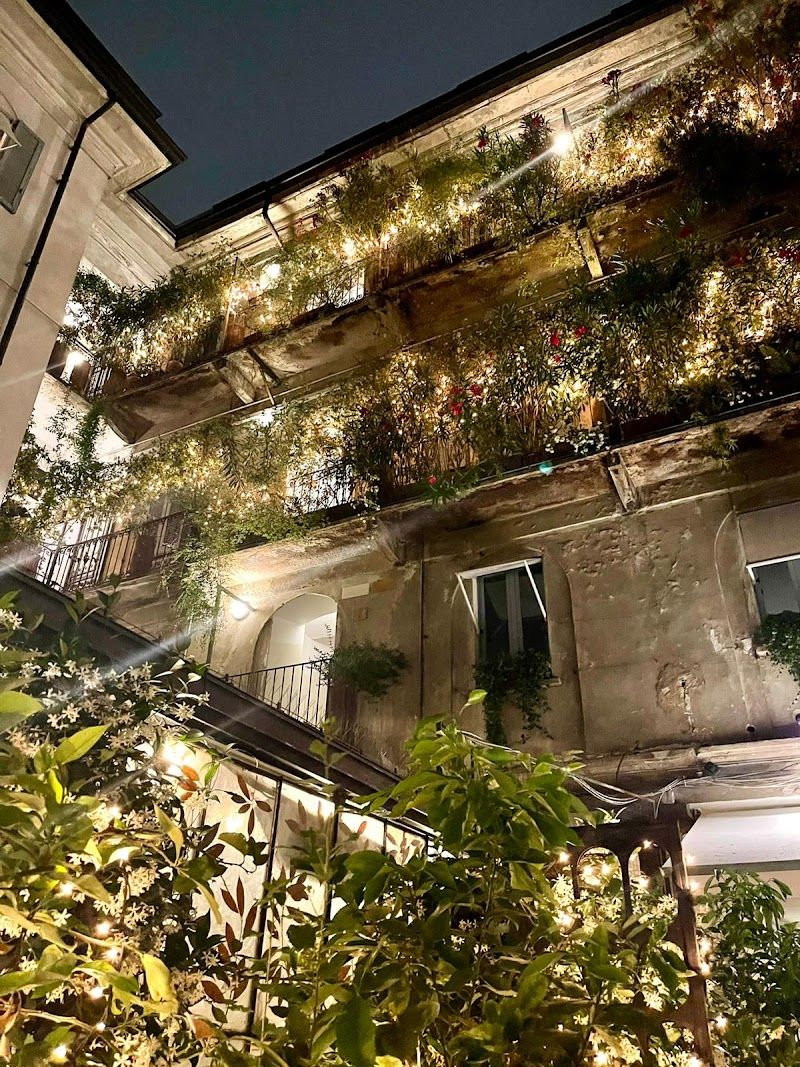
This pioneering concept store transformed Milan's shopping scene by mixing high-end fashion with art, books, and dining in a converted garage space. You'll find carefully curated designer pieces from established and emerging brands, a serious art bookshop, rotating contemporary exhibitions on the third floor, and a gorgeous garden restaurant in the courtyard. It's not just shopping - it's more like wandering through fashion editor Carla Sozzani's personal vision of how retail should work. The space flows naturally from the ground-floor boutique through different rooms and levels, each with its own personality but cohesive aesthetic. The fashion selection feels personal rather than commercial, with pieces you won't find in department stores alongside cult accessories and design objects. The third-floor gallery genuinely surprises - serious contemporary art that changes every few months, completely free while you browse. The garden cafe in back creates an unexpectedly peaceful retreat from the Corso Como energy outside. Most visitors rush through the fashion floors and miss the bookshop, which stocks the best art and fashion titles in Milan. The restaurant gets busy at lunch (expect 25-30 EUR for a main course), but it's perfect for aperitivo around 6pm when the garden lighting kicks in. Skip the expensive accessories near the entrance - the real finds are upstairs where the curation gets more adventurous and the crowds thin out.
Quadrilatero della Moda
Milan's Quadrilatero della Moda is where capitalism meets artistry in the most intoxicating way possible. This four-block rectangle - bounded by Via Montenapoleone, Via della Spiga, Via Manzoni, and Corso Venezia - contains more luxury per square meter than anywhere else on Earth. The irony is delicious: these 18th-century Neoclassical palazzi, once home to Milanese nobility, now house the fashion houses that rule the modern world. Armani's flagship spans an entire corner building, while Prada's minimalist temple feels like a gallery where handbags happen to be for sale. The window displays change seasonally and are genuinely spectacular - Dolce & Gabbana's Christmas installations alone justify the trip. Via della Spiga, mercifully pedestrianized, offers the most civilized strolling experience, lined with limestone facades and elegant courtyards. The side streets reveal the real magic: Via Sant'Andrea and Via Santo Spirito house smaller Italian designers whose prices won't require selling organs. Even confirmed shopping-phobes will appreciate the architectural theater - these aren't just shops, they're stage sets for the global fashion industry. The crowds thin dramatically once you step off the main arteries, revealing hidden courtyards and the occasional aperitivo spot where actual Milanese gather. Yes, it's painfully expensive, but experiencing fashion's Vatican costs nothing but shoe leather.
Navigli District
Milan's Navigli District is where the city's soul reveals itself after dark, transforming from daytime tourist curiosity into the beating heart of Milanese nightlife. These weathered canals - Naviglio Grande and the smaller Naviglio Pavese - are the last survivors of an ingenious 12th-century waterway system that Leonardo da Vinci himself perfected with his revolutionary lock designs. Originally built to transport the pink Candoglia marble that built the Duomo, these canals once stretched 150 kilometers, connecting Milan to the great lakes and making it a maritime power despite being landlocked. Today's reality is far more intimate but equally compelling. The stonework quays, lined with plane trees and crossed by iron bridges, create an almost Parisian atmosphere that feels worlds away from Milan's corporate facade. By 6 PM, the canal-side terraces fill with perfectly dressed locals clutching Aperol spritzes, the orange glow of drinks mirroring the golden hour light dancing on the water. The restaurants here aren't tourist traps - they're neighborhood haunts where three generations of families gather for Sunday lunch. Vintage boutiques occupy converted warehouses, their exposed brick walls housing everything from 1970s Valentino to obscure Italian design pieces. Art galleries tucked into former loading docks showcase emerging Milanese talent. The monthly antique market transforms the entire district into an open-air treasure hunt where serious collectors hunt for Murano glass and Art Deco furniture alongside curious wanderers. This isn't manufactured charm - it's authentic Milan, complete with the occasional whiff of canal water and the constant hum of Vespa engines echoing off ancient stones.
Duomo di Milano
The Duomo took nearly 600 years to build and it shows in every one of its 3,400 statues, 135 spires, and the sheer verticality of the Gothic facade. It is the largest church in Italy (St. Peter's is technically in Vatican City) and the third largest in the world. Construction began in 1386 under Gian Galeazzo Visconti's orders to create something that would rival the great cathedrals of Northern Europe, and the result is a monument to both divine ambition and human stubbornness. The facade alone wasn't completed until Napoleon's orders in the early 1800s - he needed a proper backdrop for his coronation as King of Italy. The interior is enormous and surprisingly dim, with jewel-toned stained glass filtering ethereal light across five naves. Your eyes need time to adjust to fully appreciate the soaring vaulted ceilings and the intricate floor patterns. Most visitors shuffle through like zombies, necks craned upward, missing the exquisite details at eye level. The real treasure is the rooftop experience - EUR 14 by stairs, EUR 16 by lift - where you walk among a forest of marble spires with the Alps visible on clear days. The golden Madonnina statue at the top has watched over Milan since 1774, and from up there, you understand why locals consider her the city's true protector. The contrast between the medieval stonework and Milan's modern skyline creates one of Europe's most compelling urban vistas.
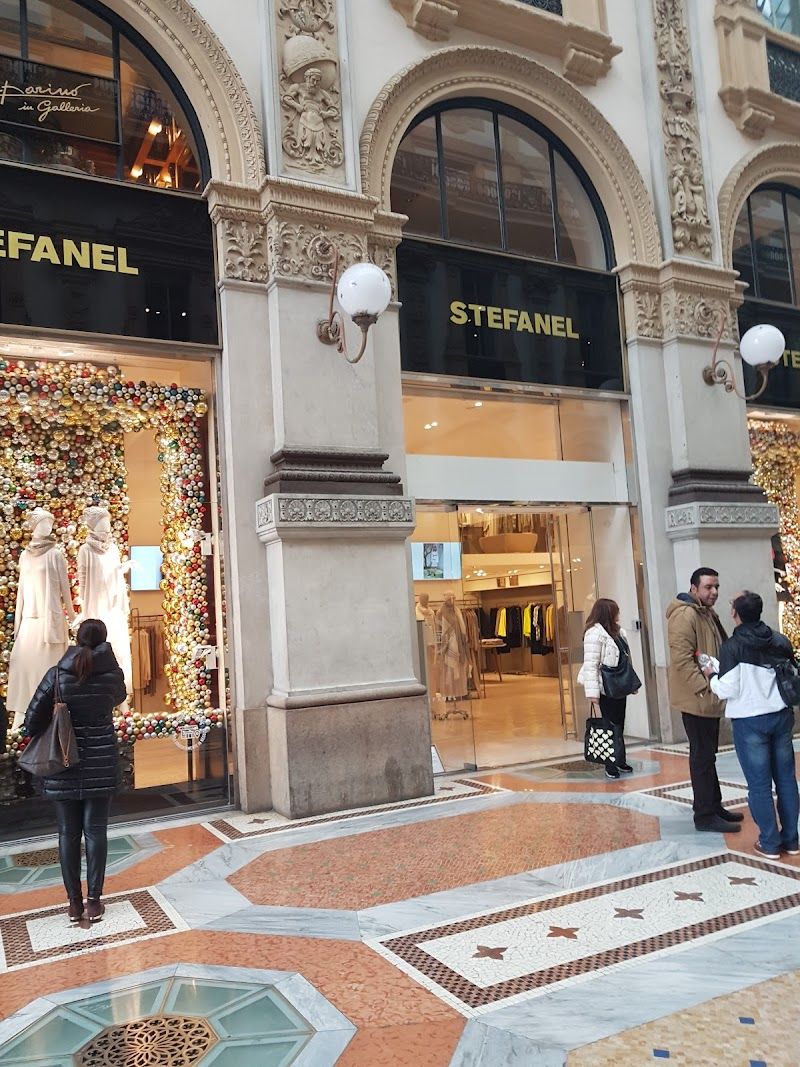
Galleria Vittorio Emanuele II
Milan's most elegant shopping arcade connects the Duomo to La Scala through a spectacular iron-and-glass corridor that's basically Italy's first shopping mall. You'll walk beneath soaring 32-meter vaulted ceilings while luxury boutiques like Prada (in its original 1913 location), Borsalino, and Tod's line the marble floors. The octagonal center showcases intricate floor mosaics representing Milan, Turin, Florence, and Rome - each city's coat of arms rendered in detailed stonework that most people rush past. The experience feels like shopping inside a cathedral, with natural light streaming through the glass dome onto polished marble corridors. Tourists cluster around the bull mosaic for photos while locals sip €4 espressos at historic Biffi Caffè or browse Rizzoli's beautiful bookstore. The acoustics amplify every footstep and conversation, creating an almost theatrical atmosphere where window shopping becomes performance art. Honestly, unless you're buying luxury goods, this is more about the architecture than actual shopping. The restaurants inside are tourist traps - €18 for basic pasta you'll get for €12 elsewhere. Come for a quick walk-through to admire the engineering marvel, snap photos of the mosaics, and maybe grab coffee at Biffi if you need a break from sightseeing. Skip the overpriced gelato stands and save your euros for better food outside.
San Siro Stadium
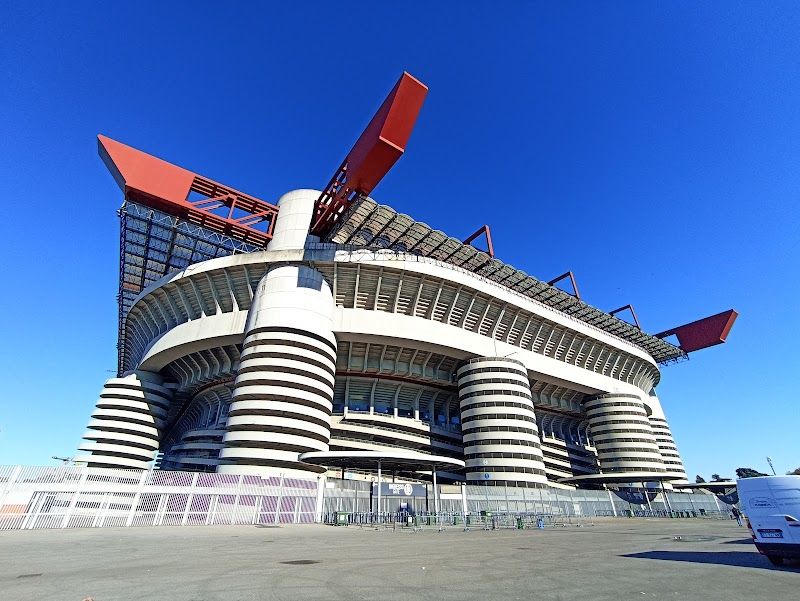
The Stadio Giuseppe Meazza - universally known as San Siro - isn't just a football stadium, it's a concrete colosseum where religion meets sport. This 75,000-seat behemoth has been home to both AC Milan and Inter Milan since 1926, making it one of the few stadiums in the world shared by two massive rivals. The current structure, with its distinctive spiraling towers and external ramps, was rebuilt for the 1990 World Cup and remains one of Europe's most intimidating football cathedrals. On match days, particularly during the Derby della Madonnina, the atmosphere is genuinely otherworldly - a wall of sound, smoke, and choreographed displays that puts most other sporting events to shame. The museum tour (EUR 18, daily 10:00-18:00) takes you through both teams' dressing rooms, down the players' tunnel where legends like Maldini and Ronaldo once walked, and pitchside where you'll grasp the sheer scale of the place. The museum itself showcases trophies from both clubs' glorious histories - Milan's eight Champions League titles, Inter's treble-winning season. Match tickets range from EUR 30-40 for Serie A games to EUR 150+ for derbies. Even non-football fans should experience this place - it's architectural theater meets sporting passion. With demolition planned for 2027 to make way for a new stadium, this is genuinely your last chance to witness one of football's most sacred spaces.
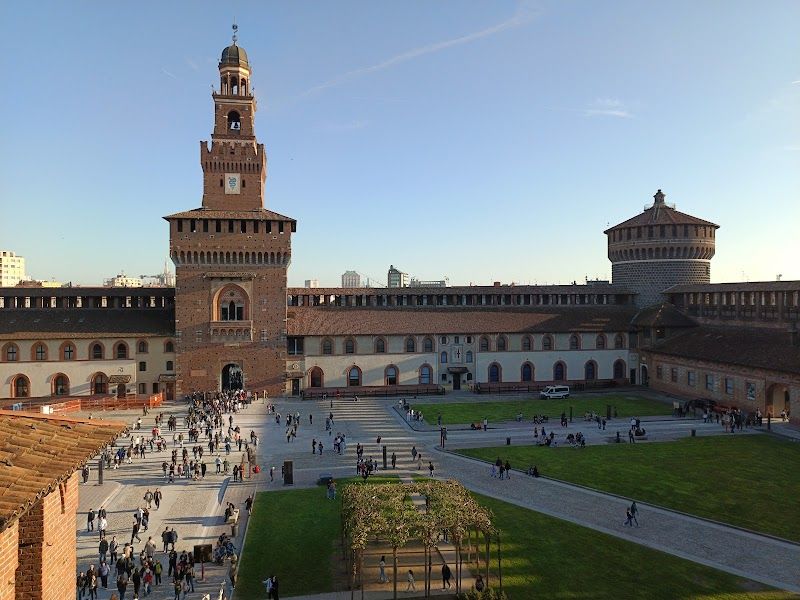
Castello Sforzesco
Don't let the tourist buses fool you - Castello Sforzesco is far more than just another Instagram backdrop. This hulking 15th-century fortress, built by Francesco Sforza on the ruins of an earlier Visconti castle, represents Milan's political ambitions at their peak. The Sforzas weren't just any noble family - they turned Milan into a Renaissance powerhouse that rivaled Florence and Venice. Walking through the massive gates feels appropriately theatrical, as the imposing brick walls and crenellated towers were designed to intimidate both enemies and subjects. The central courtyard, Piazza d'Armi, genuinely impresses with its scale - imagine 15th-century ceremonies and military parades here. But here's what most visitors miss: the real treasures are inside the museums (EUR 5 for all - criminally underpriced). The Museum of Ancient Art houses Michelangelo's haunting Rondanini Pietà, his final work left unfinished at his death. Unlike the polished perfection of his earlier sculptures, this piece feels raw and emotional - you can literally see the artist struggling with mortality. The Egyptian collection surprises with quality pieces, while the musical instrument museum showcases everything from Renaissance lutes to 19th-century pianos. The archaeological museum reveals Milan's Roman past as Mediolanum. Each museum flows naturally into the next, making the EUR 5 ticket exceptional value. The castle opens daily 7:00-19:30 (museums 9:00-17:30), and the experience takes 2-3 hours if you're thorough.
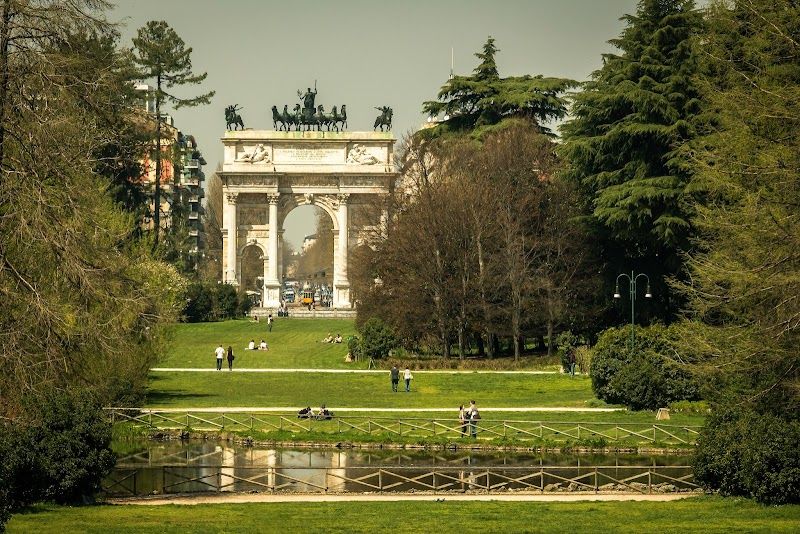
Parco Sempione
Parco Sempione is Milan's central breathing space, stretching from Castello Sforzesco to the Arco della Pace in a perfectly straight line that locals use for everything from morning runs to evening aperitivo picnics. The 95-acre English-style park anchors three major attractions: the Triennale Design Museum (€15 entry), the sleek Torre Branca observation tower (€5), and the neoclassical Arena Civica where AC Milan was founded. You'll find actual Milanese here, not just tourists - families feeding ducks at the small lake, couples sprawled on blankets, and serious joggers who treat the main avenue like their personal track. The park flows naturally from the castle's back entrance toward the triumphal arch, with wide tree-lined paths that feel more Parisian than Italian. The atmosphere shifts throughout the day - quiet and misty at sunrise when only runners appear, then filling with dog walkers, then families by afternoon. Torre Branca rises unexpectedly from the greenery like a miniature Eiffel Tower, while the Triennale's modernist building contrasts sharply with the surrounding 19th-century landscaping. Most guides oversell the Triennale unless you're genuinely into contemporary design - the temporary exhibitions can be hit or miss for €15. The Torre Branca is worth the €5 if it's clear (it closes in bad weather), but the real appeal here is simply having green space in central Milan. Skip the overcrowded areas near the castle entrance and head toward the quieter northwestern section where locals actually hang out.
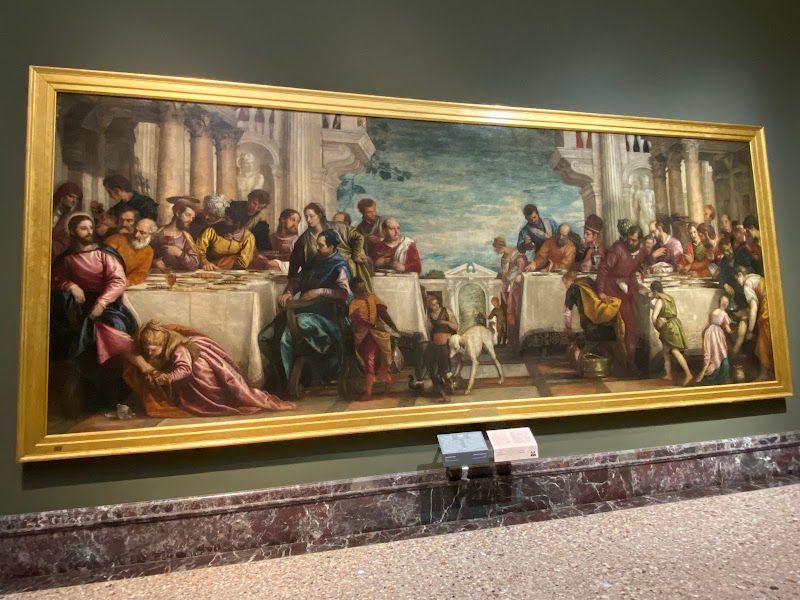
Pinacoteca di Brera
The Pinacoteca di Brera is Milan's magnificently overlooked answer to Florence's Uffizi - smaller, less crowded, and arguably superior for pure Renaissance painting quality. Housed in a 17th-century Jesuit college that Napoleon transformed into a gallery in 1809, this is where serious art lovers come to escape the tourist hordes while encountering some of Italy's greatest masterpieces. The collection spans six centuries across 38 thoughtfully curated rooms, but the real magic lies in the intimate scale that lets you actually contemplate the art without fighting crowds. Raphael's ethereal 'Marriage of the Virgin' anchors Room 24 - its perfect perspective and luminous colors still take your breath away. Mantegna's revolutionary 'Dead Christ' in Room 6 demonstrates foreshortening so radical it shocked 15th-century viewers and still feels startling today. Caravaggio's moody 'Supper at Emmaus' showcases his dramatic chiaroscuro technique, while Hayez's romantic 'The Kiss' has become an icon of Italian nationalism. Beyond the headline acts, discover Piero della Francesca's serene altarpiece, Bellini's sacred conversations, and surprisingly strong modern Italian works. The bronze Napoleon statue in the elegant courtyard reminds you this gallery exists because the emperor looted monastery collections across northern Italy. At EUR 15, it's exceptional value for world-class art in a civilized setting. Thursday evenings extend until 10:15 PM with a wonderfully relaxed, almost contemplative atmosphere as golden hour light filters through the galleries.
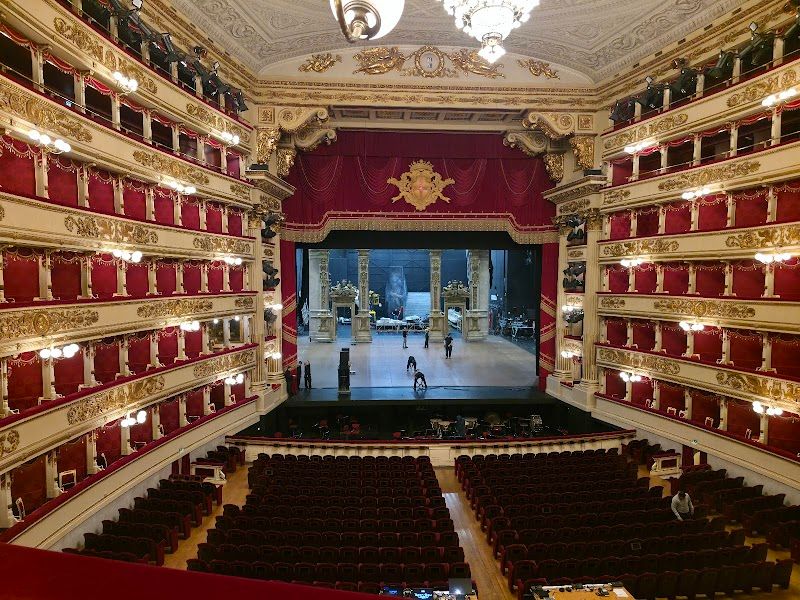
Teatro alla Scala
La Scala is the undisputed cathedral of opera, where legends are born and careers destroyed with a single boo from the notoriously demanding Milanese audience. The exterior is deliberately understated - architect Giuseppe Piermarini's 1778 neoclassical facade looks almost modest, like a wealthy aristocrat who doesn't need to show off. But step inside and you'll understand why this place has ruled the opera world for nearly 250 years. The horseshoe-shaped auditorium is pure theatrical magic: six tiers rising toward a frescoed ceiling, 2,000 seats upholstered in crimson velvet, and gilt boxes where Milan's elite have gossiped and schemed since the 18th century. The acoustics are genuinely miraculous - whisper from the stage and they'll hear you in the cheapest gallery seat. This is where Verdi premiered 'Otello' and 'Falstaff,' where Toscanini conducted his legendary performances, and where Maria Callas ruled as the ultimate diva. Even hardened opera skeptics find themselves moved by the sheer weight of history here. The adjacent museum (open daily 9am-5:30pm, EUR 12) houses an impressive collection of costumes, set designs, and conductor batons, plus offers tantalizing glimpses into the auditorium from a private box - your only chance to see inside without buying a performance ticket.
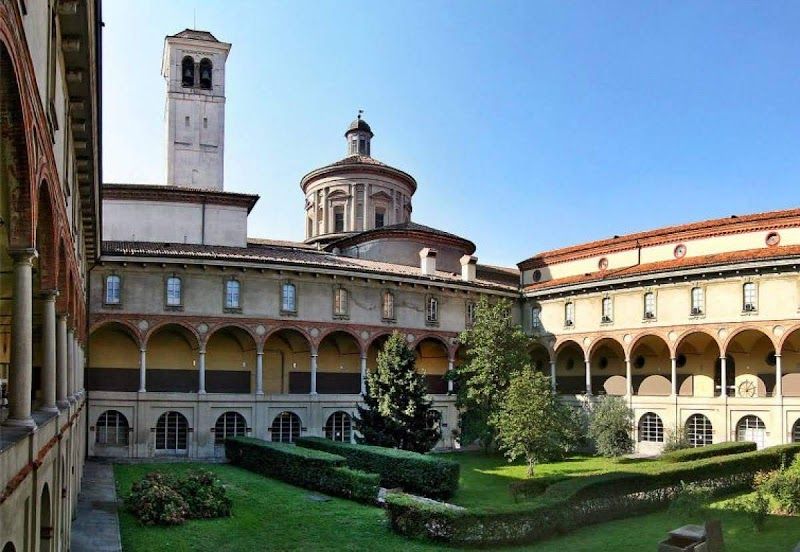
Museo Nazionale della Scienza e della Tecnologia Leonardo da Vinci
Italy's largest science and technology museum, housed in a 16th-century monastery, with a dedicated Leonardo da Vinci gallery featuring models built from his codex drawings. The submarine Toti (EUR 10 extra, book online) lets you walk through a real Cold War Italian navy submarine. The transport galleries have steam trains, aircraft, and ships. Interactive labs for children run on weekends. EUR 10 adults, EUR 7.50 children. It is excellent for kids ages 4-14 and genuinely interesting for adults too.
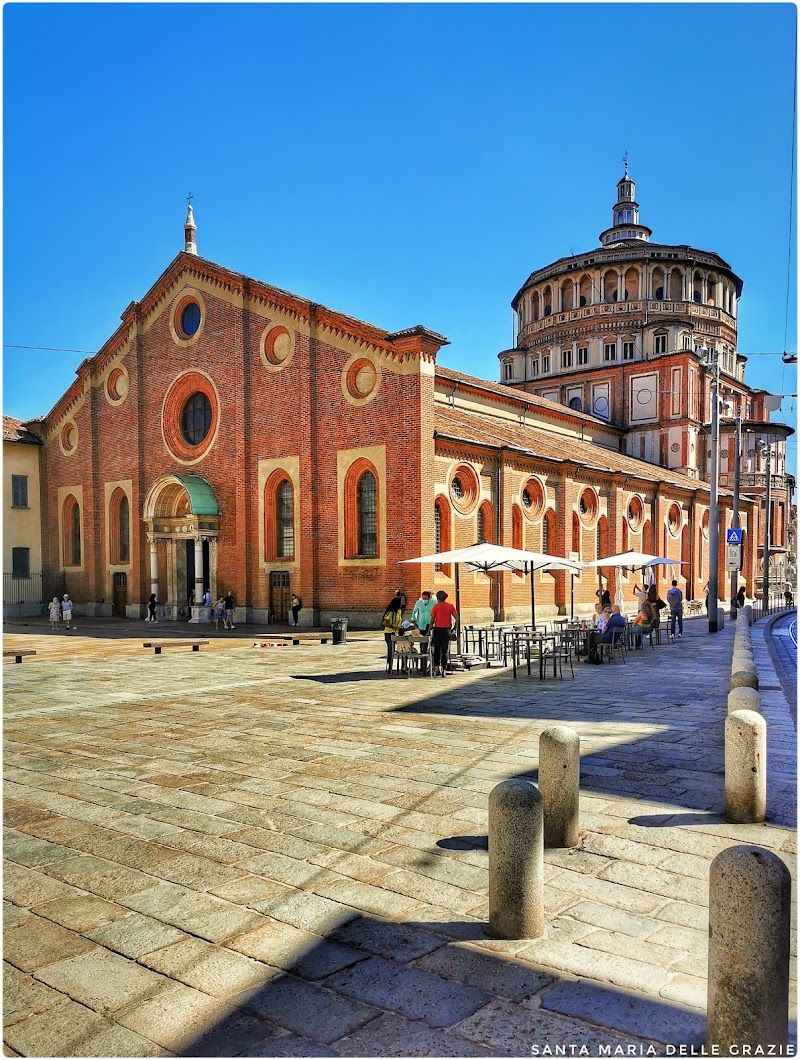
Santa Maria delle Grazie
Santa Maria delle Grazie is a 15th-century church where Gothic meets Renaissance in a remarkable way, creating Milan's most underappreciated architectural experience. While everyone queues for The Last Supper next door, the church itself features Bramante's domed tribune - a masterpiece of mathematical precision where light streams through windows to create constantly shifting patterns across marble and frescoes. The contrast between the original Gothic nave and Bramante's geometric Renaissance addition is striking, showing two architectural philosophies in perfect conversation. You'll enter through the main piazza door into the Gothic nave, but the real magic happens when you reach Bramante's tribune at the altar end. The space opens up dramatically under his dome, where every proportion follows Renaissance ideals of harmony and light. The peaceful cloister, accessible through a side door, offers respite from Milan's pace with its simple arches and garden courtyard. Most visitors spend 10 minutes here before rushing off - a mistake that misses the subtle details in the chapels and the way afternoon light transforms the tribune. This is one of Milan's best free experiences, yet most people treat it as a footnote to The Last Supper. The church operates independently from the famous fresco (no advance booking needed), making it perfect for spontaneous visits. Skip the generic guidebook descriptions of historical significance and focus on Bramante's architectural genius - his tribune influenced St. Peter's Basilica design. Avoid Sunday mornings when Mass restricts tourist access, and don't bother with the small museum unless you're genuinely interested in Dominican history.
Travel Guides
Expert guides for every travel style
Milan Fashion & Design: Beyond the Shop Window
Milan is the world capital of fashion and design. Even if you cannot afford Via Montenapoleone, there are EUR 12 fashion museums, free design galleries, and outlet stores with 70% off.
5 min read

Day Trips from Milan: Lake Como, Bergamo & Beyond
Lake Como is 50 minutes by train, Bergamo has the best medieval hilltop town in Italy, and the Cinque Terre is reachable in 2.5 hours. Milan is the perfect base.
5 min read
The Aperitivo Guide to Milan: Where, When & How
Aperitivo is not happy hour. It is Milan's defining social ritual: a drink, a buffet, a canal at sunset, and the reason Milanese eat dinner at 9 PM. Here is how to do it properly.
4 min read

Milan on a Budget: How to Visit Without Breaking the Bank
Milan has a reputation for being expensive, but there are free museums, EUR 5 castles, EUR 3 panzerotti, and an aperitivo culture that replaces dinner. Here is how to do Milan well for less.
4 min read

Where to Eat in Milan: A Neighbourhood Food Guide
Milan eats differently from the rest of Italy. Butter replaces olive oil, rice replaces pasta, and saffron turns everything golden. Here is where to find the real Milanese kitchen, neighbourhood by neighbourhood.
5 min read

3 Days in Milan: A First-Timer's Itinerary
Three days covers the essentials: the Duomo rooftop, The Last Supper (book now), aperitivo on the Navigli, and a day trip to Lake Como. Milan is compact and flat, which helps.
6 min read
Frequently Asked Questions
Most travelers find 4-5 days ideal to explore the main neighborhoods, museums, and dining scenes without feeling rushed. A long weekend works for a focused visit, while a week allows for day trips and deeper neighborhood exploration.
Le Marais offers the best balance of central location, walkability, dining, and nightlife. Saint-Germain-des-Pres suits those seeking a quieter, more literary atmosphere. For first-time visitors who want proximity to major landmarks, the 7th Arrondissement near the Eiffel Tower is convenient.
Generally very safe for tourists. Standard big-city precautions apply: watch for pickpockets in crowded metro stations and tourist areas, keep valuables secure, and stay aware of your surroundings at night. Avoid leaving bags unattended at cafe terraces.
April through June and September through October offer the best weather, fewer crowds than peak summer, and pleasant temperatures for walking. July and August are hot and busy but have the longest days. Winter is cold but offers lower prices and shorter museum queues.
The metro is fast, cheap, and covers the entire city - stations are never more than 500 meters apart. Buy a Navigo Easy card and load t+ tickets. Walking is the best way to discover neighborhoods. Avoid taxis during rush hour; ride-sharing apps work well late at night.
English is widely spoken in tourist areas, hotels, and restaurants. However, starting interactions with "Bonjour" goes a long way - Parisians appreciate the effort. Learn a few basics: "merci", "s'il vous plait", "l'addition" (the bill). Younger staff are typically more comfortable in English.