
Milan
Quadrilatero della Moda
The world capital of luxury fashion - four blocks of Armani, Prada, and Versace in 18th-century palazzi, with window displays that are art installations.
About Quadrilatero della Moda
The Quadrilatero della Moda is bounded by Via Montenapoleone, Via della Spiga, Via Manzoni, and Corso Venezia and contains the densest concentration of luxury fashion in the world. Every major house has a flagship: Armani, Versace, Prada, Dolce & Gabbana, Valentino, Gucci, Bottega Veneta. Via della Spiga is pedestrianised and the most pleasant for walking. Even if you cannot buy anything, the window displays change with the seasons and are genuine art installations. The side streets between the main four have independent Italian designers at more accessible prices. The Bagatti Valsecchi Museum (EUR 10) is hidden inside the quadrilateral and worth a visit.
Things to Do
Top experiences in Quadrilatero della Moda
Quadrilatero della Moda
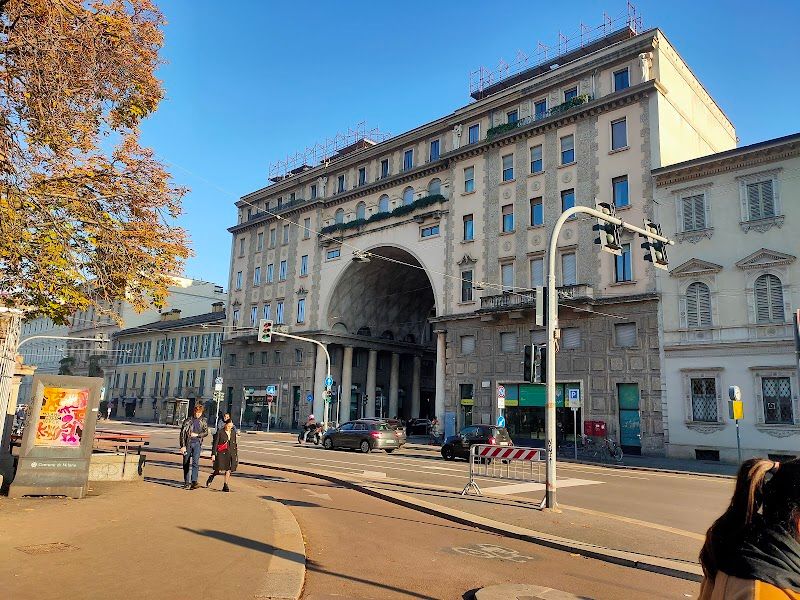
Milan's Quadrilatero della Moda is where capitalism meets artistry in the most intoxicating way possible. This four-block rectangle - bounded by Via Montenapoleone, Via della Spiga, Via Manzoni, and Corso Venezia - contains more luxury per square meter than anywhere else on Earth. The irony is delicious: these 18th-century Neoclassical palazzi, once home to Milanese nobility, now house the fashion houses that rule the modern world. Armani's flagship spans an entire corner building, while Prada's minimalist temple feels like a gallery where handbags happen to be for sale. The window displays change seasonally and are genuinely spectacular - Dolce & Gabbana's Christmas installations alone justify the trip. Via della Spiga, mercifully pedestrianized, offers the most civilized strolling experience, lined with limestone facades and elegant courtyards. The side streets reveal the real magic: Via Sant'Andrea and Via Santo Spirito house smaller Italian designers whose prices won't require selling organs. Even confirmed shopping-phobes will appreciate the architectural theater - these aren't just shops, they're stage sets for the global fashion industry. The crowds thin dramatically once you step off the main arteries, revealing hidden courtyards and the occasional aperitivo spot where actual Milanese gather. Yes, it's painfully expensive, but experiencing fashion's Vatican costs nothing but shoe leather.
Via Montenapoleone
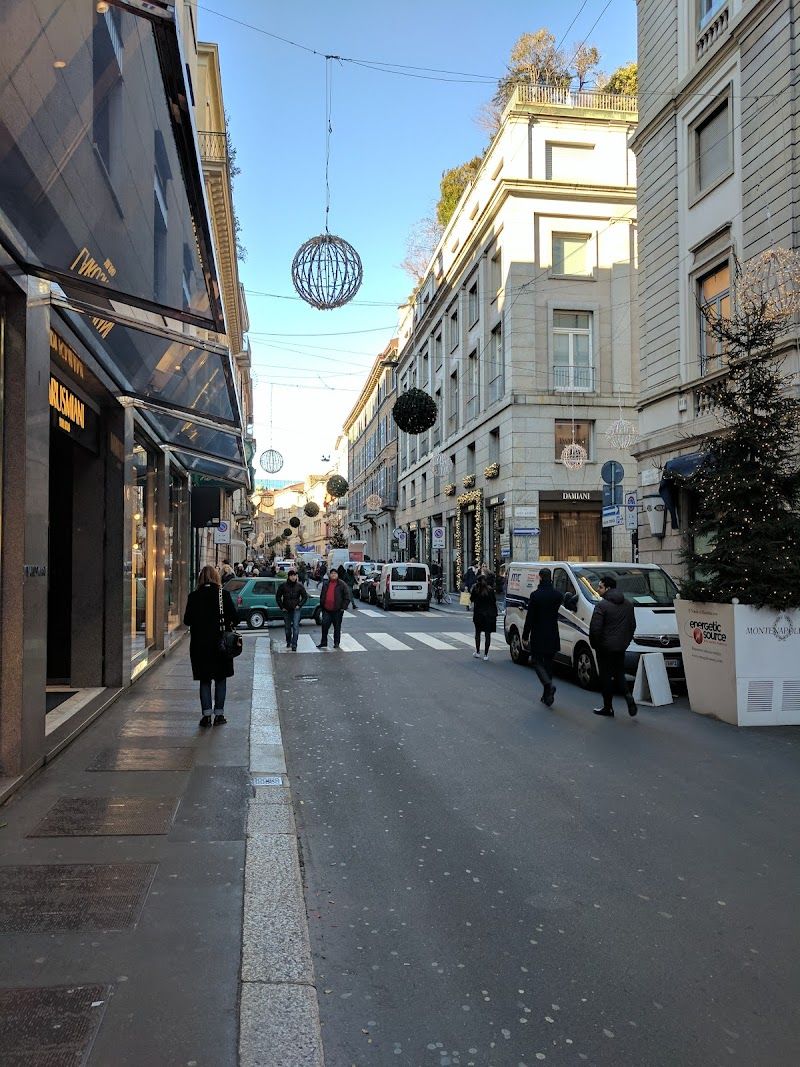
Via Montenapoleone stands as Milan's most prestigious shopping artery, anchoring the legendary Quadrilatero della Moda where fashion dreams meet financial reality. This elegant boulevard, stretching from Piazza San Babila to Via Manzoni, earned its name from Napoleon's military engineers who redesigned the street layout in the early 1800s - though they probably never imagined handbags would one day cost more than horses. The street's neoclassical palazzos now house temple-like flagship stores for Gucci, Prada, Louis Vuitton, Hermès, and virtually every luxury brand that matters. Each storefront is an architectural statement - from Prada's minimalist shrine at number 8 to Gucci's opulent palazzo at number 5. The shopping experience here borders on performance art: expect to be greeted by impeccably dressed staff who can spot your spending potential from fifty meters away. Price tags start around €500 for accessories and climb into five figures for exclusive pieces. Most stores open at 10:00 and close at 19:30 (20:00 on weekends). Even if your budget screams 'Zara,' the people-watching is priceless - this is where Milanese socialites, international oligarchs, and fashion editors converge in a daily parade of calculated elegance. The real magic happens in the historic courtyards hidden behind many storefronts, where 18th-century architecture creates intimate shopping sanctuaries.
GAM - Galleria d'Arte Moderna
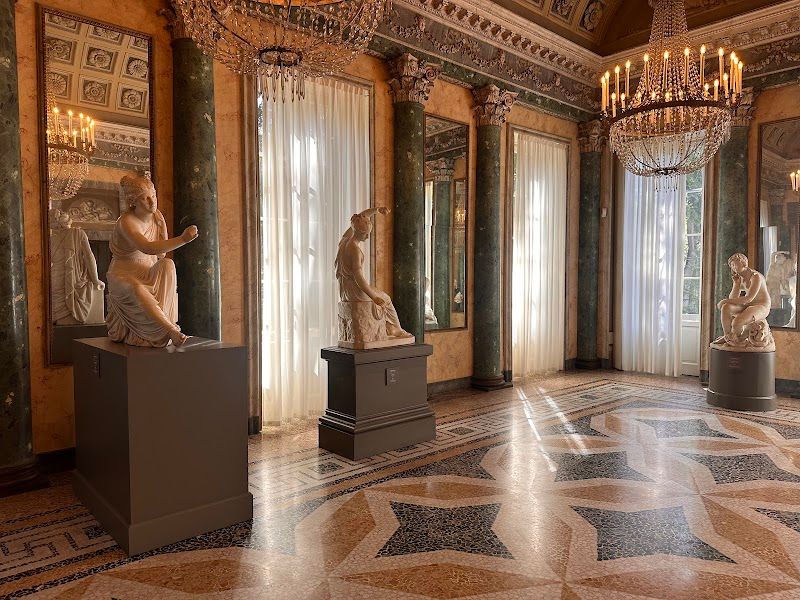
The GAM houses Italy's most comprehensive collection of 19th and 20th-century art outside Rome, with works spanning Romanticism through early modernism. You'll find Francesco Hayez's famous The Kiss (yes, another version), plus stunning Divisionist paintings that shimmer with pointillist technique, and lesser-known gems from the Scapigliatura movement. The Grassi and Vismara collections add French Impressionists and Post-Impressionists to the mix, making this Milan's answer to the Musée d'Orsay. The neoclassical Villa Reale provides an intimate setting where you move through elegant salons with original period furnishings and frescoed ceilings. Each room has a distinct personality, from the dramatic Romantic galleries to the light-filled Impressionist spaces overlooking the English garden. The scale feels manageable - you can actually focus on individual works without museum fatigue setting in after an hour. Entry costs €5, making it exceptional value compared to Milan's pricier attractions. Most visitors rush through to tick boxes, but the real treasures are in the lesser-known Italian movements - spend time with the Divisionists like Segantini and Pellizza da Volpedo rather than bee-lining for the French Impressionists. Skip the ground floor contemporary sections entirely and head straight upstairs to the 19th-century masterpieces.
Museo Bagatti Valsecchi
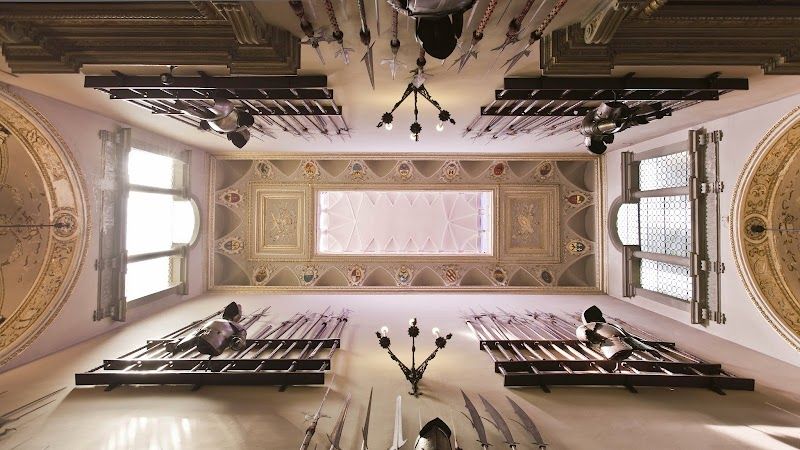
The Bagatti Valsecchi brothers were Milan's original Instagram influencers, except their platform was an entire palazzo and their aesthetic was hardcore Renaissance revival. In the 1880s, Fausto and Giuseppe transformed their family home into what they believed a perfect 15th-century Milanese residence should look like, hunting down authentic period furniture, paintings, and decorative objects across Europe. You'll walk through 14 rooms where every detail screams Renaissance authenticity - from Venetian glass to carved cassone chests - except for cleverly disguised modern conveniences like a shower hidden inside a fake Renaissance cabinet. The visit feels like walking through someone's actual home rather than a sterile museum, because that's exactly what it was until 1974. The brothers lived here surrounded by their obsessive recreation, eating off Renaissance ceramics and sleeping in beds that belonged to 16th-century nobles. The walnut-paneled library stops most visitors in their tracks, while the frescoed bedroom reveals just how far the brothers went to maintain their historical fantasy. Audio guides (included) share stories about specific pieces and the brothers' sometimes ridiculous lengths to achieve period accuracy. Entry costs €12 for adults, which feels steep for what amounts to a very elaborate rich man's hobby, but the sheer commitment to the vision makes it oddly compelling. Skip the basement level entirely - it's just administrative displays that break the spell. Start with the main floor reception rooms, then work upward to the private quarters where the real treasures hide. Most visitors rush through in 45 minutes, but the details reward slower examination if you're into decorative arts.
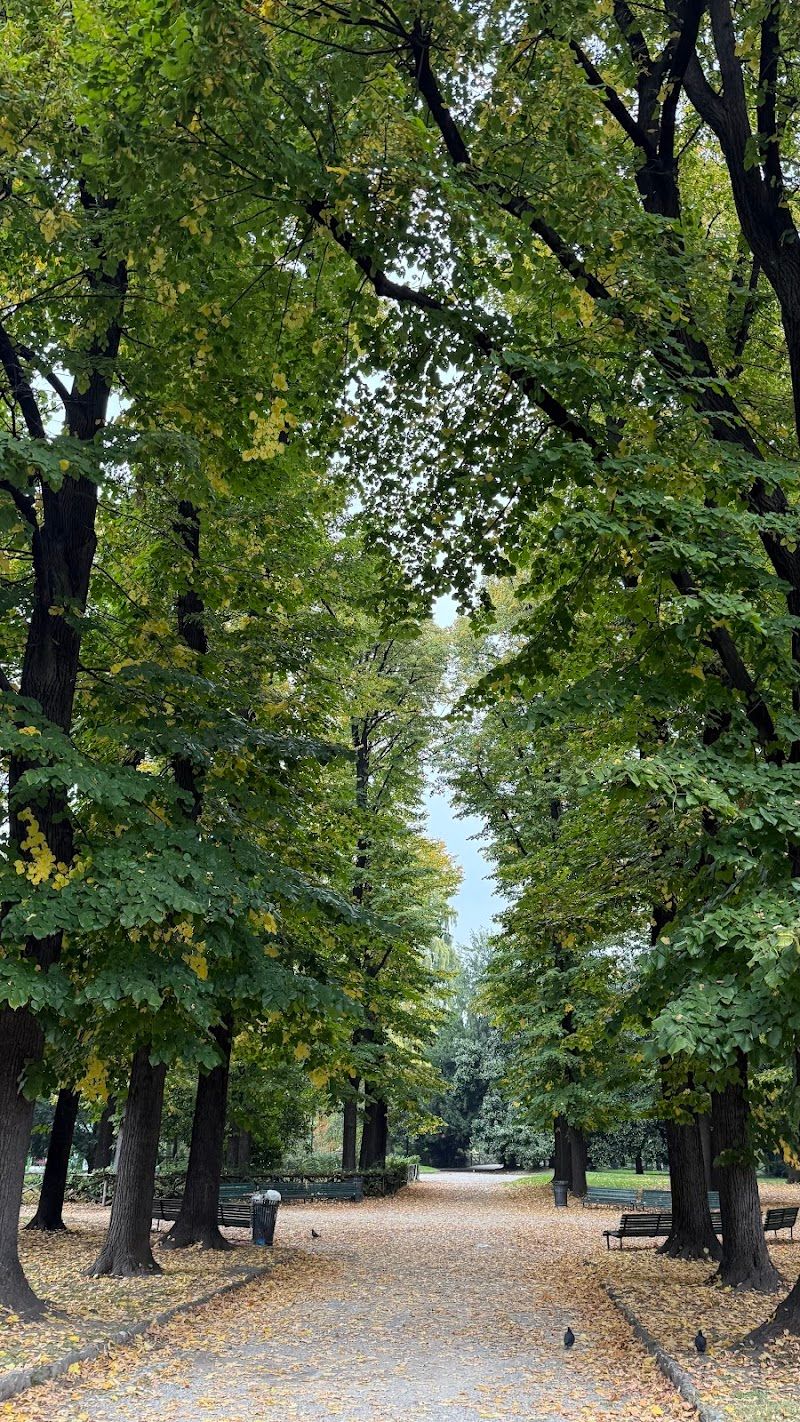
Giardini Pubblici Indro Montanelli
Giardini Pubblici Indro Montanelli stretches across 40 acres of surprisingly well-preserved 18th-century landscape design right next to Milan's fashion district. You'll find winding gravel paths around a small lake, scattered neoclassical statues, and mature plane trees that create genuine shade in summer. The Natural History Museum anchors one corner, while the planetarium offers astronomy shows for 5 EUR, making this more than just green space. The park feels refreshingly unhurried compared to central Milan's pace. Families spread picnic blankets near the playground while joggers loop the perimeter paths. The original Art Nouveau entrance gates from 1881 still frame your entry, and the layout hasn't changed much since then. Morning brings dog walkers and elderly locals reading newspapers on benches, while afternoons see office workers grabbing quick lunch breaks under the trees. Most travel guides oversell this as a major destination when it's really Milan's neighborhood park that happens to be historic. The Natural History Museum is surprisingly good but closes at odd hours (check before coming). Skip the overcrowded weekend afternoons and come weekday mornings when it's properly peaceful. The 90-minute duration most guides suggest is generous, you'll see everything worthwhile in 45 minutes unless you're visiting the museum or planetarium.
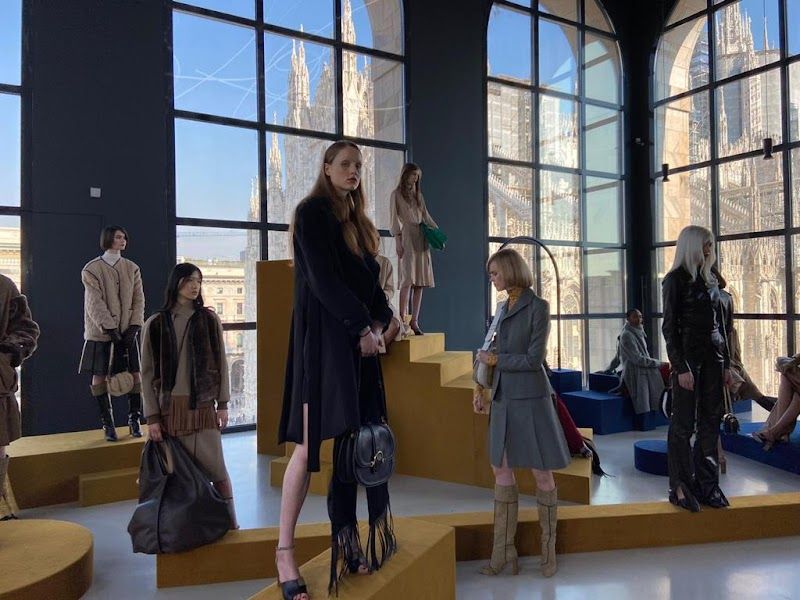
Milan Fashion and Design District Tour
This three-hour guided walk takes you through Quadrilatero della Moda, Milan's legendary fashion rectangle bordered by Via Montenapoleone, Via della Spiga, Via Sant'Andrea, and Via Borgospesso. You'll explore flagship stores from Prada to Versace, peek into historic ateliers where Italian tailoring traditions continue, and visit design museums showcasing centuries of textile craftsmanship. The tour includes access to private showrooms and boutiques in 15th-century courtyards that most tourists never find. The experience feels like getting VIP access to fashion's inner sanctum. Your guide leads you through marble-floored palazzos housing Hermès and Bulgari, then suddenly ducks into a narrow passageway revealing emerging designers' studios. You'll handle fabrics at a working atelier, learn why Milan overtook Paris in ready-to-wear, and discover how post-war industrialists transformed this aristocratic neighborhood into fashion's global headquarters. The textile museum visit reveals hand-woven silks and intricate embroidery techniques still used today. Most tours spend too much time in obvious flagship stores where you can't touch anything anyway. This one's strength is the showroom access and emerging designer stops, but skip it if you're not genuinely interested in fashion history or textile techniques. At €45 per person, it's pricey for what's essentially window shopping with commentary, though the museum entry alone costs €12.
Where to Eat
Restaurants and cafes in Quadrilatero della Moda
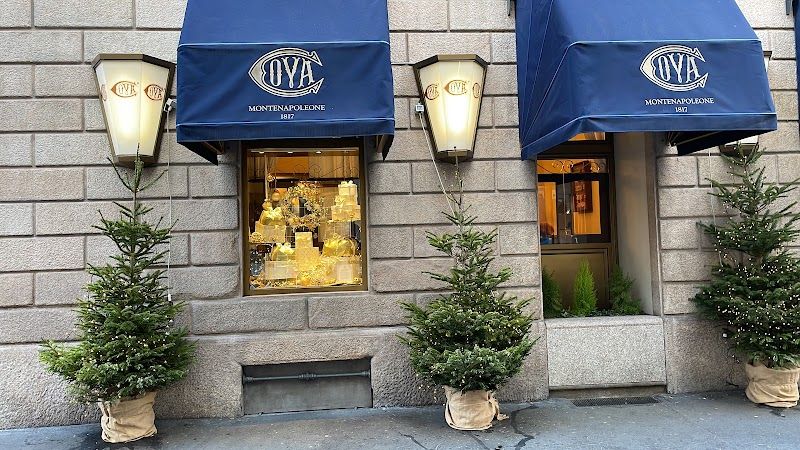
Cova Montenapoleone
CafeStep into Cova Montenapoleone and you're entering Milan's most storied café - a crystalline time capsule where Giuseppe Verdi once nibbled pastries and La Scala's prima donnas still gossip over cappuccinos. Founded in 1817 by Antonio Cova, this isn't just another pretty patisserie; it's where Milan's cultural elite have conducted their most important conversations for over two centuries. The original Teatro alla Scala location hosted revolutionaries planning Italy's unification, artists debating aesthetic movements, and financiers orchestrating deals that shaped modern Milan. Today's Montenapoleone flagship maintains that rarefied atmosphere with crystal chandeliers, marble-topped tables, and staff who serve with theatrical precision. The panettone (available year-round, €45-85 depending on size) remains legendary - dense, buttery, studded with candied fruits that actually taste like fruit rather than sugary bits. Their signature mocha pralines (€3.50 each) are miniature works of art, but the real insider move is ordering the torta Cova (€6.50 per slice) - a secret-recipe chocolate cake that predates most Italian unification. Morning cappuccinos cost €2.80 at the bar, €4.50 seated, but you're paying for theater as much as coffee. The experience feels authentically aristocratic without being stuffy, though tourists clutching shopping bags from nearby Prada can disrupt the refined ambiance during peak hours.
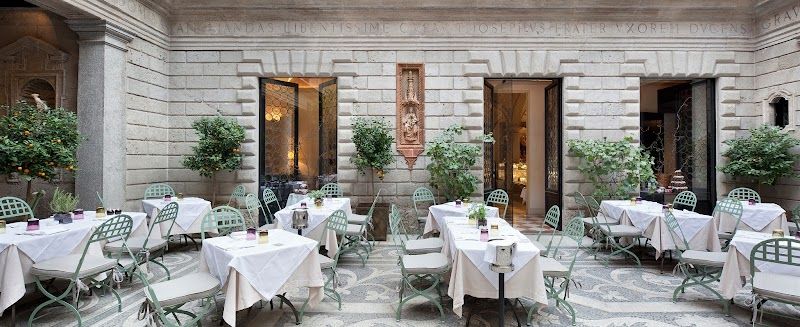
Il Salumaio di Montenapoleone
RestaurantHistoric delicatessen and restaurant in the heart of the fashion district since 1957. Traditional Italian cold cuts, wines, and simple dishes served in elegant surroundings.
Bice
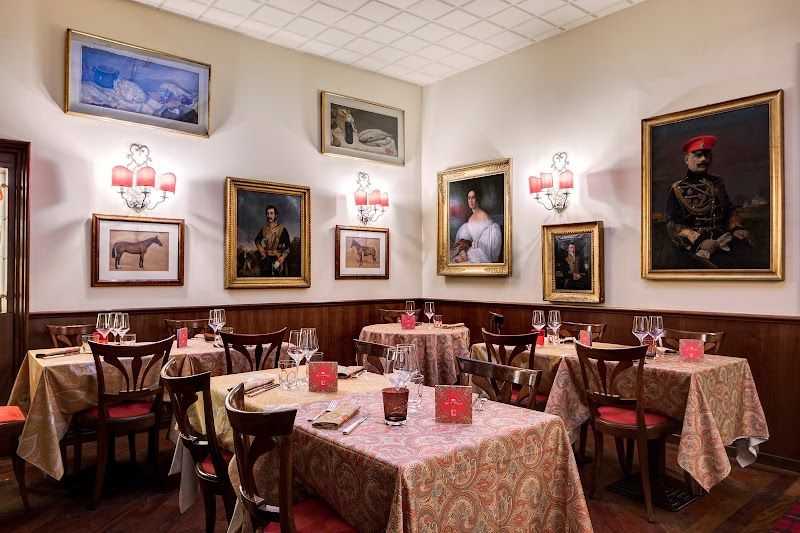
RestaurantHistoric Milanese restaurant established in 1926, known for authentic risotto alla milanese and cotoletta. The elegant dining room with art deco touches attracts fashion industry insiders from nearby showrooms. A true institution in the heart of the fashion district.
Getting Here
Insider Tips
Free window gallery
The flagship window displays change seasonally and are designed by the same creative directors as the fashion shows. Via della Spiga is pedestrianised and the best for a self-guided tour.
Bagatti Valsecchi Museum
EUR 10, hidden on Via Gesu. A 19th-century house decorated entirely in Renaissance style by two brothers who collected obsessively. Most visitors miss it entirely.
Lunch away from luxury
The restaurants inside the quadrilateral charge EUR 25+ for a basic pasta. Walk to Via Senato or Via Manzoni for better options at half the price.
Nearby Neighborhoods
Continue exploring

Centro Storico
Milan's monumental core - the Duomo, the Galleria, the castle, and the grand squares that make the first impression.

Brera
Milan's bohemian art quarter - cobbled streets, the Pinacoteca, independent boutiques, and the best aperitivo scene outside Navigli.

Navigli
Milan's canal district - aperitivo at sunset on the water, vintage shops, flea markets, and the most relaxed neighbourhood in the city.
Plan a trip featuring Quadrilatero della Moda
Get a personalized Milan itinerary with Quadrilatero della Moda built in.
Start Planning