
Milan
Navigli
Milan's canal district - aperitivo at sunset on the water, vintage shops, flea markets, and the most relaxed neighbourhood in the city.
About Navigli
Navigli is what remains of Milan's canal network, designed with locks by Leonardo da Vinci, that once connected the city to Lake Maggiore and Lake Como. Two canals survive - Naviglio Grande and Naviglio Pavese - and they are lined with bars, restaurants, vintage shops, and galleries. The area is at its best during aperitivo (6-9 PM) when the canal-side terraces fill up, drinks (EUR 8-12) come with buffet spreads, and the sunset reflecting off the water is the golden-hour shot of Milan. The last Sunday of every month brings the Mercatone dell'Antiquariato flea market along the banks. Walk south along Naviglio Grande for quieter bars and better value.
Things to Do
Top experiences in Navigli
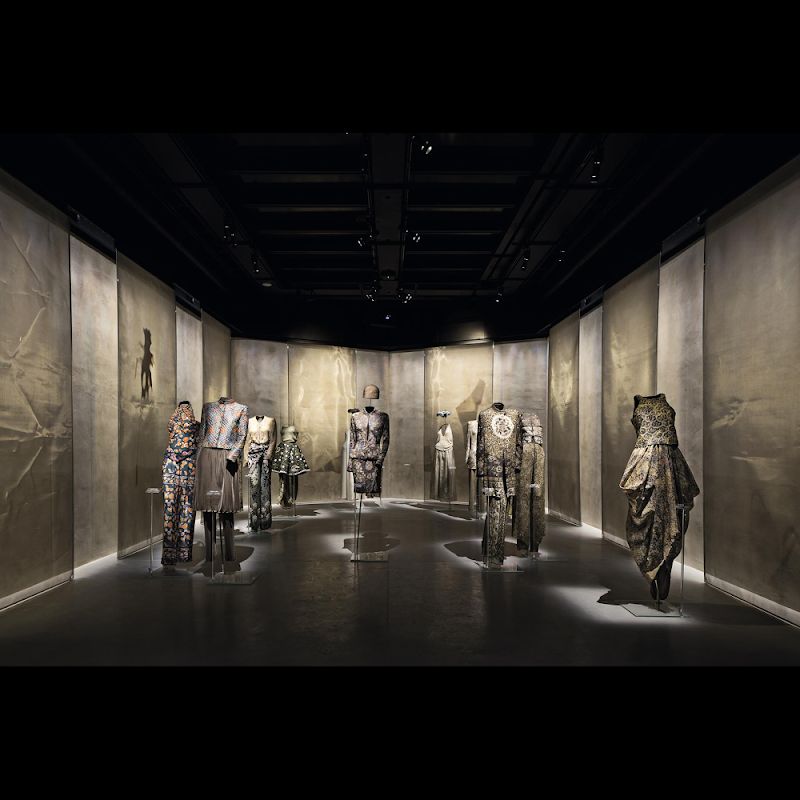
Armani/Silos
Armani/Silos transforms a 1950s grain silo into fashion's most sophisticated museum, displaying 40 years of Giorgio Armani's designs across four stark floors. You'll see 600 outfits and 200 accessories arranged thematically rather than chronologically - deconstructed blazers, flowing evening gowns, and pieces inspired by his travels to Asia and Africa. The industrial concrete interior strips away distractions, letting Armani's clean lines and muted palettes speak for themselves. The visit flows vertically through the cylindrical space, with each floor exploring different aspects of Armani's philosophy. Ground floor focuses on his revolutionary soft tailoring that rejected the structured shoulders of the 1980s. Upper floors showcase red carpet pieces worn by celebrities and his exploration of Eastern silhouettes. The raw concrete walls and minimal lighting create an almost gallery-like reverence - you'll find yourself moving slowly, studying construction details and fabric choices. Most fashion museums feel overwhelming, but this one succeeds through restraint. Skip the audio guide (€5) - the pieces speak clearly without commentary. The real revelation is seeing how consistently Armani has worked within his aesthetic boundaries. Entry costs €12, though they don't advertise this prominently. If you're not genuinely interested in fashion construction and design philosophy, 75 minutes will feel long.
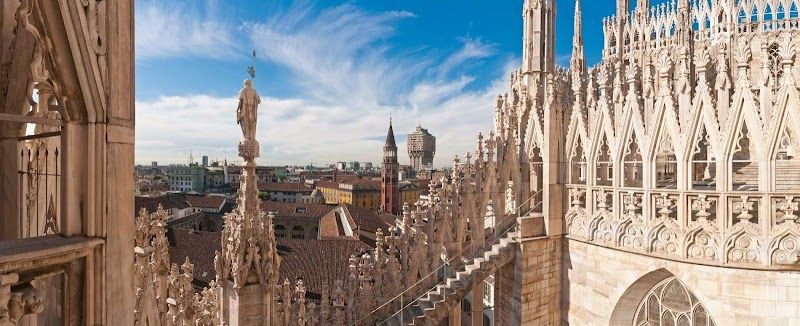
Navigli Bike Tour with Aperitivo
This three-hour bike tour takes you through Milan's historic Navigli canal system, covering 15km of mostly flat terrain through neighborhoods most tourists never see. You'll cycle along the Naviglio Grande and Naviglio Pavese, stopping at Leonardo da Vinci's original lock system and peering into private courtyards where washing lines hang between centuries-old buildings. The route winds through the Darsena district, past working-class bars where locals drink morning coffee, then loops back through tree-lined towpaths. The ride feels like traveling through Milan's industrial past and creative present. Your guide shares stories about da Vinci's engineering while you dodge the occasional jogger on narrow paths. The canals smell faintly of algae, and you'll hear water lapping against moored houseboats. By late afternoon, university students gather on canal steps with bottles of wine, and the golden light hits 19th-century warehouses turned artist studios. The tour ends at a traditional bar where aperitivo means€8 spritz with generous plates of olives and focaccia. Most guides don't mention that weekend tours can feel rushed with larger groups of 15+ people. Book weekday departures for a more personal experience, and know that the bikes are basic city models without gears. The aperitivo stop is pleasant but not extraordinary, skip the second drink at €10 and head to nearby Bar Basso instead. Tours cost €45 per person including bike rental and first drink.
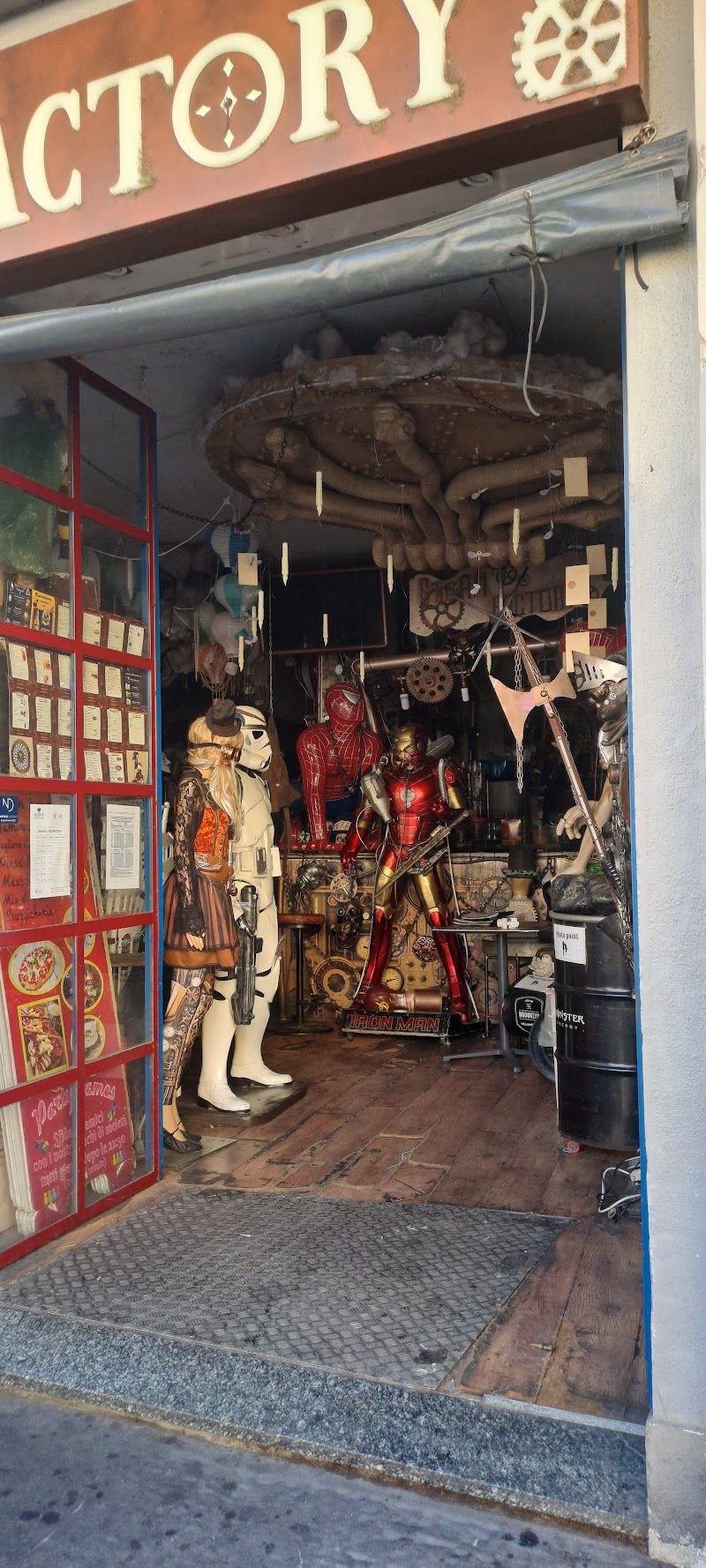
Mercatone dell'Antiquariato di Naviglio Grande
On the last Sunday of every month, over 400 antique dealers transform the cobblestone walkways along Naviglio Grande into Milan's premier vintage hunting ground. You'll find everything from 18th century Venetian mirrors to 1960s Italian design pieces, plus old maps, vintage jewelry, and curiosities that range from genuinely valuable to delightfully eccentric. The setting along the historic canal makes this feel more like a treasure hunt through someone's aristocratic attic than a typical flea market. The market stretches for nearly a kilometer along both sides of the canal, with the best dealers clustering near Porta Genova Metro station. Vendors start setting up at dawn, and by 10am the walkways fill with serious collectors, interior designers, and curious tourists all hunting for finds. You'll hear Italian, French, and English as dealers explain provenance and negotiate prices. The canal-side cafes stay busy with people taking breaks between vendor stalls, and the whole scene has an unhurried, almost theatrical quality. Most visitors waste time browsing everything instead of focusing on specific categories or periods. Quality varies wildly, so unless you know what you're looking at, stick to pieces under 100 EUR or obvious decorative items. The real treasures get snapped up before noon, but prices drop significantly after 2pm when dealers want to avoid packing unsold items. Skip the reproductions near the main entrance and head straight to the far end where serious dealers set up.
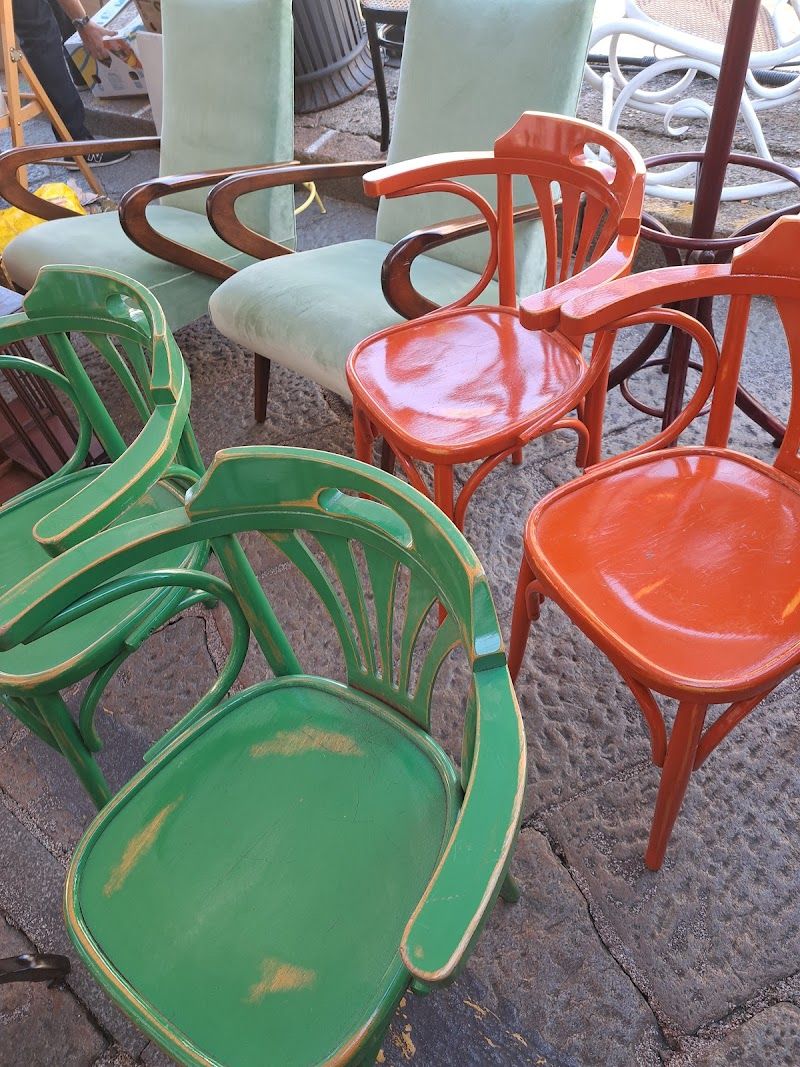
Fiera di Sinigaglia
Fiera di Sinigaglia sprawls along the Naviglio Grande every Saturday morning, transforming this canal-side street into Milan's oldest flea market since 1885. You'll find everything from 1970s leather jackets (€15-30) to vintage Bialetti coffee makers, dusty art books, and Communist party pins. The real treasures are mid-century Italian design pieces, vintage eyewear, and pre-war photographs of Milano that serious collectors hunt for. The scene kicks off around 7am with vendors spreading blankets directly on the cobblestones while others set up proper tables. You'll weave between elderly Milanese examining porcelain, young designers hunting for inspiration, and tourists confused by the apparent chaos. The canal provides a scenic backdrop, though you'll barely notice it while digging through boxes of vinyl records and costume jewelry. Cash rules here, most vendors won't even consider cards. Most travel guides romanticize this place, but honestly, 60% is junk. The goldmine lies with the 4-5 serious antique dealers clustered near the Porta Ticinese end who know their stuff and price accordingly. Skip the touristy vintage t-shirts (overpriced at €20+) and focus on ceramics, books, and small decorative objects where you can actually negotiate. After 1pm vendors start packing up regardless of what time you arrive.
Where to Eat
Restaurants and cafes in Navigli
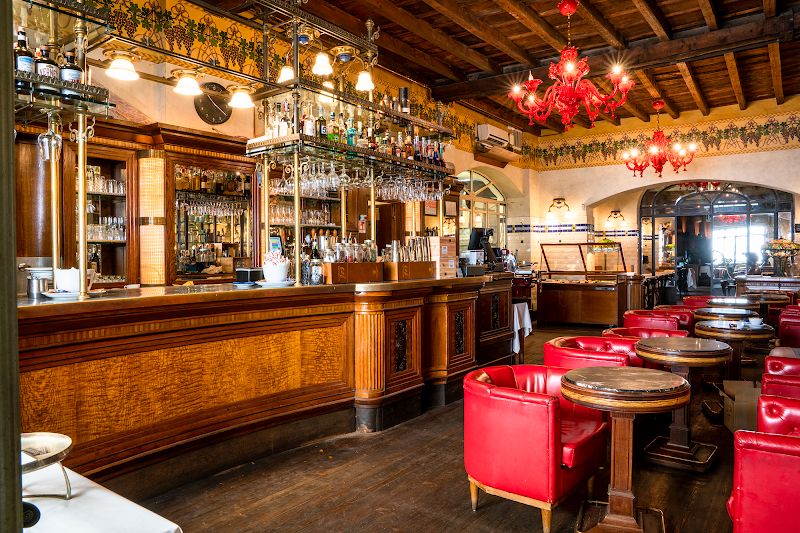
Osteria del Binari
RestaurantCozy neighborhood osteria in Porta Romana serving daily-changing menus of regional Italian dishes. The hand-written menu on the chalkboard tells you what arrived fresh that morning.
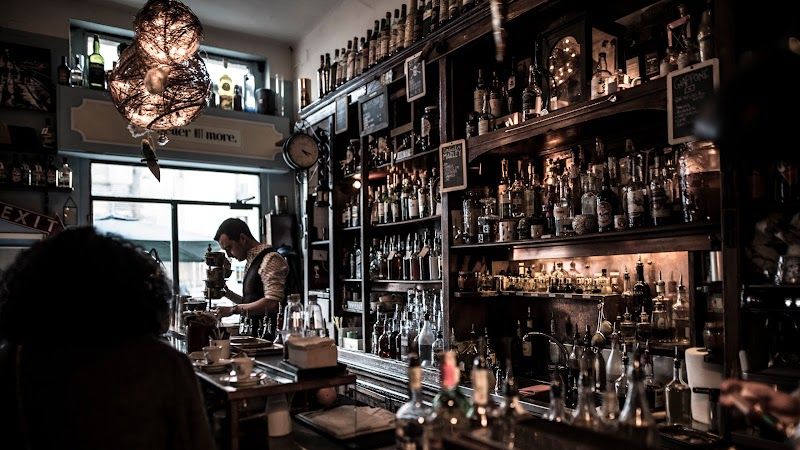
Mag Café
RestaurantAperitivo bar in Magenta with an exceptional buffet spread. For EUR 10, you get a cocktail and access to a full dinner buffet - one of Milan's best aperitivo values.
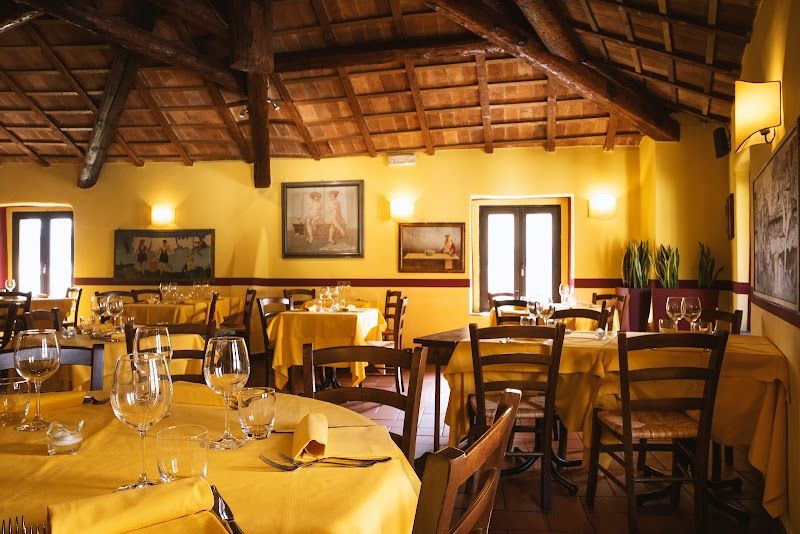
El Brellin
RestaurantHistoric restaurant in a 19th-century washing house on the Naviglio Grande. Traditional Milanese menu with outdoor tables right over the water.
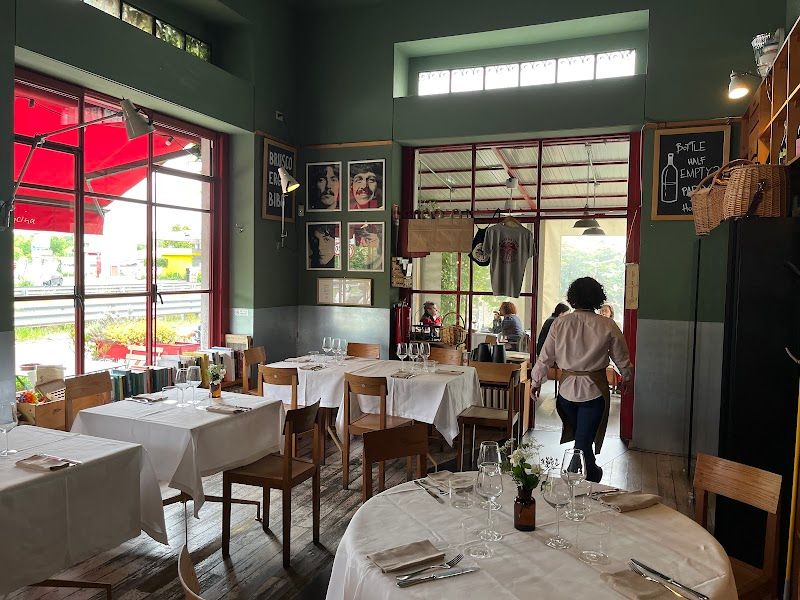
Erba Brusca
RestaurantFarm-to-table restaurant with its own vegetable garden outside the city. The menu is hyper-seasonal, with dishes like nettle risotto and herb-crusted lamb that showcase the Lombardy countryside.
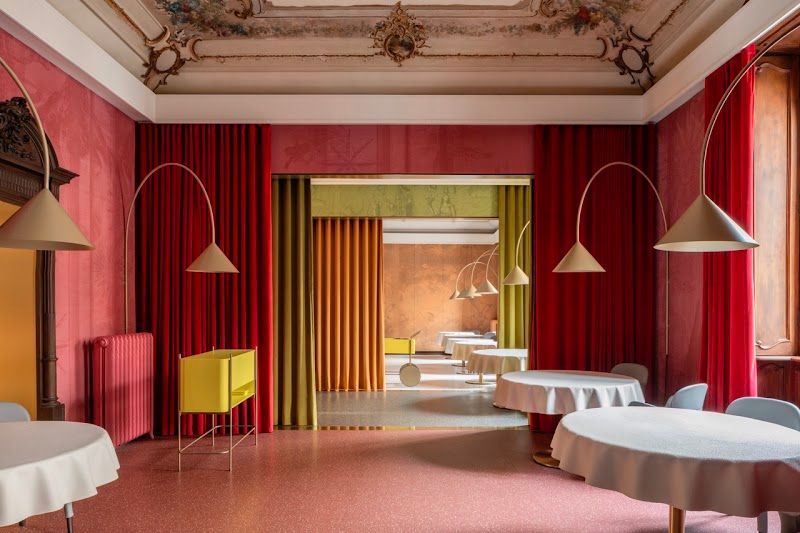
Contraste
RestaurantMichelin-starred restaurant from chef Matias Perdomo serving bold, experimental tasting menus. Expect unexpected combinations and dramatic presentations in an industrial-chic space.
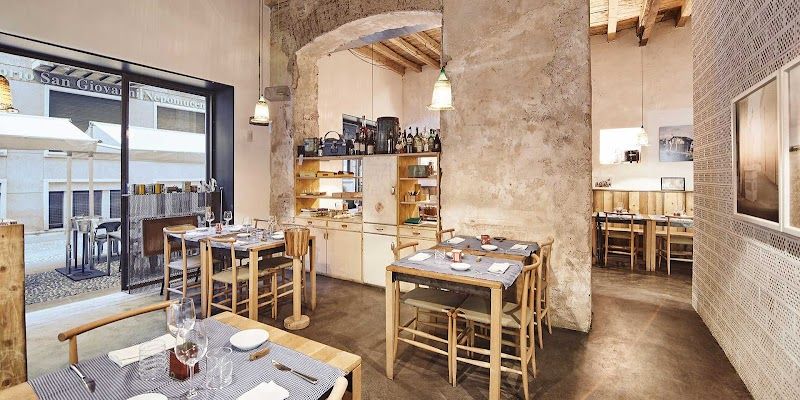
28 Posti
RestaurantChef Marco Ambrosino's intimate 28-seat restaurant serving creative Italian cuisine with unexpected flavor combinations. The open kitchen means you watch every plate being prepared.
Nightlife
Bars and nightlife in Navigli
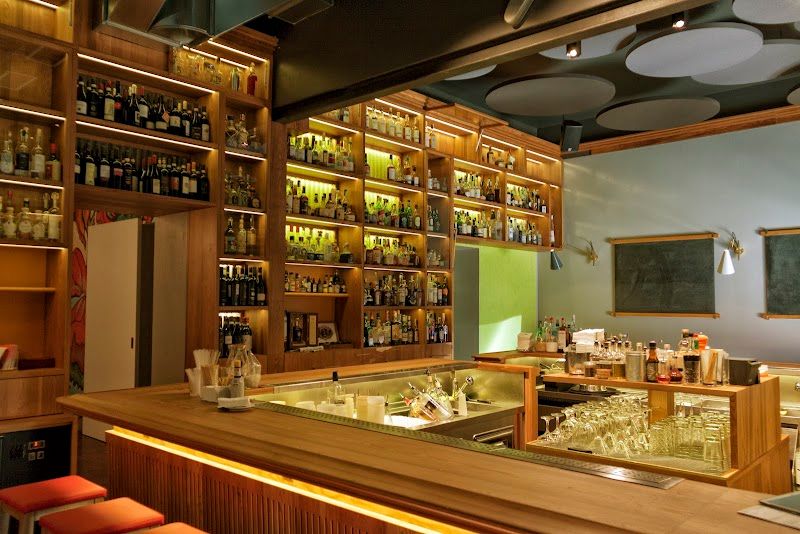
Rita & Cocktails
NightlifeTiny Navigli cocktail bar with only 20 seats and a tropical-disco aesthetic featuring pink neon and palm prints. The aperitivo buffet here is notably generous, with fresh pasta and quality cheeses alongside the usual spreads. DJ sets on weekends lean toward funk and rare groove.
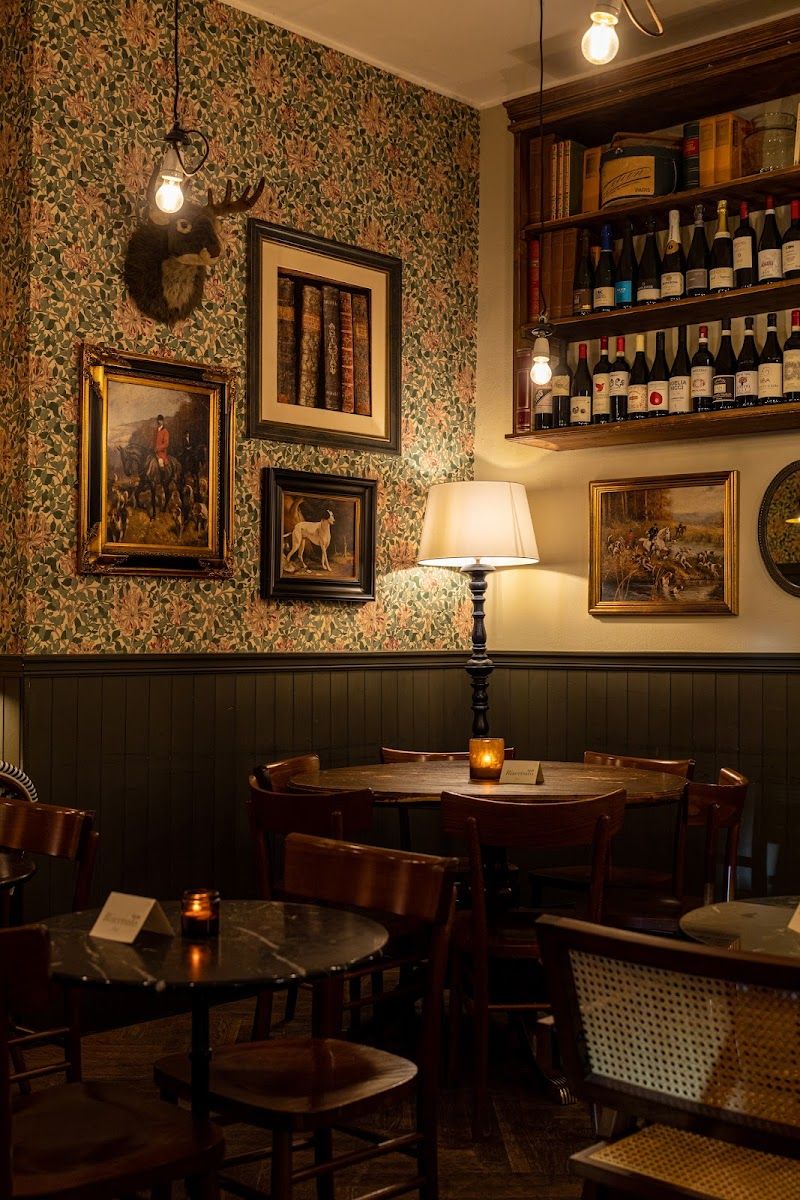
Ugo Club
NightlifeNavigli's underground club (literally, it's in a basement) with brick arches and a sound system that draws serious house and techno heads. Open Thursday to Saturday from midnight to 4 AM. The entrance is unmarked and easy to miss, with a bouncer checking the line from a small door.
Craft
NightlifeBrera's sophisticated cocktail bar in a 16th-century cellar with exposed brick vaults and vintage apothecary bottles lining the walls. The menu focuses on classic cocktails executed with precision and house-made syrups. Quieter and more conversational than most Milan bars, attracting an older, design-world crowd.
Getting Here
Insider Tips
Aperitivo strategy
Order a drink (EUR 8-12) and the buffet is included. At the best spots this genuinely replaces dinner. The bars on the Naviglio Grande side are more atmospheric than Naviglio Pavese.
Antique market
Last Sunday of every month, the Mercatone dell'Antiquariato runs along the Naviglio Grande. One of Italy's best flea markets. Arrive by 10 AM for the best finds.
Walk south
The first 200 metres of Naviglio Grande are the most touristy. Walk 5 minutes south along the canal for quieter bars with better aperitivo spreads and lower prices.
Nearby Neighborhoods
Continue exploring

Centro Storico
Milan's monumental core - the Duomo, the Galleria, the castle, and the grand squares that make the first impression.

Brera
Milan's bohemian art quarter - cobbled streets, the Pinacoteca, independent boutiques, and the best aperitivo scene outside Navigli.

Quadrilatero della Moda
The world capital of luxury fashion - four blocks of Armani, Prada, and Versace in 18th-century palazzi, with window displays that are art installations.
Plan a trip featuring Navigli
Get a personalized Milan itinerary with Navigli built in.
Start Planning