
Milan
Centro Storico
Milan's monumental core - the Duomo, the Galleria, the castle, and the grand squares that make the first impression.
About Centro Storico
Centro Storico is where Milan shows its hand. The Duomo is the centrepiece: 600 years of construction in pink Candoglia marble, 135 spires, and a rooftop (EUR 14 stairs, EUR 16 lift) that justifies the entire trip. The Galleria Vittorio Emanuele II connects it to La Scala in the most beautiful shopping arcade in Europe. Castello Sforzesco anchors the other end, with free courtyards and EUR 5 museums including Michelangelo's last sculpture. Parco Sempione stretches behind the castle to the Arco della Pace. The restaurants immediately around the Duomo are tourist traps. Walk two blocks in any direction for better food at lower prices.
Things to Do
Top experiences in Centro Storico
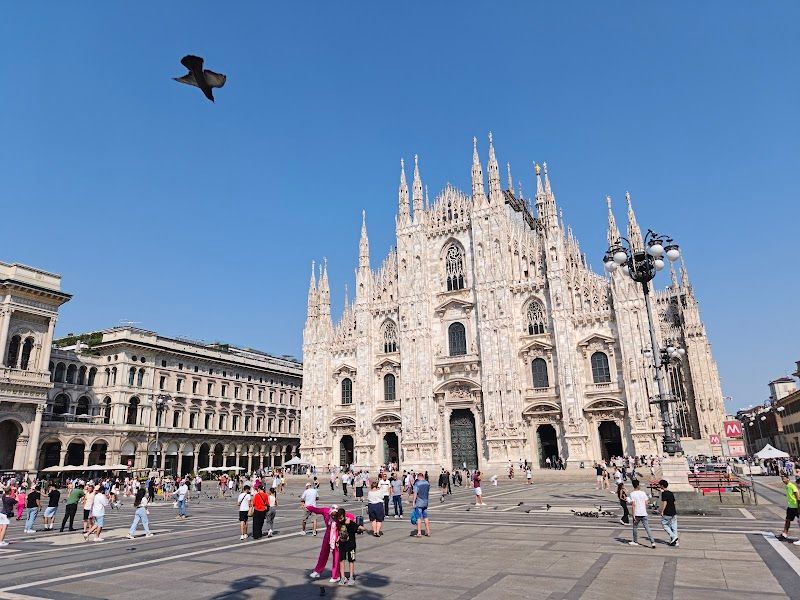
Duomo di Milano
The Duomo took nearly 600 years to build and it shows in every one of its 3,400 statues, 135 spires, and the sheer verticality of the Gothic facade. It is the largest church in Italy (St. Peter's is technically in Vatican City) and the third largest in the world. Construction began in 1386 under Gian Galeazzo Visconti's orders to create something that would rival the great cathedrals of Northern Europe, and the result is a monument to both divine ambition and human stubbornness. The facade alone wasn't completed until Napoleon's orders in the early 1800s - he needed a proper backdrop for his coronation as King of Italy. The interior is enormous and surprisingly dim, with jewel-toned stained glass filtering ethereal light across five naves. Your eyes need time to adjust to fully appreciate the soaring vaulted ceilings and the intricate floor patterns. Most visitors shuffle through like zombies, necks craned upward, missing the exquisite details at eye level. The real treasure is the rooftop experience - EUR 14 by stairs, EUR 16 by lift - where you walk among a forest of marble spires with the Alps visible on clear days. The golden Madonnina statue at the top has watched over Milan since 1774, and from up there, you understand why locals consider her the city's true protector. The contrast between the medieval stonework and Milan's modern skyline creates one of Europe's most compelling urban vistas.
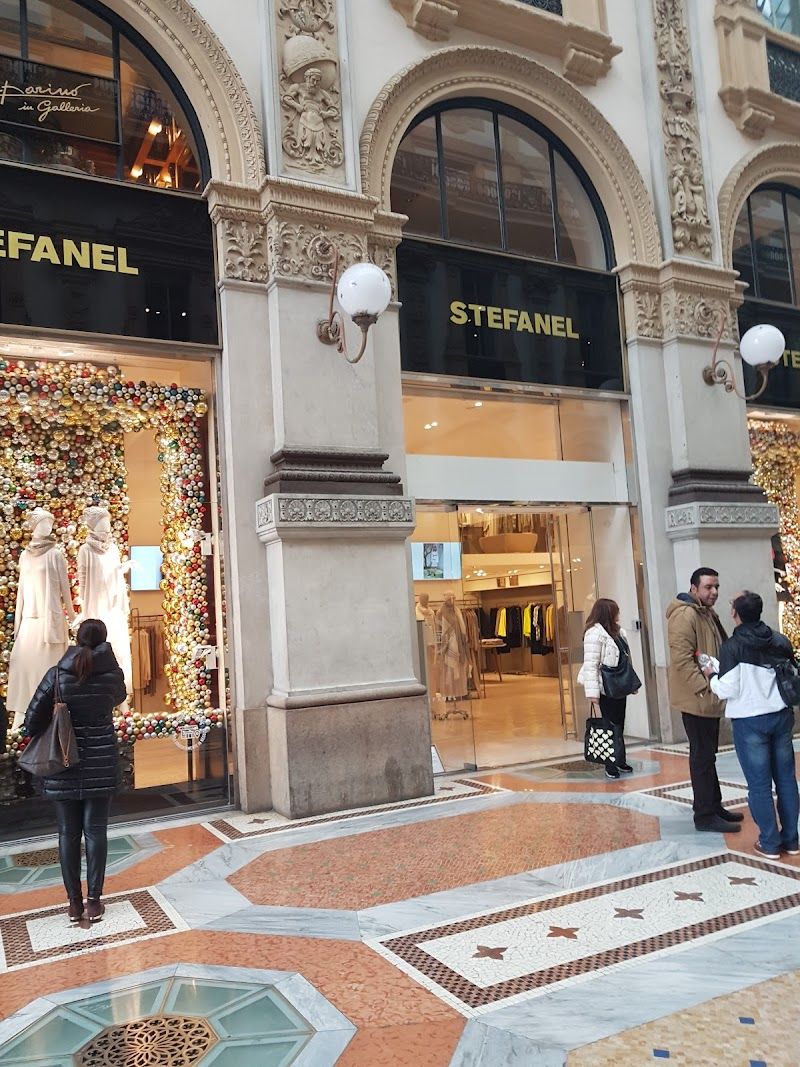
Galleria Vittorio Emanuele II
Milan's most elegant shopping arcade connects the Duomo to La Scala through a spectacular iron-and-glass corridor that's basically Italy's first shopping mall. You'll walk beneath soaring 32-meter vaulted ceilings while luxury boutiques like Prada (in its original 1913 location), Borsalino, and Tod's line the marble floors. The octagonal center showcases intricate floor mosaics representing Milan, Turin, Florence, and Rome - each city's coat of arms rendered in detailed stonework that most people rush past. The experience feels like shopping inside a cathedral, with natural light streaming through the glass dome onto polished marble corridors. Tourists cluster around the bull mosaic for photos while locals sip €4 espressos at historic Biffi Caffè or browse Rizzoli's beautiful bookstore. The acoustics amplify every footstep and conversation, creating an almost theatrical atmosphere where window shopping becomes performance art. Honestly, unless you're buying luxury goods, this is more about the architecture than actual shopping. The restaurants inside are tourist traps - €18 for basic pasta you'll get for €12 elsewhere. Come for a quick walk-through to admire the engineering marvel, snap photos of the mosaics, and maybe grab coffee at Biffi if you need a break from sightseeing. Skip the overpriced gelato stands and save your euros for better food outside.
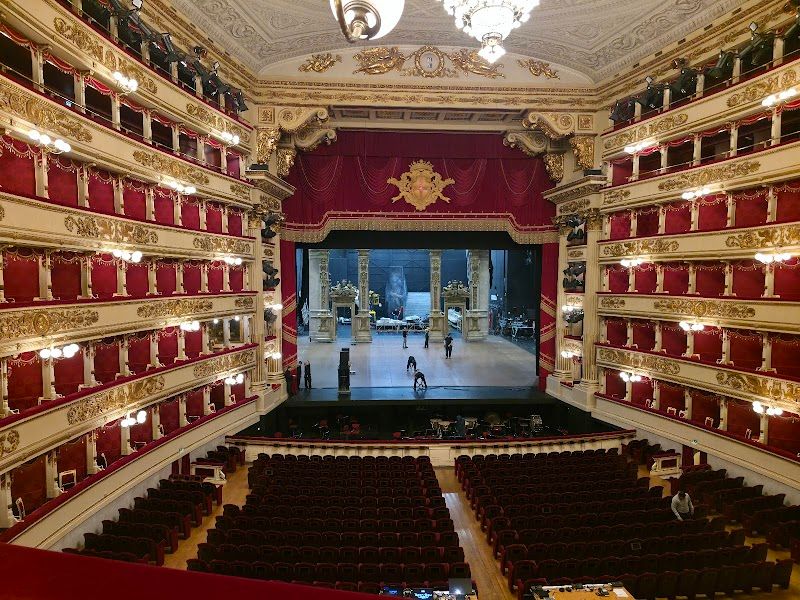
Teatro alla Scala
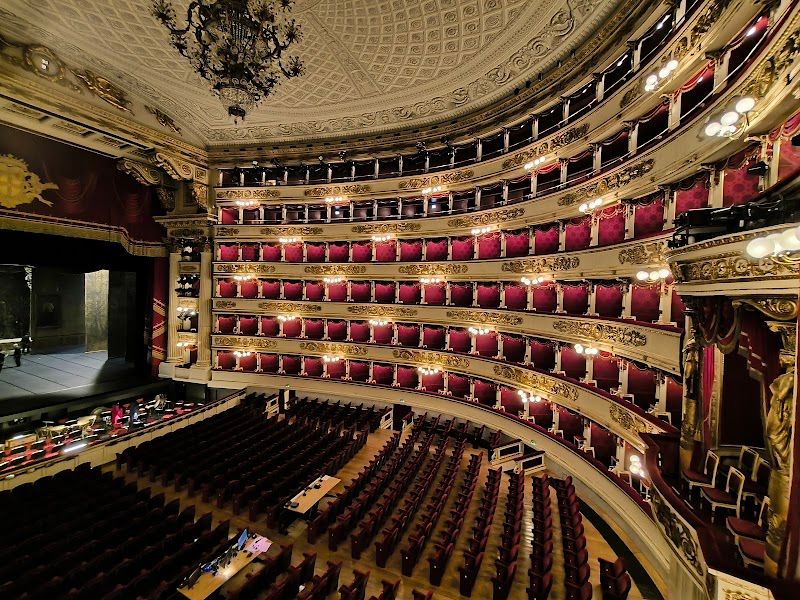
La Scala is the undisputed cathedral of opera, where legends are born and careers destroyed with a single boo from the notoriously demanding Milanese audience. The exterior is deliberately understated - architect Giuseppe Piermarini's 1778 neoclassical facade looks almost modest, like a wealthy aristocrat who doesn't need to show off. But step inside and you'll understand why this place has ruled the opera world for nearly 250 years. The horseshoe-shaped auditorium is pure theatrical magic: six tiers rising toward a frescoed ceiling, 2,000 seats upholstered in crimson velvet, and gilt boxes where Milan's elite have gossiped and schemed since the 18th century. The acoustics are genuinely miraculous - whisper from the stage and they'll hear you in the cheapest gallery seat. This is where Verdi premiered 'Otello' and 'Falstaff,' where Toscanini conducted his legendary performances, and where Maria Callas ruled as the ultimate diva. Even hardened opera skeptics find themselves moved by the sheer weight of history here. The adjacent museum (open daily 9am-5:30pm, EUR 12) houses an impressive collection of costumes, set designs, and conductor batons, plus offers tantalizing glimpses into the auditorium from a private box - your only chance to see inside without buying a performance ticket.
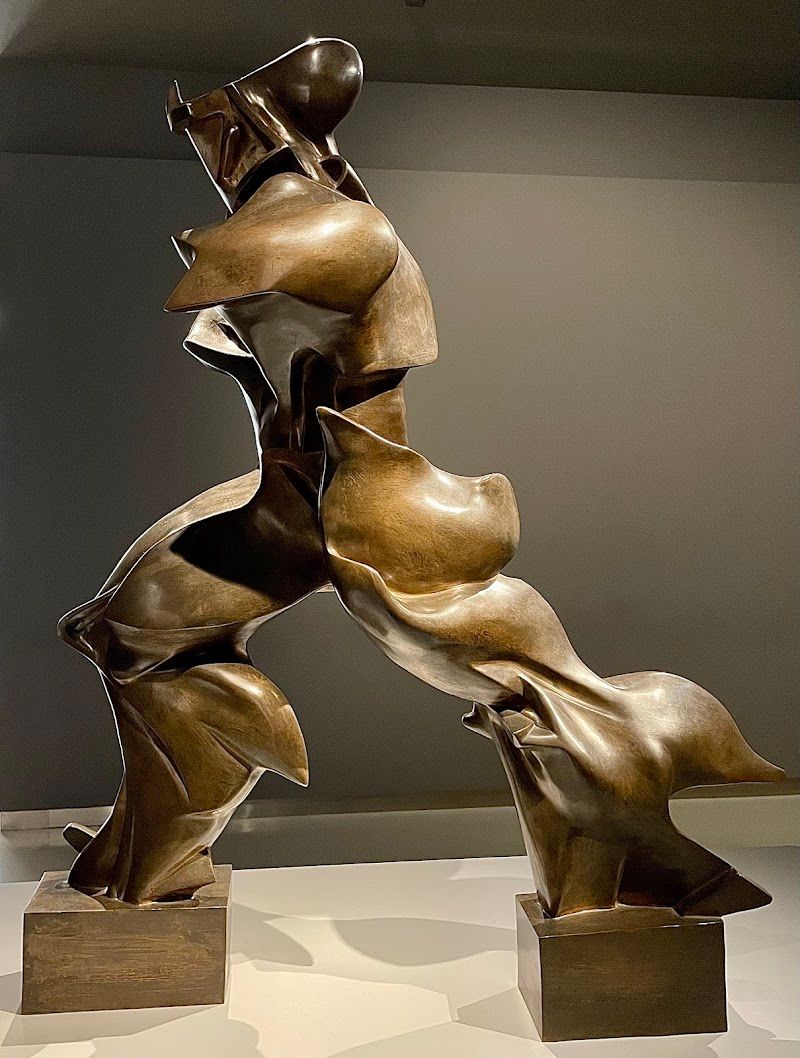
Museo del Novecento
The Museo del Novecento transforms a 1950s rationalist building into Italy's premier showcase of 20th-century art, with 400 works spanning Futurism to Arte Povera. You'll encounter Umberto Boccioni's revolutionary sculptures that literally exploded traditional forms, Lucio Fontana's slashed canvases that redefined space, and Giuseppe Pellizza da Volpedo's massive social realist masterpiece The Fourth Estate. The collection focuses exclusively on Italian movements, making it more cohesive than most modern art museums. The building's spiral ramp pulls you chronologically through Italy's artistic evolution, from the explosive energy of early Futurism through the conceptual experiments of the 1960s. Each floor opens into naturally lit galleries where you can actually see brushstrokes and textures - the lighting design is exceptional. The crowds thin out significantly after the second floor, giving you space to contemplate Fontana's slashed canvases and Mario Sironi's urban landscapes in peace. Most visitors rush to the top-floor terrace for Duomo views and miss the real treasures on floors 2-3. The €5 entry fee (free on Tuesday afternoons after 2 PM) makes this Milan's best art bargain, but the audio guide costs an additional €5 and honestly isn't worth it - the wall texts are comprehensive. Skip the ground-floor temporary exhibitions unless they're specifically interesting to you.
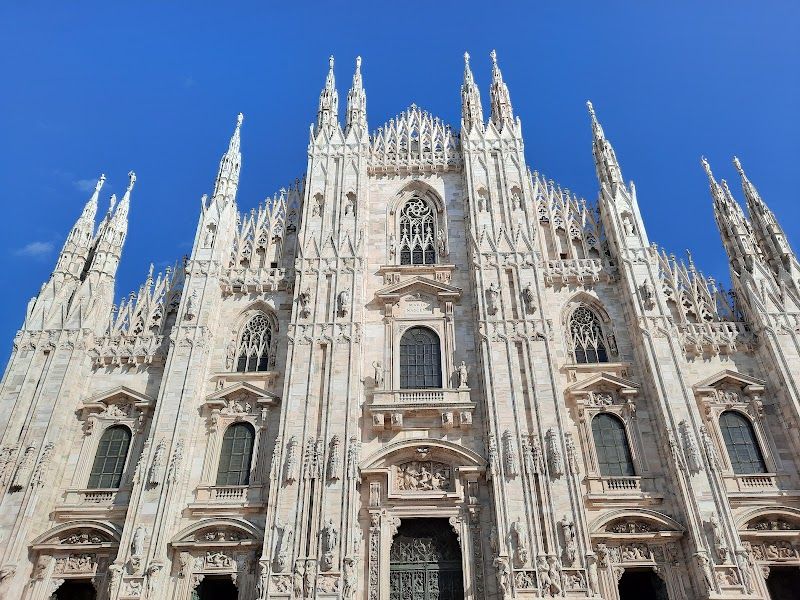
Duomo Rooftop Terraces Guided Tour
Climbing onto the Duomo's rooftop terraces is like stepping into a medieval stonemason's fever dream - and it's absolutely Milan's most spectacular experience. This Gothic masterpiece, begun in 1386 and finally completed in 1965 (yes, nearly 600 years), reveals its true majesty only from above. As you emerge onto the marble terraces 70 meters above Piazza del Duomo, you're suddenly walking among a forest of 135 spires that pierce the sky like stone prayers. The detail up close is staggering: 3,400 statues peer down at you, each carved with obsessive precision by generations of craftsmen. The central spire, crowned by the golden Madonnina statue (Milan's beloved protector since 1774), towers another 40 meters above your head. On clear days - and this is crucial - the view stretches impossibly far across the Po Valley to the Alps, with the Matterhorn's distinctive pyramid visible on the horizon. The rooftop experience transforms your understanding of Gothic architecture from distant admiration to intimate encounter. You'll duck under flying buttresses, navigate narrow walkways between spires, and gain access to elevated platforms that offer different perspectives of both the cathedral's intricate stonework and Milan's sprawling urban landscape. The contrast between the ancient craftsmanship beneath your feet and the modern city spreading in all directions creates a uniquely Milan moment - where history and contemporary life intersect dramatically. Open daily 9am-7pm (last entry 6pm), tickets from €15-25 depending on elevator versus stairs access.
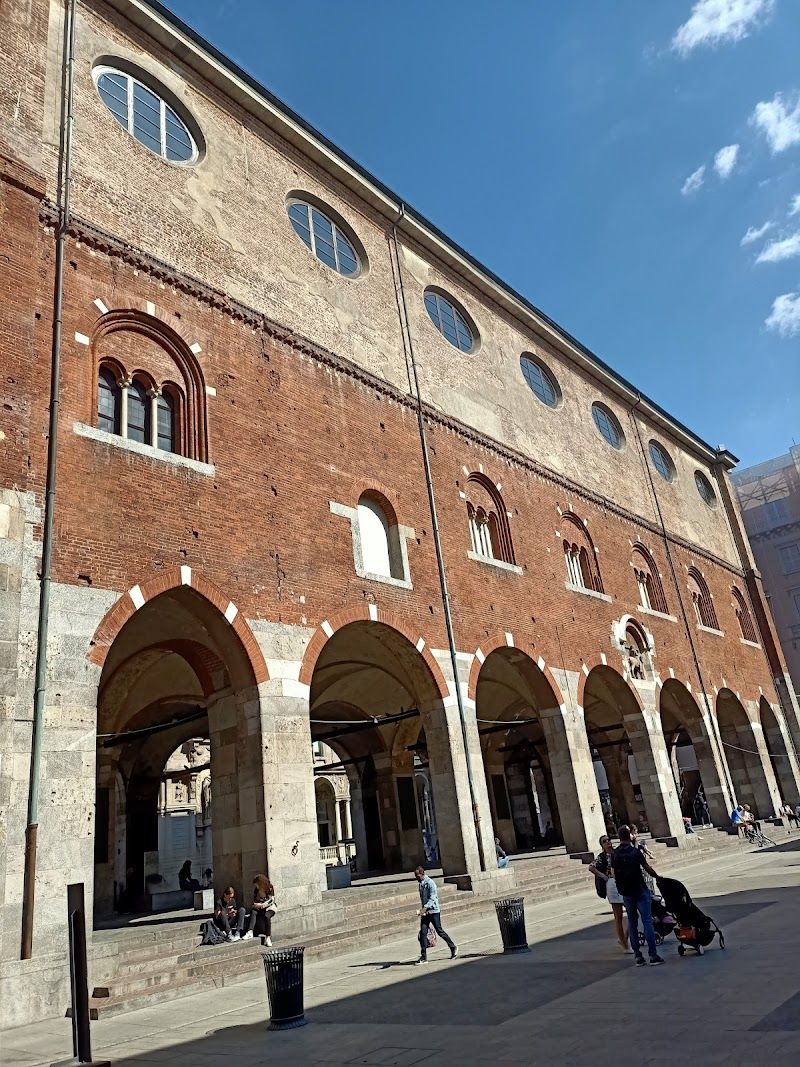
Piazza Mercanti
Piazza Mercanti is Milan's best-preserved medieval square, a small stone-paved courtyard that served as the city's commercial heart for centuries. You will find yourself surrounded by four historic buildings, including the 13th-century Palazzo della Ragione with its distinctive arched loggia and the red-and-white striped Palazzo dei Giureconsulti. The central wellhead and carved street signs in old Milanese dialect transport you back to when merchants hawked goods here under these same arches. The square feels like stepping through a different era, one moment you are dodging crowds near the Duomo, the next you are in this quiet medieval courtyard where your footsteps echo off ancient stones. The atmosphere changes completely depending on the light: morning sun filtering through the arches creates dramatic shadows, while evening transforms it into a setting perfect for photographs. Most visitors spend just a few minutes here, but the carved details and inscriptions reward closer inspection. Most tours promise too much, and you'll see everything worth noting in 15 minutes. The real value is as a peaceful break from the Duomo chaos, providing a quiet respite from the bustling crowds. While it's worth a quick visit to see the carved details of the square itself, the small museum inside Palazzo della Ragione is usually only of interest to those with a specific interest in medieval Milan history. The best photo opportunities are from the center of the square looking up at the surrounding buildings.
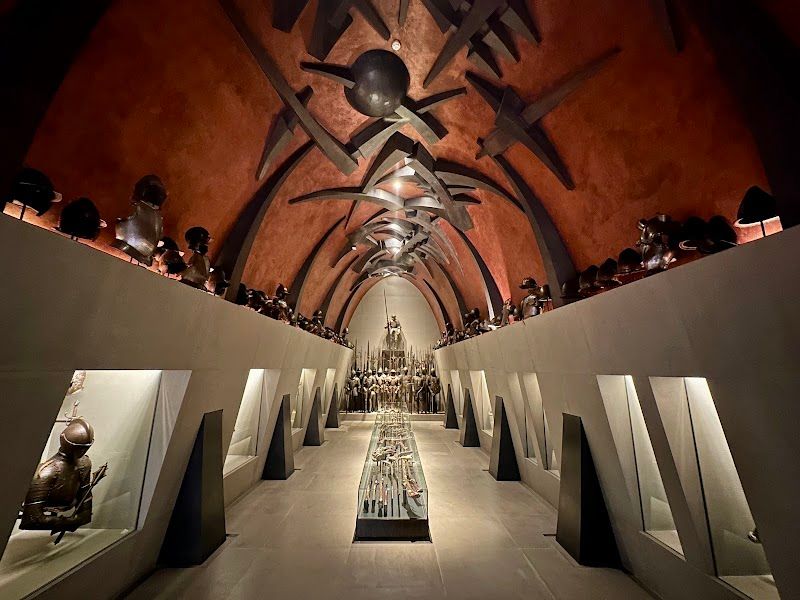
Museo Poldi Pezzoli
The Poldi Pezzoli is what happens when a 19th-century aristocrat with impeccable taste and deep pockets creates his dream home. Gian Giacomo Poldi Pezzoli filled this elegant palazzo with Renaissance masterpieces, medieval weapons, Persian carpets, and Venetian glass - it's like wandering through a wealthy collector's private residence rather than a formal museum. The star piece is Pollaiolo's ethereal Portrait of a Young Woman, but you'll also find works by Botticelli, Mantegna, and Giovanni Bellini scattered throughout rooms that feel more like a sophisticated apartment than gallery spaces. You move through intimate chambers where each room has its own personality - the Armory bristles with medieval suits and swords, while the Golden Room drips with baroque excess. The scale stays human-sized, never overwhelming, and the lighting creates an almost conspiratorial atmosphere as you discover treasures tucked into corners. Unlike Milan's massive museums, this feels personal and slightly secretive, as if you're exploring someone's actual home while they're away. At €14 for adults (€7 on Wednesdays), it's pricey for the size, but the quality makes up for quantity. Most people rush to the famous portrait and miss the extraordinary clock collection upstairs - those timepieces are genuinely spectacular. Skip the audio guide and just wander; the magic here is in stumbling upon unexpected beauty, not following prescribed routes.
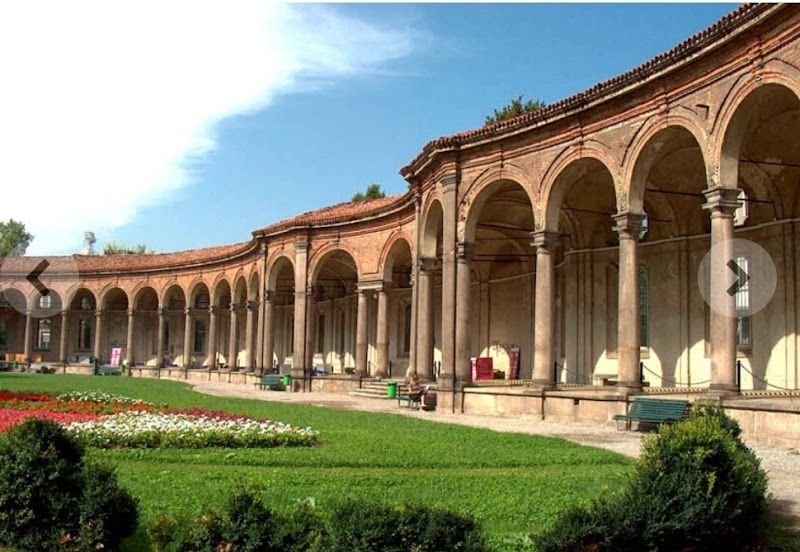
Rotonda della Besana
Rotonda della Besana transforms an 18th-century baroque cemetery chapel into Milan's most unexpected cultural space - a perfect circle of neoclassical columns surrounding a peaceful garden courtyard. The former cemetery now houses MUBA children's museum and rotating contemporary art exhibitions, while the colonnade creates natural shade for reading or people-watching. You're essentially getting two experiences: architectural history buffs can admire the unusual circular design, while families get interactive play spaces that actually engage kids. Walking through feels like discovering a secret courtyard where baroque meets family-friendly. The circular portico creates perfect acoustics - whisper at one column and someone across can hear you clearly. Kids gravitate toward MUBA's hands-on workshops while parents appreciate the rare combination of culture and green space. The contrast hits you immediately: stepping from busy Via Besana into this tranquil rotunda feels like entering a private cloister. Most guides oversell this as essential Milan - it's lovely but won't change your life. The real value comes if you're traveling with children or need a peaceful break from cathedral crowds. MUBA entry costs around 8-10 EUR per child, adults enter free. Skip it if you're rushing between major sights, but it's perfect for a 30-minute breather when the Duomo crowds get overwhelming.
Teatro alla Scala Museum and Theatre Tour
La Scala isn't just an opera house - it's where Verdi premiered his masterpieces and where Maria Callas made history. The museum displays original costumes from legendary productions, handwritten scores, and surprisingly intricate set models that show you how those massive stage transformations actually work. When rehearsals aren't happening, you'll get into the theater itself to see those famous red velvet seats and gilded boxes up close. The audio guide walks you through Piermarini's 1778 design while you move between the museum's six rooms and the theater viewing area. You'll peek into the royal box where Napoleon once sat, and if you're lucky, catch musicians tuning up in the orchestra pit below. The museum feels intimate despite the grandeur - glass cases let you examine Toscanini's baton and costumes worn by legendary sopranos just inches away. Here's what nobody mentions: if there's a rehearsal, you only get a quick glimpse from the museum boxes, not the full theater experience. The €9 museum ticket is reasonable, but the real magic happens if you can score actual performance tickets (starting around €25 for gallery seats). Skip the overpriced gift shop - the free program notes from performances make better souvenirs than generic La Scala mugs.
Where to Eat
Restaurants and cafes in Centro Storico
Luini
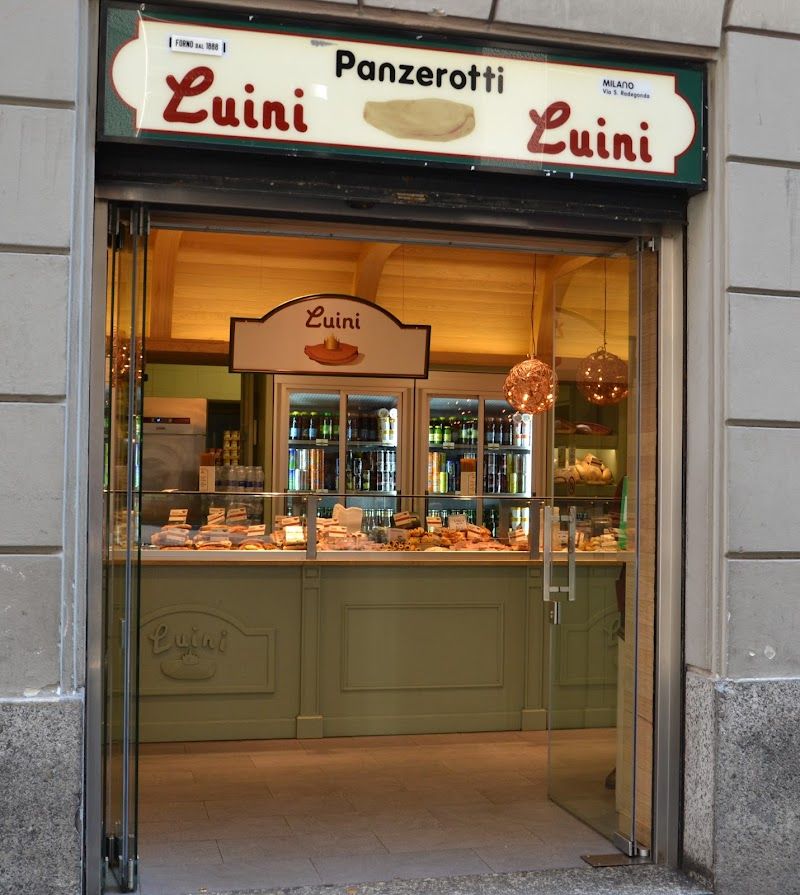
RestaurantForget your fancy aperitivo spots - real Milanese worship at this cramped counter that's been slinging panzerotti since 1949. Located in a blink-and-you'll-miss-it storefront on Via Santa Radegonda, just steps from the Duomo's tourist chaos, Luini represents everything authentic about Milan's street food culture. The Luini family has perfected their recipe over three generations, creating what locals consider the city's most essential snack. These aren't your average fried pockets - the dough achieves an almost impossible balance between crispy exterior and pillowy interior, while the filling reaches molten perfection that will absolutely burn your tongue if you're impatient (and you will be). The classic tomato-mozzarella costs just EUR 3.50, making it Milan's best dining bargain in a city where a coffee can cost EUR 4. Expect queues that snake around the corner during lunch (12:30-14:30), but don't let this deter you - the Luini staff operates with military efficiency, pumping out hundreds of panzerotti daily. The shop opens at 10:00 and closes when they sell out, typically around 20:00, but smart locals know to arrive before 19:00 to guarantee selection. The interior hasn't changed since the 1960s - faded yellow tiles, a single glass display case, and barely enough room for three customers. This isn't Instagram-friendly dining; it's functional, unpretentious, and absolutely delicious.
Camparino in Galleria
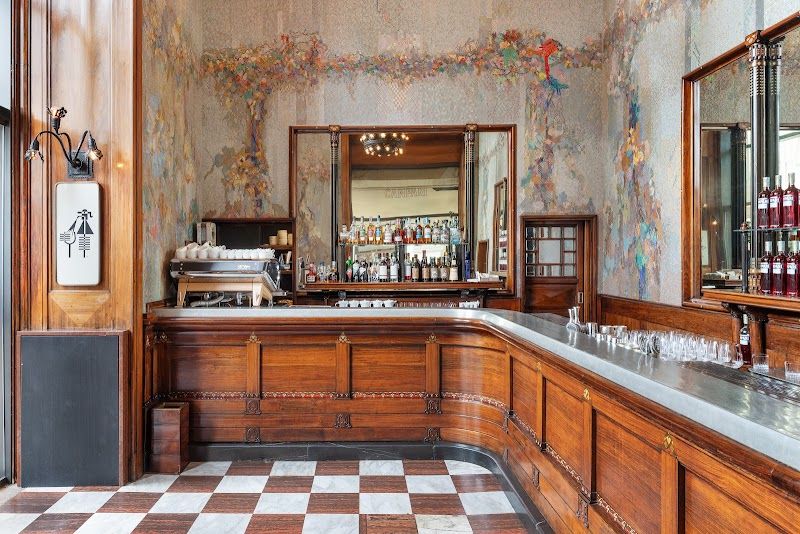
CafeStep into Camparino in Galleria and you're entering Milan's most authentic slice of aperitivo history. This tiny Art Nouveau gem, wedged into the northeastern corner of Galleria Vittorio Emanuele II since 1915, is where Campari first seduced the Milanese palate over a century ago. The Campari company literally built this bar as their flagship showcase, and miraculously, it's survived two world wars, countless renovations, and the tourist hordes with its soul intact. The interior is a masterclass in preserved elegance: hand-laid mosaic floors depicting the Campari logo, original brass fixtures that have developed the perfect patina, and diminutive marble-topped tables that force an intimate experience whether you want one or not. The curved mahogany bar, barely six feet long, has served everyone from Milanese industrialists to modern-day fashion editors. Don't expect craft cocktail theatrics - this isn't that kind of place. The bartenders, many of whom have worked here for decades, move with practiced efficiency, turning out perfect Campari sodas (€8), classic negronis (€12), and their signature Campari spritz (€9) with machine-like precision. The house aperitivo platter (€15) features decent olives, cheese cubes, and tramezzini, though you're really here for the drinks and the atmosphere. Standing room dominates, with maybe eight tiny tables total, so expect to rub shoulders with strangers while watching the Galleria's endless fashion show through the large windows. The acoustics amplify every conversation, creating a buzzing soundtrack of Italian chatter, tourist observations, and the constant clink of glasses.
Trattoria Milanese
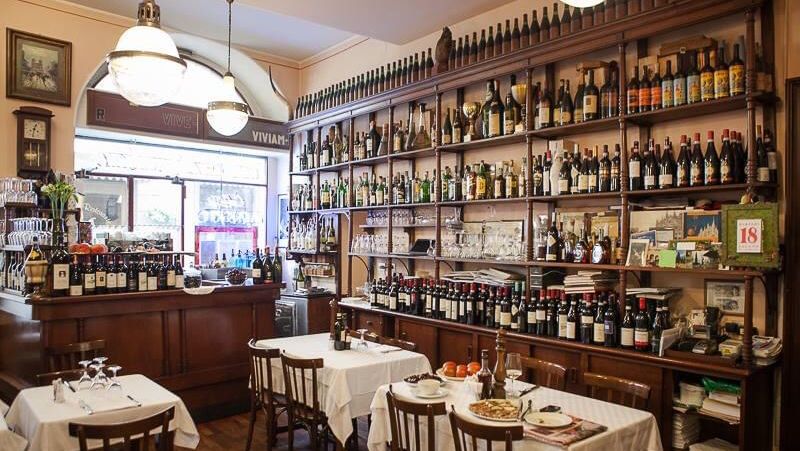
RestaurantStep through the heavy wooden door of Trattoria Milanese and you're transported to 1933, when the Borghetti family first opened this temple to Lombard cuisine. The dark wood paneling, vintage photographs of old Milan, and marble-topped tables haven't changed since Mussolini was in power - and neither has the menu. This isn't nostalgic theater; it's the genuine article, run by the third generation of the same family who still hand-write orders on paper pads and remember your preferences after two visits. The waiters, most pushing retirement age, move with practiced efficiency through the cramped dining room, balancing plates of ossobuco (€22) and towering cotolette with theatrical flair. Open Tuesday to Sunday 12:00-14:30 and 19:30-22:30 (closed Mondays and August). The kitchen serves proper Milanese classics: nervetti salad (€8) - calf's foot terrine that sounds awful but tastes sublime, risotto alla milanese (€16) made with real Carnaroli rice and saffron, and the legendary cotoletta alla milanese (€28) - a bone-in veal chop the size of a small shield, pounded thin and fried golden. Skip the tourist-trap restaurants around La Scala; this cramped, noisy trattoria near Santa Maria delle Grazie is where three generations of Milanese have celebrated births, mourned losses, and argued politics over wine-stained tablecloths. Expect to spend €45-55 per person with wine.
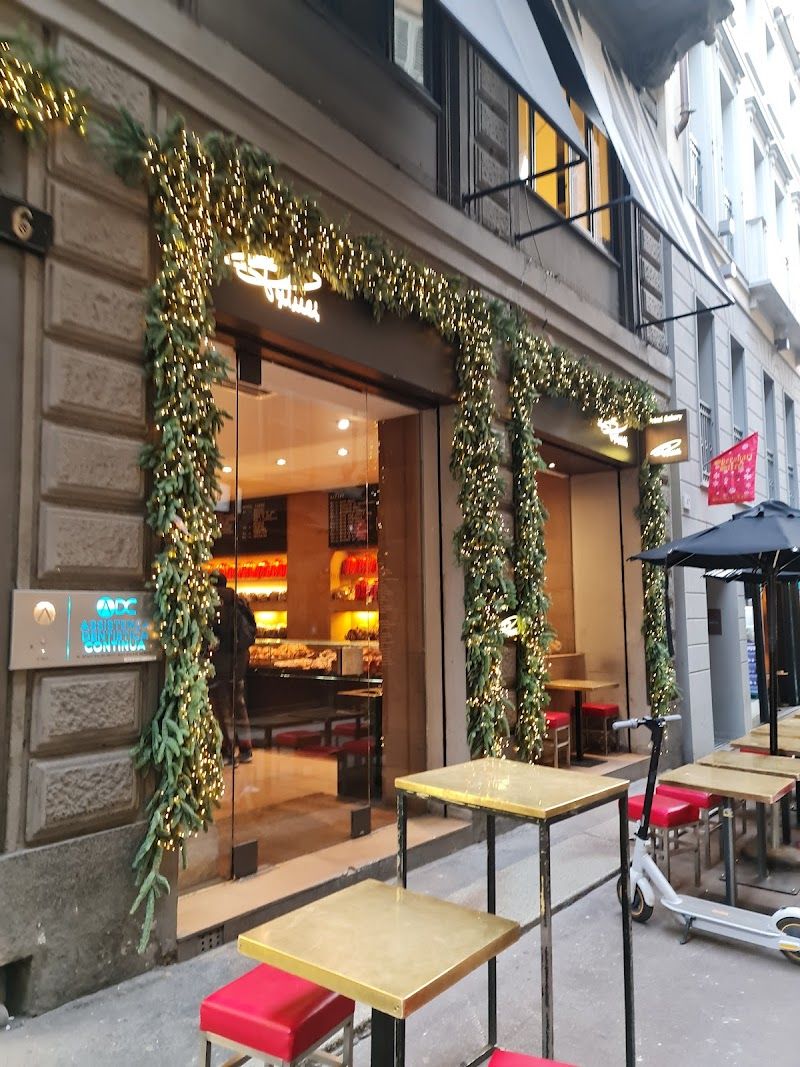
Princi
RestaurantMilanese bakery and café chain serving pizza al taglio, focaccia, pastries, and coffee throughout the day. Excellent for quick breakfast or lunch at reasonable prices.
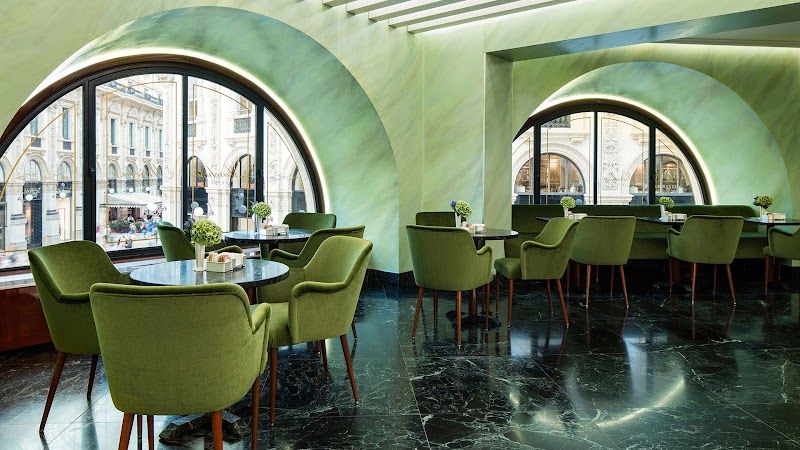
Pasticceria Marchesi 1824
RestaurantMilan's oldest pastry shop, opened in 1824, now owned by Prada. Elegant Milanese sweets like panettone, pasticcini, and pralines served in a jewel-box setting.
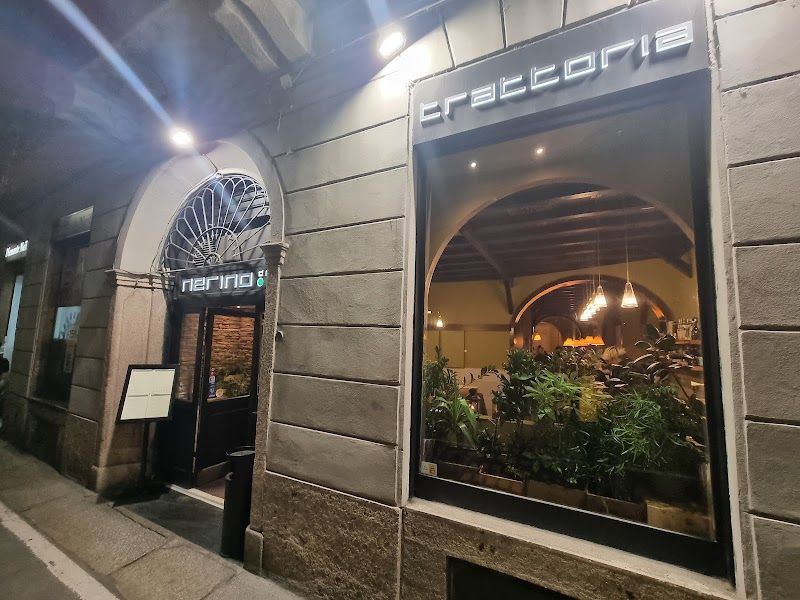
Nerino Dieci Trattoria
RestaurantModern trattoria near Piazza Affari serving creative takes on Italian classics. The space is contemporary with an open kitchen, and the menu changes seasonally.
Nightlife
Bars and nightlife in Centro Storico
Getting Here
Insider Tips
Duomo rooftop timing
Go at golden hour (1-2 hours before sunset). The marble spires turn pink and you can see the Alps on clear days. Stairs (EUR 14) vs lift (EUR 16) - the stairs are 250 steps and fine for most people. Buy online to skip the queue.
Skip Duomo-area restaurants
The restaurants facing the Duomo charge EUR 20+ for a mediocre pasta. Walk two blocks towards Brera or take Via Torino south for better food at 40% less.
Galleria rooftop
The Highline Galleria (EUR 12) lets you walk on the glass roof of the arcade. Book online. Best at sunset. Most visitors do not know it exists.
Nearby Neighborhoods
Continue exploring

Brera
Milan's bohemian art quarter - cobbled streets, the Pinacoteca, independent boutiques, and the best aperitivo scene outside Navigli.

Navigli
Milan's canal district - aperitivo at sunset on the water, vintage shops, flea markets, and the most relaxed neighbourhood in the city.

Quadrilatero della Moda
The world capital of luxury fashion - four blocks of Armani, Prada, and Versace in 18th-century palazzi, with window displays that are art installations.
Related Articles
Plan a trip featuring Centro Storico
Get a personalized Milan itinerary with Centro Storico built in.
Start Planning