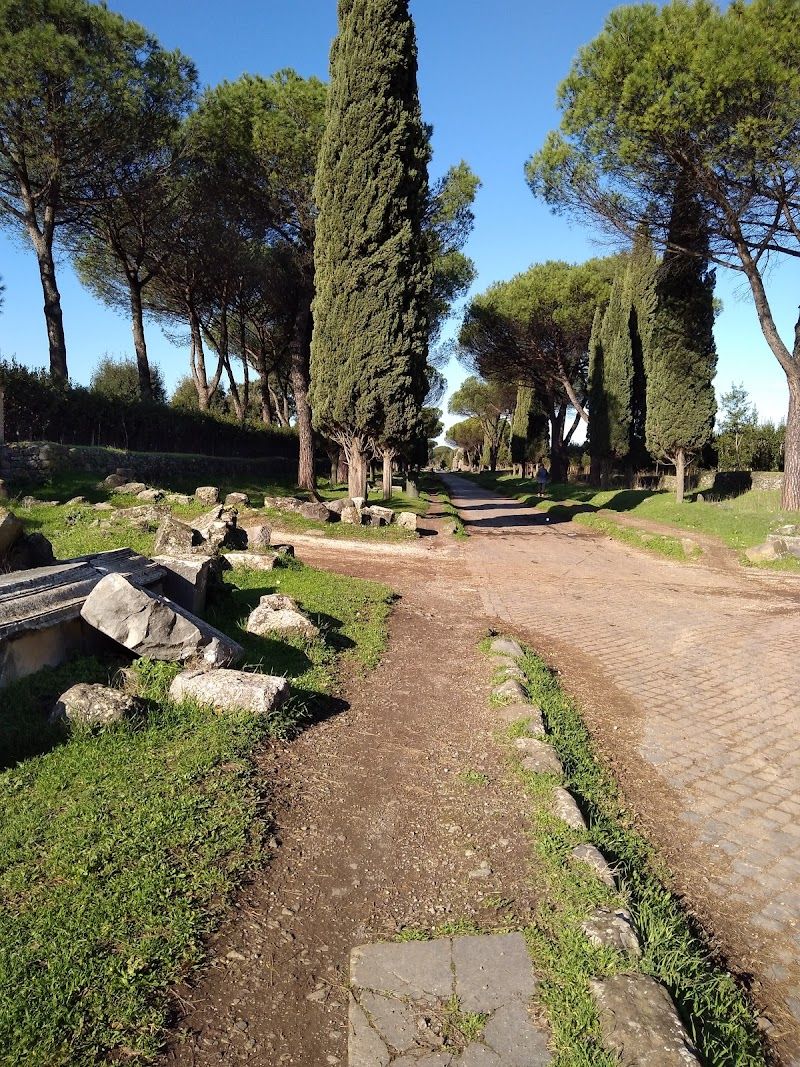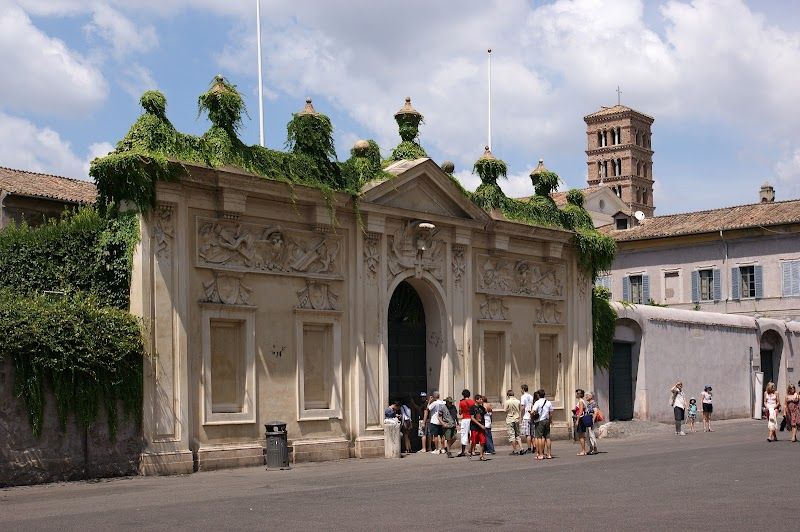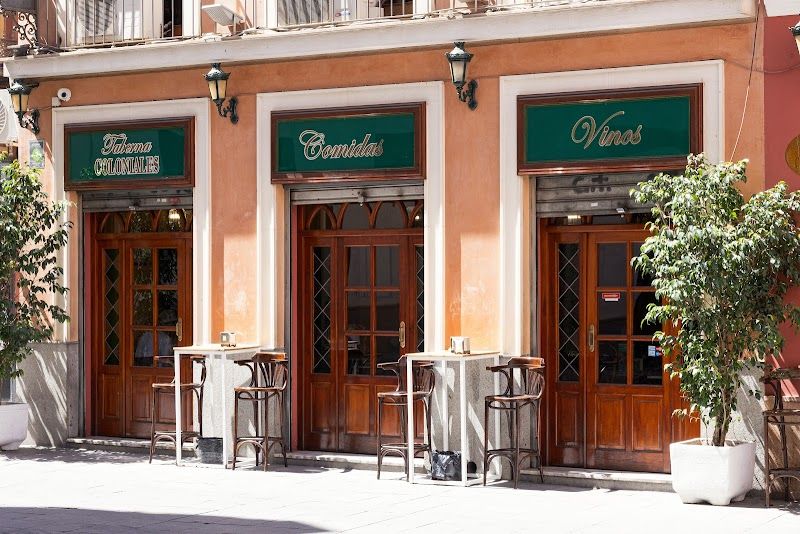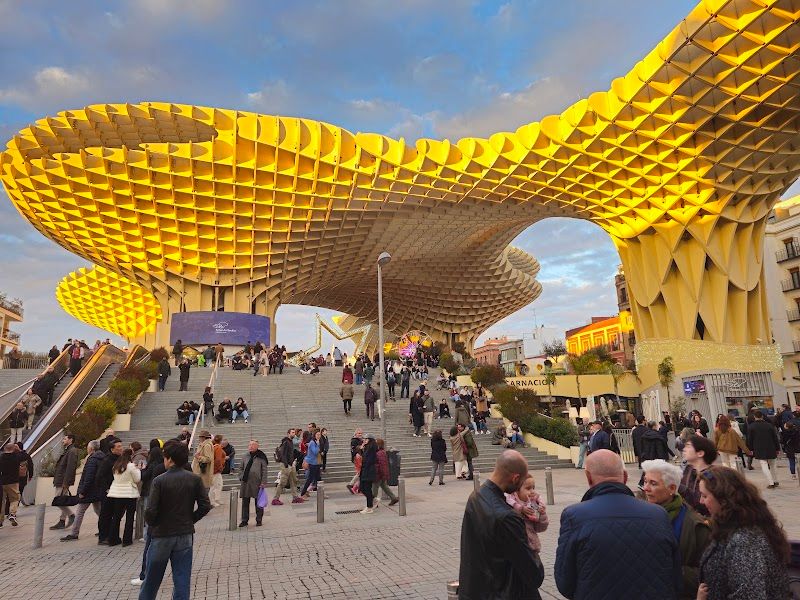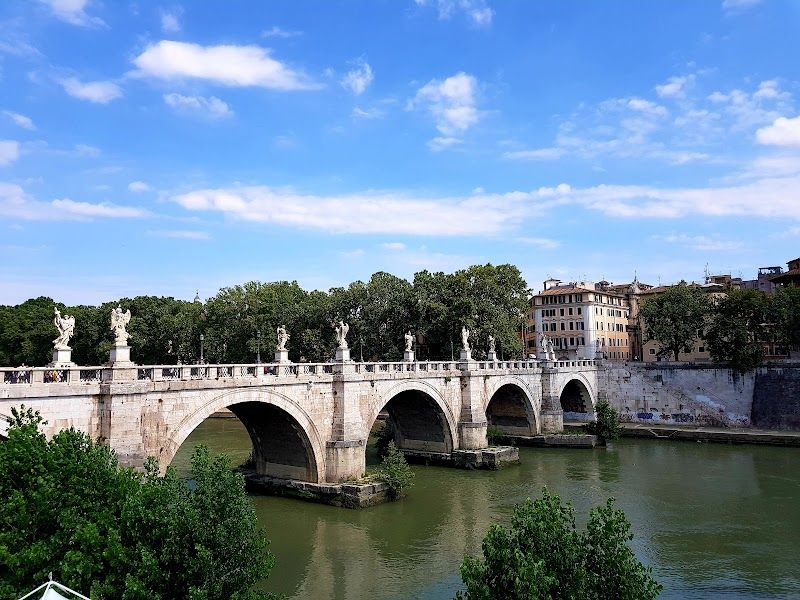
The Rome vs Venice debate isn't really about which city is better. It's about which one matches what you want from an Italian vacation. Rome is where you'll eat the best meal of your life by accident and stand in the Colosseum thinking about gladiators. Venice is where you'll get lost in medieval alleys and ride gondolas through canals that have existed for over a thousand years.
After analyzing both cities extensively, Rome wins for first-time Italy visitors, food lovers, and budget travelers. Venice takes the crown for romance, art enthusiasts, and travelers who prefer fewer crowds outside peak summer months. But the real answer depends on your specific priorities, timeline, and what you imagine when you picture yourself in Italy.
Rome vs Venice: The Essential Differences
Rome operates like a living city that happens to contain some of the world's greatest historical sites. You'll grab espresso for EUR 1-1.5 standing at a bar next to Romans heading to work, then walk five minutes to see the Pantheon. Venice feels more like a museum that people happen to live in. Every corner looks like a postcard, but you'll pay EUR 4-7 for that same espresso while sitting in Piazza San Marco.
Rome's rhythm follows Italian life: lunch at 1 PM, everything closes from 2-5 PM, dinner starts at 8:30 PM. Venice runs on tourist time: restaurants open earlier, shops stay open longer, and the city empties out when day-trippers leave on evening trains.
The cities differ fundamentally in how you experience them. Rome spreads across seven hills with distinct neighborhoods like Trastevere for evening aperitivos and Testaccio for authentic Roman cuisine. Venice compresses everything into 118 small islands connected by bridges, where getting lost isn't frustrating - it's the point.
Cost Comparison: Rome vs Venice for Different Budgets
Rome costs 20-30% less than Venice across accommodation, dining, and daily expenses. Here's the breakdown:
Accommodation Costs
| Category | Rome (per night) | Venice (per night) |
|---|---|---|
| Budget hotel | EUR 60-100 | EUR 80-140 |
| Mid-range hotel | EUR 120-220 | EUR 180-300 |
| Boutique hotel | EUR 180-350 | EUR 250-450 |
| Luxury hotel | EUR 400-800 | EUR 500-1000+ |
Daily Food Costs
Rome: A cornetto and cappuccino breakfast costs EUR 3.5-5, lunch at a neighborhood trattoria runs EUR 12-18, and dinner with wine averages EUR 25-40. You'll find excellent pizza al taglio for EUR 2.5-4 and supplì (fried rice balls) for EUR 1.5-3.
Venice: Expect to pay 30-50% more. Tourist areas charge premium prices, but locals eat at bacari (wine bars) where cicchetti (small plates) cost EUR 2-4 each. A decent meal near San Marco will cost EUR 35-60 per person.
Transportation
Rome uses the efficient ATAC system: single tickets cost EUR 1.5 for 100 minutes, daily passes run EUR 7. Venice relies on vaporetti (water buses) where single rides cost EUR 7.50, making the 24-hour pass at EUR 21 essential for multiple stops.
When Rome Wins: Ancient History and Authentic Italian Life
Rome dominates in several key areas that matter to most Italy travelers. The concentration of ancient Roman sites is unmatched anywhere in the world. Walking from the Colosseum (EUR 18) through the Roman Forum to the Pantheon (EUR 5) covers 2,000 years of continuous history in about two hours.
The food scene in Rome operates on a completely different level. This isn't about Michelin stars or Instagram-worthy presentations. It's about stumbling into Flavio al Velavevodetto in Testaccio for the city's best cacio e pepe, or grabbing pizza bianca from Forno Roscioli that makes you understand why Romans eat bread with every meal.
Rome also offers more diverse neighborhood experiences. Centro Storico provides the classic tourist sites, but Monti delivers natural wine bars and vintage shops where actual Romans spend their evenings. Pigneto showcases emerging art galleries and affordable restaurants away from tourist circuits.
For families traveling with children, Rome's wide streets, abundant parks like Villa Borghese (free entry), and child-friendly attractions create easier logistics than Venice's narrow bridges and water everywhere.
When Venice Wins: Romance and Artistic Masterpieces
Venice excels in areas where Rome can't compete. The romance factor isn't just marketing hype - floating down the Grand Canal during golden hour while Byzantine domes reflect in the water creates moments that photographs can't capture.
The artistic concentration rivals any city in Europe. Doge's Palace combines political history with Tintoretto masterpieces. The Peggy Guggenheim Collection houses one of Europe's finest modern art collections in an actual palace. Murano and Burano islands showcase glassblowing and lace-making traditions dating back centuries.
Venice works better for short visits. You can see the major sights in 2-3 days, while Rome demands at least four days to avoid museum fatigue. The compact size means less walking between attractions, though crowds in peak season (June-August) can make movement difficult.
The city also provides better access to other Northern Italian destinations. Day trips to the Dolomites, Lake Como, or even Milan become feasible from Venice's position.
The Crowd Factor: Timing Your Visit
Rome vs Venice crowds vary significantly by season and location. Rome spreads tourist pressure across multiple neighborhoods and sites. You'll wait in lines at the Vatican Museums and Colosseum, but Trastevere in the evening or Testaccio for lunch remain relatively peaceful.
Venice concentrates crowds into smaller spaces. Summer months (June-August) can make walking through San Marco or crossing the Rialto Bridge genuinely unpleasant. However, early morning (before 9 AM) and late evening (after 7 PM) when day-trippers leave reveal a different city entirely.
Winter advantages: Rome stays active year-round with mild temperatures (average 10-15°C in December-February). Venice in winter can be magical but requires rain gear and warm clothing for outdoor exploration.
Food Culture: Where Each City Excels
Rome vs Venice in terms of cuisine isn't particularly close. Rome built its reputation on four classic pasta dishes - carbonara, amatriciana, cacio e pepe, and gricia - that every neighborhood trattoria executes differently. The Jewish Quarter adds carciofi alla giudia (Jewish-style artichokes), while street food like supplì and maritozzi provide budget-friendly authentic flavors.
Venice's cuisine reflects its maritime history and unique position between Italy and the Eastern Mediterranean. Sarde in saor (sweet and sour sardines), fegato alla veneziana (Venetian-style liver), and risotto recipes using local ingredients showcase genuine Venetian cooking that differs dramatically from mainland Italian cuisine.
However, Rome offers better value and variety for food experiences. Sant'Eustachio Il Caffè serves espresso that locals argue about passionately. Mercato di Campo de' Fiori provides fresh ingredients and people-watching. Eating Italy Food Tours in Trastevere introduce multiple neighborhood specialties in one evening.
Venice's food scene requires more research to avoid tourist traps. Excellent restaurants exist, but they're harder to find and significantly more expensive.
Practical Considerations: Getting Around and Logistics
Rome's transportation system covers the entire city efficiently. The Leonardo Express train from Fiumicino Airport costs EUR 14 and reaches Termini Station in 32 minutes. Within the city, the Metro system connects major attractions, though walking remains the best way to discover neighborhood gems.
Venice requires different logistics entirely. Marco Polo Airport connects to the city via ATVO buses (EUR 8) or Alilaguna water buses (EUR 15). Once in Venice, everything happens on foot or by vaporetto. The lack of cars creates peaceful exploration but complicates luggage transport and accessibility for travelers with mobility issues.
Weather impacts differ significantly. Rome's continental climate provides hot summers and mild winters with occasional rain. Venice's lagoon position creates more dramatic weather swings, frequent flooding (acqua alta) in fall and winter, and higher humidity year-round.
Making the Decision: Rome vs Venice for Your Italy Trip
Choose Rome if you want the complete Italian experience: food, ancient history, neighborhood life, and better value for money. Rome works for longer stays (4-7 days), families, budget-conscious travelers, and anyone seeking authentic daily Italian rhythms.
Choose Venice for romantic getaways, art-focused trips, unique architecture, and when you have limited time (2-3 days maximum). Venice suits couples, photography enthusiasts, and travelers who prioritize Instagram-worthy moments over cultural immersion.
The compromise solution: Many successful Italy itineraries include both cities. Rome requires more time to appreciate fully, so allocate 4-5 days there versus 2-3 days in Venice. High-speed trains connect the cities in 3 hours and 45 minutes, making this combination feasible for week-long trips.
Italy Vacation Planning: Beyond Rome vs Venice
When planning your Italian vacation, consider that Rome vs Florence creates a different dynamic entirely. Florence offers Renaissance art concentration and Tuscan day trip possibilities that neither Rome nor Venice match. Venice pairs well with Northern Italian destinations like Verona, Lake Como, or the Dolomites.
For first-time Italy visitors asking "Venice or Rome better" for their initial experience, Rome provides a more comprehensive introduction to Italian culture. The city offers ancient history, papal influence, modern Roman life, and cuisine in one location. Venice delivers a more specialized experience that's absolutely worth seeing, but perhaps better appreciated after understanding broader Italian cultural context.
Budget travelers benefit more from Rome's infrastructure, with abundant budget accommodation options, free attractions like the Trevi Fountain and Spanish Steps, and affordable neighborhood dining. Venice's tourism-focused economy makes budget travel more challenging, though not impossible with proper planning.
The cities serve different travel purposes: Rome for education and cultural immersion, Venice for romance and visual beauty. Both deserve visits, but understanding their distinct personalities helps create realistic expectations and better travel experiences.
Your choice between Rome vs Venice ultimately depends on what you want to remember most: standing in the Colosseum imagining gladiatorial combat, or gliding through Venetian canals as church bells echo off medieval palaces. Both memories last lifetimes, but they require different types of travelers to appreciate fully.